Carlo Emilio GaddaOrdre des livres (chronologique)
14 novembre 1893 – 21 mai 1973
Carlo Emilio Gadda fut un écrivain et poète italien réputé pour sa maîtrise du langage. Son œuvre est célébrée pour son approche innovante, mêlant des éléments de dialectes, de jargon technique et de jeux de mots à la prose italienne standard. Ingénieur de profession, Gadda entretenait une relation complexe avec son métier, une caractéristique qui se reflète dans la précision et le détail de ses créations littéraires, lui valant des comparaisons avec des auteurs à l'esprit scientifique. Son style distinctif, qui critique les valeurs bourgeoises par la dissonance linguistique, rend son écriture unique et provocatrice.
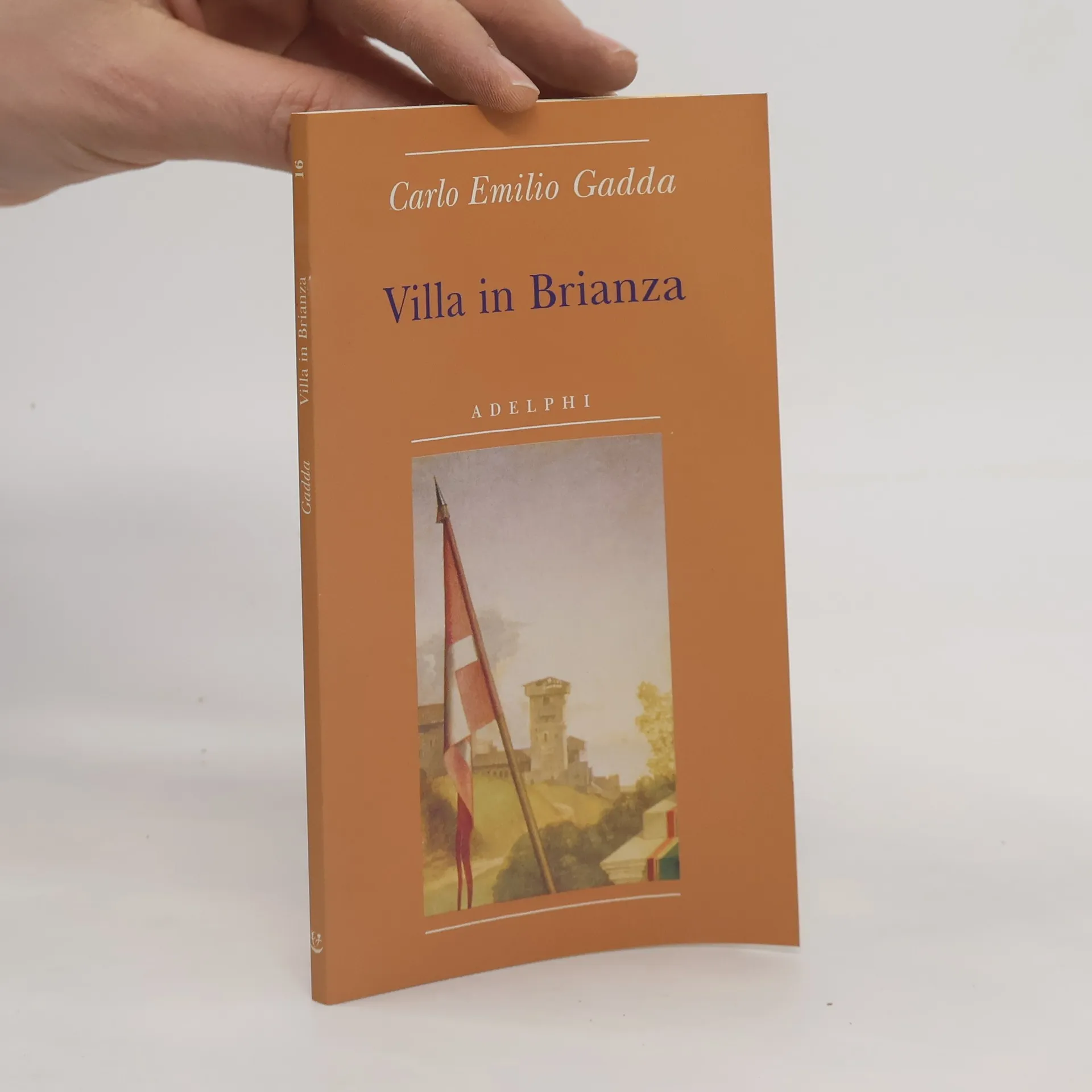
Un padre animato dalla passione per i campi e la salubrità dell'aria ma inetto e spropositato, una madre virtuosa e colta ma incline alla bottiglia, tre figli spauriti e malvestiti – la «cara famiglia», insomma –, e soprattutto una casa dissennata nell'avita Brianza, tra nubifragi di mosche, orde di lucertole e le «gutturazioni pleistoceniche» dei locali. Una casa che diventerà, nella Cognizione del dolore, l'epicentro di tutte le nevrosi.
Questo romanzo audacemente sperimentale, che alla sua uscita vinse contemporaneamente il Premio Viareggio e il Premio Campiello, è la testimonianza di una nevrosi che si scatena nel protagonista dopo la morte del padre, con un crescere e proliferare fino alla scoperta della psicoanalisi che l’autore affronta come tema centrale del suo racconto autobiografico: un libero e ininterrotto fluire del pensiero e delle immagini come in un monologo interiore.
Benché pubblicato solo nel 1967, il libello psicanalitico e antimussoliniano di Gadda affonda le sue radici negli anni fiorentini, tra il '44 e il '45. È alla rabbia e alla disperazione di quel periodo che Eros e Priapo deve il tono di esasperata polemica che lo caratterizza e che si esprime in un vorticoso ribollire e gorgogliare di parole e immagini, a stento contenute nei moduli del trattato machiavelliano e di una prosa arcaicheggiante di tipo toscano-cinquecentesco. Diviso tra saggio e «libro delle furie», arringa e memoriale, narrazione e pamphlet, Eros e Priapo è l'esplosivo contributo di Gadda all'«atto di conoscenza» che, solo, può garantire il riscatto dal male e, nel contempo, è una durissima condanna nei confronti della follia che per un ventennio ha soggiogato l'Italia, segnando il prevalere «di un cupo e scempio Eros sui motivi di Logos».
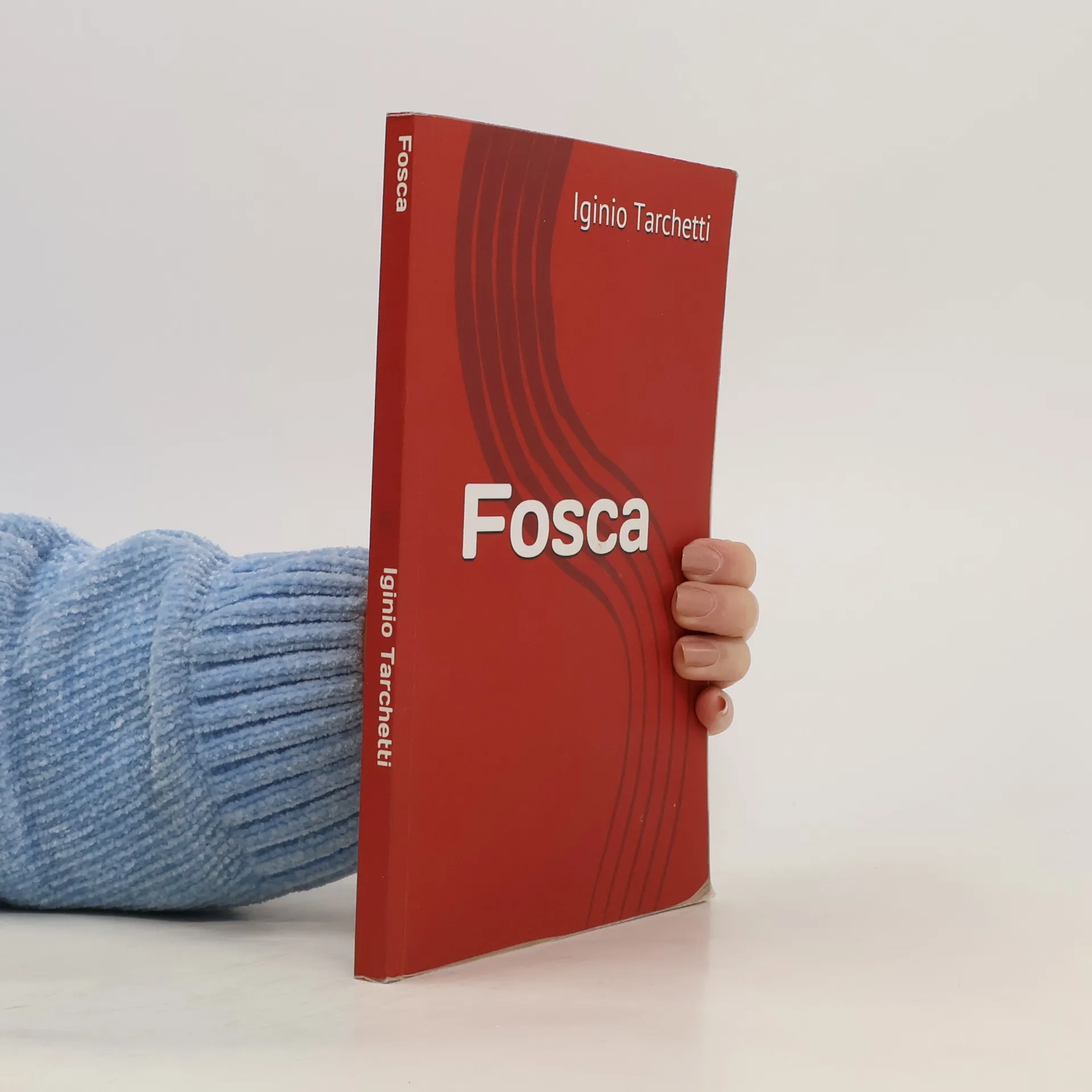
Fosca è il romanzo più famoso dello scrittore Iginio Ugo Tarchetti. Fosca è una donna di rara bruttezza affetta da una grave malattia, ma allo stesso tempo dotata di un'acuta sensibilità e di una raffinata cultura. La donna, seppure conscia del proprio ripugnante aspetto, è altresì avida d'amore. In passato è stata sposata con un cacciatore di dote, un certo Lodovico, imbroglione, giocatore e ricattatore, fattole conoscere in buona fede dal cugino (il colonnello), il quale, dopo aver spogliato lei e la sua famiglia di tutti gli averi, l'aveva abbandonata. La ragazza allora era incinta, ma dato il suo fisico debilitato e malato, aveva perso il bambino. A causa di questi avvenimenti i suoi genitori erano morti di crepacuore e Fosca, rimasta sola al mondo, era caduta nella più profonda depressione. Il cugino, sentendosi responsabile per l'accaduto, l'aveva presa con se sotto la sua protezione.
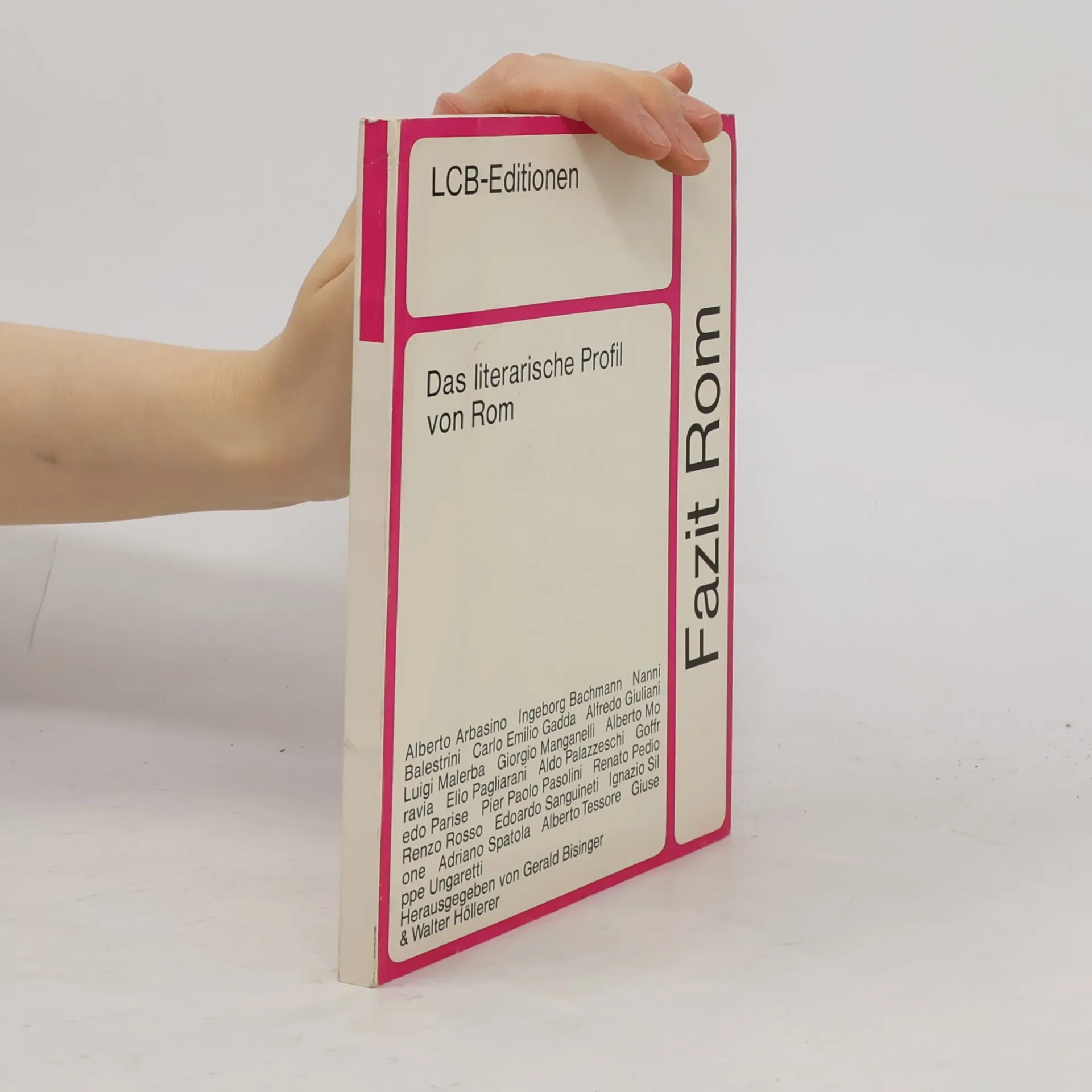
Römer erzählen von ihrer Stadt. In atmosphärischen Geschichten schildern sie den Alltag in Rom jenseits des "dolce vita". Gewitzte Gauner, sibyllinische Näherinnen und trickreiche Fischhändler führen die Kunst des Lebens und Überlebens vor in dieser Stadt voll ungestümer Vitalität.
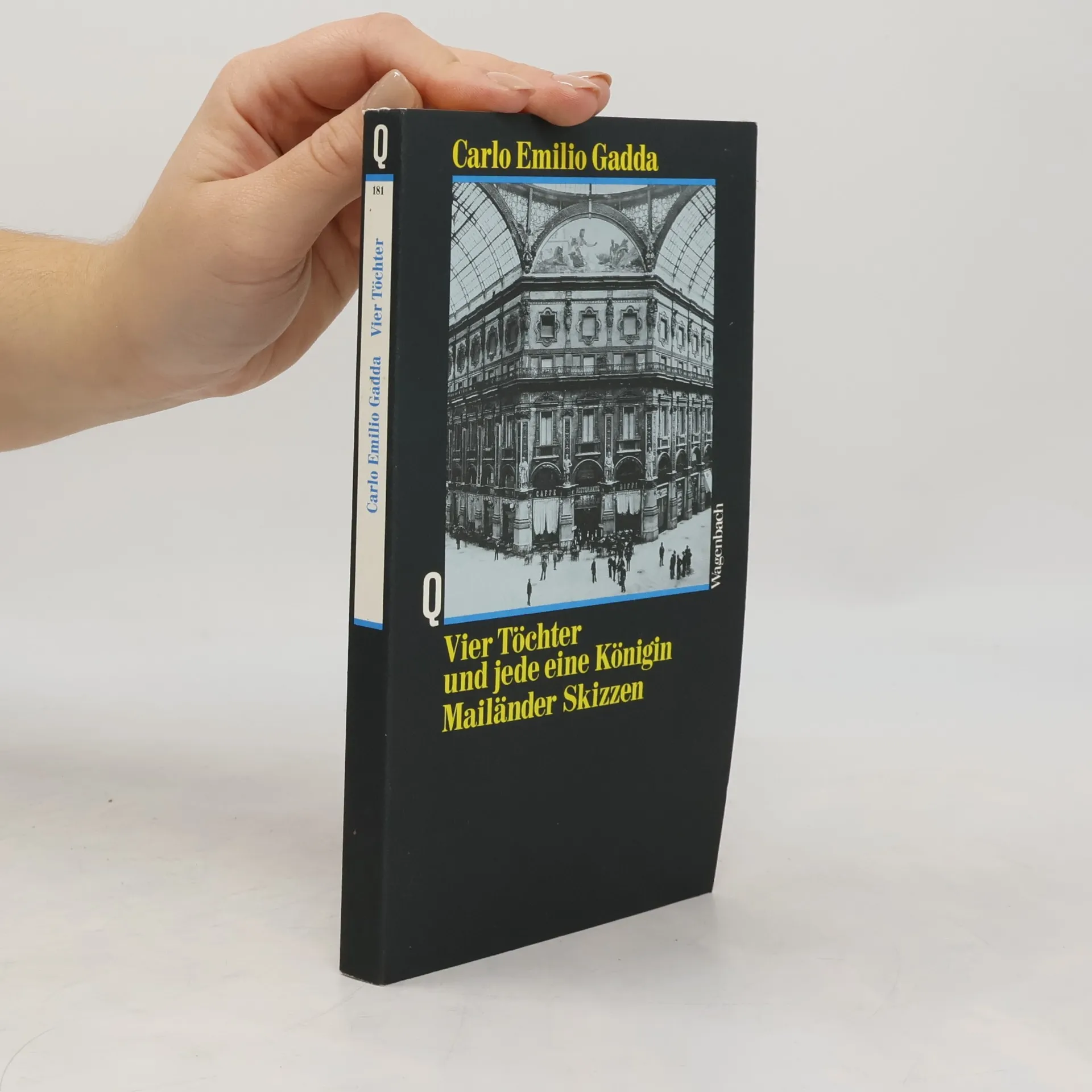
Carlo Emilio Gadda beschreibt in "Vier Töchter - und jede eine Königin" seine Mailänder Erlebnisse in lebendigen Skizzen. Das Werk bietet einen Einblick in die Stadt und ihre Menschen durch Gaddas einzigartige Perspektive.
Wenige Jahre vor seinem Tod stimmte Carlo Emilio Gadda (1893 - 1973) der
Veröffentlichung seines ersten in den Jahren 1928 und 1929 sorgfältig
erarbeiteten, jedoch unvollendet gebliebenen Romans zu. Es ist eine Geschichte
aus dem ersten Weltkrieg, deren drei Schlußkapitel der Autor noch geschrieben,
aber nicht mehr in das Romanganze integriert hat.
Diese neu übersetzten Erzählungen zeigen "den Vater der modernen italienischen Literatur" als ironischen Beobachter einer bürgerlichen Welt, deren Verwicklungen er die Kunst seines 'Makkaroni-Stils' entgegensetzt.
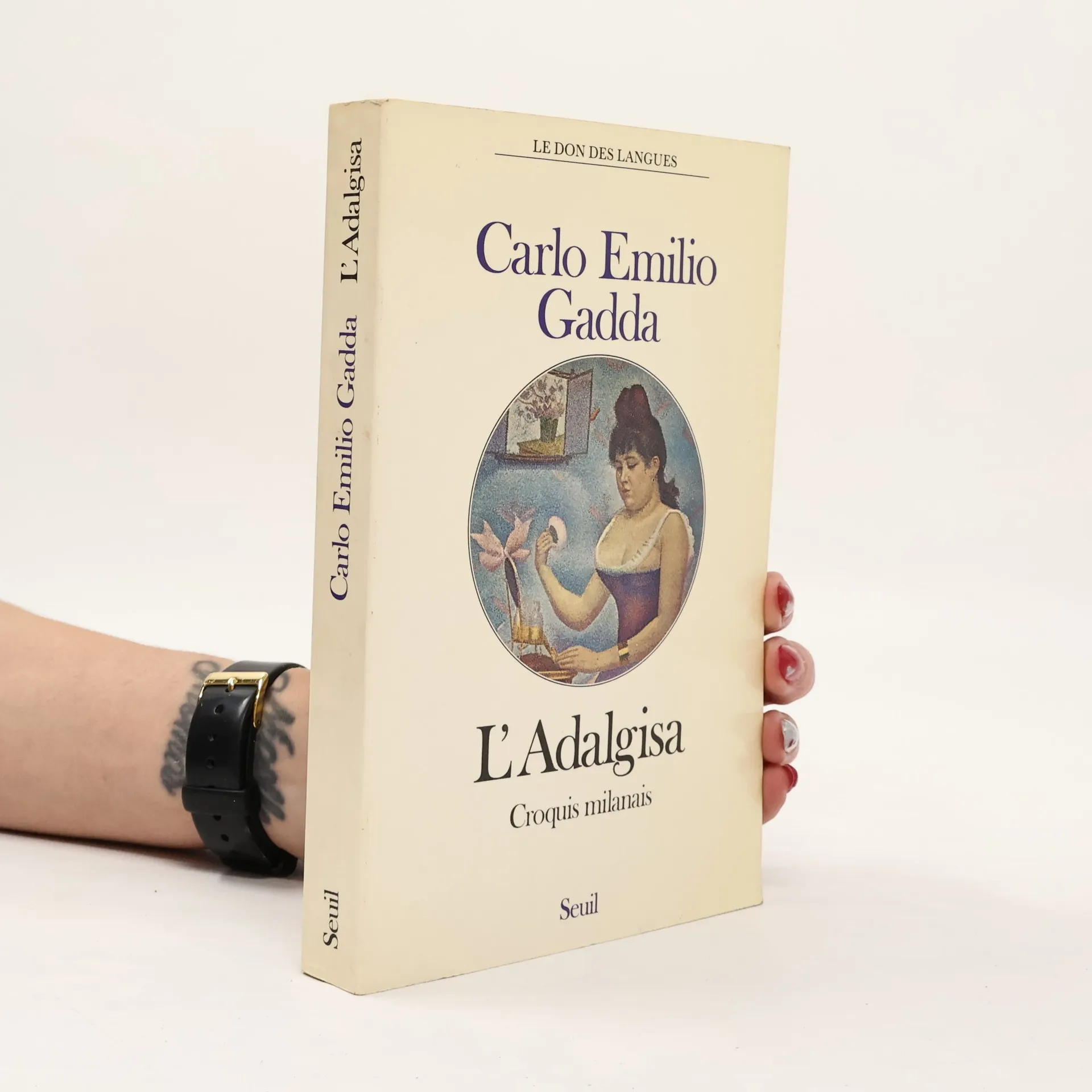
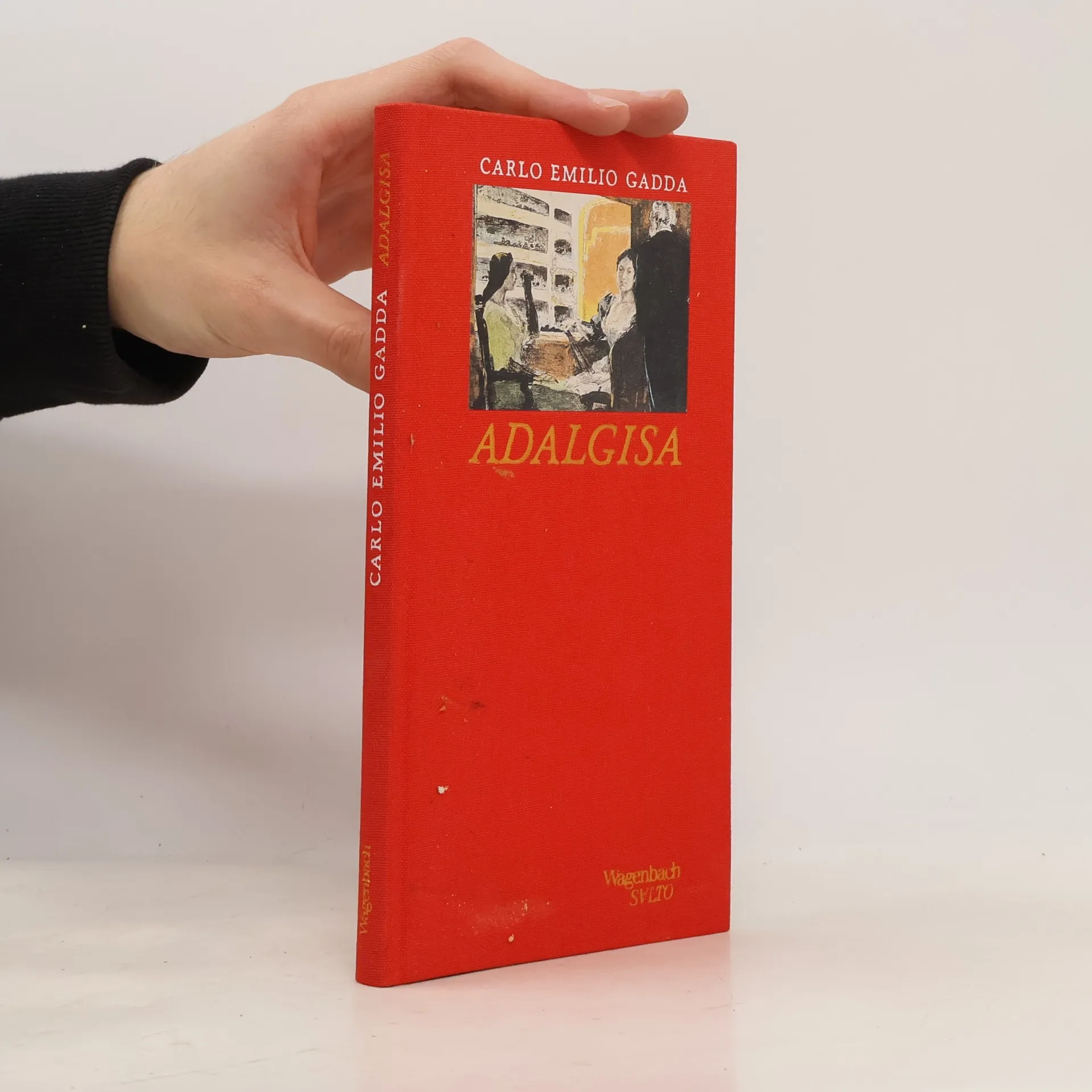
Après I promessi sposi, il n'existe dans la littérature italienne aucune représentation d'une ville aussi riche, complexe, variée et sonore que dans la magnifique L'Adalgisa. Comme chez Manzoni, la ville est Milan : l'histoire, la société, la psychologie, la culture, les coutumes, les rituels, la langue, l'existence quotidienne de Milan, dont Gadda veut représenter la totalité encyclopédique. Rien ne doit échapper à son regard omniscient d'historien-entomologiste-minéralogiste : même le plus petit fragment ou la plus infime possibilité. Sa Milan est celle de la modernité : entre la fin du XIXe siècle et 1940 ; la Milan des années où il écrivait fiévreusement des romans destinés à rester inachevés. Malgré un regard satirique, il avait pour cette ville un amour sans limites. Il aimait son sens de la communauté, l'affection sincère et jouée, la "festevolezza et allegria squillanti", la bonhomie un peu folle, le moralisme souvent grotesque, la rapidité dans toutes les occasions de la vie, l'inventivité, le bon sens parfois absurde, un vague halo de démence et, surtout, une vocalité féminine que rien ne pouvait arrêter.
'The seething cauldron of life, the infinite stratification of reality, the inextricable tangle of knowledge are what Gadda wants to depict' Italo Calvino At the height of Fascist rule in Italy and following the death of his mother, Carlo Emilio Gadda began work on his first novel, The Experience of Pain. This portrait of a highly educated young man whose anger and frustration frequently erupt in ferocious outbursts directed towards his ageing mother is a powerful critique of the society of his time and the deep wounds inflicted on his generation. Set in a fictional South American country, The Experience of Pain is at once richly imaginative and intensely personal: the perfect introduction to Gadda's innovative style and literary virtuosity. Translated by Richard Dixon
Scritti autobiografici, annotazioni di viaggio, articoli sui servizi pubblici della città di Milano tra le due guerre, divagazioni sul costruire e scatti d'umore contro il mal costruire, un frammento narrativo, rievocazioni di storia letteraria e artistica, una ricetta di cucina, la descrizione di un intervento chirurgico: la varia e multiforme materia dei due più rari libri di Gadda sembra ritrovare nei titoli, Le meraviglie d'Italia e Gli anni , un principio di sistemazione spaziale e temporale, ripetere un'unità se non proprio di tempo, almeno di luogo.
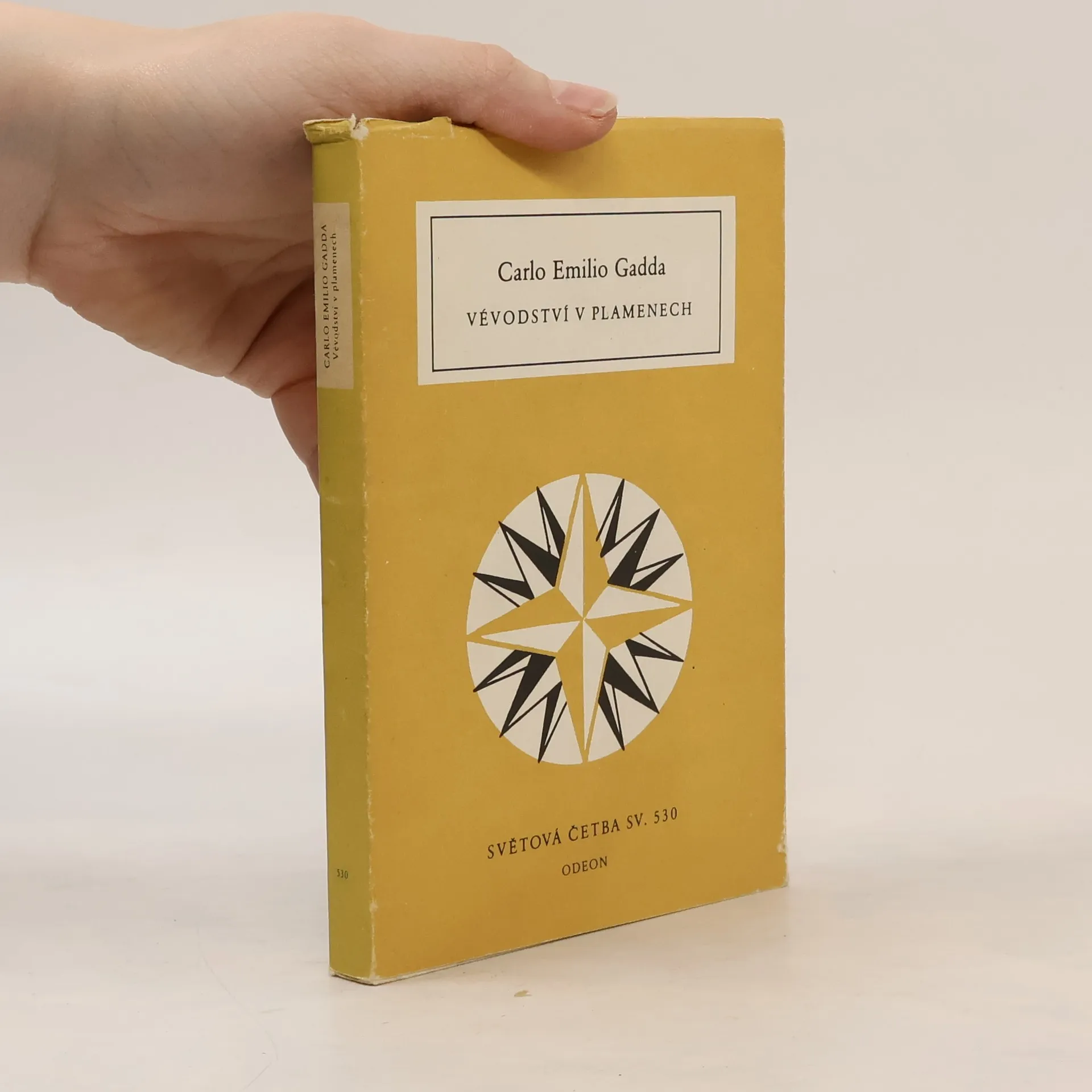
Povídková kniha Vévodství v plamenech (1953) zahrnuje velkou část Gaddovy tvorby, a tak se dá považovat za ideální průřez Gaddova díla. Najdeme zde povídky na rozličná témata od událostí první světové války až po epizody z kriminálního života. Téměř všechny povídky se odehrávají vMiláně nebo se v nich alespoň objevují postavy výrazně milánské. Vévodství v plamenech mimo jiné obsahuje povídku Matka, jež je částí Seznání bolesti, a některé další povídky byly převzaty z jeho prvního pokusu o román, z Mechaniky. Stejně jako v Seznání bolesti se objevuje Gadda jako hlavní postava, tak tomu je také v jednotlivých povídkách.
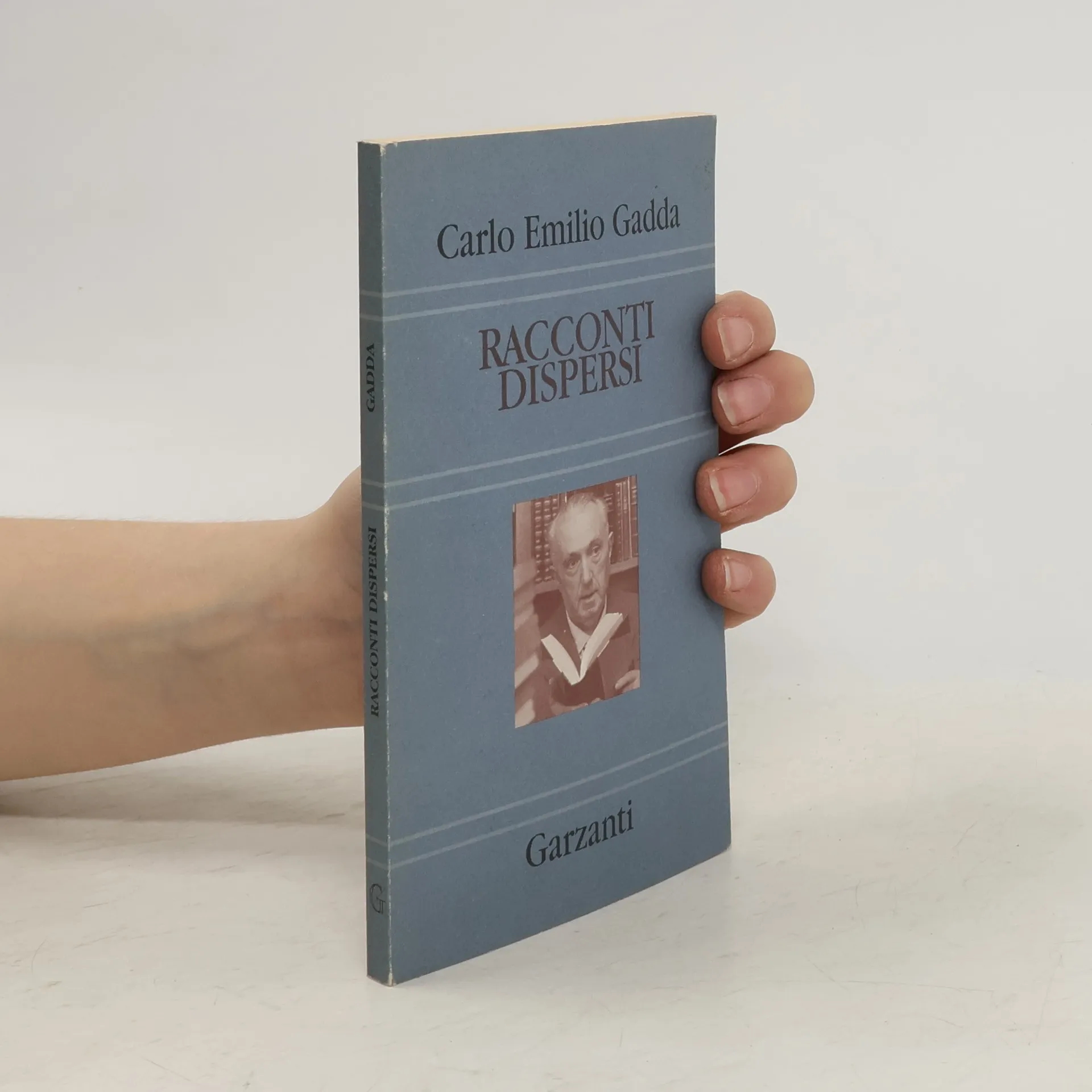
Carlo Emilio Gadda pubblicò i suoi scritti in modo frammentario, con molte opere apparse anni dopo la loro stesura e altre rimaste in riviste e giornali. La sua figura emerge sempre più nella letteratura italiana contemporanea, rivelando ancora sorprese. In questo volume, Dante Isella ha raccolto otto racconti finora sconosciuti, pubblicati tra il 1920 e il 1972. Questi testi, di alta qualità, si articolano principalmente su due registri. Il primo è autobiografico, dove Gadda si lancia in elucubrazioni avvincenti, come nel racconto che dà il titolo al volume, caratterizzato da un’ironia rivolta a figure e oggetti quotidiani. Altrettanto coinvolgenti sono le sue divagazioni sull’architettura brianzola, che rivelano la sua furia lombarda. Il secondo registro è giallo-poliziesco, rappresentato da un racconto oscuro, La passeggiata autunnale, che segna la prima prosa narrativa di Gadda, seguito da un capitolo escluso dal Pasticciaccio e da una storia di ‘truffa all’italiana’ narrata con concisione epigrammatica. Il volume si completa con una Bibliografia che documenta la vasta e dispersa collaborazione di Gadda a giornali e riviste.
Come la Madonna dei filosofi anche il secondo libro di Gadda (1934) raduna «pecore randage»: scritture sparse, oscillanti tra le prose di diario, tratte dai ricordi della prima guerra mondiale, e le divagazioni su polemiche letterarie di quegli anni. Nella sua unicità, Il castello di Udine recalcitra a qualsiasi etichetta, anche a quella di «prosa d'arte», che conobbe una stagione particolarmente fortunata tra le due guerre. Ma lascia intravedere tutti i caratteri distintivi, per non dire proverbiali, del Gadda maggiore: l'ossessione dell'ordine e il ribellismo anarcoide, l'odio-amore verso Milano e la sua classe dirigente, la straordinaria perizia retorica e i limiti costruttivi dell'intreccio, il calligrafismo (ma sui generis) e l'oltranza espressionistica del grande pasticheur.
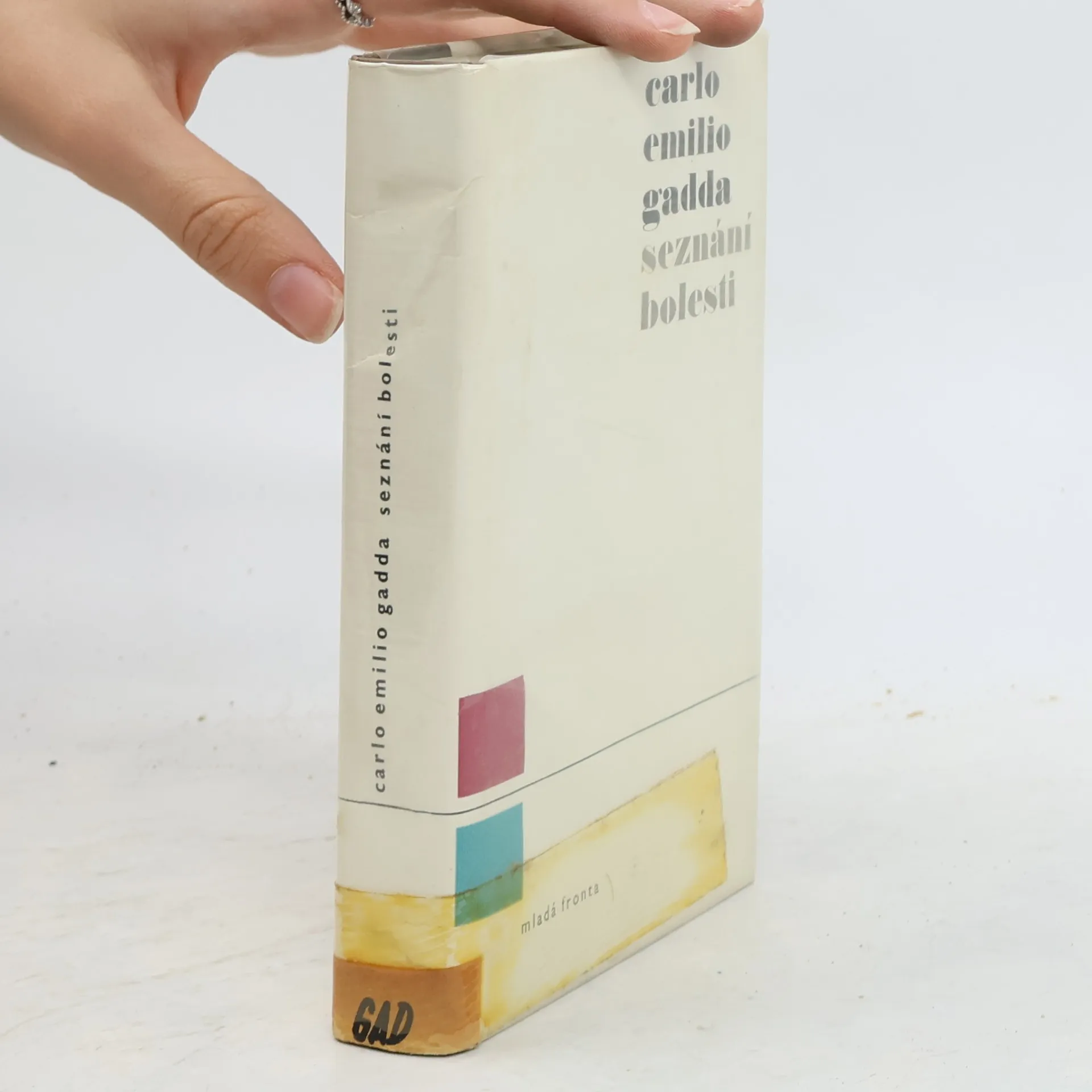
Osou románu, jehož děj je zasazen do smyšlené jihoamerické země, je analýza vztahu mezi matkou a jejím synem, posledními členy aristokratického rodu Pitobutirrů. Pro matku i syna je vzájemné soužití utrpením, které mělo v románě (nebyl dokončen) vyvrcholit tragédií. Gadda je vynikajícímstylistikem a mistrně popisuje psychologii svých postav. Kniha byla roku 1963 vyznamenána mezinárodní literární cenou Formentor.
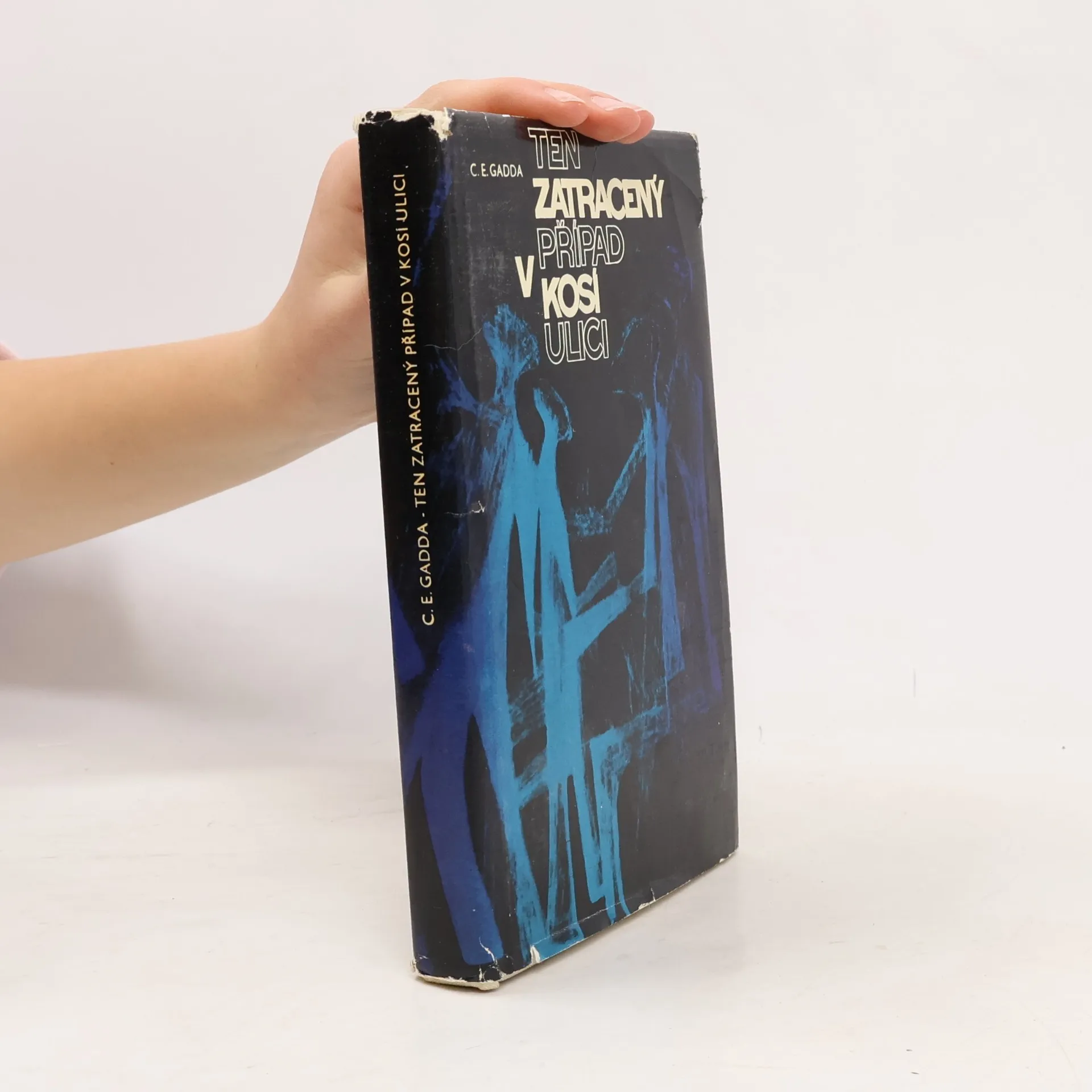
Román zaujme ne tak nezvyklým námětem a dějem, jímž je vyšetřování hned dvou zločinů, loupeže a bestiální vraždy, jako spíše formou zpracování a úsilím obnažit samu podstatu zločinu.
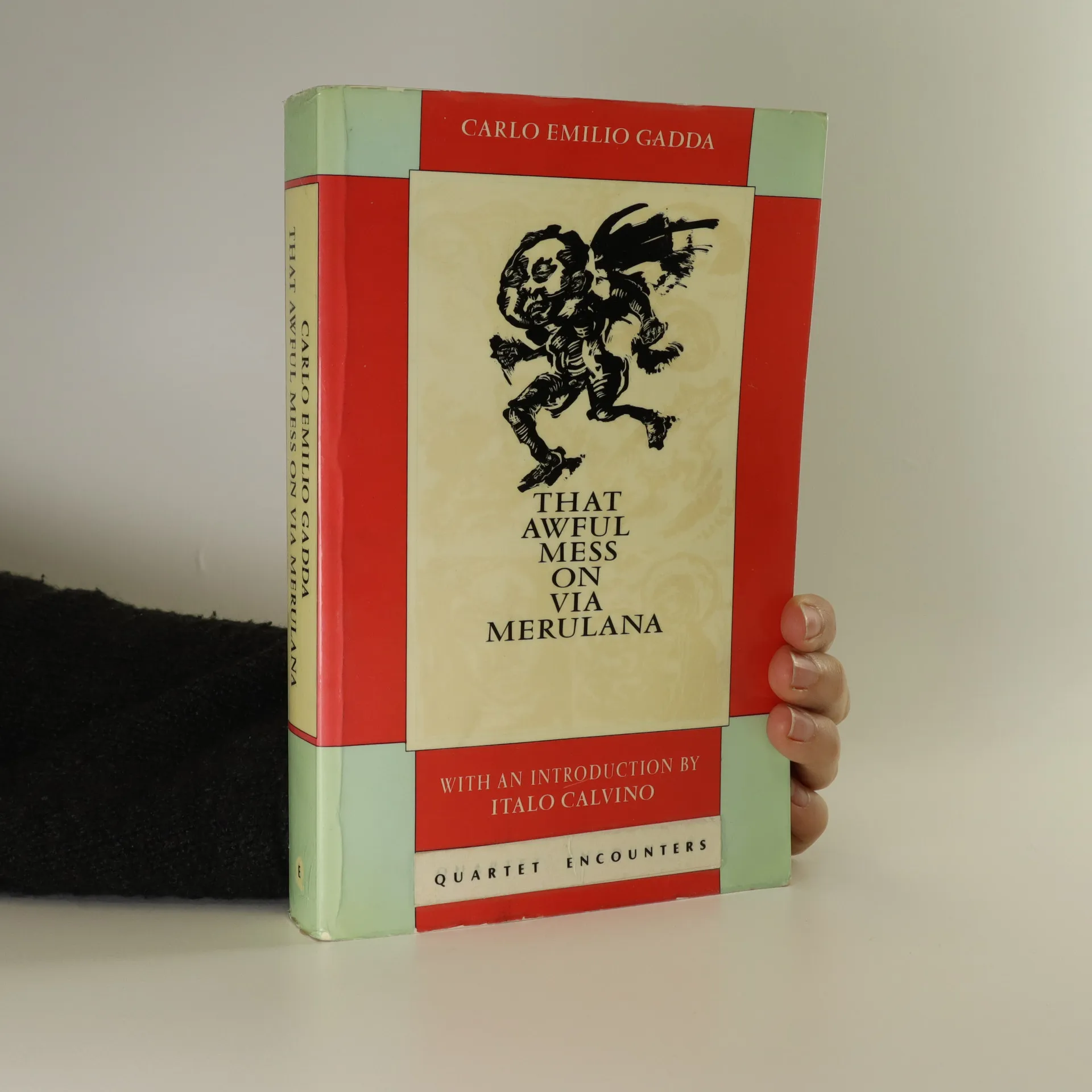
In a large apartment house in central Rome, two crimes are committed within a matter of days: a burglary, in which a good deal of money and precious jewels are taken, and a murder, as a young woman whose husband is out of town is found with her throat cut. Called in to investigate, melancholy Detective Ciccio, a secret admirer of the murdered woman and a friend of her husband’s, discovers that almost everyone in the apartment building is somehow involved in the case, and with each new development the mystery only deepens and broadens. Gadda’s sublimely different detective story presents a scathing picture of fascist Italy while tracking the elusiveness of the truth, the impossibility of proof, and the infinite complexity of the workings of fate, showing how they come into conflict with the demands of justice and love. Italo Calvino, Pier Paolo Pasolini, and Alberto Moravia all considered That Awful Mess on the Via Merulana to be the great modern Italian novel. Unquestionably, it is a work of universal significance and protean genius: a rich social novel, a comic opera, an act of political resistance, a blazing feat of baroque wordplay, and a haunting story of life and death.