


Bookbot

Rutger Bregman

    Rutger Bregman est un historien et journaliste néerlandais, réputé pour sa popularisation des concepts d'innovation sociale et économique. Il explore le contexte historique et le potentiel d'idées telles que le revenu de base universel et la semaine de travail plus courte. Son travail, puisant dans l'histoire, la philosophie et l'économie, prône des solutions avant-gardistes aux défis sociétaux. Bregman s'est imposé comme l'un des penseurs européens les plus éminents par ses écrits et son journalisme.

    Rutger Bregman
    Lidstvo: Dějiny naděje
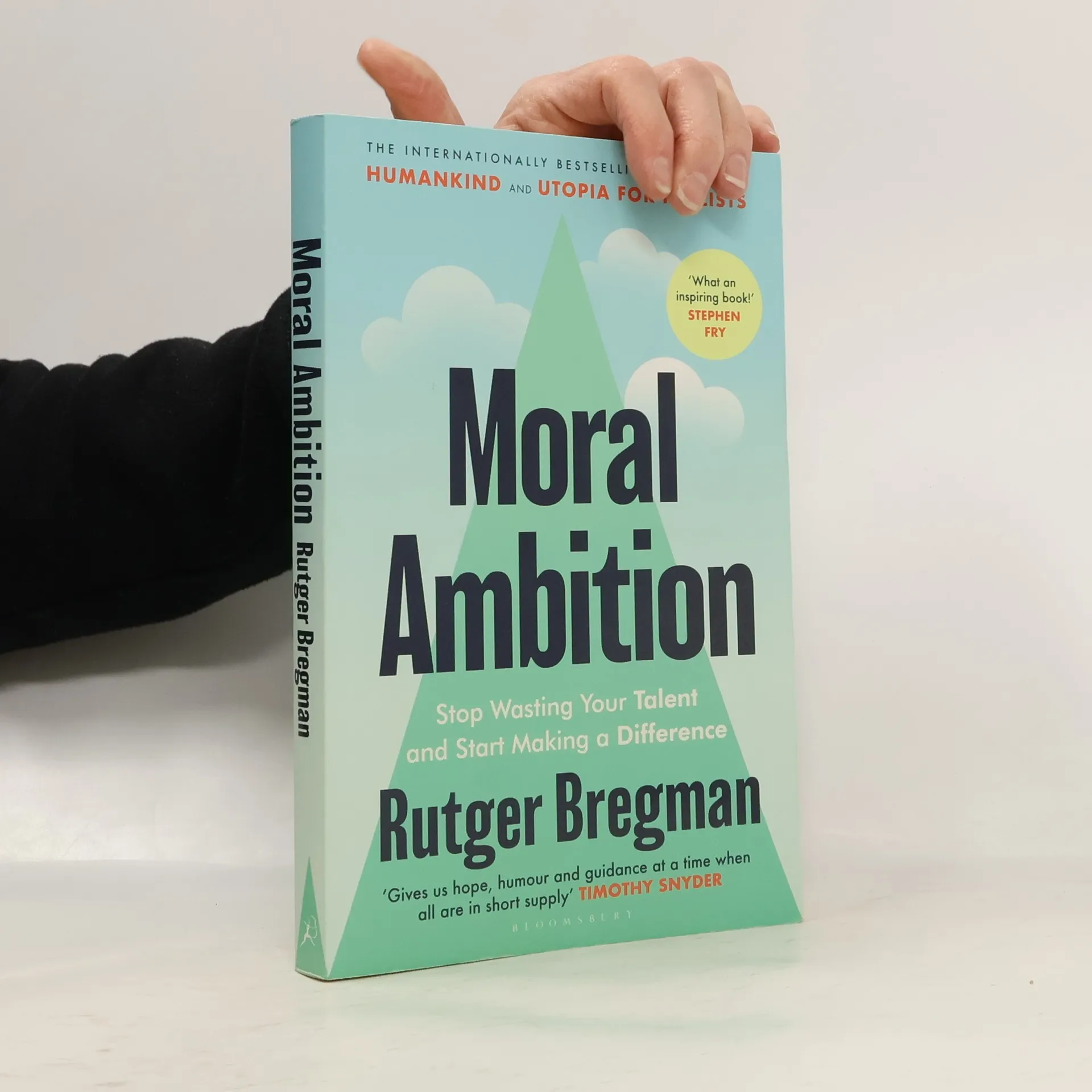
    Moral Ambition
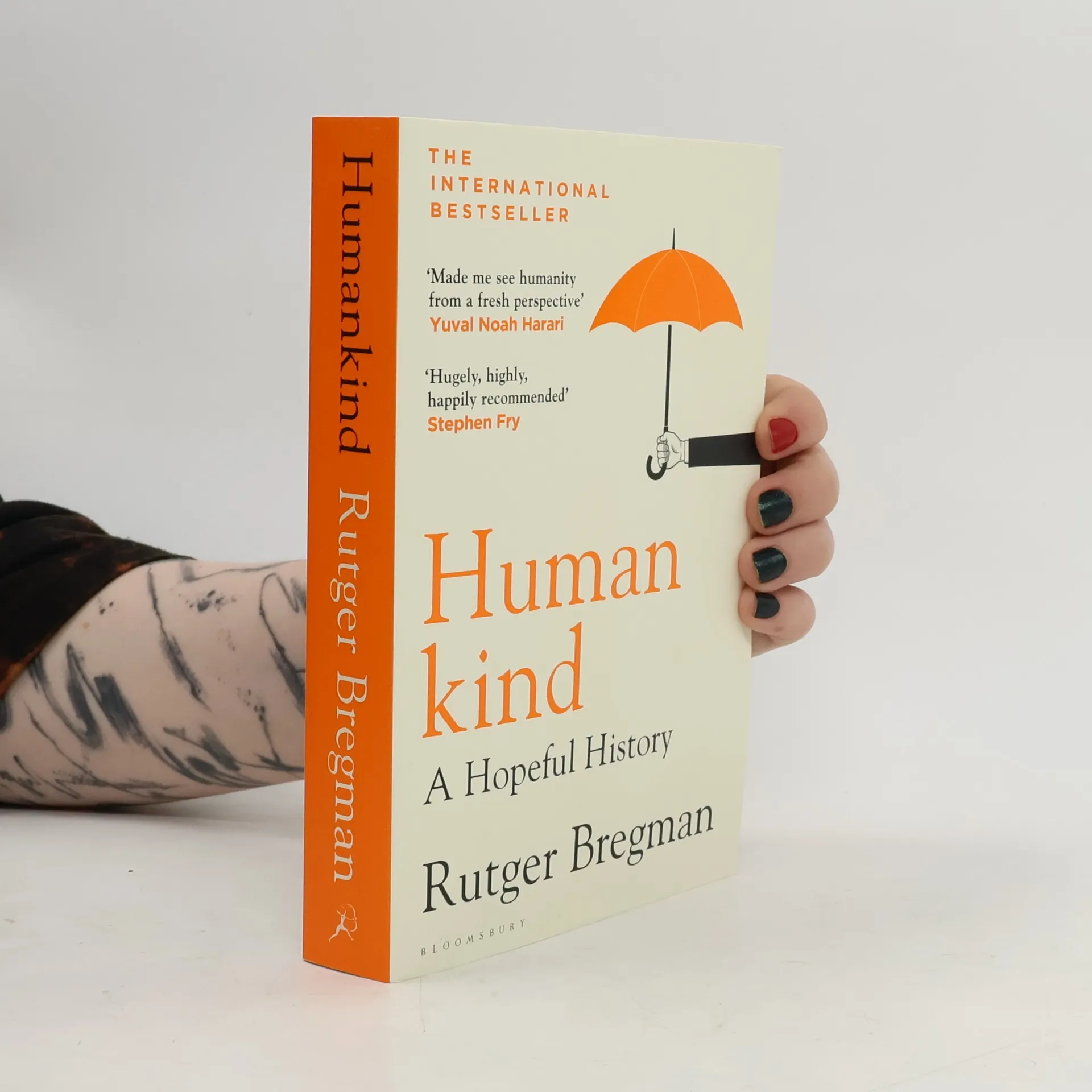
    Humankind. A Hopeful History
    Human kind : a hopeful history
    Humankind
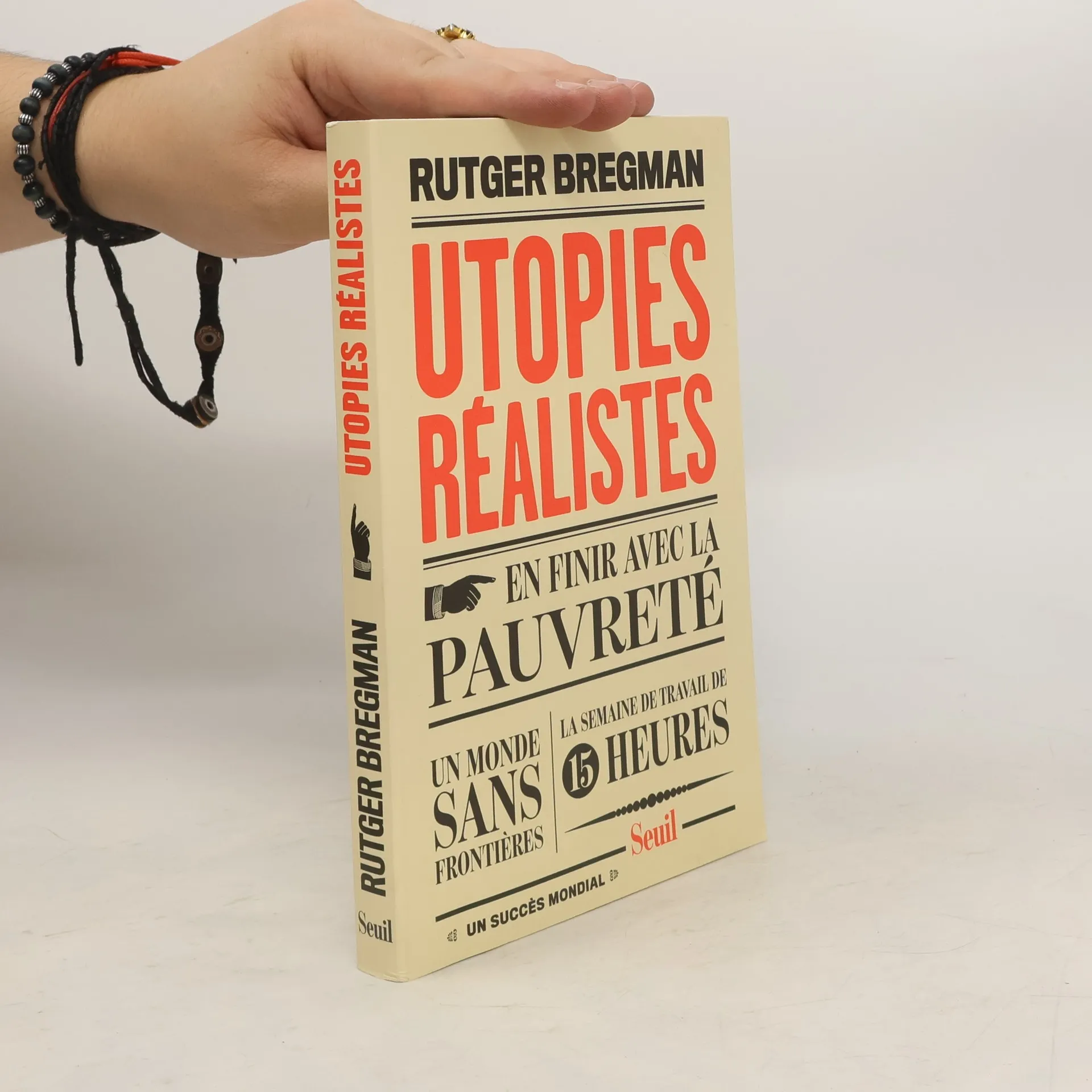
    Utopies réalistes
    • Utopies réalistes

      • 248pages
      • 9 heures de lecture

      Ouvrir les frontières, instaurer une semaine de travail de quinze heures, mettre en place un revenu de base universel... Ces idées sont-elles dépassées ou incarnent-elles une utopie renouvelée ? Résolument anti-décliniste, l'ouvrage nous guide sur la voie de la construction d'un monde idéal, sans désespoir. À travers des exemples concrets, comme une ville canadienne ayant éradiqué la pauvreté et l'initiative de revenu de base sous Nixon, Rutger Bregman nous entraîne dans une exploration historique. Il défend des idées qui transcendent les clivages traditionnels gauche-droite, s'appuyant sur des travaux d'experts tels qu'Esther Duflo et Thomas Piketty. Chaque avancée de la civilisation, de la démocratie à l'abolition de l'esclavage, a d'abord été perçue comme un rêve utopique. Cet essai stimulant et pédagogique rouvre des perspectives sur la réduction du temps de travail, le revenu universel, la lutte contre la pauvreté et les inégalités, la taxation des flux financiers, et l'ouverture des frontières. L'enthousiasme de l'auteur, à contre-courant du pessimisme ambiant, nous pousse à envisager des propositions utopiques réalisables à court terme. Historien et journaliste pour De Correspondent, Bregman a publié plusieurs ouvrages sur l'histoire, la philosophie et l'économie.

      Utopies réalistes
      4,2
    • Humankind

      • 496pages
      • 18 heures de lecture

      Takes some of the world's most famous studies and events and reframes them, providing a new perspective on the last 200,000 years of human history. Bregman shows how believing in human kindness and altruism can be a new way to think - and act as the foundation for achieving true change in our society. It is time for a new view of human nature

      Humankind
      4,5
    • Human kind : a hopeful history

      • 496pages
      • 18 heures de lecture

      It's a belief that unites the left and right, psychologists and philosophers, writers and historians. It drives the headlines that surround us and the laws that touch our lives. From Machiavelli to Hobbes, Freud to Dawkins, the roots of this belief have sunk deep into Western thought. Human beings, we're taught, are by nature selfish and governed by self-interest. Humankind makes a new argument: that it is realistic, as well as revolutionary, to assume that people are good. The instinct to cooperate rather than compete, trust rather than distrust, has an evolutionary basis going right back to the beginning of Homo sapiens. By thinking the worst of others, we bring out the worst in our politics and economics too. In this major book, internationally bestselling author Rutger Bregman takes some of the world's most famous studies and events and reframes them, providing a new perspective on the last 200,000 years of human history. From the real-life Lord of the Flies to the Blitz, a Siberian fox farm to an infamous New York murder, Stanley Milgram's Yale shock machine to the Stanford prison experiment, Bregman shows how believing in human kindness and altruism can be a new way to think - and act as the foundation for achieving true change in our society. It is time for a new view of human nature

      Human kind : a hopeful history
      4,4
    • It's a belief that unites the left and right, psychologists and philosophers, writers and historians. It drives the headlines that surround us and the laws that touch our lives. From Machiavelli to Hobbes, Freud to Dawkins, the roots of this belief have sunk deep into Western thought. Human beings, we're taught, are by nature selfish and governed by self-interest. Humankind makes a new argument: that it is realistic, as well as revolutionary, to assume that people are good. The instinct to cooperate rather than compete, trust rather than distrust, has an evolutionary basis going right back to the beginning of Homo sapiens. By thinking the worst of others, we bring out the worst in our politics and economics too. In this major book, internationally bestselling author Rutger Bregman takes some of the world's most famous studies and events and reframes them, providing a new perspective on the last 200,000 years of human history. From the real-life Lord of the Flies to the Blitz, a Siberian fox farm to an infamous New York murder, Stanley Milgram's Yale shock machine to the Stanford prison experiment, Bregman shows how believing in human kindness and altruism can be a new way to think - and act as the foundation for achieving true change in our society. It is time for a new view of human nature

      Humankind. A Hopeful History
      4,4
    • Moral Ambition

      An Antidote to Apathy

      • 208pages
      • 8 heures de lecture
      Moral Ambition
      3,8
    • Lidstvo: Dějiny naděje

      • 456pages
      • 16 heures de lecture

      Na přesvědčení, že člověk je od přirozenosti sobecký a nedůvěryhodný, se vzácně shodnou všichni, zastánci levice i pravice, psychologové i ekonomové, myslitelé dnešní i ti dávno mrtví. Tento pesimistický pohled na lidstvo nejpozději od dob Hobbese prosákl do západního uvažování, v souladu s ním budujeme naše veřejné instituce a politické i ekonomické systémy. Co když je ale toto přesvědčení mylné nebo minimálně přežité? Je rozumné, aby právě očekávání toho nejhoršího mělo rozhodující dopad na naše jednání i na volbu našich politických představitelů? Autor postupně zkoumá manipulace slavných studií a předsudky vnášené do historických událostí, ať už jde o stanfordský vězeňský experiment nebo o skutečný příběh z knihy Pán much, a přináší povzbudivou zprávu. Že to je naopak laskavost a spolupráce, která se reálně všude projevila jako evolučně nejúspěšnější strategie. Možná je načase, aby se lidstvo přiklonilo k optimističtějšímu pohledu na sebe sama.

      Lidstvo: Dějiny naděje
      4,4
    • Ουτοπία για ρεαλιστές

      Πώς μπορούμε να χτίσουμε τον ιδανικό κόσμο

      • 368pages
      • 13 heures de lecture

      Το βιβλίο αυτό δεν επιχειρεί να προβλέψει το μέλλον, επιχειρεί να ξεκλειδώσει το μέλλον ανοίγοντας τα παράθυρα του μυαλού μας. Από ένα παγκόσμιο βασικό εισόδημα έως την εργάσιμη εβδομάδα των 15 ωρών, και από έναν κόσμο χωρίς σύνορα έως έναν κόσμο χωρίς φτώχεια – έφτασε η ώρα να επιστρέψουμε σε μια πιο ουτοπική σκέψη. Ο Ρούτγκερ Μπρέγκμαν μας ταξιδεύει στην ιστορία, πέρα από τον κλασικό διαχωρισμό μεταξύ Αριστεράς και Δεξιάς, εισάγοντας ρηξικέλευθες ιδέες των οποίων ξεκάθαρα έχει έρθει η ώρα. Η Ουτοπία για ρεαλιστές είναι από εκείνα τα σπάνια βιβλία που σε αιφνιδιάζουν και προκαλούν αυτά που νομίζεις ότι γνωρίζεις, αποδεικνύοντας ότι το πιο μη ρεαλιστικό οικονομικό μοντέλο είναι αυτό που εφαρμόζουμε σήμερα.

      Ουτοπία για ρεαλιστές
      4,3
    • De meeste mensen deugen

      • 424pages
      • 15 heures de lecture

      Speurtocht naar een positief mensbeeld aan de hand van historische voorbeelden, met adviezen voor een beter samenleven.

      De meeste mensen deugen
      5,0
    • De mens is een beest, zeiden de koningen. Een zondaar, zeiden de priesters. Een egoïst, zeiden de boekhouders. Al eeuwen is de westerse cultuur doordrongen van het geloof in de verdorvenheid van de mens. Maar wat als we het al die tijd mis hadden? In dit boek verweeft Rutger Bregman de jongste inzichten uit de psychologie, de economie, de biologie en de archeologie. Hij neemt ons mee op een reis door de geschiedenis en geeft nieuwe antwoorden op oude vragen. Waarom veroverde juist onze soort de aarde? Hoe verklaren we onze grootste misdaden? En zijn we diep vanbinnen geneigd tot het goede of het kwade? Adembenemend, weids en revolutionair – De meeste mensen deugen herschrijft niet alleen de geschiedenis, maar werpt ook nieuw licht op onze toekomst. ‘Een indrukwekkend boek.’ – Jan Terlouw ‘Rutger Bregman sleept je mee.’ – Geert Mak ‘Of je het nou eens of oneens bent met Rutger Bregman, hij is een belangrijke stem binnen onze generatie. Fascinerend boek, lees het.’ – Tim Hofman ‘Cynici en zwartkijkers kunnen inpakken. Een heerlijk boek voor iedereen die echt realistisch wil zijn.’ – Beatrice de Graaf

      De meeste mensen deugen. Een nieuwe geschiedenis van de mens
      4,2
