Commande avant le 16/12 à 23:59 pour une réception le 24/12.
Bookbot

Iain McCalman

    Iain McCalman est professeur d'histoire et de sciences humaines, profondément engagé dans les récits historiques des crises environnementales et culturelles occidentales. Ses travaux explorent l'intersection entre les voyages scientifiques, l'ethnographie et l'environnementalisme, offrant une perspective unique sur la relation de l'humanité avec le monde naturel. En tant que codirecteur du Sydney Environment Institute, il relie la recherche académique aux préoccupations environnementales contemporaines urgentes. McCalman donne également vie à l'histoire en tant que consultant et narrateur pour des documentaires, rendant les thèmes historiques et écologiques complexes accessibles à un large public.

    Poslední alchymista. Hrabě Cagliostro. Mistr magie ve věku rozumu
    Cagliostro. El último alquimista
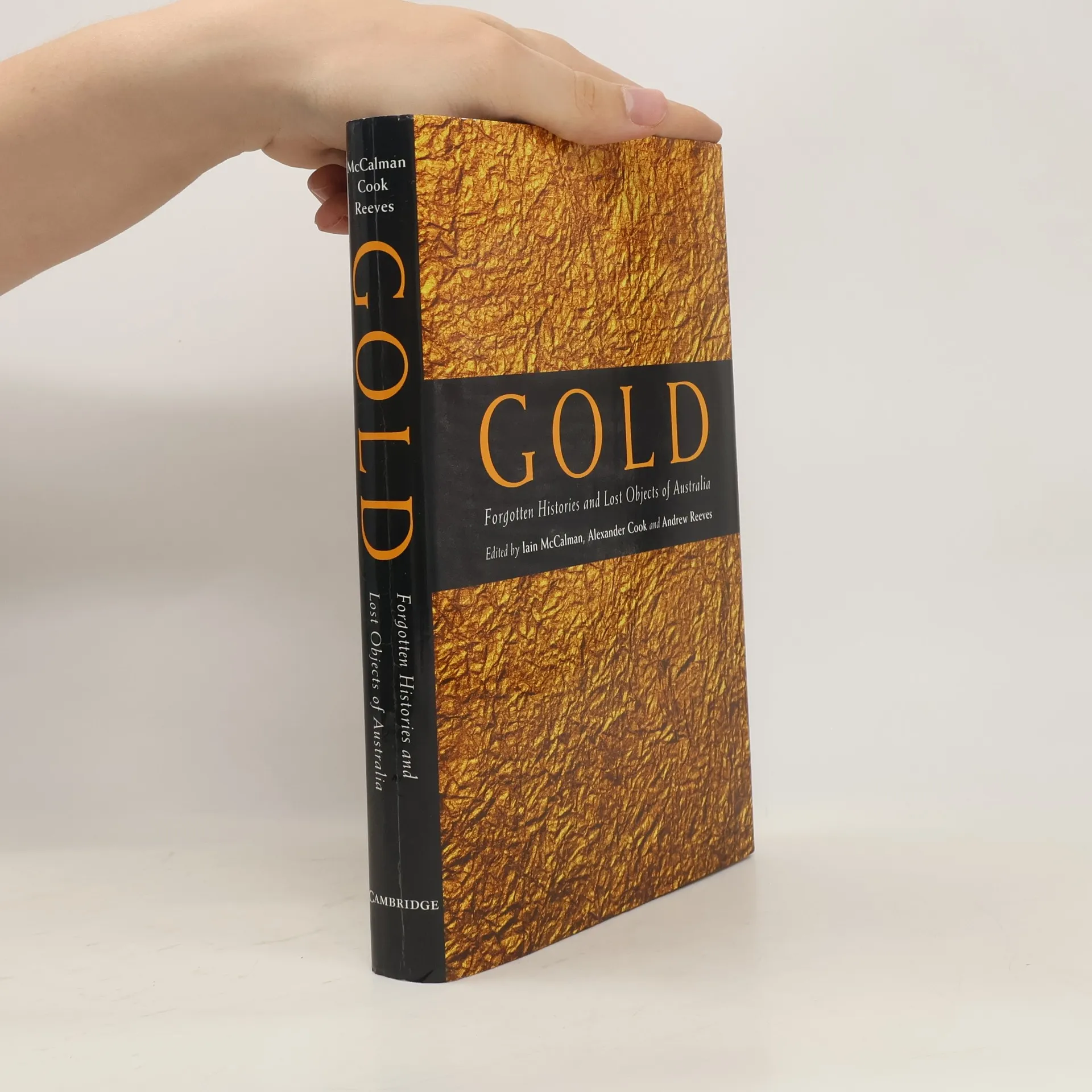
    Gold
    Historical Reenactment
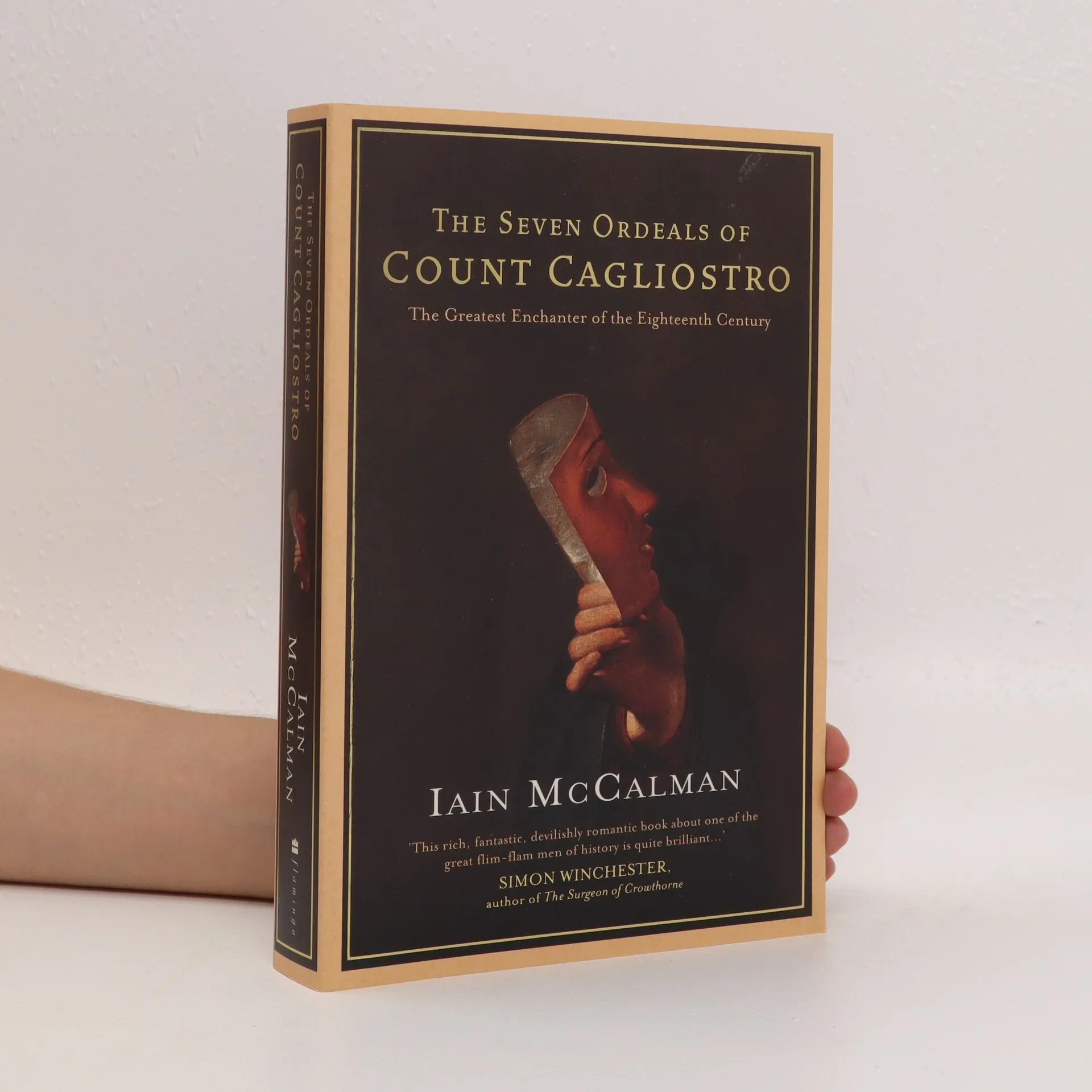
    The Seven Ordeals of Count Cagliostro
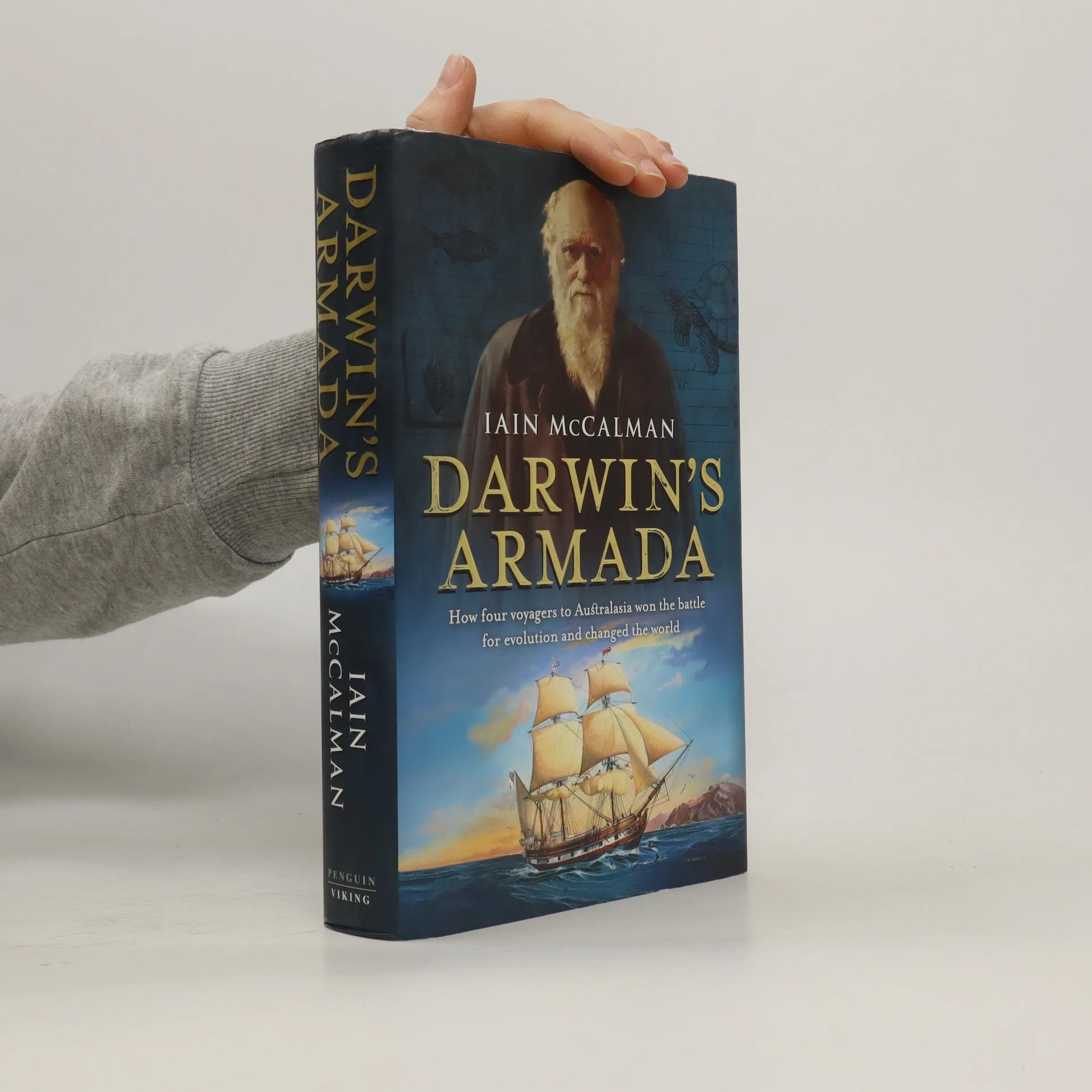
    Darwin's armada
    • 2010

      Historical Reenactment

      From Realism to the Affective Turn

      • 244pages
      • 9 heures de lecture
      3,5(4)Évaluer

      Exploring the evolution of visual entertainment since the late 1700s, this book delves into reenactment as a dominant form of popular history. It examines the challenges of defining reenactment and its boundaries, while also addressing the interplay between realism and emotional impact. Through this analysis, it sheds light on how reenactment shapes our understanding of history and nature.

      Historical Reenactment
    • 2009

      Darwin's armada

      • 422pages
      • 15 heures de lecture
      4,1(29)Évaluer

      Sent to Cambridge for the clergy, young Darwin discovered a passion for naturalism and accepted an invitation to sail on a naval survey vessel to South America, New Zealand, and Australia, a journey that would alter his life and modern science. Inspired by Darwin, Joseph Hooker embarked on his own voyage from the Cook Islands to Antarctica, conducting botanical research that provided critical evidence for Darwin's evolving theories and establishing him as Darwin's closest ally. Thomas Huxley, known as "Darwin's Bulldog," championed evolution against the clergy while making significant marine biology discoveries in the Southern Hemisphere, and unexpectedly fell in love in Sydney. Alfred Wallace, the least recognized yet perhaps the most brilliant, spent years collecting specimens in remote jungles and independently developed a theory of evolution by natural selection, prompting a moral crisis for Darwin and leading to the writing of *On the Origin of Species*. This narrative portrays the Darwinian revolution as a collective effort in Australasia, showcasing how these four remarkable men gathered evidence for evolution and engaged in the ensuing social and intellectual battles. Their combined efforts changed the world, making this account both an adventure story and a significant historical work.

      Darwin's armada
    • 2005

      Strhující kniha australského historika, odborníka na 18. století, vypráví o osudu jedné z nejpozoruhodnějších postav té doby: alchymisty, léčitele, spiritisty, zednáře a „nesmrtelného Velkého Kopta“, Giuseppeho Balsama alias hraběte Cagliostra. Na pozadí takřka neuvěřitelných životních příběhů tohoto muže, jenž prošel Evropou od Palerma po Londýn a od Petrohradu po Lisabon, se před čtenářem odhaluje druhá tvář „věku rozumu“ s jeho zednářskými lóžemi, až dětinskou vírou ve všemocný svět duchů a magických sil, sexuální posedlostí i chorobným intrikařením. Autor Iain McCalman tak znovu poodkrývá, co na Cagliostrovi tolik fascinovalo jeho současníky a též umělce, jako byl Mozart či A. Dumas, kteří se postavou tohoto dobrodruha nechali inspirovat.

      Poslední alchymista. Hrabě Cagliostro. Mistr magie ve věku rozumu
    • 2004

      Der letzte Alchemist

      Die Geschichte des Grafen Cagliostro

      • 331pages
      • 12 heures de lecture

      Guiseppe Balsamo was born in the mid-eighteenth century in the slums of Palermo, Sicily. He would rise from obscurity to become the legendary Count Alessandro di Cagliostro, whose dangerous charm and reputed healing would make him the darling - and bane - of upper-crust Europe. Moving through the period between the Age of Enlightenment and the French Revolution - a time when reason and superstition co-mingled in the minds of even the best educated - Cagliostro earned a reputation for dazzling kings, feeding the poor, healing the ill and, most conspicuously, relieving the careless rich of their money. He tangled with most of the major figures in Europe at that time, including Casanova, Mozart, Goethe and Catherine the Great. Eventually a lifetime of political intrigue led him to become the key figure in The Diamond Necklace Affair, which many believe precipitated the French Revolution itself, and which would eventually lead to his own downfall and death while imprisoned and made half insane by the Inquisition.

      Der letzte Alchemist
    • 2004

      Voltaire, Rousseau, Hume, Adam Smith y tantos otros filósofos famosos, nos han habituado a asociar el siglo XVIII con la idea de «razón», pero la verdad es que fue también un tiempo de magia, misterio y confusión en el que florecieron nigromantes, profetas, herejes y masones, como el siciliano Giuseppe Balsamo, más conocido como conde Alessandro Di Cagliostro. La vida del conde de Cagliostro es misteriosa y fascinante: tenido por unos como un santo laico, que curaba a los enfermos y socorría a los pobres y, por otros, como un peligroso barbián cuyas ideas ponían en peligro los fundamentos mismos de la monarquía y el papado, Cagliostro fue sin discusión una de las figuras más extraordinarias de la segunda mitad del siglo XVIII. Amado y odiado por la aristocracia europea, se codeó con Casanova, Catalina la Grande, Goethe, Luis XVI y María Antonieta, así como con el papa Pío VI quien lo entregaría a la Inquisición para morir en sus cárceles en 1795. Su historia y su leyenda, que inspiró a Johann Strauss una opereta, y a Mozart un personaje de La flauta mágica, han llegado a nuestros días sin ponerse de acuerdo: para Umberto Eco, Cagliostro no es tanto un hombre del siglo XVIII como un «posmoderno» actual, un profeta new age, uno de esos telepredicadores que se ceban en la indigencia psicológica y en el desconcierto moral, pero para Walter Benjamin, Cagliostro es un titán de la cultura occidental, un mesías underground, el auténtico y último alquimista, un fantasma del irracionalismo que aterra a los fetichistas de la razón. Pero ¿quién fue verdaderamente el conde Cagliostro?

      Cagliostro. El último alquimista
    • 2003

      Guiseppe Balsamo, the Count of Cagliostro, was an 18th-century Sicilian who became a magician, mystic, healer, Freemason, swindler, and last, but not least, a pornographer. He was so controversial, he became a central figure in Faust and the Magic Flute. This work features his story that is told through the eyes of seven of his contemporaries.

      The Seven Ordeals of Count Cagliostro
    • 2001

      Gold

      Forgotten Histories and Lost Objects of Australia

      • 394pages
      • 14 heures de lecture

      A team of prominent historians and curators have produced this innovative cultural history of gold and its impact on the development of Australian society. Throughout history, gold has been the "stuff" of legends, fortunes, conflict and change. The discovery of gold in Australia 150 years ago precipitated enormous developments in the newly settled land. The population and economy boomed in spontaneous cities. The effects on both the environment and indigenous Aboriginal peoples have been profound and lasting.

      Gold