

Captain James Cook's three epic journeys between 1768 and 1779 were the last great voyages of discovery. Sailing some 170,000 miles, Cook's ships reached every continent and every ocean, from the Arctic to the Antarctic, from Kamchatka to Java to Easter Island to the coast of Oregon. Before Cook set off, one third of the world's map remained, simply, blank. By the time he was done, there was little left to discover. Cook and his men were also among the first Europeans to encounter Pacific natives: hip-throbbing Tahitian dancers, New Zealand cannibals, Hawaiian surfers, Australian Aborigines sealed off from the rest of the world for thousands of years. With great wit and insight, Tony Horwitz vividly recounts these adventures, and revisits the lands and peoples Cook discovered to explore the captain's legacy in today's Pacific. In the course of his explorations, Horwitz also has exotic and often comic adventures of his own - on land and at sea - including a stint as a working sailor aboard a replica of Cook's tall ship, the ENDEAVOUR.UK edition of Blue Latitudes.
Tony Horwitz Livres
Tony Horwitz était un auteur dont les œuvres exploraient l'histoire et la culture américaines à travers une enquête journalistique approfondie. Avec un œil vif pour les détails et une narration captivante, il a étudié les voyages et les rencontres qui ont façonné la nation américaine. Son écriture reliait souvent le passé au présent, révélant les échos persistants des événements historiques dans l'Amérique moderne. L'approche de Horwitz se caractérisait par sa capacité à s'immerger dans ses sujets, que ce soit en voyageant clandestinement à travers le pays ou en entreprenant des recherches historiques approfondies, apportant à ses lecteurs des histoires vivantes et perspicaces.




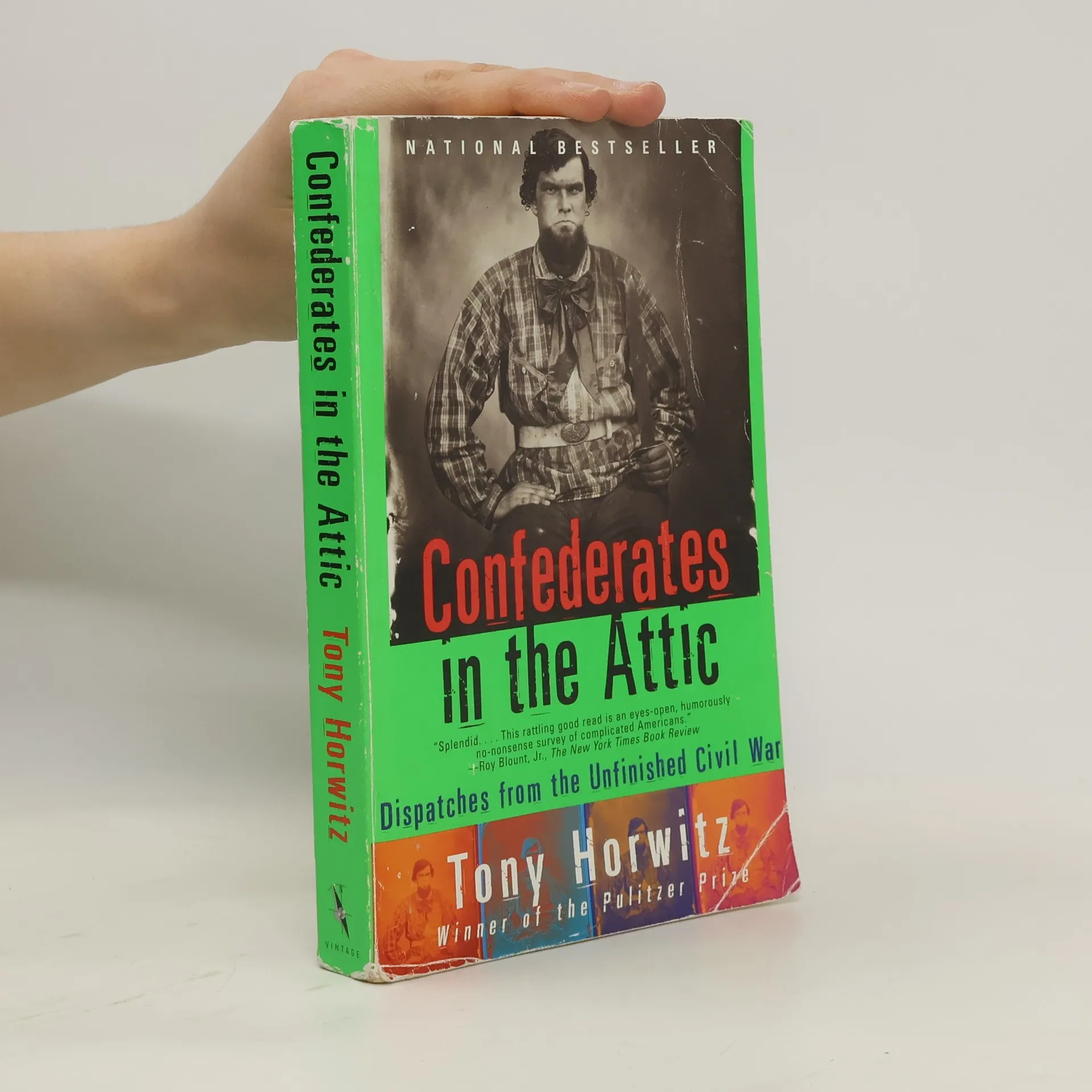

Confederates in the Attic: Dispatches from the Unfinished Civil War
- 432pages
- 16 heures de lecture
This volume investigates the ties in the United States; South among citizens to the American Civil War that ended more than 130 years previously. The author reports on contemporary attitudes on the Civil War and how it is discussed and taught, as well as attitudes about race. Written in the form of dispatches posted at varying times, it recounts the author's Civil War explorations in the South. Some of his encounters are humerous, but many open a window into the tragic state of the US's chasmic divisions
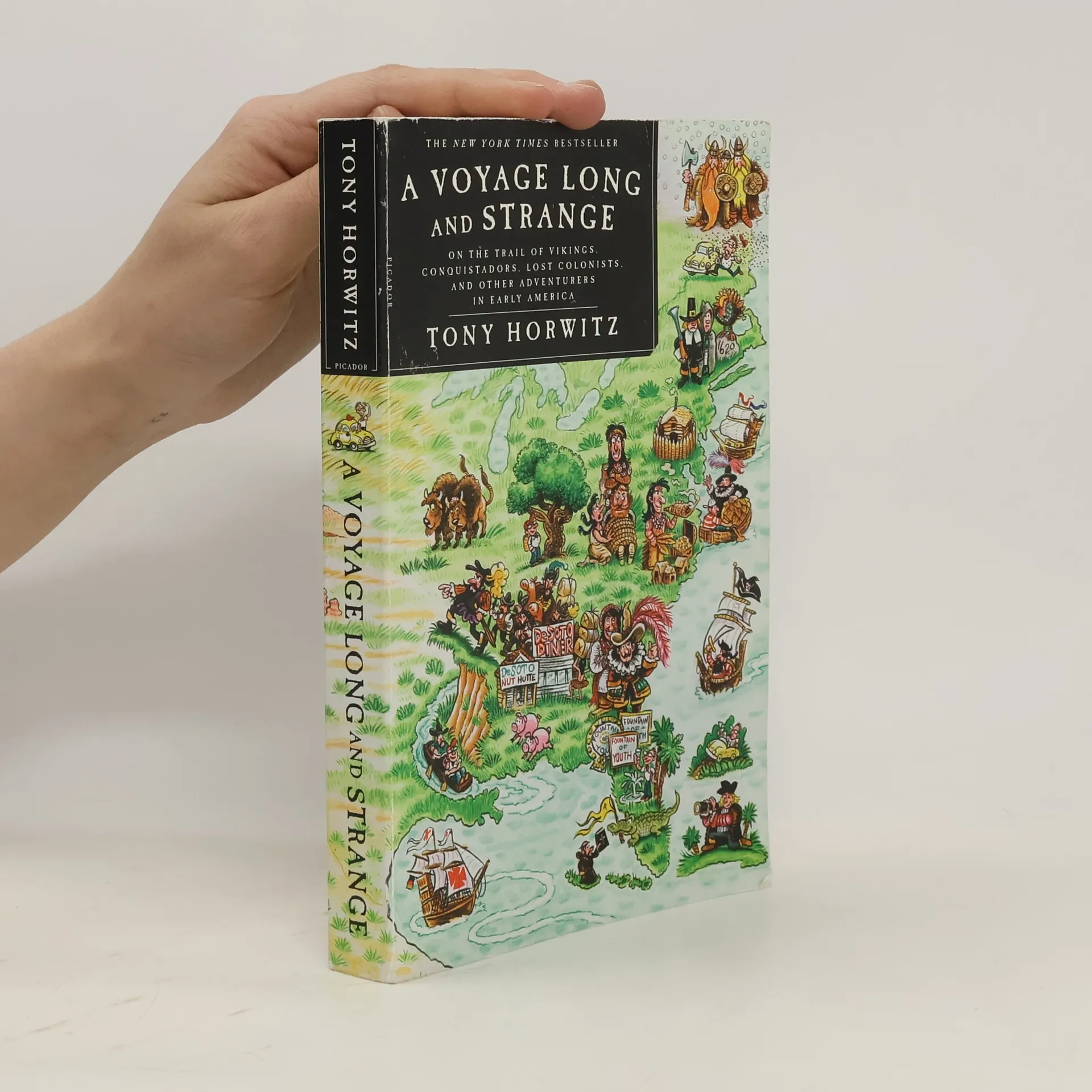
A Voyage Long and Strange
- 464pages
- 17 heures de lecture
W hat happened in North America between Columbus's sail in 1492 and the Pilgrims' arrival in 1620? On a visit to Plymouth Rock, Tony Horwitz realizes he doesn't have a clue, nor do most Americans. So he sets off across the continent to rediscover the wild era when Europeans first roamed the New World in quest of gold, glory, converts, and eternal youth. Horwitz tells the story of these brave and often crazed explorers while retracing their steps on his own epic trek--an odyssey that takes him inside an Indian sweat lodge in subarctic Canada, down the Mississippi in a canoe, on a road trip fueled by buffalo meat, and into sixty pounds of armor as a conquistador reenactor in Florida. A Voyage Long and Strange is a rich mix of scholarship and modern-day adventure that brings the forgotten first chapter of America's history vividly to life.
Baghdad Without a Map and Other Misadventures in Arabia
- 285pages
- 10 heures de lecture
With razor-sharp wit and insight, intrepid journalist Tony Horwitz gets beyond solemn newspaper headlines and romantic myths of Arabia to offer startling close-ups of a volatile region few Westerners understand. His quest for hot stories takes him from the tribal wilds of Yemen to the shell-pocked shores of Lebanon; from the malarial sands of the Sudan to the eerie souks of Saddam Hussein's Iraq, a land so secretive that even street maps and weather reports are banned.As an oasis in the Empty Quarter, a veiled woman offers tea and a mysterious declaration of love. In Cairo, "politeness police" patrol seedy nightclubs to ensure that belly dancers don't show any belly. And at the Ayatollah's funeral in Tehran a mourner chants, "Death to America," then confesses to the author his secret dream--to visit Disneyland.Careening through thirteen Muslim countries and Israel, Horwitz travels light, packing a keen eye, a wicked sense of humor, and chutzpah in almost suicidal measure. This wild and comic tale of Middle East misadventure reveals a fascinating world in which the ancient and the modern collide.
A *New York Times* Notable Book for 2011, a *Library Journal* Top Ten Best Book of 2011, and a *Boston Globe* Best Nonfiction Book of 2011, this work by bestselling author Tony Horwitz recounts the daring insurrection that set America on the path to civil war. John Brown's raid on Harpers Ferry, plotted in secret and executed under the cover of darkness, was a pivotal moment in U.S. history, yet the true story of the individuals involved remains largely unknown. The narrative vividly depicts a nation on the brink of explosive conflict, with Brown—descendant of New England Puritans—viewing slavery as a sin against America's founding principles. Unlike most abolitionists, he was prepared to take up arms. In 1859, he gathered a group at a Maryland hideout, including his teenage daughter, three sons, former slaves, and a dashing spy. On October 17, they seized Harpers Ferry, shocking the nation and prompting a counterattack led by Robert E. Lee. Brown's capture and defiant eloquence galvanized the North while appalling the South, which labeled him a terrorist. This raid significantly contributed to the election of Abraham Lincoln, who later initiated the Emancipation Proclamation, which he described as "a John Brown raid, on a gigantic scale." Horwitz's compelling narrative traverses antebellum America, presenting both a gripping historical drama and a portrait of a divided nation, echoing themes that resonate today.
Dit boek bevat reisverhalen van een jonge Amerikaanse journalist die in de jaren tachtig in het Midden-Oosten rondtrekt. Tony Horwitz is als freelance-reporter voortdurend op zoek naar actuele verhalen en bezoekt ondermeer Egypte, de malariagebieden van Soedan, de stammen van Jemen, de Libanese kust, de chemische fabrieken van Khadagi en het Iran ten tijd van Khomeini en is aanwezig bij diens begrafenis. In een vlotte en prettig leesbare stijl beschrijft hij zijn indrukken en contacten met de plaatselijke bevolking. Met oog voor detail en gevoel voor humor, maar ook met liefde, beschrijft hij de eigenaardigheden die hem als westerling opvallen in de diverse landen. Een boeiend en herkenbaar boek. (Biblion recensie, Marianne Hermens.)
Australiens Outback
- 314pages
- 11 heures de lecture
Vom Leben in Sydney, das ihm seine australische Braut beschert hat, träumt der amerikanische Schriftsteller Tony Horwitz davon, die exotischen Weiten seines neuen Heimatlandes zu erkunden. Eines Tages, nur mit einem Rucksack und Fantasien von der offenen Straße bewaffnet, macht er sich per Anhalter auf in die beeindruckende Leere des australischen Outbacks. Was folgt, ist eine amüsante, nervenaufreibende Reise in das heiße, rote Zentrum eines Kontinents, der so öde ist, dass die Zivilisation auf eine Tankstelle und ein Pub zusammenschrumpft. Während das Terrain des Outbacks unwirtlich ist, sind seine verstreuten Bewohner alles andere als das. Horwitz vertraut sich Aborigines, Opalgräbern, Jackeroos, Kartenbetrügern und sonnenverbrannten Wanderern an, die die Entfernung in der Anzahl der auf der Strecke konsumierten Biere messen. Auf dem Weg entdeckt Horwitz, dass das Outback ebenso tückisch wie bunt ist. Von Insekten gestochen, von der Sonne verbrannt, von Staub erstickt und durch einen beinahe tödlichen Unfall blutig, durchquert Horwitz siebentausend Meilen des unbarmherzigsten Geländes der Welt und erlebt dabei einige sehr bizarre persönliche Begegnungen, während er sich nach Queensland, Alice Springs, Perth, Darwin und hundert Bush-Pubs dazwischen windet.
