Walton Ford. 40th Ed.
- 512pages
- 18 heures de lecture
Bill Buford est un auteur et journaliste américain. Son œuvre plonge dans des mondes fascinants et souvent dangereux, explorant les sous-cultures et le comportement humain avec une curiosité incisive. Le style de Buford se caractérise par un reportage immersif et une capacité à transporter les lecteurs au cœur même de ses sujets. À travers ses récits, il révèle les motivations complexes et les dynamiques qui façonnent les sociétés humaines.


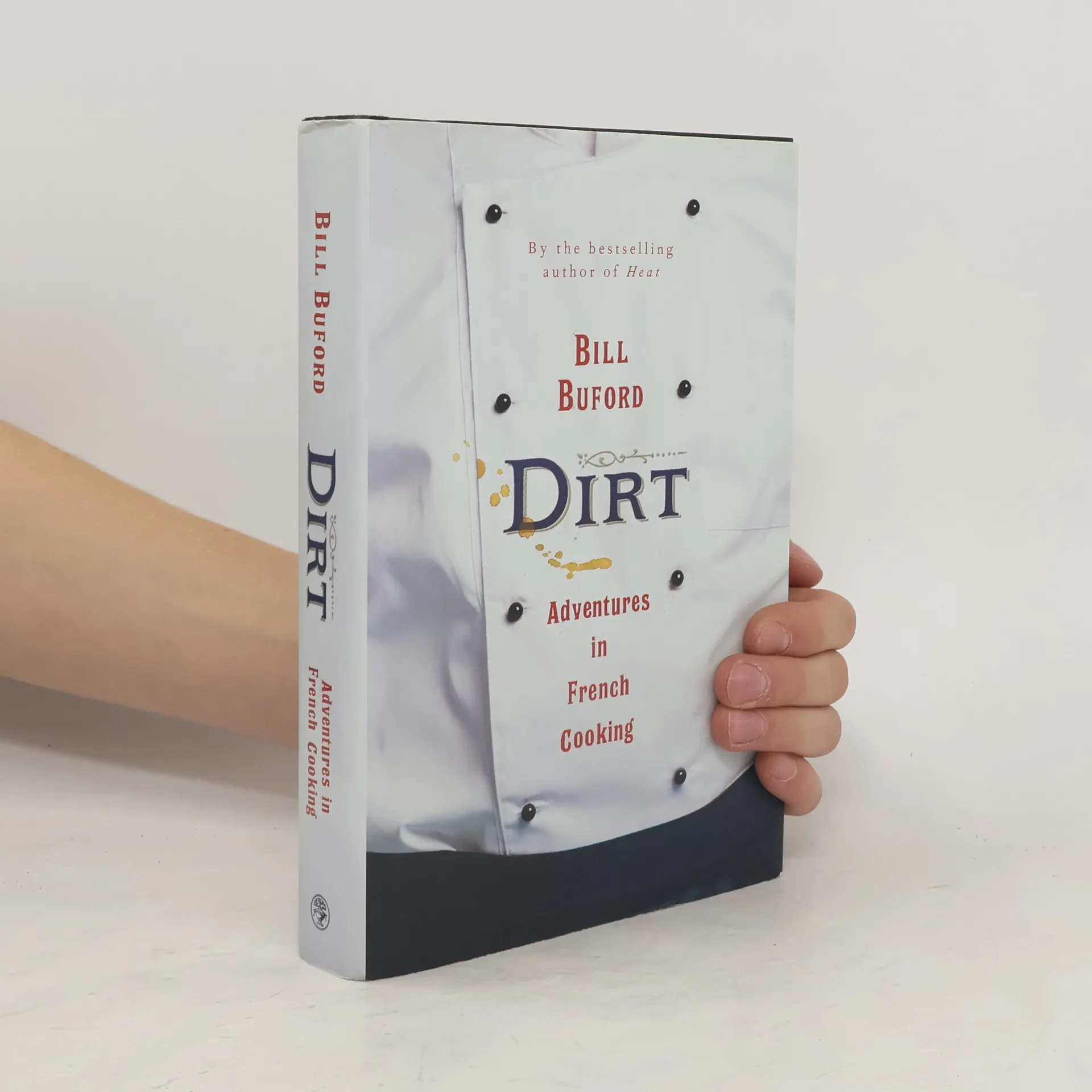
'A chomping, romping, savoury tour de force: by turns hilarious, and seriously thought provoking' Simon SchamaFor most of his adult life, Bill Buford had secretly wanted to find himself in France, in a French kitchen, having mastered the art of French haute cuisine.
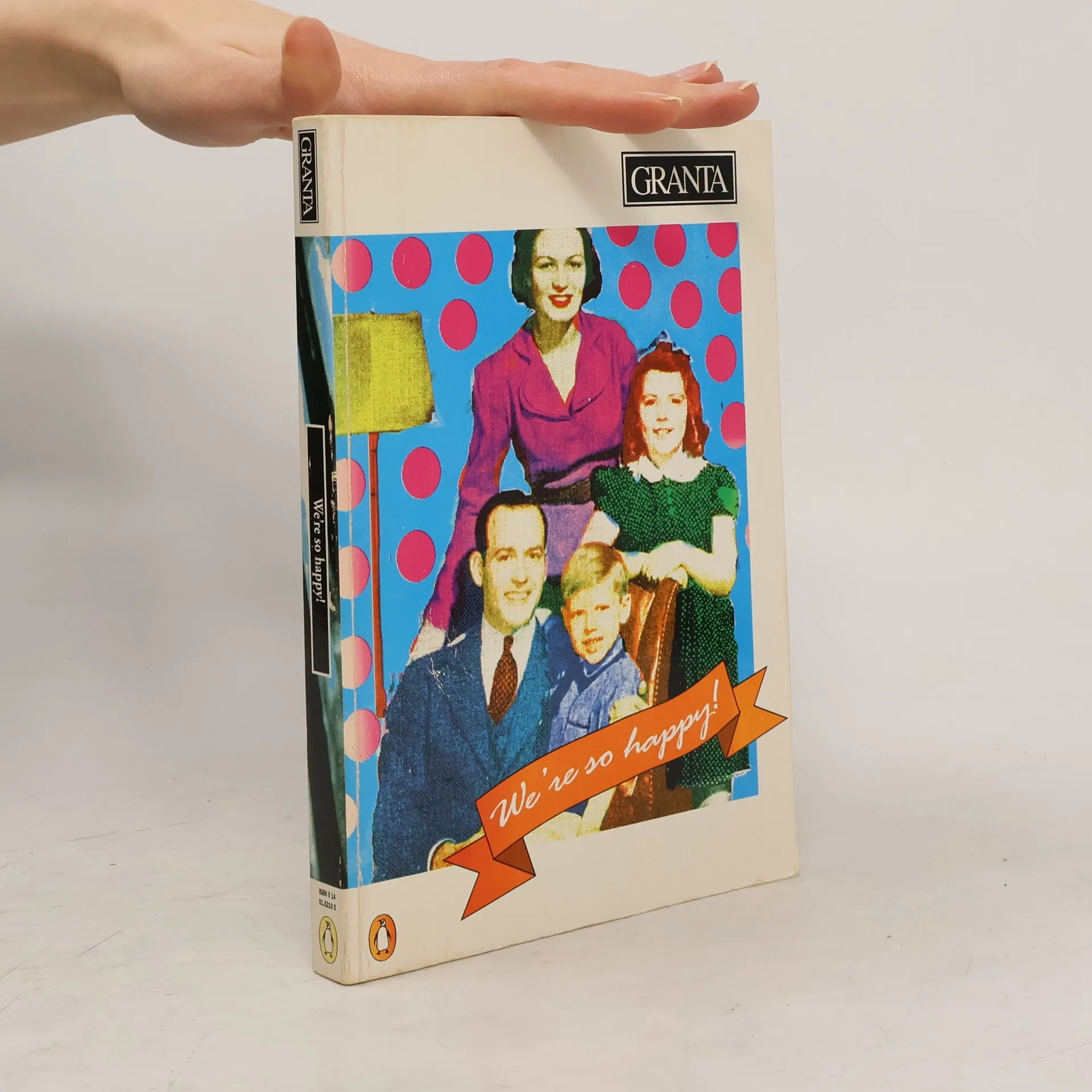
Featuring the fictional début of Bill Morris, set in the design department of General Motors, between New Year’s Day and New Year’s Eve 1954: the year (Elvis Presley, Marilyn Monroe, Dwight Eisenhower, and Edgar Hoover) when America changed. Plus: Ivan Klìma, Tracy Kidder, Eugene Richards, Louise Erdrich, Adam Mars-Jones, and Sue Halpern.
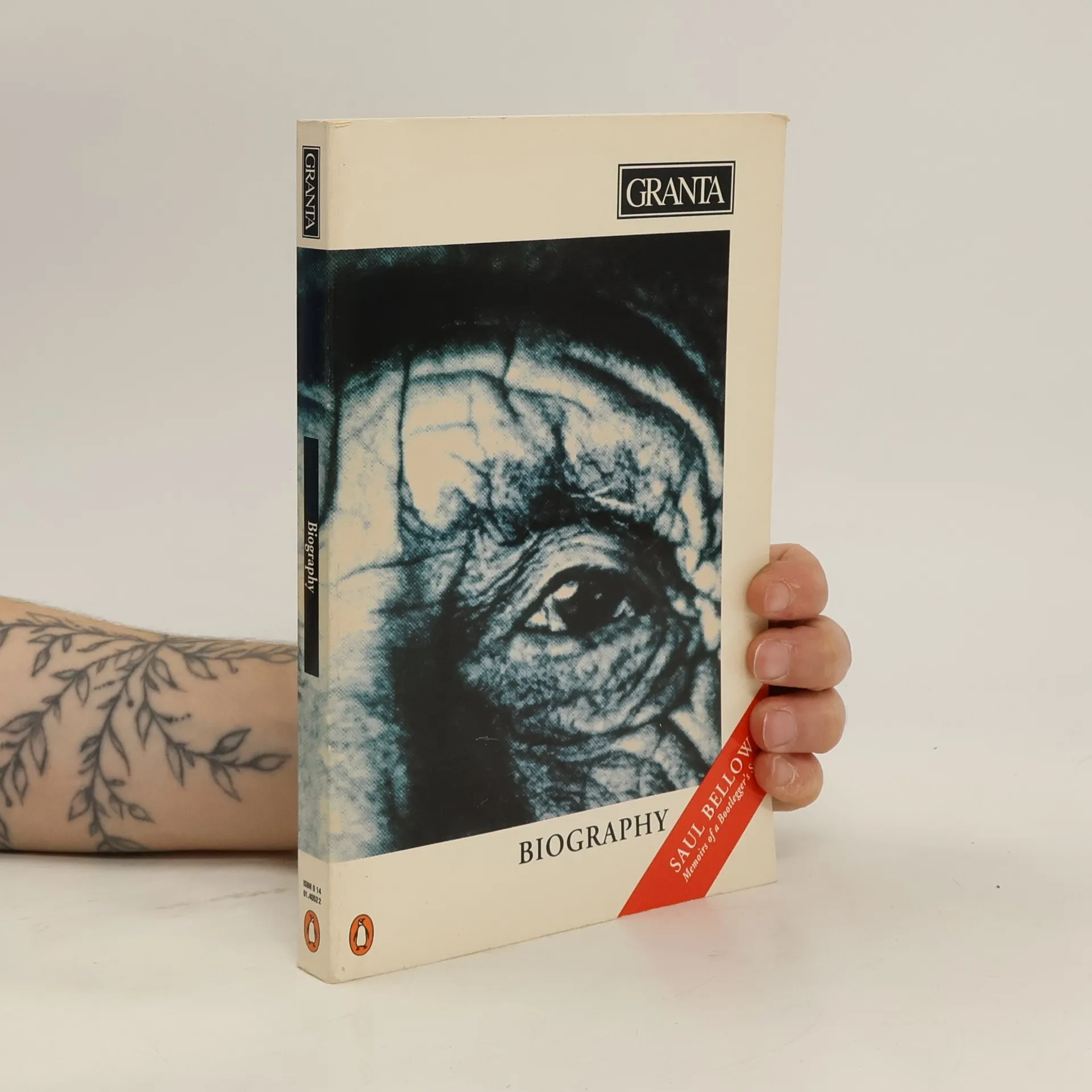
Why do biographies remain so popular? Granta 41 presents a special collection of biographies organized around a single idea - how do you tell the story of a life'. Also in this issue is the exclusive first publication of Saul Bellow's Memoirs of a Bootlegger's Son, James Atlas on Bellow's apprenticeship in Chicago, Andrew Motion on the discovery of Philip Larkin's secret Northumberland hideaway, Gabriel Garcia Marquez on the mysterious Frau Frida whom he first met in Vienna after the war, plus Richard Holmes, Ian Hamilton, Louise Eldrich, Lorna Sage, and Luc Sante amid the police archives of 1914 New York.
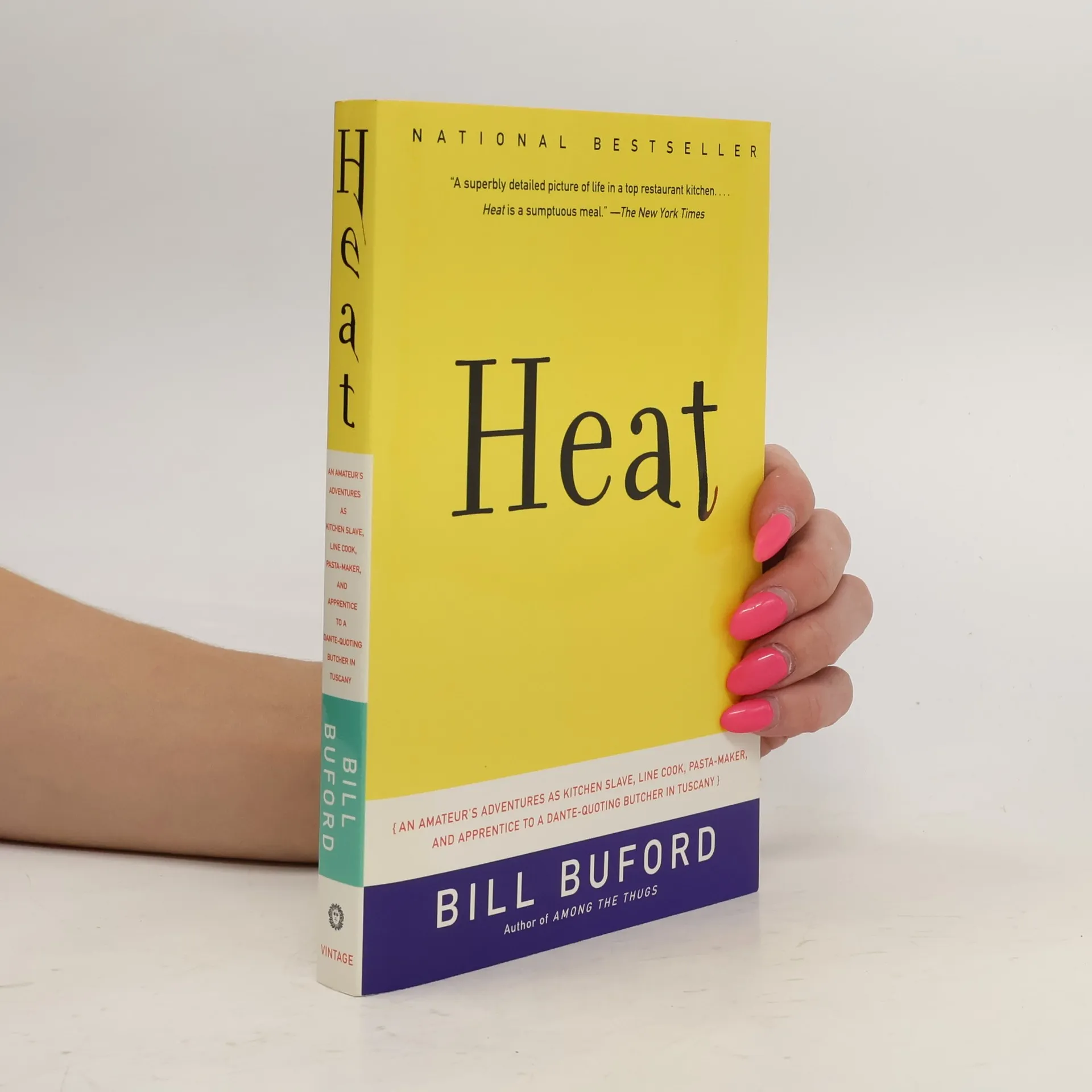
Bill Buford, an enthusiastic, if rather chaotic, home cook, was asked by the New Yorker to write a profile of Mario Batali, a Falstaffian figure of voracious appetites who runs one of New York's most successful three-star restaurants. Buford accepted the commission, on the condition Batali allow him to work in his kitchen, as his slave.
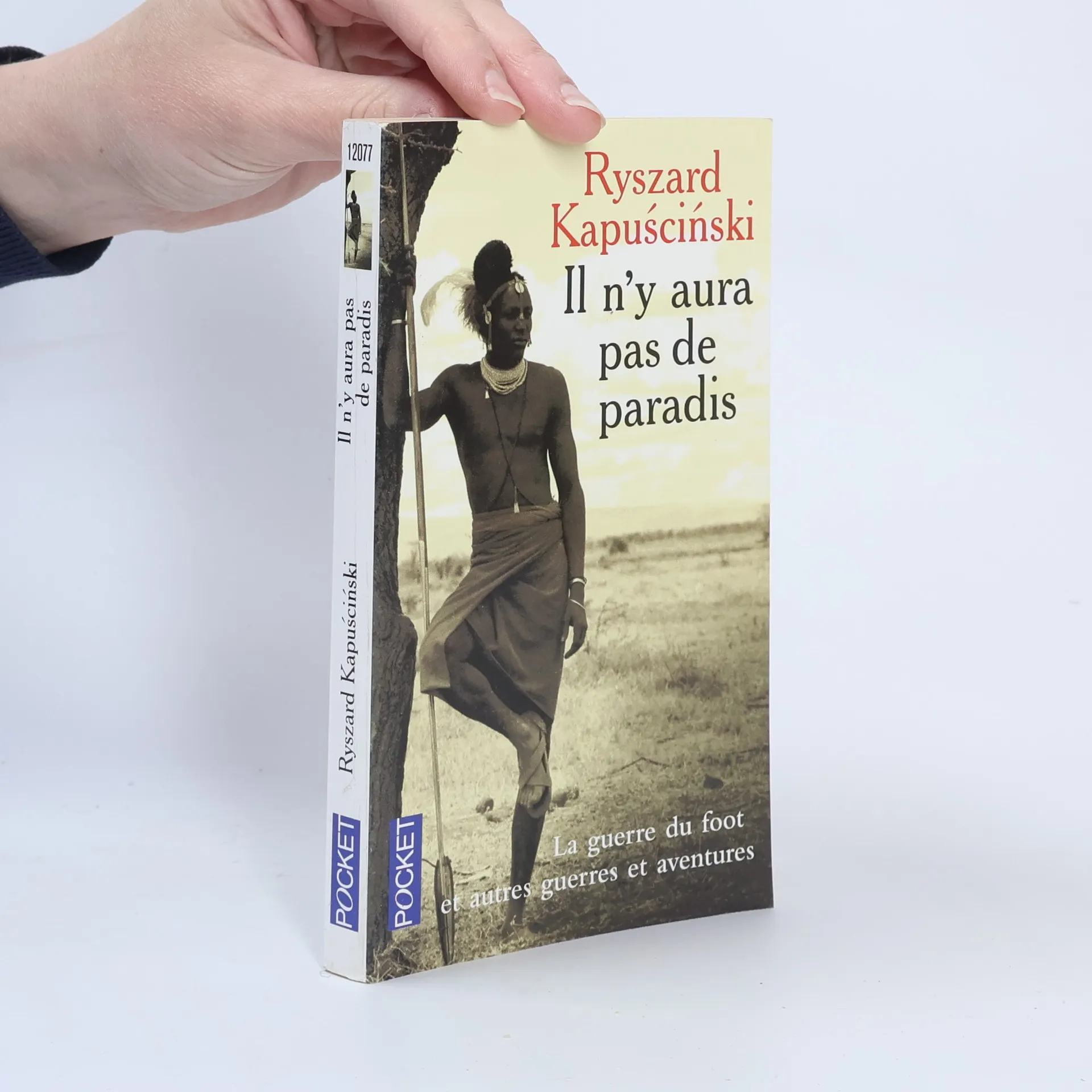
Part diary and part reportage, The Soccer War is a remarkable chronicle of war in the late twentieth century. Between 1958 and 1980, working primarily for the Polish Press Agency, Kapuscinski covered twenty-seven revolutions and coups in Africa, Latin America, and the Middle East. Here, with characteristic cogency and emotional immediacy, he recounts the stories behind his official press dispatches—searing firsthand accounts of the frightening, grotesque, and comically absurd aspects of life during war. The Soccer War is a singular work of journalism.
Granta 43 celebrates a new generation of twenty of the best new British writers. Selected by Salman Rushdie, A. S. Byatt, John Mitchinson and Bill Buford.
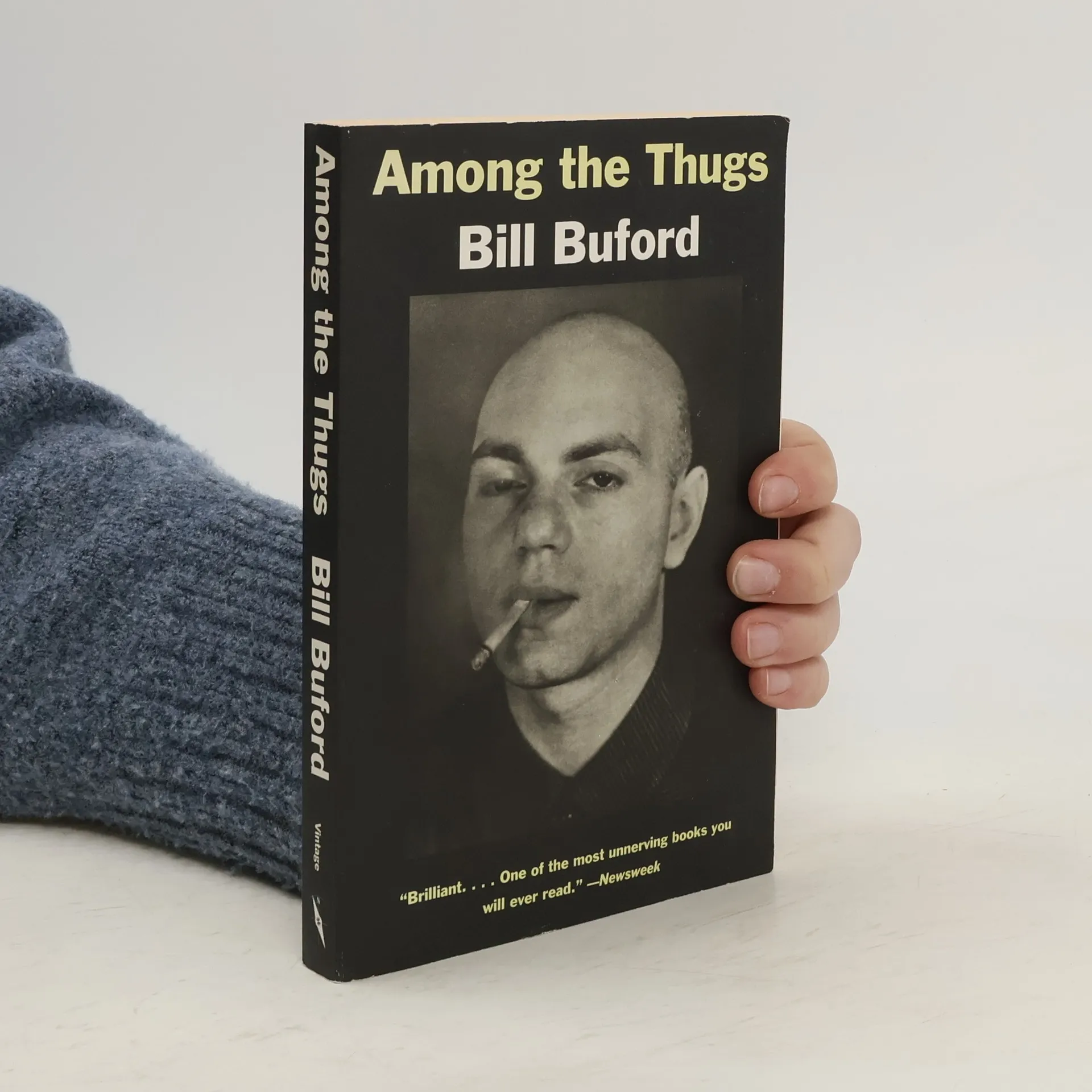
They have names like Barmy Bernie, Daft Donald, and Steamin' Sammy. They like lager (in huge quantities), the Queen, football clubs (especially Manchester United), and themselves. Their dislike encompasses the rest of the known universe, and England's soccer thugs express it in ways that range from mere vandalism to riots that terrorize entire cities. Now Bill Buford, editor of the prestigious journal Granta, enters this alternate society and records both its savageries and its sinister allure with the social imagination of a George Orwell and the raw personal engagement of a Hunter Thompson.
This edition of Granta includes stories by Victoria Tokareva, Hans Magnus Enzenberger, Christa Wolf, Ryszard Kapuscinski, Isabel Allende, Martin Amis and Romsesh Gunesekera.
An issue of Granta devoted to all things Soviet, including fiction, non-fiction, photographs, interviews and an exclusive interview with Mikhail Gorbachev by Gabriel Garcia Marquez.
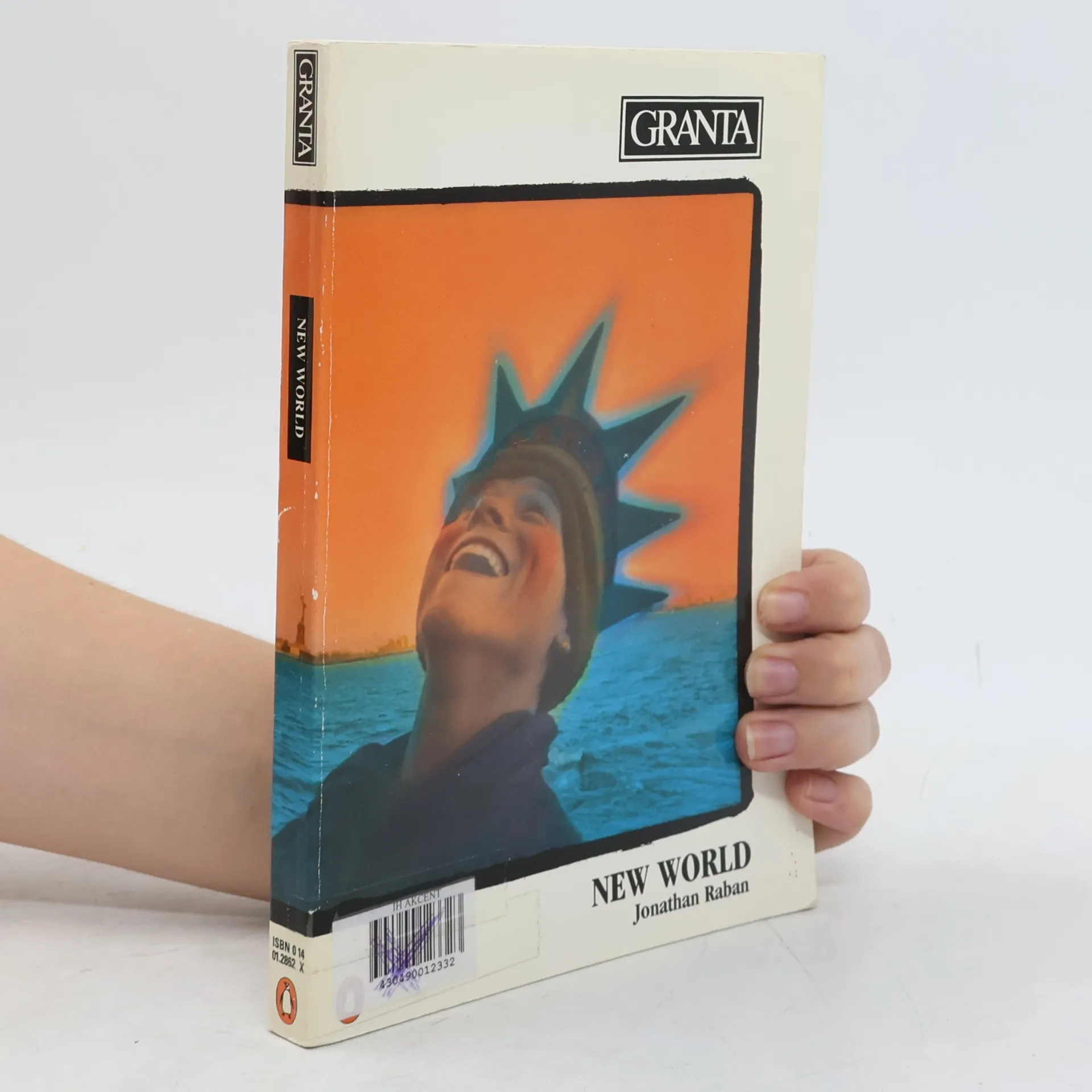
Essays and stories deal with violence in China, travel, South African architecture, the past pilgrimages, death, and fame