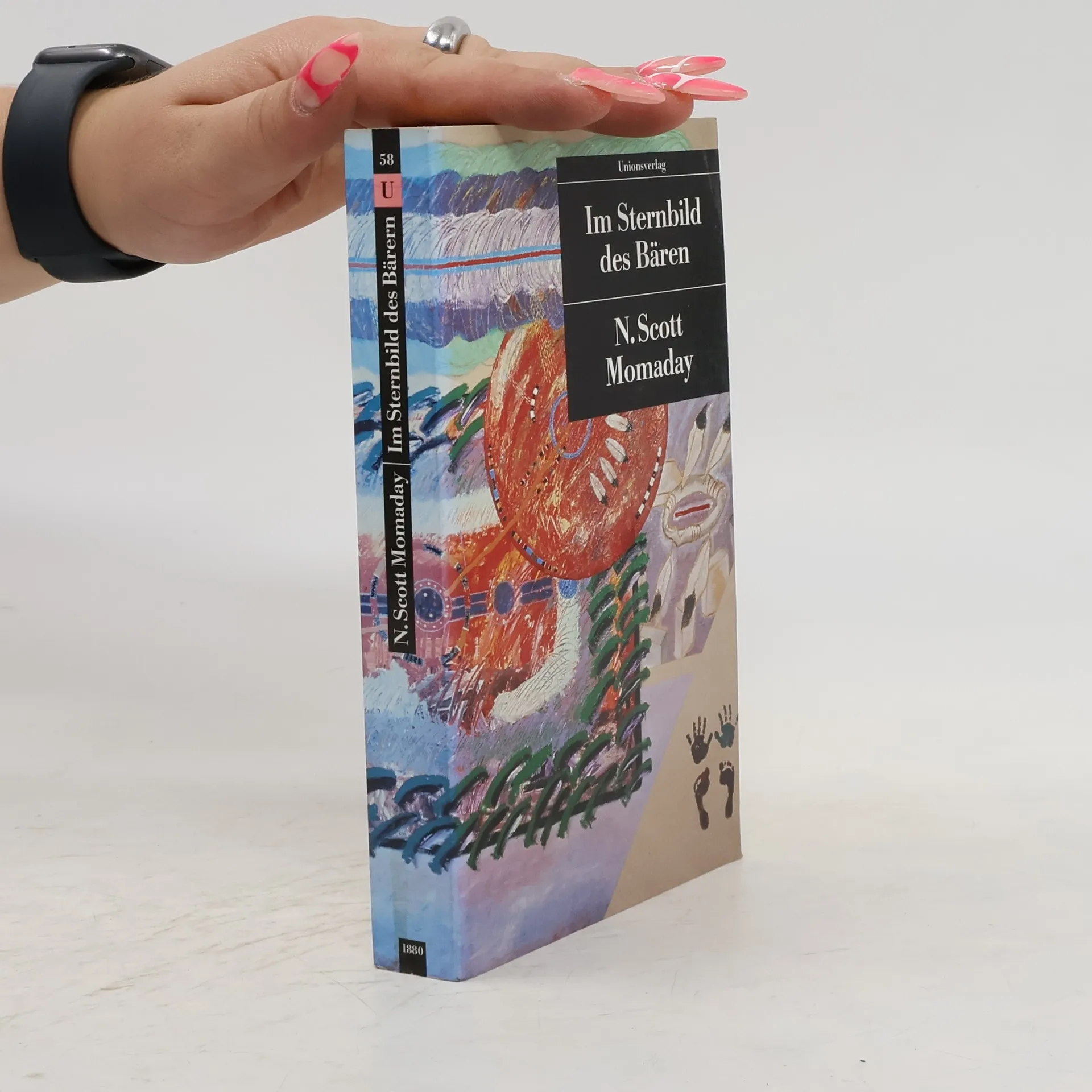
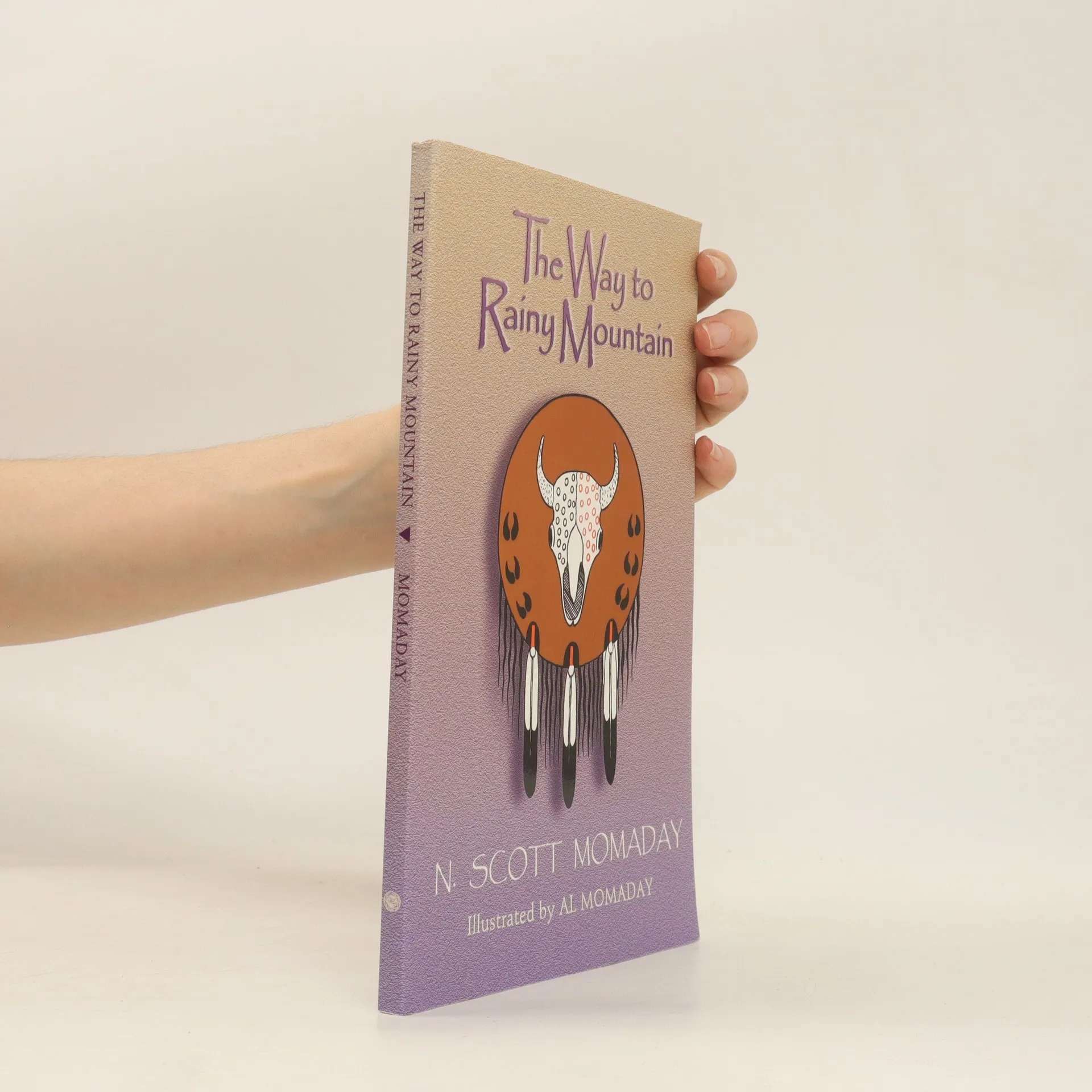
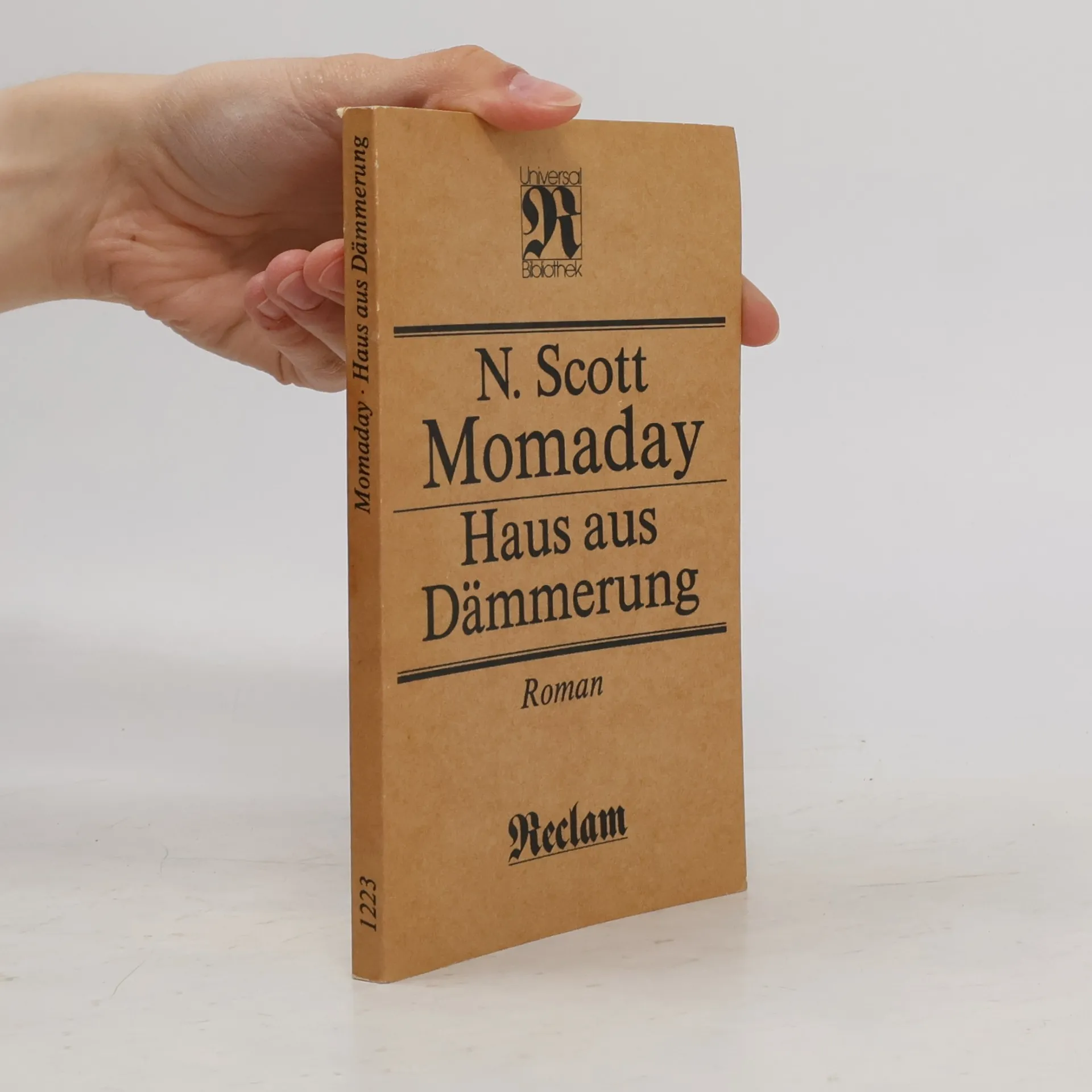
La voix de N. Scott Momaday transporte les auditeurs à travers l'espace et le temps jusqu'à la terre rouge et sacrée de sa tribu. Ses contributions littéraires sont considérées comme un récit continu, explorant en profondeur l'identité unique des Amérindiens et l'importance vitale de préserver leurs anciennes traditions. Momaday se penche sur l'intersection des mondes moderne et traditionnel, tirant son inspiration de la littérature américaine et européenne ainsi que des profondes histoires orales des peuples autochtones. Ses écrits ne sont pas simplement racontés, mais sont des réalités vécues destinées à être crues et maintenues pour les générations futures.
Reproduces nearly two hundred photographs of Native Americans taken by Edward Sheriff Curtis in the early 1900s, with essays that discuss aspects of life common to all tribes, including spirituality, ceremony, arts, and daily activities.
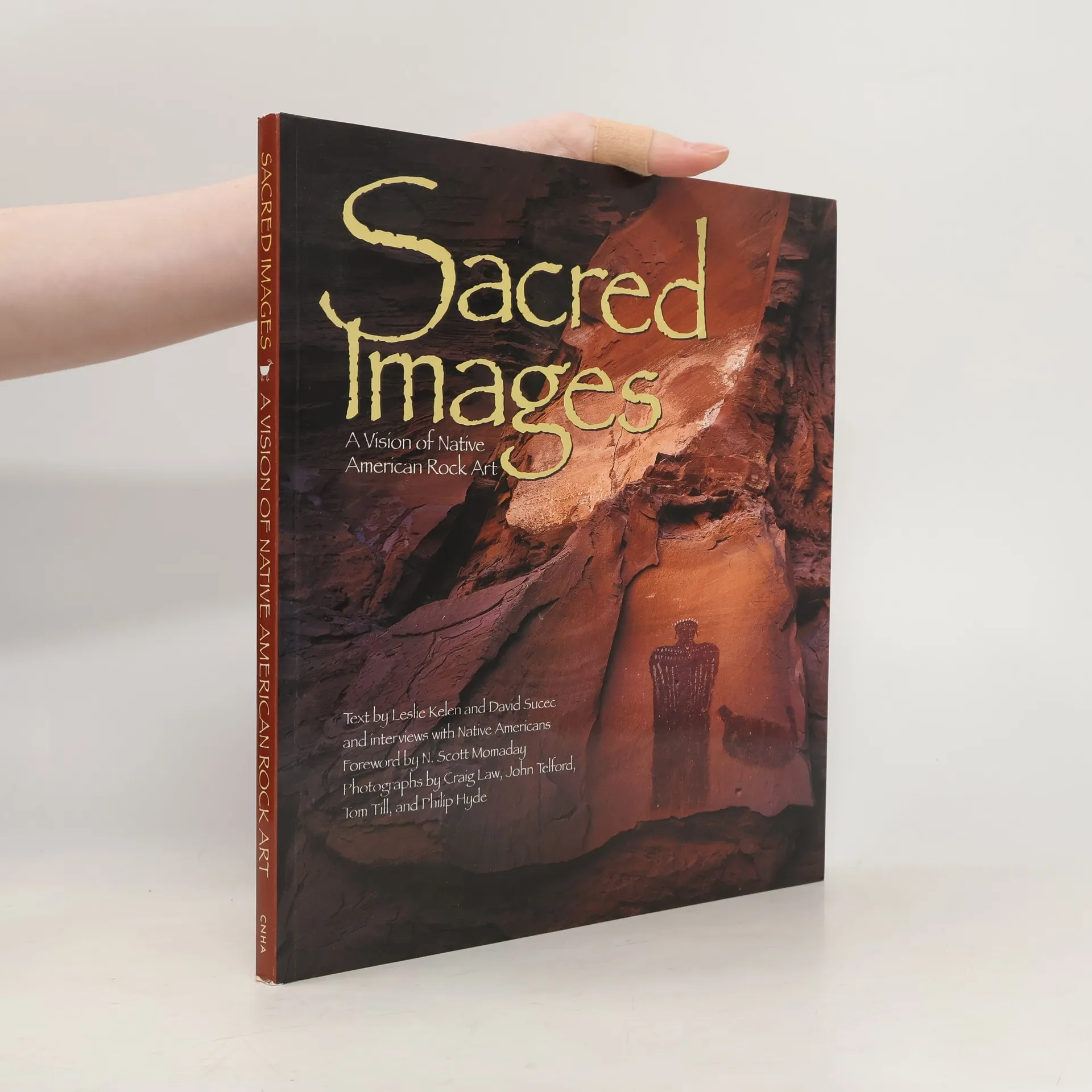
Sacred A Vision of Native American Rock Art brings together the talents of four Utah wilderness photographers and the storytelling skills of its indigenous peoples to present the visionary power of Utah rock art. Photographers Craig Law, John Telford, Tom Till, and Philip Hyde reveal prehistoric and historic rock art images on boulders, cliff faces, and overhangs.
Of all of the works of N. Scott Momaday, The Names may be the most personal. A memoir of his boyhood in Oklahoma and the Southwest, it is also described by Momaday as "an act of the imagination. When I turn my mind to my early life, it is the imaginative part of it that comes first and irresistibly into reach, and of that part I take hold."Complete with family photos, The Names is a book that will captivate readers who wish to experience the Native American way of life.
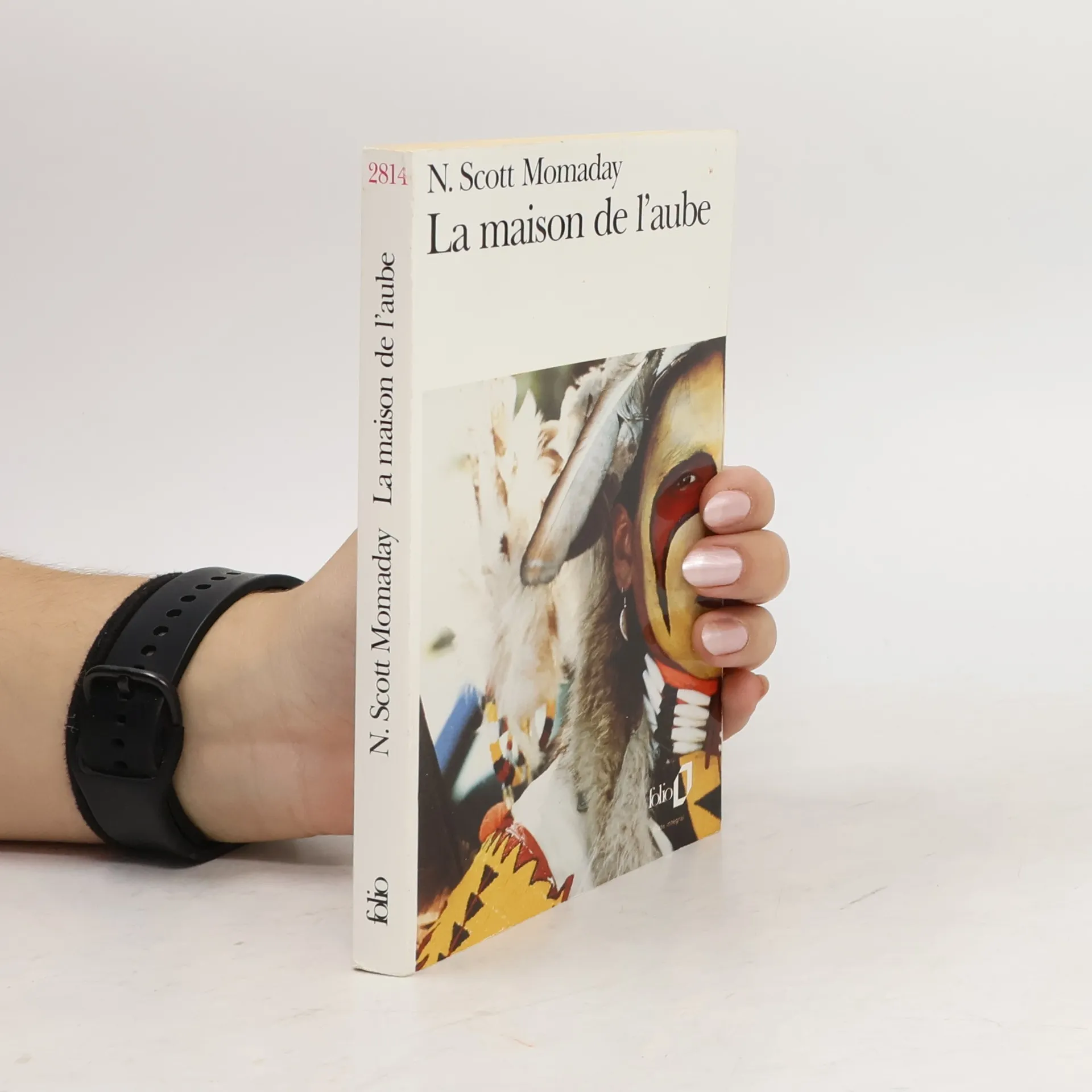
Dans ce livre gorgé d'espace, d'infini, de violence, de cruauté et de mort, pas un personnage qui n'ait le goût et le sens de l'invisible, pas un personnage qui ne tente de voir au-delà et, quelquefois, y réussit. La maison de l'aube parle d'un temps presque révolu, retenu ici et là comme la robe sur laquelle on tire, le monde de la nature avec les nuages, la pluie, les arcs-en-ciel, les étoiles — quelque chose que nous avons cessé de voir et de savoir ou, plutôt, que nous ne savons plus voir et reconnaître ! À le (res) susciter, Scott Momaday excelle, comme il excelle à restituer l'ambiguïté du monde indien, en équilibre instable entre hier et aujourd'hui, le sacré et le profane les dieux ou Dieu, les dieux ou rien, le calumet de la paix, et la cigarette, la noblesse et une déchéance...