

L'œuvre de Gordon Graham explore l'esthétique, la philosophie morale et la philosophie de la religion. Ses écrits examinent les intersections de la philosophie et des arts, souvent avec un accent particulier sur la tradition philosophique écossaise. En tant que prêtre anglican ordonné, il apporte une perspective unique à son travail académique, tissant ensemble la pensée théologique et philosophique. C'est un érudit respecté dont la recherche enrichit notre compréhension de la relation entre la foi, la raison et la beauté.
The book explores the intersection of modern moral philosophy and recent advancements in New Testament scholarship, highlighting how contemporary ethical theories can enhance our understanding of biblical texts. It delves into the implications of moral concepts within the context of the New Testament, offering fresh insights into the ethical teachings found in scripture. By bridging these two fields, the author aims to enrich both philosophical discourse and theological reflection.

Public Power, Corruption, and Whistleblowing in the Pacific Northwest
218pages
8 heures de lecture
The narrative explores deep-seated corruption within the executive management of Chelan County Public Utility, where intimidation and secrecy overshadow trust and transparency. As the integrity of jobs and lives hangs in the balance, the story unveils the consequences of such pervasive dishonesty and the impact on the community.
A fast and easy way to write winning white papers! Whether you're a marketing
manager seeking to use white papers to promote your business, or a copywriter
keen to break into this well-paying field, White Papers For Dummies gives you
a wealth of practical, hands-on advice from one of the world's leading experts
in the field.
Salford are one of rugby league's most famous clubs. In 150 years they have
claimed numerous honours and in 1934 achieved legendary status when touring
France, their adventurous attacking play earning the accolade Les Diables
Rouges, the original Red Devils. This comprehensive analysis covers every
match & player known to have represented the club
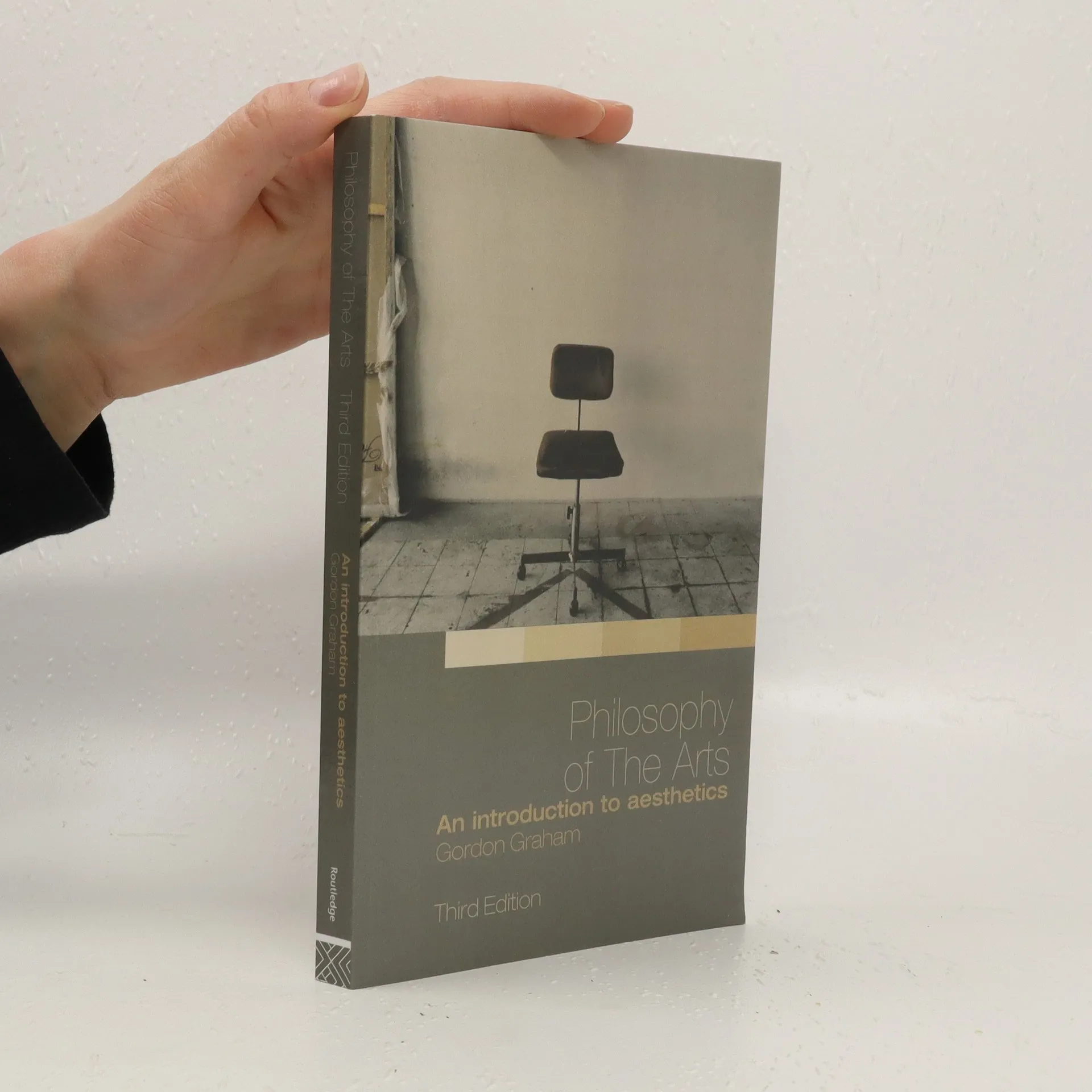
Philosophy of The Arts presents a comprehensive and accessible introduction to those coming to aesthetics and the philosophy of art for the first time. The third edition is greatly enhanced by new chapters on art and beauty, the performing arts and modern art, and new sections on Aristotle, Hegel and Nietzsche. All other chapters have been thoroughly revised and extended.
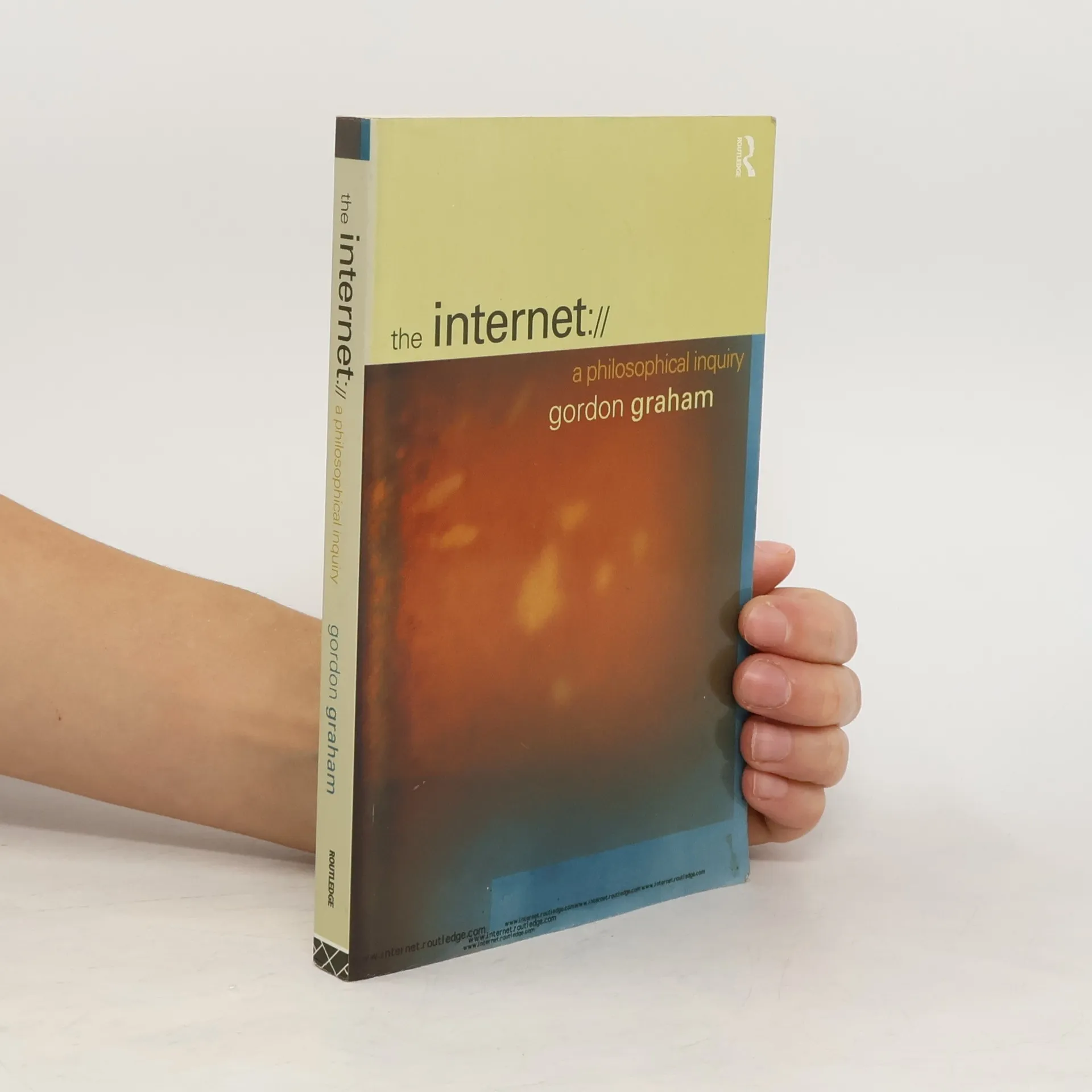
The Internet: A Philosophical Inquiry offers the first concise and accessible exploration of the issues which arise as we enter further into the world of Cyberspace.
Focusing on organizational risk management, this handbook equips professionals in the water and wastewater industry with essential tools for conducting risk assessments. It offers methodologies for creating risk and frequency matrixes, enabling users to identify and prioritize the myriad risks they encounter in their work. This practical guide is designed to enhance decision-making and improve safety and efficiency in managing water and wastewater systems.
Is economic development the best hope for the world's poor? This book aims to add a philosophical dimension to the debate about this question. The author argues in favour of replacing quantitative assessments of wealth and poverty with a qualitative account of the ways in which human lives can be enriched or impoverished.
Highlights the continued flourishing of Scottish philosophy after the Enlightenment by exploring the work of underappreciated figures (such as Alexander Bain, J. F. Ferrier, Thomas Carlyle and John Macmurray) and debates (such as realism vs idealism; metaphysics vs psychology; evolution vs religion; and theism vs agnosticism).
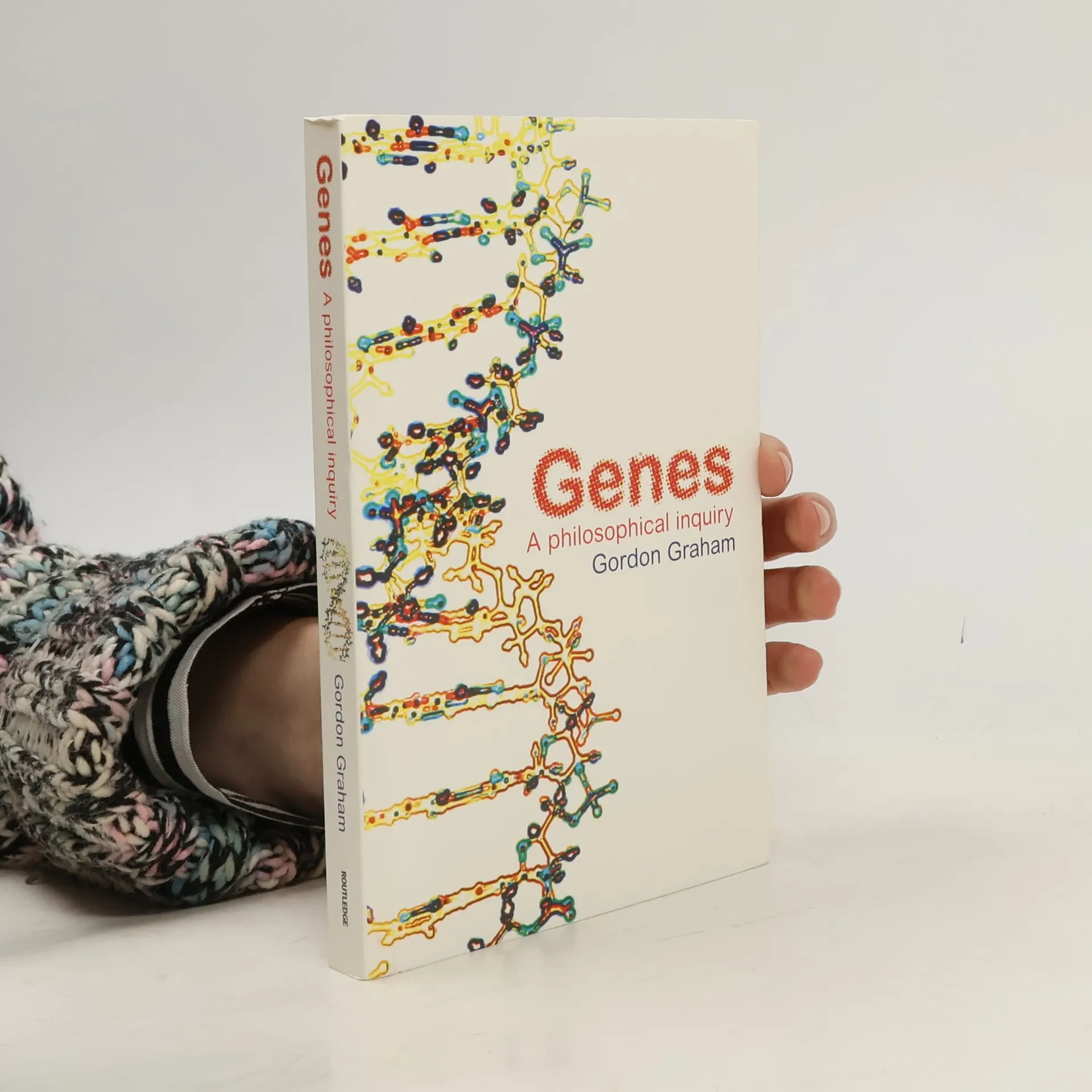
'It's all in the genes'. Is this true, and if so, what is all in the genes? Genes: A Philosophical Inquiry is a crystal clear and highly informative guide to a debate none of us can afford to ignore. Beginning with a much-needed overview of the relationship between science and technology, Gordon Graham lucidly explains and assesses the most important and controversial aspects of the genes debate: Darwinian theory and its critics, the idea of the 'selfish' gene, evolutionary psychology, memes, genetic screening and modification, including the risks of cloning and 'designer' babies. He considers areas often left out of the genes debate, such as the environmental risks of genetic engineering and how we should think about genes in the wider context of debates on science, knowledge and religion. Gordon Graham asks whether genetic engineering might be introducing God back into the debate and whether the risks of a brave new genetic world outweigh the potential benefits. Essential reading for anyone interested in science, technology, and philosophy, Genes: A Philosophical Inquiry is ideal for those wanting to find out more about the ethical implications of genetics and the future of biotechnology.