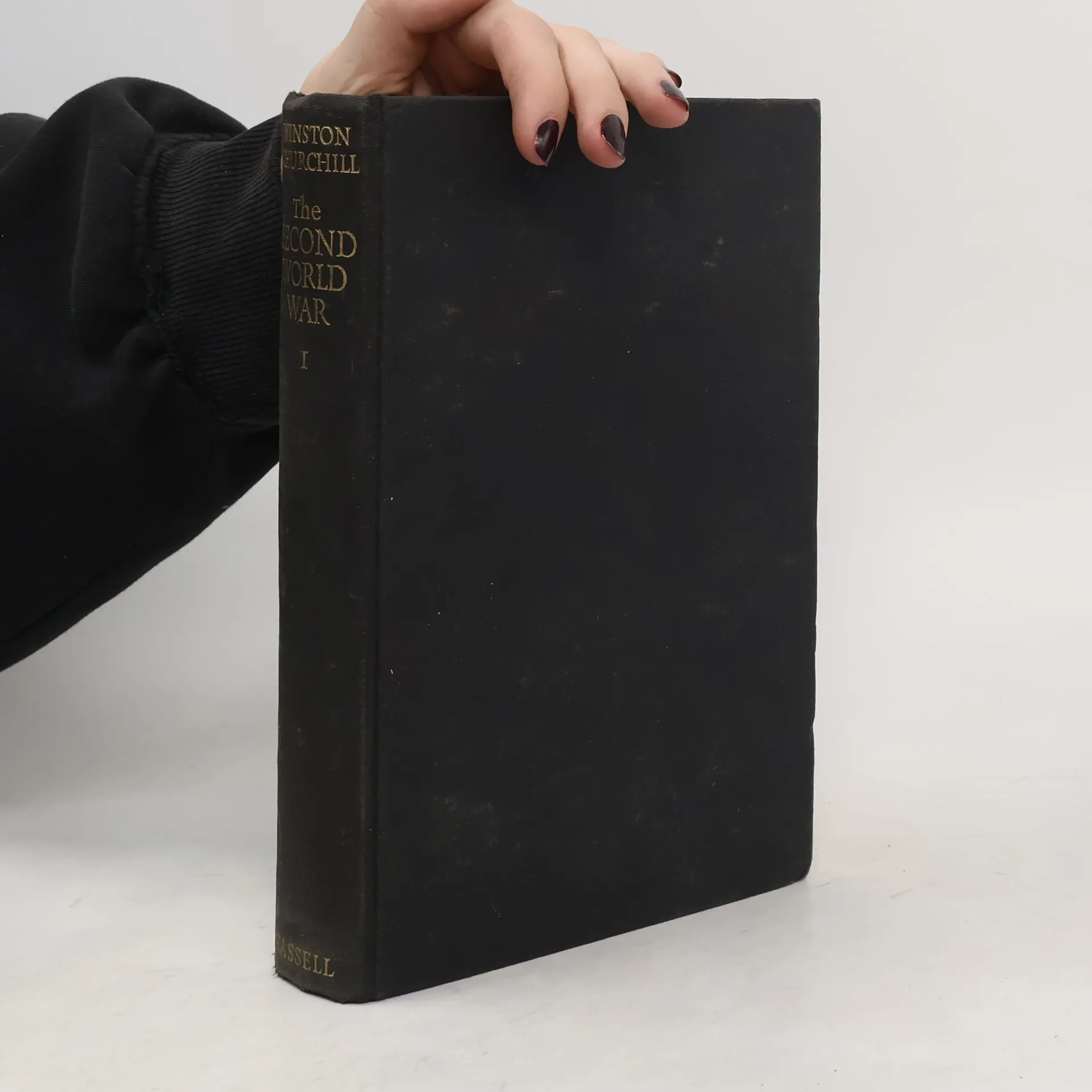
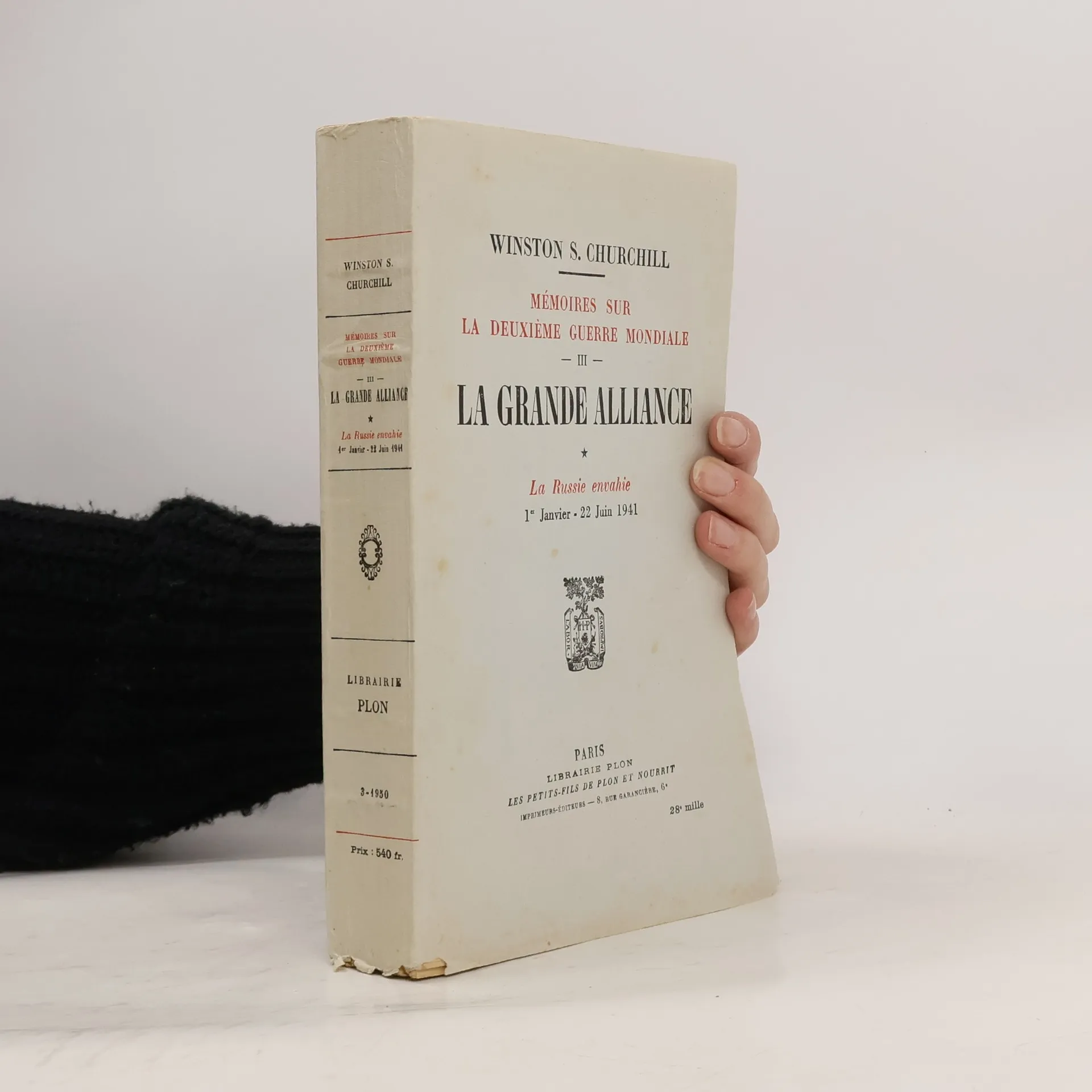
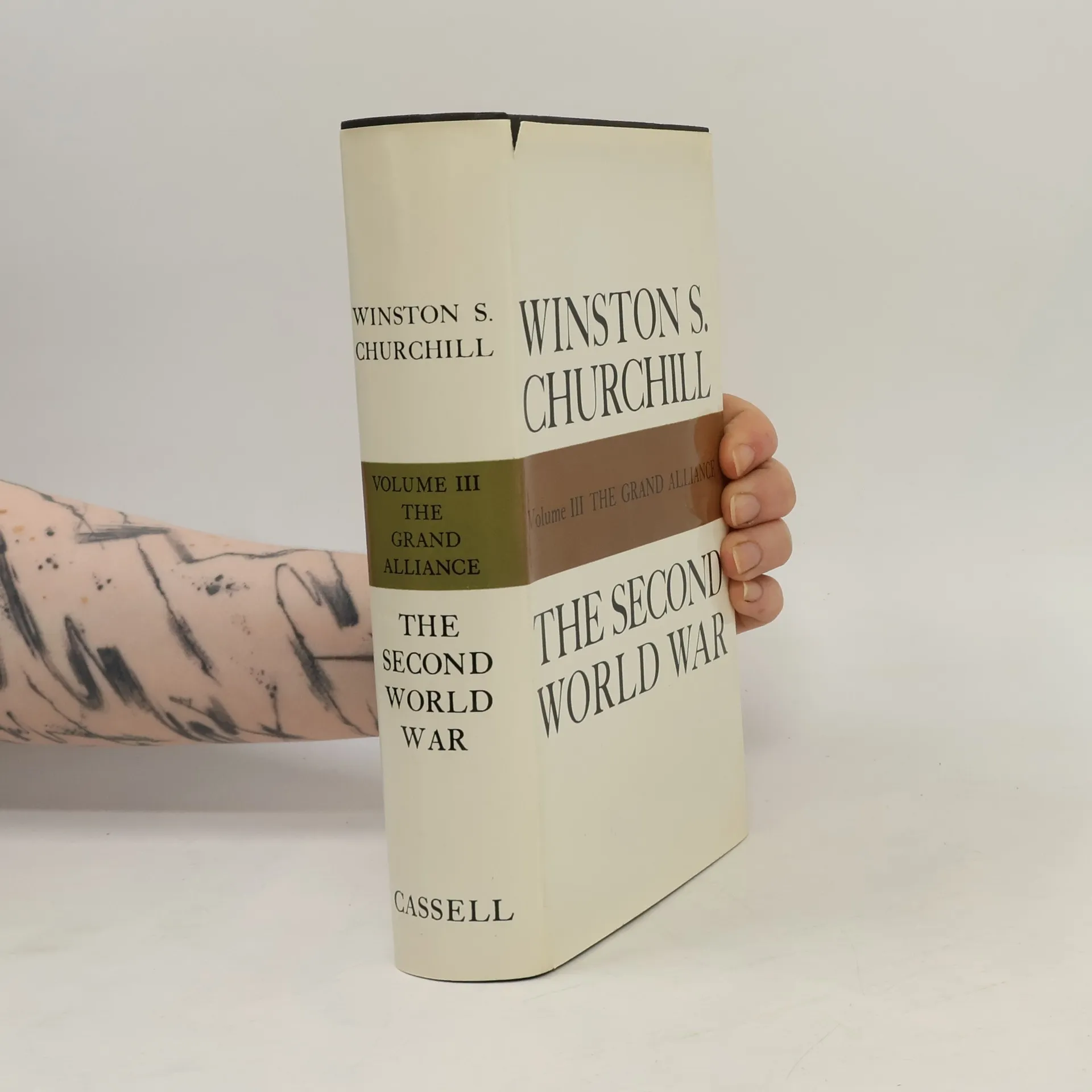
La grande alliance
Mémoires sur la deuxieme guerre mondiale III
4,7


Ce célèbre homme d'État, orateur et stratège est réputé pour son esprit indomptable et sa défense passionnée de la liberté et de la démocratie. Sa production littéraire, récompensée par le prix Nobel de littérature, témoigne d'une maîtrise historique et biographique exceptionnelle. À travers ses essais et ses œuvres historiques, il plonge le lecteur dans les paysages politiques et militaires complexes de son époque. Sa prose est à la fois formelle et urgente, empreinte d'une rhétorique convaincante et d'une profonde perspicacité quant à la condition humaine.
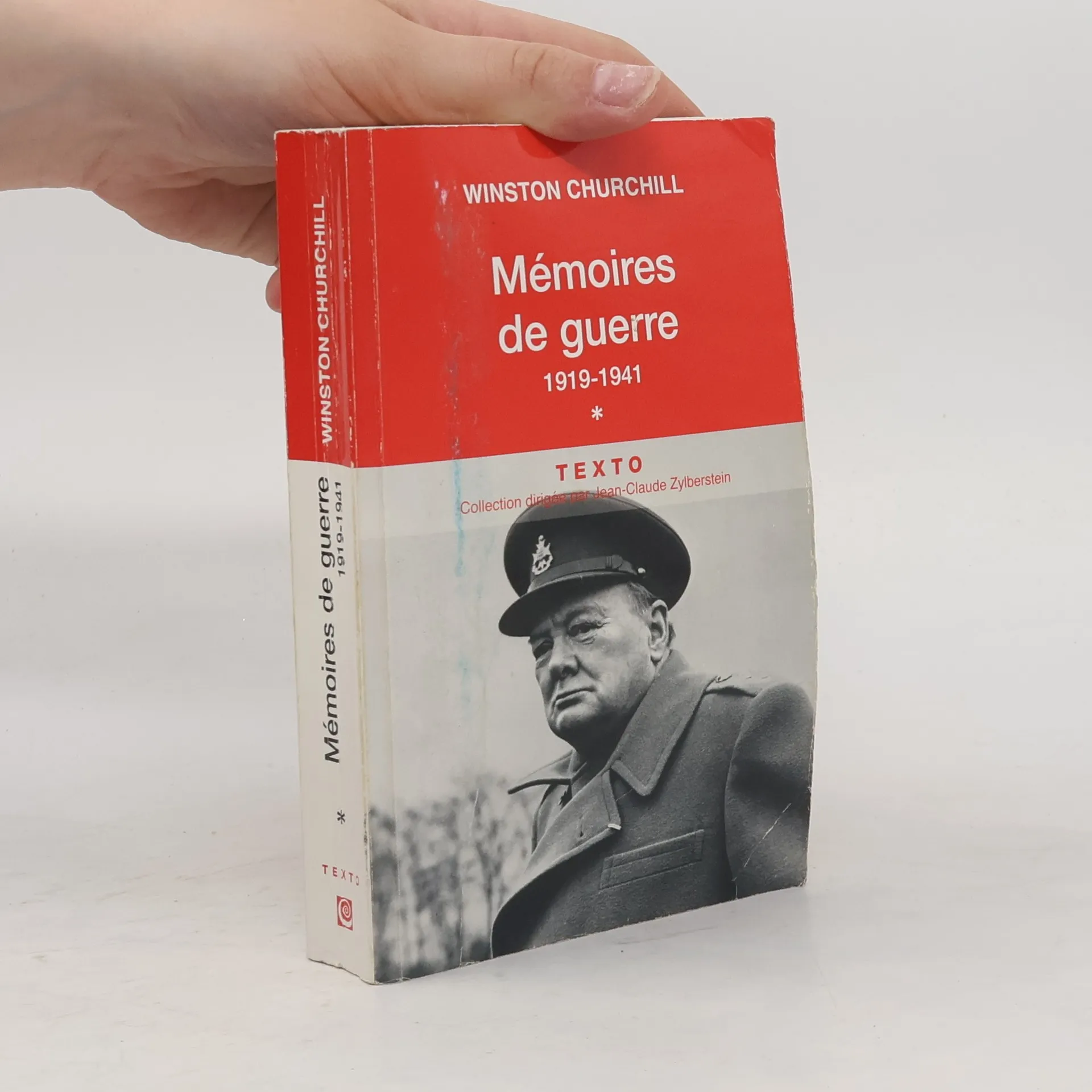


Mémoires sur la deuxieme guerre mondiale III
Futur Nobel de littérature, le Premier Ministre britannique prenait un soin de styliste à l'écriture de ses discours de guerre. Au plus noir de la bataille d'Angleterre, dans un Londres harcelé par les bombardements allemands, chaque mot devait porter, frapper. Du sang, du labeur, de la sueur, des larmes. Mais le génie de Churchill, c'est beaucoup plus qu'un sens permanent de la formule. C'est une métrique incomparable, une musique et aussi cette voix, qu'on croit entendre, rocailleuse, emmêlée, essoufflée ; six ans durant, elle a incarné la résistance des Alliés contre l'Axe. Le lecteur trouvera rassemblé ici le meilleur des discours de guerre de Churchill. Indisponibles en français depuis la fin des années cinquante, ils ont été entièrement retraduits et commentés.
Mars 1936, Hitler dénonce le traité de Locarno et envahit la Rhénanie. Trois ans plus tard, il bafoue celui de Munich et annexe la Tchécoslovaquie. Entre ces deux dates, Winston Churchill observe et note ces événements annonciateurs de sombres lendemains. Inlassable défenseur de la paix, il ne cesse d'alerter ses contemporains du danger du réarmement allemand et leur recommande de se préparer à un conflit qui semble, hélas, inévitable. Dans son Journal politique, cet homme politique passionné analyse, avec une clairvoyance presque prophétique, son époque et nous décrit ces temps agités, préludes au déchaînement apocalyptique de la Seconde Guerre mondiale.
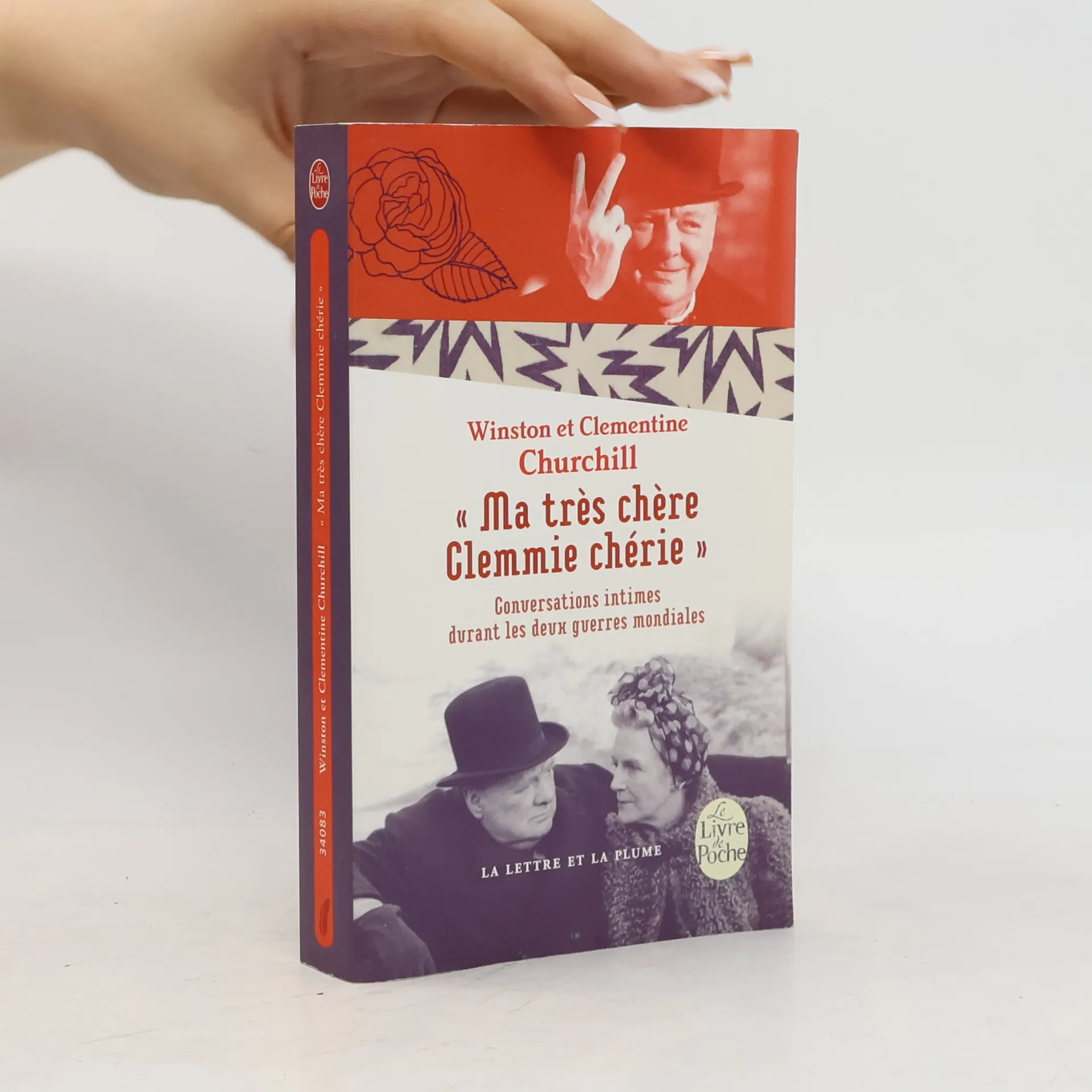
Conversations intimes durant les deux guerres mondiales
Fin stratège, orateur hors pair, brillant politicien et homme de lettres prolifique, couronné par le prix Nobel de littérature en 1953, Winston Churchill fut l’une des grandes figures du XXe siècle. En 1908, il épousa Clementine Hozier, avec laquelle il échangea des milliers de lettres, notes et télégrammes. Cet ouvrage présente un choix de correspondance en temps de guerre, offrant un aperçu incomparable, non seulement de la vie personnelle du couple, mais aussi de leurs jugements sur la politique et les personnalités du moment, ainsi que sur le cours de deux conflits mondiaux. On y lit leurs espoirs, leurs ambitions, leurs déceptions. S’y révèle également la grande implication de Clementine, « Clemmie », dans la carrière de son mari, et son rôle de conseillère avisée. Enfin, on y découvre, et c’est le fondement même de ce dialogue épistolaire qui dura cinquante-six ans, le lien d’amour indéfectible qui unissait ces deux êtres.
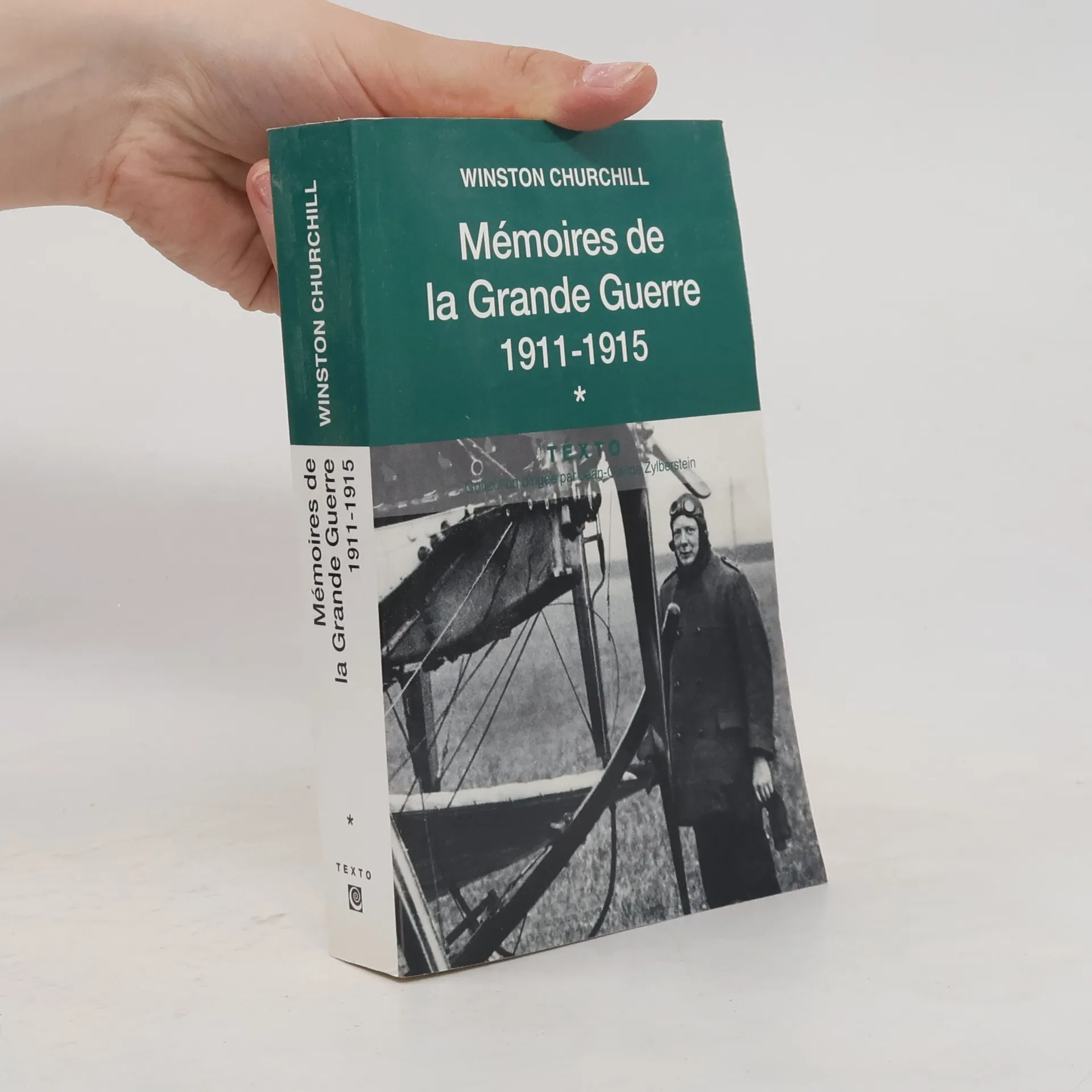
Premier lord de l Amirauté en 1911, Churchill se trouve dès lors au coeur des affaires du monde et au plus près des leaders politiques et militaires du temps. Ses écrits livrent un aperçu sans précédent des coulisses de la Grande Guerre. Pendant près de cinq ans, Churchill oeuvre aux préparatifs de la guerre, rencontre les différents responsables, tente d imposer ses vues, est confronté aux crises gouvernementales, attaqué à la fois par les conservateurs et les membres de son parti. Jamais inactif, il se rend en octobre 1914 à Anvers où l armée belge est encerclée. Favorable à l opération dans les Darda-nelles, Churchill passe pour l initiateur du projet ; son échec lui est alors imputé et il démissionne en novembre 1915. S ensuit alors une douloureuse traversée du désert. Dans ses Mémoires, Churchill se fait le chroniqueur des événements qui ont bouleversé l Europe entre 1911 et 1915, et dont il a été le témoin autant que l acteur. Un document irremplaçable sur l histoire de la Première Guerre mondiale. Préface de François Kersaudy. Traduction de l anglais révisée et annotée par Antoine Capet. « Un best-seller aujourd hui réédité, qui offre un récit précis, passionnant, brillant des premiers mois de ce conflit qui allait changer la face du monde. »
"Nous sommes tous des vers", avait modestement confié le jeune Winston à une amie, "mais je crois que moi, je suis un ver luisant". Ses multiples actions d'éclat, immortalisées par une œuvre littéraire étincelante, expliquent clairement pourquoi il n'a pas fini de luire... Voici une traduction aussi fidèle que possible des Mémoires de guerre, accompagnée de quelques commentaires destinés à corriger les omissions, exagérations, approximations et improvisations inévitables chez tout homme d'exception ayant entrepris de faire l'histoire et de l'écrire à la fois. Une épopée narrée comme un conte et des excursions aux quatre coins d'un monde en guerre, avec d'admirables phrases cadencées et une documentation surabondante, le tout émaillé d'un humour omniprésent... Ce témoignage unique d'un des grands acteurs de la Seconde Guerre mondiale constitue une œuvre littéraire, au sens le plus noble du mot.
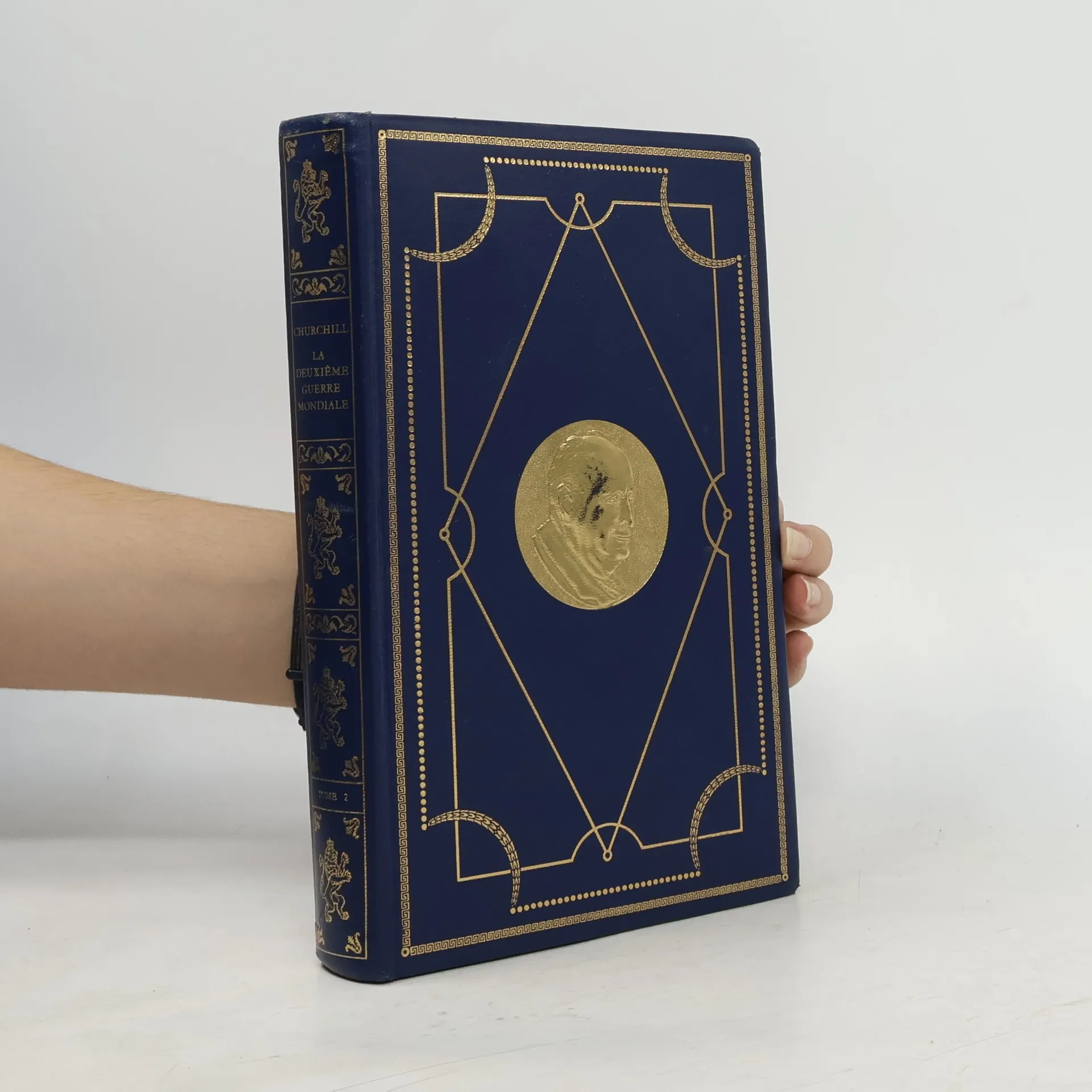
Brillant politicien, excellent écrivain, orateur hors pair, Winston Churchill est l'un des plus grands hommes d'Etat du XXe siècle. François Kersaudy a rassemblé ici ses propos les plus inoubliables et les plus percutants. Comment résister aux considérations du prix Nobel de littérature 1953 sur le destin, la politique, la guerre, de Gaulle, la France, le communisme, Hitler. les Etats-Unis, mais aussi sur l'humour, l'alcool, les femmes, l'histoire et la mort ? Les commentaires de l'historien replacent les citations de Churchill clans leur contexte, en les nuançant à l'occasion et en montrant souvent leur extraordinaire dimension prophétique. Les réflexions et les reparties de ce farouche lutteur doublé d'un grand artiste resteront d'actualité aussi longtemps qu'il y aura des hommes ; et si le rire est la meilleure médecine, Le Monde selon Churchill sera à prescrire très largement et à consommer sans modération...

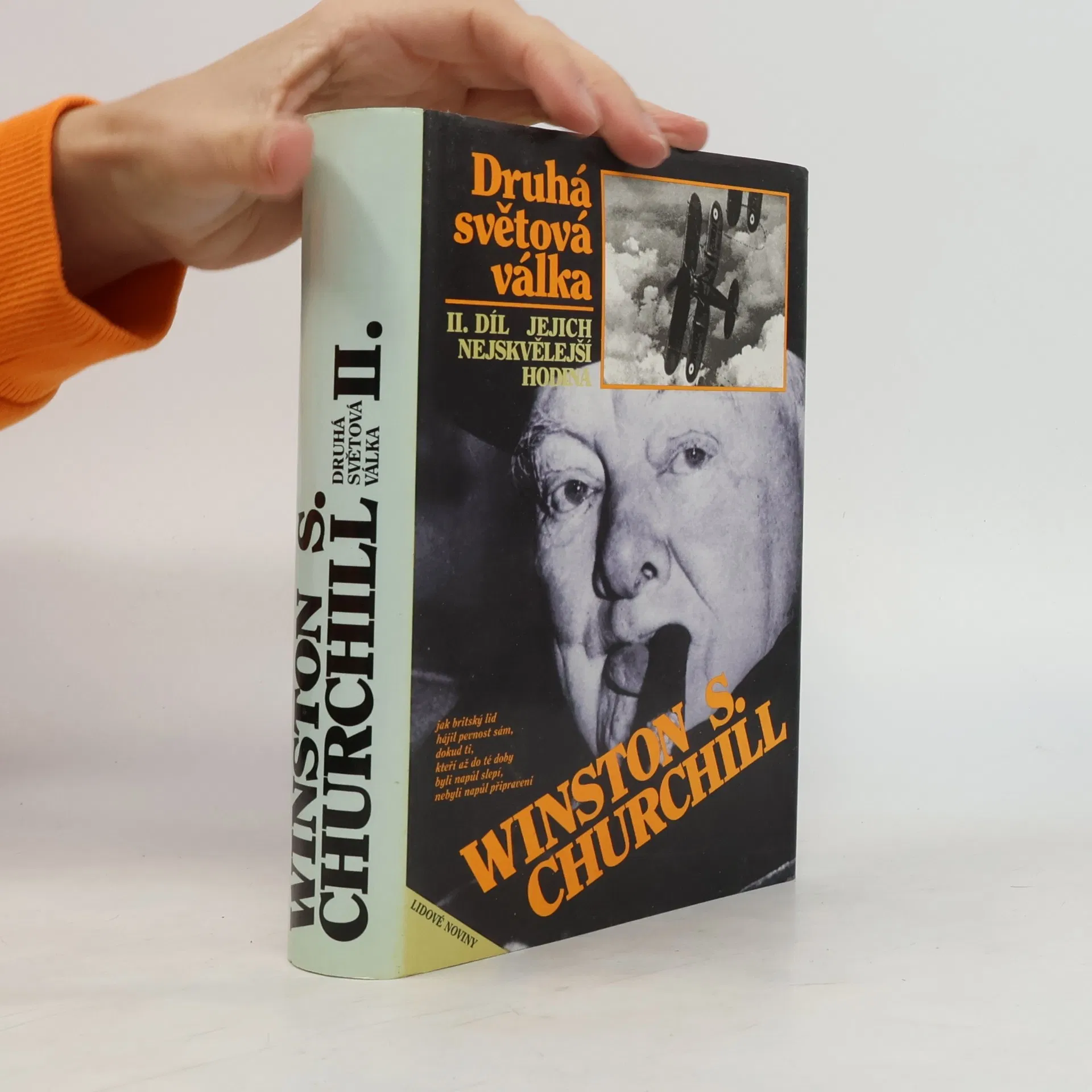
Closing the ring covers the decisive twelve months between June 1943 and June 1944. Command of the seas had returned to Allied hands, the U-boats were mastered and the Luftwaffe beaten. These achievements made possible the 'closing of the ring' which was to extinguish Axis resistance and eventually end the war. The danger was no longer defeat but stalemate. Russian armies were driving the German invaders back into their own country, Italy was freed from the fascist yoke and Africa was cleared. However, before the Allies lay the formidable task of invading the aggressors in their own land. Frankly and unreservedly, Sir Winston Churchill reveals the tensions and divergences of opinions concerning how best to achieve this among the three great partners, Britain, USA and Russia.
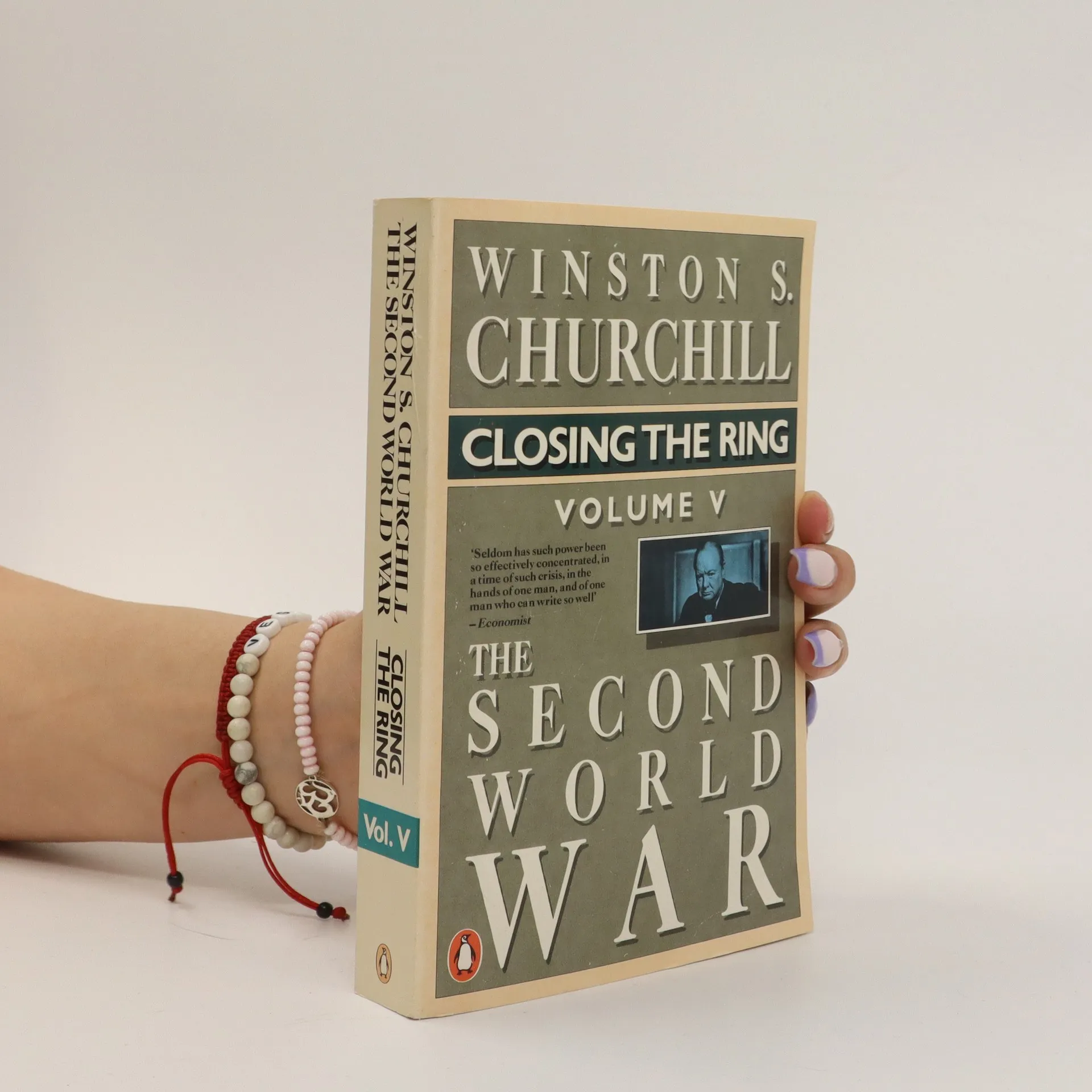
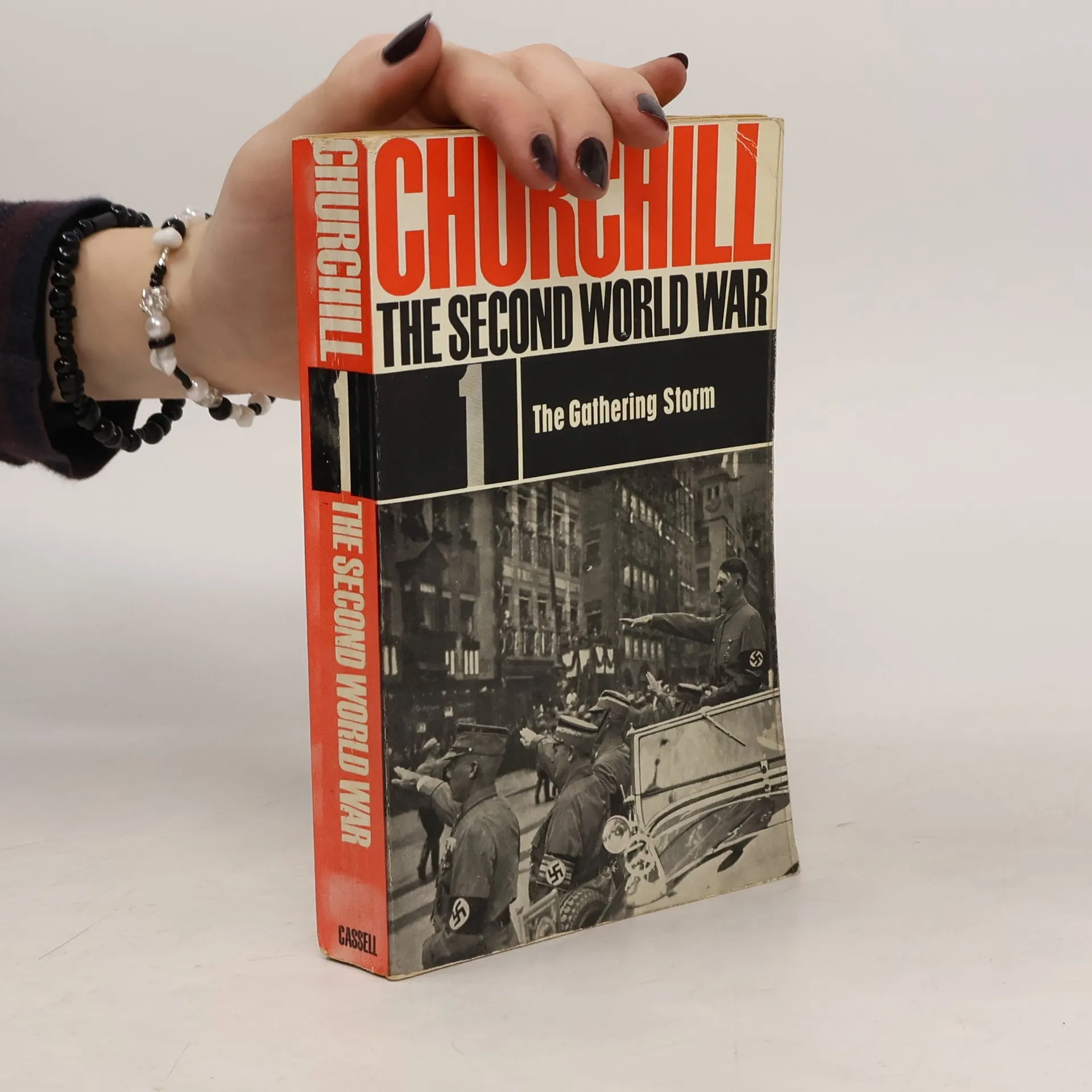
Winston Churchill was not only a statesman and leader of historic proportions, he also possessed substantial literary talents. These two factors combine to make The Gathering Storm a unique work. The first volume of Churchill's memoirs, this selection is broken into two parts. The first, From War to War, consists of Churchill's critical observations on the settlement of World War I and its place in the causes of the Second World War. The second volume contains letters and memoranda from the British government--of which Churchill was part--as the country plunged unprepared into war. This stands as the best of history: written as it was made, by the man who made it.
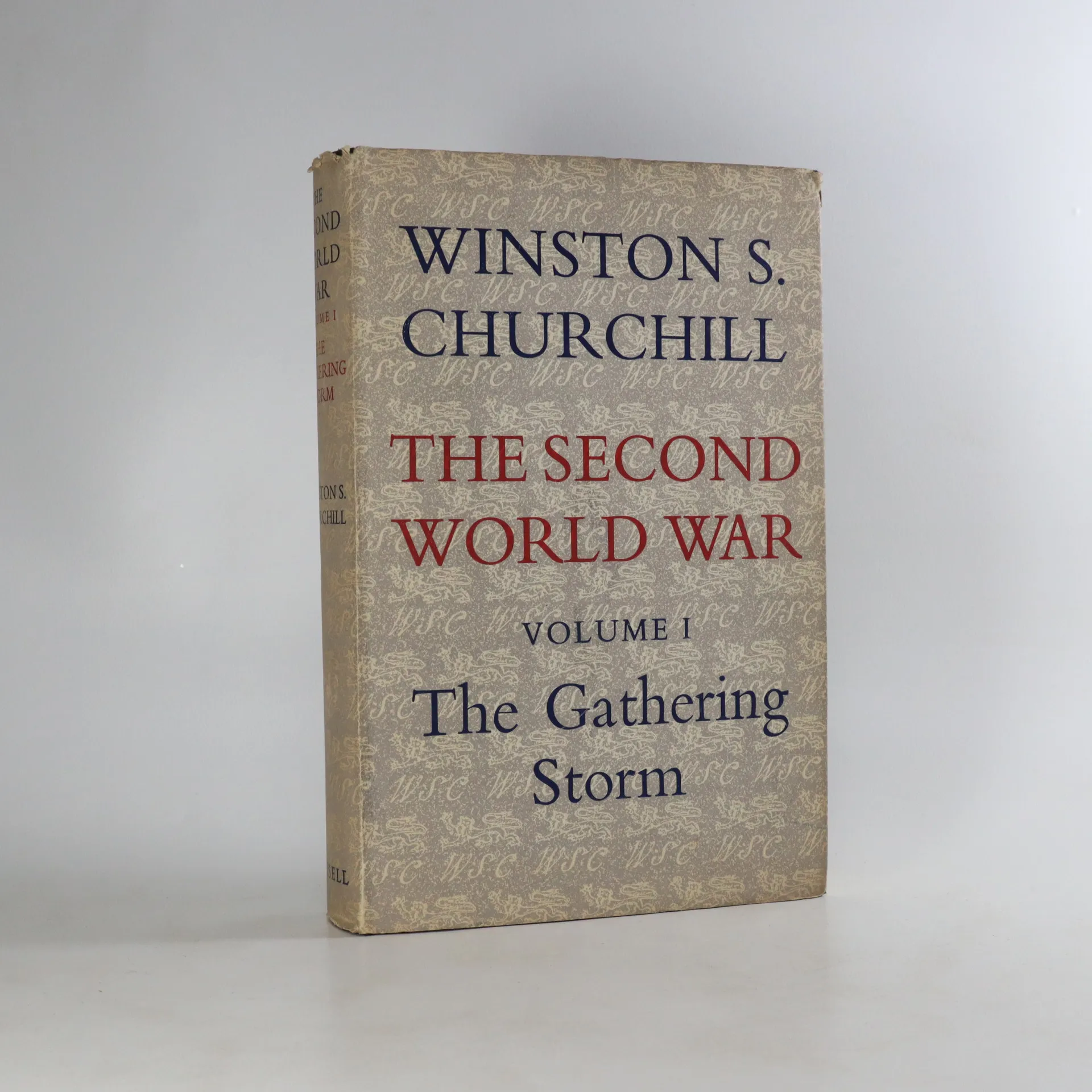
Jejich nejskvělejší hodina
Paměti jednoho z největších státníků našeho století.
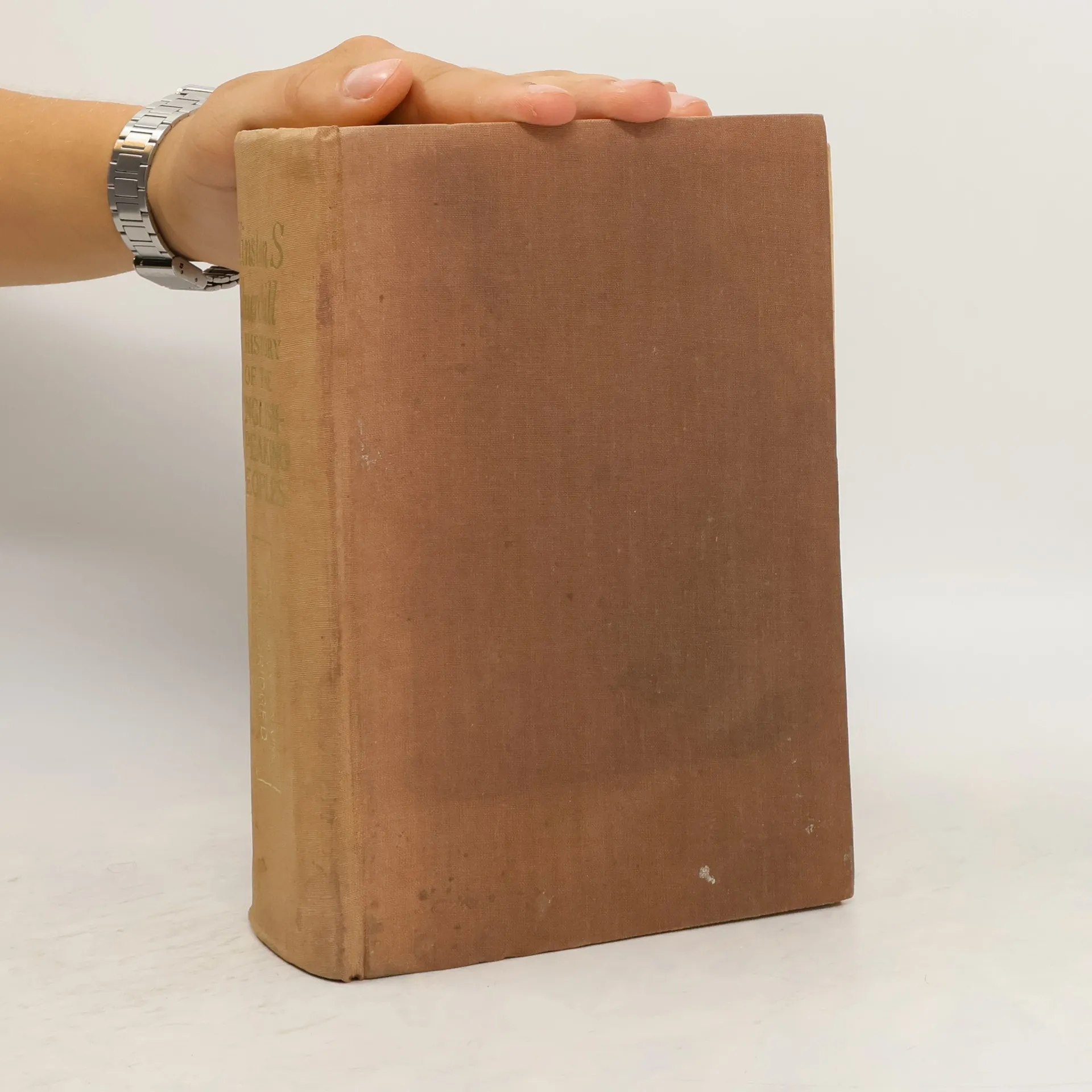
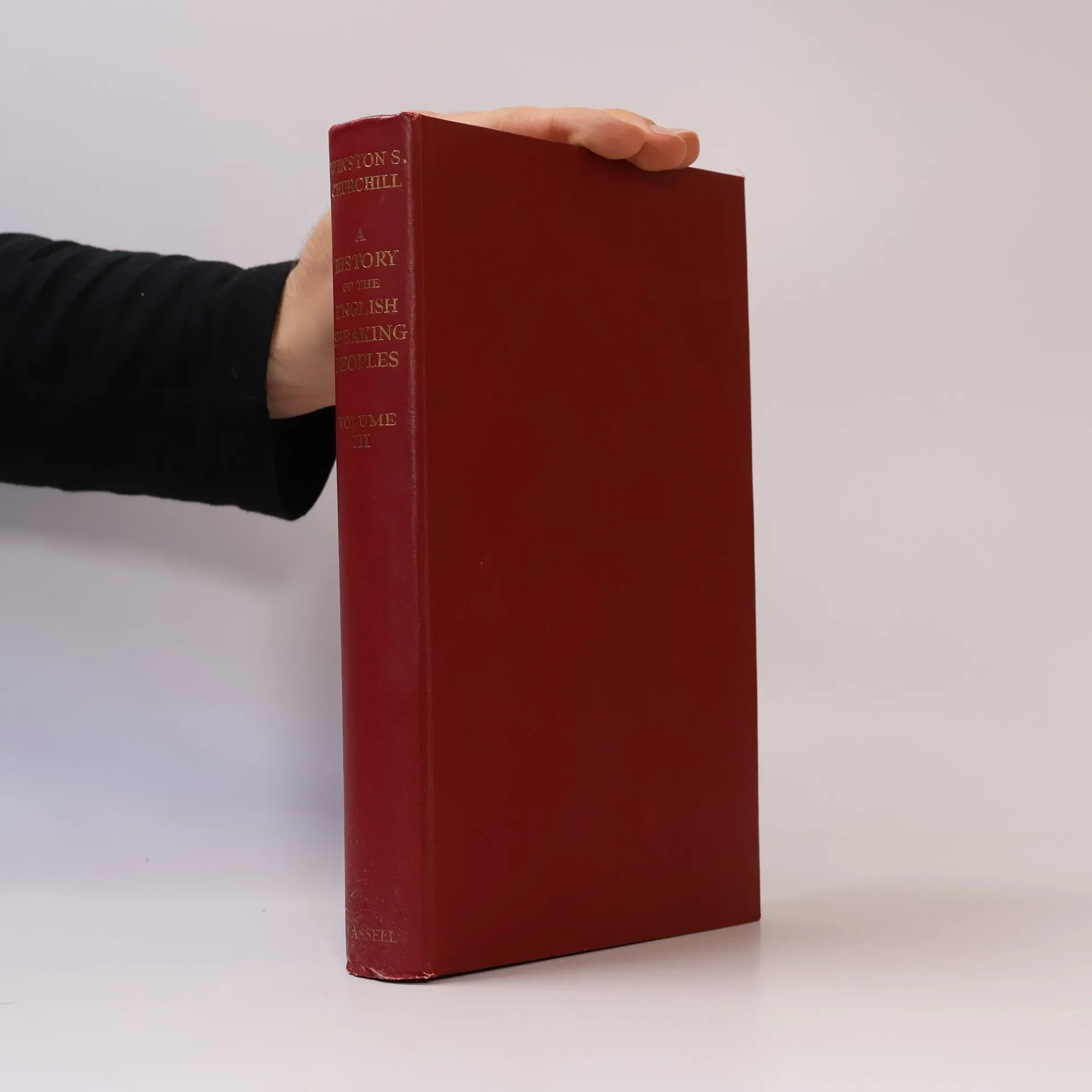
"This history will endure; not only because Sir Winston has written it, but also because of its own inherent virtues - its narrative power, its fine judgment of war and politics, of soldiers and statesmen, and even more because it reflects a tradition of what Englishmen in the hey-day of their empire thought and felt about their country's past." The Daily Telegraph Spanning four volumes and many centuries of history, from Caesar's invasion of Britain to the start of World War I, A History of the English-Speaking Peoples stands as one of Winston Churchill's most magnificent literary works. Begun during Churchill's 'wilderness years' when he was out of government, first published in 1956 after his leadership through the darkest days of World War II had cemented his place in history and completed when Churchill was in his 80s, it remains to this day a compelling and vivid history. The Great Democracies is the fourth and final volume of Churchill's history. Here, Churchill reaches the modern era. For Britain, this was the high Victorian era of Palmerston, Gladstone and Disraeli, an age of free trade and imperialism as the British spread to Africa, Australia and New Zealand. Meanwhile the fledgling republic in America endured the great crisis of the Civil War to take its first steps on the road to becoming the world superpower that endures to this day.

The quintessential account of the Second World War as seen by Winston Churchill, its greatest leader As Prime Minister of Great Britain from 1940 to 1945, Winston Churchill was not only the most powerful player in World War II but also the free world's most eloquent voice of defiance in the face of Nazi tyranny. Churchill's epic accounts of those times, remarkable for their grand sweep and incisive firsthand observations, are distilled here in a single essential volume. Memoirs of the Second World War is a vital and illuminating work that retains the drama, eyewitness details, and magisterial prose of his classic six-volume history and offers an invaluable view of pivotal events of the twentieth century.

Covers the problems confronted by Churchill as he becomes Prime Minister, the Battle of France, the story of Dunkirk, the Battle of Britain, and the rebuilding of England's Army
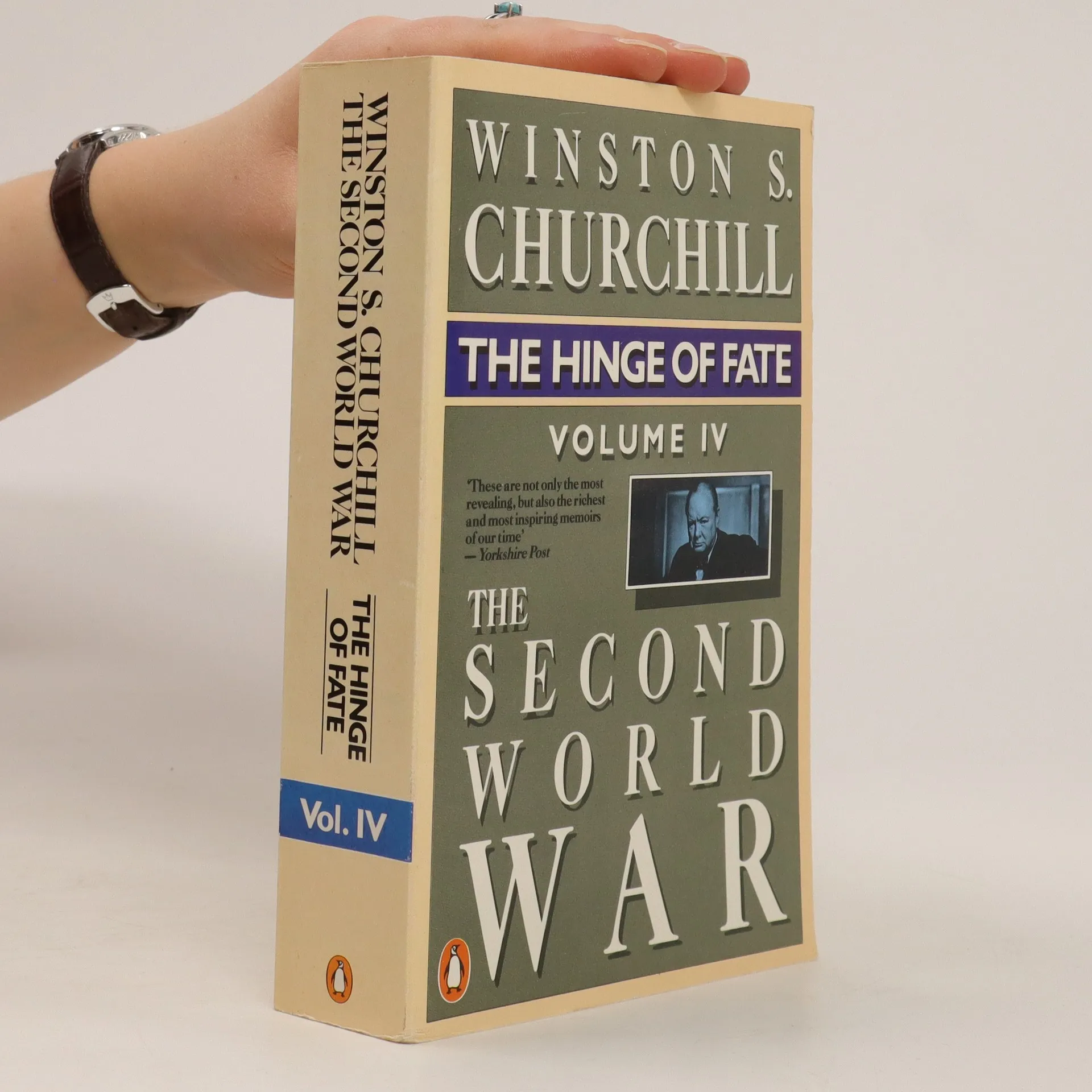
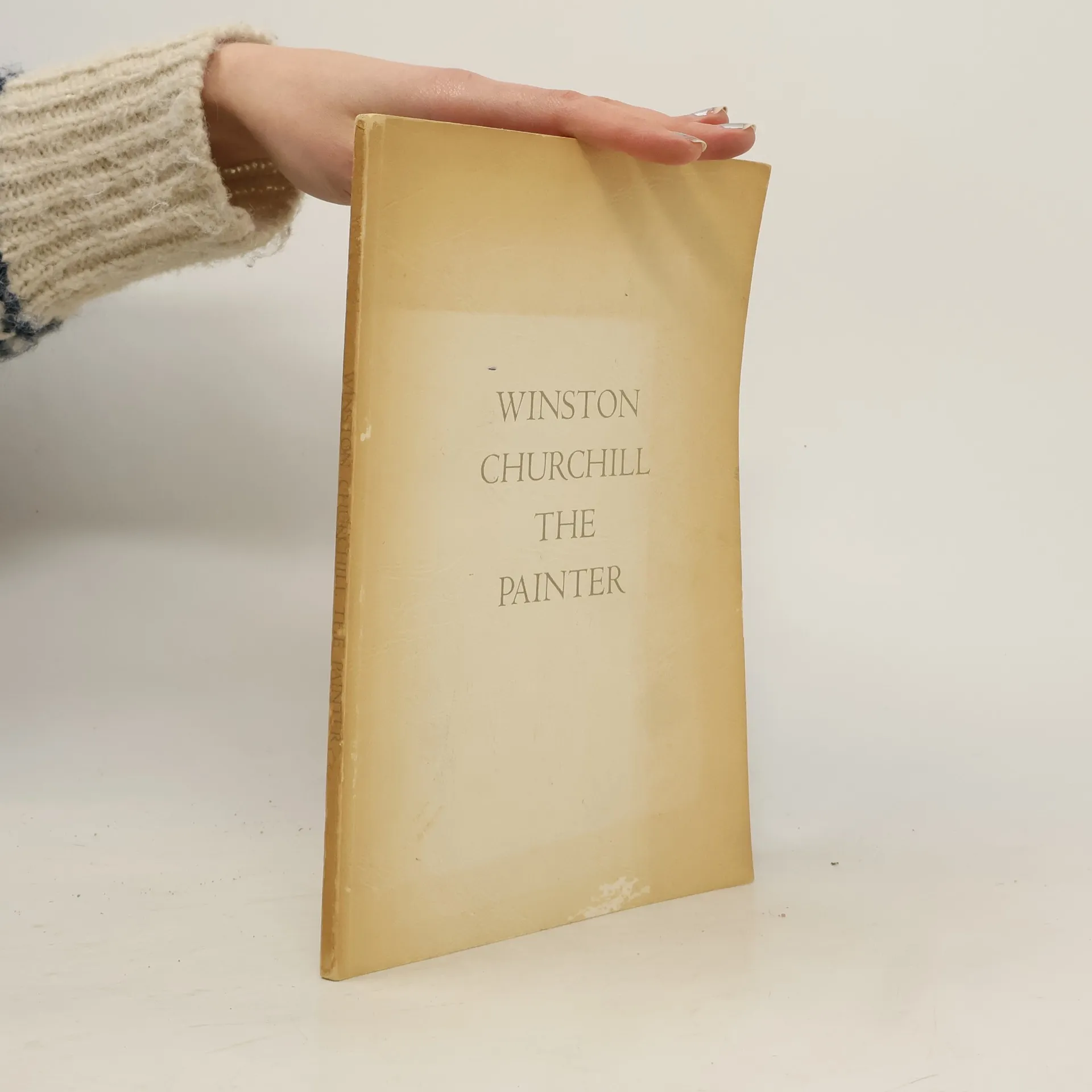
A glorious essay by Winston Churichill about one of his favourite pastimes, painting.
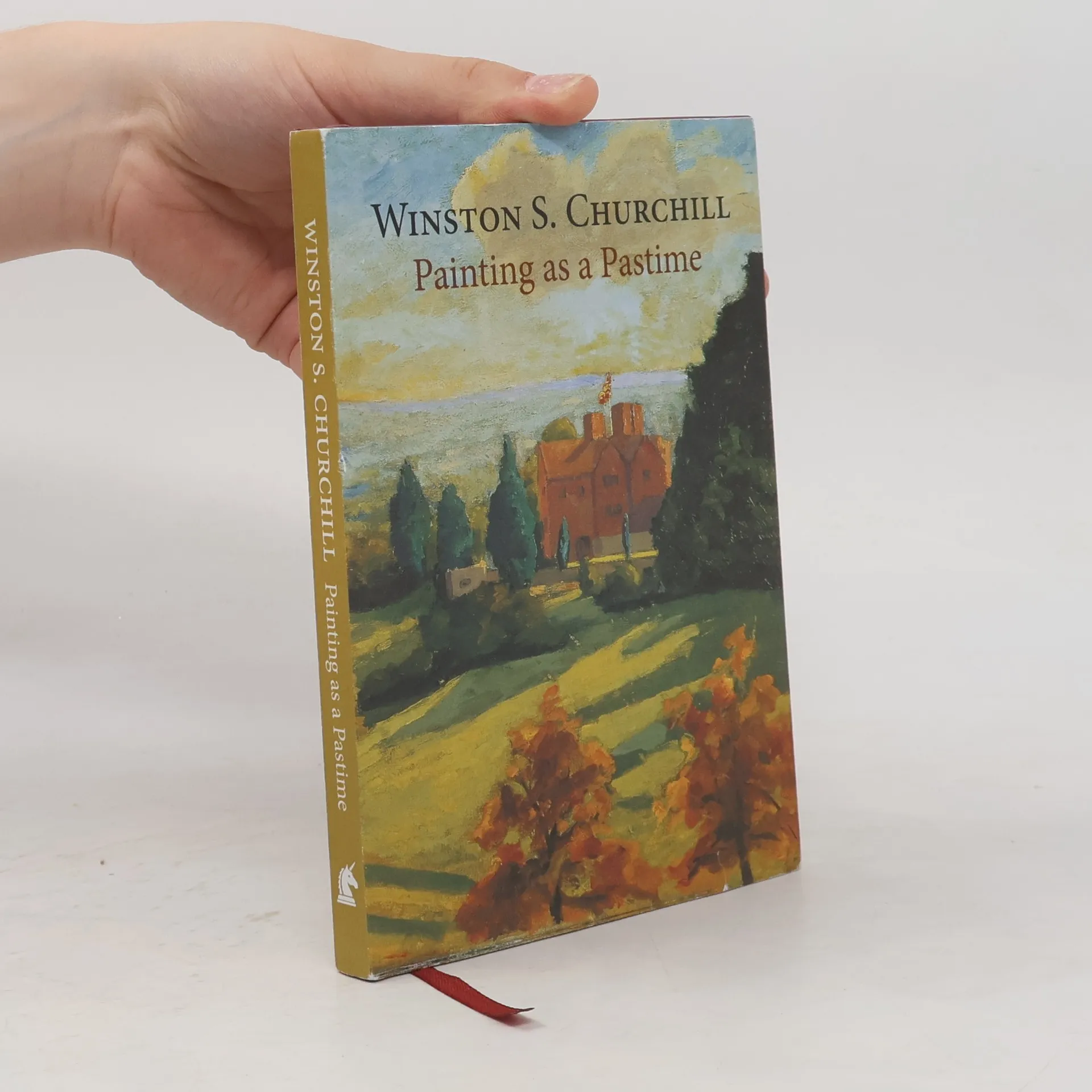

This is a one-volume condensation of Churchill's six-volume history of World War II. Condensed in 1959, it includes an epilogue on the years 1945-57 thus including Hiroshima and VJ, his "Iron Curtain" speech and his second premiership.
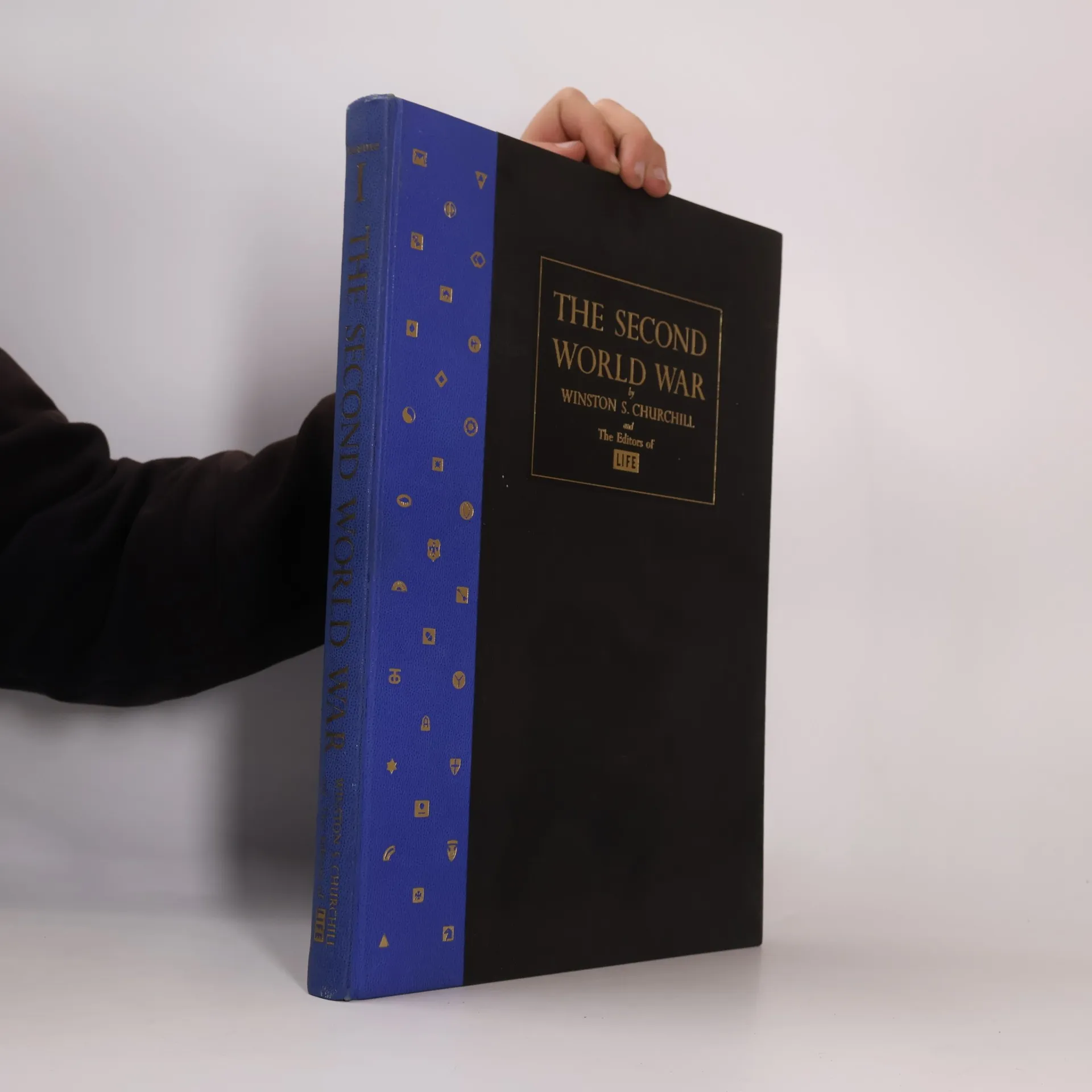
An authoritative survey of the history of English-speaking peoples throughout the world combines intriguing, closely observed biographical profiles—of Alfred the Great, Victoria, Joan of Arc, Lincoln, and other notables—with an account of the key events and issues of the era. The narrative commences fifty-five years before the birth of Christ, when Julius Caesar famously “turned his gaze upon Britain,” and concludes in the year 1900. The beginnings of Parliament, the Church, and the monarchy are all analyzed alongside this comprehensive abridgment.
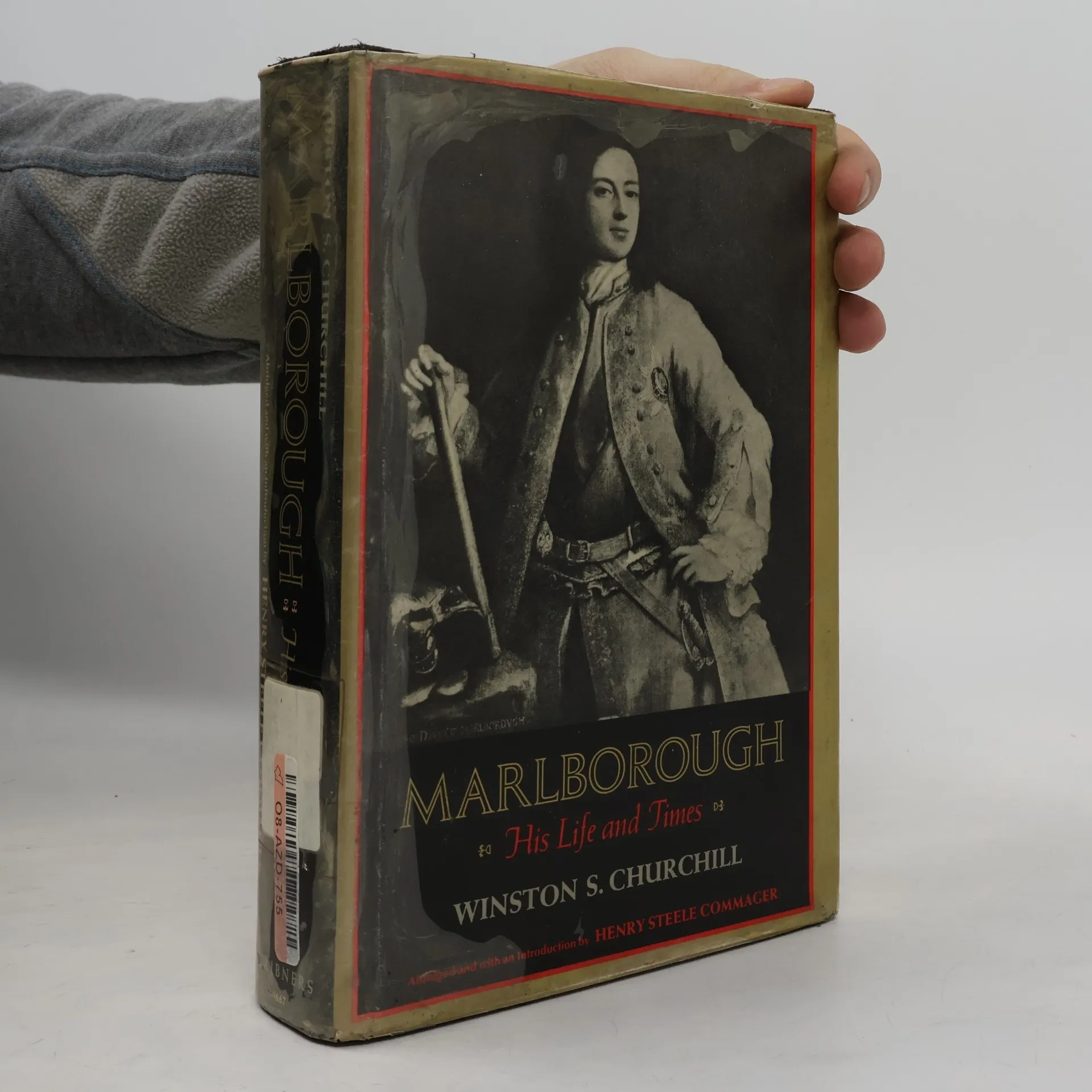
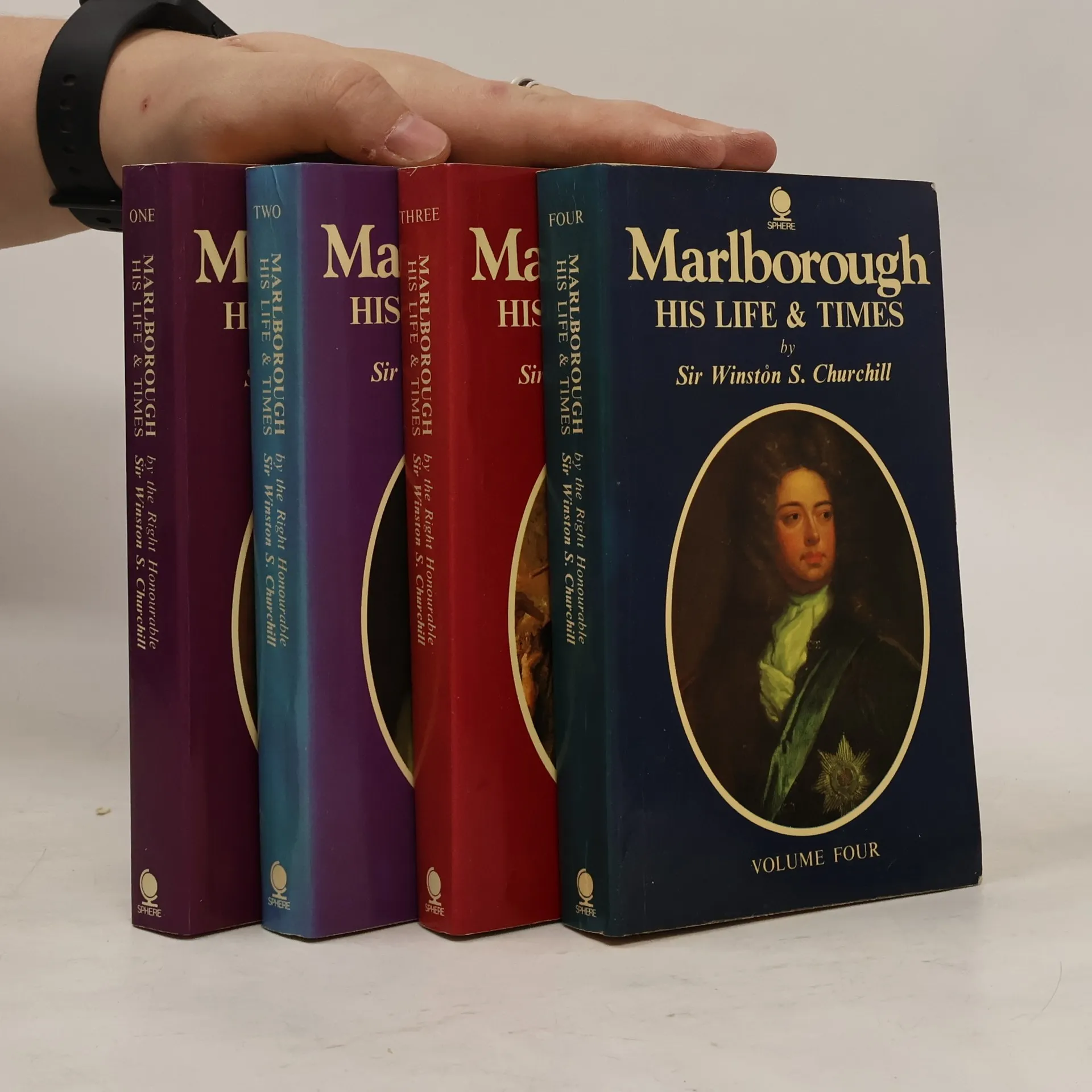
Focusing on the life of John Churchill, the Duke of Marlborough, this work offers a blend of homage and historical insight from his descendant, Sir Winston Churchill. It delves into the remarkable military and political achievements of one of England's greatest commanders, providing a personal perspective on his legacy and influence.
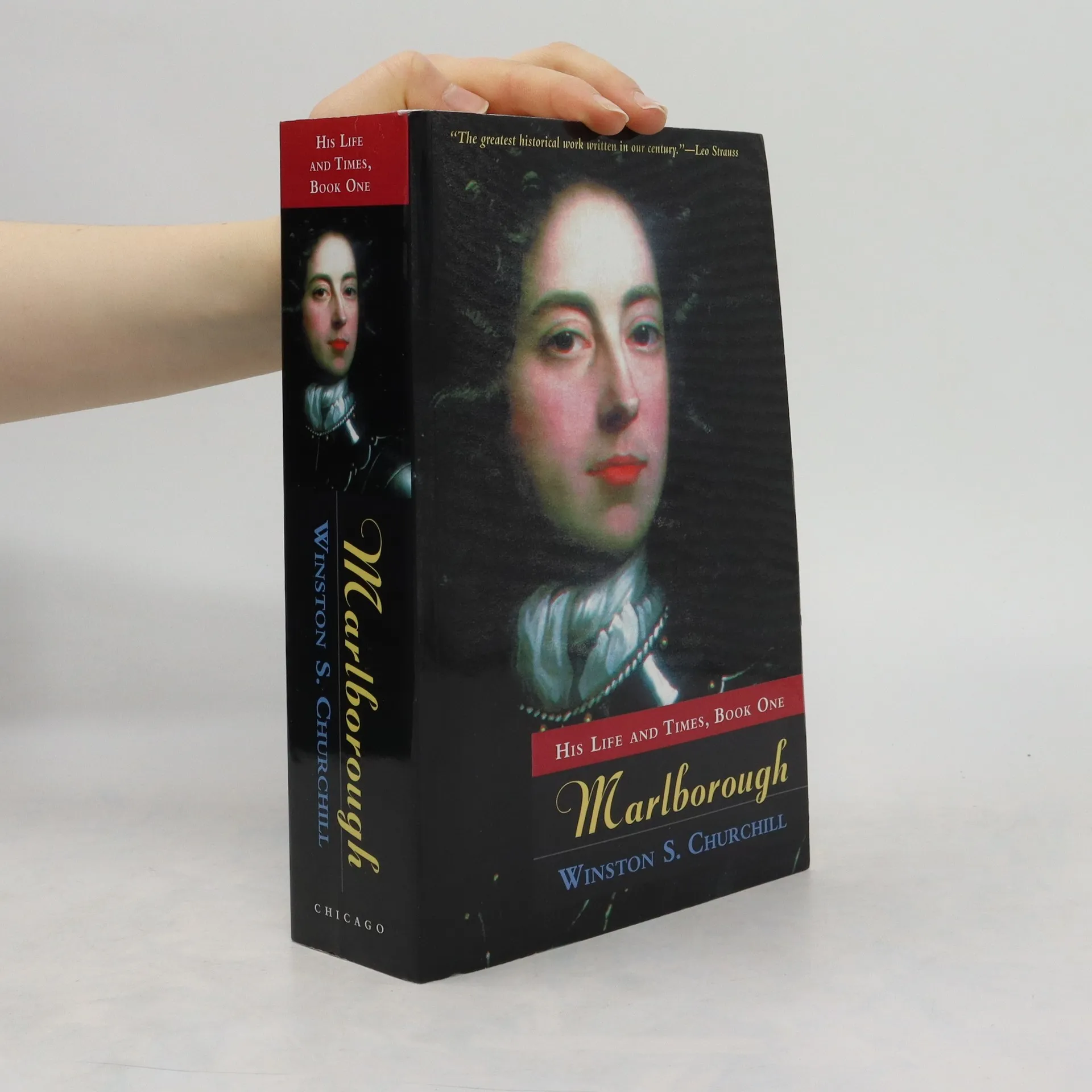
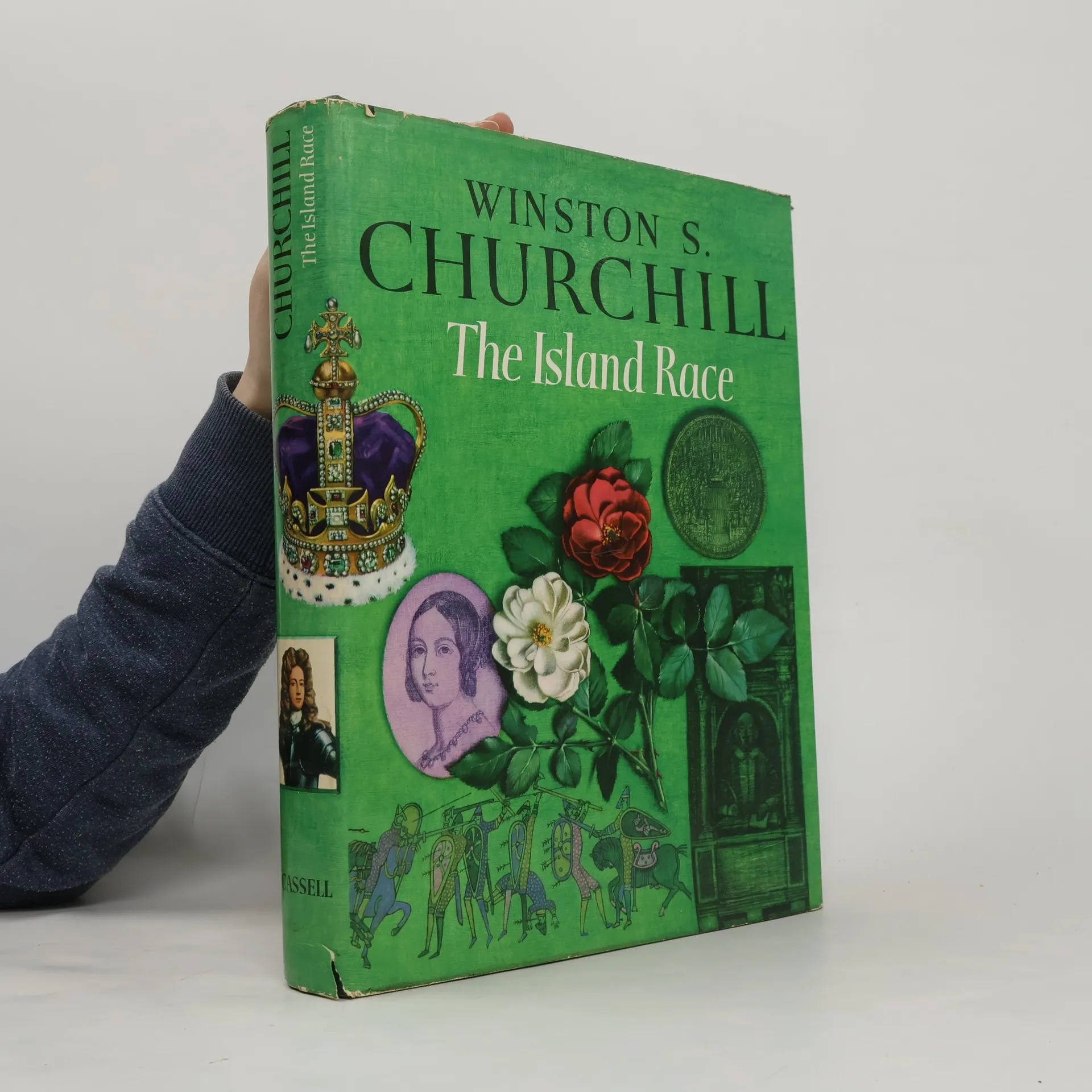
"This history will endure; not only because Sir Winston has written it, but also because of its own inherent virtues - its narrative power, its fine judgment of war and politics, of soldiers and statesmen, and even more because it reflects a tradition of what Englishmen in the hey-day of their empire thought and felt about their country's past." The Daily Telegraph Spanning four volumes and many centuries of history, from Caesar's invasion of Britain to the start of World War I, A History of the English-Speaking Peoples stands as one of Winston S. Churchill's most magnificent literary works. Begun during Churchill's 'wilderness years' when he was out of government, first published in 1956 after his leadership through the darkest days of World War II had cemented his place in history and completed when Churchill was in his 80s, it remains to this day a compelling and vivid history. The first volume - The Birth of Britain - tells the story of the formation of the British state, from the arrival of Julius Caesar and the Roman Empire through the invasions of the Vikings and the Normans, the signing of the Magna Carta and establishment of the mother of parliaments to the War of the Roses.
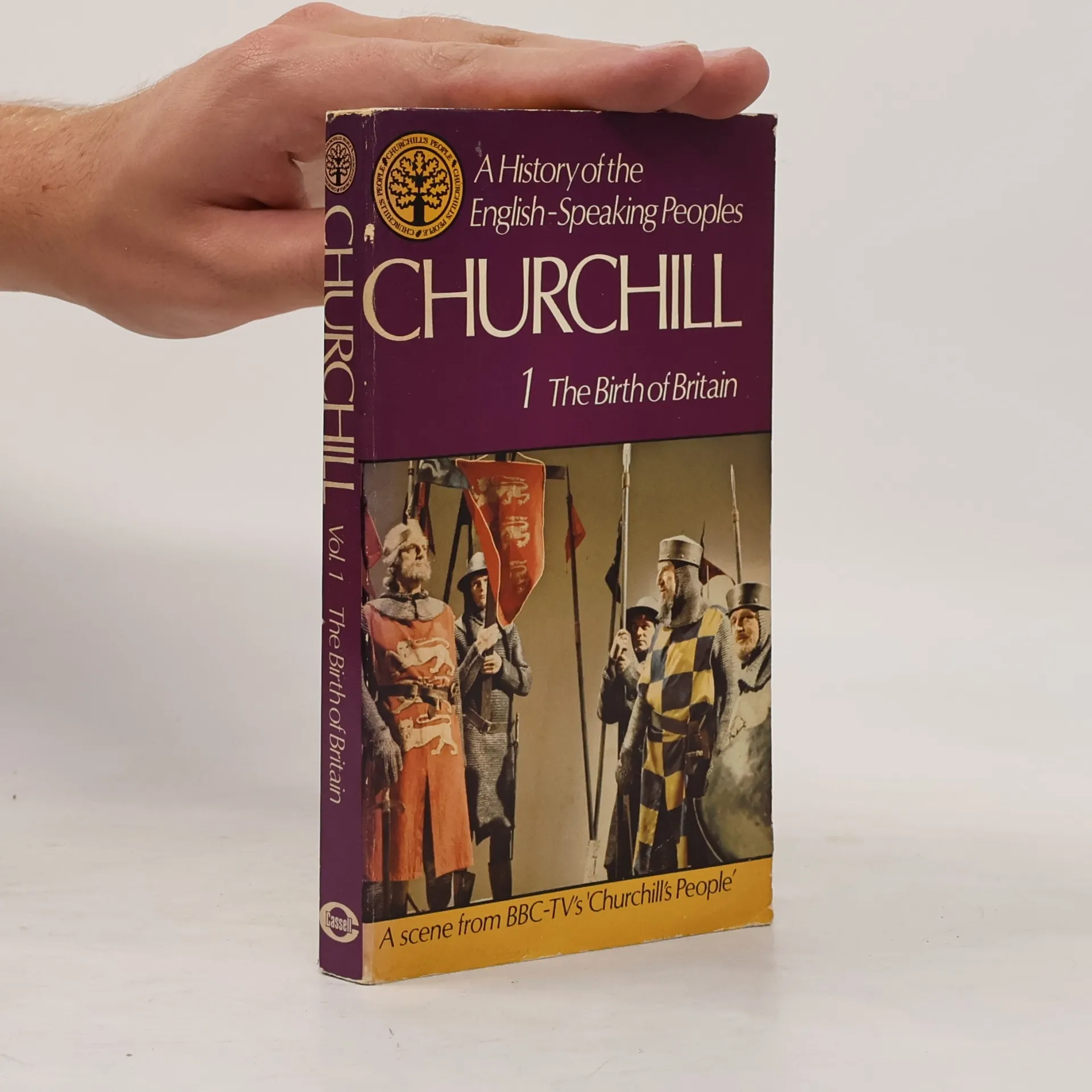
The New World
"This history will endure; not only because Sir Winston has written it, but also because of its own inherent virtues - its narrative power, its fine judgment of war and politics, of soldiers and statesmen, and even more because it reflects a tradition of what Englishmen in the hey-day of their empire thought and felt about their country's past." The Daily Telegraph Spanning four volumes and many centuries of history, from Caesar's invasion of Britain to the start of World War I, A History of the English-Speaking Peoples stands as one of Winston Churchill's most magnificent literary works. Begun during Churchill's 'wilderness years' when he was out of government, first published in 1956 after his leadership through the darkest days of World War II had cemented his place in history and completed when Churchill was in his 80s, it remains to this day a compelling and vivid history. The second volume - The New World - explores the emergence of Britain on the world stage and a turbulent period at home: from Henry VIII's break with Rome and the English Reformation to the fending off of the Spanish Armada and the schism between parliament and crown that led to the civil war, the fall and rise of the monarchy and the rule of Oliver Cromwell. The book also covers the historic journey of the 'Mayflower' that saw the English-speaking peoples' arrival in the Americas.
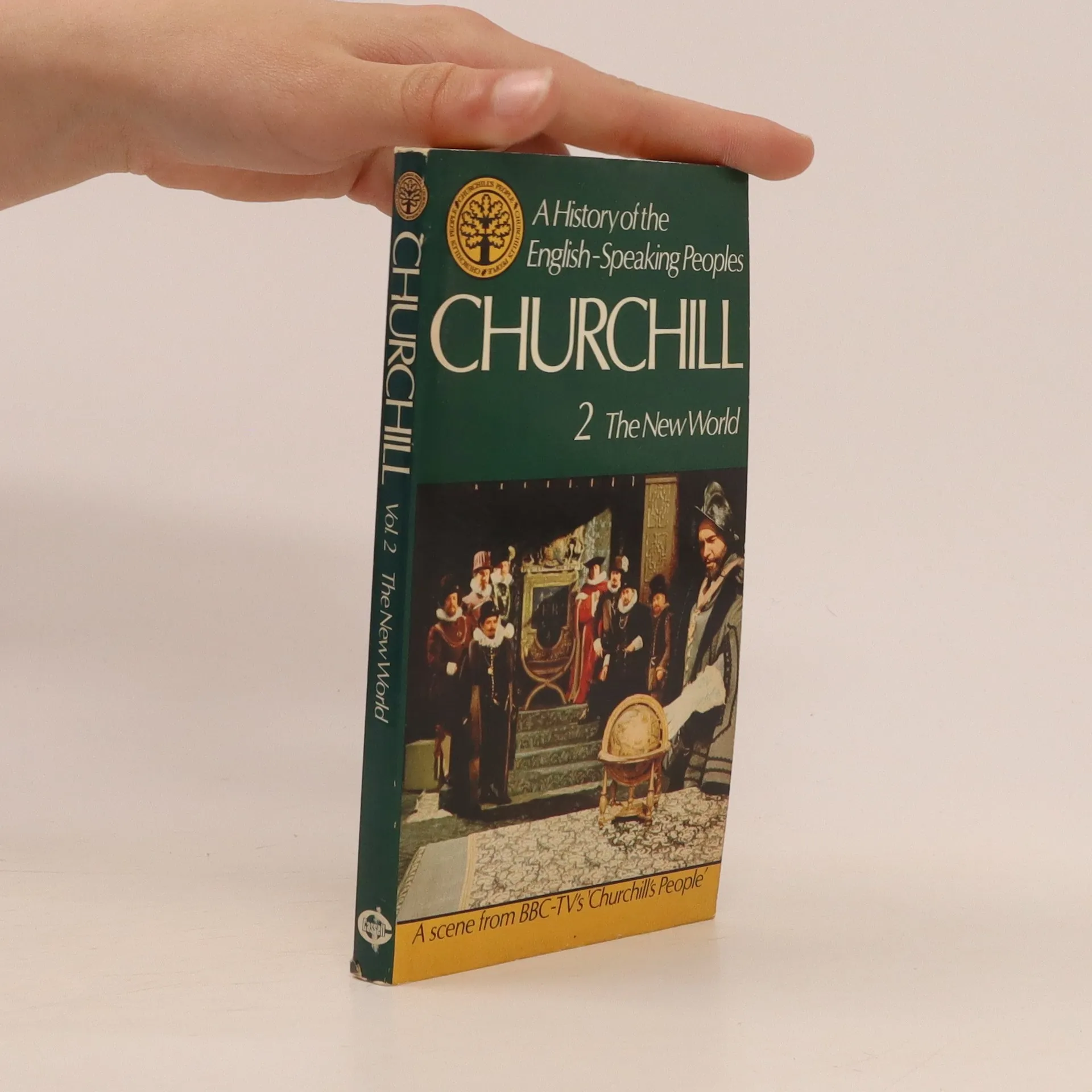
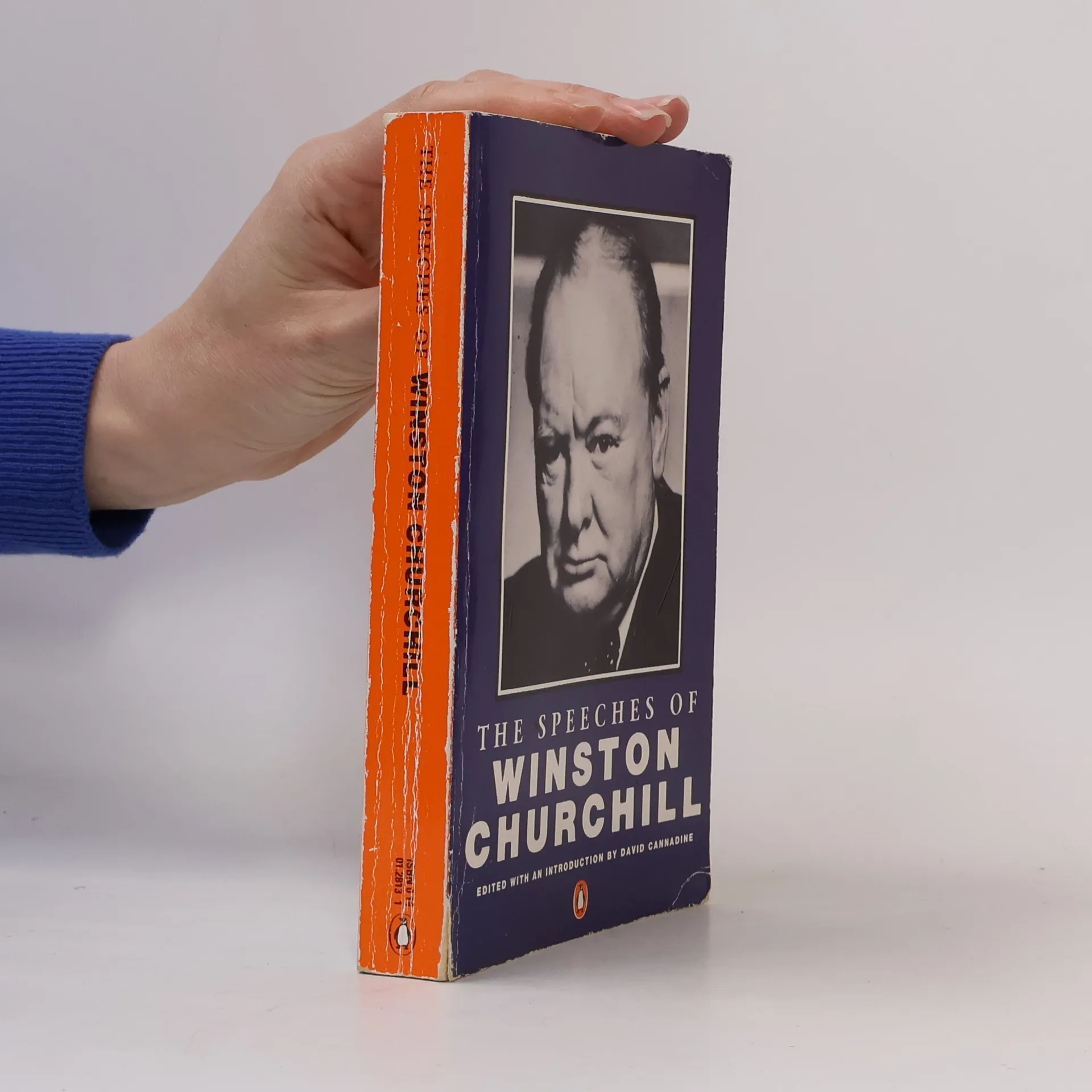
With a superb series of specially selected illustrations, & a pithy introduction to each speech by Cannadine, this collection gives an unforgettably vivid picture of Churchill the orator in action. His voice may be silenced, but his words still speak.
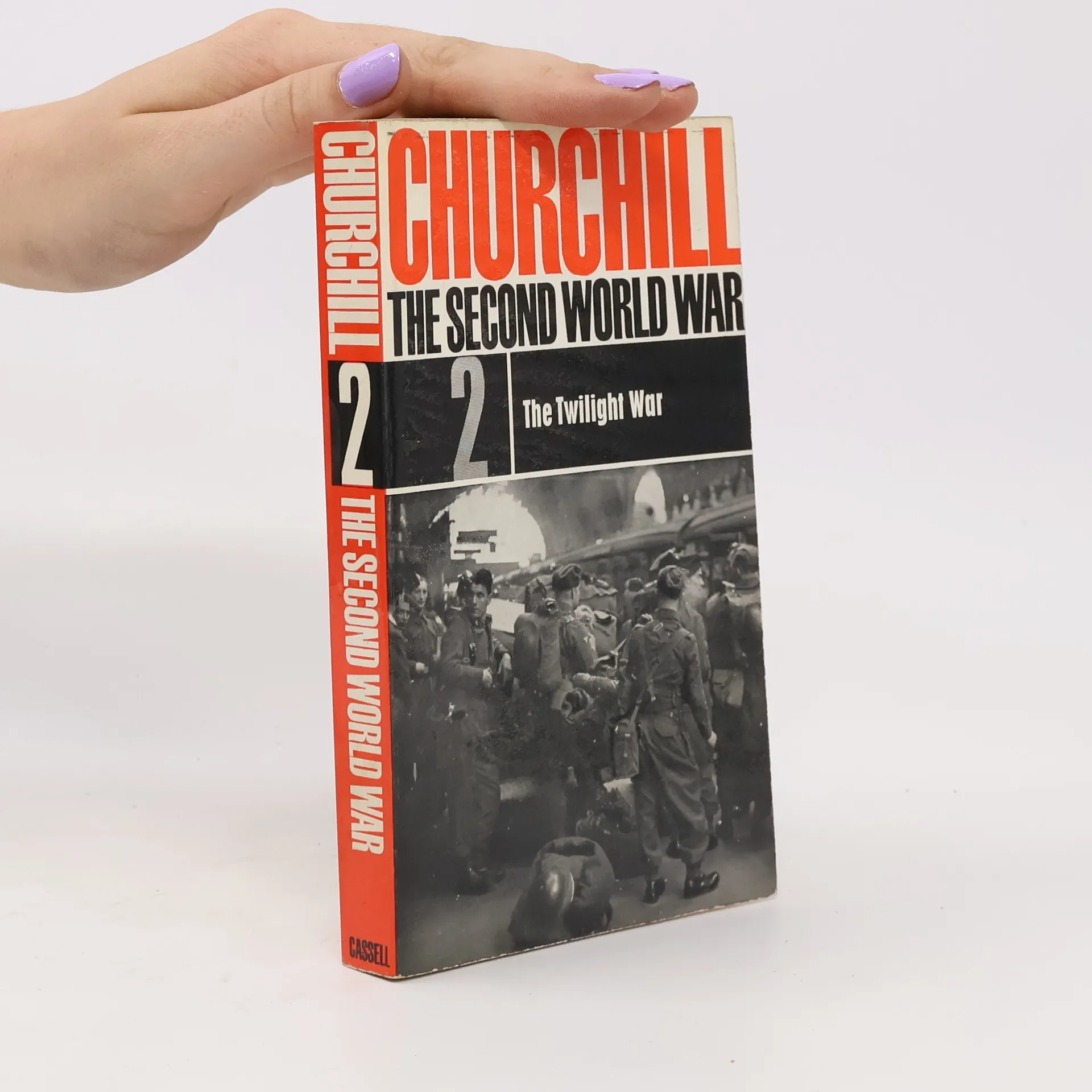
Sir Winston Churchill's classic History of the English-Speaking Peoples; with an introduction by Andrew Roberts, author of Eminent Churchillians
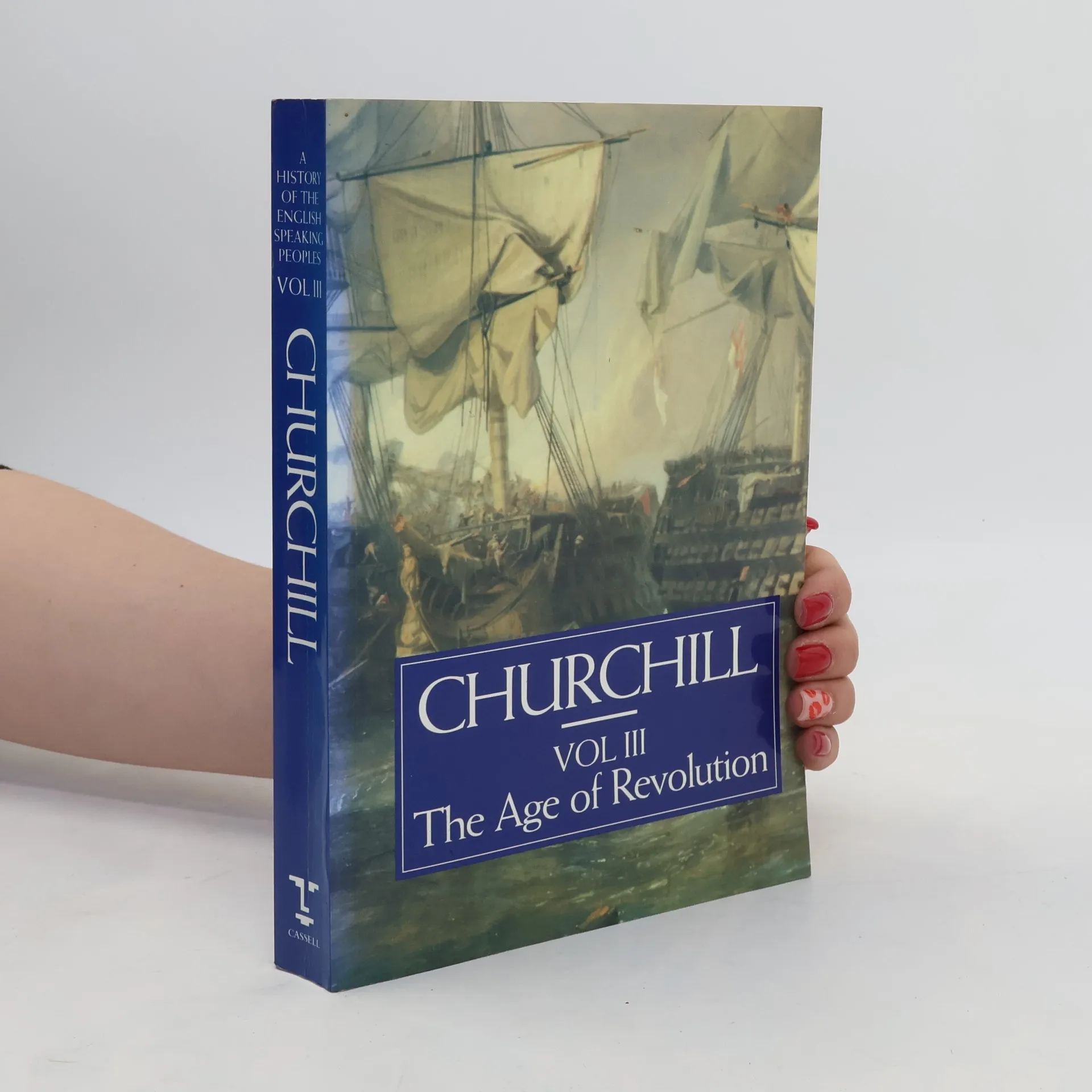
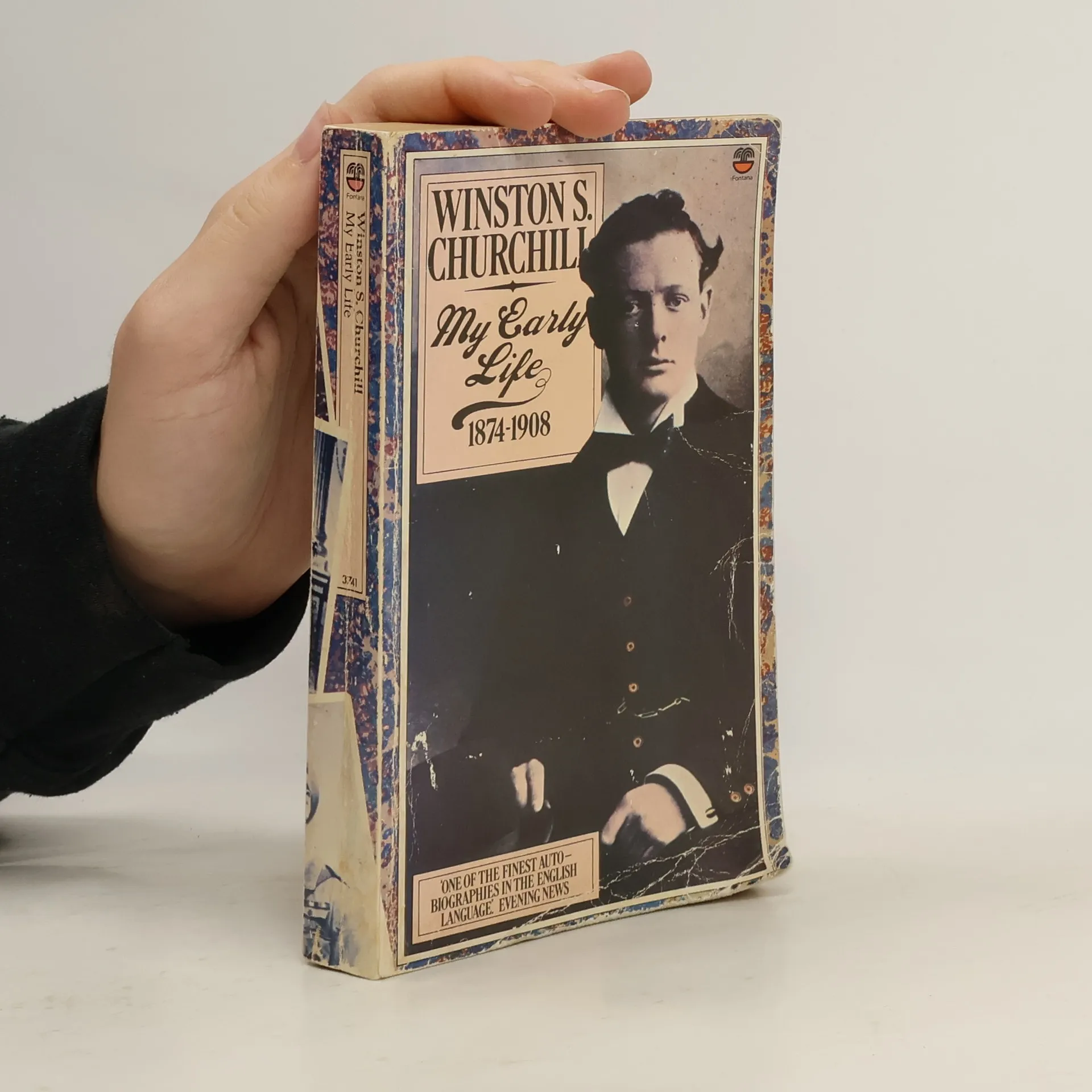
Here, in his own words, are the fascinating first thirty years in the life of one of the most provocative and compelling leaders of the twentieth century: Winston Churchill. As a visionary, statesman, and historian, and the most eloquent spokesman against Nazi Germany, Winston Churchill was one of the greatest figures of the twentieth century. In this autobiography, Churchill recalls his childhood, his schooling, his years as a war correspondent in South Africa during the Boer War, and his first forays into politics as a member of Parliament. My Early Life not only gives readers insights into the shaping of a great leader but, as Churchill himself wrote, “a picture of a vanished age.” To fully understand Winston Churchill and his times, My Early Life is essential reading.

THIS CD CONTAINS: Historical Winston Churchill Memoirs SpeechesSecond World War News of the years: 1937, 1938, 1939, 1940, 1941, 1942, 1943, 1944, 1945Speeches of the years: 1934, 1936, 1938, 1939, 1940, 1941, 1942, 1943, 1944, 1945, 1946, 1948, 1954, 1963
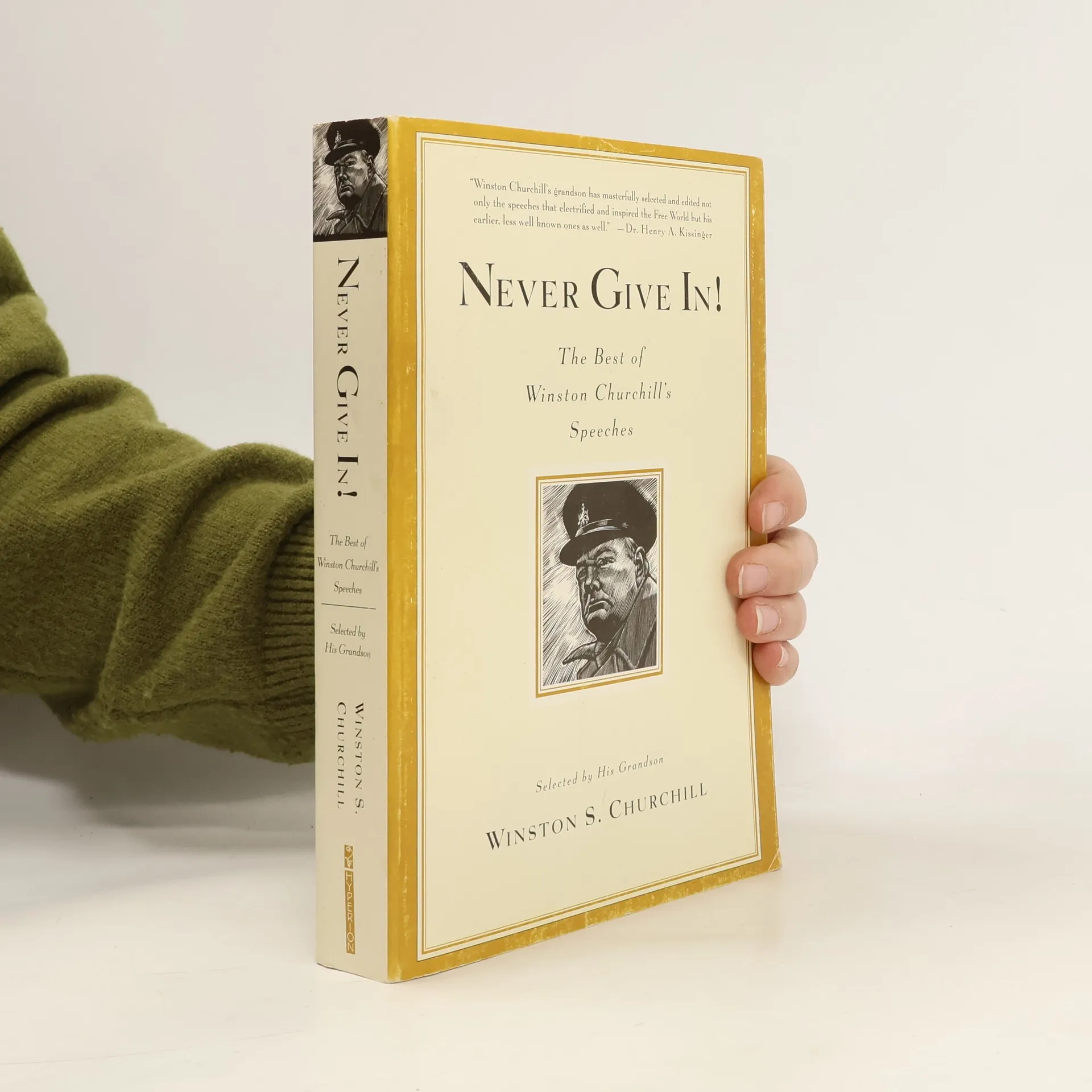
Winston Churchill was the most eloquent and expressive statesman of his time. It was as an orator that Churchill became most completely alive, and it was through his oratory that his words made their greatest and most enduring impact. While the definitive collection of Churchill's speeches fills eight volumes, here for the first time, his grandson, Winston S. Churchill, has put together a personal selection of his favorite speeches in a single, indispensable volume. He has chosen from his grandfather's entire output and thoughtfully introduces each selection. The book covers the whole of Churchill's life, from the very first speech he made to those of his last days. It includes some of Churchill's best-known speeches as well as some that have never before been published in popular form. Today, Sir Winston Churchill is revered as an indomitable figure and his wisdom is called upon again and again. Reading these speeches, from the perspective of a new century, we can once again see Sir Winston Churchill's genius and be moved and inspired by his words.

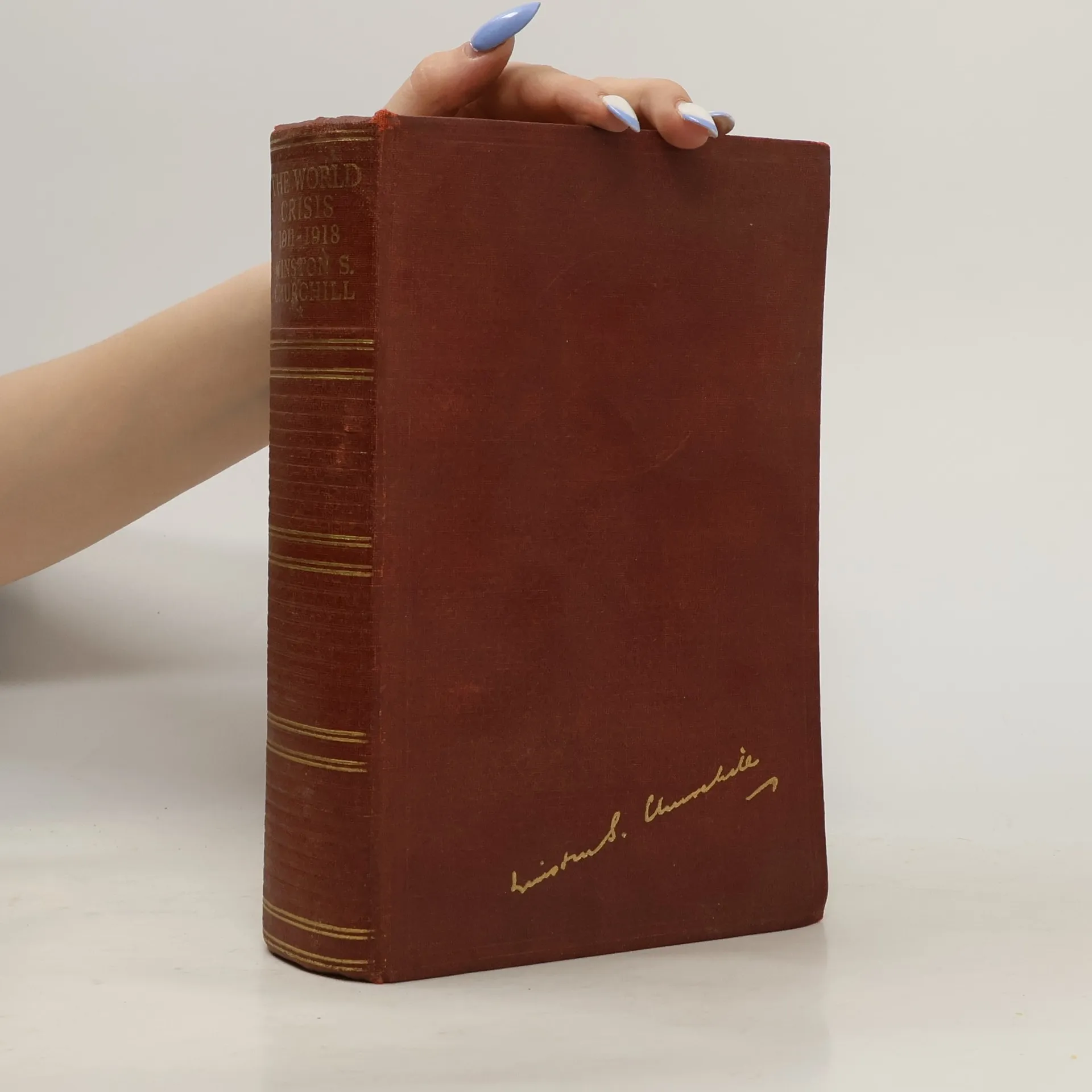
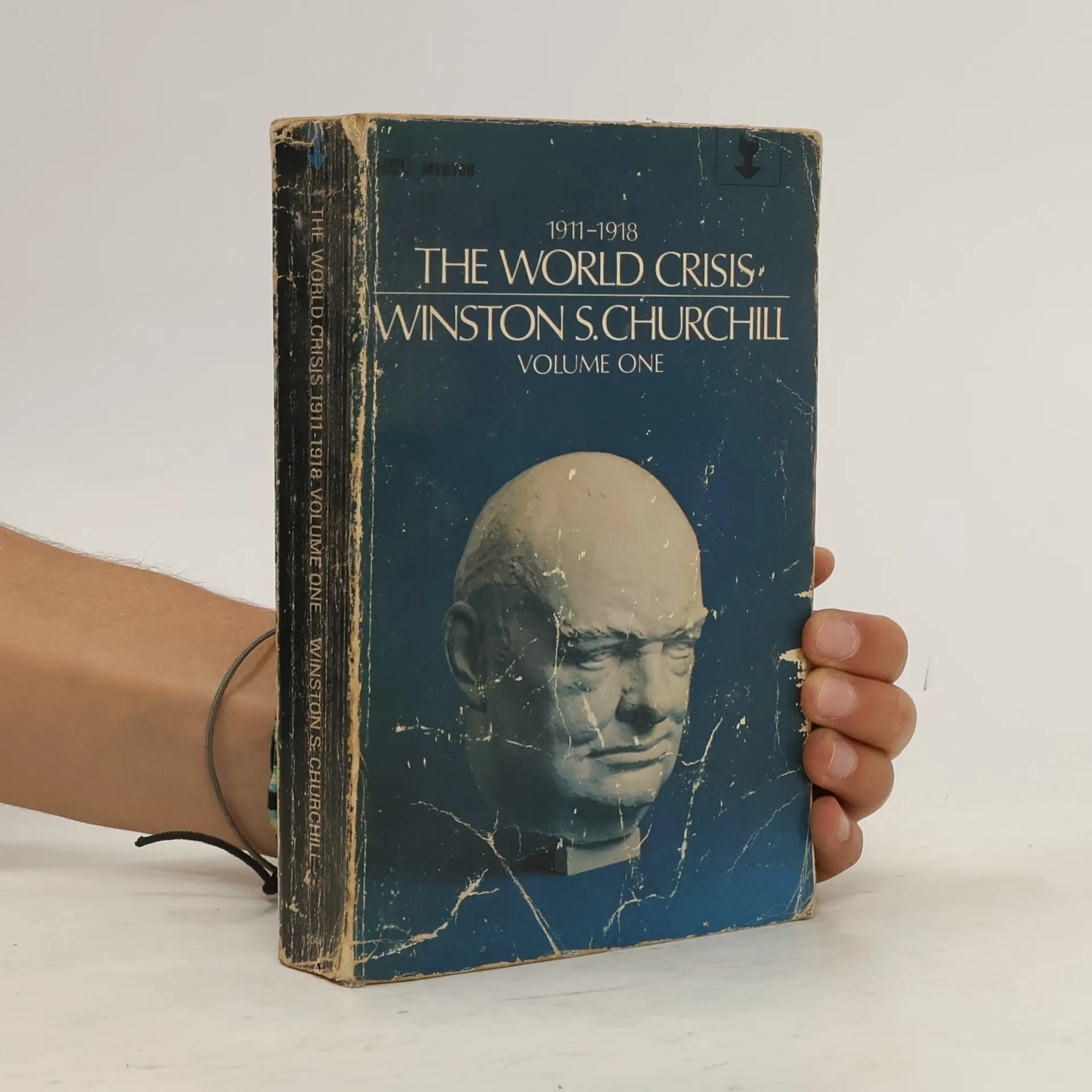
As first lord of the admiralty and minister for war and air, Churchill stood resolute at the center of international affairs. In this classic account, he dramatically details how the tides of despair and triumph flowed and ebbed as the political and military leaders of the time navigated the dangerous currents of world conflict. Churchill vividly recounts the major campaigns that shaped the war: the furious attacks of the Marne, the naval maneuvers off Jutland, Verdun's "soul-stirring frenzy," and the surprising victory of Chemins des Dames. Here, too, he re-creates the dawn of modern warfare: the buzz of airplanes overhead, trench combat, artillery thunder, and the threat of chemical warfare. In Churchill's inimitable voice we hear how "the war to end all wars" instead gave birth to every war that would follow, including the current war in Iraq. Written with unprecedented flair and knowledge of the events, The World Crisis remains the single greatest history of World War I, essential reading for anyone who wishes to understand the twentieth century.

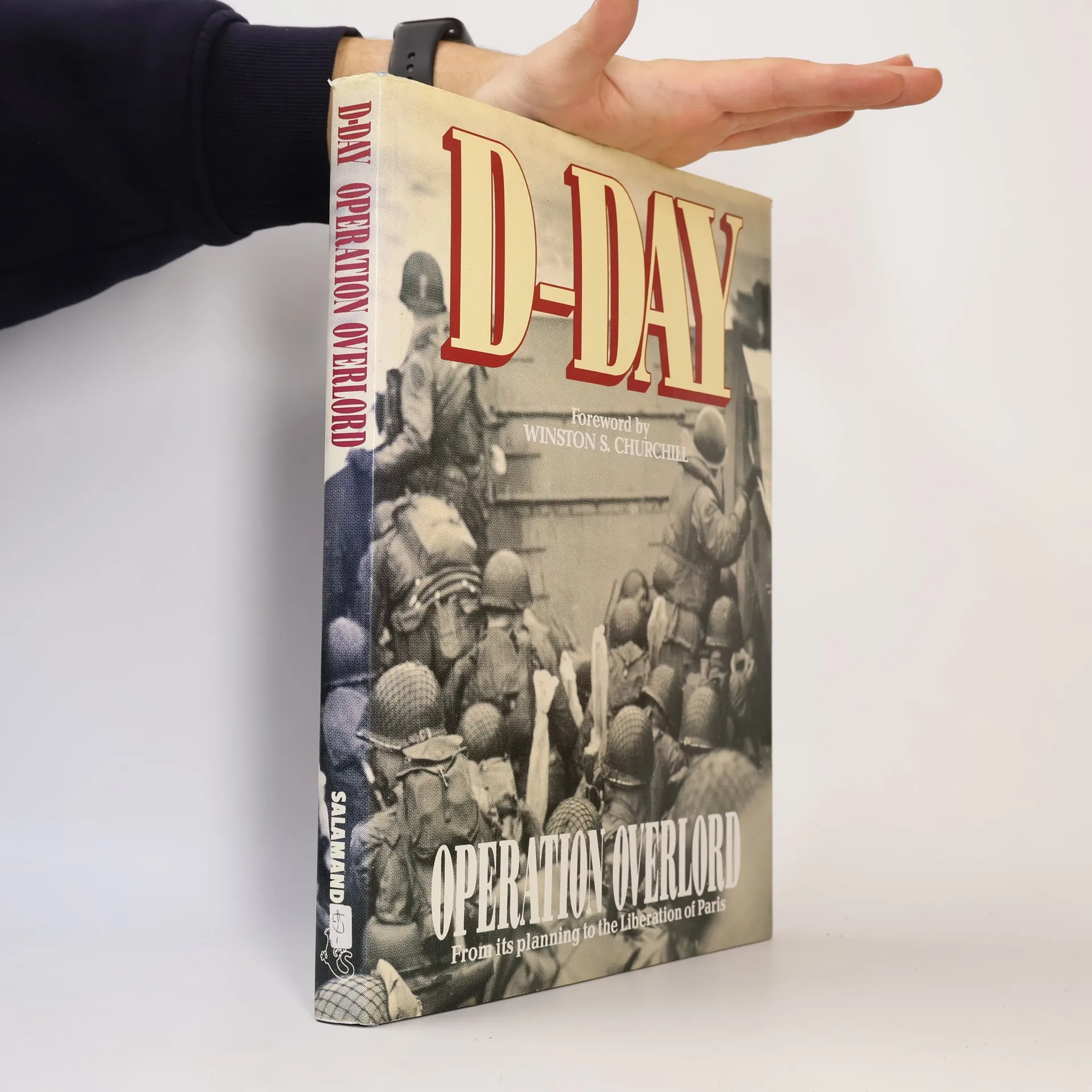
This huge, in-depth recap of the planning, build-up and execution of D-Day begins with with hour-by-hour and beach-by-beach descriptions of the landings, each graphically illustrated with battle photography and full-color maps with explanatory keys. The book goes on to describe the fierce battles at Normandy, the Allied breakout into France and the liberation of Paris. Rare photography from archives and collections throughout the U.S., Great Britain and France is accompanied by color photographs of museum pieces and artifacts, including the uniforms and personal effects of Eisenhower, Montgomery, Patton and Bradlet, as well as personal mementos of U.S. Rangers and British airborne troops. Copyright © Libri GmbH. All rights reserved.
This tiny tome featuring a faux leather binding with embossed type and illustration is filled with Winston Churchill's biography, his most inspirational quotes, and excerpts from some of his most famous speeches.
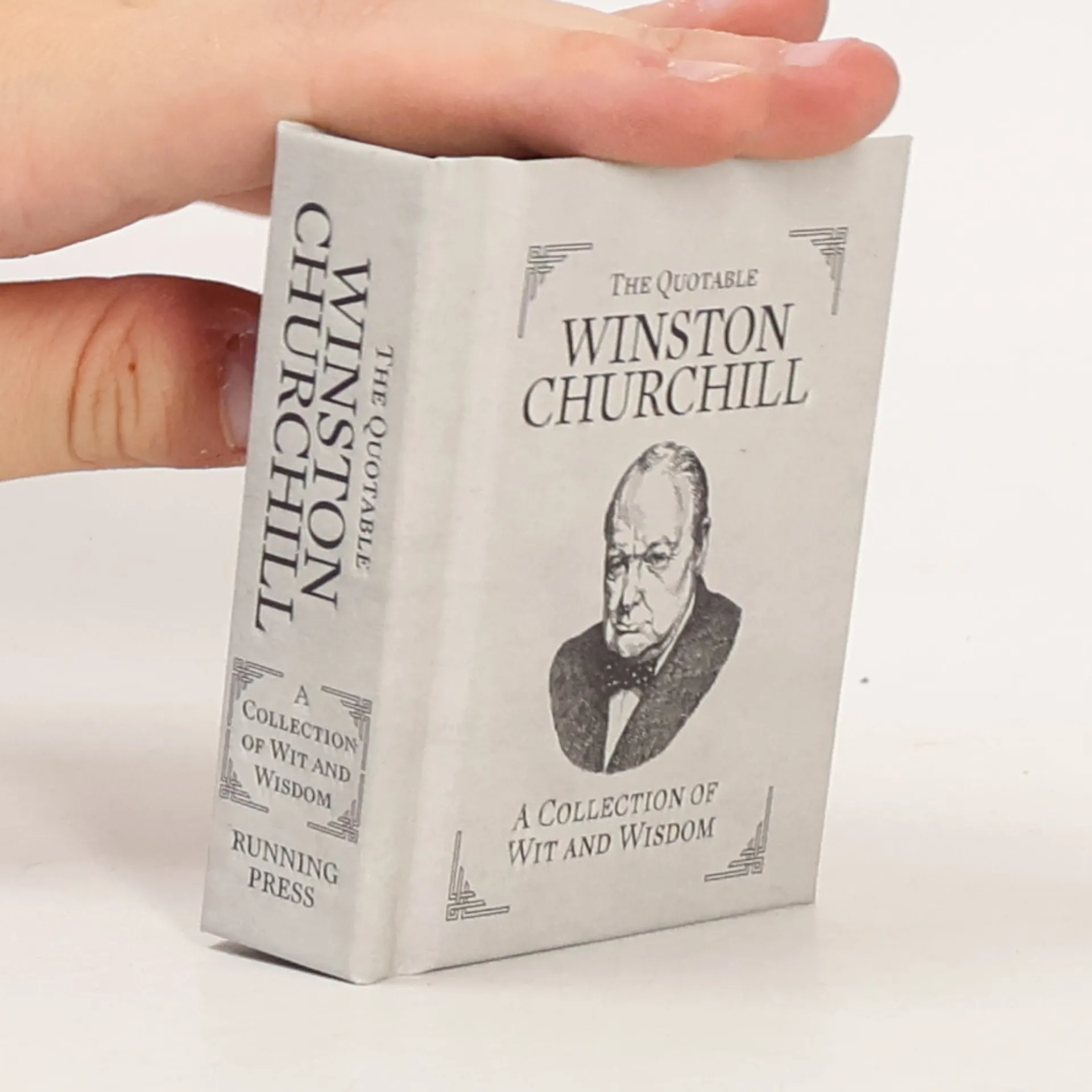
'Wars are not won by evacuations' 'We can take it!' 'Westward look, the land is bright' This collection of speeches from one of the great modern orators includes Churchill's famous words on the declaration of war with Germany, as well as his rousing call to the British in June 1940 after Dunkirk, and his immortal tribute to the young men fighting in the Battle of Britain. GREAT IDEAS. Throughout history, some books have changed the world. They have transformed the way we see ourselves - and each other. They have inspired debate, dissent, war and revolution. They have enlightened, outraged, provoked and comforted. They have enriched lives - and destroyed them. Now Penguin brings you the works of the great thinkers, pioneers, radicals and visionaries whose ideas shook civilization and helped make us who we are.

This book is made up of twenty-three articles, all of which had previously been published elsewhere.

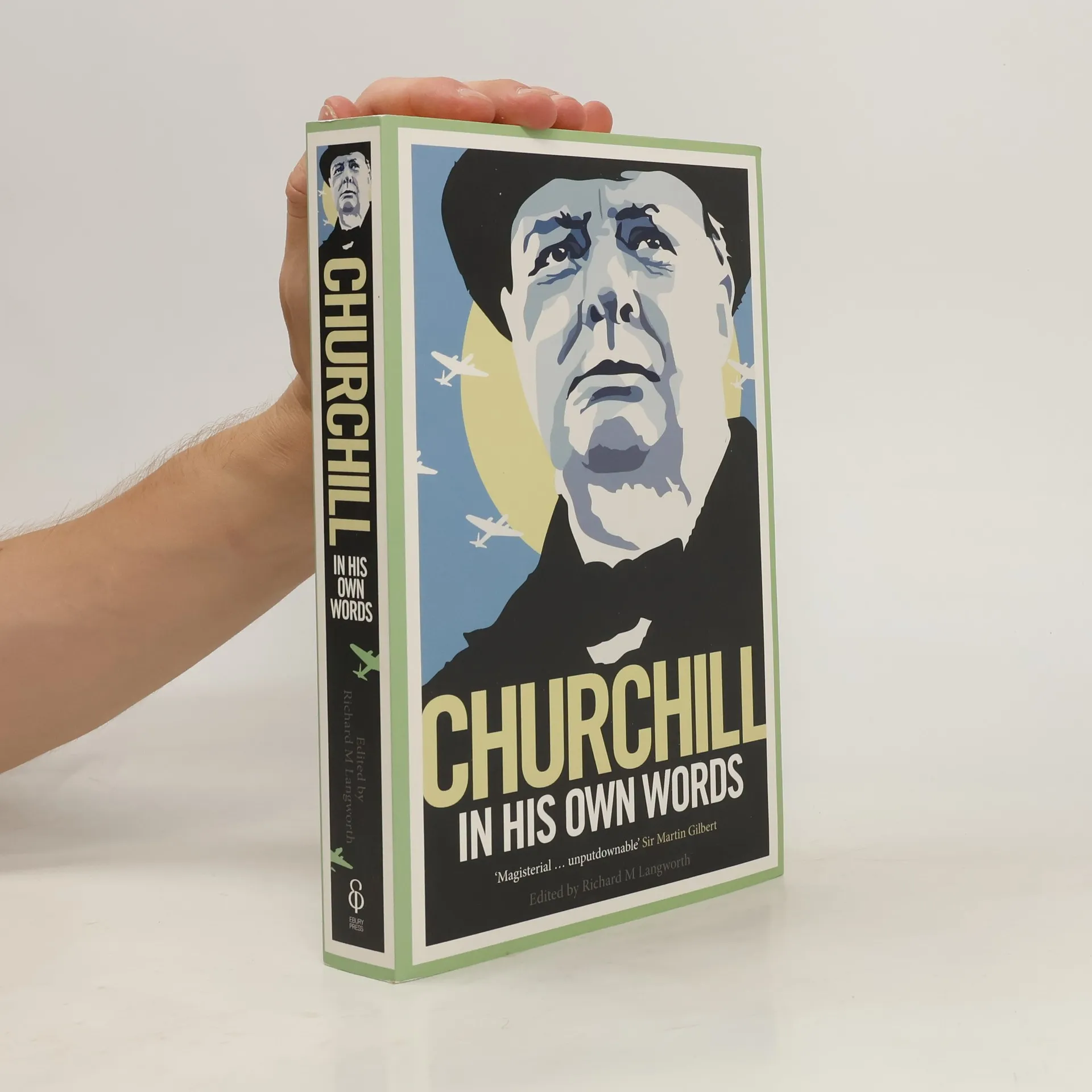
"Covering every aspect of Churchill's career, this is the definitive collection of his words, edited by one of the foremost Churchill scholars. The most complete and accurate collection of Churchill's words ever published; Churchill in His Own Words explores his remarkable life and times through his own sharp humour, vivid insight and legendary wisdom." --Back cover.
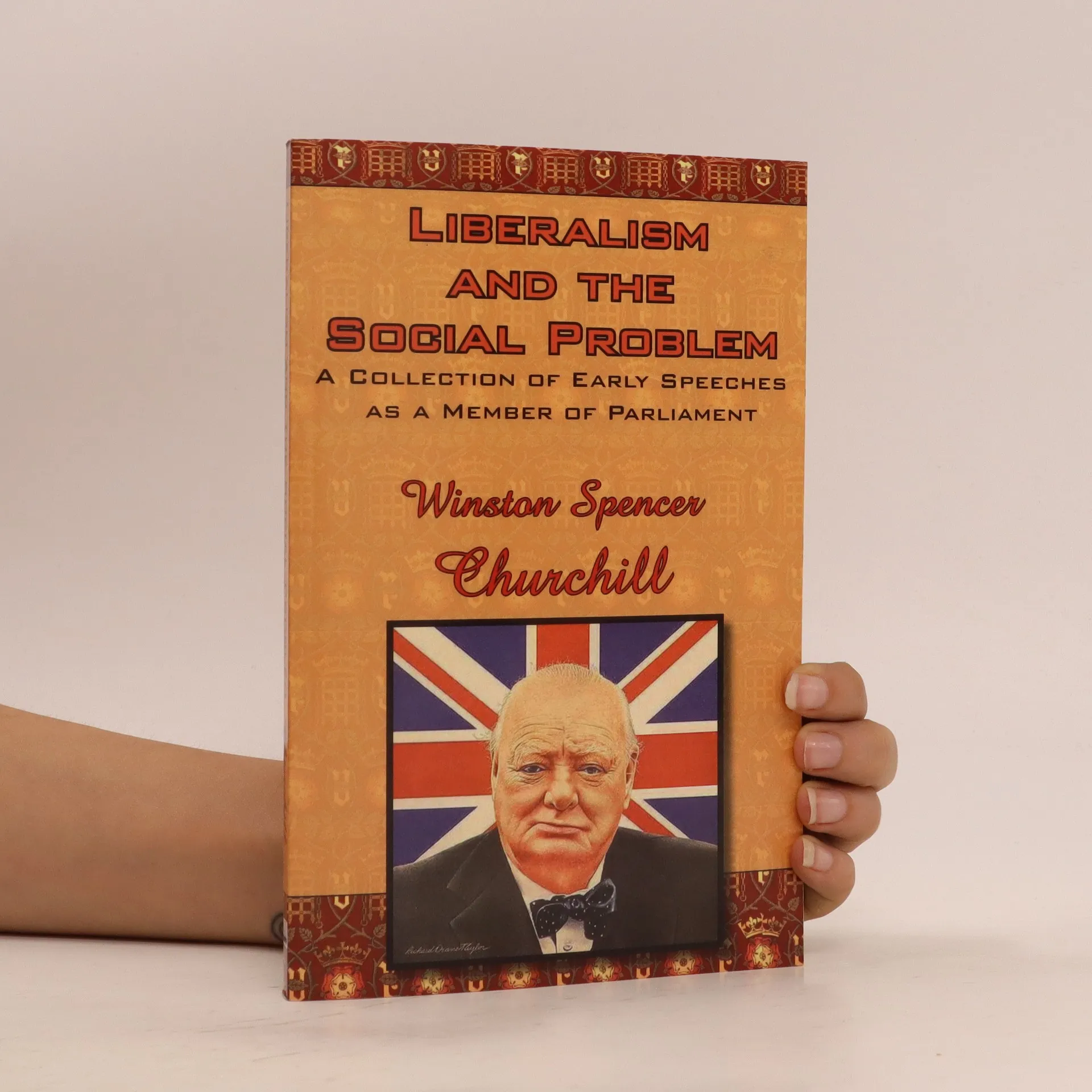
A captivating collection of early parliamentary speeches from one of the twentieth century's most renowned orators and statesmen, who won the 1953 Nobel Prize in Literature. In 1904, Winston S. Churchill joined the Liberal Party and, following their ascent to power, became Under-Secretary of State for the Colonies, emerging as a key government figure outside the Cabinet, later joining it in 1908. The speeches address critical issues of the time, such as the constitutions for the defeated Boer republics of Transvaal and the Orange River Colony, and the 'People's Budget,' a wealth redistribution initiative by the Liberal Government. The contentious debate over this budget ignited a fierce conflict between the Government and the House of Lords, marking the first significant challenge to the Commons' authority since the 17th century. This struggle ultimately led to the Parliament Act of 1911, which curtailed the power of the House of Lords and reinforced the legislative authority of the House of Commons. This collection not only holds historical significance but also offers profound insights into the early political thought and evolution of Churchill, who would later become Prime Minister during Britain's most challenging times in World War II.
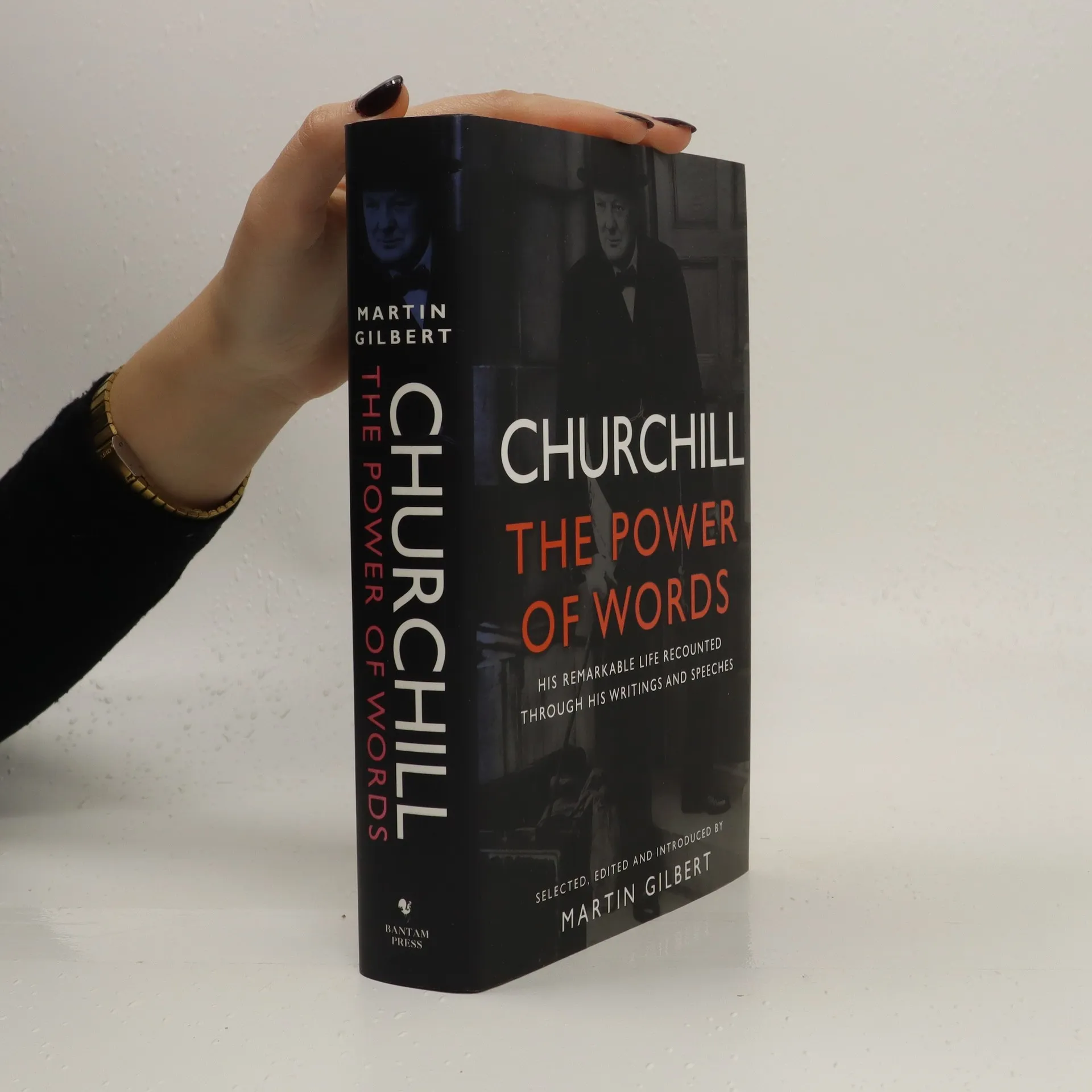
Gilbert, a renowned historian and official biographer of Churchill, selects 100 of the finest writings and speeches by Churchill. These express the leader's thoughts and describe the main adventures and crises of his life coupled with Gilbert's commentary.
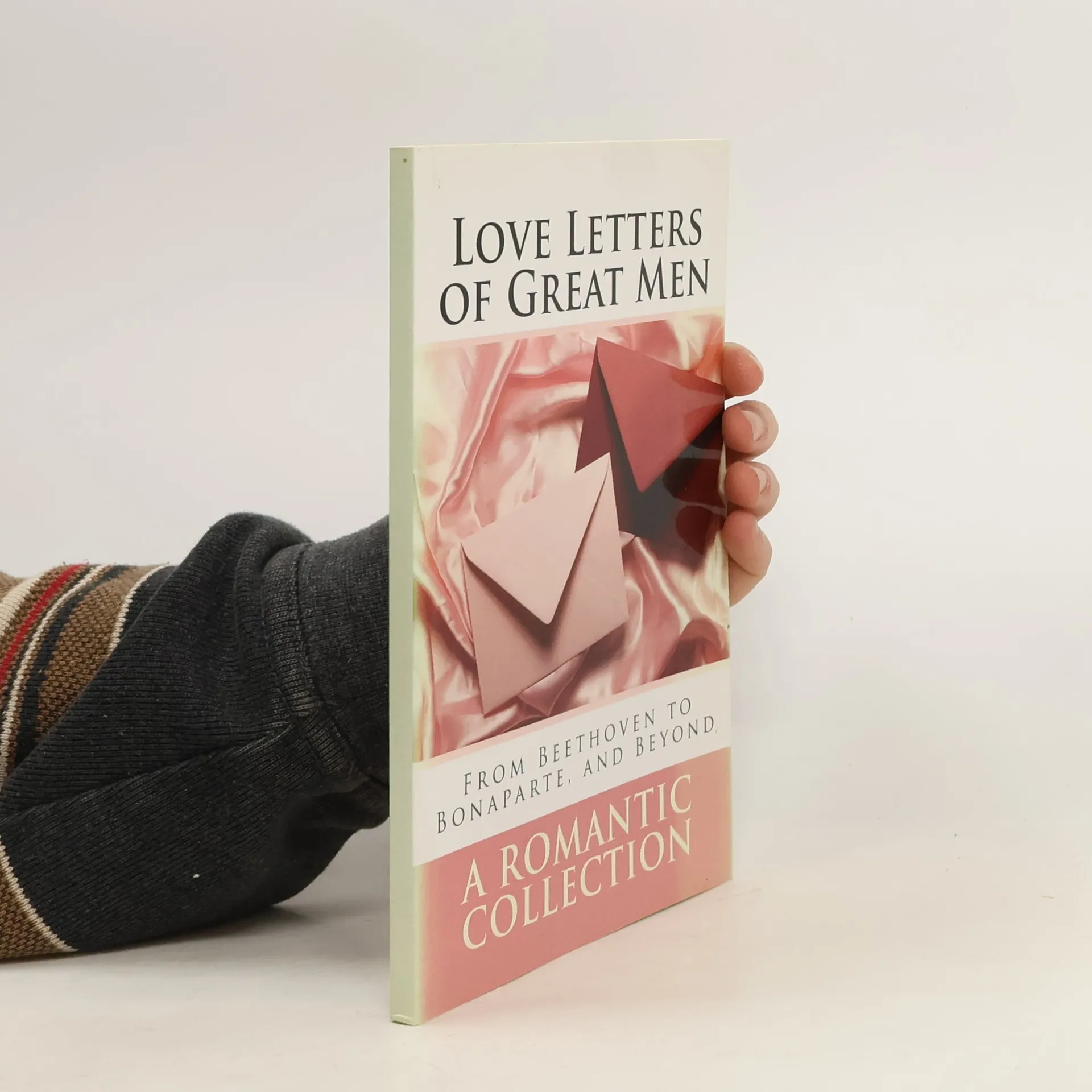
When Carrie Bradshaw in the "Sex and the City" movie began reading Love Letters of Great Men, millions of women wanted to get their hands on the book. Although the book Carrie was reading from was not real, the letters are-including the Beethoven one quoted by Mr. Big at their wedding ceremony. Here are the actual love letters for you to enjoy and treasure! "These letters express such heartfelt emotions and the bliss of new love... I finally realized how men experience love and it is especially beautiful!" - Rebecca of Amazon (Top 500 Reviewer) Featuring: A helpful background sketch for every writer and love letter Nearly 70 photographs of the letter authors and their lovers Most popular and best-selling Love Letters book-thousands of copies sold every year!!! Written by these Great Men: John Adams, Sullivan Ballou, Honor� de Balzac, Ludwig Van Beethoven Napoleon Bonaparte, Robert Browning, Robert Burns, Lord Byron, Winston Churchill John Constable, Alfred Duff Cooper, Pierre Curie, Scott F. Fitzgerald, Nathaniel Hawthorne Henry VI of France, Victor Hugo, James Joyce, Franz Liszt, Jack London, Mozart, Robert Peary Edgar Allen Poe, Sir Walter Raleigh, Sir Robert Schumann, Dylan Thomas, Mark Twain Vincent Van Gogh, Voltaire, Woodrow Wilson
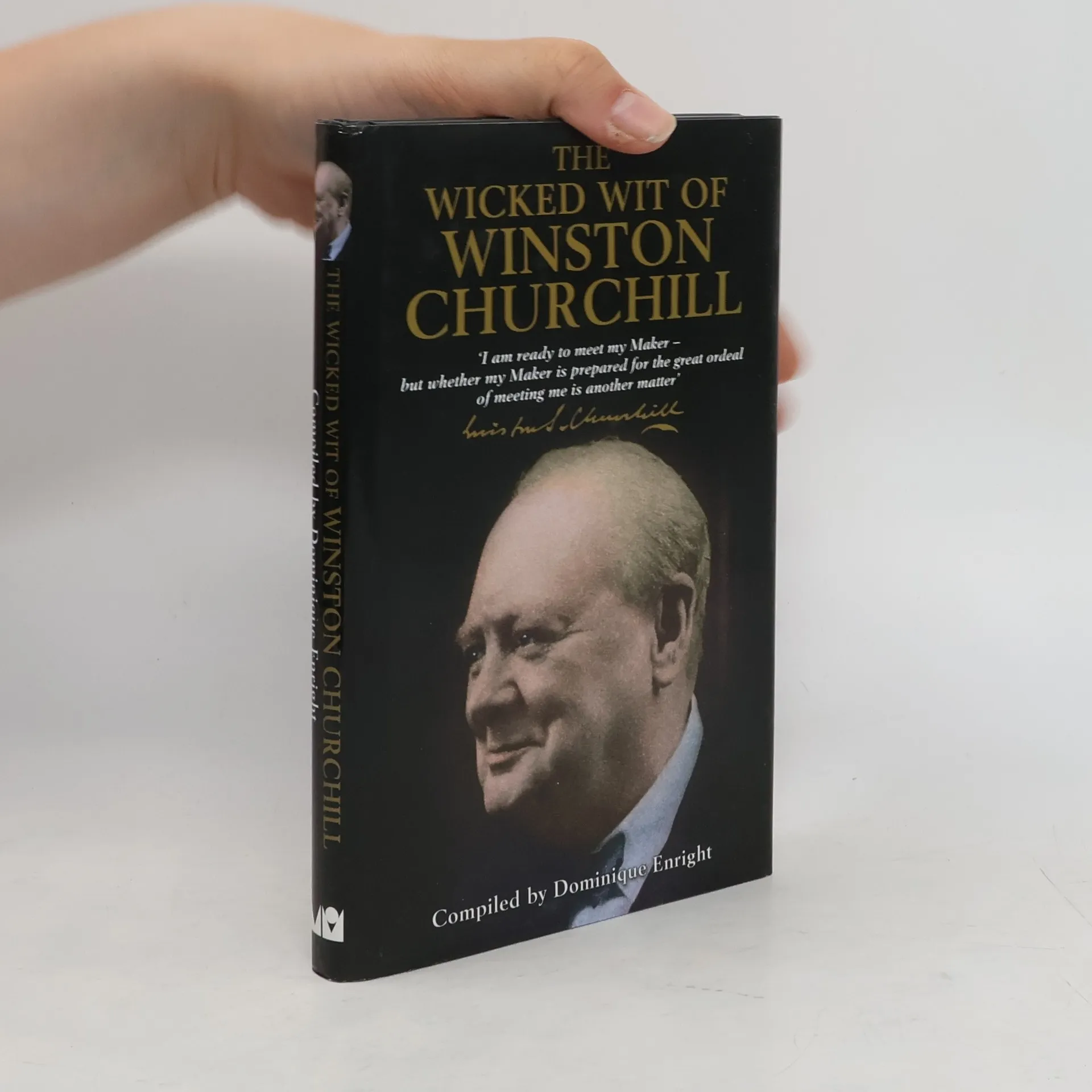
Sir Winston Churchill was the greatest orator of his day, the greatest leader of the Second World War, the greatest statesman of his age, and the greatest Englishman of the 20th century. The debt owed to him by the free world remains immensurable.Yet at the heart of this often intimidating colossus lay a man of vast humanity, enormous wit and boundless humour, much of it mischievous. His most famous speeches and sayings have passed into history and into everyday language, but many of his aphorisms, puns, "bons mots", jokes - often at his own or others' expense - are less well known. This enchanting collection gathers hundreds of his funniest and wickedest quips in tribute to the exhilarating wit of this great-hearted, infuriatingly conceited, wildly funny, and brilliantly talented Englishman.
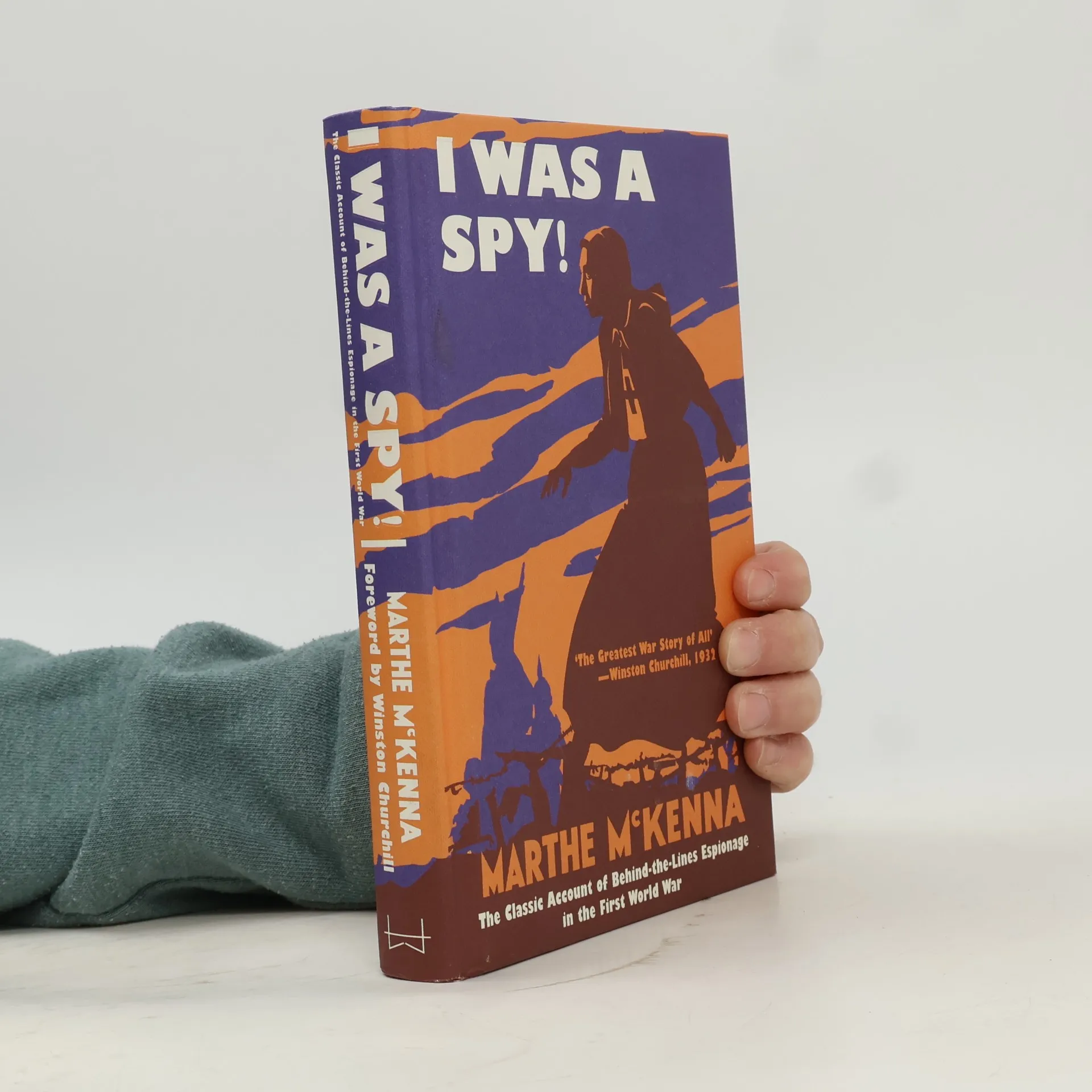
The Classic Account of Behind-the-Lines Espionage in the First World War
With her medical studies cut short by the 1914 German invasion, her house burned down and her father arrested for suspected sharpshooting, it was perhaps unsurprising that the multi-lingual Marthe Mckenna (nee Cnockaert, codename Laura) was recruited by British Intelligence. At the time she worked as a nurse tending the wounds of occupying soldiers, and as a waitress in her parents cafe in the Belgian border town of Roulers. I Was a Spy! is McKenna's vivid narrative of these breath-taking adventures as she, aided by a gallant band of loyal locals, goes undercover to sabotage enemy phone lines, report suspicious activity or train movements, and even instigate an aerial attack on a planned visit by the Kaiser. This thrilling account goes on to explain how, in 1916, the young nurse was caught by the Germans placing dynamite in a disused sewer tunnel underneath an ammunition dump. She was sentenced to the firing squad and only survived due to the Iron Cross honor received as a result of her earlier medical service. McKenna was later mentioned by Douglas Haig in British Despatches and was awarded the French and Belgian Orders of the Legion of Honour for her espionage work
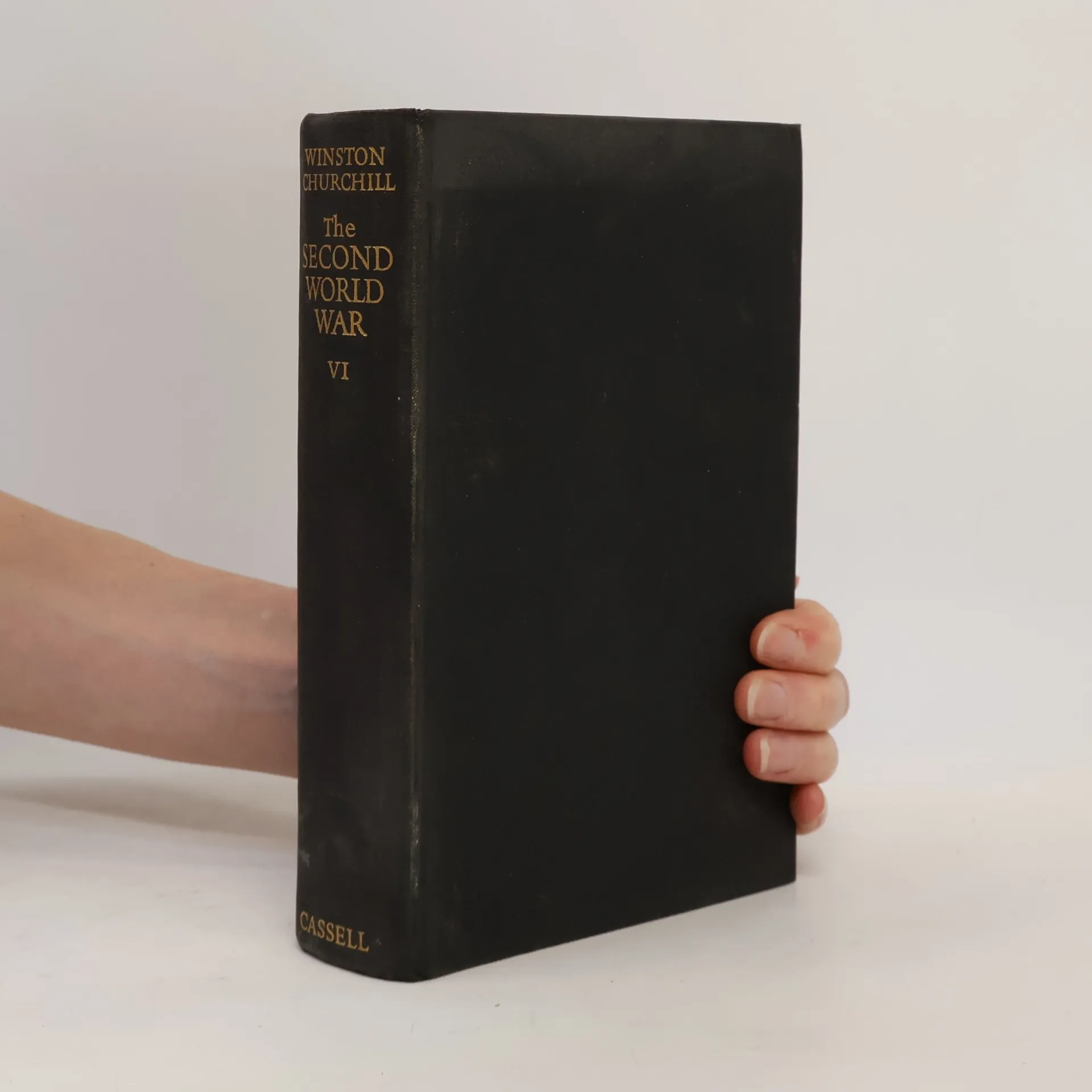
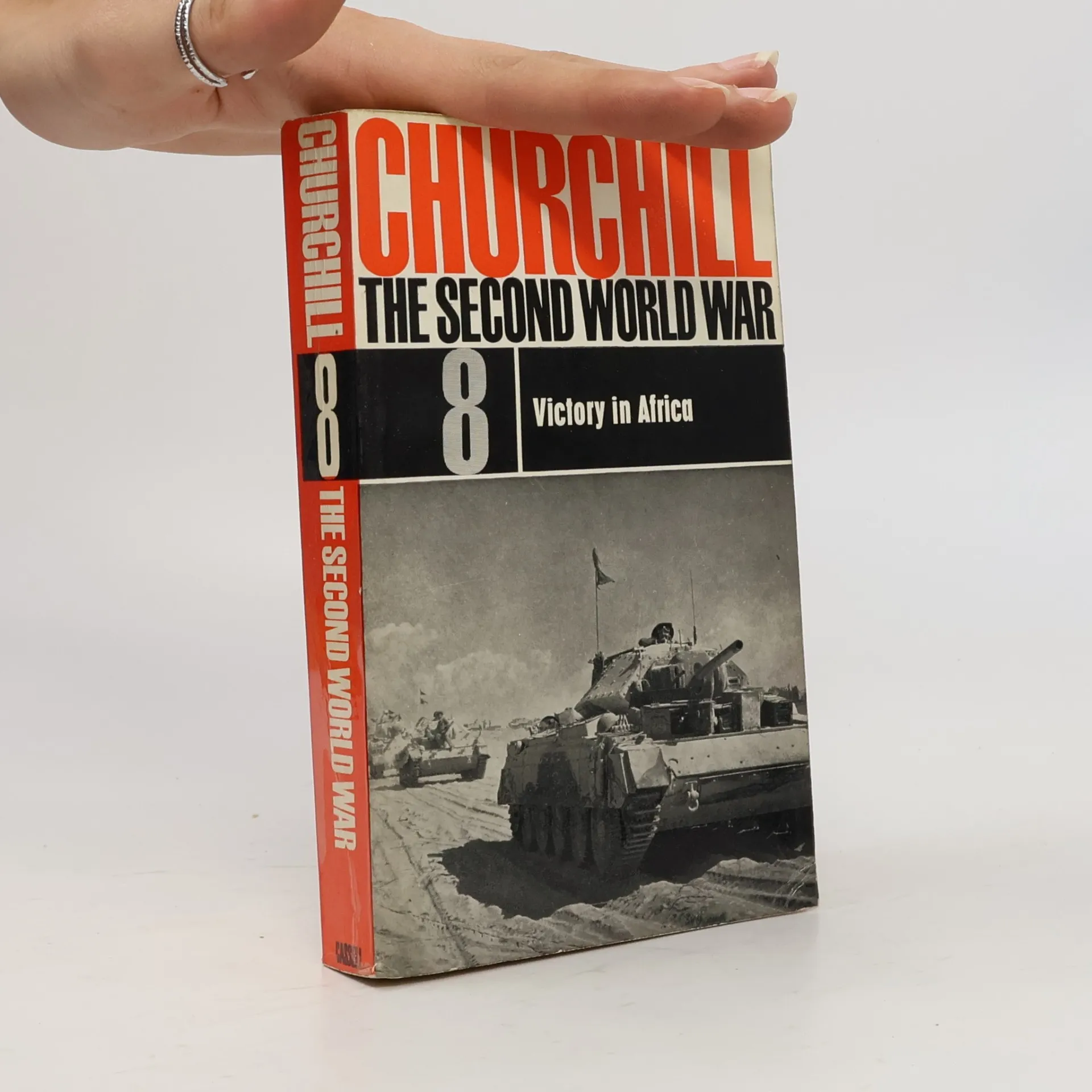
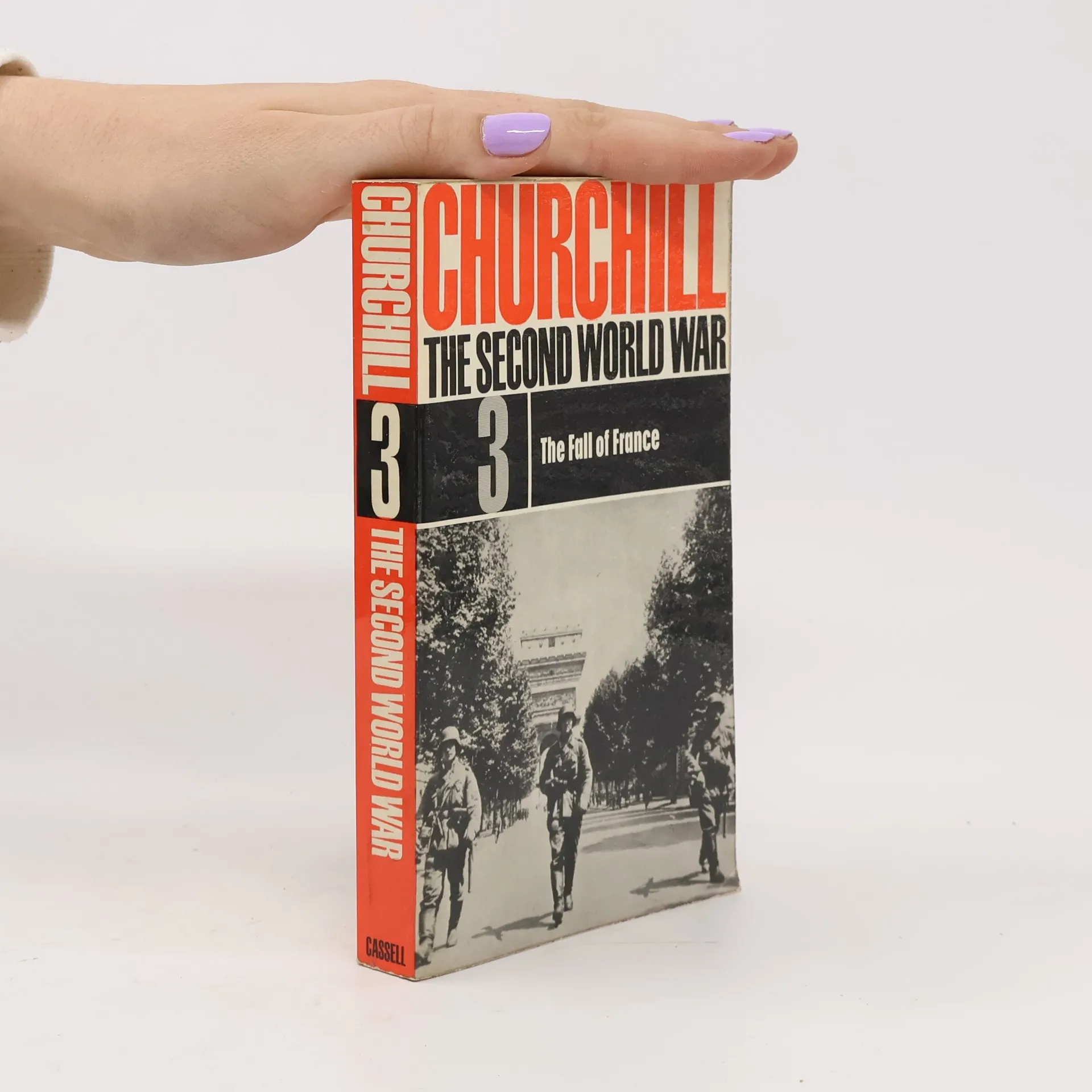
Book by
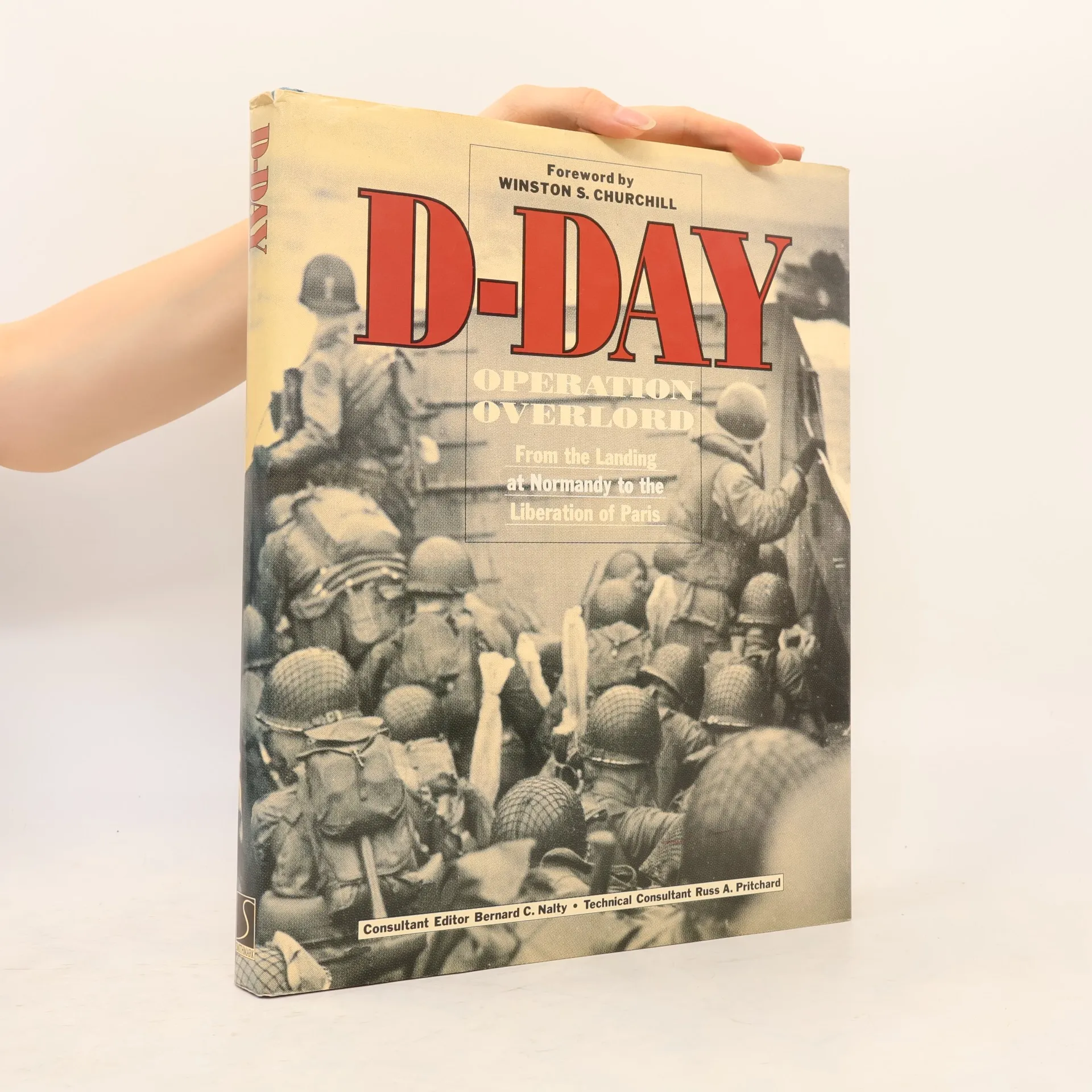
This work presents Sir Winston Churchill's personal vision of American history, spanning from the arrival of European settlers to the onset of the Cold War, and is edited by his grandson, Winston S. Churchill. It magnificently retells the American narrative, featuring some of the finest short histories of the Revolutionary and Civil Wars. The majority of the content, covering America's history up to the twentieth century, was previously found in Churchill's extensive four-volume A History of the English-Speaking Peoples, for which he received the Nobel Prize in Literature in 1953. The chapters on America have been cohesively compiled, supplemented by previously unpublished essays and speeches, extending the narrative to the mid-twentieth century. Churchill's legacy as a statesman often eclipses his talents as a historian; history was a passion for him, with America holding a special place in his heart, partly due to his American mother, Jennie Jerome. He affectionately referred to the U.S. as "the Great Republic." This work is both sweeping and insightful, showcasing Churchill's unique perspective on America, his leadership experience, and his narrative prowess. As a statesman, he led Britain through World War II and authored numerous books, including the acclaimed six-volume history of the war.
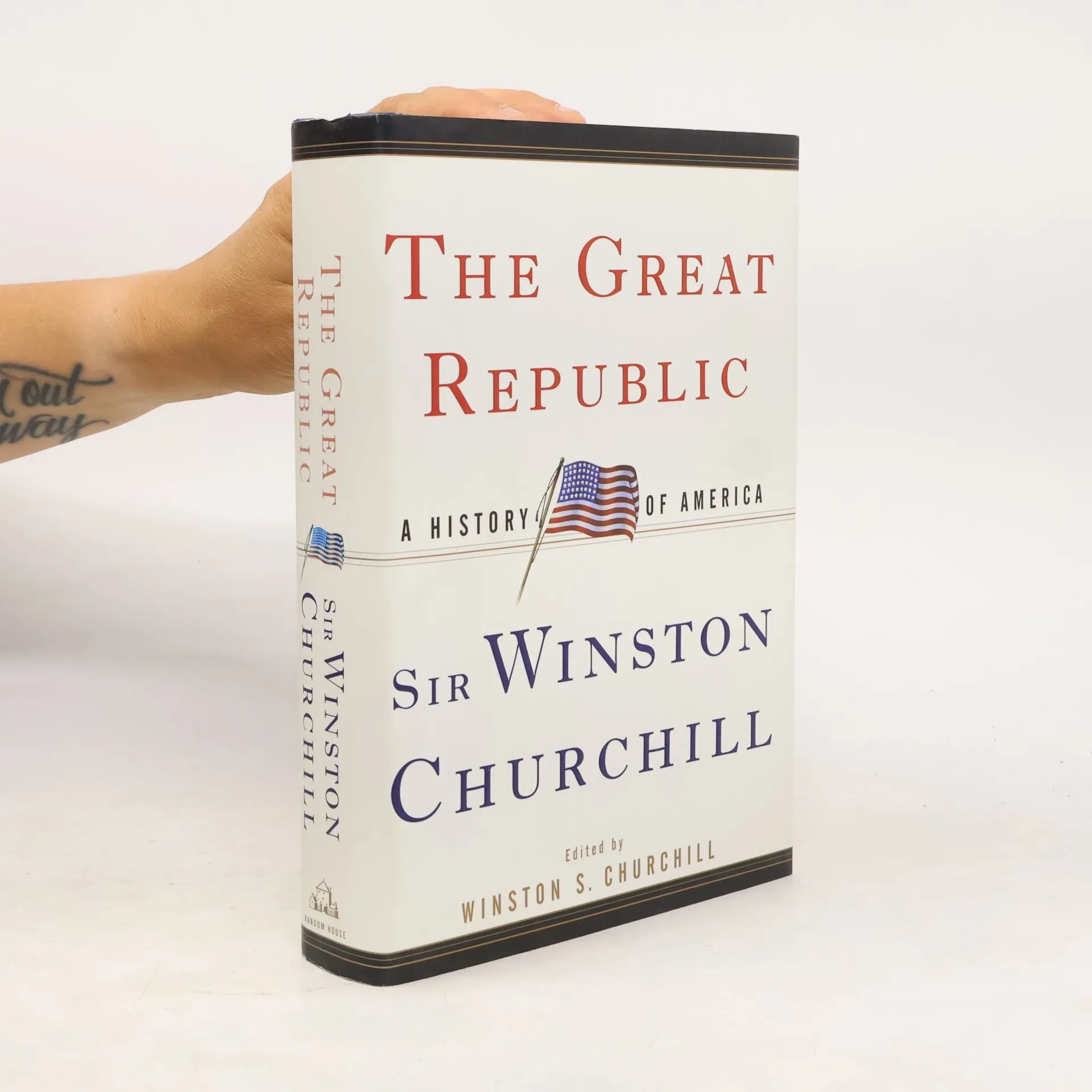
Book by Churchill, Winston
Edited with an Introduction by David Cannadine
From the time of his election to the House of Parliament until his last weeks as Prime Minster in 1955, Winston Churchill was never at a loss for words. In this volume are all the well-known phrases - blood, toil, tears and sweat - their finest hour and the iron curtain.

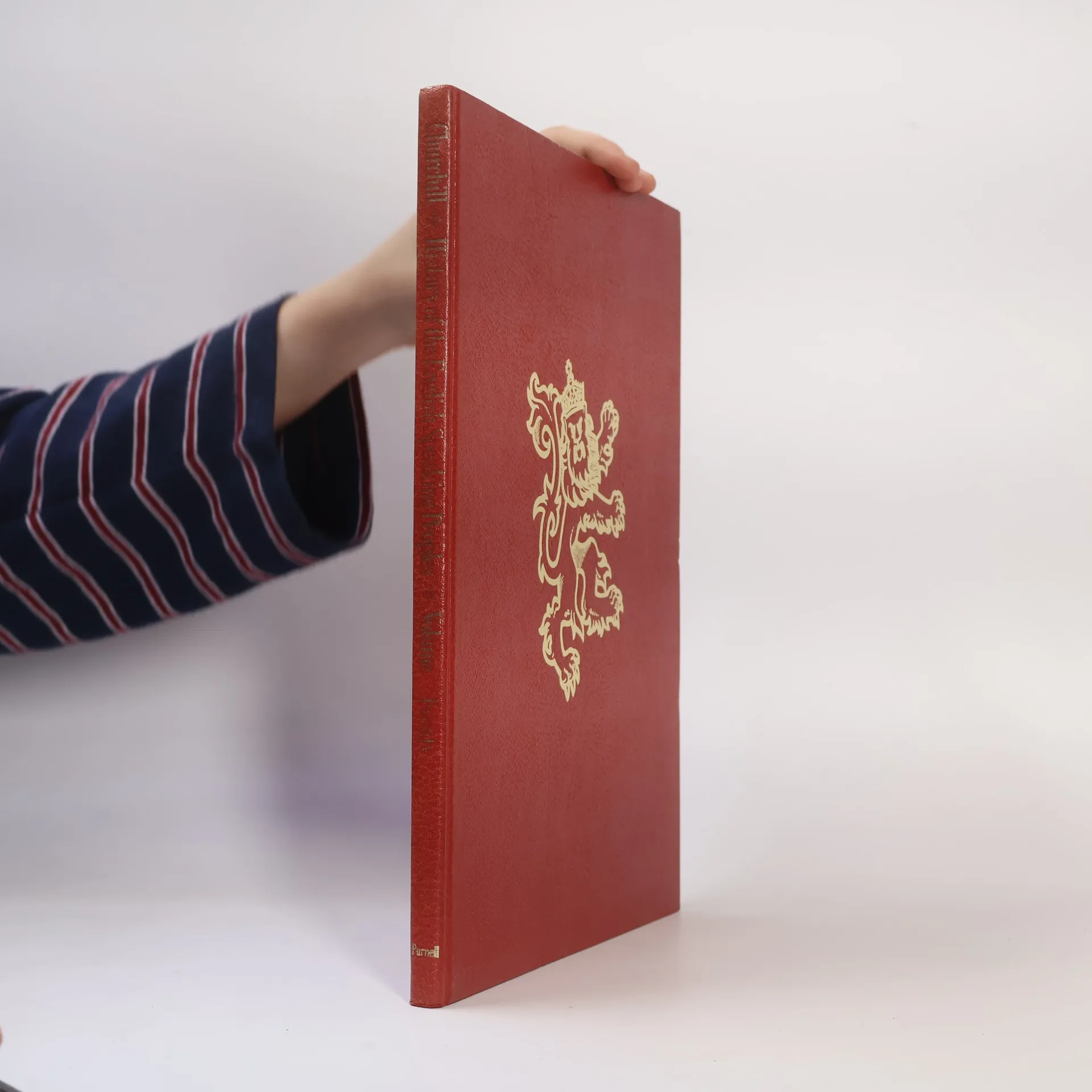
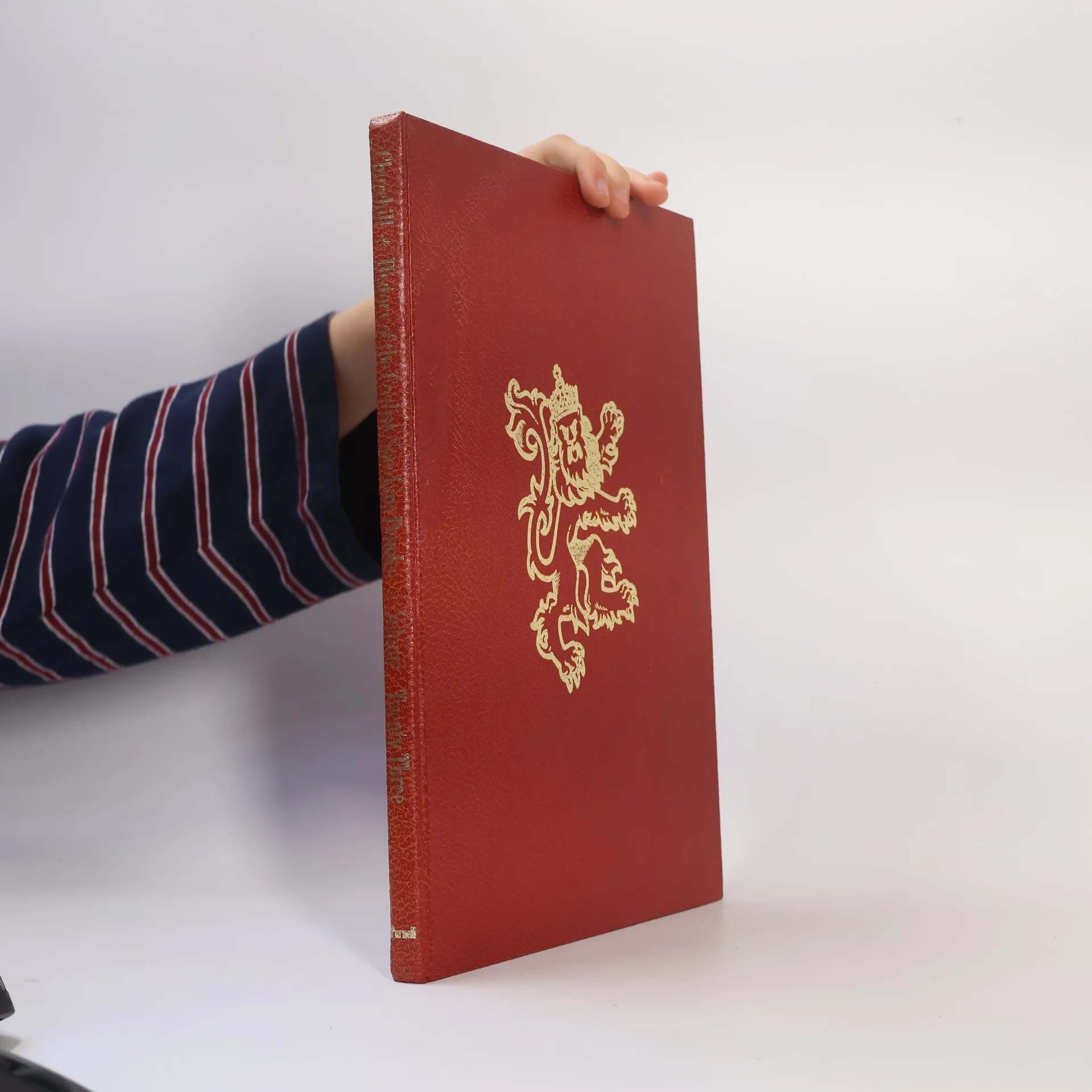
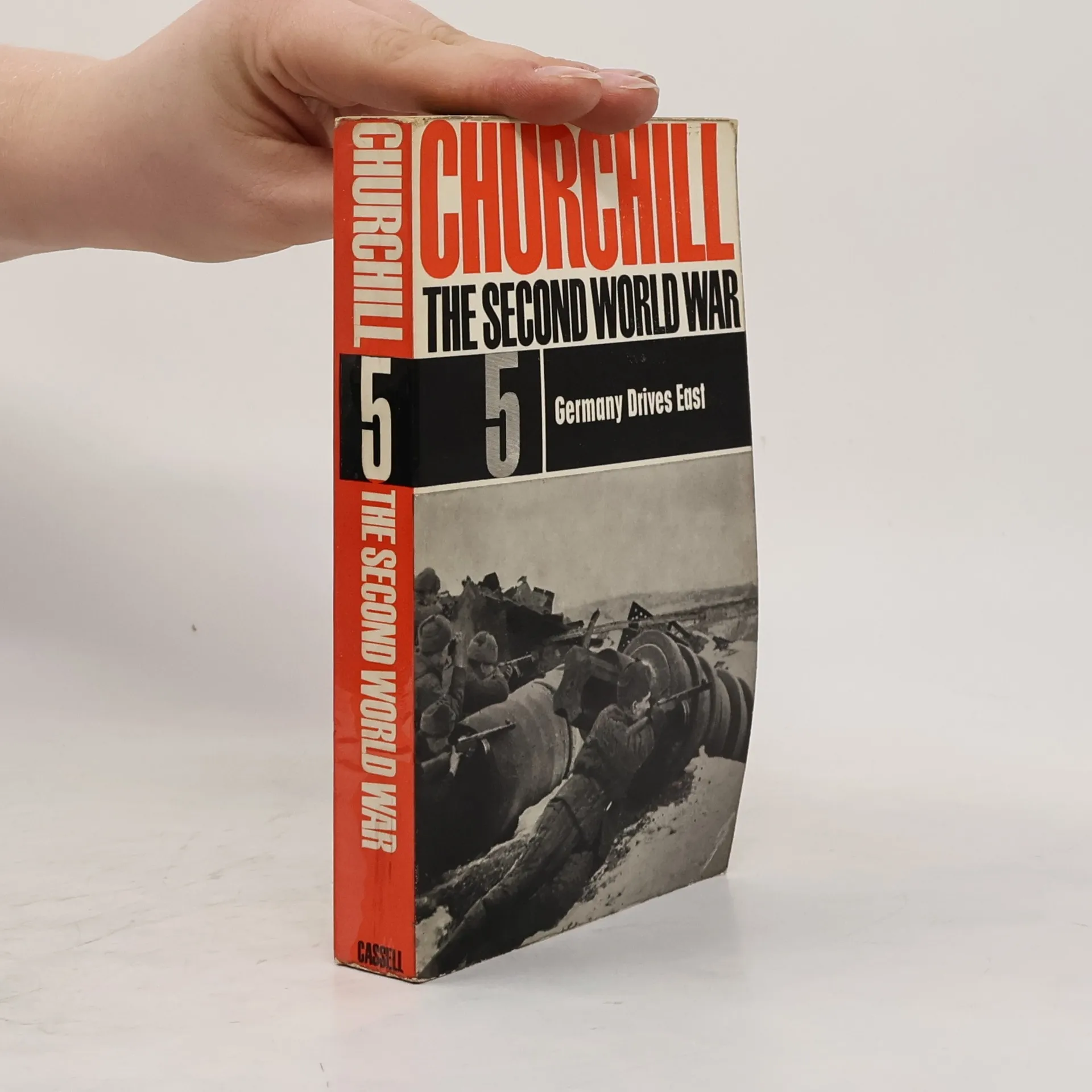
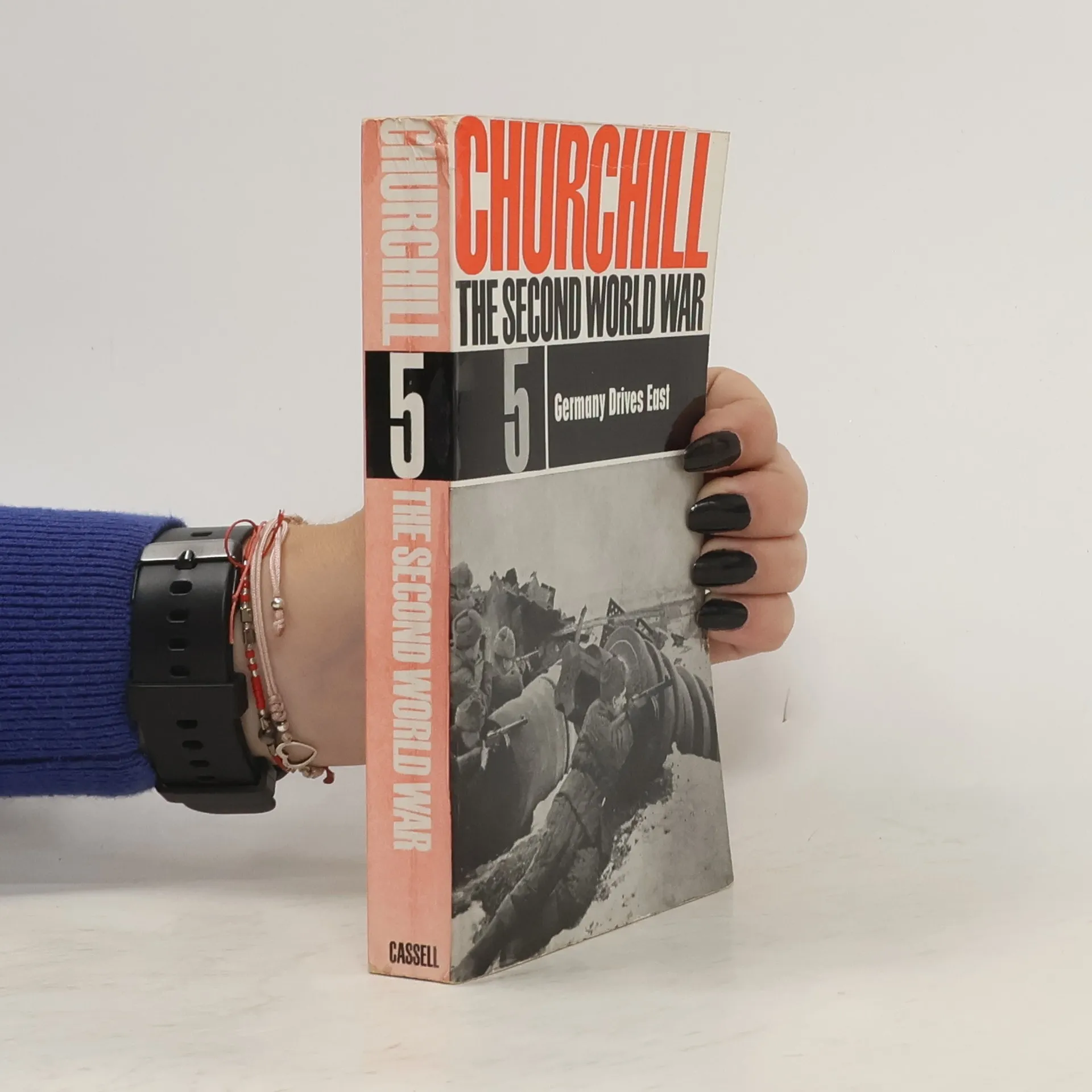
Germany Drives East
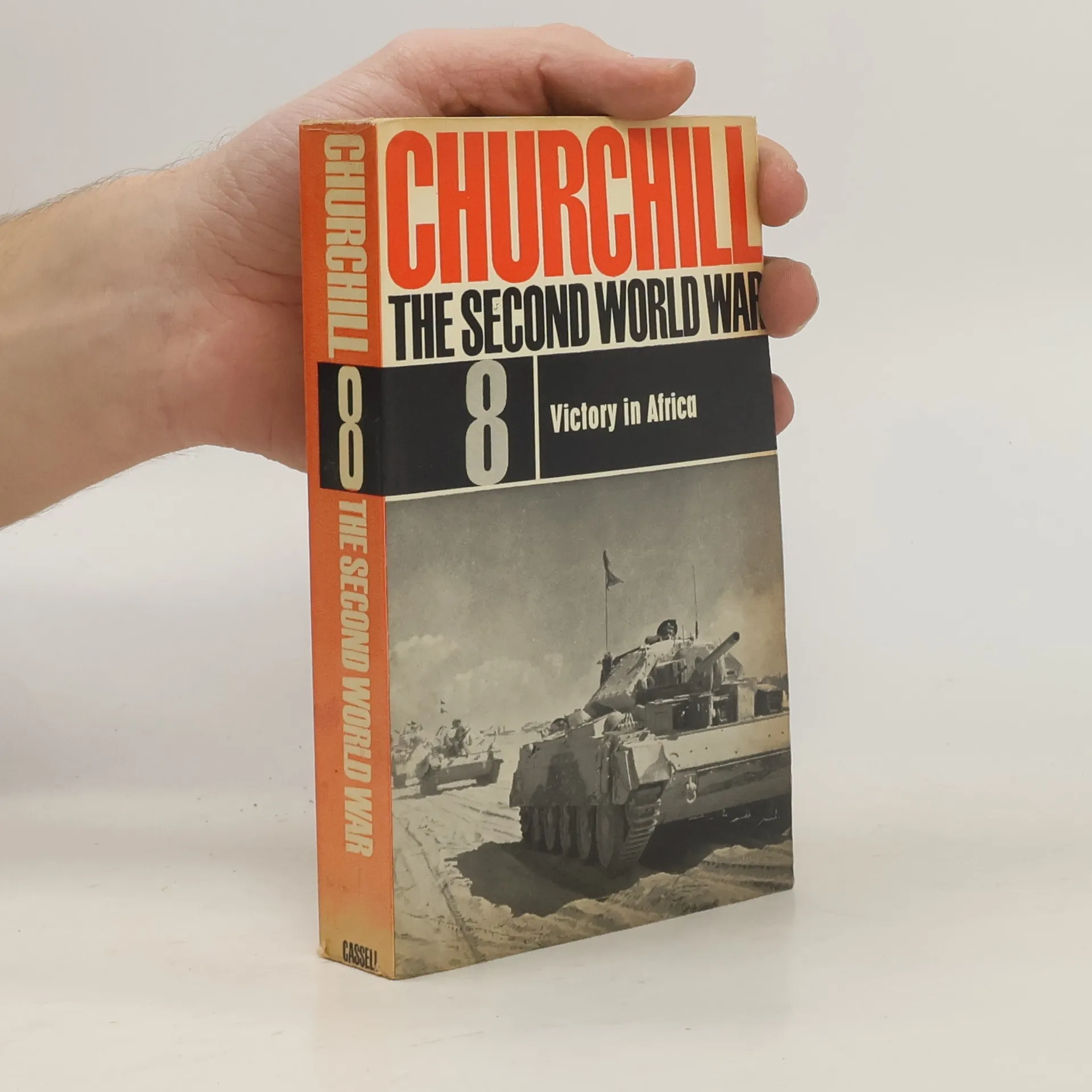
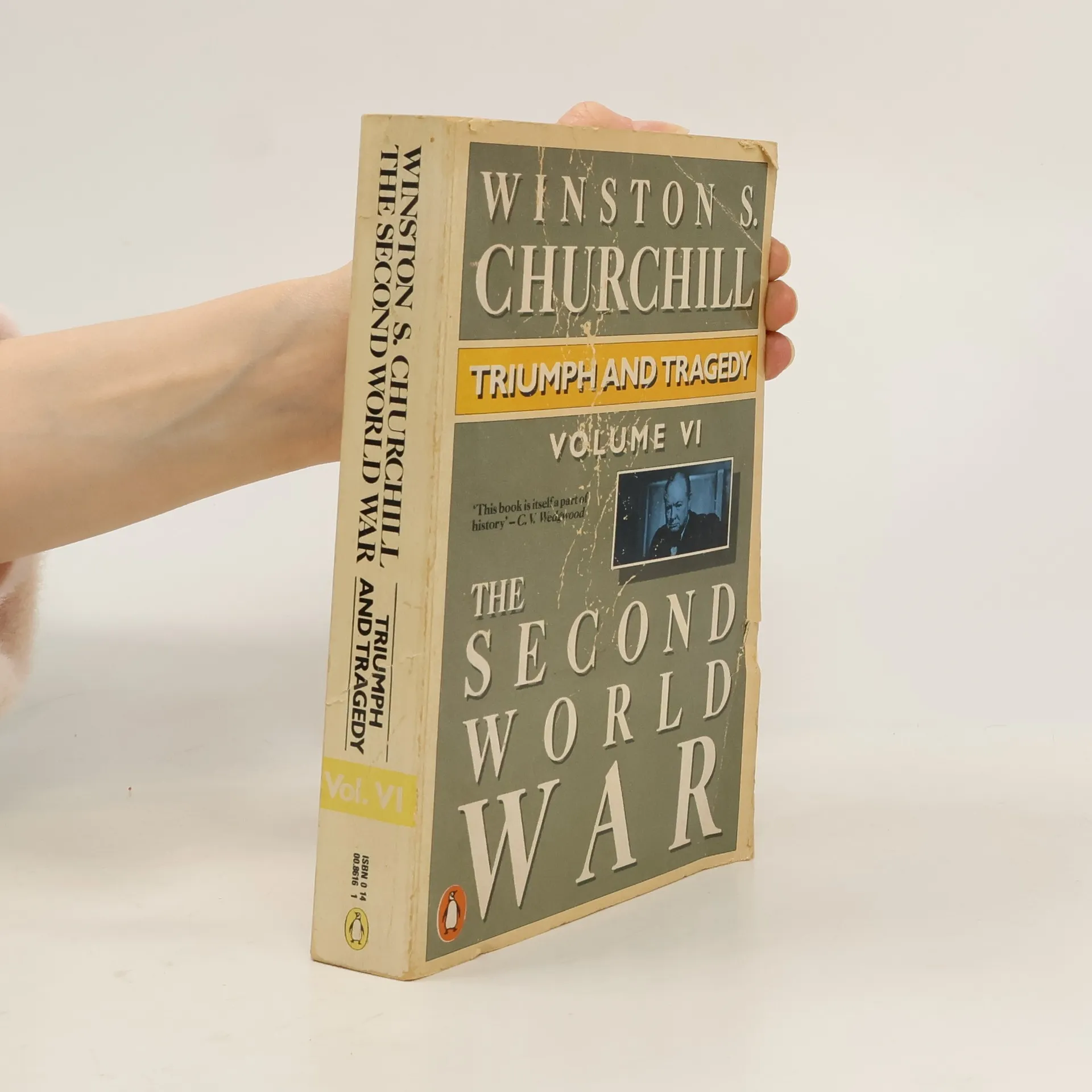
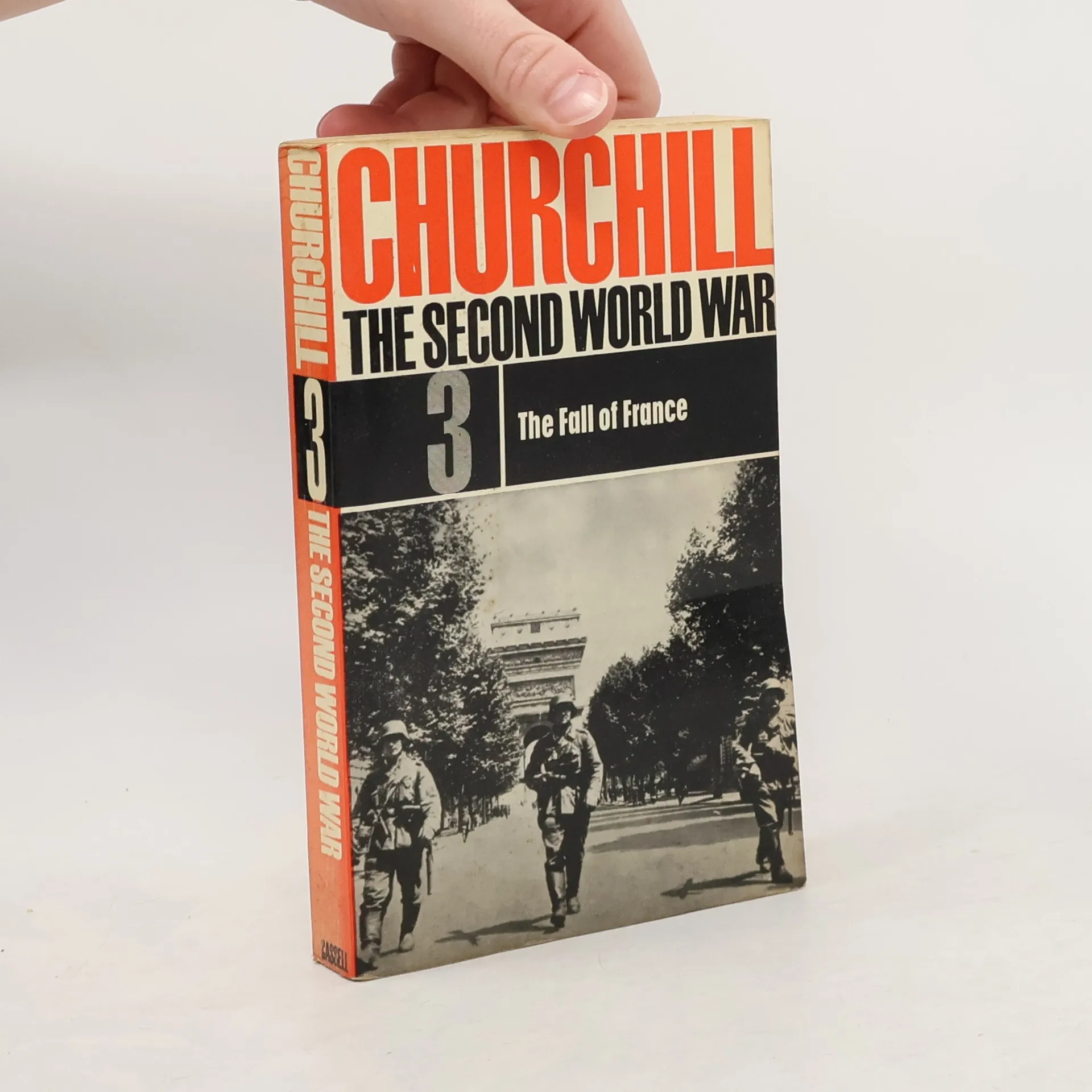
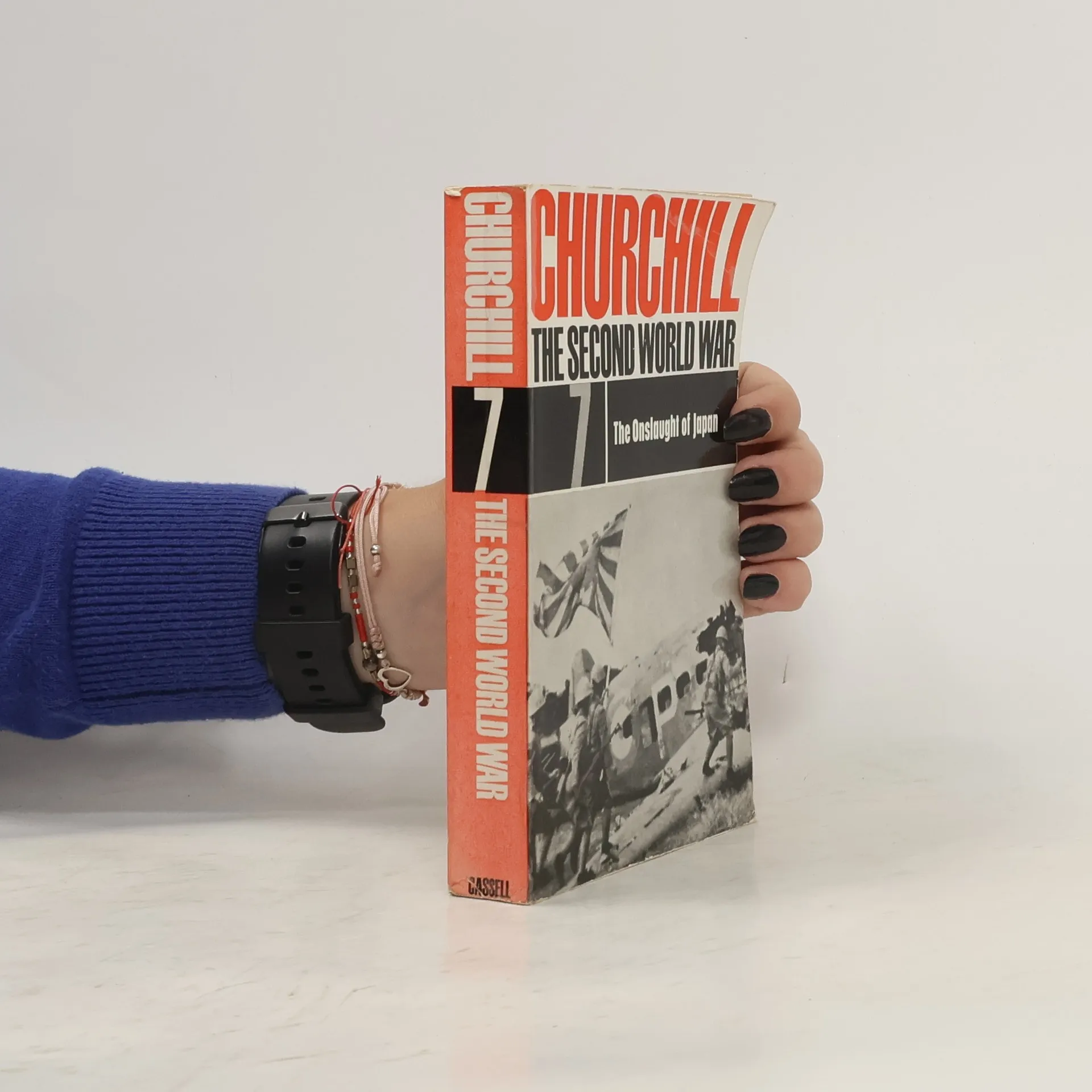
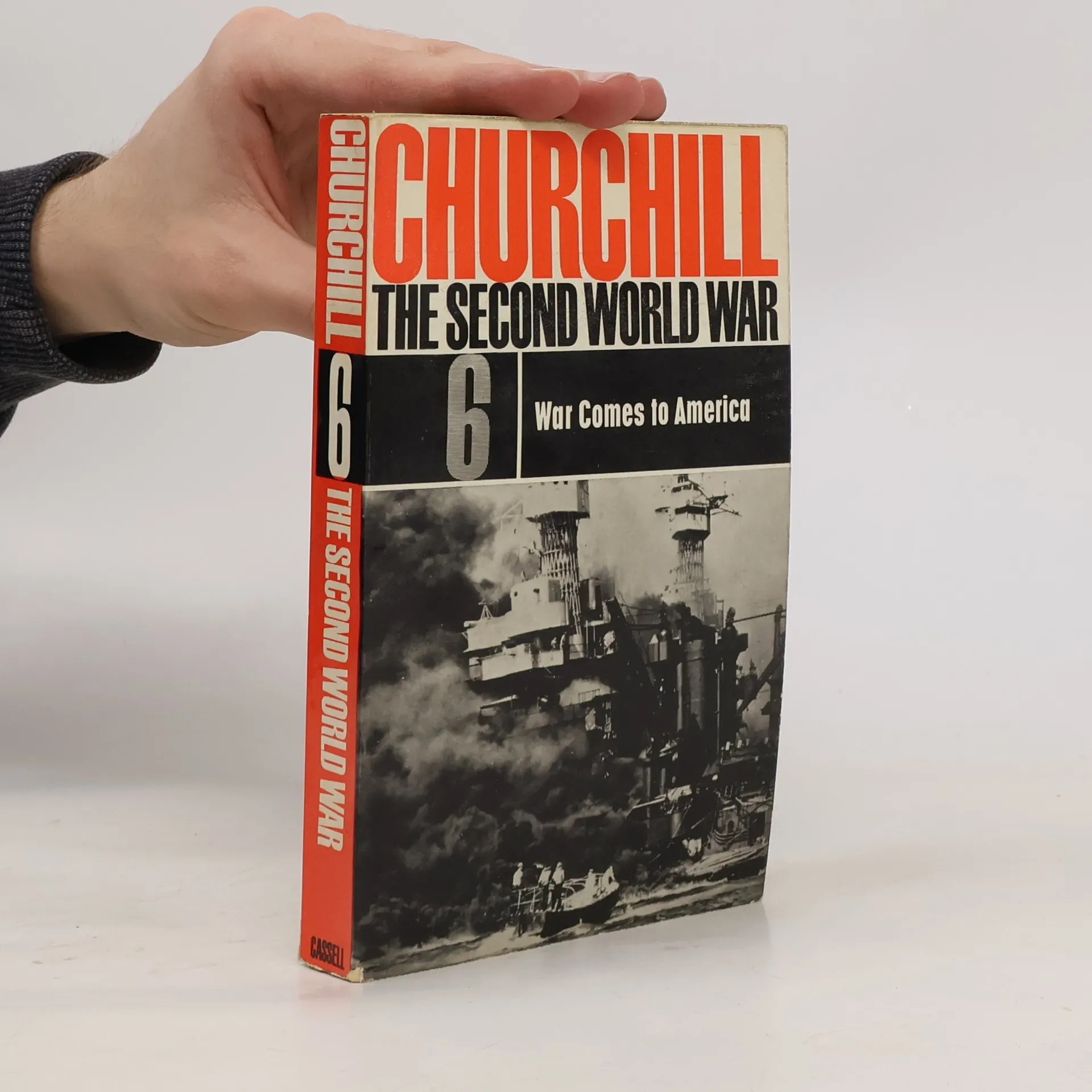
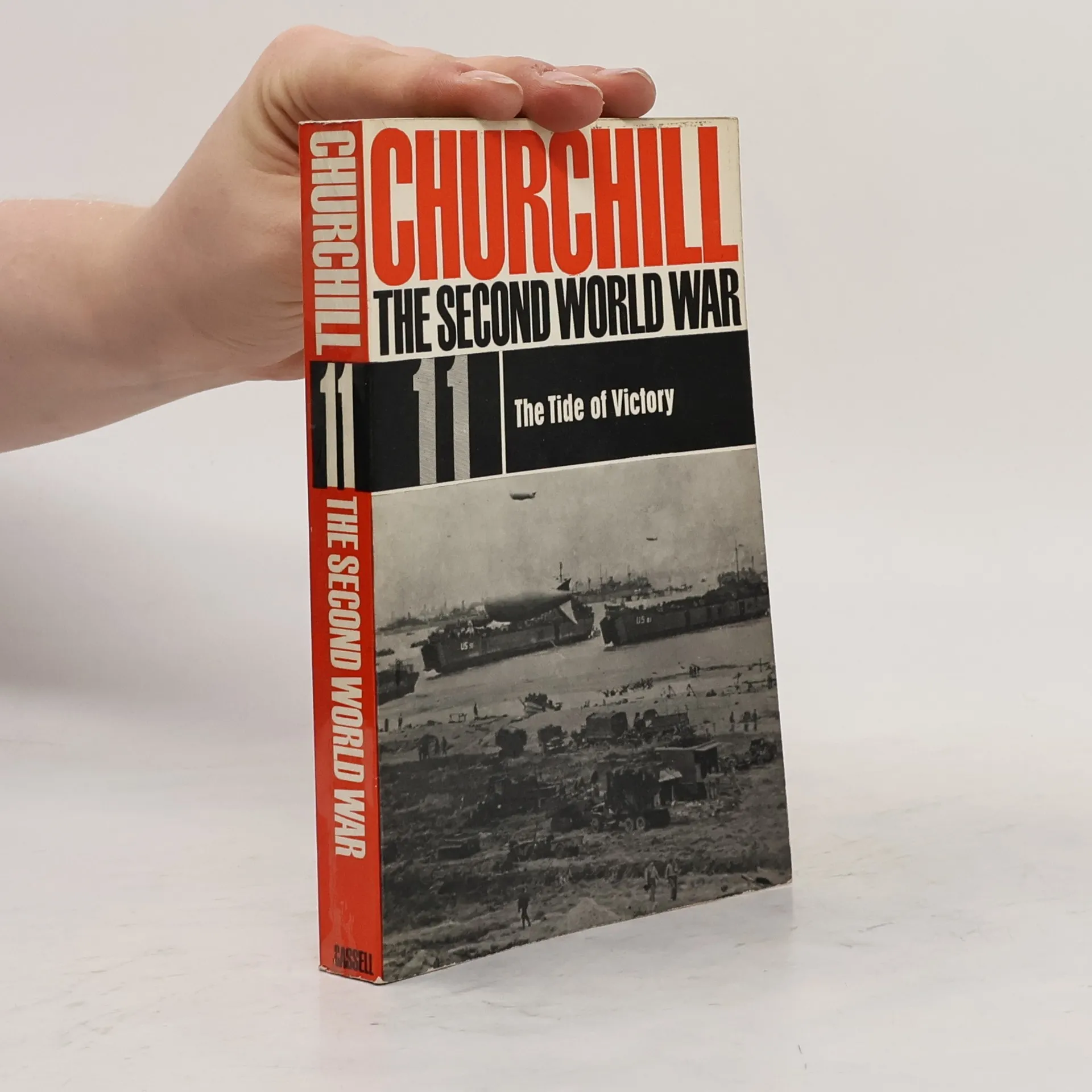
From the Allied landings in Normandy in June 1944 the Second World War had only fourteen months to run. This final volume of the account covers events right up to the unconditional surrender of Japan. Churchill's six-volume history of World War II - the definitive work, remarkable both for its sweep and for its sense of personal involvement, universally acknowledged as a magnificent historical reconstruction and an enduring work of literature.
1874-1904
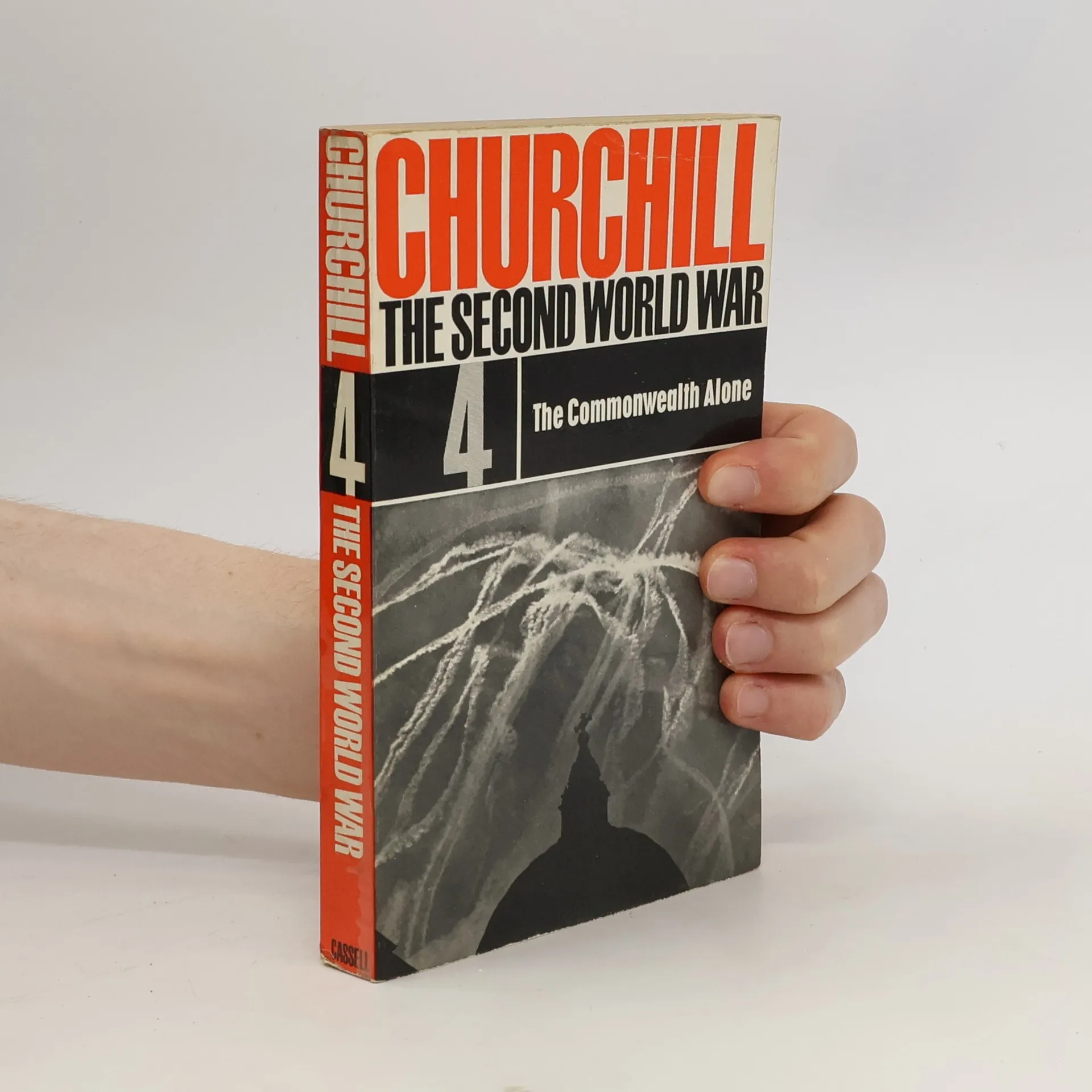
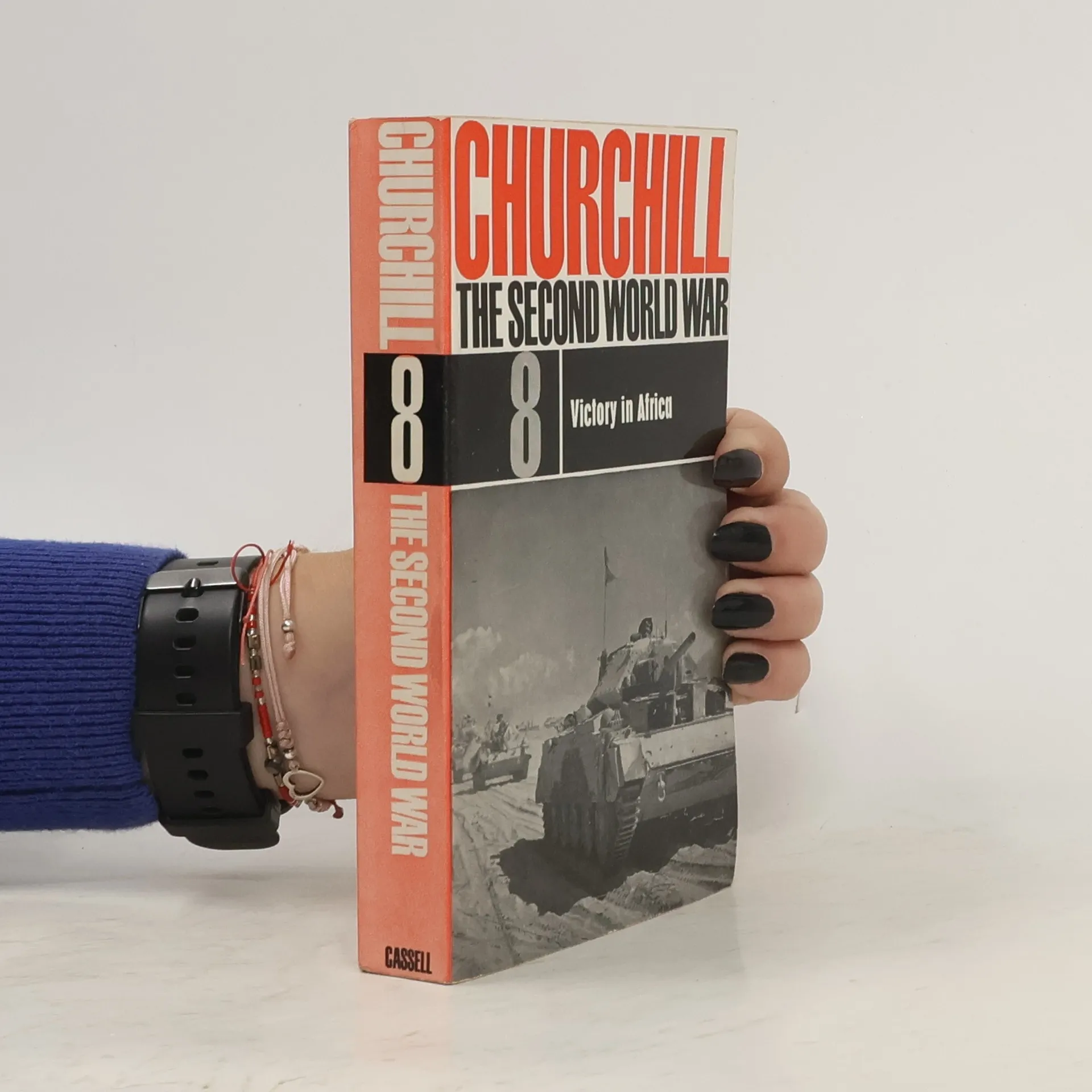
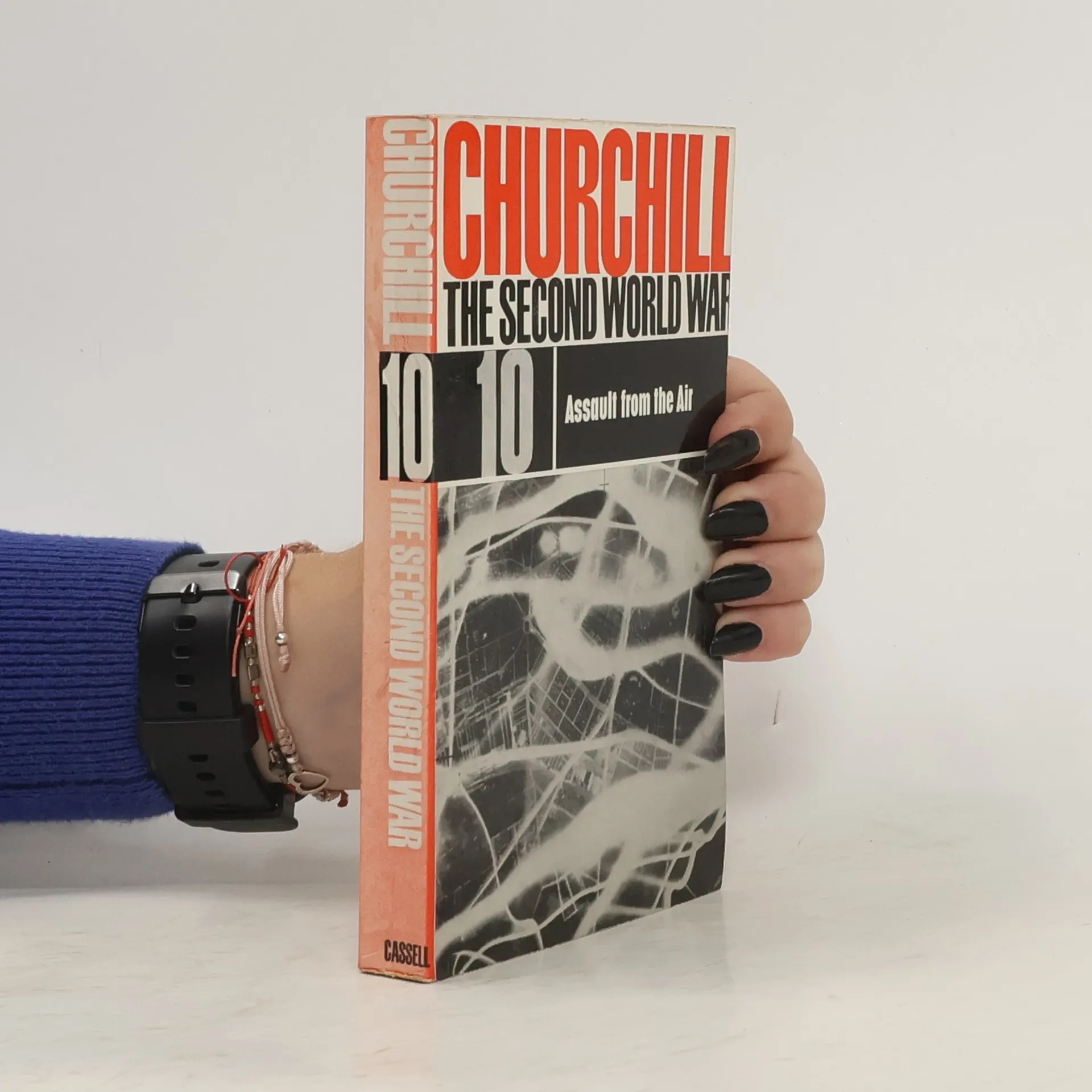
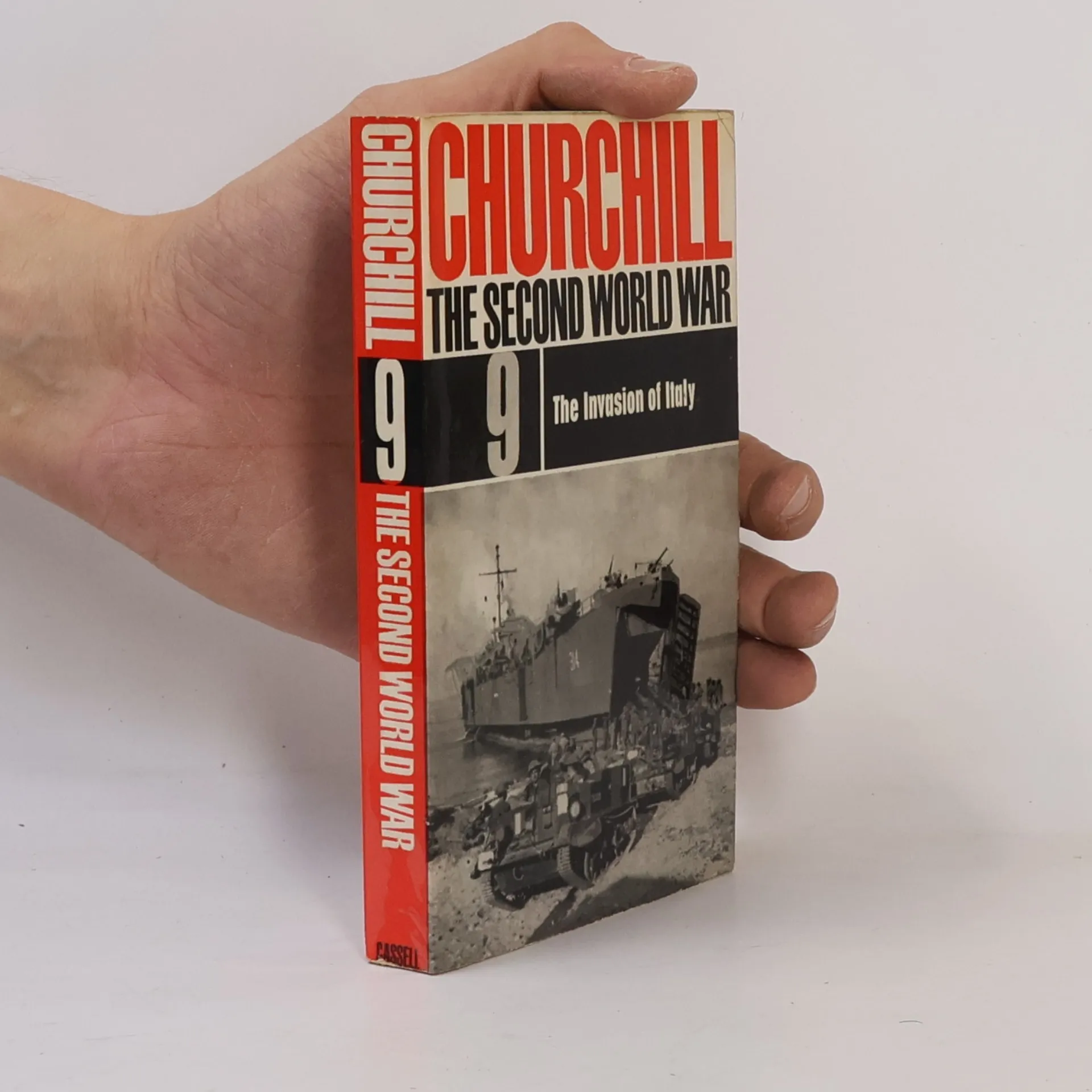
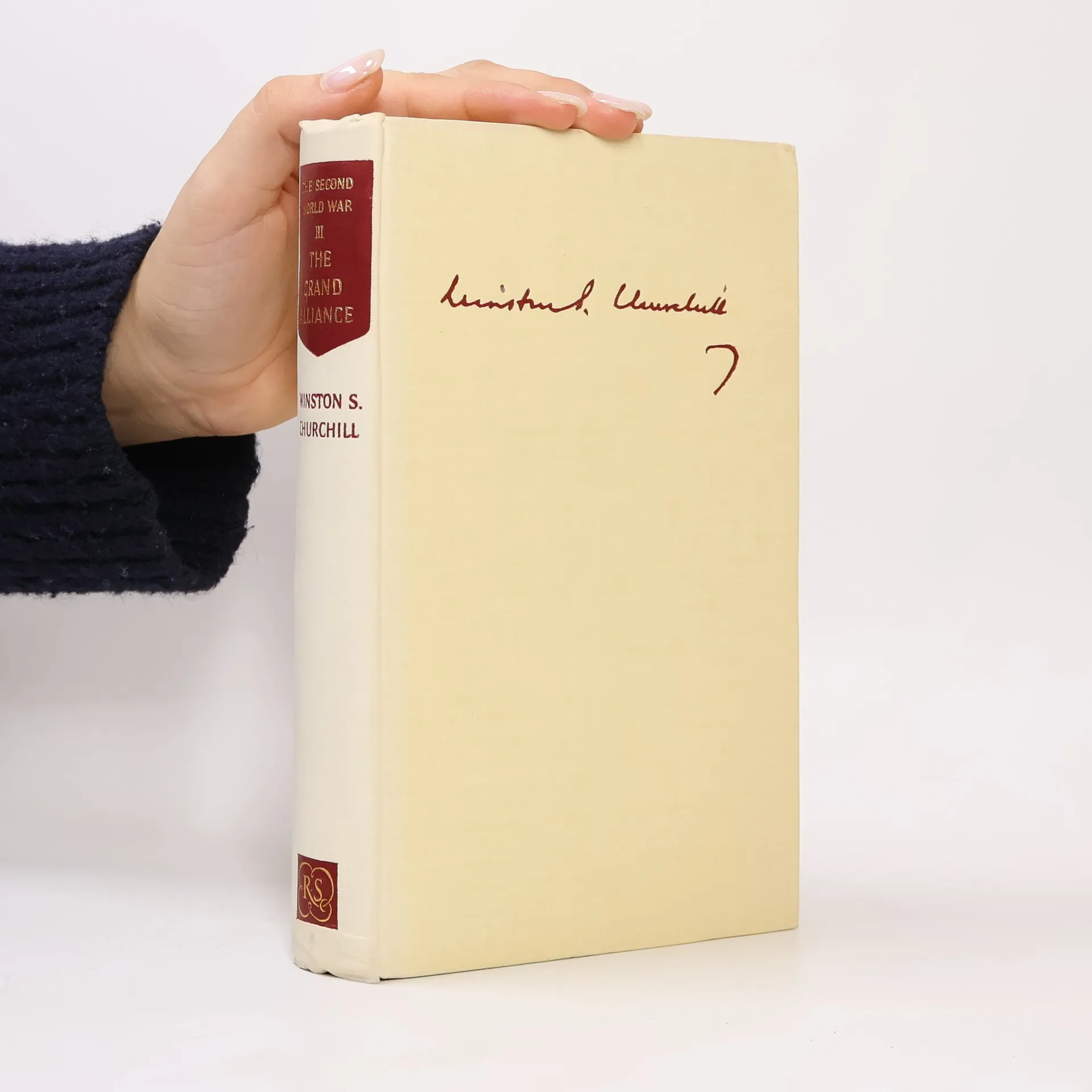
The Grand Alliance
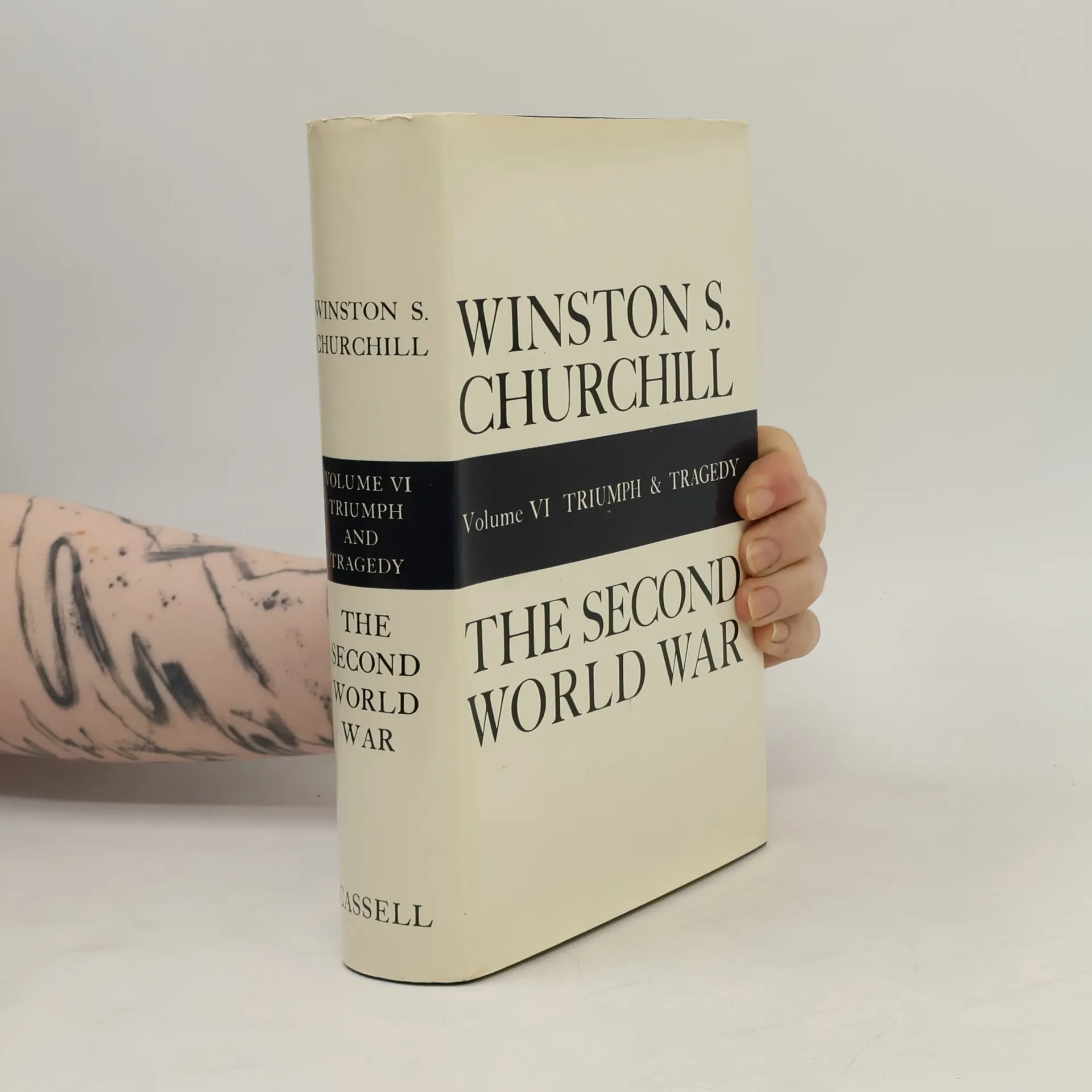
Triumph and Tragedy
Volume I