Jung's writing is the key to understanding 20th century psychology, psychiatry and psychoanalysis. This collection of his writings clearly presents him in his own words and in precis.
Anthony Storr Livres
18 mai 1920 – 17 mars 2001
Anthony Storr était un psychiatre et auteur anglais, réputé pour ses portraits psychanalytiques perspicaces de figures historiques. Son œuvre puise profondément dans sa compréhension de la souffrance humaine, lui permettant de plonger dans la psyché des individus avec une profonde empathie. Le style d'écriture de Storr est à la fois aimable et pénétrant, offrant aux lecteurs une fenêtre unique sur les motivations et les luttes intérieures de ceux qu'il a examinés. Ses écrits sont appréciés pour leur acuité psychologique et leur mérite littéraire.




The Art of Psychotherapy
- 220pages
- 8 heures de lecture
Storr’s The Art of Psychotherapy appeared in 1979 and became an instant classic. After Storr’s death, a third edition was rewritten and revised by Jeremy Holmes, and the fourth edition is a further up-to-date iteration.
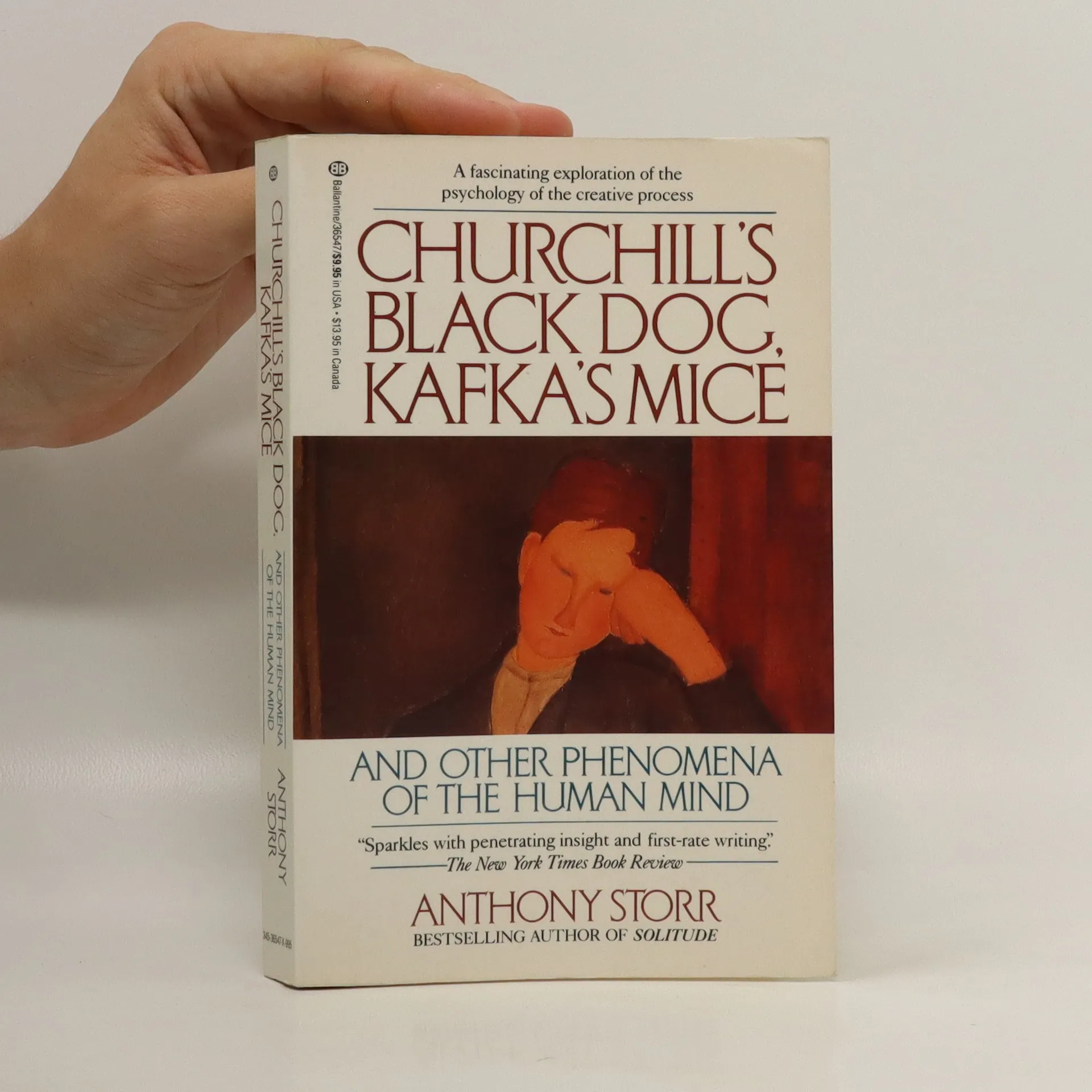
Churchill's black dog, Kafka's mice and other phenomena of the human mind
- 310pages
- 11 heures de lecture
This title collects the essays of one of England's best-known and most distinguished psychiatrists. Storr weighs and tests Freud's theory that creativity is the result of dissatisfaction by examining the impulses which drove Kafka, Newton and Churchill.
Solitude
- 240pages
- 9 heures de lecture
The author disagrees with the view that only intimate relationships can provide mental and personal satisfaction arguing that solitude has restorative powers.
First Published in 1991. Routledge is an imprint of Taylor & Francis, an informa company.
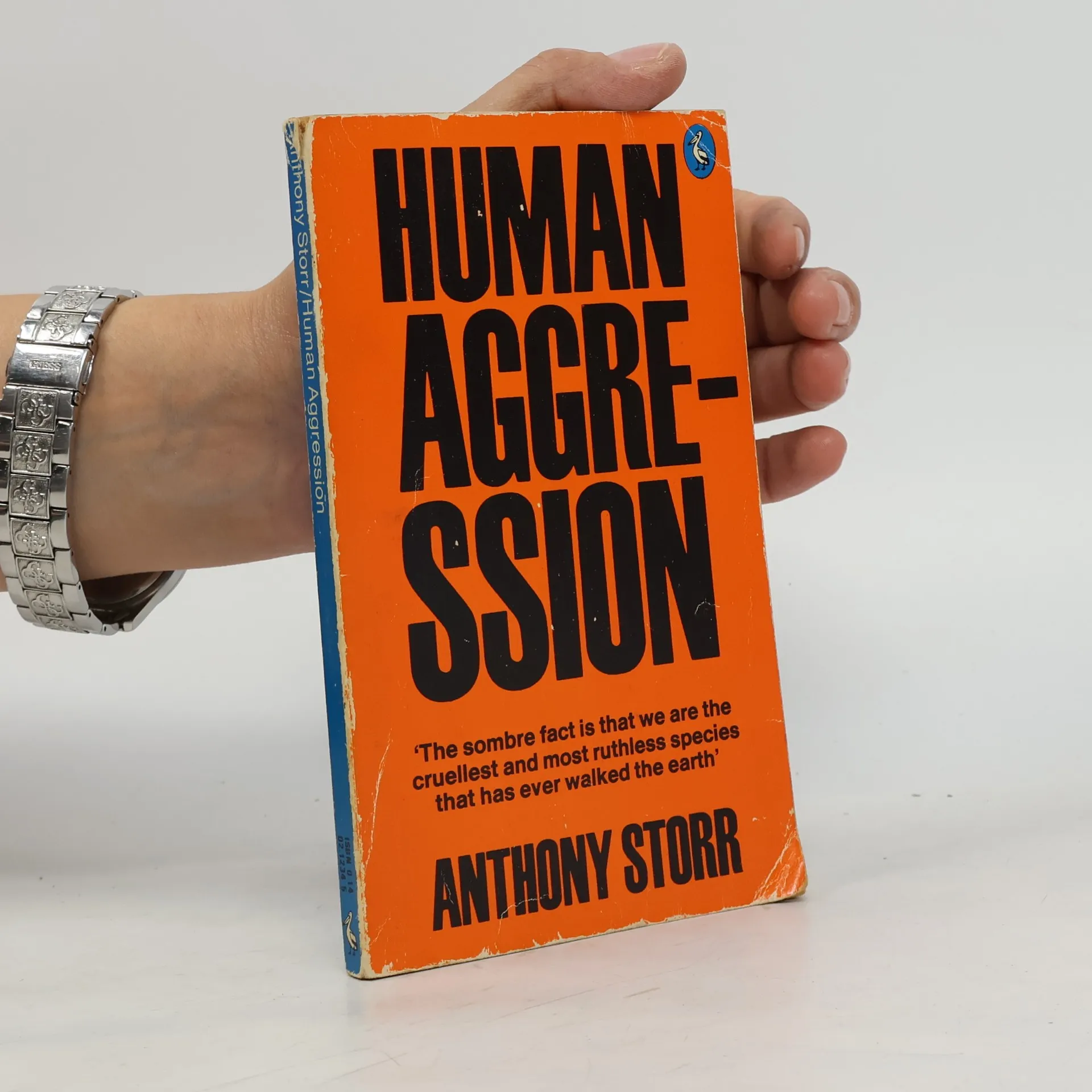
Human Aggression
- 176pages
- 7 heures de lecture
First published in 1972, this work provides a classic study of humanity's capacity for evil. The human species is capable of the most appalling cruelty. Why is this and where does our capacity for such destructiveness come from? Anthony Storr explores these important questions. In seeking to shed light on brutal phenomena such as genocide, racial conflict, and other large-scale manifestations of violence, he cautions against easy extrapolations from individual behavior to the behavior of groups and nations, though he offers illuminating discussions of aggressive personality disorders, sadomasochism, and the mechanisms of paranoid delusion. Most provocatively, he locates the propensity for mass outbreaks of cruelty in the imagination: to be able to see fellow human beings as wholly evil requires an imaginative capacity not found in other species. Combining wide scholarship, humane intelligence, and a graceful style, this work provides an illuminating study of some of the darkest corners of the human psyche.
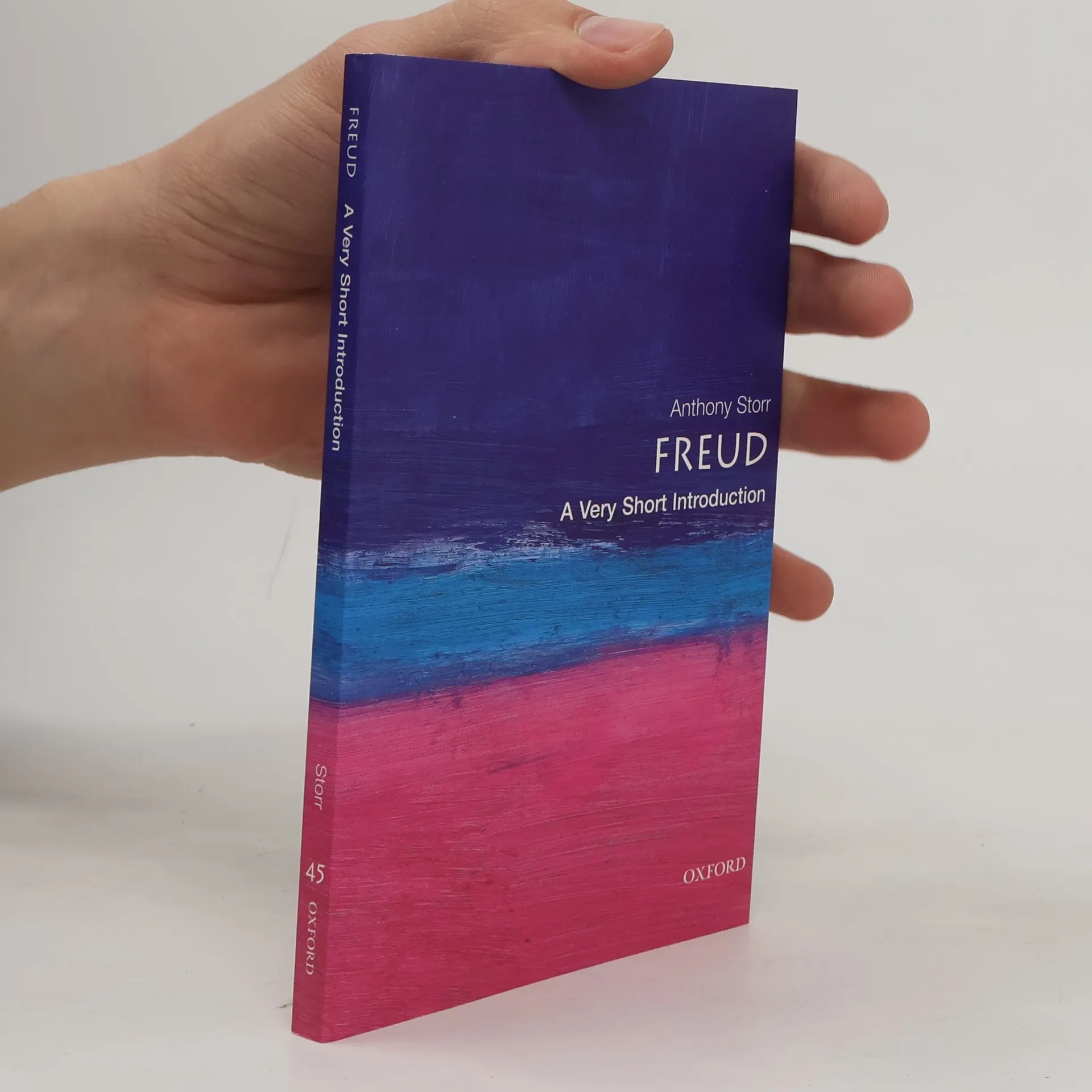
Sigmund Freud (1856-1939) revolutionized the way in which we think about ourselves. From its beginnings as a theory of neurosis, Freud developed psycho-analysis into a general psychology which became widely accepted as the predominant mode of discussing personality and interpersonal relationships.
Jung: Selected Writings
- 447pages
- 16 heures de lecture
Carl Gustav Jung (1875-1961), a physician and psychoanalyst, was Freud's most prominent follower, but his disagreement with the Freudian theory that personality formation is rooted in sexuality caused a permanent break between the two great psychologists. Jung's analysis of dream symbolism led him to develop the concept of archetypes and the collective unconscious. His revolutionary work provides fundamental insights into the function of dreams and psychic symbols in creativity, as well as a greater appreciation of the mystery at the heart of existence. Included in this volume, following an introductory essay by Robert Coles, are the following works by Jung: Two Kinds of Thinking and The Miller Families: Anamnesis from Symbols of Transformation> Synchronicity The Undiscovered Self Five Chapters from Aion> The Phenomonology of the Spirit in Fairy Tales Excerpts from On the Nature of the Psyche On the Nature of Dreams On Life After Death Late Thoughts
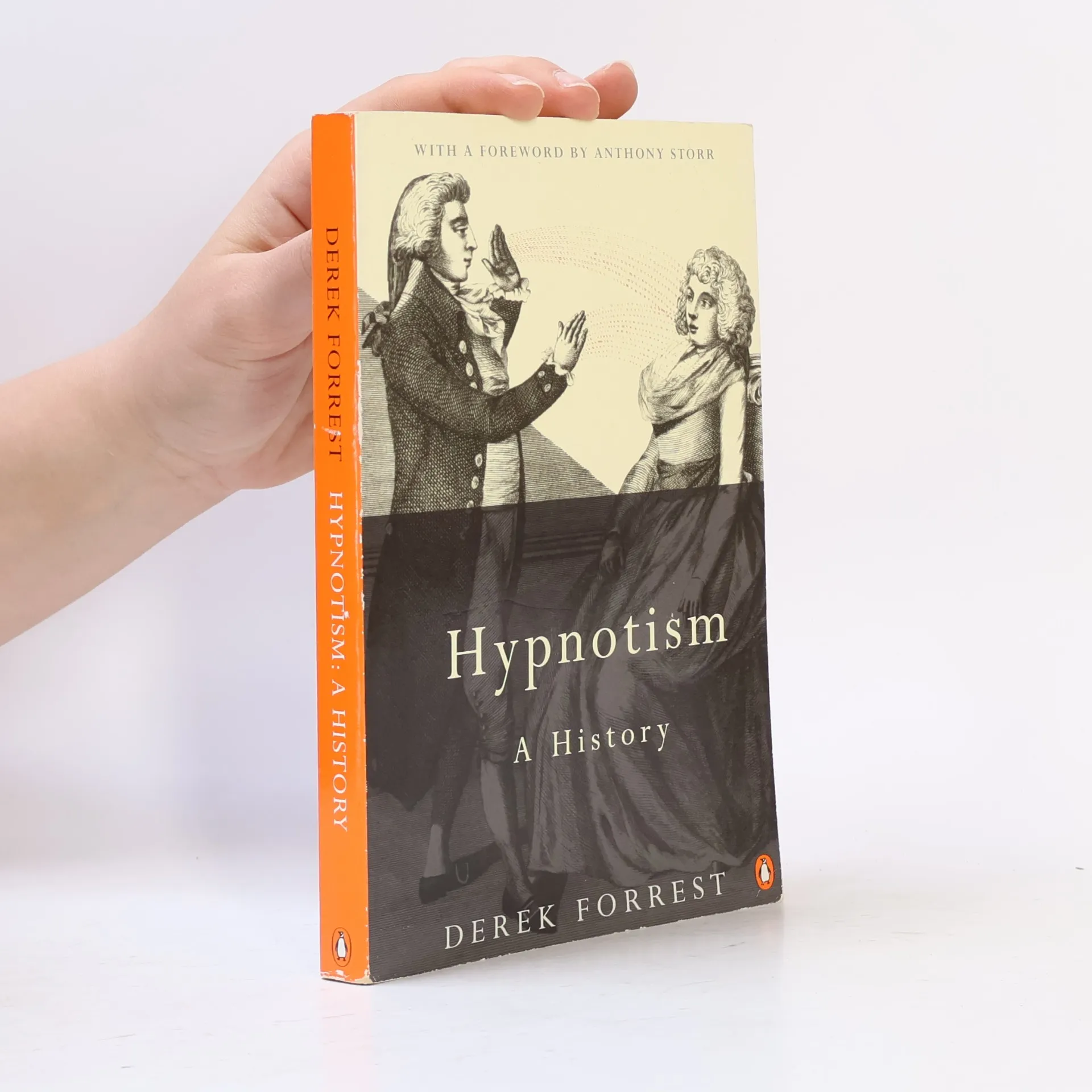
When Anton Mesmer began to cure patients with "animal magnetism" more than two-hundred years ago he initiated a controversy in the medical profession that continues to this day. Mesmer's theory of a universal fluid in the human body that could be regulated by magnetic influence was refined and developed by his disciples-largely in France, Britain, and the United States-until it became what is known today as hypnotism. Derek Forrest explores Mesmer's extraordinary life and the work of subsequent pioneers and introduces a range of amazing characters, including Charcot, Freud's mentor, and the famously eccentric Dr. Elliotson, whose continued advocacy of mesmerism cost him his position as Physician to University College Hospital in 1838. Making use of many primary sources, Forrest presents a fascinating study of this intriguing therapy.
Aby člověk pochopil, kdo je to guru, a porozuměl mu, musí být připraven zvážit otázku, kde leží hranice mezi racionalitou a šílenstvím, mezi tzv. zdravým rozumem a bláznovstvím. Autor se zabývá tématem iluze a víry i jezuity a Ježíšem. Pojednává o velkých duchovních vůdcích, hnutích, kultech i charitativních organizacích, zamýšlí se nad osobnostmi, jako byl Gurdjieff, Jung, Freud, Steiner a mnoho dalších.
C. G. Jung
- 140pages
- 5 heures de lecture