Bookbot

Ludwig von Mises

    29 septembre 1881 – 10 octobre 1973

    Ludwig von Mises fut un économiste et philosophe autrichien de premier plan, dont l'œuvre a fondamentalement façonné l'École autrichienne d'économie et le mouvement moderne du libre marché. Ses contributions intellectuelles se sont concentrées sur l'application rigoureuse du raisonnement économique pour comprendre la dynamique sociale et les résultats politiques. Mises a défendu les principes de la liberté économique et d'une monnaie saine, explorant leur rôle essentiel dans la promotion de la prospérité et de la liberté individuelle. Ses écrits demeurent essentiels pour comprendre les fondements théoriques du libéralisme classique et sa pertinence durable.

    Ludwig von Mises
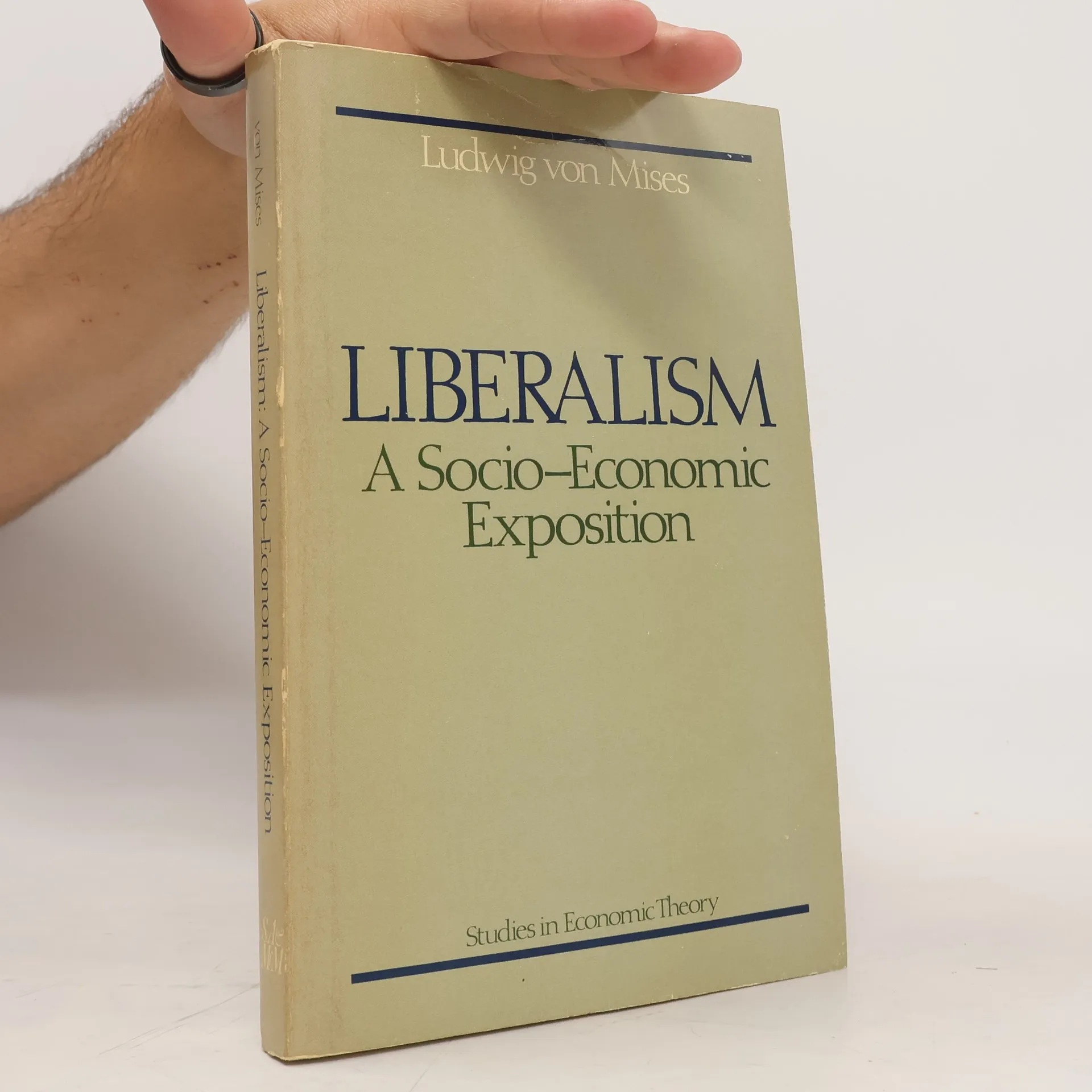
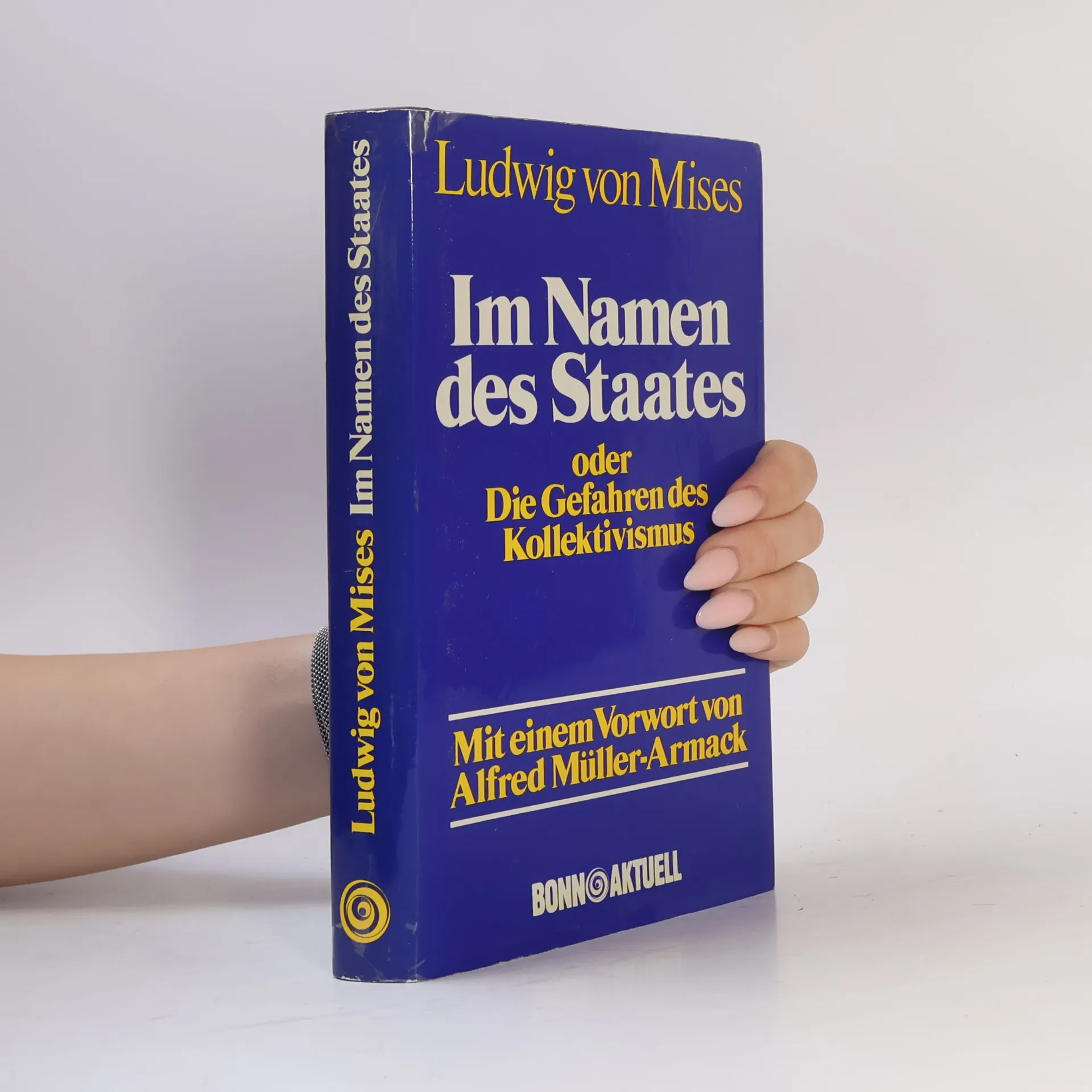
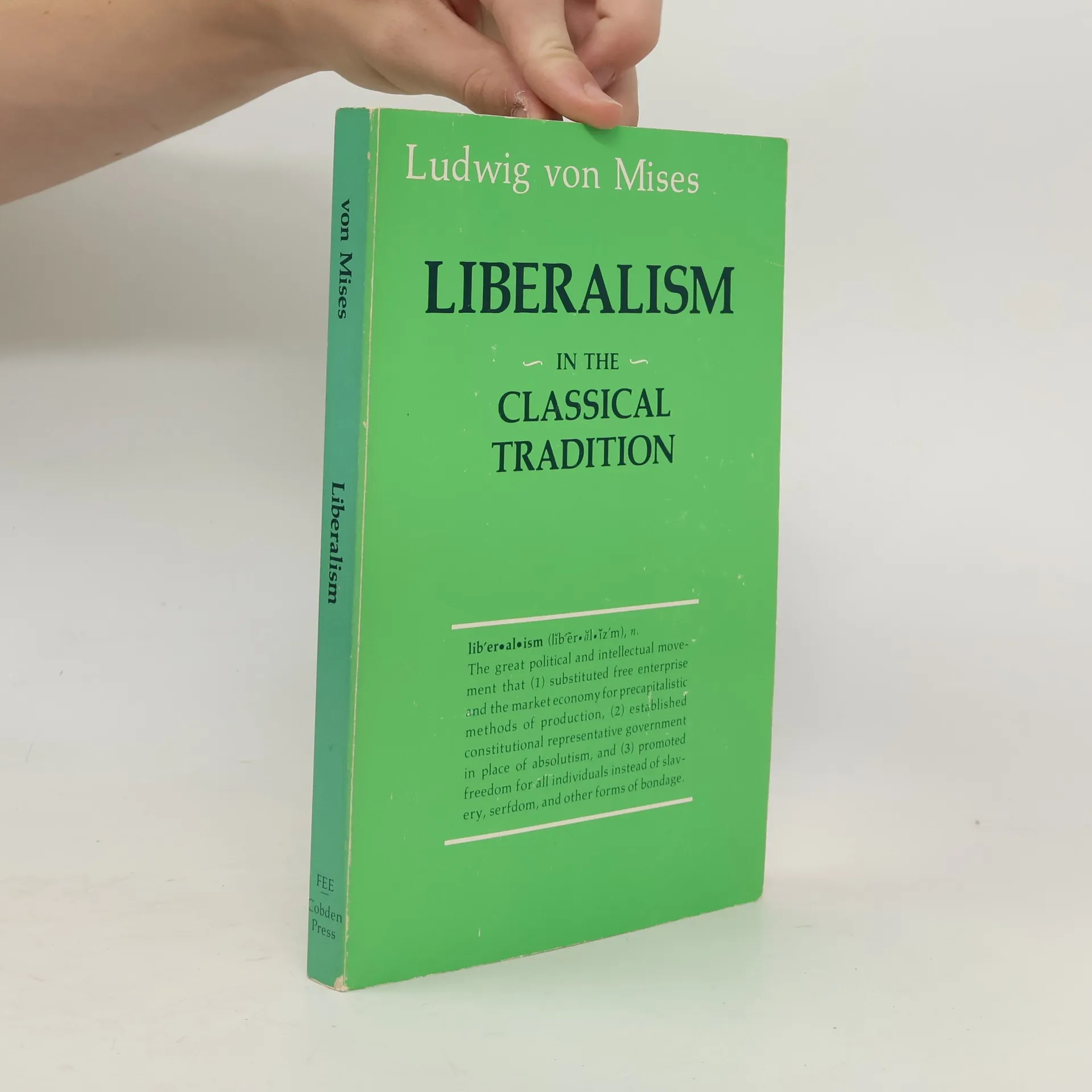
    Liberalism
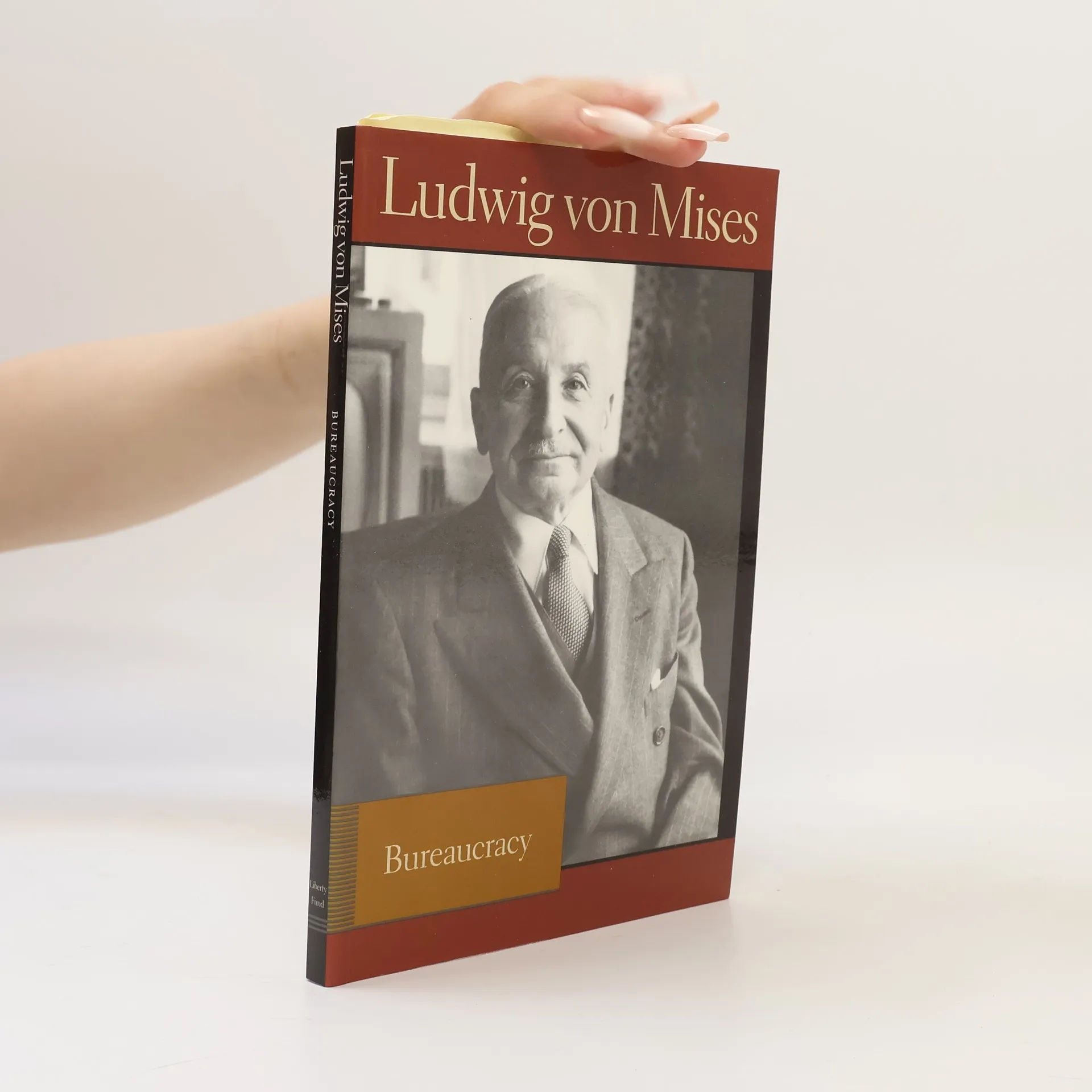
    Bureaucracy
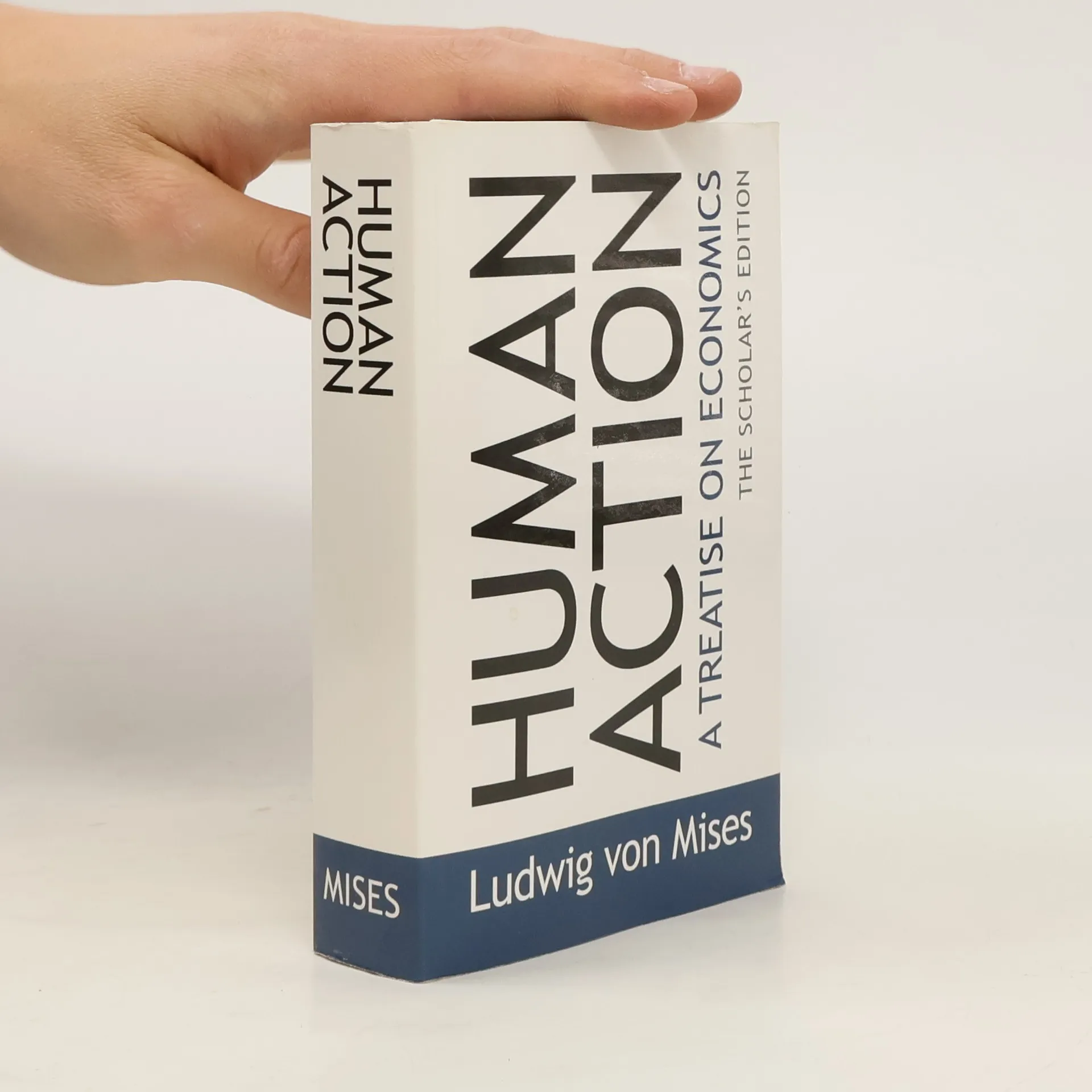
    Human Action
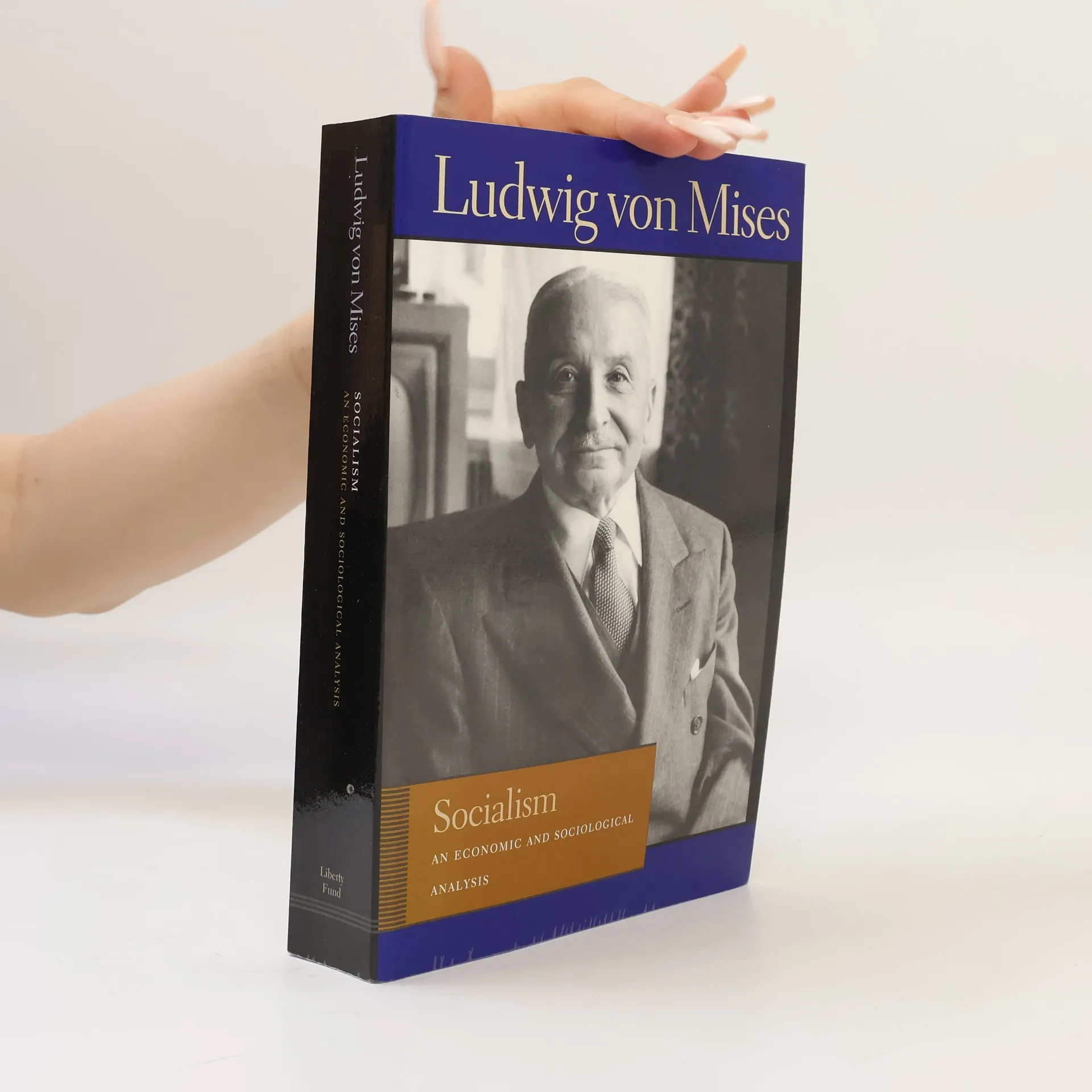
    Socialism : an economic and sociological analysis
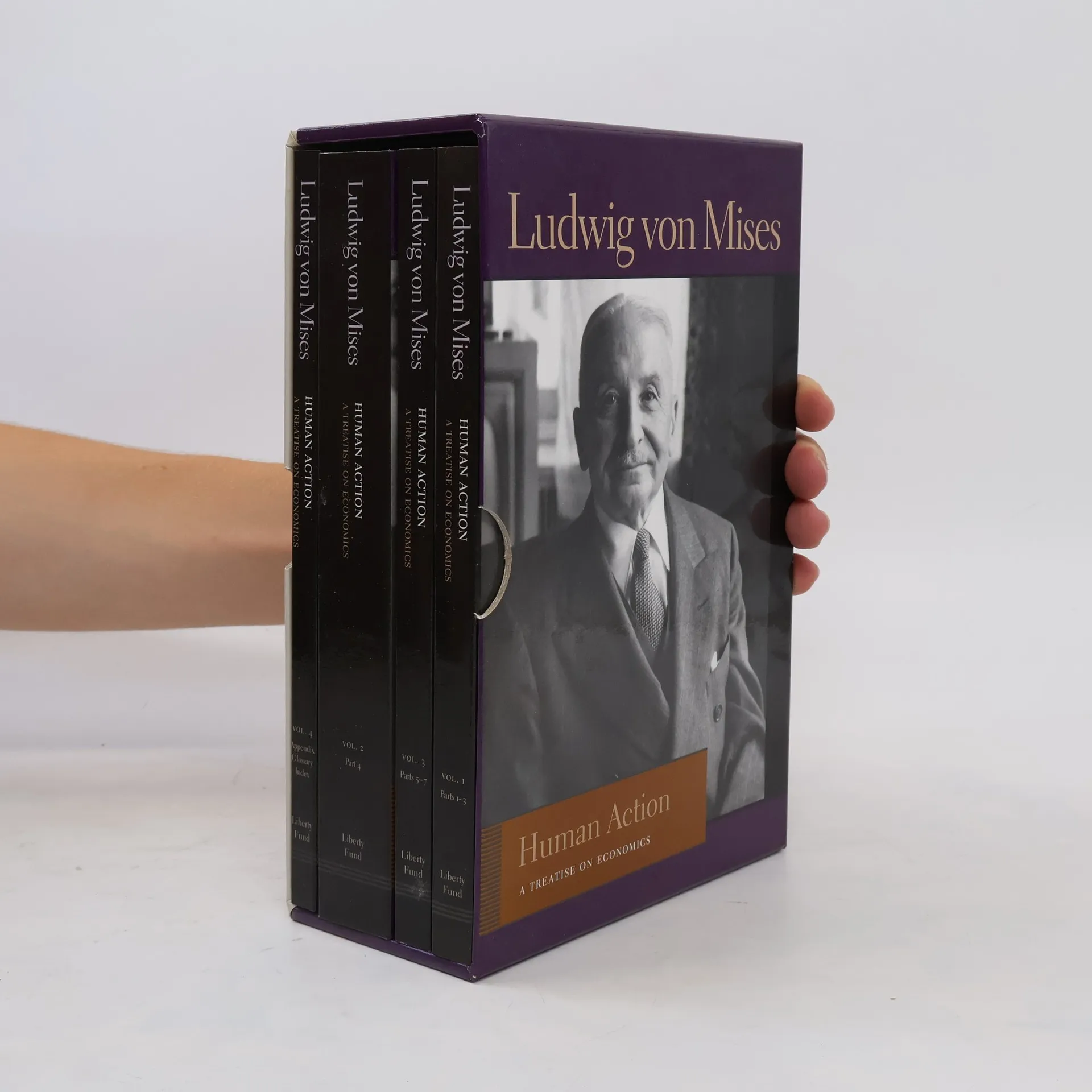
    Human Action. A Treatise on Economics. Vol. 1-4
    Six Leçons
    • Human Action

      • 912pages
      • 32 heures de lecture

      Reprint. Originally published: New Haven: Yale University Press, 1949 [c1949].

      Human Action
      4,3
    • Liberalism

      • 208pages
      • 8 heures de lecture

      This book presents the theoretical and practical arguments for liberalism. Mises contrasts liberalism with other conceivable systems of social organization such as socialism, communism, and fascism. He is also more specific here than elsewhere in applying the liberal program to economic policy, domestic and foreign.

      Liberalism
      4,3
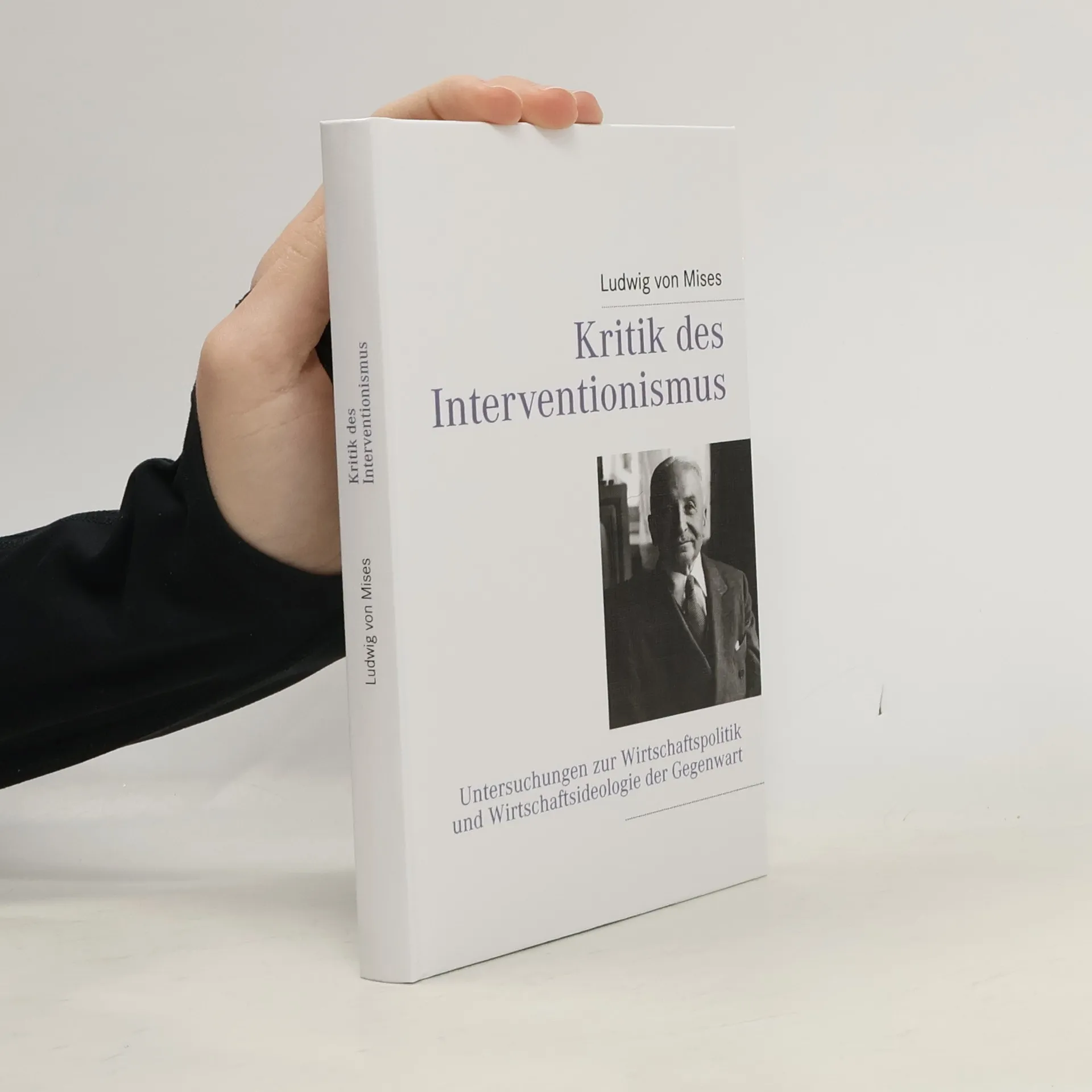
    • Interventionism

      An Economic Analysis

      • 98pages
      • 4 heures de lecture

      Shortly after fleeing a war-torn Europe, Ludwig von Mises completed his trilogy on economic systems in the United States. This concise treatise, published posthumously in 1998, addresses a world caught between failing planned economies and struggling free markets. Mises warns that mixed economic systems lead to political instability and stagnation, supporting his claims with a model of interventionism and analyses of price control, credit expansion, subsidies, welfare, corporatism, and the war economy. Notably, he discusses the draft as a form of socialism. This work is essential for understanding the post-socialist era and should not be confused with his earlier critique on price control. The volume includes an introduction and chapters covering topics such as capitalism vs. socialism, the roles of capitalist and socialist states, and various forms of economic interference, including restrictive measures and price controls. Mises examines the consequences of these interventions, such as unemployment and inflation, as well as issues related to credit expansion and capital flight. This book serves as a crucial resource for comprehending the complexities of economic systems and their implications.

      Interventionism
      4,3
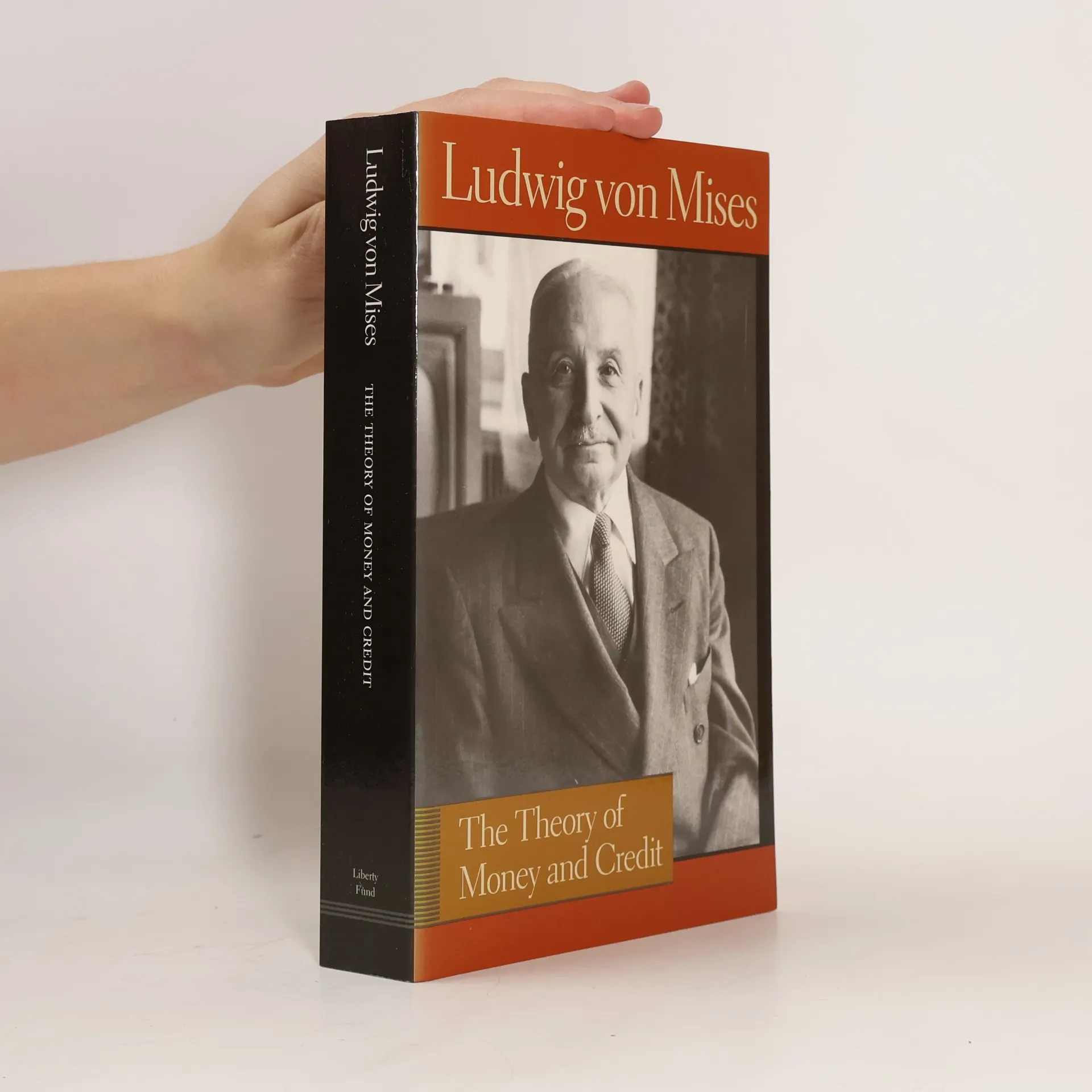
    • Theory of Money & Credit

      • 541pages
      • 19 heures de lecture

      The Theory of Money and Credit integrated monetary theory into the main body of economic analysis for the first time, providing fresh, new insights into the nature of money and its role in the economy and bringing Mises into the front rank of European economists. The Theory of Money and Credit also presented a new monetary theory of the trade cycle, which, under further development by Mises’s student Nobel Laureate F. A. Hayek, came to challenge all previous trade-cycle theories. Ludwig von Mises (1881–1973) was the leading spokesman of the Austrian School of economics throughout most of the twentieth century. Please note: This title is available as an ebook for purchase on Amazon, Barnes and Noble, and iTunes.

      Theory of Money & Credit
      4,3
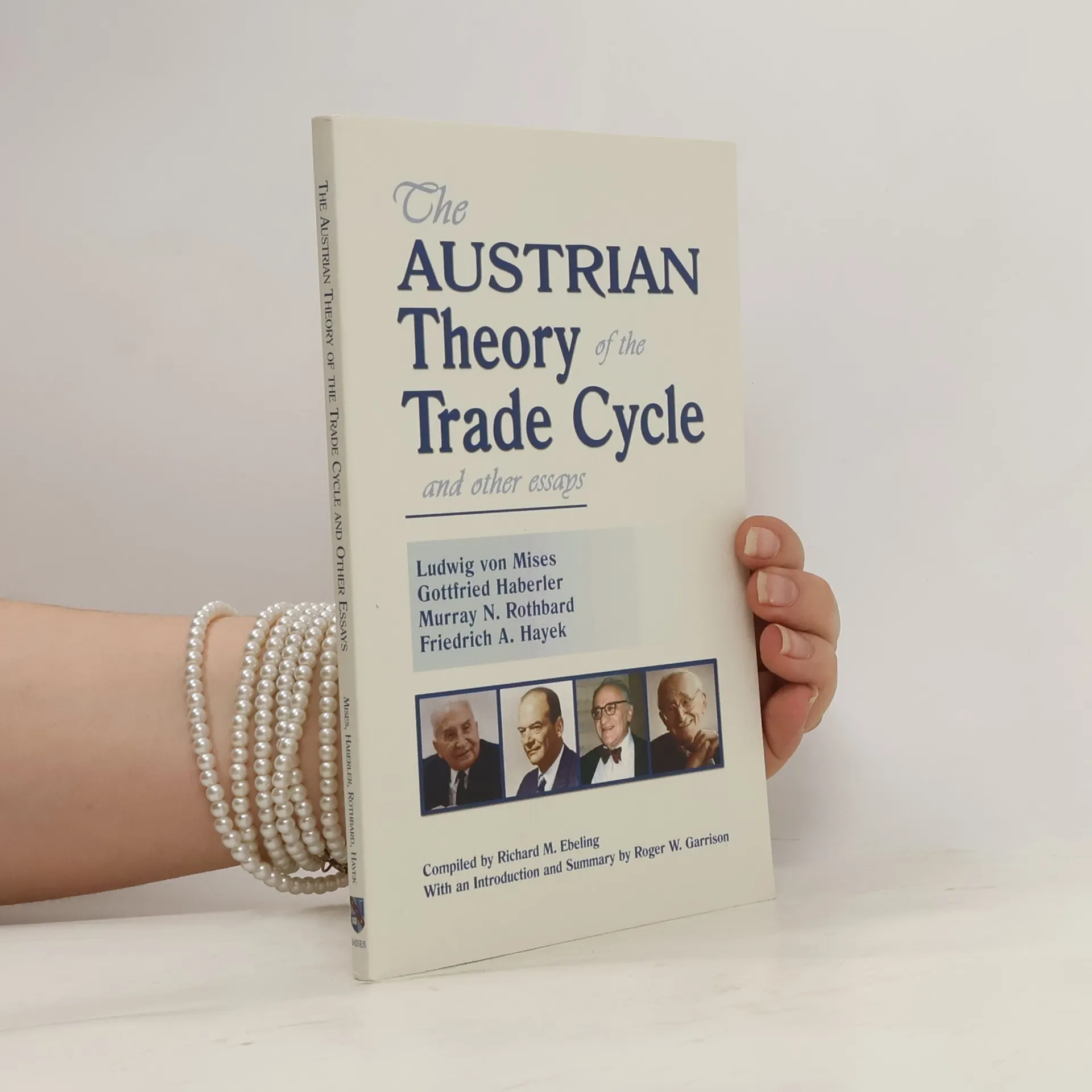
    • Booms and busts are not endemic to the free market, argues the Austrian theory of the business cycle, but come about through manipulation of money and credit by central banks. In this monograph, Austrian giants explain and defend the theory against alternatives. Includes essays by Mises, Rothbard, Haberler, and Hayek. In his later years, Professor Haberler distributed many of these monographs to friends and associates. New edition with an introduction by Roger Garrison and an index.

      The Austrian Theory of the Trade Cycle and Other Essays
      4,2
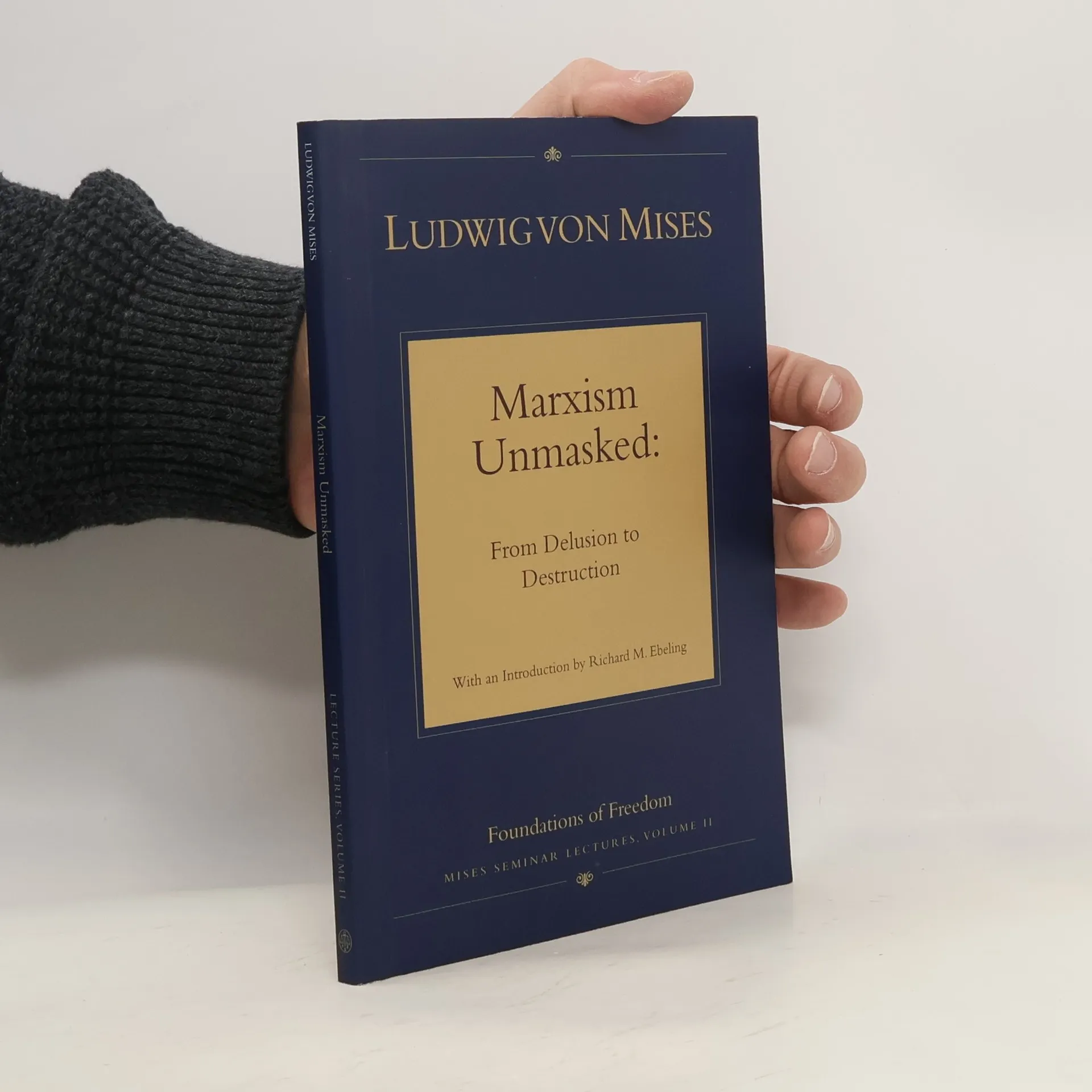
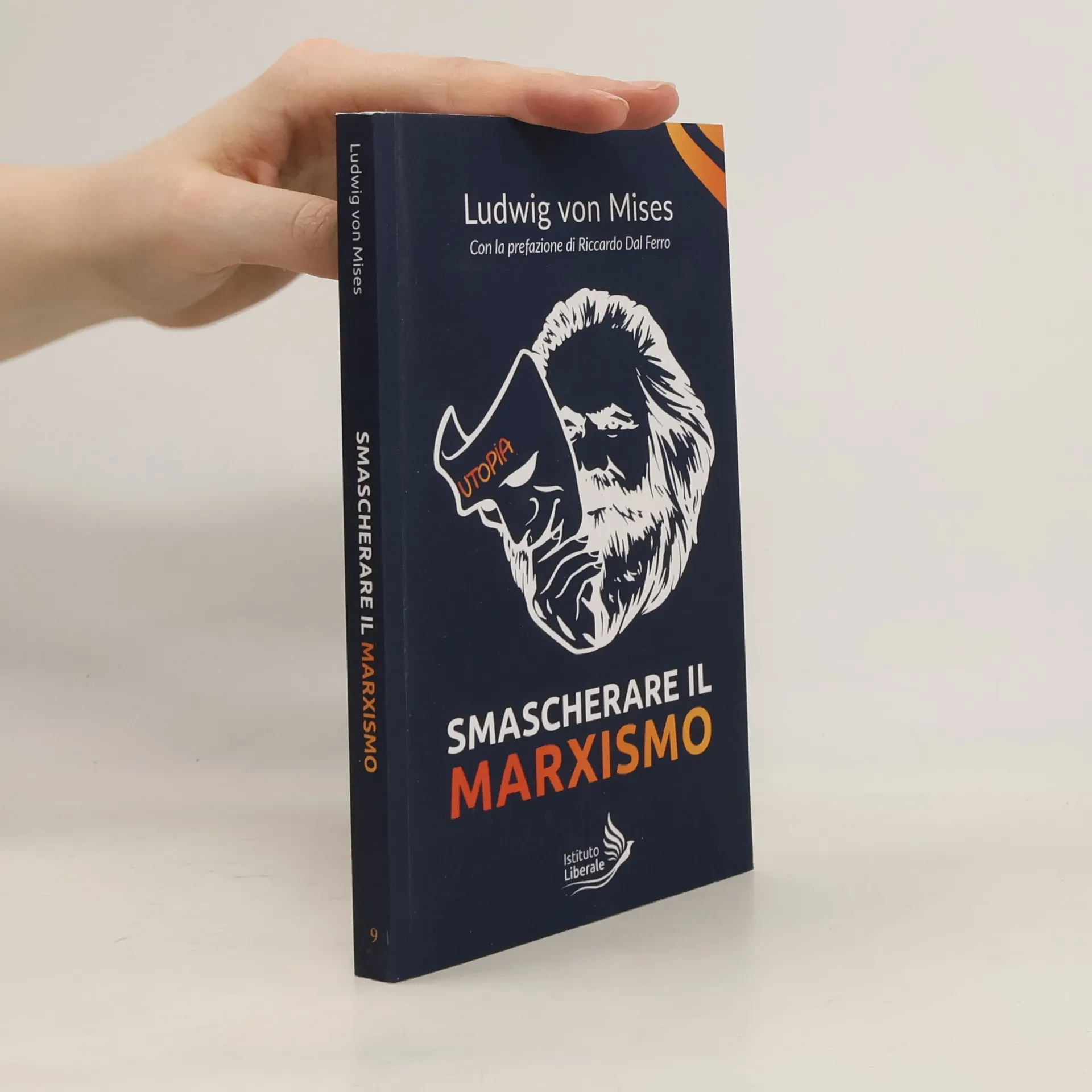
    • Marxism Unmasked

      • 110pages
      • 4 heures de lecture

      We can't sit under Mises at his famous Vienna private seminar. We can't go back in time and attend his New York seminar, or follow him to his speaking engagements that he held in the 50s and 60s. But thanks to this second volume in a thrilling series (here is volume one), we do have access to what he said. He is warm, funny, passionate, and learned. This book provides a candid look at the man and his teaching style. It demonstrates his dazzling command over the material, and teaches in a breezier way than his treatises. This volume contains nine lectures delivered over one week, from June 23, to July 3, 1952, at the San Francisco Public Library. Mises was at his prime as a teacher and lecturer. He shares a lifetime of learning on topics that were (and remain) central to American public life. As the title indicates, his main focus is on Marxism. He discusses Marx and his place in the history of ideas, the destruction wrought by his dangerous ideology, the manner in which his followers h

      Marxism Unmasked
      4,1