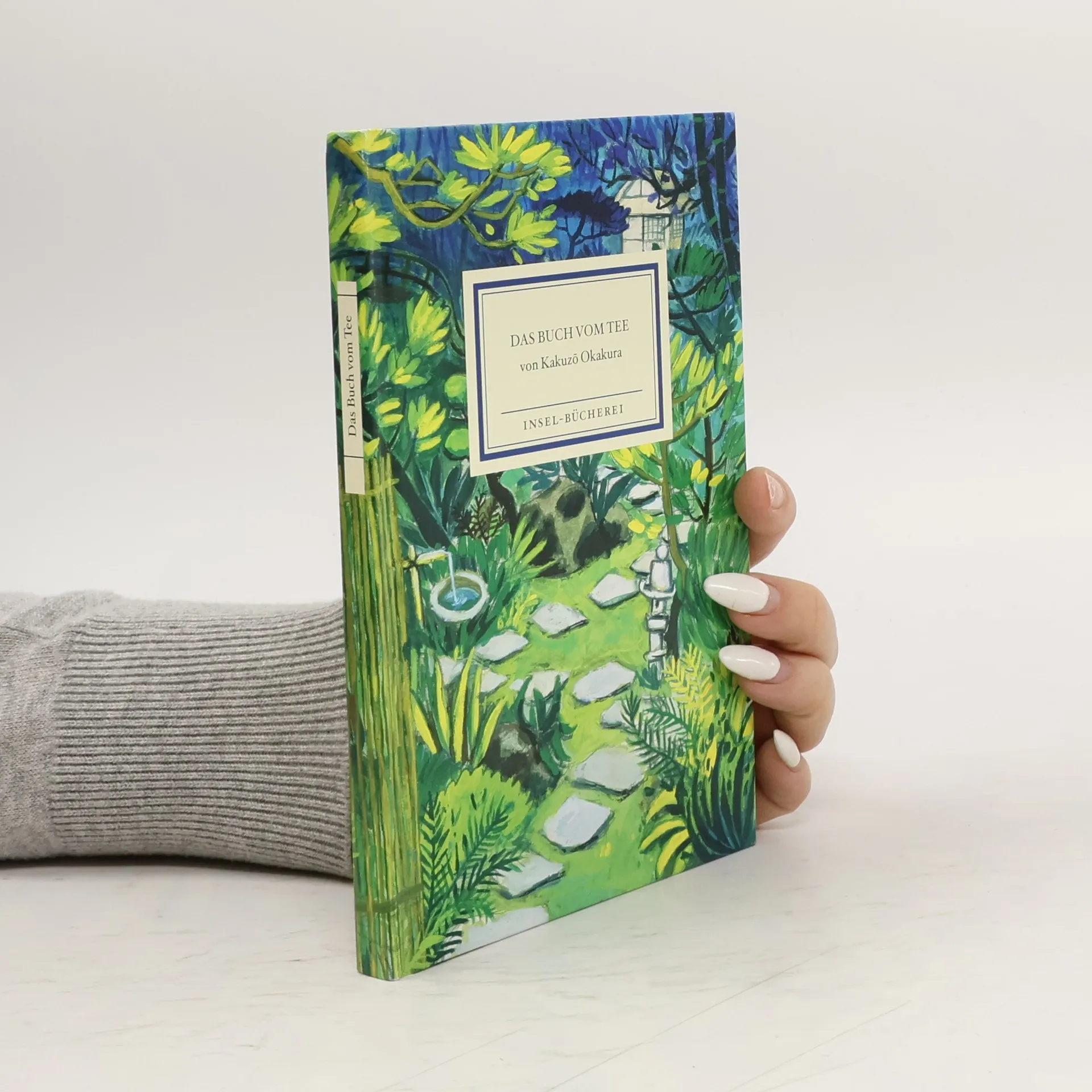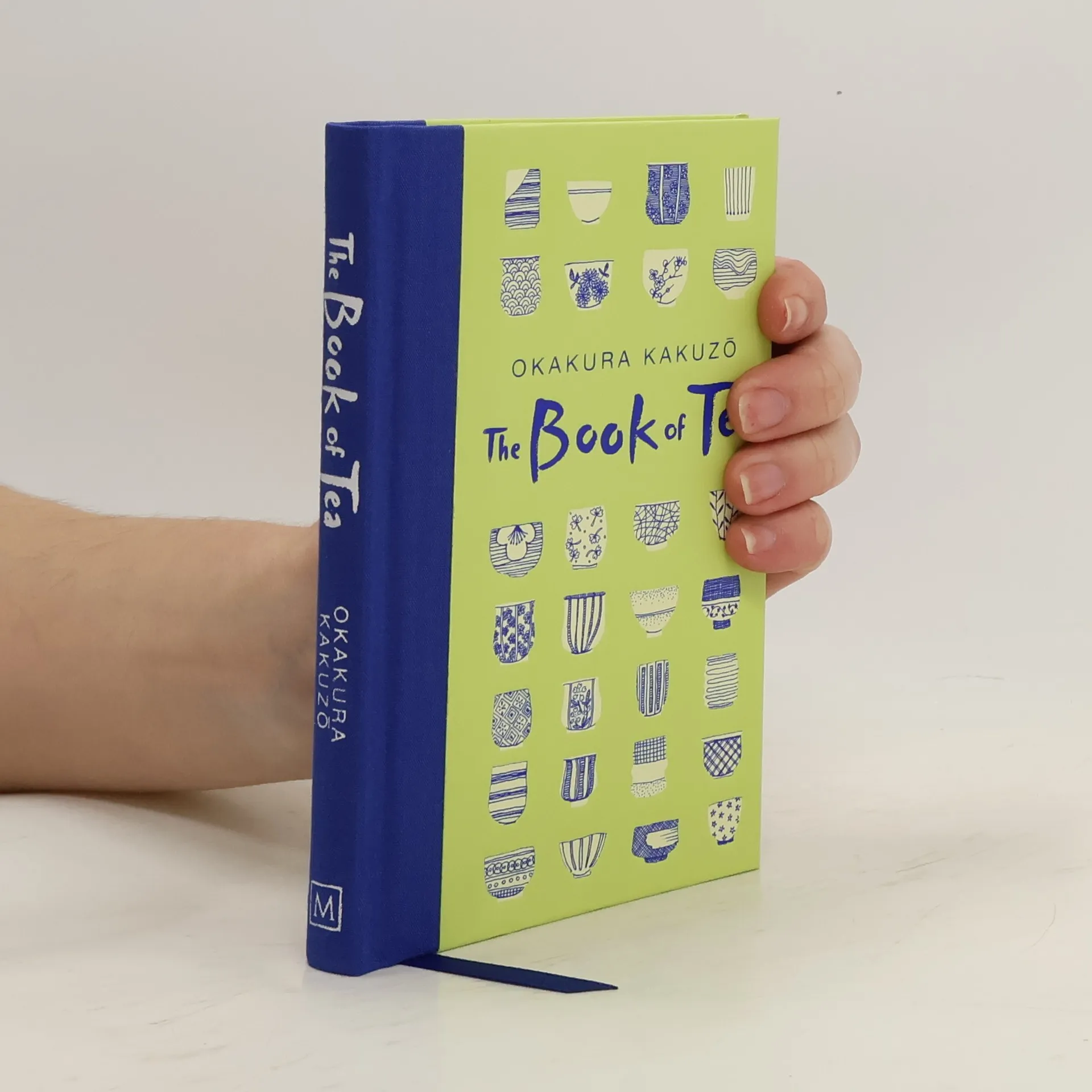
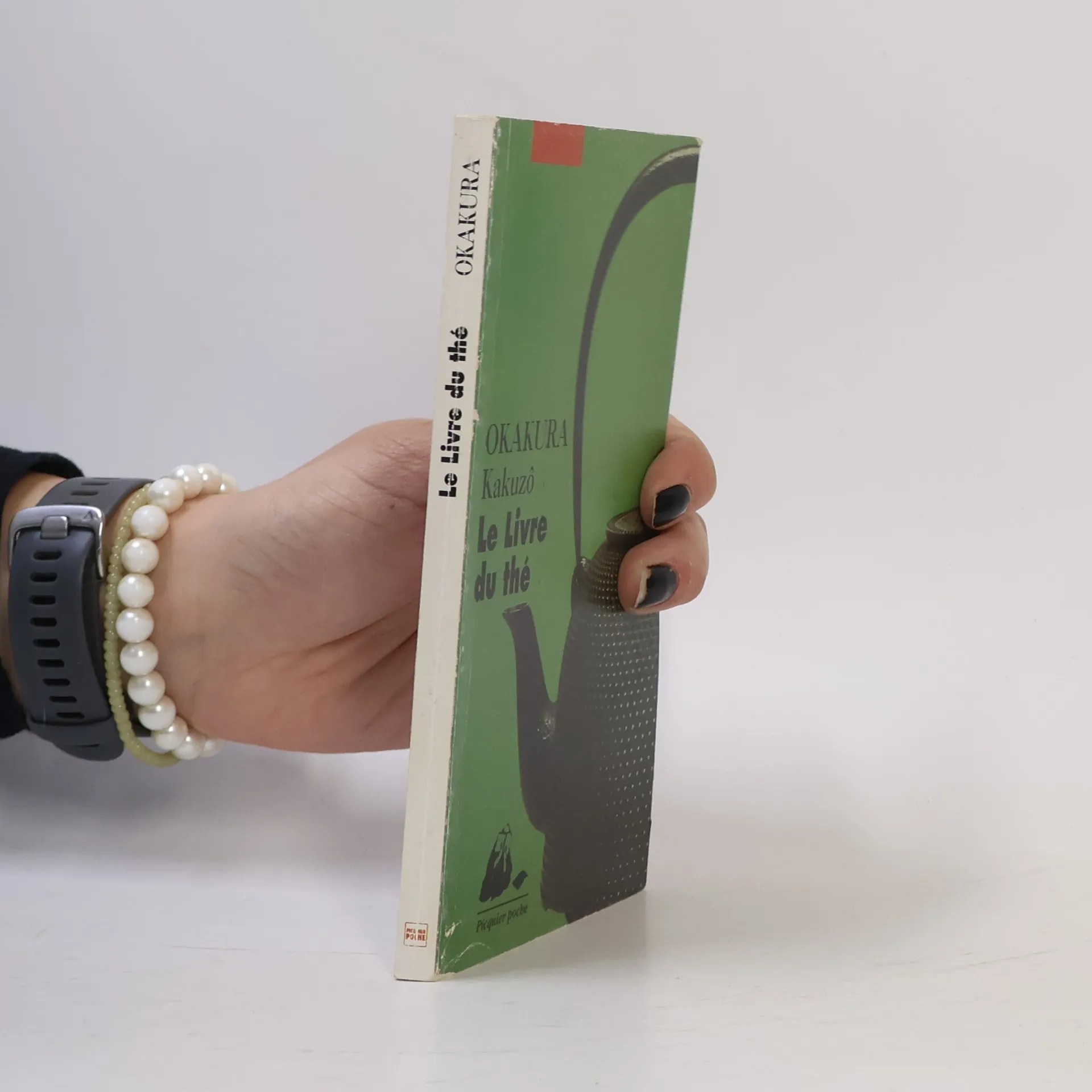
Bookbot

Kakuzó Okakura

    14 décembre 1863 – 2 septembre 1913

    Okakura Kakuzō fut un érudit et esthète japonais influent qui contribua de manière significative au développement des arts au Japon. En dehors de son pays, il est principalement connu comme l'auteur de 'Le Livre du thé', une œuvre qui explore la culture et la philosophie japonaises à travers le prisme de la cérémonie du thé. Okakura chercha à présenter et à promouvoir l'art et la culture asiatiques en Occident, dans le but de favoriser une meilleure compréhension et un équilibre entre l'Orient et l'Occident. Ses écrits, majoritairement en anglais, eurent un impact notable sur des penseurs et artistes occidentaux intéressés par la spiritualité et l'esthétique asiatiques.

    Kakuzó Okakura
    Meditations on Tea
    Primary Sources, Historical Collections: The Awakening of Japan, with a Foreword by T. S. Wentworth
    The Book of Tea: A Japanese Harmony of Art Culture and the Simple Life
    The Book of Tea (Hardcover Library Edition)
    The Book of Tea Classic Edition
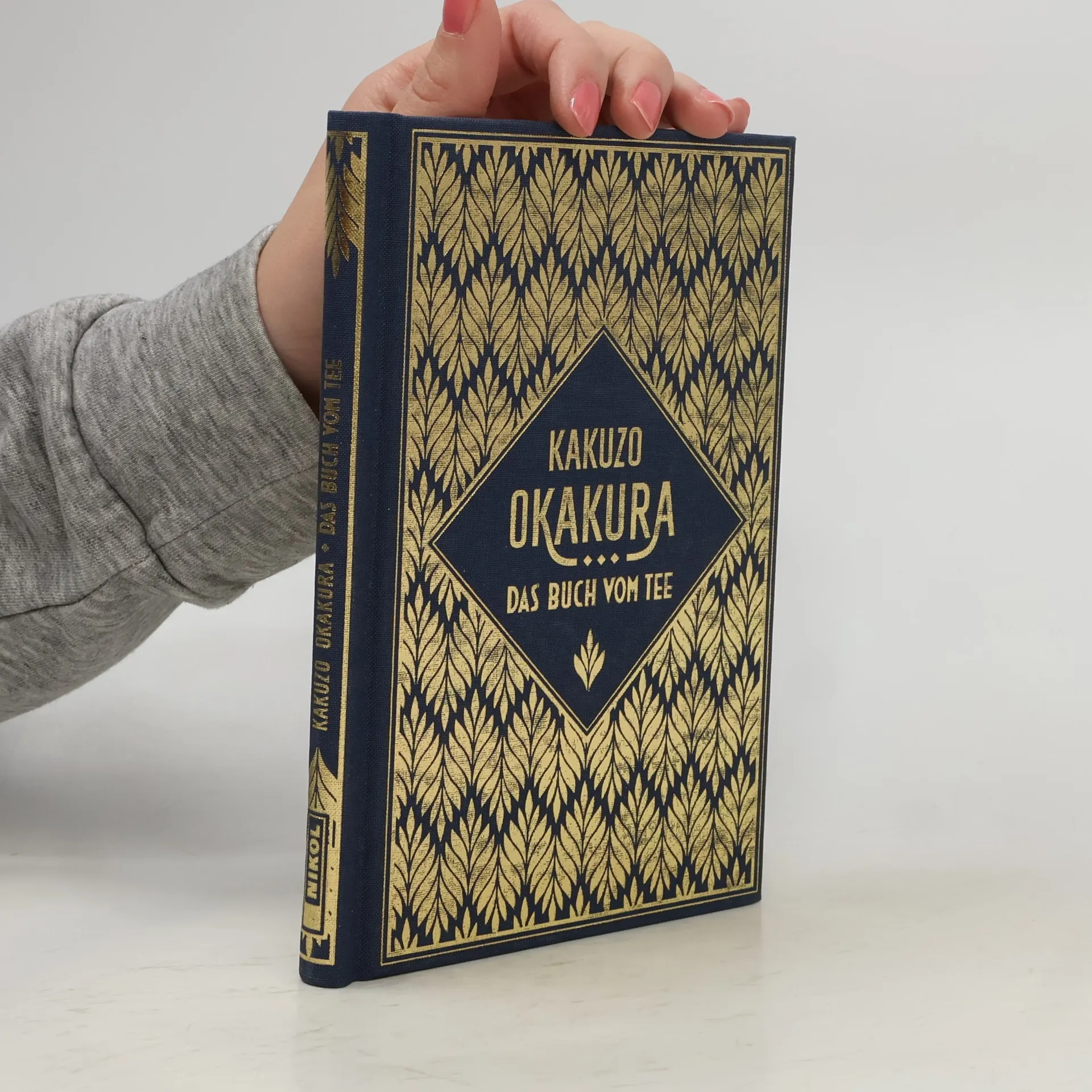
    The Book of Tea
    • The definitive visual edition of a classic masterpiece. The Book of Tea was originally written in English by Kazuo Okakura in 1906. Since then, it has been recognized, together with Bushido, as one of the most important books written by Japanese authors in English in the early 20th century. The Book of Tea is said to be the definitive guide to Japanese aesthetics. Okakura expresses the sublimity of a non-Christian culture at a time when Christianity was the dominant religion and cultural tradition. At the same time, Okakura prays for a world in harmony under mutual understanding between the West and the East. The Book of Tea is not a book on how to conduct a tea ceremony. Instead, it introduces aesthetic and cultural aspects of Japanese life to Western audiences through Teaism by elucidating the Japanese tea ceremony's relationship with Zen, Taoism and Kado, and, more broadly, through a discussion of Japanese aesthetic principles, the essence of art and the true meaning of life. This concept is visually enhanced by photographs taken by Yasuhiro Ookawa, offering readers the opportunity to appreciate a richer experience of the world presented in The Book of Tea.

      The Book of Tea
    • This book, from the series Primary Sources: Historical Books of the World (Asia and Far East Collection), represents an important historical artifact on Asian history and culture. Its contents come from the legions of academic literature and research on the subject produced over the last several hundred years. Covered within is a discussion drawn from many areas of study and research on the subject. From analyses of the varied geography that encompasses the Asian continent to significant time periods spanning centuries, the book was made in an effort to preserve the work of previous generations.

      Primary Sources, Historical Collections: The Awakening of Japan, with a Foreword by T. S. Wentworth
    • Meditations on Tea

      • 96pages
      • 4 heures de lecture

      Reflections from the world-renowned Japanese scholar Okakura Kakuzo's classic The Book of Tea filter through the exquisite pages of this adult colouring book, bringing a love of tea, art, life, and nature together as one.

      Meditations on Tea
    • This book has been considered by academicians and scholars of great significance and value to literature. This forms a part of the knowledge base for future generations. We have represented this book in the same form as it was first published. Hence any marks seen are left intentionally to preserve its true nature.

      The ideals of the east, with special reference to the art of Japan
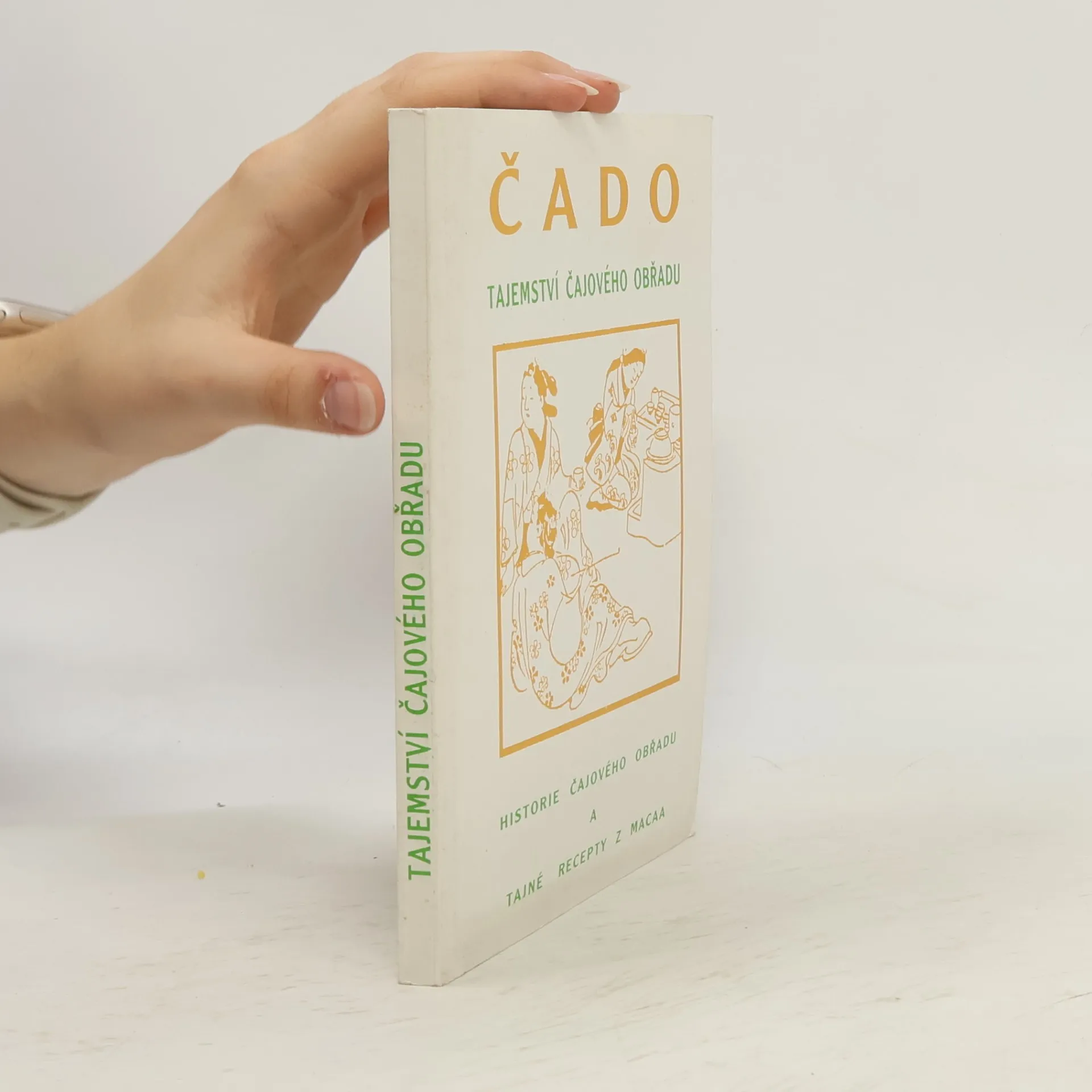
    • Přehledná historie čaje a úvod do filosoficko-estetických aspektů čajového obřadu a jeho významu v kontextu japonské kultury a zenového buddhismu. Kniha obsahuje: Historie čajového obřadu / podle japonských pramenů sestavil F.H. Richard -- Kniha o čaji / Kakuzo Okakura -- Tajné recepty z Macaa / Ana Maria Amaro.

      ČADO - Tajemství čajového obřadu
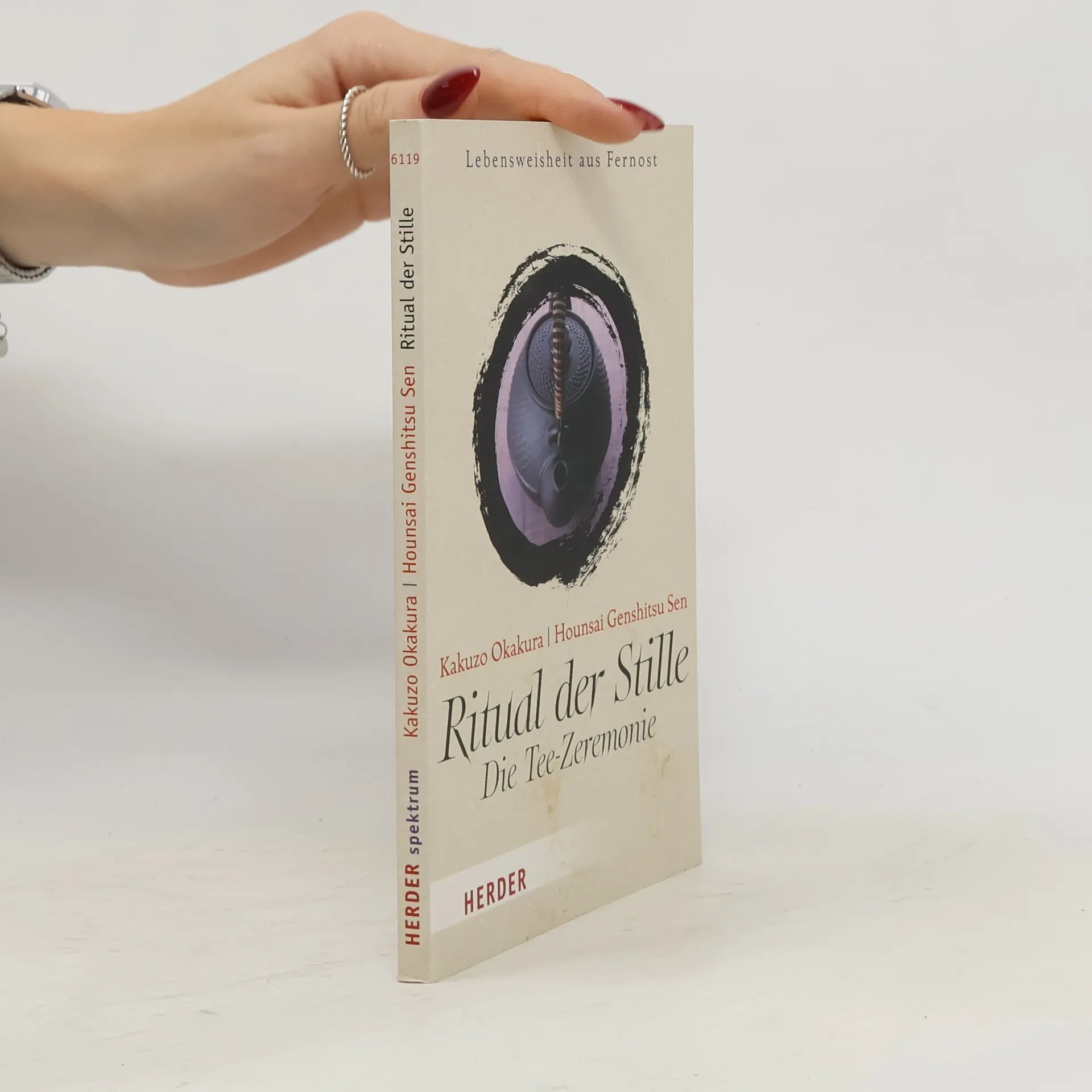
    • Chadô, der »Weg des Tees«, fördert Gelassenheit und den intensiven Genuss einfacher Dinge. Die Tee-Zeremonie bietet inspirierende Stille und Klarheit.

      Ritual der Stille. Die Tee-Zeremonie