Set against the harsh background of Orkney, this collection of stories tells of fishermen, crofters, farmers and tinkers and how they live out their lives. The author succeeds in writing in a style that takes the reader into the realm of the mystical.
George Mackay Brown Livres
17 octobre 1921 – 13 avril 1996
George Mackay Brown, poète, romancier et dramaturge, a consacré sa vie à vivre et à documenter les îles d'Orkney. Son œuvre explore en profondeur la vie, l'histoire et les traditions qui façonnent l'identité culturelle distincte d'Orkney. Un thème important de son écriture est la préservation du patrimoine d'Orkney face à la marée de la modernité et à l'érosion des mythes et des rituels. Par sa voix unique, Brown offre aux lecteurs une profonde connexion avec un paysage et une histoire intrinsèquement liés à des rythmes anciens et à des récits durables.


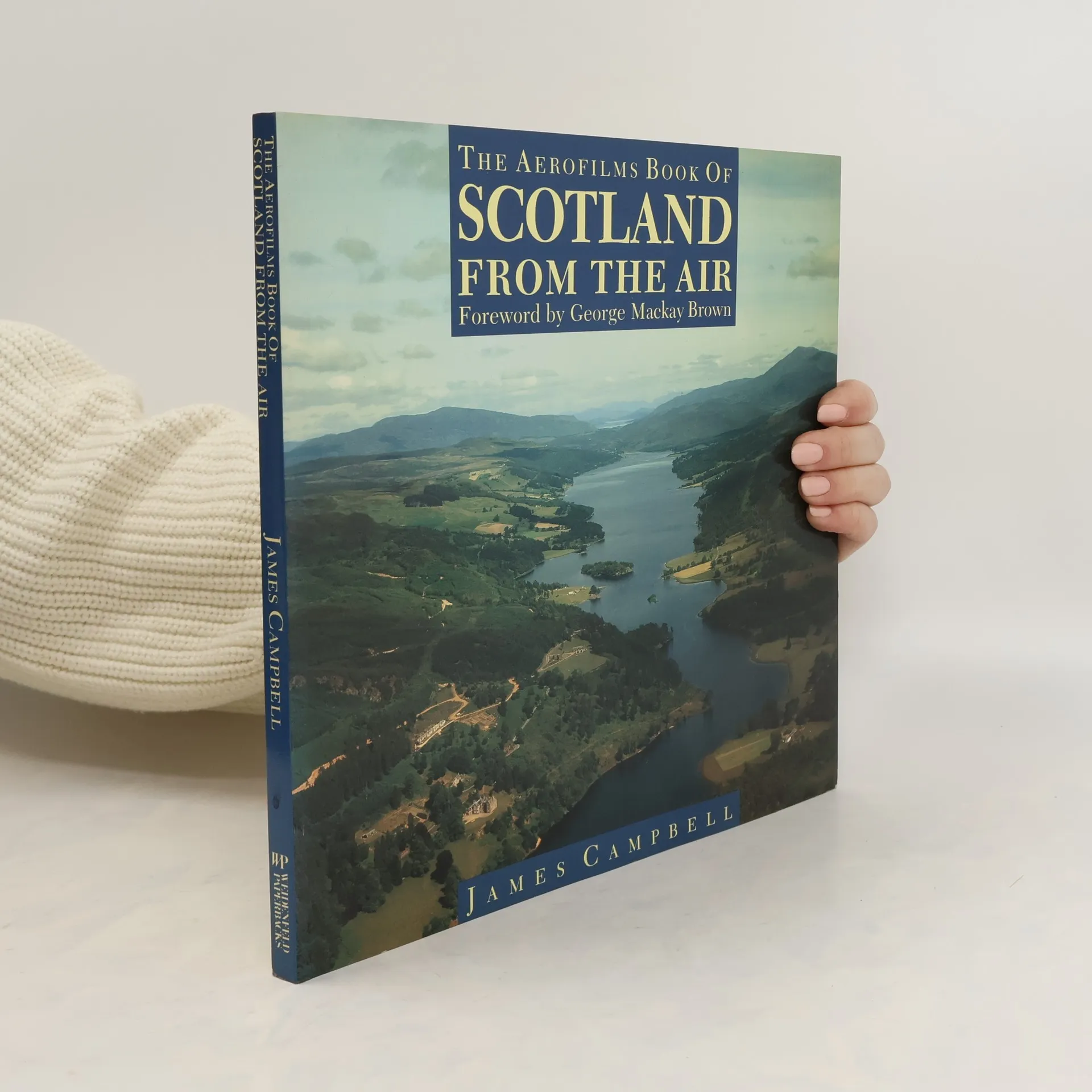
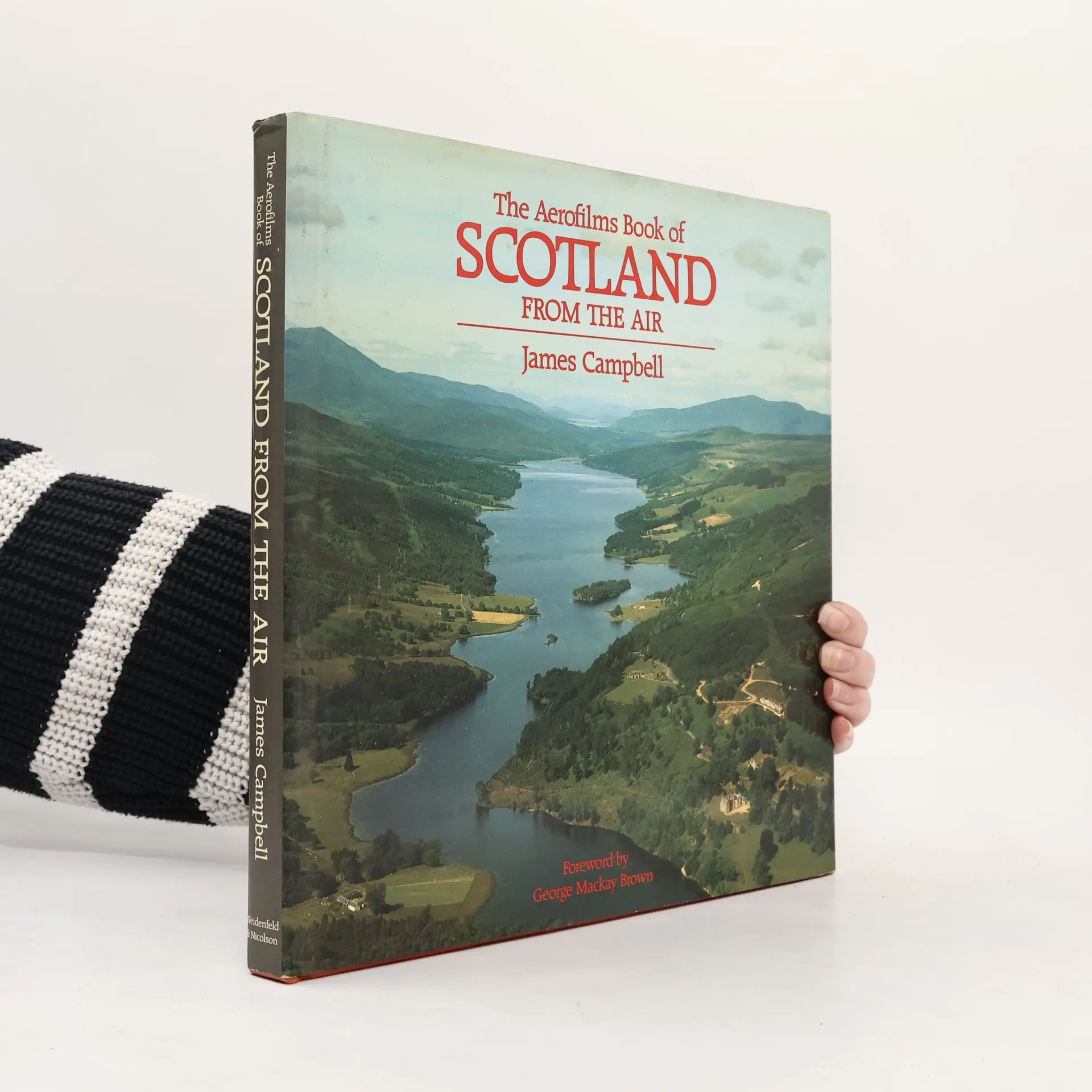
The Aerofilms Book of Scotland from the Air
- 160pages
- 6 heures de lecture
One hundred fifty aerial photographs show Scotland's hills, islands, lochs, harbors, rivers, lighthouses, castles, ruins, cathedrals, towns, factories, and gardens
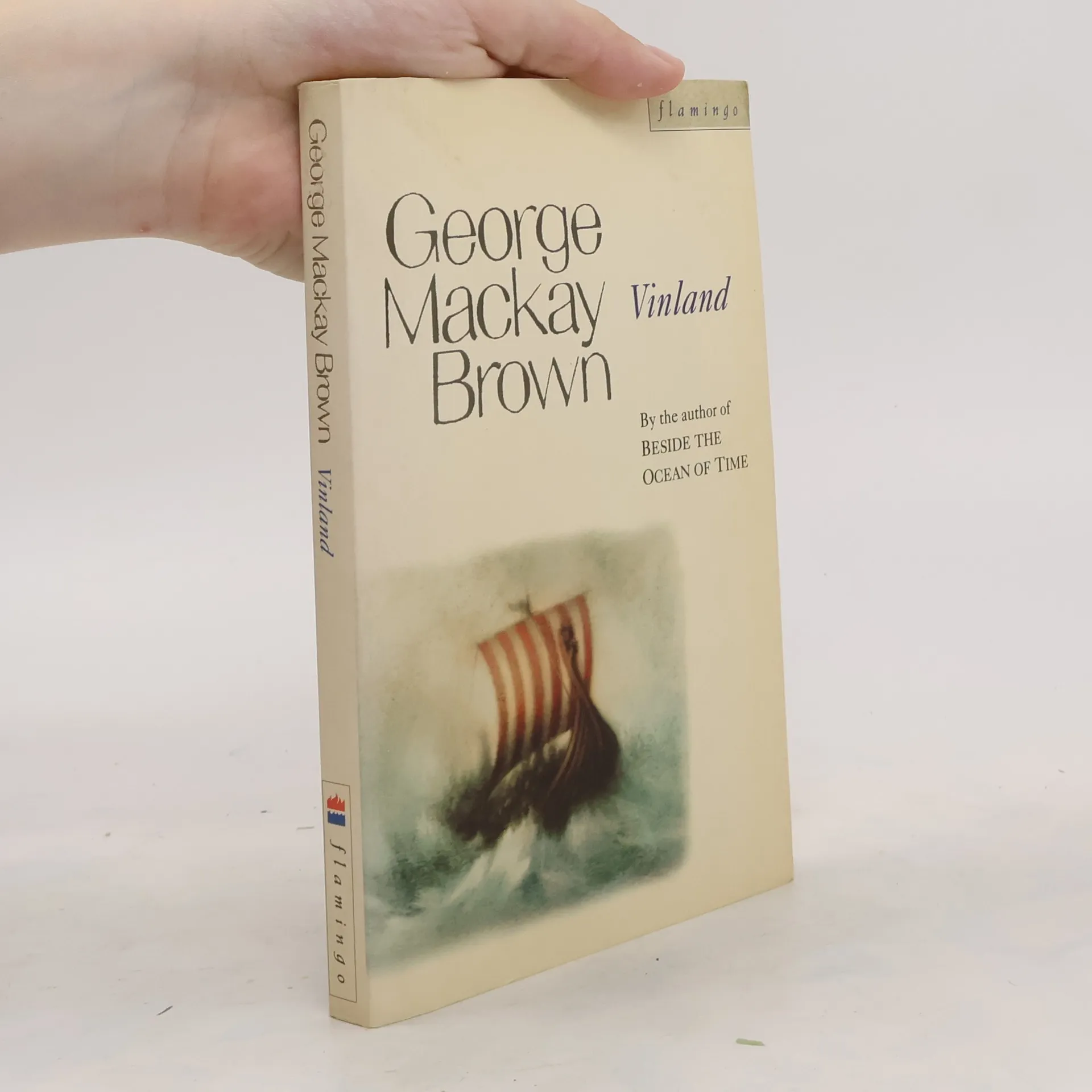
Vinland
- 232pages
- 9 heures de lecture
This book takes the reader on a journey from Orkney, over to Norway, into Iceland and Ireland, recreating with historical accuracy the customs and landscapes of the time while bringing the age to life through a large cast of engaging characters. Through the telling of Ranald's story, Mackay Brown displays abundant knowledge about many facets of early Orkney life, of seamanship, marriage customs, beliefs and traditions and his portrayal of this age extends to the routine of the Norwegian Royal court. Traditional poetry is scattered throughout Mackay Brown's prose adding a richness and depth to the tale he tells. Lore and legend, the elemental pull of the sea and the land, the sweetness of the early religion and the darker, more ancient rites, weave through this exquisite celebration of Orcadian history and the inexorable seasons of life.
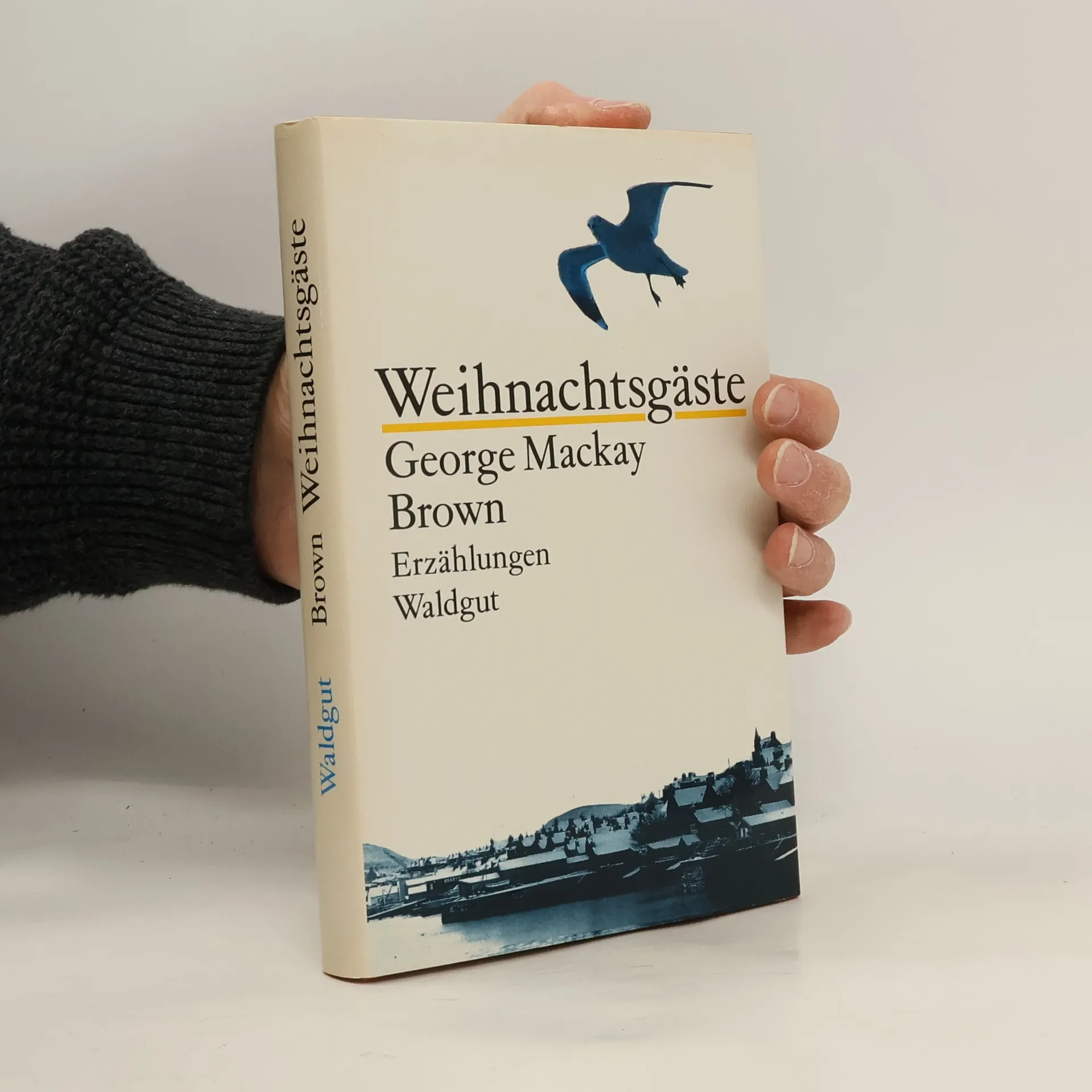
Christmas Stories
- 196pages
- 7 heures de lecture
Christmas Stories gathers together some of the previously unpublished winter themed and Christmas stories that Mackay Brown either published separately in newspapers, or included in limited edition book printings, together with some of his previously published stories. They all possess the extraordinary Orcadian voice that can only be be George Mackay Brown. They take the reader to another time, another universe, and will brighten any reader's Christmas season
An Orkney Tapestry
- 256pages
- 9 heures de lecture
First published in 1969, An Orkney Tapestry, George Mackay Brown's seminal work, is a unique look at Orkney through the eye of a poet and a celebration of Orkney's people, language and history. Unavailable for many years, this new edition has a specially commissioned Introduction written by Kirsteen McCue and Linden Bicket.
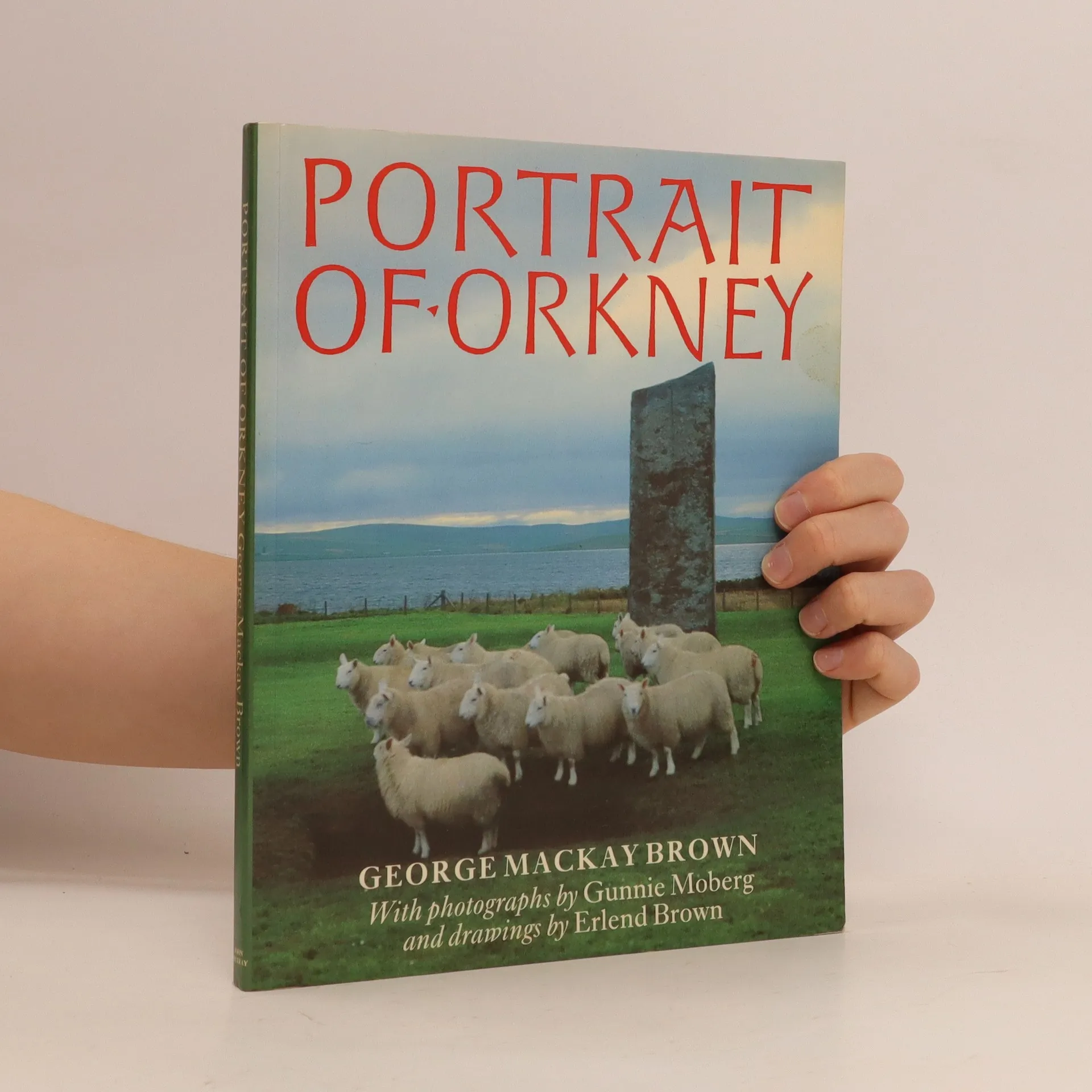
Portrait of Orkney
- 100pages
- 4 heures de lecture
A vivid portrait of the island that inspired his work from one of Scotland's greatest poets.
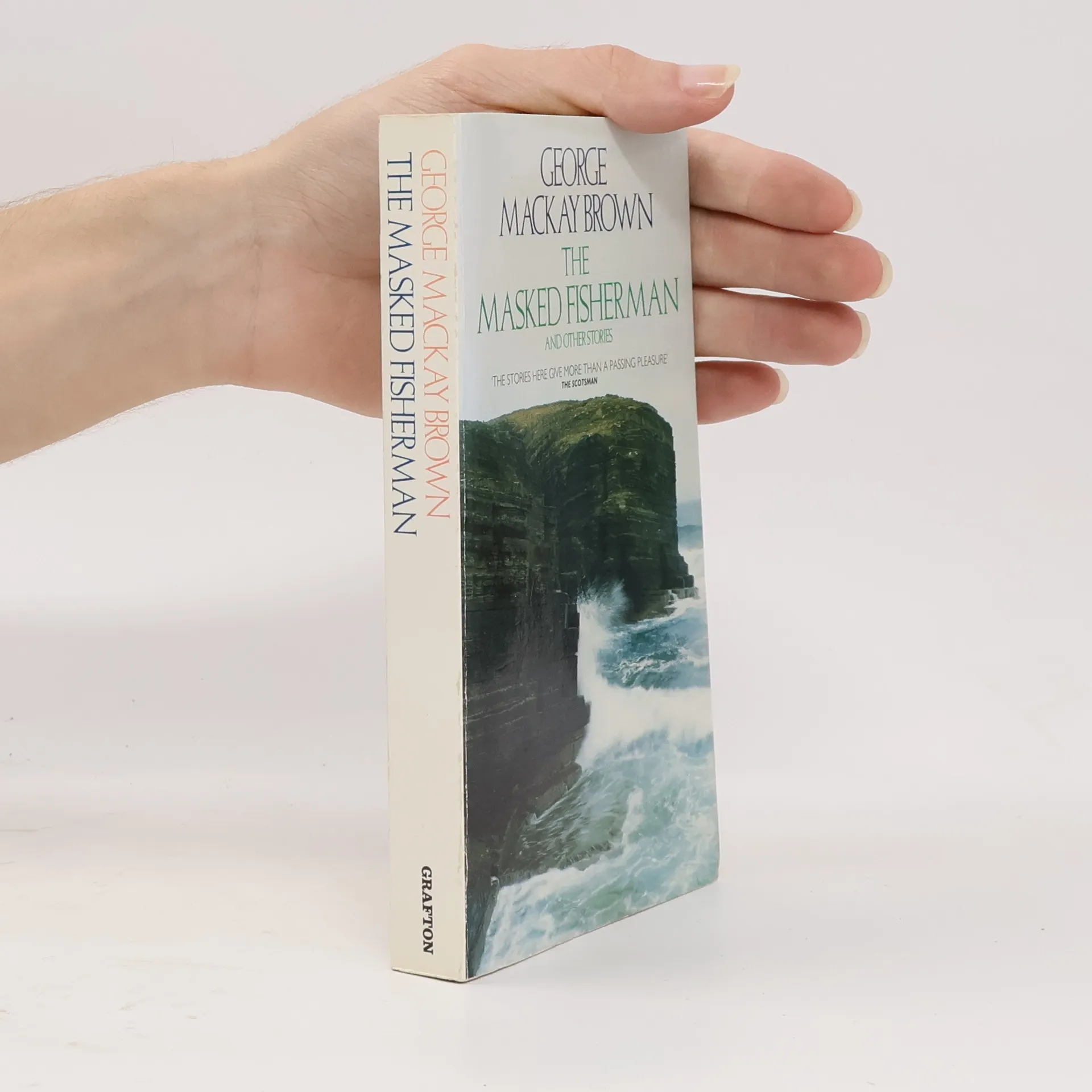
The Masked Fisherman and Other Stories
- 256pages
- 9 heures de lecture
An incident from the Viking period in the Northern Isles of Scotland inspired the title story of this collection of short stories. Mackay Brown elaborates and transforms it. Here, as in all these 21 stories, his imagination plays upon the past and gives it rich meaning for the present - and indeed universality.
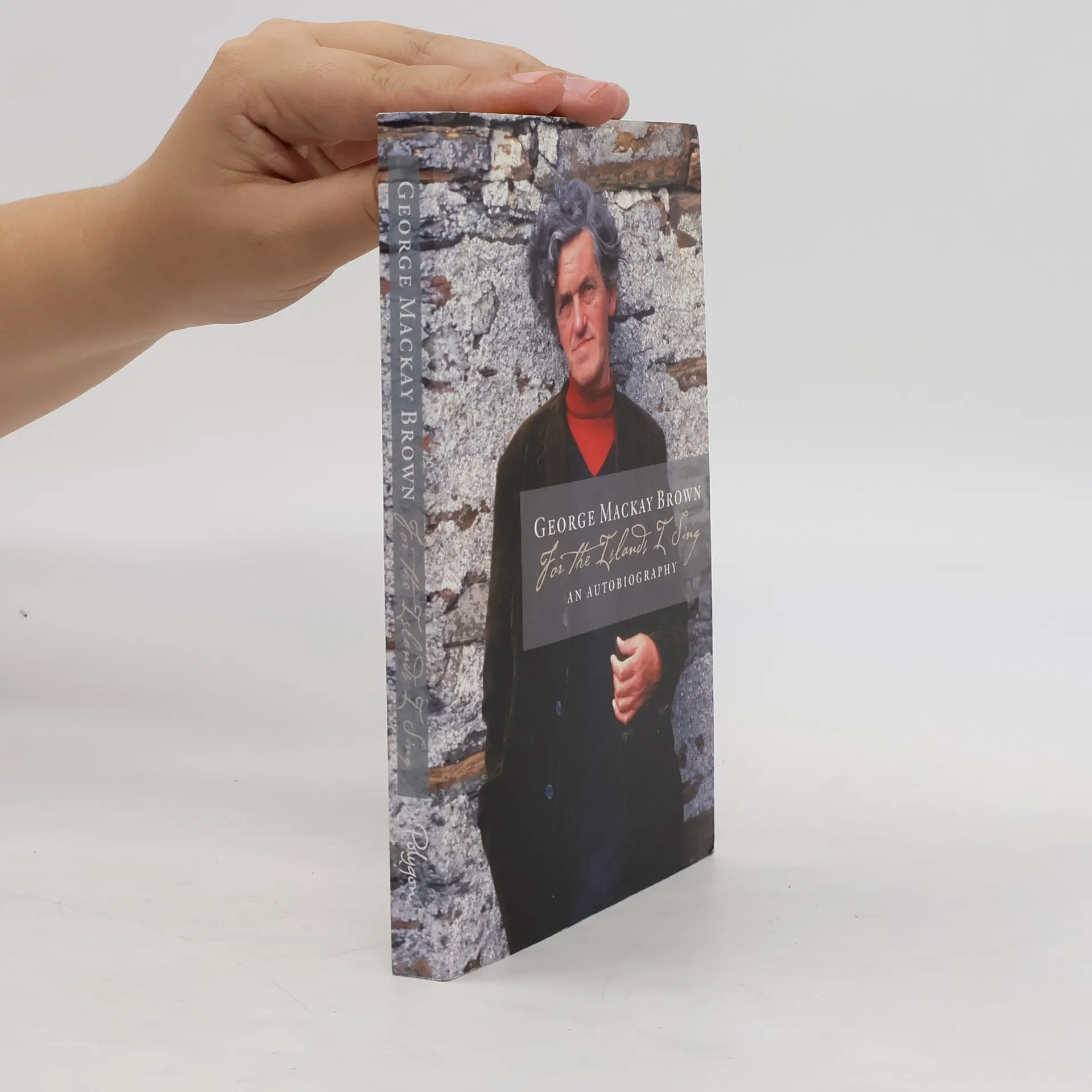
George's memory is inseparable from Orkney, where he was born the youngest child of a poor family and which he rarely left. His mother was a beautiful woman who spoke only Gaelic and his father was a wit, mimic and singer, who also doubled as postman and tailor. Tuberculosis framed George's early life and kept him in a kind of limbo. He discovered alcohol which gave him insights into the workings of the mind. While attending the University of Edinburgh he came into contact with Goodsir Smith, MacDiarmid and Norman MacCaig - and Stella Cartwright with whom perhaps all of them were in love. By the time of his death in 1996 he was recognised as one of the great writers of his time and country.
Celtic First Names
- 240pages
- 9 heures de lecture
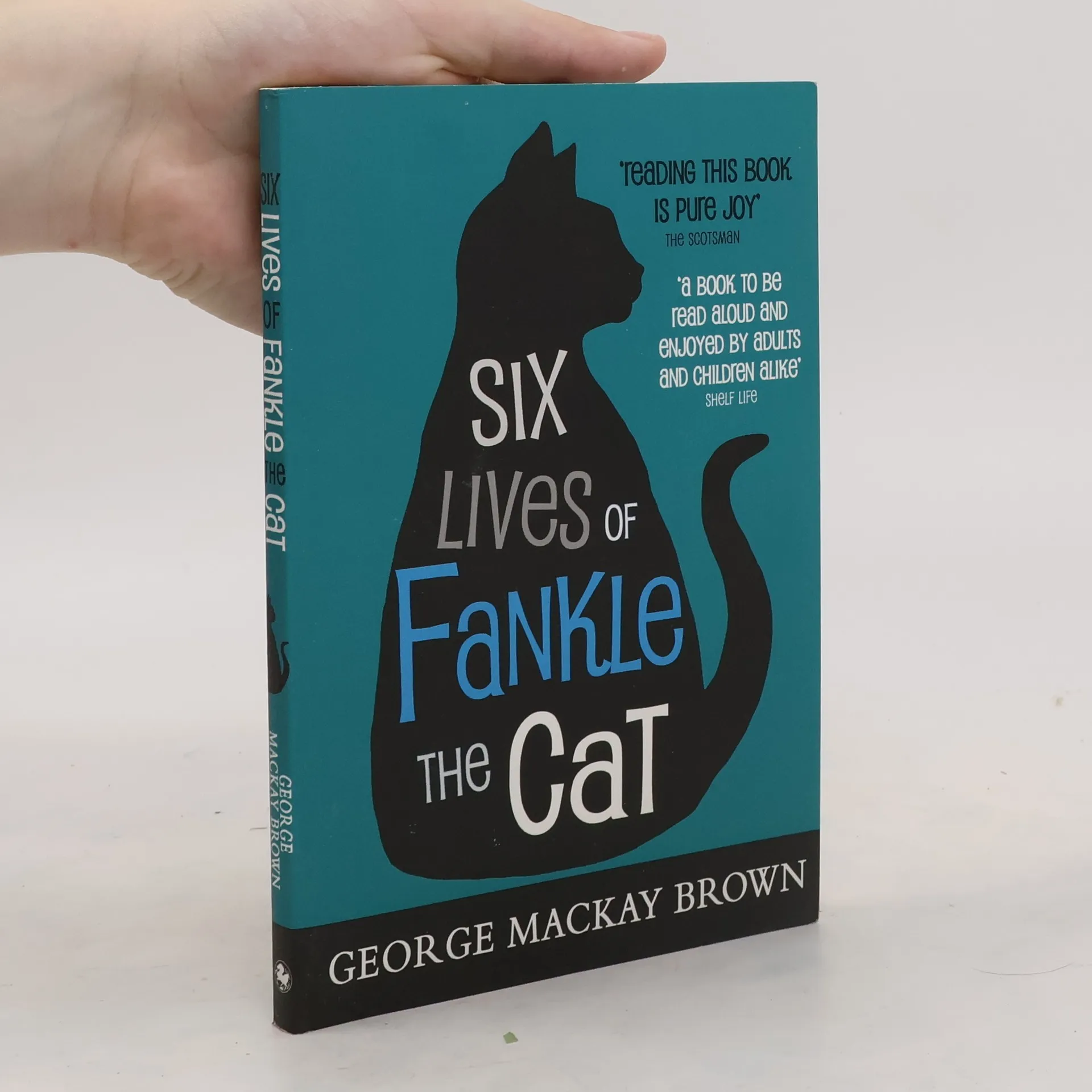
Six Lives of Fankle the Cat
- 128pages
- 5 heures de lecture
Fankle tells Jenny the stories of his different lives with pirates, in ancient Egypt and even with the Empress of China.
Winter Tales
- 247pages
- 9 heures de lecture
Short stories. By the author of "Beside the ocean of time".
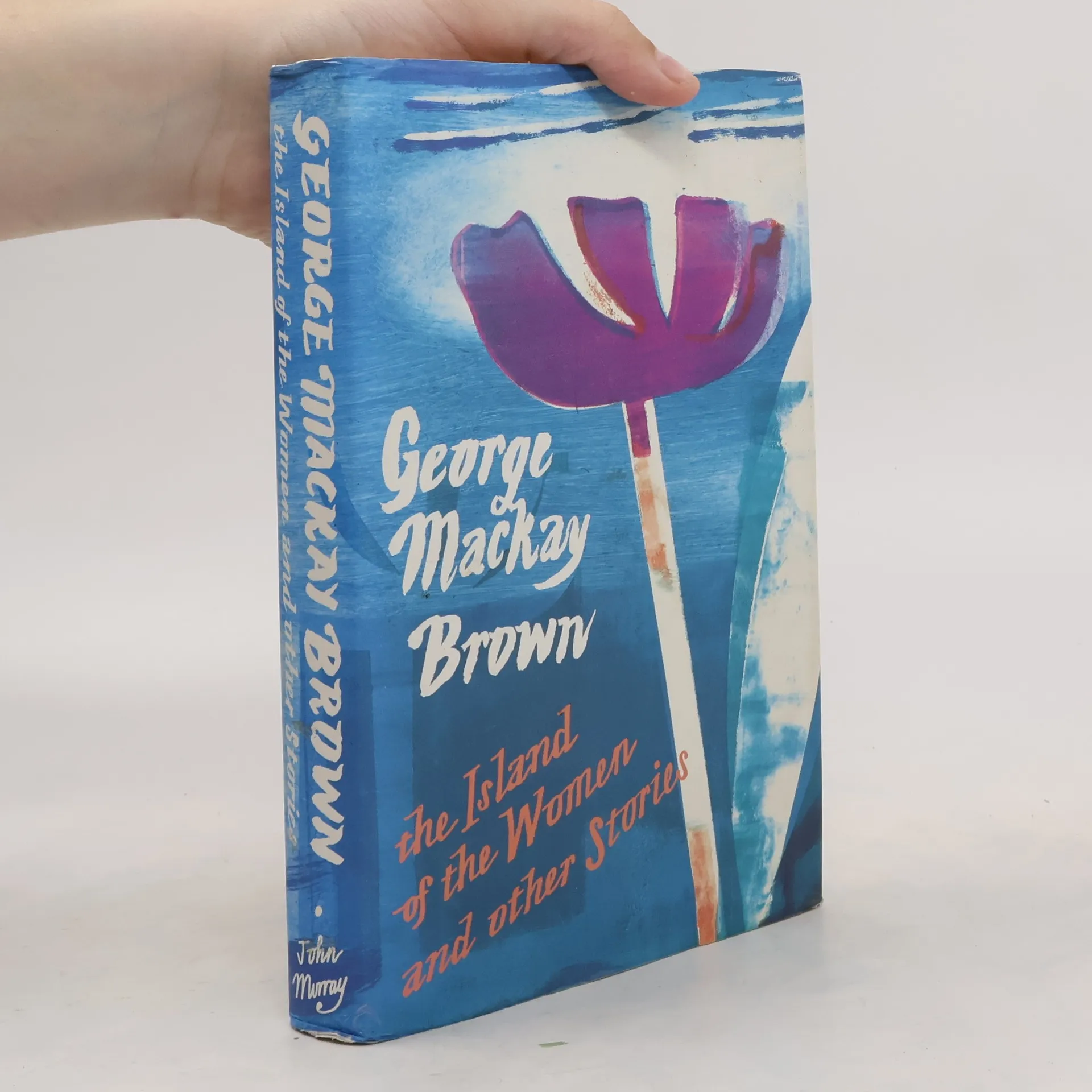
The Island of the Women and Other Stories
- 309pages
- 11 heures de lecture
Mythical tales by a Scottish poet. They range from the title story, which is on the love of a seal for a woman, to a story about the guardian of a stone that protects an island from invaders.
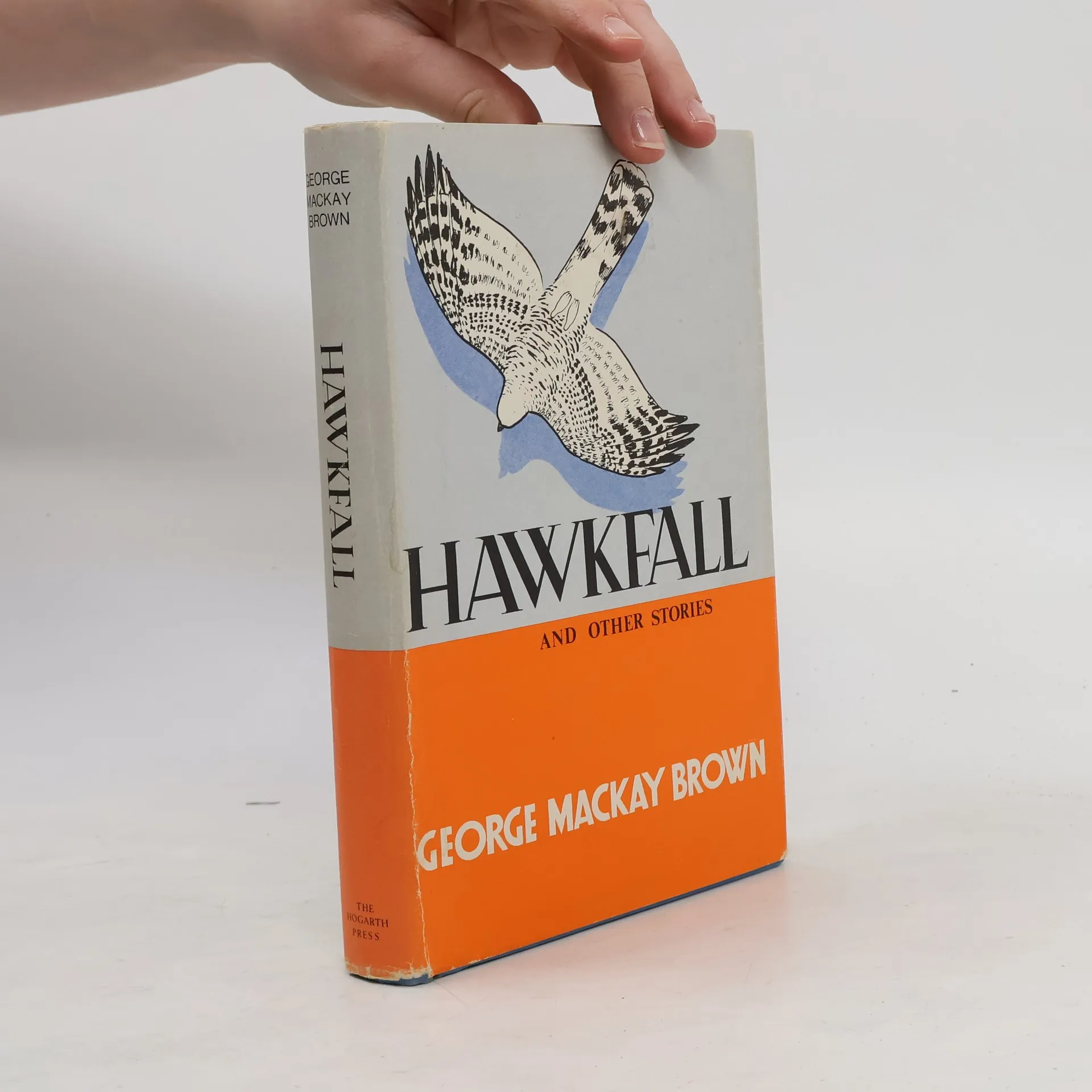
Hawkfall and Other Stories
- 228pages
- 8 heures de lecture
Set in the Orkney's. Some concern twentieth century Orkneymen, while others tell of their ancestors of 500 or even 4,000 years ago. They show how the history and legends of the islands have had a deep effect upon the present day community.
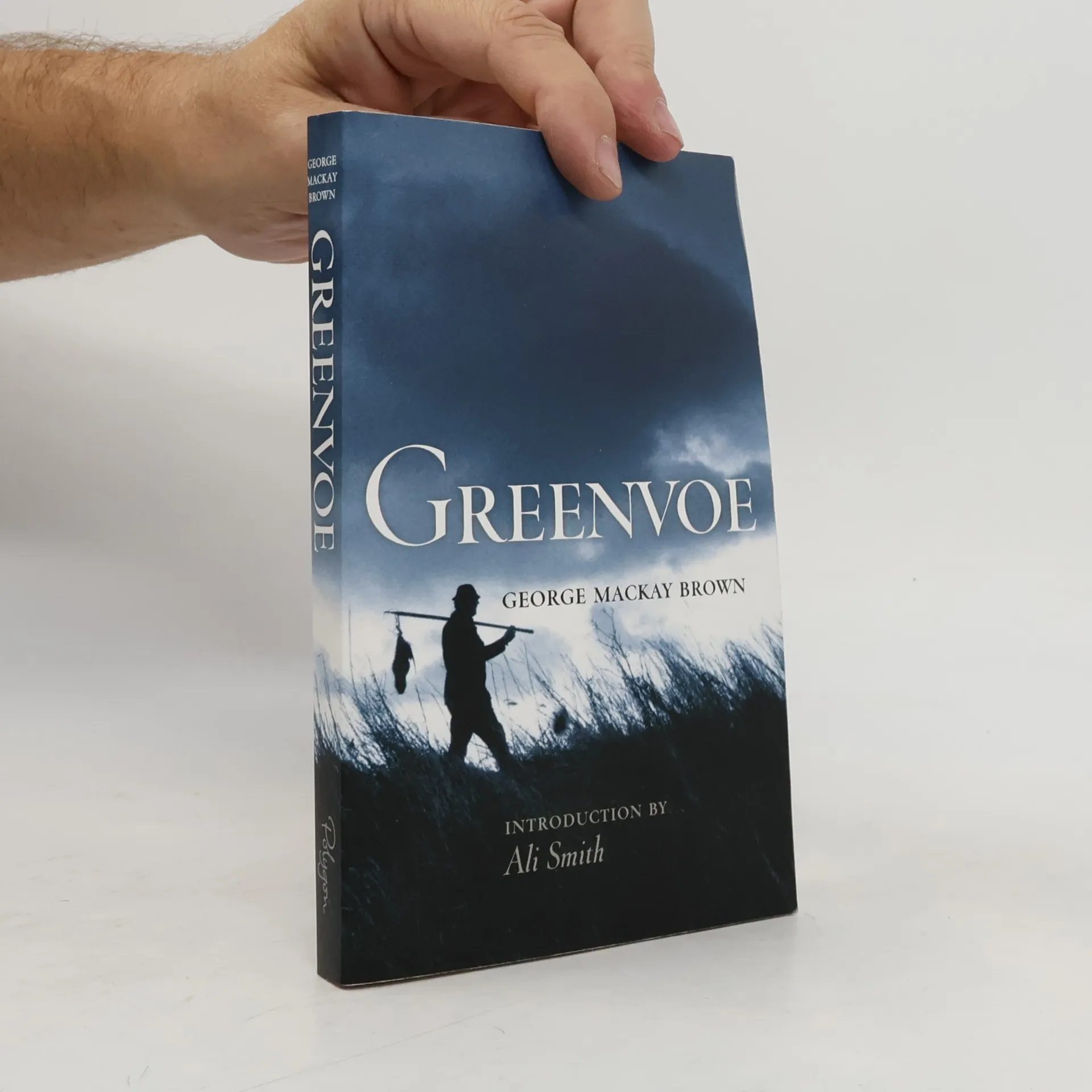
Greenvoe
- 243pages
- 9 heures de lecture
Greenvoe, the community on the Orkney Island of Hellya, has existed unchanged for generations. George Mackay Brown has recreated a week in its life, mixing history with personality in a sparkling mixture of prose and poetry.
The Aerofilms Book of Scotland from the Air
- 160pages
- 6 heures de lecture
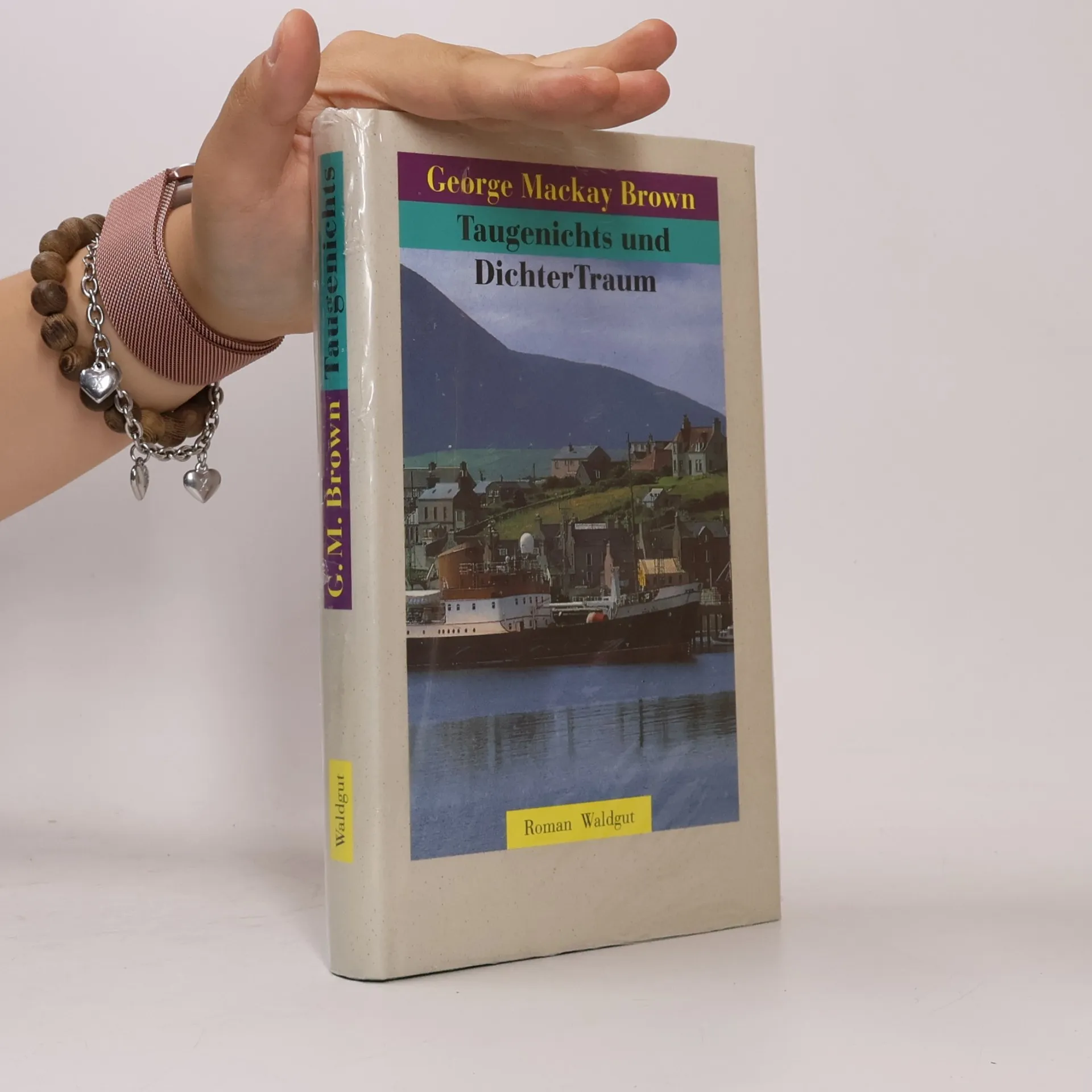
Taugenichts und DichterTraum
- 190pages
- 7 heures de lecture
In diesem Roman, der auf der fiktiven Insel Norday in den Orkneys spielt, entführt uns George Mackay Brown in die imaginäre Welt des jungen Thorfinn Ragnarson, des Sohnes eines Kleinbauern. In seinen Tagträumen erlebt er die Geschichte dieses Inselvolkes, reist in der Zeit zurück, um sich den Wikinger-Abenteurern am Hof des byzantinischen Kaisers in Konstantinopel anzuschließen, und begleitet dann einen falstaffianischen Ritter zur Schlacht von Bannockburn.
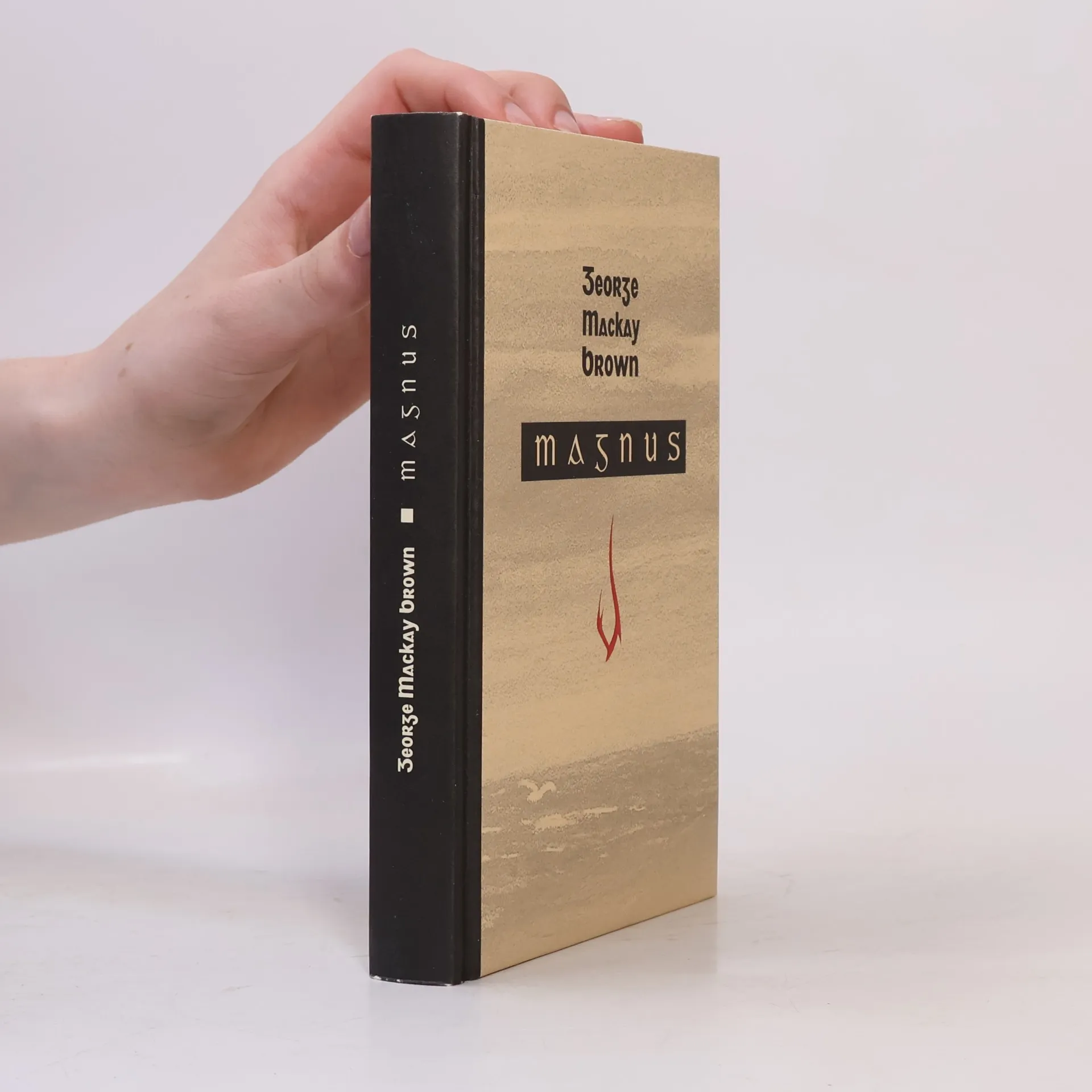
Magnus
- 232pages
- 9 heures de lecture
Zadumaně krásné Orkneje u břehů Skotska představují „ostrovy plovoucí k severu“ a jejich zneuctěný aristokrat ducha Magnus Erlendson se na nich konečně dočkal statutu svatého mučedníka a patrona. George Mackay Brown převyprávěl ságu o tomto středověkém šlechtici – mimo jiné figurujícím ve folkloru této výspy Evropy jako nemrtvý přízrak – s odvahou, jež se směle měří se zanícenými výkony dávných bardů s harfou. Zásluhou magického realismu čechraného skoupým slunkem, všudypřítomnou slanou vodou i úklady starými jako lidstvo samo zjišťujeme, že dvanácté století nebylo na Orknejích ani pod nadvládou Norů zdaleka pouze „temné“, neboť vše se tak jako tak vrací v kruzích a nad zbídačelým krajem znovu zavládne světlo. Vroucná báj o narození, prozření, smrti a zmrtvýchvstání krajana-mírotvorce vede k docenění rodné země: pravlasti dobra i všeho vnitřního utrpení, kterého hrouda pod našima nohama poznala daleko víc, než každý z nás v životě zjistí. George Mackay Brown převyprávěl ságu o středověkém šlechtici – mimo jiné figurujícím ve folkloru této výspy Evropy jako nemrtvý přízrak – s odvahou, jež se směle měří se zanícenými výkony dávných bardů s harfou.
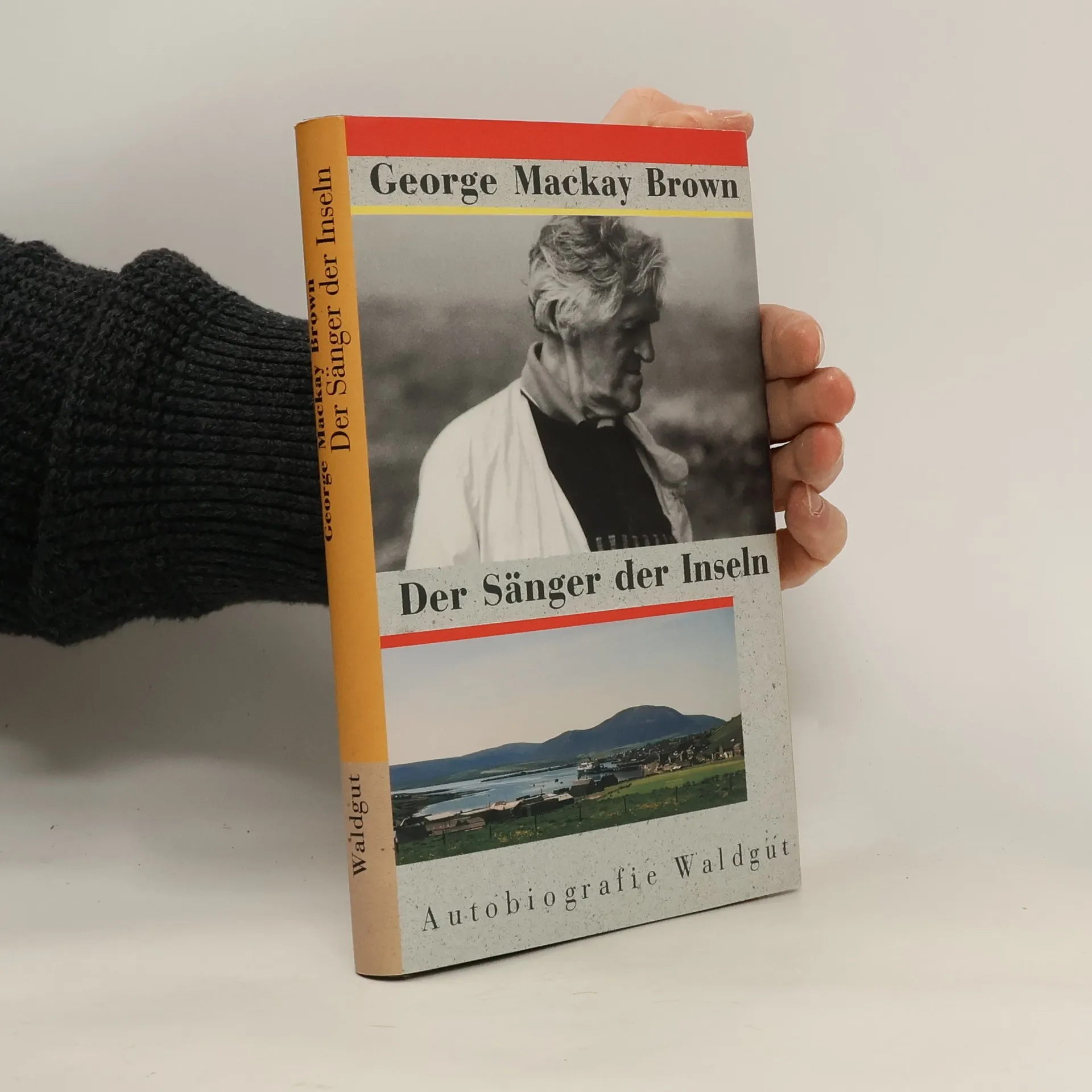
Der Sänger der Inseln
- 172pages
- 7 heures de lecture
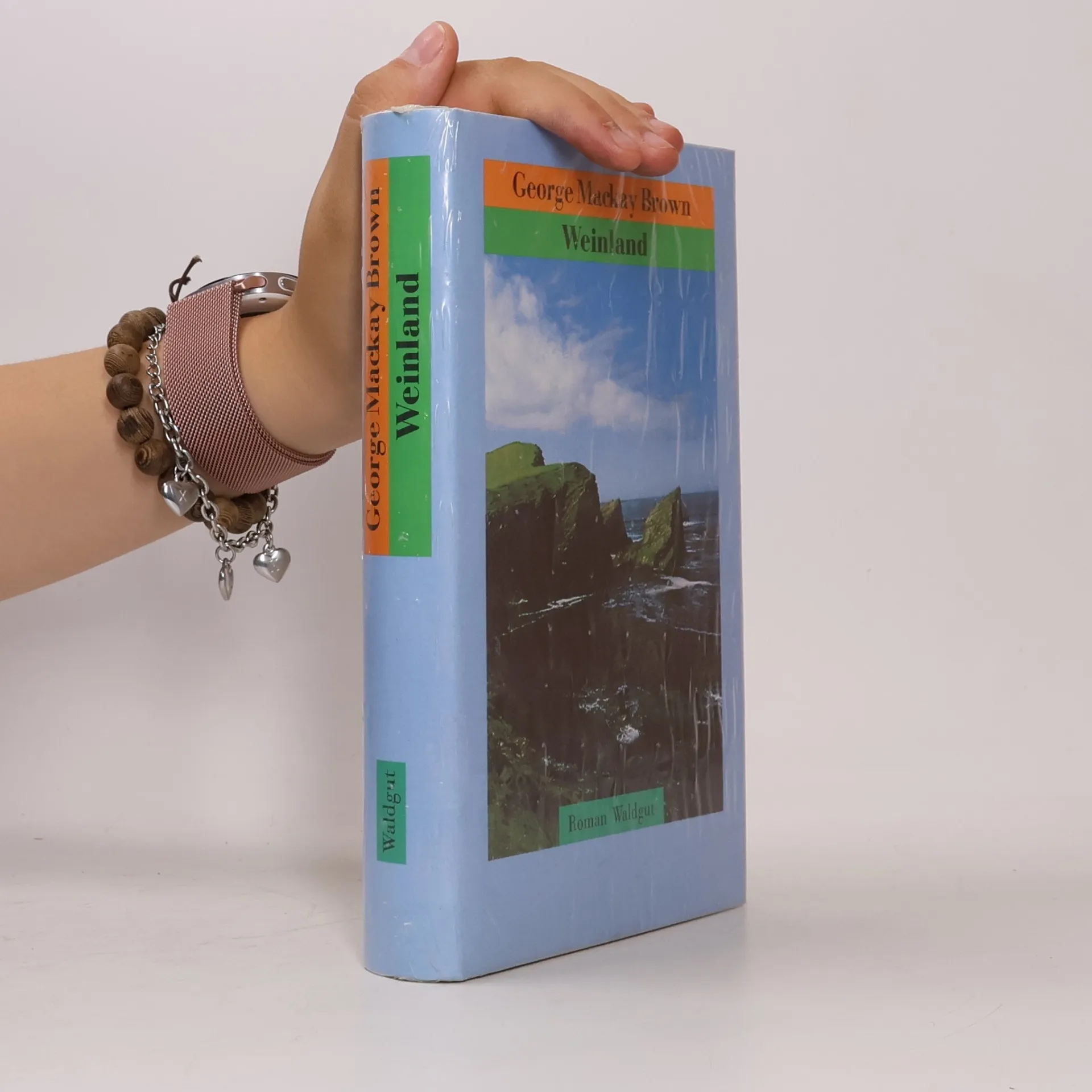
Weinland
- 296pages
- 11 heures de lecture
Historischer Roman aus der Welt der skandinavischen Wikinger, die um das Jahr 1000 Amerika entdeckten.