Commande avant le 16/12 à 23:59 pour une réception le 24/12.
Bookbot

Anicius Manlius Severinus Boëthius

    Anicius Manlius Severinus Boëthius
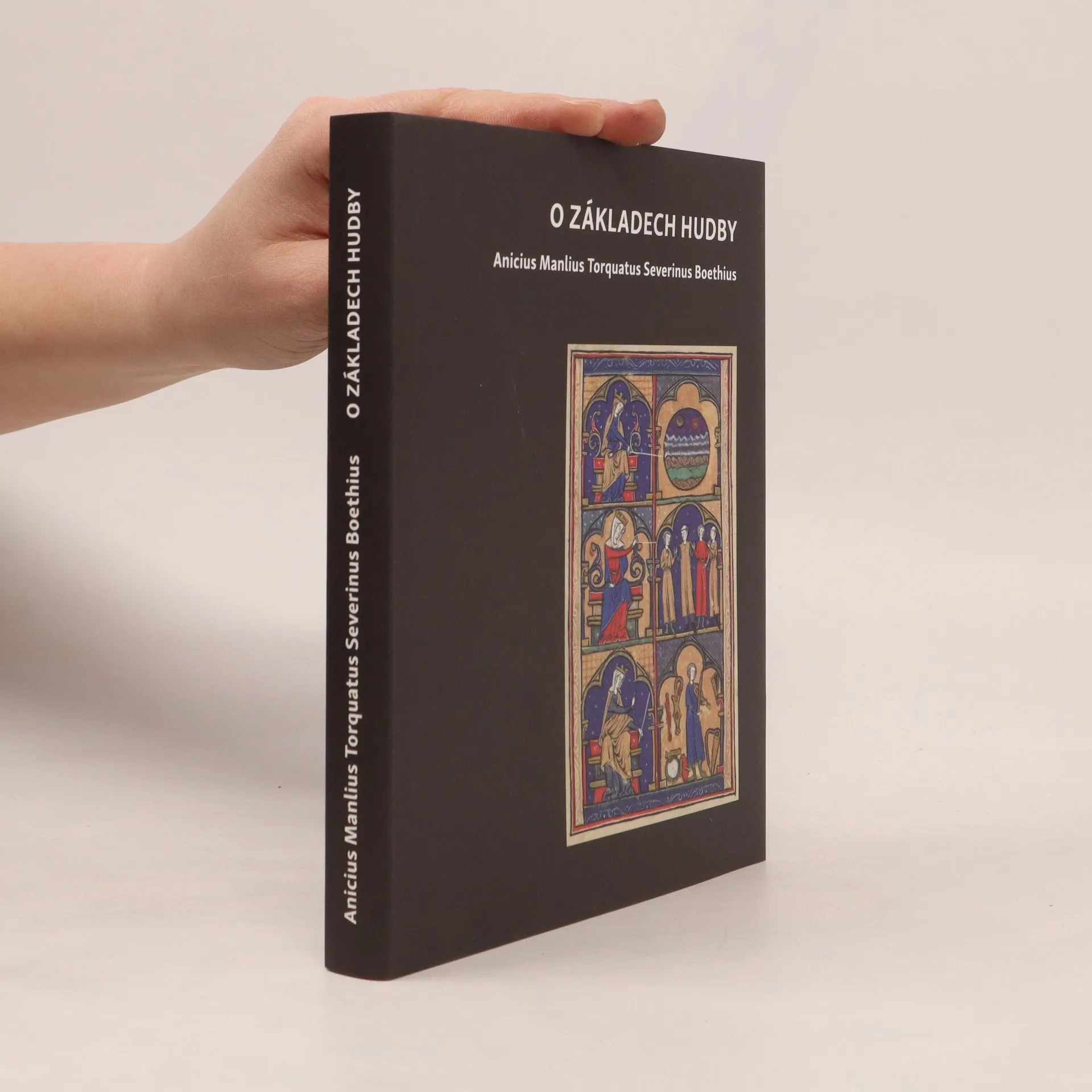
    O základech hudby
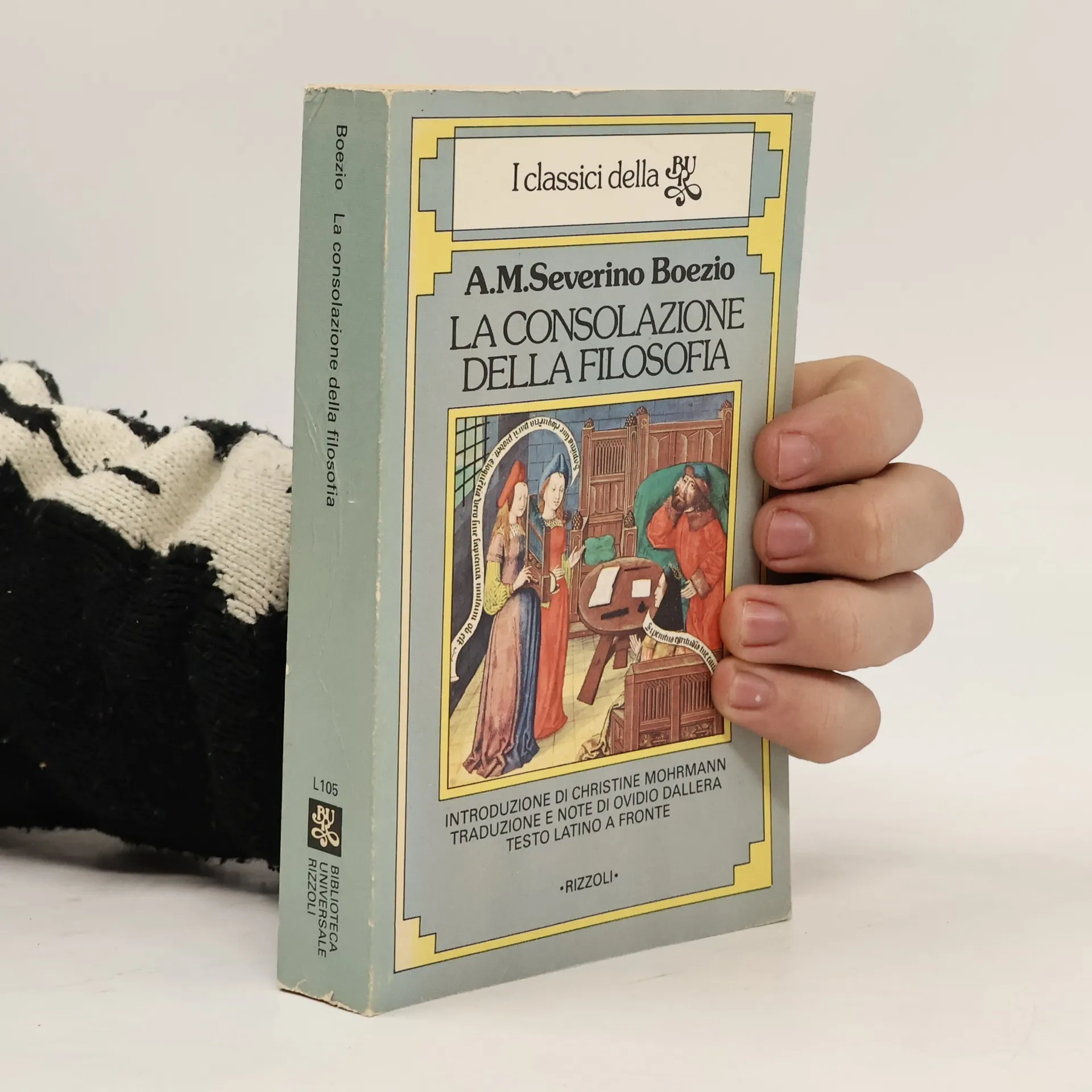
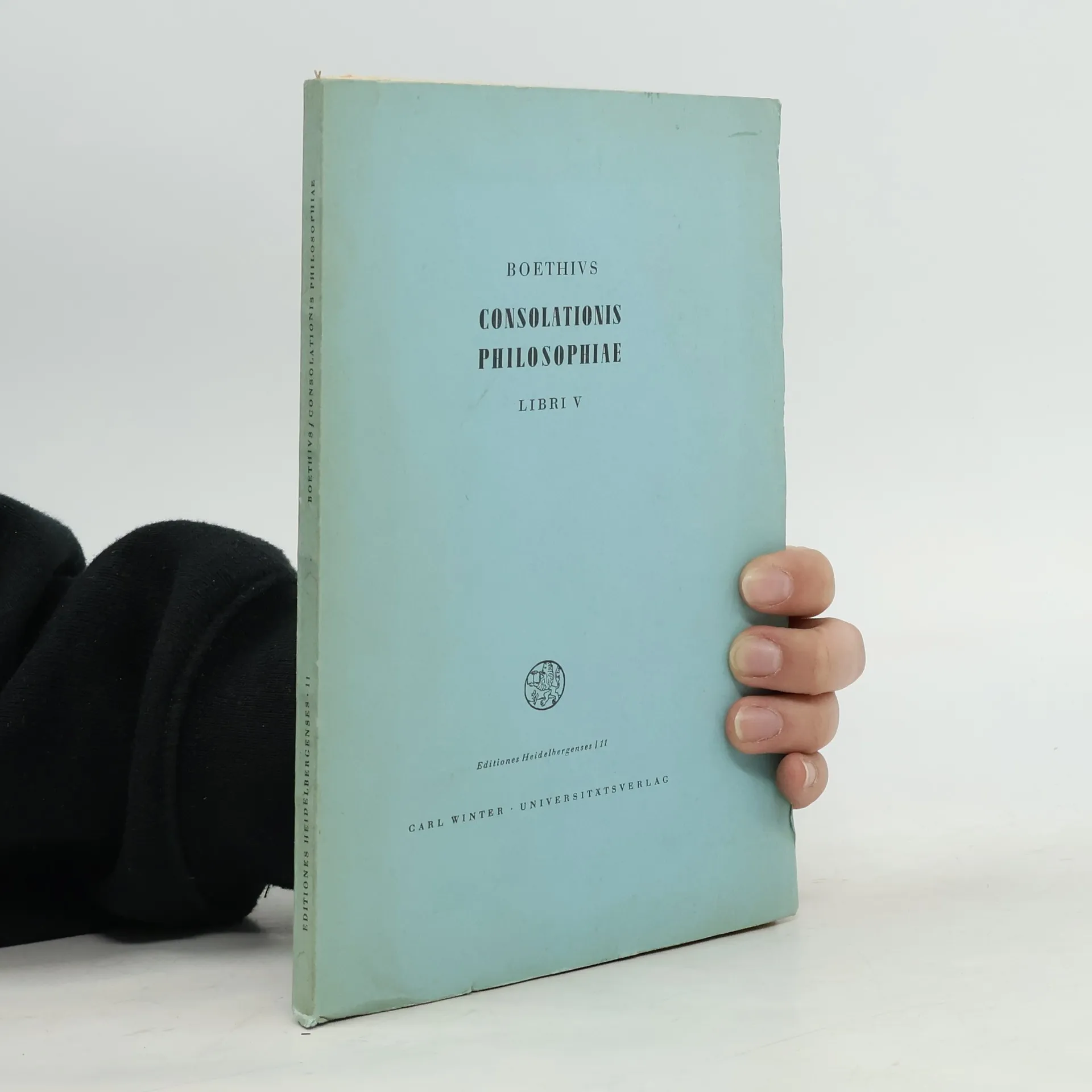
    Consolationis Philosophiae. Libri V
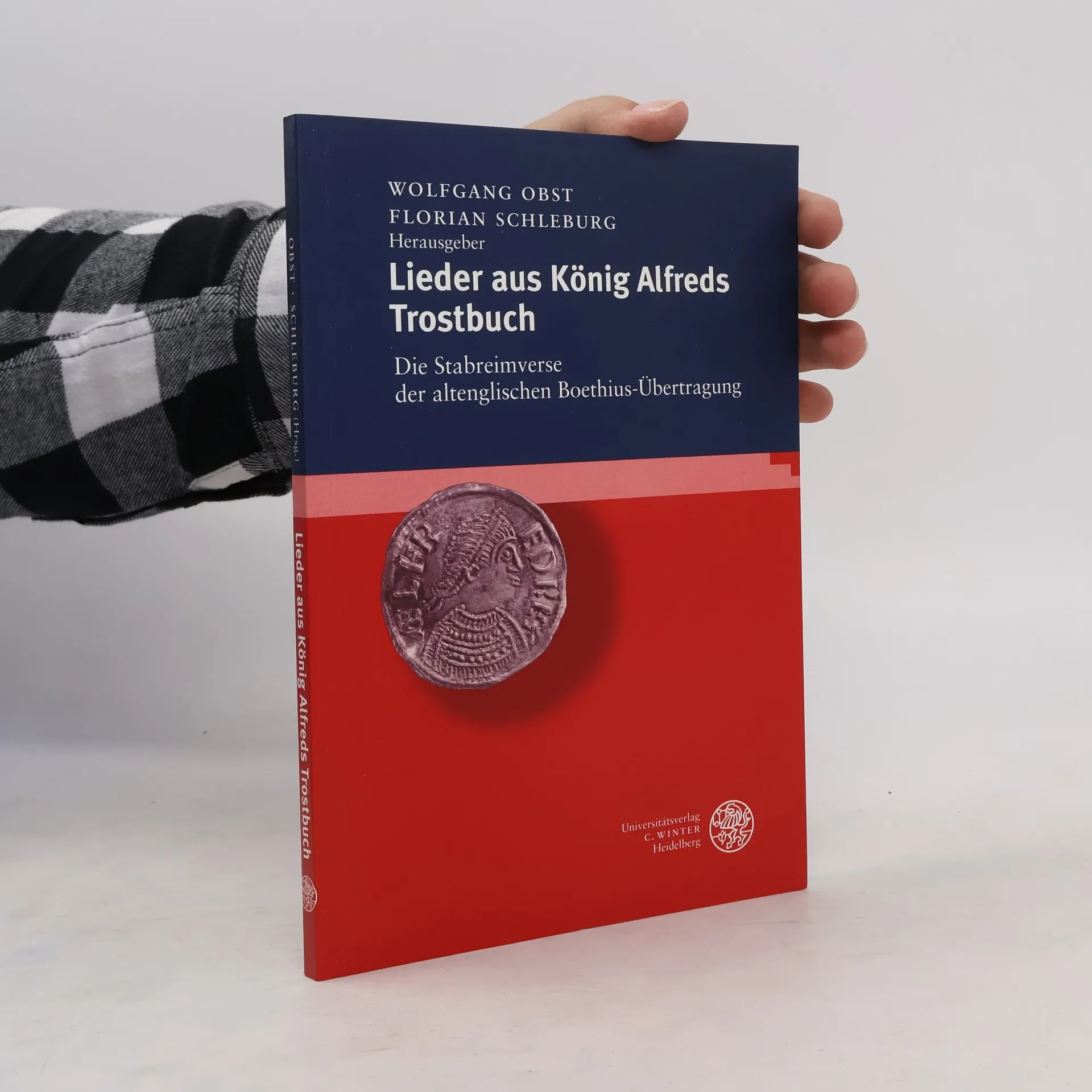
    Lieder aus König Alfreds Trostbuch
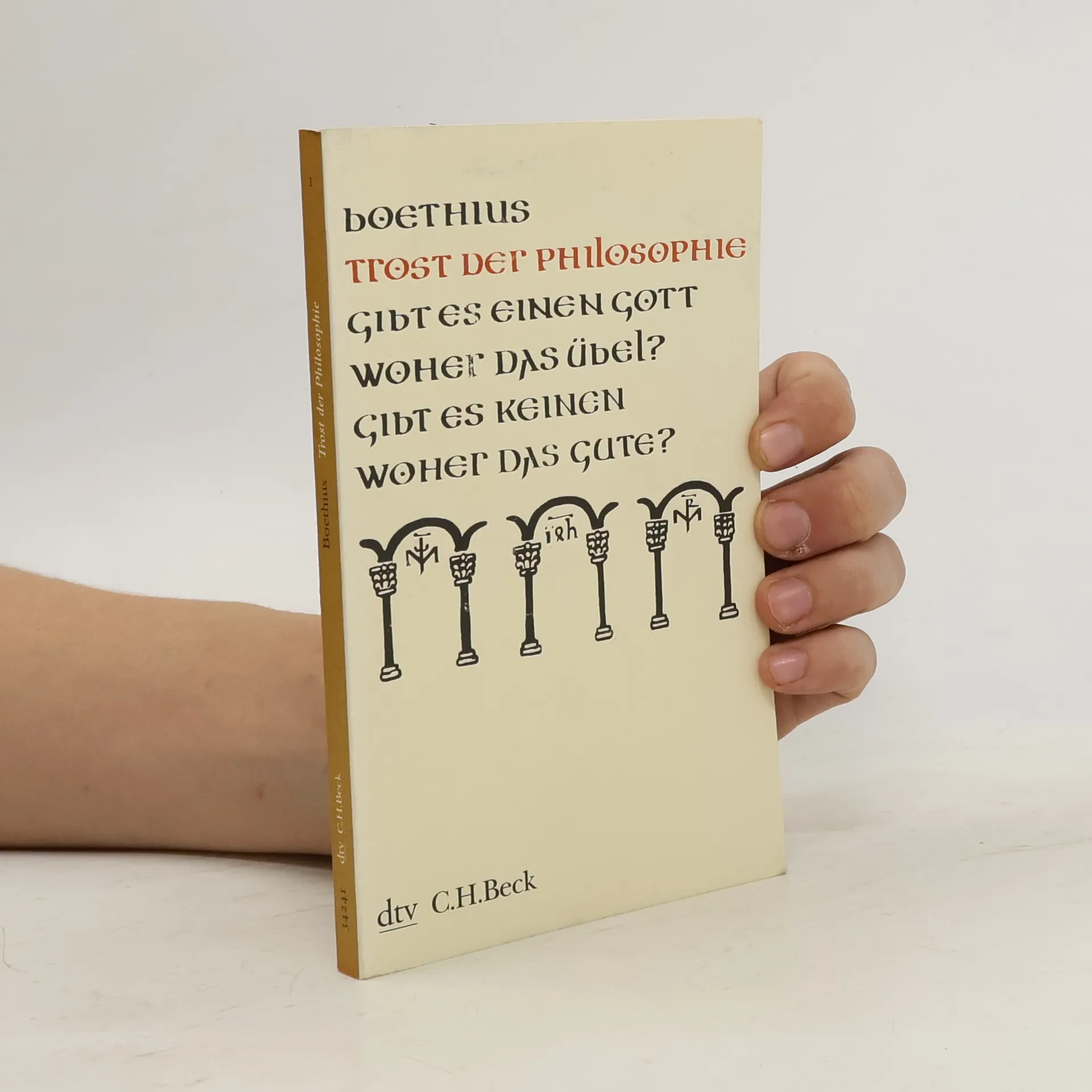
    Trost de Philosophie
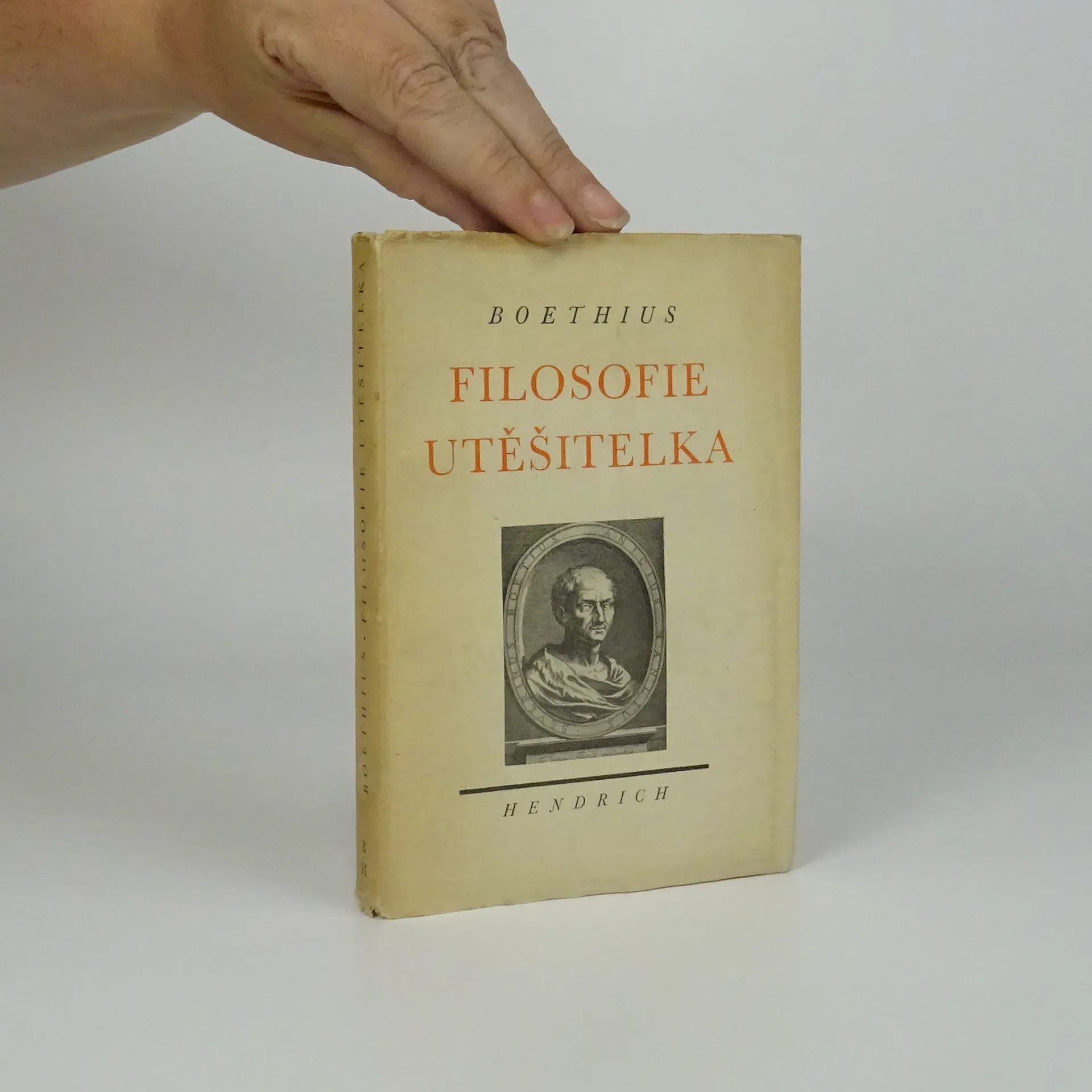
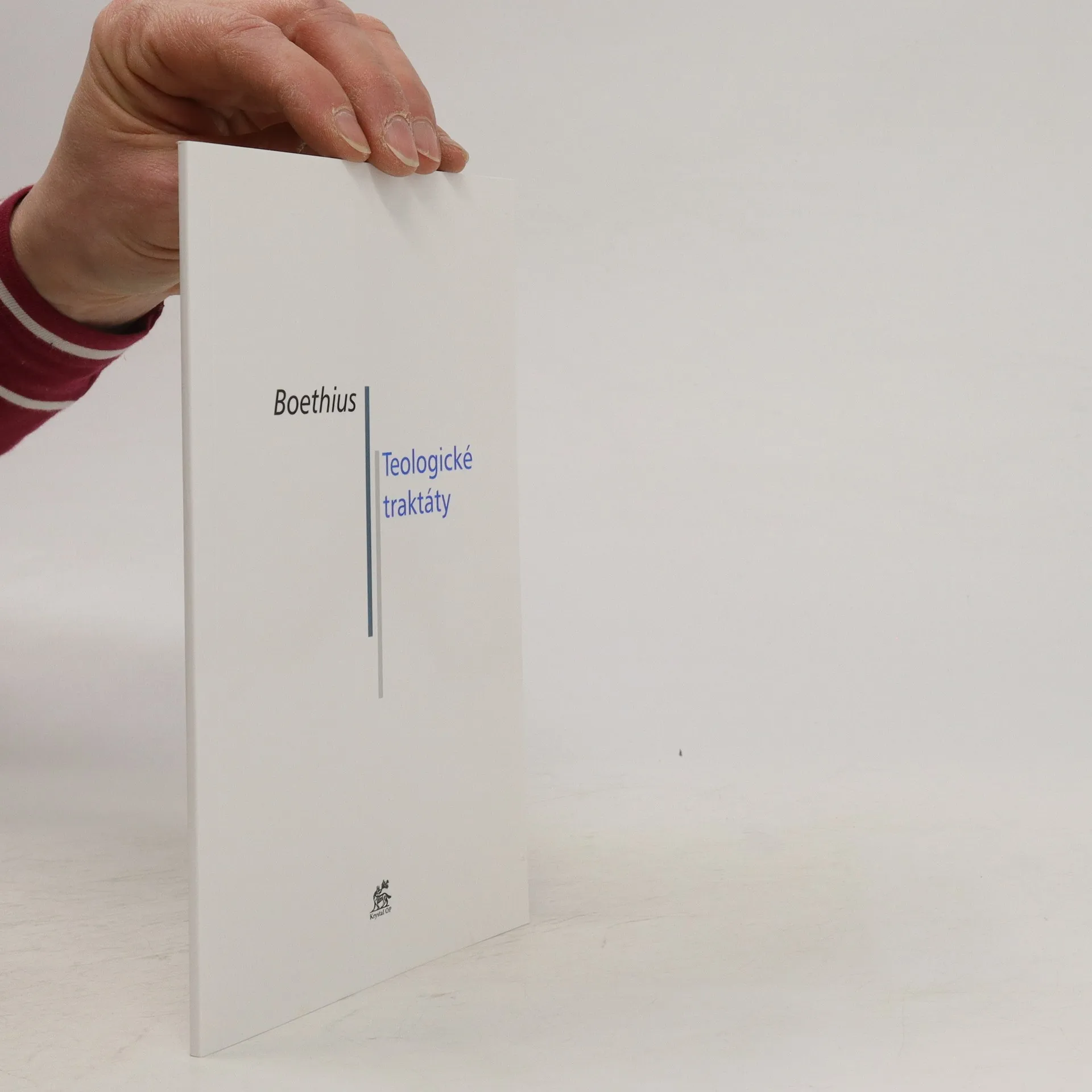
    Teologické traktáty
    Consolation of Philosophy
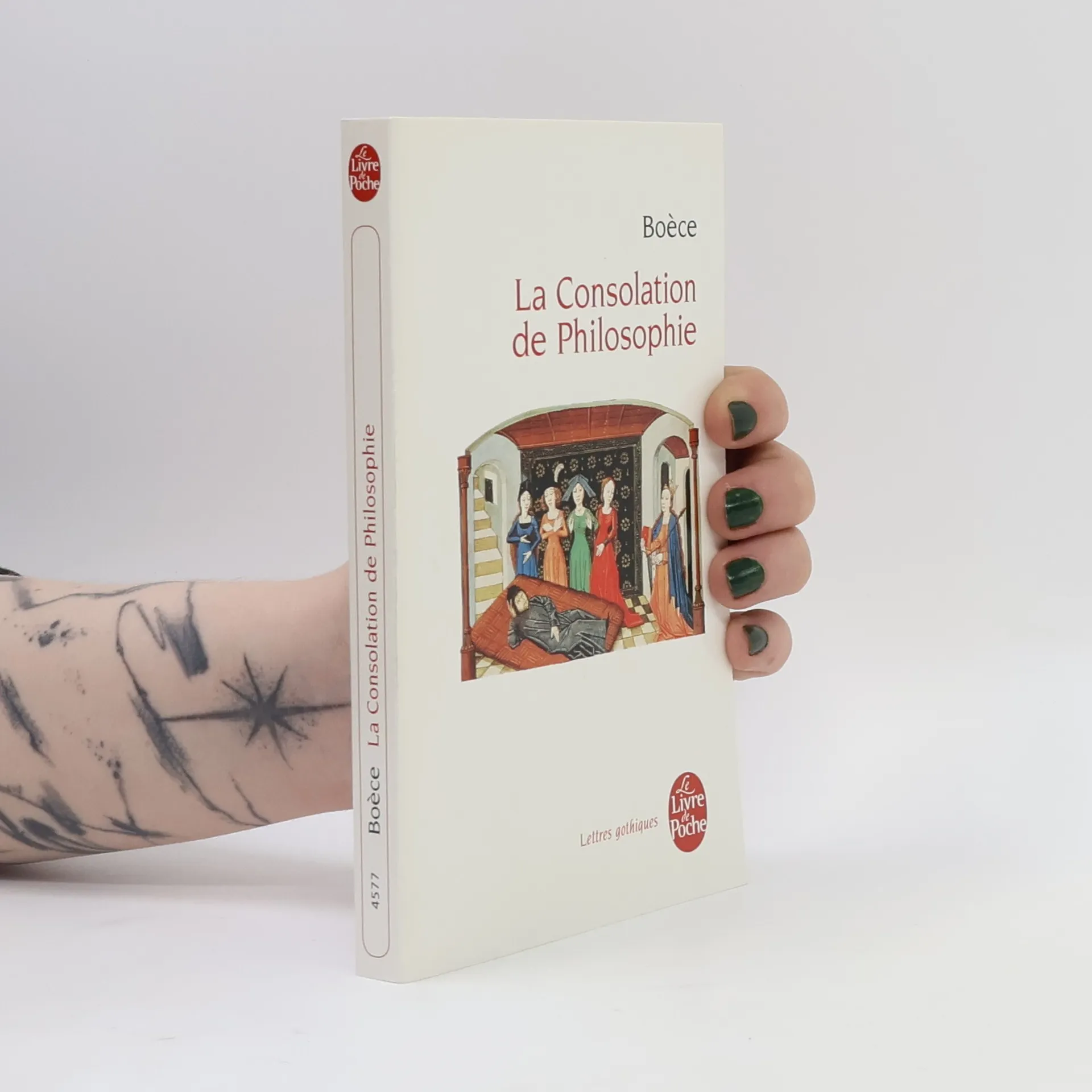
    • Unjustly imprisoned and waiting to die, Boethius penned his last and greatest work, Consolation of Philosophy, an imaginary dialogue between himself and Philosophy, personified as a woman. Reminiscent of Dante in places, Boethius's fiction is an ode-to-philosophy-cum-Socratic-dialogue. Joel Relihan's skillful rendering, smoother to the modern ear than previous translations, preserves the book's heart-rending clarity and Boethius's knack for getting it just right. Listen to him on fortune: "We spin in an ever-turning circle, and it is our delight to change the bottom for the top and the top for the bottom. You may climb up if you wish, but on this condition: Don't think it an injustice when the rules of the game require you to go back down."Consolation of Philosophy recalls the transience of the material world, the eternality of wisdom, and the life of the philosopher. Boethius was deeply influenced by the Platonist tradition, and this piece is one of the more powerful and artful defenses of a detachment that feels almost Buddhist. For anyone who's felt at odds with the world, Consolation is a reminder that the best things in life are eternal. Boethius must be right: the book is just as meaningful today as it was in the sixth century when he wrote it. --Eric de Place

      Consolation of Philosophy
    • »Gibt es einen Gott woher das Übel? Gibt es keinen woher das Gute?« Die Szene prägt sich ein: Boethius sitzt im Gefängnis, Folter und Hinrichtung stehen ihm bevor. Er weiß sich unschuldig und beklagt sein ungerechtes Schicksal. Er versteht den Lauf der Welt nicht mehr und verfällt einer depressiven Lethargie. Da erscheint eine Frau, die Philosophie, und weist ihn zurecht. Der »Trost der Philosophie« gehört zu den berühmtesten Texten der spätantiken Literatur. Zum Tode verurteilt, empfängt Boethius im Kerker den Besuch der Philosophie. Im Gespräch mit ihr beschwört er noch einmal die große Denktradition der antiken Philosophie als Trostspenderin des Menschen, ehe sie der christlichen Welterklärung weichen muss. Mit einem Nachwort von Kurt Flasch.

      Trost de Philosophie
    • O základech hudby

      • 246pages
      • 9 heures de lecture

      De institutione musica (O základech hudby) Anicia Manlia Torquata Severina Boethia (cca 480–524) je se svými více než sto šedesáti rukopisnými výskyty suverénně nejrozšířenější hudebně-teoretickou prací evropského středověku. Dosud byla českým čtenářům přístupná pouze coby krátký úryvek ve výboru Boethius – Poslední Říman(1981). Zájemci o hlubší studium Boethiova traktátu tak byli odkázáni buď na latinský originál, nebo na překlady do němčiny, angličtiny, italštiny či francouzštiny. Kniha, kterou nyní držíte v rukou, je tedy první kompletní překlad do českého jazyka. Její základ tvoří text dr. Antonína Burdy (1902–1982), jejž ovšem radikálně přepracoval a upravil dr. Michal Ctibor (*1990). Současně také přibyla nová předmluva, poznámkový aparát a výkladový slovníček nejdůležitějších pojmů. Bližší seznámení s Boethiovým textem je užitečné ze dvou hlavních pohledů. Jednak představuje shrnutí antické hudební teorie, ale také umožňuje hlouběji nahlédnout do disciplíny zvané musica, která tvořila pevnou součást výuky kvadrivia na artistických (filozofických) fakultách, mnohde až na práh novověku. A právě tento aspekt by mohl být pro většinu čtenářů novým a překvapivým.

      O základech hudby
    • Arithmetik

      Edition Antike

      • 336pages
      • 12 heures de lecture

      Boëthius, der bedeutendste spätantike Gelehrte, verfasste um 500 n. Chr. die »Arithmetik«, ein einflussreiches Standardwerk der Mathematik. In der »Edition Antike« wird es erstmals zweisprachig und mit Abbildungen aus dem Bamberger Codex präsentiert, wodurch antike Zahlenkunde für heutige Leser zugänglich wird.

      Arithmetik
    • Trost der Philosophie

      Lateinisch - Deutsch

      »Trost der Philosophie« von Boethius ist ein bedeutendes philosophisches Werk der Antike, verfasst im 6. Jahrhundert. In Form eines Dialogs zwischen dem Autor und der personifizierten Philosophie bietet es Trost und Weisheit. Es verbindet neuplatonische und stoische Gedanken und war im Mittelalter äußerst einflussreich.

      Trost der Philosophie
    • Die theologischen Traktate

      Zweisprachige Ausgabe

      Die vollständig in deutscher Übersetzung vorliegenden theologischen Traktate von Boethius bieten einen tiefen Einblick in die Verbindung von neuplatonischer Philosophie und christlicher Dogmatik. Sie sind bislang vor allem Kennern antiker und mittelalterlicher Gedanken bekannt.

      Die theologischen Traktate