Bookbot

Natalia Ginzburg

    14 juillet 1916 – 7 octobre 1991

    Natalia Ginzburg était une auteure italienne dont l'œuvre a exploré les relations familiales et le paysage politique de l'ère fasciste et de la Seconde Guerre mondiale. Elle a abordé des questions philosophiques à travers ses romans, nouvelles et essais, obtenant une reconnaissance pour son style distinctif. Sa prose se caractérise par une perspicacité aiguë de la nature humaine et des complexités des liens interpersonnels. Les écrits de Ginzburg continuent de résonner auprès des lecteurs pour leur honnêteté et leurs profondes réflexions sur la vie.

    Natalia Ginzburg
    Sagittarius
    The City and the House
    Family and Borghesia
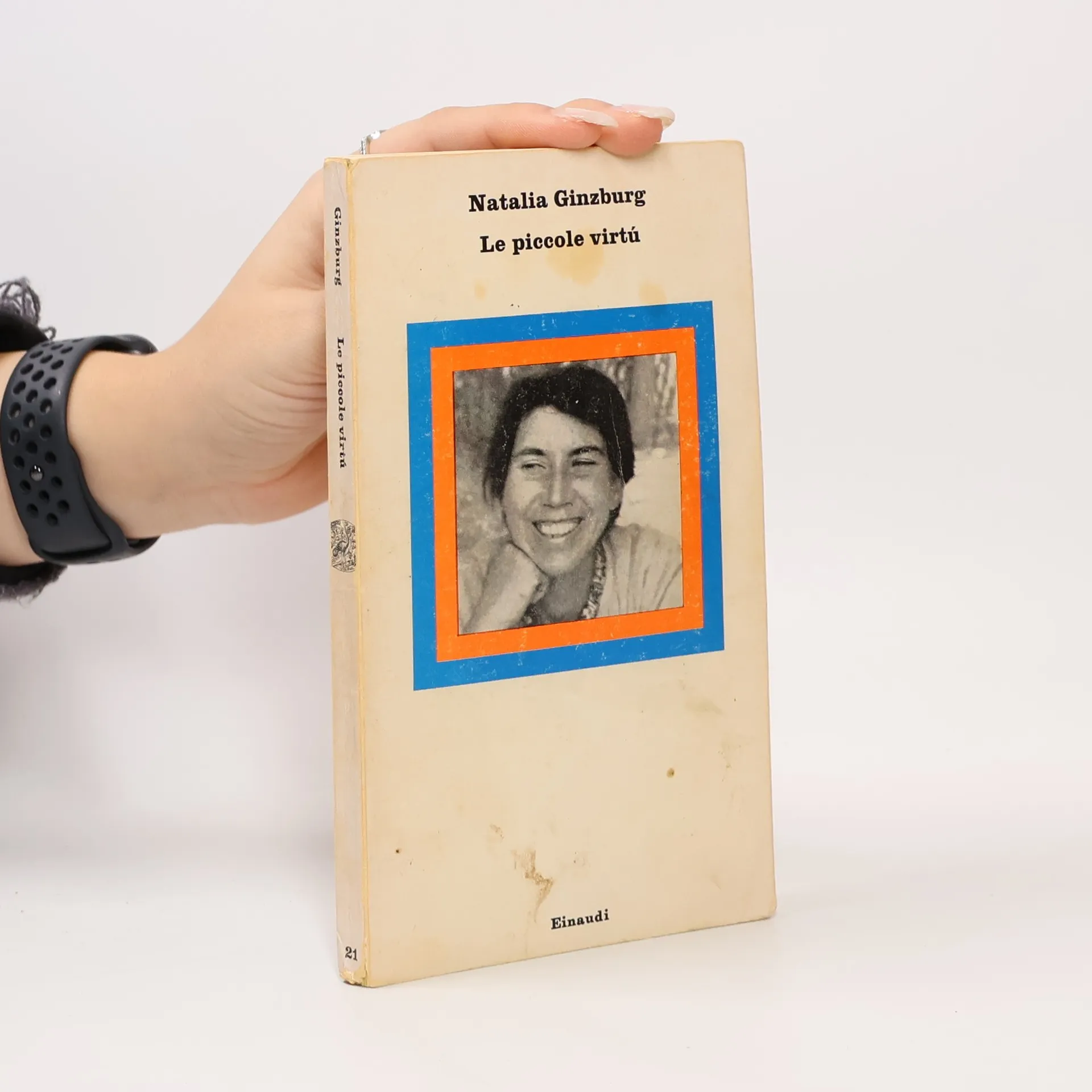
    The Little Virtues
    Valentino
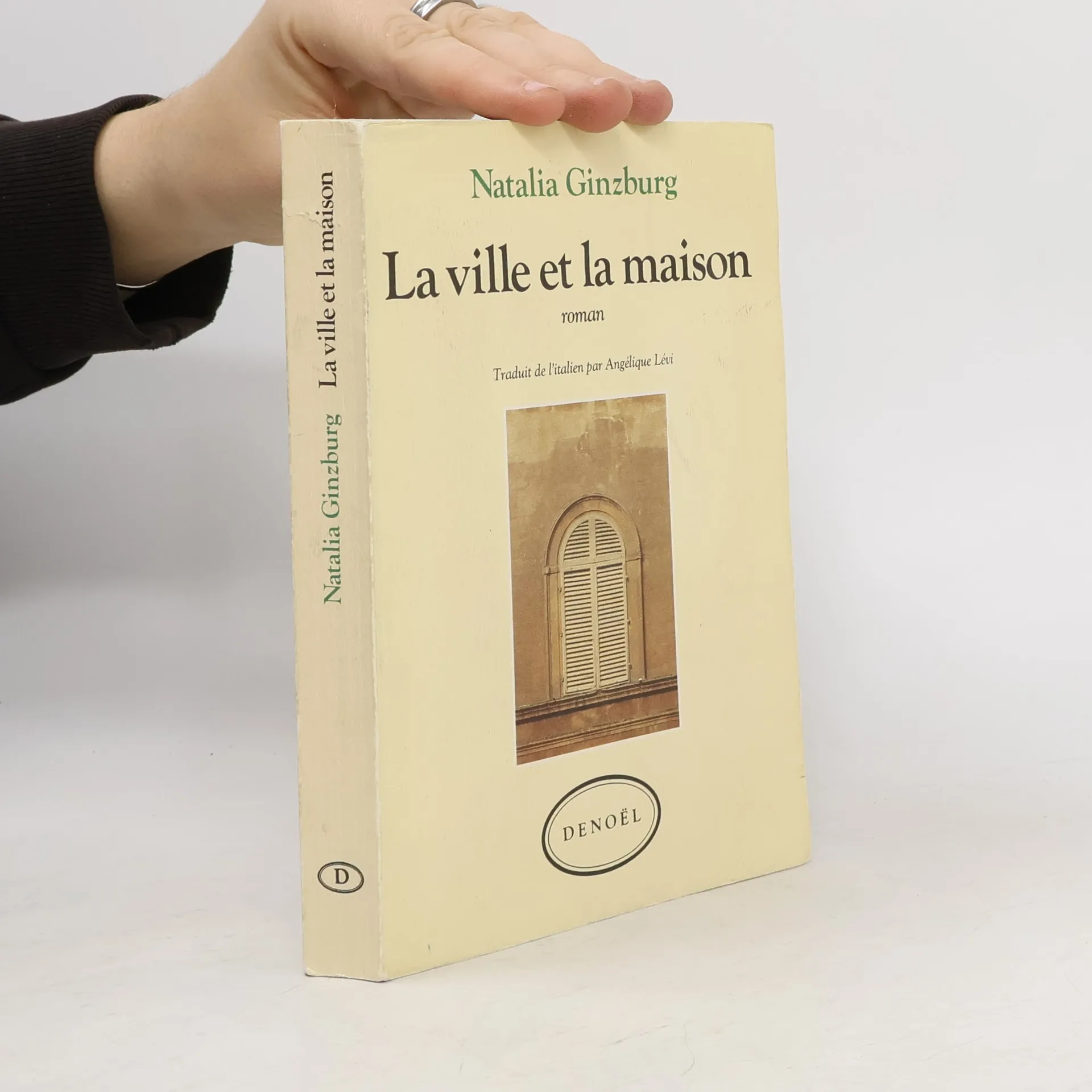
    La ville et la maison
    • Valentino

      • 210pages
      • 8 heures de lecture

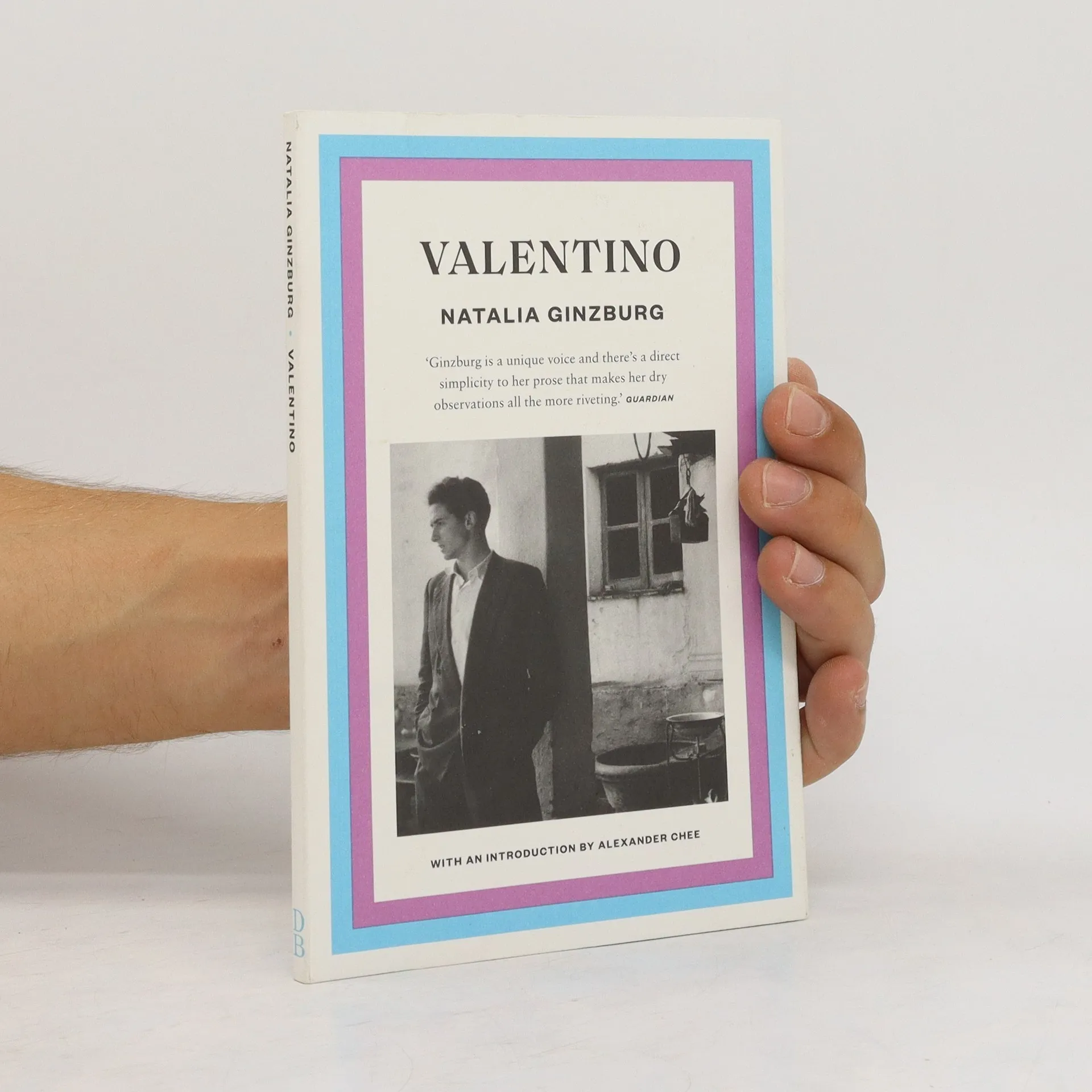
      'So there is no one to whom I can speak the words that most need to be spoken, about the events which most closely concern our family and what has happened to us; I have to keep them bottled up inside me and there are times when they threaten to choke me.' Valentino is the spoiled child of doting parents who have no doubt he will be 'a man of consequence'. His sisters, however, see him for what he really is: a lazy, indifferent and self-absorbed medical student who whiles away time with nights out on the town, resulting in a string of failed and incomplete classes. His parents' dreams are soon undone when, out of the blue, Valentino brings home Maddalena, a wealthy and strikingly ugly wife. What ensues is yet another work of quiet devastation told with Ginzburg's unflinching moral realism and keen psychological insight, as the family is scandalised by Valentino's decision and suspicious of Maddalena's motives.

      Valentino
      4,2
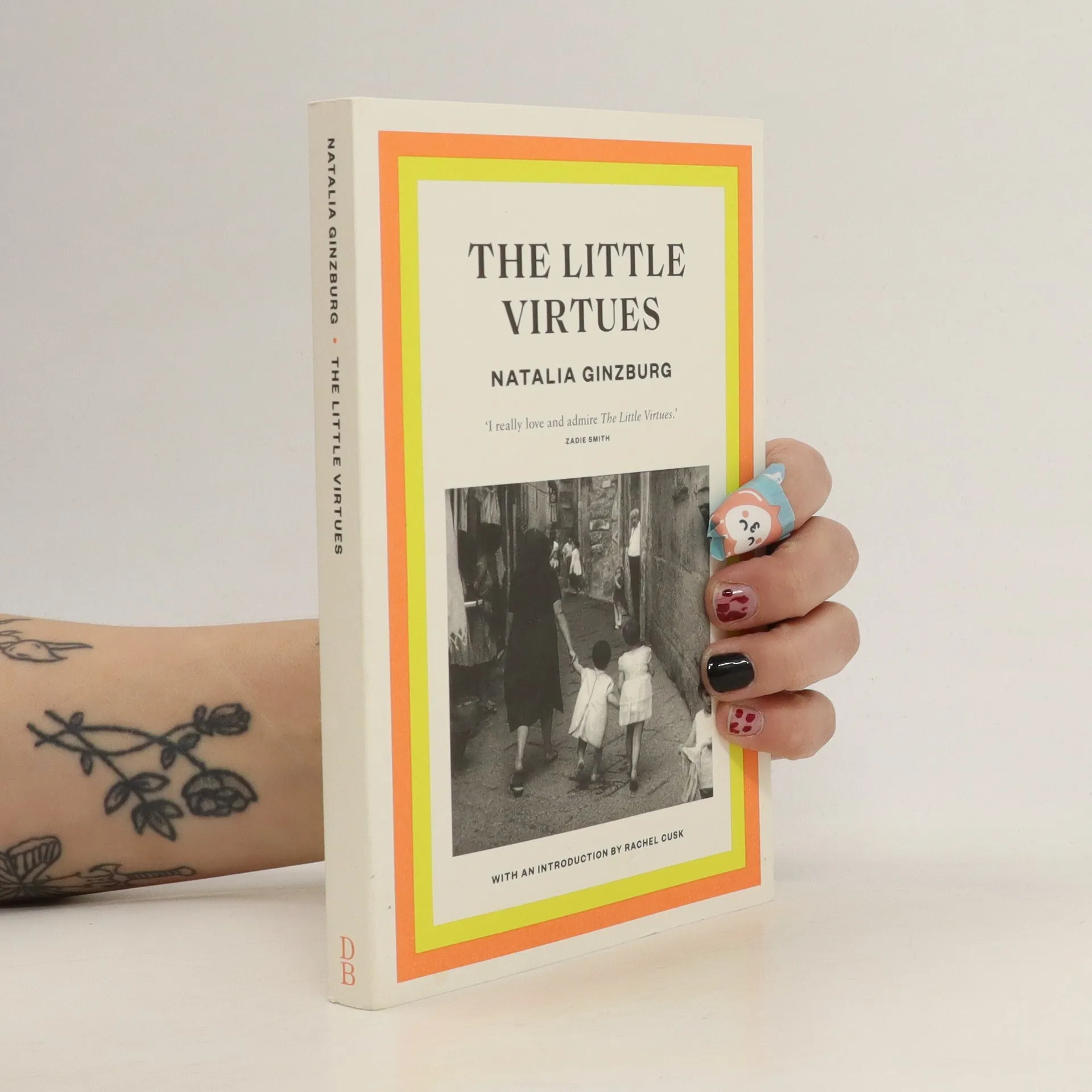
    • "As far as the education of children is concerned, states Natalia Ginzburg in this collection of her finest and best-known short essays, I think they should be taught not the little virtues but the great ones. Not thrift but generosity and an indifference to money; not caution but courage and a contempt for danger; not shrewdness but frankness and a love of truth; not tact but a love of one's neighbor and self-denial; not a desire for success but a desire to be and to know. Whether she writes of the loss of a friend, Cesare Pavese; or what is inexpugnable of World War II; or the Abruzzi, where she and her first husband lived in forced residence under Fascist rule; or the importance of silence in our society; or her vocation as a writer; or even a pair of worn-out shoes, Ginzburg brings to her reflections the wisdom of a survivor and the spare, wry, and poetically resonant style her readers have come to recognize. A glowing light of modern Italian literature. Ginzburg's magic is the utter simplicity of her prose, suddenly illuminated by one word that makes a lightning streak of a plain phrase"--Publisher's description

      The Little Virtues
      4,2
    • Family and Borghesia

      • 120pages
      • 5 heures de lecture

      Two novellas about domestic life, isolation, and the passing of time by one of the finest Italian writers of the twentieth century. Carmine, an architect, and Ivana, a translator, lived together long ago and even had a child, but the child died, and their relationship fell apart, and Carmine married Ninetta, and their child is Dodò, who Carmine feels is a little dull, and these days Carmine is still spending every evening with Ivana, but Ninetta has nothing to say about that. Family, the first of these two novellas from the 1970s, is an examination, at first comic, then progressively dark, about how time passes and life goes on and people circle around the opportunities they had missed, missing more as they do, until finally time is up. Borghesia, about a widow who keeps acquiring and losing the Siamese cats she hopes will keep her company in her loneliness, explores similar ground, along with the confusions of feeling and domestic life that came with the loosening social strictures of the 1970s. “She remembered saying that there were three things in life you should always refuse,” thinks one of Natalia Ginzburg’s characters, beginning to age out of youth: “Hypocrisy, resignation, and unhappiness. But it was impossible to shield yourself from those three things. Life was full of them and there was no holding them back.”

      Family and Borghesia
      4,1
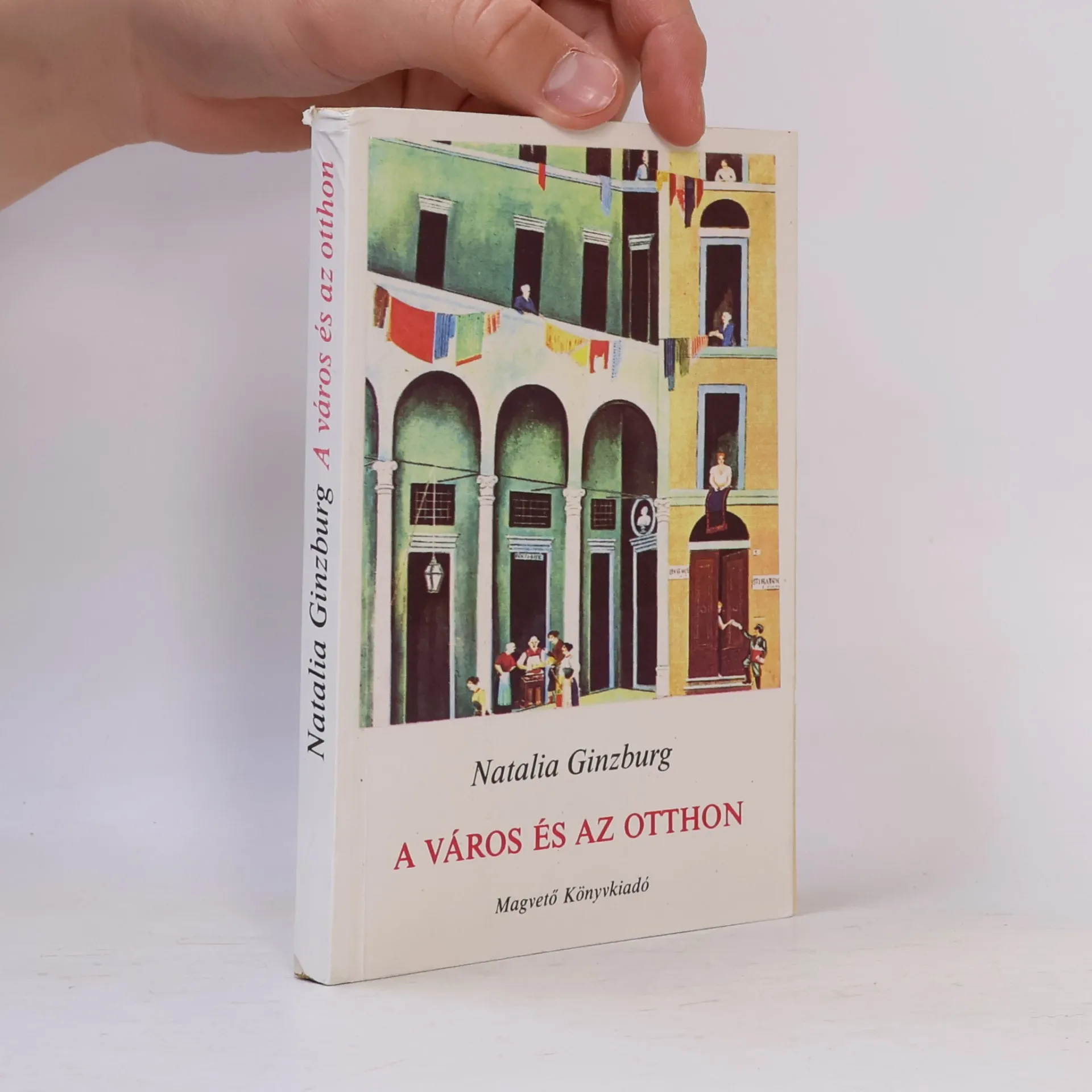
    • The city is Rome, the hub of Italian life and culture. The house is Le Margherite, a home where the sprawling cast of The City and the House is welcome. At the center of this lush epistolary novel is Lucrezia, mother of five, and lover of many. Among her lovers—and perhaps the father of one of her children—is Giuseppe. After the sale of Le Margherite, the characters wander aimlessly as if in search of a lost paradise.

      The City and the House
      4,1
    • Sagittarius

      • 128pages
      • 5 heures de lecture

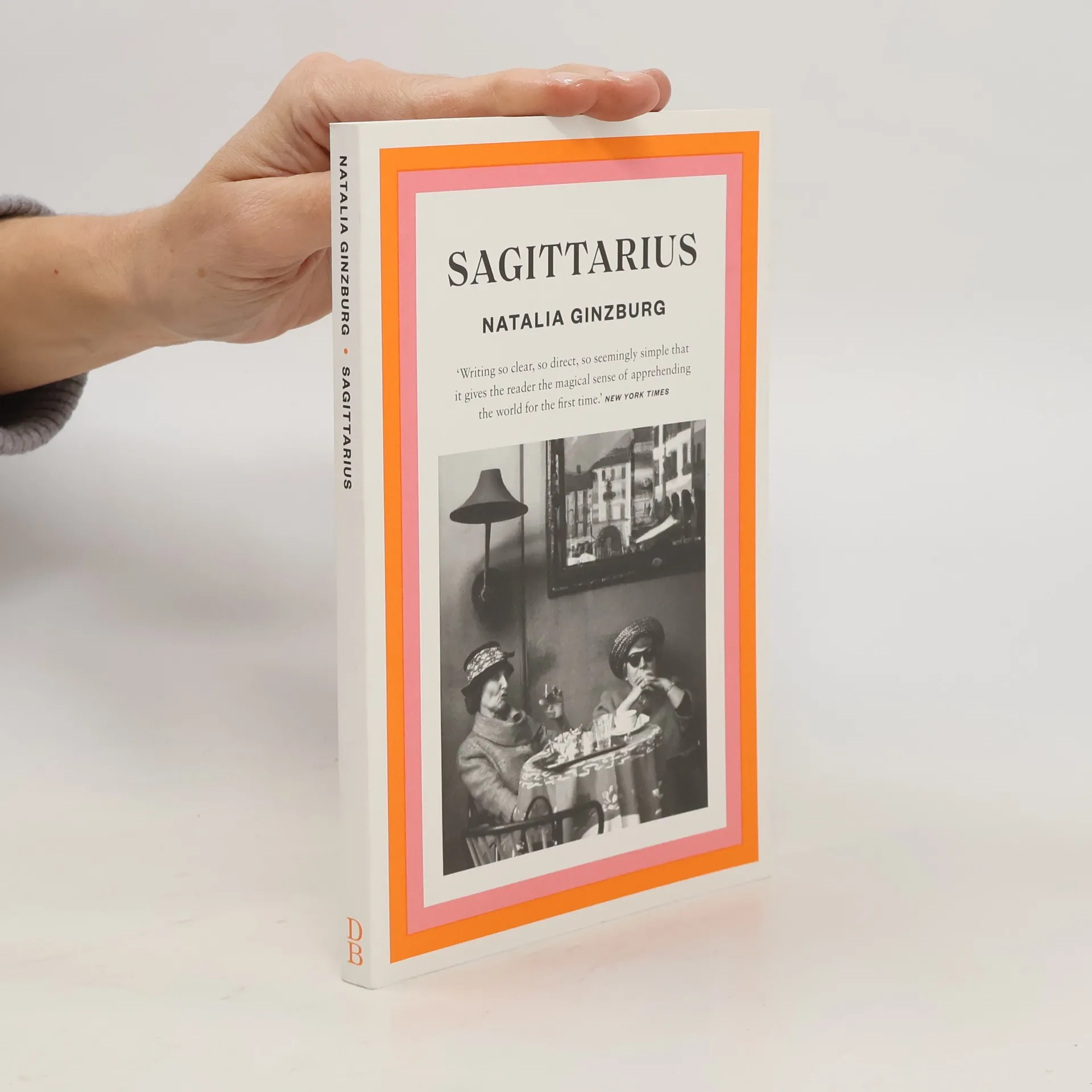
      'At long last she was playing the role she had always dreamt about, that of a mother, full of anxious solicitude, preparing to confide her daughter into the hands of a young man with good intentions, good prospects and a good character.' A mother decides to follow her daughter to the city, she settles in the suburbs with her older daughter and son-in-law in tow. She quickly grows restless and is eager to find new friends. Brassy, bossy and perpetually dissatisfied she strikes up a friendship with the mysterious Scilla, and soon the two women are planning to open an art gallery. But there is more to Scilla than meets the eye. After a series of afternoons spent at bars having coffee granitas with cream, and at Scilla's apartment on Via Tripoli, it quickly becomes apparent that the connections and the cul-tured life promised by Scilla may never materialise, despite always being just within reach. What proceeds is a story of the dissolution of a family, and the role that class plays in its downfall. Sagittarius is the story of misplaced confidence and am-bition gone awry, recounted by a wary daughter.

      Sagittarius
      4,0
    • The Dry heart

      • 112pages
      • 4 heures de lecture

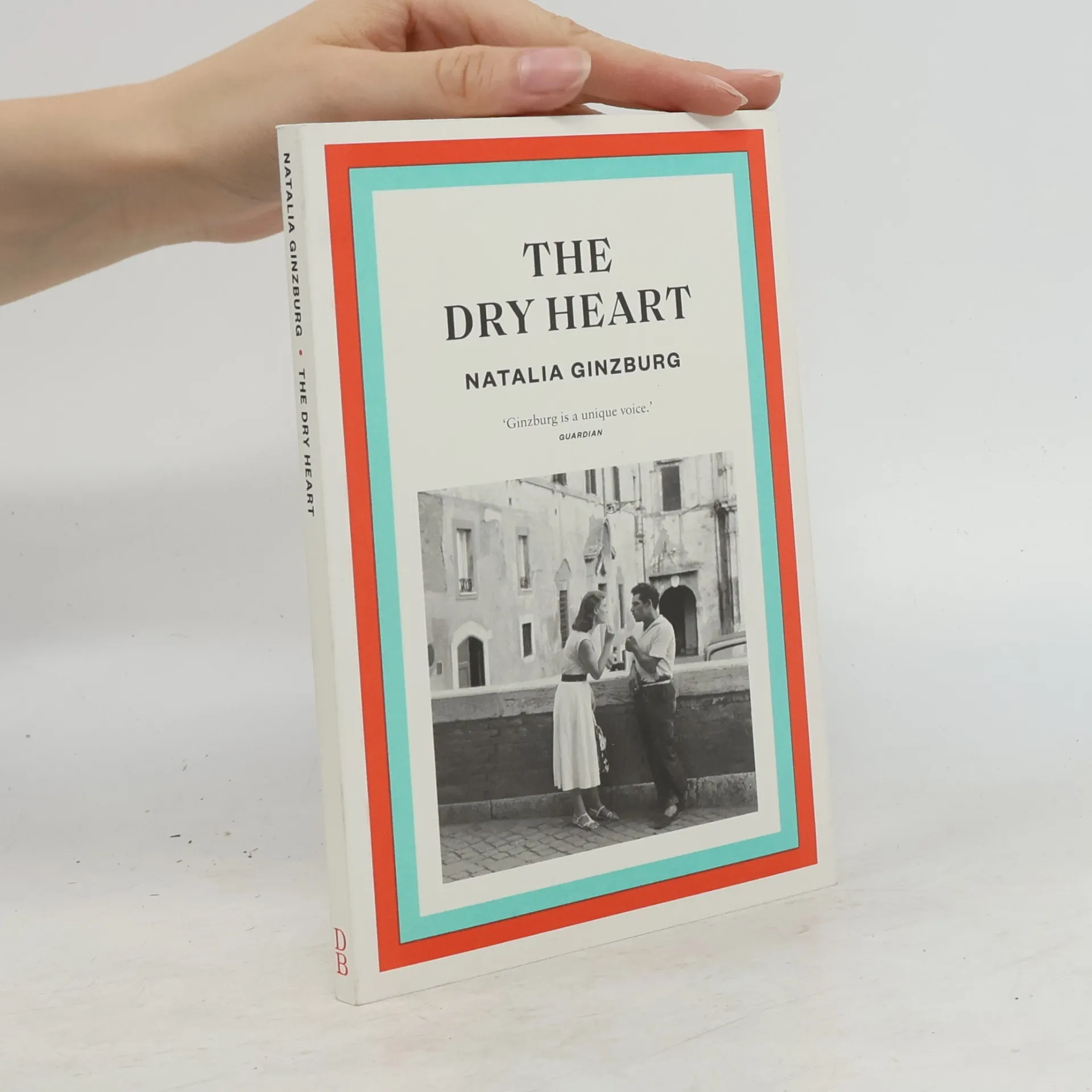
      The Dry Heart begins and ends with the matter-of-fact pronouncement: “I shot him between the eyes.” As the tale—a plunge into the chilly waters of loneliness, desperation, and bitterness—proceeds, the narrator's murder of her flighty husband takes on a certain logical inevitability. Stripped of any preciousness or sentimentality, Natalia Ginzburg's writing here is white-hot, tempered by rage. She transforms the unhappy tale of an ordinary dull marriage into a rich psychological thriller that seems to beg the question: why don't more wives kill their husbands?

      The Dry heart
      4,0
    • Valentino and Sagittarius

      • 176pages
      • 7 heures de lecture

      Two novellas about family life and fraudsters by one of the twentieth century's best Italian novelists. Valentino and Sagittarius are two of Natalia Ginzburg’s most celebrated works: tales of love, hope, and delusion that are full of her characteristic mordant humor, keen psychological insight, and unflinching moral realism. Valentino is the spoiled child of doting parents, who have no doubt that their handsome young son will prove “a man of consequence.” Nothing that Valentino does—his nights out on the town, his failed or incomplete classes—suggests there is any ground for that confidence, and Valentino’s sisters view their parents and brother with a mixture of bitterness, stoicism, and bemusement. Everything becomes that much more confused when, out of the blue, Valentino finds an enterprising, wealthy, and strikingly ugly wife, who undertakes to support not just him but the whole family. Sagittarius is another story of misplaced confidence recounted by a wary daughter, whose mother, a grass widow with time on her hands, moves to the suburbs, eager to find new friends. Brassy, bossy, and perpetually dissatisfied, especially when it comes to her children, she strikes up a friendship with the mysterious Scilla, and soon the two women are planning to open an art gallery. But knowing better than everyone, it turns out, is not that different from knowing nothing at all.

      Valentino and Sagittarius
      4,0
    • Family and Borghesi

      • 160pages
      • 6 heures de lecture

      From the author of All Our Yesterdays and The Little Virtues, two novellas chronicling domestic life, isolation and the passing of time.

      Family and Borghesi
      3,9
    • The story of the Prodigal Son turned on its head, Happiness as such is an immensely wise and absurdly funny novel-in-letters about complicated families and missed opportunities

      Happiness, As Such
      4,0
    • Family Lexicon

      • 294pages
      • 11 heures de lecture

      Natalia Ginzburg wrote her masterful, Strega Prize winning novel Family Lexicon while living in London in the 1960s. Homesick for her big, noisy Italian family, she summoned them in this novel, which is a celebration of the routines and rituals, in-jokes and insults and, above all, the repeated sayings that make up every family. The father, Giuseppe Levi, is a Jewish scientist, consumed by his work and a mania for hiking. Impatient and intractable, he is constantly at odds with his impressionable and wistful wife Lidia - yet he cannot be without her. Together they preside over their five children in a house filled with argument and activity, books and politics, visitors, friends and famous faces. But as their children grow up against the backdrop of Mussolini's Italy, the Levi household must become not only a home - but a stronghold against fascism. Intimate, enchanting and comedic, Family Lexicon is an unforgettable novel about memory, language, and the lasting power that family holds over all of us

      Family Lexicon
      4,0
    • "Anna, a sixteen-year-old schoolgirl in a small town in northern Italy, finds herself pregnant after a brief romance. To save her reputation, she marries an eccentric older family friend, Cenzo Rena, and they move to his village in the south. Their relationship is touched by tragedy and grace as the events of their life in the countryside run parallel to the war and the encroaching threat of fascism - and in their wake, a society dealing with anxiety and grief. At the heart of the novel is a concern with experiences that both deepen and deaden existence: adultery and air raids, neighbourhood quarrels and bombings. With her signature clear-eyed wit, Ginzburg asks how we can act with integrity when faced with catastrophe, and how we can love well."--Cover page 2

      All Our Yesterdays
      3,9
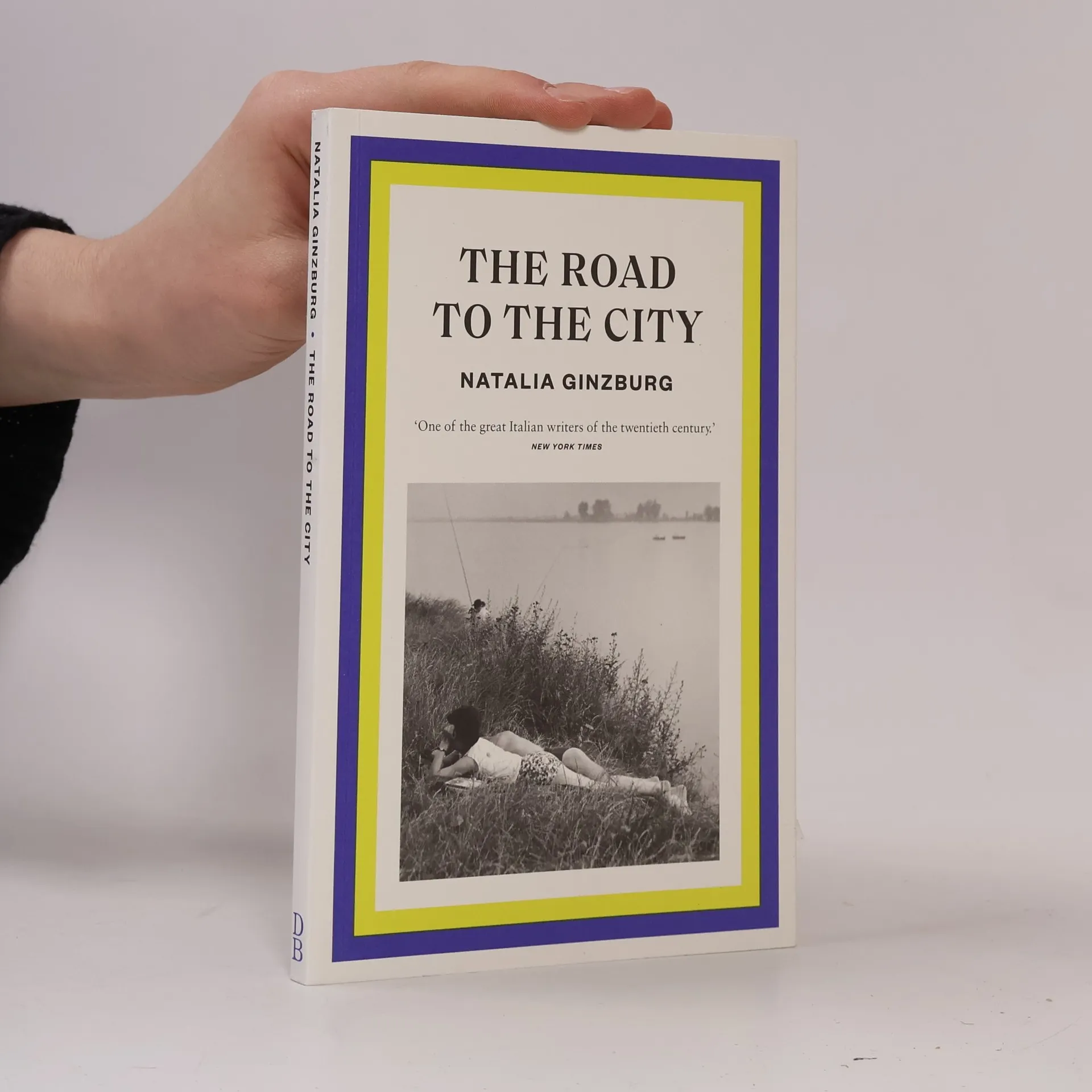
    • The Road to the City

      • 112pages
      • 4 heures de lecture

      'If Ferrante is a friend, Ginzburg is a mentor.' - Guardian

      The Road to the City
      3,8
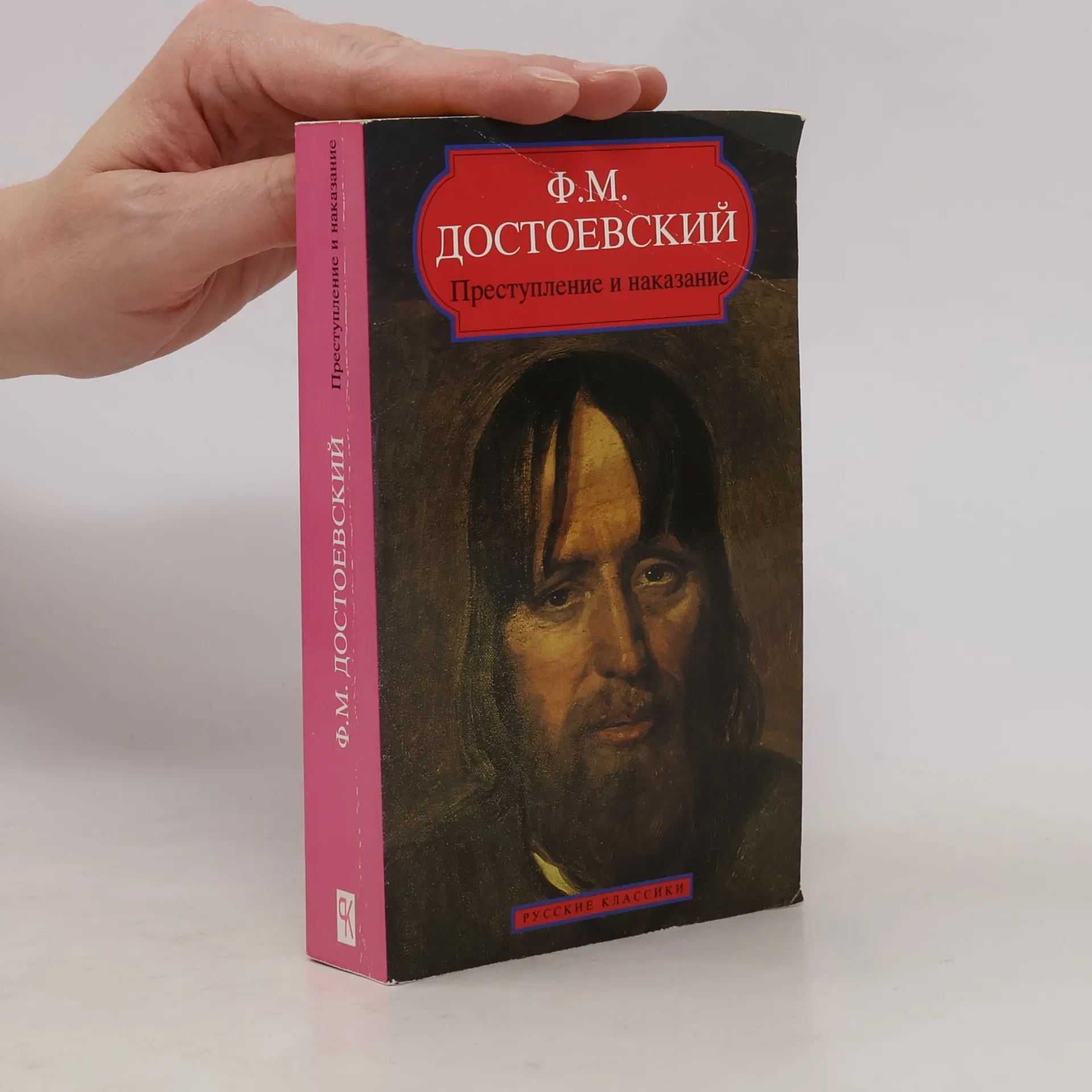
    • Děj se odehrává v Petrohradě ve druhé polovině 19. století. Hlavní hrdina student Rodion Romanovič Raskolnikov je velmi chudý a právě z nedostatku peněz je nucen odejít ze studií. Rodion žije v zatuchlém pronajatém pokoji, nemá peníze, hladoví, ale přesto nemá zájem si najít nějakou poctivou práci. Aby dokončil školu, chce se jeho sestra provdat za bezcharakterního boháče Lužina. Rodion je zásadně proti a sestře sňatek rozmluví. Rodina napadají hrůzné myšlenky, jak lehce přijít k penězům...

      Zločin a trest
      4,5
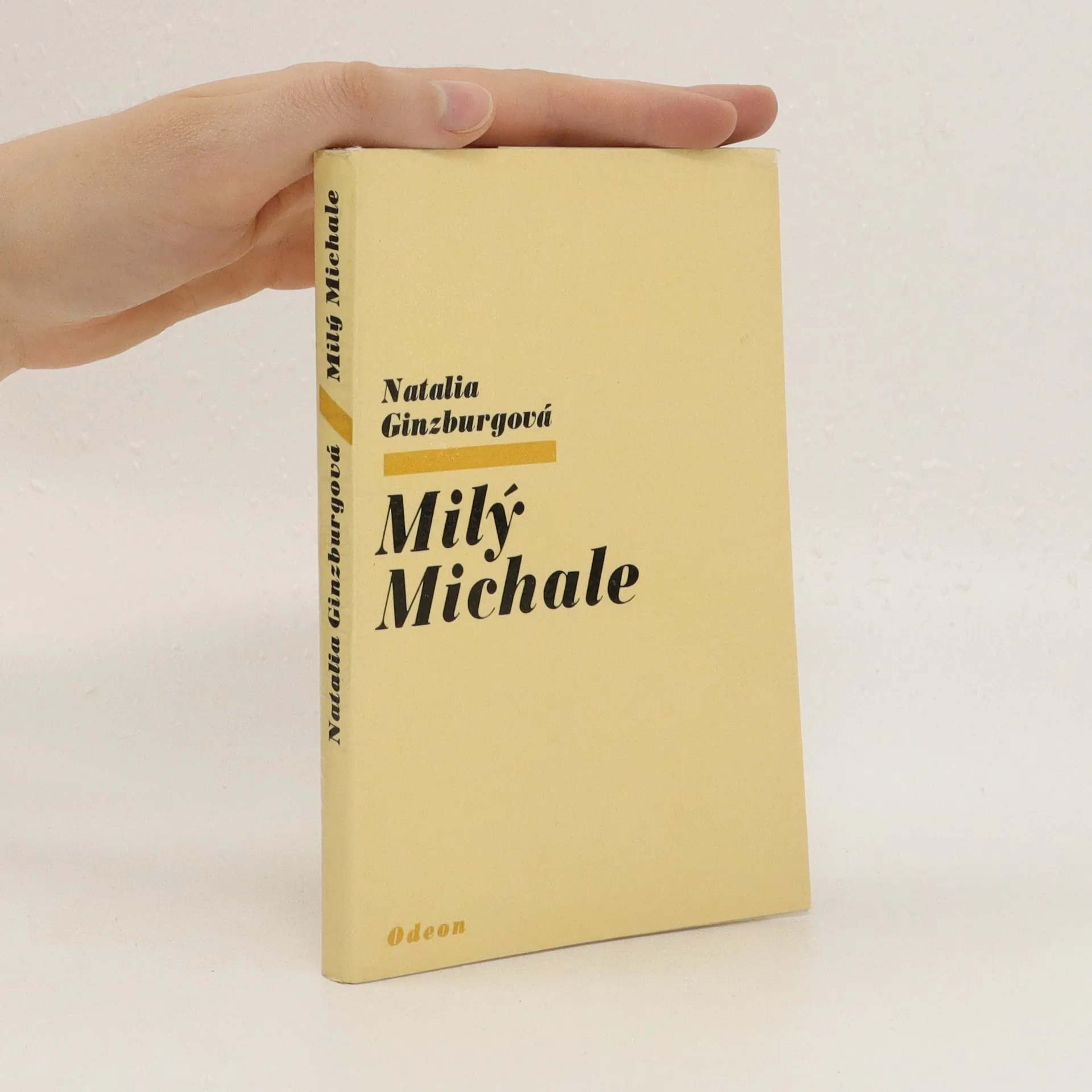
    • Přední italská prozatérka líčí v románě formou přímého vyprávění prolínaného dopisy osudy jedné moderní římské buržoazní rodiny a jejích přátel.

      Milý Michale
      5,0
    • Eine Frau blickt auf die Ereignisse zurück, die dazu führten, dass sie ihren Mann erschoss. Die Geschichte einer Dreiecksbeziehung, geprägt von Liebe, Leidenschaft, Verzweiflung und Tod. Natalia Ginzburgs Roman, der von Italo Calvino gelobt wurde, markiert ihren literarischen Durchbruch.

      So ist es gewesen. Roman
      4,0
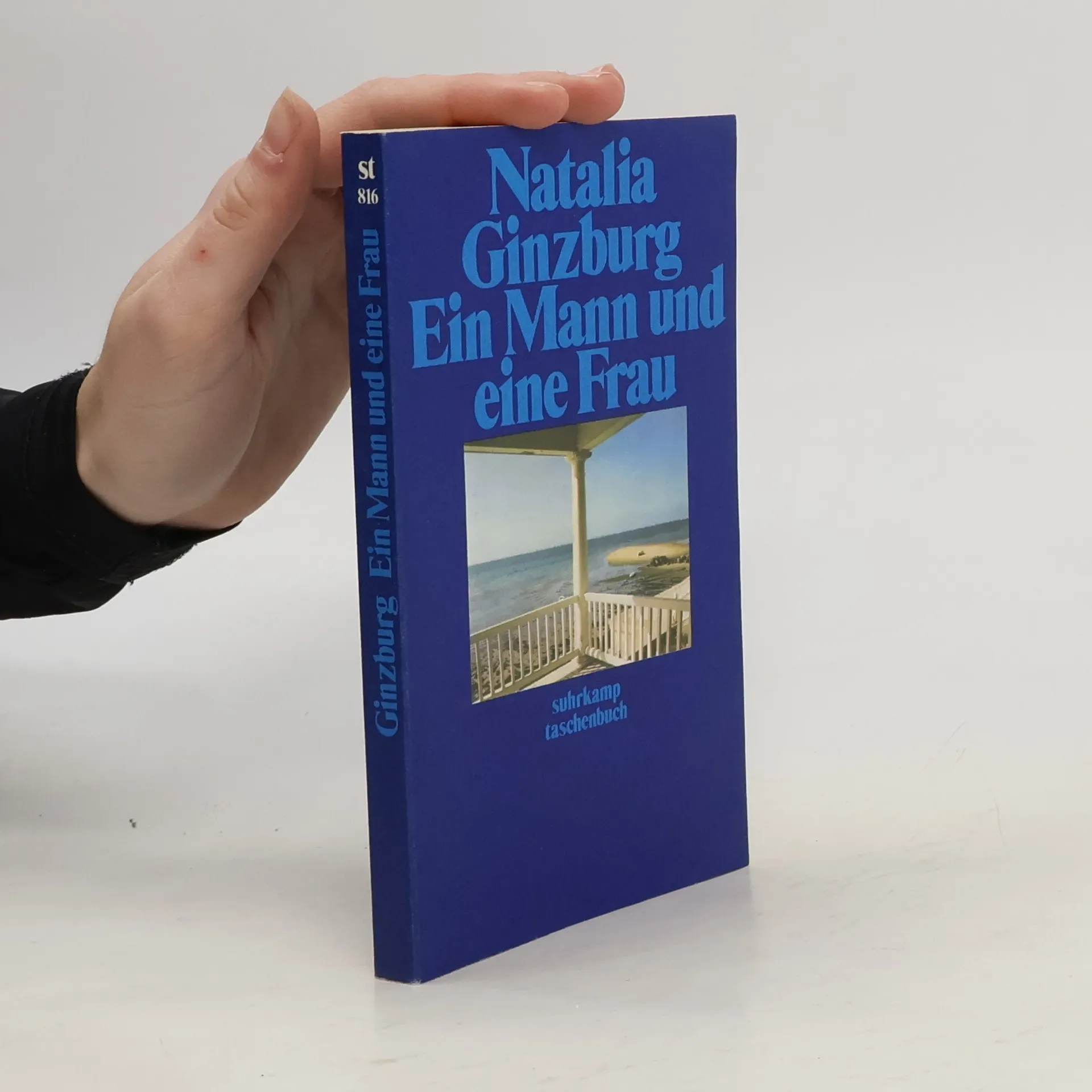
    • Natalia Ginzburg erzählt Geschichten über eine Zeitkrankheit: über den Zerfall familiärer, ehelicher, freundschaftlicher, verwandtschaftlicher Beziehungen. Sie erzählt ohne Pathos und ohne Sentimentalität, unaufwendig und daher um so wirkungsvoller, um so radikaler in ihrem Protest gegen die italienische Gesellschaft mit ihrem Familien-, Mütter- und Kinderkult. »Ein Mann und eine Frau« ist die Geschichte eines Mannes, der im überholten, ermüdenden Rahmen einer Familie lebt und ständig mit dem konfrontiert ist, was hätte sein können: seine einzige echte Beziehung war die zu der Frau, mit der er vor seiner Ehe gelebt hat. Die zweite Erzählung »Borghesia«. »Das Lied vom Bürgertum« erzählt von einer Frau, die mit ihren Katzen lebt, die kommen und gehen, geboren werden und sterben. Und wie in einer Parabel läßt sich das Leben ihrer Katzen auf das ihrer Familie überragen: man kommt, man geht, lebt unverbindlich, beziehungslos wie die Katzen.

      Ein Mann und eine Frau
      4,0
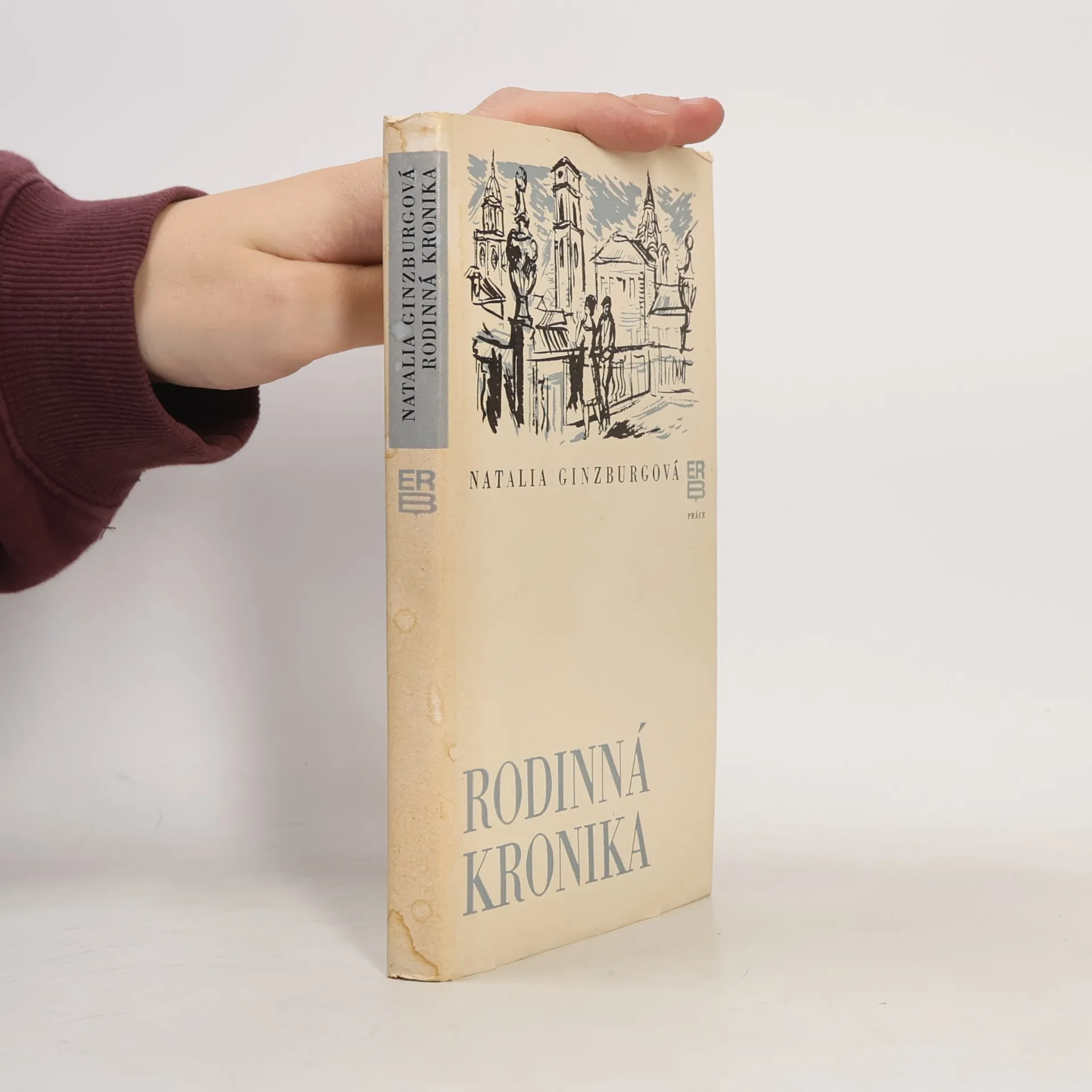
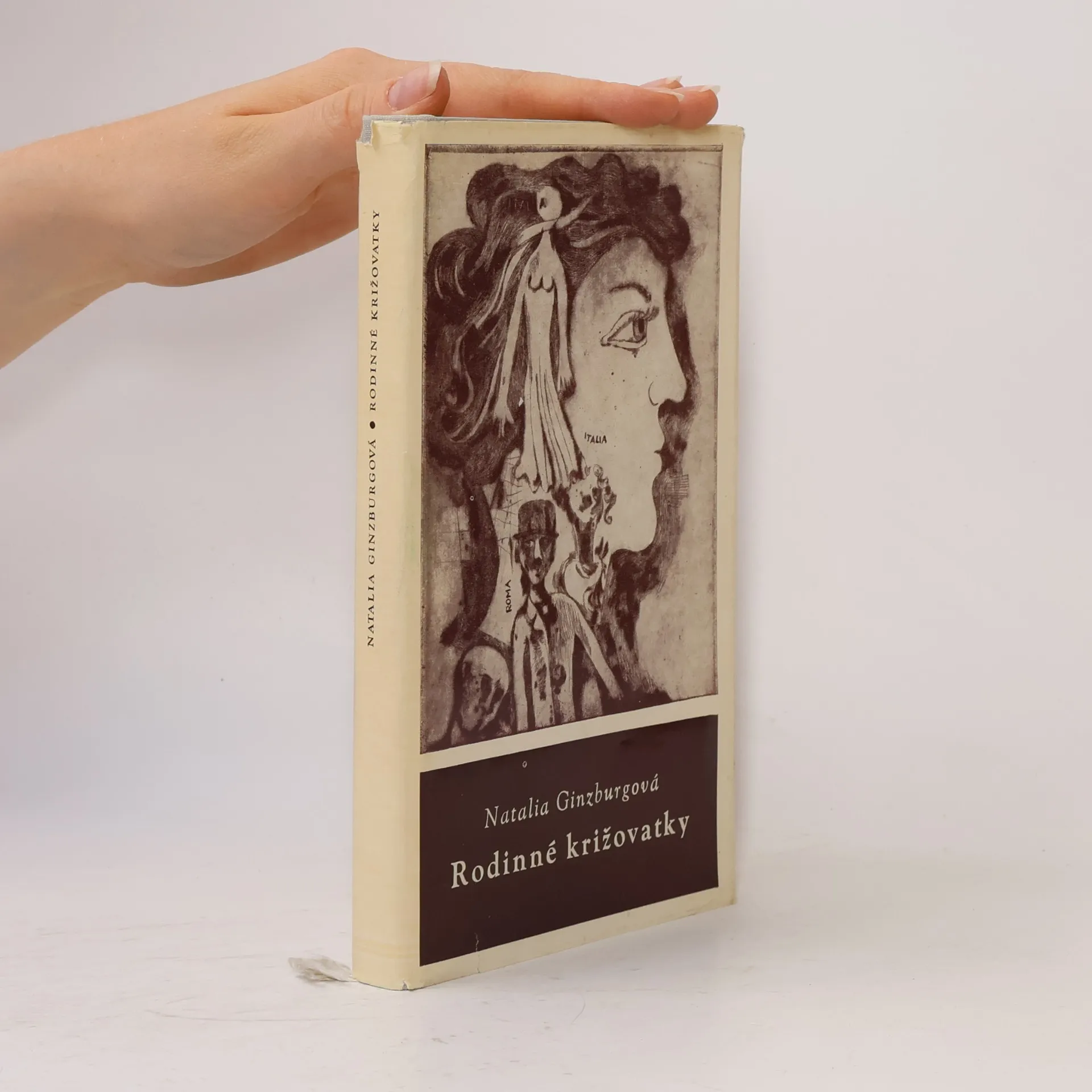
    • Román o životě italské inteligence mezi dvěma světovými válkami. Rodinná kronika je výpovědí o vlastním dětství a mládí, o celé rodině. Známá italská spisovatelka zavádí v románě do Itálie a zejména pak do průmyslového Turína mezi dvěma válkami a v postupném pohledu dívenky, manželky a matky zachycuje mikroklima tehdejší pokrokové rodiny a přibližuje život soudobé inteligence.

      Rodinná kronika
      4,0
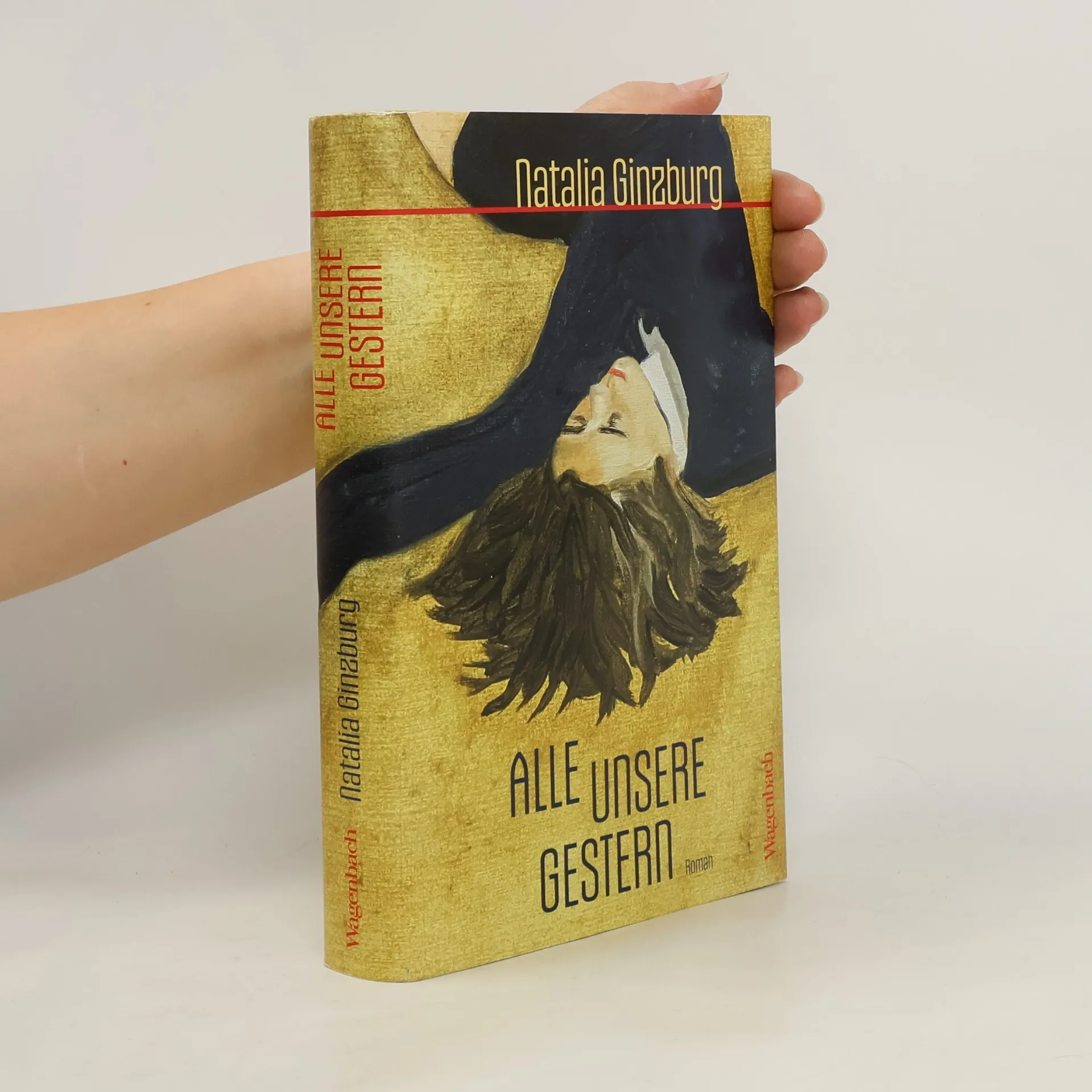
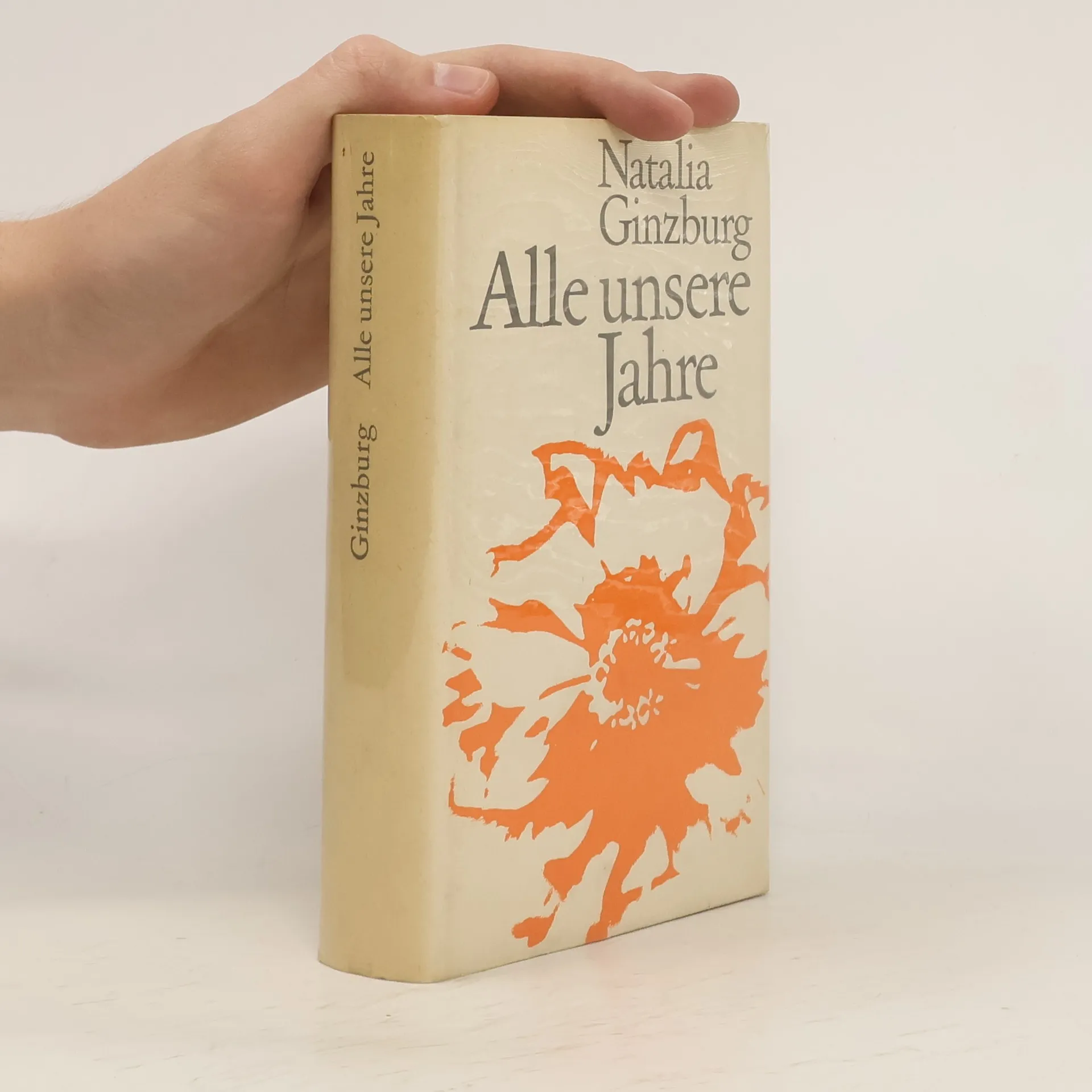
    • Alle unsere Gestern

      Roman

      • 336pages
      • 12 heures de lecture

      Keiner nimmt Anna, die Jüngste der Familie, ernst: weder die beiden älteren Brüder, die sich mit Freunden im Wohnzimmer einschließen, um zu diskutieren, noch die Schwester Concettina, die vor allem ihre zahlreichen Verlobten im Kopf hat. Auch Signora Maria, die Haushälterin mit den winzigen Schleifenschühchen, kümmert sich mehr um die Rosen als um das Mädchen. Nur der ein bisschen großmäulige Nachbarjunge Giuma gibt sich mit Anna ab. Sie gehen miteinander spazieren, dann ins ›Pariser Café‹ und später in die Büsche am Fluss. Als einer der Freunde verhaftet wird, müssen die Broschüren gegen Mussolini eilig im Kamin verbrannt werden. Italien tritt in den Krieg ein, der älteste Bruder, ein überzeugter Pazifist, soll eingezogen werden. Concettina verliebt sich in ein Schwarzhemd – und Anna wird schwanger. Natalia Ginzburg erzählt von den kleinen wie großen Ereignissen genau und fast beiläufig: Was, wenn es keinen Stoff für Kleider gibt, und was, wenn man einen Juden in der Familie hat? Bereits hier hat sie den unnachahmlichen Ton des »Familienlexikon« gefunden.

      Alle unsere Gestern
      4,0
    • Apparso nel 1984, «La città e la casa» è un romanzo epistolare che racconta la disgregazione della famiglia, la crisi dei ruoli tradizionali, il vuoto drammatico che accompagna la vita dei nostri giorni. La mancanza di virilità, l'assenza della figura paterna, l'insicurezza dei figli compongono i frammenti di un'armonia ormai dispersa in un fitto susseguirsi di eventi spesso drammatici tra Roma, l'Umbria e l'America. Lettera dopo lettera, padri, figli, amici, amanti vengono messi di fronte a se stessi e al loro bisogno di verità. L'autrice ricostruisce le schegge di queste vite e racconta nel consueto stile, asciutto e lirico insieme, la perdita di quel senso di appartenenza che ha il suo simbolo più evidente nella casa: perché «uno le case può venderle o cederle ad altri finché vuole, ma le conserva ugualmente per sempre dentro di sé».

      La città e la casa - Nuova edizione a cura di Domenico Scarpa
      4,2
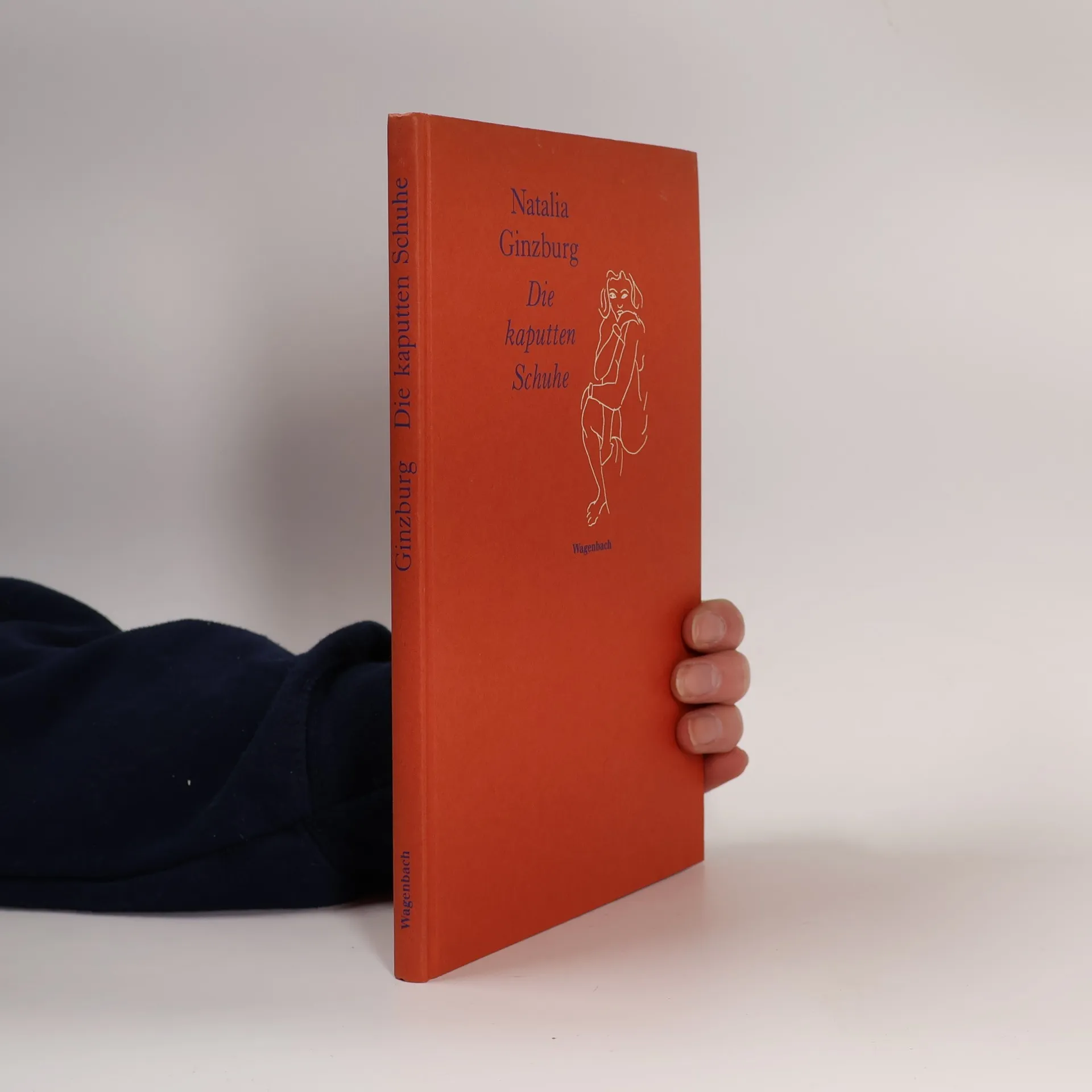
    • Die kaputten Schuhe

      Sechs Erzählungen

      • 76pages
      • 3 heures de lecture

      Diese sechs Erzählungen zeigen unsere Welt als eine, in der es keine Gewißheiten mehr gibt. Sie beschreiben die unüberbrückbare Kluft zu den vorangegangenen Generationen und die jungen, nüchternen Frauen, die mit Kraft und Ausdauer und beinahe heiterer Gelassenheit die alten Untugenden vertreiben: nicht lügen und nicht zulassen, daß andere lügen.§Es sind Frauen, die die großen Tugenden (wie die Großzügigkeit) den kleinen Tugenden (wie die Sparsamkeit) vorziehen, denn: "man sollte nie Geld, Gefühle oder Gedanken auf die Seite legen, später braucht man sie nicht mehr."

      Die kaputten Schuhe
      3,0
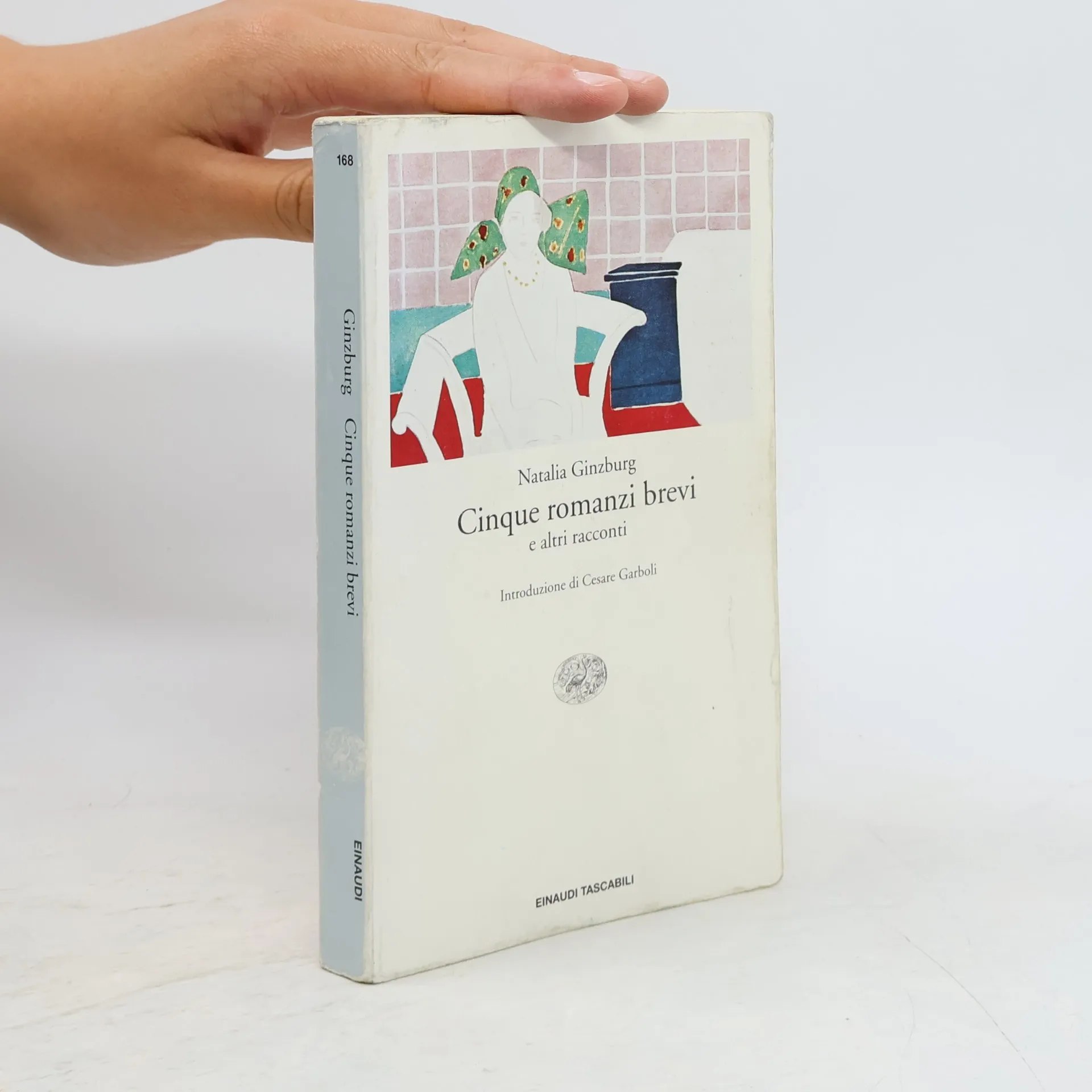
    • Cinque romanzi brevi e altri racconti

      • 412pages
      • 15 heures de lecture

      Pubblicato per la prima volta nel 1964 e mai più ristampato, ritorna in edizione economica il libro che raccoglie i romanzi e i racconti giovanili dell'autrice di "Lessico famigliare". Il racconto "Estate", inserito in questo volume, è apparso finora soltanto su una rivista.

      Cinque romanzi brevi e altri racconti
      3,9
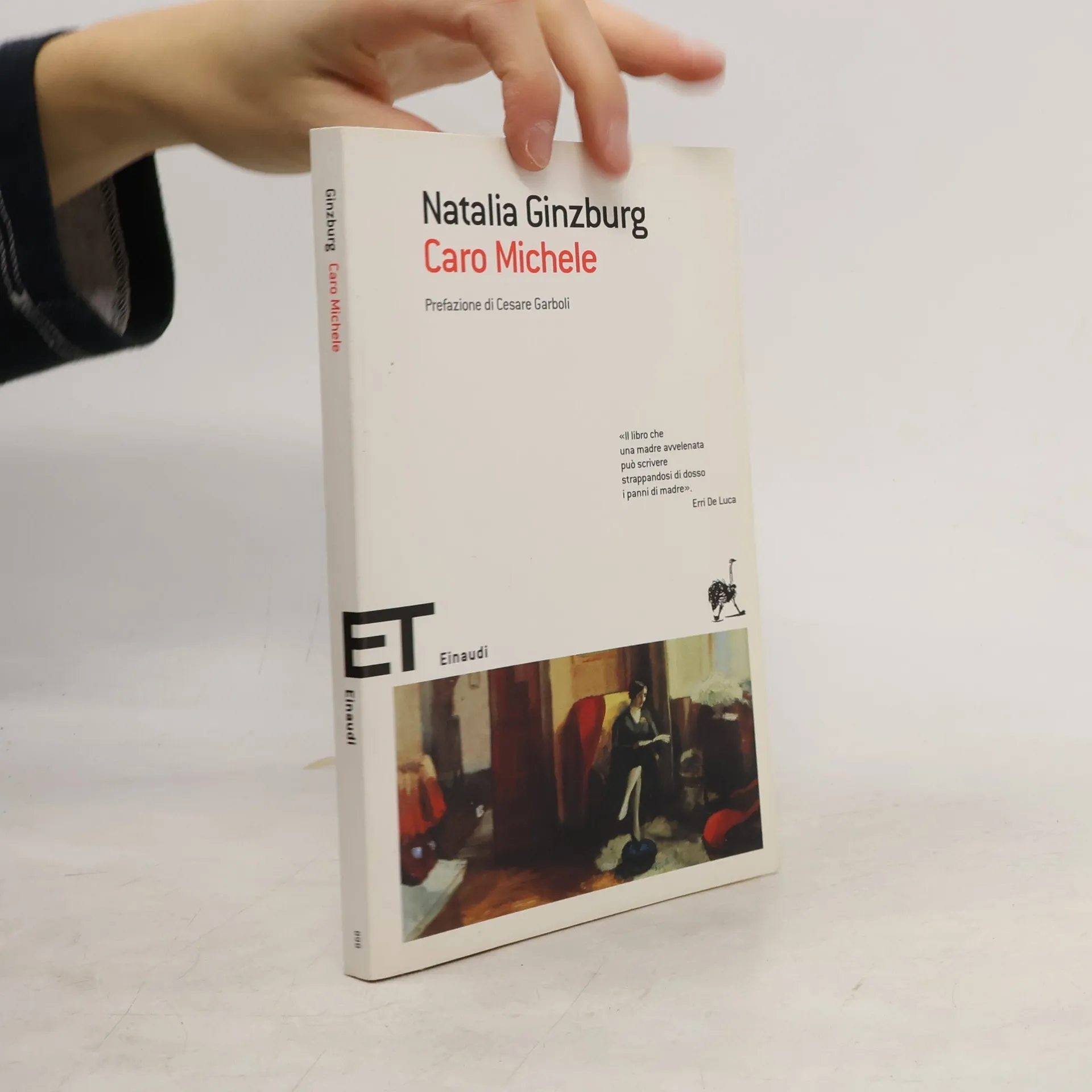
    • «Caro Michele»: il piú classico degli incipit epistolari è quello che Natalia Ginzburg sceglie come titolo del suo romanzo. Una madre già avanti negli anni ma ancora giovane e un figlio lontano fisicamente e ancor piú (e soprattutto) distante nelle idee, nelle esigenze, negli affetti e nei dolori. Un figlio per il quale la madre prova rancore, ma dal quale non riesce a staccarsi; e l'ultimo, irrescindibile cordone ombelicale è fatto di sole lettere. Sorta di Lessico famigliare dieci anni dopo, Caro Michele è un romanzo dai personaggi dispersi, divisi dall'incomunicabilità e destinati alla solitudine, e la scelta del genere epistolare suona provocatoria e simbolica.

      Einaudi tascabili. Scrittori: Caro Michele
      4,1
    • Querido Miguel

      • 224pages
      • 8 heures de lecture

      Este libro nos presenta la historia de un hijo perdido, Miguel, que abandonó de joven su familia, que se casó en un país lejano y que, tras una vida poco ordenada, murió en otro país lejano en circunstancias poco claras. Su madre podrá llorarlo, pero no entender sus secretos. Retomando una vieja forma narrativa, la novela epistolar, Natalia Ginzburg enhebra con maestría asuntos nucleares de su quehacer literario: la relación entre generaciones y la proximidad y lejanía de lo humano. Si bien esta novela se sitúa bajo el signo de la dispersión de los sentimientos y de su incomunicabilidad, apunta, por encima de todo, a la soledad esencial y su vacío.

      Querido Miguel
      4,0
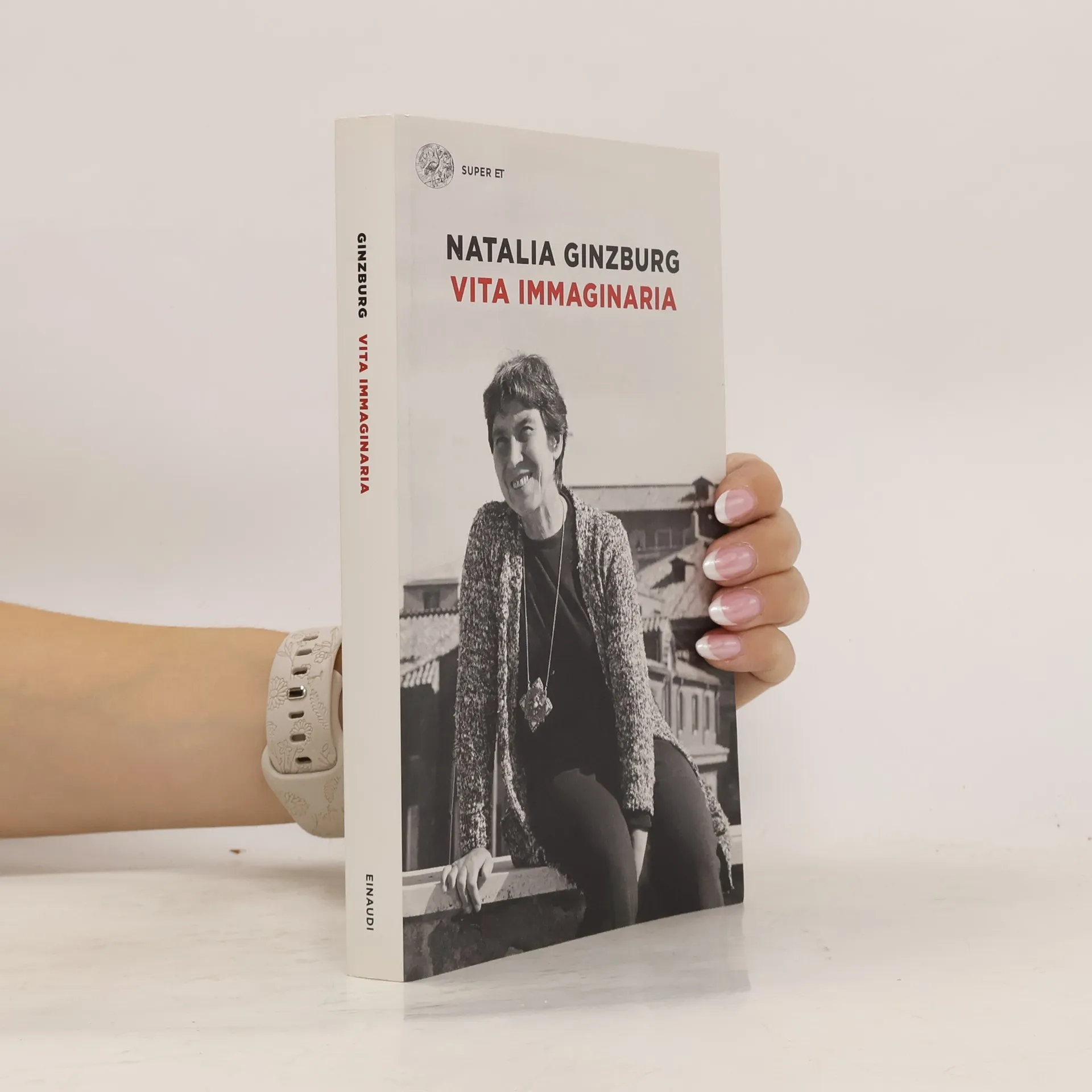
    • A differenza delle altre due madri della letteratura italiana del Novecento, Elsa Morante e Anna Maria Ortese, che arredano una “stanza tutta per sé” nei sortilegi affabulatori dell’immaginazione, Natalia Ginzburg resta sempre ben ancorata a «un posto dove tutto è chiaro, inesorabile e reale» (Vita immaginaria), invadendo di continuo l’orizzonte nel quale il canone dominante maschile è più forte e inattaccabile. Malgrado abbia preso le mosse da un territorio che poteva ricordare toni e accenti pavesiani, il realismo della narrazione ginzburghiana trova una strada molto personale, perché scopre una via per dare respiro a quel «piccolo spazio di realtà» in suo possesso, provando a far crescere da quelle «piccolissime porzioni di verità» distillata dalla sua esperienza «un ricco suolo di verità sulla terra». In tale direzione Ginzburg si serve di altri due elementi che definiscono il suo stile e che percorrono in modo trasversale forme e generi da lei sperimentati: una “poetica degli oggetti”, che lega la scrittura all’hic et nunc del proprio tempo, e una tensione morale, forza opposta a quella, che apre dentro l’orizzonte del presente una breccia verso il dover essere, se non del migliore dei mondi possibili, almeno di un universo differente dallo scenario opaco dell’oggi.

      Vita immaginaria
      4,0
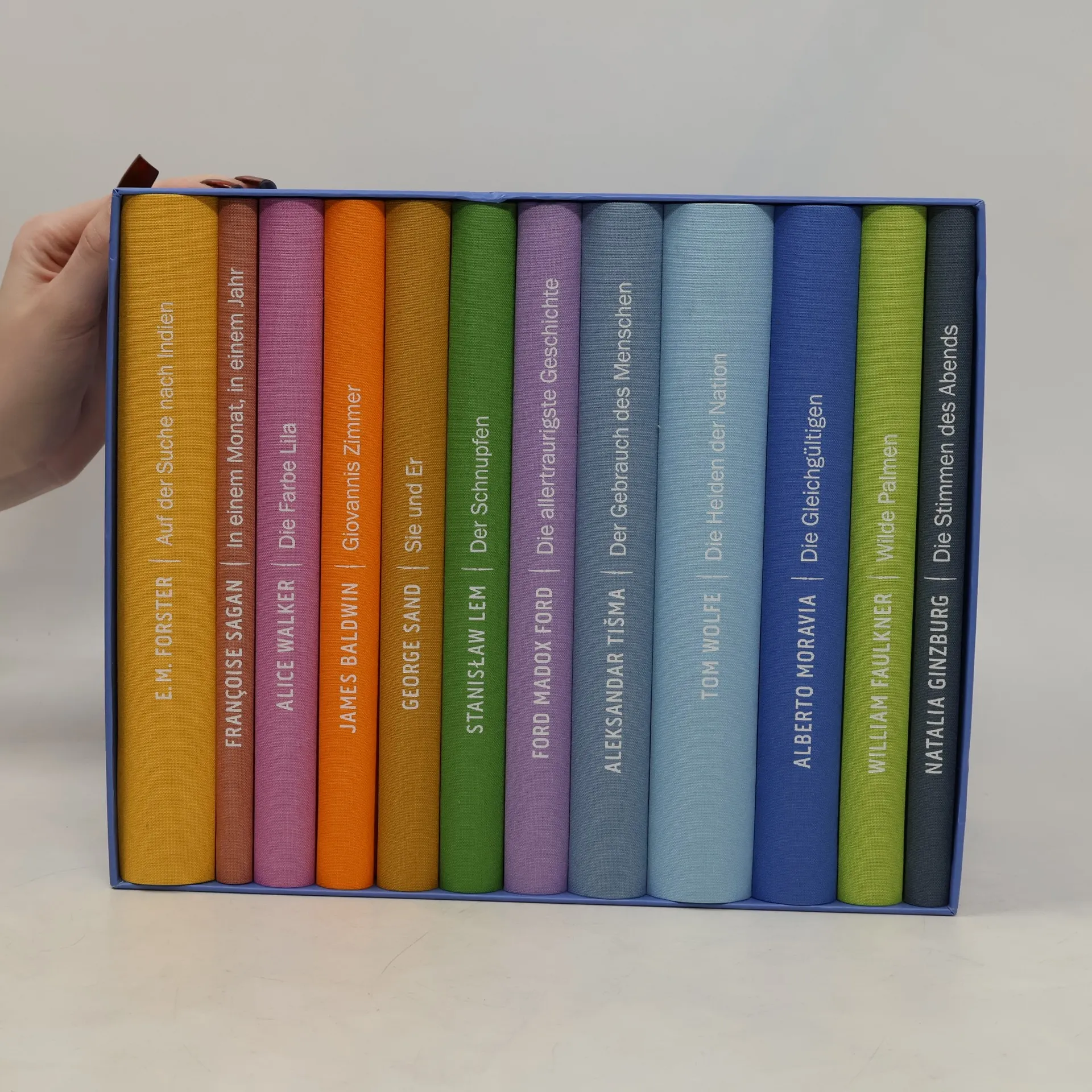
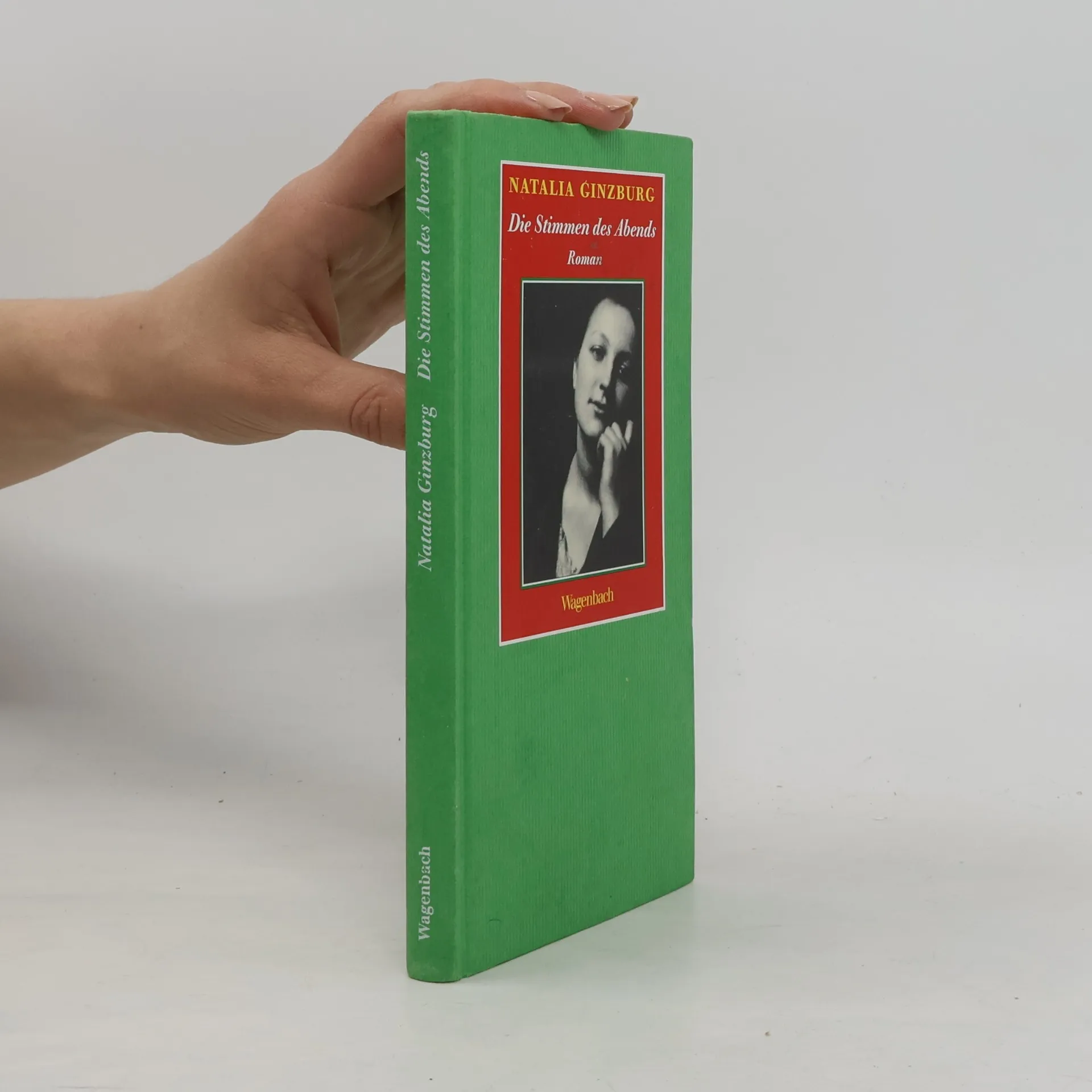
    • Die Stimmen des Abends.

      • 126pages
      • 5 heures de lecture

      'Es ist der schönste Roman, den Natalia Ginzburg geschrieben hat. Dieses Gespür für Familiengeschichten und ihre Verflechtung, das ist etwas, das nur noch sie besitzt.' sagte Italo Calvino über dieses Buch. Eines von 12 bisher vergriffenen Meisterwerken aus der ZEIT Bibliothek der verschwundenen Bücher.

      Die Stimmen des Abends.
      4,1
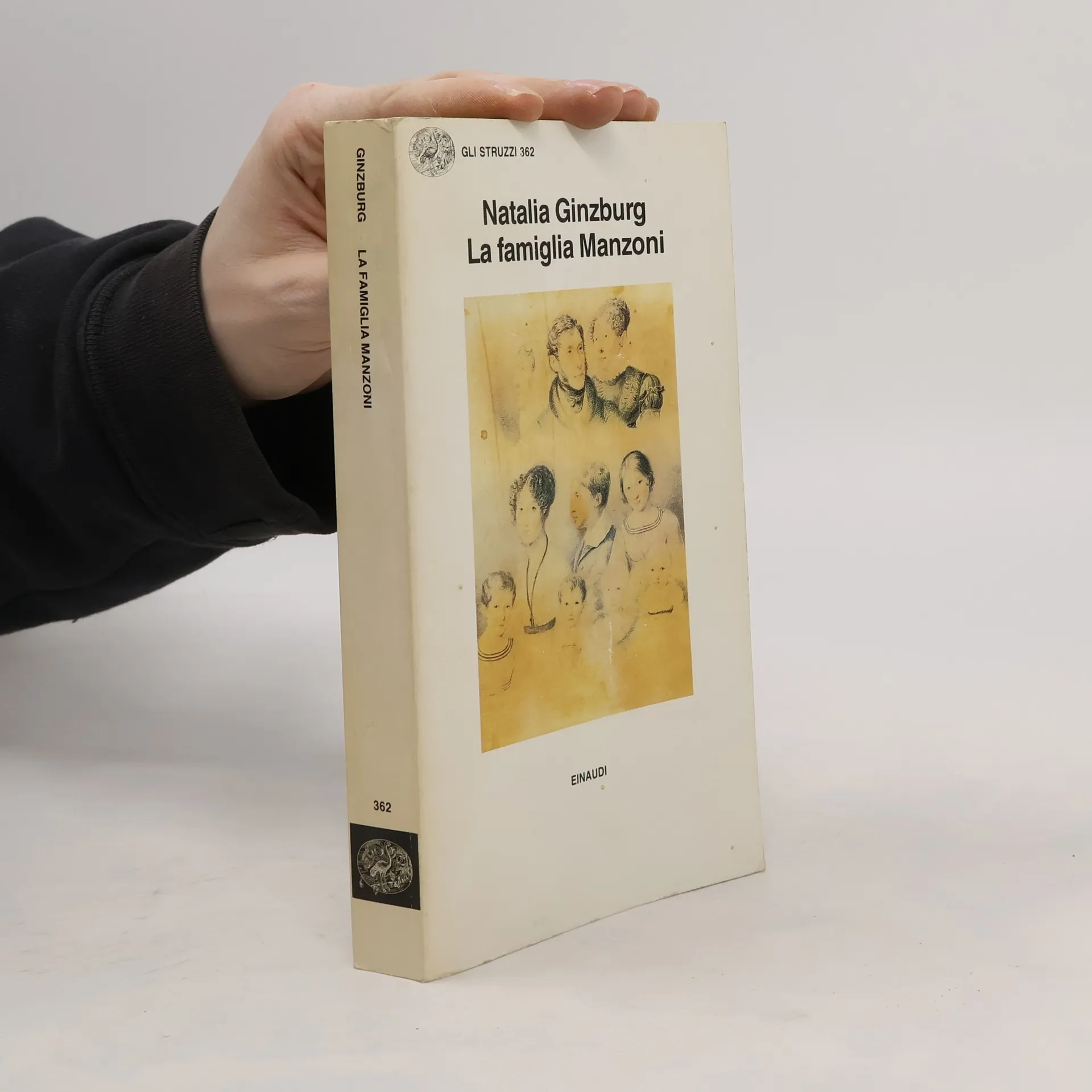
    • Gli Struzzi - 362: La famiglia Manzoni

      • 347pages
      • 13 heures de lecture

      Set in ducal Italy and post-revolutionary France, The Manzoni Family tells a rich story of passions, writing, rivalries, deaths, and war. It pivots on the figure of Alessandro Manzoni, celebrated Milanese nobleman, man of letters, and author of the masterpiece of nineteenth-century Italian literature, I promessi sposi ( The Betrothed ). But the tale begins with the matriarchal figure of Giulia, the mother whom the young poet found in Paris after she had abandoned him as an infant. There is Enrichetta, the woman he and his mother chose to be his wife, and the many children she had by him until her death; literary friends from the beau monde in Italy and Paris; and Alessandro's second wife, Teresa, and her children. Against the background of Napoleonic occupation, the reestablishment of Austrian hegemony, and the stirrings of the revolutionary urge for unification and independence, Ginzburg weaves the story of an entity, the Manzoni family, that seems to grow autonomously around the life of the writer and to incorporate all the epic tumult and emotion of the age.

      Gli Struzzi - 362: La famiglia Manzoni
      3,7
    • Eine Frau hat ihren Mann ermordet und erzählt, wie es dazu kam, kommen musste. Die lakonisch erzählte Geschichte einer klassischen Dreierbeziehung: Liebe, Leidenschaft, Verzweiflung, Eifersucht – und am Ende ein tödlicher Schuss. Mit diesem von Italo Calvino enthusiastisch begrüßten Roman erlebte Ginzburg, die zu den bedeutendsten modernen Autoren Italiens zählt, ihren literarischen Durchbruch.

      Wagenbachs andere Taschenbücher - 775: So ist es gewesen
      3,9
    • Einaudi Tascabili - 898: Caro Michele

      • 186pages
      • 7 heures de lecture

      La famiglia è distrutta, i personaggi sono dispersi, divisi dall'incomunicabilita e destinati alla solitudine, Michele, il figlio, e lontano rispetto alla madre che gli scrive, ma non solo fisicamente, anzi principalmente nelle idee, nelle esigenze, nei dolori.

      Einaudi Tascabili - 898: Caro Michele
      4,0
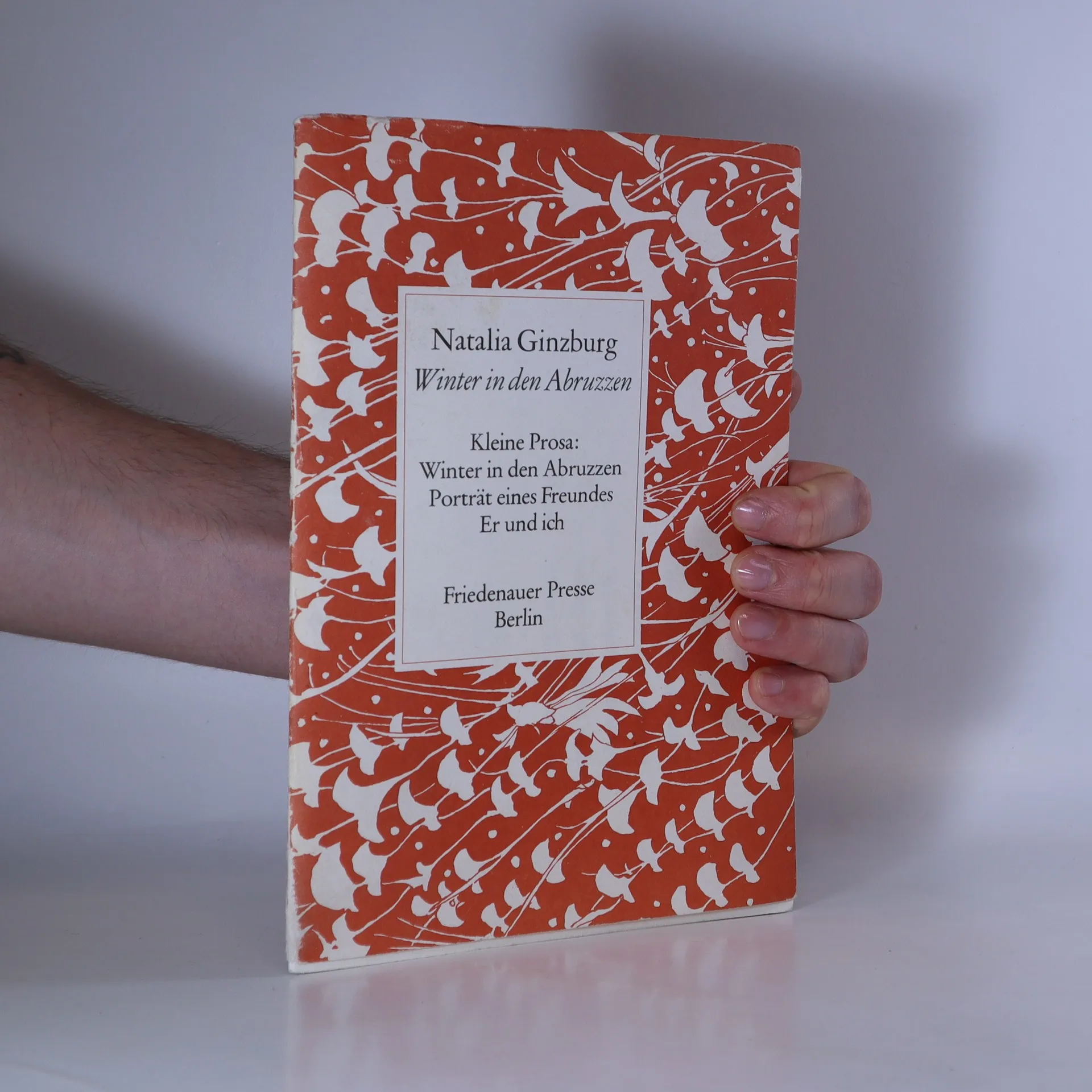
    • Natalia Ginzburg beschreibt ihre Umgebung durch Tatsachen, Handlungen und Worte, ohne sie zu interpretieren. Zudem wird angemerkt, dass ein wichtiger Text von Gorki in Deutschland bislang nicht verfügbar war.

      Winter in den Abruzzen. Kleine Prosa
      2,5
    • Anton Čechov

      • 91pages
      • 4 heures de lecture

      Das Portrait eines kurzen, bescheidenen Lebens und eines sehr folgenreichen > Schreibens ohne Kommentar<. Mit ihrer großen Kenntnis innerfamiliärer Konstellationen und stiller Leidenschaften erzählt Natalia Ginzburg das kurze Leben Anton C? echovs (1860–1904), von der Jugend im südrussischen Taganrog und den frühen Jahren in Moskau, den ersten Versuchen als humoristischer Schriftsteller und der Arbeit als Landarzt, bis zur Reise in die Straflager der Insel Sachalin, zu den ersten Erfolgen als Theaterautor, der Erkrankung, den letzten Jahren in Jalta und dem Tod in Badenweiler.

      Anton Čechov
      3,3
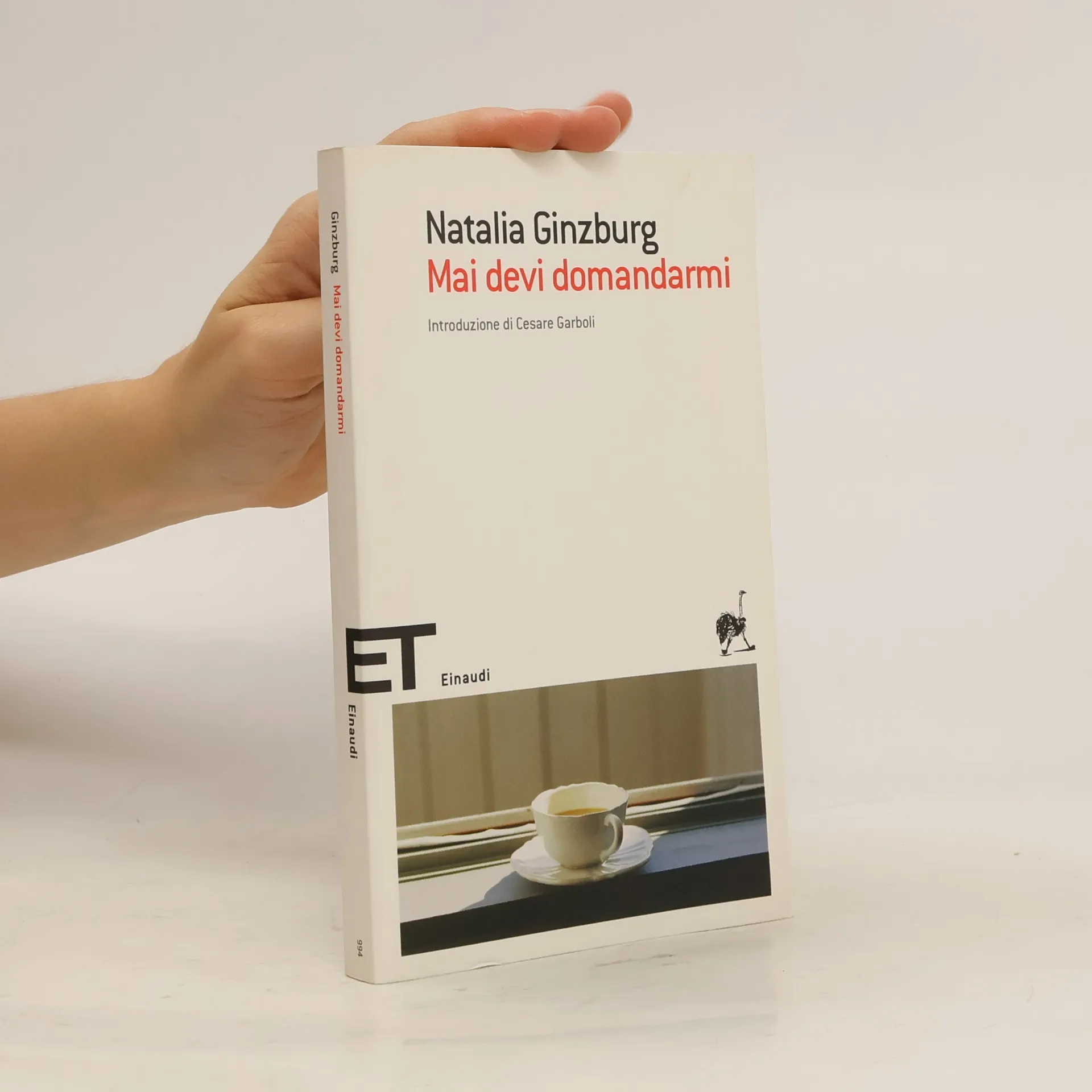
    • Mai devi domandarmi

      • 244pages
      • 9 heures de lecture

      La solitudine dell'infanzia e lo stupore della vecchiaia, i film visti e i libri letti, le esperienze di lavoro, la psicanalisi, la musica lirica (il titolo è tratto dal libretto del Lohengrin ), le faccende domestiche, la politica, il credere o il non credere in Dio: i brevi saggi raccolti in questo volume risalgono alla fine degli anni Sessanta e stanno idealmente accanto alle Piccole virtù . Somigliano alle pagine di quel diario che l'autrice dichiarava di non tenere. Di certo sono vicini, per affinità tematica e sapienza di racconto, a Lessico famigliare e, come altrove nell'opera di Natalia Ginzburg, sono inseparabili dalla vocazione del narrare di sé. Nella loro casualità, nel loro placido disordine quotidiano, affrontanno questioni che appartengono a ciascuno di noi. Mai devi domandarmi diventa cosí un'esperienza familiare, un oggetto destinato a farci compagnia giorno dopo giorno. Con la cronologia della vita e delle opere, la bibliografia ragionata e l'antologia della critica.

      Mai devi domandarmi
      3,5
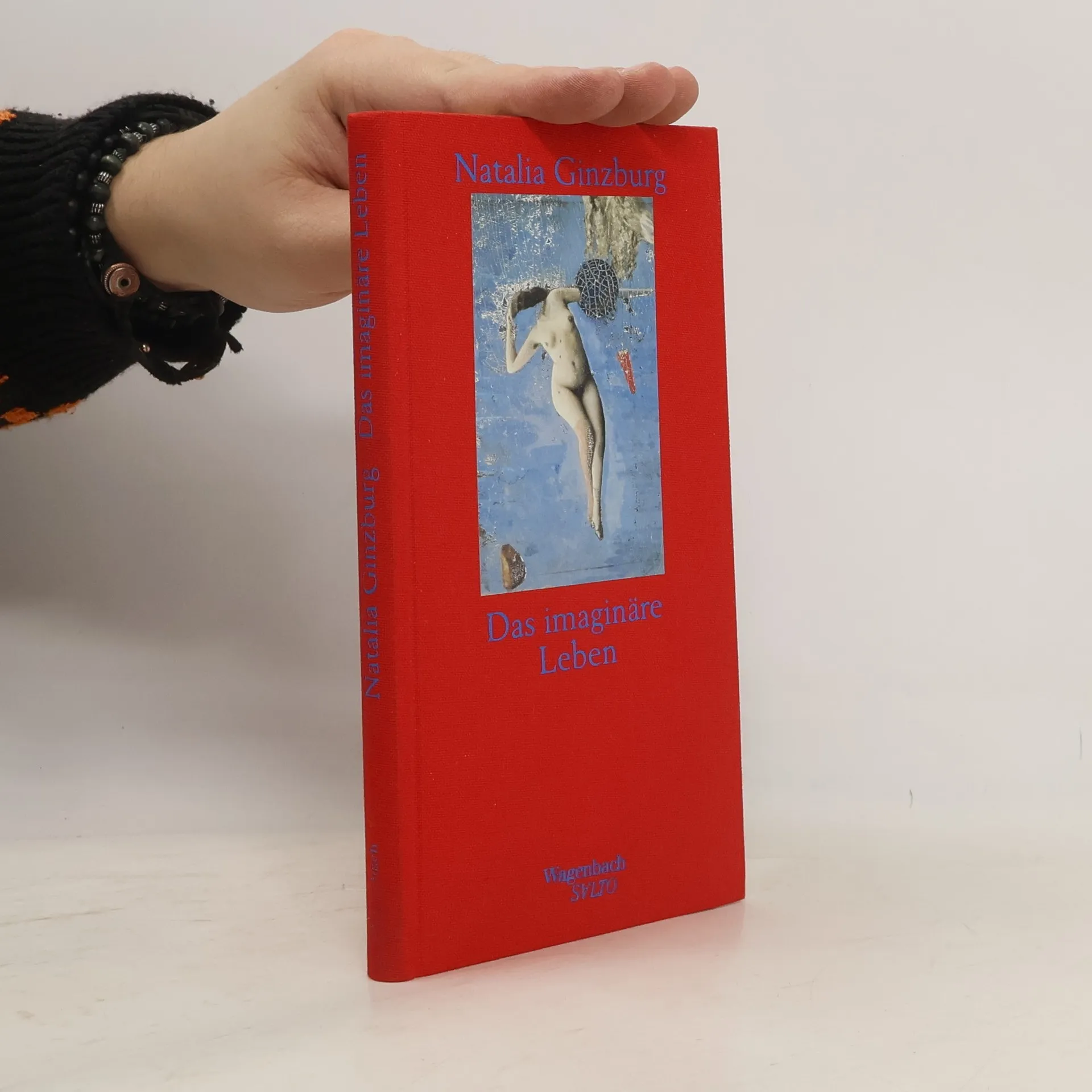
    • Verblüffend aktuell sind die Überlegungen Natalia Ginzburgs, sie scheinen geradezu auf unsere heutige Zeit zu treffen. Es ist vor allem die Erfahrung, dass es immer weniger Dinge gibt, derer man sich sicher sein kann. Warum es so schwierig ist, zwischen Opfer und Unterdrücker zu unterscheiden. Wieso wir Stolz auf die Stadt empfinden, die wir zum Leben gewählt haben, obwohl sie laut und überfüllt ist. Dass politisch denken und sich politisch äußern immer bedeutet, eine genaue Absicht zu verfolgen. Dass die Laster der Erziehung in unseren Geist eingeritzt bleiben wie Tätowierungen und dass wir unser Erwachsenenleben damit verbringen, diese zu tilgen. Dass es heute schwieriger ist, alt zu werden, als früher. Dass uns der Instinkt dazu drängt, Position zu ergreifen, aber die einzige Wahl, die uns bleibt, ist, auf der Seite jener zu sein, die zu Unrecht sterben oder leiden. Warum es falsch ist, in der eigenen Herkunft Gründe zum Stolz zu entdecken. Und weshalb wir nicht an unsere eigene Freiheit denken sollten, sondern an die der anderen.

      Das imaginäre Leber
      2,0
    • Uscito nel 1942 sotto lo pseudonimo di Alessandra Tornimparte, La strada che va in città è la storia di una ragazza che sceglie di fare un matrimonio d'interesse, di prendere la strada che va in città. Per poi accorgersi che il vero amore è altrove. Passioni senza via di uscita, vite alla deriva, anime alla ricerca di un approdo sicuro dove lenire le proprie delusioni: con uno sguardo impietoso ma distaccato, Natalia Ginzburg, in questo suo primo romanzo, descrive la solitudine di un'esistenza che nel gioco della memoria rievoca ciò che le è passato accanto come un mistero incomprensibile e inafferrabile.

      Einaudi Tascabili: La strada che va in città
      3,5
    • Pietro e Giuliana sono sposati da una settimana, dopo solo un mese che si conoscono. Pietro, avvocato, è di solida estrazione sociale, abituato a una vita borghese, pacata e regolare; mentre Giuliana è una spiantata, indolente e pasticciona, scappata di casa a diciassette anni, un po' svitata ma simpatica. Pietro ha invitato a pranzo per l'indomani sua madre, affinché metta da parte tutte le riserve sul conto di Giuliana e accetti lo stato di fatto, smettendola di crucciarsi.

      Collezione di teatro - 423: Ti ho sposato per allegria
      3,6
    • Ti ho sposato per allegria

      • 48pages
      • 2 heures de lecture

      La commedia ci introduce nel piccolo mondo della gente comune : la giovane Giuliana, che è venuta a Roma per diventare attrice, incontra dopo diverse disavventure Pietro, un giovane e ricco avvocato. Questi la sposa per "allegria", come lui dice, e non per "pietà", come invece suggerisce Giuliana. Una fortuna per una ragazza provera e senza istruzione sposare un uomo ricco e giovane !

      Ti ho sposato per allegria
      3,5
    • La famiglia Manzoni

      • 347pages
      • 13 heures de lecture

      «Ho tentato di rimettere insieme la storia della famiglia Manzoni; volevo ricostruirla, ricomporla, allinearla ordinatamente nel tempo. Avevo delle lettere e dei libri. Non volevo esprimere commenti, ma limitarmi a una nuda e semplice successione di fatti. Volevo che i fatti parlassero da sé. Volevo che le lettere, accorate o fredde, cerimoniose o schiette, palesemente menzognere o indubitabilmente sincere, parlassero da sé [...]. Il protagonista di questa lunga storia famigliare, non volevo fosse Alessandro Manzoni. Una storia famigliare non ha un protagonista; ognuno dei suoi membri è di volta in volta illuminato e risospinto nell'ombra. Non volevo che egli avesse più spazio degli altri; volevo che fosse visto di profilo e di scorcio, e mescolato in mezzo agli altri, confuso nel polverio della vita giornaliera. E tuttavia egli domina la scena; è il capo-famiglia; e gli altri certo non hanno la sua grandezza. E d'altronde egli appare piú degli altri strano, tortuoso, complesso...» (Natalia Ginzburg)

      La famiglia Manzoni
      3,4
    • Super ET: Diario

      L'alloggio segreto, 12 giugno 1942-1. agosto 1944 - Edizione italiana a cura di Frediano Sessi - Prefazione di Eraldo Affinati - Con uno scritto di Natalia Ginzburg

      • 360pages
      • 13 heures de lecture
      Super ET: Diario
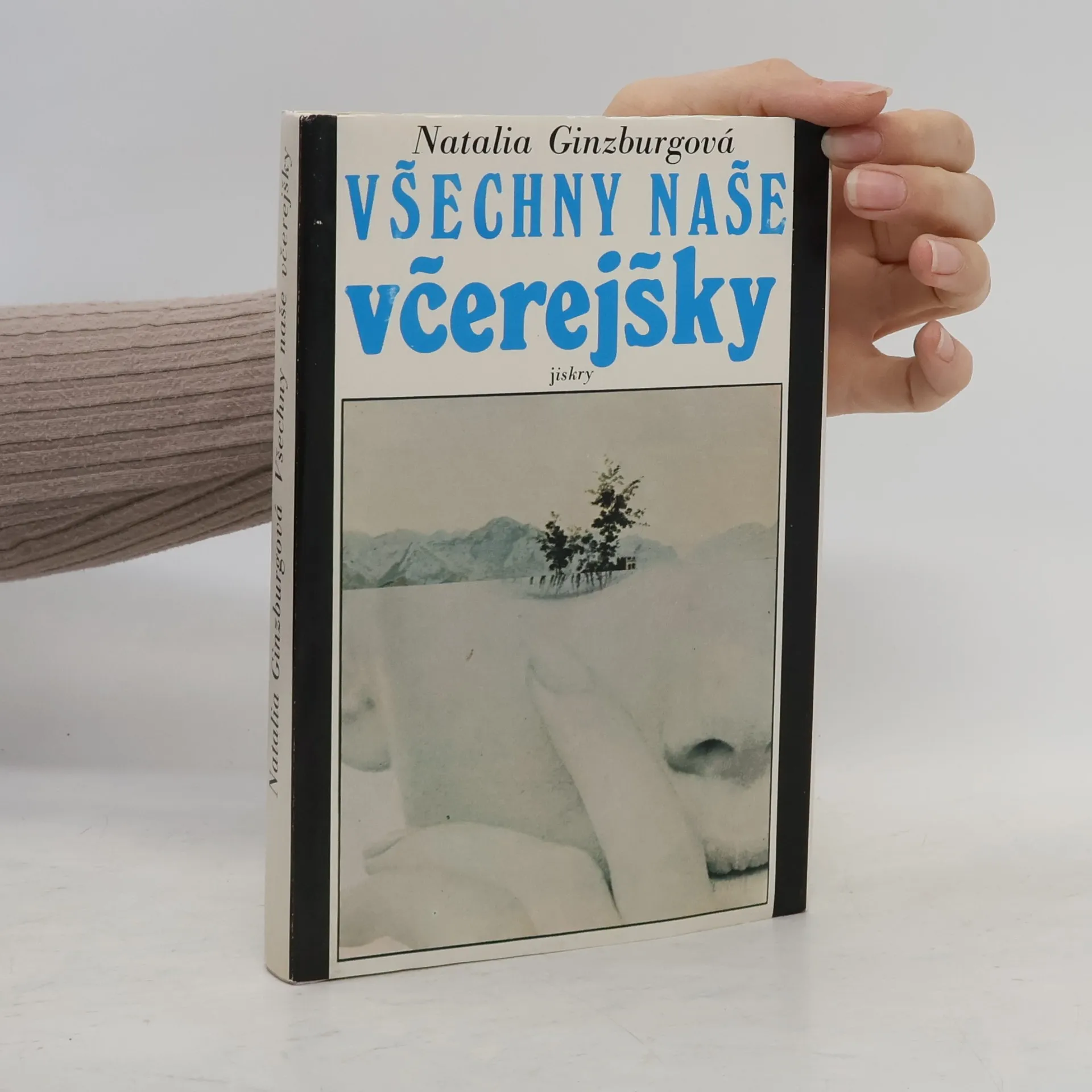
    • Román zavádí čtenáře do severoitalského městečka v předvečer druhé světové války. Dospívající studentka Anna intenzívně prožívá osobní, rodinné i společenské události, chvíle štěstí, první lásku a zklamání, ztrátu jistot a iluzí i tragické a dramatické situace. Svět kolem sebe vidí bezelstnýma očima šestnáctileté dívky, která se dovede dívat upřímně a nelítostně. A právě tento pohled čtenáře strhne, připomene mu vlastní mládí, kdy se rozhodoval sám a bez cizí pomoci, kdy ztrácel dětská kamarádství a uzavíral - mnohdy obtížně a bolestně -nová životní přátelství a trvalé svazky. Natalia Ginzburgová nekomentuje, nesoudí, nechává promlouvat události. Příběh Anny, jejích sourozenců a přátel je zachycen se smyslem pro psychologický a přitom společensky obsažný detail. Vzniká tak docela ojedinělé spojení emotivního přístupu k životnímu materiálu s nenásilným, ale důkladným rozlišením postav podle společenských kritérií. Autorka současně dokáže zbavit gesta svých postav rétoriky a naplnit je umělecky průkazným a svěžím realismem. A tak románu nechybí ani historický půdorys doby, ani její prožitek, ani jedinečné a poutavé životní osudy.

      Všechny naše včerejšky
    • Pět prací pěti italských autorů, z nichž každý představuje výrazný a odlišný typ. Jestliže každá z těchto próz představuje proto vždy i jiný přístup k realitě, jedno zůstává všem těmto povídkám společné: je to hluboké a upřímné úsilí o poznání pravé tváře dnešního člověka. 1. Alberto Moravia: Neposlušnost; 2. Giorgio Bassani: Dlouhá noc v 43.; 3. Italo Calvino: Sčítatelův den; 4. Natalia Ginzburgová: Ve znamení střelce; 5. Umberto Simonetta: Až do rána. Doslov napsal Josef Felix.

      5 italských novel
    • Vzal jsem si tě pro zábavu / Oberon

      • 97pages
      • 4 heures de lecture

      Publikace vyšla v rámci projektu Itálie v Praze - Cesty divadla 2004. Scénické čtení her se uskutečnilo v Divadle Kolowrat ve dnech 11.-12. prosince 2004.

      Vzal jsem si tě pro zábavu / Oberon
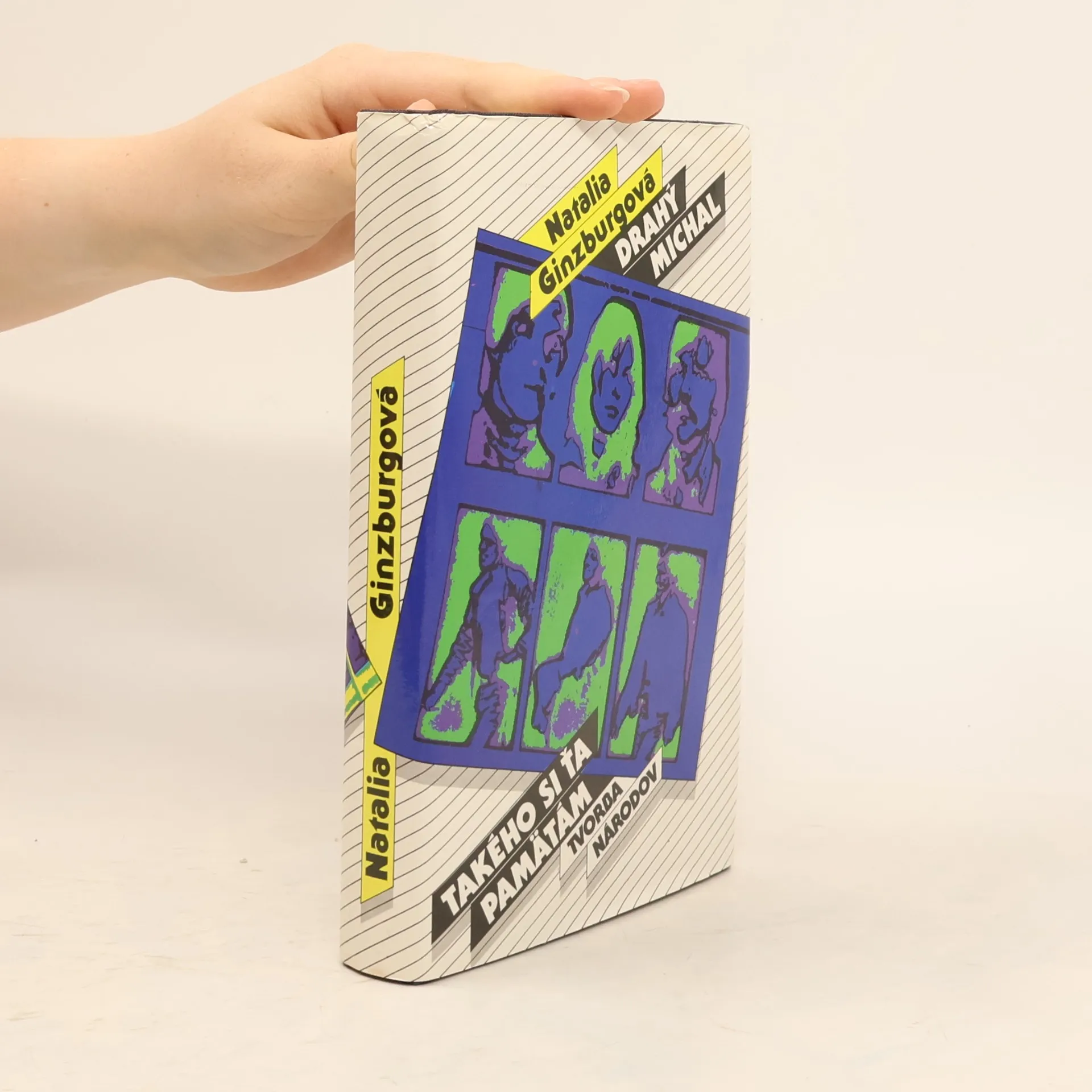
    • Drahý Michal / Takého si ťa pamätám

      • 391pages
      • 14 heures de lecture

      Drahý Michal je vskutku údesnou kronikou bezútešného a nezadržateľného rozkladu zámožnej rímskej rodiny, ktorým sú nemilosrdne poznačení a zasiahnutí všetci jej členovia. Rovnako krutý obraz ponúka aj druhý román Takého si ťa pamätám. Obidve diela spája tragické a nečakané rozuzlenie.

      Drahý Michal / Takého si ťa pamätám
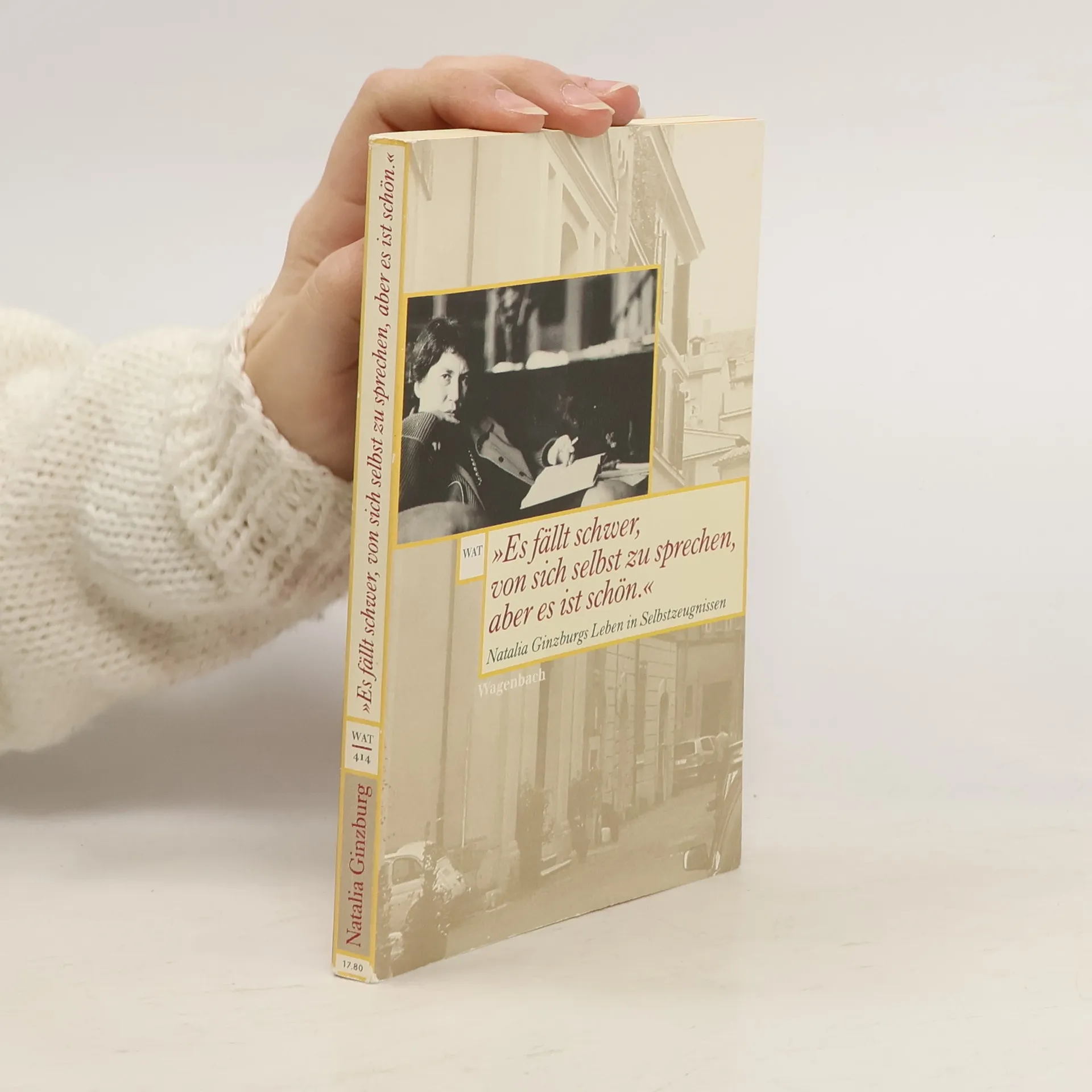
    • Es fällt schwer, von sich selbst zu sprechen, aber es ist schön.

      Natalia Ginzburgs Leben in Selbstzeugnissen

      • 121pages
      • 5 heures de lecture

      Über eine der großen intellektuellen Frauengestalten Italiens, Natalia Ginzburg, hat ihre Biographin Maja Pflug diesen Band zusammengestellt: mit autobiographischen Texten und bisher nicht übersetzten Interviews. Die Schriftstellerin Natalia Ginzburg gehörte zu den bedeutendsten ihrer Generation: als Frau, die über das Leben der Frauen und über ihre Beziehungen schrieb. Als Chronistin der Zerstörung der jüdischen Intelligenz ebenso wie des Widerstands. Als Autorin, die mit ihrer kühlen, distanzierten Sprache einen Beitrag leistet zur Reinigung und Wiederbelebung einer der schönsten Sprachen nach dunkler Zeit. Als Lektorin und Beraterin des Einaudi-Verlags, die teilnahm am literarischen Leben Italiens. Die Intellektuelle Natalia Ginzburg wurde zu einer moralischen Instanz, nicht nur als jemand, der auf den Zeitungsseiten politische Fragen öffentlich diskutierte, sondern auch als unabhängige Abgeordnete die parlamentarische Arbeit beeinflusste.

      Es fällt schwer, von sich selbst zu sprechen, aber es ist schön.