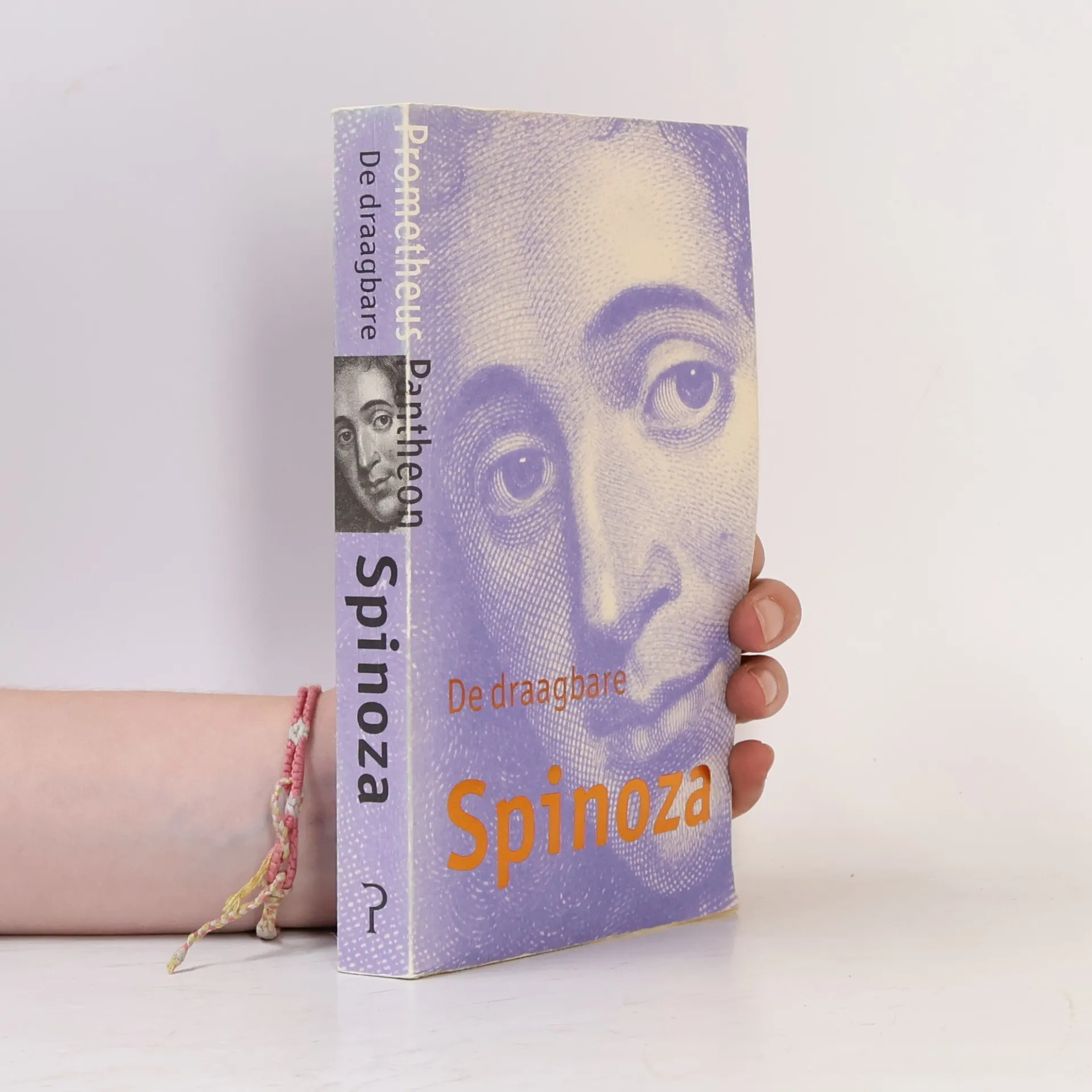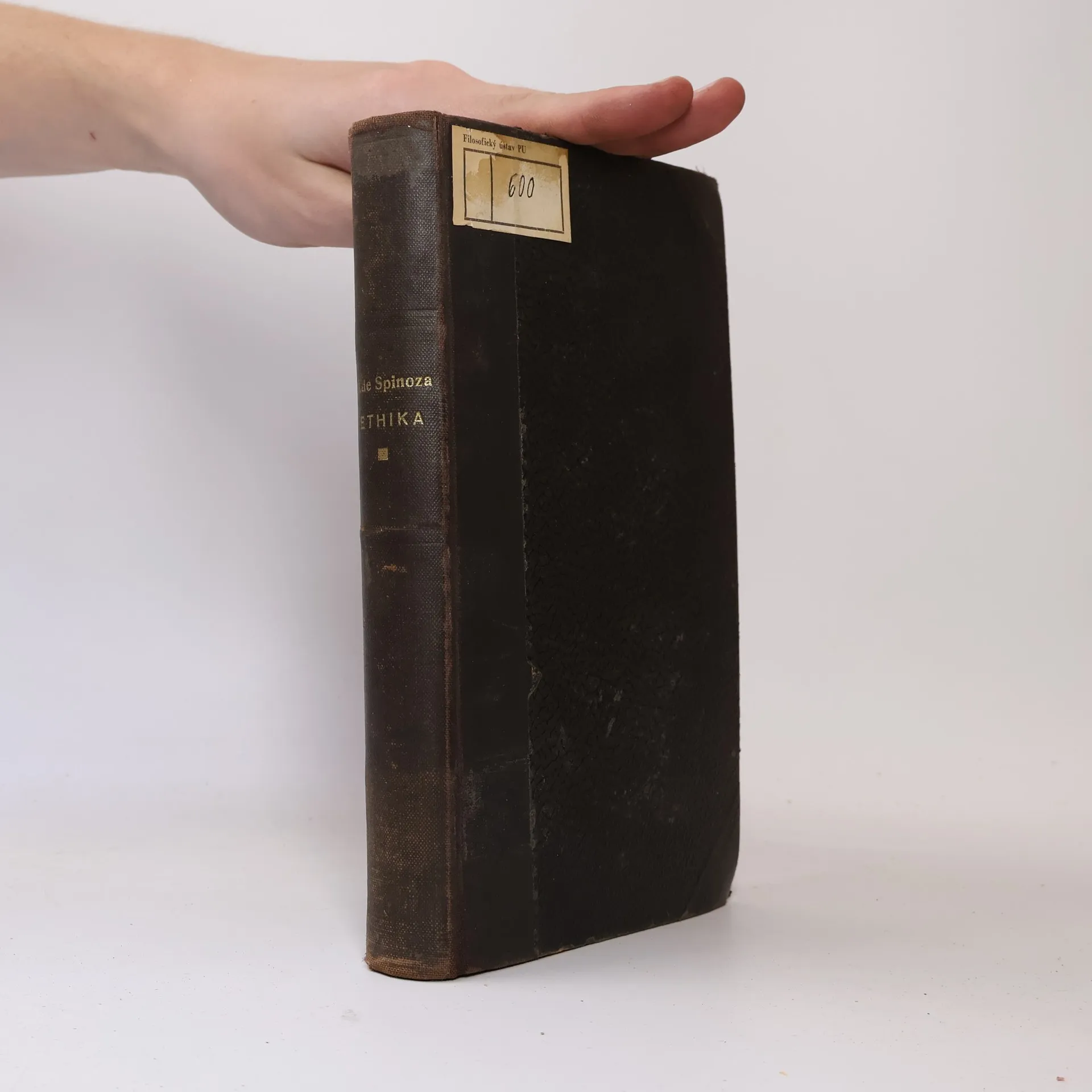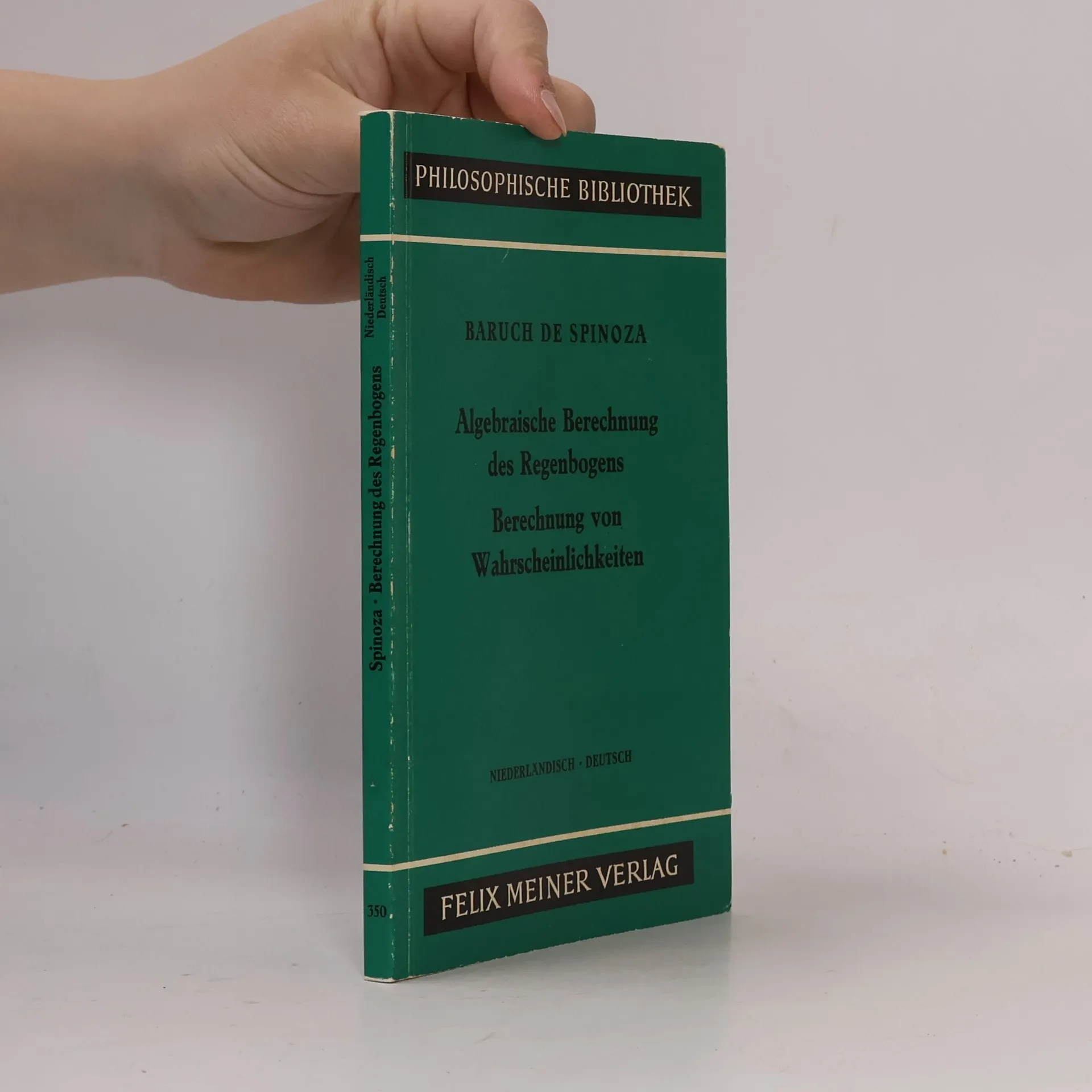
Bookbot

Benedictus de Spinoza

    24 novembre 1632 – 21 février 1677
    Benedictus de Spinoza
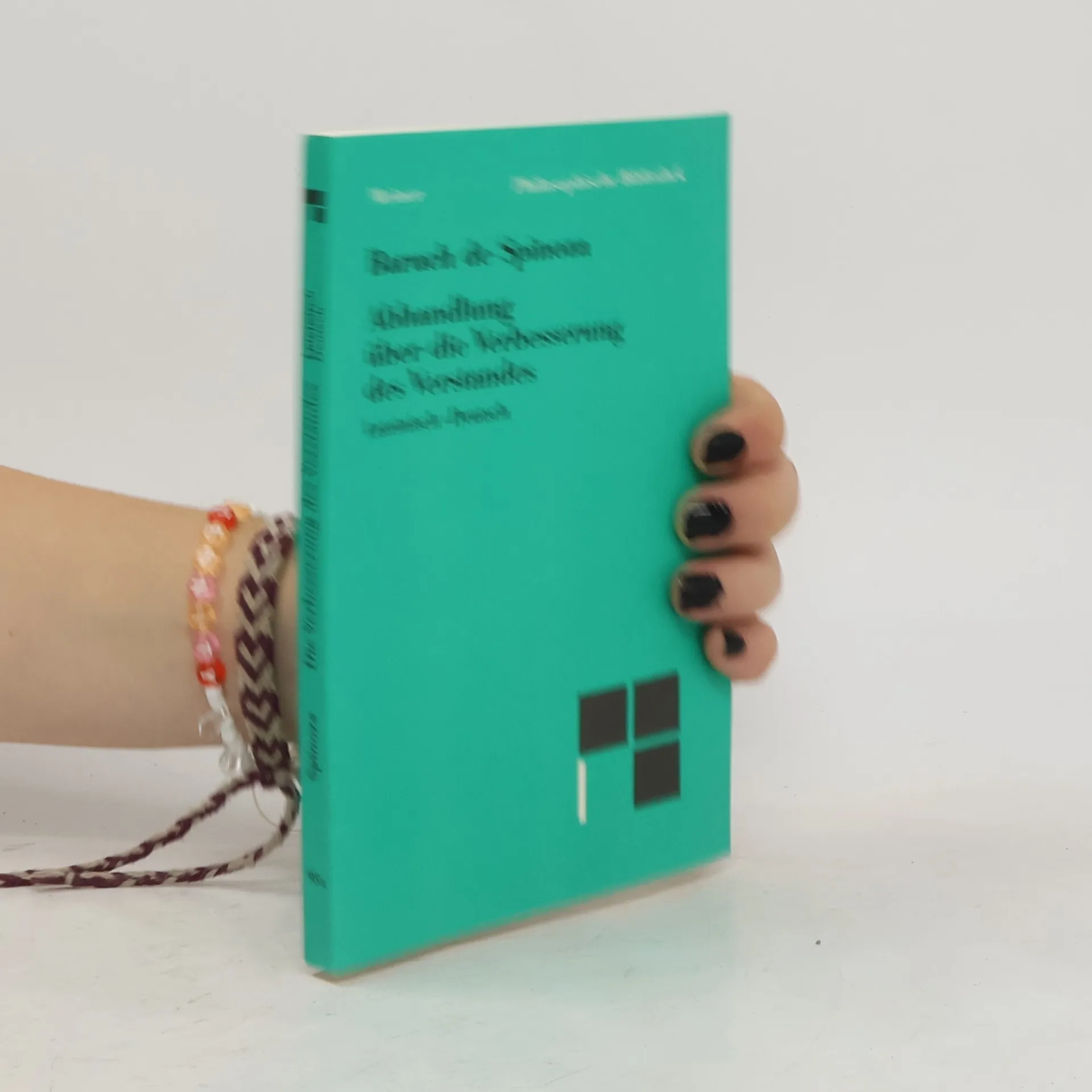
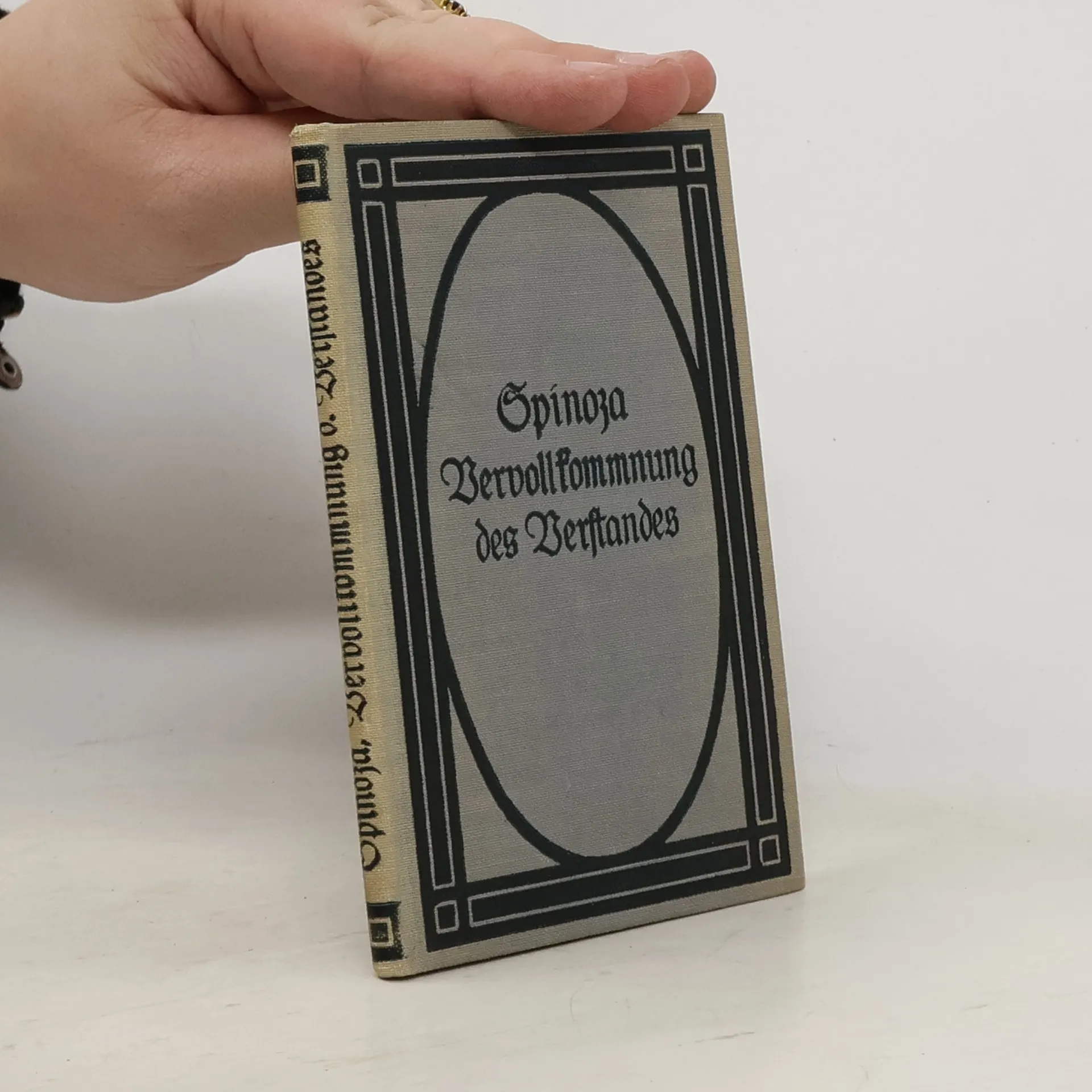
    On the Improvement of the Understanding.
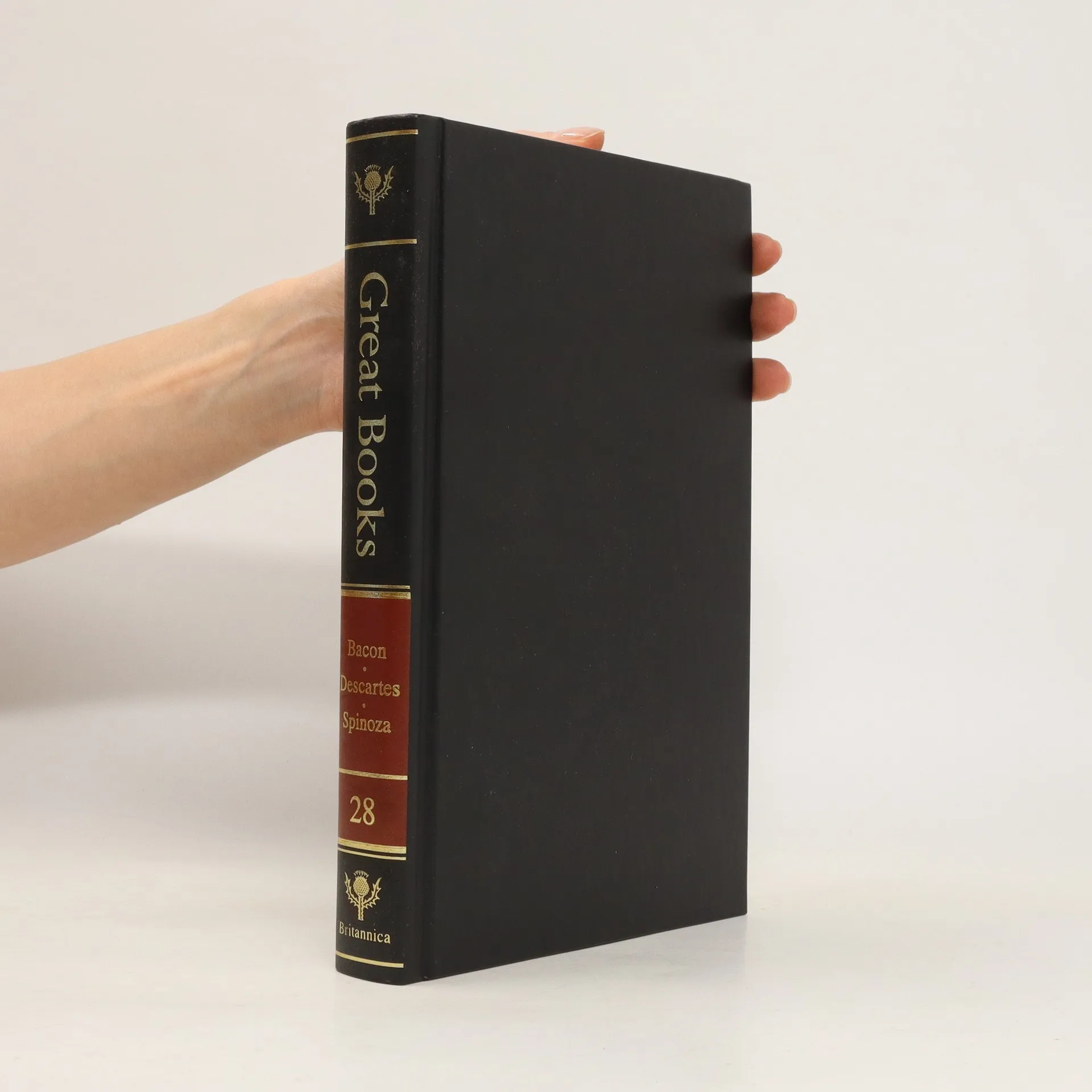
    Great Books 28. Bacon, Descartes, Spinoza
    The Collected Works of Spinoza, Volume II
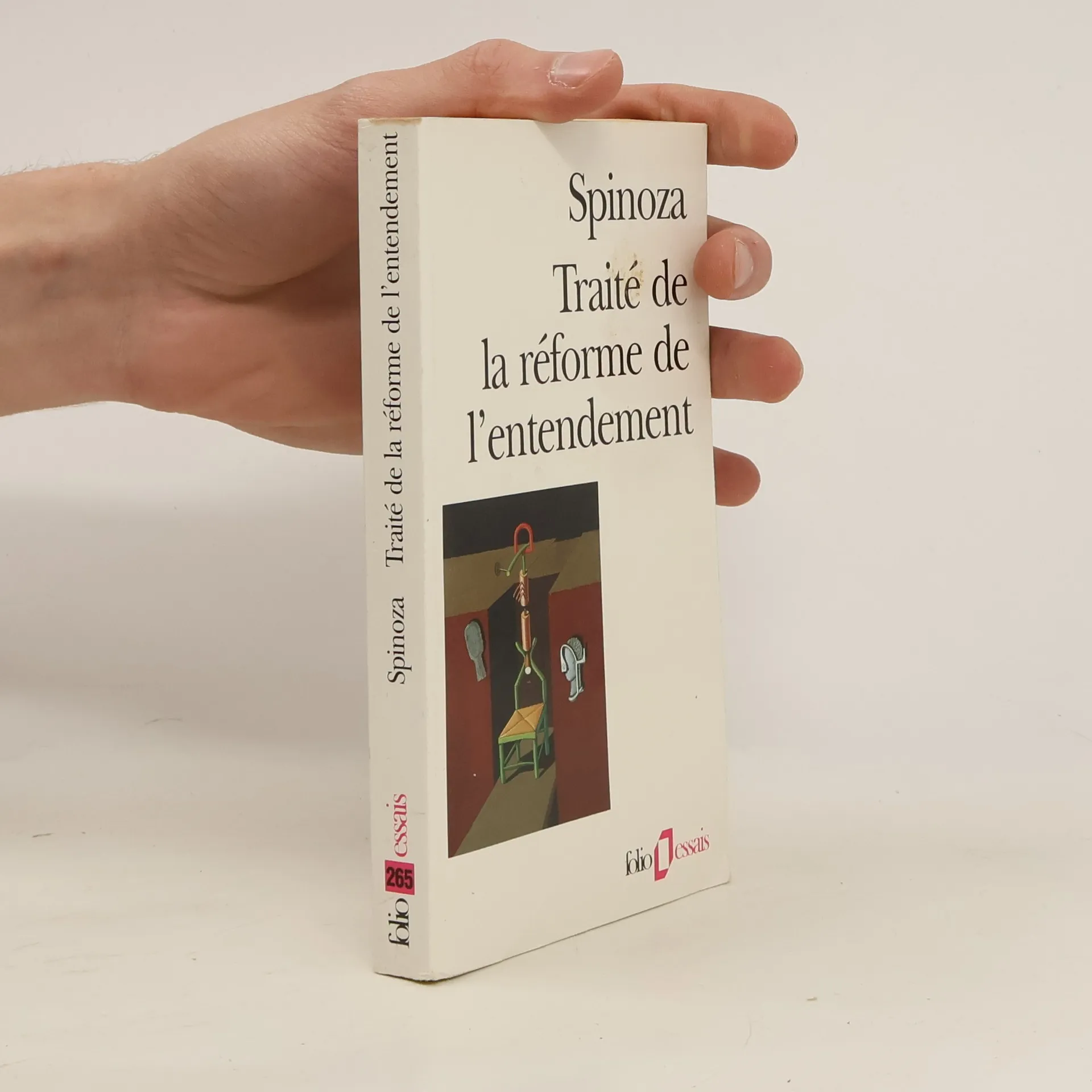
    Traité de la réforme de l'entendement
    Œuvres
    Les Classiques de la Philosophie: Traité politique
    • The Political Treatise, Spinoza's final work, is a largely theoretical inquiry into the fundamental principles of political philosophy. This edition offers an exceptional translation by Samuel Shirley and a prefactory essay by Douglas Den Uyl that discusses why the Political Treatise deserves the attention of contemporary scholars. Steven Barbone and Lee Rice provide ample notes, a substantial bibliography, complete indexes of names and terms, and a comprehensive general introduction, which considers the evolution of Spinoza's political thought in the context of the Political Treatise to a full understanding of Spinoza's political philosophy.

      Les Classiques de la Philosophie: Traité politique
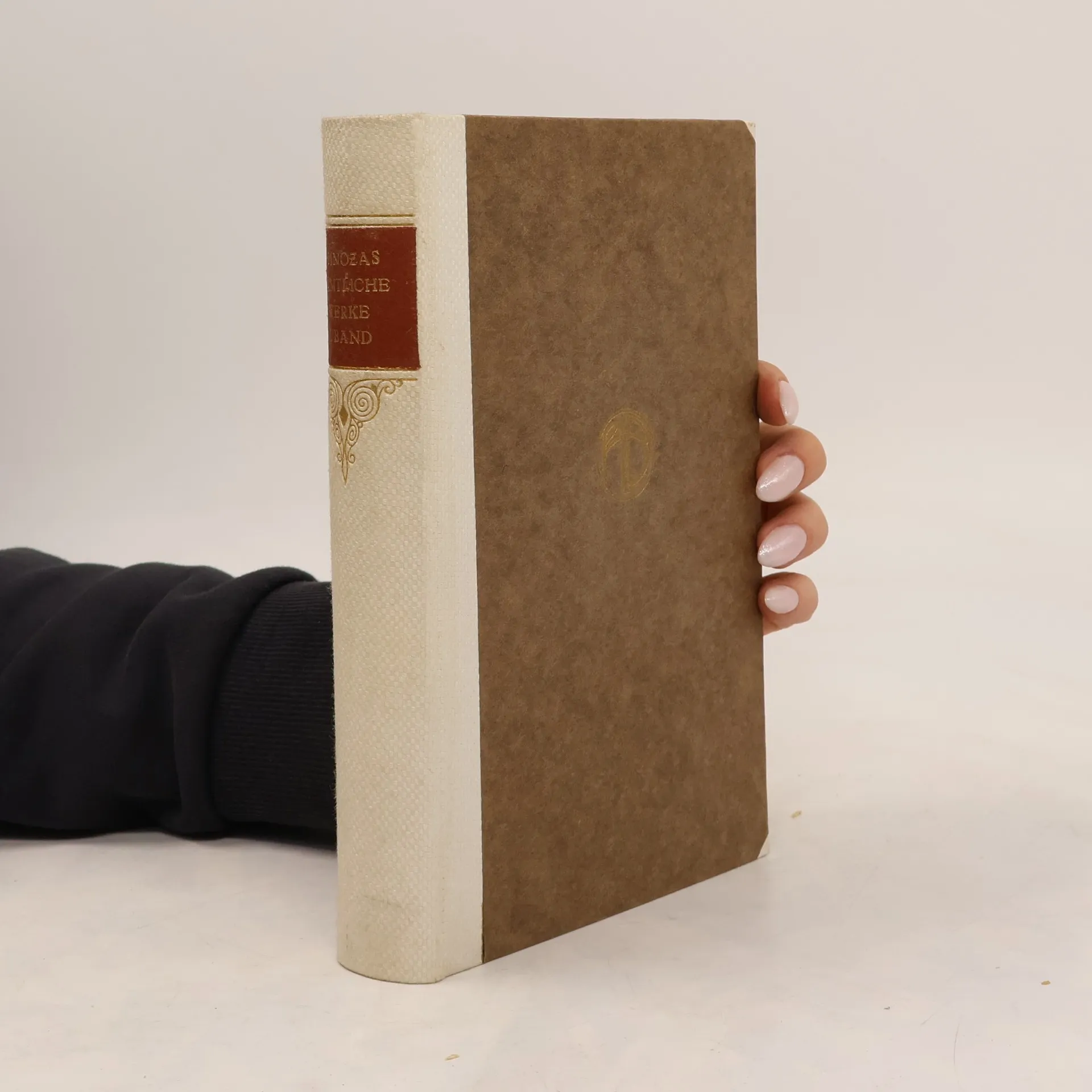
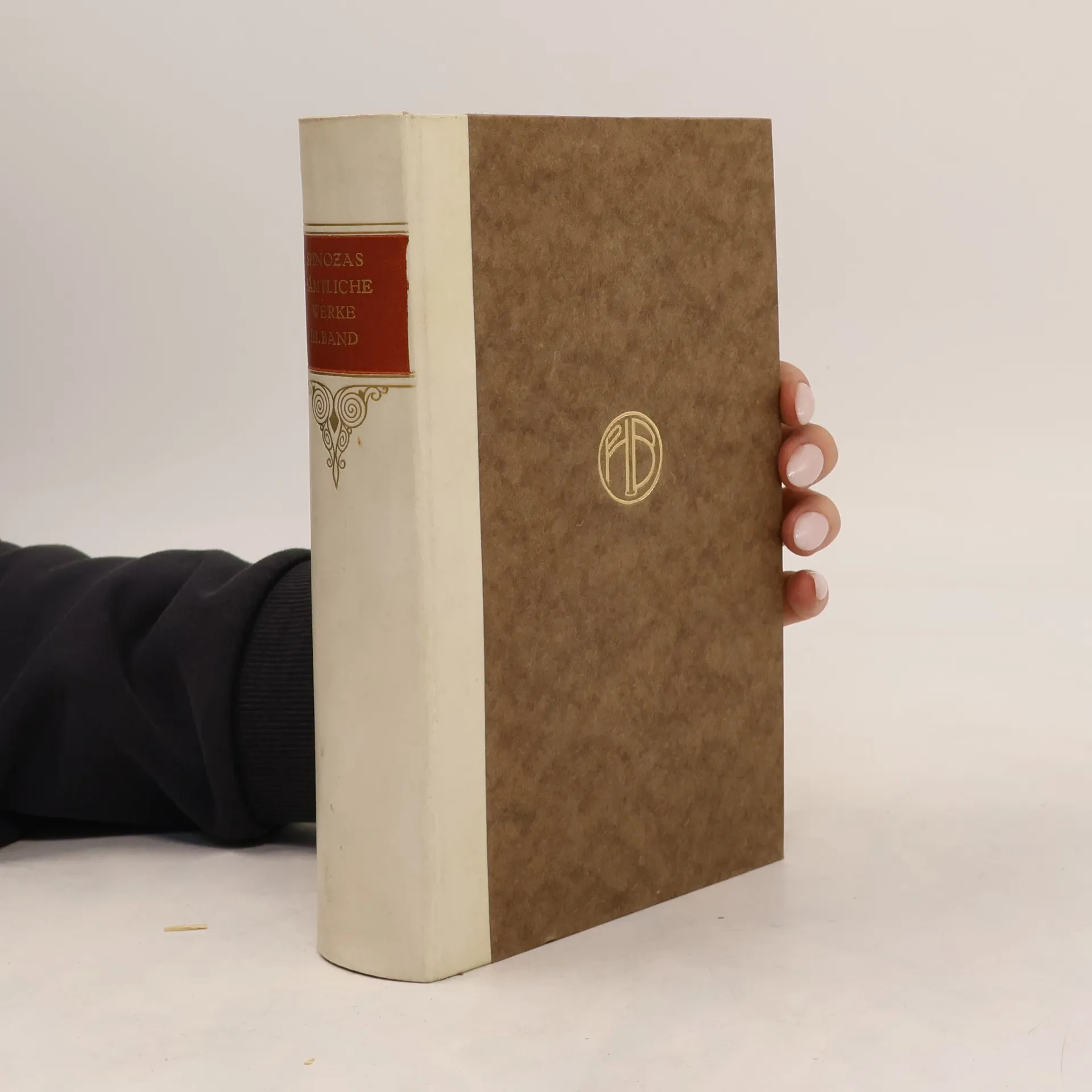
    • The Collected Works of Spinoza, Volume II

      • 792pages
      • 28 heures de lecture
      4,8(18)Évaluer

      Edwin Curley's edition of Spinoza's work presents a groundbreaking translation that balances philosophical insight with readability, making complex ideas accessible to English-speaking readers. His meticulous notes reflect the latest textual scholarship, enhancing the reader's understanding. Additionally, a multilingual glossary-index aids in navigating Spinoza's unique vocabulary. This comprehensive edition is poised to become a vital resource for both students and scholars, ensuring its relevance for years to come.

      The Collected Works of Spinoza, Volume II
    • 4,3(4)Évaluer

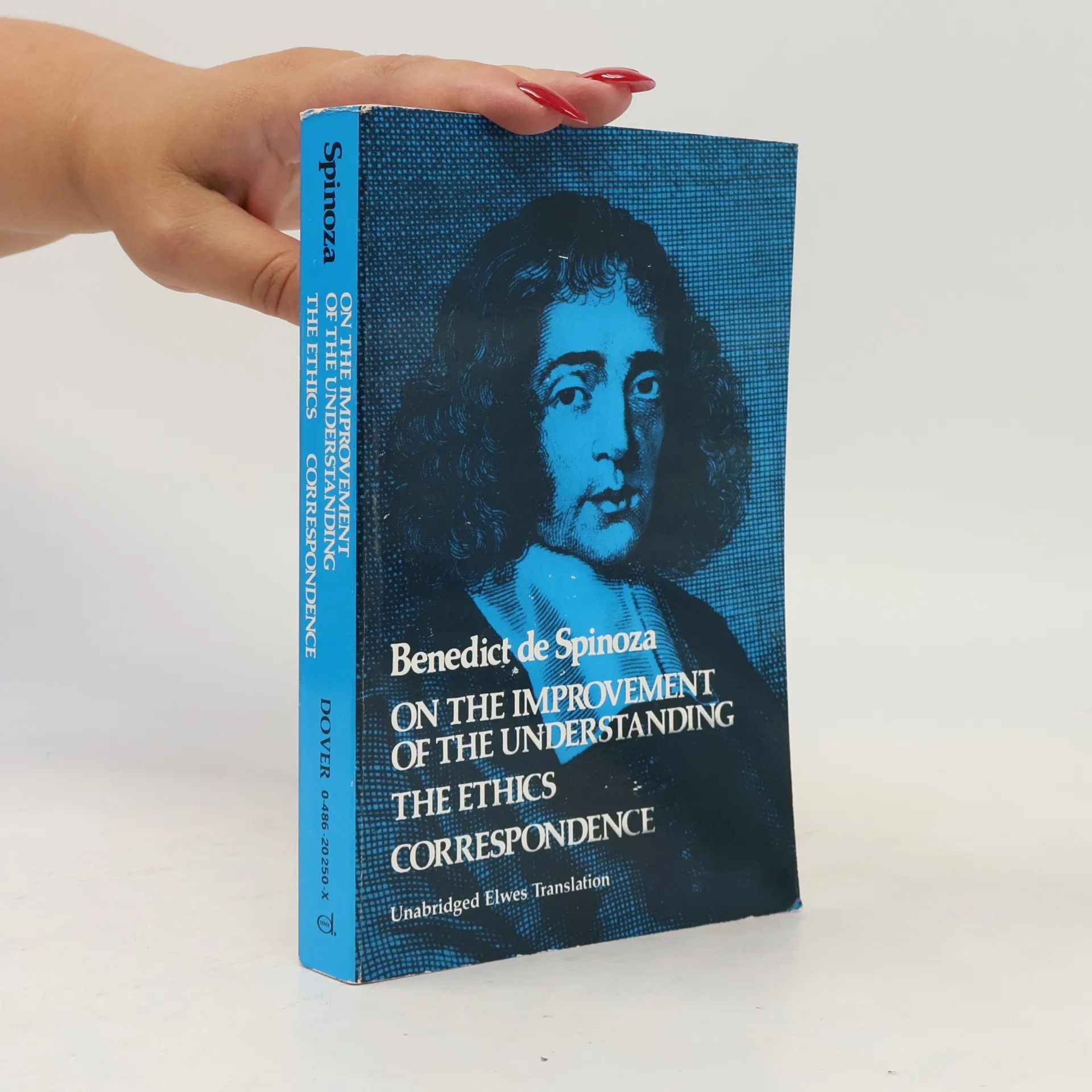
      After experience had taught me that all the usual surroundings of social life are vain and futile; seeing that none of the objects of my fears contained in themselves anything either good or bad, except in so far as the mind is affected by them, I finally resolved to inquire whether there might be some real good having power to communicate itself, which would affect the mind singly, to the exclusion of all else: whether, in fact, there might be anything of which the discovery and attainment would enable me to enjoy continuous, supreme, and unending happiness.

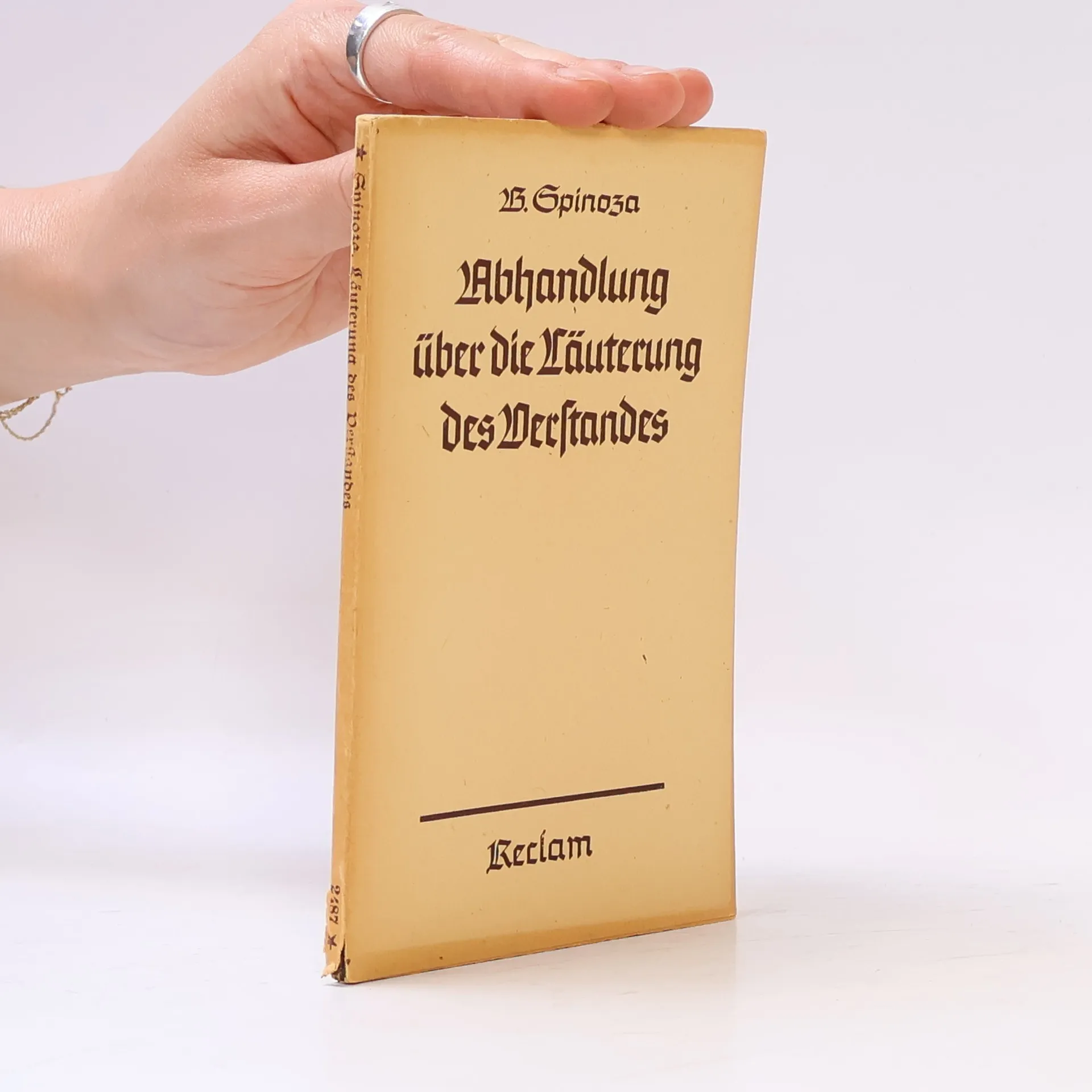
      On the Improvement of the Understanding.
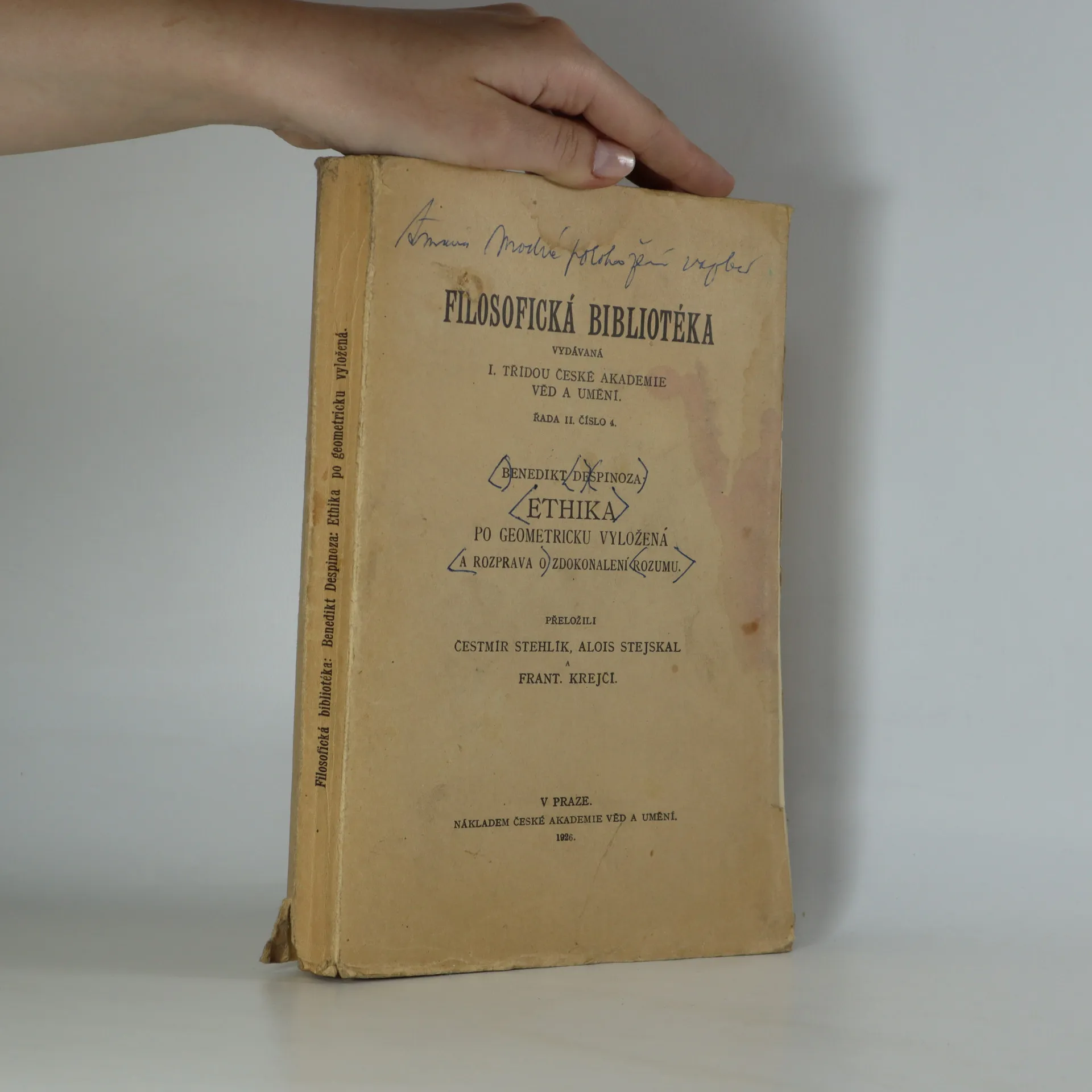
    • Ethics

      • 208pages
      • 8 heures de lecture
      4,1(16526)Évaluer

      Published shortly after his death, the Ethics is undoubtedly Spinoza's greatest work—an elegant, fully cohesive cosmology derived from first principles, providing a coherent picture of reality, and a guide to the meaning of an ethical life. Following a logical step-by-step format, it defines in turn the nature of God, the mind, the emotions, human bondage to the emotions, and the power of understanding—moving from a consideration of the eternal, to speculate upon humanity's place in the natural order, the nature of freedom and the path to attainable happiness. A powerful work of elegant simplicity, the Ethics is a brilliantly insightful consideration of the possibility of redemption through intense thought and philosophical reflection. The Ethics is presented in the standard translation of the work by Edwin Curley. This edition also includes an introduction by Stuart Hampshire, outlining Spinoza's philosophy and placing it in context.

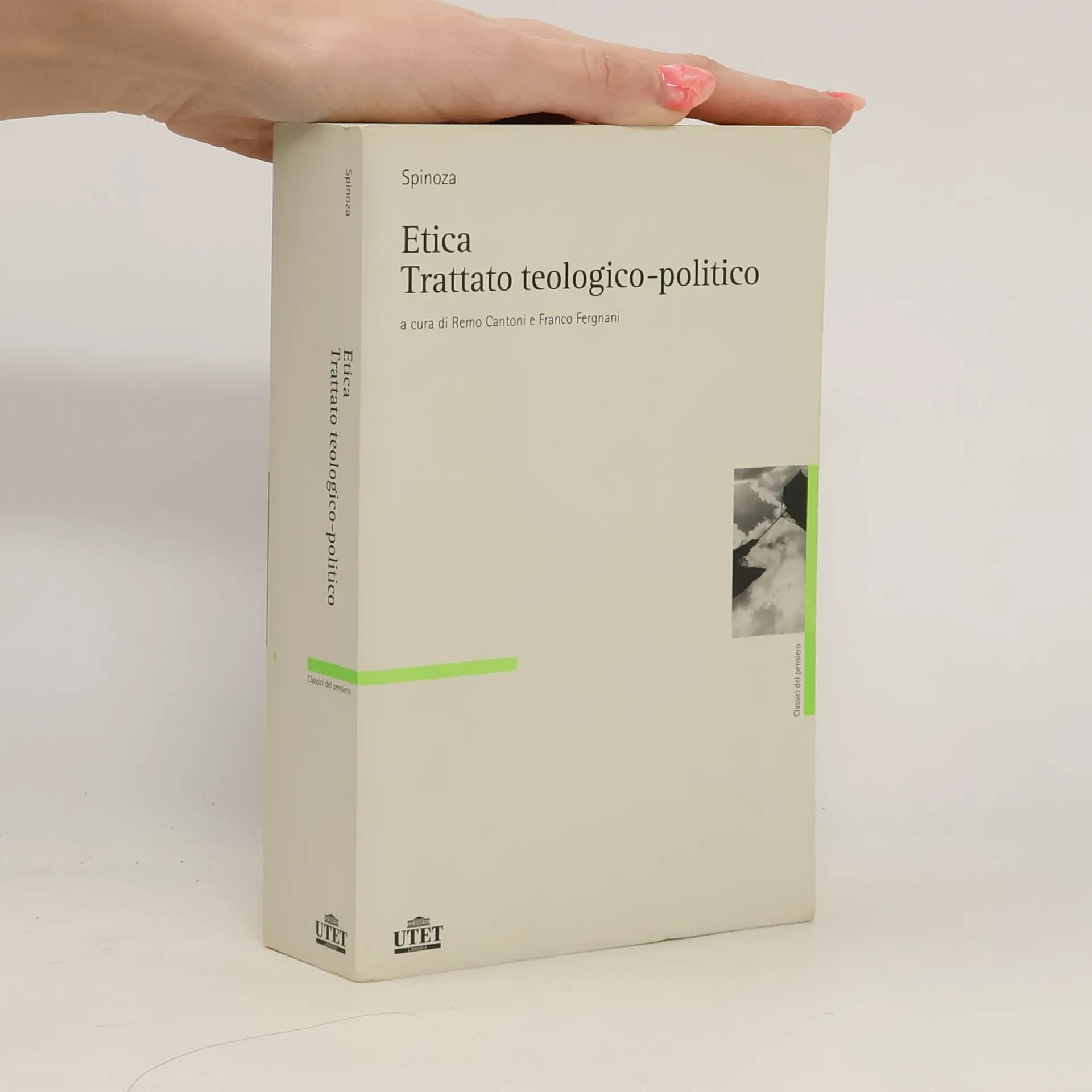
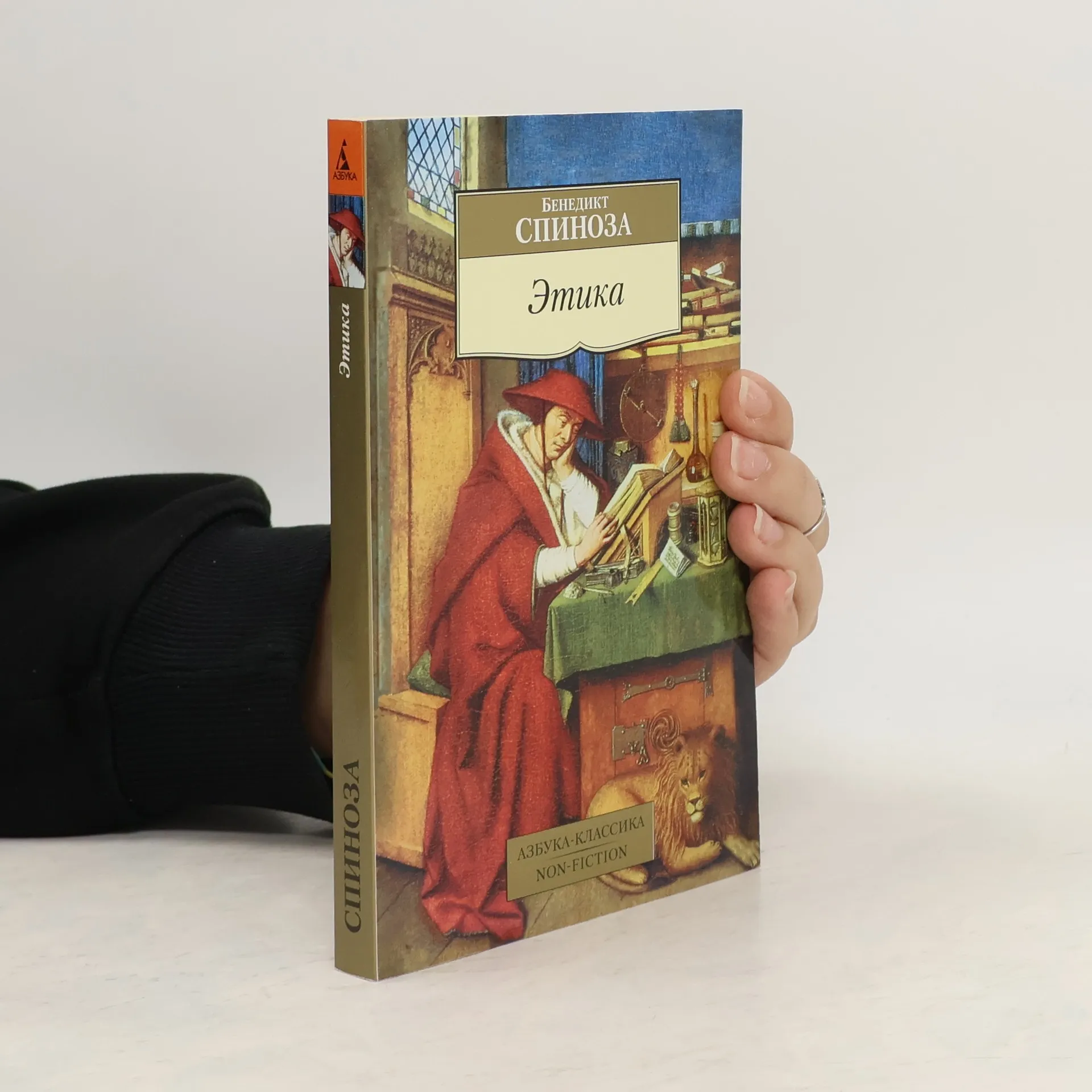
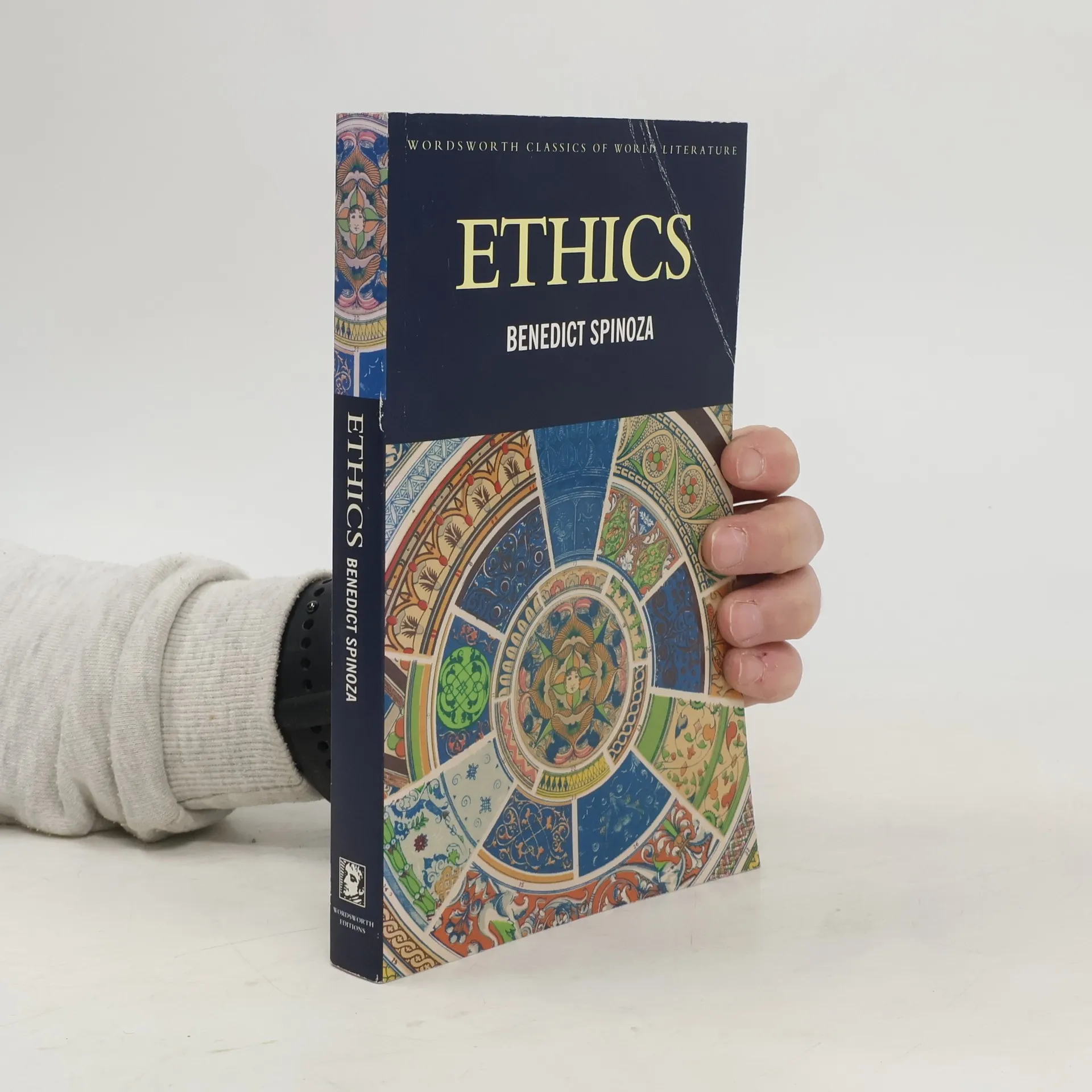
      Ethics
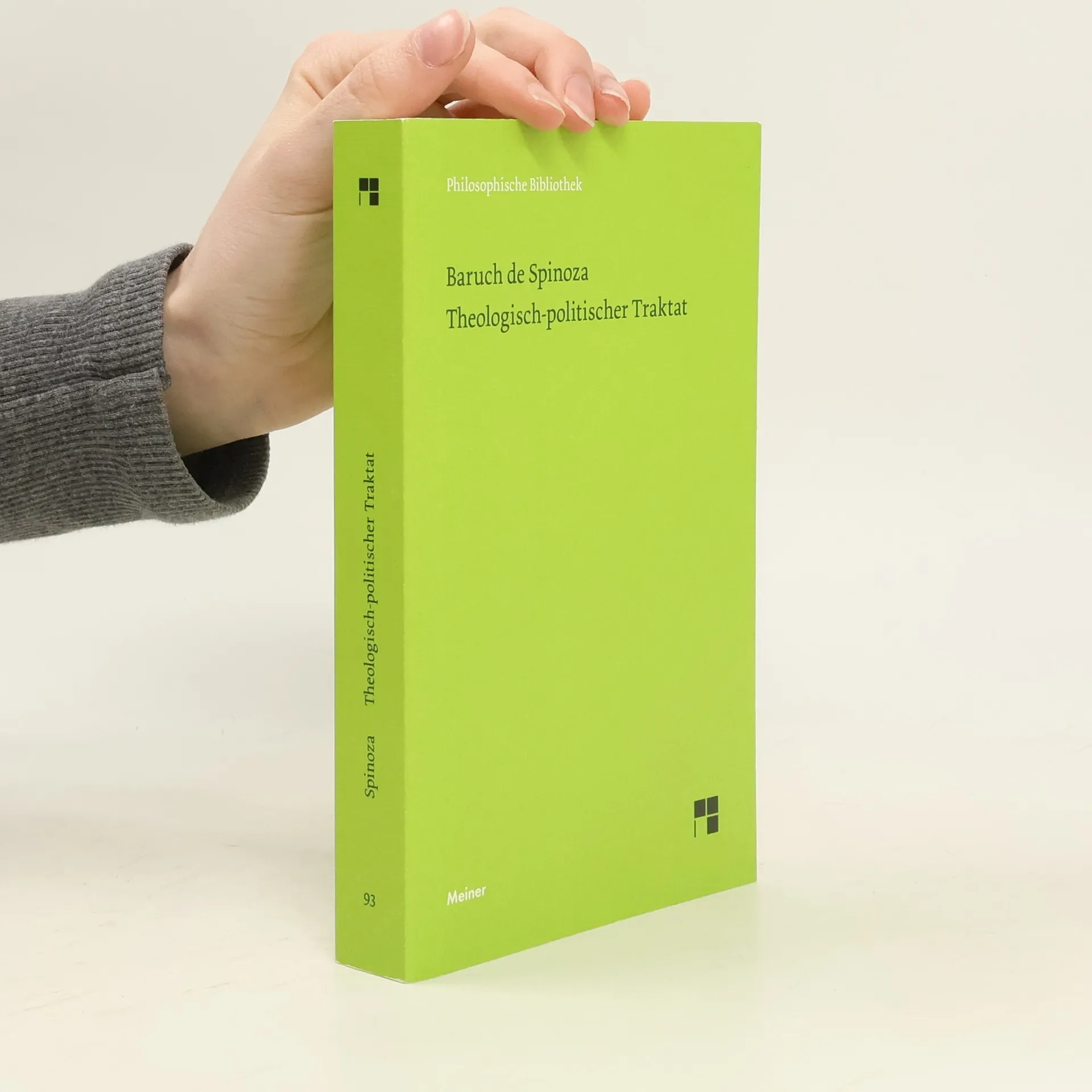
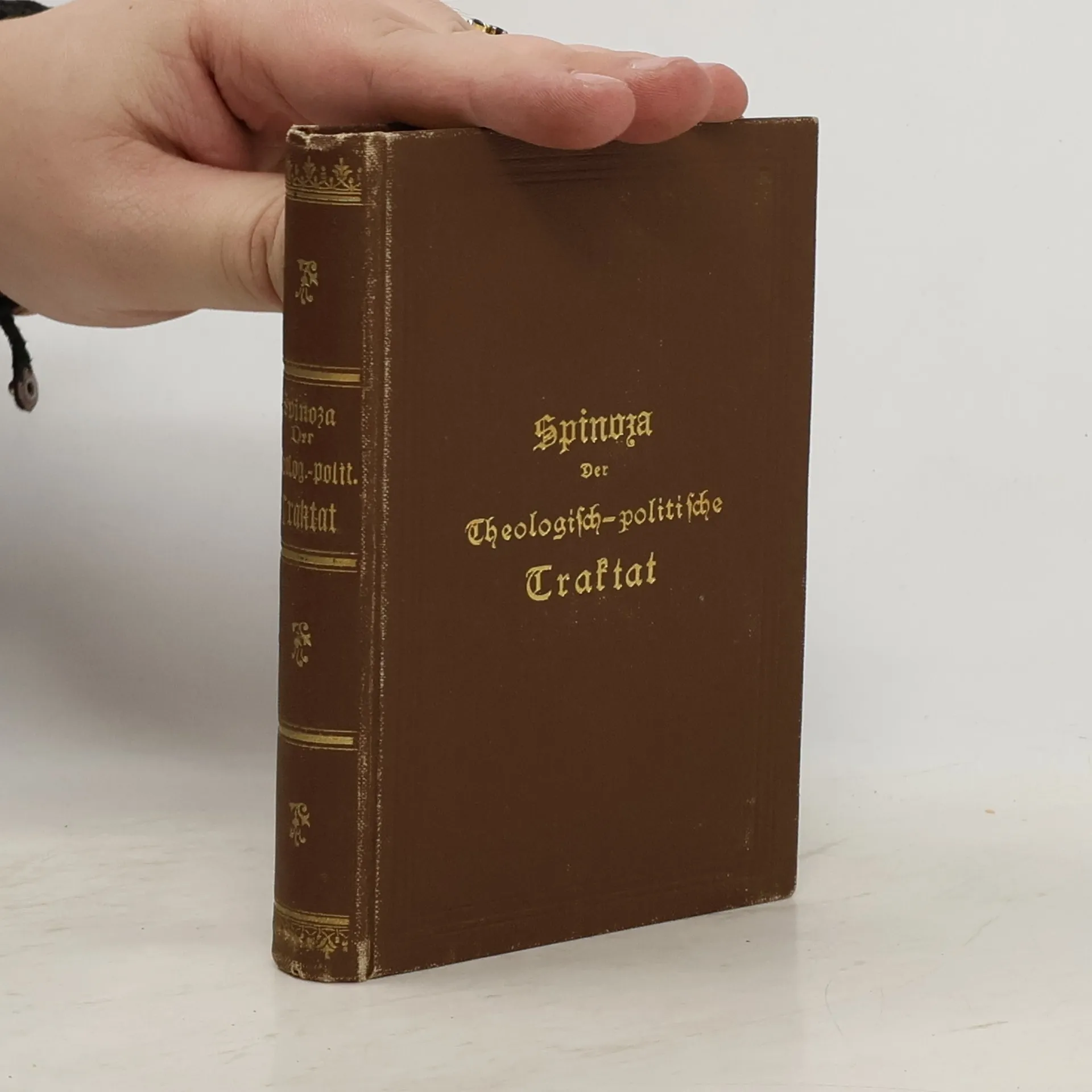
    • Theologico-Political Treatise

      • 214pages
      • 8 heures de lecture
      3,8(15)Évaluer

      Exploring contemporary Jewish and Christian religion, this 1670 philosophical work by Benedictus Spinoza critically analyzes the Bible, particularly the Old Testament. It stands out as a significant and controversial text of the early modern period, offering insights into the relationship between religion and philosophy. Spinoza's arguments challenge traditional interpretations and advocate for a rational understanding of scripture, making it a pivotal contribution to religious and philosophical discourse.
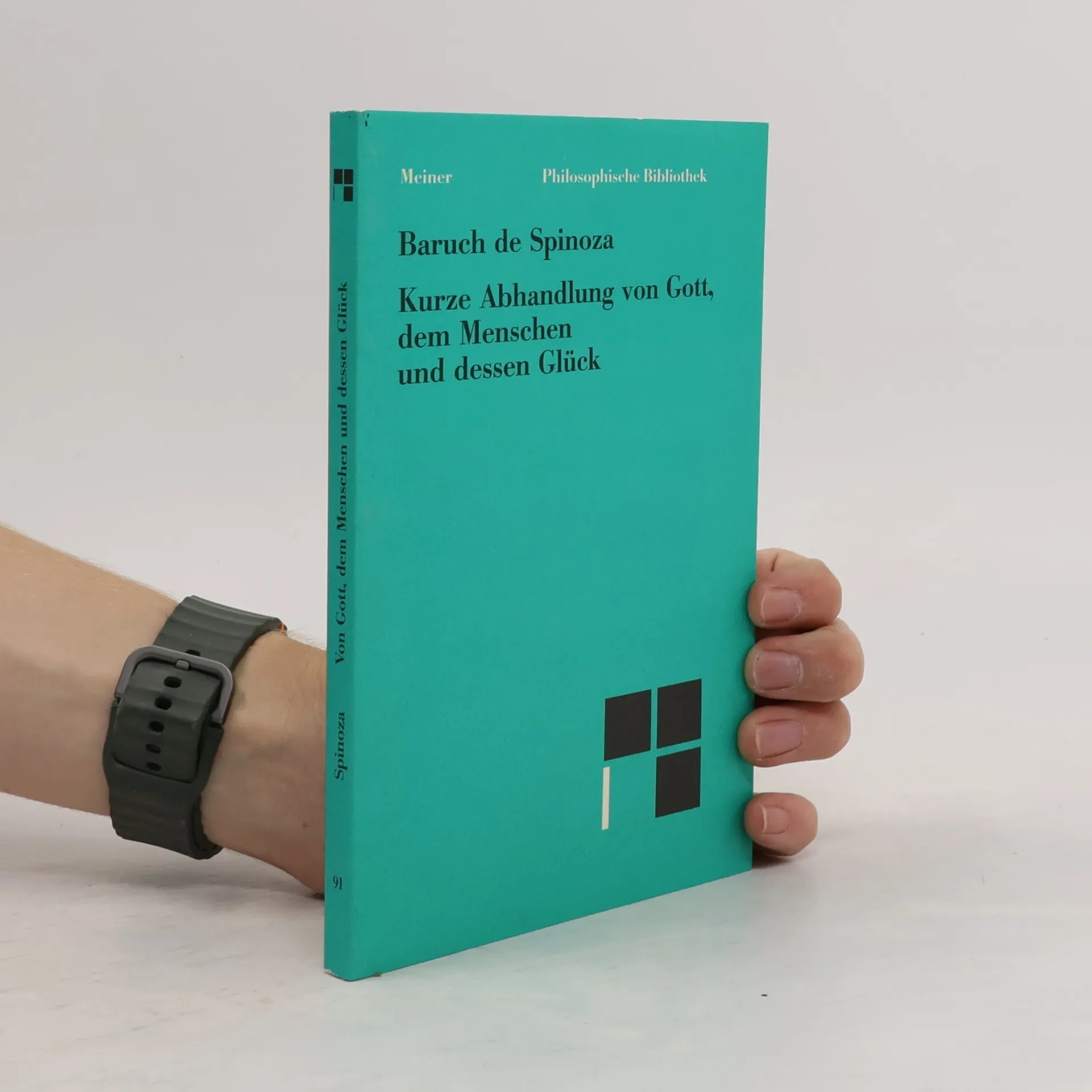
      Theologico-Political Treatise
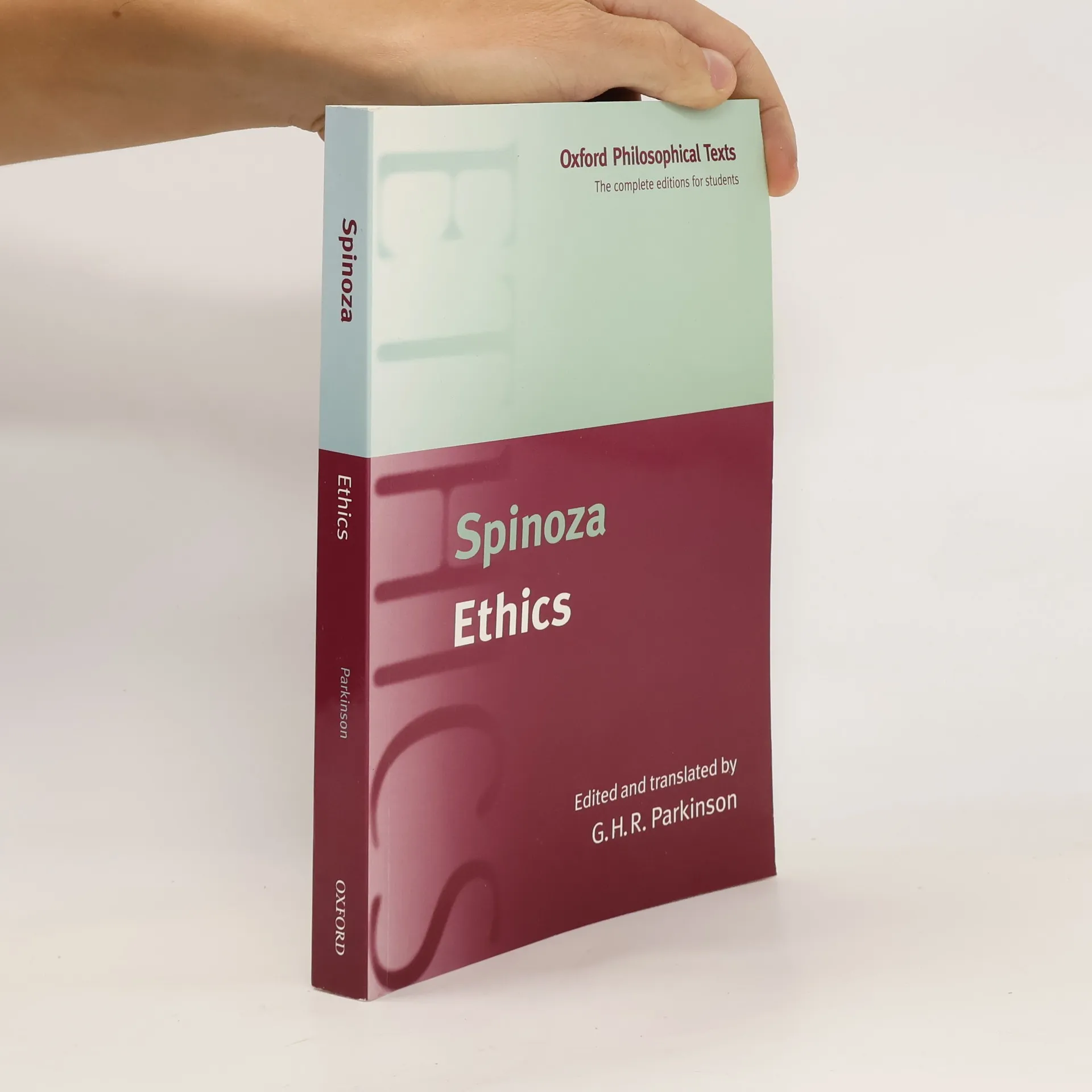
    • The Oxford Philosophical Texts series features authoritative editions of key philosophical works from antiquity to modernity. Each volume offers a well-structured text accompanied by a comprehensive introduction from a leading expert, providing students with critical insights into the intellectual context, structure, and significance of the main arguments, along with explanations of unfamiliar terms and references. A full bibliography and index are also included. The series aspires to create a definitive collection of essential texts in the Western philosophical tradition, serving as a reliable resource for both students and educators. Spinoza's Ethics, a classical yet challenging philosophical work, employs rigorous logical deduction within a geometrical framework. It explores human nature, the rational way of living, the essence of God, and the concept of true freedom. This edition features a new translation by G.H.R. Parkinson and includes a thorough guide to understanding Spinoza's ideas. The extensive introduction covers Spinoza's biography, his writing style, an overview of Ethics, and a summary of its contents. Additional resources include a glossary of terms and detailed notes on the text.
      Spinoza Ethics