Cette auteure s'appuie sur sa vaste expérience en archéologie, l'utilisant comme élément fondamental de ses œuvres littéraires. Ses premières années passées en Afrique et en Irlande, suivies de son installation en Angleterre, ont façonné sa vision du monde. Une fascination d'enfance pour l'archéologie, initialement déclenchée par une incompréhension concernant les dinosaures, s'est transformée en une profonde appréciation de l'histoire et de la culture qui informe son écriture. Sa carrière antérieure d'illustratrice archéologique confère à ses récits une perspective visuelle unique et axée sur les détails.
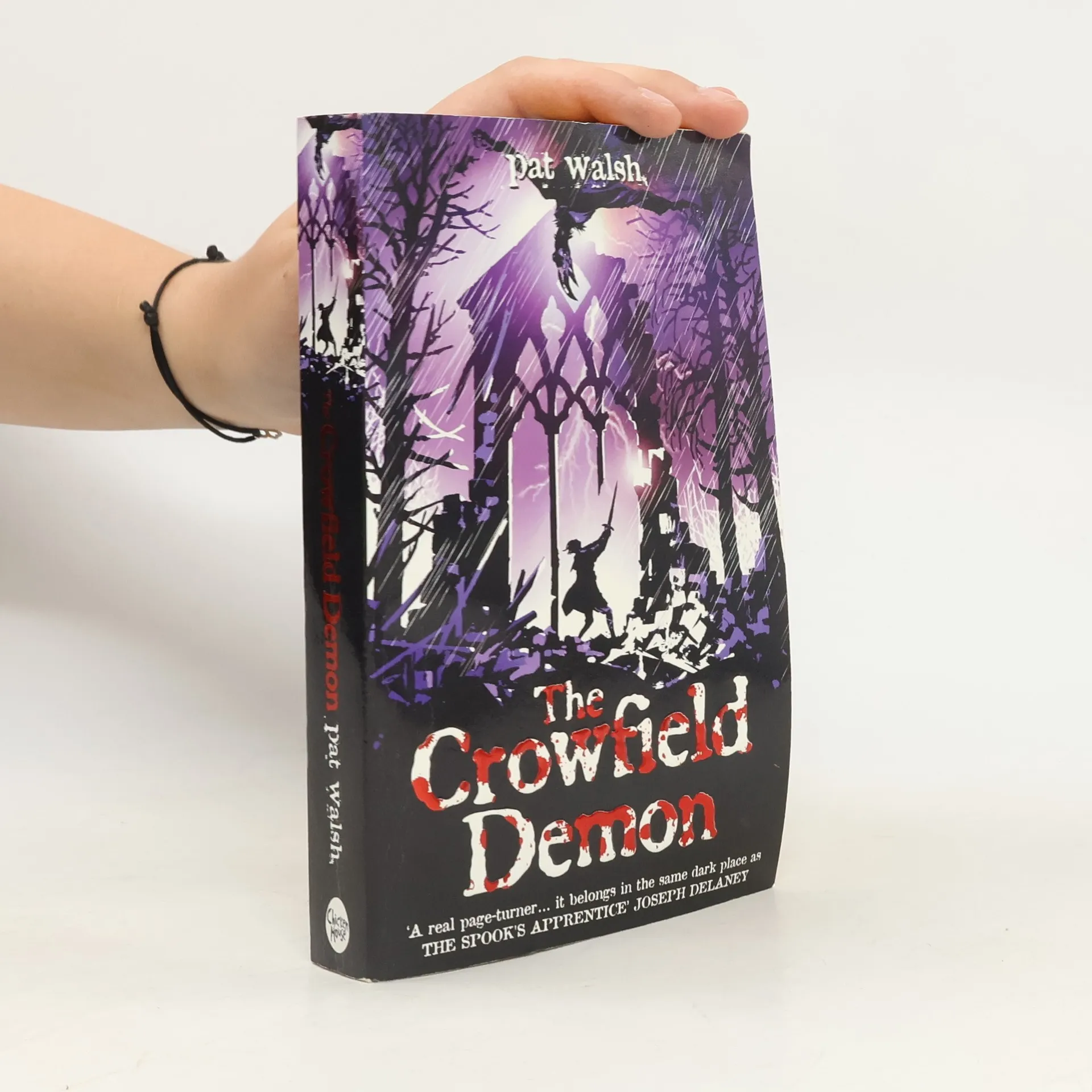
What lies beneath? Things are not right at Crowfield Abbey. The building has begun to crumble. And what Will finds beneath the floor of the side chapel is truly terrifying. Is this the end of Crowfield forever?
It's 1347 and fifteen-year-old Will, an orphan boy, lives at Crowfield Abbey.
Sent into the forest to gather wood, he rescues instead, a creature from a
trap - a hob, who shares with Will a terrible secret. When two hooded
strangers arrive at Crowfield asking questions about the angel's grave.
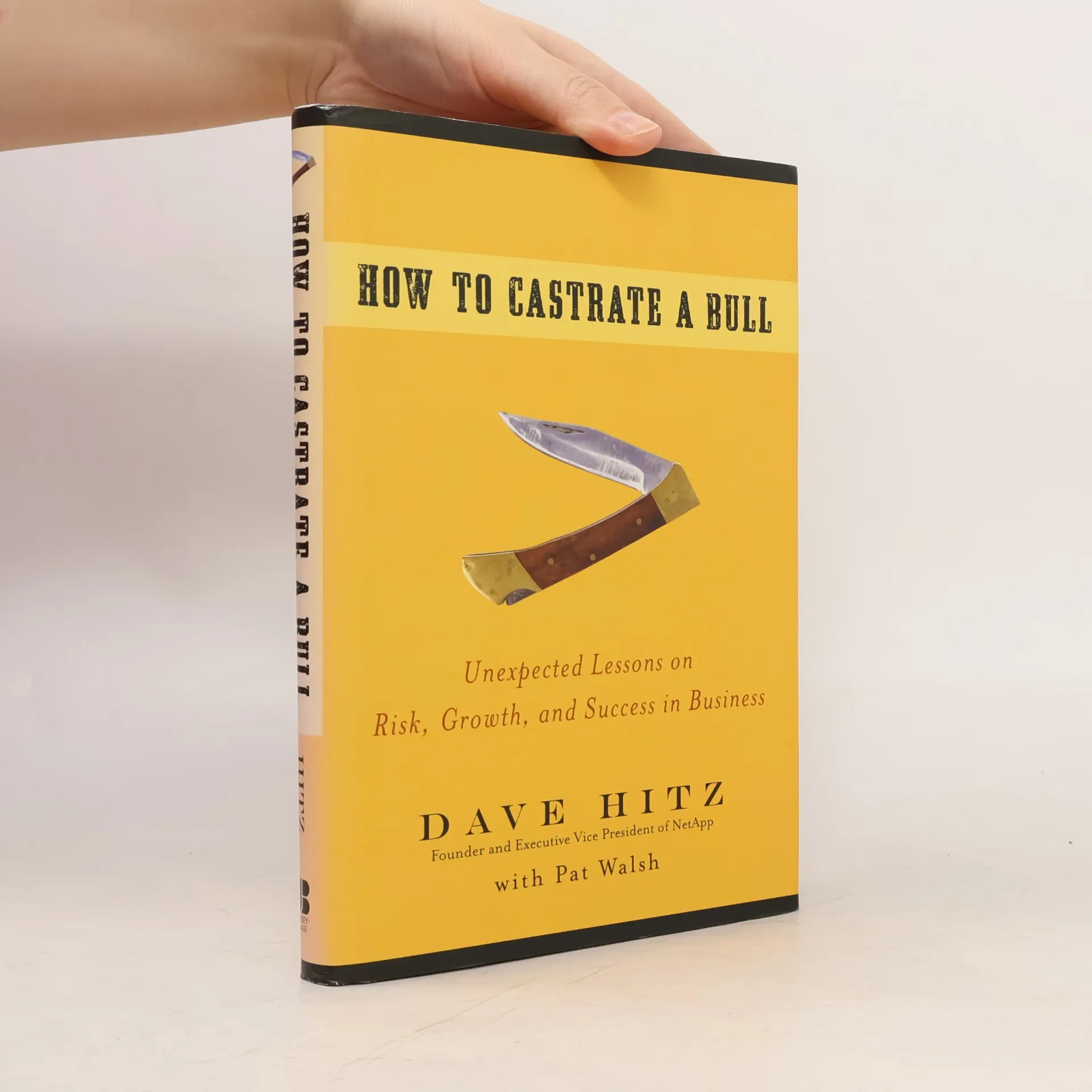
Dave Hitz likes to solve fun problems. He didn't set out to be a Silicon Valley icon, a business visionary, or even a billionaire. But he became all three. It turns out that business is a mosaic of interesting puzzles like managing risk, developing and reversing strategies, and looking into the future by deconstructing the past.
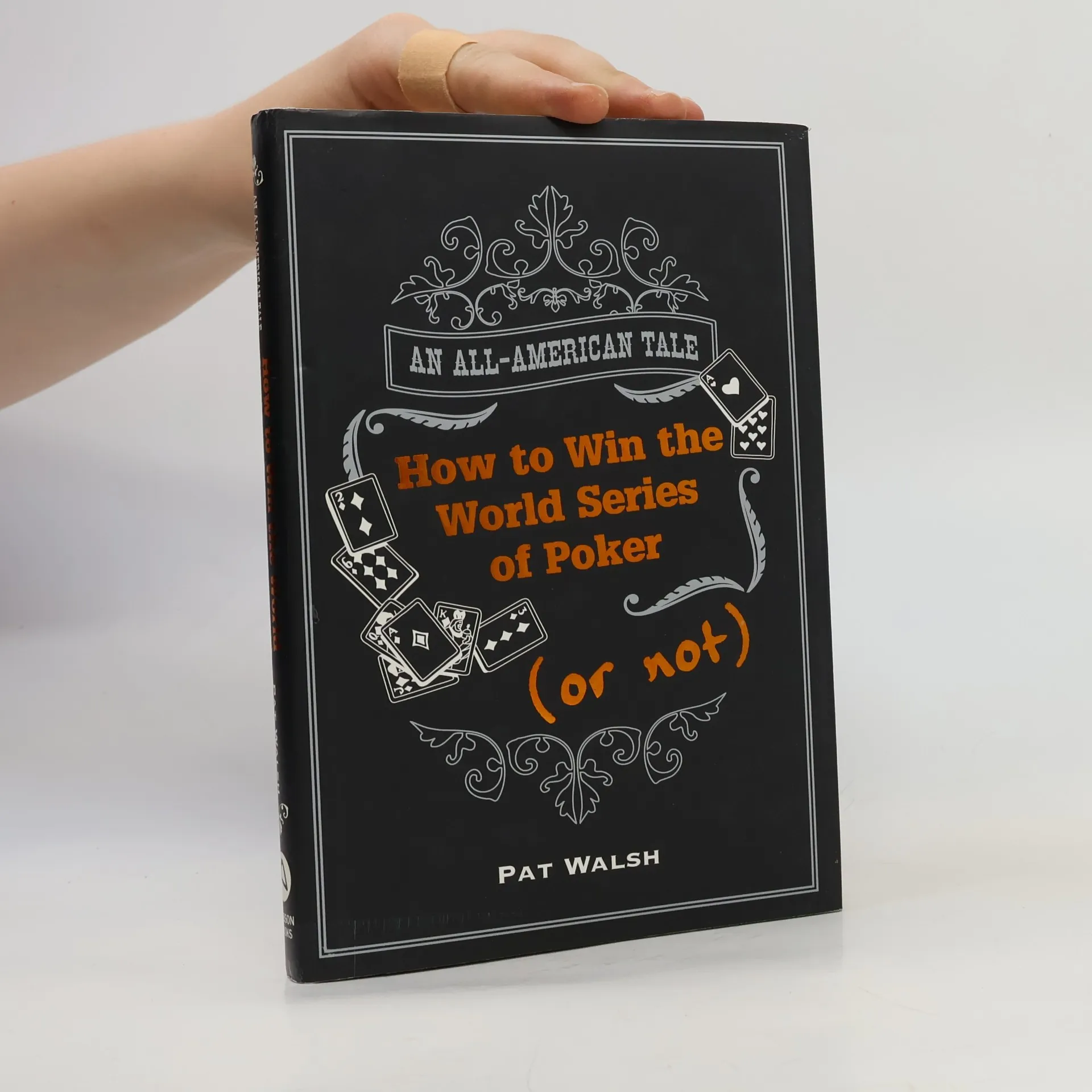
A chronicle of the author's journey from a hapless shmuck all the way to a high stakes gambler and, in all likelihood, back to a hapless shmuck again. His expedition begins playing poker online and ends with the world series.
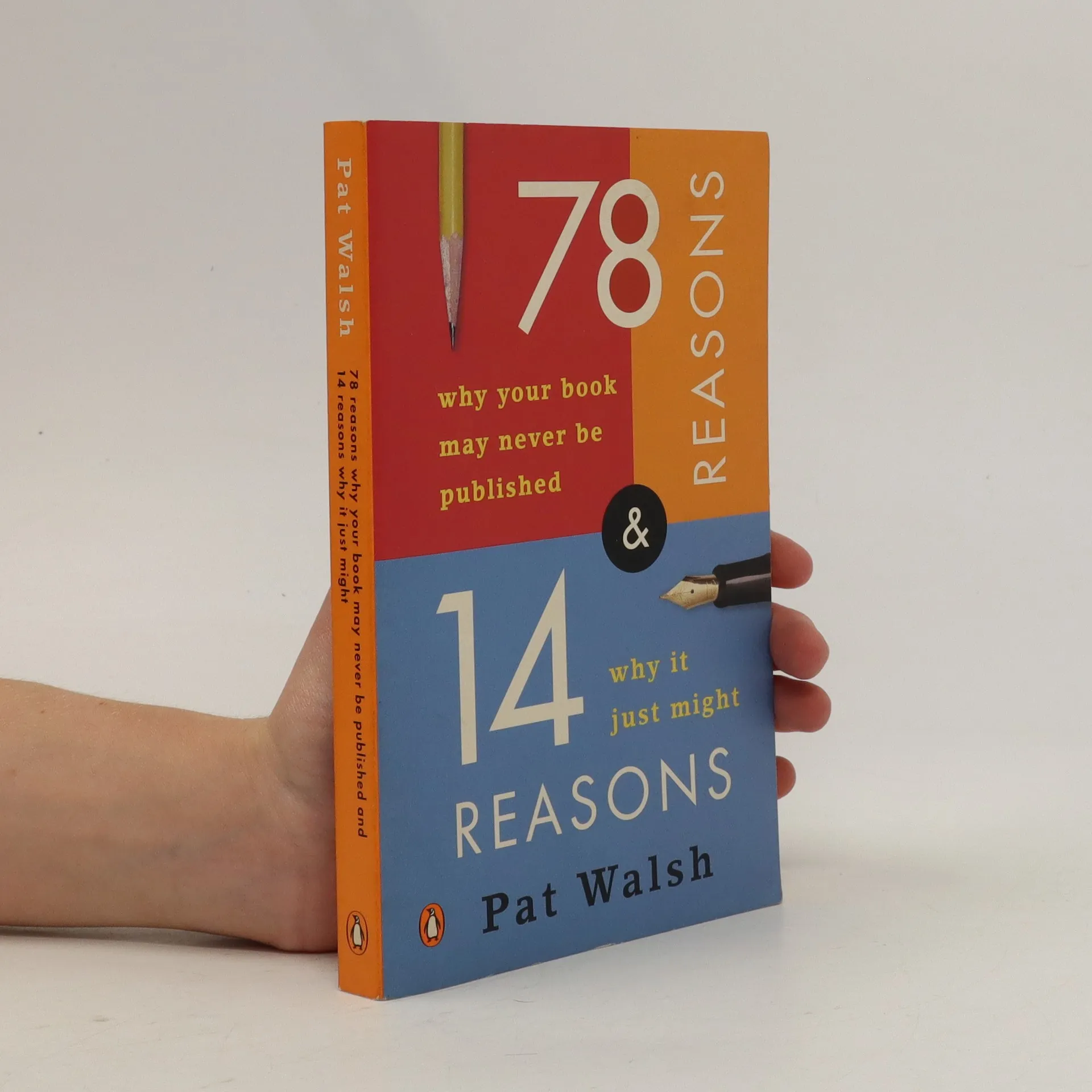
For the hundreds of thousands who buy writers’ guides every year, at last there’s one that tells the ugly writers who can’t get published are usually making a lot of mistakes. This honest, often funny, book shows them how to identify their own missteps, stop listening to bad advice, and get to work. Drawing on his experience as founding editor of MacAdam/Cage, Pat Walsh gives writers what they need—specific, straightforward feedback to help them overcome bad habits and bad luck. He avoids the optimistic, sometimes misleading directions often found in publishing how-to books and presents the industry as it is, warts and all. Here is the first guide that tells writers just what the odds against them are and gives them practical tips for evening them.