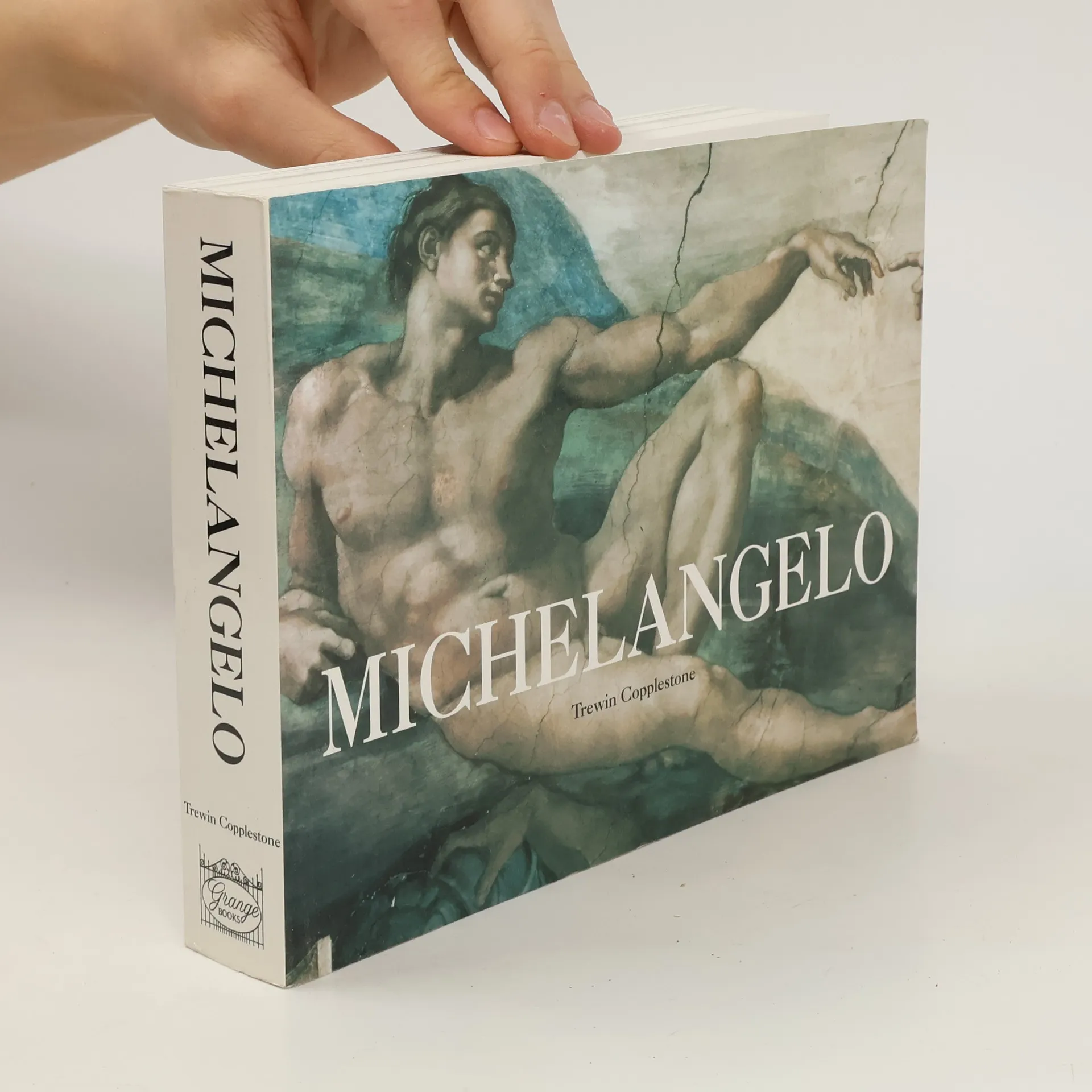
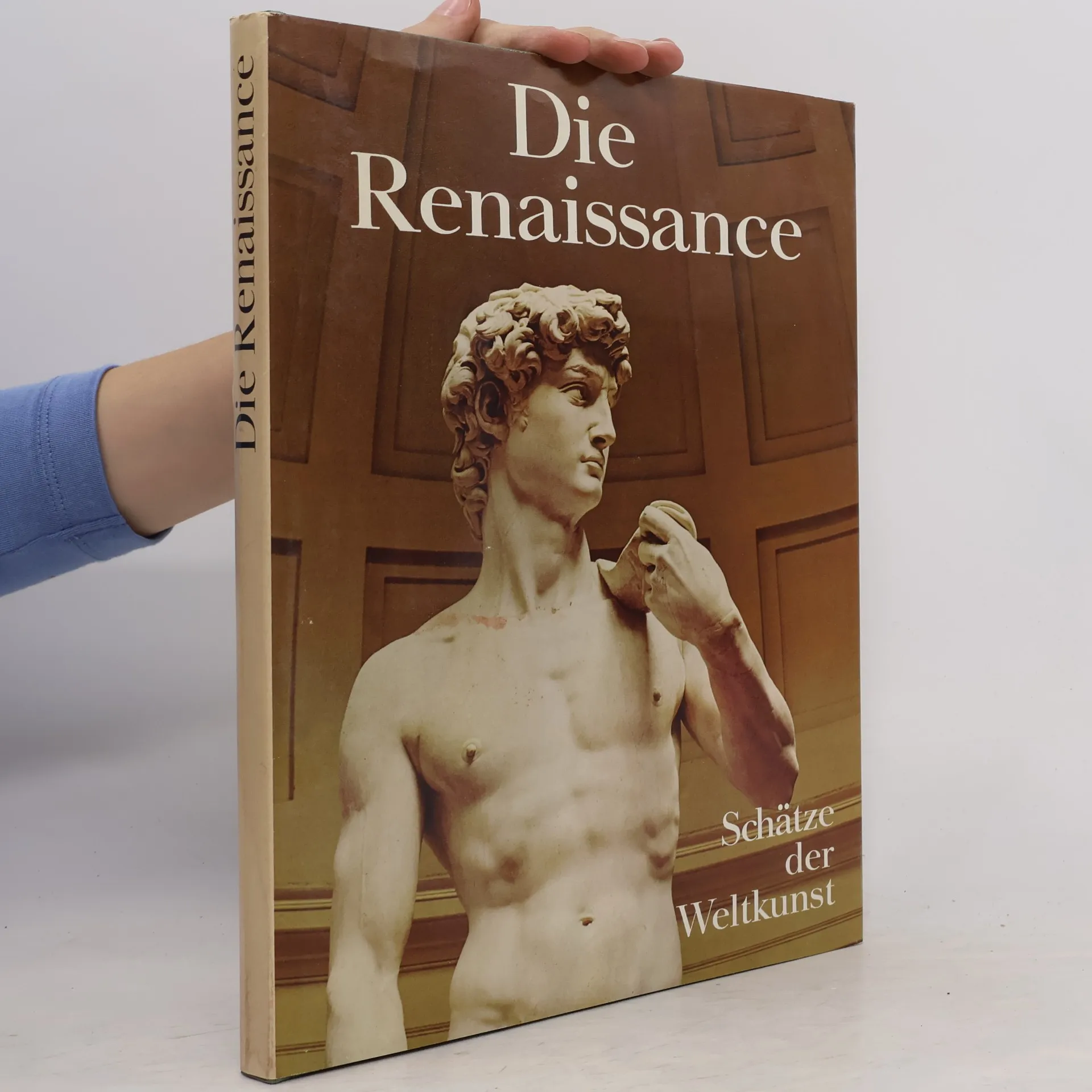
This is an examination of Michaelangelo's art in relation to the developing Italian Renaissance, a period of unique interest and achievement. To understand Michaelangelo, therefore, it is important to see him in the context of Renaissance society before placing the dominating figure of Michaelangelo at its artistic heart.
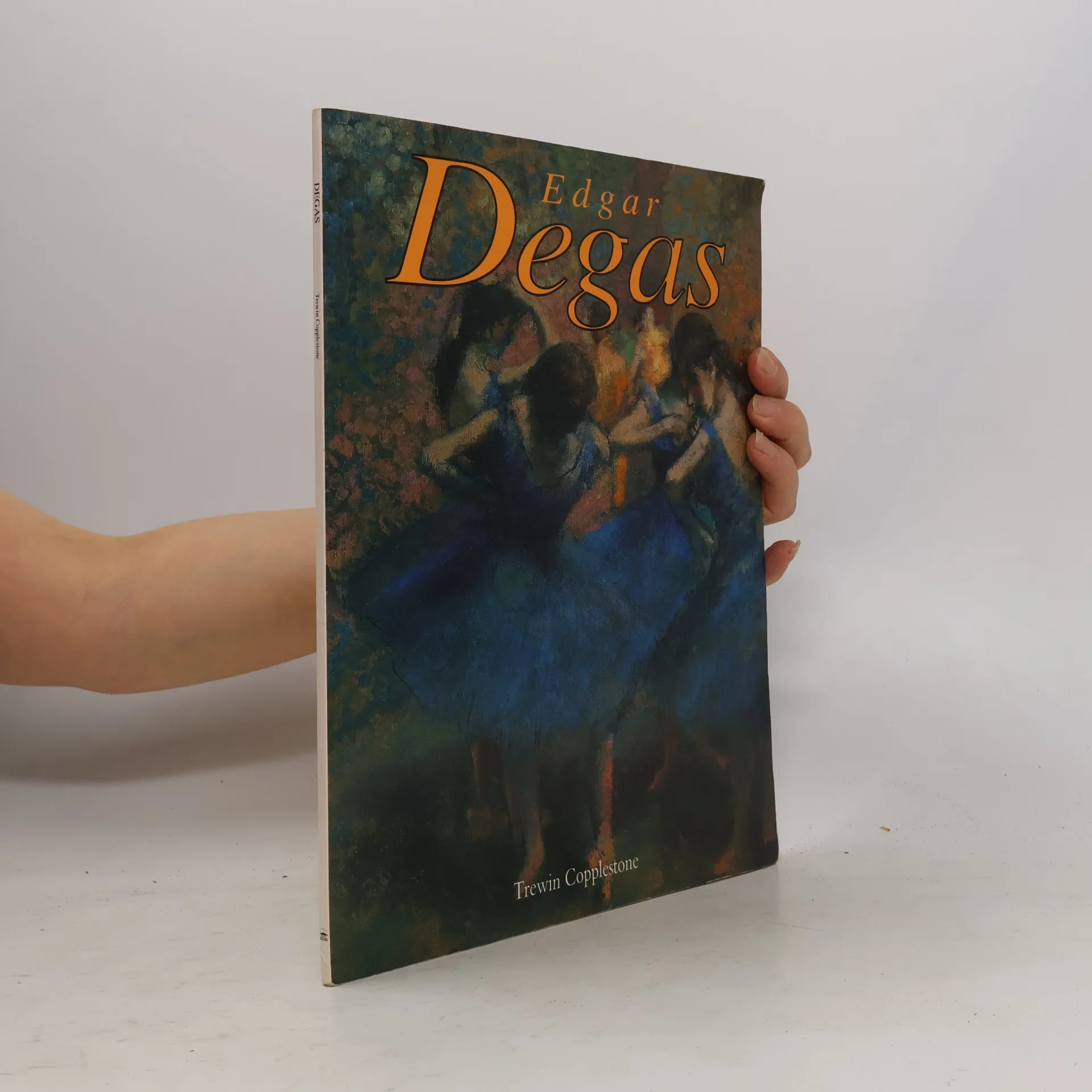
EDGAR DEGAS (1834-1917) became a professional painter through a change in his family's fortunes. He grew up the privileged son of wealthy and cultured parents and despite his interest in art was destined for a career in law until the failure of the family bank. More than any of his famous contemporaries, while possibly excluding Manet, Degas was a traditionalist painter. He was dismissive of the Impressionist technique as a method, although he participated in most of the group's early exhibitions. As a result, he is more closely allied in popular understanding with Impressionism than he himself ever wished to be. Best known for his paintings of ballet Dancers, Degas was an urbane and savagely witty man, choosing his subjects from the cultured society life of Paris in which he was a well known figure.
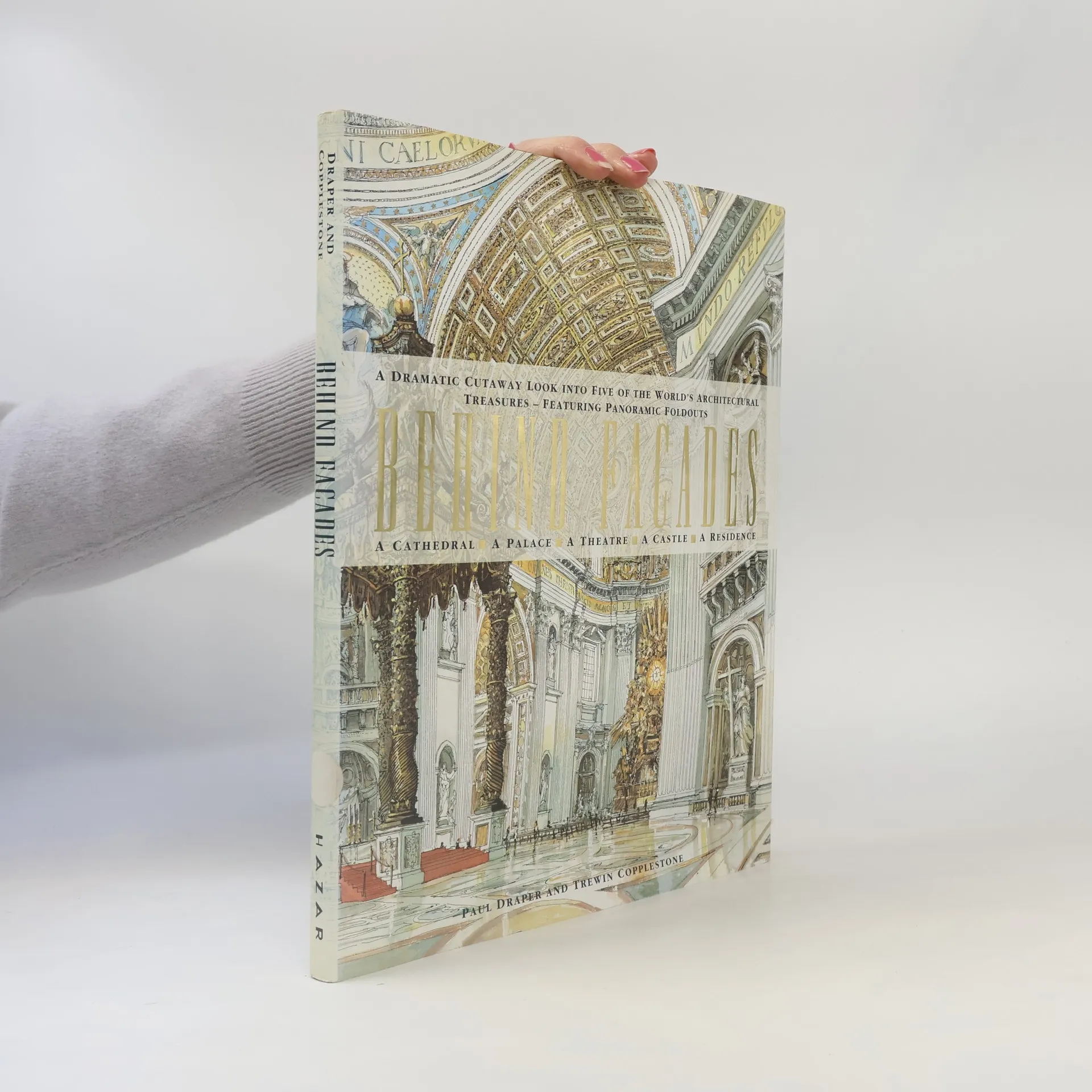
A Dramatic Cutaway Look Into Five of the World's Architectural Treasures - Featuring Panoramic Foldouts: A Cathedral, a Palace, a Theatre, a Castle, a Residence
79pages
3 heures de lecture
a look inside five of the worlds greates architectural treasurers with more the 100 full colour photos
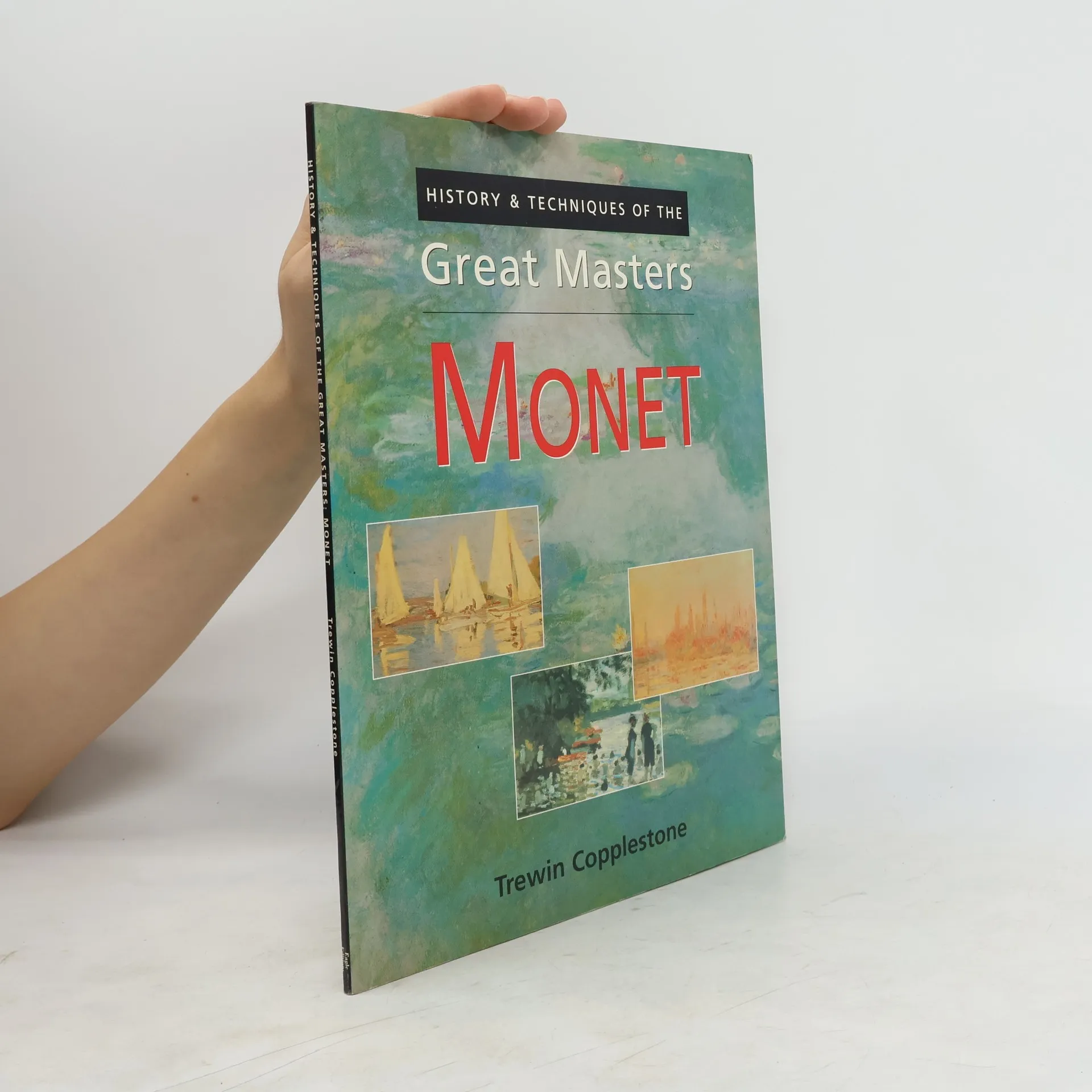
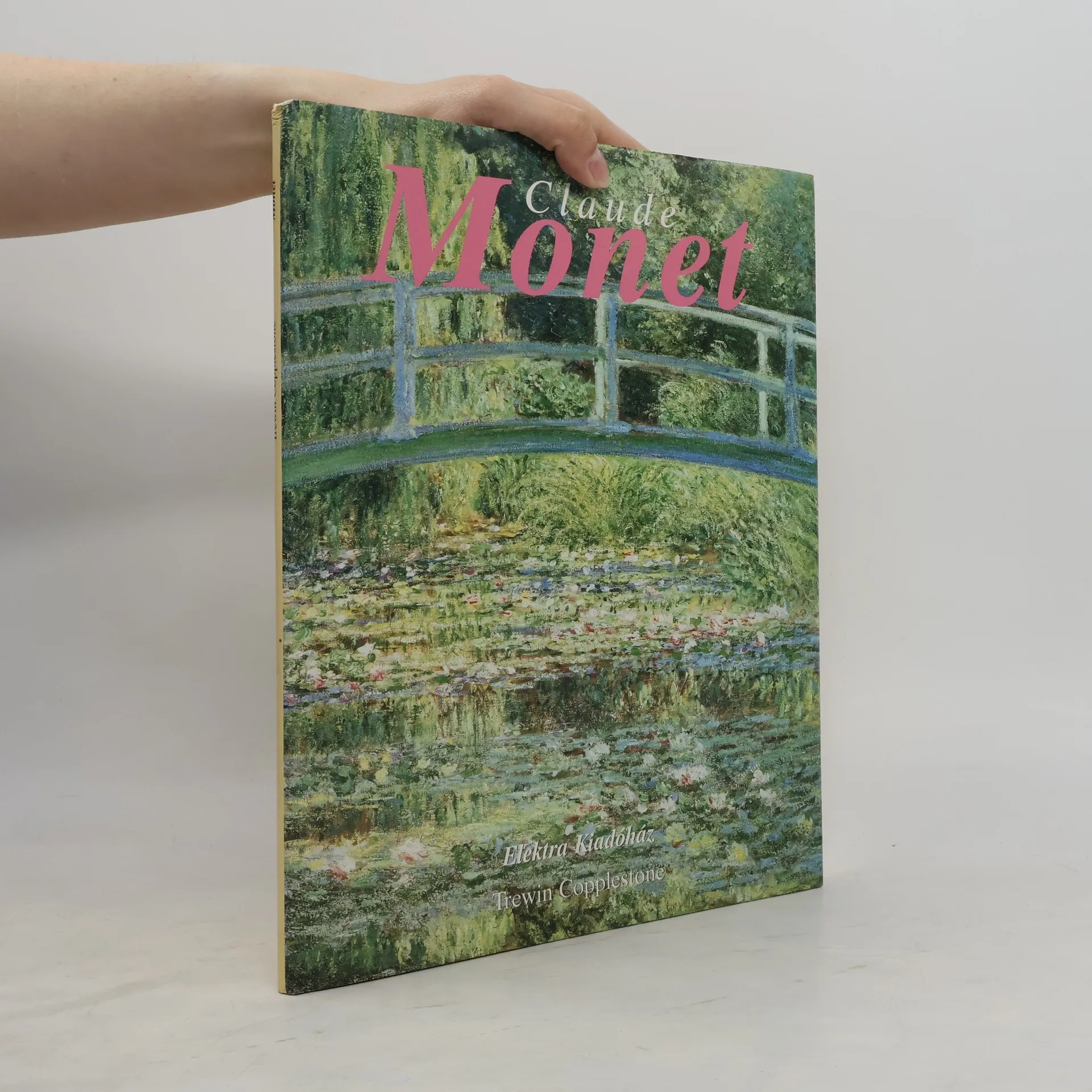
“I’m pursuing the impossible . . . I want to paint the air in which the bridge, the house, and boat are to be found—the beauty of the air around them . . .” Claude Monet wanted to capture more than just air and light in impasto paint on canvas, as he explained in a conversation with the Danish author Herman Bang in 1895. The master of light was also a master of shadows and reflections. This is evident in his most famous paintings, such as that of the façade of the Rouen cathedral, or the haystacks painted against light, or in the reflections of the water lilies in the pond at Giverny. In particular, his sun-drenched groves, coastlines, and depictions of the Seine in both summer and winter, demonstrate how Monet revolutionized painting by questioning the conventional notions of what a painting could be. This exquisite volume is devoted to the works from the period between 1880 and 1905 and truly paints Monet in a new light. Exhibition: Fondation Beyeler Riehen/Basel, January 22–May 28, 2017
The work of seven distinguished art historians, The history of art places the creation of individual works of art within the context of their own cultures. Offers a marvellous collection of illustrations of art of every kind and period, from cave paintings to the 1980s
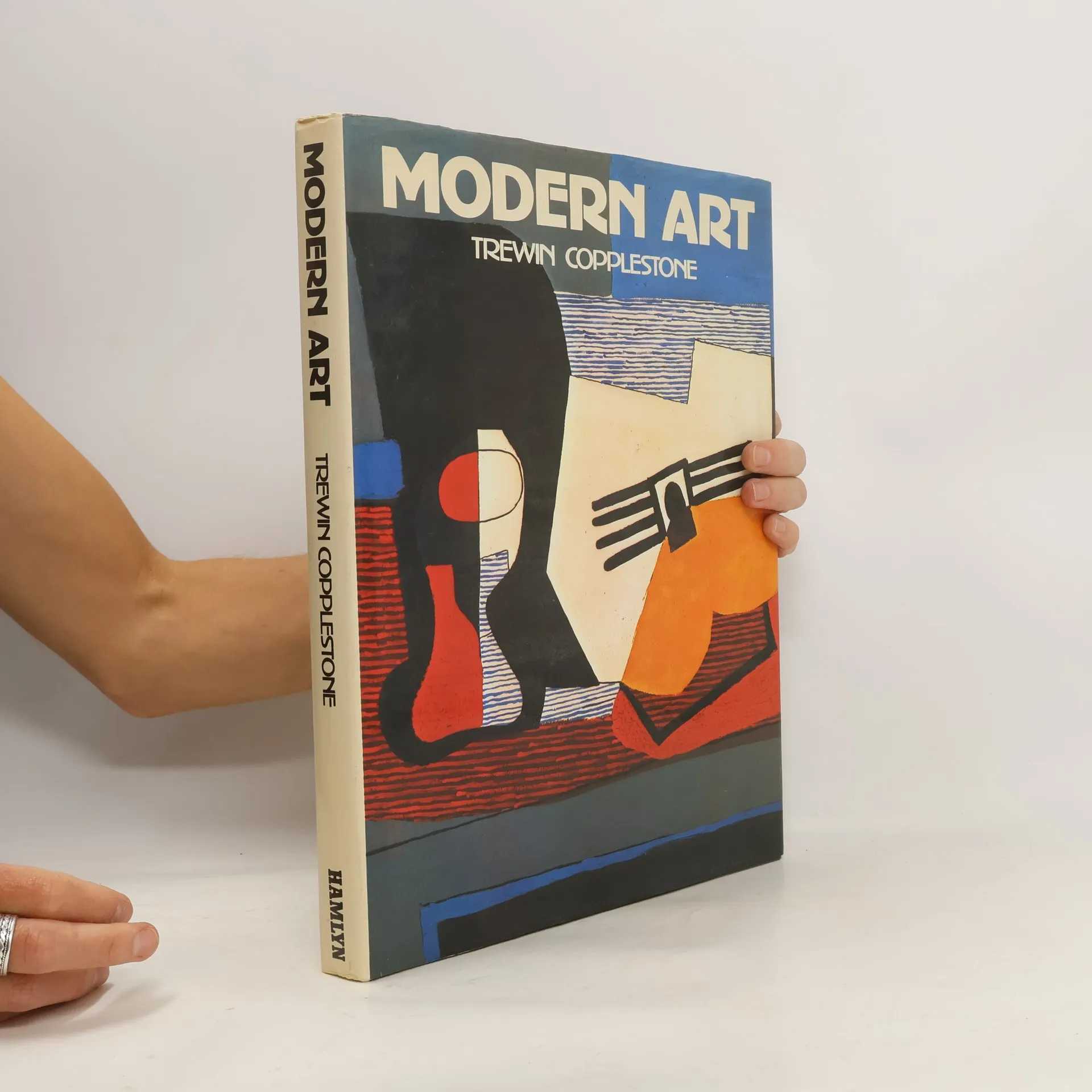
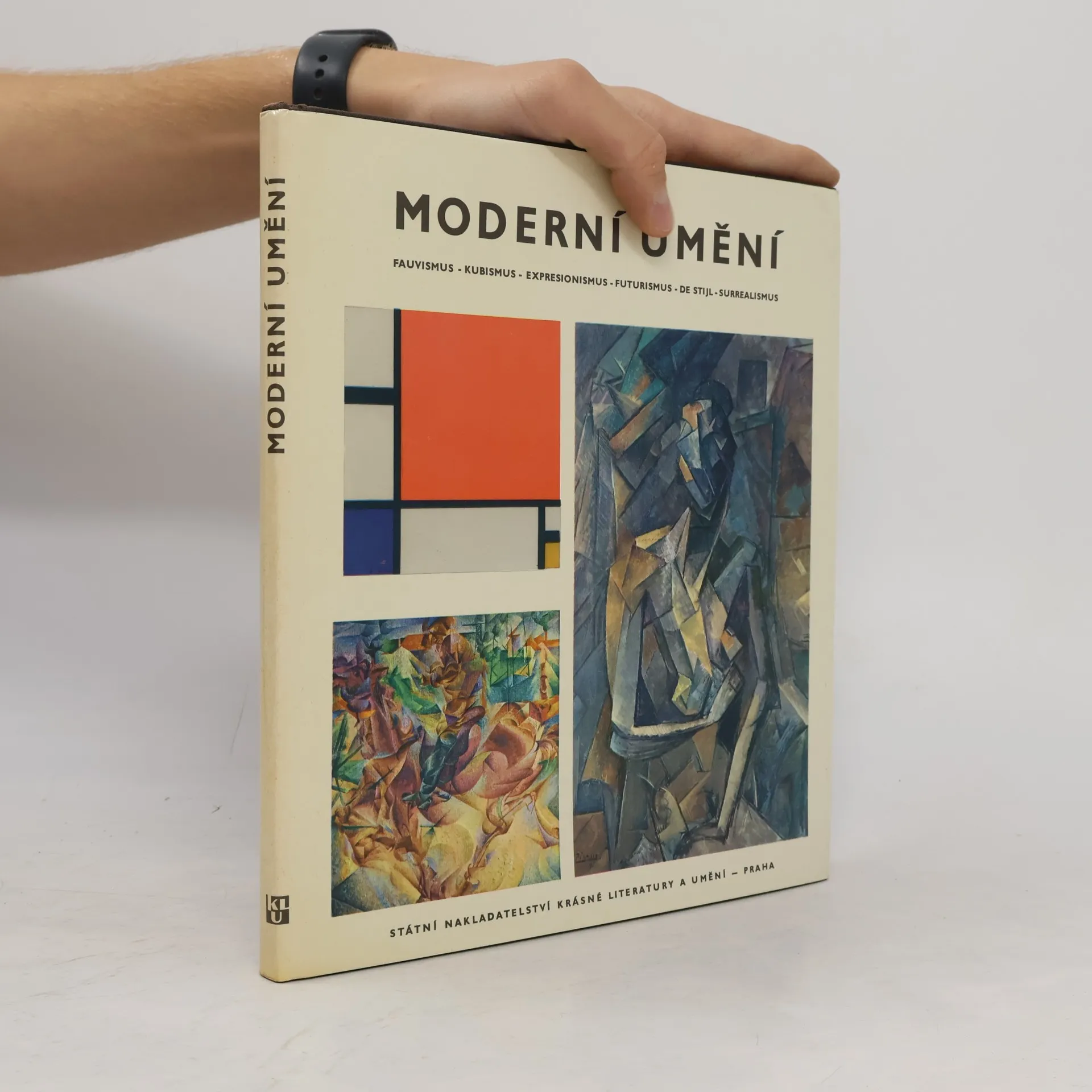
V knize se zabývá anglický malíř, sochař a kritik šesti významnými malířskými školami z prvních třiceti let 20. století. V pojednání o fauvismu, kubismu, expresionismu, futurismu, De Stijlu a surrealismu uvádí nejprve hlavní představitele a reprodukce jejich děl, vysvětluje malířské znaky, původ názvu a dále vznik, vývoj a podstatu toho kterého uměleckého směru. V úvodní části podává výklad o podstatě moderního malířství a vlastního procesu umělecké tvorby. 44 s., 54 s. obr. příl. Spoluvyd. nakl. Spring Books a Paul Hamlyn v Londýně. Na frontispice faksimile podpisů výtvarníků.
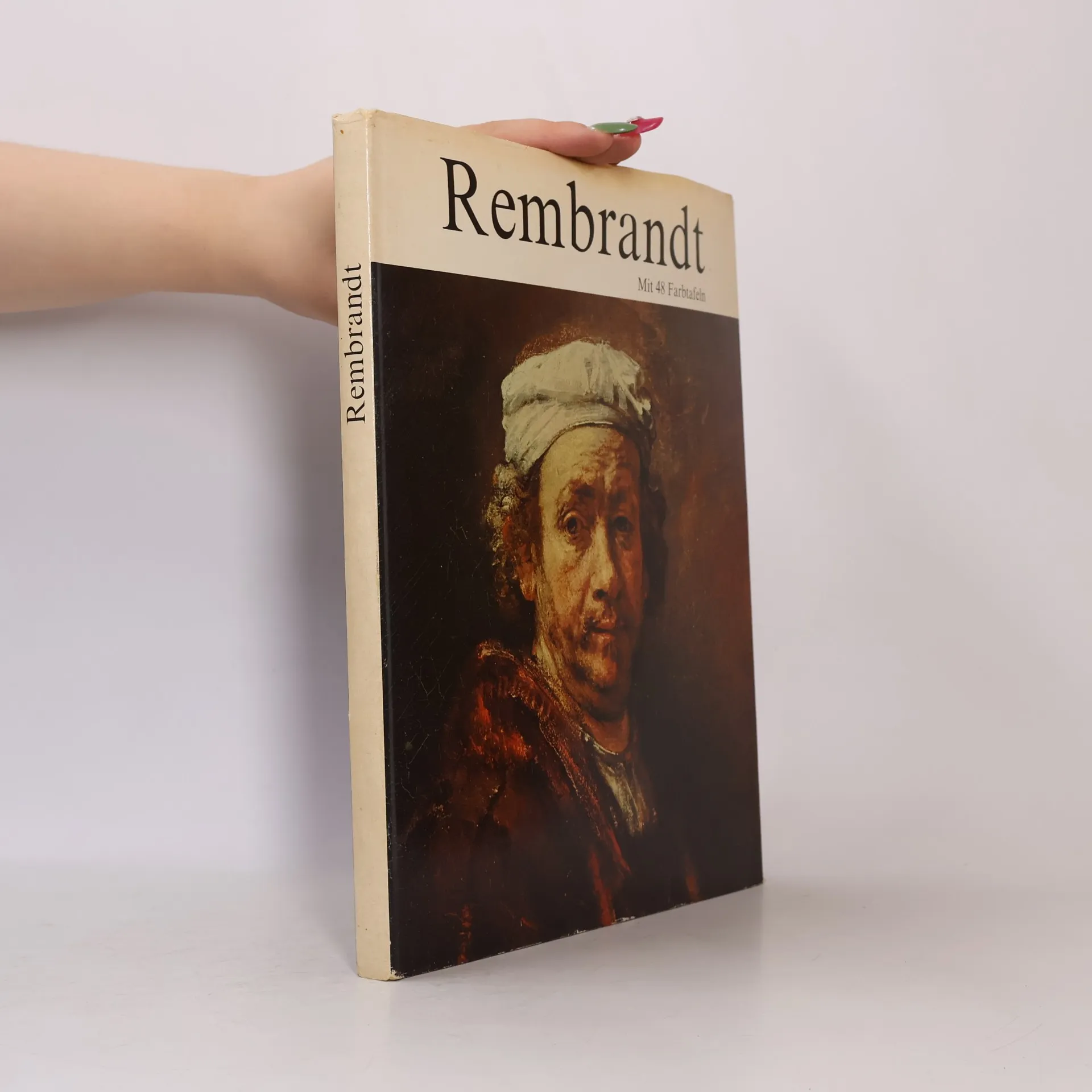
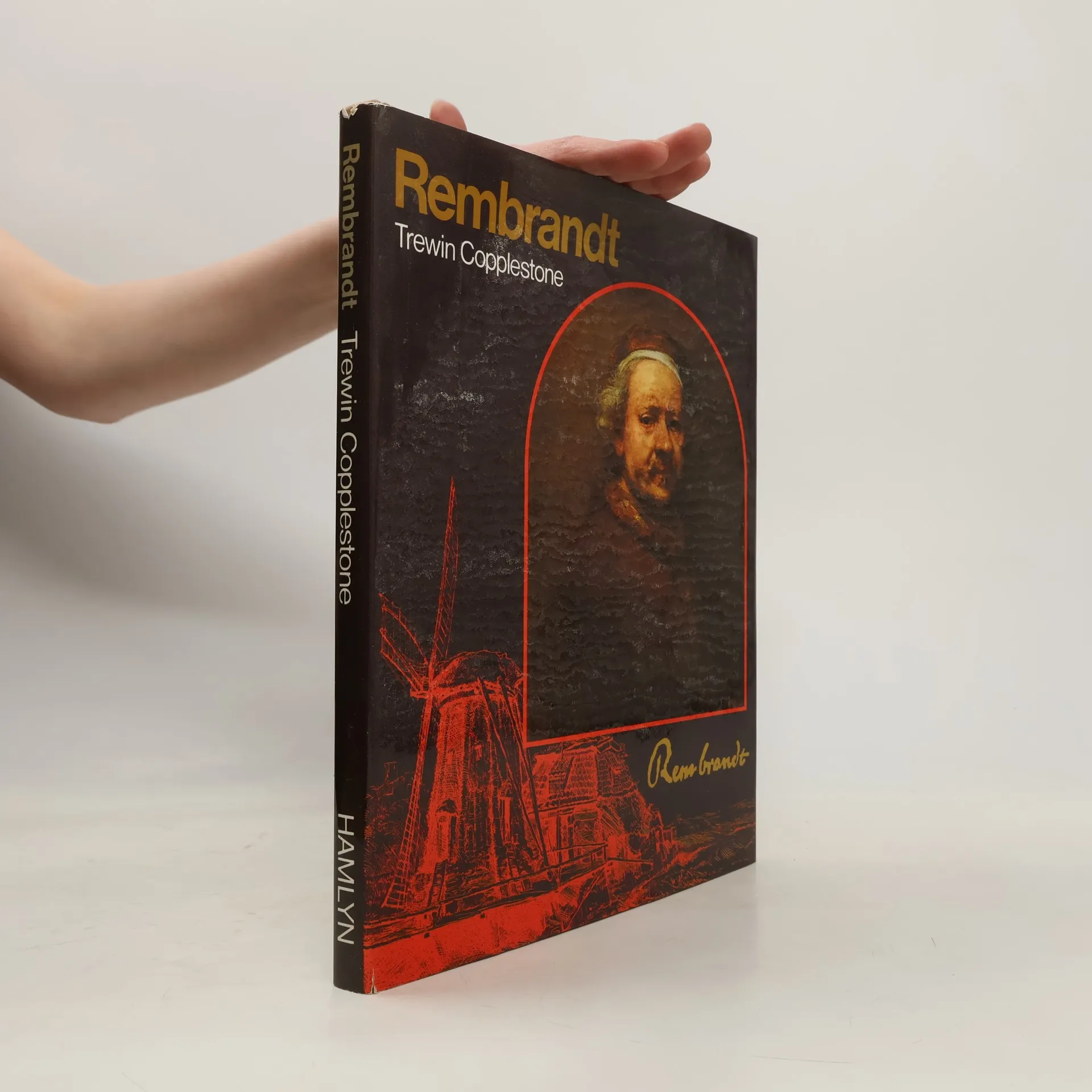
Born in 1606, the son of a miller, Rembrandt Harmenez van Rijn is considered to be one of the greatest painters of all time. This book has 48 Rembrandt’s paintings taken from collections throughout Europe and reporduced in full colour. They constitutes the nucleus of themes around which this extraordinary artist created such and impressive oeuvre self-portraits, portraits of men, women and children, group commissions such as the Night Watch and Syndics of the Clothworkers Guilds, and his most famous religious and genre paintins