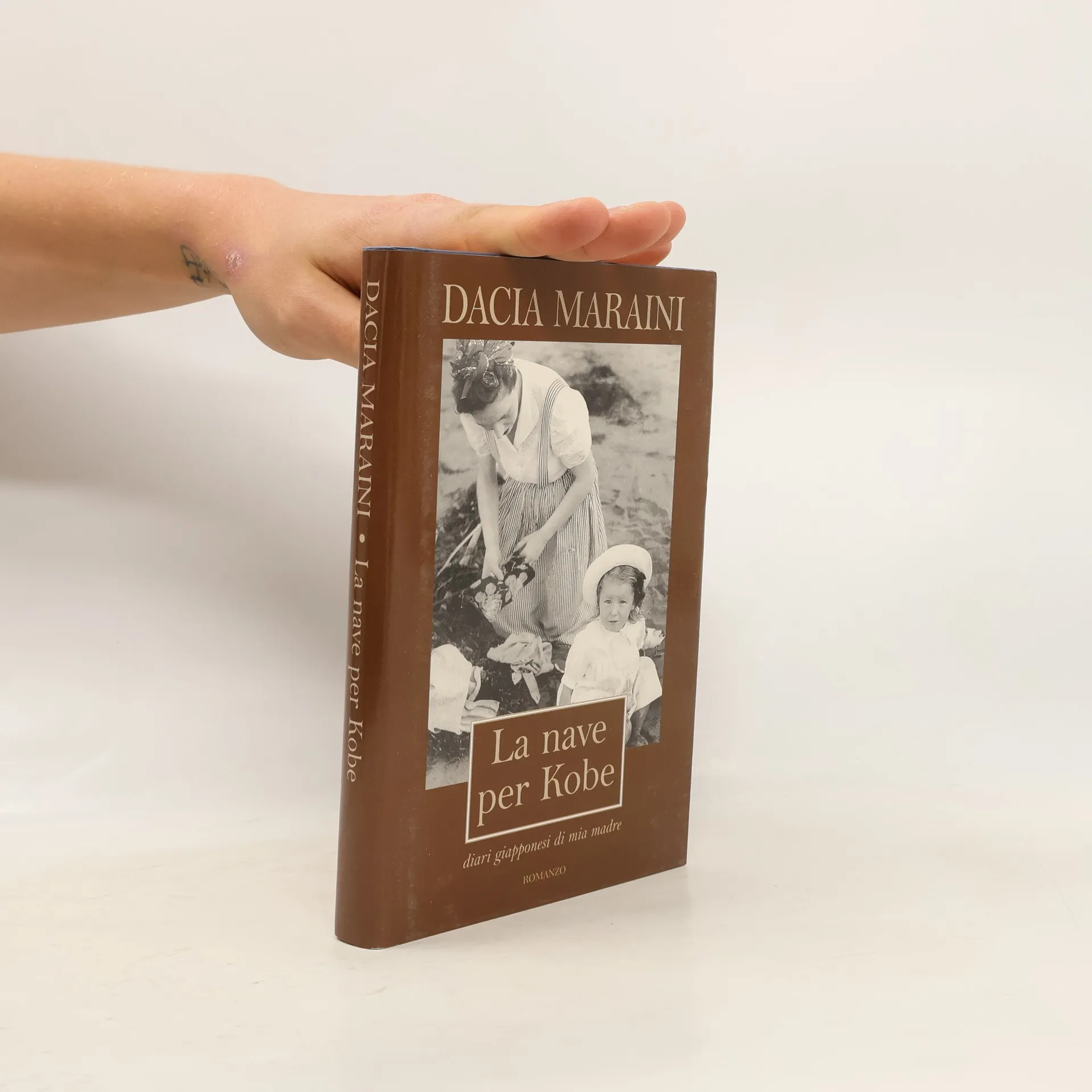
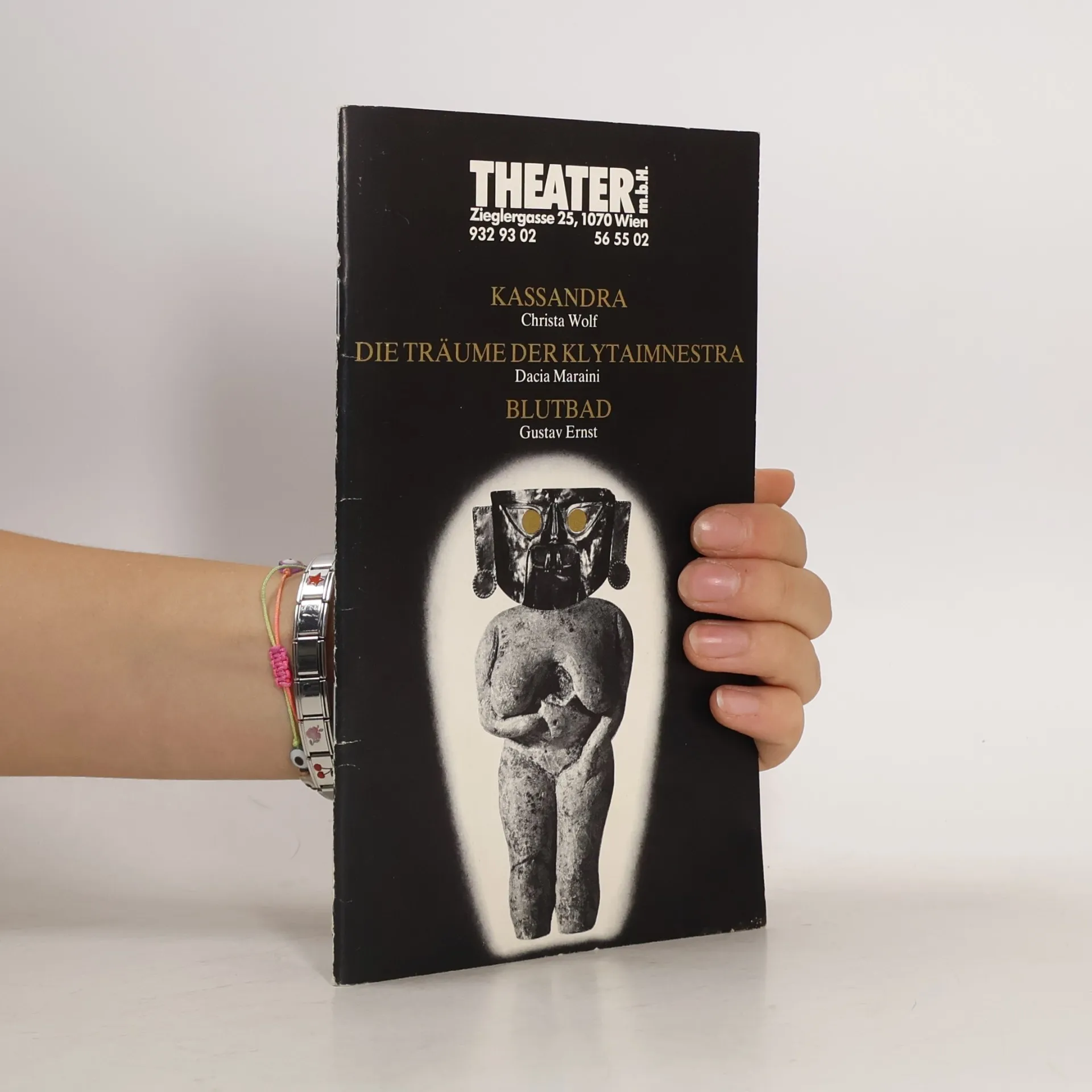
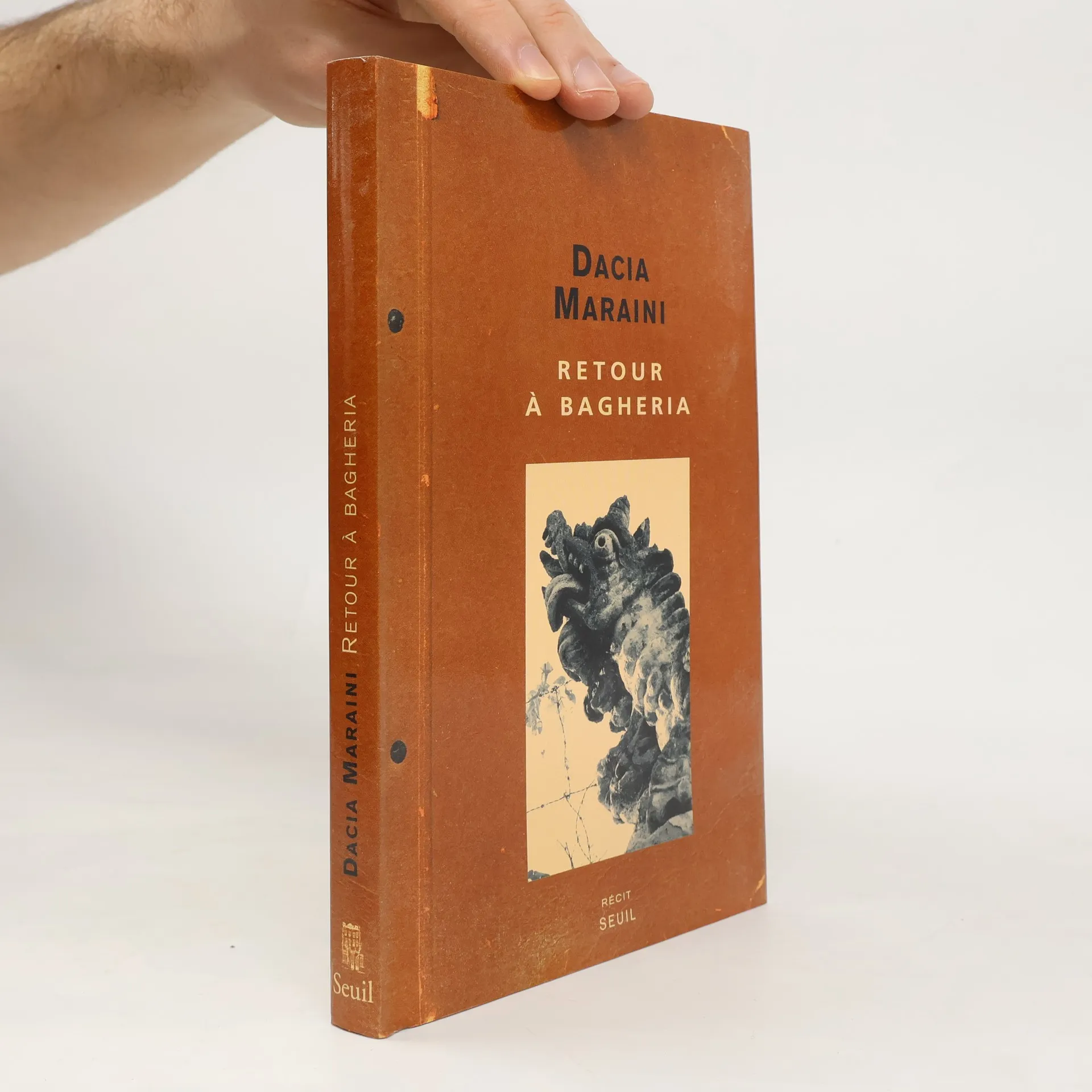
En 1947, la famille de l'anthropologue Fosco Maraini revient en Sicile, après une longue détention dans un camp de concentration japonais. Ce livre de souvenirs d'enfance, Dacia Maraini l'a écrit avant La Bateau pour Kôbé, mais les événements rapportés lui font suite. Elle y raconte son retour dans un environnement qu'elle ne connaissait pas puisqu'elle avait un an quand elle suivit ses parents au Japon. Elle y trace un très beau portrait de son père, homme pourtant distant et austère. Elle y offre un tableau sensuel d'une Sicile redécouverte avec une famille aristocratique en pleine décadence, dans une province vouée aux requins spéculateurs. Dans ce récit très personnel, qui fait appel aux archives familiales autant qu'à la mémoire intime, elle propose aussi une approche sociologique et politique de cette région mythique de l'Italie en donnant un témoignage très singulier, à la fois vibrant, passionné et sévère sur son évolution depuis la dernière guerre mondiale.
Dacia Maraini Livres
Dacia Maraini est une auteure italienne dont l'œuvre se concentre sur les questions féminines, englobant de nombreuses pièces de théâtre et romans. Son écriture explore les profondeurs des expériences et des perspectives féminines, examinant souvent des dynamiques interpersonnelles complexes et les rôles sociétaux des femmes. Par sa voix littéraire distinctive, Maraini enrichit la littérature italienne avec des récits qui amplifient des voix et des préoccupations souvent inouïes.

Adele Sòfia, la sympathique commissaire romaine, est confrontée à des crimes qui exigent d'elle bien plus que des nerfs solides : les affaires qu'elle doit élucider proviennent du côté le plus sombre de l'humanité. Ce sont des histoires d'enfants qui touchent profondément. Par exemple, celle du courageux petit Tano, qui se bat en vain pour ses droits, ou celle de Viollca, une fillette albanaise de onze ans, envoyée par ses parents en Italie pour travailler... Peut-être le livre le plus beau et le plus triste de Dacia Maraini.
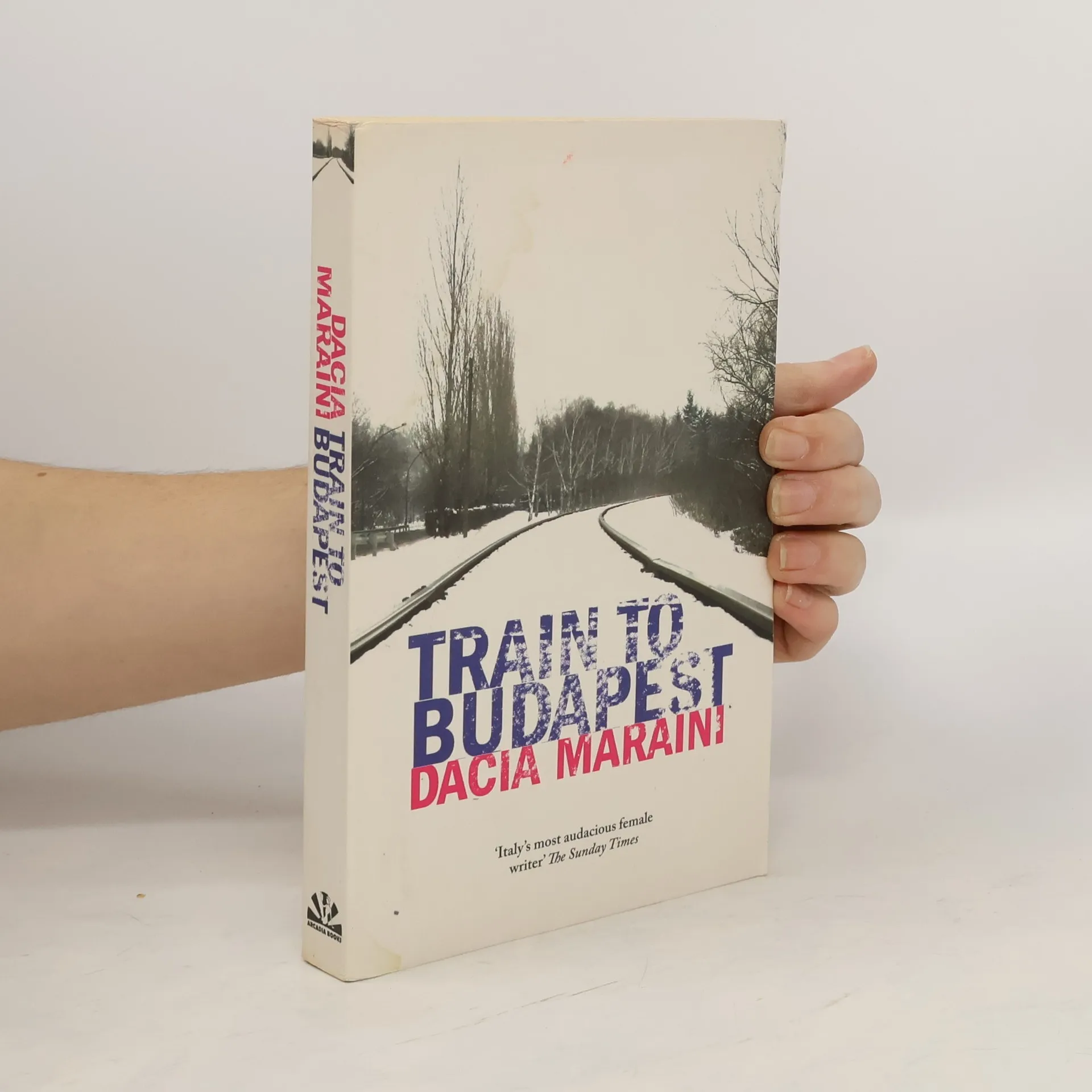
Train to Budapest
- 342pages
- 12 heures de lecture
1956: Amara, a young Italian journalist, is sent to report on the growing political divide between East and West in post-war central Europe. She also has a more personal mission: to find out what happened to Emanuele, her childhood friend and soulmate from pre-war Florence. Emanuele and his family were Jews transported by the Nazis from wartime Vienna. So she visits the Holocaust museum at Auschwitz, and Budapest, where she is caught up in the tumultuous events of the October rising against the Soviet Union. Along the way she meets many other survivors, each with their own story to tell. But did Emanuele survive the war or, like so many other Viennese Jews, did he die in Auschwitz or a ghetto in Poland?
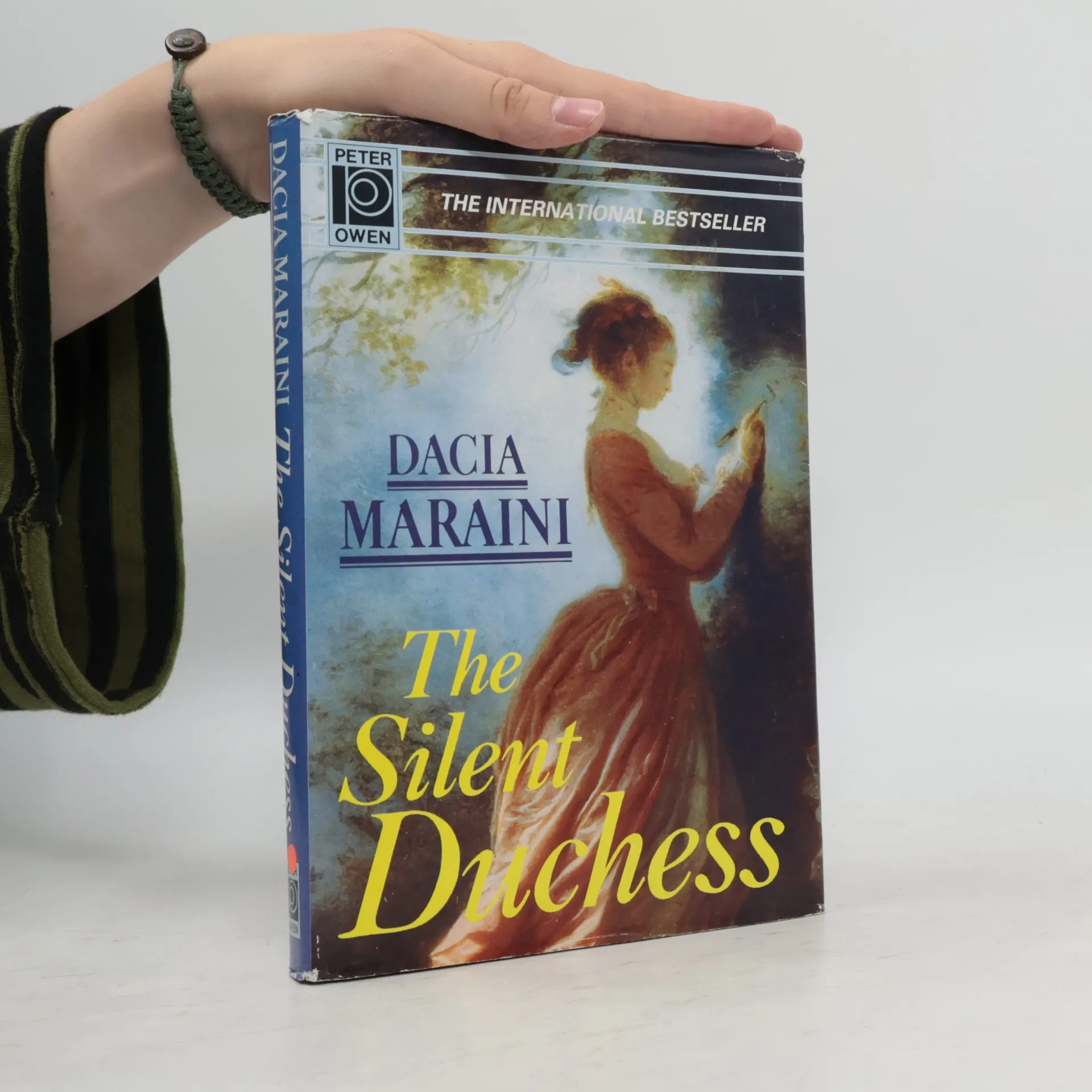
The Silent Duchess
- 235pages
- 9 heures de lecture
This international bestseller won the Premio Campiello prize and the Independent Foreign Fiction Award, and more than 200,000 copies have been sold in Italy since 1990. The novel is a picture of Sicilian society which bears comparison with The Leopard. Set in Sicily in the eighteenth century, the heroine is the silent Duchess Marianna, a deaf woman born into an aristocratic family where she is trapped and burdened by its demands. Married at thirteen to her uncle, she watches three generations come and go, and finally manages to gain her own freedom. The book is rich in social history; Maraini uses the heroine's talent for close observation as a literary device resulting in tantalizing descriptive paragraphs of delicate beauty.
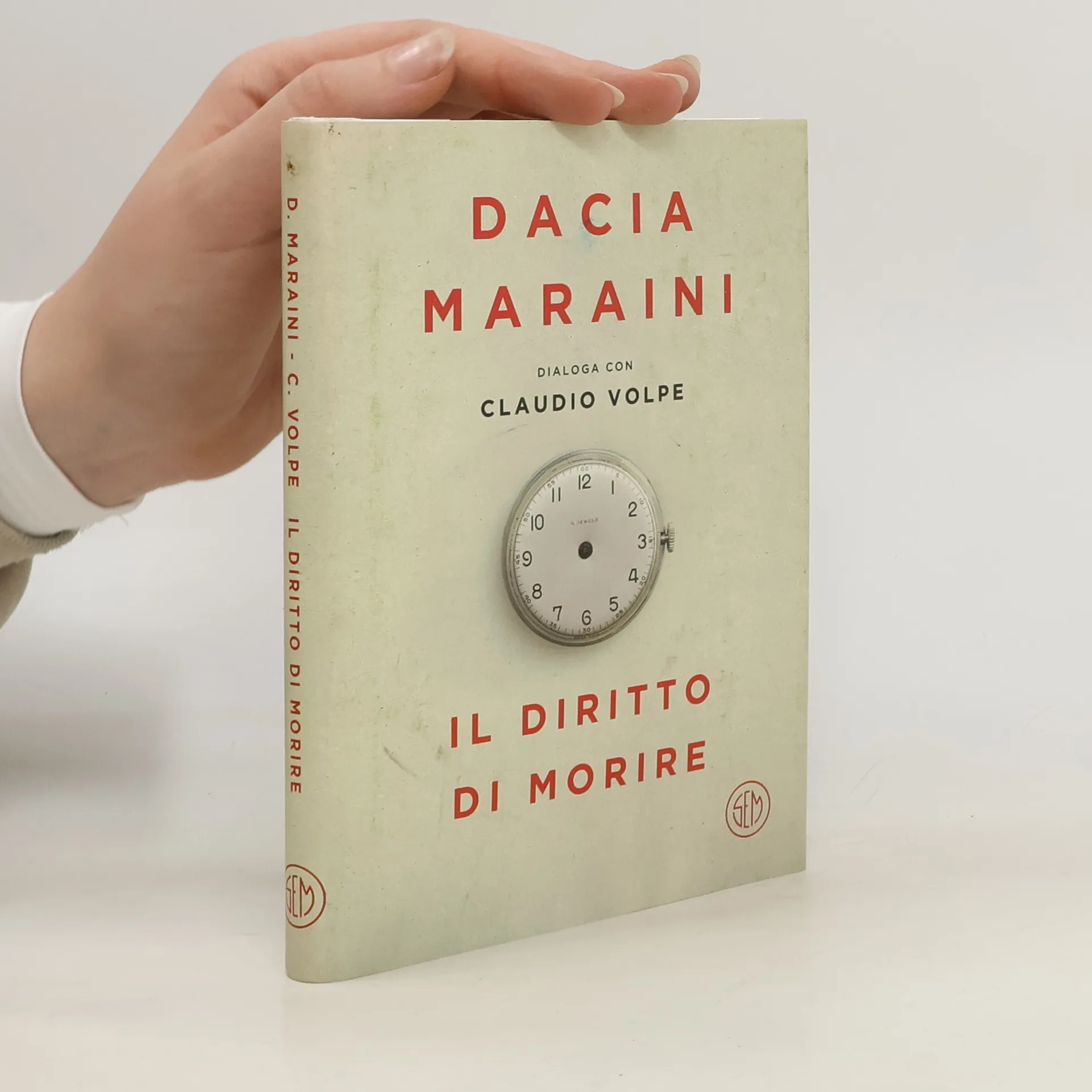
Il diritto di morire
- 124pages
- 5 heures de lecture
Il mondo cambia velocemente, la tecnologia trasforma le nostre abitudini quotidiane, anche le più consolidate. La morale da un lato e le leggi dall’altro faticano a tenere il passo. Eppure, certi temi, certe questioni ci impongono una riflessione attenta, puntuale, veloce. Dacia Maraini, una delle più note e apprezzate scrittrici di oggi, dialoga in questo piccolo, densissimo e illuminante libro con il giurista Claudio Volpe sulla delicata questione del ‘fine vita’. È ammissibile che una persona decida di morire, a prescindere dalla sua condizione fisica e di salute? La libertà di togliersi la vita può essere considerata una libertà degna? Si tratta di un diritto che, in estremo, può essere sancito da una legge, tenendo conto che comunque la Costituzione afferma che «nessuno può essere obbligato a un determinato trattamento sanitario» e che mai è consentito «violare i limiti imposti dal rispetto della persona umana»? Dalle parole di Maraini e Volpe emergono molti spunti di riflessione, anche suscitati dalla cronaca di ogni giorno. Muovendosi fra il mondo giuridico-normativo e quello delle testimonianze dirette, della letteratura e della mitologia antica, Il diritto di morire, con parole semplici e un tono sempre riguardoso, perfino commovente, aiuta il lettore a ragionare senza pregiudizi di sorta, sempre al riparo dal luogo comune, su un tema cruciale della nostra contemporaneità.
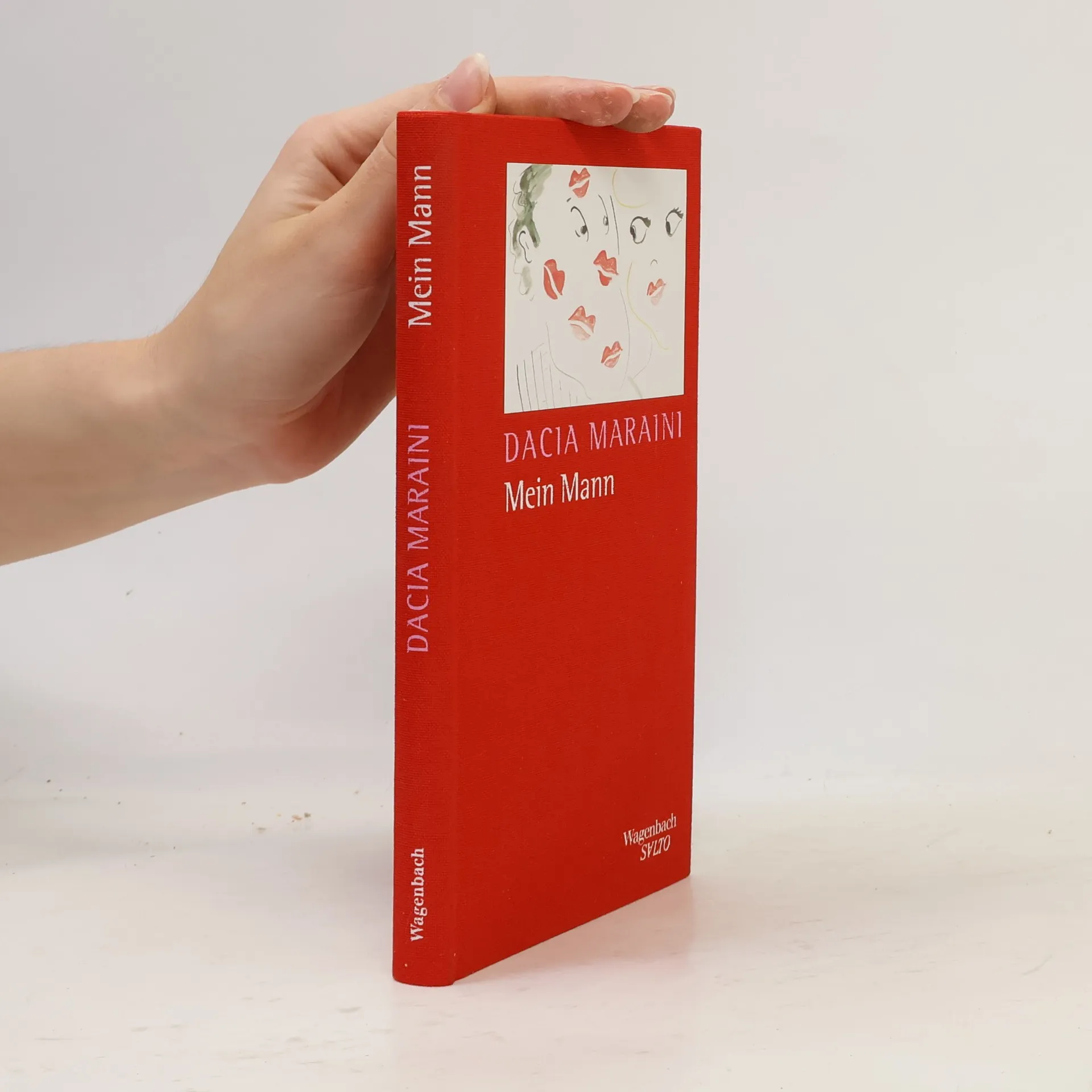
Mein Mann
- 140pages
- 5 heures de lecture
In Italien, wie in den meisten westlichen Kulturen, war das Jahrzehnt der 1960er Jahre eine dynamische und turbulente Zeit des sozialen Wandels. Dacia Maraini untersucht in dieser Kurzgeschichtensammlung die verwirrenden, tragischen und oft humorvollen Erfahrungen von Frauen, die im modernen städtischen Italien leben. Mit einem Stil, der so prägnant ist wie der von Samuel Beckett, und einer Liebe zum Absurden, die Eugène Ionesco rivalisiert, sind Marainis Geschichten sowohl berührend als auch schrecklich komisch. Der ironische Blick der Autorin richtet sich auf sexuelle Beziehungen, Arbeitsbedingungen, Frauenthemen und Familienkonstellationen und beleuchtet das Leben einer ganzen Generation. Mit klassischer existenzieller Angst sind Marainis Charaktere oft zutiefst unzufrieden mit ihren Situationen, aber auch schlecht gerüstet, um echte Veränderungen herbeizuführen. Diese feministische Version des Absurden ist köstlich ironisch und schrecklich. Die Geschichten haben einen echten Biss.
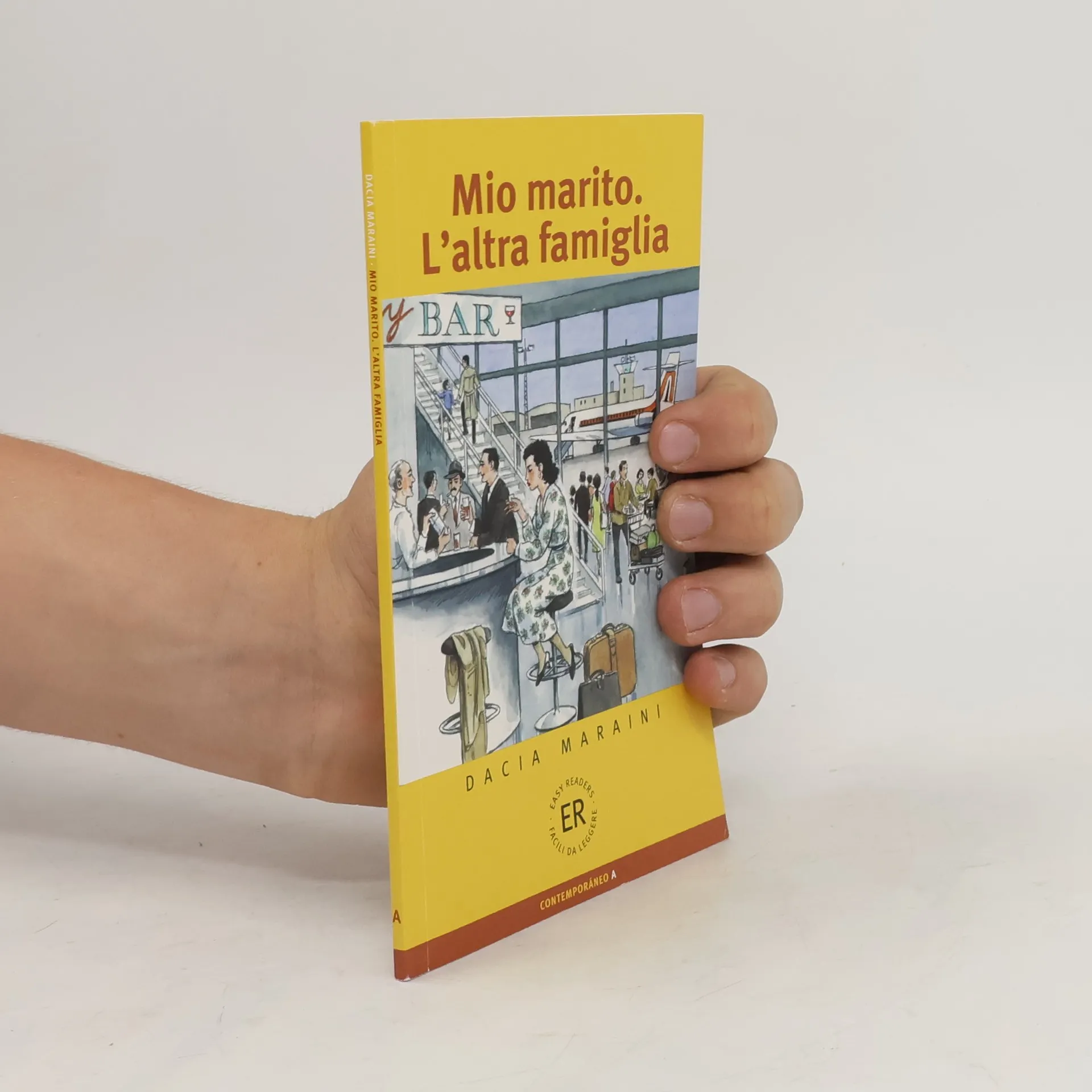
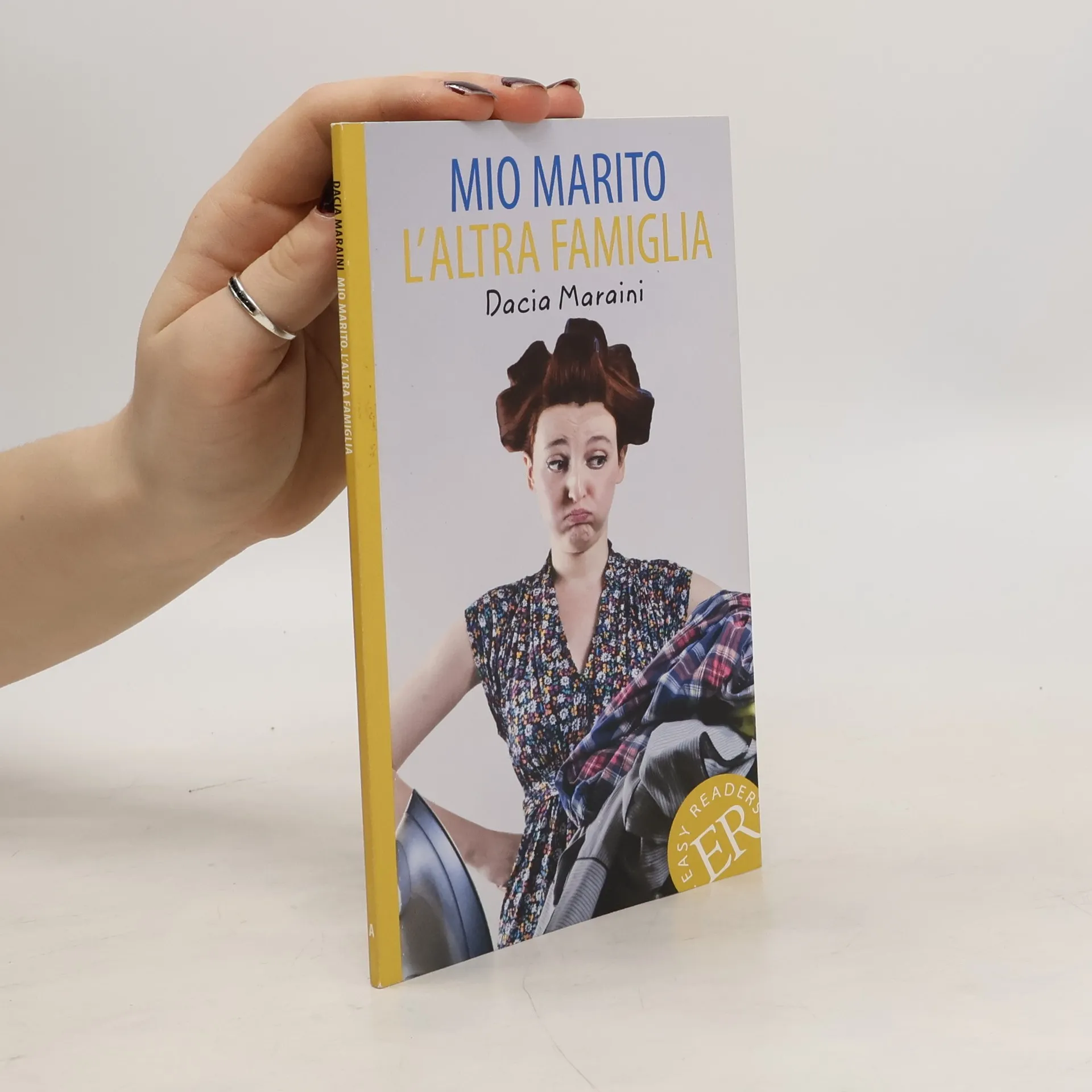
Mio marito. L' altra famiglia
- 46pages
- 2 heures de lecture
Questi due racconti di Dacia Maraini evidenziano i problemi della condizione femminile
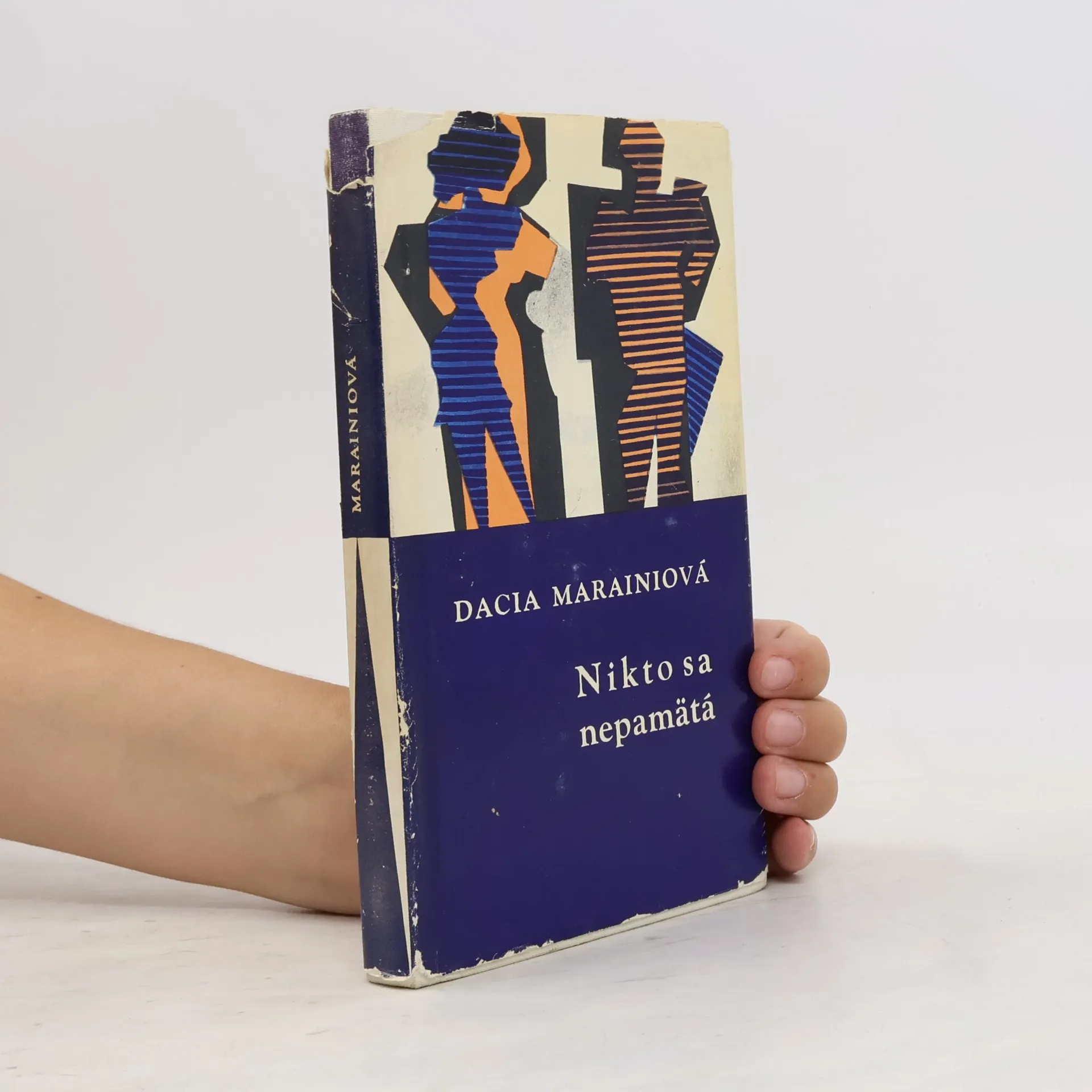
Maria Pietro sú manželia. Pietro leží smrteľne chorý, sexuálne impotentný, premožený životnou pasivitou. No nemieni sa vzdať lásky k Marii, píše listy, ľúbostné aj upodozrievavé, a keď ho navštívi, rozvinie sa medzi nimi dialóg, v ktorom naznačuje podvázanie, nedôveru, ale aj oddanosť...
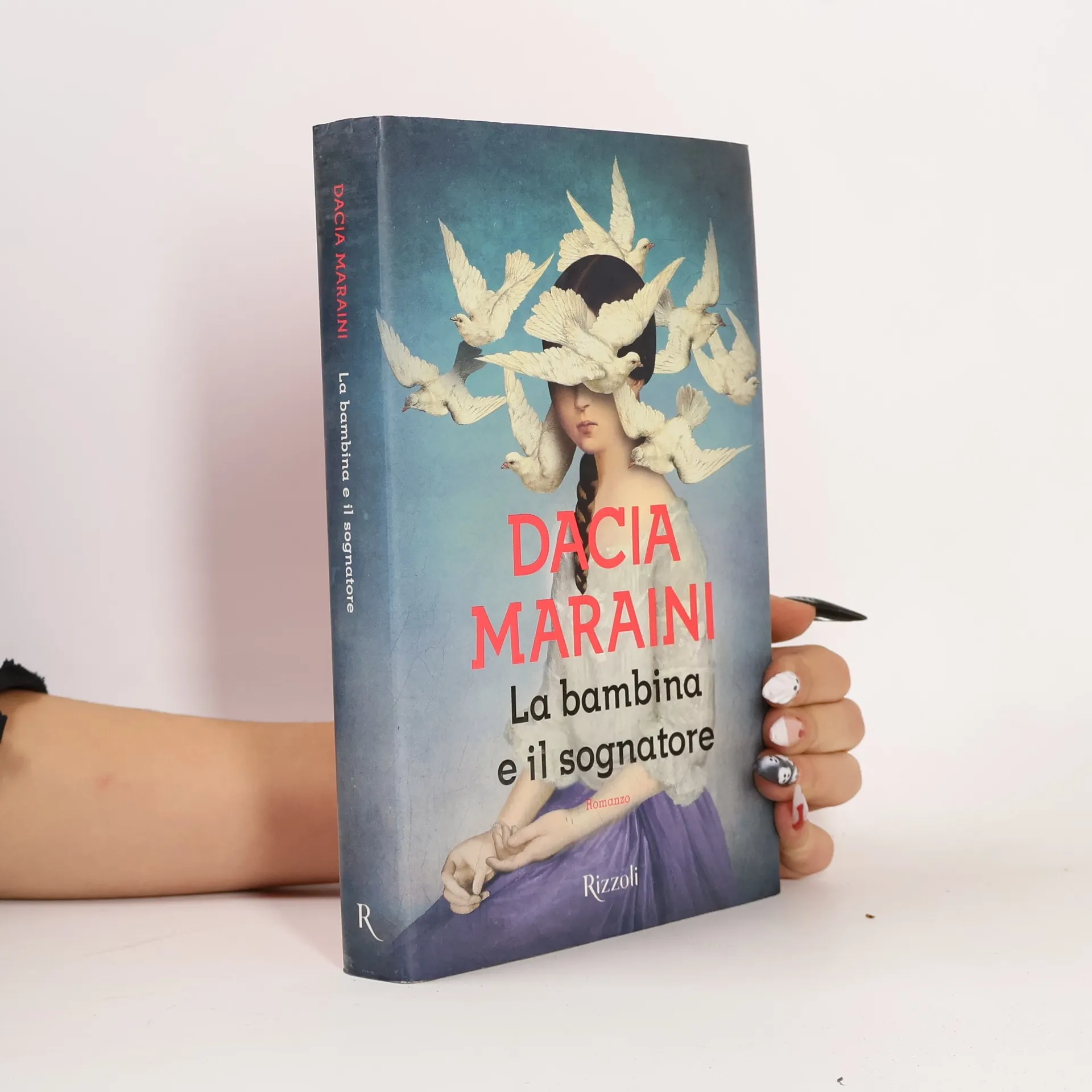
La bambina e il sognatore
- 411pages
- 15 heures de lecture
Un romanzo travolgente sul tema della perdita e dell'umanità, toccante e avvincente. I sogni sono frammenti di una realtà. Questo lo sa il maestro Nani Sapienza, quando sogna una ragazza che somiglia alla sua defunta figlia. Il giorno dopo, ascoltando la radio, apprende della scomparsa di Lucia e si convince che le sia apparsa in sogno. Lucia è scomparsa senza lasciare traccia, e dopo settimane di ricerche infruttuose, la polizia e i genitori si arrendono. Solo Nani non smette di indagare, attirando il sospetto della piccola comunità. Tuttavia, i suoi alunni della quarta elementare, che non si stancano mai delle meravigliose storie del loro insegnante, iniziano a riflettere. La ricerca di Lucia si trasforma presto in una ricerca interiore per Nani, portandolo a confrontarsi con il proprio passato e le proprie emozioni.
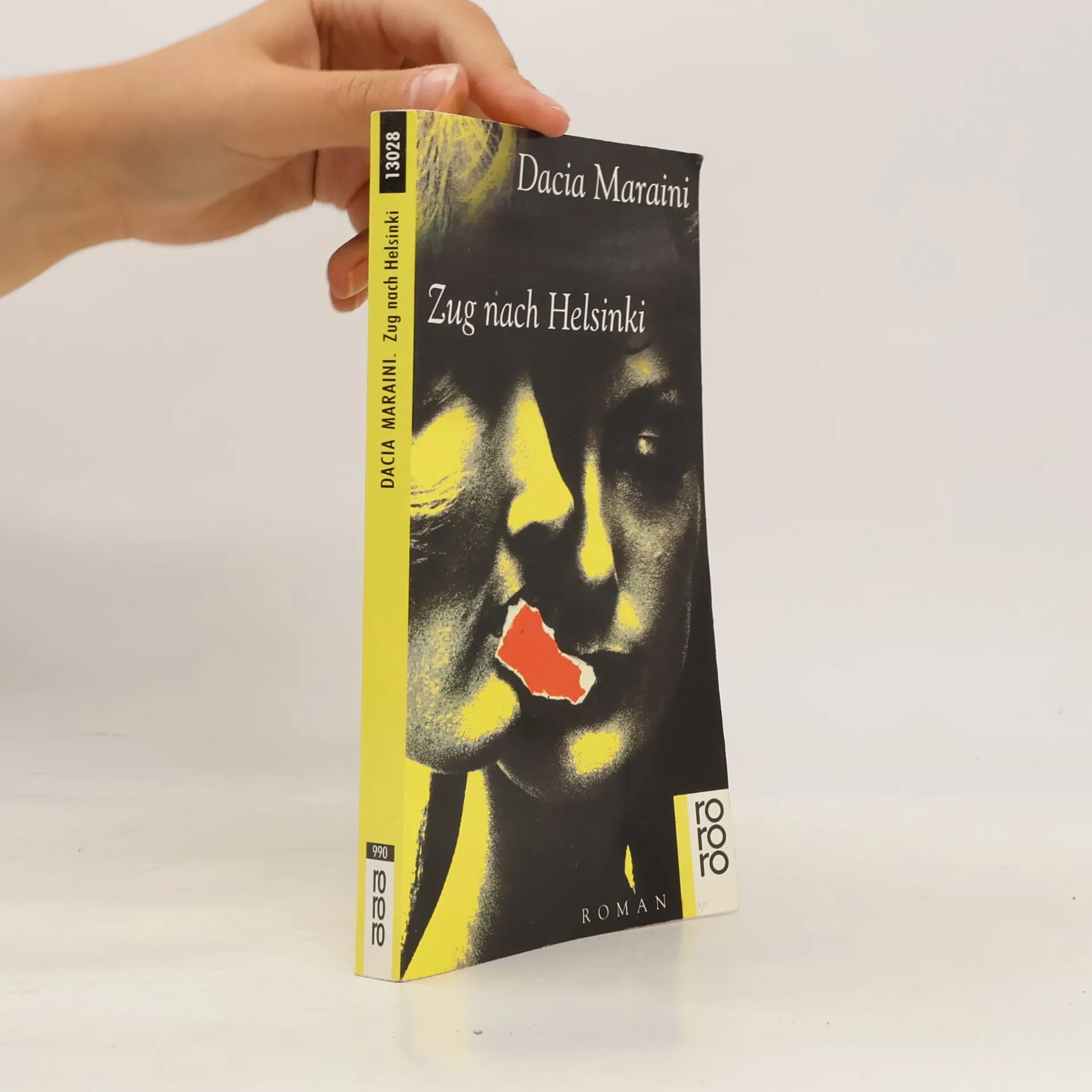
Zug nach Helsinki
- 246pages
- 9 heures de lecture
Auf dem Weg zu einem Kongress in Helsinki spitzen sich die ideologischen und relationalen Probleme einer Gruppe italienischer linksradikaler Jugendlicher zu.
A guide to why so many women become obsessed with the wrong men, and how they can break this addictive cycle and change the way they love.
Italian
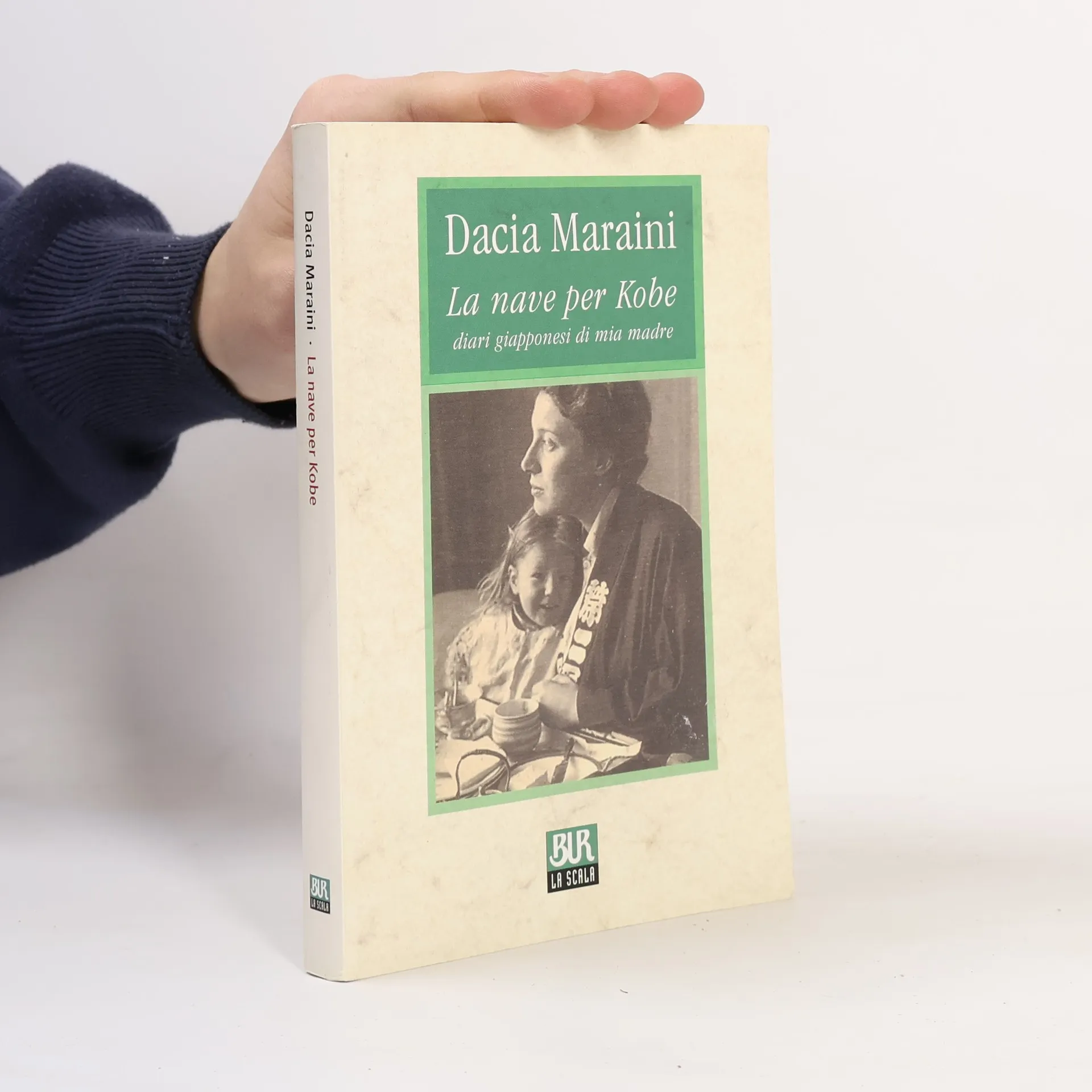
Giorno dopo giorni, Topazia Alliata Maraini ha annotato in questi suoi quaderni (ritrovati per caso dal marito Fosco e da lui donati a Dacia) le tappe del lungo viaggio prt nave verso Kobe, nel 1938, e i piccoli grandi eventi familiari di quegli anni che riguardano la vita delle figlie: Dacia e poi Yuki e Toni. Nasce da questo ricordare l'amorosissimo e inedito ritratto di una madre disponibile e presente, che si anima nell'intimo e segreto rapporto madre-figlia.
Animalia. Piccolo atlante delle creature animali
- 544pages
- 20 heures de lecture
Colomba Mitta desapareció la mañana del dos de junio. Su habitación estaba ordenada, la cama hecha, las toallas húmedas colgaban del alféizar de la ventana. El café en la taza sobre la mesa aún estaba caliente cuando su abuela entró en la cocina. Ha pasado un año desde entonces, y cada búsqueda de la joven ha sido en vano. Solo su abuela Zaira está segura de que aún vive, y así, cada mañana, monta en la bicicleta de Colomba y se dirige al bosque cerca de su pueblo en los Abruzos para encontrar alguna pista de su nieta. ¿Fue un crimen o una huida? ¿Está la solución del enigma en el pasado, en la historia de su familia, que comienza con un niño encontrado sin nombre y está llena de secretos? Zaira está dispuesta a cualquier sacrificio, y no duda mucho cuando recibe una pista dudosa, incluso si con ello arriesga todo lo que le queda.
La seduzione dell'altrove
- 174pages
- 7 heures de lecture
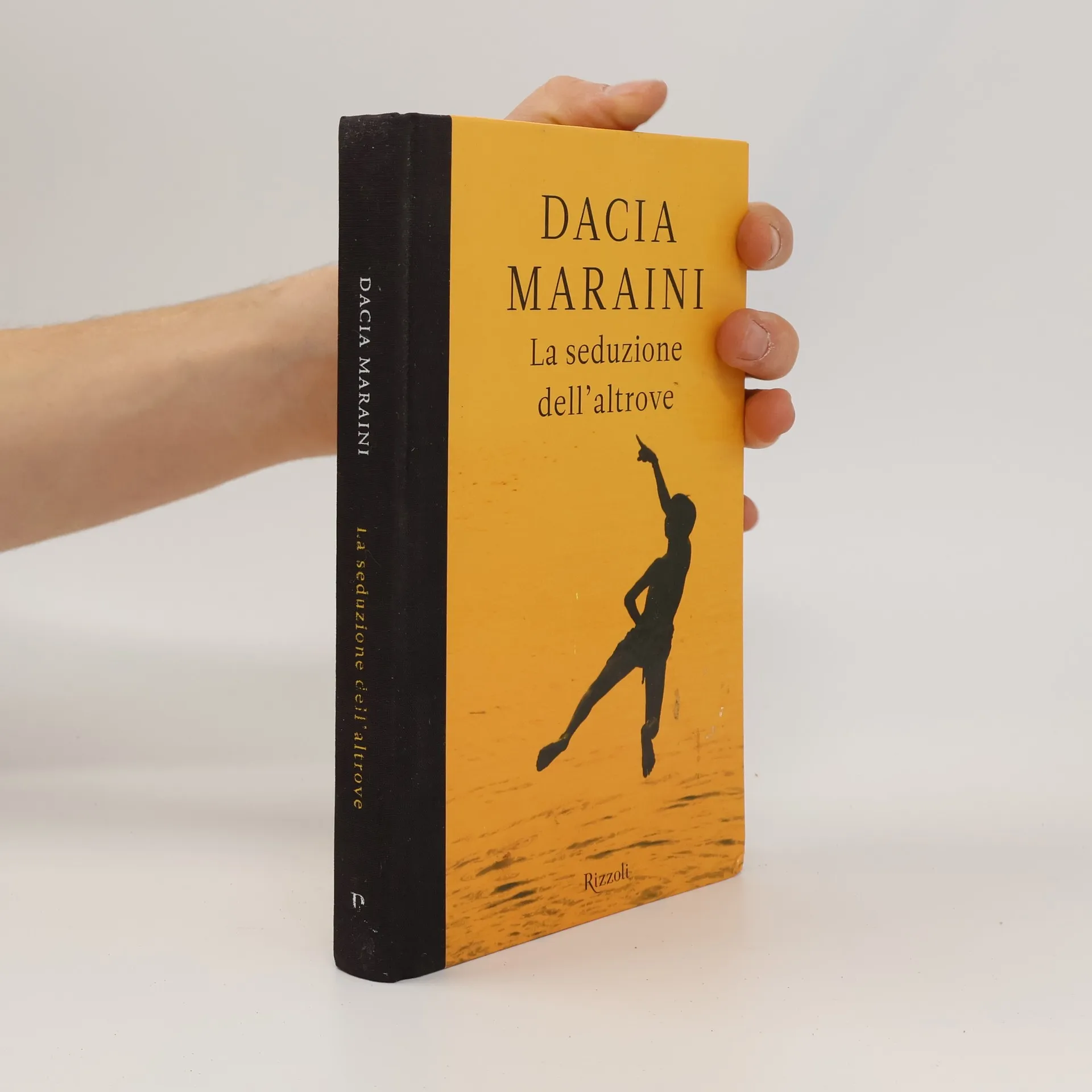
Sono articoli ma anche racconti questi itinerari di viaggio. Ci portano dall’Africa nera delle savane, ma anche delle baraccopoli offuscate dai fumi della diossina, all’Europa dei vecchi e recenti Stati, all’Oriente che distrugge le sue radici, ai ricchi campus degli Stati Uniti, alle città del Sudamerica che conservano memorie di un passato prezioso. Ci offrono acute analisi di società e culture filtrate talora dalle opinioni e dalle parole di scrittori che sanno fare conoscere l’anima del luogo al di là della maschera offerta al turista. L’esotismo, luogo evocato “che si carezza nella fantasia con i sensi abbagliati e un sottile godimento che tocca le viscere” è anche l’altra faccia dell’odio e della paura per il diverso, dice l’autrice, che del viaggiare ha fatto un destino, allenata dalla più tenera infanzia a girare il mondo coniugando libertà e ragione. Il suo costante spostarsi da un paese all’altro le ha permesso così di annotare conflitti, aspirazioni e sogni a volte crudeli, nuove forme di spiritualità, nuove filosofi e di vita, nuovi progetti, di confrontare situazioni e problemi indagando i rapporti tra i paesi più lontani e quelli più vicini, illuminandoli di luce nuova, nei loro pregi e nei loro vizi.
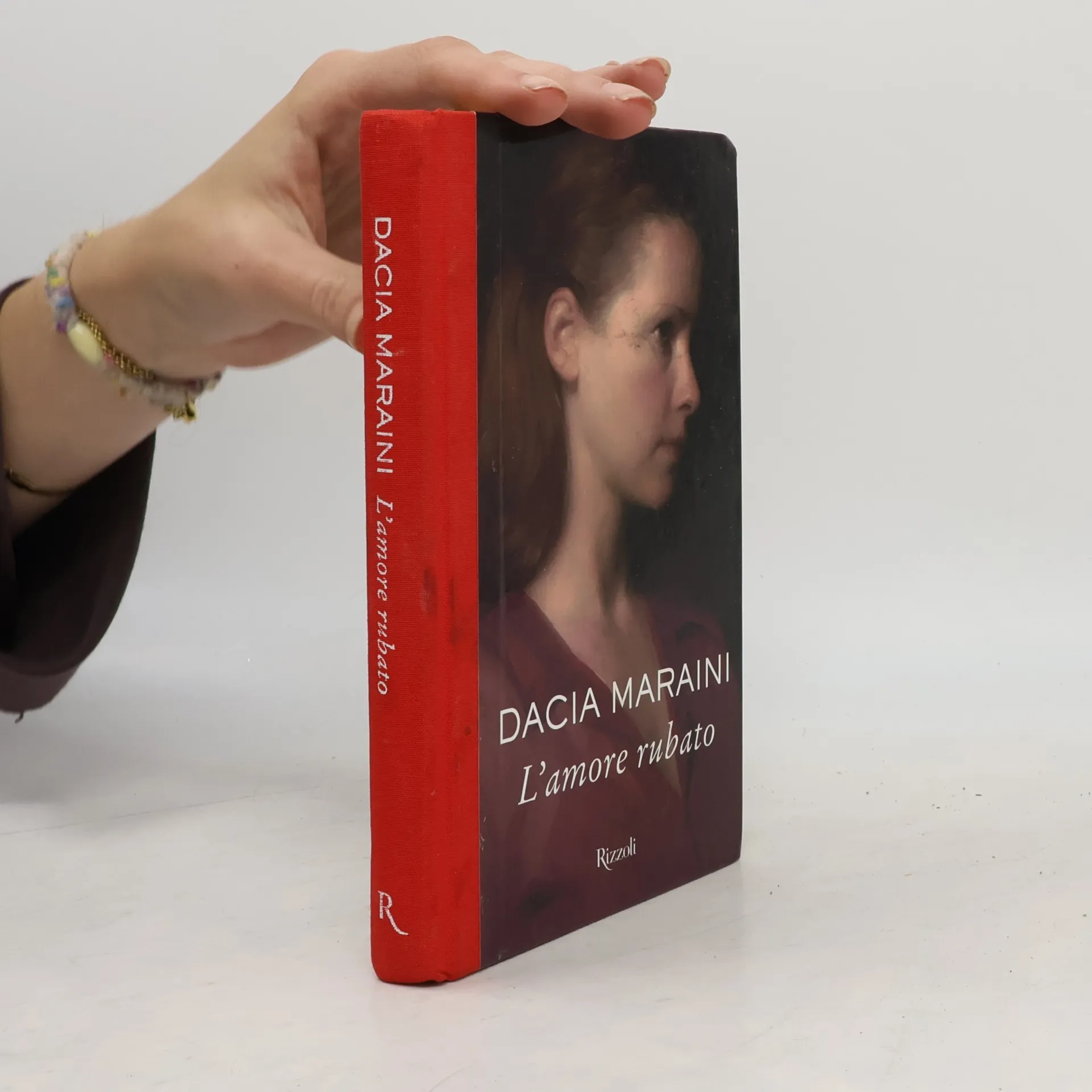
L'amore rubato
- 202pages
- 8 heures de lecture
Sono tutte qui le donne raccontate da Dacia Maraini, in questo piccolo libro importante. Sono qui a mostrarci qualcosa di intimo, qualcosa di necessario e doloroso. Le donne di Dacia sono forti, hanno lottato, a volte hanno perso ma non si sono mai arrese. Le protagoniste de L’amore rubato combattono una battaglia antica e sempre attuale, contro gli uomini amati che sempre più spesso si dimostrano incapaci di ricambiarle, di confrontarsi con il rifiuto, il desiderio. Davanti a queste donne, mariti, amanti, compagni si rivelano ragazzini che stentano a crescere e confondono la passione con il possesso e, per questo, l’amore lo rubano: alle bambine che non sanno, alle donne che si donano troppo. Come Marina, che si ostina a cadere dalle scale, come Ale, che sceglie con sofferta determinazione di non far nascere il frutto di una violenza o ancora come Angela, che si addossa, aderendo alle parole della Chiesa, le colpe che una antica misoginia attribuisce alla prima disobbedienza femminile. In tutte queste storie affilate e perfette, dure e capaci di emozionare e indignare, Dacia Maraini racconta di un mondo diviso fra coloro che vedono nell’altro una persona da rispettare e coloro che, con antica testardaggine, considerano l’altro un oggetto da possedere e schiavizzare.
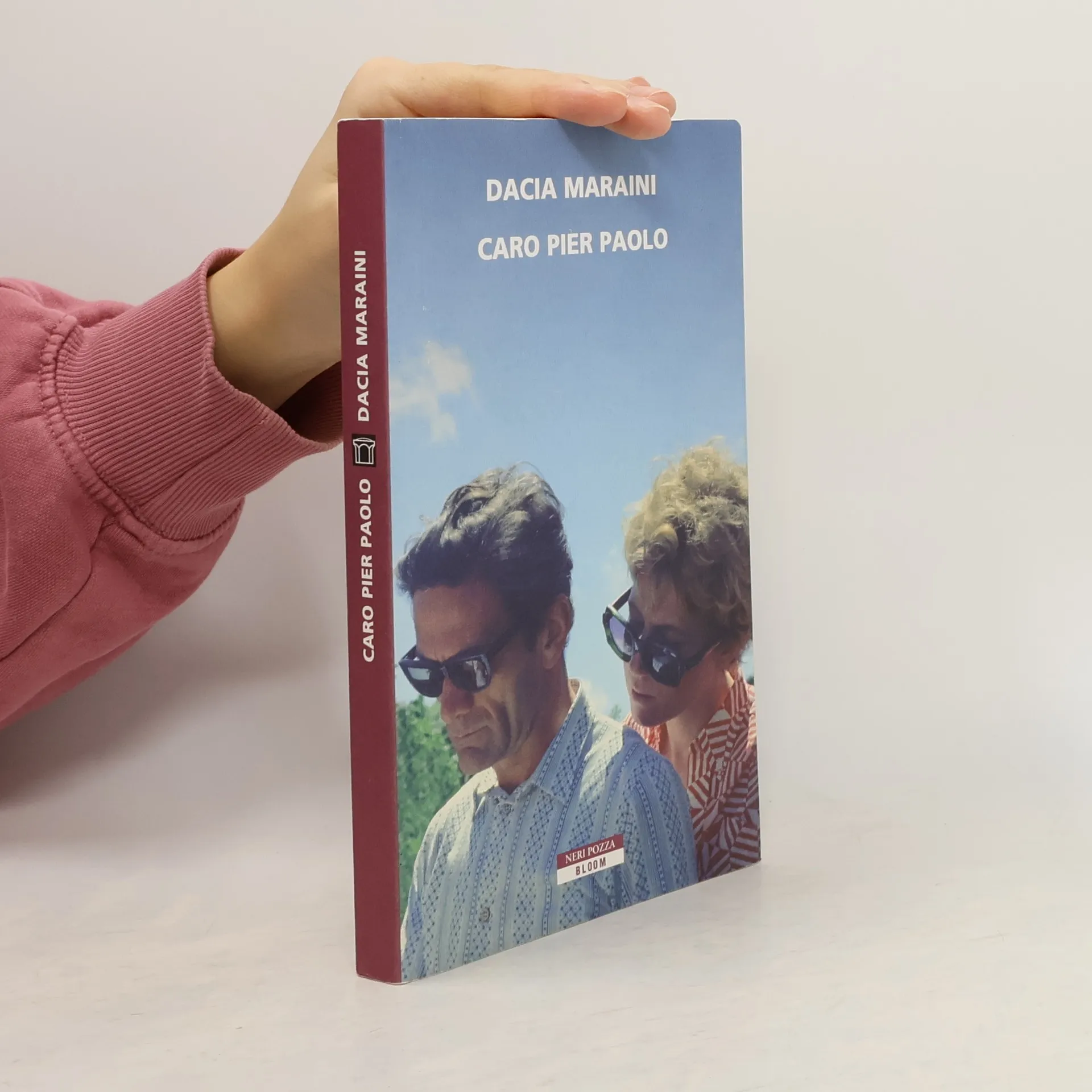
Caro Pier Paolo
- 240pages
- 9 heures de lecture
Pier Paolo Pasolini è un autore di culto per i giovani, la cui vita anticonformista e appassionata ha lasciato un segno indelebile. A cento anni dalla sua nascita e quasi cinquanta dalla sua morte, la sua figura continua a suscitare emozioni e dibattiti. Dacia Maraini, una delle amiche più intime di Pasolini, decide di ricordarlo in un dialogo sincero e profondo. Attraverso queste pagine, Maraini rivive esperienze artistiche e cinematografiche condivise con Pasolini, Alberto Moravia e Maria Callas, esplorando il mondo e l'Africa. La sua narrazione si sviluppa come una corrispondenza senza tempo, in cui i sogni emergono come spazi di confronto, ricchi di ricordi e riflessioni sulla vita e sulla morte di Pasolini. Lo stile di Maraini, caratterizzato da grazia e razionalità, crea un’opera che unisce passato, presente e futuro, offrendo una chiave per comprendere l'importanza culturale di Pasolini nel Novecento. La scrittura di Dacia si fa portavoce di un affetto profondo, rendendo omaggio a un uomo che ha segnato la storia della cultura.
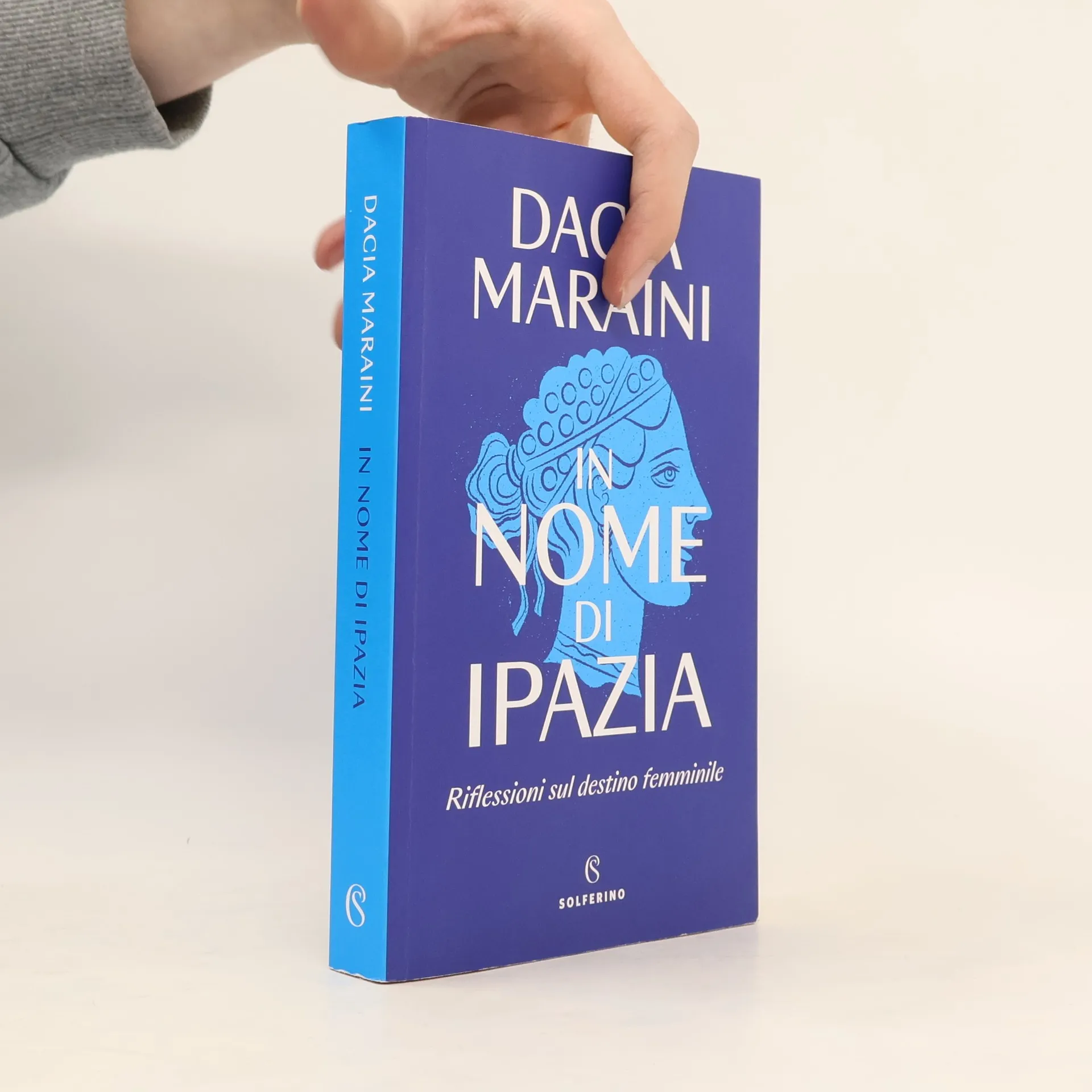
In nome di Ipazia. Riflessioni sul destino femminile
- 283pages
- 10 heures de lecture
Leggendo, riflettendo sui taccuini di Fosco Maraini - grandi pagine a quadretti ricoperte da una grafia minuta e serena - Dacia ricostruisce la personalità del padre: "Come cominciare un tuffo dentro questi taccuini paterni, che sono così vivi e ironici, che raccontano di sé parlando d'altro? Pullulano di osservazioni sul linguaggio, sulla storia, sulle religioni, sui costumi. Sono disseminati di poesie, di diari, di progetti narrativi mai portati a termine. Segno che la narrazione in lui era sempre latente, ma non arrivava al compimento."
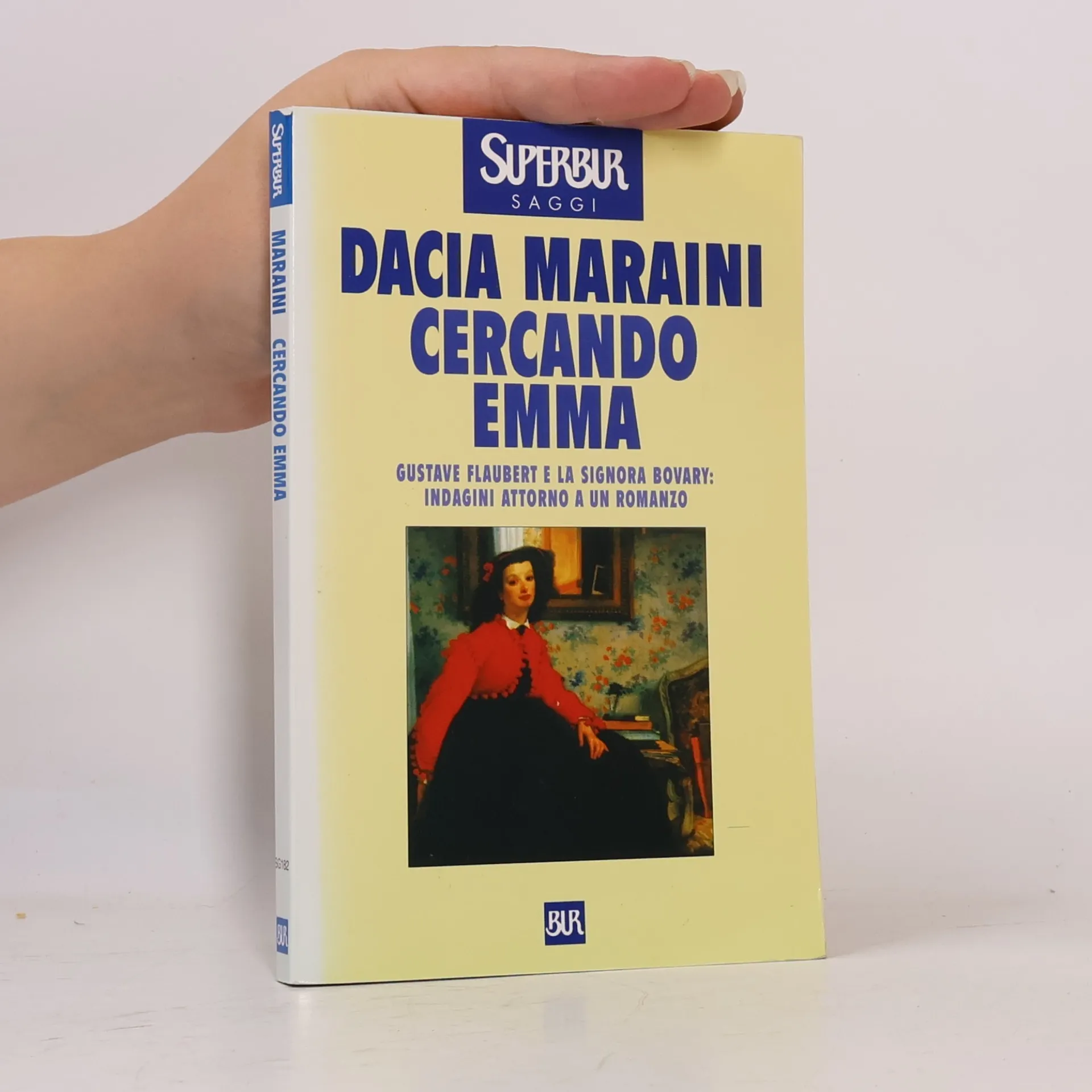
BUR Supersaggi - 182: Cercando Emma
Gustave Flaubert e la signora Bovary: indagini attorno a un romanzo
- 180pages
- 7 heures de lecture
La storia di madame Bovary è una delle più conosciute e amate, soprattutto dalle donne, che in questo personaggio vedono il baluardo della loro rivolta sessuale ed esplosiva, contro la costrizione soffocante della famiglia e di un ambiente provinciale e meschino. Eppure Emma Bovary non è stata amata dal suo autore, Gustave Flaubert, che con lei si è sempre mostrato intollerante e ostile. Dacia Maraini, scrittrice e donna, ripercorre la vicenda del romanzo per capire il suo fascino e svelarne il mistero.
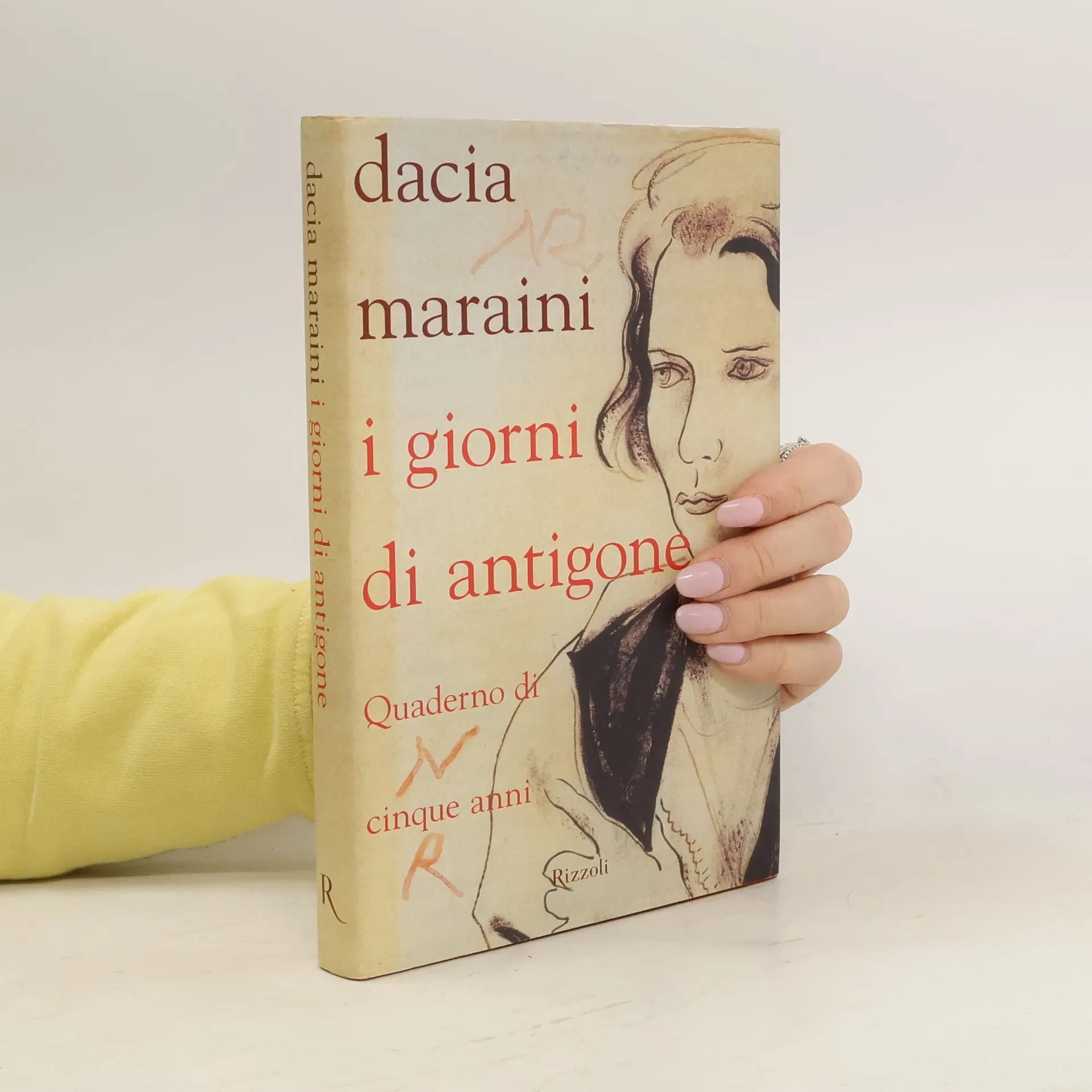
Antigone, sfidando le leggi per dare sepoltura al fratello, incarna la pietà, un sentimento sobrio quanto necessario, profondamente umano. Proprio da Antigone prendono spunto gli articoli che compongono questo volume e che sono usciti negli anni sul "Corriere della Sera" e sul "Messaggero". Sono storie di donne che in giro per il mondo subiscono un destino di discriminazione e di violenza, ma anche storie dell'Italia, un paese che secondo l'autrice sembra rassegnarsi alla devastazione incessante del proprio patrimonio naturale e culturale.
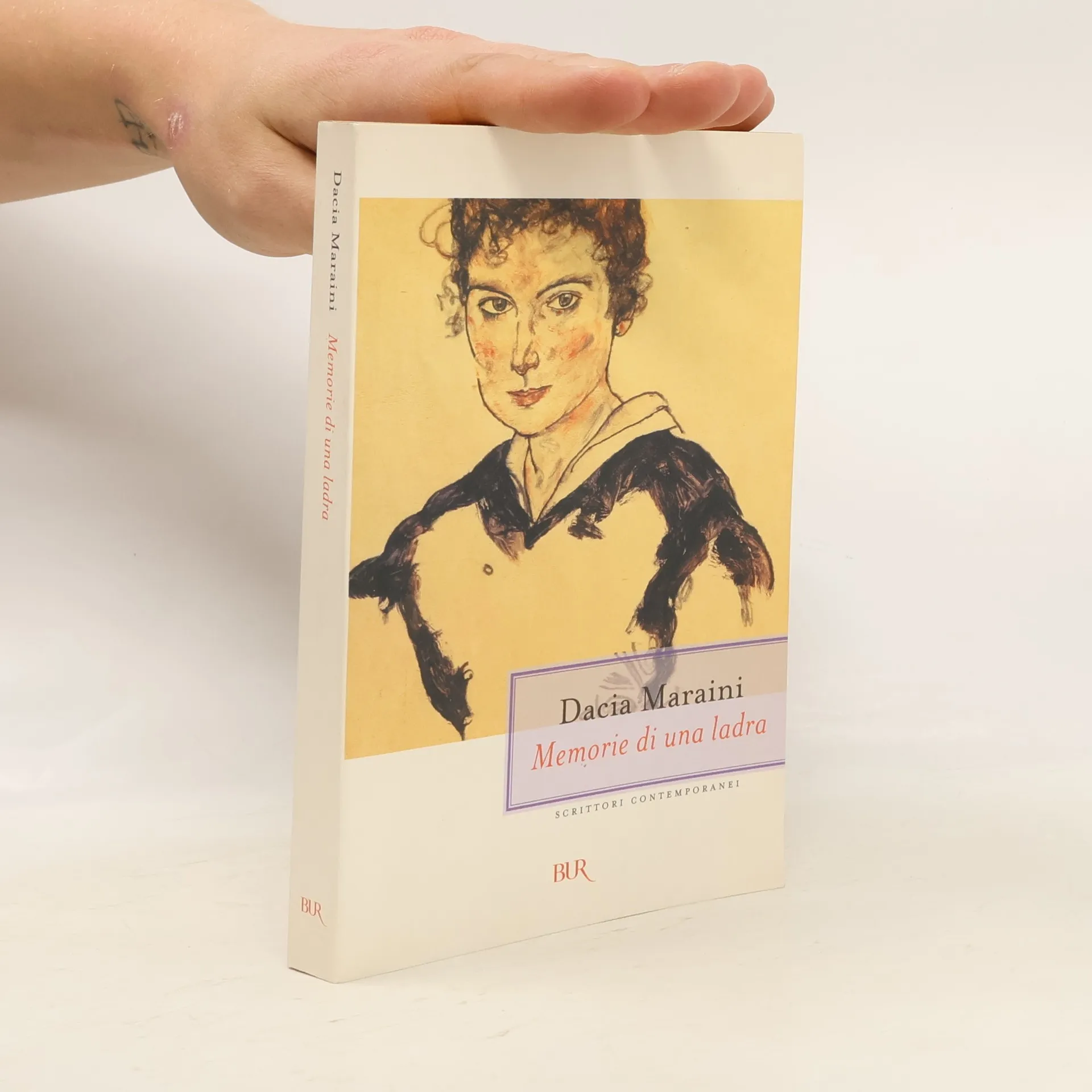
Il romanzo racconta la storia di Teresa Numa, nata nel primo novecento ad Anzio da famiglia poverissima. Maltratta dal padre e cacciata da casa da ragazzina. Sposata giovanissima ad un uomo che non la ama e dal quale avrà un figlio che da adulto la ripudierà. La vita di Teresa è un susseguirsi di disavventure, povertà, fame per le quali finisce sempre nei guai. Conosce più volte il carcere ed il manicomio, ma ogni volte ne esce pronta a ricominciare tutto da capo. Il personaggio si ispira ad una vera "ladra" conosciuta dalla stessa Maraini nel 1969
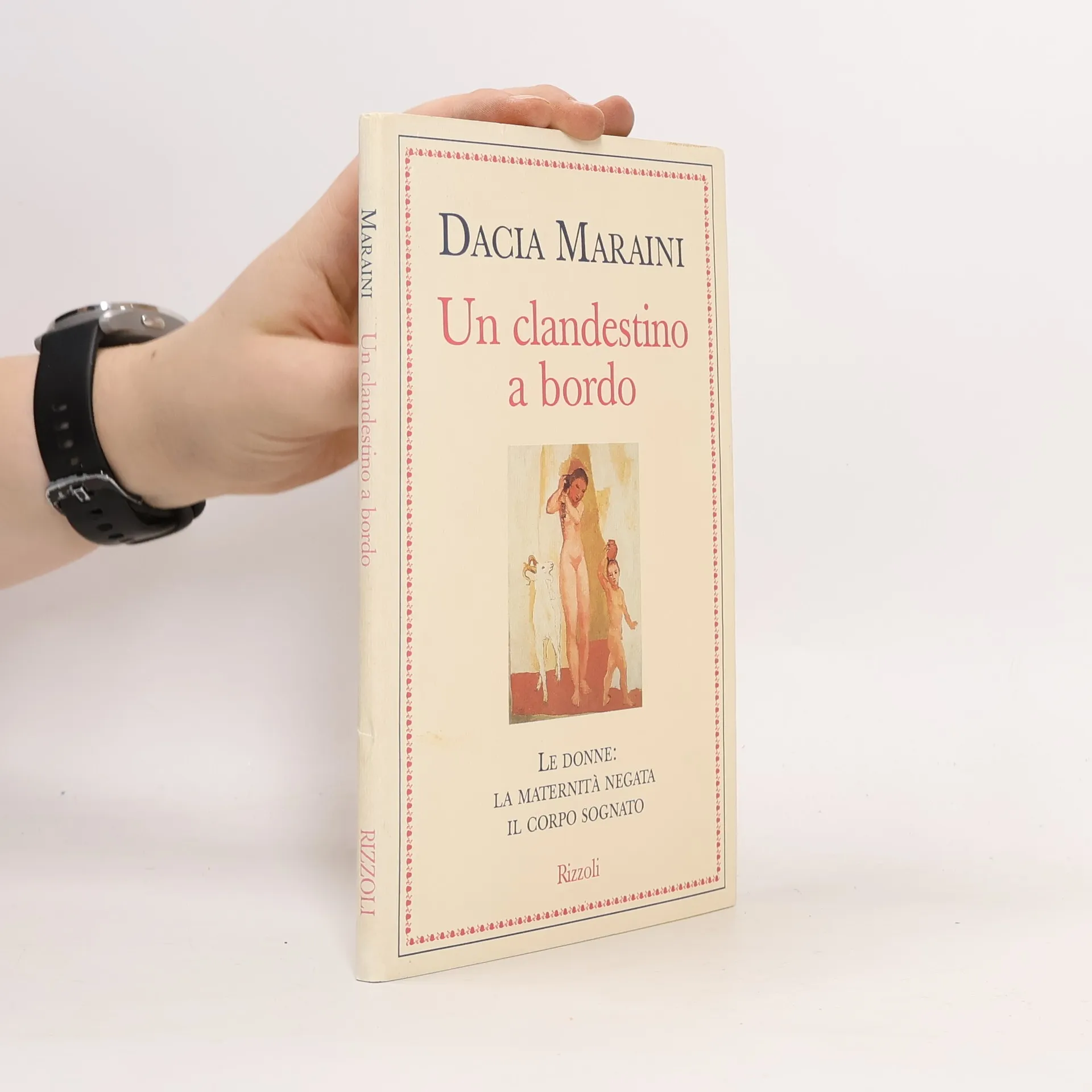
Un clandestino a bordo
- 93pages
- 4 heures de lecture
Dacia Maraini, scrivendo una lettera all'amico Enzo Siciliano, rievoca la dolorosa esperienza della perdita - poco prima della nascita - di un figlio fortemente desiderato, e s'interroga sulla maternità, sui motivi che nella nostra società inducono alcune donne ad abortire mentre presso popolazioni con religione e usanze molto lontane dalle nostre la nascita di un figlio resta un evento irrinunciabile. L'autrice indaga inoltre sui significati mitologici, erotici, mercantili del corpo femminile e analizza il linguaggio della seduzione, la violenza, lo stupro, la prostituzione, il piacere, il senso di colpa, la verginità, il matrimonio.
Chiara di Assisi. Elogio della disobbedienza
- 253pages
- 9 heures de lecture
Questo libro intimo e provocatorio narra l'incontro tra una grande scrittrice e una donna la cui voce è stata negata. Dacia Maraini e Chiara di Assisi, pur essendo molto diverse, sono unite dal desiderio di esprimere la propria voce. Chiara, a soli dodici anni, assiste a un evento che cambierà la sua vita: il "matto" di Assisi si spoglia davanti al vescovo e alla città. Bella e nobile, destinata a un matrimonio vantaggioso, quel giorno Chiara scopre la chiamata a seguire Francesco, ritirandosi dal mondo per abbracciare la povertà e la libertà. La sua disobbedienza risiede in questo rifiuto delle convenzioni maschili del suo tempo. Avere coraggio, per una donna, significa pensare e scegliere autonomamente, anche attraverso un silenzio carico di idee. Maraini, in questo racconto che si fa a volte scontro appassionato, delinea un ritratto vivido di Chiara: prima donna, poi santa, con un corpo tormentato ma felice. Chiara riesce a dare vita a un linguaggio rivoluzionario, superando le regole del suo tempo e lasciando un segno indelebile nella storia.
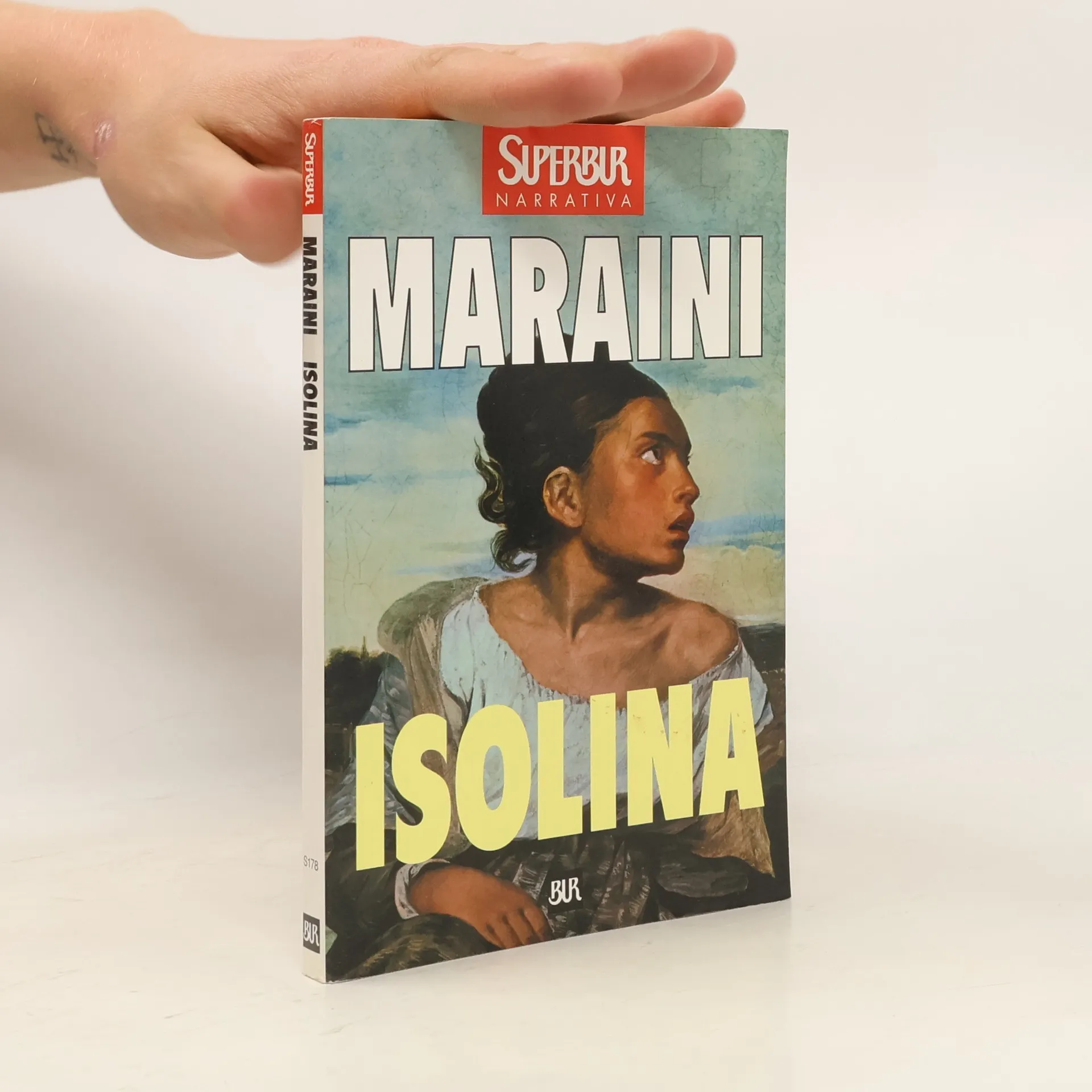
In questo bellissimo romanzo Dacia Maraini racconta la vera storia di Isolina, una ragazza come tante altre nella Verona a cavallo fra l'Ottocento e il Novecento, dove i militari potevano trovare facilmente divertimenti e belle donne. Quando resta incinta, il suo amante, anch'egli un ufficiale dell'esercito, la costringe ad abortire e Isolina muore in modo raccapricciante fra urla strazianti sul tavolo di un'osteria. Ma per salvare l'onore dell'esercito tutto viene nascosto, come se Isolina non fosse mai esistita.
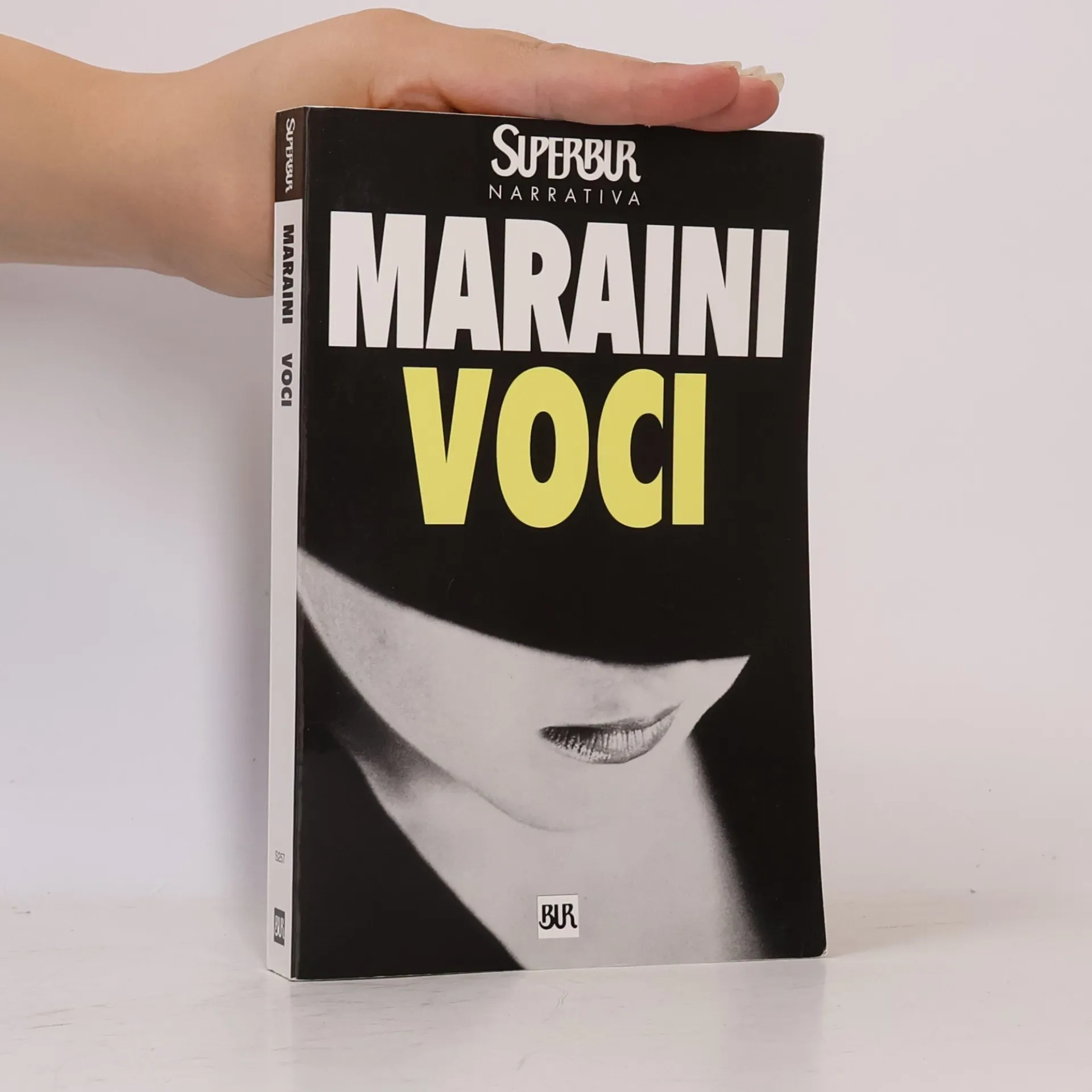
Voci
- 300pages
- 11 heures de lecture
Da radiojournalisten Michela Canova efter et kursus vender hjem til Rom, er en kvinde i nabolejligheden blevet myrdet. Michela begynder at arbejde journalistisk med mord i almindelighed og dette i særdeleshed, og afdækker mange lag af vold og kvindeforagt
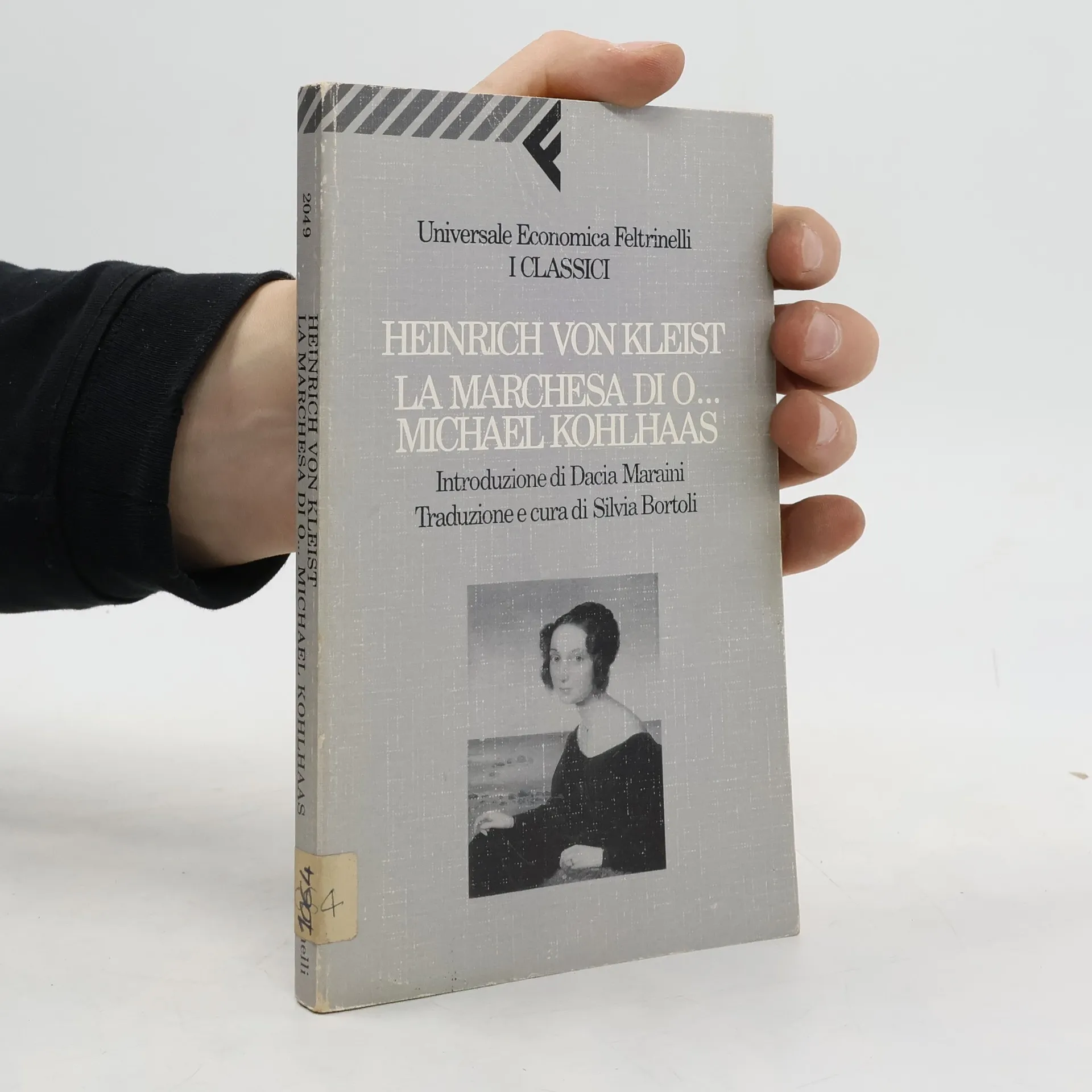
Universale Economica Feltrinelli - I Classici: La marchesa di O... / Michael Kohlhaas
- 173pages
- 7 heures de lecture
Nel XVI secolo, il commerciante di cavalli Michael Kohlhaas viene privato dei suoi due migliori cavalli, dei suoi diritti e infine della vita di sua moglie dal nobile Junker von Tronka, dal suo amministratore e dal castellano. Infuriato, intraprende con i suoi servitori una straordinaria vendetta contro il castello del malvagio nobile... La marchesa Julietta, una donna di fine classe, non ha avuto contatti con uomini dalla morte del marito, ma poi un medico e successivamente una levatrice le rivelano che è incinta. I suoi genitori la cacciano e vogliono anche portarle via i figli. A tutto ciò si aggiunge la pressione di un conte russo...
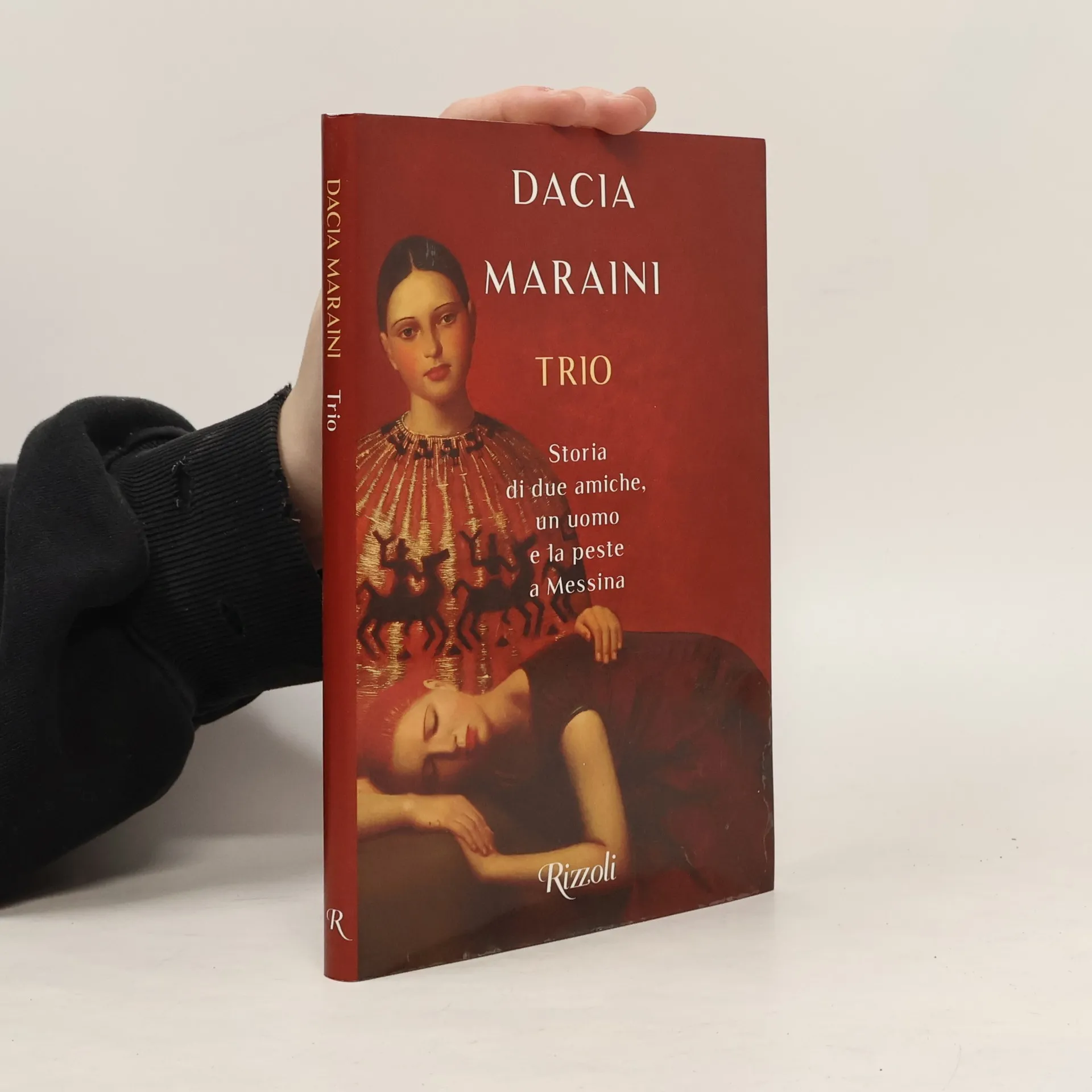
Trio
- 105pages
- 4 heures de lecture
"Sicilia, 1743. Il loro legame viene da lontano, e ha radici profonde. È nato quando, ancora bambine, Agata e Annuzza hanno imparato l'arte tutta femminile del ricamo sotto lo sguardo severo di suor Mendola; è cresciuto nutrendosi delle avventure del Cid e Ximena, lette insieme in giardino, ad alta voce, in bocca il sapore dolce di una gremolata alla fragola; ha resistito alle capriole del destino, che hanno fatto di Agata la sposa di Girolamo e di Annuzza una giovane donna ancora libera dalle soggezioni e dalle gioie del matrimonio. Ora, mentre un'epidemia di peste sta decimando la popolazione di Messina, le due amiche coltivano a distanza il loro rapporto in punta di penna, perché la paura del contagio le ha allontanate dalla città ma non ha spento la voglia di far parte l'una della vita dell'altra. E anche se è lo stesso uomo ad accendere i loro desideri, e il cuore scalpita per imporre le proprie ragioni, Agata e Annuzza sapranno difendere dalla gelosia e dalle convenzioni del mondo la loro amicizia, che racconta meglio di qualunque altro sentimento le donne che hanno scelto di essere"--Dust jacket
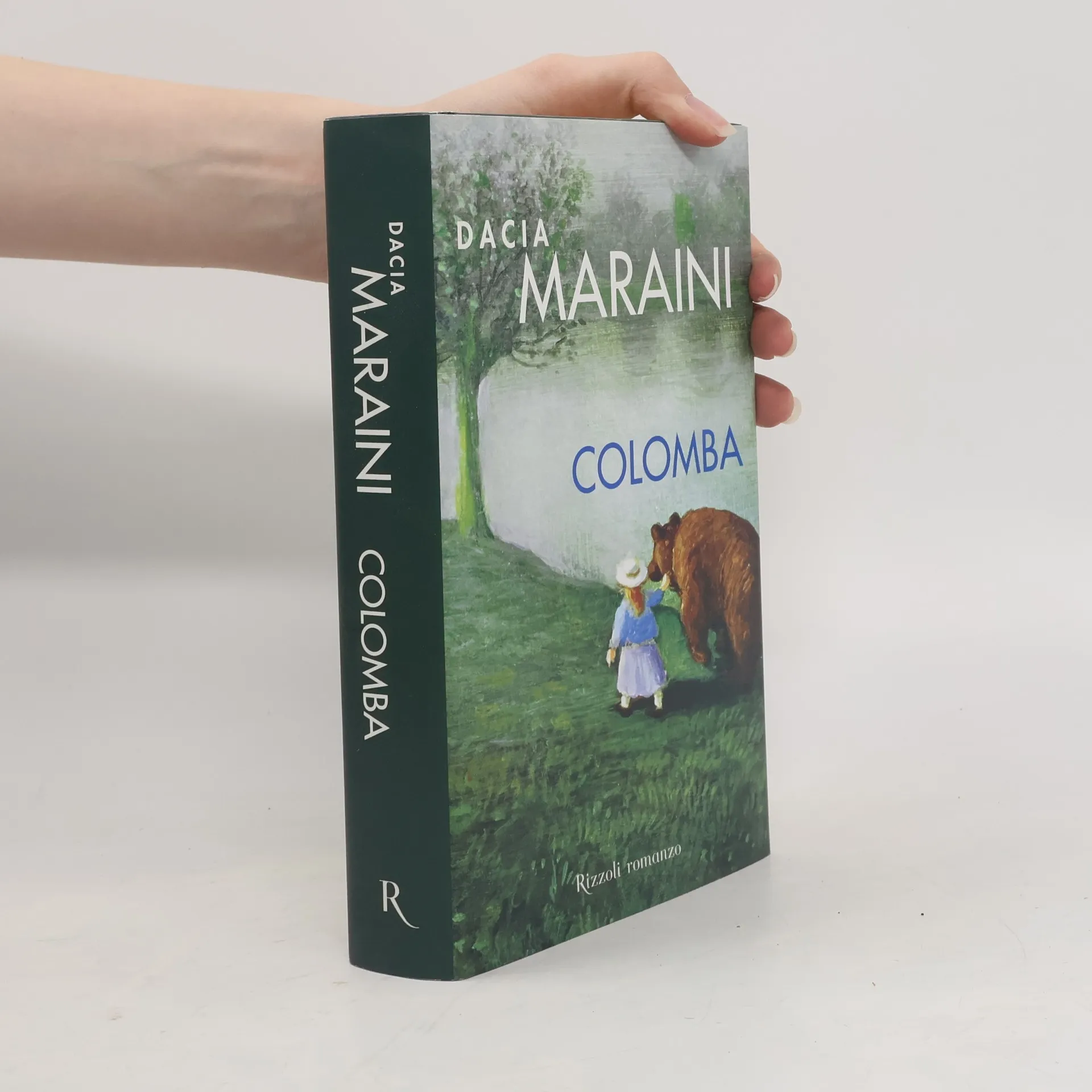
Colomba
- 373pages
- 14 heures de lecture
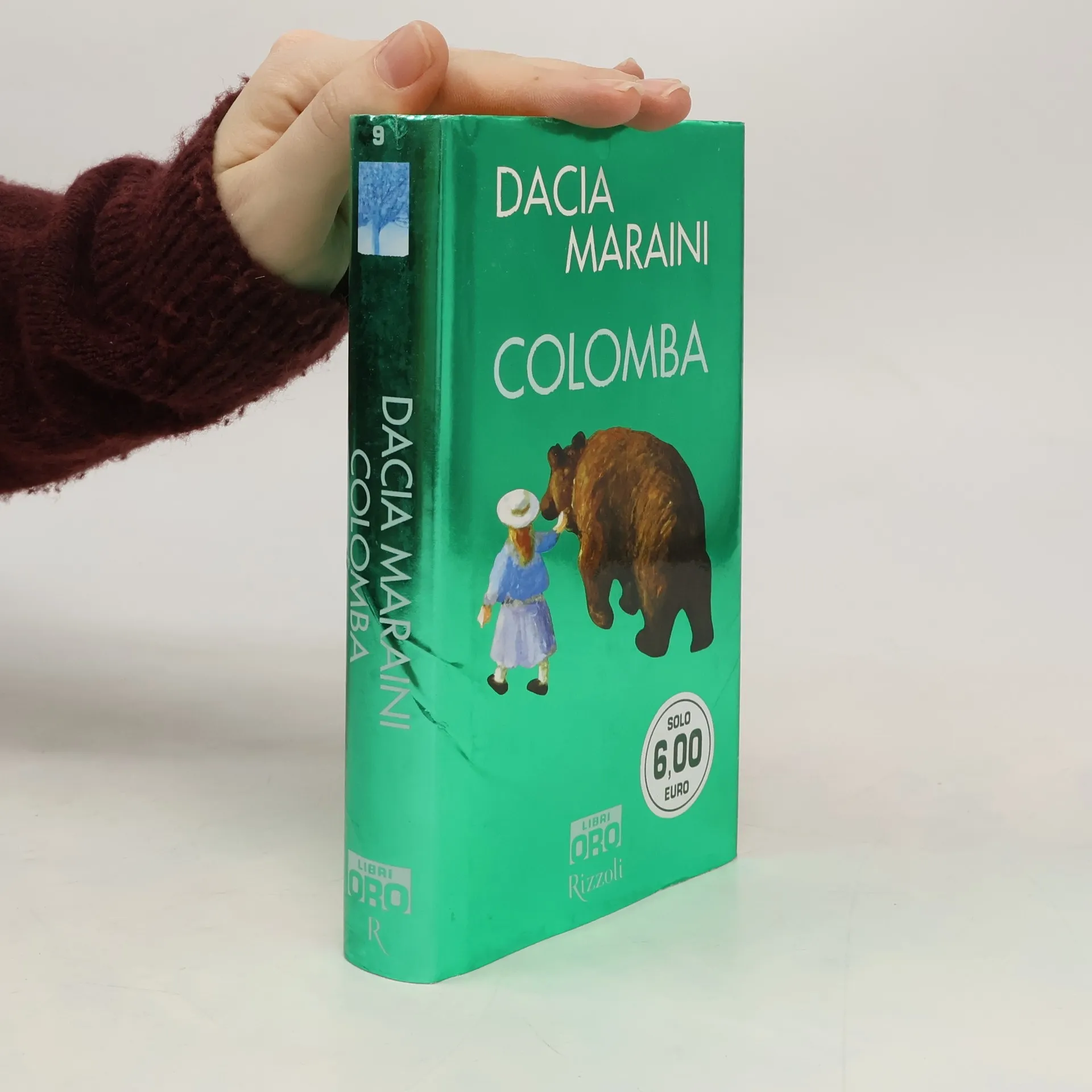
Colomba è scomparsa da un anno e nessuno sembra credere più che sia viva, tranne sua nonna Zà, che ogni mattina esplora i boschi abruzzesi in cerca di indizi. Le ricerche sono state vane e il mistero della sua sparizione si fa sempre più inquietante, alimentando sospetti di un delitto o di una fuga. La storia di Zà è anch'essa complessa e, risalendo all'Ottocento, potrebbe rivelare la verità sulla nipote. La memoria è un intreccio di fili, e Zà cerca l'aiuto di una scrittrice, impegnata a riflettere sulle proprie storie. Quest'ultima inizia a raccontare la sua epopea familiare: la vita di una povera famiglia del Sud, una siciliana che sposa un abruzzese, e il dramma di Pietr' i pelus', avvocato morto sul Carso nella Prima guerra mondiale. La narrazione si snoda tra la vita del figlio illegittimo, Pitrucc', e l'adolescenza difficile di Angelica, sullo sfondo di un'Italia turbolenta negli anni Settanta. Zaira continua a raccontare, accompagnata dal suo cane Fungo, mentre il romanzo si dipana in un flusso narrativo che esplora luoghi e memorie. Le voci delle due donne si intrecciano, creando un affresco di storie che si sovrappongono. La ricerca di Colomba si fa simbolo di un viaggio nel passato e nei misteri del bosco.
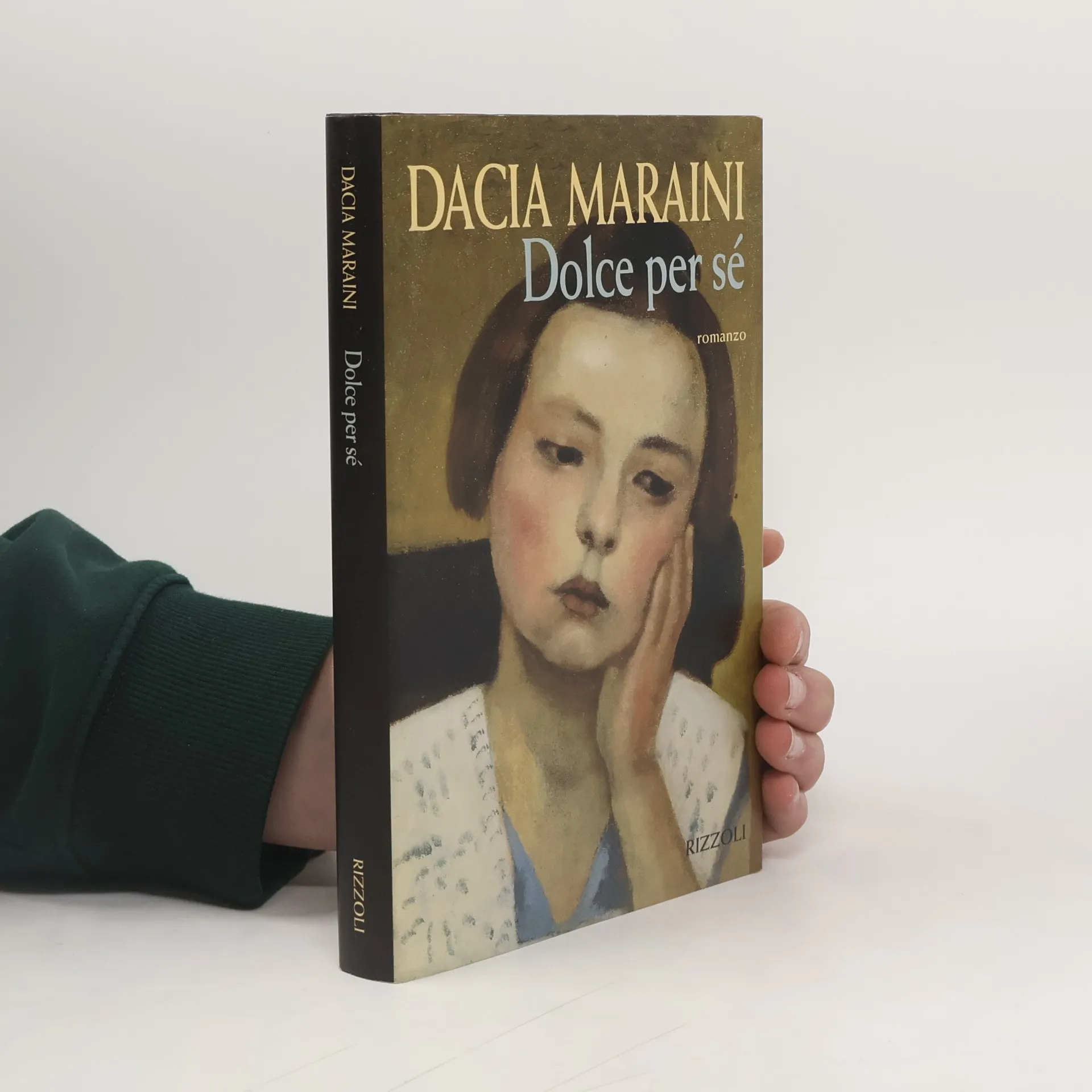
Dolce per sé
- 189pages
- 7 heures de lecture
Vera ha cinquant'anni e compone il suo romanzo epistolare destinando le sue lettere a Flavia, la nipote bambina di Edoardo, il giovane violinista a cui è sentimentalmente legata. Scrive per sette anni, dal 1988 al 1995, anche quando la storia d'amore con Edoardo finisce, mantenendosi tuttavia sul filo di un'amicizia e, mentre si rivolge a Vera, è come se lasciasse riaffiorare la bambina che lei stessa è stata. È un leopardiano "dolce rimembrar" dove al ricordo amoroso dello zio Edoardo si intrecciano le molte altre storie che compongono un mosaico esistenziale: così agli appuntamenti concertistici si affiancano viaggi professionali, le fragili "mitologie familiari" si alternano ai divertiti giochi gergali degli innamorati.
Tre donne
- 207pages
- 8 heures de lecture
"Tre donne" illumina i percorsi nascosti e gli equilibri impossibili del desiderio, li fotografa con un taglio inedito che ne coglie le delicate sfumature in tutte le età della vita
Anna e Giovanni, lei adolescente taciturna e attonita, lui più piccolo e fragile, escono dal collegio di suore per trascorrere una vacanza in famiglia, nel paese sul mare dove vivono il padre e la matrigna. È un'estate speciale: quella del 1943. L'Italia, fascista ancora per poco, è sospesa tra due guerre e divisa. Si fa largo un pesante malessere, nonostante l'indolenza dei giorni estivi e l'ottimismo spavaldo di chi vuol credere a tutti i costi in una vittoria sempre piú lontana. Il sole che brucia la pelle, le gite in pattino, l'appuntamento quotidiano ai bagni Savoia dove Anna comincia a guardare il mondo e a farsi guardare: il rombo degli aerei che passano per bombardare chissà dove è una breve parentesi che intacca appena la tranquilla cerimonia estiva. Ma basta poco perche Anna decida di diventare adulta:
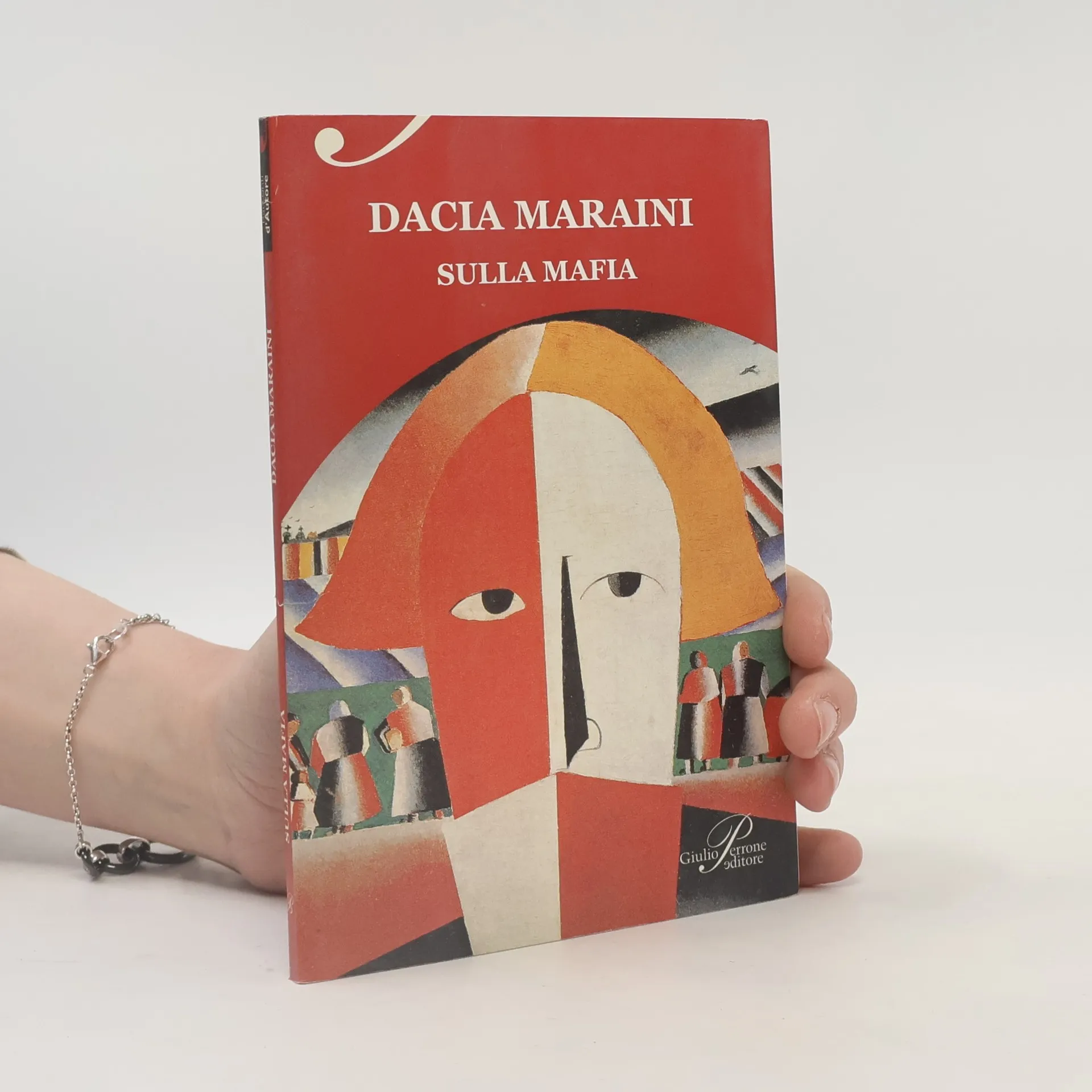
Una madre e suo figlio. Lui, pentito di mafia, è stato ucciso per vendetta. Lei gli porta fiori e un paio di scarpe. "Sono venuta per maledirti", dice. Eppure non riesce a negargli un gesto ultimo di pietà umana. Dacia Maraini prende le mosse da questa storia immaginaria, ispirata a fatti veri e narrata in forma di monologo, per affrontare il tema della mafia. Mette in gioco la sua esperienza personale, la sua una Palermo lontana dove si sentiva dire "la mafia non esiste", i volti degli uomini che l'hanno combattuta; storie grandi e piccole di questi nostri anni - la morte di Falcone e Borsellino, quella di Rita Atria, "siciliana ribelle"; i silenzi colpevoli della società civile, il legame della criminalità con la politica, il grido dei ragazzi di Locri, il dolore di Napoli.
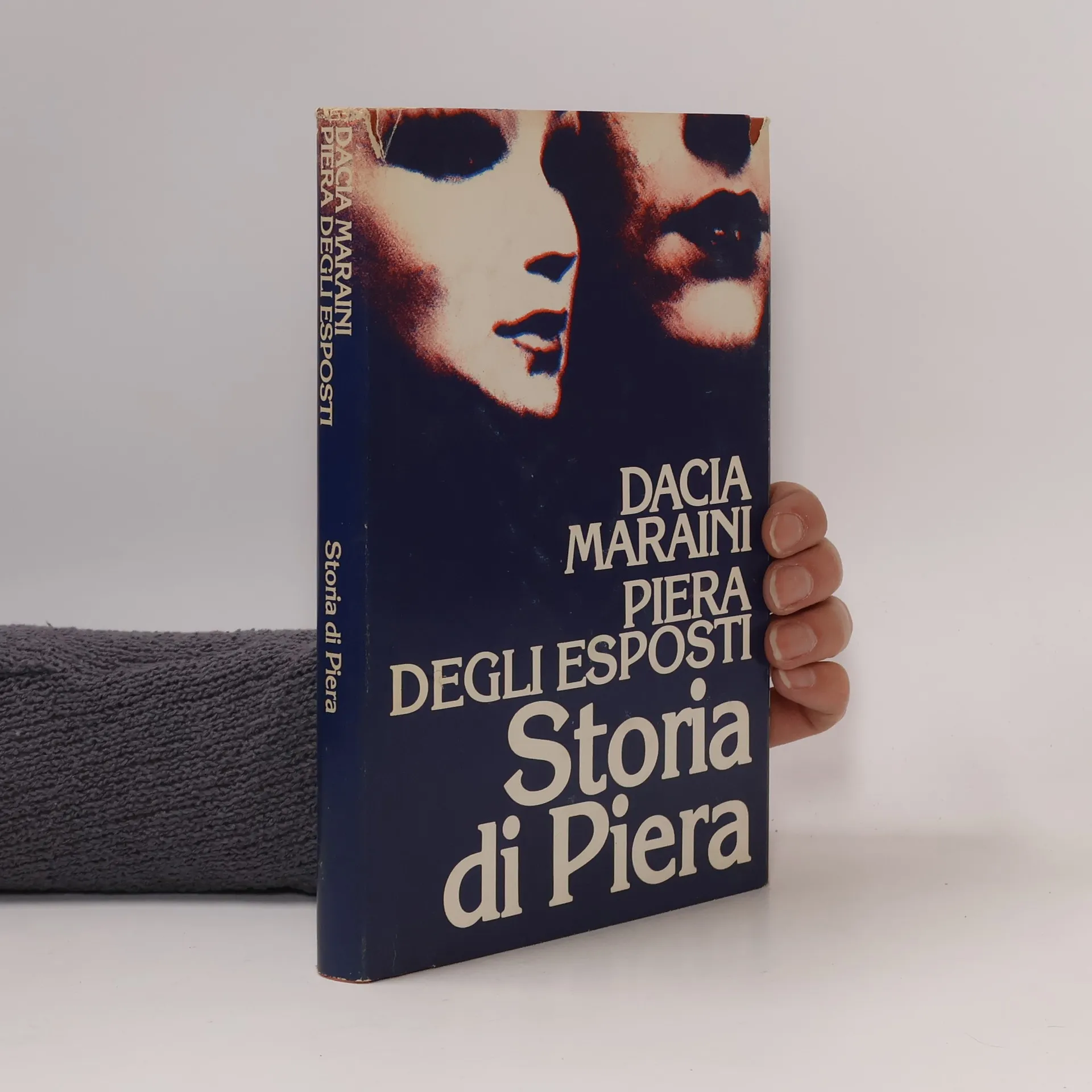
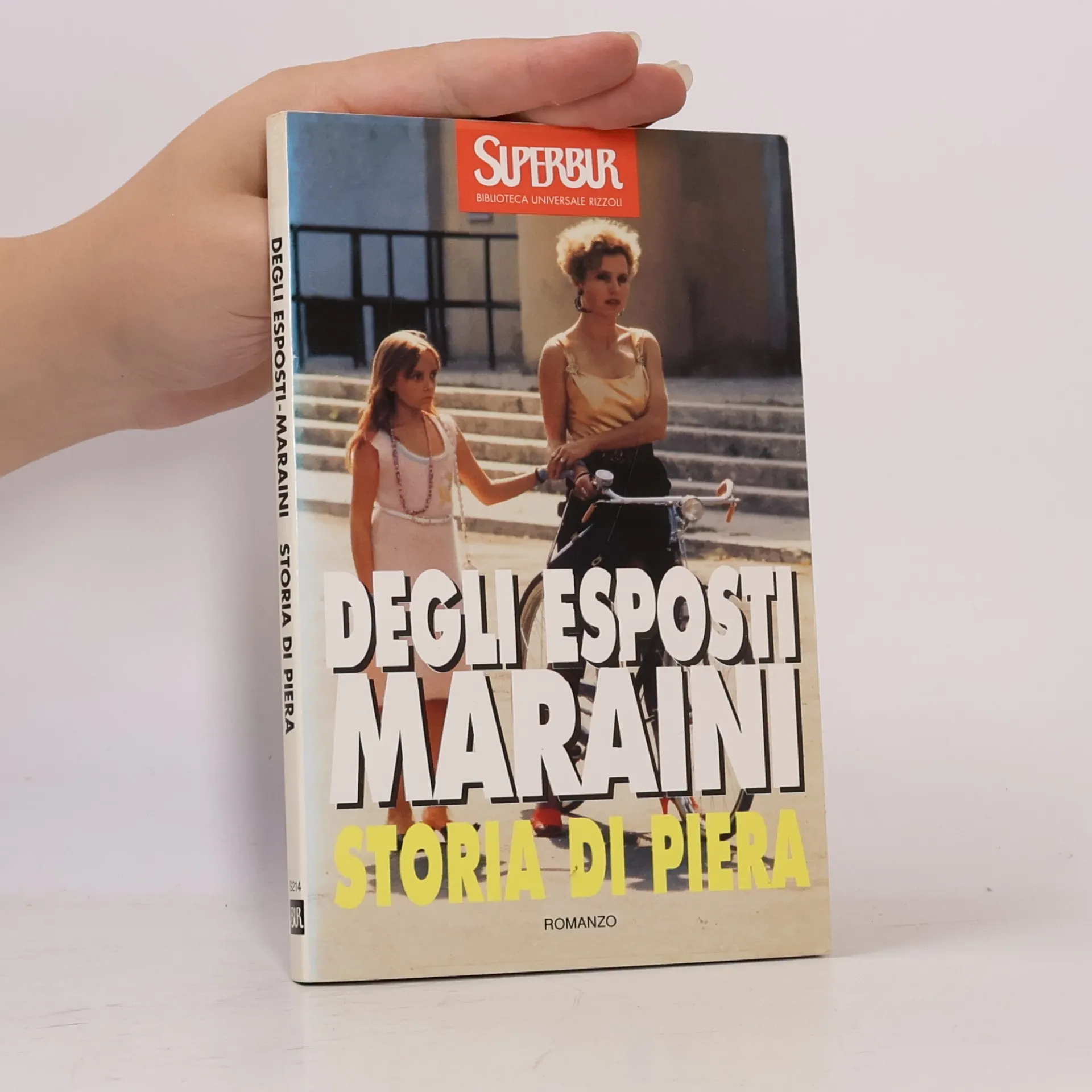
Il libro narra un "strano caso di famiglia sconquassata e infelice" che racchiude le ragioni arcaiche dell'unione e dell'amore, un amore che sfida le leggi della natura, superando vecchiaia e morte. Si esplora il rapporto tra madre e figlia, intriso di sensualità e complicità: insieme affrontano l'elettroshock, si divertono con i ragazzi lungo il fiume e giocano a essere "signore" o "guerriere". L'infanzia della protagonista è sonnolenta, segnata da sogni coltivati in una sartoria, abusi da parte degli amici del padre, e l'amore di un prete in crisi. Si osserva la madre in un "mitico letargo" e si rifiuta la scuola, mentre il teatro emerge come "casa dei desideri". La protagonista desidera essere sia maschio che femmina, con un corpo che sfida le convenzioni. Il linguaggio visionario e fantasioso racconta una storia di disperazione, coraggio e amore. Questa narrazione ha catturato l'attenzione del regista Marco Ferreri, che ne ha realizzato un film con attori di spicco: Hanna Schygulla nel ruolo della madre, Marcello Mastroianni nel ruolo del padre e Isabelle Huppert nel ruolo di Piera.
La grande festa
- 223pages
- 8 heures de lecture
È un linguaggio profondo e complesso quello con cui ci parlano coloro che abbiamo amato e non sono più con noi, ineffabile come il paese che abitano. I sogni e i ricordi sono il solo passaggio per questo luogo in cui le epoche della vita si confondono, "un'isola sospesa sulle acque, dai contorni sfumati e frastagliati". In un'opera baciata da una serena compostezza, Dacia Maraini traccia un'intensa riflessione sulla morte e l'amore. "Nel giardino dei pensieri lontani" l'autrice rievoca e incontra la sorella Yuki e il padre Fosco, Alberto Moravia, gli amori più distanti e quelli più vicini nel tempo, l'amico carissimo Pasolini e un'inedita Maria Callas. Le sue parole schiudono al lettore la verità di una vita e regalano un ritratto sincero e struggente che mescola affetti privati e pubblici, felicità e dolore.
Mio marito. L'altra famiglia
- 46pages
- 2 heures de lecture
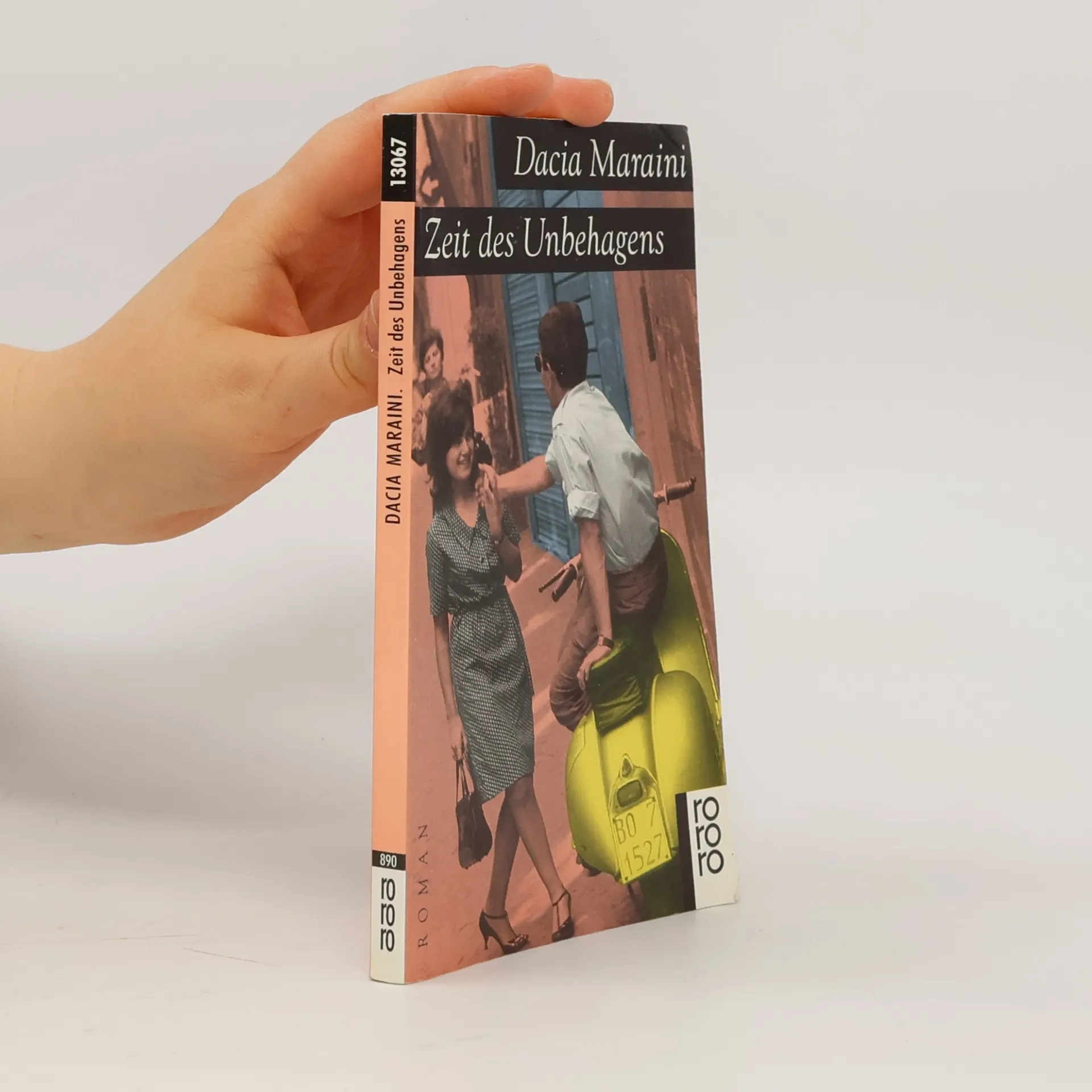
Zeit des Unbehagens
- 151pages
- 6 heures de lecture
Enrica ist ein siebzehnjähriges Mädchen, das in einem heruntergekommenen Viertel von Rom lebt und mit wenig Begeisterung lernt. Von einem exzentrischen und extravaganten Vater verlassen, der seine Zeit mit dem Bau unverkäuflicher Vogelkäfige verbringt, und einer Mutter, die sich in einem kleinen Job abmüht, beharrt Enrica darauf, Cesare zu verfolgen, einen ewigen Jurastudenten, der bereits mit einem dummen und reichen Mädchen verlobt ist. Eine Beziehung, die vor allem sexueller Natur ist und die Enrica in einem Zustand kalten Schlafwandelns erlebt, wird sie dazu bringen, mit derselben Gleichgültigkeit die Zuneigung von Carlo, einem Mitschüler, und die Ausbrüche von Guido, einem reifen Anwalt auf der Suche nach erotischen Abenteuern, zu ertragen. Die Angst vor dem Leben lähmt sie, jede Beziehung zu anderen wird unrealistisch und absurd: Enrica, wie viele Jugendliche, versteht nicht, was um sie herum geschieht. Auch wenn sie in einer Welt von fremden Empfindungen und Gesten gefangen ist, bewegt sich das Mädchen, als folge sie dem geheimen Plan einer unerwarteten „sentimentalen Bildung“, auf der Suche nach ihrer wahren Identität.
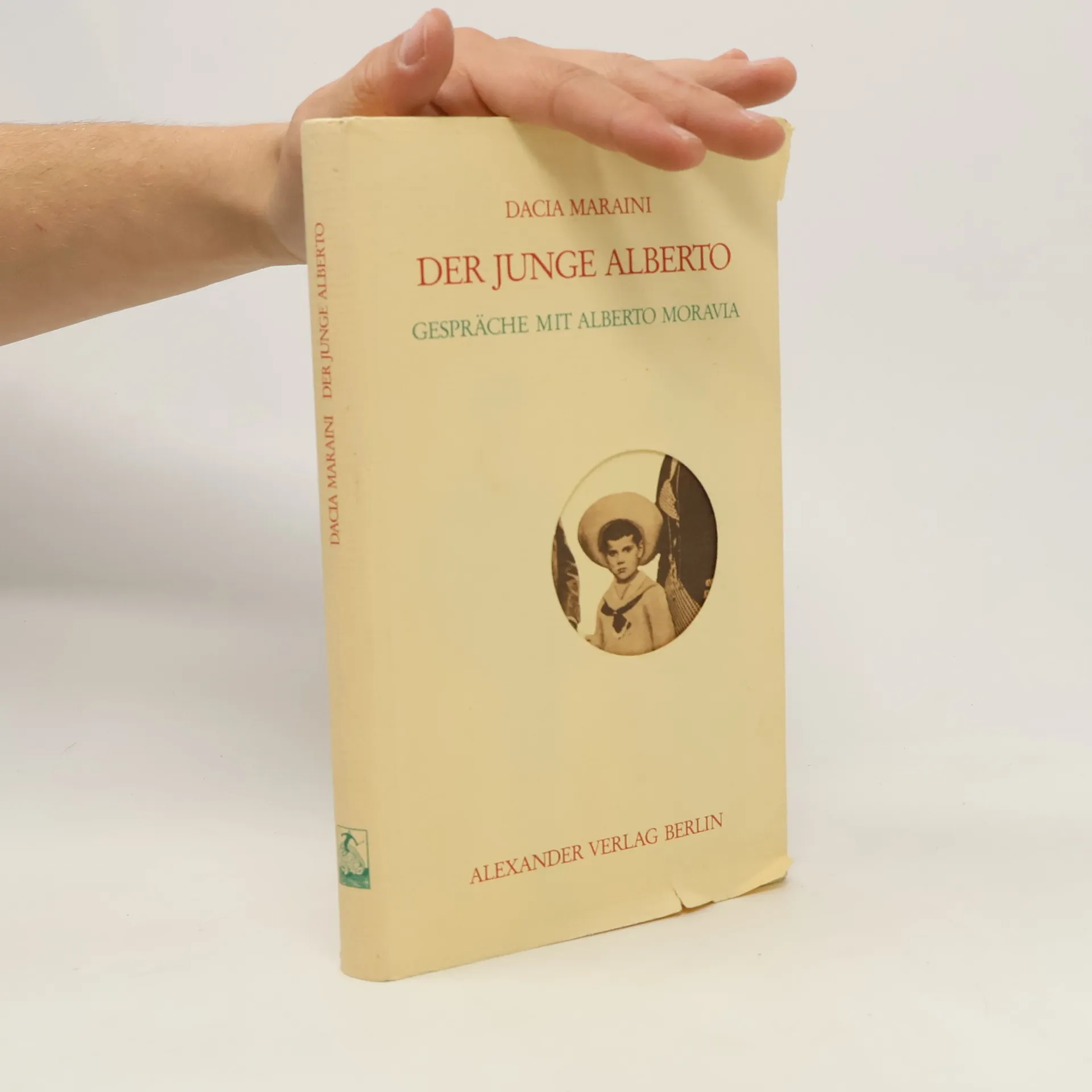
Der Junge Alberto
- 196pages
- 7 heures de lecture
Nachwort v. Klimke, Christoph Mit Abb. 195 S.
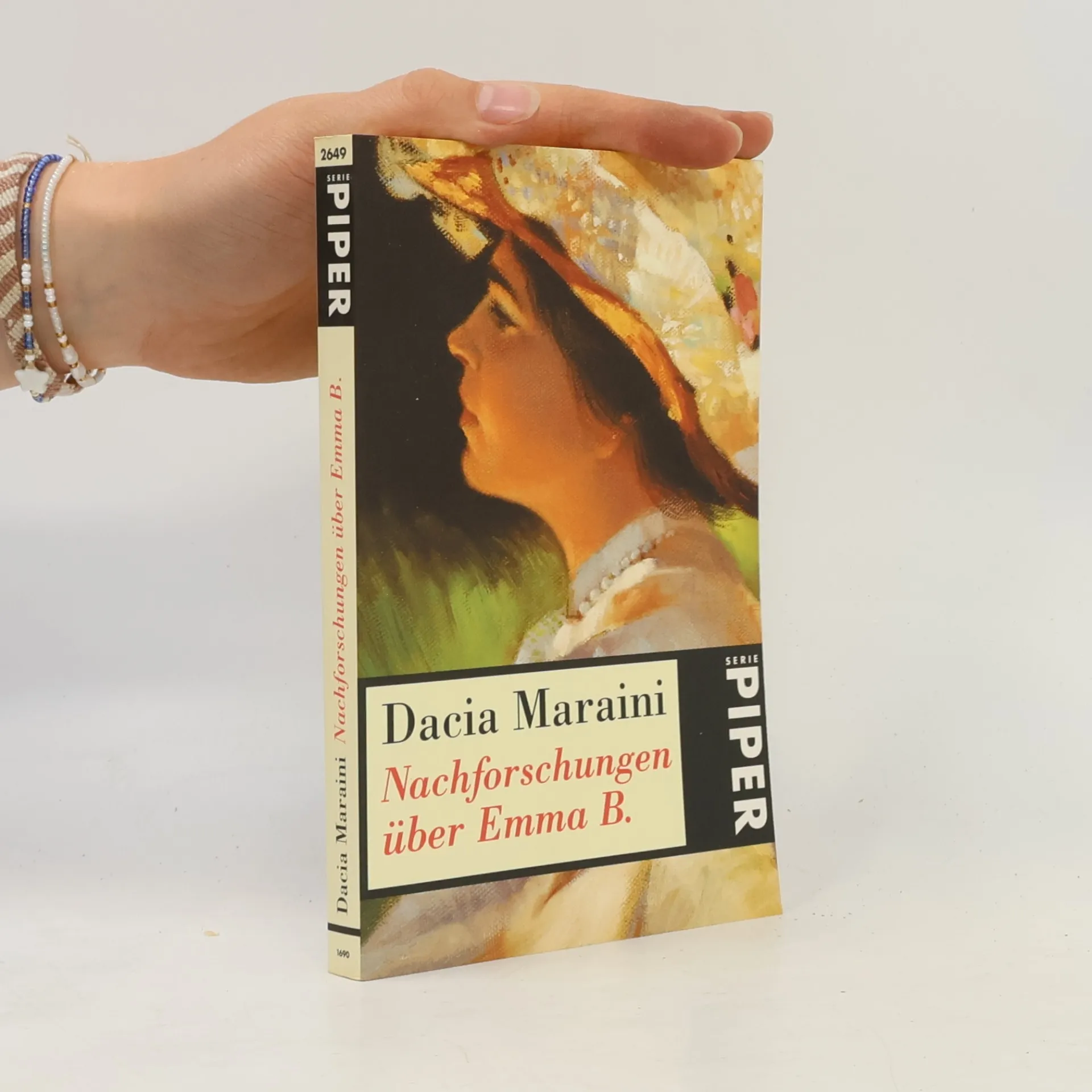
Eine spannende Neulektüre eines der berühmtesten Romane der Weltliteratur: 'Madame Bovary'. Die Autorin zeigt, daß Emma Bovary, das Paradebeispiel der emanzipierten Frau, letztlich das Opfer ihres Schöpfers Gustave Flaubert war. Denn in vielen Zügen erinnert sie an seine unglücklich Geliebte Louise Colet . . .
Ústrednou postavou románu je sedemásťročná Enrica. Žije v chudobnej rímskej štvrti s otcom a matkou. Otec väčšinou voľného času trávi konštruovaním vtáčích klietok, ktoré nik nekupuje, chorľavá matka sa trápi v nevýnosnom zamestnaní. A tak po matkinej smrti ostáva Enrica odkázaná samana seba. Dostane sa do osídiel Cesareho, večného študenta práv, ktorý by najradšej vyriešil svoje postavenie výhodným manželstvom. Je v jeho moci ako omámená, no s rovnakou ľahostajnosťou odlieha útokom spolužiaka Carla i advokáta Giulia Guida, vyhľadávajúcich ľúbostné dobrodružstvá. Zdalo by sa, že priateľstvo so starou, výstrednou grófkou, ktorá Enricu prijala za osobnú tajomníčku, odrazu zmení jej život...
Een stille passie
- 263pages
- 10 heures de lecture
De stille passie, begint als de dertienjarige hertogin Marianna wordt uitgehuwelijkt aan een veel oudere oom. Zij is niet doofstom geboren, maar door een traumatische gebeurtenis kon of wilde zij opeens niet meer praten. Deze gebeurtenis blijft voor Marianna, en ook voor de lezer, lang verhuld. "De schrik heeft haar doof gemaakt en de schrik moet haar genezen' leest ze in een briefwisseling van haar ouders. Haar vader sleept haar uit liefde mee naar de galg waar een doodvonnis wordt voltrokken en hoopt dat zijn dochter weer gaat praten. Maar zij schrikt niet. Zij krijgt haar lippen niet van elkaar. Huilen kan ze niet want haar snikken zijn als "bliksemschichten zonder donder, iets verminkts en onaangenaams' en lachen gaat haar ook niet gemakkelijk af. “Jij lacht maar je maakt daarbij geen geluid, je moet blazen; blaas maar, open je mond en laat een geluid uit je keel komen, zo, ah ah ah... lief meisje, je bent een ramp, je zal het nooit leren.”
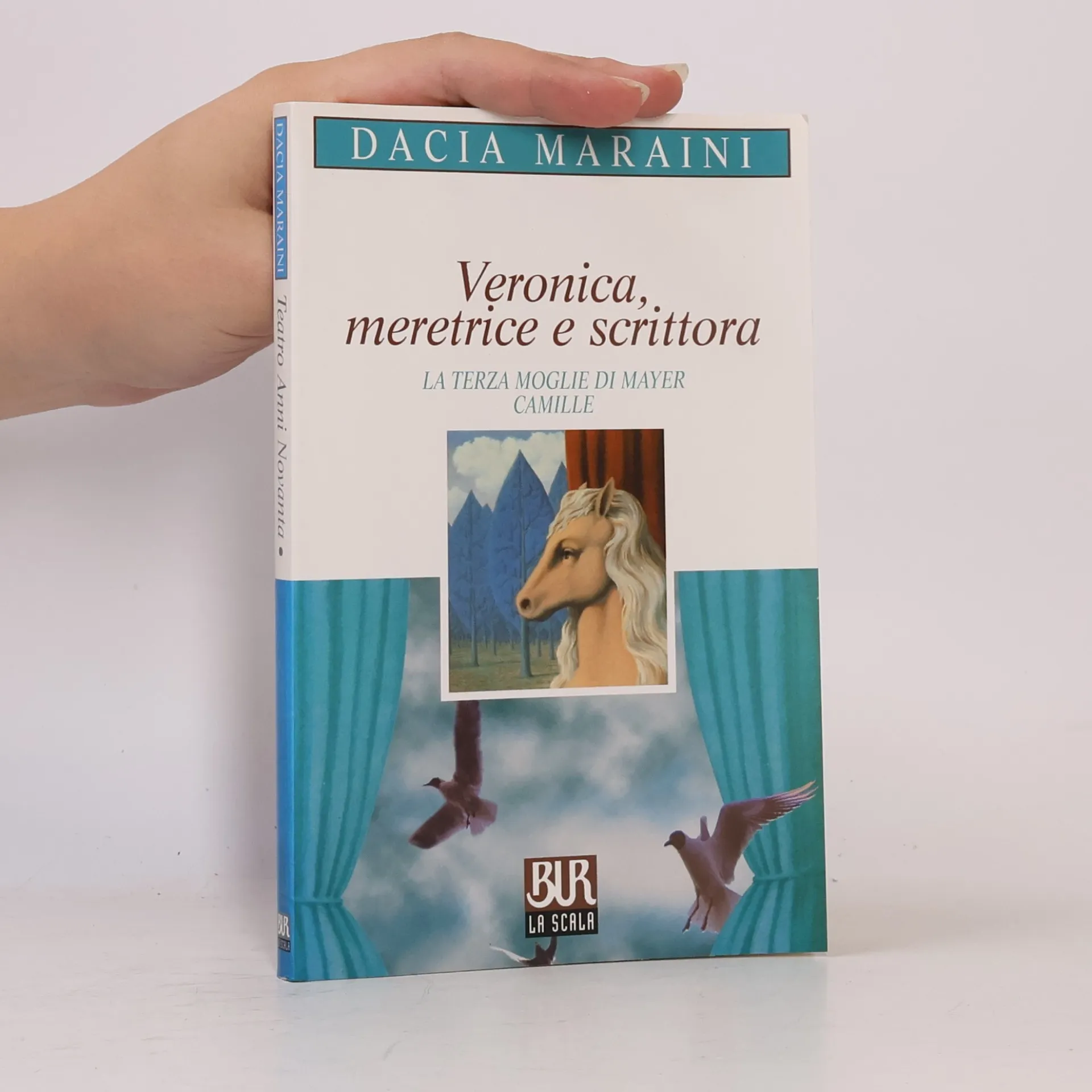
Veronica, meretrice e scrittora - La terza moglie di Mayer - Camille
- 166pages
- 6 heures de lecture
"Volevo dare spazio alle donne, da sempre messe da parte nel teatro classico, che le escludeva dal palcoscenico. Per le donne è fondamentale dare una voce alla propria femminilità." (Dacia Maraini).
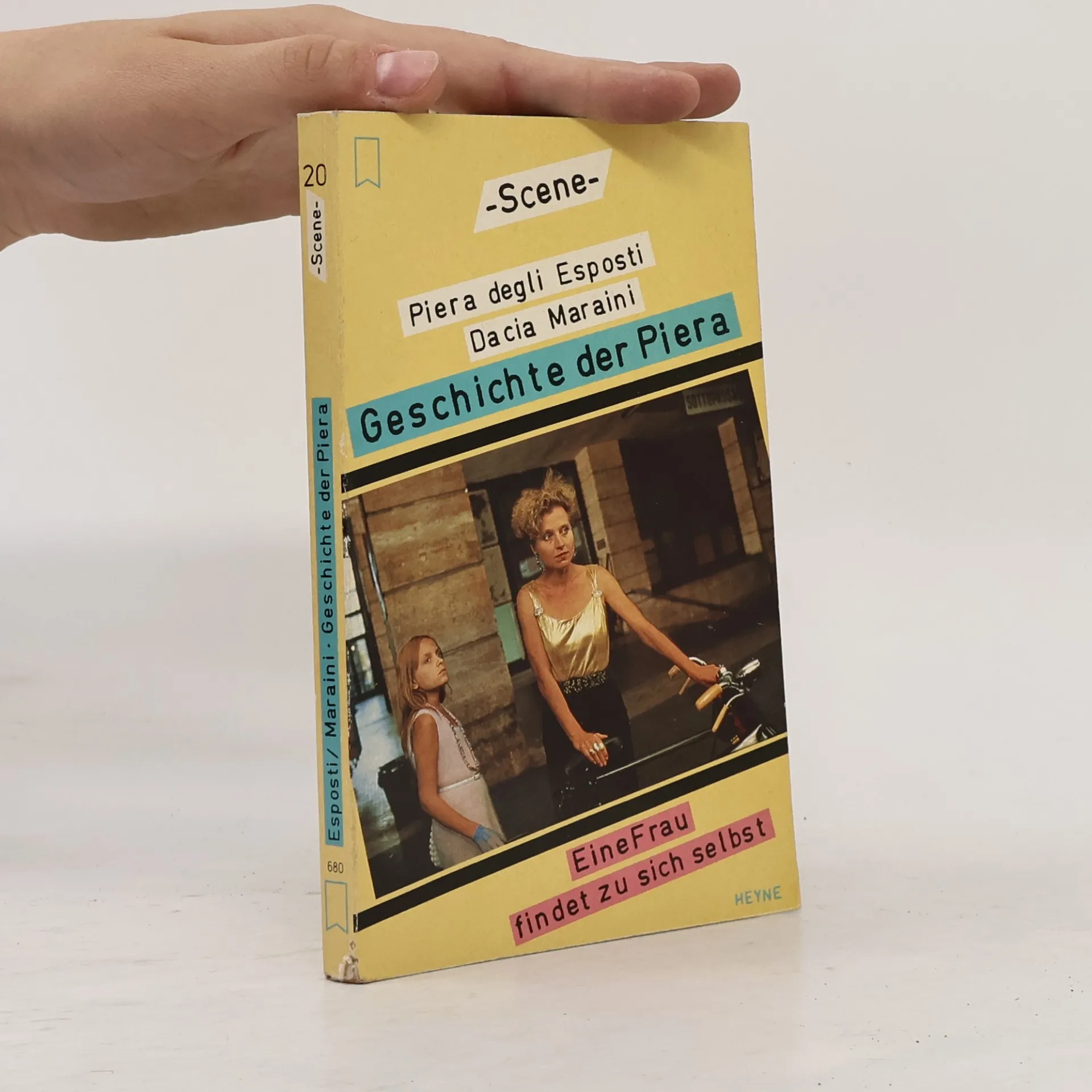
Superbur - 214: Storia di Piera
- 134pages
- 5 heures de lecture
Questo libro è nato dall'incontro fortunato di due donne, Dacia Maraini e Piera Degli Esposti, una scrittrice e una donna di teatro, che hanno tutto per capirsi: affinità, somiglianze, molte esperienze comuni. "Piera ed io apparentemente così diverse eppure unite da molte comuni esperienze: la violenza subita e assorbita durante l'infanzia, le grandi paure che hanno fatto nascere una struttura di difese complessa e spinosa, la gaiezza di fondo che nulla può turbare o abolire, le tormentose difficoltà per prendere possesso di una cultura fondamentalmente estranea e predatrice, i sogni di una sensualità sepolta sotto coltri di timori, di sensi di colpa, di incertezze".
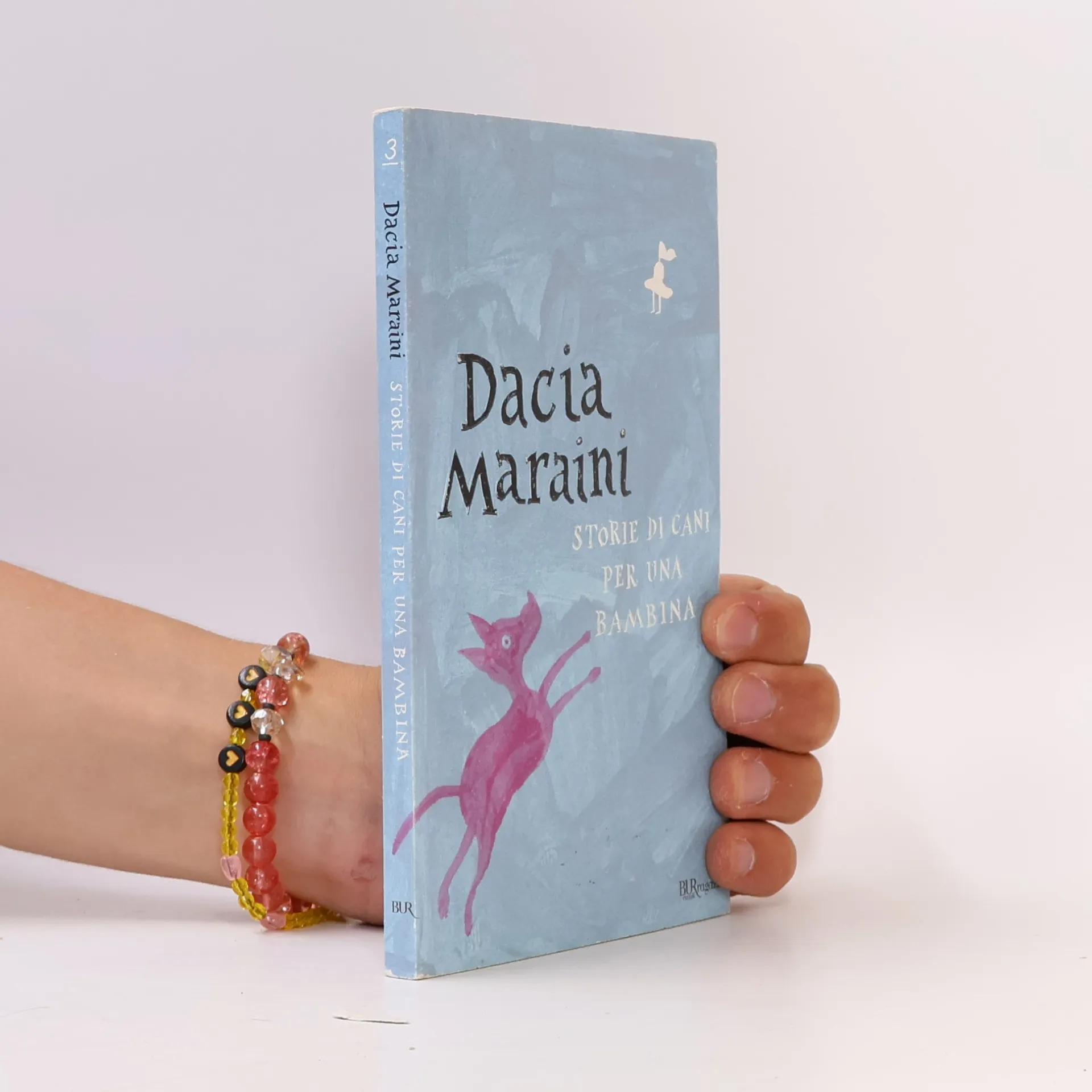
Storie di cani per una bambina
- 84pages
- 3 heures de lecture
Cani che adorano i gelati, cani abbandonati in un cassonetto, cani innamorati dei loro padroni… Ma anche cavalli, lontre e misteriosi uccelli, testimoni dell’intenso legame fra uomini e animali.
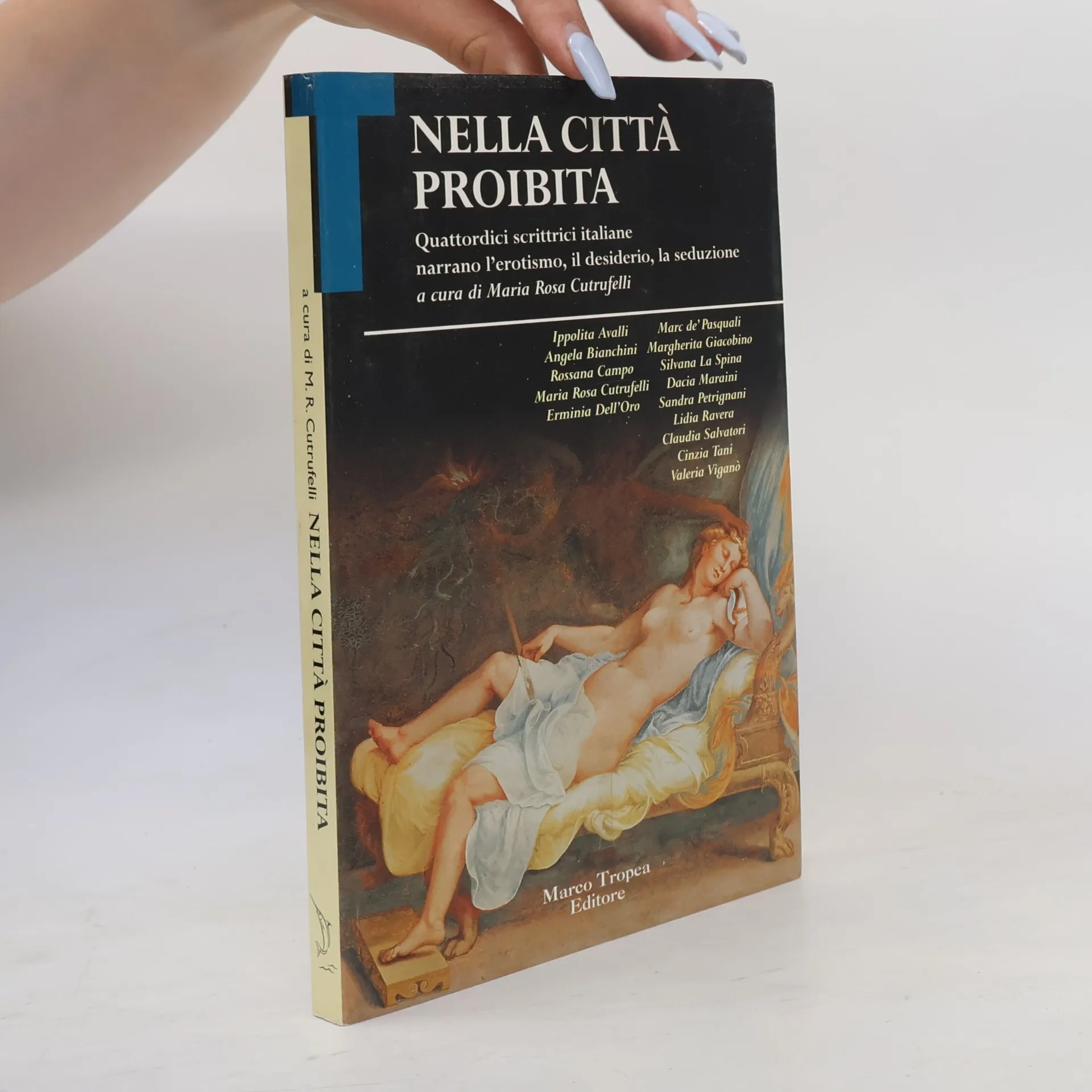
Nella città proibita
- 194pages
- 7 heures de lecture
Italian
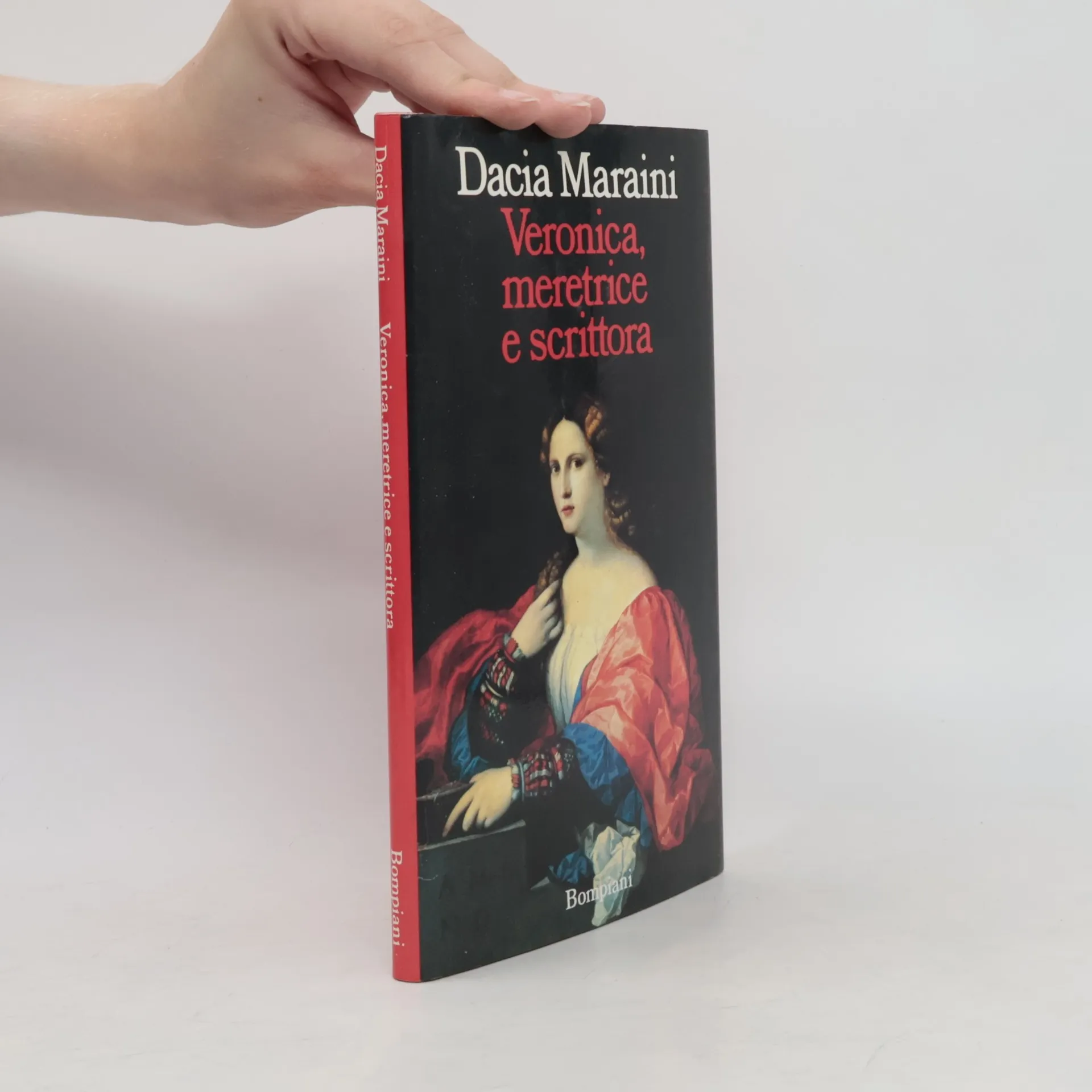
Veronica, meretrice e scrittora
- 79pages
- 3 heures de lecture
Uno spaccato in forma teatrale sulla vita di Veronica Franco, cortigiana e poetessa, celebrata per la sua straordinaria bellezza e vissuta a Venezia dal 1546 al 1591. Non rispetta la realtà storica (Veronica Franco non si ammalò di peste, per esempio), ma sfrutta la figura della Franco per esplorare come la schiavitù del corpo fosse necessaria per conquistare quella dello scrittoio.
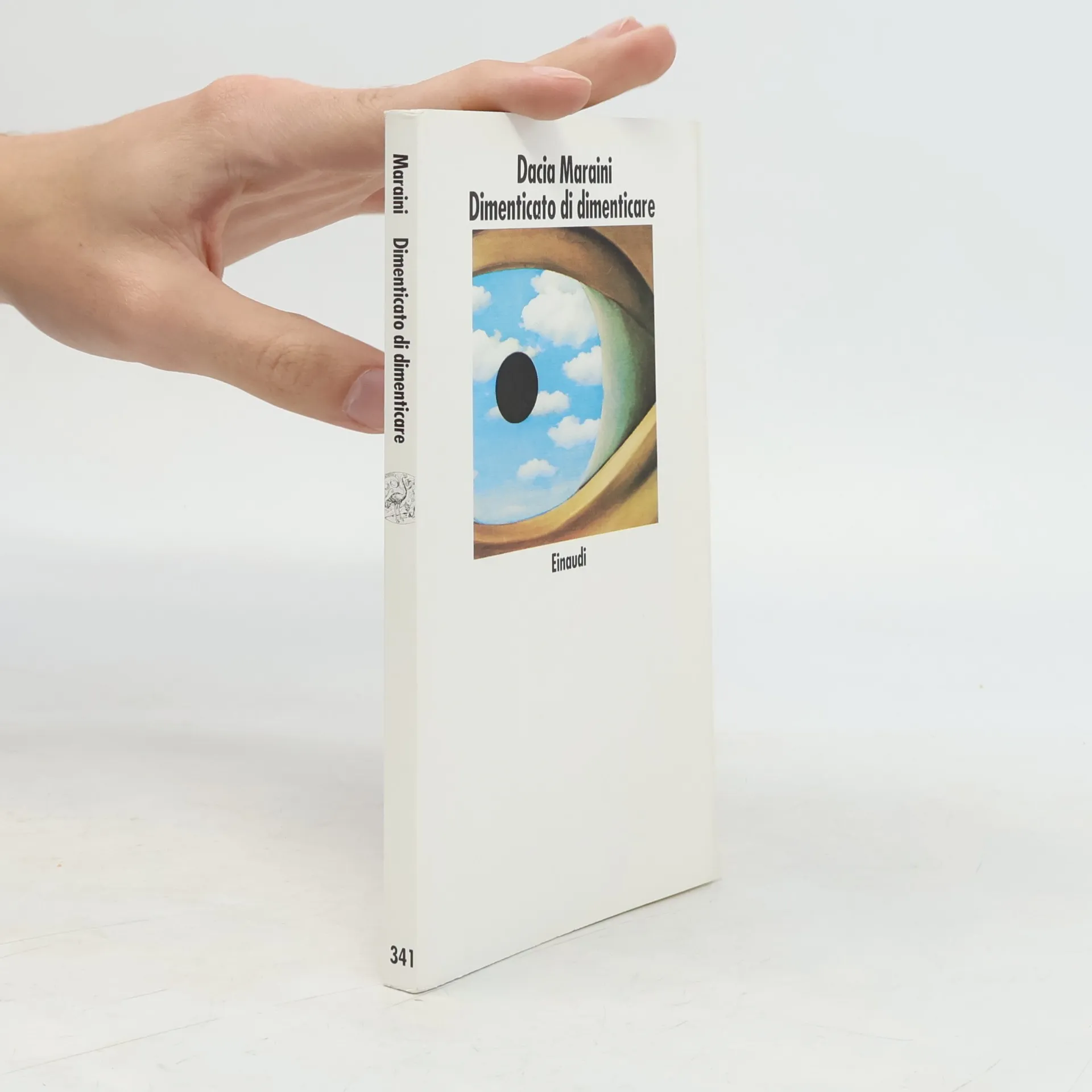
Nuovi Coralli - 341: Dimenticato di dimenticare
- 112pages
- 4 heures de lecture
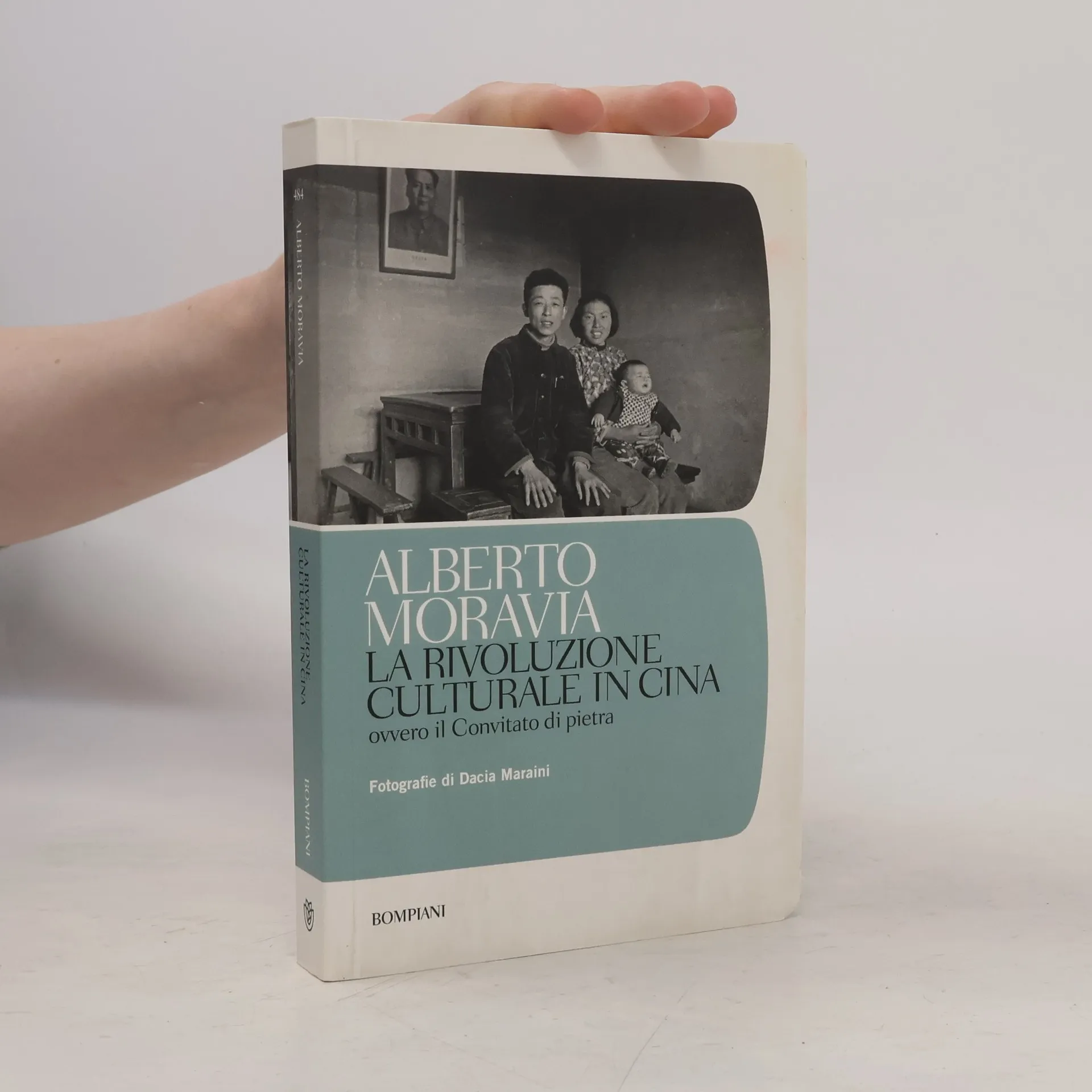
La rivoluzione culturale in Cina, ovvero il Convitato di pietra
- 203pages
- 8 heures de lecture
Nel 1967 Alberto Moravia parte per l'Estremo Oriente con Dacia Maraini: Cina, Giappone e Corea le mete. I viaggiatori sono spesati dal Corriere della Sera, dove appaiono regolarmente le corrispondenze dalla Cina, raccolte in un volume, questo, nel 1968.
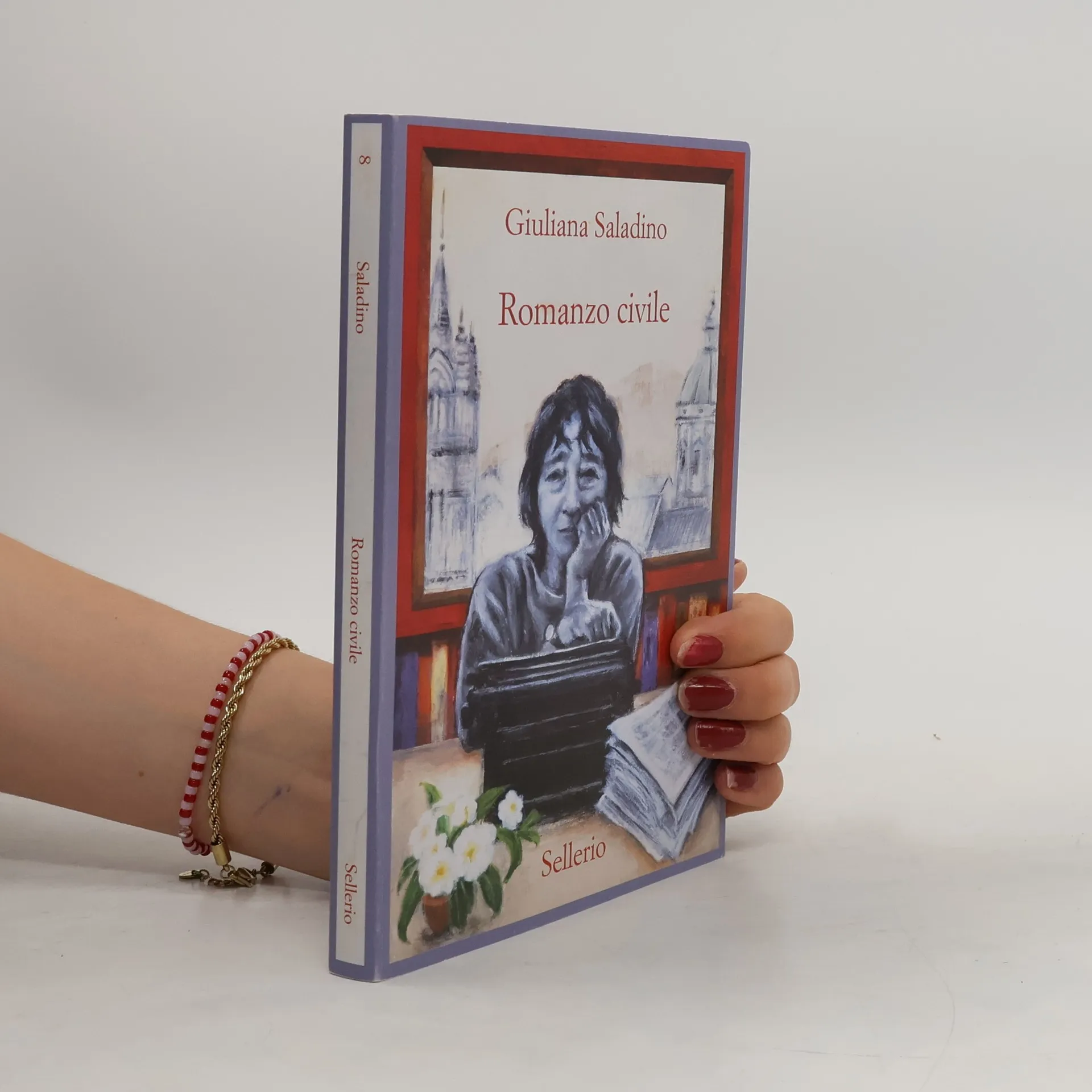
Romanzo civile
- 192pages
- 7 heures de lecture
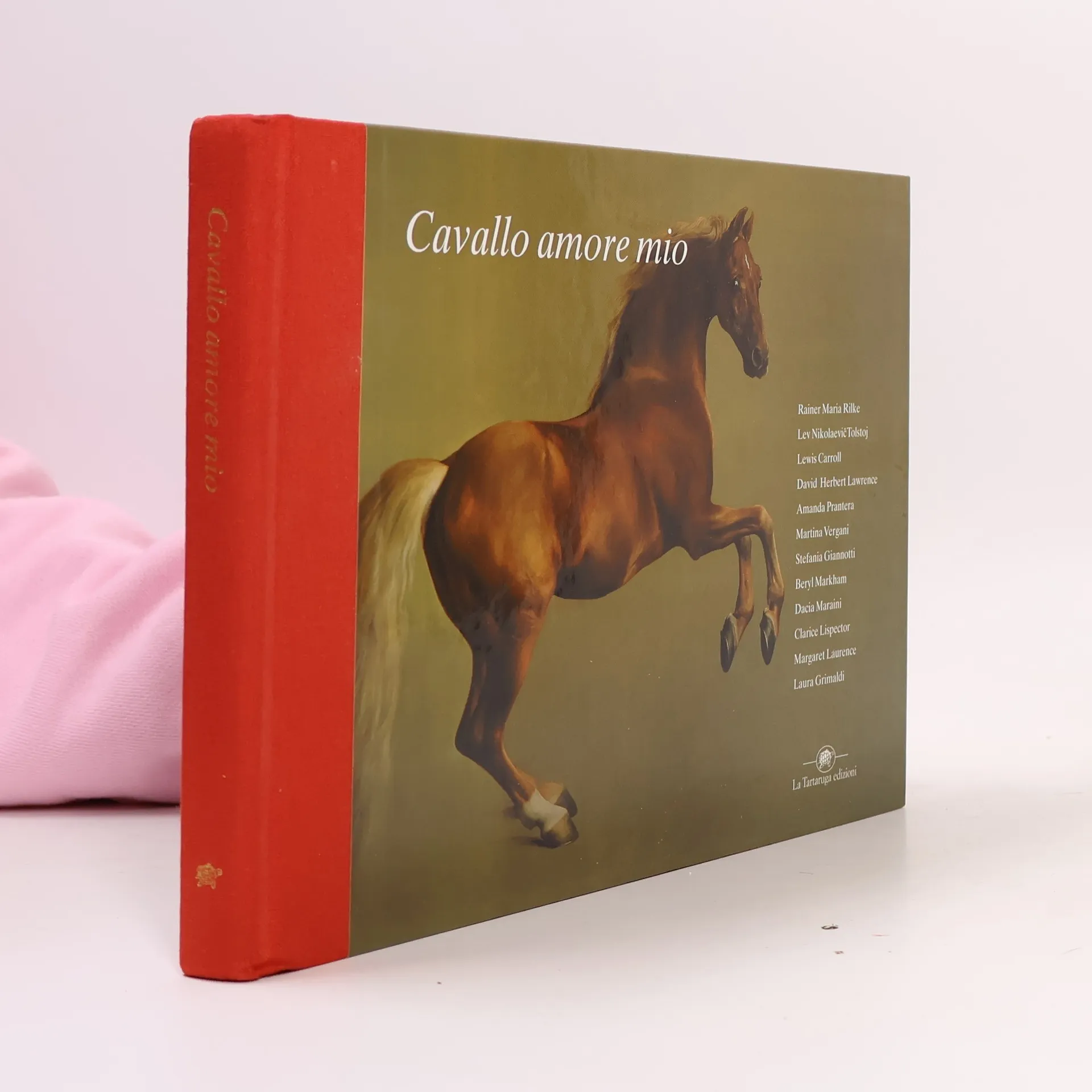
Cavallo amore mio
- 156pages
- 6 heures de lecture
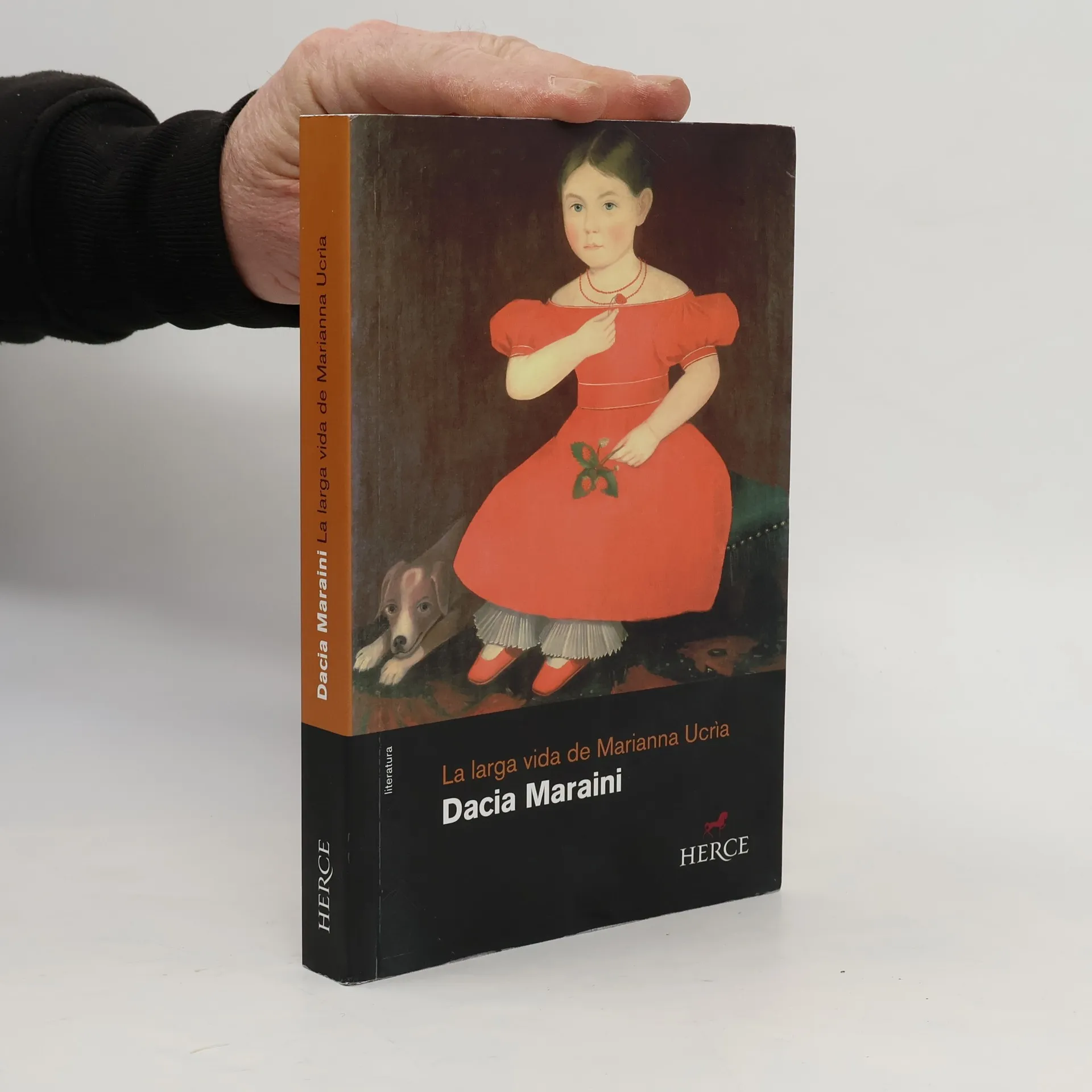
La larga vida de Marianna Ucrìa
- 370pages
- 13 heures de lecture
Madrid. 22 cm. 370 p. Encuadernación en tapa blanda de editorial ilustrada. Colección 'Literatura'. Maraini, Dacia 1936-. Traducción de Attilio Pentimalli Melacrino ; actualización y revisión de Mario Merlino. Traducción de: La lunga vita di Marianna Ucrìa. Literatura (Herce Editores) .. Este libro es de segunda mano y tiene o puede tener marcas y señales de su anterior propietario. ISBN: 9788493629168
Hanno Michele Mari, Raffaele Manica, Goffredo Parise, Silvio Perrella, Gianluigi Simonetti, Thea Rimini, Fabrizio Patriarca, Elisa Davoglio, Giordano Meacci, Terry Marocco intervista Giosetta Fioroni, Giorgio van Straten, Silvia Colangeli, Luis Devin, Antonio Monda, Nino De Vita, Silvia Bre, Matteo Fantuzzi, Silvia Giagnoni, Marco Debenedetti, Andrea Caterini.
Rom erzählt
- 157pages
- 6 heures de lecture
Römer erzählen von ihrer Stadt. In atmosphärischen Geschichten schildern sie den Alltag in Rom jenseits des "dolce vita". Gewitzte Gauner, sibyllinische Näherinnen und trickreiche Fischhändler führen die Kunst des Lebens und Überlebens vor in dieser Stadt voll ungestümer Vitalität.
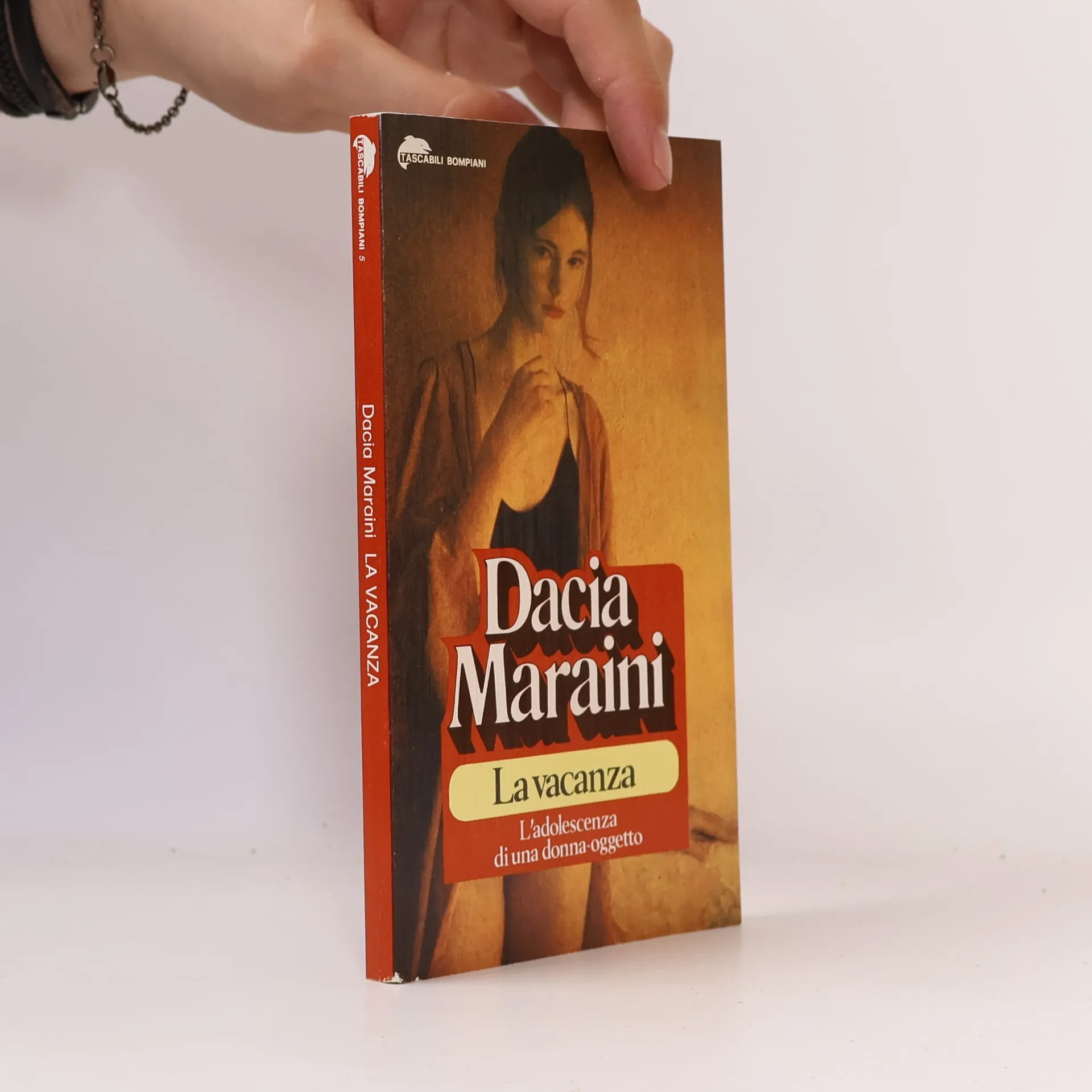
De vakantie
- 163pages
- 6 heures de lecture
Een 14-jarig meisje wil in de zomer van 1944 het echte leven leren kennen, los van het nonneninternaat waar zij de rest van het jaar verblijft.
Superclassici - 145: Il compagno segreto
Introduzione e traduzione di Dacia Maraini
- 124pages
- 5 heures de lecture
Montagne. Avventura, passione, sfida
- 192pages
- 7 heures de lecture
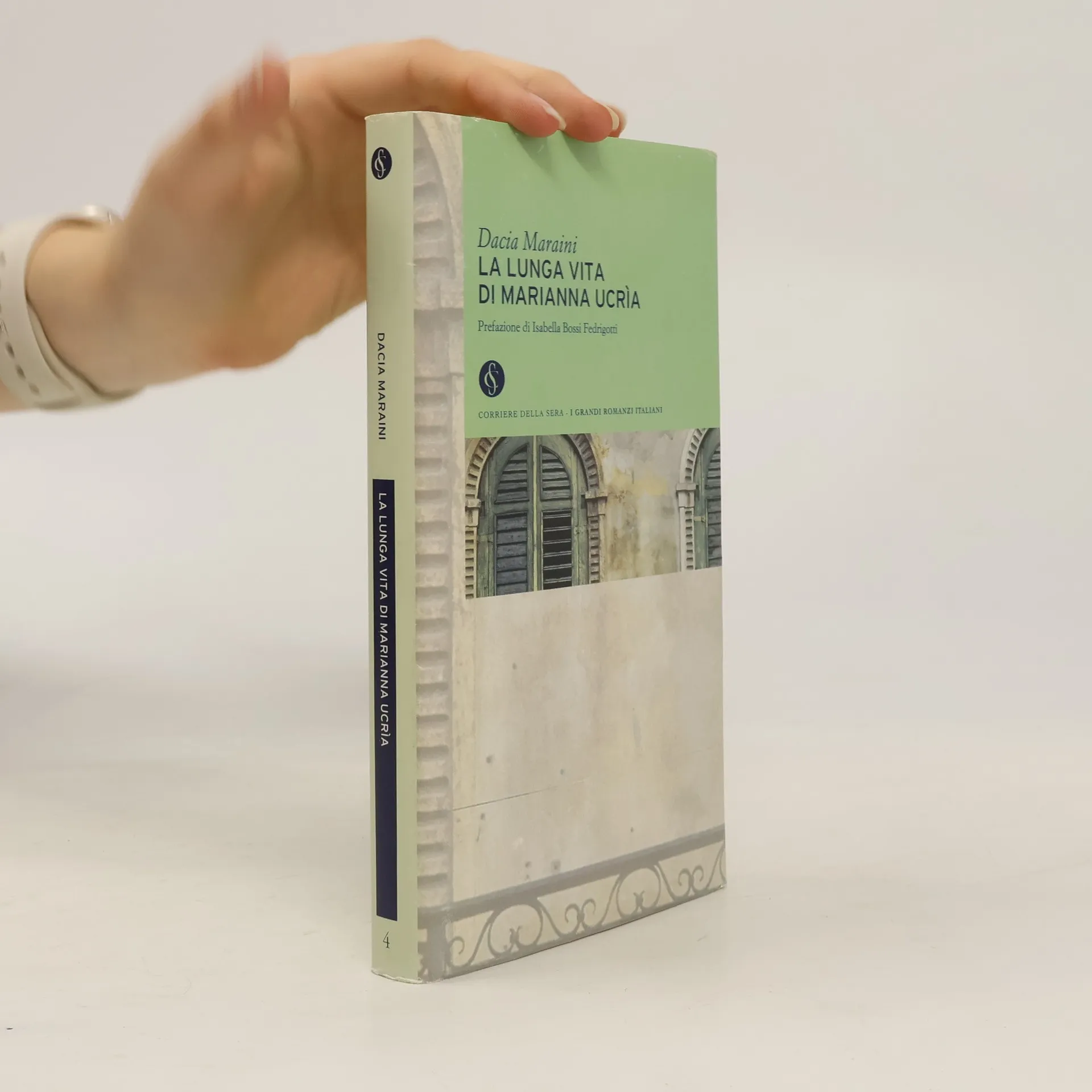
La lunga vita di Marianna Ucrìa
Corriere della Sera 4
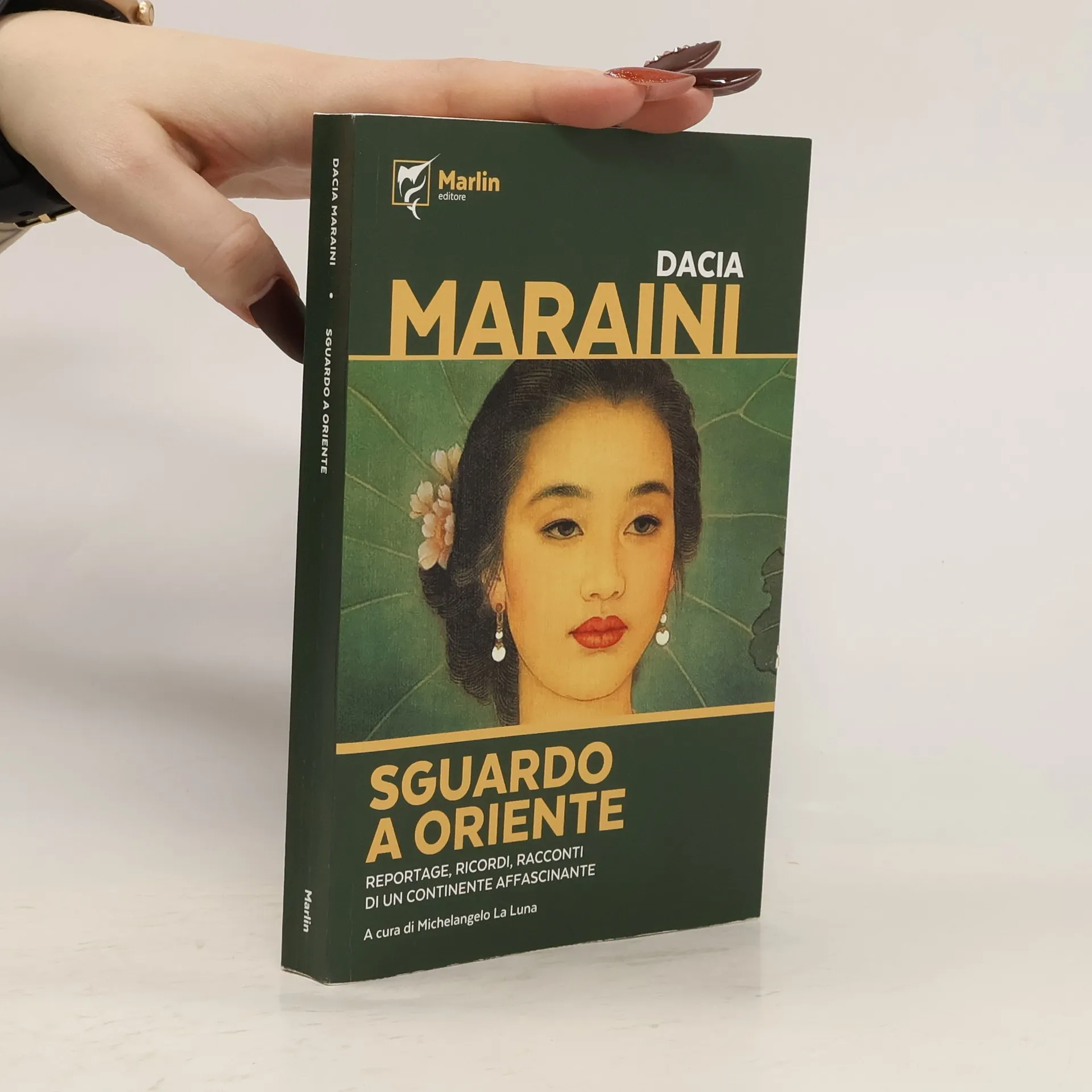
Sguardo a Oriente
- 233pages
- 9 heures de lecture
Salerno, Marlin, 2007, 16mo brossura con copertina illustrata a colori, pp. 154, alcune illustrazioni fuori testo.
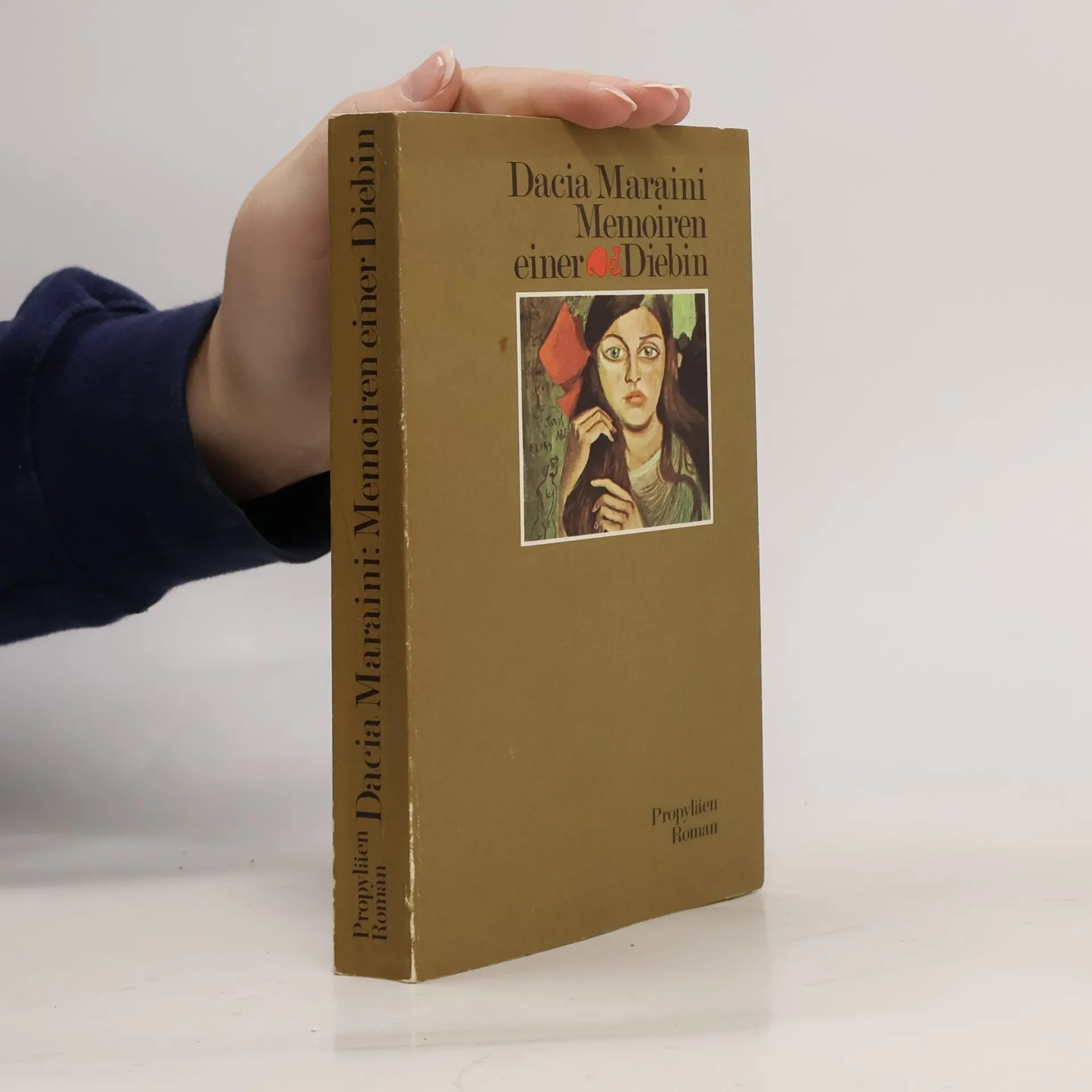
Memoiren einer Diebin
- 285pages
- 10 heures de lecture
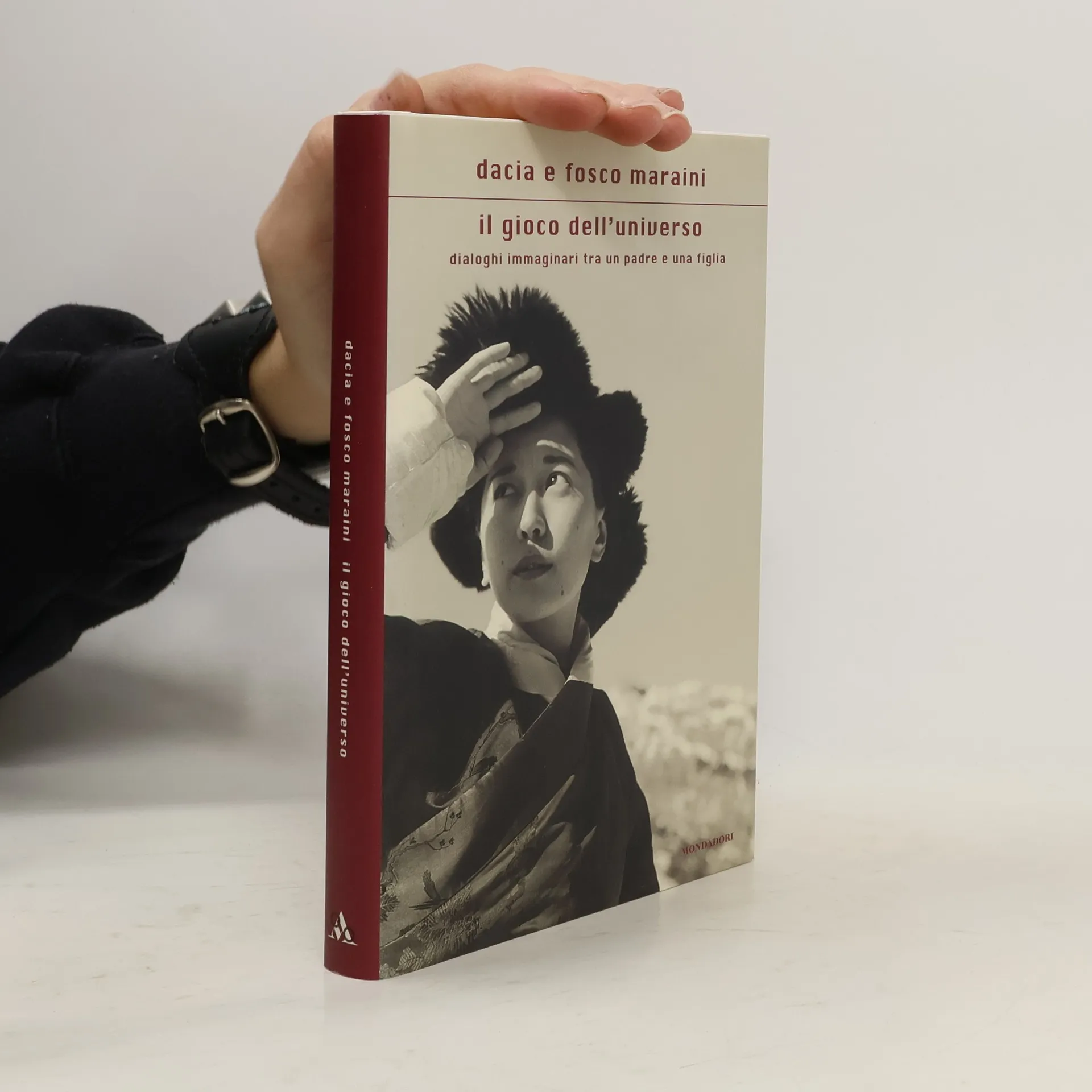
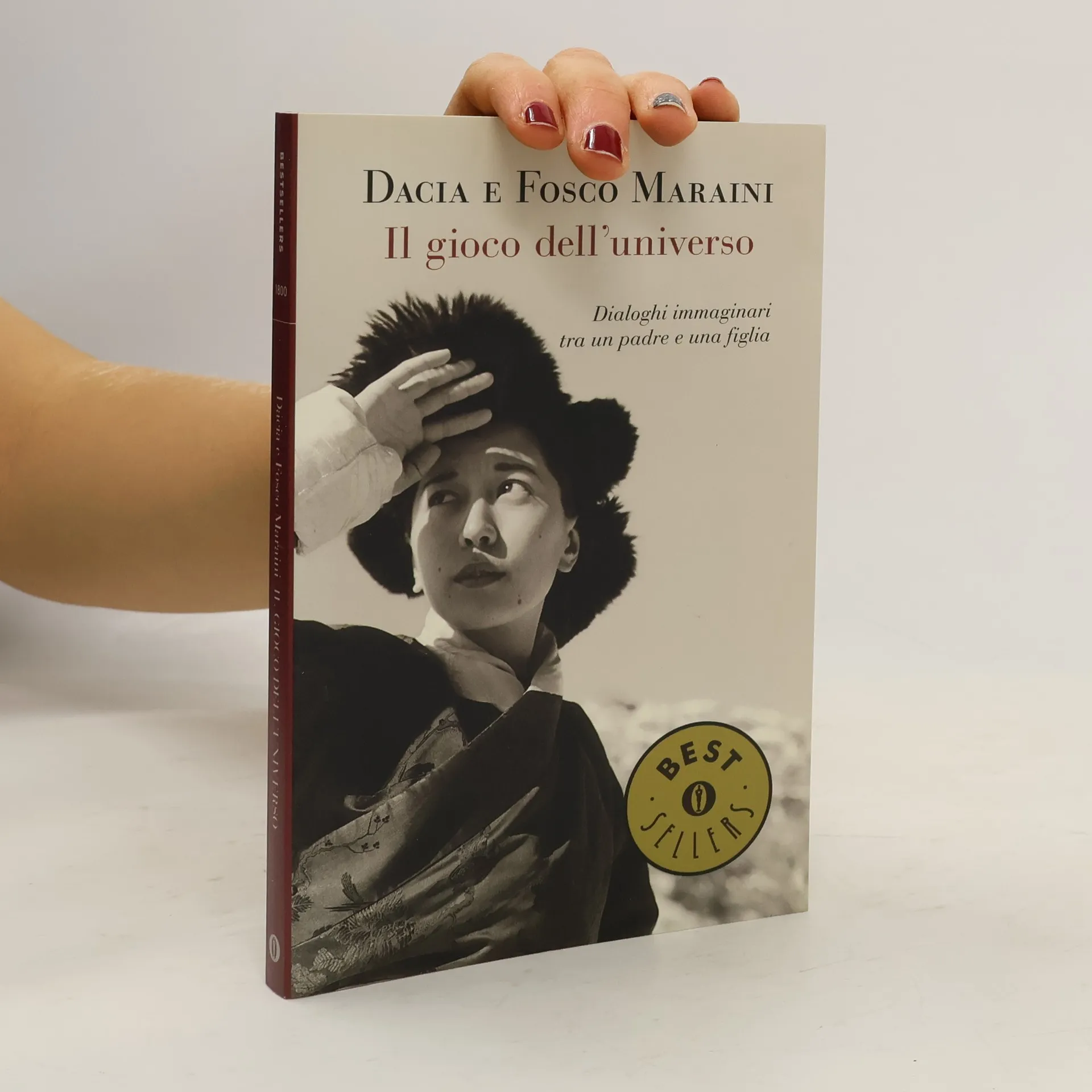
Il gioco dell'universo. Dialoghi immaginari tra una padre e una figlia
- 191pages
- 7 heures de lecture
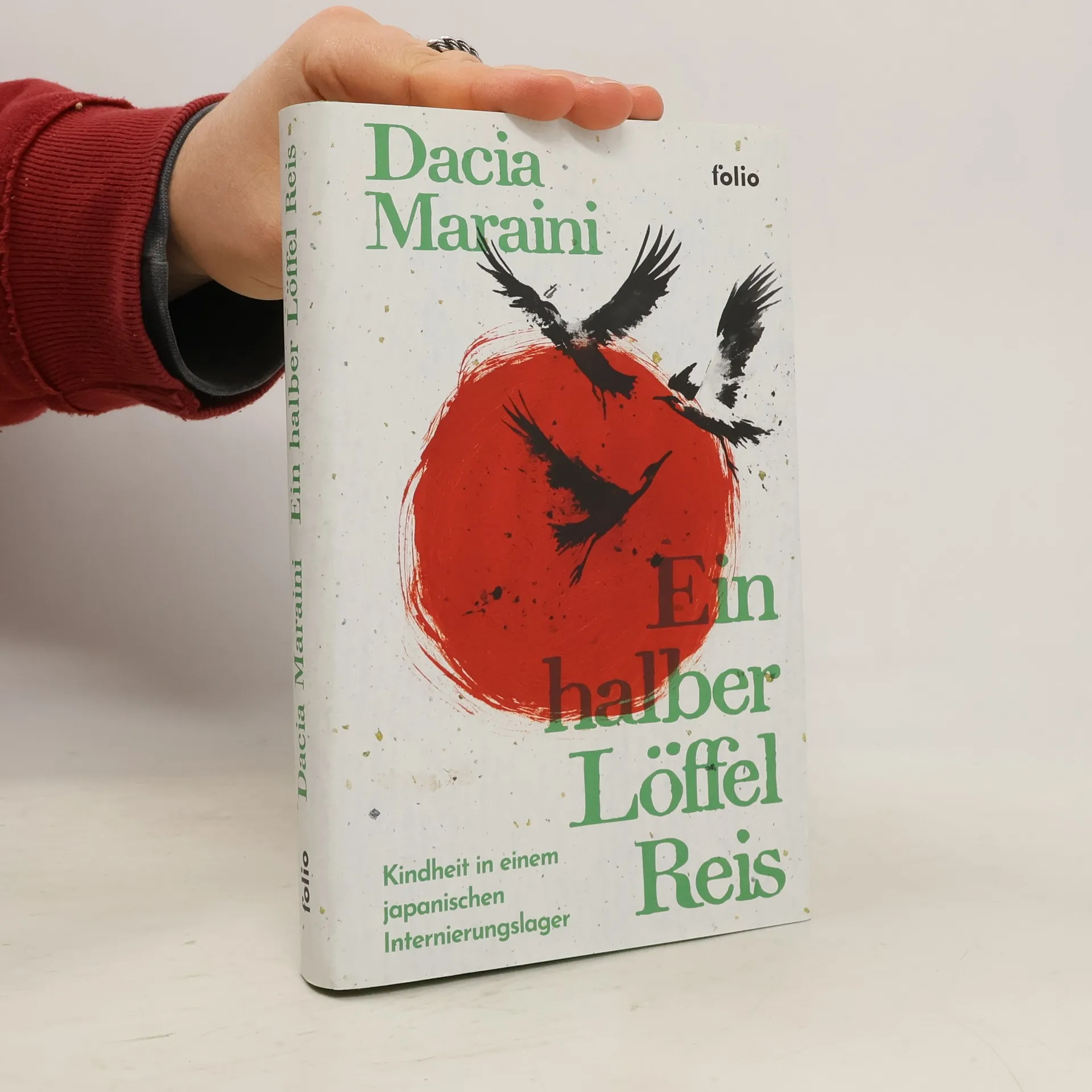
Wie viel kostet einmal Überleben? 1943: Deutschland, Italien und Japan sind im Dreimächtepakt verbunden. Eine kleine italienische Community in Japan weigert sich, Mussolinis Repubblica di Salò anzuerkennen. Darunter auch Fosco Maraini und seine Frau Topazia. Daraufhin wird die gesamte Familie interniert. Die siebenjährige Tochter Dacia ist der Kälte, den Parasiten und dem Sadismus der Wachen ausgesetzt, sie ernährt sich von wenigen Körnern Reis und Ameisen. Während die Mutter versucht, die bröckelnde Solidarität der Gruppe zu kitten, hackt sich der Vater in der Tradition der Samurai einen Finger ab, als Akt verzweifelter Selbstbehauptung. Jetzt wird ihnen eine einzige Ziege zugestanden, die ihr Überleben sichert. Vom Zusammenhalt in dunklen Zeiten: die verstörende Kindheit der großen europäischen Autorin.