
Bookbot

Edmund De Waal

    1 janvier 1964

    Edmund de Waal se décrit comme un 'potier qui écrit', dont les œuvres en porcelaine ornent de nombreuses collections de musées à travers le monde. Sa production littéraire explore les liens complexes entre les objets, la mémoire et l'identité, s'inspirant souvent de sa profonde compréhension de la culture matérielle et de l'histoire. À travers un style unique qui allie une observation méticuleuse à une prose lyrique, il révèle des récits profonds enfouis dans des objets apparemment ordinaires. Son écriture célèbre à la fois la fragilité et la résilience, recherchant l'élément humain dans le monde matériel.

    Edmund De Waal
    The White Road
    Le parfum de ces livres que nous avons aimés
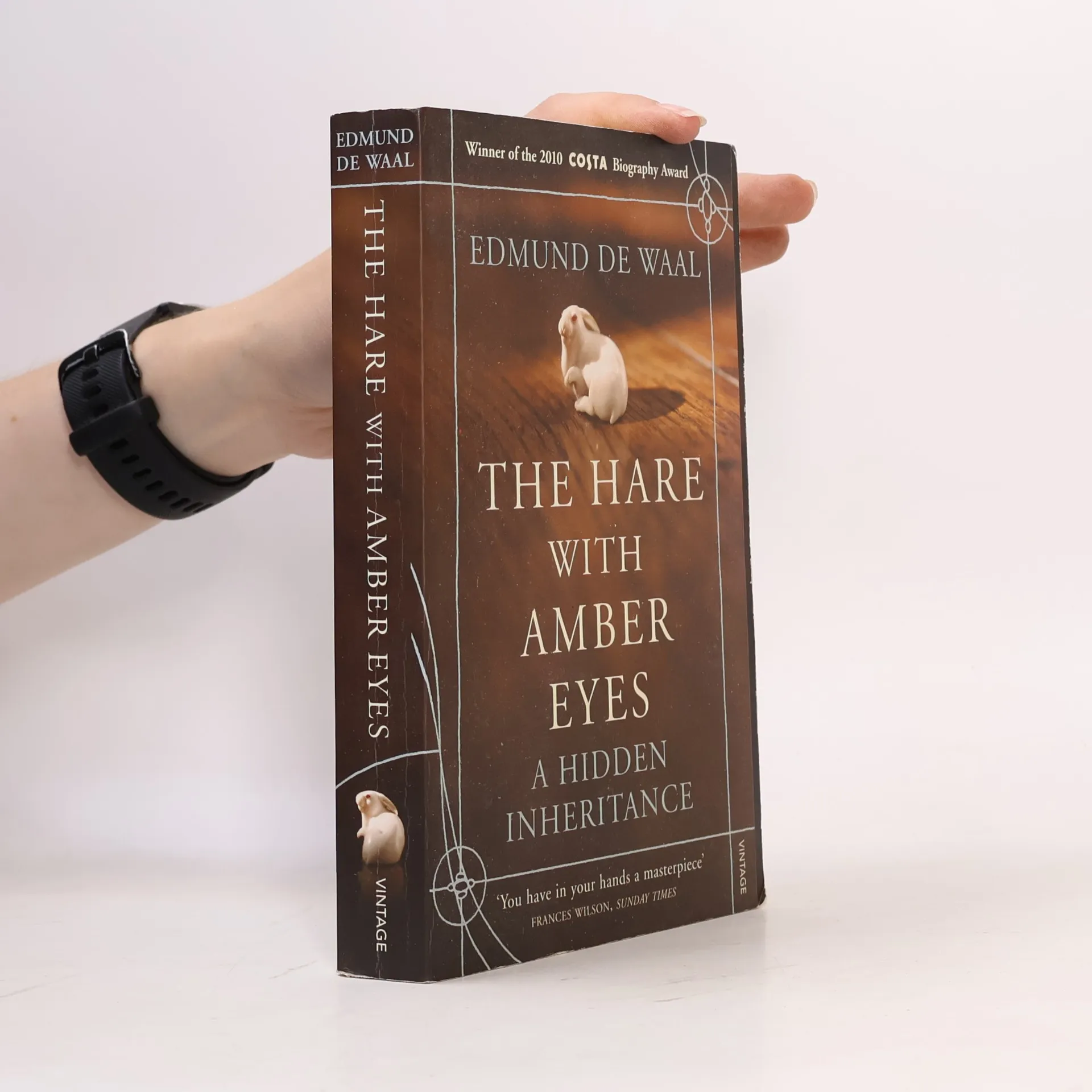
    The hare with amber eyes : a hidden inheritance
    Letters to Camondo
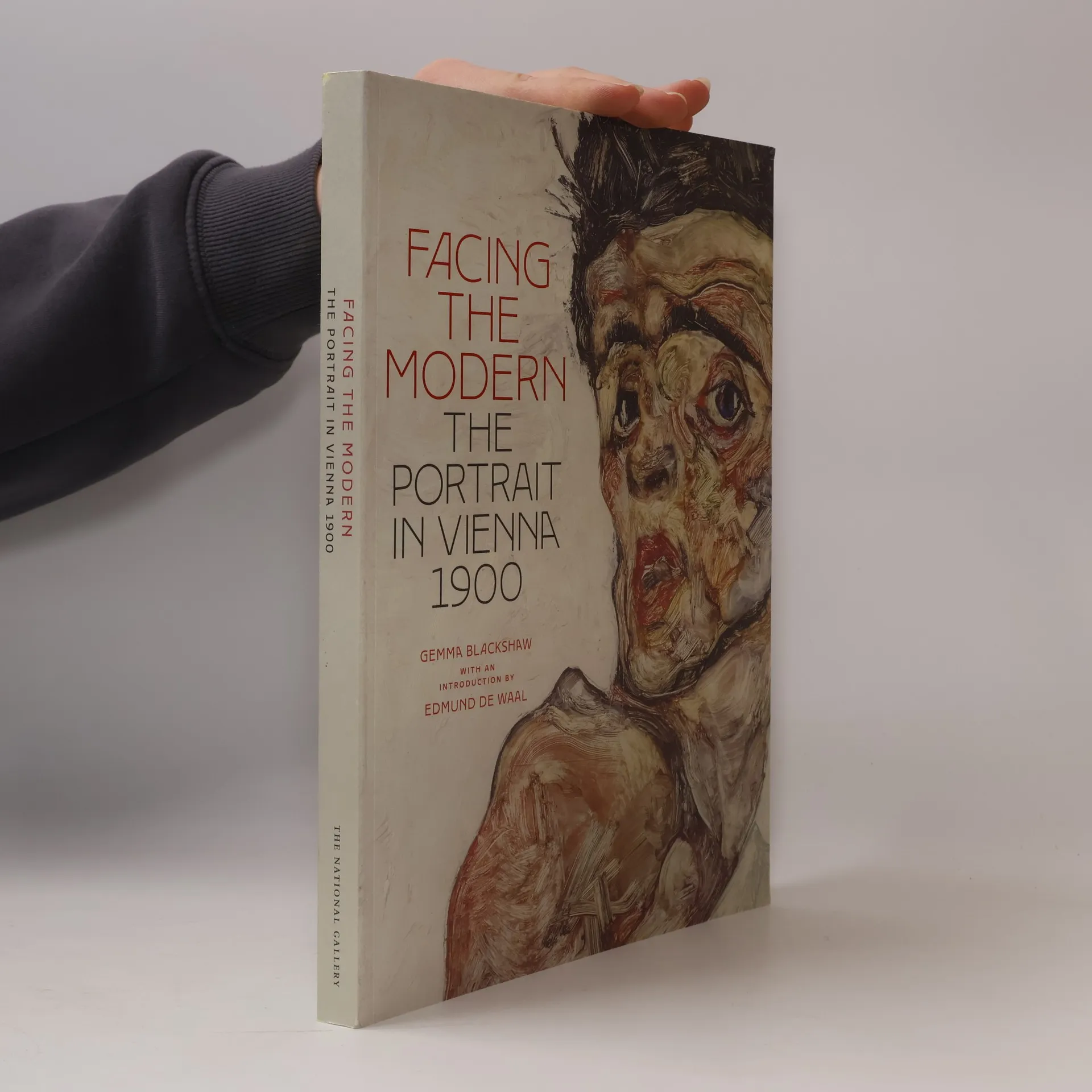
    Facing the Modern
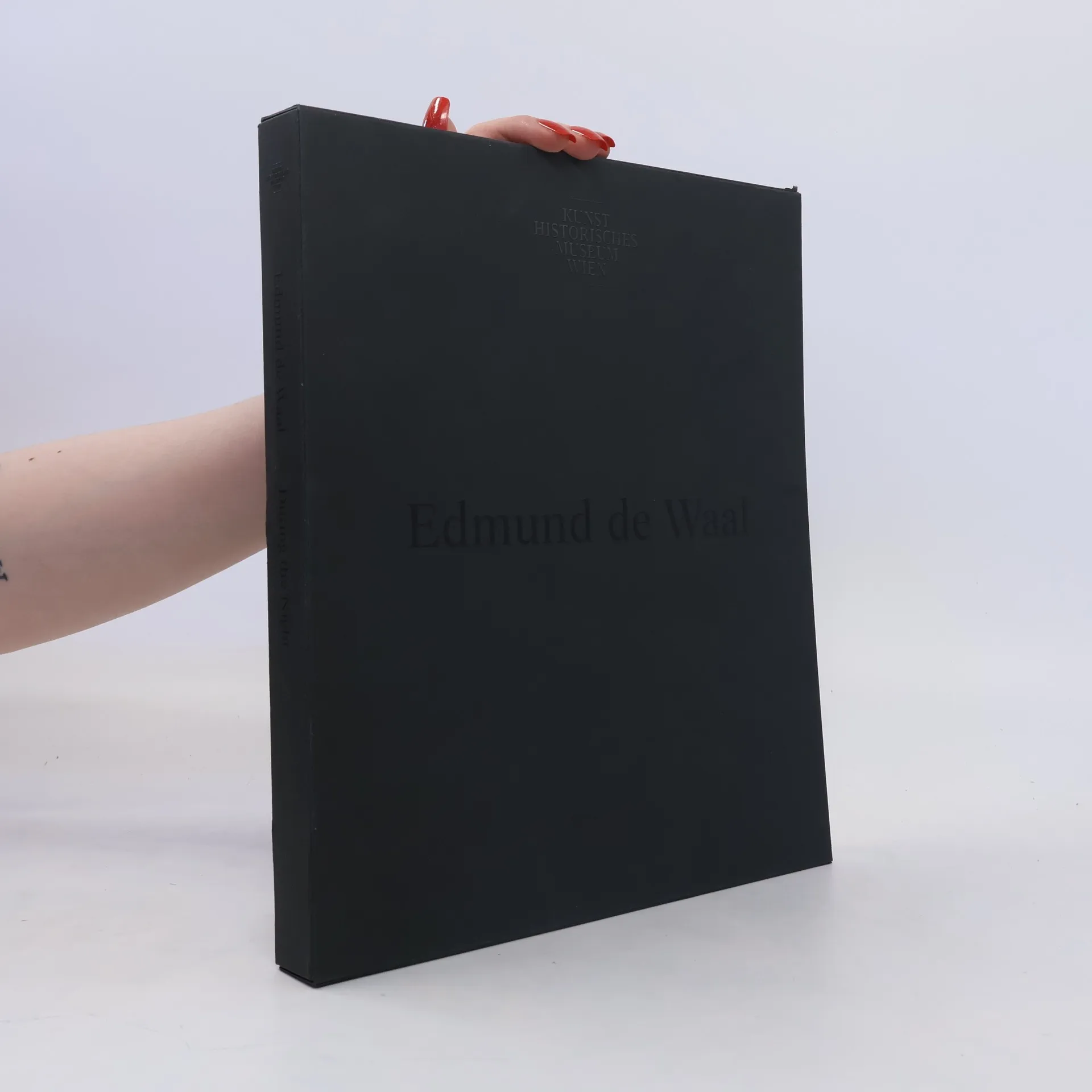
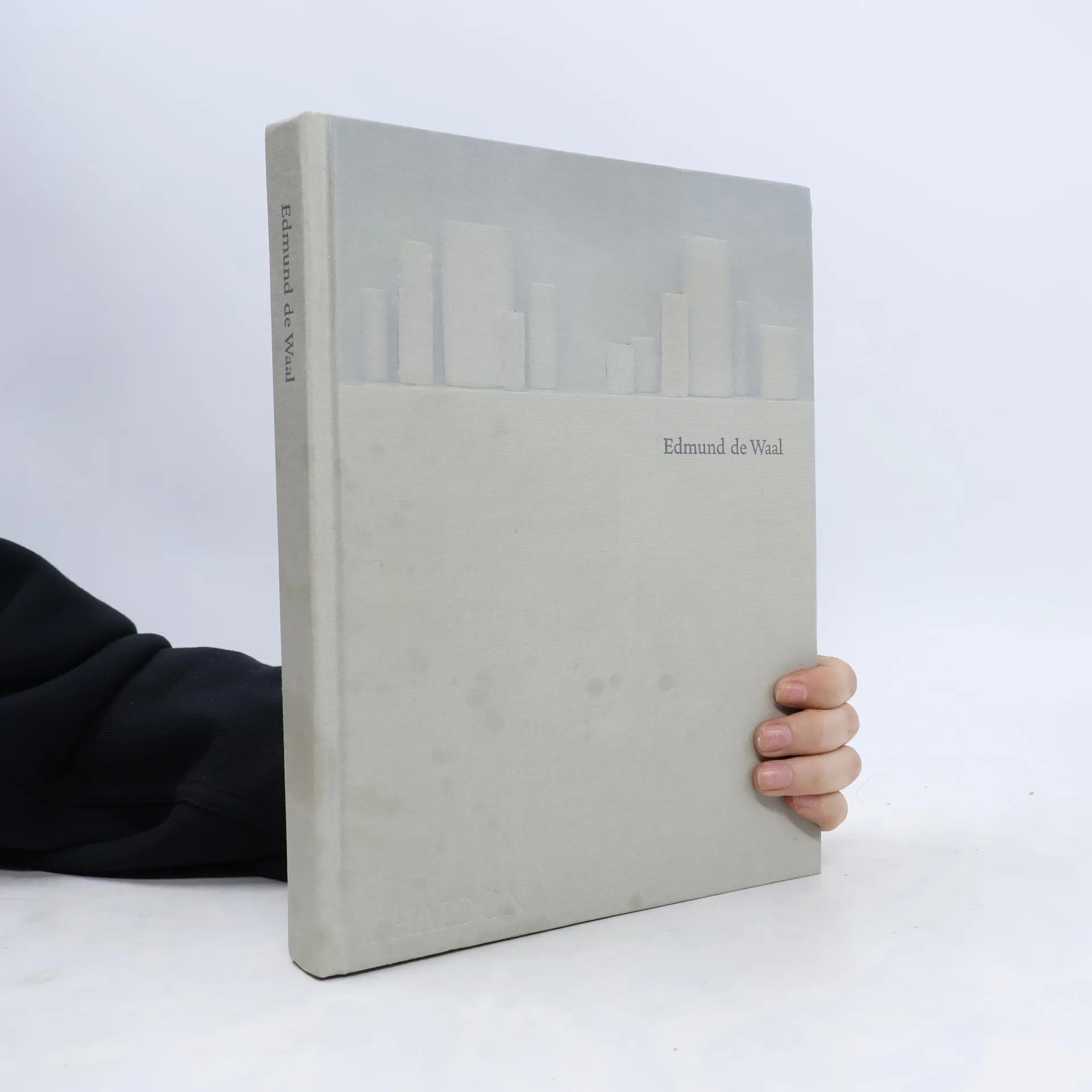
    Edmund de Waal
    • Edmund de Waal

      • 284pages
      • 10 heures de lecture

      The first monograph on Edmund de Waal, the internationally renowned artist and bestselling author of The Hare with the Amber Eyes . Featuring contributions from Emma Crichton–Miller, Colm Toibin, Peter Carey, AS Byatt, Alexandra Munroe, and Deborah Saunt. The first complete survey of de Waal’s career to date, this groundbreaking monograph encompasses major exhibitions and installations at the Victoria and Albert Museum, Tate Liverpool, and the Gagosian Gallery in New York. Stunning photography conveys the delicacy of de Waal’s works and provides a rare glimpse into his studio practice. In addition to being one of the world’s leading ceramicists, de Waal is also a renowned historian of the medium. His critical and personal essays and poetry are interspersed throughout the book, bringing to light the prominence of ceramics in our everyday lives. Together, de Waal’s art and writing speak to his enduring fascination with the nature of objects and the attendant history of their collection and display. Contributions to this monograph by novelists Colm Toibin, Peter Carey, and AS Byatt appear alongside critical essays by Guggenheim curator Alexandra Munroe, journalist Emma Crichton–Miller, and architect Deborah Saunt. Elegant papers and a tooled case make Edmund de Waal an exquisitely collectable object.
      Edmund de Waal
      4,3
    • Facing the Modern

      The Portrait in Vienna 1900

      • 215pages
      • 8 heures de lecture

      During the great flourishing of modern art in fin-de-siècle Vienna, artists of that city focused on images of individuals. Their portraits depict artists, patrons, families, friends, intellectual allies, and society celebrities from the upwardly mobile middle classes. Viewed as a whole, the images allow us to reconstruct the subjects’ shifting identities as the Austro-Hungarian Empire underwent dramatic political changes, from the 1867 Ausgleich (Compromise) to the end of World War I. This is viewed as a time when the avant-garde overthrew the academy, yet Facing the Modern tells a more complex story of the time through thought-provoking texts by numerous leading art historians. Their writings examine paintings by innovative artists such as Gustav Klimt, Oskar Kokoschka, and Egon Schiele alongside earlier works, blurring the conventionally-held distinctions between 19th-century and early-20th-century art, and revealing surprising continuities in the production and consumption of portraits. This compelling book features works not only by famous names but also by lesser-known female and Jewish artists, giving a more complete picture of the time.

      Facing the Modern
      4,0
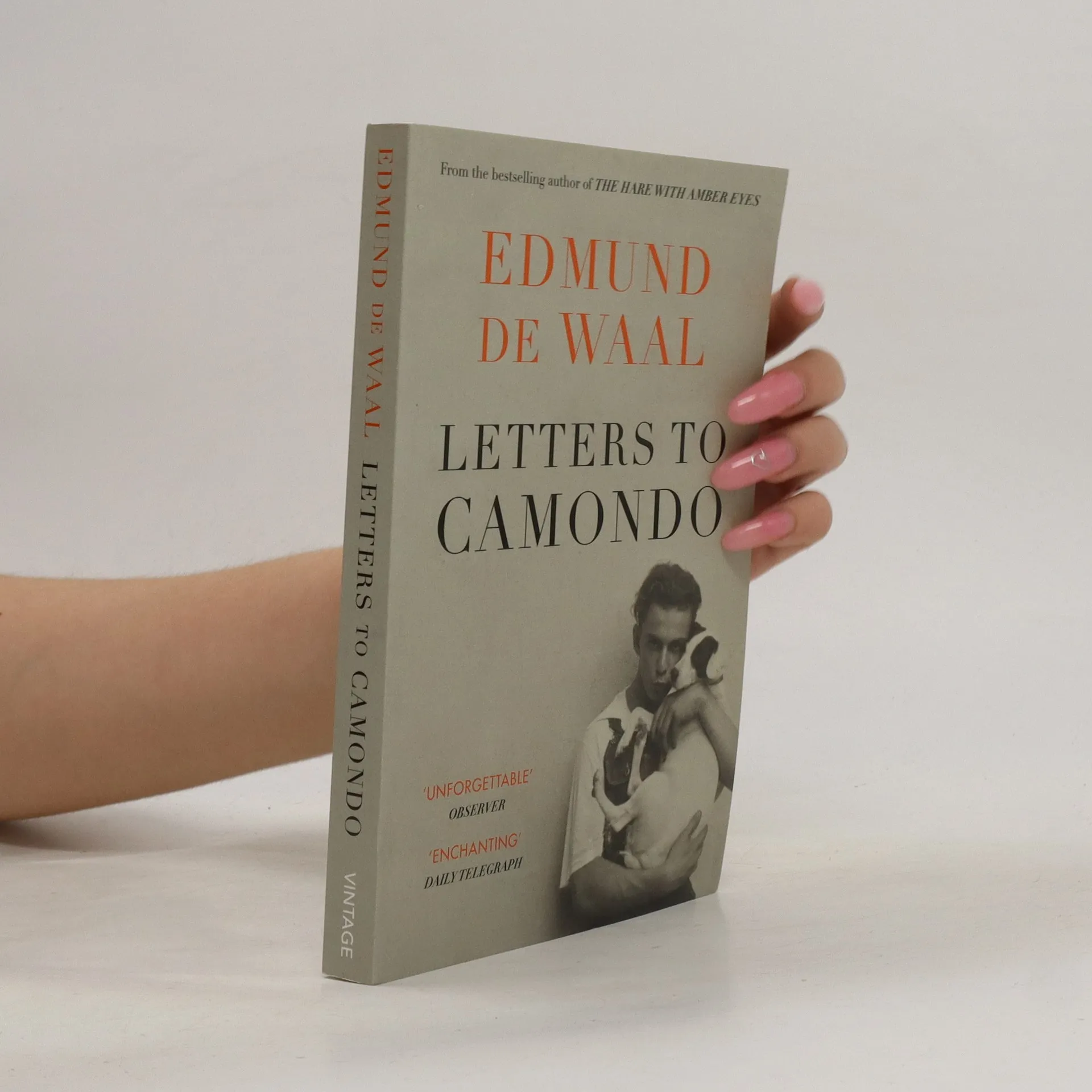
    • Letters to Camondo

      • 182pages
      • 7 heures de lecture

      Count Moïse de Camondo lived a few doors away from Edmund de Waal's forebears, the Ephrussi, first encountered in his bestselling memoir The Hare with Amber Eyes. Like the Ephrussi, the Camondos were part of belle époque high society. They were also targets of anti-semitism. Camondo created a spectacular house and filled it with the greatest private collection of French eighteenth-century art for his son to inherit. But when Nissim was killed in the First World War, it became a memorial and, on the Count's death, was bequeathed to France. The Musée Nissim de Camondo has remained unchanged since 1936. Edmund de Waal explores the lavish rooms and detailed archives and uncovers new layers to the family story. In a haunting series of letters addressed to the Count, he tells us what happened next.

      Letters to Camondo
      4,2
    • Traces the parallel stories of nineteenth-century art patron Charles Ephrussi and his unique collection of 360 miniature netsuke Japanese ivory carvings, documenting Ephrussi's relationship with Marcel Proust and the impact of the Holocaust on his cosmopolitan family.

      The hare with amber eyes : a hidden inheritance
      3,9
    • An Entertainment Weekly and BookPage Best Book of the Year During her treatment for cancer, Mary Anne Schwalbe and her son Will spent many hours sitting in waiting rooms together. To pass the time, they would talk about the books they were reading. Once, by chance, they read the same book at the same time—and an informal book club of two was born. Through their wide-ranging reading, Will and Mary Anne—and we, their fellow readers—are reminded how books can be comforting, astonishing, and illuminating, changing the way that we feel about and interact with the world around us. A profoundly moving memoir of caregiving, mourning, and love—The End of Your Life Book Club is also about the joy of reading, and the ways that joy is multiplied when we share it with others.

      Le parfum de ces livres que nous avons aimés
      3,9
    • ** A Sunday Times Top Ten Bestseller ** "Other things in the world are white but for me porcelain comes first" A handful of clay from a Chinese hillside carries a promise: that mixed with the right materials, it might survive the fire of the kiln, and fuse into porcelain âe" translucent, luminous, white. Acclaimed writer and potter Edmund de Waal sets out on a quest - a journey that begins in the dusty city of Jingdezhen in China and travels on to Venice, Versailles, Dublin, Dresden, the Appalachian Mountains of South Carolina and the hills of Cornwall to tell the history of porcelain. Along the way, he meets the witnesses to its creation; those who were inspired, made rich or heartsick by it, and the many whose livelihoods, minds and bodies were broken by this obsession. It spans a thousand years and reaches into some of the most tragic moments of recent times. In these intimate and compelling encounters with the people and landscapes who made porcelain, Edmund de Waal enriches his understanding of this rare material, the âe~white goldâe(tm) he has worked with for decades. ** Book of the Week on BBC Radio 4 **

      The White Road
      3,6
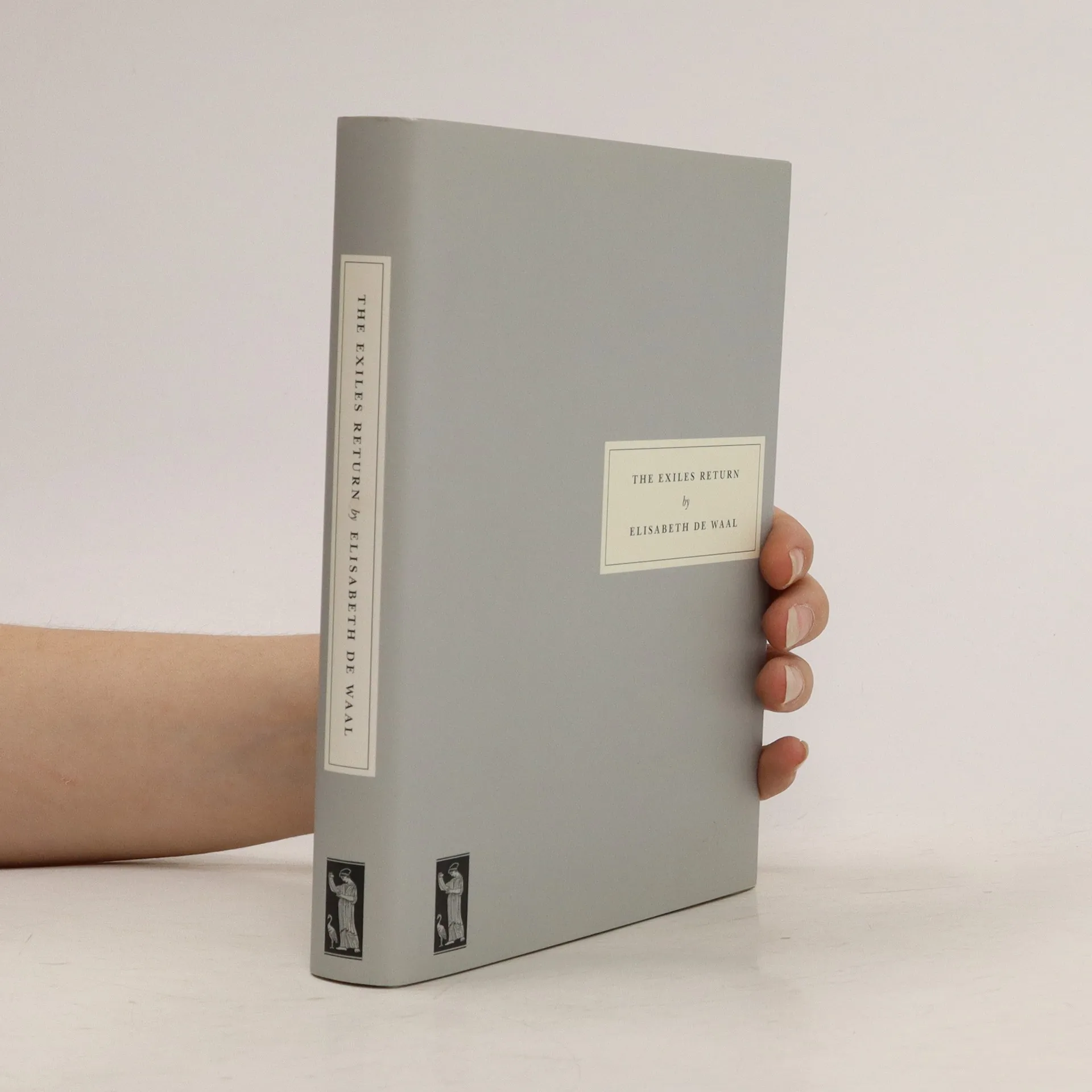
    • The Exiles Return

      • 336pages
      • 12 heures de lecture

      Set in Occupied Vienna during 1954-5, the story follows five individuals returning to reclaim their lost lives after the war. Professor Kuno Adler, a Jewish scientist who fled to New York after the Anschluss, confronts the challenges of returning to a changed city and navigating its moral complexities. Wealthy Greek Kanakis seeks to buy an eighteenth-century hotel to recreate a life of luxury, while his relationship with the penniless Bimbo, a young aristocrat whose anti-Nazi parents were murdered, explores themes of entitlement and love in a post-war context. Bimbo's sister, Princess Nina, lives modestly in their family's former palais, embodying loyalty and hard work despite her self-perceived unattractiveness. Lastly, 18-year-old Marie-Theres, or Resi, returns from America, feeling out of place and seeking to establish roots with her Austrian relatives. Each character grapples with moral dilemmas upon their return, reflecting diverse responses to exile. The author, Elisabeth de Waal, draws from her own background, paralleling her experiences with those of her characters, particularly identifying with Adler. As she navigated her own post-war life in England, she produced several novels, with this being her first published work.

      The Exiles Return
      3,6
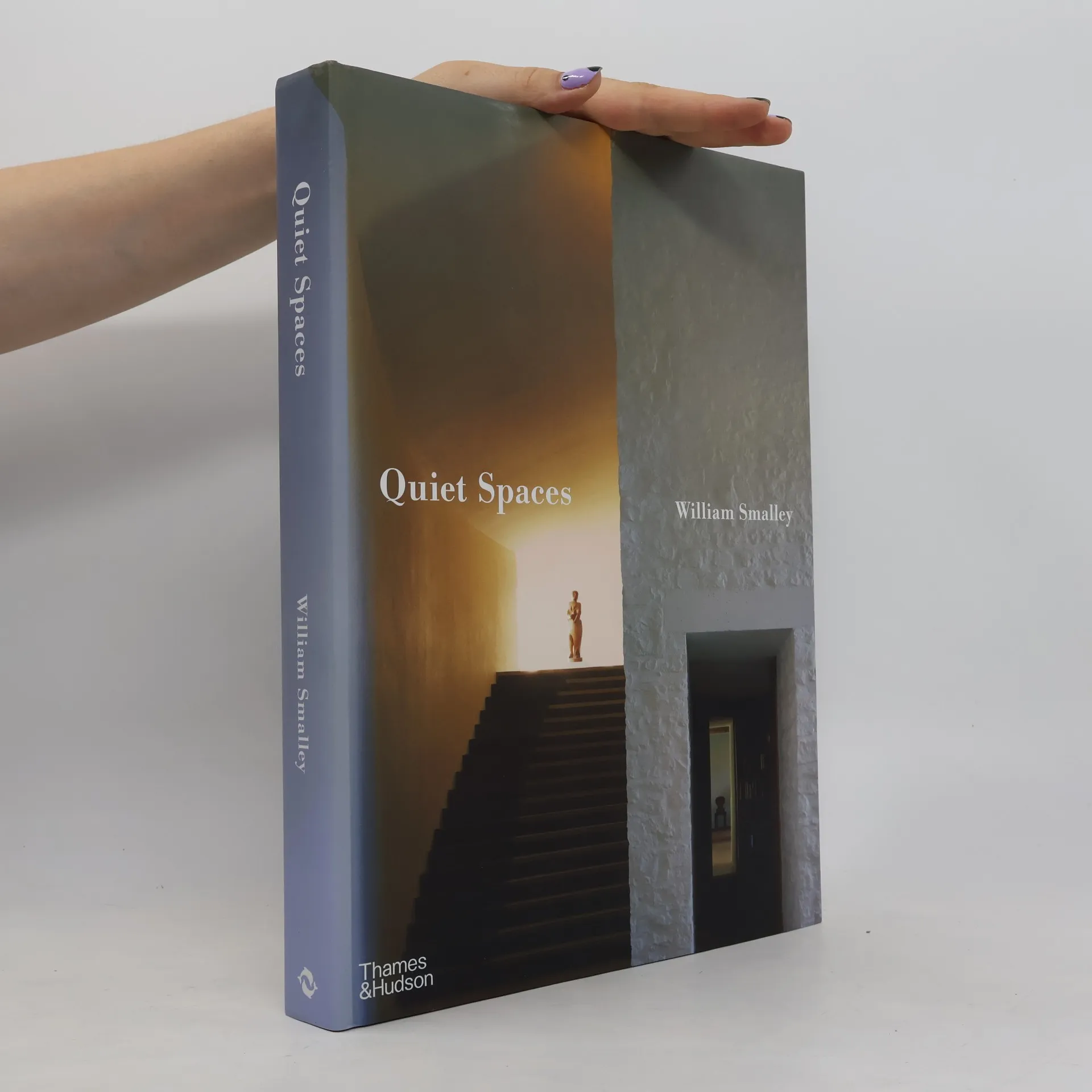
    • Quiet Spaces

      • 256pages
      • 9 heures de lecture

      An elegant presentation of interiors designed for introverts, this book features the memorable work of London architect William Smalley alongside globally inspired buildings that have influenced his practice. The interiors showcased are crafted for private moments of calm, perfect for reading, listening to music, or dining with friends. Highlighting sophisticated, low-key luxury design, the publication reflects the growing trend for slow and calm living, especially as home life has gained renewed focus due to the pandemic. Organized into four themed chapters—Space, Silence, Shadows, and Life—it emphasizes key design concepts essential for creating tranquility in Smalley’s work and in broader architectural contexts. Featured projects include Smalley’s own Bloomsbury apartment and various private residences, often in historic buildings, as well as notable structures like Casa Luis Barragán in Mexico City, Villa Saraceno in Italy, and Kettle’s Yard in Cambridge. Newly commissioned photography and interviews with owners provide fresh insights into the experience of living in these exquisite spaces, all presented in an elegant package that will inspire designers, architects, and enthusiasts of refined design. 185 illustrations / 153 in color.

      Quiet Spaces
    • Die Logik des Regens

      Der weltgrösste Schatz japanischer Katagami-Schablonen zum Färben von Kimonos

      • 320pages
      • 12 heures de lecture

      Im Depot des Dresdener Kunstgewerbemuseums in Schloss Pillnitz liegt ein bedeutender Schatz japanischer Handwerkskunst: über 15.000 Färbeschablonen, bekannt als Katagami. Diese Schablonen, aus Maulbeerbaumrinde handgeschöpft und kunstvoll gestochen, dienten traditionell als Druckvorlagen für die Herstellung von Samurai-Kimonos. Sie zeigen nicht nur geometrische Ornamente, sondern auch abstrakte Darstellungen der Natur. Im 19. Jahrhundert fanden Katagami-Drucke ihren Weg nach Europa und beeinflussten die westliche Ornamentik in Kunst, Kunsthandwerk und Industriedesign. Die Technik der Schablonen findet auch heute Anwendung in Graffiti und Street-Art, wie bei Banksy. Dieses opulente Buch präsentiert erstmals rund 140 der schönsten Katagami-Muster aus der Dresdener Sammlung, wobei der Fokus auf Motiven liegt, die den Regen darstellen – ein Element von großer spiritueller und kultureller Bedeutung für das von Monsunwinden geprägte Land, das auf Reisanbau angewiesen ist. Zahlreiche großformatige Abbildungen werden von Essays internationaler Experten begleitet, die alle Aspekte dieses faszinierenden Themas detailliert erläutern.

      Die Logik des Regens
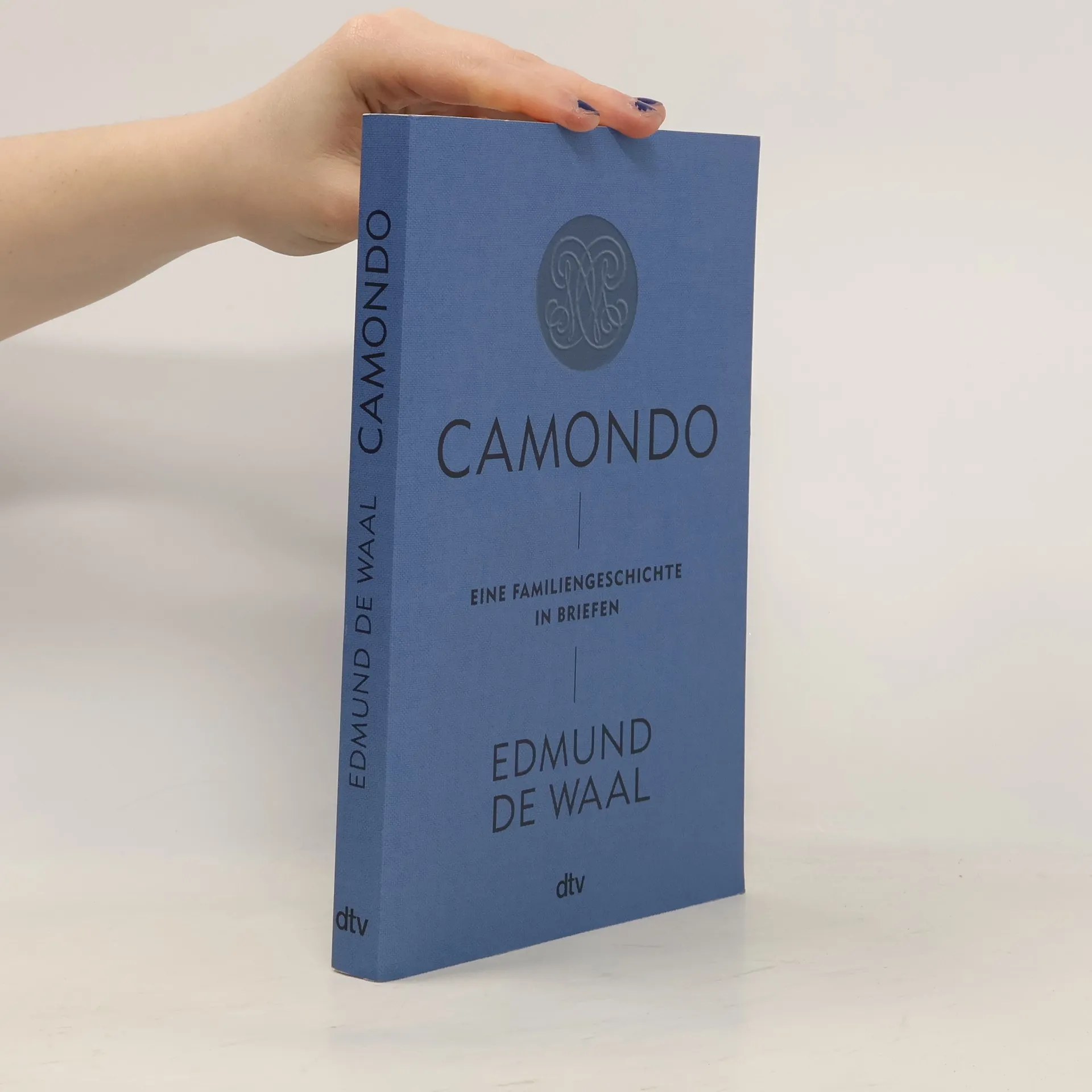
    • Camondo

      Eine Familiengeschichte in Briefen | Ein Meisterwerk der Erinnerungskultur

      • 192pages
      • 7 heures de lecture

      Ein Meisterwerk der Erinnerungskultur Geschichte ist nicht Vergangenheit, sie hört nie auf und entfaltet sich in unseren Händen. In seinem neuen Buch nimmt Edmund de Waal uns mit in die Pariser Rue de Monceau, in der einst sein Vorfahre Charles Ephrussi den berühmten »Hasen mit den Bernsteinaugen« hütete, wo in unmittelbarer Nachbarschaft Marcel Proust wohnte und wo der Bankier Moïse de Camondo aus Konstantinopel ein Palais errichten ließ, in dem sich heute ein seit 1936 unverändertes Museum befindet. Niemand war zufällig in dieser »Straße der Anfänge«, sagt de Waal und beginnt, imaginäre Briefe an Moïse zu richten, über die vielfältigen Beziehungen ihrer beiden Familien, über Assimilation, Großzügigkeit, privates und öffentliches Leben und immer wieder über die Bedeutung der Erinnerung und dass es keinen »Schlussstrich« geben kann und darf.

      Camondo