Ambush Valley
I Corps, Vietnam, 1967-The Story of a Marine Infantry Battalion's Battle for Survival
- 372pages
- 14 heures de lecture
Relates the experiences of one Marine infantry battalion during the Vietnam War.


Cet auteur crée des récits captivants d'histoire militaire, inspiré dès son plus jeune âge par une œuvre narrative marquante. Son approche mêle habilement les archives officielles aux souvenirs vivaces de ceux qui ont vécu les événements de première main, créant ainsi une expérience de lecture accessible et immersive. Il se concentre sur la reconstruction méticuleuse de moments historiques clés, dans le but de transporter le lecteur directement dans le passé. Son écriture se caractérise par une recherche approfondie et un engagement à fournir des récits historiques précis et captivants.



I Corps, Vietnam, 1967-The Story of a Marine Infantry Battalion's Battle for Survival
Relates the experiences of one Marine infantry battalion during the Vietnam War.
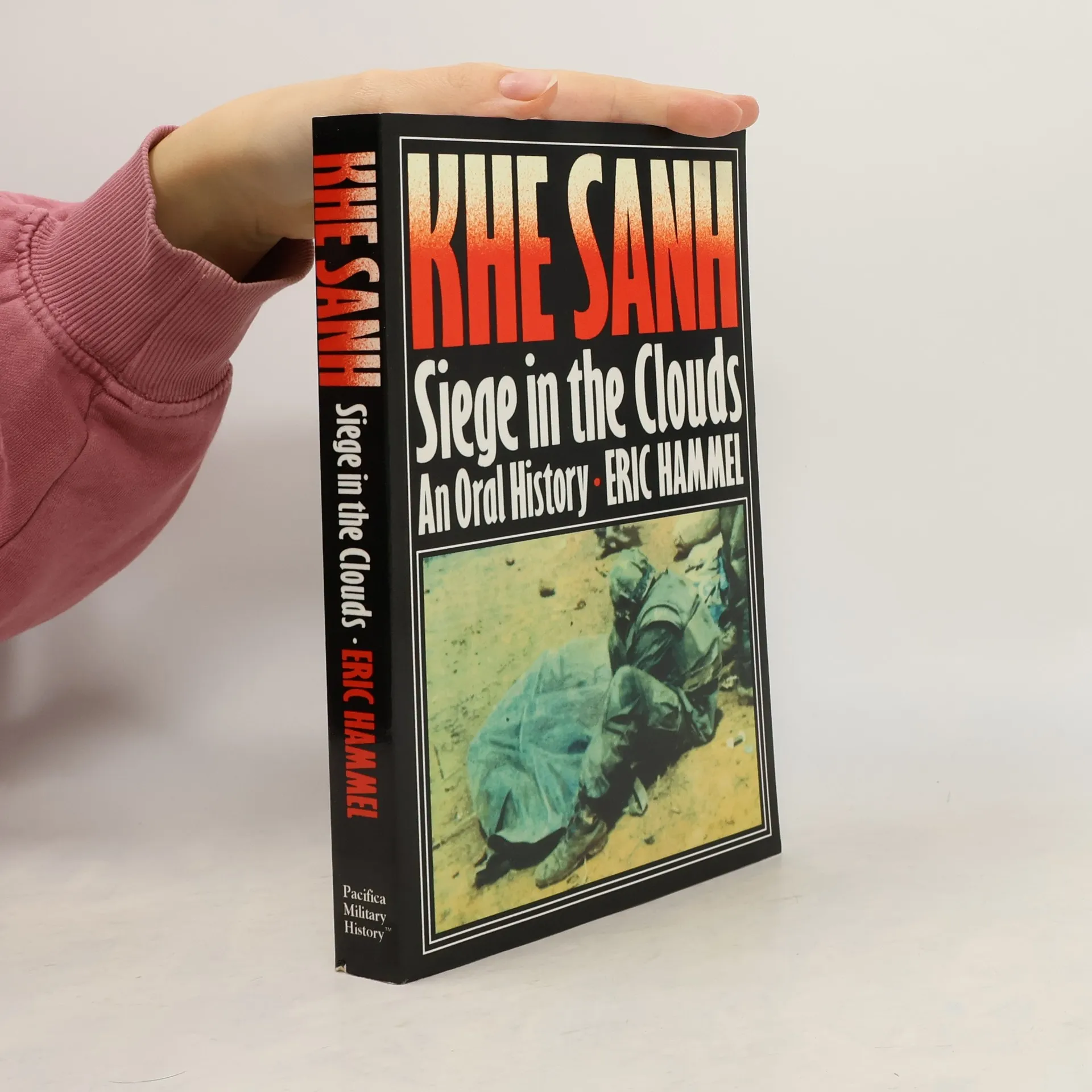
From critcally acclaimed military historian Eric Hammel comes a vivid oral history account of the Tet 1968 siege of the Khe Sanh Combat Base. The words of American fighting men caught up in the grueling, deadly seventy-seven-day ordeal create a harrowing tapestry of tragedy and triumph. As two North Vietnamese Army divisions move to surround them, the vastly outnumbered U.S. Marines rush to strengthen their defenses at the isolated base and several nearby hilltop positions. The Communist forces repeatedly attack, are repeatedly repelled, and then dig in to take the American base by siege-the makings of a classic, modern "set-piece" strategy in which the defenders become bait to tie the attackers to fixed positions in which they can be pummeled and pulverized by American artillery and air support. Khe Sanh: Siege in the Clouds is a ground-breaking step forward in the oral history genre. This gripping-and moving-narrative flows from the masterfully woven threads provided by nearly a hundred men who gallantly endured the wrenching all-out struggle to hold the combat base and its vulnerable outlying positions.
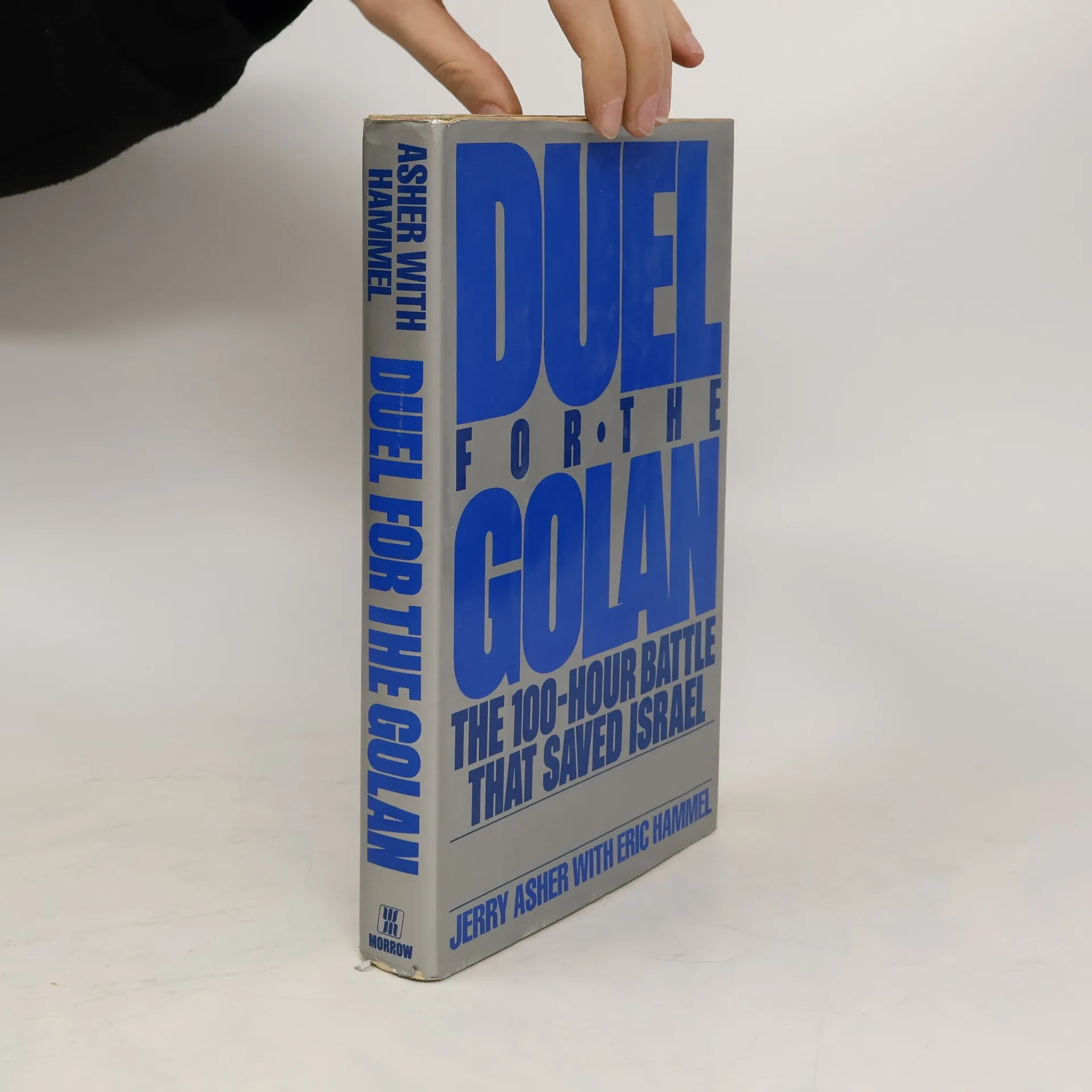
On the first Saturday in October 1973, during Yom Kippur, the Israeli Defense Force prepared for a traditional Jewish Sabbath while the Syrian army, equipped with Soviet-made tanks and artillery, poised for a surprise attack from the Golan Heights. This offensive aimed to swiftly divide Israel and drive it to the sea. The narrative is based on interviews with participants from both sides, offering a gripping account of one of the most significant tank battles since World War II. It explores how a smaller Israeli force managed to deliver a stunning defeat to the formidable Arab armored units. Details of intense tank combat are vividly portrayed, highlighting acts of bravery and resourcefulness among Israeli defenders as they faced the unexpected Syrian onslaught. Throughout the 100-hour battle, every Israeli tank engaged was struck by enemy fire, with some commanders losing multiple tanks. By the war's conclusion, Israeli forces had launched a counteroffensive, advancing to positions where they could accurately target key sites like Damascus International Airport. The Syrian army, along with contingents from Iraq and Jordan, suffered devastating losses. This account reveals the strategic shifts that occurred during the battle, underscoring its lasting impact on Middle Eastern history, particularly in light of ongoing regional tensions.
"For 40 years from 1961, the late Eric Hammel interviewed more than 150 American participants in the air campaign at Guadalcanal, none of whom are still alive. These interviews are the most comprehensive first-person accounts of the battle assembled by any historian. More importantly, they involved the junior officers and enlisted men whose stories and memories were not part of the official history, thus providing a unique insight. The battle of Guadalcanal was the first offensive operation undertaken by the US and its allies in the Pacific War. "Cactus," the code name for the island, became a sinkhole for Japanese air and naval power, experienced forces whose losses could never be made good. The three months of air battles between August 20, 1942, when the first Marine air unit arrived on the island, and November 15, when the last enemy attempt to retake the island was defeated, were perhaps the most important of the Pacific War. After November 15, 1942, the US never looked back as its forces moved across the Pacific to the war's inevitable conclusion. The Cactus Air Force is a joint project between the late Eric Hammel and Pacific War expert Thomas McKelvey Cleaver, and is unlike any other of the many histories of this event that have been published over the years."--Amazon.
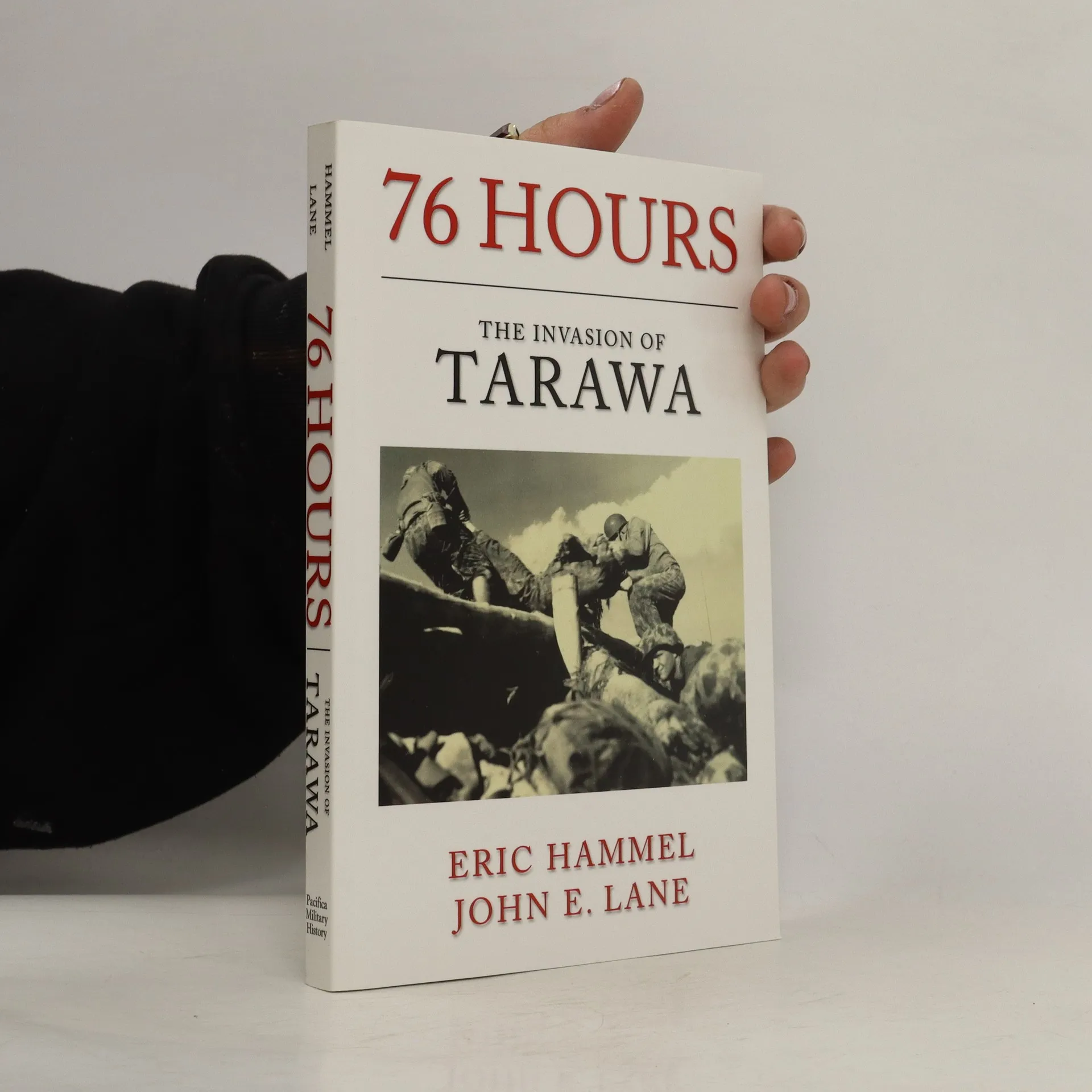
On November 20, 1943, the U.S. 2d Marine Division launched a modern amphibious assault on Betio Island in Tarawa Atoll, facing a well-fortified enemy. Despite assurances from the admirals that a massive naval and air bombardment would decimate Japanese defenses, the Marines encountered fierce resistance as they landed. The initial assault quickly devolved into chaos, with many Marines killed or wounded before they could even disembark from their amphibious tractors. The operation stalled at the water's edge, and follow-up waves faced devastating losses as they struggled to wade through fire-swept, knee-deep water, exacerbated by miscalculations in tidal conditions. The battle for Betio unfolded with harrowing intensity, showcasing the valor of American troops as they advanced step by step across the island against what historians consider some of the most formidable Japanese defenses in the Pacific War. The narrative captures the tragedy and near defeat that transformed into an epic victory, highlighting the indomitable human spirit of those who fought.
Studie o jedné z rozhodujících epizod americko-japonské války v jižním Pacifiku nás seznamuje nejen s boji v nezvyklém prostředí, ale i do té doby neznámým fenoménem válečné neurózy, který i z nezraněných činil vojáky nepoužitelné v dalších bojích. Předností studie o jedné, byť v podstatě rozhodující epizodě války Američanů s Japonci v jižním Pacifiku je nejen podrobné vylíčení bojů na Nové Georgii, v prostředí pro nás tak exotickém, a pro americké vojáky tak strastiplném, ale i to, že se zabývá dopadem zcela odlišného způsobu boje na psychiku lidí. Autor se podrobně zabývá jevem, který se neprojevil na evropských či afrických bojištích, a který američtí lékaři nazvali vyčerpáním z boje či válečnou neurózou. Fenoménu, který se opakoval o dvacet let později ve Vietnamu. Proto má kniha širší platnost, než jen historická výseč z roku 1943. Obsahuje dokumentární fotografie.