

Bookbot

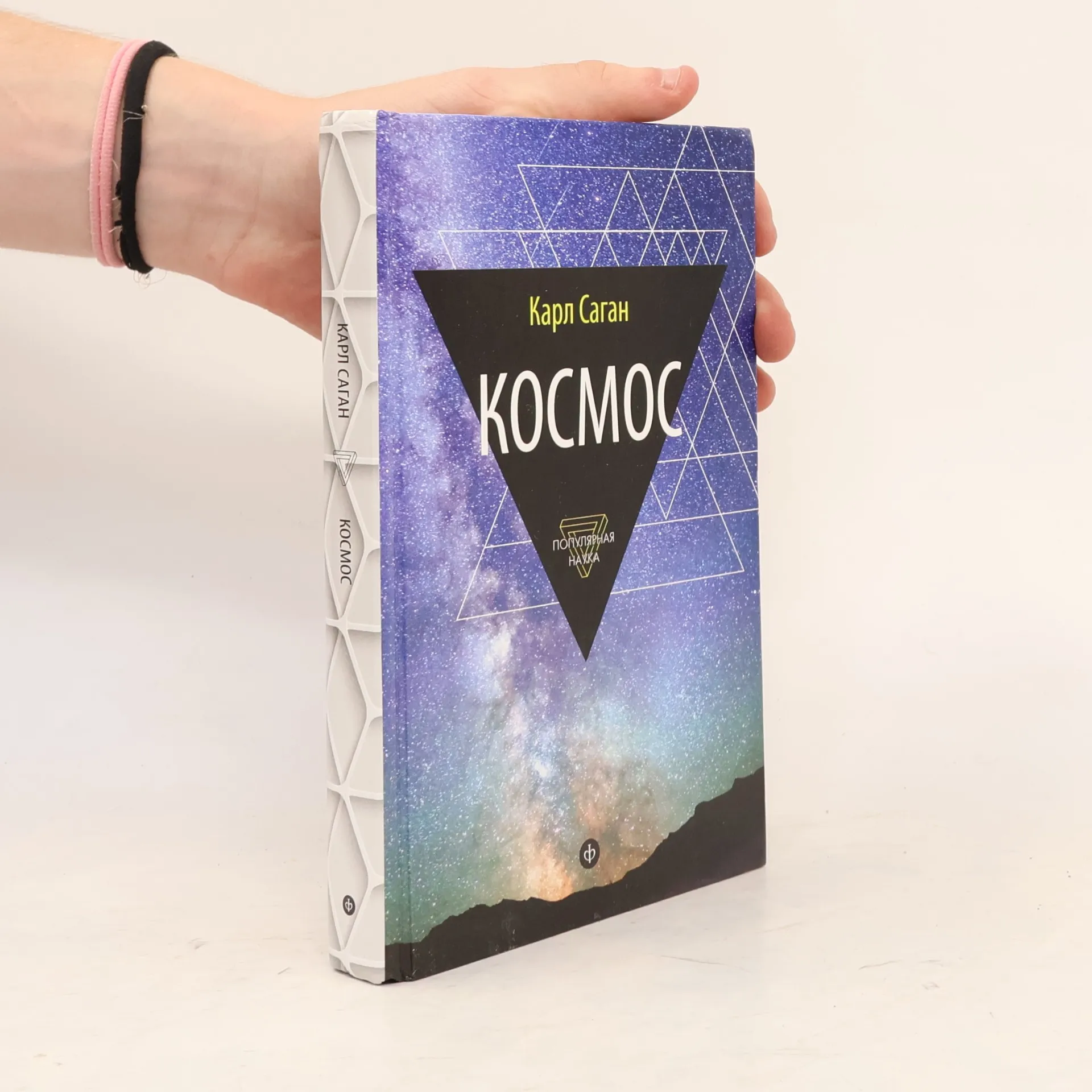
Carl Sagan

    9 novembre 1934 – 20 décembre 1996

    Carl Sagan fut un vulgarisateur scientifique visionnaire, capable de traduire des concepts cosmiques complexes pour un public mondial. Son œuvre magistrale a inspiré des millions de personnes à travers le monde en reliant la curiosité scientifique à une compréhension profonde de notre place dans l'univers. À travers ses nombreux documentaires et livres, Sagan a allumé une passion pour l'exploration et a guidé les lecteurs dans un voyage captivant au-delà de notre planète. Son héritage perdure dans sa quête incessante de la vérité et dans son regard inébranlable sur la réalité, même face aux défis les plus profonds de la vie.

    Carl Sagan
    The Demon-Haunted World. Der Drache in meiner Garage oder Die Kunst der Wissenschaft, Unsinn zu entlarven, engl. Ausgabe. Science as a Candle in the Dark
    Billions and Billions
    The demon-haunted world: Science as a candle in the dark
    Pale Blue Dot
    Shadows of Forgotten Ancestors
    The Varieties of Scientific Experience
    • Carl Sagan's prophetic vision of the tragic resurgence of fundamentalism and the hope-filled potential of the next great development in human spirituality. The late great astronomer and astrophysicist describes his personal search to understand the nature of the sacred in the vastness of the cosmos. Exhibiting a breadth of intellect nothing short of astounding, Sagan presents his views on a wide range of topics, including the likelihood of intelligent life on other planets, creationism and so-called intelligent design, and a new concept of science as informed worship. Originally presented at the centennial celebration of the famous Gifford Lectures in Scotland in 1985 but never published, this book offers a unique encounter with one of the most remarkable minds of the twentieth century.

      The Varieties of Scientific Experience
      4,4
    • NATIONAL BESTSELLER • “Exciting and provocative . . . A tour de force of a book that begs to be seen as well as to be read.”— The Washington Post Book WorldWorld renowned scientist Carl Sagan and acclaimed author Ann Druyan have written a Roots  for the human species, a lucid and riveting account of how humans got to be the way we are. Shadows of Forgotten Ancestors is a thrilling saga that starts with the origin of the Earth. It shows with humor and drama that many of our key traits—self-awareness, technology, family ties, submission to authority, hatred for those a little different from ourselves, reason, and ethics—are rooted in the deep past, and illuminated by our kinship with other animals.Sagan and Druyan conduct a breathtaking journey through space and time, zeroing in on critical turning points in evolutionary history, and tracing the origins of sex, altruism, violence, rape, and dominance. Their book culminates in a stunningly original examination of the connection between primate and human traits. Astonishing in its scope, brilliant in its insights, and an absolutely compelling read, Shadows of Forgotten Ancestors is a triumph of popular science.

      Shadows of Forgotten Ancestors
      4,5
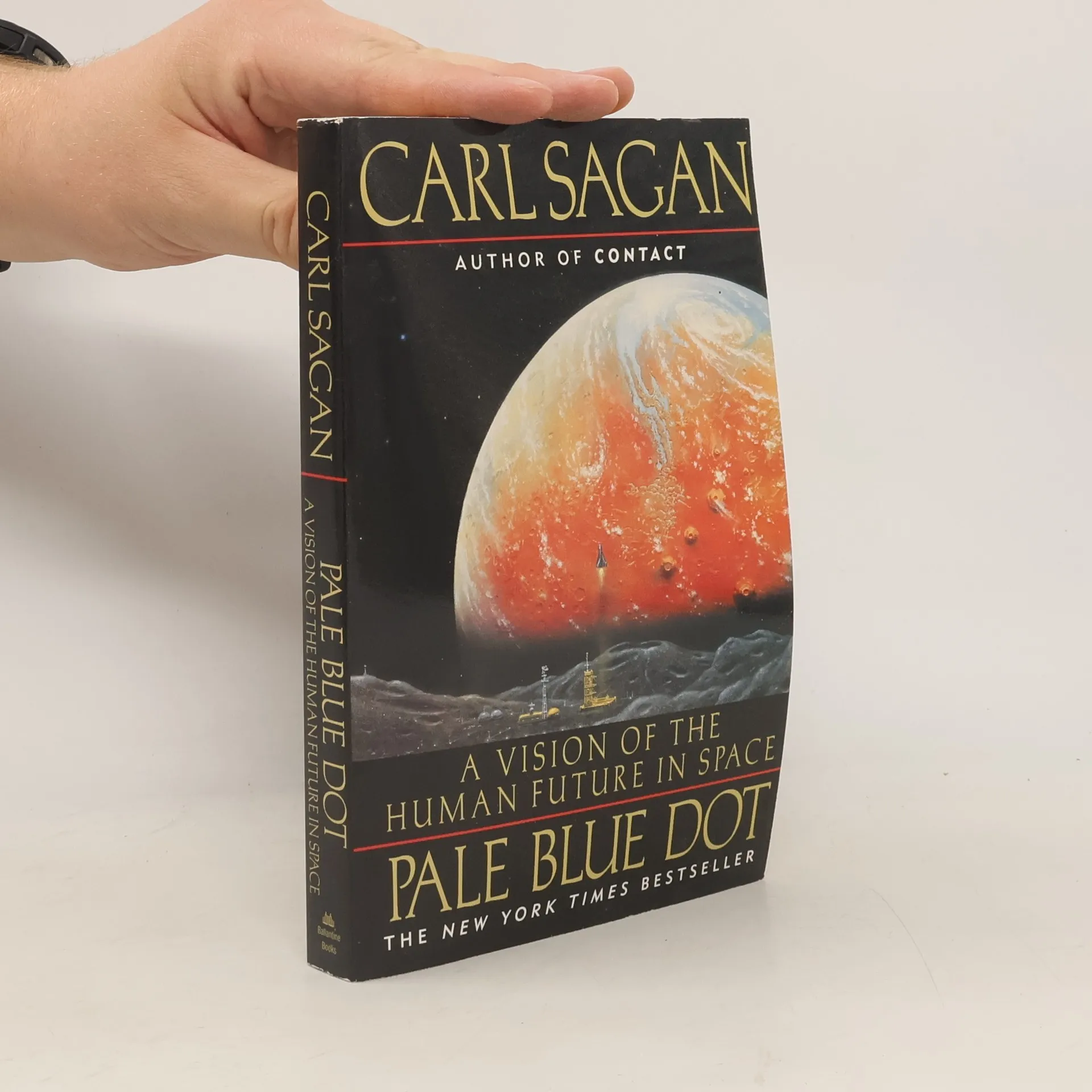
    • Pale Blue Dot

      • 384pages
      • 14 heures de lecture

      Pulitzer Prize-winning author Carl Sagan traces our exploration of space and suggests that our very survival may depend on the wise use of other worlds. This stirring book reveals how scientific discovery has altered our perception of who we are and where we stand, and challenges us to weigh what we will do with that knowledge. Photos, many in color.

      Pale Blue Dot
      4,4
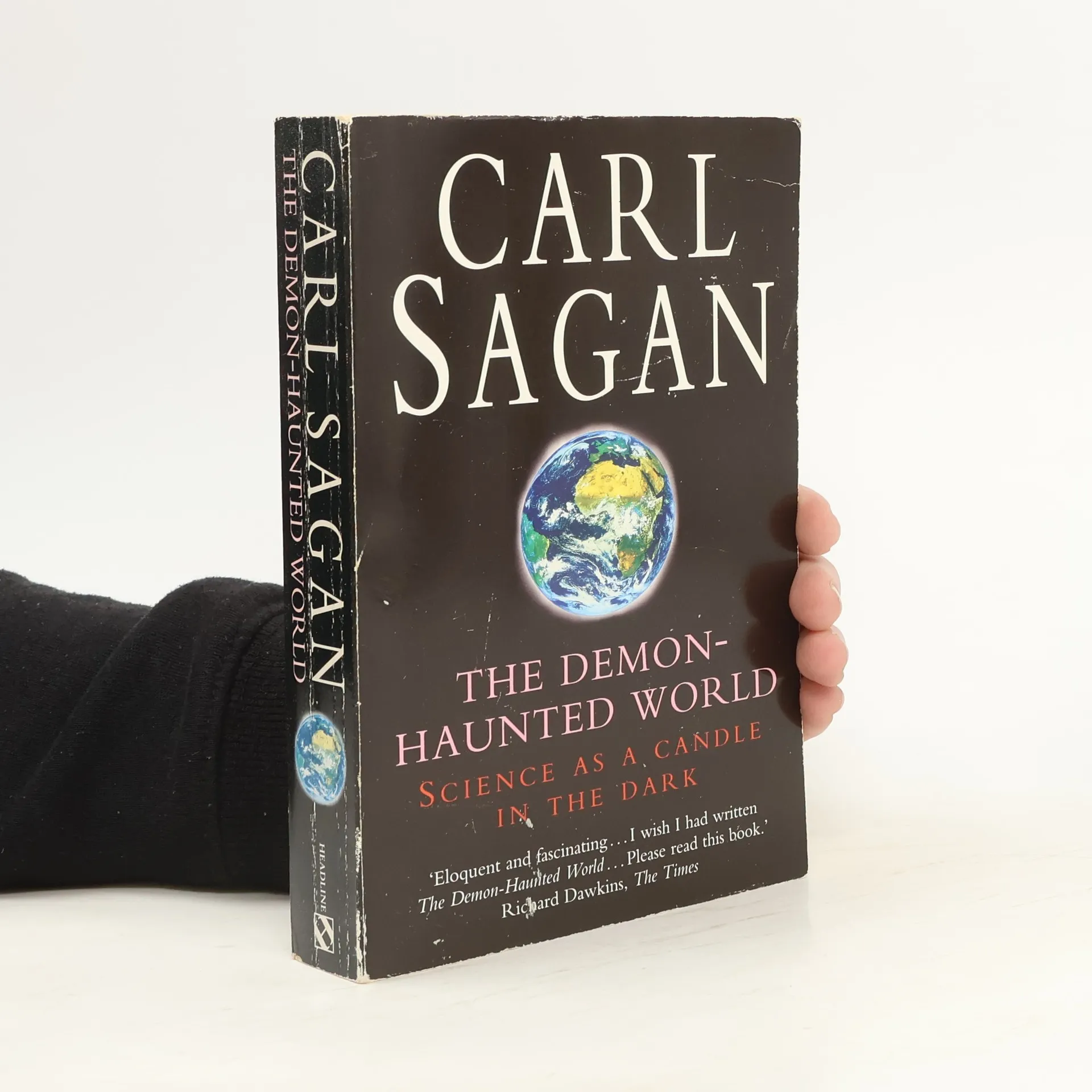
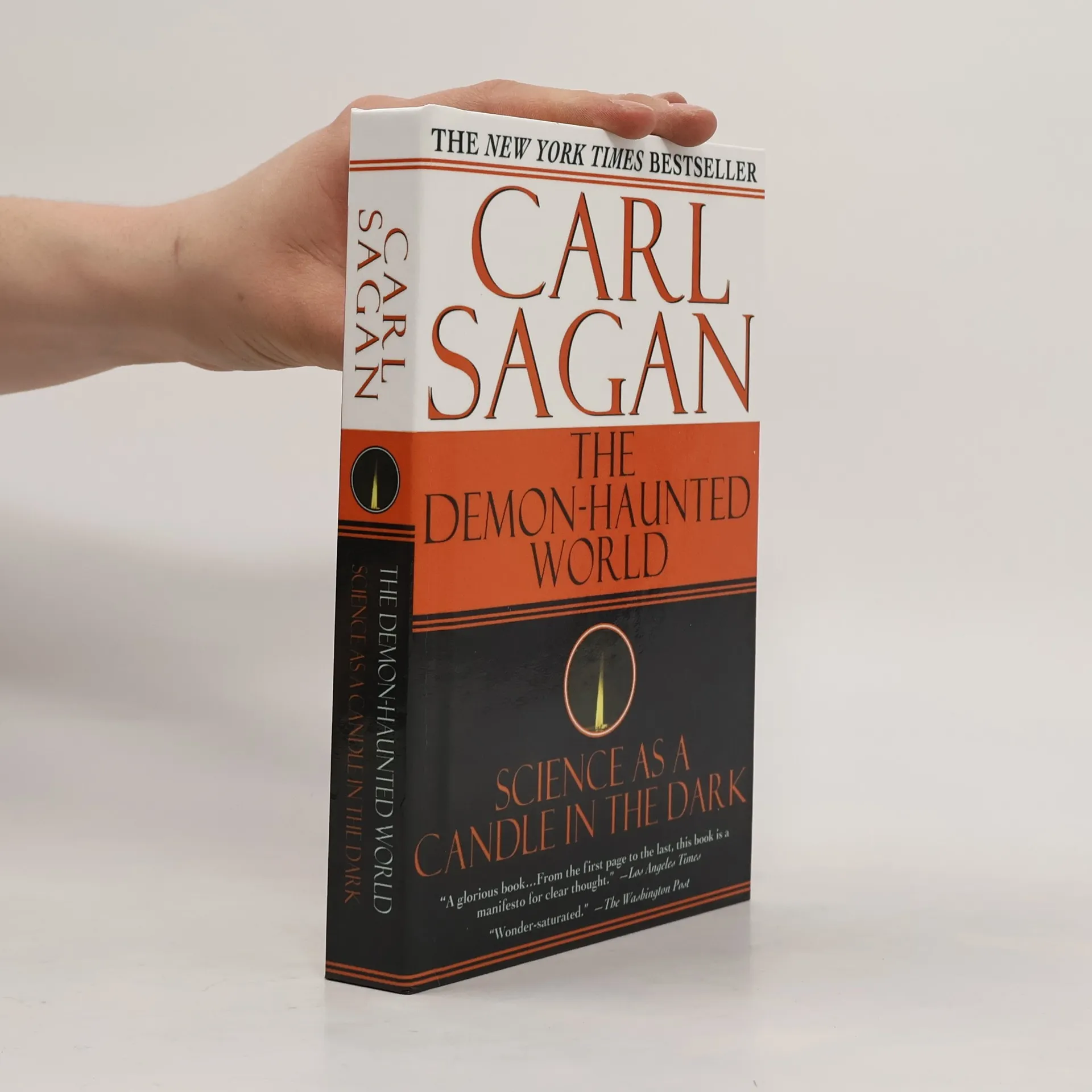
    • A prescient warning of a future we now inhabit, where fake news and Internet conspiracy theories resonate with a disaffected populace. This book serves as a manifesto for clear thought and a spirited defense of science. Pulitzer Prize-winning author and distinguished astronomer Carl Sagan emphasizes that scientific thinking is essential for making informed decisions in our technology-driven lives. He explores the distinction between the myths of pseudoscience and the testable hypotheses of science, arguing that understanding this difference is crucial for the well-being of our democratic institutions. Sagan examines and debunks celebrated fallacies such as witchcraft, faith healing, demons, and UFOs. Yet, in today's information age, pseudoscience is thriving with tales of alien abductions and communal hallucinations gaining attention and respect. Sagan eloquently illustrates that the allure of unreason is not merely a cultural misstep but a perilous descent into darkness that endangers our fundamental freedoms. The book has been praised as a powerful defense of informed rationality, rich in surprising information and beautiful writing, offering a clear vision of the importance of good science and a warning against unrestrained credulity.

      The demon-haunted world: Science as a candle in the dark
      4,3
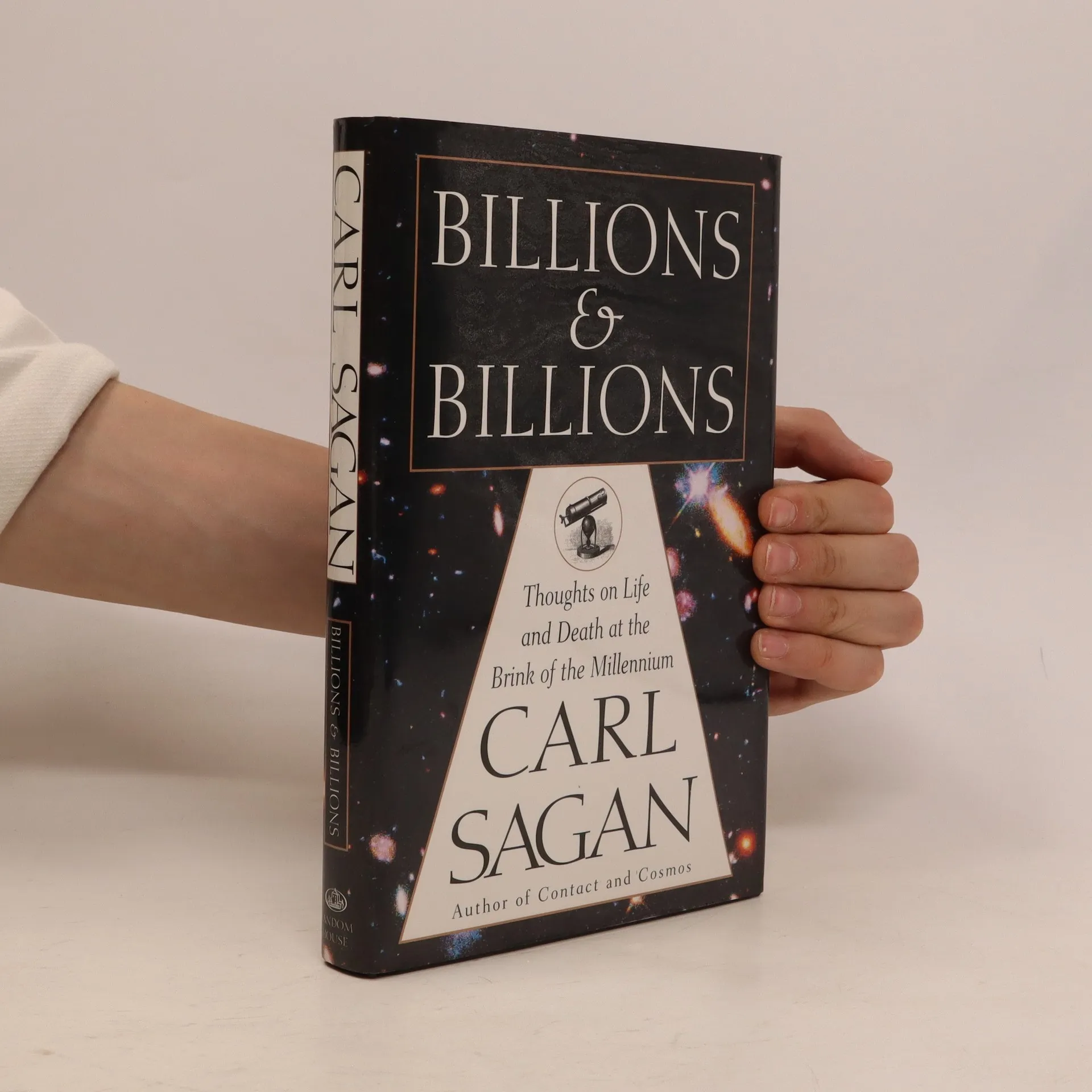
    • Billions and Billions

      • 241pages
      • 9 heures de lecture

      In this book, his last, Carl Sagan shows once again his extraordinary ability to interpret the mysteries of life and the majesty of the universe for the general reader. In Billions and Billions Sagan applies what we know about science, mathematics, and space to everyday life as well as to the exploration of many essential questions concerning the environment and our future. Ranging far and wide in subject matter, he takes his readers on a soaring journey, from the

      Billions and Billions
      4,3
    • Old-Fashioned Cupcake

      • 250pages
      • 9 heures de lecture

      A visit to a pancake shop leads to an unexpected May-December romance that breathes life into the monotonous routine of an older salaryman.

      Old-Fashioned Cupcake
      4,3
    • Intelligent Life in the Universe

      • 509pages
      • 18 heures de lecture

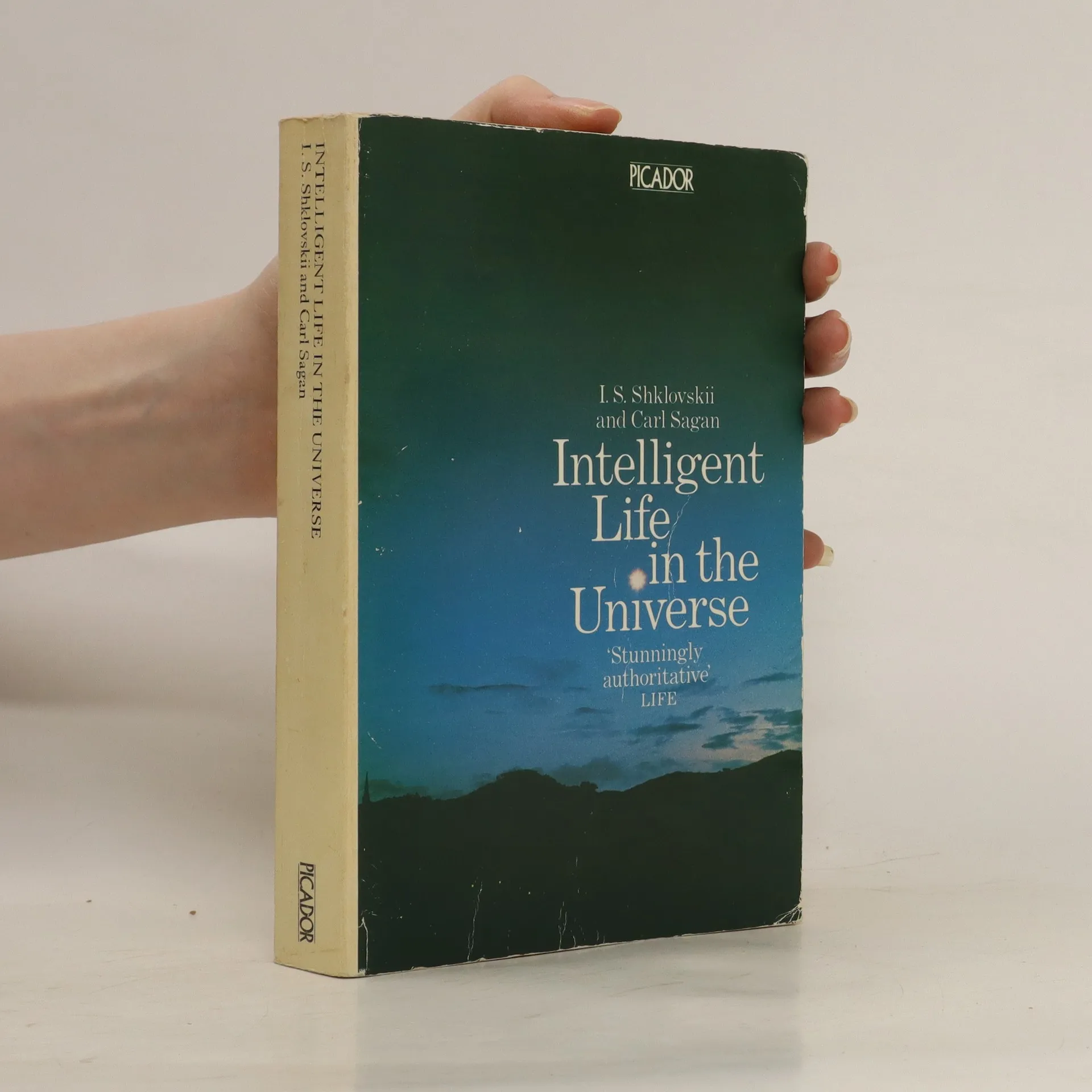
      'Careful scientific argument laced with a dash of speculation. It is a heady mixture . . . Sagan and Shklovskii have explored, with great verve and absorbing detail, what could lie outside us'. JOHN DAVY/THE OBSERVER This book, the product of a unique collaboration between a world-famous Russian astronomer and a leading American space scientist, is the first popular and modern discussion of the entire panorama of natural evolution. It covers the origins of the universe, the evolution of stars and planets, the beginnings of life on earth, and the development of intelligence and technical civilisations among galactic communities. While acknowledgedly speculative in many place — in, for example, the detailed discussions of interstellar contact — it is an outstanding summary of the present state of scientific knowledge and philosophical interest in these arresting areas of contemporary research. 'I am overjoyed . . . The brotherhood of science is a vital aspect of contemporary life and may offer one road to safety amid the dangers that press upon us. There mere existence of this book by two such authors under today's conditions is a triumph for those of us who cling to this hope'. ISAAC ASIMOV 'A unique collaboration' NEWSWEEK

      Intelligent Life in the Universe
      4,3
    • The Dragons of Eden

      Speculations on the Evolution of Human Intelligence

      • 288pages
      • 11 heures de lecture

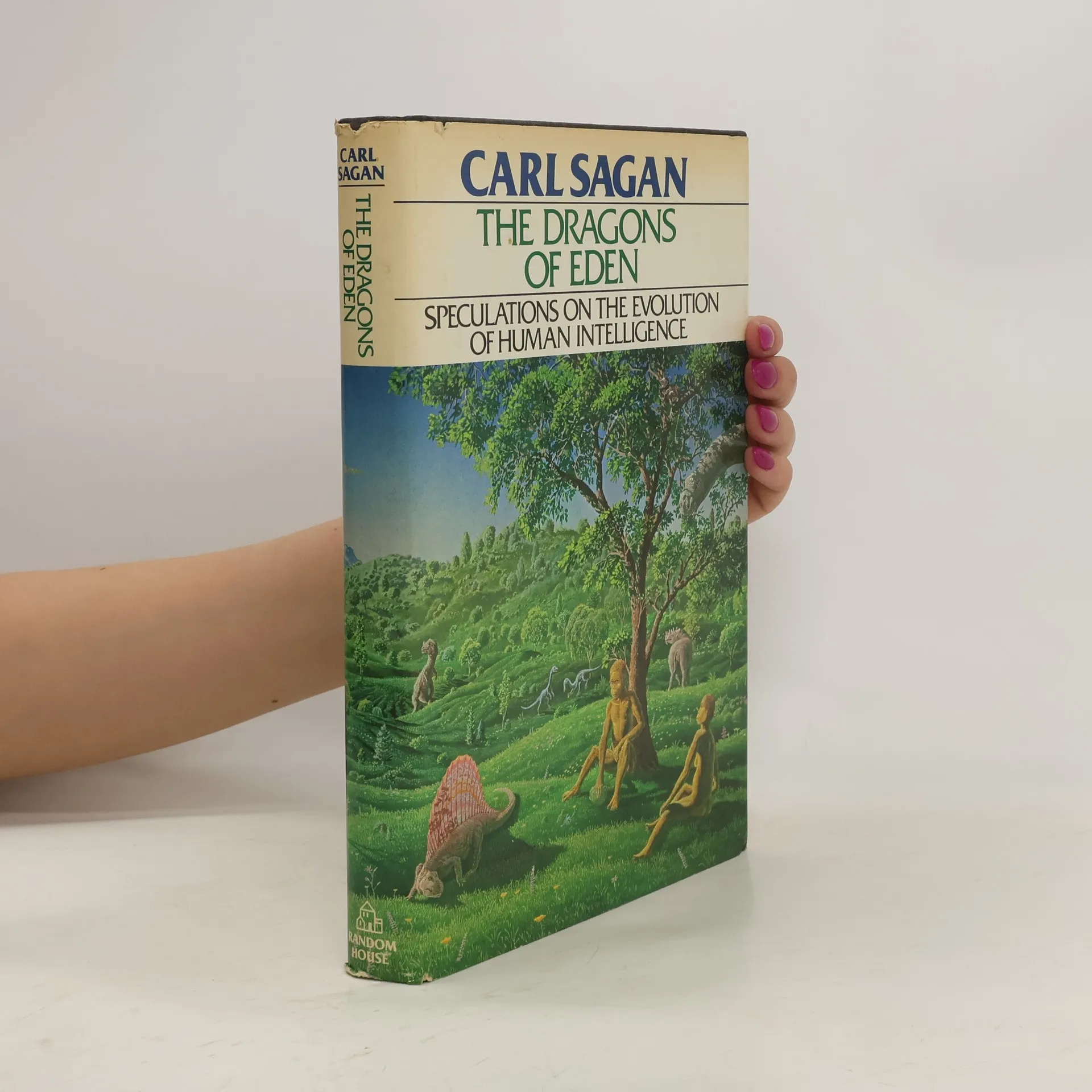
      Dr. Carl Sagan Takes Us on a Great Reading Adventure, Offering his Vivid and Startling Insight Into the Brain of Man and Beast, the Origin of Human Intelligence, the Function of our Most Haunting Legends -- and Their Amazing Links to Recent Discoveries. Book jacket.

      The Dragons of Eden
      4,2
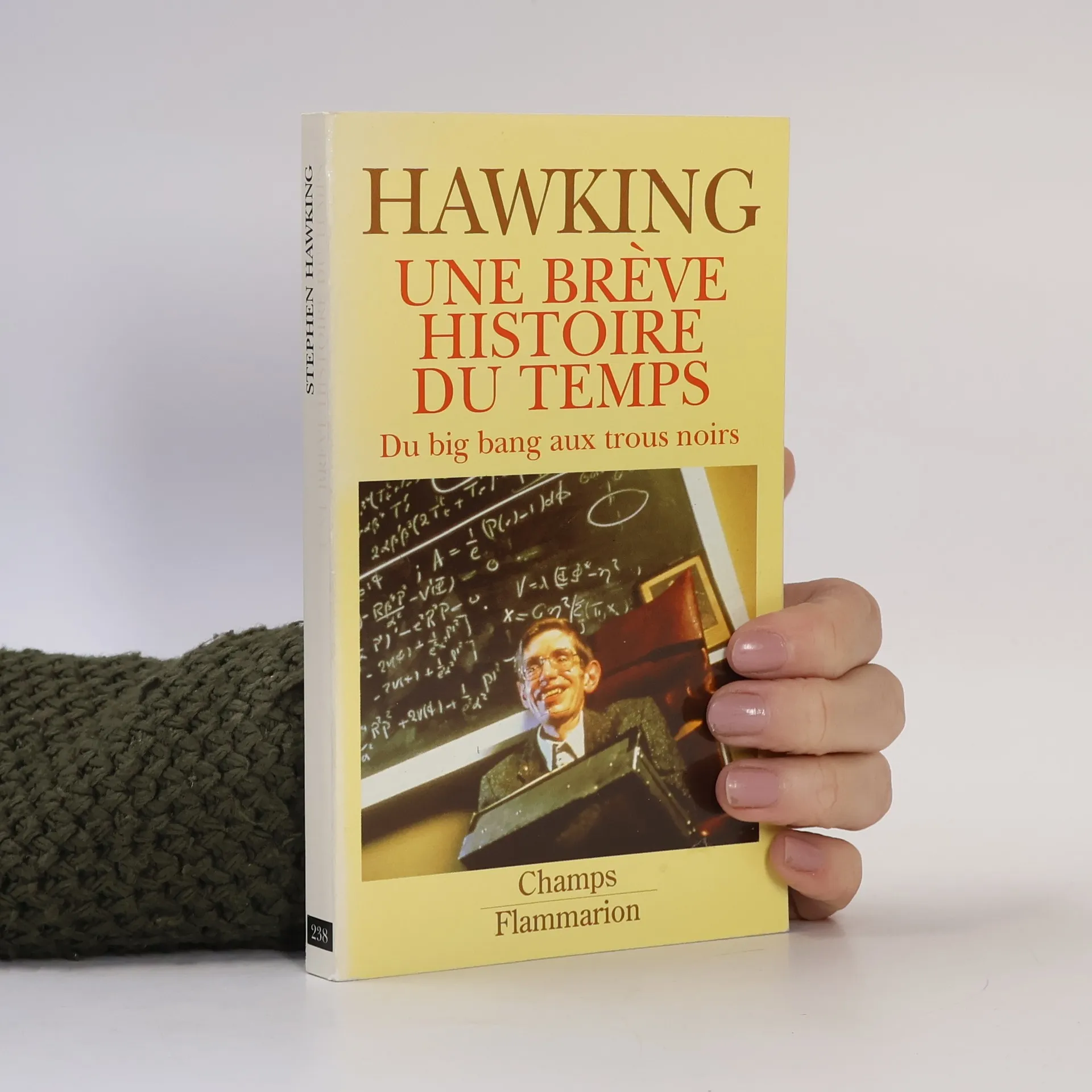
    • Voilà vingt ans, Stephen Hawking nous passionnait avec sa Brève histoire du temps et s'intéressait déjà aux questions les plus fondamentales: que savons-nous de l'Univers? Comment sommes-nous parvenus à cette connaissance? D'où vient l'Univers et où va-t-il ? Questions éternelles et toujours plus captivantes à mesure que se précisent les connaissances scientifiques. S'appuyant sur les plus récentes observations et les dernières avancées théoriques, il nous raconte aujourd'hui les progrès accomplis en cosmologie et en physique des particules. Il nous fait partager le fruit de ses dernières réflexions dans une histoire qu'il destine à tous. Il nous invite à cheminer pas à pas, éclairant les différentes tentatives d'explication de l'Univers, de la théorie de la gravitation de Newton à la relativité d'Einstein, en passant par l'accélération de l'expansion de l'Univers, les trous noirs, la possibilité ou l'impossibilité des voyages dans le temps. La théorie des cordes, qui tente d'unifier les quatre forces de la Nature, constitue le point d'orgue de son histoire. Mais laissons-lui le dernier mot: "Mon but, écrit-il, est de vous faire partager non seulement toute l'excitation que ces découvertes provoquent, mais aussi la nouvelle image de la réalité qui en découle."

      Une Belle Histoire Du Temps (Une Breve Histoire Illustree Du Temps)
      4,2
    • The Cold and the Dark

      • 268pages
      • 10 heures de lecture

      “The scientific discoveries described in this book may turn out . . . to have been the most important research findings in the long history of science.” ―Lewis Thomas, from the Foreward The Cold and the Dark is the record of the Conference on the Long-Term Worldwide Biological Consequences of Nuclear War, held in Washington, D.C., on October 31 to November 1, 1983. The conference involved over 200 scientists from many nations and drew together the best available scientific information. Its central finding was the phenomenon of nuclear winter: a much more profound and long-lasting devastation of the earth and atmosphere than had been believed possible before. In the two principal papers, Carl Sagan presents the atmospheric and climatic consequences of nuclear war and Paul Ehrlich summarizes its biological implications. Also included is the text of the “Moscow Link” ―a dialogue between Soviet and American scientists on nuclear winter―and the technical papers providing the scientific evidence for the book’s conclusions.

      The Cold and the Dark
      4,2
    • In December, 1999, a multinational team journeys out to the stars, to the most awesome encounter in human history. Who -- or what -- is out there? In "Cosmos," Carl Sagan explained the universe. In "Contact," he predicts its future -- and our own.

      Contact
      4,2
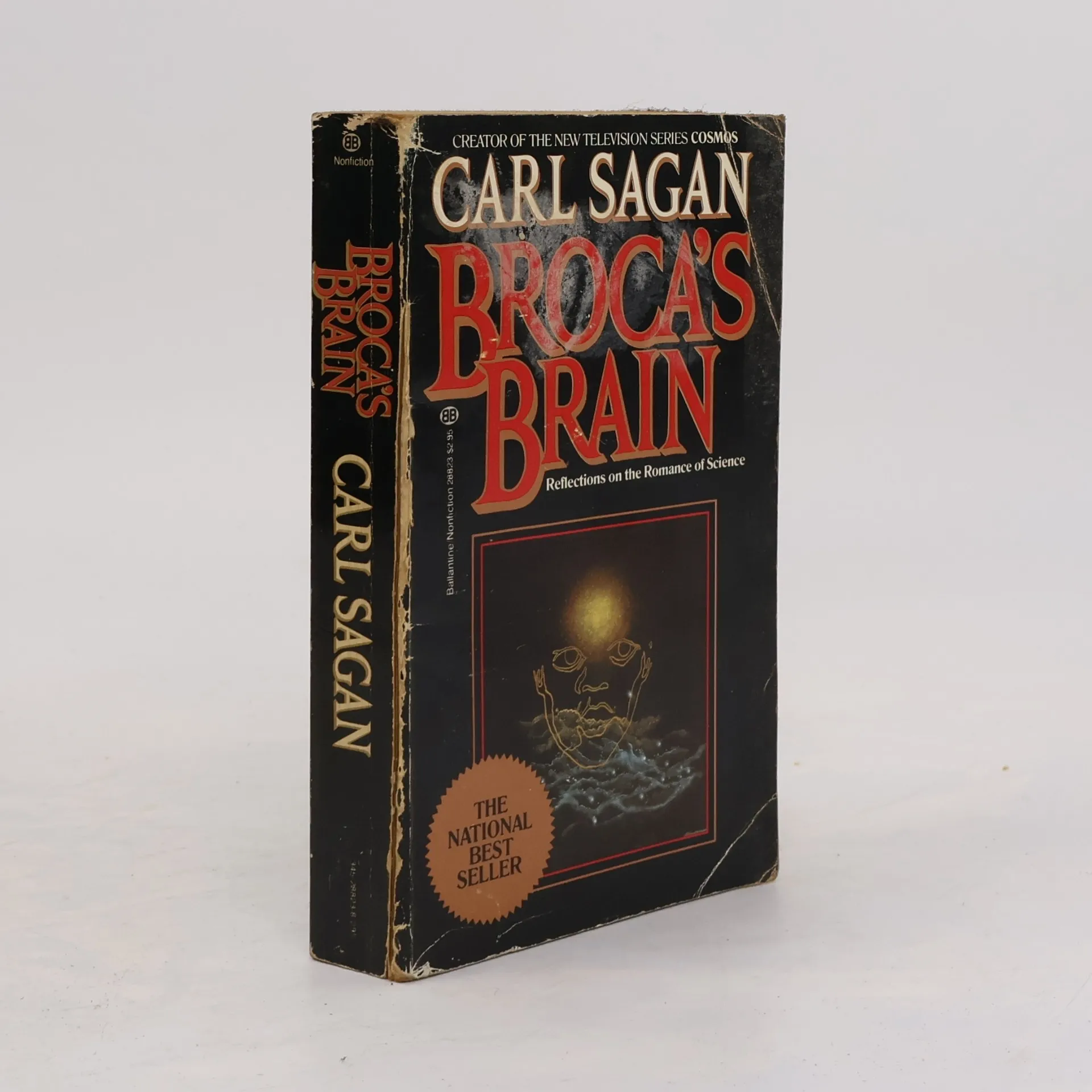
    • Broca's Brain

      • 448pages
      • 16 heures de lecture

      Carl Sagan, writer & scientist, returns from the frontier to tell us about how the world works. In his delightfully down-to-earth style, he explores & explains a mind-boggling future of intelligent robots, extraterrestrial life & its consquences, & other provocative, fascinating quandries of the future we want to see today.

      Broca's Brain
      4,1
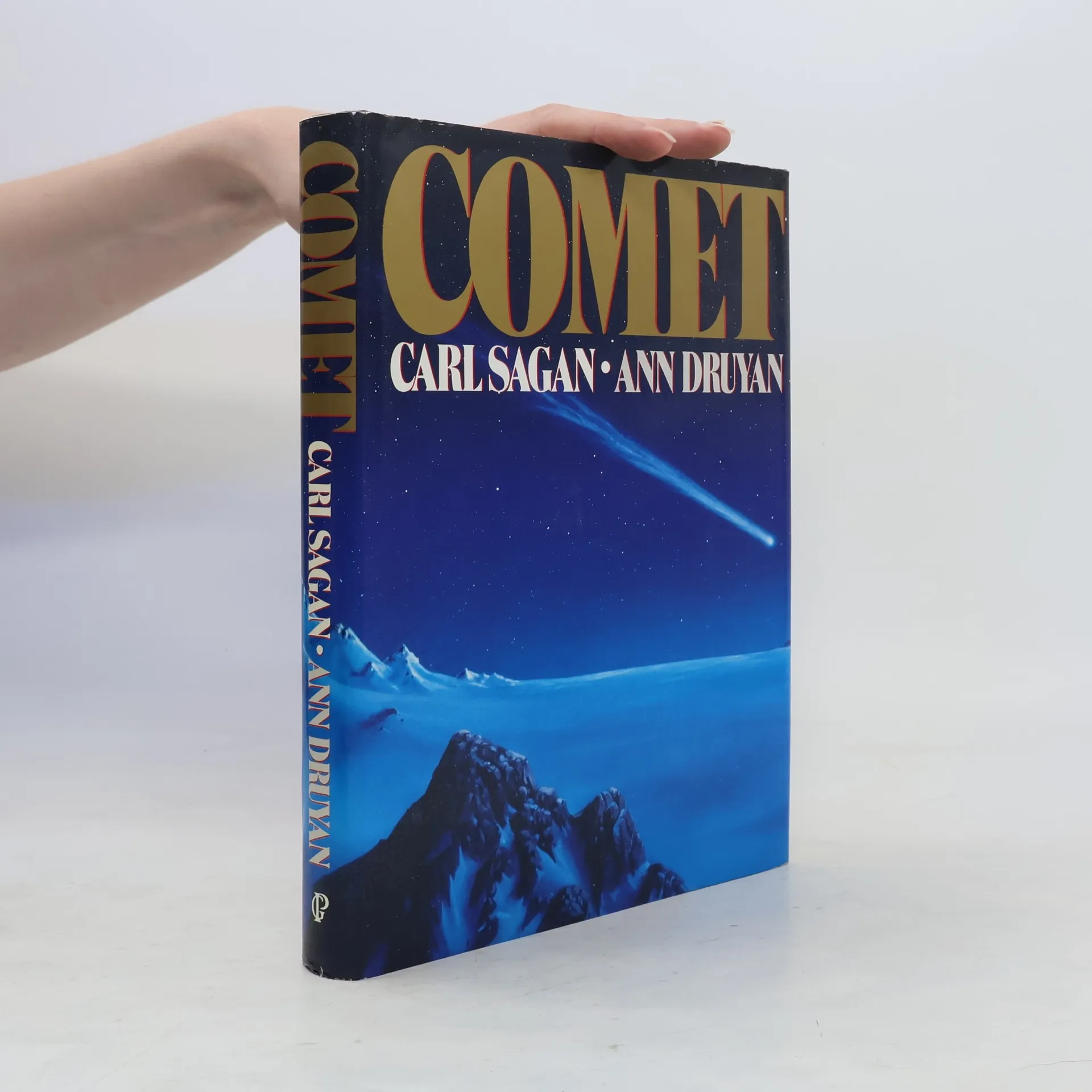
    • WHAT ARE THESE GRACEFUL VISITORS TO OUR SKIES? WE NOW KNOW THAT THEY BRING BOTH LIFE AND DEATH AND TEACH US ABOUT OUR ORIGINS. Comet begins with a breathtaking journey through space astride a comet. Pulitzer Prize-winning astronomer Carl Sagan, author of Cosmos and Contact, and writer Ann Druyan explore the origin, nature, and future of comets, and the exotic myths and portents attached to them. The authors show how comets have spurred some of the great discoveries in the history of science and raise intriguing questions about these brilliant visitors from the interstellar dark. Were the fates of the dinosaurs and the origins of humans tied to the wanderings of a comet? Are comets the building blocks from which worlds are formed? Lavishly illustrated with photographs and specially commissioned full-color paintings, Comet is an enthralling adventure, indispensable for anyone who has ever gazed up at the heavens and wondered why. "SIMPLY THE BEST." *The Times of London "FASCINATING, EVOCATIVE, INSPIRING." *The Washington Post "COMET HUMANIZES SCIENCE. A BEAUTIFUL, INTERESTING BOOK." *United Press International "MASTERFUL . . . SCIENCE, POETRY, AND IMAGINATION." *The Atlanta Journal & Constitution

      Comet
      4,1
    • Carl Sagan sinnt über die gegenwärtige Lage des wissenschaftlichen Denkens nach, was ihm wunderbar Gelegenheit bietet, uns mit seinen eigenen Kindheitserfahrungen, Pressearchiven, UFO-Geschichten und dem vielfältigen Strandgut der Pseudowissenschaft zu unterhalten. Zwischendurch entlarvt er Entführungen durch Außerirdische, Gesundbeterei und Channeling als Nonsens; er widerlegt die Behauptung, daß die Wissenschaft die Spiritualität zerstört, und bietet ein "Quatsch-Erkennungs-Kit" für das gründliche Durchdenken von politischen, gesellschaftlichen, religiösen und anderen Fragen.

      Der Drache in meiner Garage oder die Kunst der Wissenschaft, Unsinn zu entlarven
      4,6
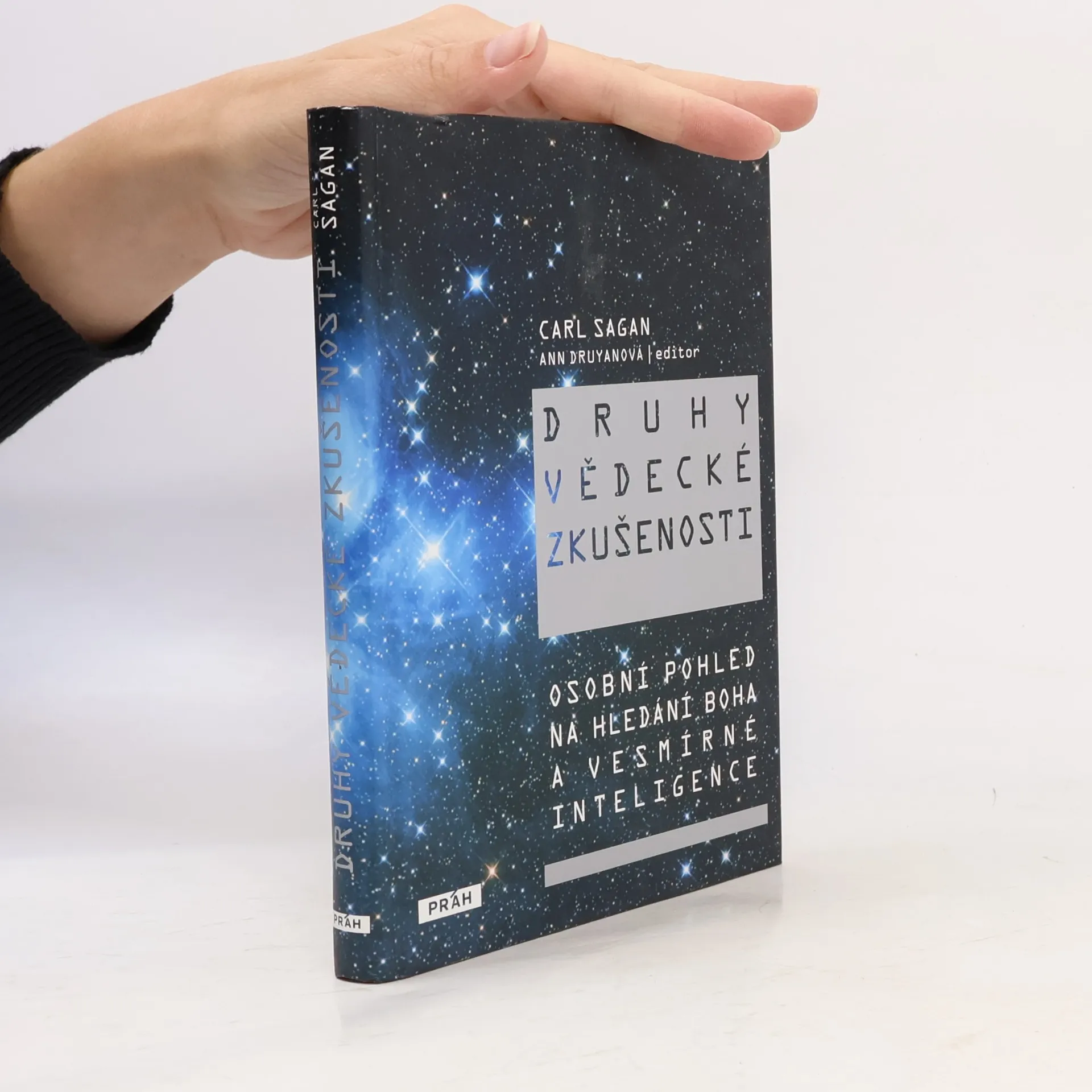
    • Slavný americký astrofyzik – profesor astronomie a vesmírných věd Carl Sagan (1934–1996), hrál zásadní roli v americkém vesmírném programu. V této sérii přednášek, zaznamenaných z pozůstalosti, se zamýšlí nad existencí mimozemského inteligentního života i nad původem vzniku života obecně. Kniha je doprovázena unikátními fotografiemi vesmíru mimo jiné ze zdrojů NASA.

      Druhy vědecké zkušenosti : osobní pohled na hledání Boha a vesmírné inteligence
      4,4
    • Jak se máme inteligentně rozhodovat ve světě stále více ovládaném technologiemi, když nechápeme rozdíl mezi pseudovědeckými mýty a ověřitelnými vědeckými hypotézami? Carl Sagan, laureát Pulitzerovy ceny a významný astronom, zastává názor, že vědecké myšlení je kritické nejen pro hledání pravdy, ale i pro dobro našich demokratických institucí.Sagan komentuje naši historii a kulturu, zkoumá a s podloženými fakty vyvrací klamy z dob minulých jako je čarodějnictví, léčení vírou, démoni i UFO. Přes to všechno se v dnešním takzvaném věku informací až znepokojivě daří pseudovědám s příběhy o mimozemských únosech, vyvolávání zemřelých a společných halucinacích, které si vyžadují pozornost a respekt. Jak Sagan jasně a výmluvně dokazuje, zpěv Sirén nerozumu není jen nesprávnou odbočkou naší společnosti, ale nebezpečný pád do temnoty, která může ohrozit naše základní svobody.

      Svět ve stínu démonů. Věda jako svíčka v temnotě
      4,1
    • Draci z raja

      • 256pages
      • 9 heures de lecture

      Vo svojej vizionárskej knihe Draci z raja jedinečným spôsobom prepája antropológiu, evolučnú biológiu a psychológiu. V roku 1978 za ňu získal Pulitzerovu cenu. Legendárny astronóm a polyhistor v knihe kombinuje poznatky o tom, ako sa vyvíjali ľudské gény a mozog od praveku až po súčasnosť a ako funguje naše myslenie a vnímanie v porovnaní so zvieratami. Text, ktorý od svojho vzniku nestratil nič na aktuálnosti, odhaľuje, ako náš mozog funguje v porovnaní s počítačmi, prečo spíme a snívame alebo ako sa nám ukladajú spomienky. Venuje sa nadčasovým témam ako AI, definícii života a smrti, nášmu vzťahu k prírode, civilizáciám na iných planétach, a vedecké zistenia z rôznych disciplín prepája s mýtmi a legendami, ktoré tvoria súčasť našich dejín a kultúry.

      Draci z raja