



Bookbot

Norman M. Naimark

    1 janvier 1944

    Cet auteur est spécialisé dans les études sur l'Europe de l'Est, explorant les questions historiques et politiques complexes de la région. Son travail se concentre sur une compréhension approfondie des processus historiques et de leur impact sur le présent. À travers ses écrits, il offre des perspectives éclairées sur les dynamiques du pouvoir et le changement sociétal. Ses analyses sont appréciées pour leur profondeur et leur rigueur intellectuelle.

    Norman M. Naimark
    Ludobójstwa Stalina
    Flammender Haß
    Stalin and the Fate of Europe
    The Russians in Germany
    Stalin's Genocides
    • Stalin's Genocides

      • 176pages
      • 7 heures de lecture
      3,8(13)Évaluer

      Between the early 1930s and his death in 1953, Joseph Stalin had more than a million of his own citizens executed. Millions more fell victim to forced labor, deportation, famine, bloody massacres, and detention and interrogation by Stalin's henchmen. This book tells the story of these crimes.

      Stalin's Genocides
    • The Russians in Germany

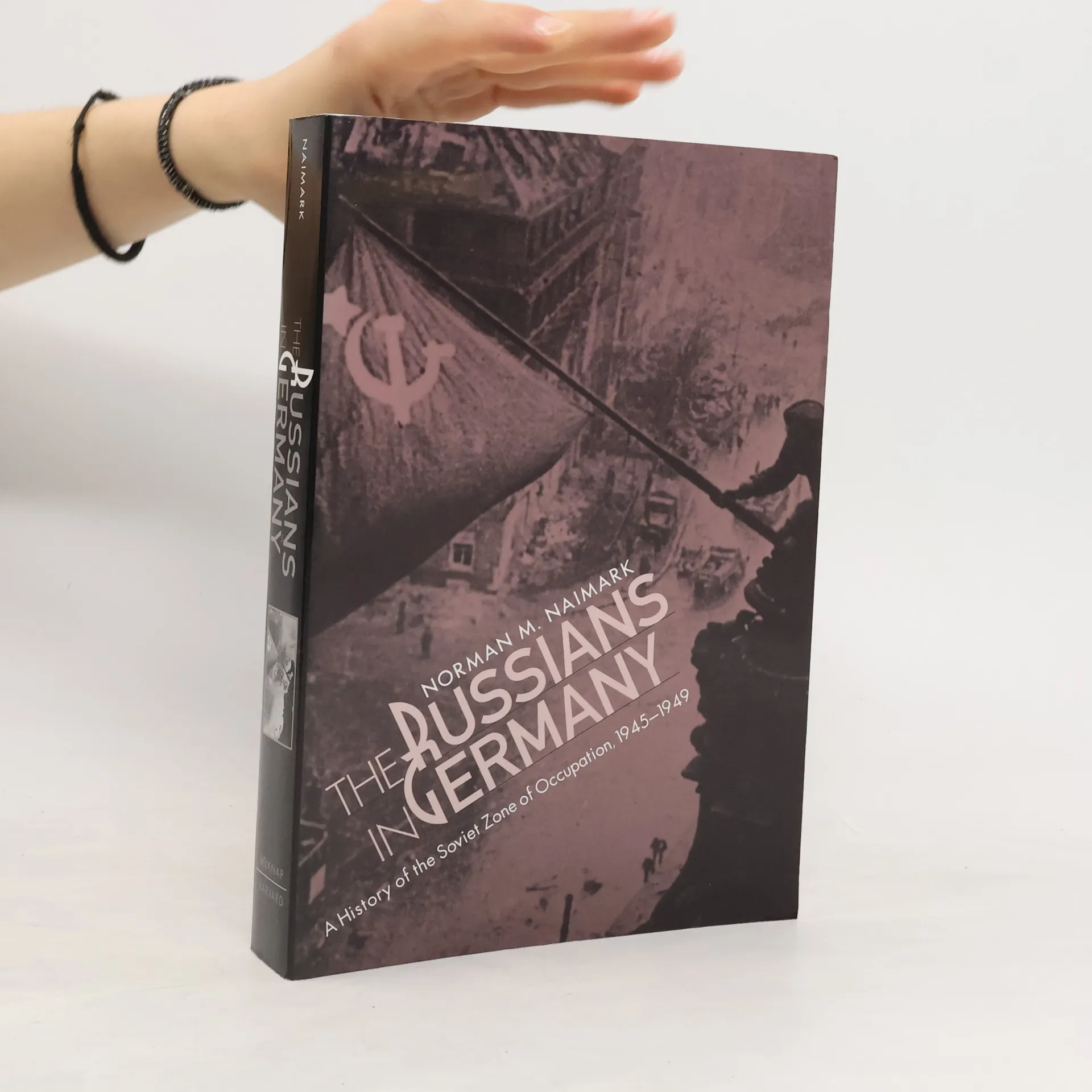
      A History of the Soviet Zone of Occupation, 1945-1949

      • 608pages
      • 22 heures de lecture
      3,8(46)Évaluer

      In 1945, when the Red Army marched in, eastern Germany was not “occupied” but “liberated.” This, until the collapse of the Soviet Bloc, is what passed for history in the GDR. Now, making use of newly opened archives in Russia and Germany, Naimark reveals what happened during the Soviet occupation of eastern Germany from 1945–1949.

      The Russians in Germany
    • It can seem as though the Cold War division of Europe was inevitable. But Stalin was more open to a settlement on the continent than is assumed. In this powerful reassessment of the postwar order, Norman Naimark returns to the four years after WWII to illuminate European leaders' efforts to secure national sovereignty amid dominating powers.

      Stalin and the Fate of Europe
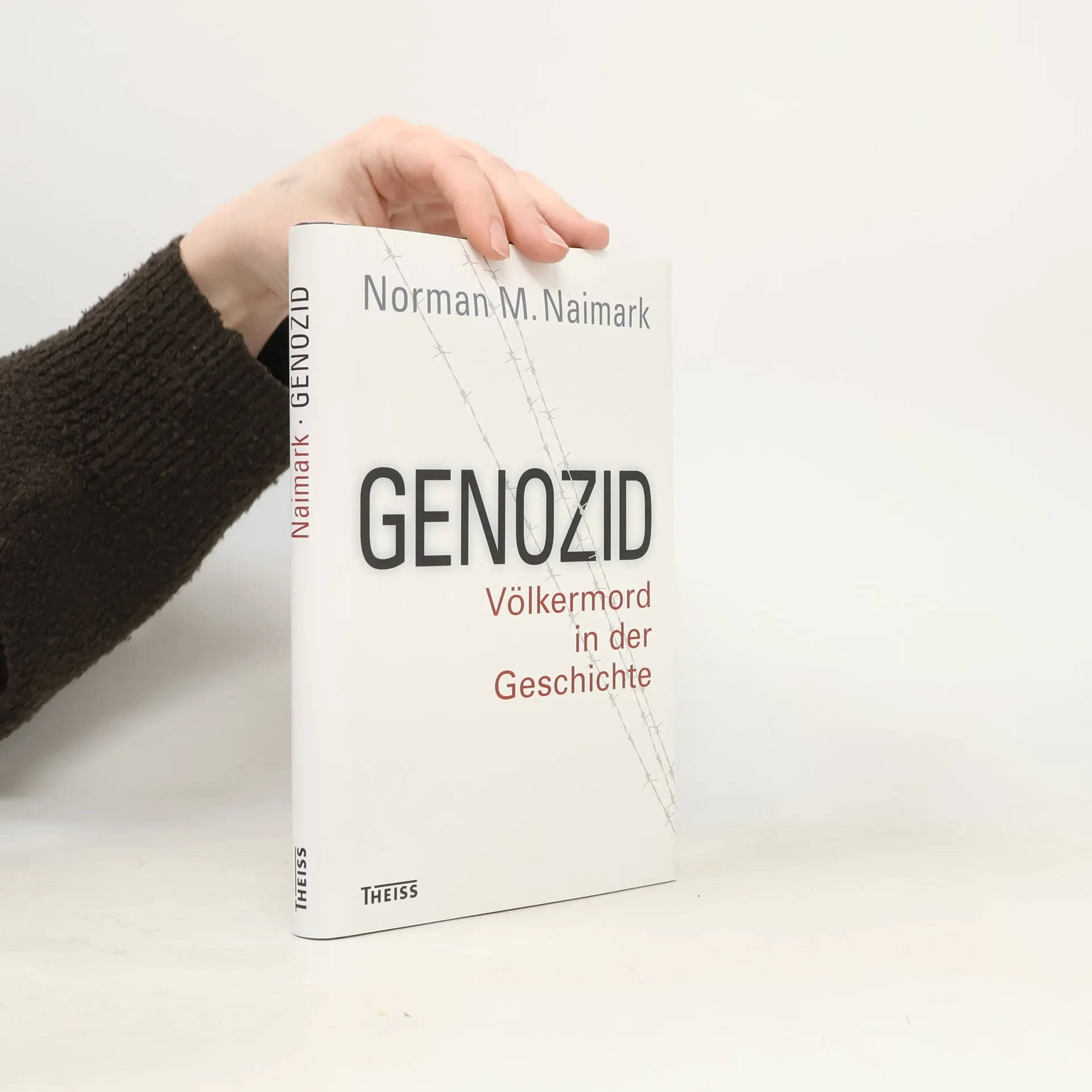
    • „Ethnische Säuberungen“ charakterisieren die Geschichte des europäischen 20. Jahrhunderts als ein Jahrhundert der Gewalt. Der Versuch, ganze Bevölkerungsgruppen zur Konfliktvermeidung rigoros voneinander zu trennen, war nicht in erster Linie ein Produkt eines angeblich seit uralten Zeiten überlieferten nationalen Antagonismus, sondern hatte seine Ursachen in den politischen Zielen des modernen Nationalstaates.

      Flammender Haß
    • Józef Stalin był odpowiedzialny za śmierć milionów obywateli Związku Sowieckiego oraz innych państw, którzy ginęli w egzekucjach, pracy przymusowej, deportacjach czy głodu. Autor bada, czy zbrodnie Stalina na rzekomych wrogach ludu można zaklasyfikować jako ludobójstwo, definiowane jako celowe zabijanie określonych grup ze względu na cechy takie jak rasa, narodowość czy religia. Porównując stalinowskie zbrodnie z innymi przypadkami ludobójstwa, stara się odpowiedzieć na kontrowersyjne pytanie dotyczące osobistej odpowiedzialności dyktatora za przestępstwa popełniane przez sowieckie służby. Wskazuje na precyzyjny język Konwencji ONZ z 1948 roku, często uznawany za przeszkodę w klasyfikacji zbrodni Stalina jako ludobójstwa. Jednak analiza historii samej konwencji sugeruje, że bardziej elastyczne podejście do jej interpretacji jest uzasadnione. Fragment książki pochodzi od Normana M. Naimarka, amerykańskiego historyka i profesora na Uniwersytecie Stanforda, znanego z prac dotyczących historii Europy Środkowej i Wschodniej, a także czystek etnicznych i ludobójstw. Ludobójstwa Stalina to jego pierwsza praca przetłumaczona na język polski.

      Ludobójstwa Stalina