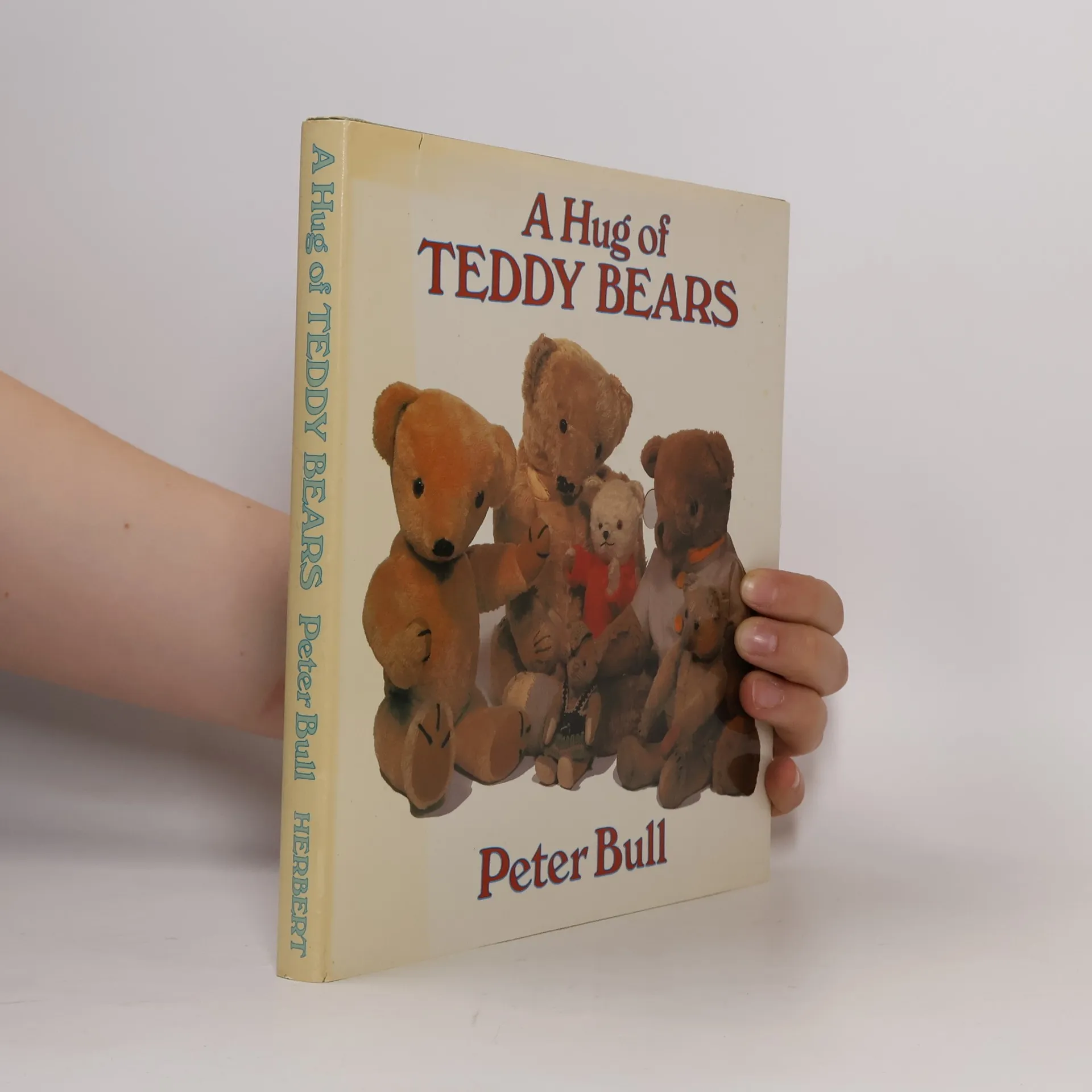
A Hug of Teddy Bears
- 96pages
- 4 heures de lecture
Hobby > Poppen




Hobby > Poppen
An illustrated history of the teddy bear, the many roles he has played, and the effect he has had on the lives of "men, women, and even children."
During the 17th century, England and Holland engaged in three wars over economic and naval supremacy in the North Sea and the English Channel. The First Anglo-Dutch War (1652-54) saw the Dutch face Oliver Cromwell's Commonwealth Navy, which excelled at sea much like his New Model Army on land. After the Restoration in 1660, the Second Dutch War (1665-67) turned the tide in favor of the Dutch, who humiliated the English by burning their fleet in the Medway, forcing Charles II to seek peace. This peace was short-lived, leading to the Third Dutch War (1672-74), characterized by a fiercely contested naval struggle. Ultimately, the Royal Navy emerged victorious, establishing a legacy of naval dominance that would endure for two centuries. This era was revolutionary in warship design, armament, and tactics. The ships at the conflict's start were remnants of an earlier age, designed for chivalrous duels. By the end of the Third Dutch War, they had transformed into ships-of-the-line, which would dominate naval warfare until steam power emerged. This work explores the evolution of these warships during this pivotal period, highlighting how both sides developed their own design doctrines, but ultimately, it was the English who forged a battle-winning navy of sailing ships-of-war.
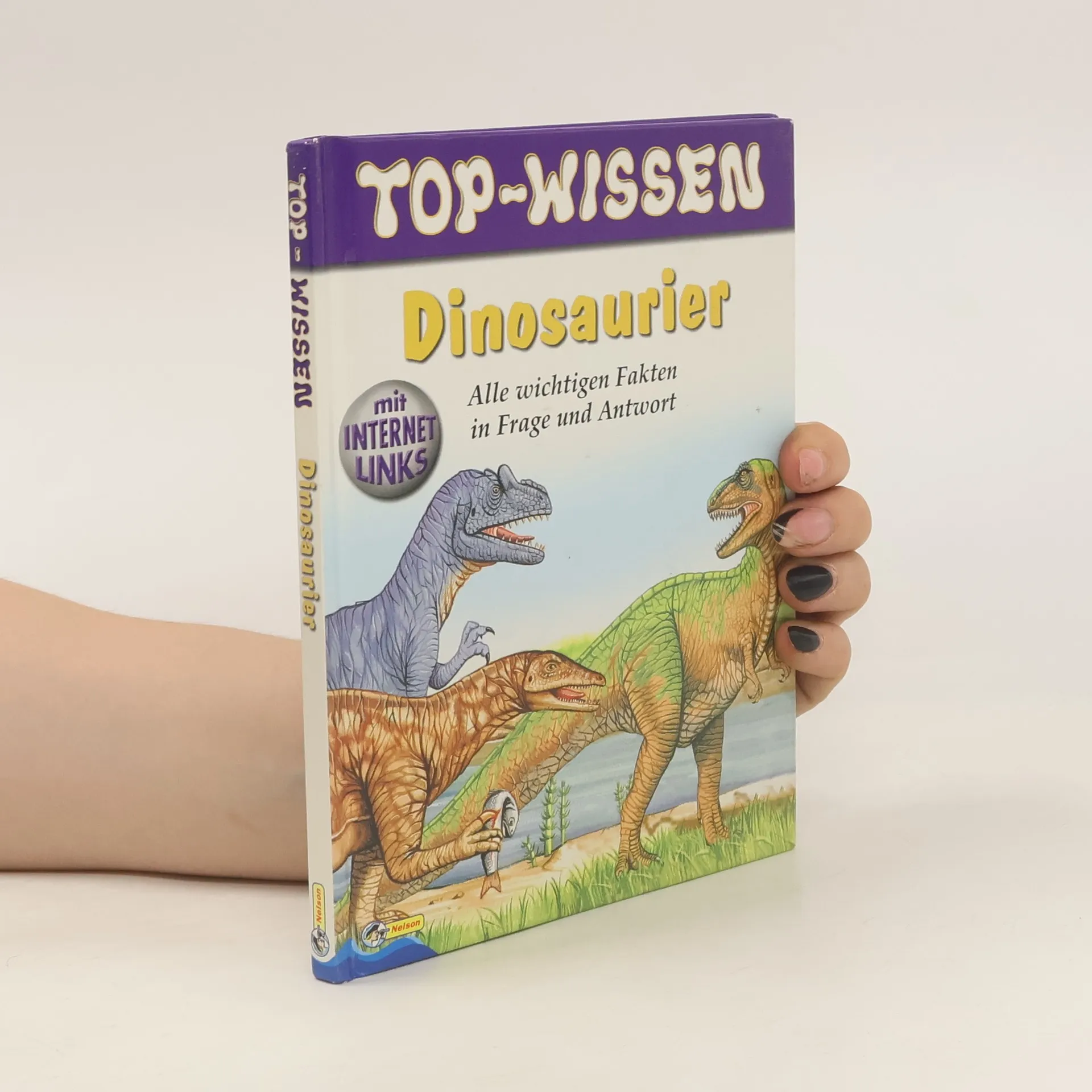
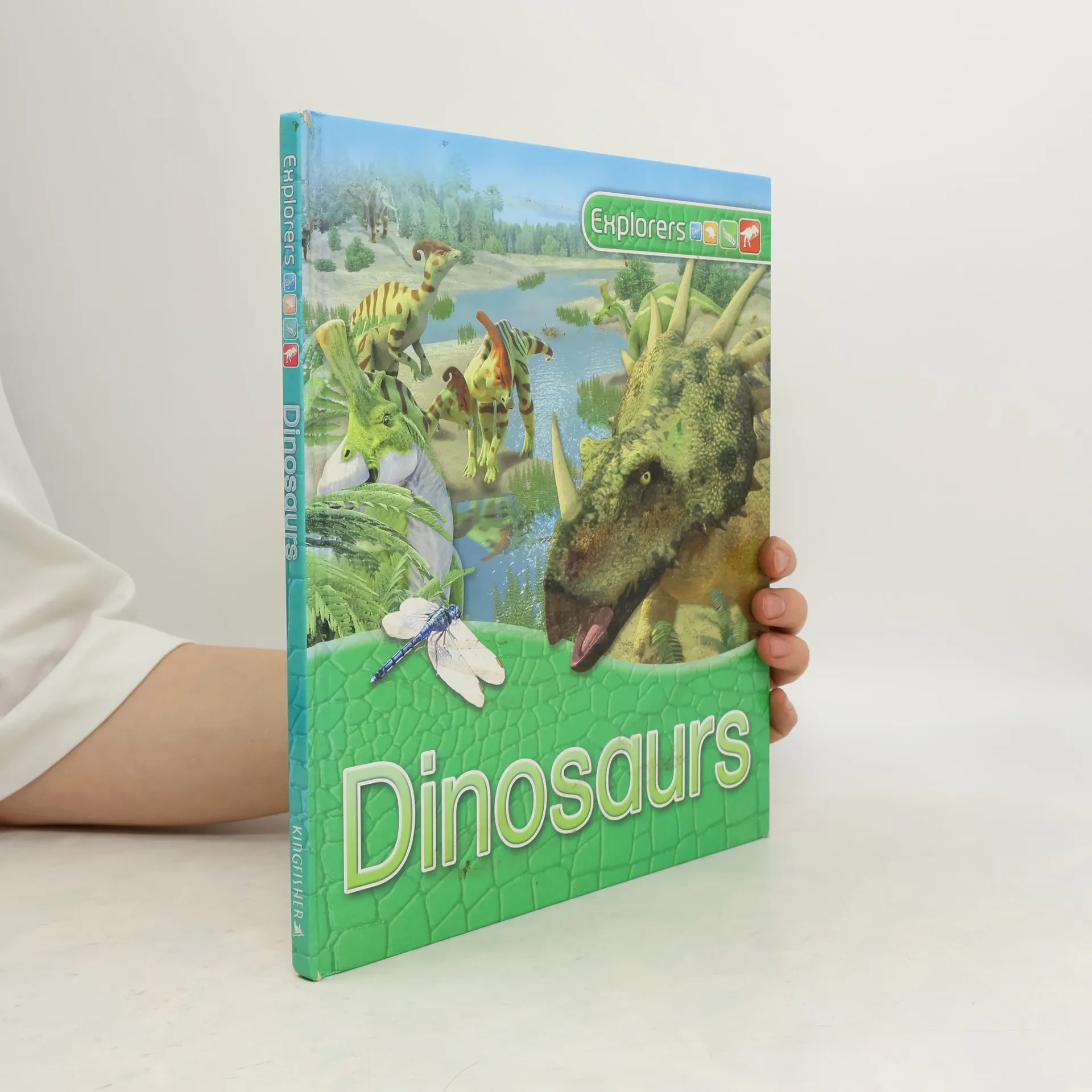
Describes various kinds of dinosaurs, including Parasaurolophus, Allosaurus, and Ornitholestes, and discusses how dinosaurs hunted, their life cycle, and how paleontologists learn about them.
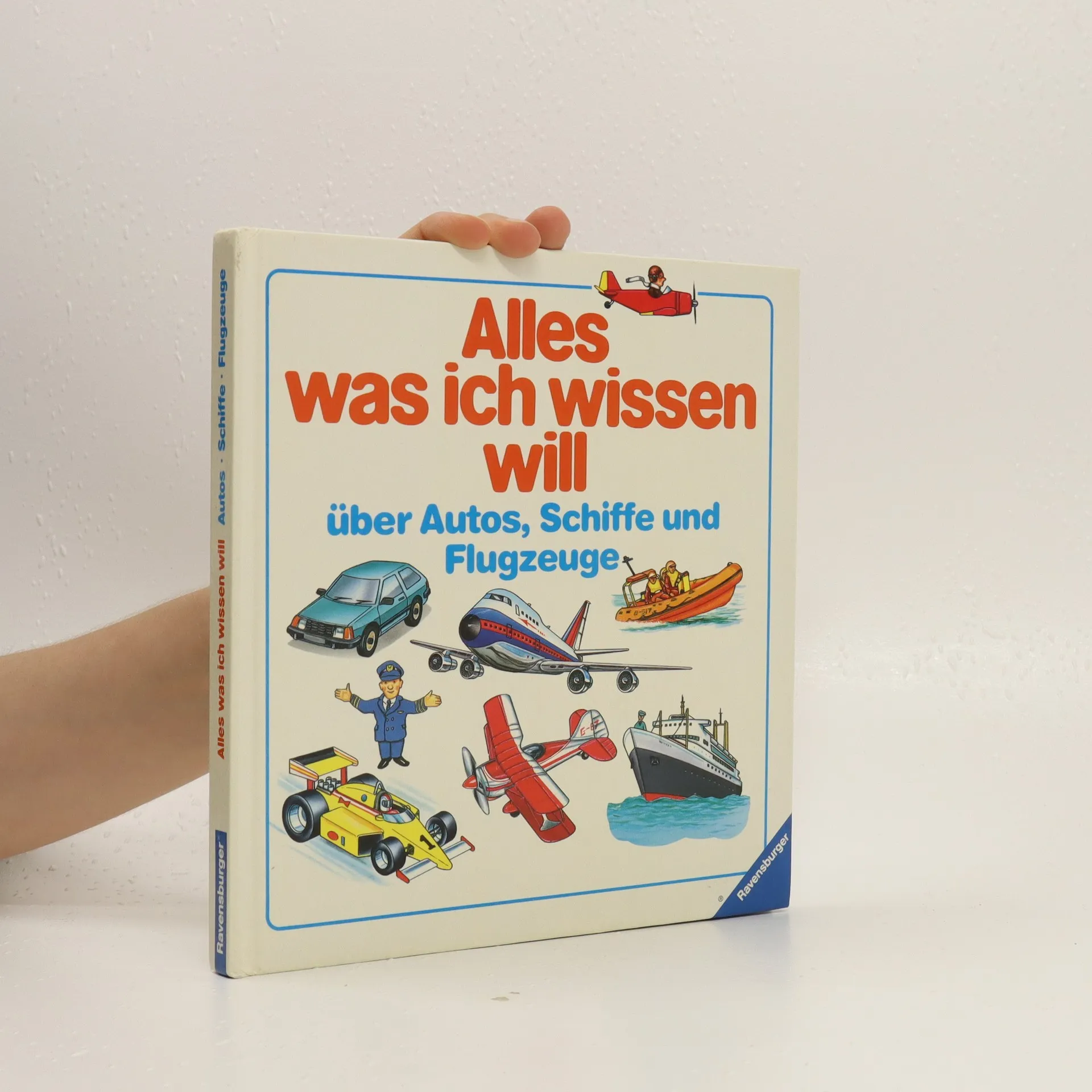
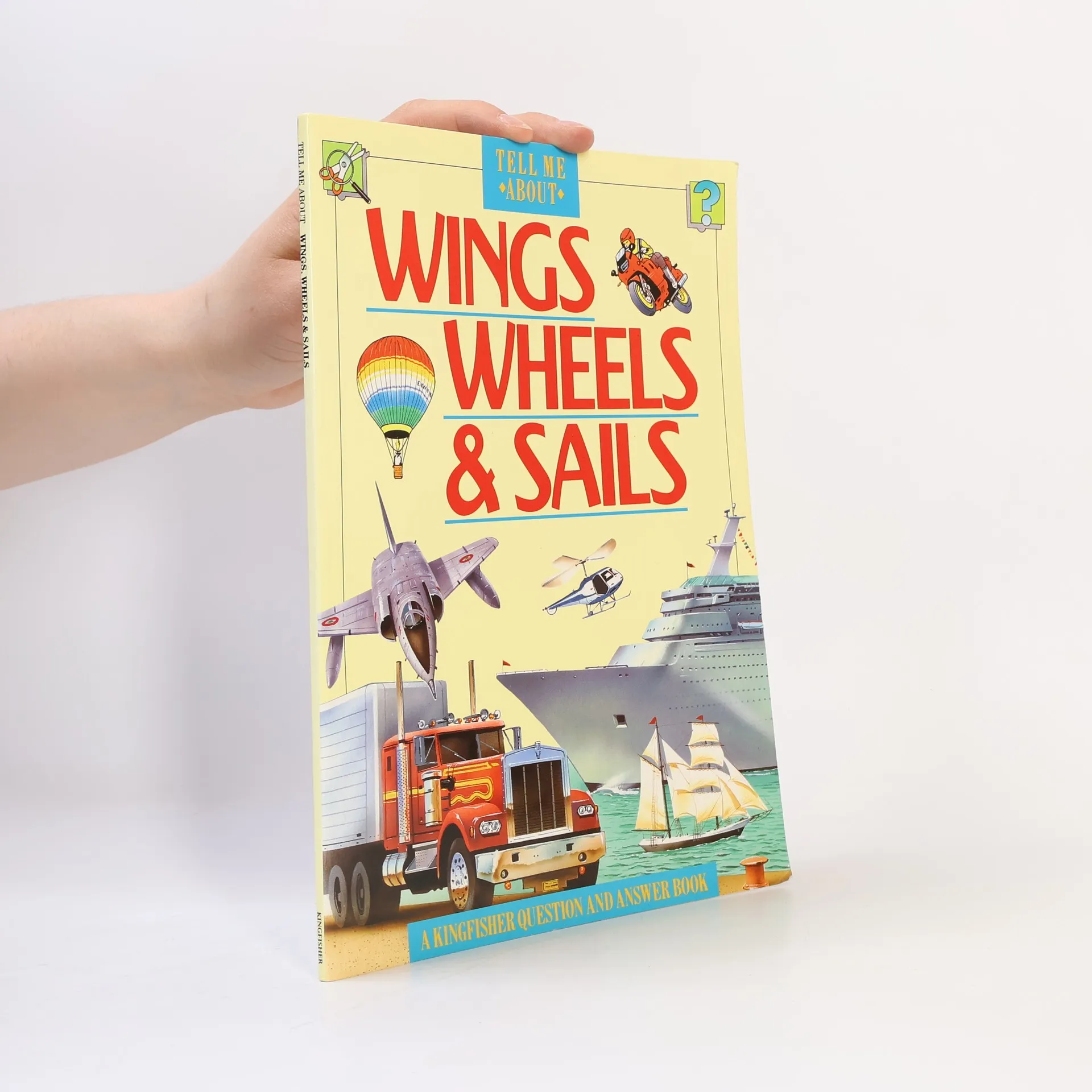
Questions and answers address the many ways in which humans move from place to place, examining airplanes, cars, trains, bicycles, and other forms of transportation.
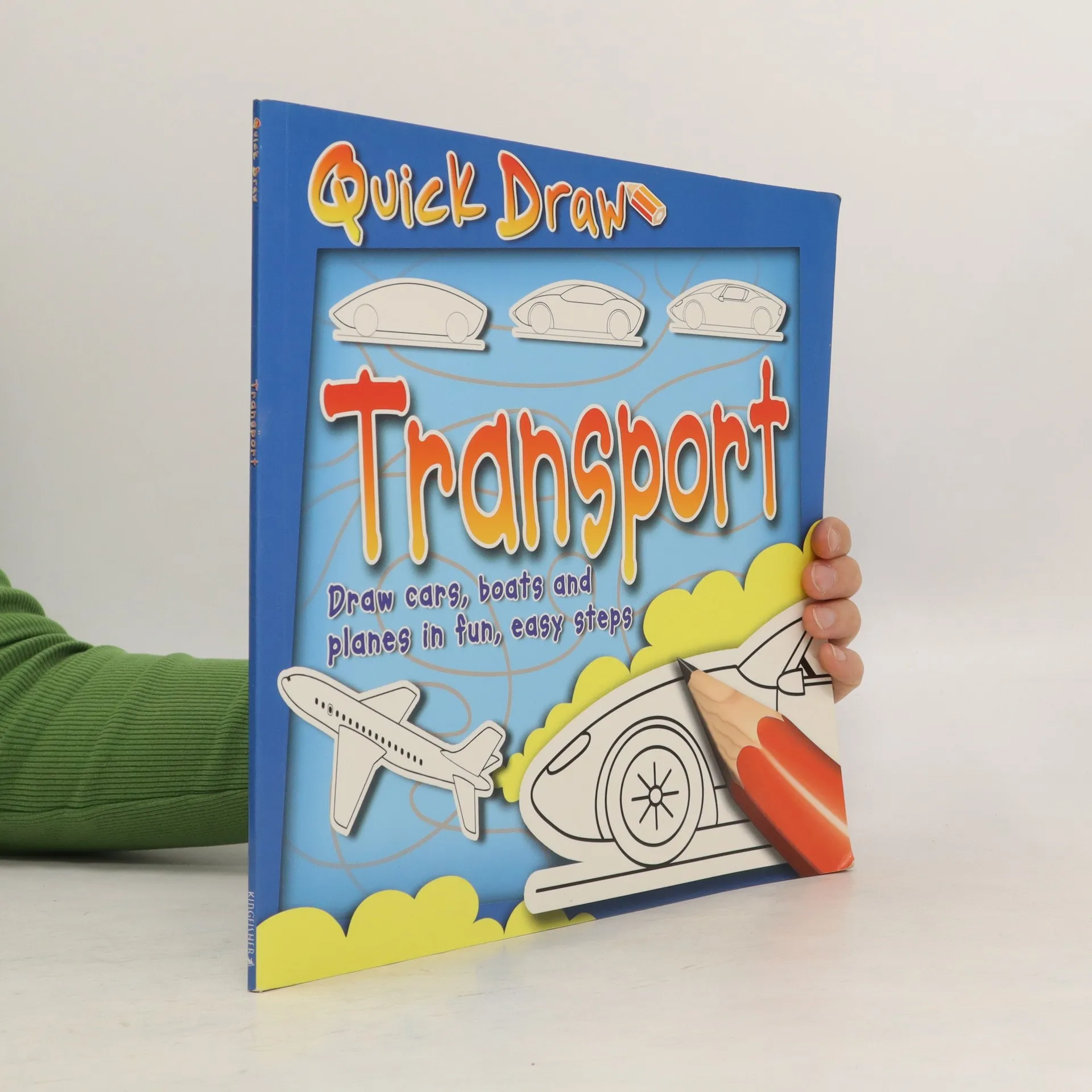
Using grid squares provides step by step instructions to drawing helicopters, racing cars, tractors and other vehicles. Suggested level: primary, intermediate.
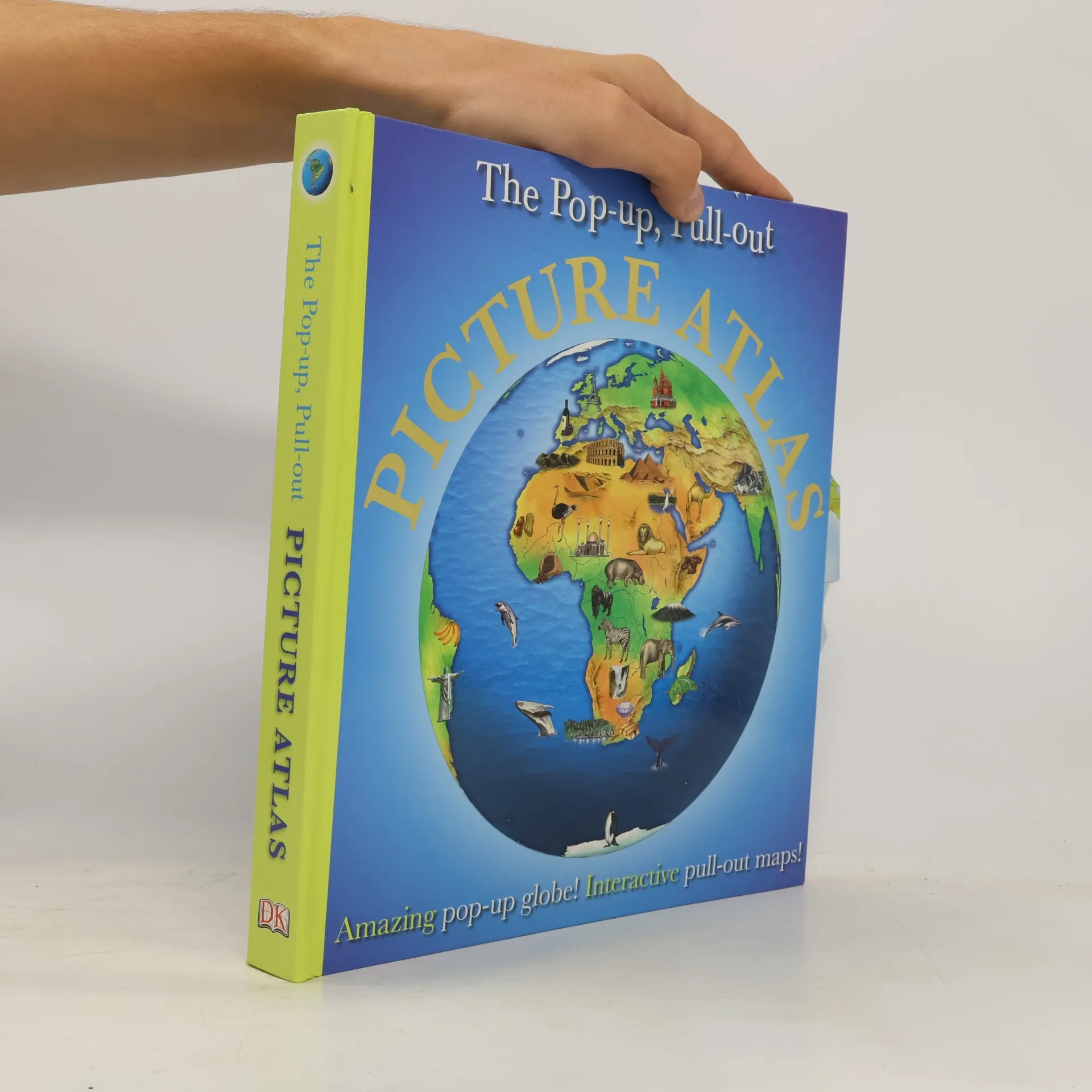
There's a whole world to discover inside this incredible pop-up and pull-out atlas!Take your child on an interactive tour around the world with the help of a spectacular 3D pop-up globe, amazing picture maps, fantastic pull-out pages, quizzes and masses of fabulous fun facts. They'll find out about continents and countries, people and places, flags and features and lots more!
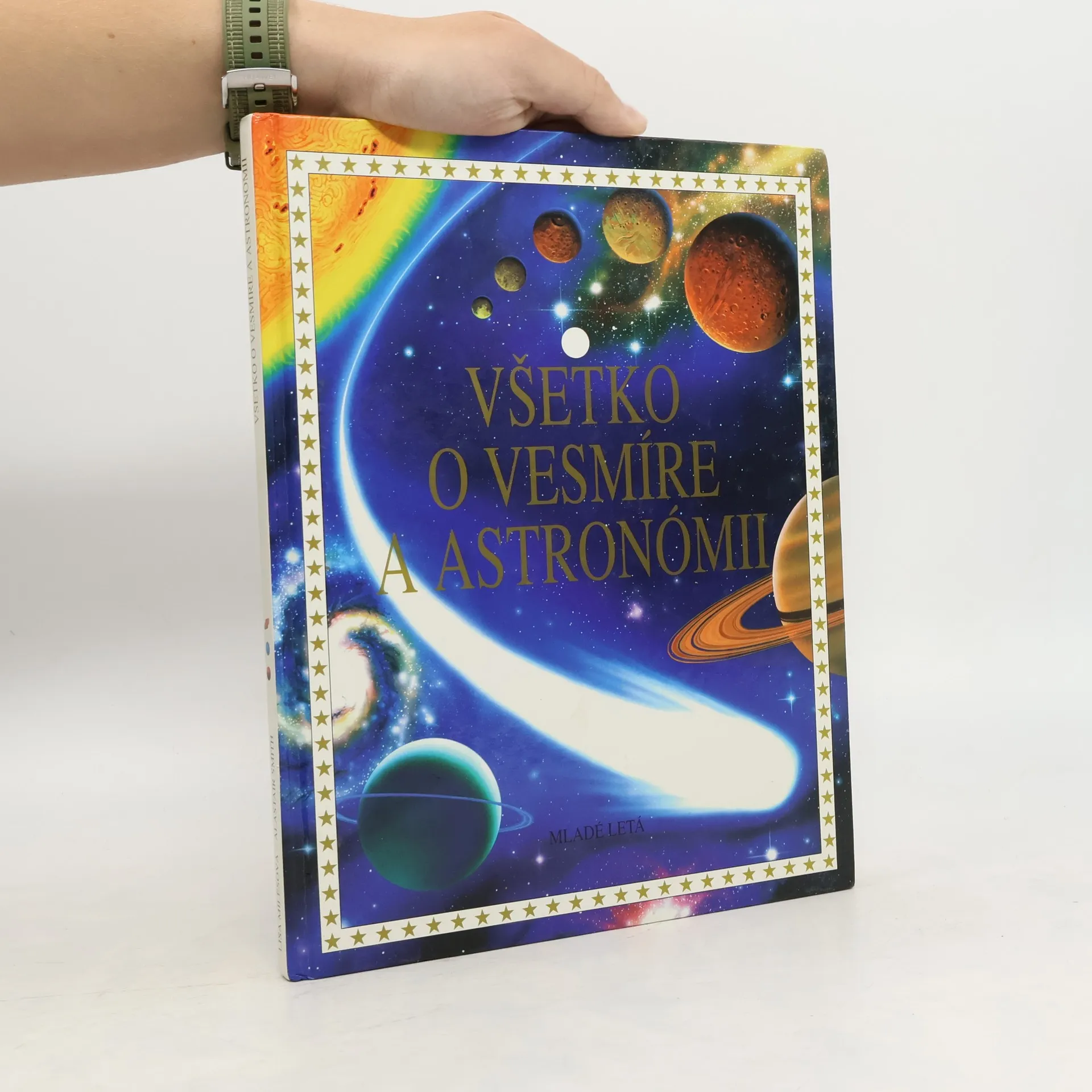
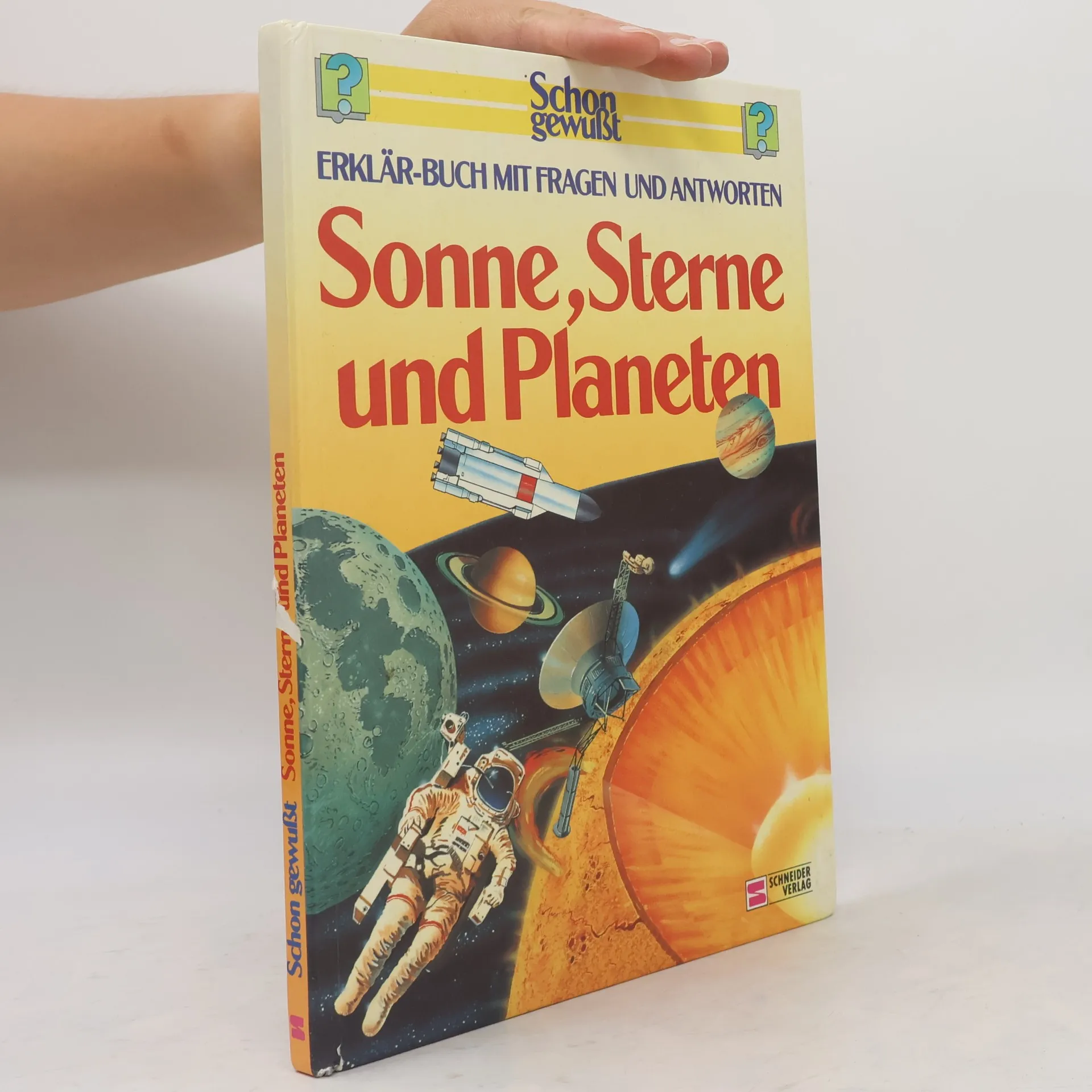
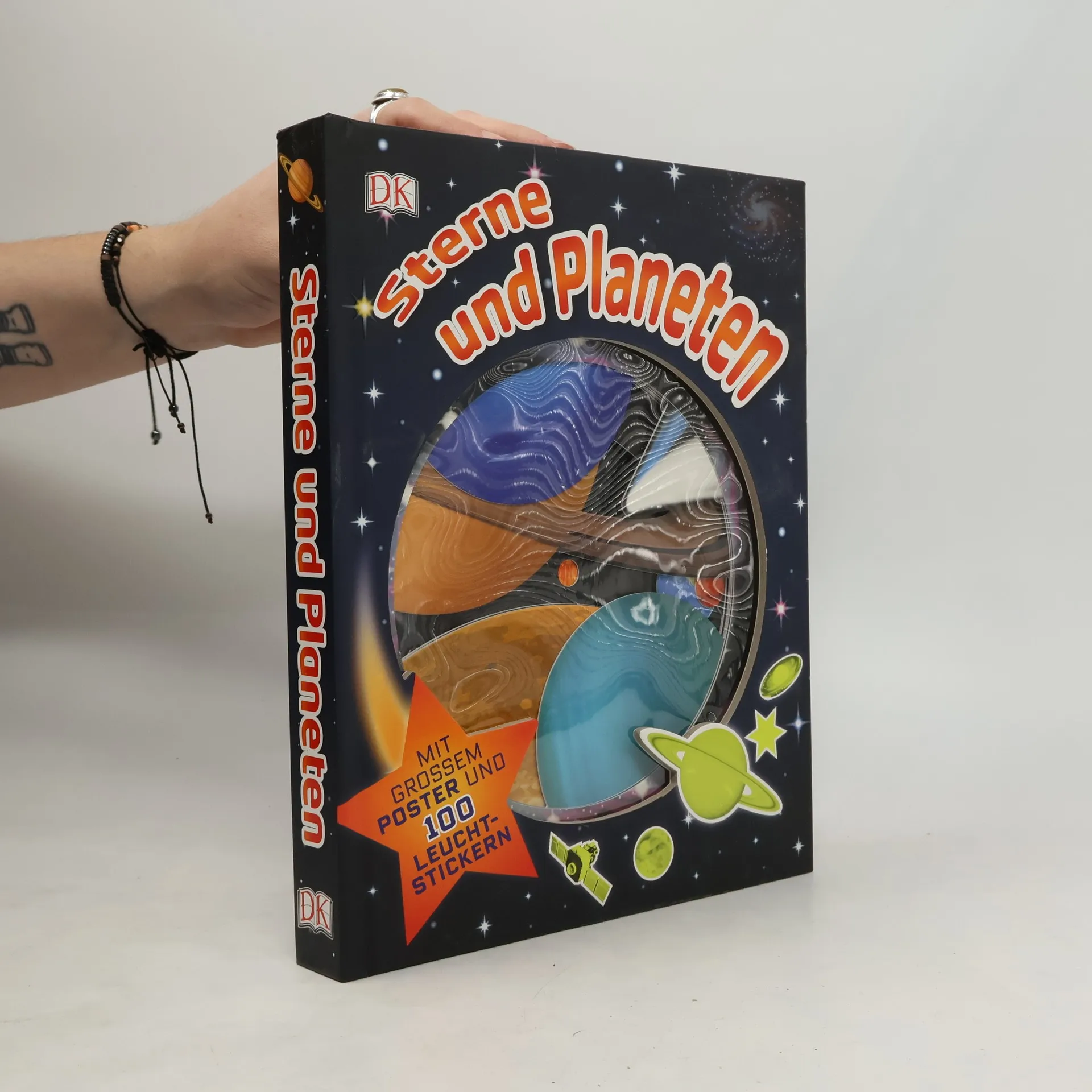
This is an overview of the universe, from our closest planetary neighbours to stars, galaxies and black holes many millions of light years away from Earth. Readers can use the clear detailed maps of the stars to navigate the night sky.
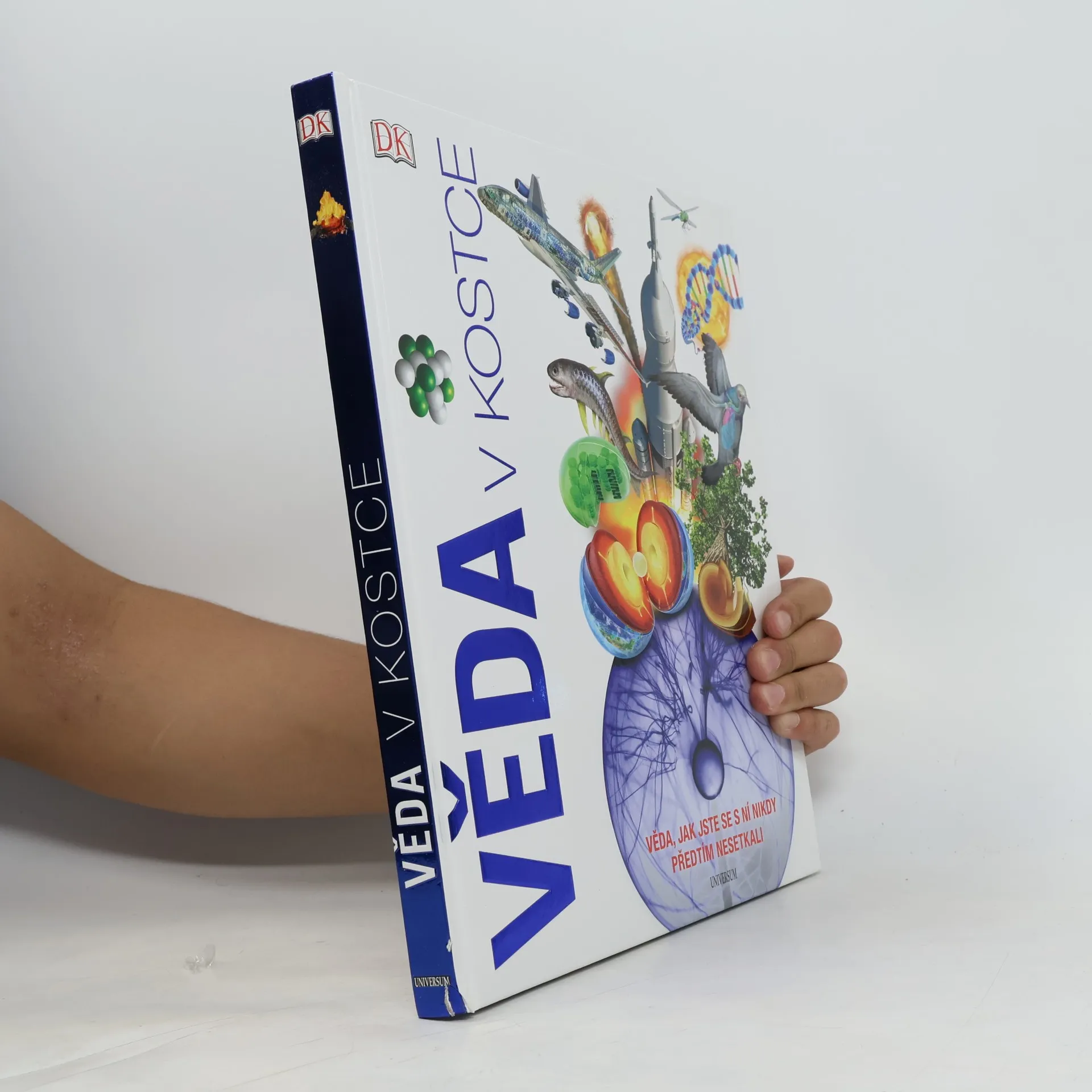
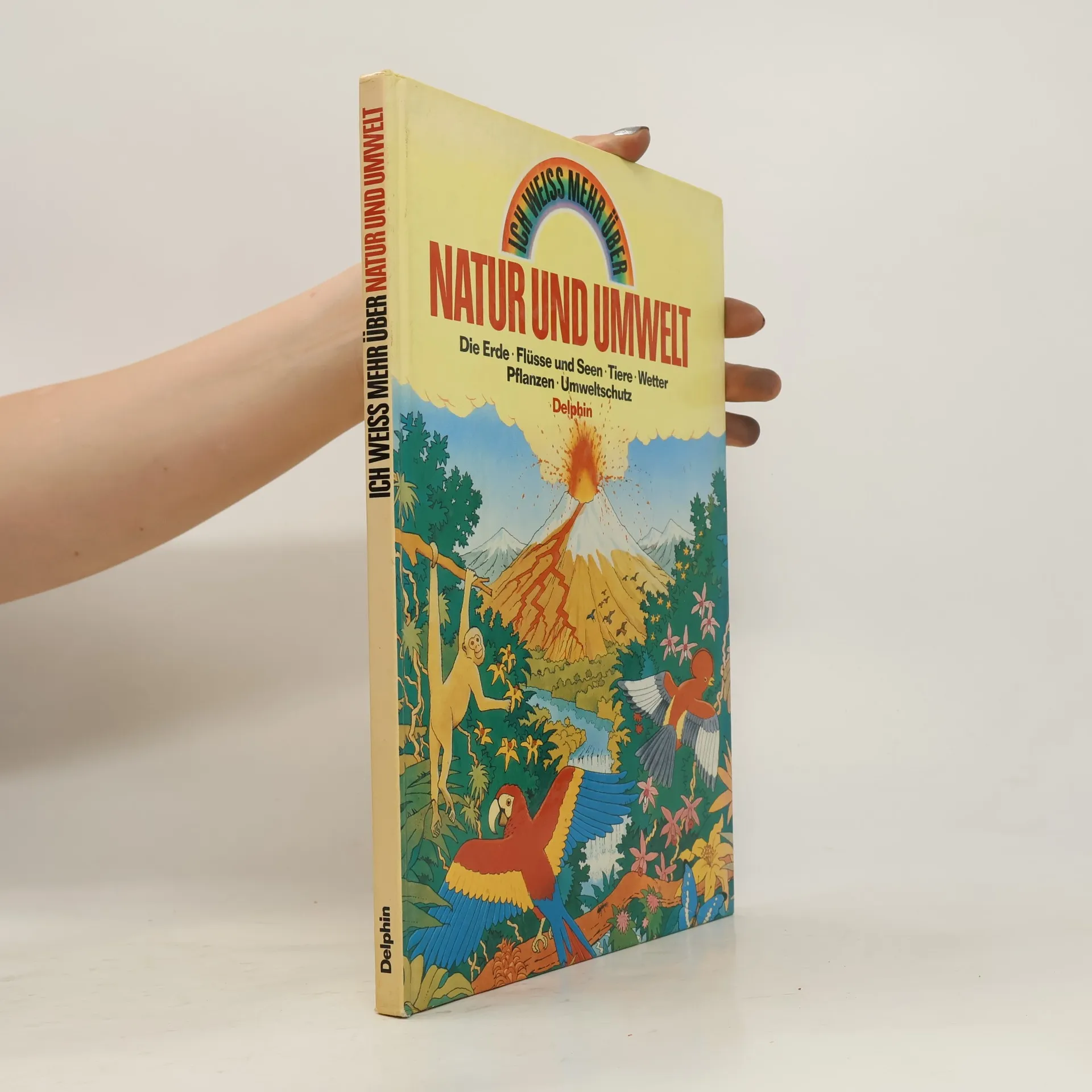
Ohromující fotografie a 3D ilustrace doprovázené přehledným informativním textem umožňují seznámení s jednotlivými vědními obory naprosto jedinečným způsobem. Jaká je struktura krystalu? Jak probíhá proces, při němž se utvářejí horniny? Jaký je princip působení energie, která pohání vesmír? Jaké síly uvádějí do pohybu motor a jaké zákonitosti umožnují člověku létat, plavit se a objevovat hlubiny? Jaké vrstvy a tajemství ukrývá deštný prales? – S další knihou ze zavedené edice poznáte vědní obory tak, jak jste se s nimi nikdy předtím nesetkali.
Kniha vám ukáže planety, jako byste stáli na jejich povrchu, zprostředkuje vám pohled soudobých astronomů na konečná stadia vývoje hvězd, přiblíží vám nesmírný svět galaxií. Poslouží vám jako průvodce hvězdami a objekty noční oblohy i jako rukověť při orientaci v povrchových útvarech Měsíce. Je určena všem, kteří se chtějí dozvědět základní astronomické informace. Poslouží dospělým zájemcům a bude prvním průvodcem i pro deti od 12 rokov.
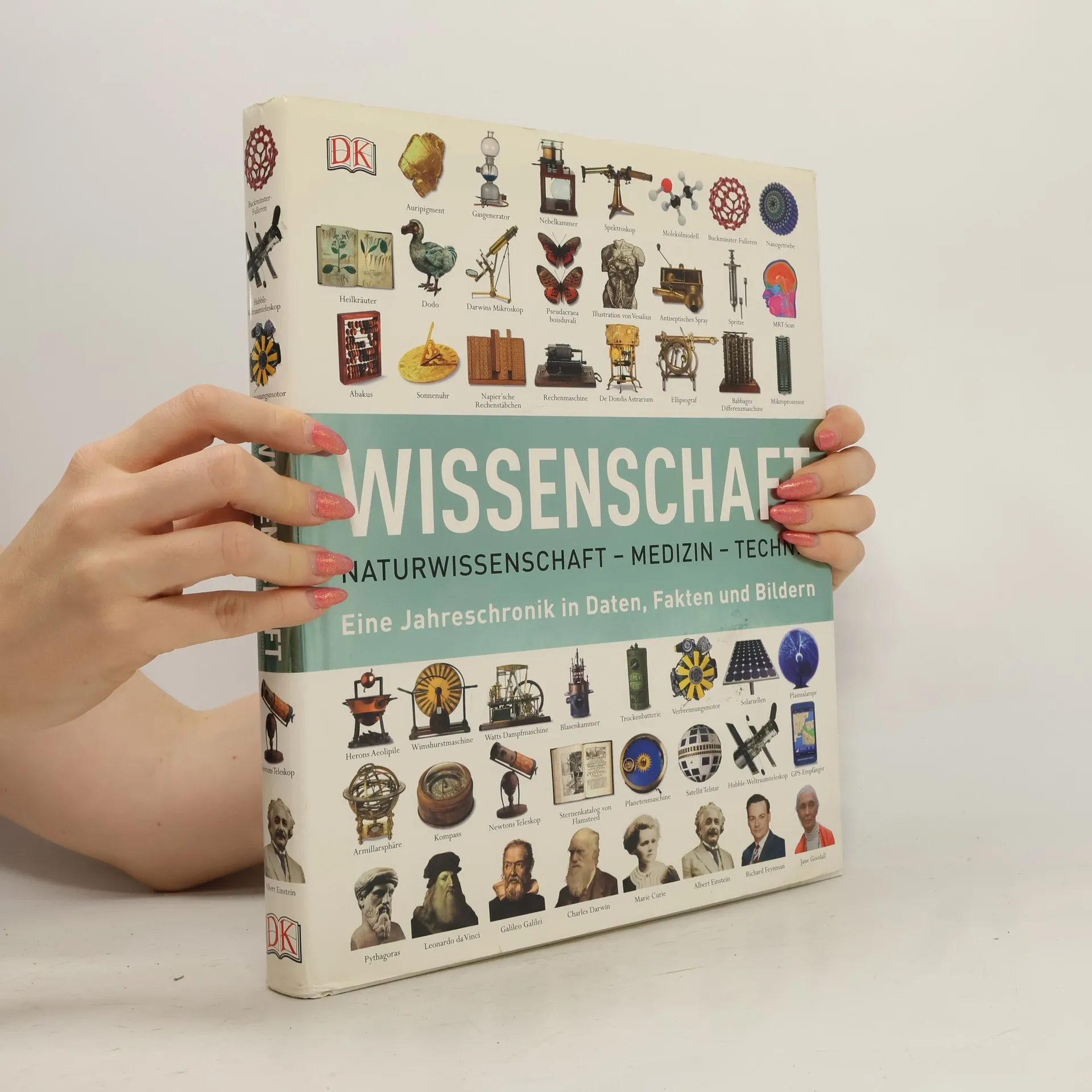
Wissensdurst, Forschergeist und Innovationsdrang prägen die Menschheit und unsere Geschichte – von der Erfindung des Rads bis zum Cloud Computing. Diese Chronik ermöglicht es, die Wissenschaftsgeschichte in all ihren Facetten nachzuvollziehen. Über 2.000 Fotografien, Diagramme und speziell erstellte Grafiken machen komplexe Zusammenhänge verständlich und veranschaulichen die Sachverhalte. Jahr für Jahr erhalten Sie einen Überblick über wichtige Entwicklungen und Schlüsselereignisse. Der Fokus liegt auf den Disziplinen Physik, Chemie, Biologie, Astronomie und Geowissenschaft. Feature-Seiten behandeln Spezialthemen und überzeitliche Entwicklungen wie Radioaktivität, die Erfindung der Schallaufzeichnung oder die Chirurgie im Wandel der Zeit. Ein umfangreicher Anhang bietet Kurzporträts bedeutender Forscher, ein Glossar sowie wichtige Fakten, Formeln und Gesetze der wissenschaftlichen Disziplinen. Ob als Nachschlagewerk für die Familie oder zum Schmökern – diese exzellent aufbereitete Sammlung ist uneingeschränkt empfehlenswert. Herausgeber Robert Winston ist Professor für Wissenschaft und Gesellschaft am Imperial College London, Mediziner, Publizist und Moderator von TV-Dokumentationen. Seit seiner Erhebung zum Life Peer im Jahr 1995 spricht er häufig im House of Lords über Wissenschaft, Medizin und ethische Fragen.
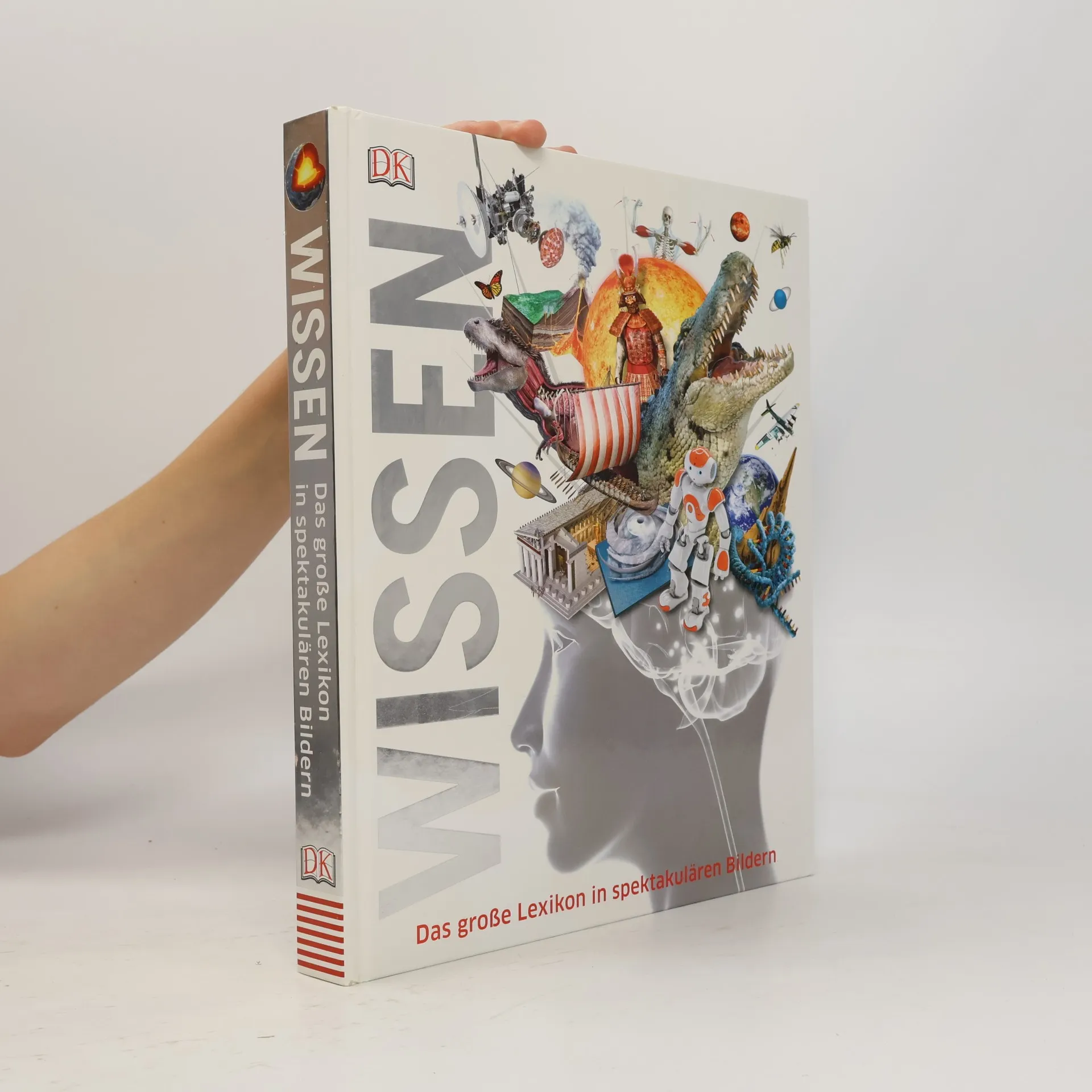
Das Buch zeigt, was andere Nachschlagewerke nur erzählen: Mit beeindruckenden computergenerierten Illustrationen enthüllt es die Wunder des Weltraums, der Erde, der Natur, des menschlichen Körpers, der Wissenschaft und der Geschichte in beispiellosen Details und überwältigendem Realismus. Vollgepackt mit überraschenden Fakten, dynamischen Zeitleisten und fantastischen Bildern macht es komplexe Sachverhalte leicht verständlich und auf einen Blick erfassbar. Kinder entdecken hier die Geheimnisse von Tutanchamuns Grab, die Kräfte hinter Tsunamis, Tornados und Erdbeben sowie den nuklearen Brennofen in der Sonne. Es nimmt sie mit auf eine Reise zurück in die Zeit der Chinesischen Mauer, zum Pantheon im alten Athen und zu den Schlachtfeldern der Weltkriege. Das Lexikon zeigt die Geburt eines Sterns, das Innere eines T-rex und die Geheimnisse unserer DNA. Im 15-seitigen Anhang finden sich Himmelskarten, Weltkarten, Flaggen aller Nationen, ein Stammbaum aller Tiere, Rekorde des Tierreichs und Umrechnungstabellen für verschiedene Maßeinheiten. Das edel gestaltete Cover mit Silberfolie und Prägung zieht sofort in seinen Bann. Dieses aufwendig gestaltete Wissensbuch ist perfekt für Schule und Freizeit zum Nachschlagen, für Referate oder einfach zum Schmökern!
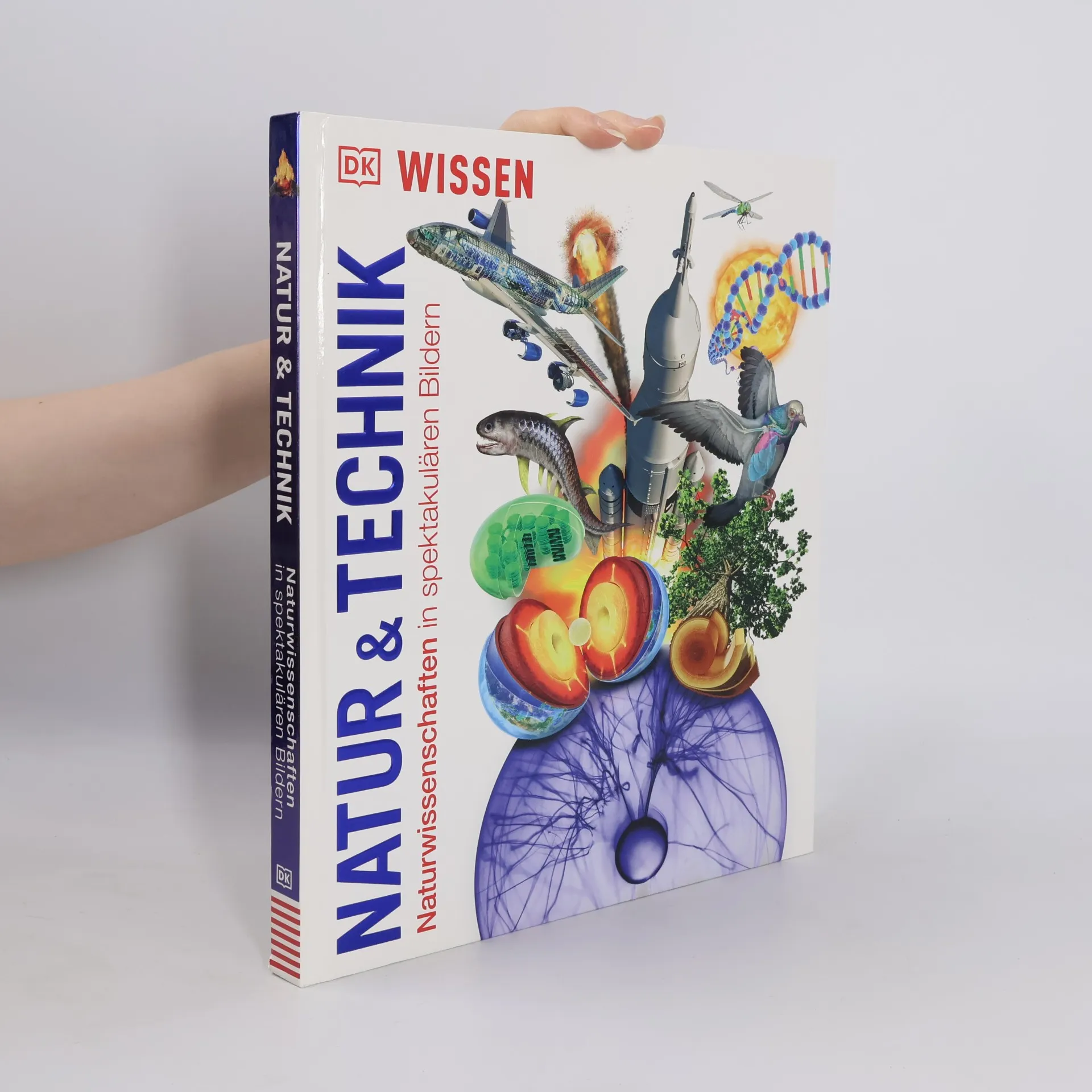
Naturwissenschaften für Kinder werden in spektakulären Bildern erklärt. Wie entsteht Schall und wie wird Wärme erzeugt? Dieses Buch beantwortet Fragen zu Natur und Technik mithilfe spezieller 3-D-Grafiken. Chemie, Physik und Biologie werden durch zahlreiche Abbildungen, Querschnitte und Diagramme verständlich gemacht, ergänzt durch alltagsnahe sowie ungewöhnliche Beispiele und spannende Details. Es bietet einen aktuellen Überblick über naturwissenschaftliche Themen. Was geschieht bei einer chemischen Reaktion? Wie funktioniert ein Teleskop? Woraus besteht eine Galaxie? Kinder erhalten einen einzigartigen Einblick in vielfältige Themenbereiche, wobei die Informationen durch aufwendige 3-D-Grafiken zielgruppengerecht aufbereitet sind. Beispiele veranschaulichen die Sachverhalte: Die Funktion des Nervensystems wird durch einen fressenden Gorilla und das Gesetz der Reibung anhand eines coolen Motorrads erklärt. Zu den Inhalten gehören detailreiche Explosionsgrafiken zur Chemie, alltagsnahe Beispiele aus der Physik, sensationelle Abbildungen zur Biologie und spannende Zusatzfakten. Clevere Extras wie Chroniken zu Meilensteinen der Fachbereiche, eine Übersicht zu Größenordnungen im All, die wichtigsten Maßeinheiten und ein umfangreiches Glossar runden die visuelle Enzyklopädie ab. Mit diesen beeindruckenden 3-D-Grafiken wird das Lernen über Naturwissenschaften zum Vergnügen und fördert das Interesse an MINT-Fächern.