
Bookbot

Richard Osborne

    1 janvier 1952
    Richard Osborne
    Ancient Eastern Philosophy For Beginners
    Art Theory For Beginners
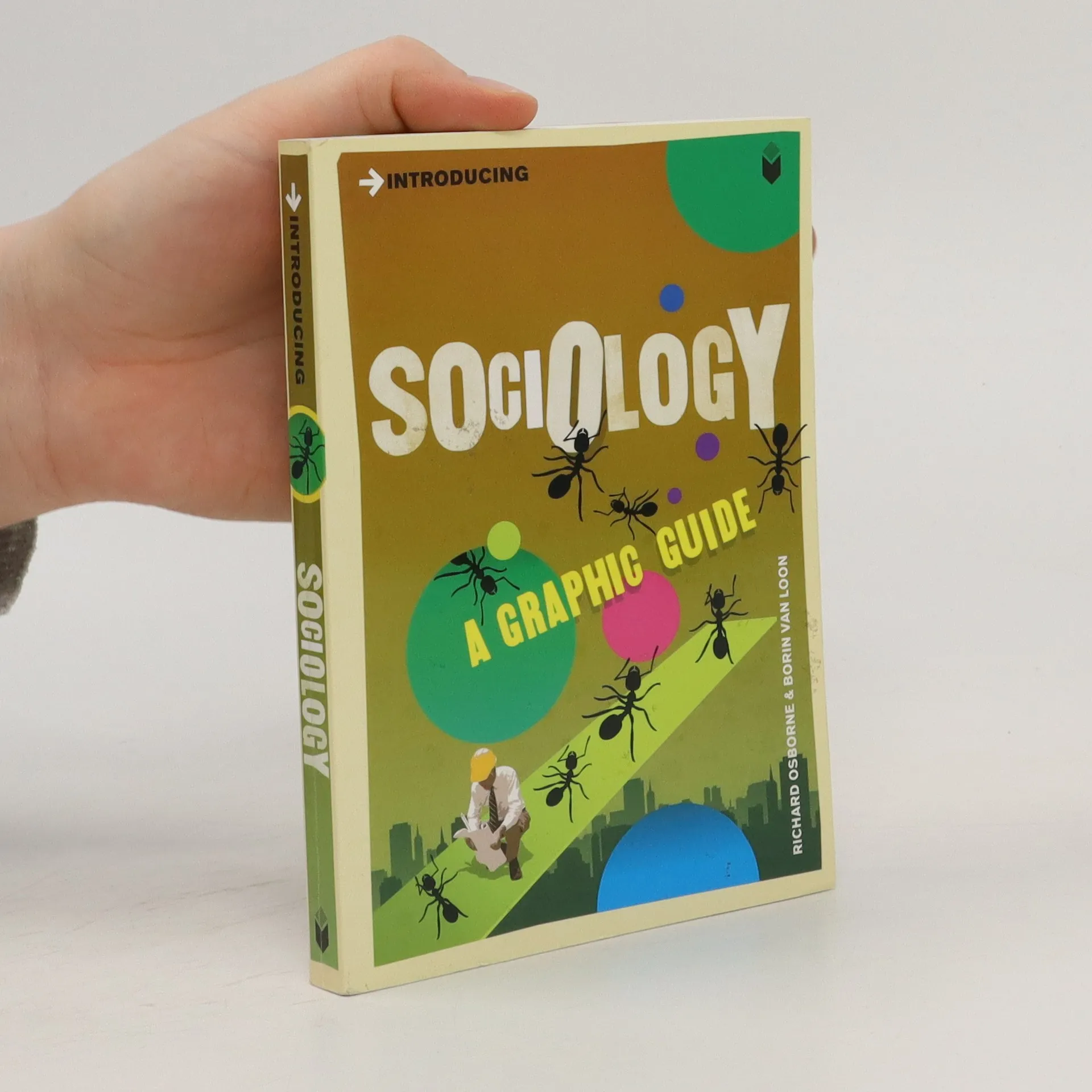
    Introducing Sociology
    Owning the Masters
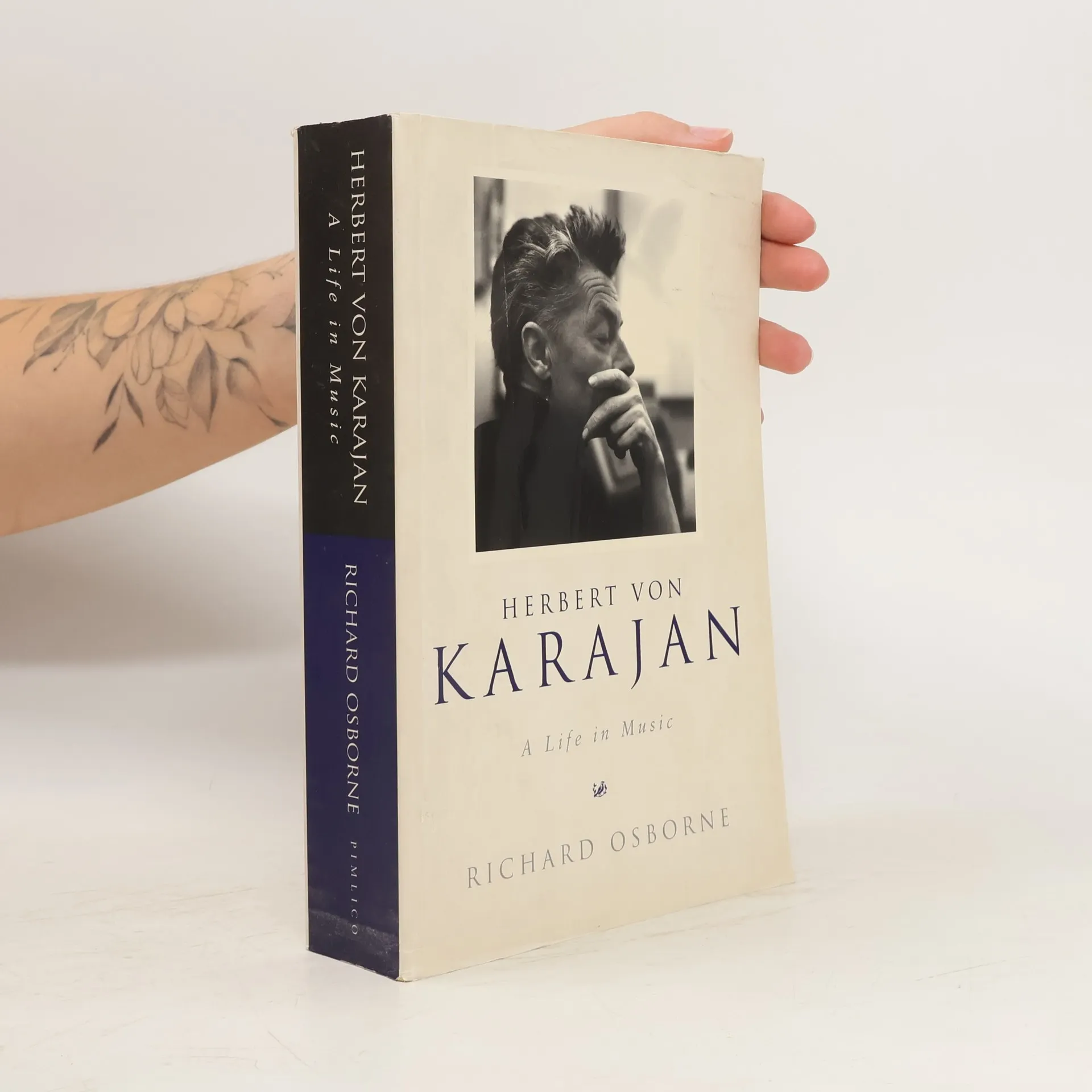
    Herbert von Karajan : a life in music
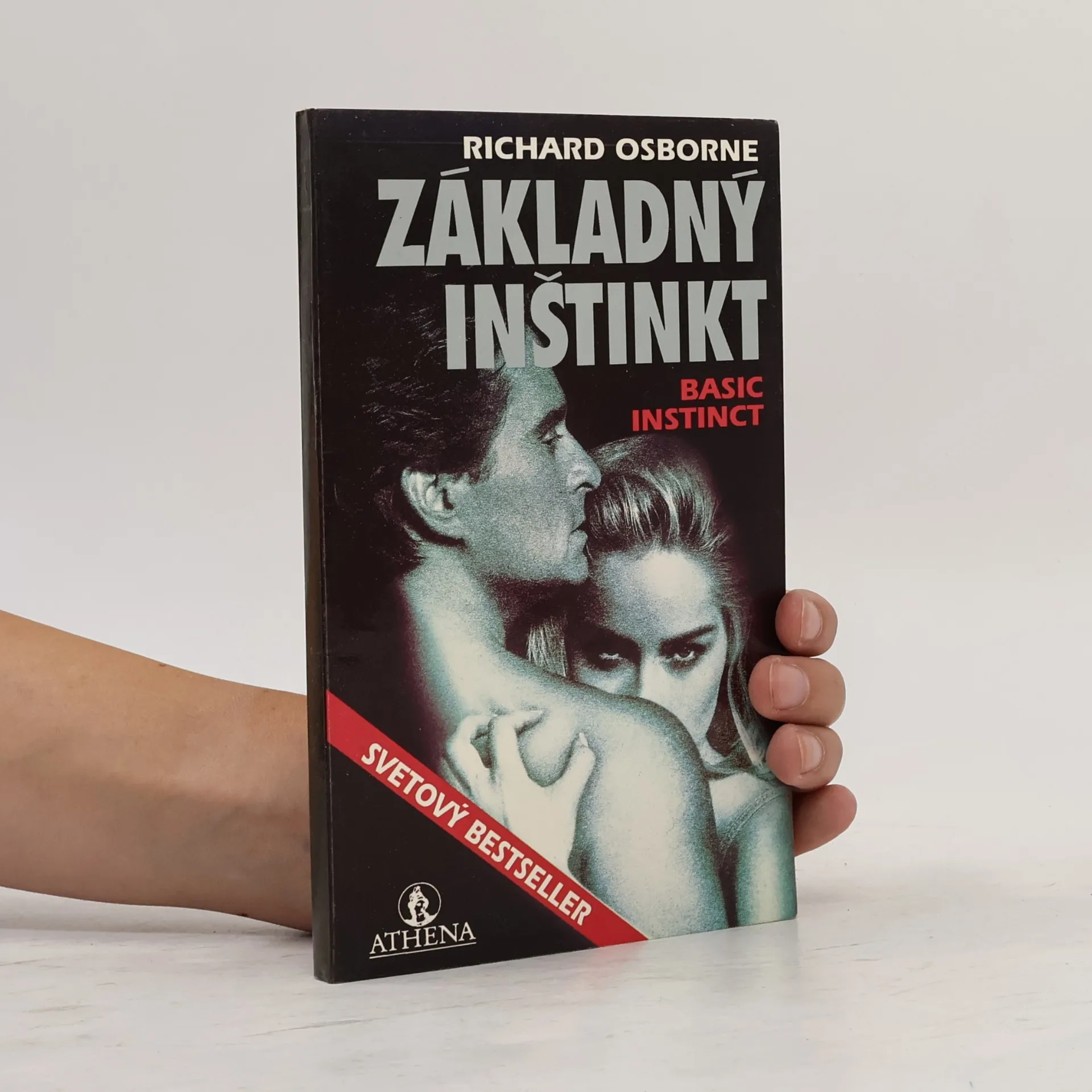
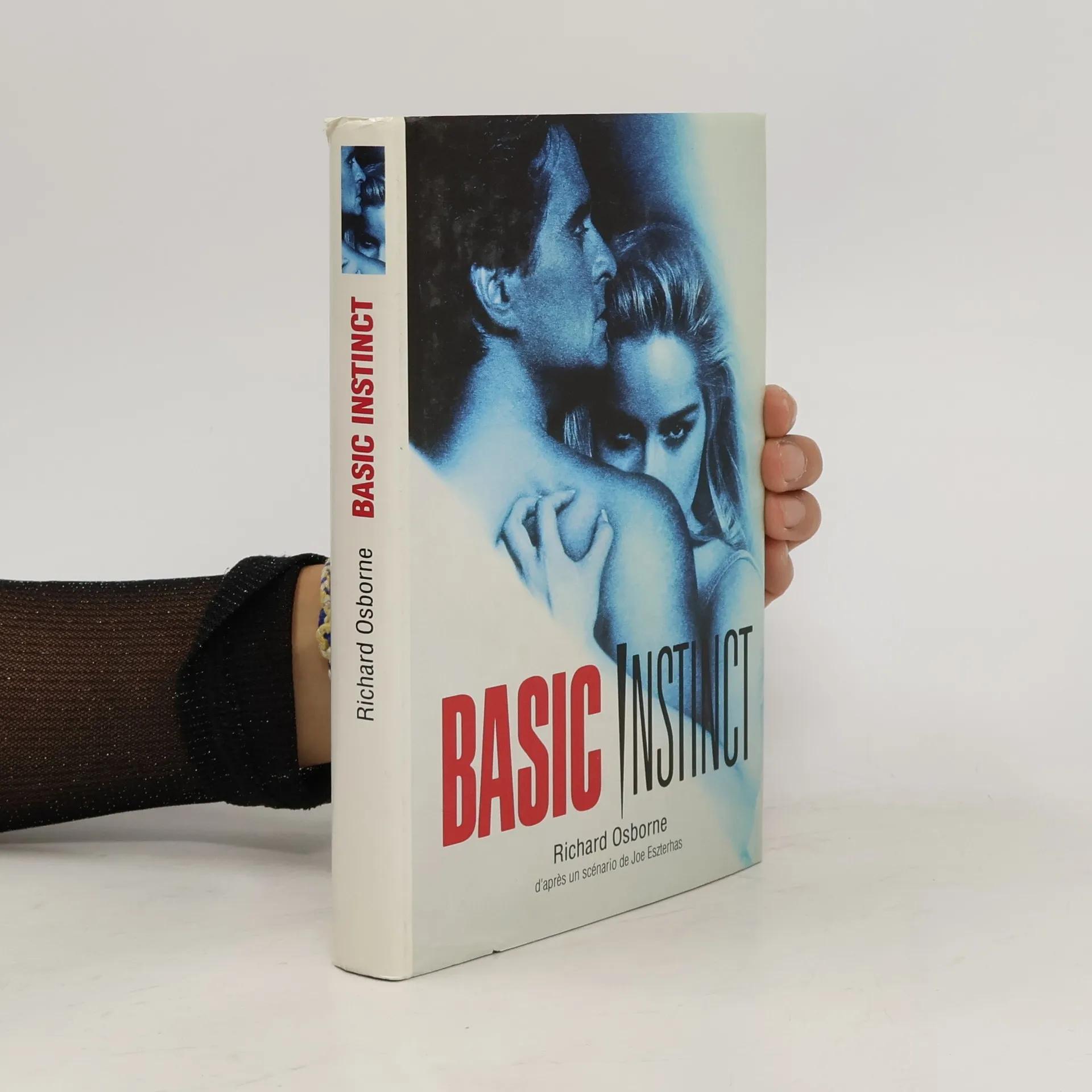
    Basic Instinct
    • Basic Instinct

      • 188pages
      • 7 heures de lecture

      L'inspecteur Nick Curran, de la police de San Francisco, enquête sur le meurtre de l'ancien chanteur de rock Johnny Boz, frappé de 31 coups de pic à glace par une inconnue avec laquelle il faisait l'amour. Amateur de plaisirs corsés, la star fréquentait une jeune, riche et brillante romancière, Catherine Tramell, auteur d'un polar à succès consacré à un meurtre identique. Nick apprend bientôt que les parents de Catherine - dont elle a hérité de plus de cent millions de dollars - sont morts dans un "accident" suspect, décrit dans un autre de ses livres, et que son professeur de psychologie à l'université a été assassiné dix ans plus tôt à coups de pic à glace... Fasciné par ce déluge de violences, le policier se consacre à prouver la culpabilité de l'insolente et superbe romancière. Mais Catherine n'a rien laissé au hasard. Elle semble déjà tout connaître de Nick : le suicide de sa femme, les bavures dont il s'est rendu coupable, ses problèmes de drogue et d'alcool. Exaspérant les désirs de Nick, multipliant les avances, elle entraîne le policier dans un vertigineux dédale d'excès et de plaisirs...
      Basic Instinct
      3,7
    • Herbert von Karajan : a life in music

      • 861pages
      • 31 heures de lecture

      Richard Osborne is known to classical music lovers as the presenter of Radio 3's Saturday Review. With this book, he presents a major biography of Herbert von Karajan, the controversial Austrian composer.

      Herbert von Karajan : a life in music
      5,0
    • Owning the Masters

      • 256pages
      • 9 heures de lecture

      Owning the Masters provides the first in-depth history of sound recording copyright. It is this form of intellectual property that underpins the workings of the recording industry. Rather than being focused on the manufacture of goods, this industry is centred on the creation, exploitation and protection of rights. The development and control of these rights has not been straightforward. This book explores the lobbying activities of record the principal creators, owners and defenders of sound recording copyright. It addresses the counter-activity of recording artists, in particular those who have fought against the legislative and contractual practices of record companies to claim these master rights for themselves. In addition, this book looks at the activities of the listening public, large numbers of whom have been labelled 'pirates' for trespassing on these rights. The public has played its own part in shaping copyright legislation. This is an essential subject for an understanding of the economic, artistic and political value of recorded sound.

      Owning the Masters
      4,0
    • Introducing Sociology

      • 176pages
      • 7 heures de lecture

      With innovative graphics, "Introducing Sociology" traces the discipline's history, and explains the intricacies of its major thinkers from Comte and Marx to Baudrillard and beyond.

      Introducing Sociology
      3,8
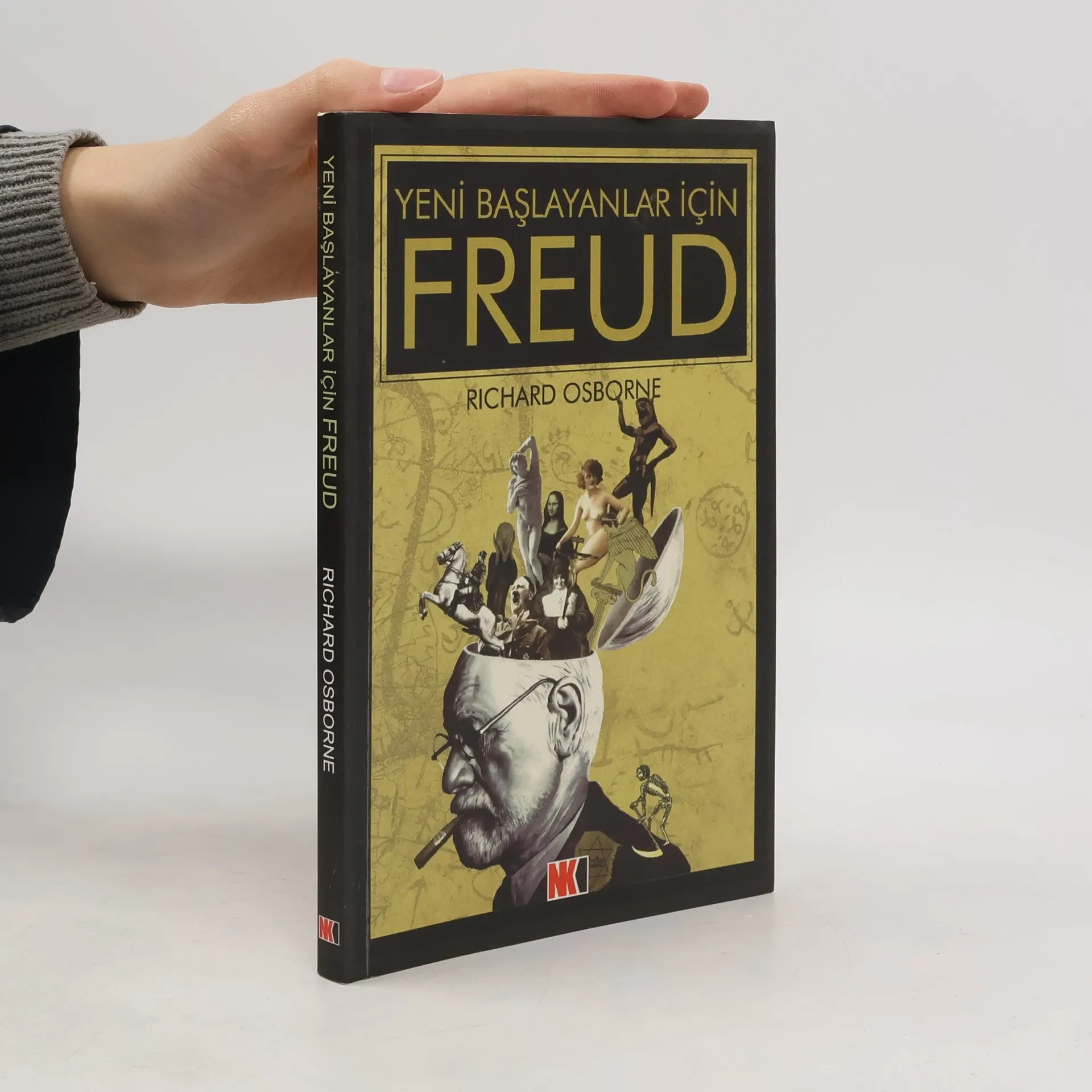
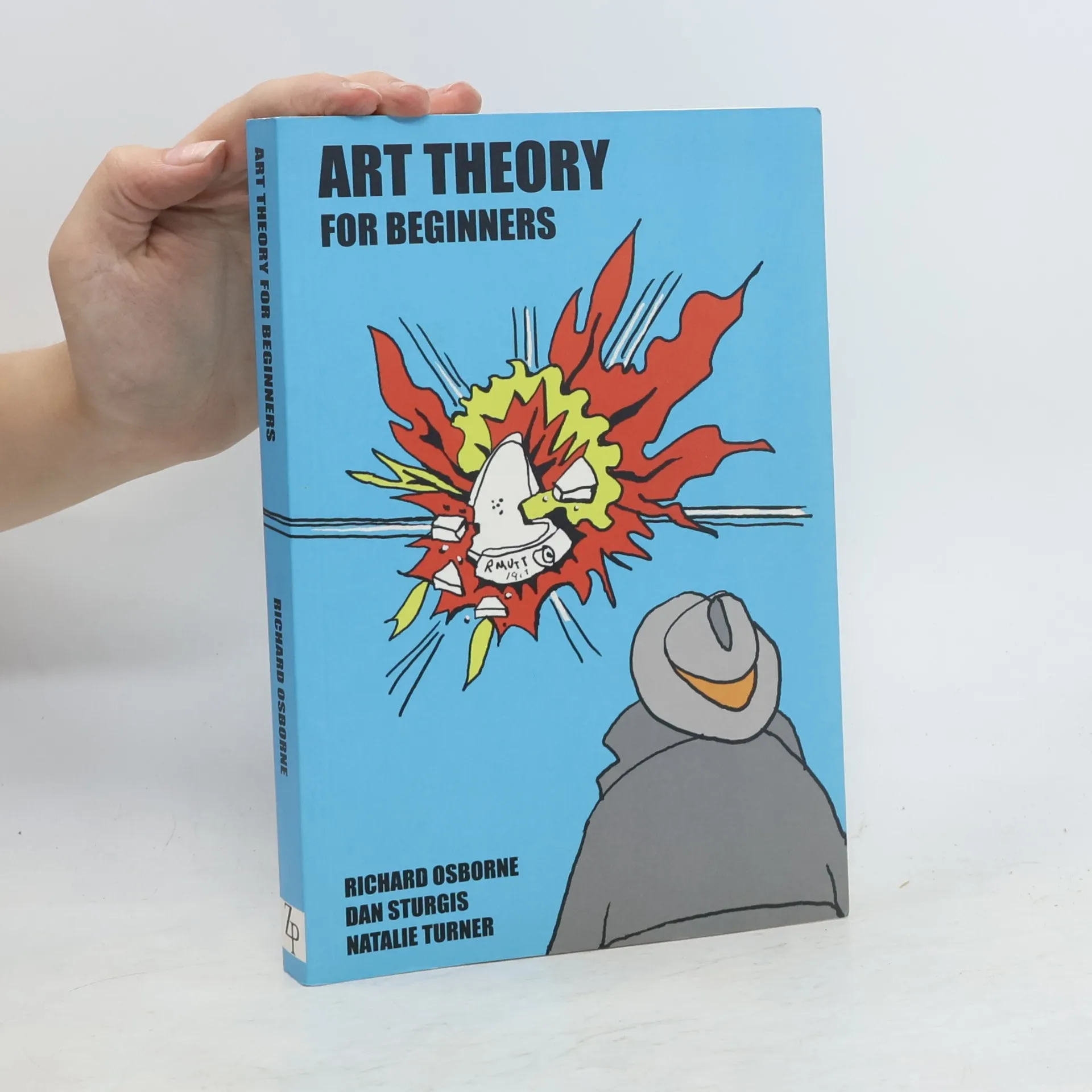
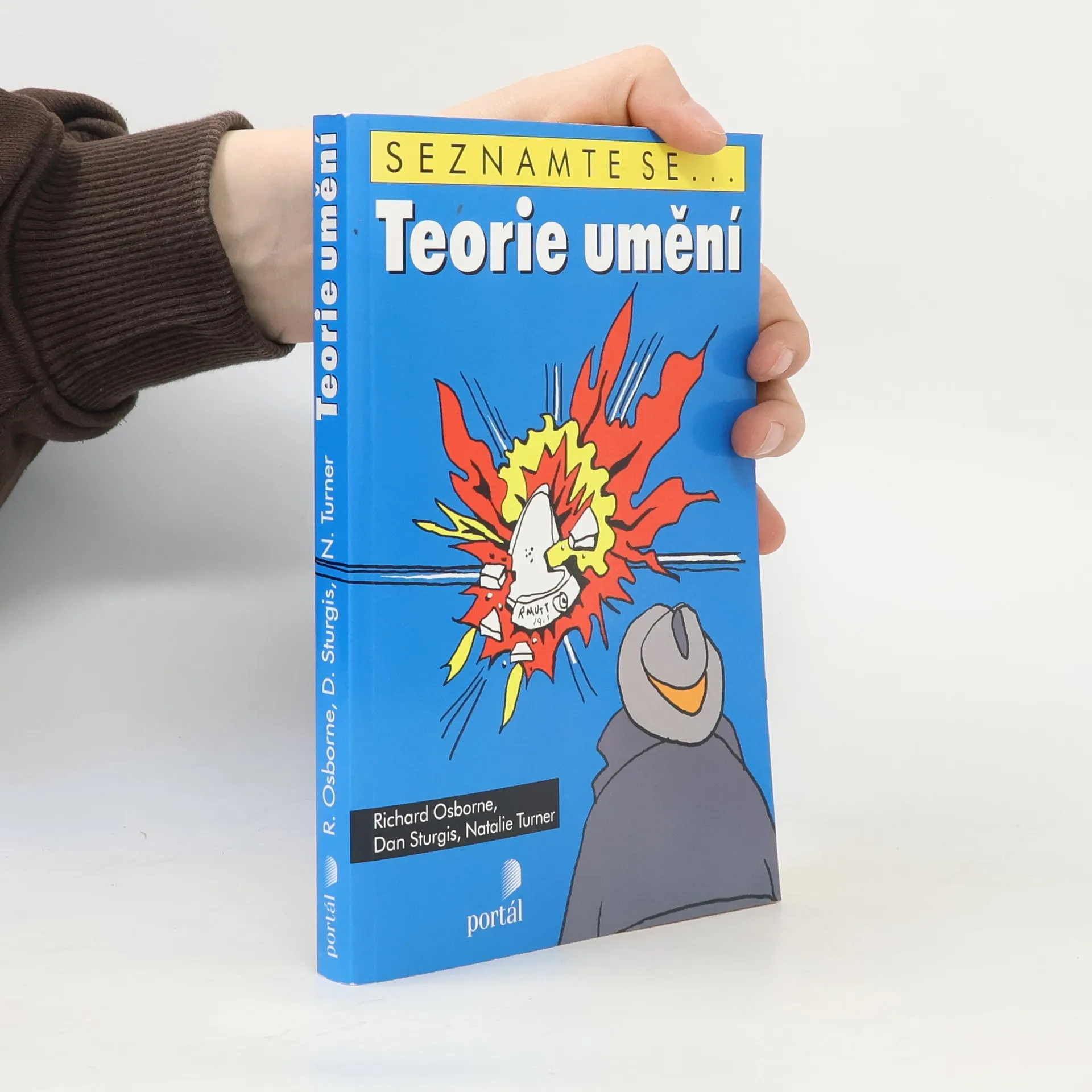
    • The authors show how the idea of art has developed in the last 5,000 years and how we have reached the point we are at now. They provide a complete survey of all of the aesthetic, historical and practical questions that surround the idea of art. it's a concise and coherent overview/introduction to the main ideas that have shaped western art and culture from the ancient Greeks up to the present day.This is a unique introduction to the ideas of art and not only describes the theories of art but puts them in an historical context to give the reader a wider understanding. Clearly written in demystifies complex theories of art and shows the reader how to make sense of the history of art and of how theory has influenced artists. Illustrated by key images from art history it allows the reader to grasp both the ideas and the images, and how they relate. There are references to Eastern art and other art traditions and these are related to the development of Western art. Contemporary art and art theories are also dealt with, providing the most complete introduction to art theory in existence.

      Art Theory For Beginners
      3,8
    • Ancient Eastern Philosophy For Beginners

      • 176pages
      • 7 heures de lecture

      This book describes in detail a culture and way of thinking which predates Western philosophy by several centuries. It is an ideal guide for the Western reader to the historical and philosophical basis of Eastern cultures.

      Ancient Eastern Philosophy For Beginners
      3,3
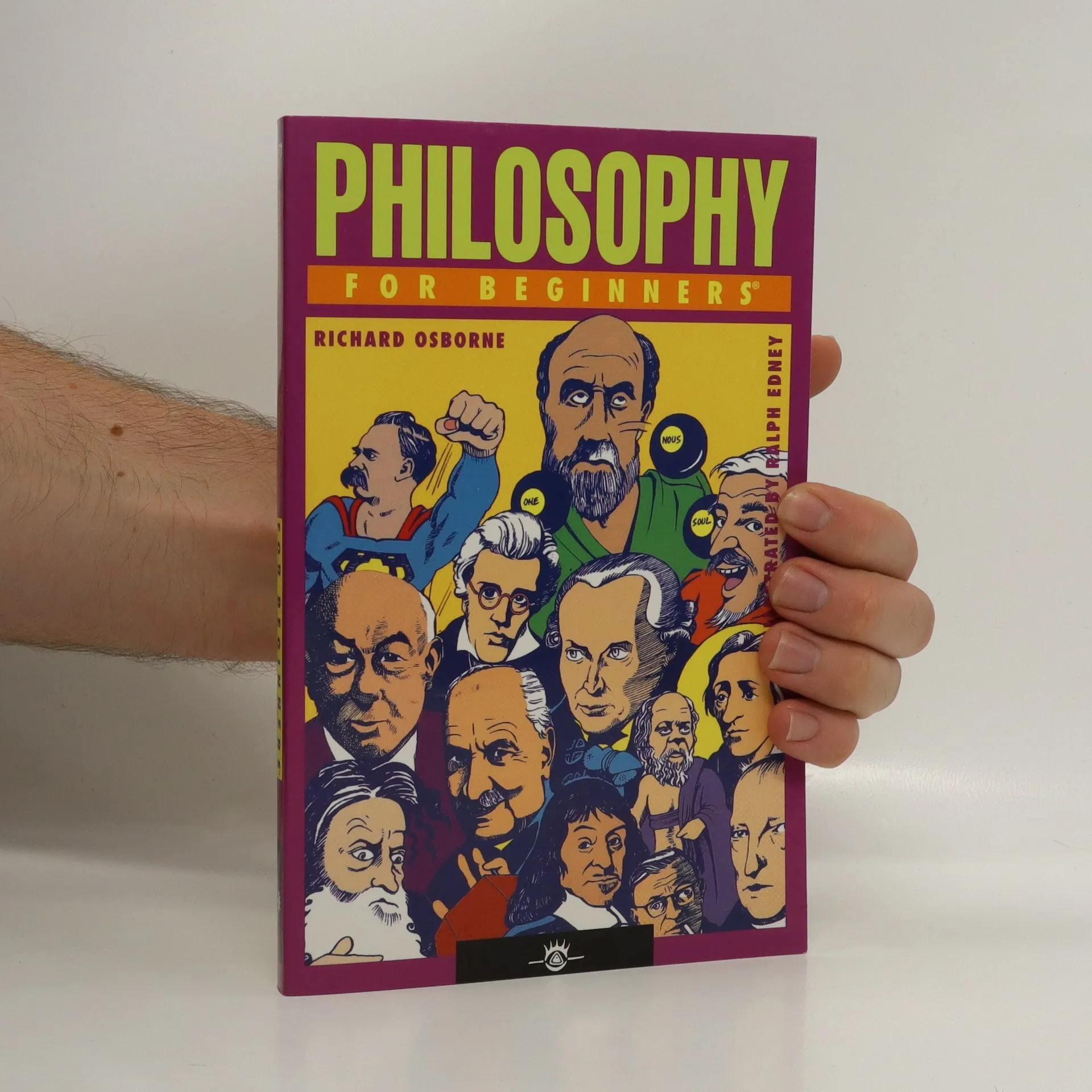
    • Philosophy for Beginners

      • 216pages
      • 8 heures de lecture

      Why does philosophy give some people a headache, others a real buzz, and yet others a feeling that it is subversive and dangerous? Why do a lot of people think philosophy is totally irrelevant? What is philosophy anyway? The ABCs of philosophy - easy to understand but never simplistic. Beginning with basic questions posed by the ancient Greeks - What is the world made of? What is a man? What is knowledge? What is good and evil? - Philosophy For Beginners traces the development of these questions as the key to understanding how Western philosophy developed over the last 2,500 years.

      Philosophy for Beginners
      3,6
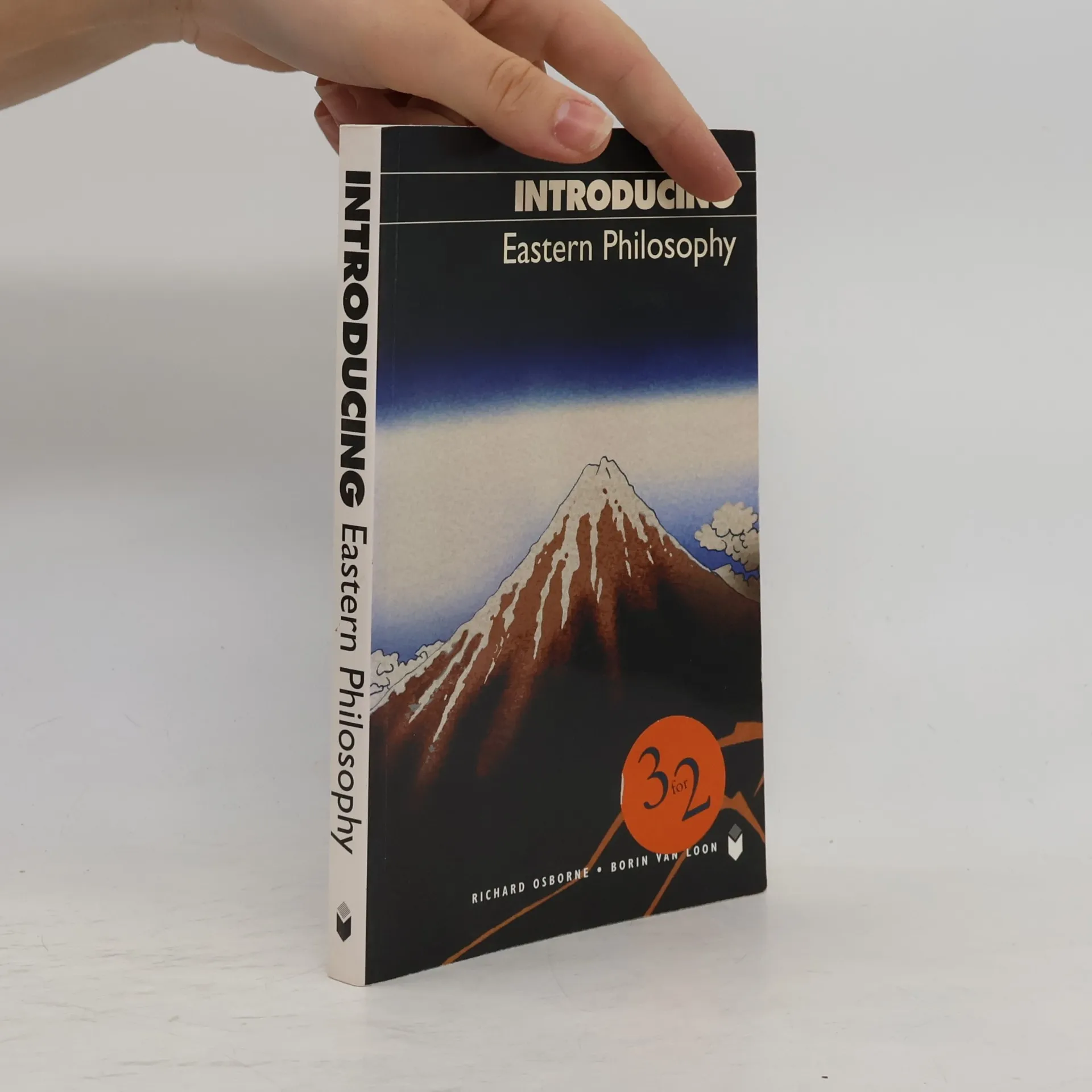
    • Introducing Eastern Philosophy

      • 176pages
      • 7 heures de lecture

      "Disenchantment with the underlying materialism of much of present-day society is driving many Westerners towards the integrated approach of Eastern philosophy, but often in a vague and generalized form." "In this introduction to the world's oldest philosophies, Richard Osborne and Borin Van Loon brilliantly elucidate the complex strands of Eastern thought from Confucius to Buddha and Islam to Tao. They explain the emphasis on the "nature of being", and on ethical and communal principles." "They also illuminate the search for Enlightenment, showing how these ideas are set within a cosmic whole rather than a framework of practical, scientific, and individual thought."--Jacket

      Introducing Eastern Philosophy
      3,4
    • Von der Höhlenmalerei bis zur Postmoderne – die Kunsttheorie für Einsteiger hält, was sie ver- spricht: einen kurzgefassten und unterhaltsa- men Überblick über die wichtigsten historischen und aktuellen Kunstdebatten. Was ist Kunst? Wieso ist sie nicht immer schön? Wie unter scheidet man gute von schlechten Kunstwerken? Wie konnte es eigentlich passieren, dass ein Urinal der Sanitärfirma J. L. Mott Iron Works zu einem berühmten Kunstwerk wurde? Und weshalb konnte im vergangenen Jahr eine Dortmunder Putzfrau im Falle einer Kippenberger-Skulptur Kunst nicht von Dreck unterscheiden? Wer nicht länger ratlos durch Museen und Galerien stolpern, sondern mitreden will, hat es jetzt ganz leicht: Die Kunsttheorie für Einsteiger führt in geistreichen Cartoons durch die Geschichte der Kunst und ihrer Theorien. Was bisher kompliziert war, machen Richard Osborne, Dan Sturgis und Natalie Turner zu einem großen Vergnügen. Sie erklären, warum es Kunst ist, wenn Jackson Pollock Leinwände mit Farbe bekleckert oder Joseph Beuys fünf Kilo Butter an die Wand klebt. Auch was man genau unter Impressionismus, Realismus, Dada oder Kubismus versteht, wird anhand berühmter Kunstwerke erläutert. Ausgestattet mit diesem Hintergrundwissen macht auch der nächste Museumsbesuch garantiert Spaß. Maler, Kunsthistoriker und Philosophen, alle haben ihren Auftritt, um gemeinsam zu zeigen, wie sich die Idee der Kunst in den letzten 5000 Jahren entwickelt hat.

      Kunsttheorie für Einsteiger
      4,0
    • The Wrong Box

      • 166pages
      • 6 heures de lecture

      Set against the backdrop of a tontine, this black comedy revolves around two brothers, Joseph and Masterman Finsbury, who are the last surviving members of a life-insurance scheme. The narrative unfolds through a series of misunderstandings, fraud attempts, and absurd situations, including a train crash and a mix-up of dead bodies. As their nephews scheme to secure an inheritance, the story humorously explores themes of identity and survival. Originally conceived in 1887, it showcases the wit and unconventional storytelling of its authors.

      The Wrong Box
      4,0