
Bookbot

Jonathan Lear

    9 octobre 1948

    Jonathan Lear explore la compréhension philosophique de la psyché humaine et les implications éthiques qui découlent de notre nature d'êtres. Son travail se concentre principalement sur les conceptions philosophiques de l'esprit humain, s'étendant de l'époque socratique à nos jours. Lear intègre la philosophie à la psychanalyse, offrant des perspectives profondes sur la condition humaine. Ses écrits examinent comment nos motivations internes et notre caractère façonnent notre conduite éthique.

    Jonathan Lear
    Aristotle and Logical Theory
    Aristotle
    A Case for Irony
    Guerrilla Teaching
    Wisdom Won from Illness
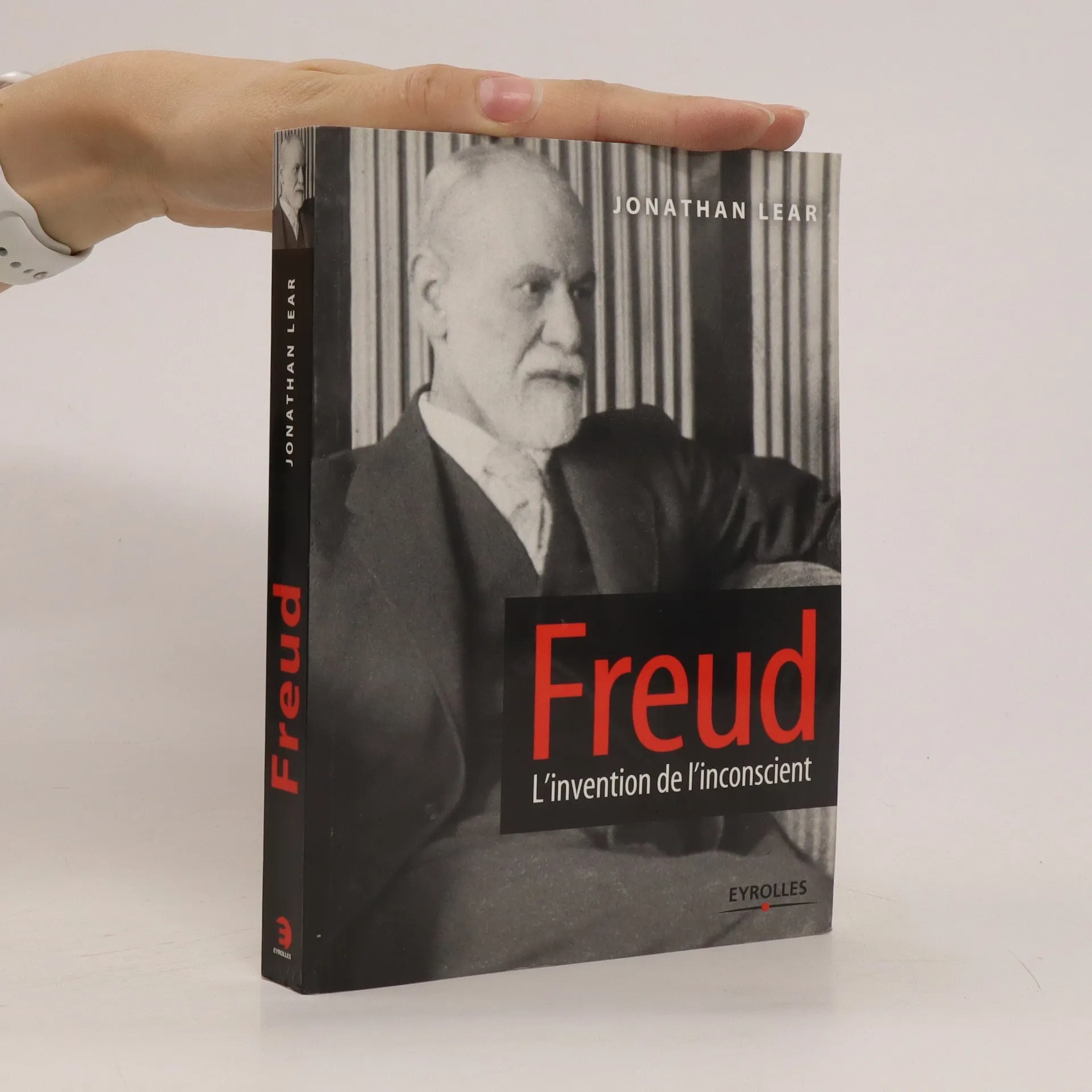
    Freud. L'invention de l'inconscient
    • Freud. L'invention de l'inconscient

      • 322pages
      • 12 heures de lecture

      Notre époque est dominée par le mythe de la transparence : de la sociologie aux neurosciences en passant par l'économie, tout concourt à réduire nos comportements à des explications rationnelles. Pourtant, à trop vouloir rationaliser, ne perdons-nous pas de vue l'humain ? Au-delà des schémas de la raison, demeure pour nous une question essentielle : "Comment vivre ?", ainsi que la nécessité d'y répondre. C'est justement l'objet de la psychanalyse : en renonçant à la rationalité, Freud a relevé le pari de nous aider à mieux vivre. Loin d'être invalidées, ses intuitions sur l'inconscient sont aujourd'hui en passe d'être confirmées par les découvertes de la neurobiologie. C'est pourquoi nous ne pouvons pas ignorer Freud. Par son approche transversale, parfois iconoclaste, ce livre s'applique à nous montrer comment les concepts de la psychanalyse gardent toute leur actualité. À travers cette introduction philosophique, Jonathan Lear nous ramène à l'essentiel de nos préoccupations sur le bonheur, la liberté et les valeurs.
      Freud. L'invention de l'inconscient
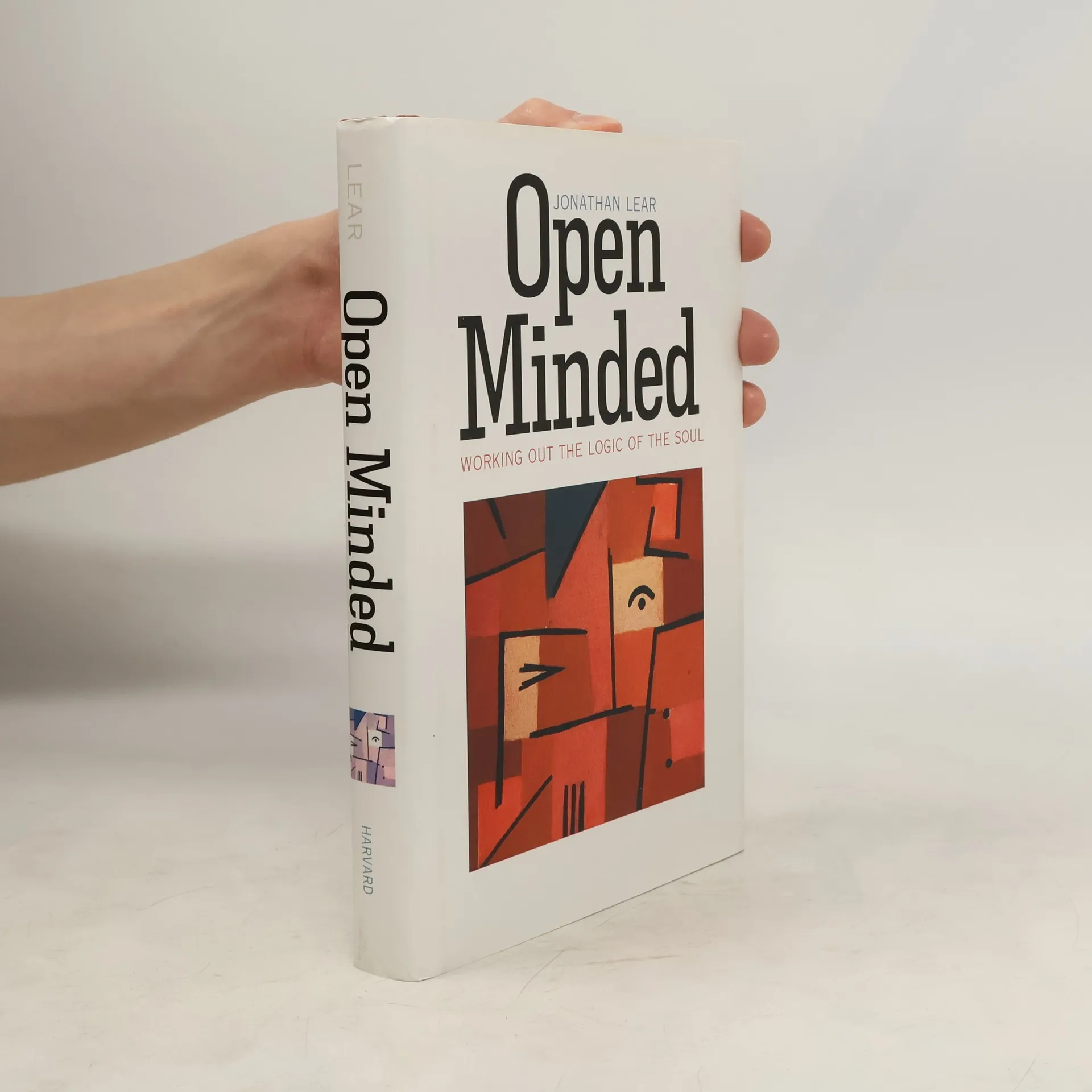
    • Wisdom Won from Illness

      Essays in Philosophy and Psychoanalysis

      • 344pages
      • 13 heures de lecture

      Exploring the intersection of psychoanalysis and moral philosophy, the book examines whether reason can integrate the nonrational aspects of the psyche into a comprehensive understanding of humanity. Jonathan Lear argues that without addressing this integration, philosophy loses its connection to real human experiences. The work serves as a foundation for ethical considerations on how to live, emphasizing the importance of understanding both rational and nonrational elements of the human condition.

      Wisdom Won from Illness
      4,6
    • Guerrilla Teaching

      • 216pages
      • 8 heures de lecture

      Guerrilla Teaching is a revolution. Not a flag-waving, drum-beating revolution, but an underground revolution, a classroom revolution.

      Guerrilla Teaching
      4,6
    • A Case for Irony

      • 224pages
      • 8 heures de lecture

      Vanity Fair has declared the Age of Irony over. Joan Didion has lamented that Obama s United States is an irony-free zone. Here Jonathan Lear argues that irony is one of the tools we use to live seriously, to get the hang of becoming human. It forces us to experience disruptions in our habitual ways of tuning out of life, but comes with a cost.

      A Case for Irony
      4,0
    • Professor Lear introduces Aristotle's philosophy and guides us through the central Aristotelian texts - selected from the Physics, Metaphysics, Ethics, Politics and from the biological and logical works. This 1988 book is written in a direct, lucid style which engages the reader with the themes in an active, participatory manner.

      Aristotle
      4,2
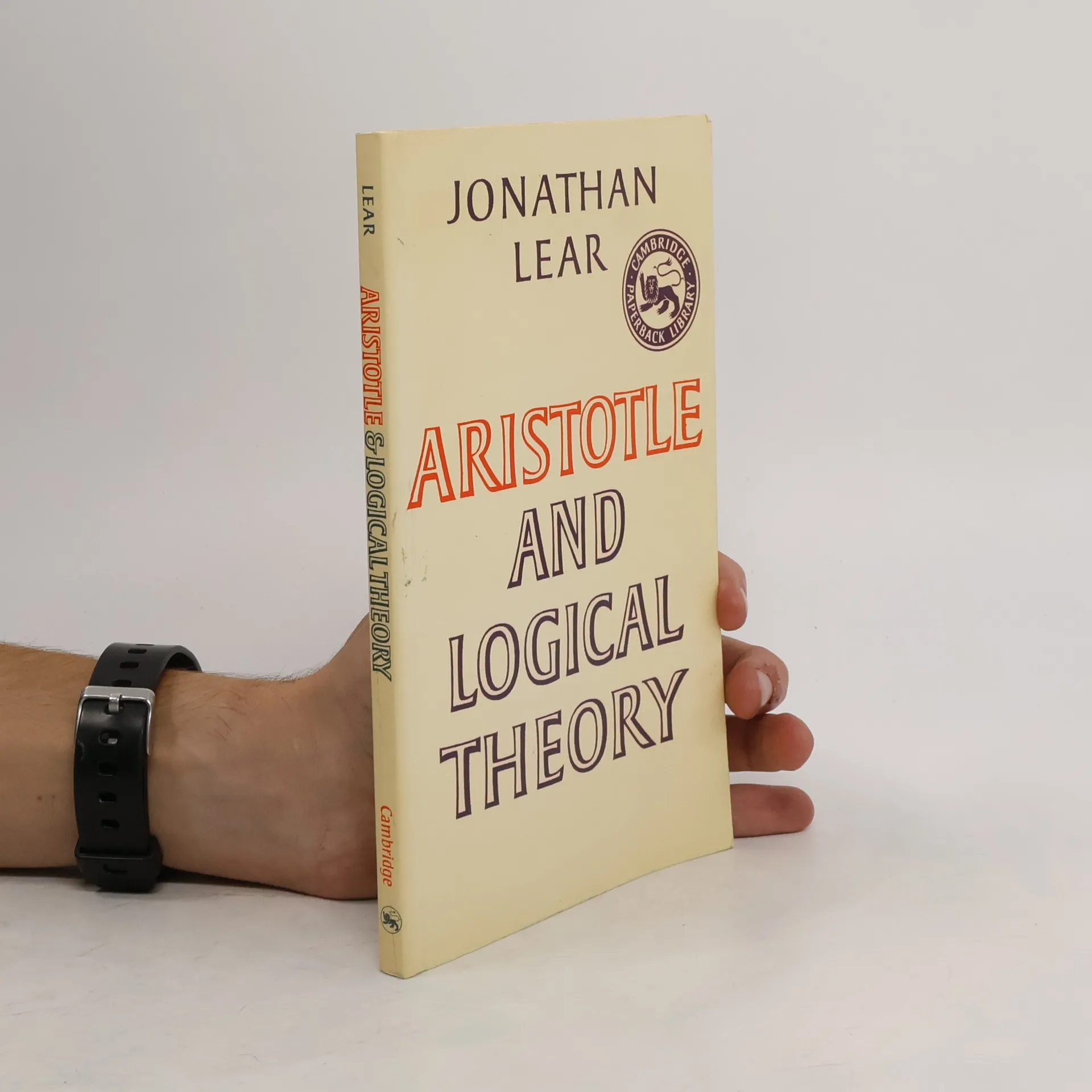
    • Aristotle and Logical Theory

      • 136pages
      • 5 heures de lecture

      Aristotle was the first and one of the greatest logicians. He not only devised the first system of formal logic, but also raised many fundamental problems in the philosophy of logic. In this book, Dr Lear shows how Aristotle's discussion of logical consequence, validity and proof can contribute to contemporary debates in the philosophy of logic. No background knowledge of Aristotle is assumed.

      Aristotle and Logical Theory
      3,8
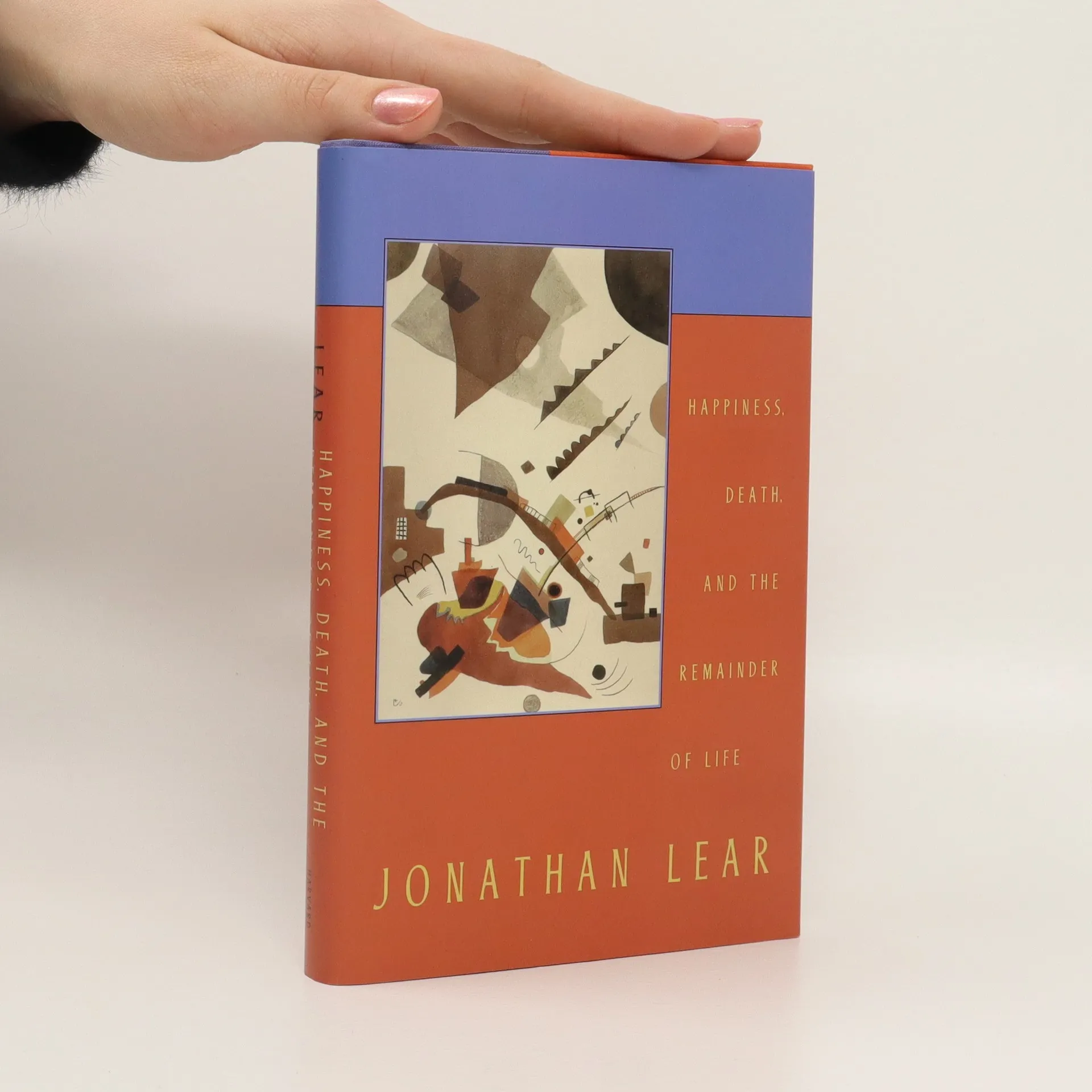
    • "Aristotle and Sigmund Freud gave us disparate but compelling pictures of the human condition. But if, with Jonathan Lear, we scrutinize these thinkers' attempts to explain human behavior in terms of a higher principle - whether happiness or death - the pictures fall apart. Aristotle attempted to ground ethical life in human striving for happiness, yet he didn't understand what happiness is any better than we do. Freud fared no better when he tried to ground human striving, aggression, and destructiveness in the death drive."--Jacket

      Happines, death, and the remainder of life
      2,0
    • Separated by millennia, Aristotle and Sigmund Freud gave us disparate but compelling pictures of the human condition. But if, with Jonathan Lear , we scrutinize these thinkers' attempts to explain human behavior in terms of a higher principle--whether happiness or death--the pictures fall apart. Aristotle attempted to ground ethical life in human striving for happiness, yet he didn't understand what happiness is any better than we do. Happiness became an enigmatic, always unattainable, means of seducing humankind into living an ethical life. Freud fared no better when he tried to ground human striving, aggression, and destructiveness in the death drive, like Aristotle attributing purpose where none exists. Neither overarching principle can guide or govern "the remainder of life," in which our inherently disruptive unconscious moves in breaks and swerves to affect who and how we are. Lear exposes this tendency to self-disruption for what it is: an opening, an opportunity for new possibilities. His insights have profound consequences not only for analysis but for our understanding of civilization and its discontent.

      The Tanner Lectures on Human Values - 3: Happiness, Death, and the Remainder of Life
      4,0
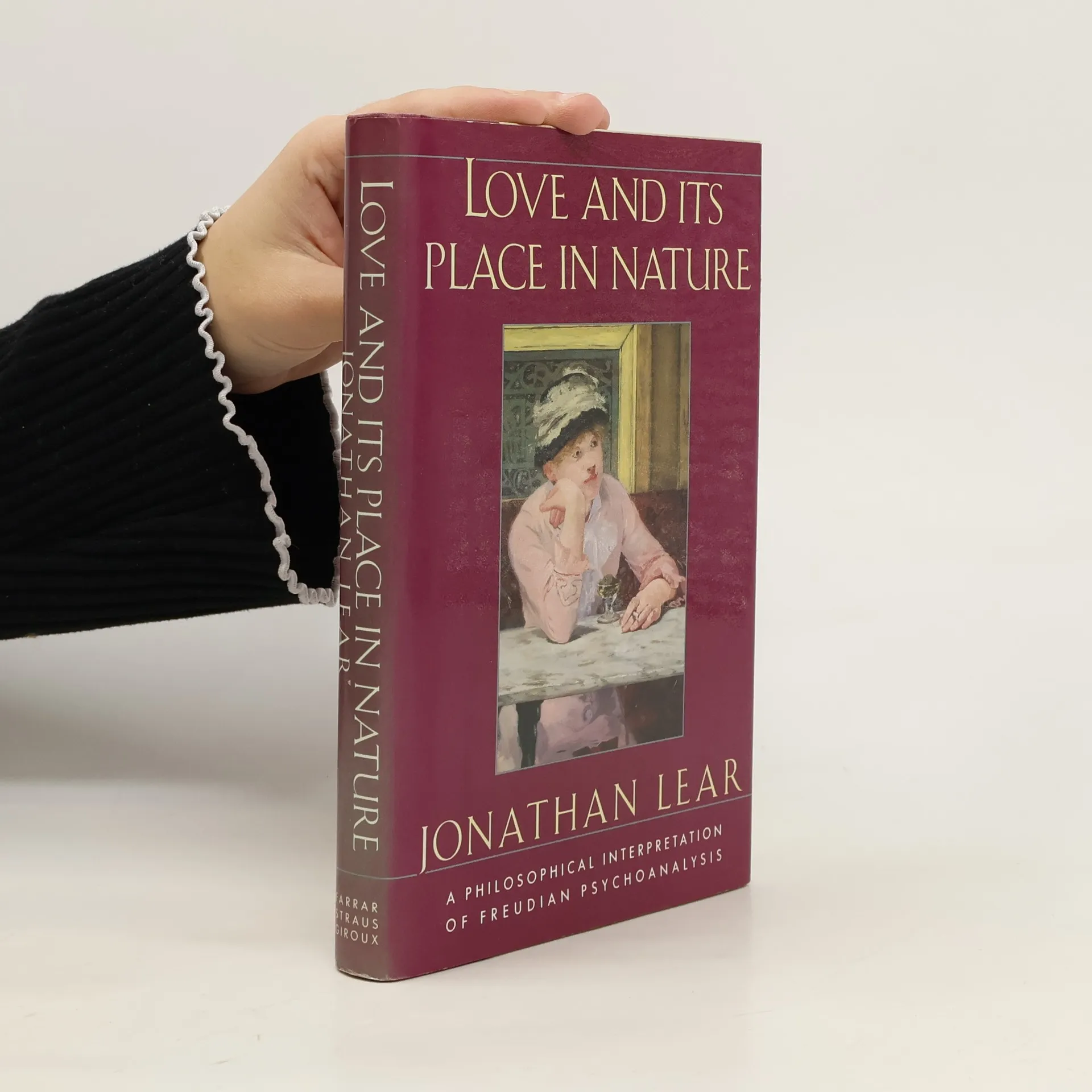
    • Love and Its Place in Nature

      • 243pages
      • 9 heures de lecture

      Offers an examination of Freud's thought as it applies to the development of the individual and the power of love

      Love and Its Place in Nature
      3,3
    • Freud

      • 260pages
      • 10 heures de lecture

      In this fully revised and updated second edition, the author clearly introduces and assesses all of Freud's thought, focusing on those areas of philosophy on which Freud is acknowledged to have had a lasting impact. Essential reading for anyone in the humanities, social sciences and beyond.

      Freud
      3,8