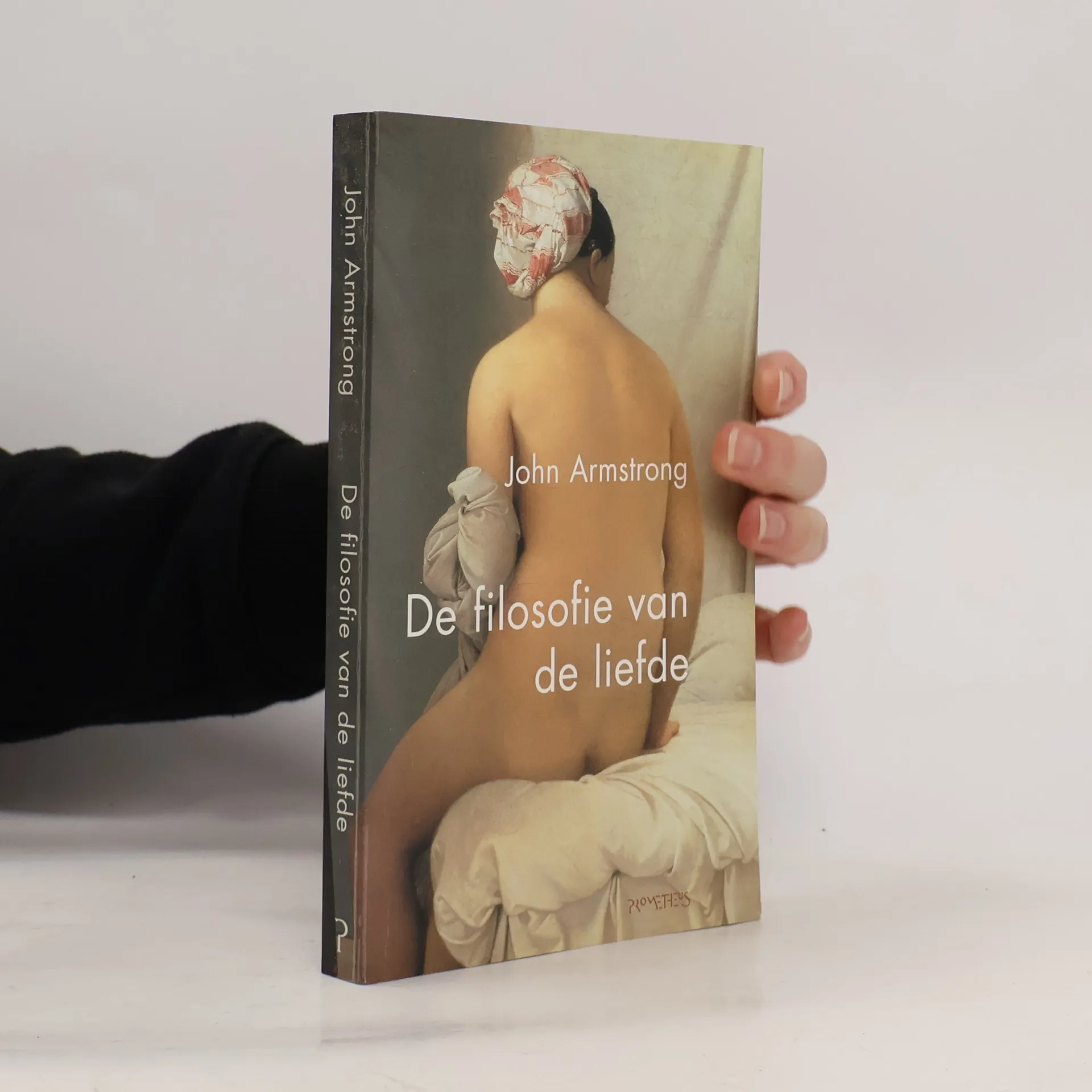
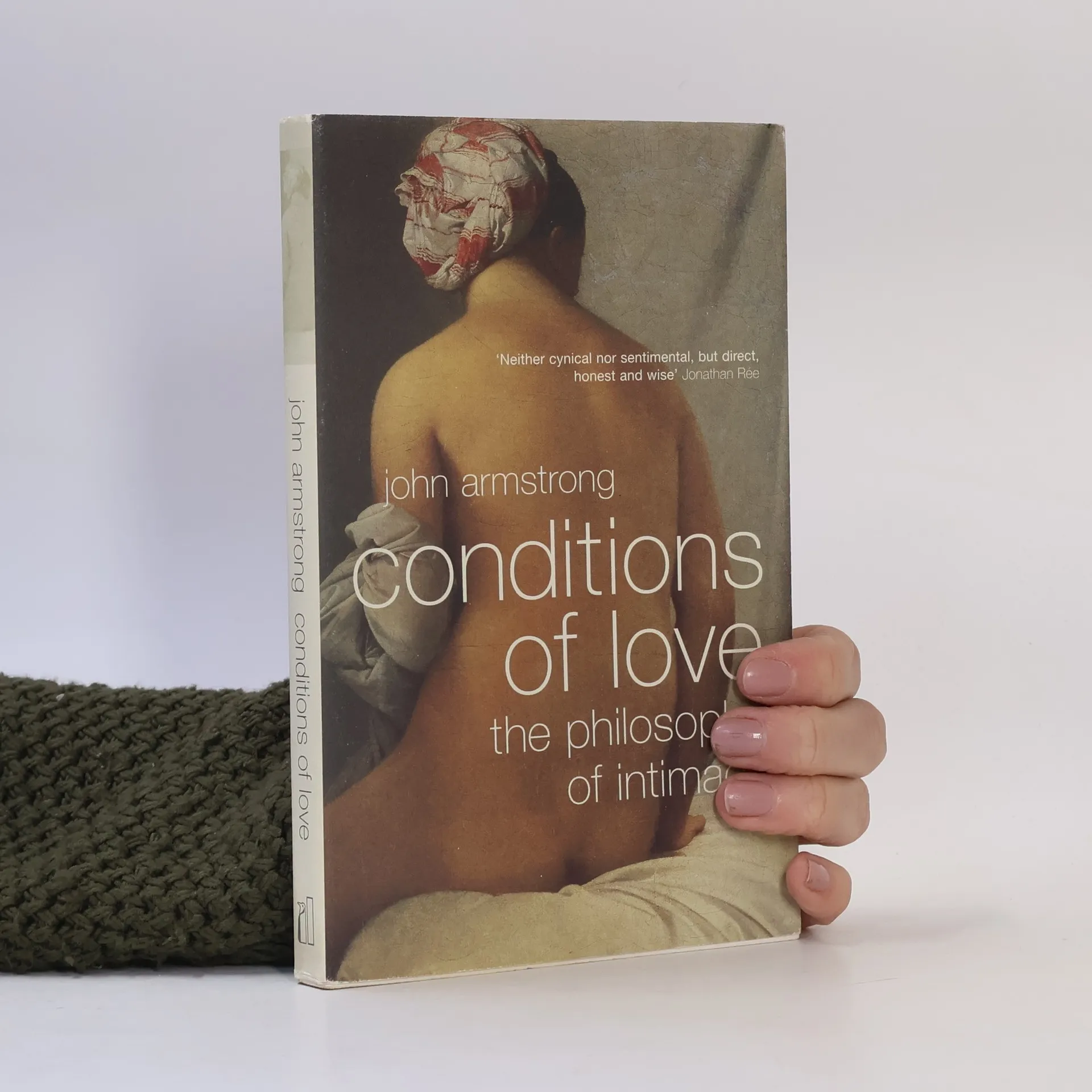
This work aims to raise one of the deepest and most puzzling questions we can put to ourselves: What is love? Drawing on writers and thinkers as diverse as Plato, Tolstoy, Freud and Stendhal, John Armstrong explores how our perception of love is formed by culture and history. The book joins the search for a more mature conception of love without self-deception and asks whether this is even achievable.
John Armstrong Livres
John Armstrong est un philosophe britannique dont l'œuvre aborde des thèmes philosophiques complexes, explorant l'expérience humaine avec une approche distinctive. Son écriture se caractérise par une profonde introspection et une volonté de découvrir les principes fondamentaux qui régissent nos pensées et nos comportements. Les textes d'Armstrong offrent un mélange captivant de rigueur philosophique et de langage accessible, les rendant attrayants pour les lecteurs en quête d'une compréhension plus profonde du monde.

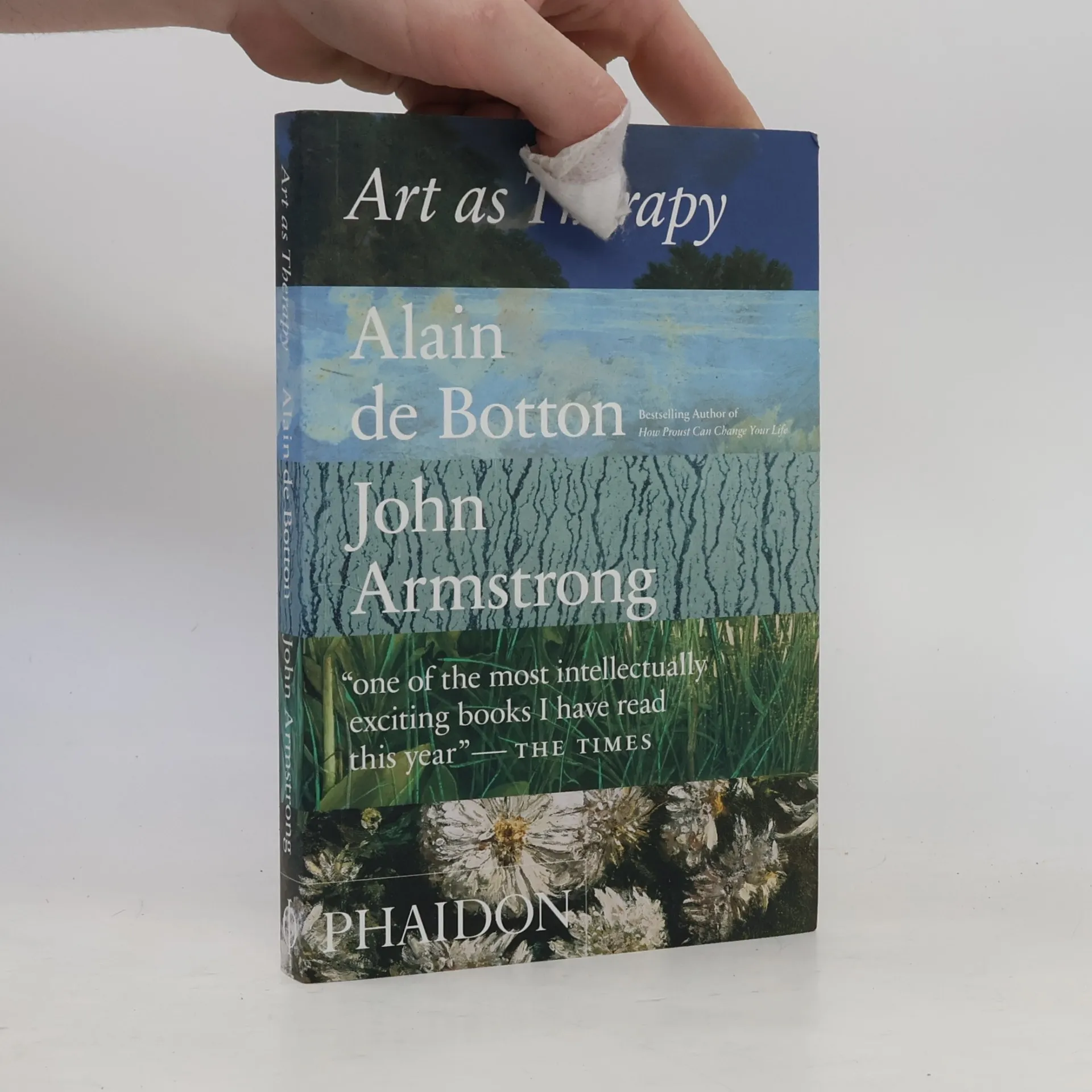
Art as Therapy
- 239pages
- 9 heures de lecture
Two authorities on popular culture reveal the ways in which art can enhance mood and enrich lives - now available in paperback This passionate, thought-provoking, often funny, and always-accessible book proposes a new way of looking at art, suggesting that it can be useful, relevant, and therapeutic. Through practical examples, the world-renowned authors argue that certain great works of art have clues as to how to manage the tensions and confusions of modern life. Chapters on love, nature, money, and politics show how art can help with many common difficulties, from forging good relationships to coming to terms with mortality.
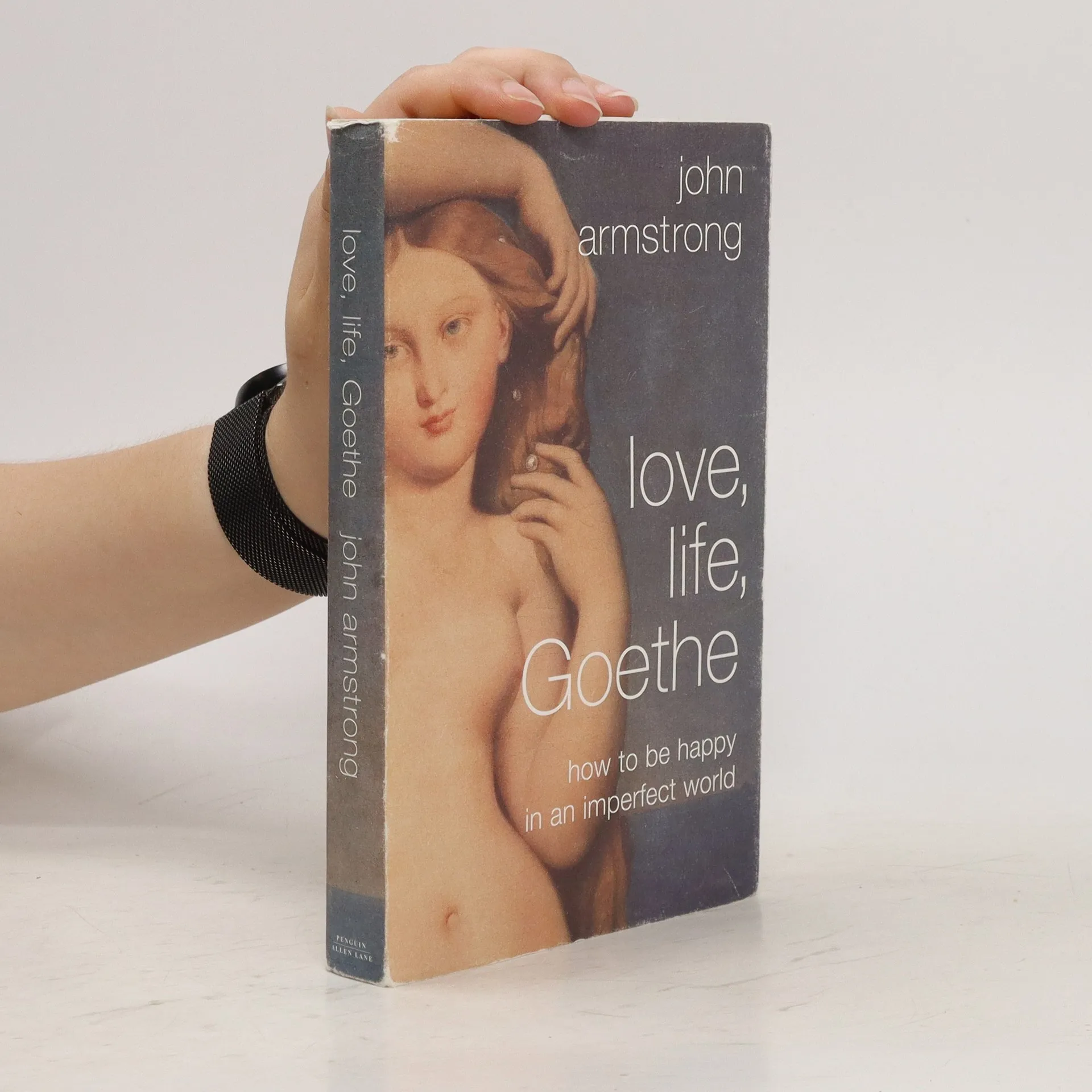
Love, Life, Goethe
- 512pages
- 18 heures de lecture
Is it possible to be truly happy? In an imperfect world, how can we live well with what we have, and accept what we don’t have? In Love, Life, Goethe, John Armstrong looks at the life of the renowned yet often misunderstood writer Goethe to show the surprising ways in which we can learn from him, whether in love, suffering, friendship or family. He shows how relevant Goethe is to the way we live today, and how he wanted (much the same as us) to live life well. From work to our relationships to money and success, John Armstrong explores the main themes of our existence through Goethe, and helps us learn how to live.
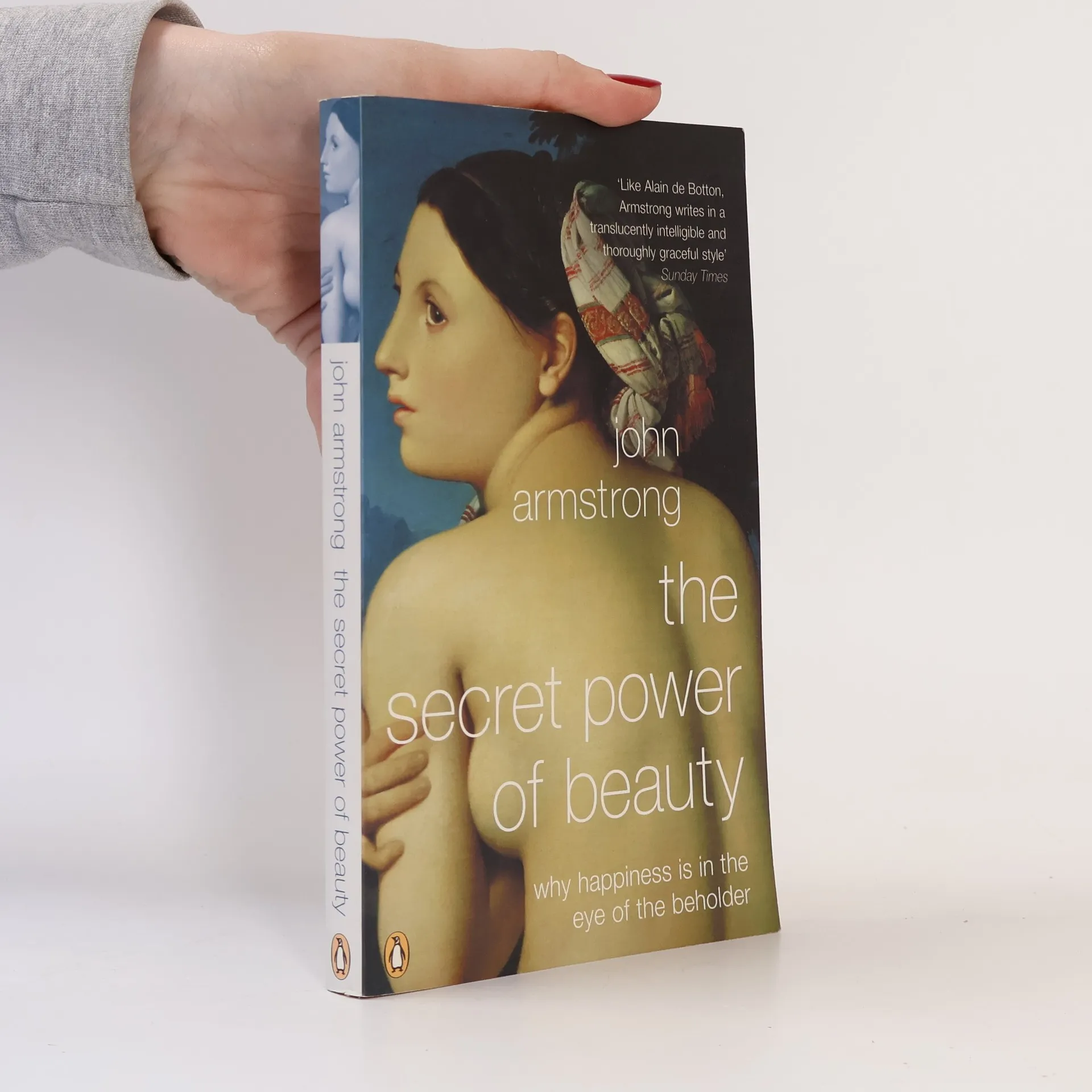
The Secret Power of Beauty
Why Happiness Is in the Eye of the Beholder: First Edition
- 192pages
- 7 heures de lecture
In this lucid and lyrical exploration John Armstrong aims to deepen our response both to beauty and to happiness. As he shows, the ability to truly recognise the beauty that surrounds us in the everyday could enable us to deepen the enjoyment of our lives.
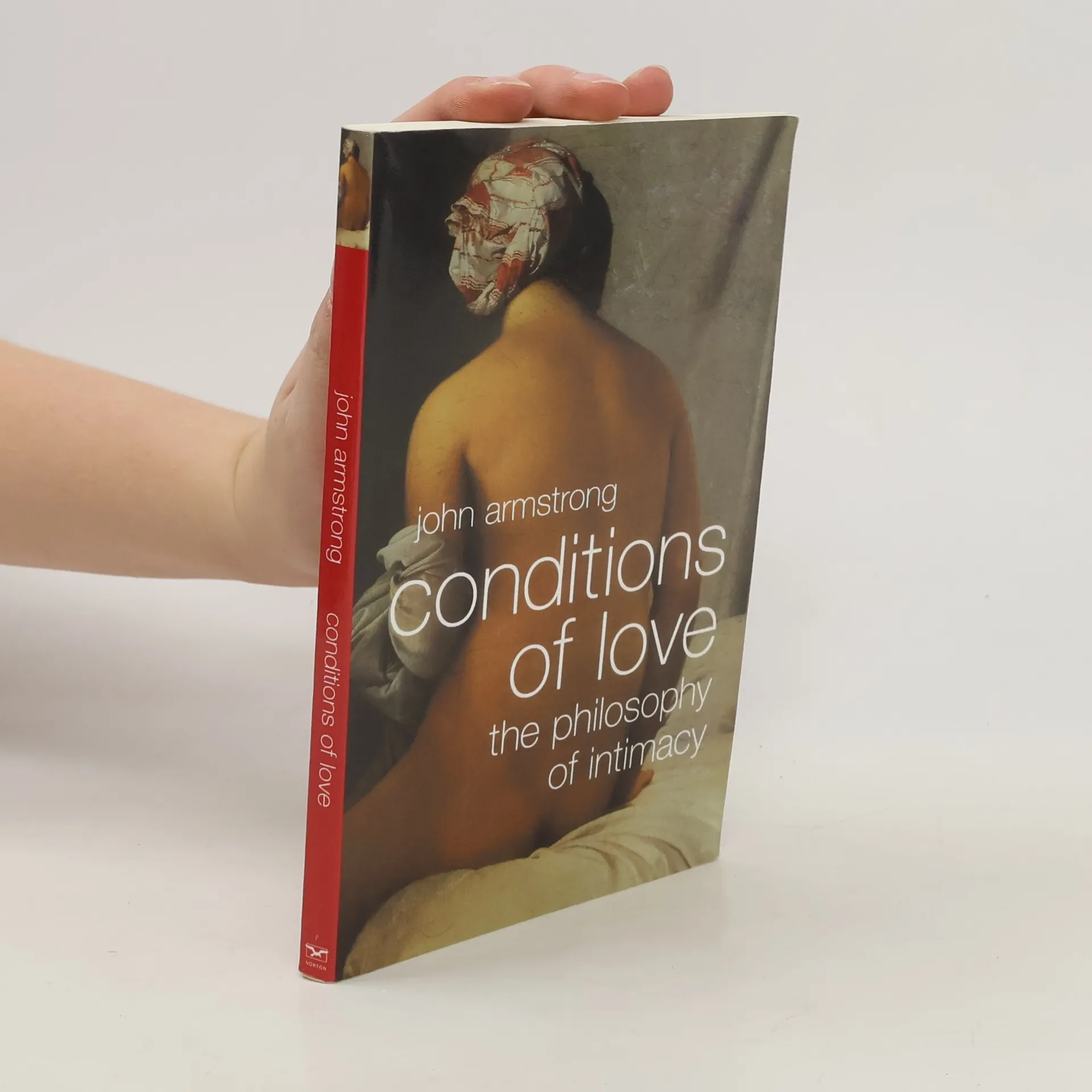
Conditions of Love. The Philosophy of Intimacy
- 176pages
- 7 heures de lecture
'What is it to love another person?' This is to raise one of the deepest, and most puzzling, questions we can put to ourselves. Love is a central theme in the autobiography we each write as we try to understand our lives; but we may feel that we become only more confused the more we reflect upon it. Love is closely connected with our vision of happiness; yet there is no one we are more likely to hurt, or be hurt by, than the person we love. If love is something we all want, why is it so hard to find and harder to keep? Love is one of humanity's most persistent and most esteemed ideals, but it is hard to say exactly what this ideal is and how--if at all--it relates to real life.
Friedrich Nietzsche was a German philosopher, poet and cultural critic. He is best known for his controversial idea of life affirmation that challenged traditional morality and all doctrines. Born in 1844 outside Leipzig, Germany, his teachings inspired people in all walks of life, from dancers and poets to psychologists and social revolutionaries. Here you will find extracts from his greatest works. John Armstrong takes this great thinker and highlights those ideas most relevant to ordinary everyday dilemmas.
Coastal shipping and the European economy 1750 - 1980
- 263pages
- 10 heures de lecture
De filosofie van de liefde
- 176pages
- 7 heures de lecture
Overzicht van het westerse denken over de liefde.