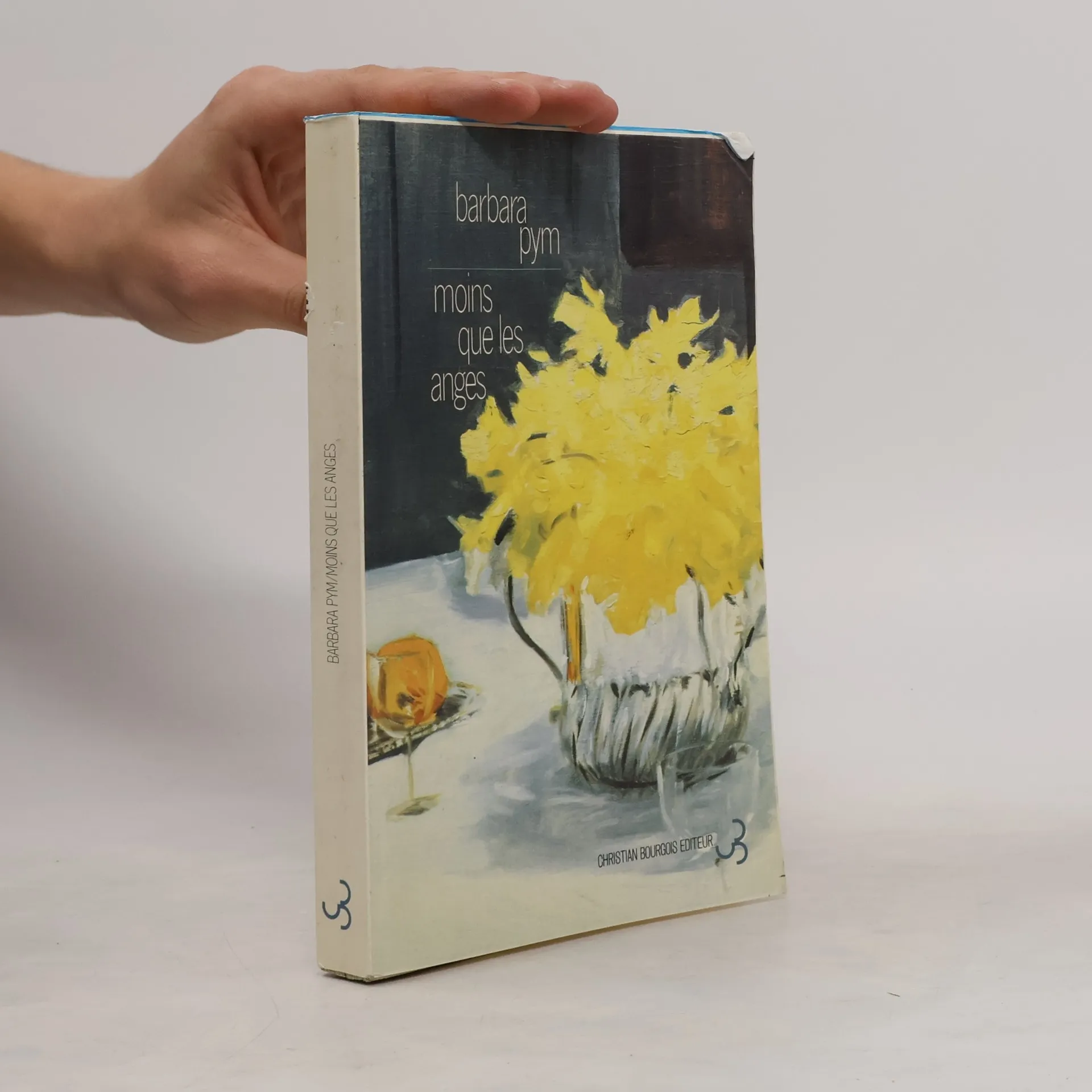
Les romans de Barbara Pym sont célébrés pour leur subtile ironie et leur style exquis, offrant des aperçus profonds dans la danse complexe des coutumes sociales et des relations humaines. Sous la surface de la vie apparemment ordinaire des villages et des banlieues, Pym découvre habilement les désirs cachés et les désespoirs silencieux de ses personnages. Son travail adopte souvent le déguisement d'une comédie douce, mais il est imprégné d'un courant sous-jacent profond, souvent tragique, qui explore les motivations qui animent nos vies. La voix distinctive de Pym capture les nuances de la connexion humaine avec une précision et un esprit remarquables.
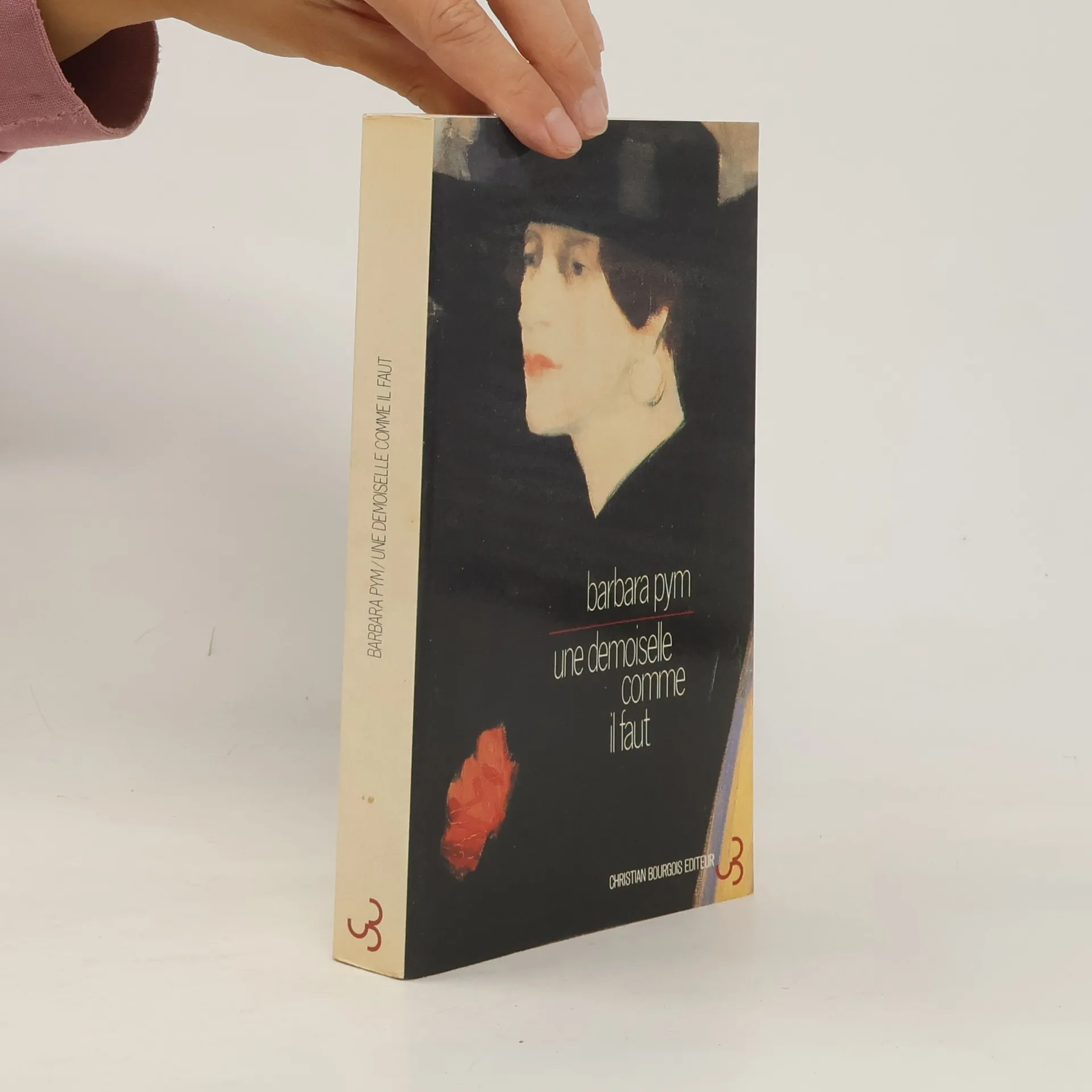
"Ianthe, la demoiselle comme il faut, travaille dans une bibliothèque et le rythme routinier sera rompu par un beau jeune homme qui semble s'intéresser beaucoup à elle. Leur "affaire" constitue l'intrigue étonnante de ce roman où les personnages, célibataires endurcis ou amoureux transis, sont décrits avec la plus grande minutie.
Dans un tournant merveilleux sur ses sujets, Pym a écrit un livre qui examine le comportement d'un groupe d'anthropologues. Elle les oppose les uns aux autres dans des affaires de cœur et d'esprit.
Here, Barbara Mary Crampton Pym sails off into a wickedly comedic farce, focusing on the unsuitable romantic entanglements of a curate and a pretty young girl, both of whom live in the same rooming house, and a starry-eyed university professor and his female student.
Wilmet Forsyth is well dressed, well looked after, suitably husbanded, good looking and fairly young - but very bored. Her husband Rodney, a handsome army major, is slightly balder and fatter than he once was. Wilmet would like to think she has changed rather less. Her interest wanders to the nearby Anglo-catholic church, where at last she can neglect her comfortable household in the more serious-minded company of three unmarried priests, and, of course, Piers Longridge, a man of an unfathomably different character altogether.
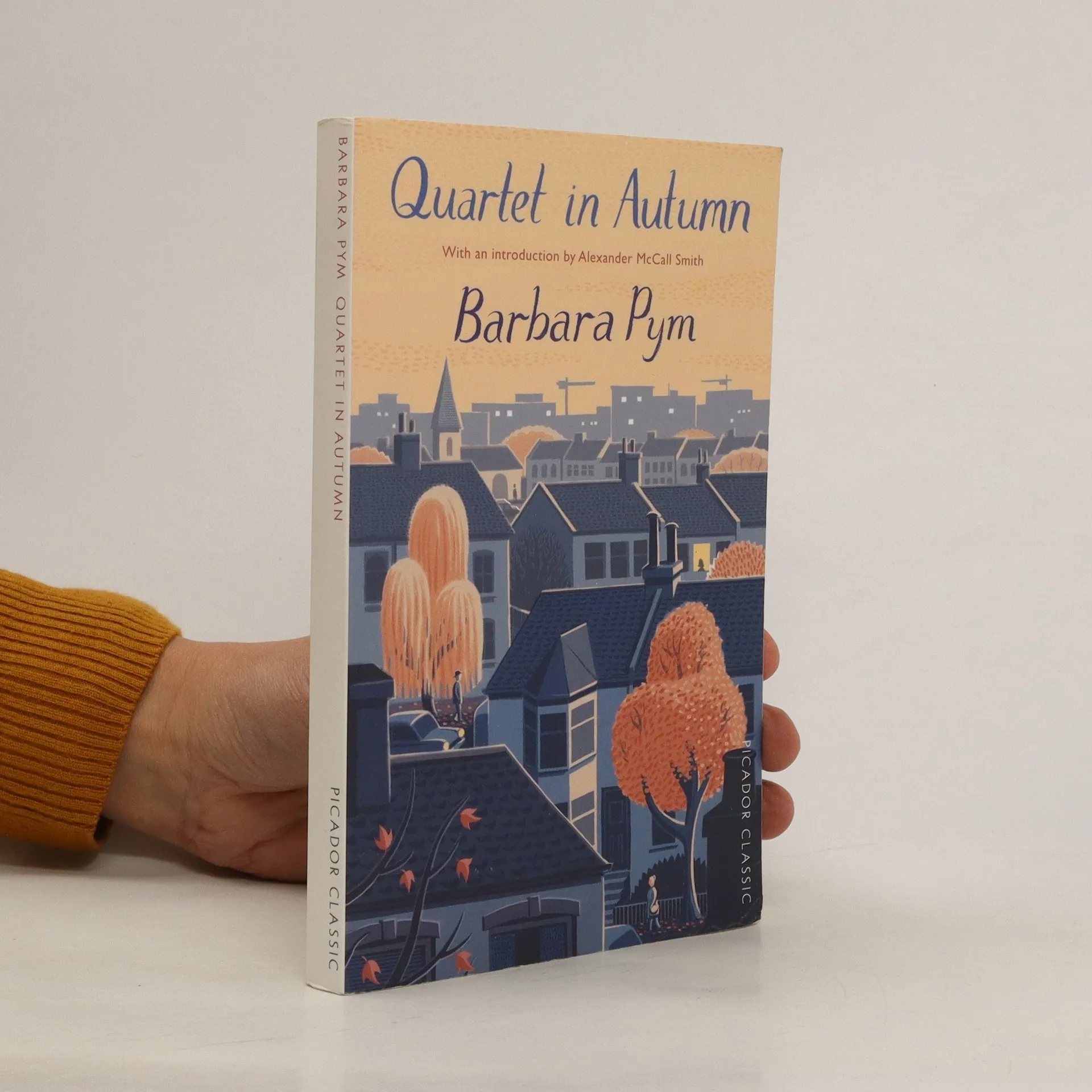
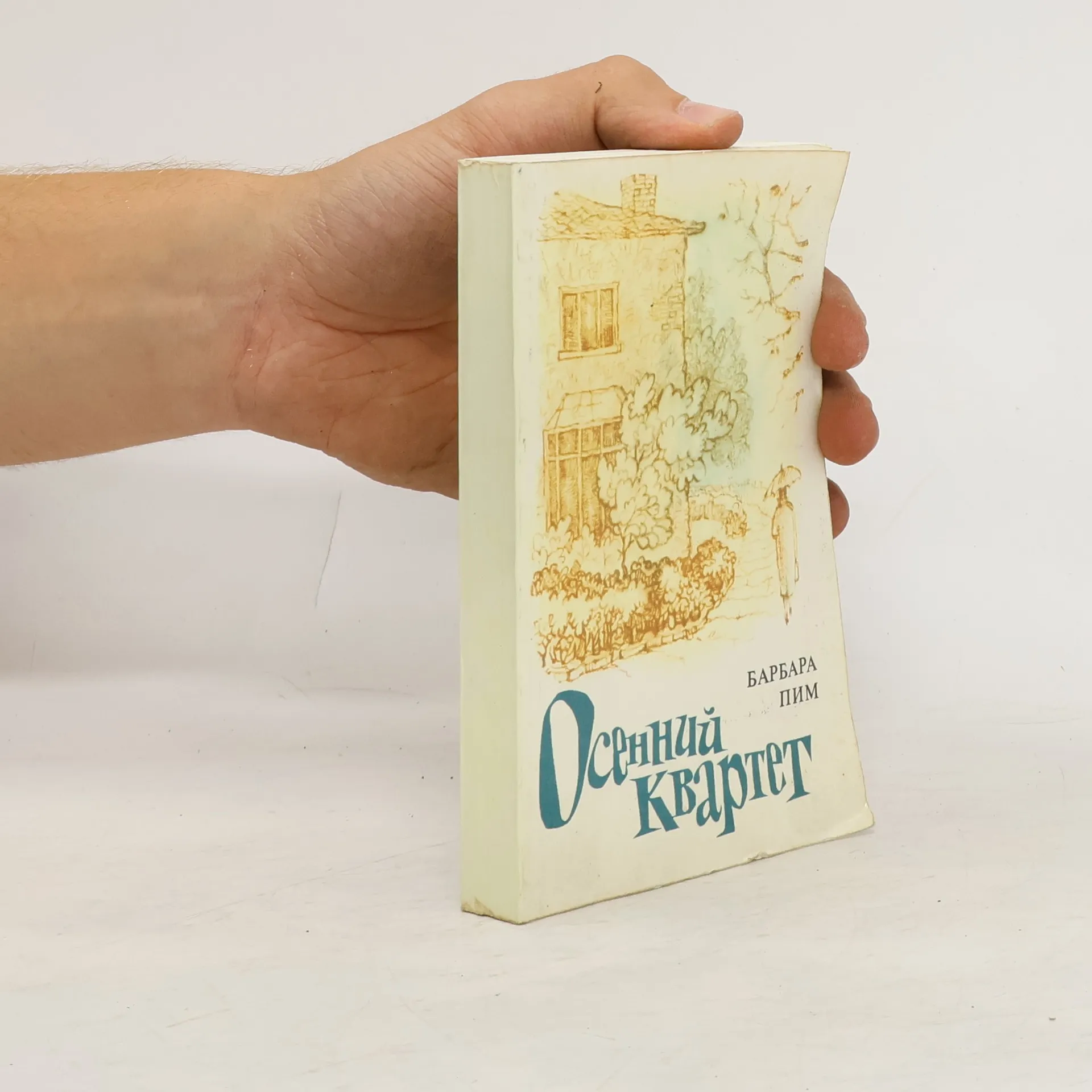
Quartet in autumn is the story of four people in late middle-age who work in the same office and who all suffer from loneliness. Poignantly and with humour, Pym takes us through their small lives and the facades they erect to defend themselves against the outside world.
Dulcie Mainwearing is always helping others, but never looks out for herself - especially in the realm of love. Her friend Viola is besotted by the alluring Dr Aylwin Forbes, so surely it isn't prying if Dulcie helps things along? Aylwin, however, is smitten by Dulcie's pretty young niece. And perhaps Dulcie herself, however ridiculous it may be, is falling, just a little, for Aylwin. Once life's little humiliations are played out, maybe love will be returned, and fondly, after all.
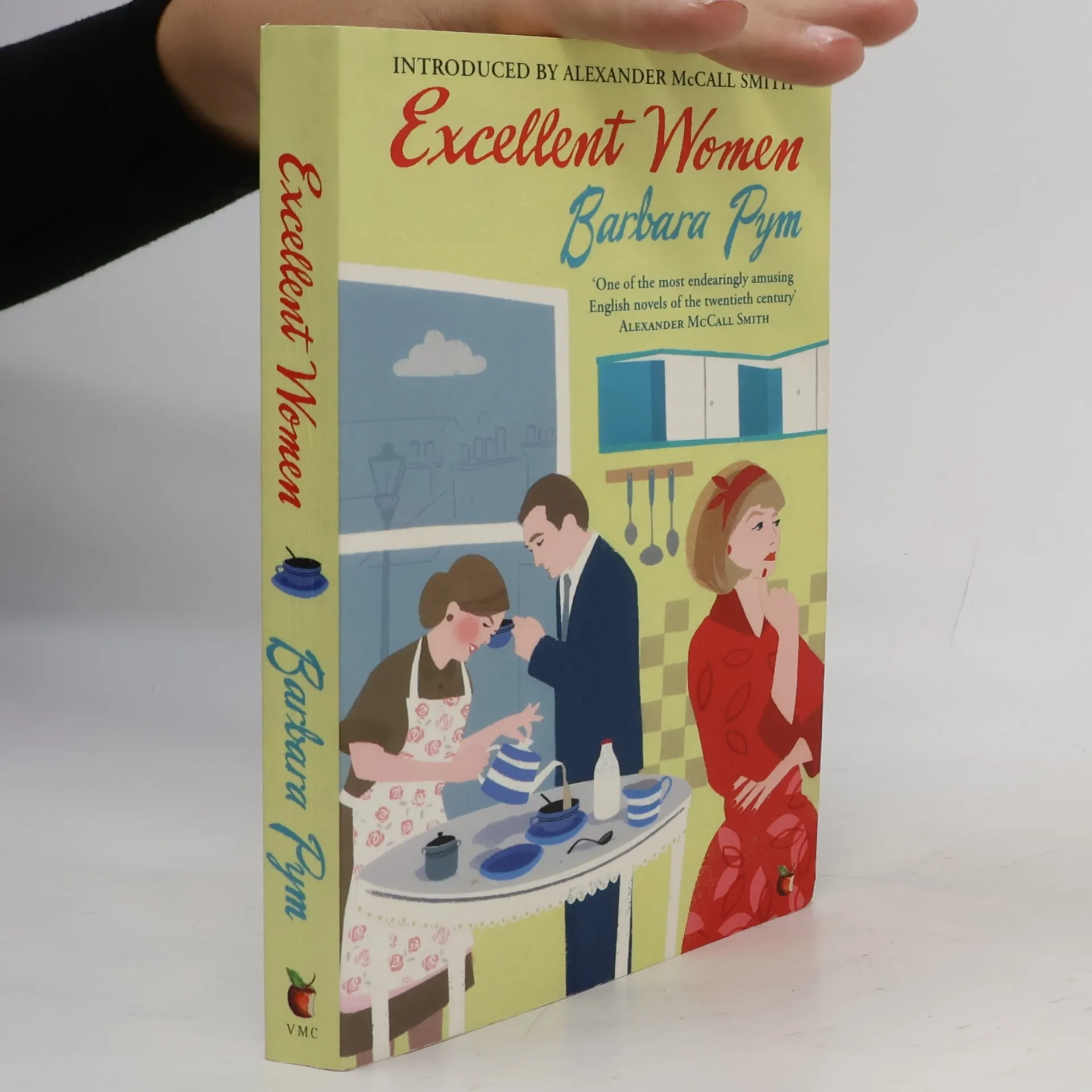
Mildred Lathbury is one of those 'excellent women' who is often taken for granted. She is a godsend, 'capable of dealing with most of the stock situations of life - birth, marriage, death, the successful jumble sales, the garden fete spoilt by bad weather'. As such, she often gets herself embroiled in other people's lives - especially those of her glamorous new neighbours, the Napiers, whose marriage seems to be on the rocks. One cannot take sides in these matters, though it is tricky, especially as Mildred, teetering on the edge of spinsterhood, has a soft spot for dashing young Rockingham Napier. This is Barbara Pym's world at its funniest and most touching.
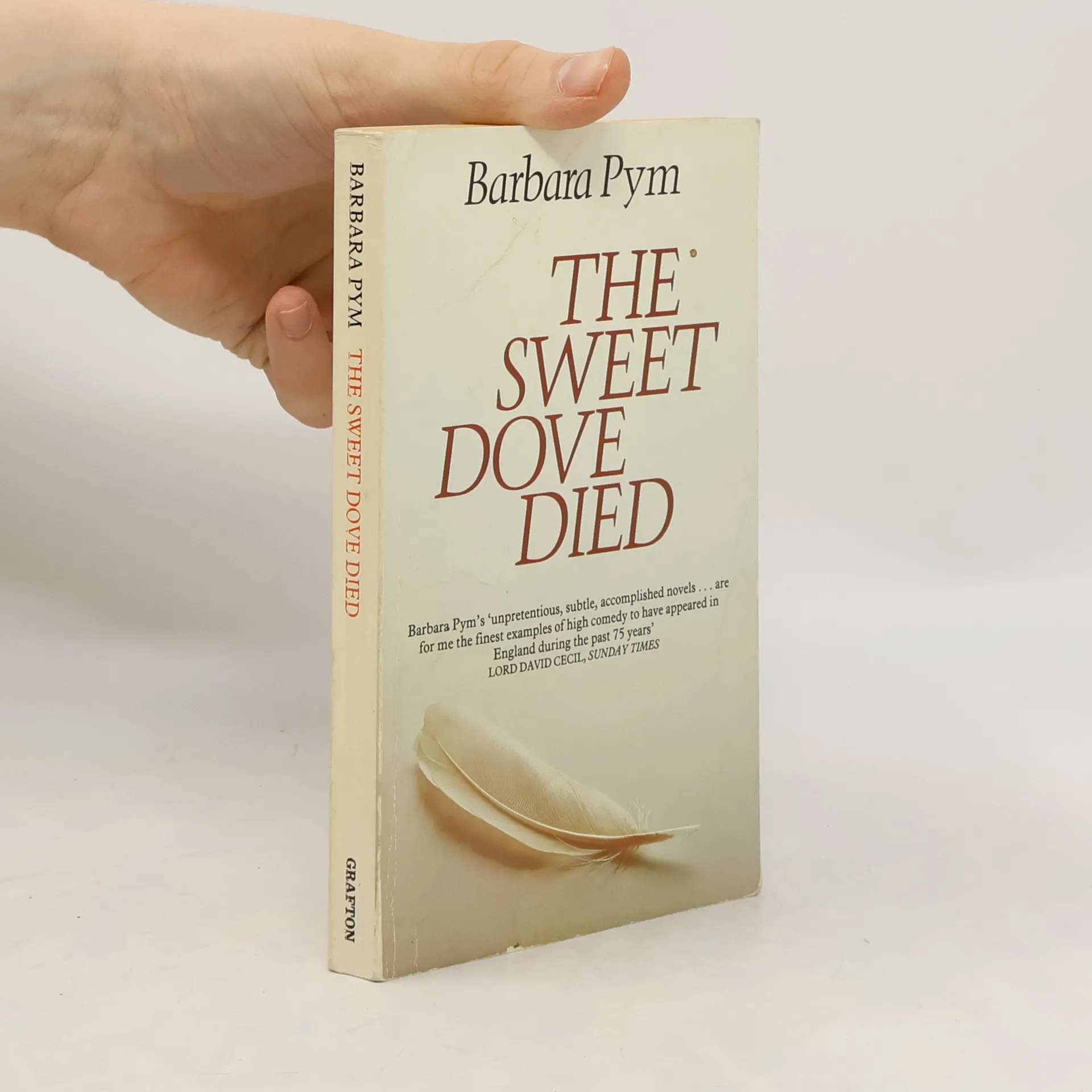
Over Barbara Pym's 30-year writing career her primary subject was the intricate rituals of English life, which she observed with a sharp but understanding eye. Her novels now enjoy a devoted following and belated recognition as classics of the British comic novel. In The Sweet Dove Died , first published in 1978, she sardonically uncovers the sometimes troubling truths behind relationships. A chance encounter over a Victorian flower book brings together Humphrey, an antique dealer, James, his nephew, and Leonora. Although she is considerably older, Leonora develops a fondness for James. She's determined to keep him under her spell, until she realizes that she has to contend with the bookish Phoebe. When Ned, a wicked young American, appears on the scene, the book begins to live up to its droll title, taken from John Keats.
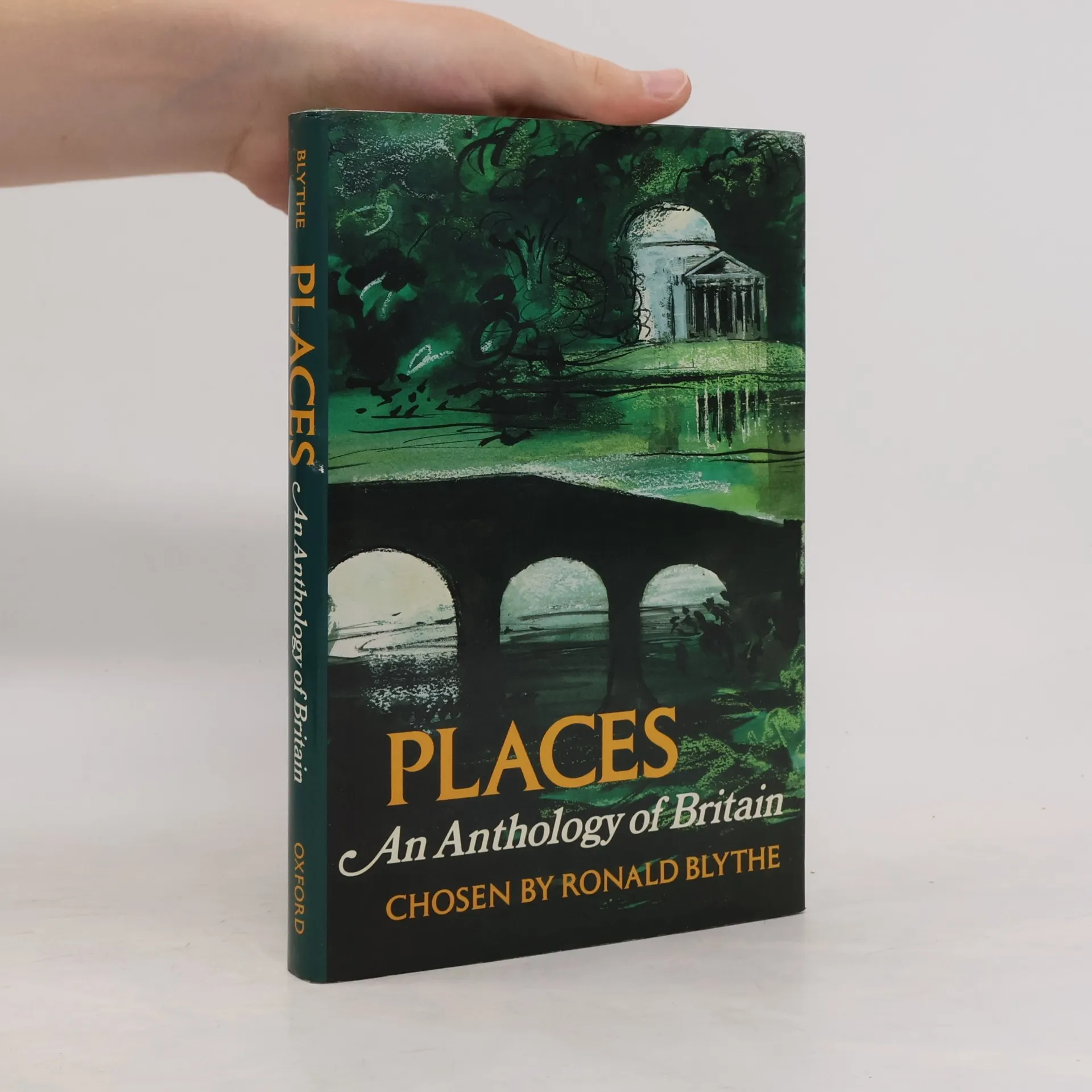
A collection of essays and poems on various locations in the British Isles, contributed by over forty writers with special connections to the landscape.