Bookbot

Jasunari Kawabata

    11 juin 1899 – 16 avril 1972

    La prose épurée, lyrique et subtile de Yasunari Kawabata lui a valu le Prix Nobel de littérature. Ses œuvres sont célébrées pour leur élégant minimalisme et leur profonde perspicacité psychologique, explorant des thèmes tels que la beauté, la solitude et l'impermanence. Kawabata capture magistralement la vie intérieure de ses personnages, utilisant souvent des images de la nature pour transmettre des émotions humaines complexes. Sa profonde influence sur la littérature japonaise moderne continue de résonner auprès des lecteurs du monde entier.

    Jasunari Kawabata
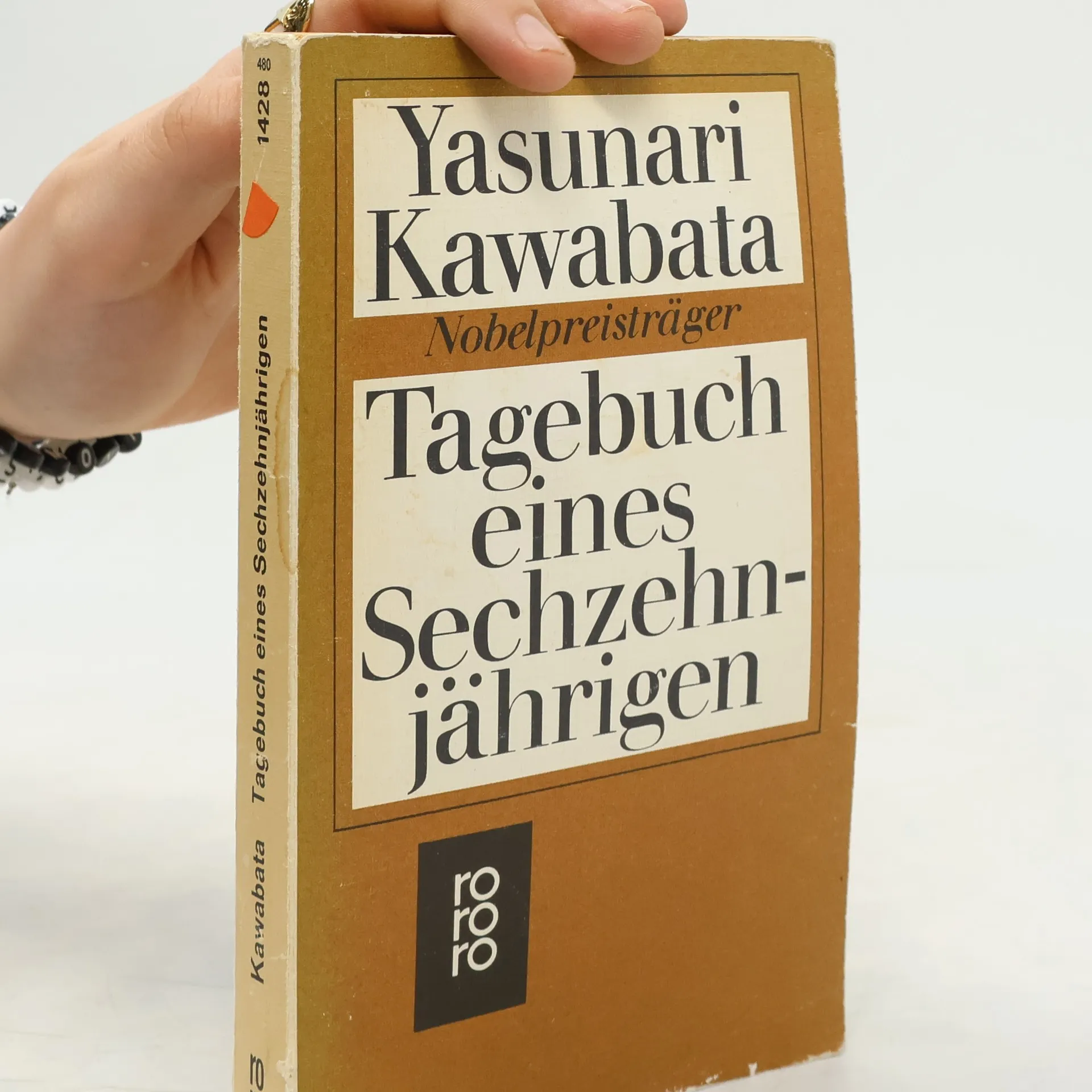
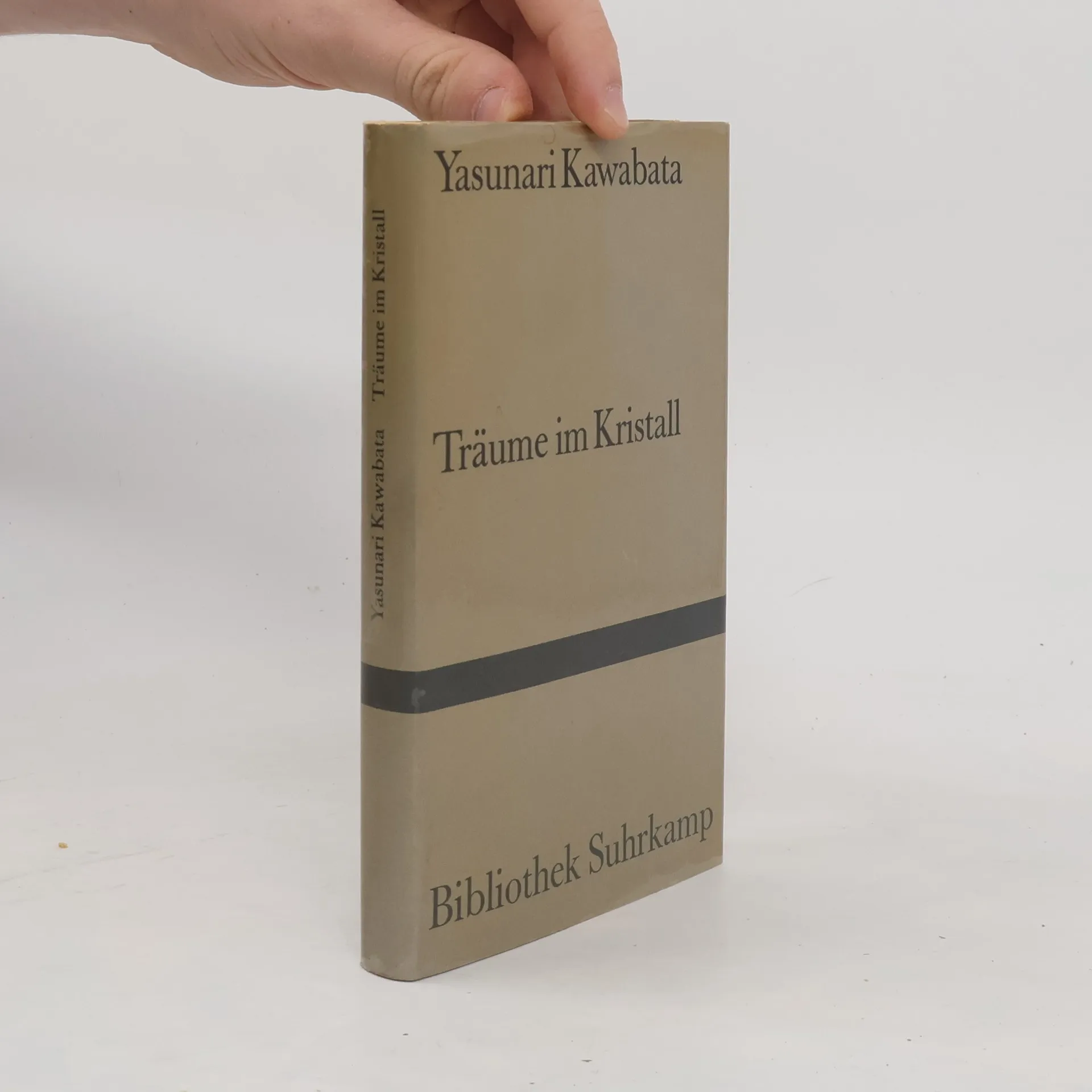
    Träume im Kristall. Erzählungen. Aus d. Japan. u. m. e. Nachw. v. Siegfried Schaarschmidt
    Biblio - 3172: Chronique d'Asakusa
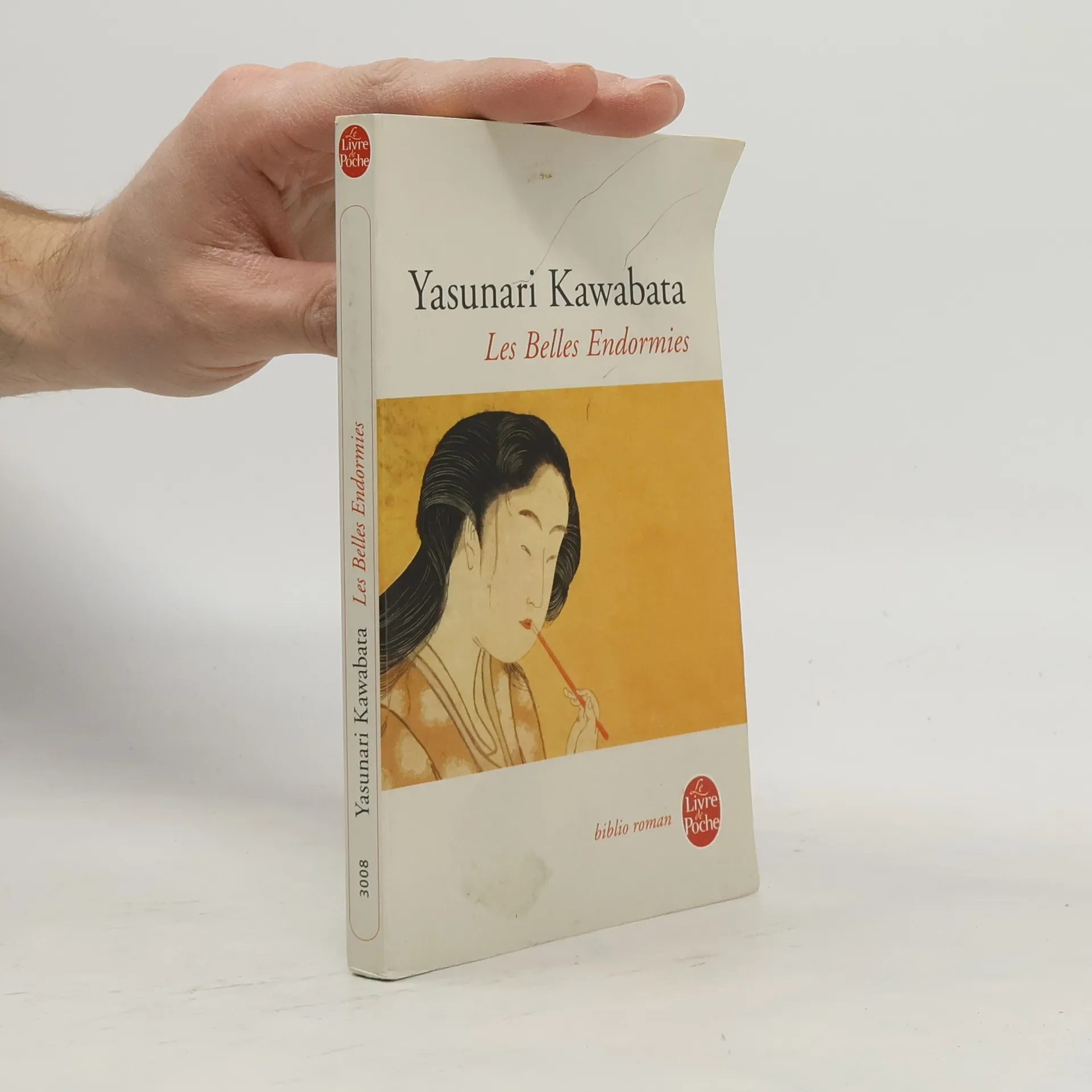
    Le Livre de Poche: Les Belles Endormies
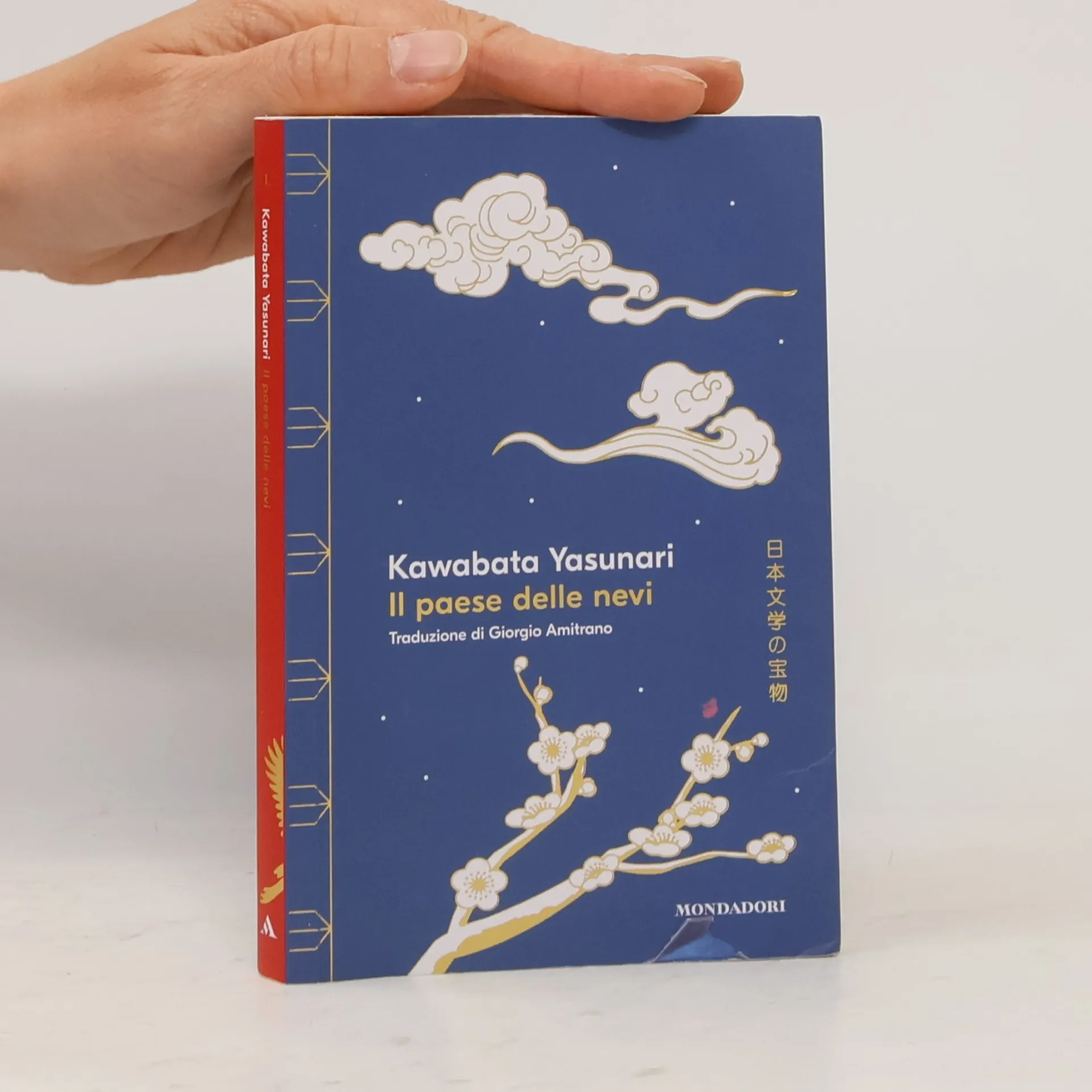
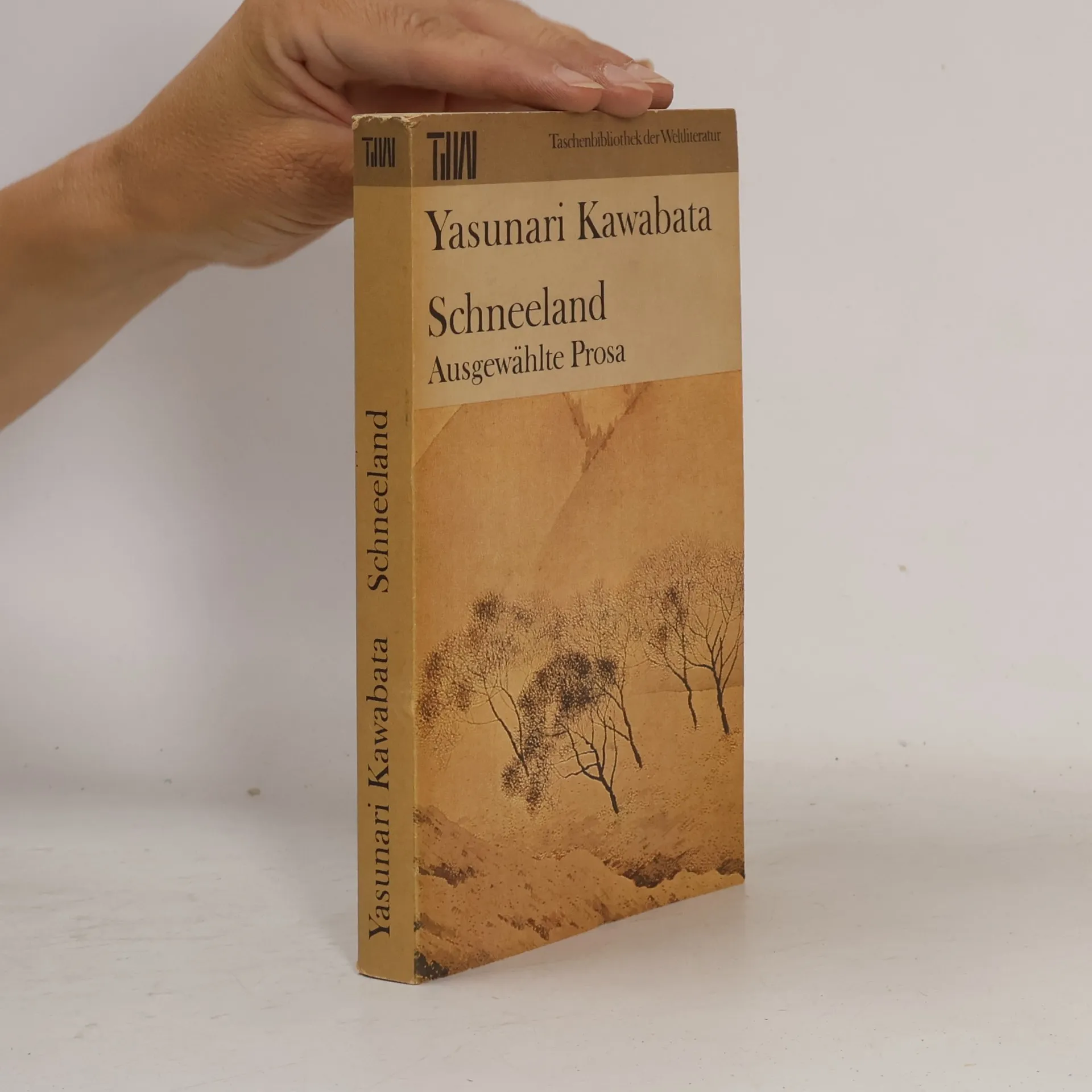
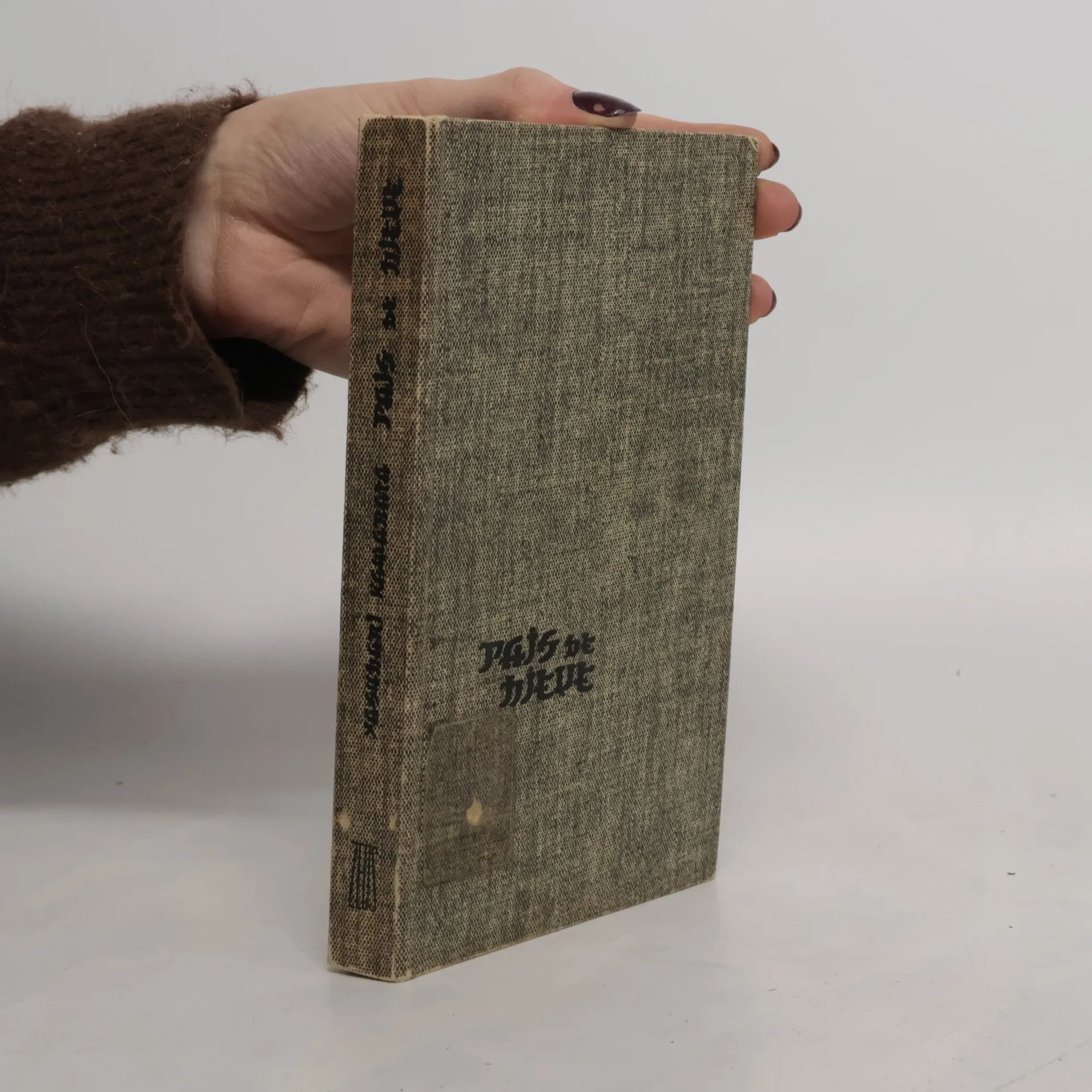
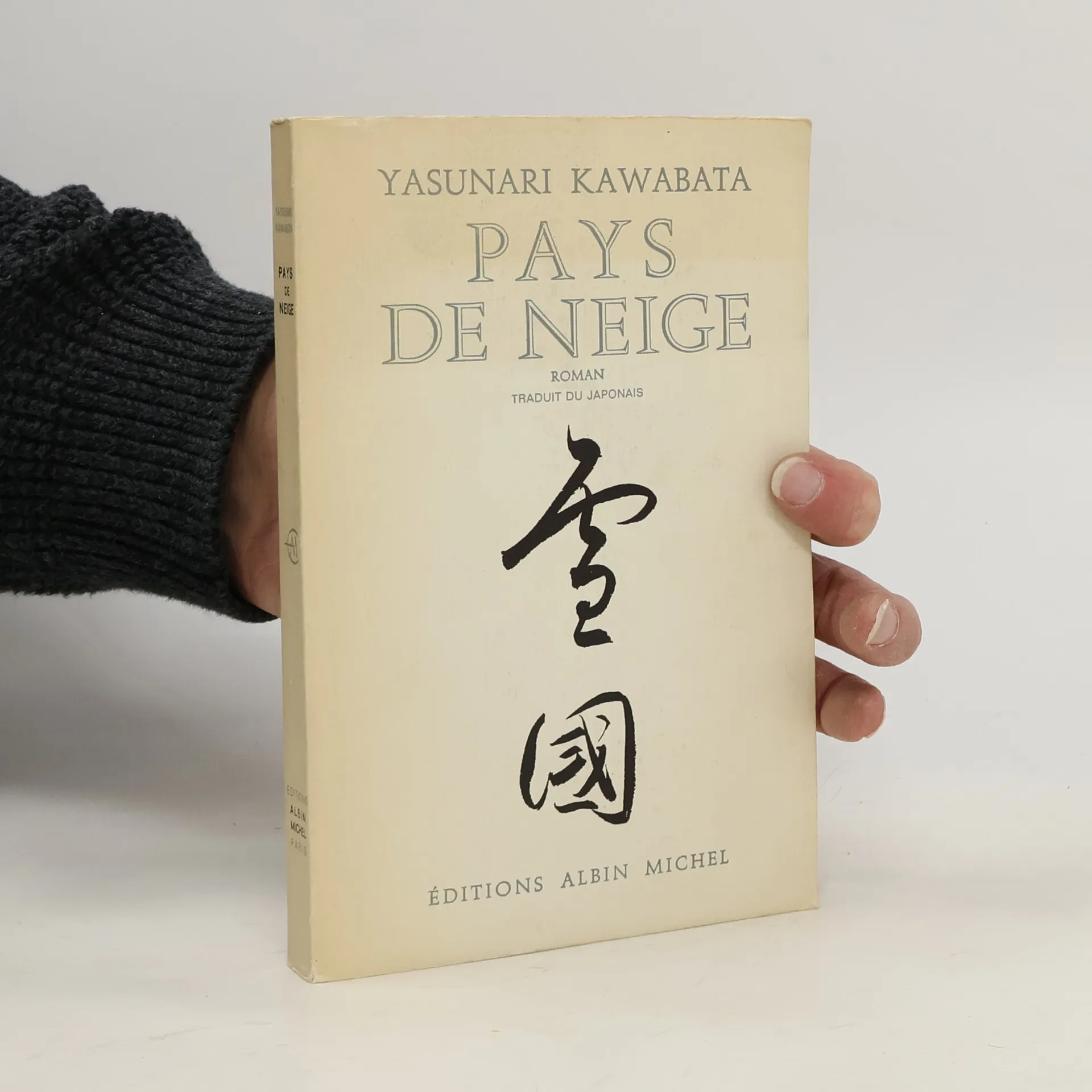
    Pays de neige
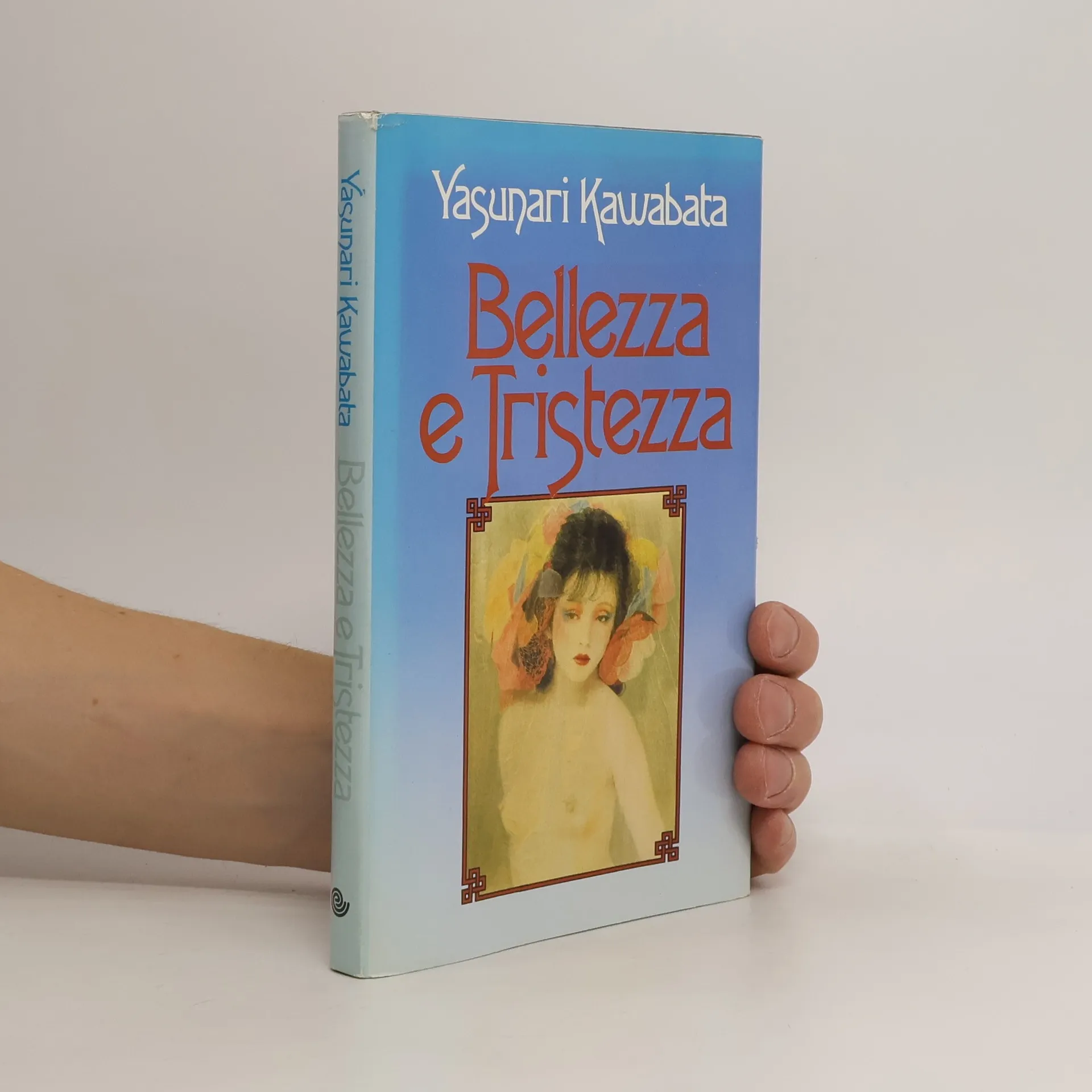
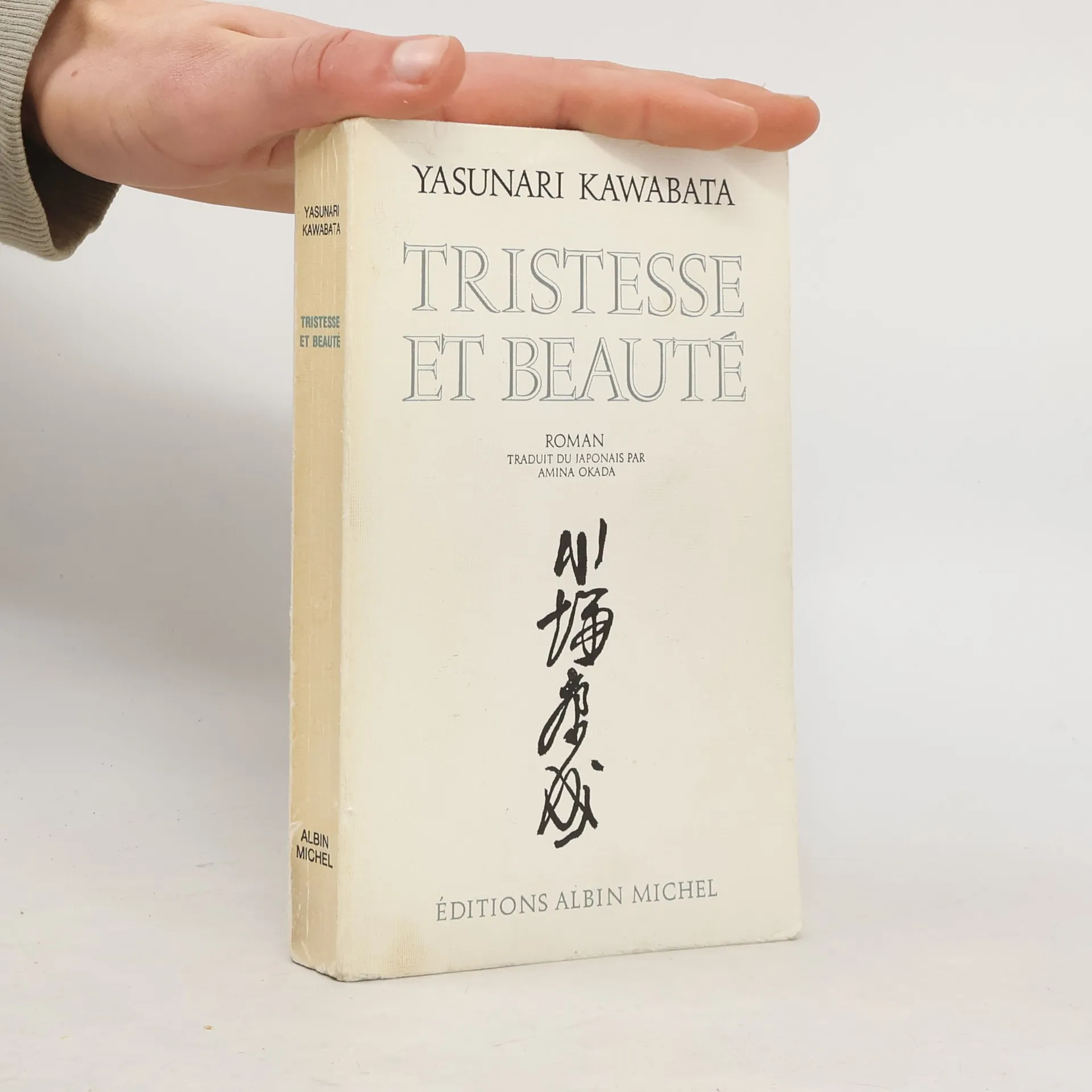
    Tristesse Et Beaute
    Le Grondement de la montagne
    • Le Grondement de la montagne

      • 252pages
      • 9 heures de lecture

      Dans l'air inerte d'une nuit d'été, un vieil homme entend - ou croit entendre - le grondement de la montagne. Ce rugissement venu du cœur de la terre, lui seul semble le percevoir comme la révélation de sa mort prochaine. Notable, en apparence calme et rangé, le vieil homme cache une personnalité hypersensible, inquiète, troublée par une vie intérieure agitée. Songes, réminiscences, prémonitions l'absorbent plus que le monde qui l'entoure et dont il se détache progressivement. Seules les splendeurs fugitives de la nature, les Arabesques émouvantes des oiseaux et la silhouette blanche et délicate de sa jeune belle-fille parviennent à le distraire de son obsession de la mort. Le style de Kawabata s'apparente aux peintures d'Extrême-Orient où la trajectoire d'une ligne courbe arrive à recréer la profondeur d'un paysage. Avec le Grondement de la montagne, l'auteur confronte son personnage hanté par la vieillesse, la mort, le rêve impossible d'un érotisme lumineux, aux grands moments de sa vie, à ses déceptions, ses échecs, l'écoulement des saisons ou la beauté éphémère d'un cerisier en fleur par un matin d'hiver.
      Le Grondement de la montagne
      3,9
    • Tristesse Et Beaute

      • 272pages
      • 10 heures de lecture

      Oki Toshio, écrivain célèbre, entreprend de renouer avec son passé en se rendant à Kyôto pour y écouter, la veille du jour de l'an, les cloches des monastères qui sonnent le passage d'une année à l'autre. Ce faisant, il espère revoir celle qui fut sa maîtresse plus de vingt années auparavant : Otoko, à présent peintre de renom installée à Kyôto. Otoko vit avec Keiko, une jeune fille d'une saisissante beauté, nature ardente et implacable qui s'emploiera à mener à bien une singulière vengeance, dont l'issue tragique rendra à jamais vaine toute tentative d'Oki pour ressusciter le passé... Tristesse et Beauté est le dernier roman qu'écrivit Yasunari Kawabata, prix Nobel de littérature en 1968, avant de se donner la mort le 16 avril 1972. Œuvre complexe et particulièrement riche, où se mêlent à d'intenses observations psychologiques des considérations non moins profondes sur le sens et la pérennité de l'art ou de la littérature, ainsi que des évocations étonnamment belles des jardins et des monastères du vieux Japon, Tristesse et Beauté est avant tout une méditation subtile sur des thèmes chers à Kawabata, tels que la solitude et la mort, l'amour et l'érotisme.

      Tristesse Et Beaute
      3,9
    • À trois reprises, Shimamura se retire dans une petite station thermale, au cœur des montagnes, pour y vivre un amour fou en même temps qu’une purification. Chaque image a un sens, l’empire des signes se révèle à la fois net et suggéré. Le spectacle des bois d’érable à l’approche de l’automne désigne à l’homme sa propre fragilité. «Le rideau des montagnes, à l’arrière-plan, déployait déjà les riches teintes de l’automne sous le soleil couchant, ses rousseurs et ses rouilles, devant lesquelles, pour Shimamura, cette unique touche d’un vert timide, paradoxalement, prenait la teinte même de la mort.» Yasunari Kawabata, le plus grand écrivain japonais contemporain, a obtenu le prix Nobel de littérature en 1968.

      Pays de neige
      3,7
    • Le Livre de Poche: Les Belles Endormies

      • 124pages
      • 5 heures de lecture

      Dans cette chambre aux rideaux cramoisis, des jeunes femmes livrent leur corps à la contemplation. Auprès des ces "Belles Endormies", intouchées et intouchables, des hommes déjà vieux viennent trouver une illusoire consolation à leur jeunesse enfuie. C'est avant tout la curiosité qui pousse Eguchi à franchir le seuil de cette maison singulière, mais il ne percera aucun de ses mystères. Lui qui pourtant ne ressemble pas aux "clients de tout repos" qui fréquentent la maison, il se pliera comme eux à ses règles étranges. Peu à peu, le vieil Eguchi se prend au jeu et chaque fois c'est aux côtés des ces corps de nymphes qu'il refait le voyage de sa vie. Sans tristesse ni nostalgie, il reverra en rêve les passantes d'une nuit, ses maîtresses, ses filles, sa mère, les femmes de sa vie. Dans ce huis clos touchant, l'auteur évoque la lucidité d'un homme face à sa solitude et distille au fil des pages un érotisme tout en pudeur et en tendresse. L'une des plus belles oeuvres de Yasunari Kawabata, Prix Nobel de littérature.

      Le Livre de Poche: Les Belles Endormies
      3,4
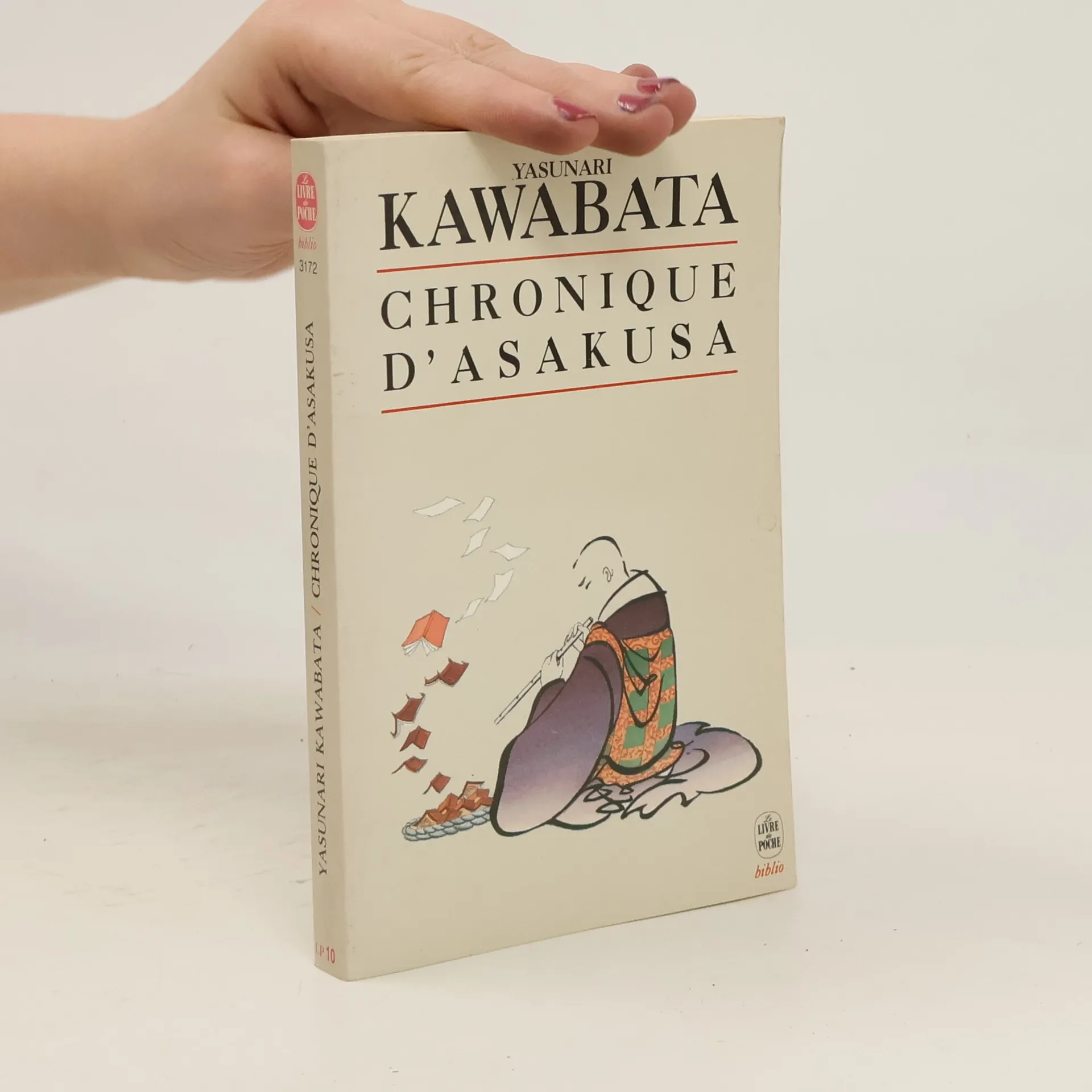
    • Biblio - 3172: Chronique d'Asakusa

      • 224pages
      • 8 heures de lecture

      Leurs yeux se cherchA]rent et au moment oA leurs regards allaient se fondre, les bras de l'homme l'attirA]rent vers lui et il posa son visage sur la jeune femme. - ImbA(c)cile ! dit Yumiko en repoussant la bouche de l'homme de la paume de sa main droite. Les dents n'A(c)taient-elles pas teintA(c)es par le poison des pilules que Yumiko lui avait enfoncA(c)es dans la bouche ? Elles avaient fondu en libA(c)rant le liquide. - DA(c)cidA(c)ment, tu n'es qu'un imbA(c)cile ! Akagi blAamit soudain et s'effondra. Yasunari Kawabata.Chronique d'Asakusa, ou la banale histoire de Yumiko, une jeune femme qui voulait croire aux merveilles de l'amour dans le Tokyo des annA(c)es 30. Texte intA(c)gral

      Biblio - 3172: Chronique d'Asakusa
      2,8
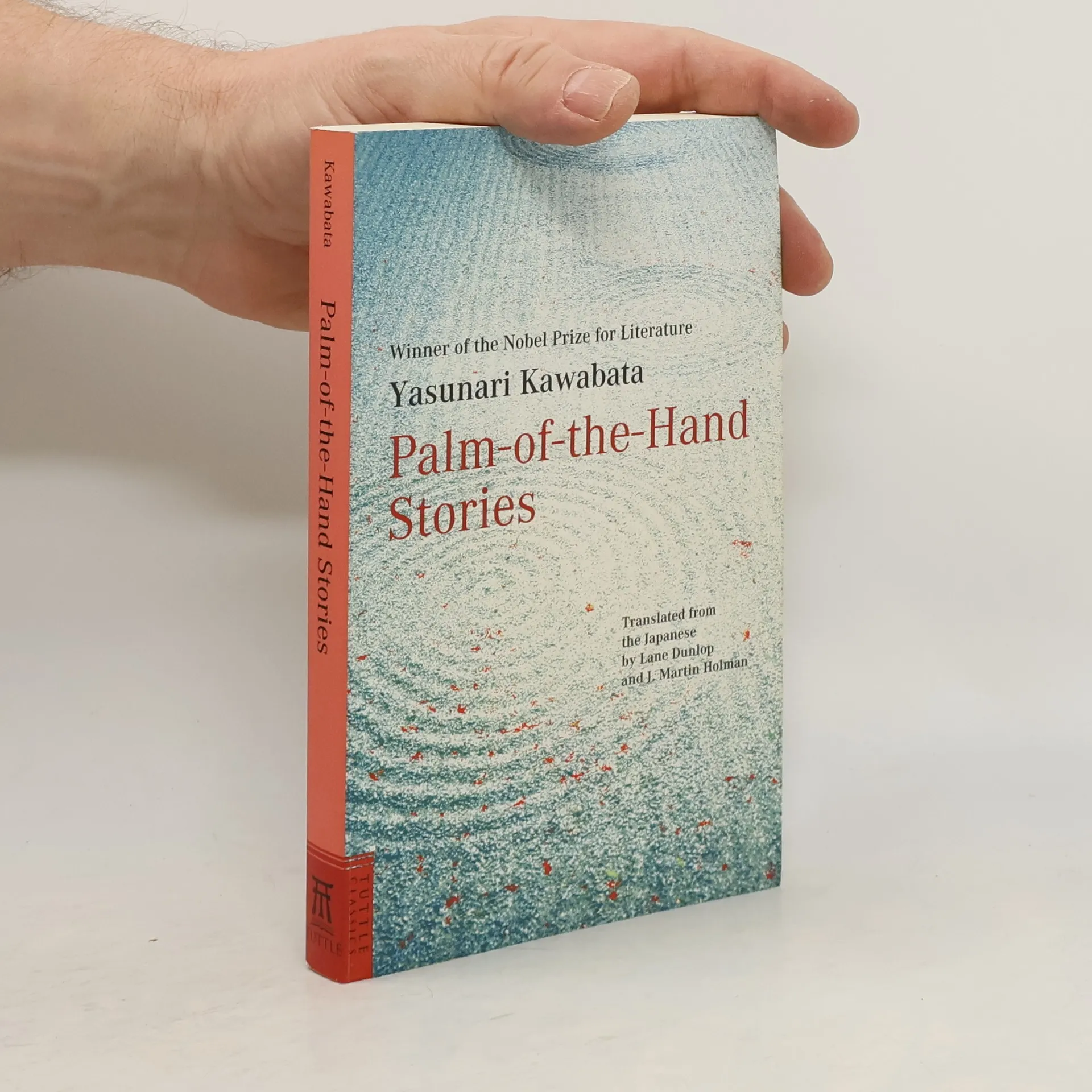
    • Palm-of-the-Hand Stories

      • 240pages
      • 9 heures de lecture

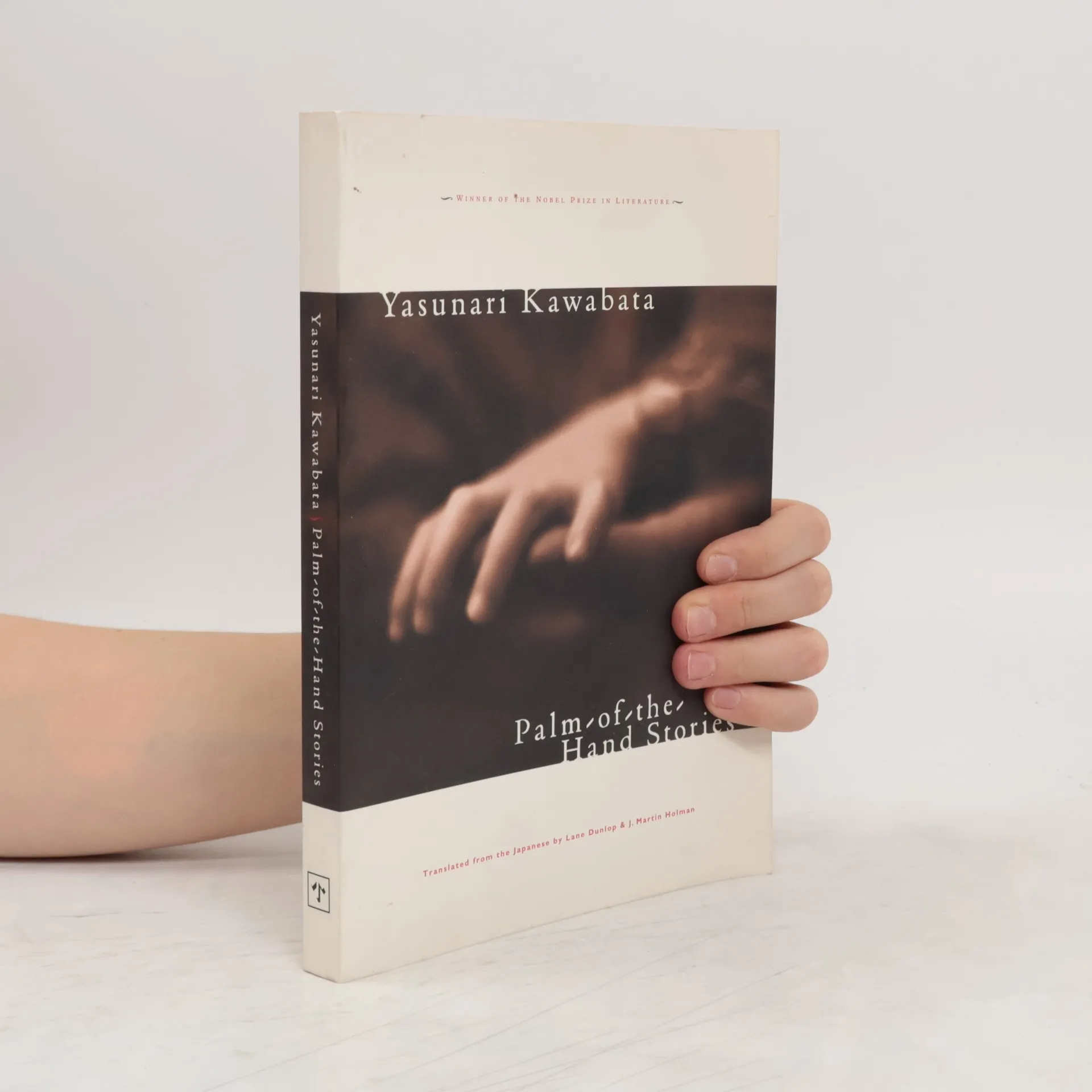
      Winner of the Nobel Prize in Literature in 1968, Yasunari Kawabata is perhaps best known in the United States for his deeply incisive, marvelously lyrical novel "Snow Country," But according to Kawabata himself, the essence of his art was to be found in a series of short stories-which he called "Palm-of-the-Hand Stories"-written over the entire span of his career. He began experimenting with the form in 1923 and returned to it often. In fact, his final work was a "palm-sized" reduction of "Snow Country," written not long before his suicide in 1972. Dreamlike, intensely atmospheric, at times autobiographical and at others fantastical, these stories reflect Kawabata's abiding interest in the miniature, the wisp of plot reduced to the essential. In them we find loneliness, love, the passage of time, and death. "Palm-of-the-Hand Stories" captures the astonishing range and complexity of one of the century's greatest literary talents.

      Palm-of-the-Hand Stories
      4,1
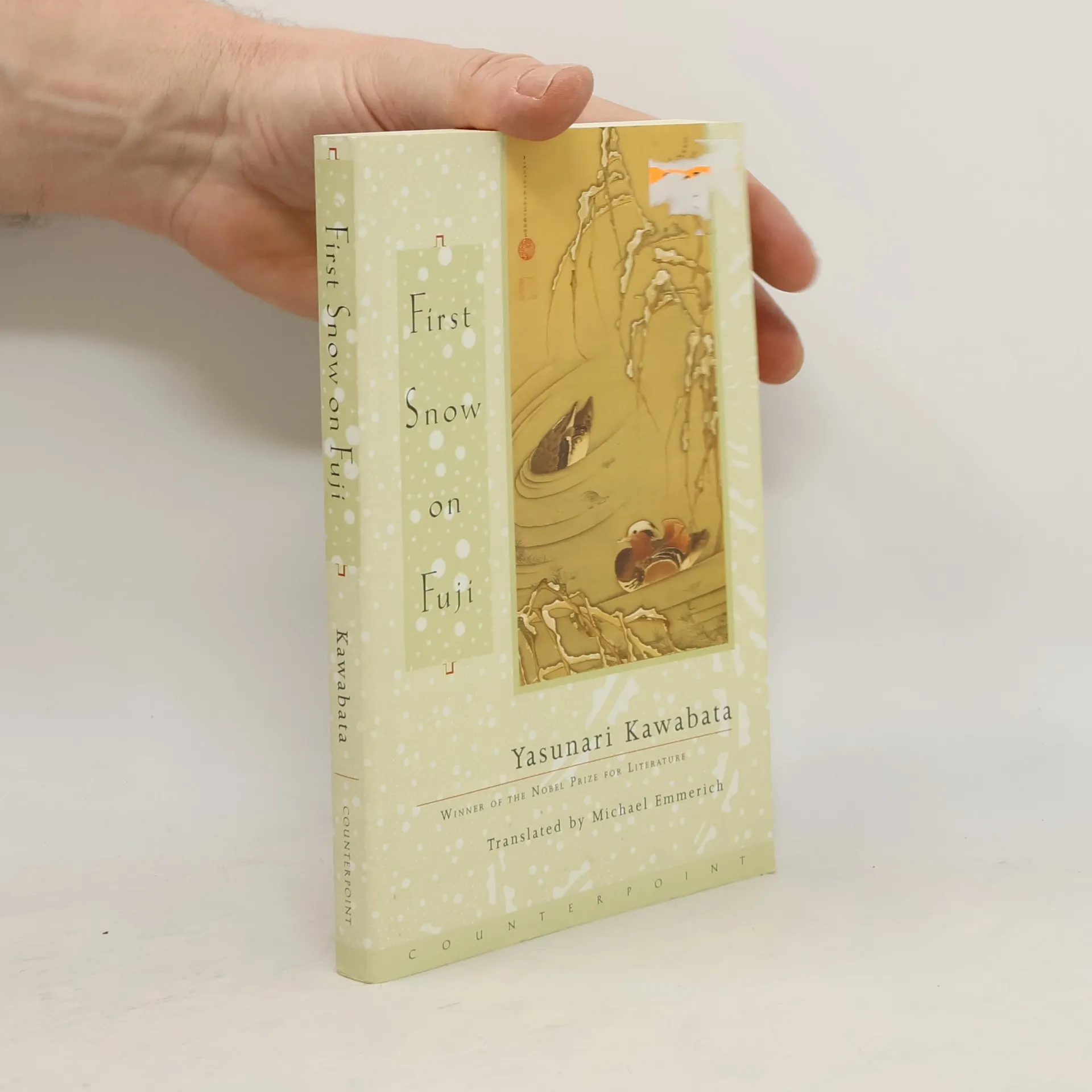
    • First Snow on Fuji

      • 246pages
      • 9 heures de lecture

      Exploring the complexities of love and identity, this collection features nine poignant stories and a brief play by Japan's first Nobel laureate. Kawabata's clear narrative style reveals the struggles of suburban lovers who grapple with self-knowledge and emotional connection. Noteworthy tales include "Silence," a Kafkaesque reflection on an elderly novelist's isolation, and the title story, where a separated couple confronts their lost past. This beautifully spare work delves into themes of art, loss, and the passage of time, showcasing Kawabata's mastery.

      First Snow on Fuji
      3,9
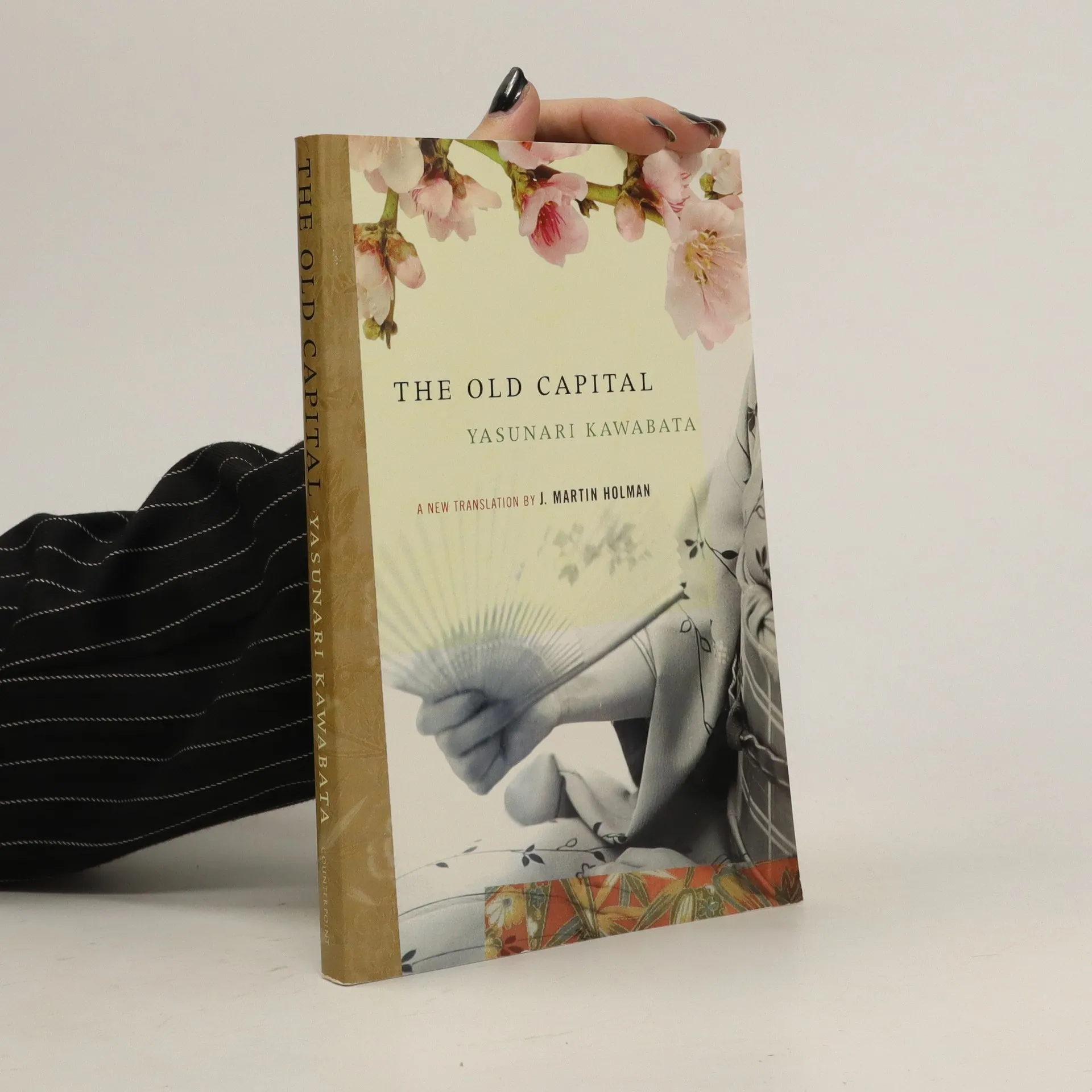
    • The Old Capital

      • 160pages
      • 6 heures de lecture

      The Old Capital is one of the three novels cited specifically by the Nobel Committee when they awarded Kawabata the Nobel Prize for Literature in 1968. With the ethereal tone and aesthetic styling characteristic of Kawabata's prose, The Old Capital tells the story of Chieko, the adopted daughter of a Kyoto kimono designer, Takichiro, and his wife, Shige.Set in the traditional city of Kyoto, Japan, this deeply poetic story revolves around Chieko who becomes bewildered and troubled as she discovers the true facets of her past. With the harmony and time-honored customs of a Japanese backdrop, the story becomes poignant as Chieko’s longing and confusion develops.

      The Old Capital
      3,9
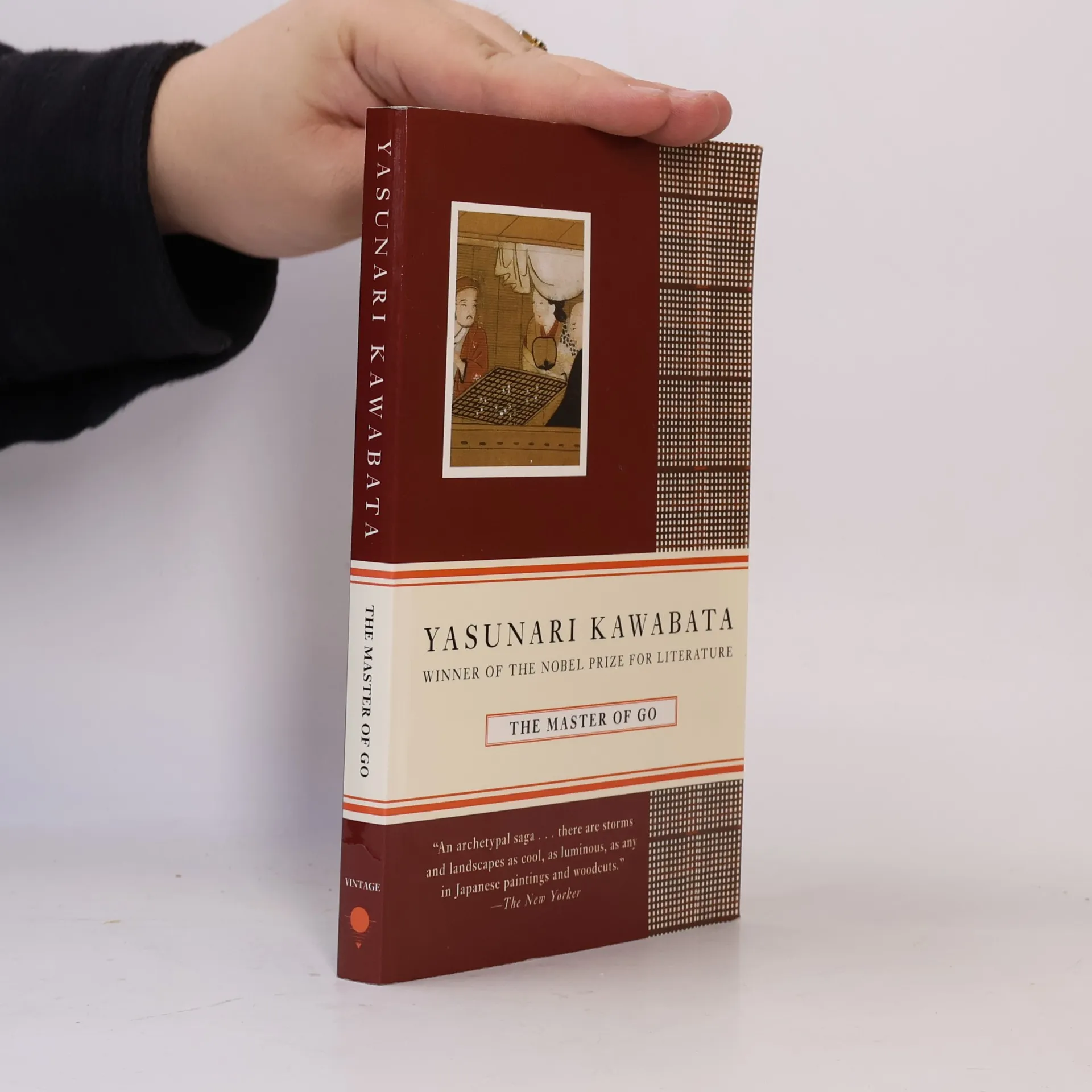
    • The Master of Go

      • 240pages
      • 9 heures de lecture

      Go is a game of strategy in which two players attempt to surround each other's black or white stone. In this fictional chronicle of a match played between a revered and invincible Master and a younger, more progressive opponent, Kawabata captures the moment when traditonal imperial Japan meets the twentieth century.

      The Master of Go
      3,9
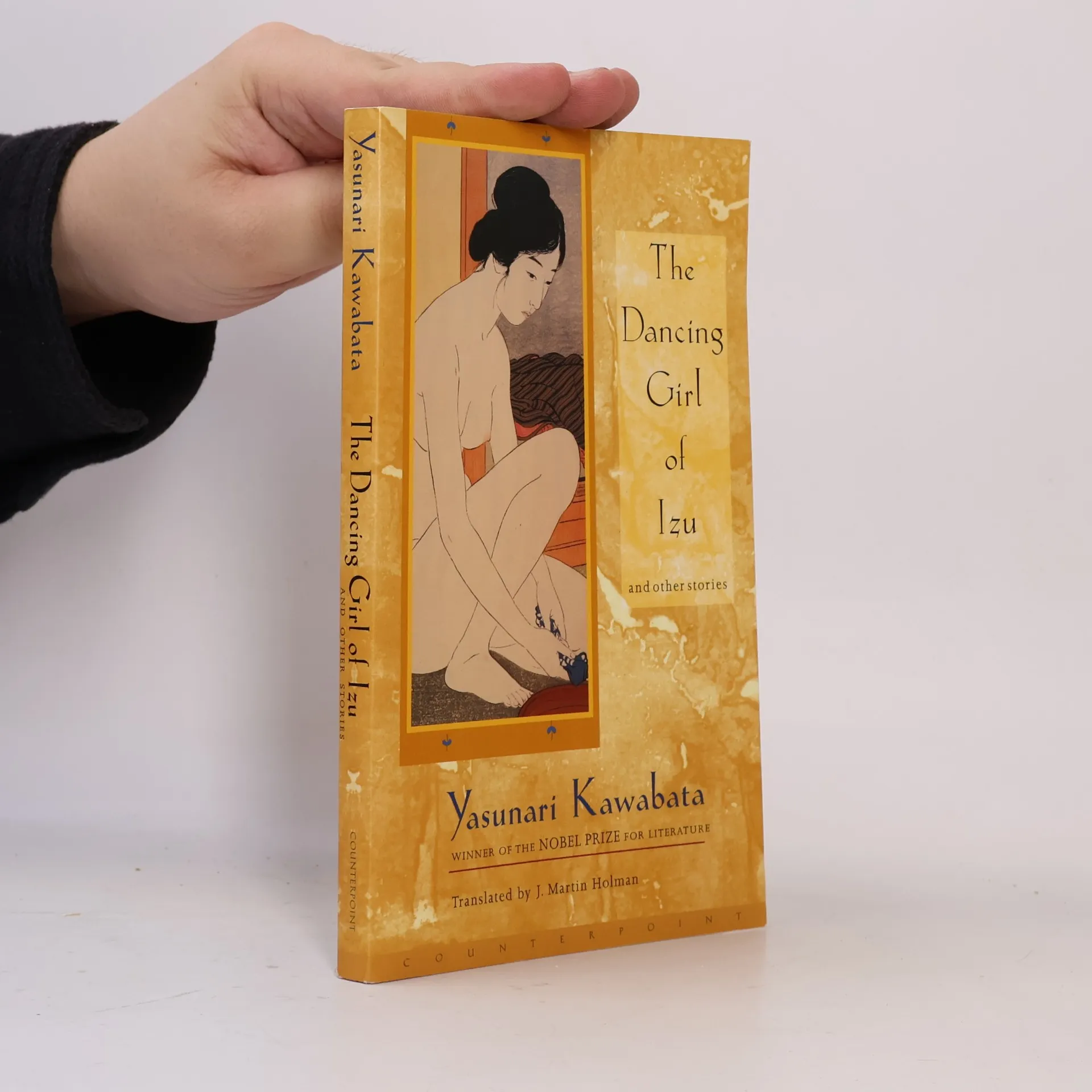
    • One of the most influential figures in modern Japanese fiction, Yasunari Kawabata is treasured for the intensity of his perception and the compressed elegance of his style. This new collection compiles twenty-two stories now appearing in English for the first time in book form. In moving selections that sketch the outlines of the young author's life of survivorship, Martin Holman's graceful translation captures the delicate nuances of Kawabata's enduring prose.

      The Dancing Girl of Izu and Other Stories
      3,9
    • Nobel prize-winning author Yasunari Kawabata is noted for his combination of a traditional Japanese aesthetic with modernist, often surreal trends. In these three tales, superbly translated by Edward Seidensticker, erotic fantasy is underlaid with longing and memories of past loves.In the title story, the protagonist visits a brothel where elderly men spend a chaste but lecherous night with a drugged, unconscious virgin. As he admires the girl's beauty, he recalls his past womanizing, and reflects on the relentless course of old age. In One Arm, a young girl removes her right arm and gives it to the narrator to take home for the night; a surreal seduction follows as he tries to allay its fears, caresses it, and even replaces his own right arm with it.The protagonist of Of Birds and Beasts prefers the company of his pet birds and dogs to people, yet for him all living beings are beautiful objects which, though they give him pleasure, he treats with casual cruelty.Beautiful yet chilling, richly poetic yet subtly disturbing, these stories make compelling reading and reaffirm Kawabata s status as a world-class writer.

      House of the Sleeping Beauties and Other Stories
      3,8
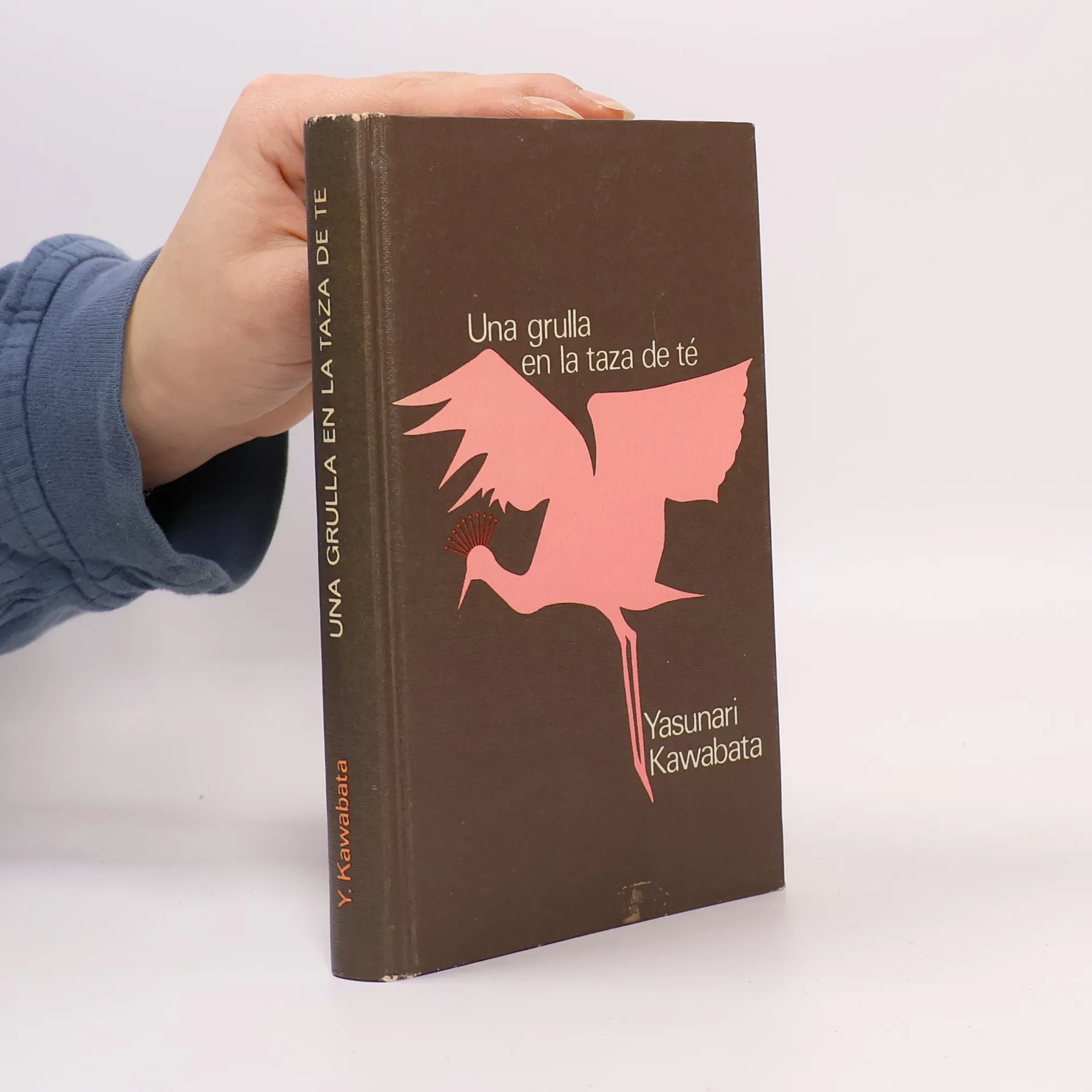
    • Thousand Cranes

      • 144pages
      • 6 heures de lecture

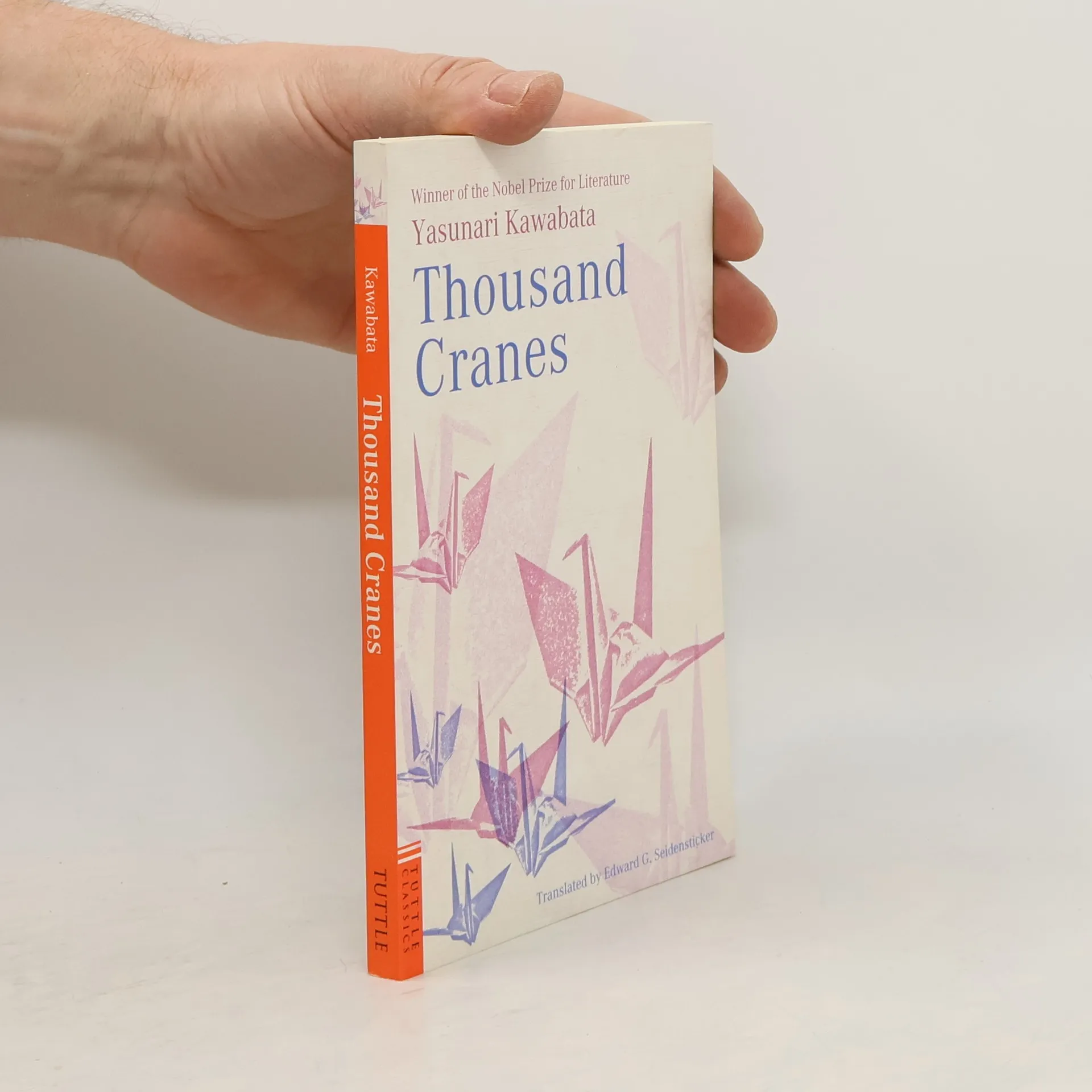
      Kikuji has been invited to a tea ceremony by a mistress of his dead father, only to find that the mistress’ rival and successor is also present. He falls for her, with devastating consequences. By 1949 Yasunari Kawabata, the first Japanese author to win the Nobel Prize for Literature, felt that the tradition of the tea ceremony had been degraded. In this delicate novella he uses the ceremony as a powerful vehicle for loneliness, yearning and loss of history.

      Thousand Cranes
      3,8
    • The Lake

      • 160pages
      • 6 heures de lecture

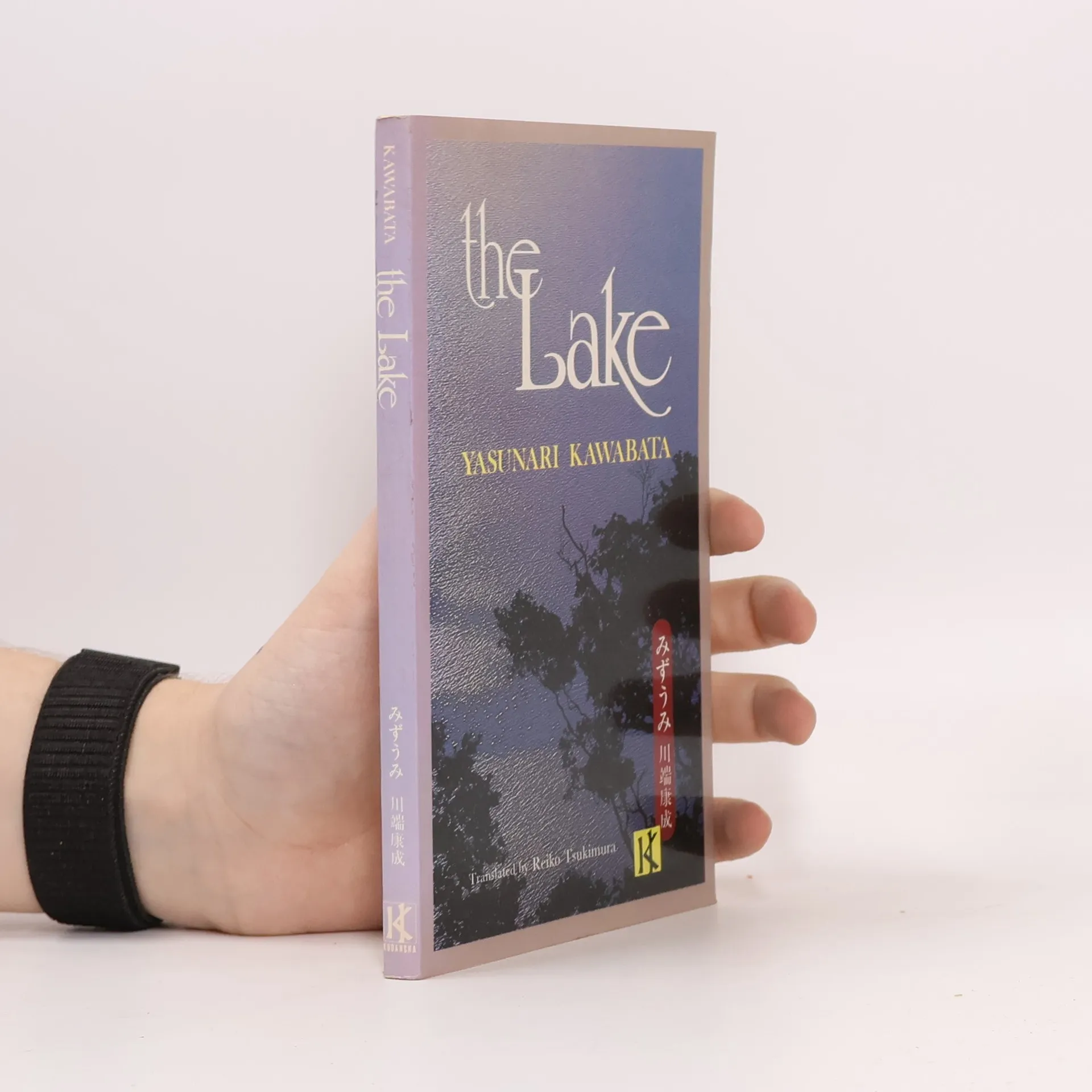
      The Lake is the history of an obsession. It traces a man's sad pursuit of an unattainable perfection, a beauty out of reach, admired from a distance, unconsummated. Homeless, a fugitive from an ambiguous crime, his is an incurable longing that drives him to shadow nameless women in the street and hide in ditches as they pass above him, beautiful and aloof. For their beauty is not of this world, but of a dream--the voice of a girl he meets in a Turkish bath is "an angel's," the figures of two students he follows seem to "glide over the green grass that hid their knees." Reality is the durable ugliness that is his constant companion and is symbolized in the grotesque deformity of the hero's feet. And it is the irreconcilable nature of these worlds that explains the strangely dehumanized, shadowy quality of the eroticism that pervades this novel. In a sense The Lake is a formless novel, a "happening," making it one of the most modern of all Kawabata's works. Just as the hero's interest might be caught by some passing stranger, so the course of the novel swerves abruptly from present to past, memory shades into hallucination, dreams break suddenly into daylight. It is an extraordinary performance of free association, made all the more astonishing for the skill with which these fragments are resolved within the completed tapestry.

      The Lake
      3,7
    • Available in English for the very first time, a powerful, poignant novel about three half sisters in post-war Japan, from the Nobel Prize-winning author of Snow Country. With the Second World War only a few years in the past, and Japan still reeling from its effects, two sisters—born to the same father but different mothers—struggle to make sense of the new world in which they are coming of age. Asako, the younger, has become obsessed with locating a third sibling, while also experiencing love for the first time. While Momoko, their father’s first child—haunted by the loss of her kamikaze boyfriend and their final, disturbing days together—seeks comfort in a series of unhealthy romances. And both sisters find themselves unable to outrun the legacies of their late mothers. A thoughtful, probing novel about the enduring traumas of war, the unbreakable bonds of family, and the inescapability of the past, The Rainbow is a searing, melancholy work from one of Japan’s greatest writers. A VINTAGE ORIGINAL.

      The Rainbow
      3,5
    • Dandelions

      • 144pages
      • 6 heures de lecture

      The exquisite last novel from Nobel Prize-winning author Yasunari Kawabata Ineko has lost the ability to see things. At first it was a ping-pong ball, then it was her fiancé. The doctors call it 'body blindness', and she is placed in a psychiatric clinic to recover. As Ineko's mother and fiancé walk along the riverbank after visiting time, they wonder: is her condition a form of madness - or an expression of love? Exploring the distance between us, and what we say without words, Kawabata's transcendent final novel is the last word from a master of Japanese literature. 'Lusciously peculiar' Paris Review

      Dandelions
      3,4
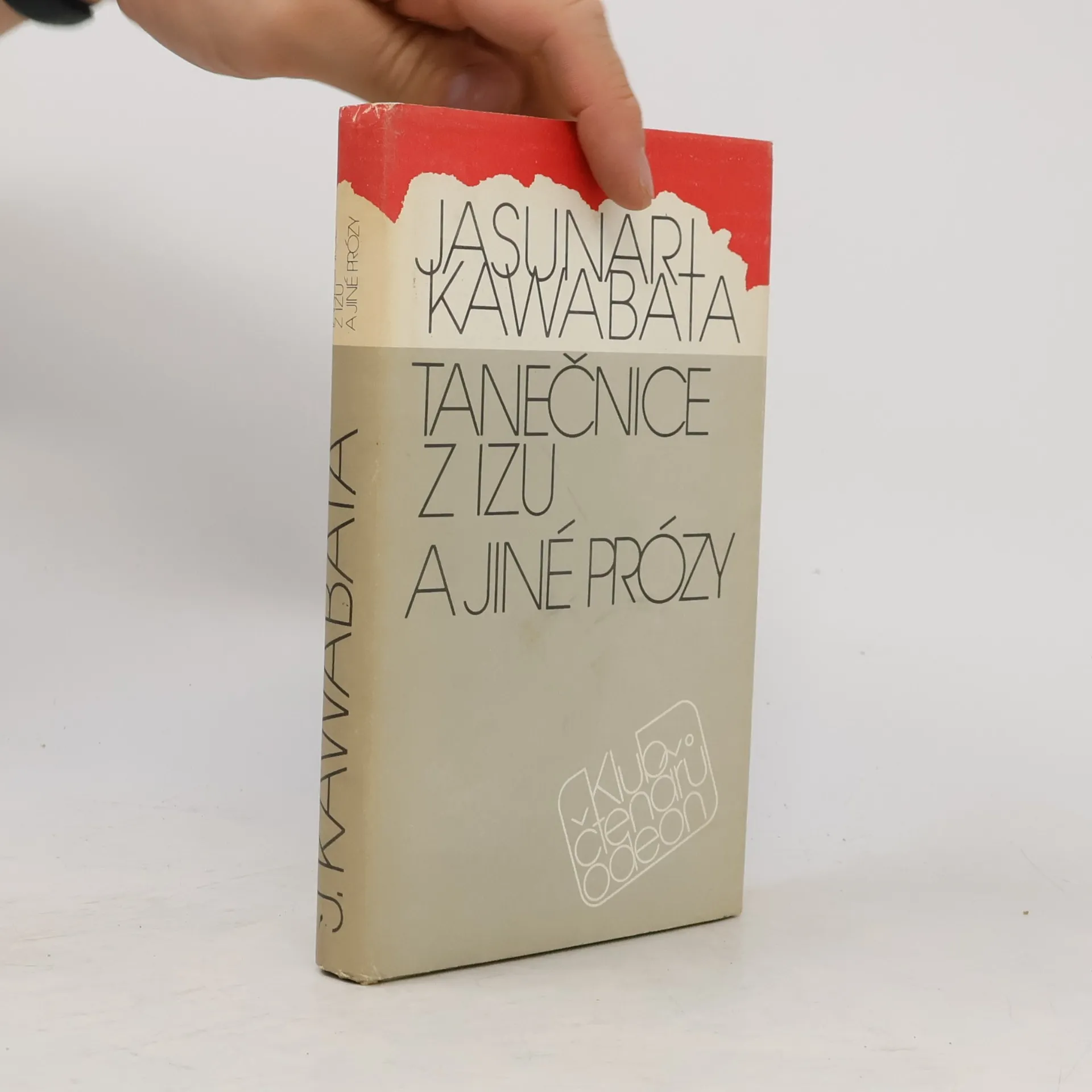
    • Souborné vydání Kawabatových próz: Tanečnice z Izu, Sněhová země (přel. V. Hilská), Meidžin, Deník šestnáctiletého, Povídky na dlaň (Letní střevíčky, Díky, Modlitba panen, Případ mrtvé tváře), Hiroko odchází, Město Jumiura (přel. M. Novák) a Odraz měsíce na vodě. Z japonských originálů vybrala a přeložila Vlasta Winkelhöferová.

      Tanečnice z Izu a jiné prózy
      4,0
    • 古都

      • 243pages
      • 9 heures de lecture

      捨子ではあったが京の商家の一人娘として美しく成長した千重子は、祇園祭の夜、自分に瓜二つの村娘苗子に出逢い、胸が騒いだ。二人はふたごだった。互いにひかれあい、懐かしみあいながらも永すぎた環境の違いから一緒には暮すことができない……。古都の深い面影、移ろう四季の景物の中に由緒ある史蹟のかずかずを織り込み、流麗な筆致で描く美しい長編小説。

      古都
      3,9
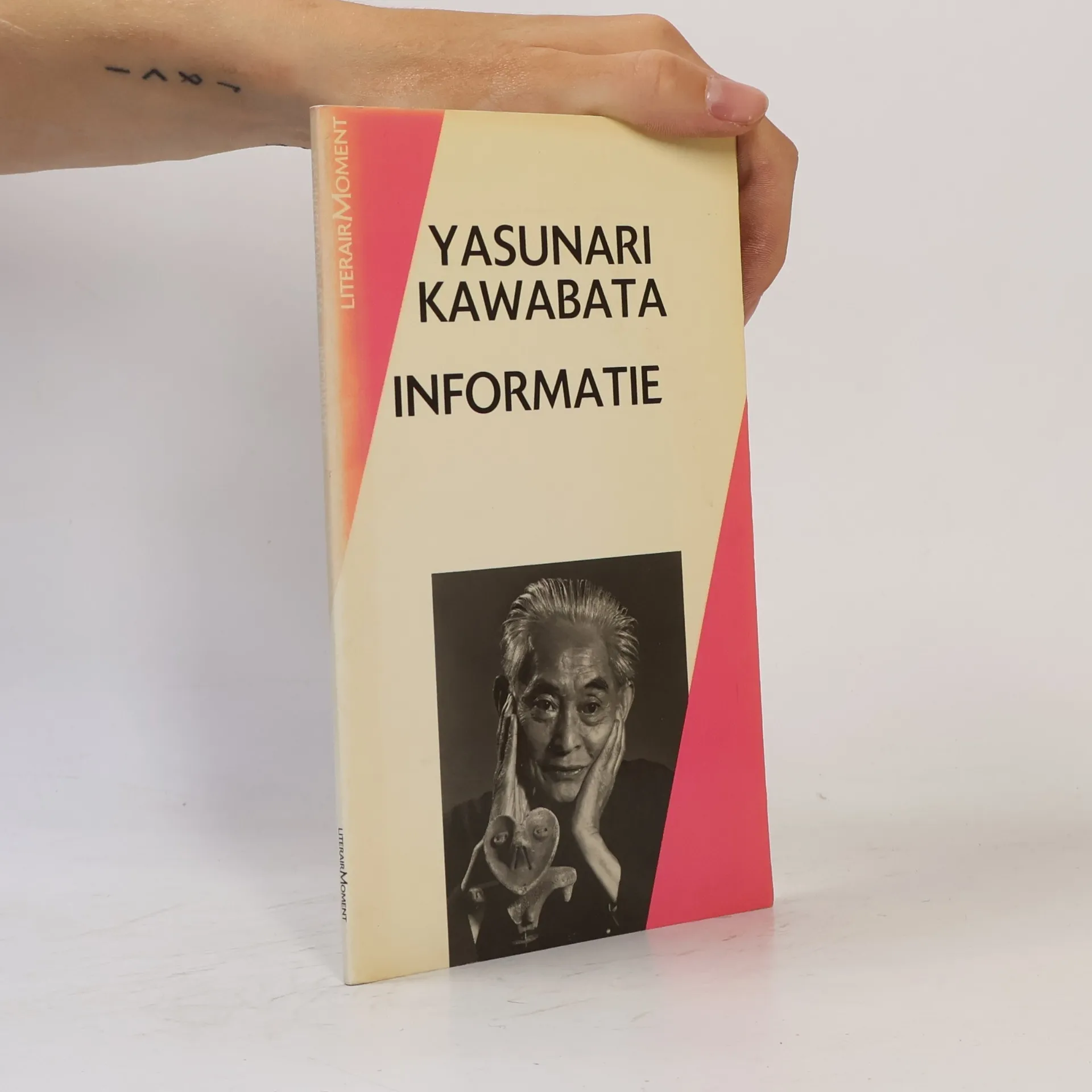
    • Der Blinde und das Mädchen

      Neue Handtellergeschichten

      Handtellergeschichten sind kurze, witzige und expressionistische Erzählungen von Yasunari Kawabata, die alltägliche Begebenheiten und Traumbilder enthalten. Sie eröffnen den Horizont auf ein ganzes Leben und sind das Herzstück seines Schaffens. Kawabata ist ein bekannter japanischer Schriftsteller und Nobelpreisträger.

      Der Blinde und das Mädchen
      3,0
    • Tancerka z Izu Opowiadania

      • 372pages
      • 14 heures de lecture

      Autobiograficzne opowiadanie Tancerka z Izu (1926) przyniosło młodemu Yasunariemu Kawabacie duży rozgłos. Jego bohaterem i narratorem jest uczeń wyższej klasy liceum. Podczas samotnej podróży po malowniczym półwyspie Izu spotyka młodziutką tancerkę z wędrownej grupy artystycznej. Urzeczony jej wdziękiem zakochuje się w niej, lecz pierwsze zauroczenie jest tyleż niespodziewane, co ulotne. Przejmująca i liryczna historia o pierwszej miłości, dojrzewaniu i przemijaniu dzieje się na tle pięknych, jesiennych wzgórz. Zbiór Tancerka z Izu. Opowiadania składa się z piętnastu utworów, których bohaterkami są dziewczęta i młode kobiety u progu samodzielnego życia. Służą w górskich pensjonatach, podejmują pracę w mieście, mają nowe koleżanki, poznają mężczyzn. Planują swoją przyszłość. Książkę zamyka przemowa noblowska Kawabaty. Proza Yasunariego Kawabaty (1899–1972), oszczędna i elegancka, w której autor utrwalił pejzaż, kulturę i ducha swojej dawnej Japonii, spotkała się ze światowym uznaniem. W 1968 roku Kawabata, jako pierwszy Japończyk, otrzymał Nagrodę Nobla w dziedzinie literatury, a jego utwory zostały przetłumaczone na wiele języków.

      Tancerka z Izu Opowiadania
      3,3
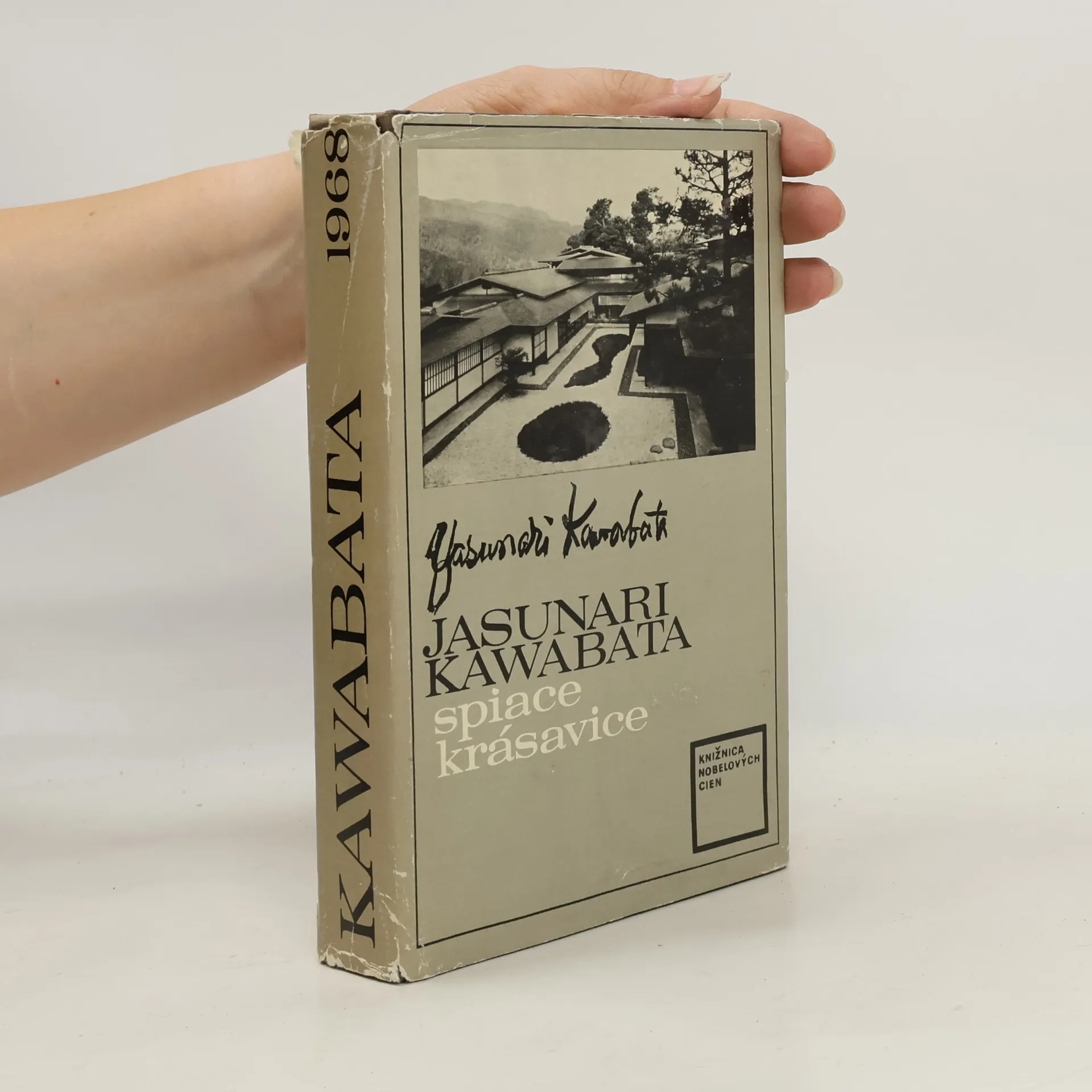
    • 4 japonské novely – Snežná krajina, Tisíc žeriavov, Hlas hory, Spiace krásavice. Príroda, pôvab ženy, kult čajového obradu, melancholické návraty do minulosti a snov, životný pocit presiaknutý úvahami o smrti a o jej prekonávaní, o krehkosti ľudských vzťahov – to je okruh tém, ktoréspájajú Kawabatove novely.

      Spiace krásavice
    • 千羽鶴(英文版) - Thousand Cranes

      • 147pages
      • 6 heures de lecture

      Thousand Cranes is a story of love given and love withheld. Set against the backdrop of Japan's traditional tea ceremony, it is a taut, highly dramatic novel gleaming with sudden passages of poetic beauty. In one of the book's strongest scenes, the two characters are symbolized by the two fine old China bowls, one female and one male, that sit before them. The novel opens with Kikuji on his way to a tea ceremony given by Chikako, one of his father's former mistresses. He is also on his way to act out the unfinished drama of his father's life. Kikuji's father had been a cultivated man, an art lover and a pleasure seeker. He had cast off one mistress, Chikako, but had loved another, Mrs Ota, until his death. Kikuji, like his father, tries to escape from Chikako, now masculine and meddlesome. Like his father, too, he is drawn to Mrs Ota, who has remained young, alluring and pliant even though her daughter, Fumiko, is only twenty years old. Kikuji's guilty passion for Mrs Ota and Fumiko's efforts to alter the family fate lead to the novel's stunning climax.

      千羽鶴(英文版) - Thousand Cranes