
Bookbot

Plutarchos

    1 janvier 2040 – 1 janvier 0120

    Plutarque était un historien et essayiste grec, réputé pour ses œuvres biographiques et ses explorations philosophiques. Ses écrits, rédigés en grec, visaient à résonner auprès des publics grec et romain. Plutarque est reconnu pour son classement comme platonicien moyen, et ses œuvres explorent souvent des considérations morales et éthiques. Son approche distinctive consiste à entrelacer des figures historiques et des concepts philosophiques, offrant aux lecteurs un aperçu profond du monde antique.

    Plutarchos
    The Makers of Rome
    Essays
    Parallel Lives
    Hellenistic Lives
    Hommes illustres 2
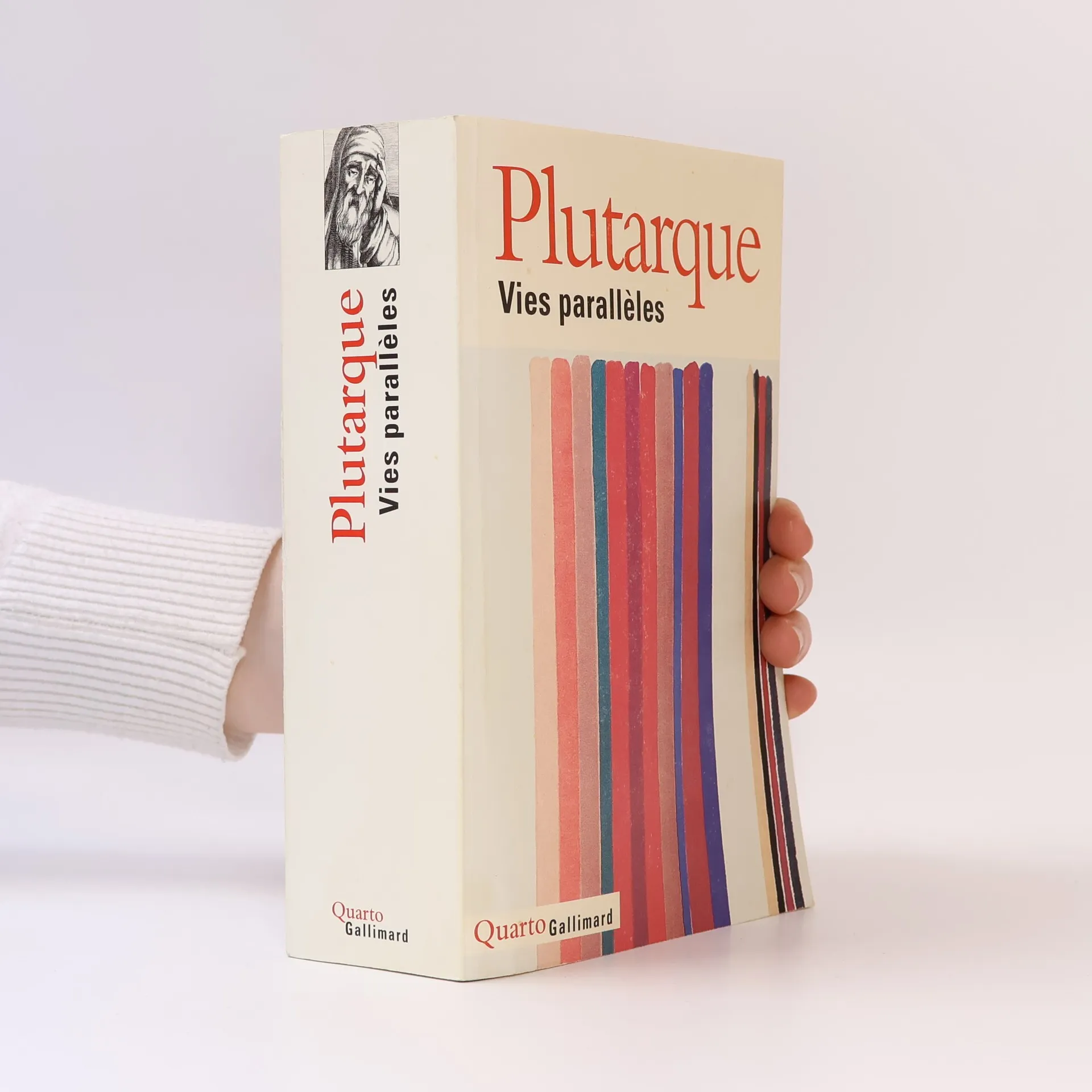
    Vies parallèles
    • Vies parallèles

      • 2304pages
      • 81 heures de lecture

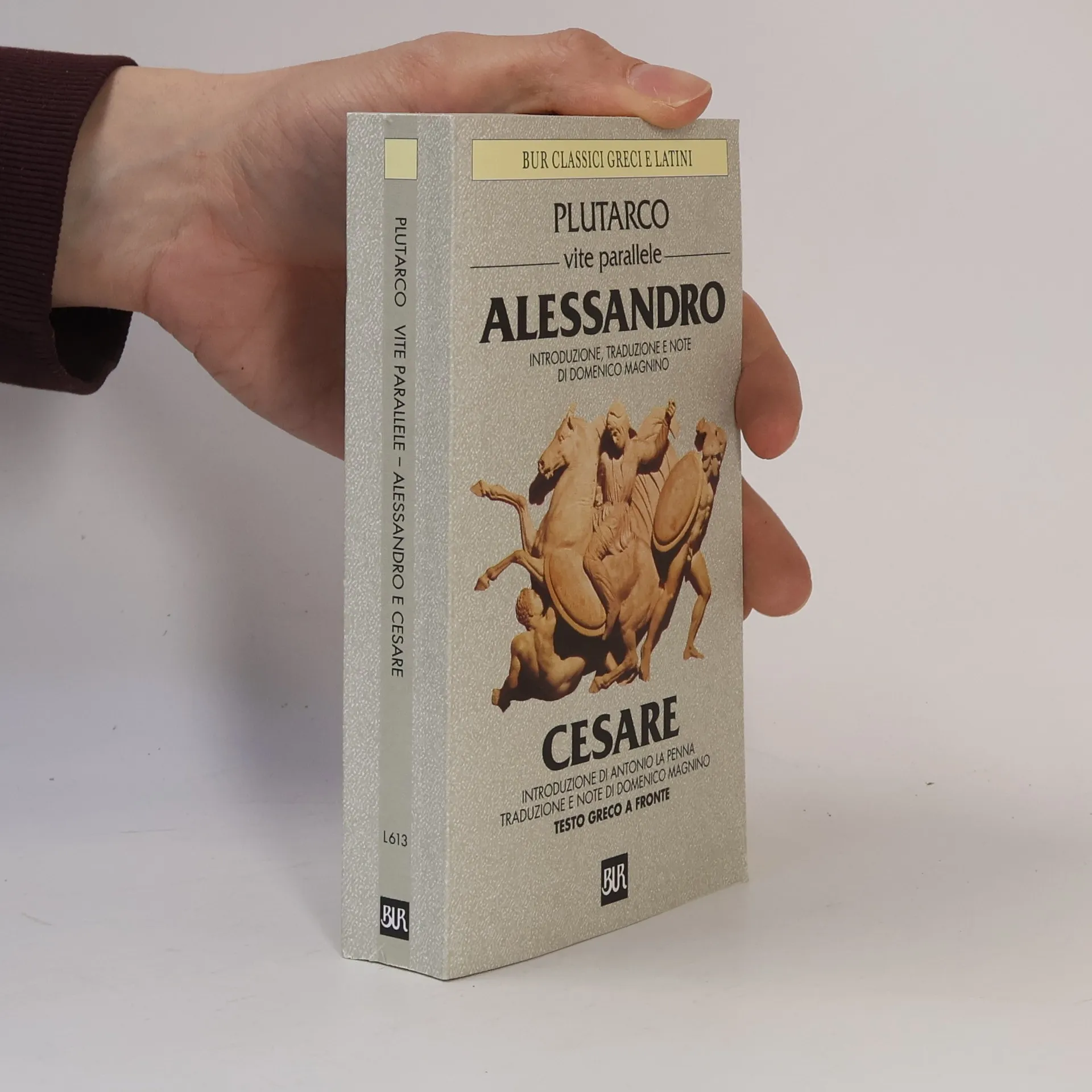
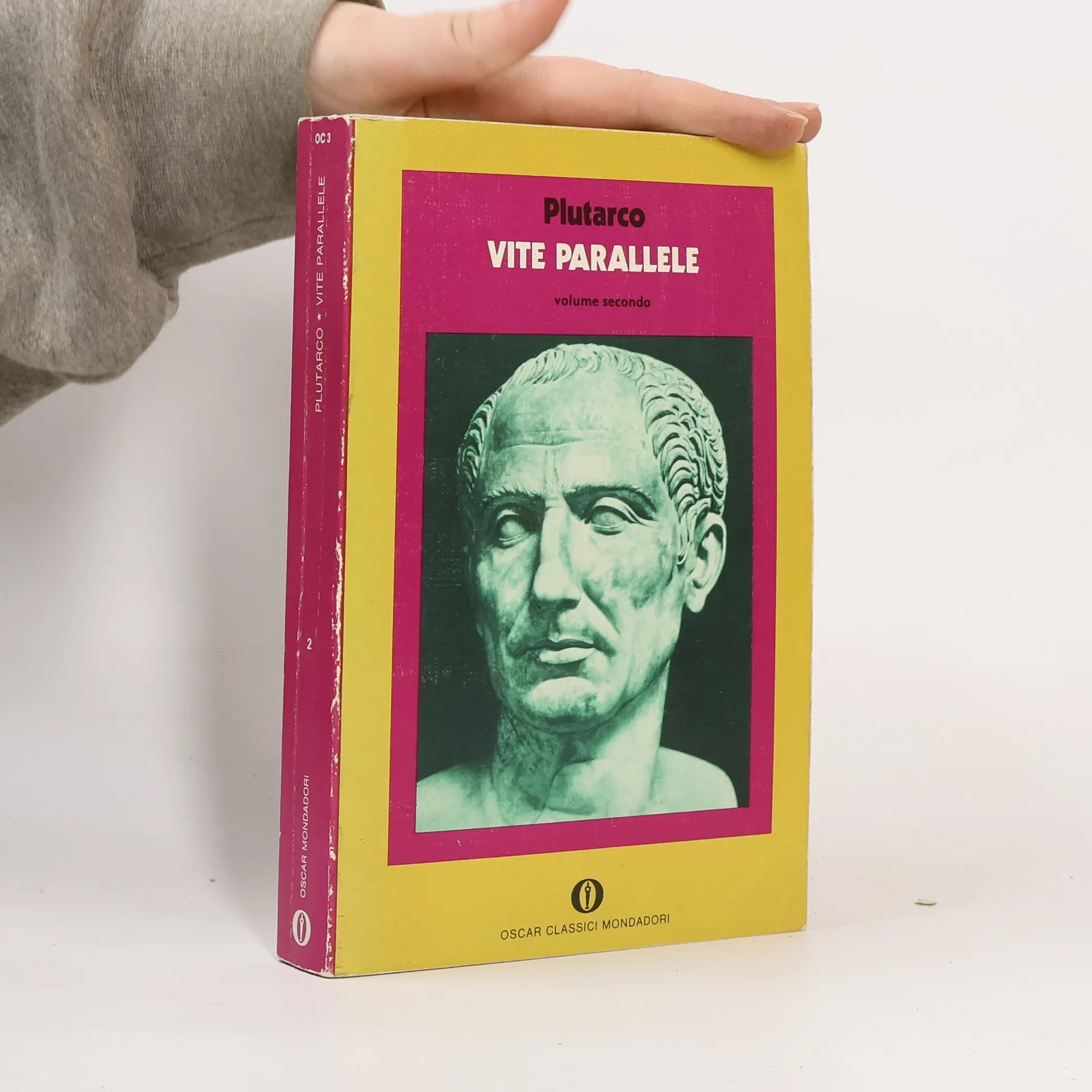
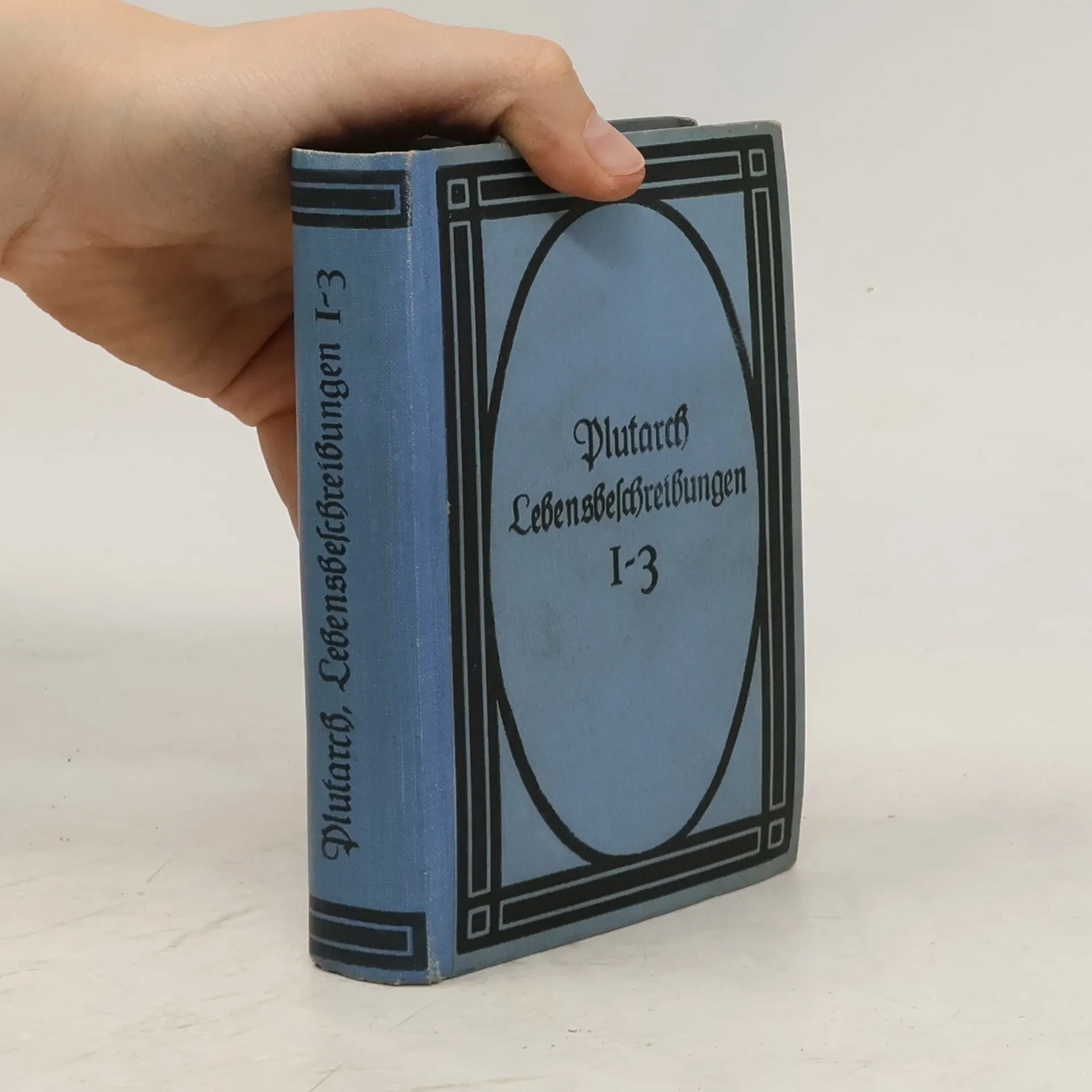
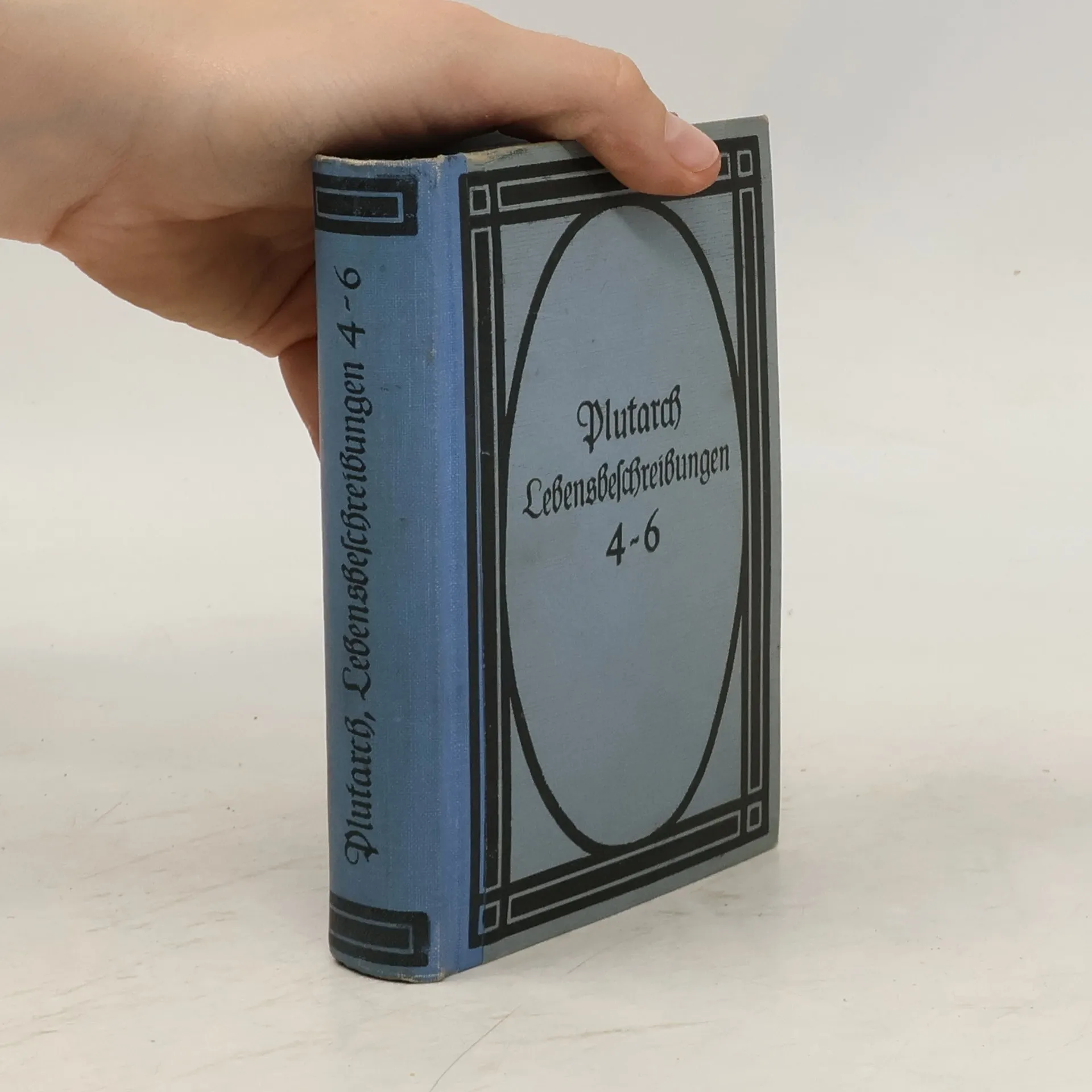
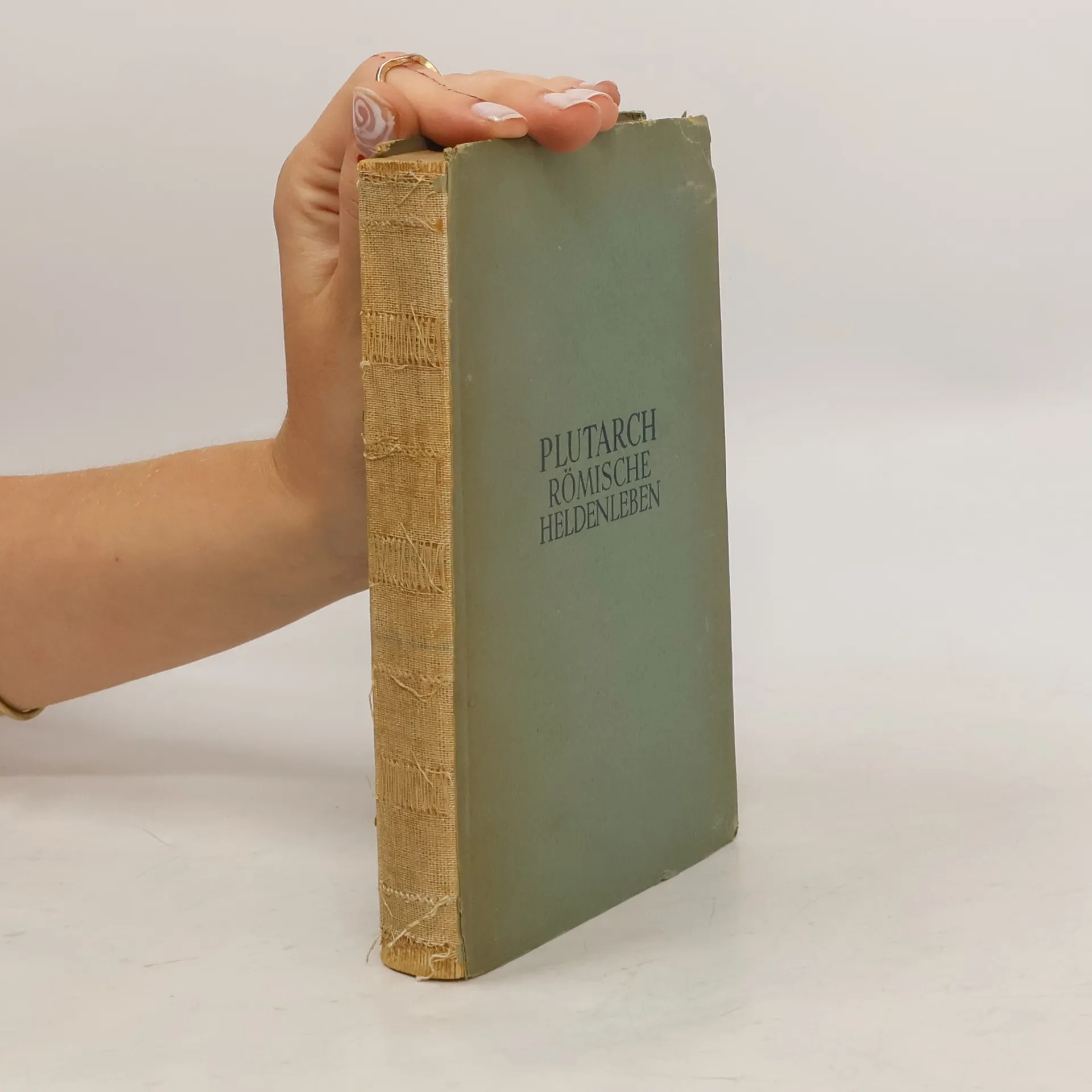
      Ce grand massif d'écriture, qui a longtemps récapitulé l'histoire de la Grèce et de Rome, nous est restitué ici dans une nouvelle traduction qui lui donne un ton résolument neuf et en un seul volume, suffisamment autonome - grâce à ses notes en bas de page, à son " dictionnaire Plutarque ", à ses cartes - pour qu'on puisse le lire sans avoir toute une bibliothèque à portée de main. Ces 48 Vies sont autant de " portraits d'une âme ", de romans brefs dont les héros sont confrontés à la Fortune et à la mort : Thésée, Périclès, Alcibiade, Alexandre, Démosthène mais aussi Romulus, Coriolan, César, Antoine (et Cléopâtre)... Le coup de génie de Plutarque, ce Grec natif de Chéronée qui étudia à Athènes et séjourna à Rome, aura été de les réunir en des parallèles appariant un Grec et un Romain, vérifiant que les uns et les autres reconnaissent les mêmes valeurs et partagent un même passé, qui sont aussi les nôtres. " Plutarque, écrit François Hartog, fait partie de nos bagages : l'abandonner en route serait renoncer à toute une part de la compréhension de l'histoire intellectuelle occidentale, en son sens le plus large. "
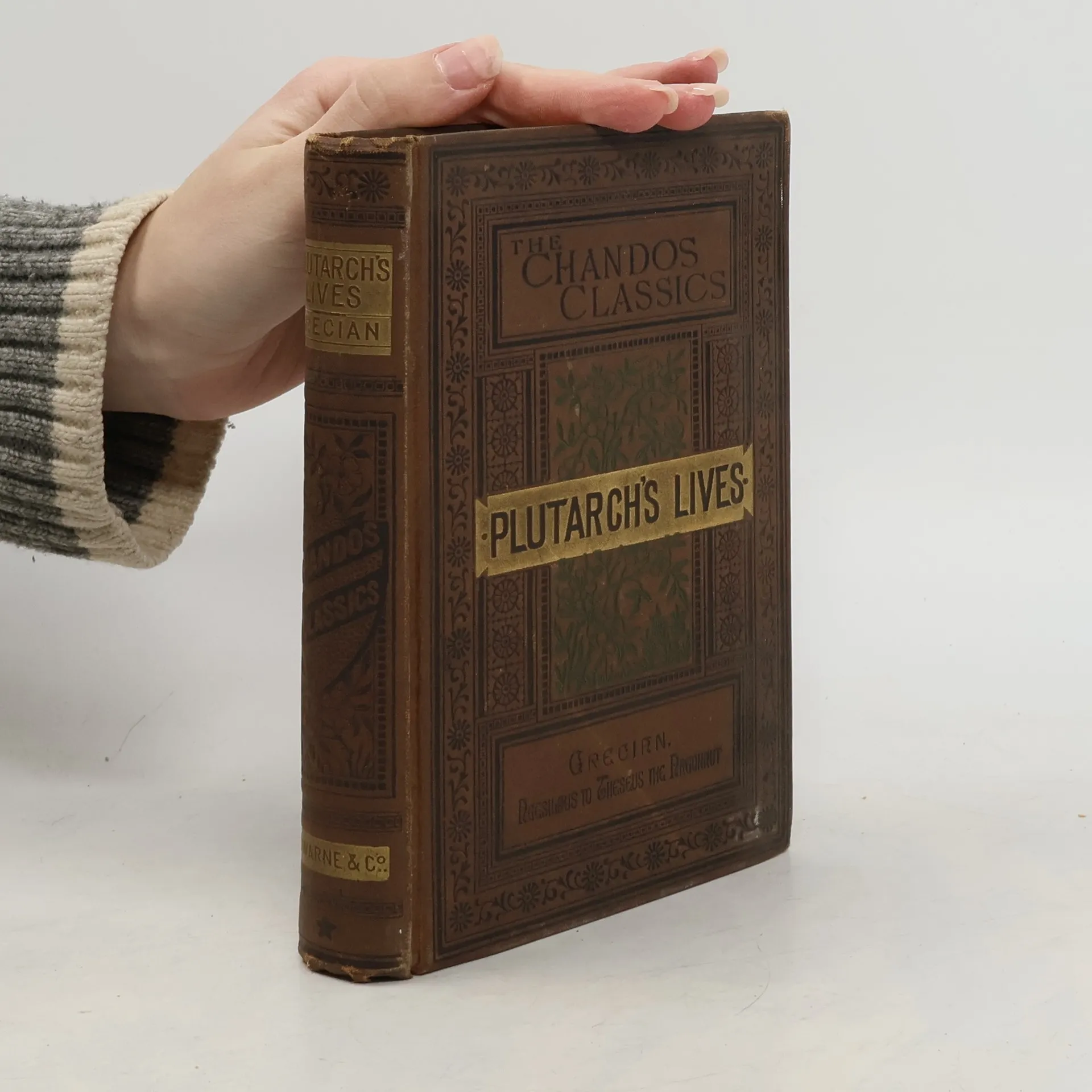
      Vies parallèles
      4,5
    • Hellenistic Lives

      • 480pages
      • 17 heures de lecture

      This selection of ten Lives traces the history of Hellenistic Greece from the rise of Macedon and Alexander's conquest of the Persian empire to the arrival of the Romans. Plutarch's biographies of eminent politicians, rulers, and soldiers combine vivid portraits of their subjects with a wealth of historical information; they constitute a uniquely important source for the period

      Hellenistic Lives
      4,5
    • Parallel Lives

      • 560pages
      • 20 heures de lecture

      Plutarch (c. 45 120 CE) wrote on many subjects. His forty-six Parallel Lives are biographies planned to be ethical examples in pairs, one Greek figure and one similar Roman, though the last four lives are single. They not only record careers and illustrious deeds but also offer rounded portraits of statesmen, orators, and military leaders.

      Parallel Lives
      4,3
    • Essays

      • 448pages
      • 16 heures de lecture

      Plutarch wrote a large number of essays on ethical, scientific, philosophical, ephemeral, historical and literary topics. Even when dealing with technical subjects, the essays reflect the author's particular style - with anecdotes and quotations included.

      Essays
      4,2
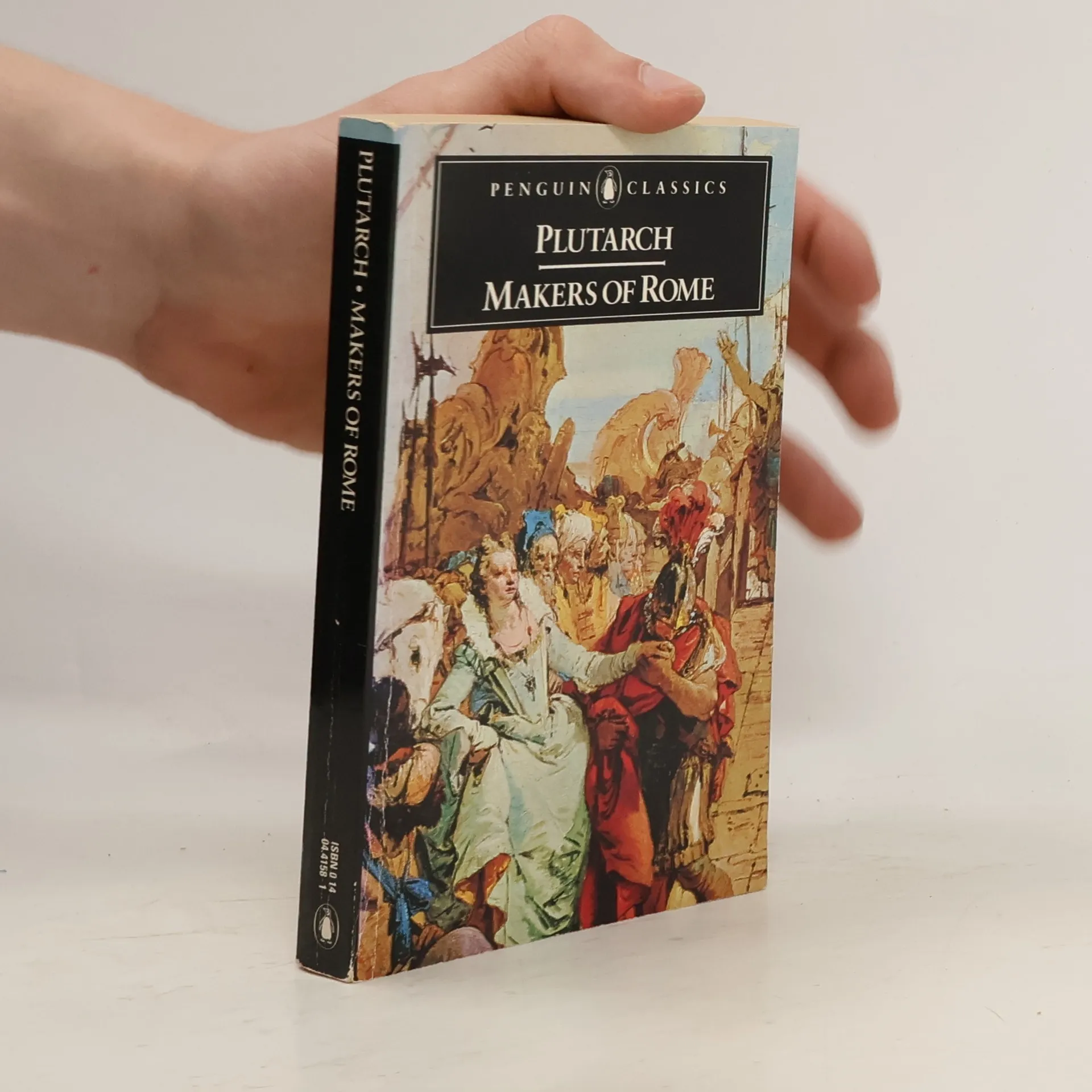
    • Presents nine biographies that illuminate the careers, personalities and military campaigns of some of Rome's greatest statesmen, whose lives span the earliest days of the Republic to the establishment of the Empire. This title includes prominent figures who achieved fame for their pivotal roles in Roman history.

      The Makers of Rome
      4,2
    • Lives

      • 640pages
      • 23 heures de lecture

      Plutarch (c. 45-120 CE) wrote on many subjects. His forty-six Parallel Lives are biographies planned to be ethical examples in pairs, one Greek figure and one similar Roman, though the last four lives are single. They not only record careers and illustrious deeds but also offer rounded portraits of statesmen, orators, and military leaders.

      Lives
      4,2
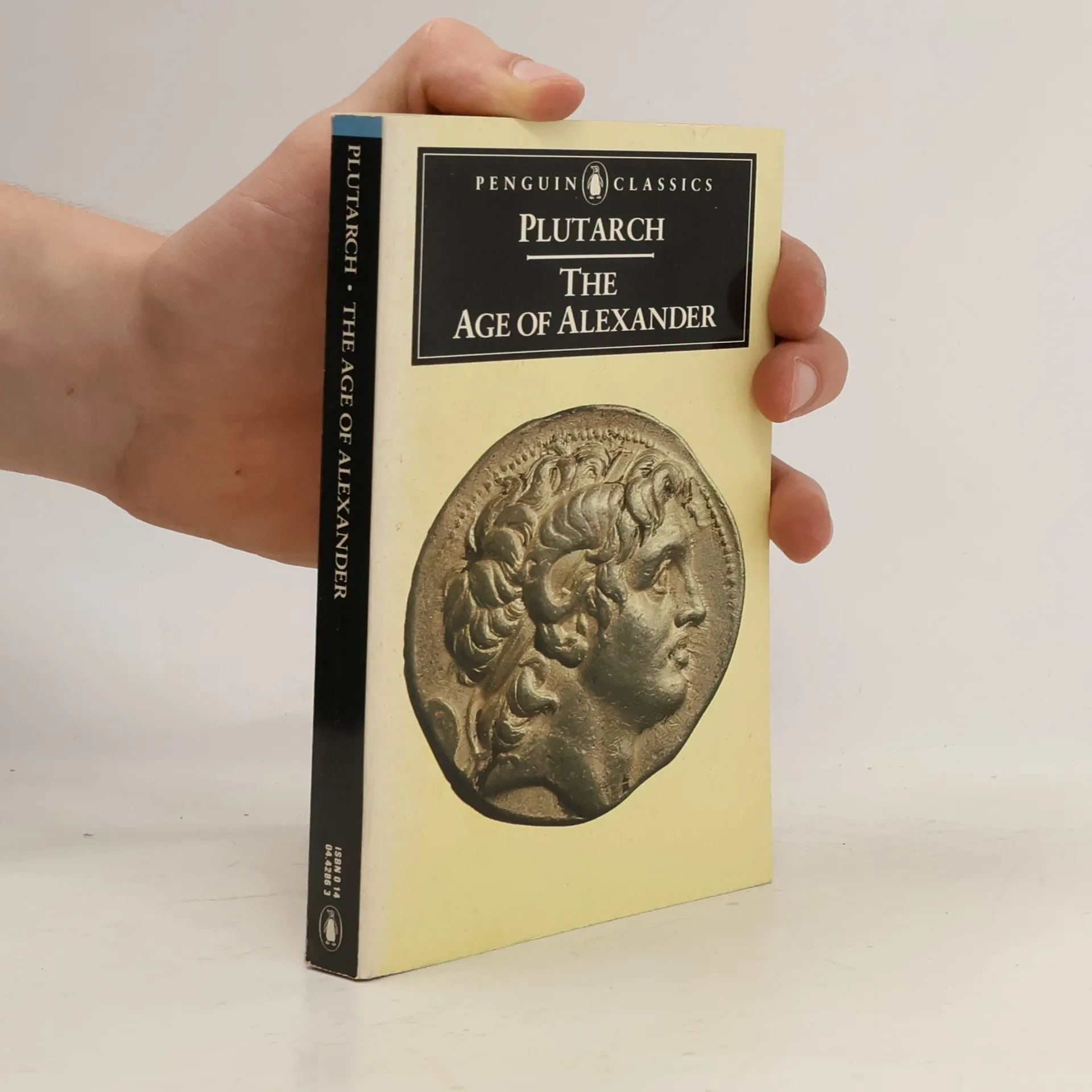
    • This title includes textual and historical notes that supplement a segment of Plutarch's "Lives" which covers the rise of Macedonia
      The Age of Alexander
      4,2
    • Greek Lives

      • 483pages
      • 17 heures de lecture

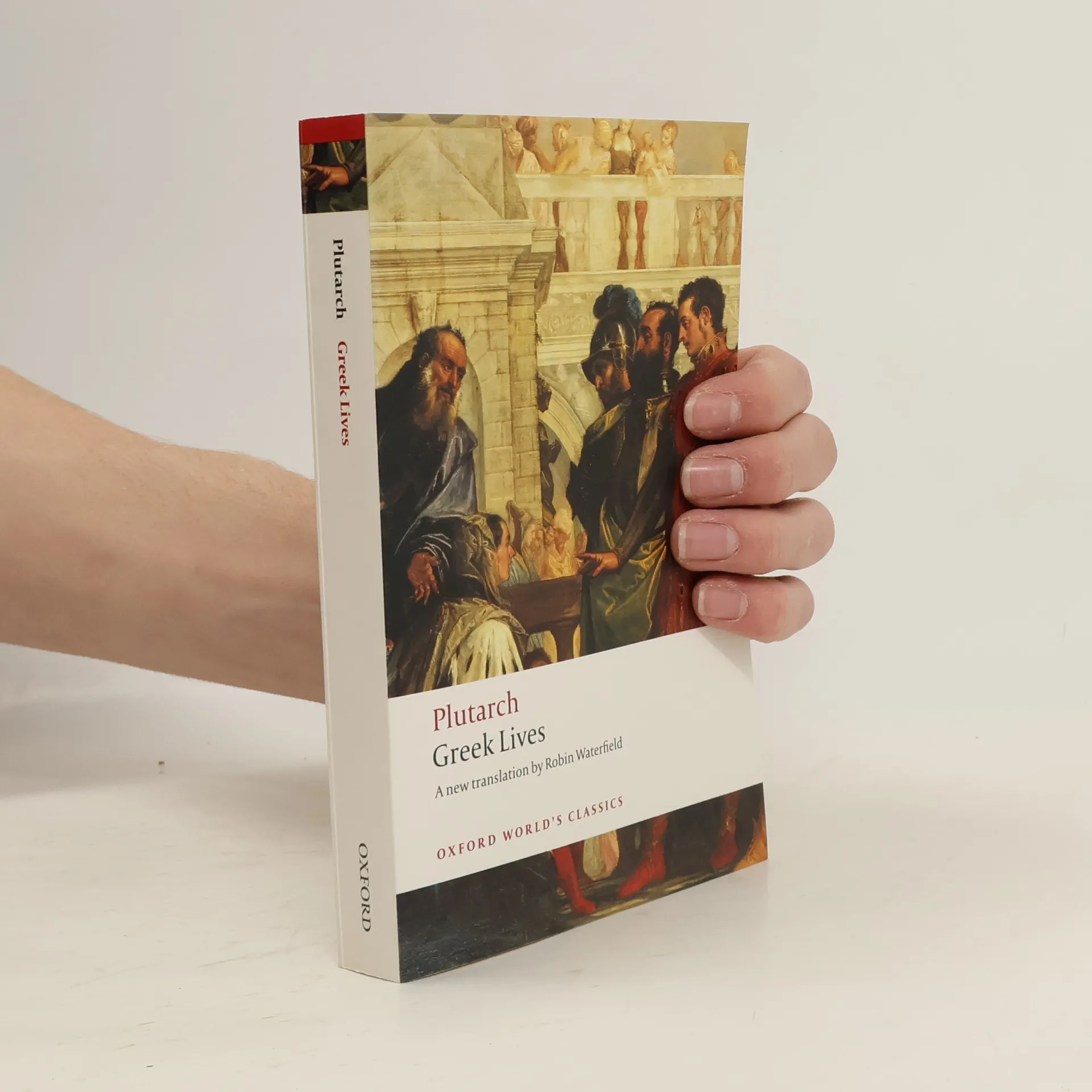
      In this collection, Plutarch introduces readers to key figures and periods of classical Greece through the lens of their lives, serving as a mirror for reflection. He presents virtues to emulate and vices to avoid, aiming to educate and caution those in power during his time. His prose is rich and elegant, filled with learned references, as he delves into the intricate relationship between character and political action. While primarily relying on historical sources, Plutarch's storytelling flair brings anecdotes to life, enhancing the biographical narrative. Valued for both its historical significance and charm, this new translation aims to engage modern audiences with Plutarch's sophisticated insights. It offers the most comprehensive selection available, supplemented by a clear introduction, explanatory notes, bibliographies, maps, and indexes. This volume is part of a long-standing series that has provided a diverse range of literature for over a century, reflecting Oxford's dedication to scholarship. Each affordable edition includes the most accurate text alongside valuable features, such as expert introductions, clarifying notes, and updated bibliographies for further exploration.

      Greek Lives
      4,2
    • Parallel Lives Vol. 1

      • 386pages
      • 14 heures de lecture

      Plutarch's Lives of the Noble Greeks and Romans, commonly called Parallel Lives or Plutarch's Lives, is a series of biographies of famous men, arranged in tandem to illuminate their common moral virtues or failings. The surviving Parallel Lives, contain twenty-three pairs of biographies, each pair consisting of one Greek and one Roman, as well as four unpaired, single lives. It is a work of considerable importance, not only as a source of information about the individuals biographized, but also about the times in which they lived.

      Parallel Lives Vol. 1
      3,0
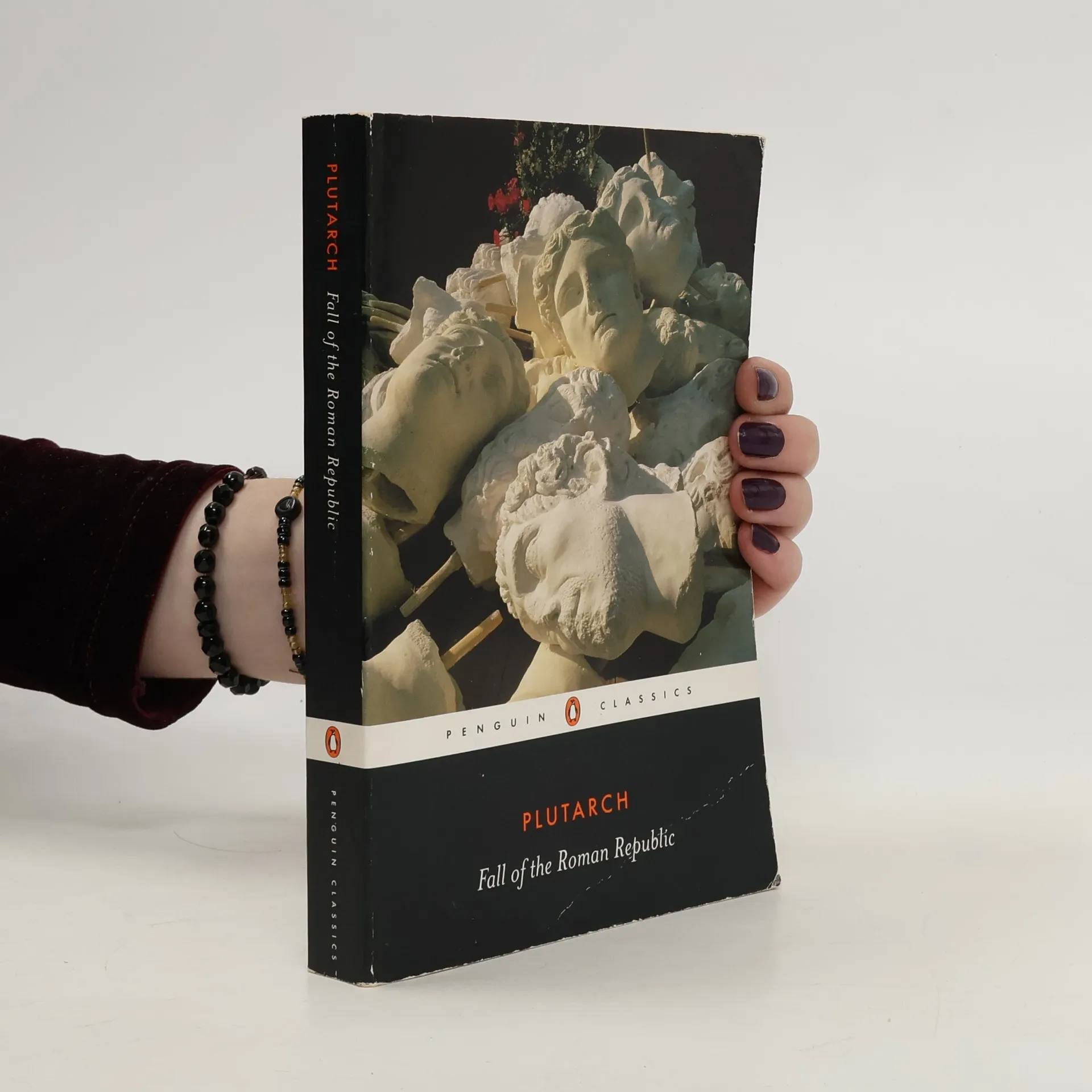
    • Taken from the Lives, a series of biographies spanning the Graeco-Roman age, this collection describes the twilight of the old Roman Republic from 157-43 BC. Deeply influential on Shakespeare and many other later writers, the works explore corruption, decadence, and the struggle for ultimate power.

      Fall of the Roman Republic
      4,1
    • The Rise And Fall of Athens

      • 352pages
      • 13 heures de lecture

      Nine Greek biographies illustrate the rise and fall of Athens, from the legendary days of Theseus, the city's founder, through Solon, Themistocles, Aristides, Cimon, Pericles, Nicias, and Alcibiades, to the razing of its walls by Lysander. For more than seventy years, Penguin has been the leading publisher of classic literature in the English-speaking world. With more than 1,700 titles, Penguin Classics represents a global bookshelf of the best works throughout history and across genres and disciplines. Readers trust the series to provide authoritative texts enhanced by introductions and notes by distinguished scholars and contemporary authors, as well as up-to-date translations by award-winning translators.

      The Rise And Fall of Athens
      4,1
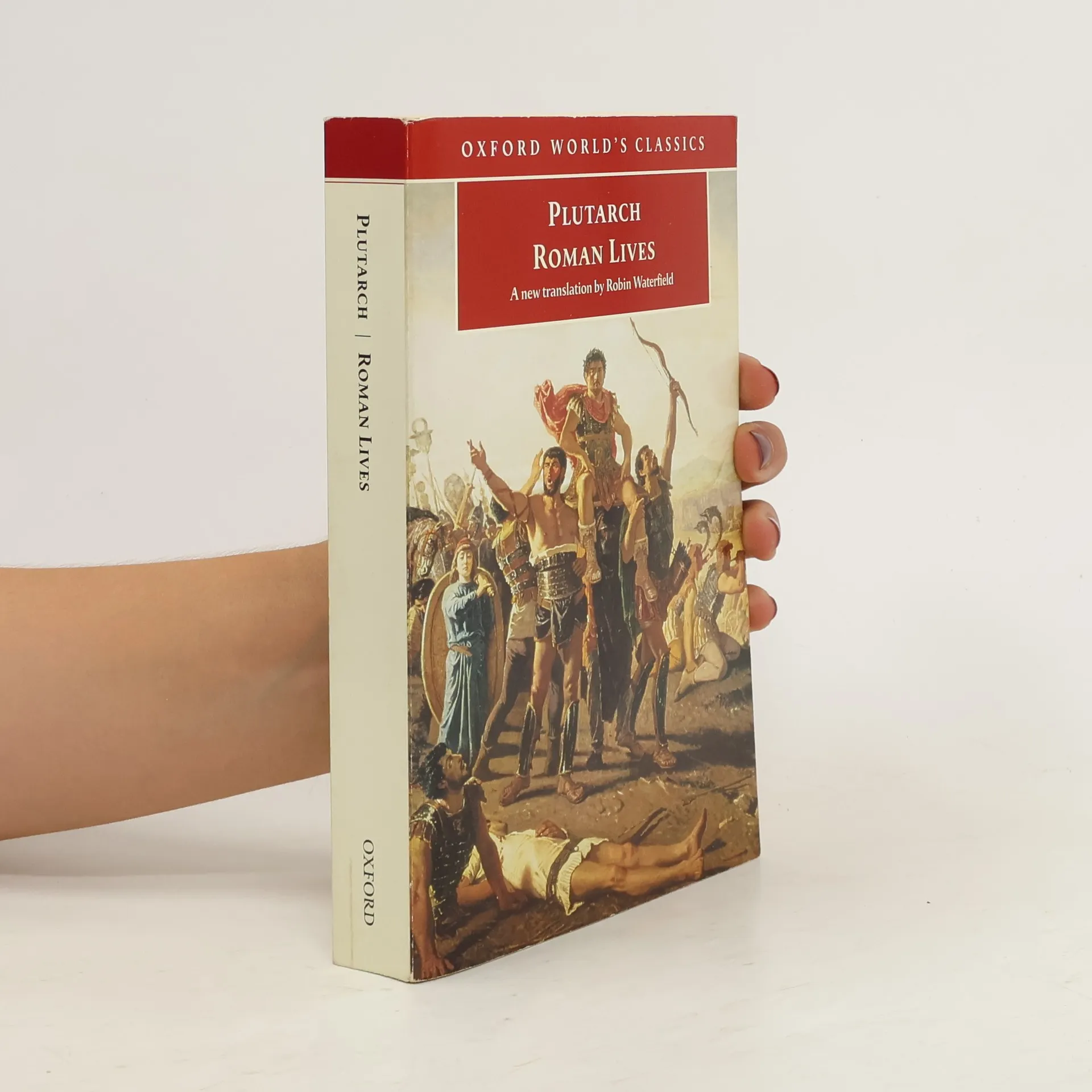
    • The companion volume to Plutarch's Greek Lives published in Oxford World's Classics in 1998, Roman Lives is a newly translated selection from Plutarch's rich, elegant and learned Lives, valued throughout the ages for their historical value and their charm. The lives included are those of Marcus Cato, Aemilius Paullus, The Gracchi, Marius, Sulla, Pompey, Julius Caesar and Anthony. Closely annotated with bibliographies, maps and an index, this is the ideal edition for all students of classical history.

      Roman Lives
      4,1
    • Parallel Lives - 13 selected biographies

      • 476pages
      • 17 heures de lecture

      The book presents a collection of biographies that pairs notable Greek figures with their Roman counterparts, offering insights into the lives of influential soldiers, legislators, and orators. Plutarch enriches these narratives with ethical reflections and anecdotes, highlighting the interconnectedness of ancient Greece and Rome. The work emphasizes the lasting impact of these civilizations on modern language, politics, law, and philosophy, showcasing the invaluable contributions and legacies of thirteen celebrated individuals.

      Parallel Lives - 13 selected biographies
      1,0
    • Esoteric Vegetarianism

      • 316pages
      • 12 heures de lecture

      "Esoteric Vegetarianism" is not an ordinary plead in favour of vegetarianism, but a collection of essays by authors ancient and modern on its most philosophical and esoteric aspects. Allow Iamblichus to introduce you to the company of the ancient vegetarian followers of Pythagoras; let yourself become imbued with the dialectical beauty and profound wisdom of Plutarch and Plato; follow Porphyry's extensive mystical disquisitions on the matter; hear the allegedly clairvoyant testimonies by Charles W. Leadbeater and Annie Besant on what the indiscriminate sacrifice of animals for food entails, and become acquainted with the theosophical elucidations of Helena P. Blavatsky on whether animals are endowed with souls. All this benefiting from the insightful annotations of the modern Neo-Platonic philosopher Thomas Taylor and an additional essay, introduction and further annotations by Sonchis Triacorda. The present volume contains: "On the Eating of Flesh I & II" by Plutarch. "Vegetarianism in the Light of Theosophy" by Annie Besant "Vegetarianism and Occultism" by Charles W. Leadbeater "The Influence of Alcohol" by Annie Besant "Have Animals Souls? (I-III)" by Helena P. Blavatsky An excerpt from "The Republic" of Plato Excerpts from "Life of Pythagoras" by Iamblichus "Abstinence from Animal Food (I-IV)" by Porphyry "Eating Meat made us None the Smarter" by Sonchis Triacorda

      Esoteric Vegetarianism
    • Plutarch

      Part 4 - in large print

      • 984pages
      • 35 heures de lecture

      This book is a reproduction of a historical work, presented in large print to enhance readability for individuals with impaired vision. Published by Megali, a house dedicated to making historical texts accessible, it aims to preserve the original content while ensuring it is easier to read for those who need it.

      Plutarch
    • Focusing on moral and religious inquiries, the collection features 133 chapters that explore nature and literary themes through Plutarch's unique perspective. As a Platonist influenced by other philosophical schools, he critically examined various doctrines, particularly rejecting Epicureanism. His essays reveal a preference for practical over theoretical questions, showcasing his belief in the complexities of moral life rather than definitive solutions. This comprehensive anthology highlights Plutarch's rich philosophical discourse and diverse intellectual influences.

      The Complete Essays of Plutarch (Deluxe Library Edition)
    • The Roman Historians

      • 808pages
      • 29 heures de lecture

      This compilation features essential excerpts from renowned historians of the ancient Roman Empire, serving as a valuable resource for those studying Roman history. It complements the Old Western Culture curriculum's unit on Roman historians, providing all the necessary readings in a single volume for easy access and study.

      The Roman Historians
    • Plutarchi Chaeronensis Varia Scripta V3, Nova Impressio

      Quae Moralia Vulgo Vocantur, Ad Optimorum Librorum Fidem (1868)

      • 456pages
      • 16 heures de lecture

      Exploring themes of virtue and vice, this collection features writings by the renowned philosopher Plutarch. It includes historical narratives, examples, and advice reflecting on human behavior. The 1868 facsimile reprint aims to preserve the cultural significance of Plutarch's work, ensuring it remains accessible in a modern format. With its insights into moral philosophy, this volume continues to resonate with readers today, showcasing Plutarch's enduring influence on literature and ethics.

      Plutarchi Chaeronensis Varia Scripta V3, Nova Impressio
    • The Boys' And Girls'

      • 374pages
      • 14 heures de lecture

      Focusing on the lives of significant historical figures, this collection of biographical stories by the ancient Greek historian Plutarch is designed to educate and inspire young readers. Through engaging narratives, it highlights the accomplishments and virtues of various individuals, making history accessible and relatable for a younger audience.

      The Boys' And Girls'
    • The book features 48 biographies of notable figures from ancient Greece and Rome, organized in pairs to highlight their shared moral qualities or shortcomings. Written in the early second century AD, it includes 23 pairs, juxtaposing individuals like Alexander the Great with Julius Caesar and Demosthenes with Cicero, allowing for a comparative analysis of their lives and legacies. This structure not only enriches the understanding of these historical figures but also explores the broader themes of virtue and vice across cultures.

      Plutarch's Lives, The Complete 48 Biographies (Deluxe Library Edition)
    • Plutarch

      Part 2 - in large print

      • 912pages
      • 32 heures de lecture

      The book is a reproduction of a historical work, produced by the publishing house Megali, which focuses on creating large print editions. This initiative aims to enhance accessibility for readers with impaired vision, ensuring that important historical texts are available to a wider audience.

      Plutarch
    • Parallel Lives Vol. 2

      • 340pages
      • 12 heures de lecture

      The biographies in this collection highlight the moral virtues and failings of notable figures from ancient Greece and Rome. Comprising twenty-three paired lives, each featuring one Greek and one Roman, along with four standalone biographies, the work serves to compare and contrast these influential individuals. Its significant historical and ethical insights make it an essential read for understanding the moral landscape of classical antiquity.

      Parallel Lives Vol. 2
    • Selected Essays of Plutarch; In Two Volumes

      Volume 2 - in large print

      • 472pages
      • 17 heures de lecture

      The book is a reproduction of a historical work, specifically designed in large print to enhance readability for individuals with impaired vision. Published by Megali, a company dedicated to making historical texts accessible, it aims to preserve the original content while ensuring it is easy to read for those who may struggle with standard print sizes.

      Selected Essays of Plutarch; In Two Volumes
    • Plutarch

      Part 3 - in large print

      • 1020pages
      • 36 heures de lecture

      Focusing on accessibility, this publication by Megali aims to enhance the reading experience for individuals with impaired vision by reproducing historical works in large print. The initiative highlights the importance of making literature more inclusive and emphasizes the commitment to preserving historical texts while ensuring they are readable for all.

      Plutarch
    • Selected Essays of Plutarch; In Two Volumes

      Volume 1 - in large print

      • 416pages
      • 15 heures de lecture

      This publication focuses on reproducing historical works in large print, catering specifically to individuals with impaired vision. Megali, the publishing house behind this initiative, aims to enhance accessibility and ensure that classic literature is available to a wider audience.

      Selected Essays of Plutarch; In Two Volumes
    • Plutarch

      Part 1 - in large print

      • 1096pages
      • 39 heures de lecture

      This book is a reproduction of a historical work, published by Megali, which focuses on making literature accessible for individuals with impaired vision through large print. The initiative aims to preserve important texts while ensuring they are readable for a broader audience.

      Plutarch
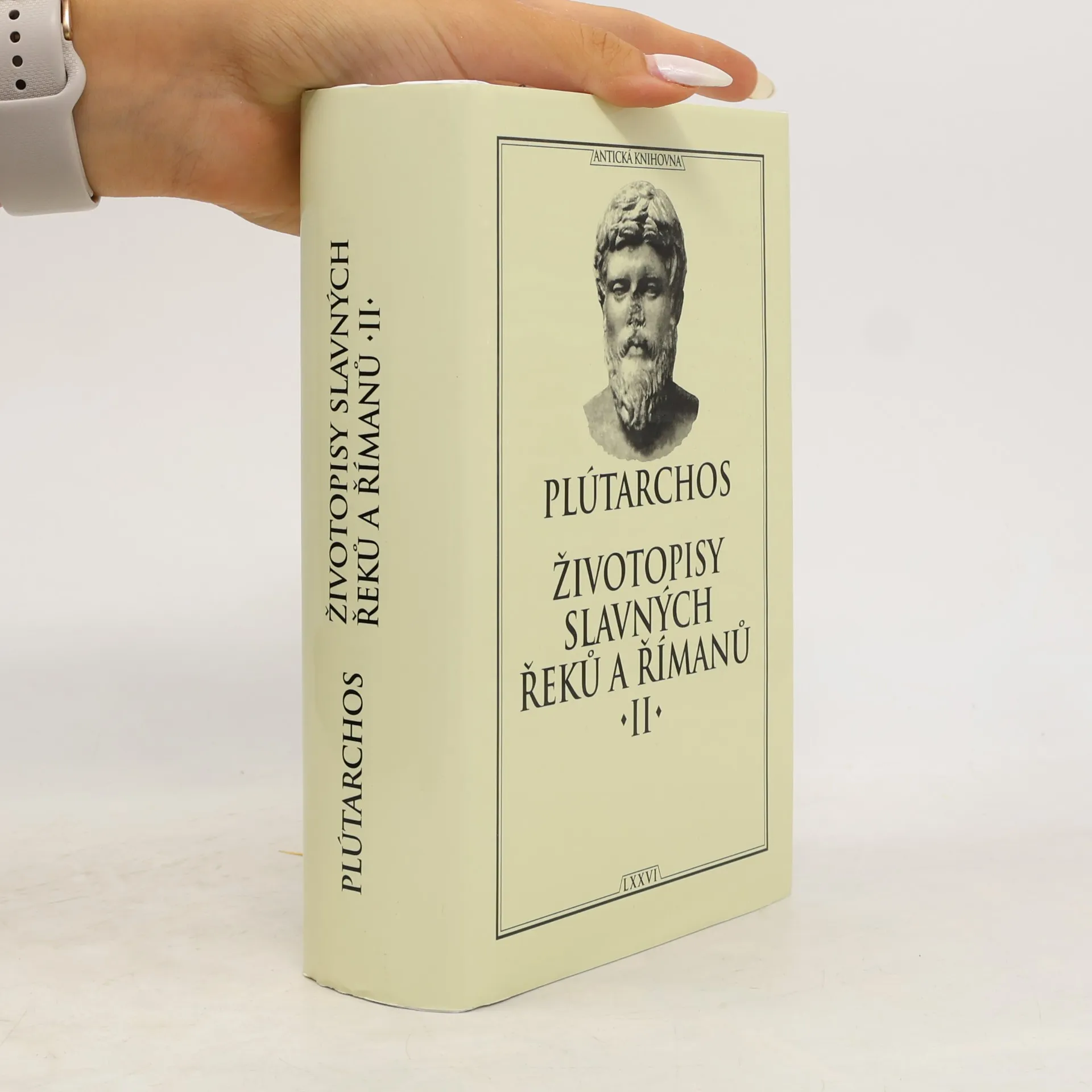
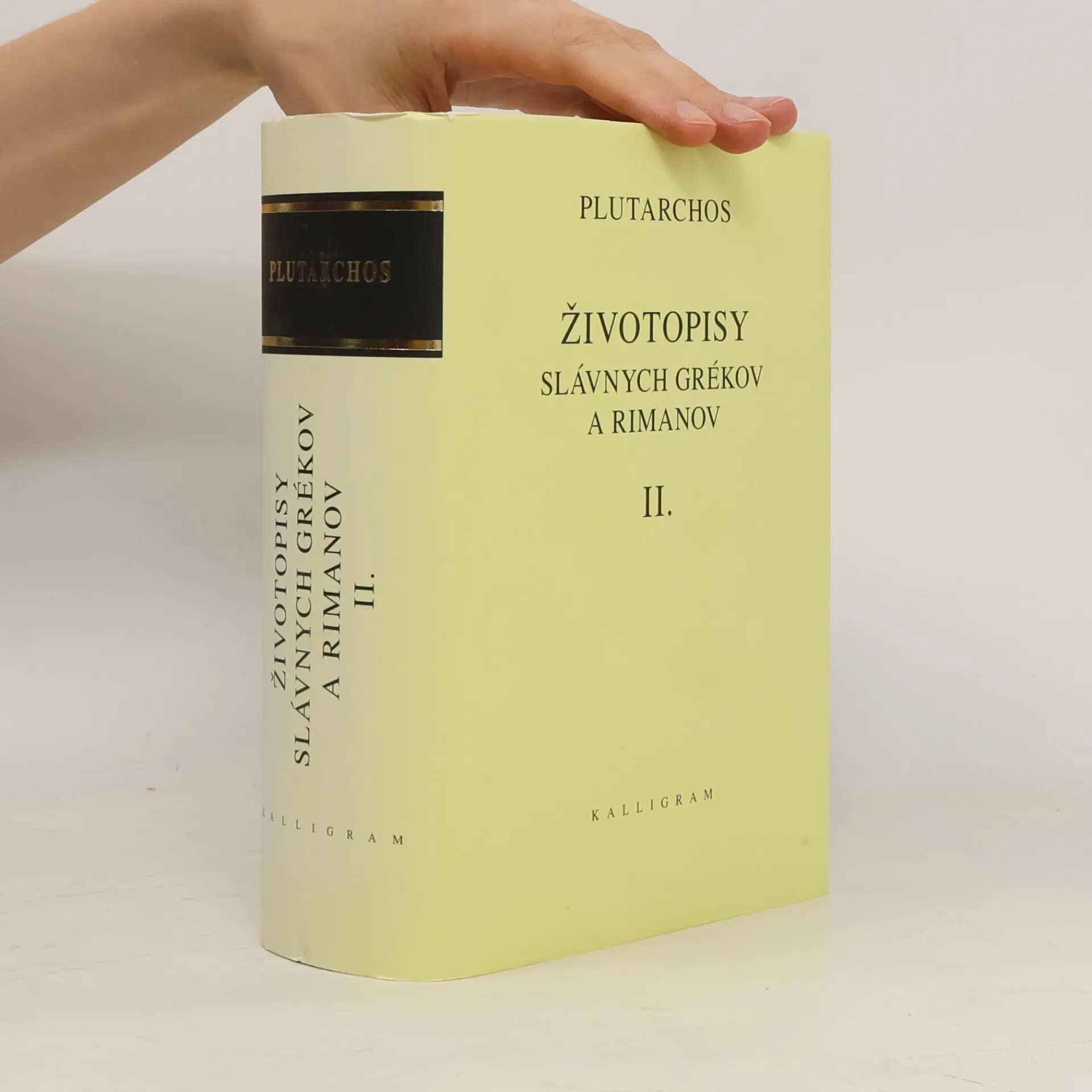
    • Druhý svazek Plútarchových srovnávacích životopisů zahrnuje osm dvojic řecko-římských osobností, včetně čtyř samostatných biografií. Předchozí svazek obsahoval čtrnáct až patnáct životopisů. Z původního souboru se ztratil pouze zlomek, včetně jedné dvojice a autorovy předmluvy. Plútarchos se srovnáváním slavných osobností snažil porozumět minulosti, přičemž se nechtěl soutěžit s historiky, kteří již popsali významné události. Zaměřil se na charakter a jednání jednotlivců, které formovaly dějiny, a shromáždil údaje, jež byly opomíjeny. Vybral osobnosti, které nejlépe vyjadřovaly jeho výchovné záměry, a použil princip analogie pro porozumění. Biografie považoval za optimální žánr pro tento účel a vytvořil z nich svižné eseje. Nejvíce protagonistů pochází z klasické doby Athén, prvního století helénismu a římských občanských válek. Plútarchos tím demonstroval svůj pohled na řeckou a římskou historii a vytvořil galerii významných osobností, přičemž zdůraznil, že Řekové byli iniciátory ušlechtilých myšlenek a morálních ctností. Jeho dílo zpracovává bohaté dědictví klasické historiografie a nově interpretuje platónskou filozofii. Plútarchos sehrál klíčovou roli v přechodu křesťanství a jeho práce se stala oblíbenou mezi byzantskými učenci a evropskými vzdělanci, inspirovala renesanční a novověké autory a dodnes se čte.

      Životopisy slavných Řeků a Římanů II.
      4,7
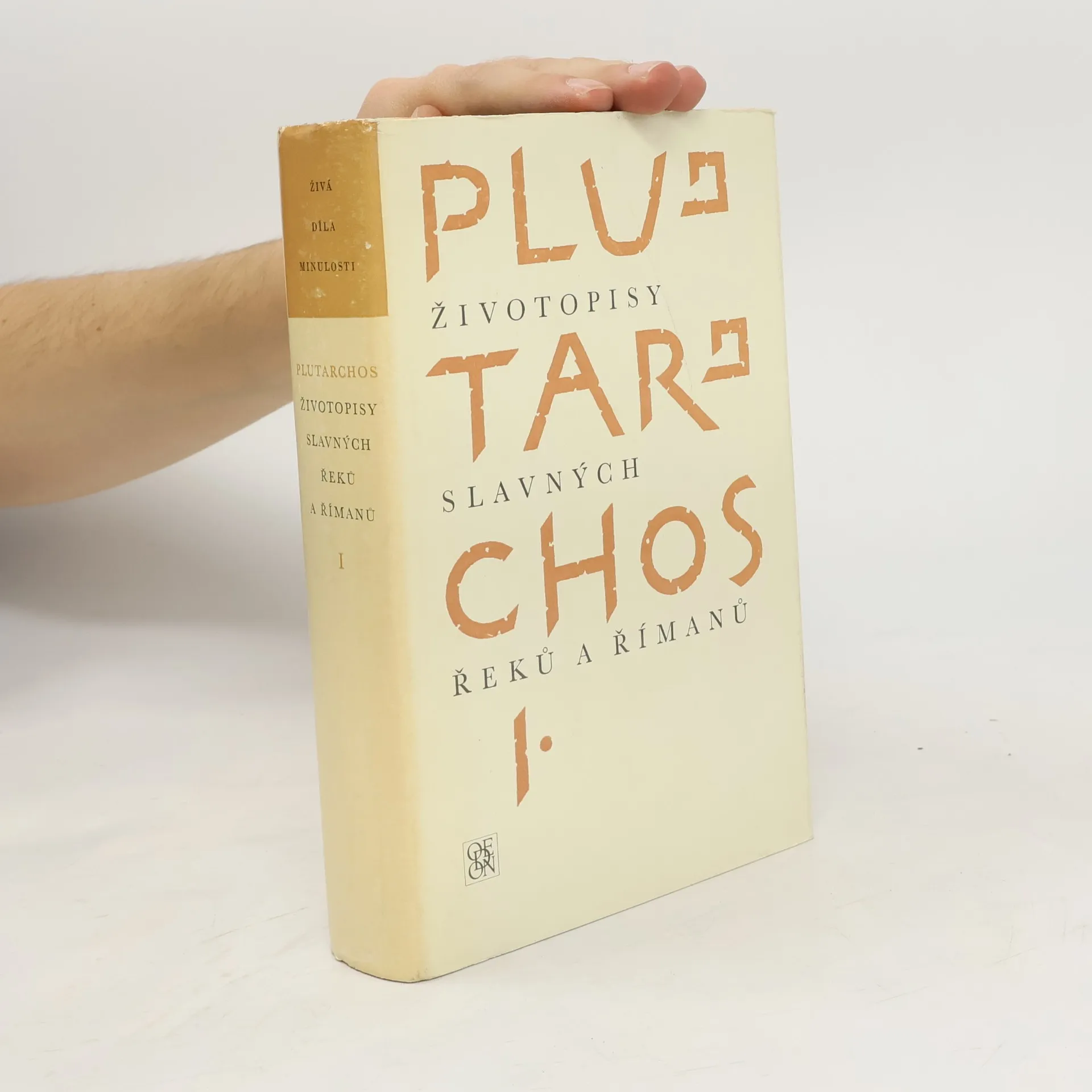
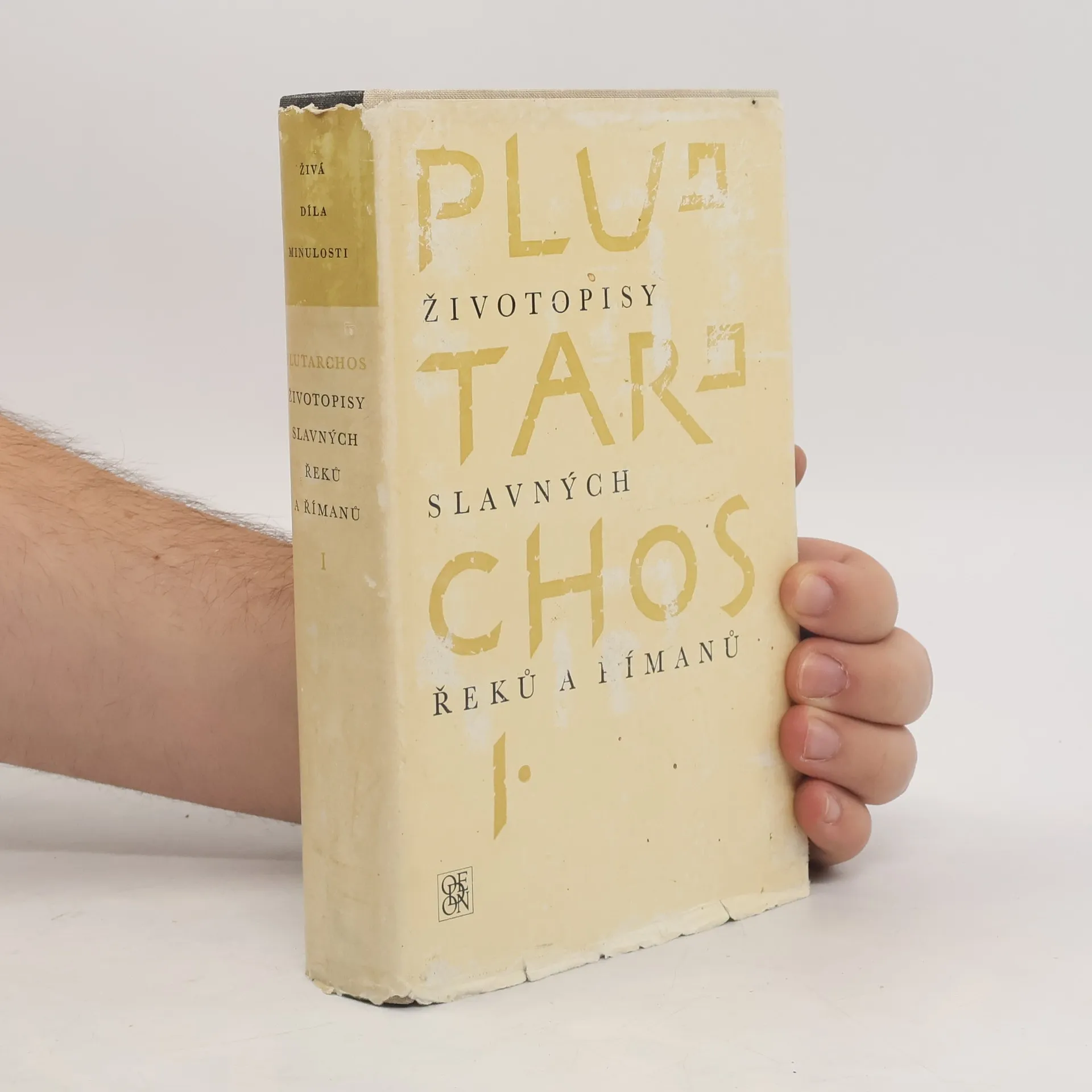
    • Plútarchovy životopisy význačných osobností řeckých a římských dějin představují specializovaný dějepisný žánr - biografii. Reprezentují tento žánr v pokročilém vývojovém stadiu, kdy se vlivem peripatetické filozofie obohatil o prvky a postupy umělecké prózy za účelem dosažení mravního a estetického účinku na čtenáře. Plútarchoss pak do tohoto žánru učinil průlom svou koncepcí konfrontace osobností, kdy proti Řekovi postavil analogickou postavu Římana a srovnával jejich povahy, kariéru a skutky. Činil tak s ušlechtilým záměrem: demonstrovat souměřitelnou velikost obou antických kultur. Při líčení charakterových vlastností kladl důraz na morální kvality té které postavy, jež podle jeho mínění zasluhovaly následování. Touto metodou srovnávání chtěl zprostředkovat porozumění minulosti. Celkem se dochovalo 49 životopisů, z nichž 46 je párových, tzn. 23 dvojic a 3 jednotlivé. Ztracena je Plútarchova předemluva a první dvojice Epameinóndás a Scipio Africký. Tento svazek životopisů obsahuje 14 dvojic, další pak ostatní dvojice včetně jednotlivců a doslovu.

      Životopisy slavných Řeků a Římanů I.
      4,7
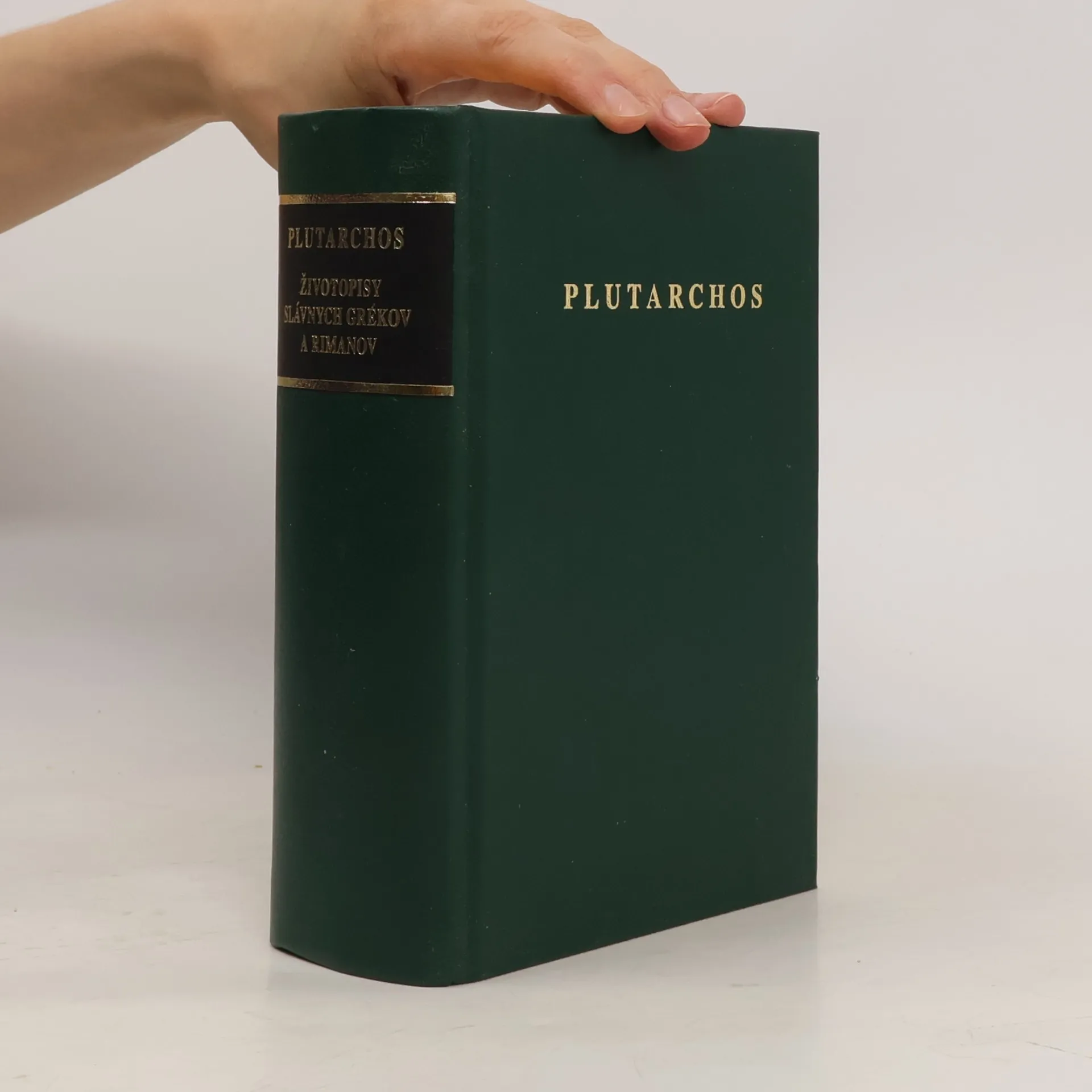
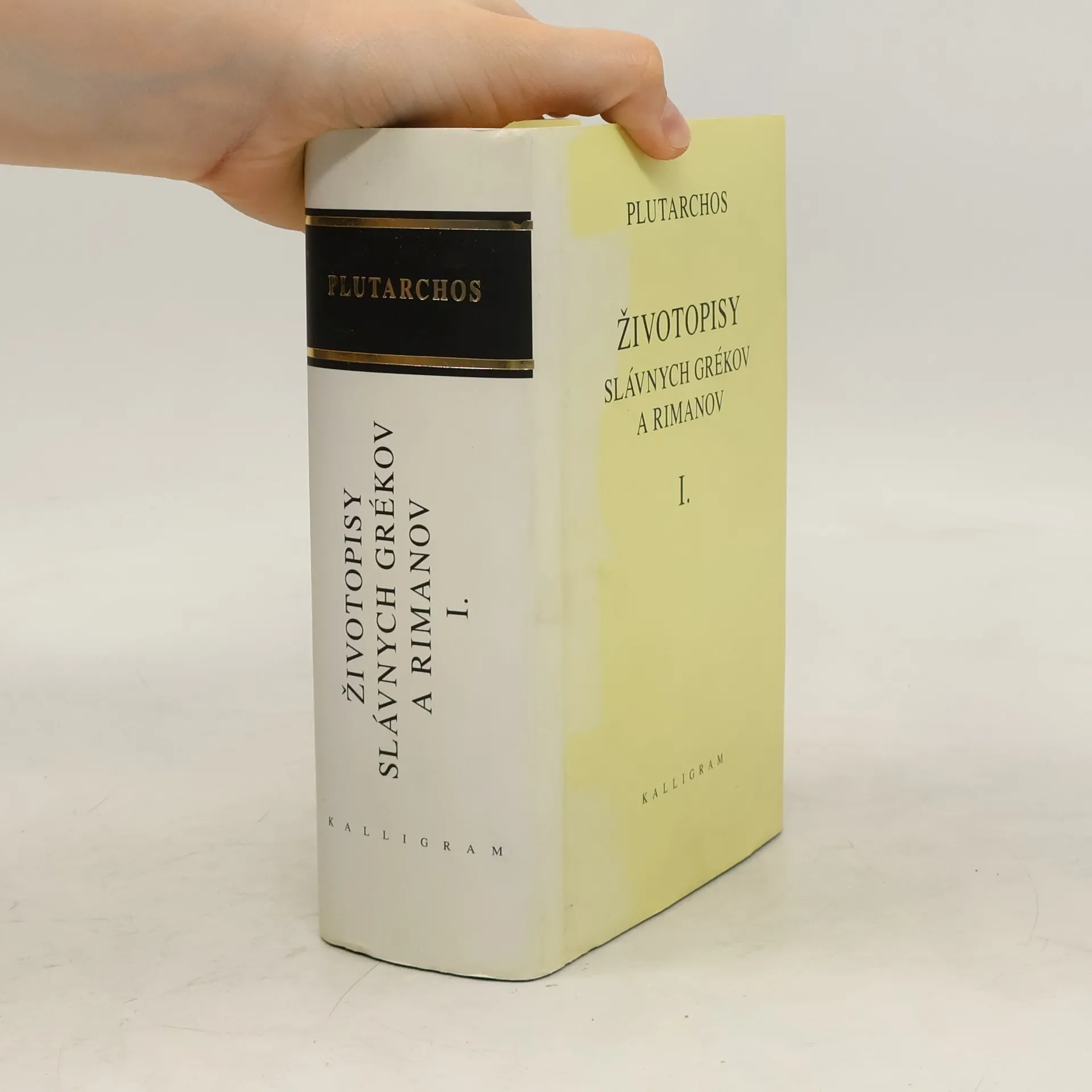
    • Životopisy slávnych Grékov a Rimanov (Bioi paralléloi, Súbežné životopisy) sú najvýznamnejším dielom gréckeho spisovateľa, historika a filozofa Plutarcha (asi 46 – asi 127 po Kristovi). Ide o dvadsať párov tzv. paralelných životopisov slávnych historických postáv gréckych a rímskych dejín, v ktorých je zachytená história antického sveta od piateho storočia pred Kristom do prvého storočia po Kristovi. Tieto životopisy začal údajne písať Plutarchos na podnet svojich priateľov, no onedlho si túto činnosť veľmi obľúbil. Prostredníctvom týchto životopisov a v zmysle svojho politického presvedčenia o nevyhnutnej historickej súčinnosti Grékov a Rimanov mohol poukázať na rovnocenný podiel obidvoch národov na budovaní antickej spoločnosti. Plutarchov zámer smeroval k tomu – prostredníctvom životopisov slávnych Grékov pripomenúť Rimanom grécke prvenstvo v antickej civilizácii, zatiaľ čo životopisy slávnych Rimanov mali presvedčiť gréckych čitateľov o tom, že Rimanov nemožno v nijakom prípade zaraďovať medzi barbarov.

      Životopisy slávnych Grékov a Rimanov l-II.
      4,7
    • Životopisy slávnych Grékov a Rimanov (Bioi paralléloi, Súbežné životopisy) sú najvýznamnejším dielom gréckeho spisovateľa, historika a filozofa Plutarcha (asi 46 – asi 127 po Kristovi). Ide o dvadsať párov tzv. paralelných životopisov slávnych historických postáv gréckych a rímskych dejín, v ktorých je zachytená história antického sveta od piateho storočia pred Kristom do prvého storočia po Kristovi. Tieto životopisy začal údajne písať Plutarchos na podnet svojich priateľov, no onedlho si túto činnosť veľmi obľúbil. Prostredníctvom týchto životopisov a v zmysle svojho politického presvedčenia o nevyhnutnej historickej súčinnosti Grékov a Rimanov mohol poukázať na rovnocenný podiel obidvoch národov na budovaní antickej spoločnosti. Plutarchov zámer smeroval k tomu – prostredníctvom životopisov slávnych Grékov pripomenúť Rimanom grécke prvenstvo v antickej civilizácii, zatiaľ čo životopisy slávnych Rimanov mali presvedčiť gréckych čitateľov o tom, že Rimanov nemožno v nijakom prípade zaraďovať medzi barbarov.

      Životopisy slávnych Grékov a Rimanov I.
      4,6
    • K napísaniu svojho najznámejšieho diela, Životopisov, Plutarcha podnietil dobrý vzťah k Rimanom a tiež fakt, že spisy tohto druhu boli v Ríme pomerne obľúbené. Charakteristickou črtou takýchto životopisov sa stalo porovnávanie osôb rozdielnych národov. Plutarchos ako Grék s dobrým vzťahom k Rimanom si zvolil porovnávanie vždy dvoch osôb, jedného Gréka a jedného Rimana. Dvojice do svojho diela vyberal tak, aby si boli podobné niečím, čo ich obzvlášť charakterizovalo, i keď žili v rôznej dobe. V životopisoch uvádza jednak historické skutočnosti, no i údaje, ktorých pravdivosť nie je úplne istá a snaží sa ich písať pútavým spôsobom, aby boli zaujímavé i pre bežného čitateľa. Toto vydanie podáva výber ôsmych životopisov z celkového počtu päťdesiatich zachovaných. Publikáciu dopĺňajú dve štúdie Miloslava Okála Život, dielo a vplyv Plutarcha a Rímsky senát.

      Životopisy
      5,0
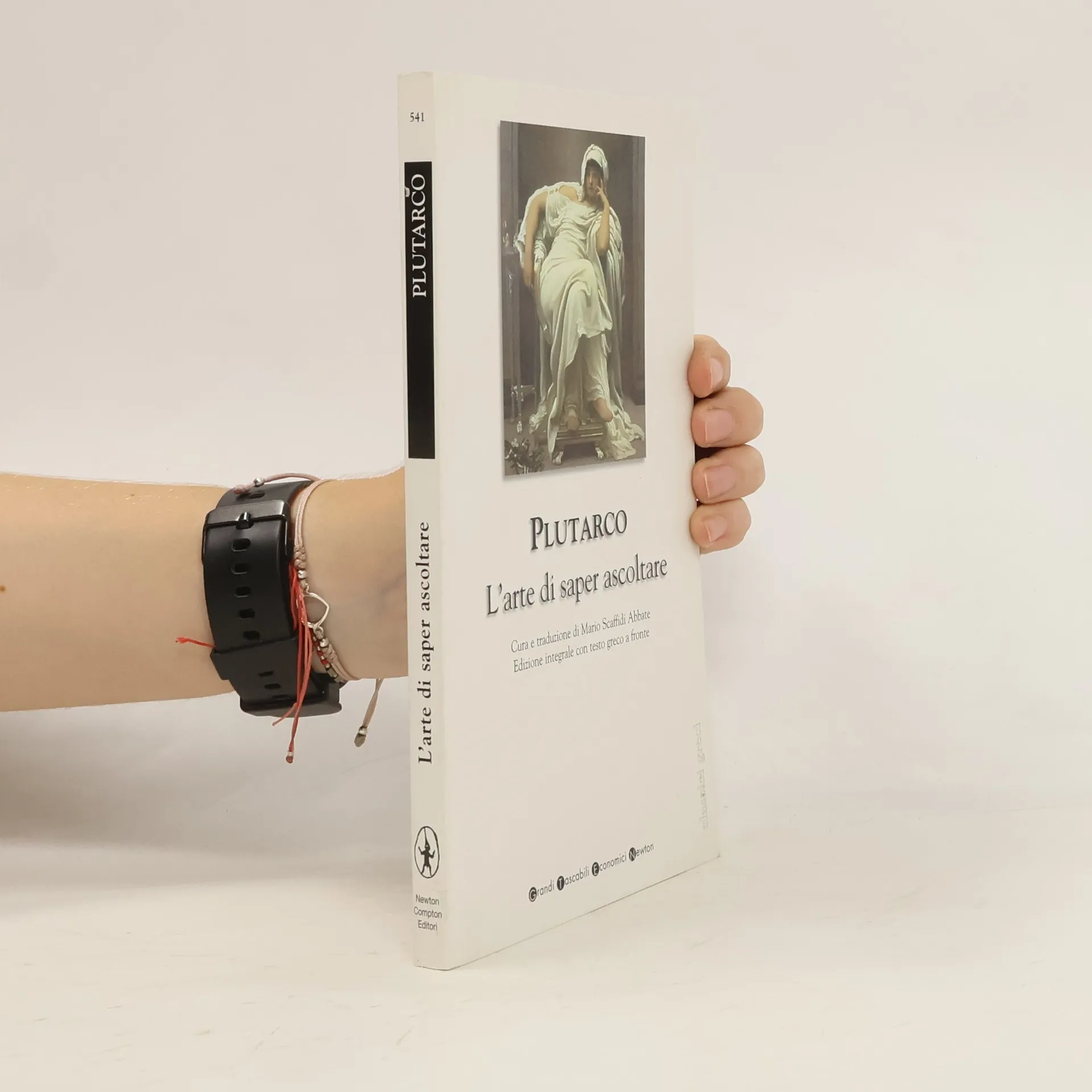
    • Qualsiasi discorso è nullo se non è ben inteso. L’ascolto, spesso sottovalutato, è infatti una metà fondamentale dell’atto della comunicazione. In questo manuale, tratto dai Moralia, Plutarco elargisce consigli di virtù, ma anche esempi di vizi che toccano uno degli aspetti più importanti della vita umana. Perché l'arroganza, l'odio, la presunzione e la smania di protagonismo inquinano la nostra disposizione verso l'altro e le sue ragioni. Dedicata a Nicandro, in occasione del suo ingresso nell’età virile, l'operetta si rivolge ai giovani, affinché sappiano maturare senza cedere al disordine delle emozioni, ma in ogni cosa cercando la pacatezza e la riflessione. Plutarco cita gli antichi filosofi, racconta aneddoti, riporta versi di Omero, mette in guardia contro le belle parole vuote, contro i discorsi apparentemente affascinanti ma privi di sostanza, usati per abbindolare gli ingenui e coloro, appunto, che non sanno ascoltare.

      L'arte di saper ascoltare: Edizione integrale con testo greco a fronte
      4,7
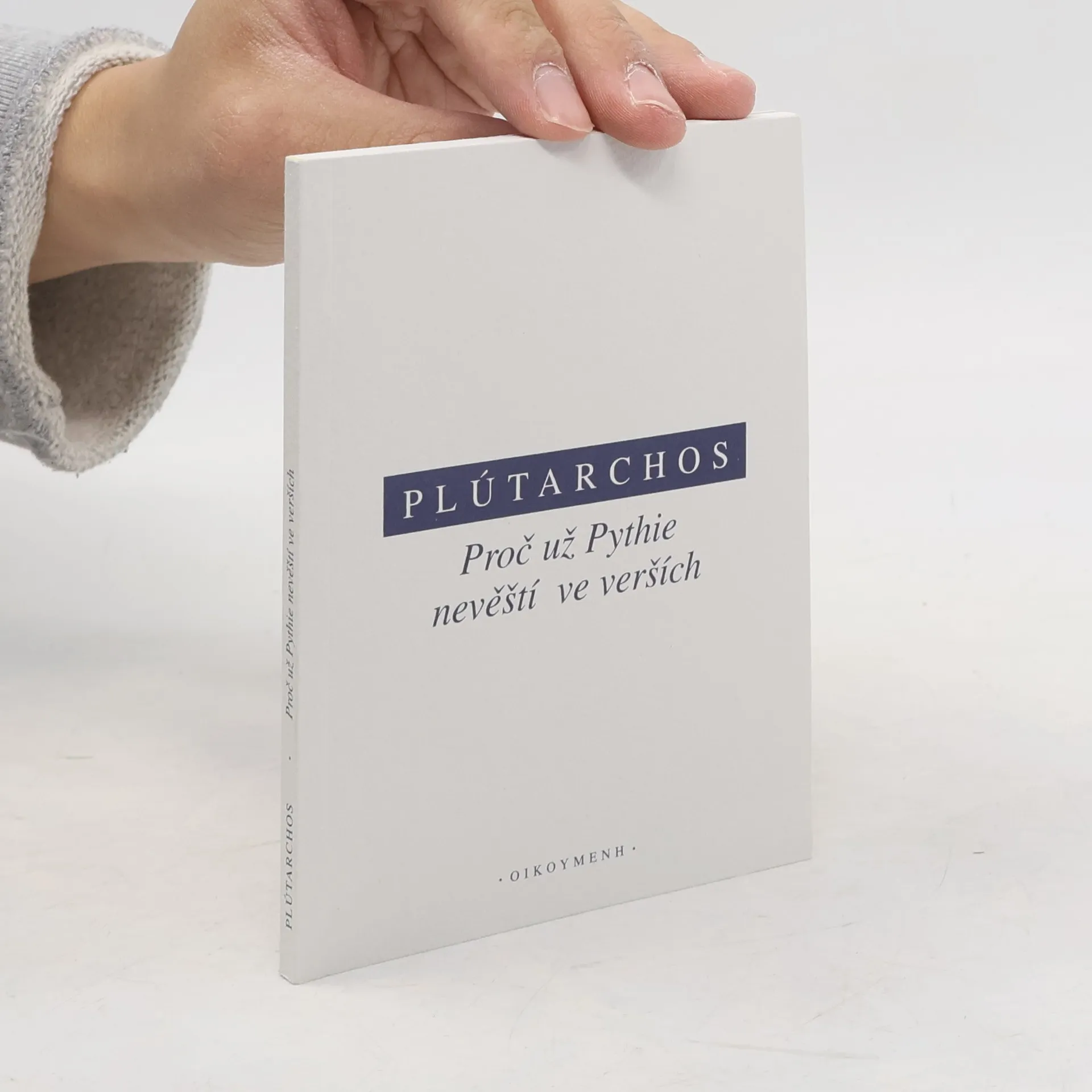
    • Řecký filosof, historik a esejista, jenž ve svých dílech často řešil náboženské otázky. Pojednání Proč už Pythie nevěští ve verších je součástí řady dialogů, jejichž děj je zasazen do delfské věštírny a dotýká se otázek spojených s jejím fungováním. Plútarchos, který na sklonku života působil jako Apollónův kněz v Delfách, zde reflektuje skutečnost, že zatímco za starých časů byly nejslavnější věštby vydávány v hexametrech, v jeho době jsou takřka výhradně prozaické. V rámci různorodé debaty se snaží vymezit vztah mezi lidským a božským faktorem při inspirovaném věštění a hájí názor, že zmizení veršovaných věšteb je důsledkem proměny ducha doby, nikoli známkou ochabnutí věštebné síly Delf.

      Proč už Pythie nevěští ve verších
      4,5
    • Alexander der Große wurde kaum 33 Jahre alt, doch hat er in seinem kurzen Leben Weltgeschichte geschrieben. In einem ungeheueren Eroberungszug stieß er bis an die Grenzen des bekannten Erdkreises vor und wurde gar als Gott verehrt. Dem Griechen Plutarch, der eine Biographie dieses jugendlichen Heros verfasst hat, verdanken wir eine der eindrucksvollsten Lebensbeschreibungen, die wir von einem Menschen der Antike besitzen.

      Alexander der Eroberer
      4,5
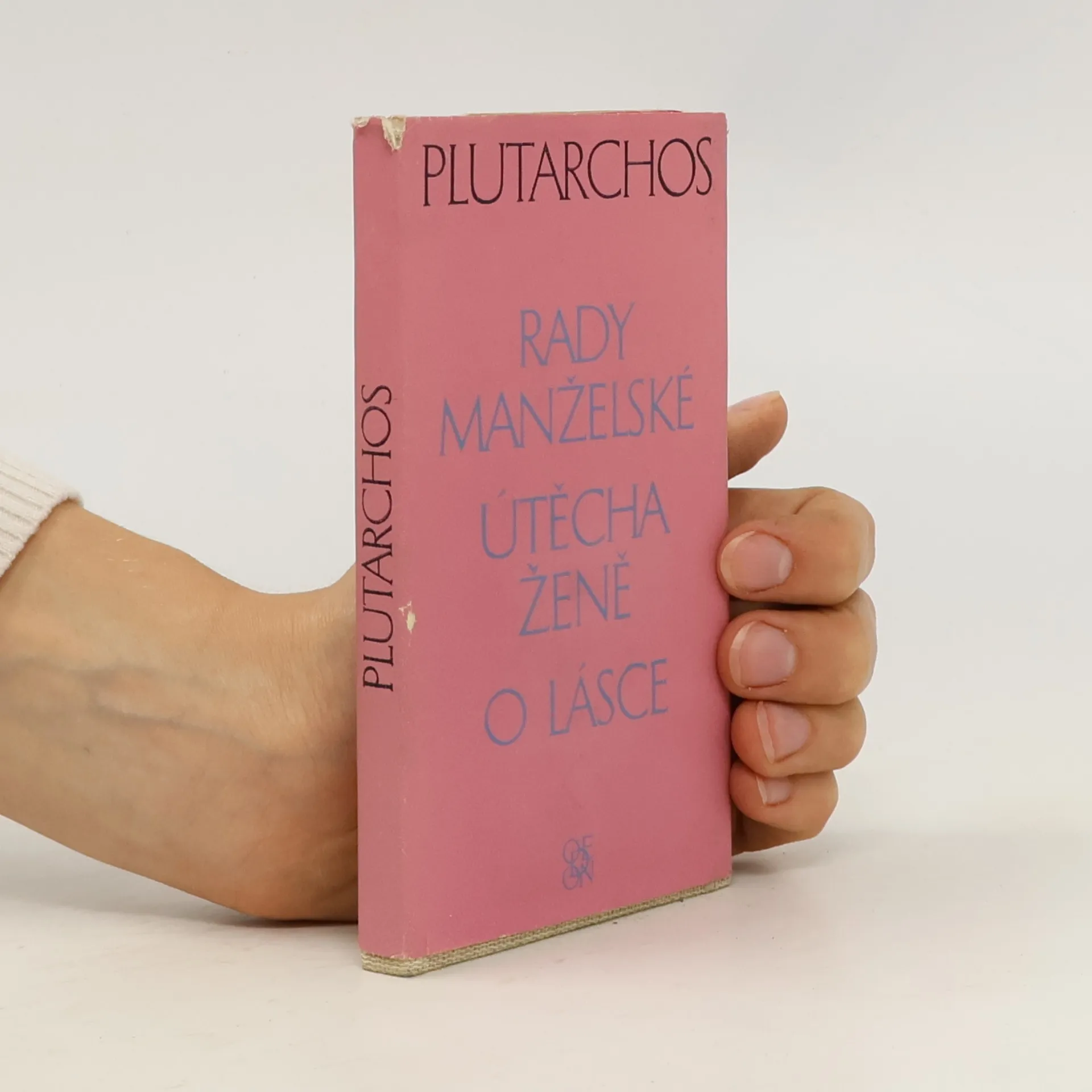
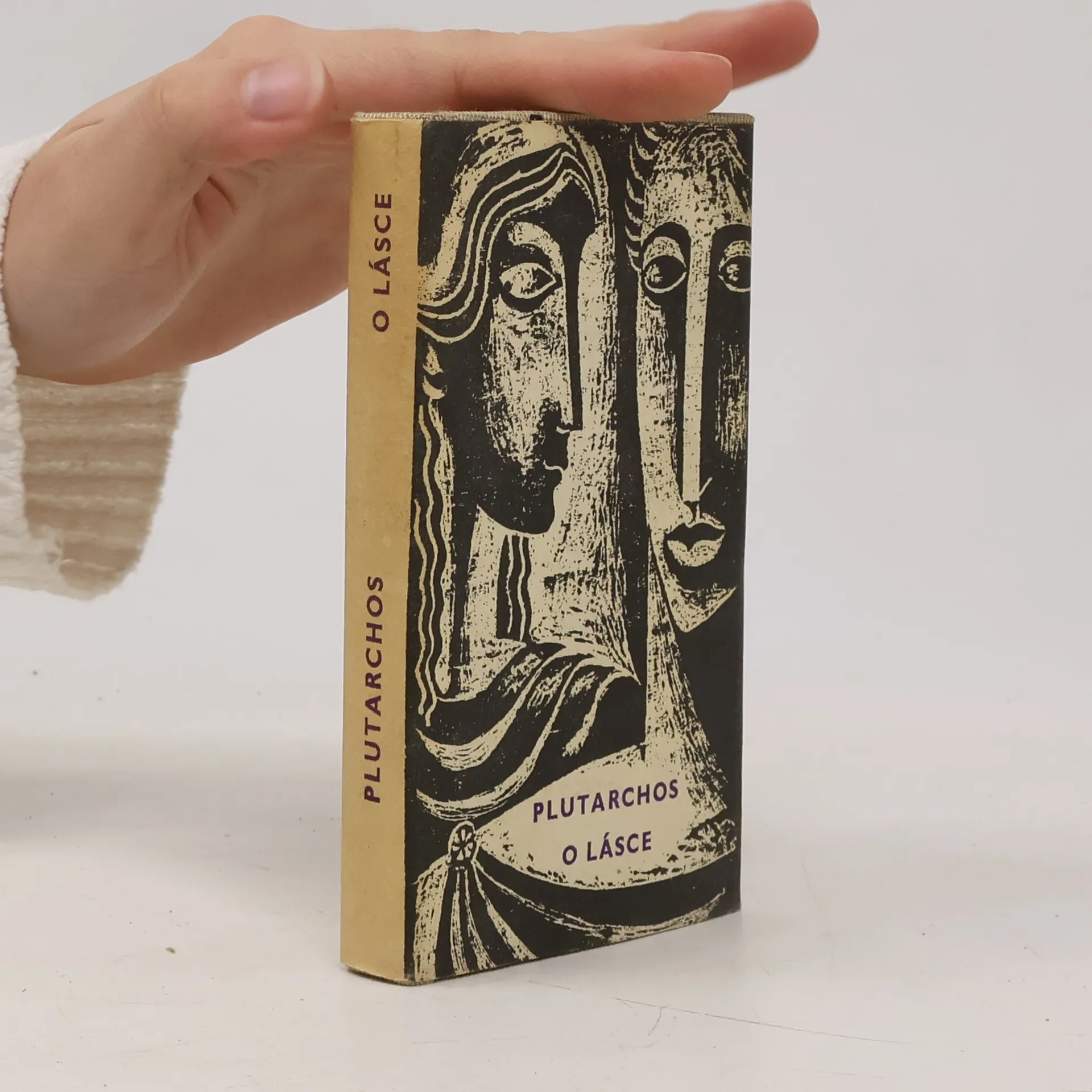
    • V knížce, tvořené třemi drobnými spisy, se řecký filosof a spisovatel zabývá problémy lásky a manželství. Rady manželské jsou přístupně a zajímavě psaným souborem mravních naučení pro harmonické manželství a obsahově jim odpovídají i zlomky nezachované rozpravy O lásce. Útěcha ženě je vlastně autorovým listem manželce Tímoxeně, který jí poslal po zprávě o smrti jejich dcerušky a je dokladem jejich hlubokého a opravdového vztahu.

      Rady manželské. Útěcha ženě. O lásce
      5,0
    • O strachu z bohů

      • 292pages
      • 11 heures de lecture

      Spis O strachu z bohů pochází z raného období jeho tvorby. Plútarchos v něm podrobuje velice ostré kritice všechny iracionální projevy náboženské víry, její přepjaté či pathetické projevy. Jeho úvahy o nepraktičnosti takové zbožnosti stojí poměrně blízko názoru epikúrejských filosofů, kteří odmítali jakoukoli formu božího působení v rámci tohoto světa a všechny neobvyklé jevy vykládali jako projev pouhé náhody vyplývající z běžných fyzikálních procesů. Přestože si Plútarchos vyškolený platónskou theologií zachovává vůči atheismu přírodních filosofů určitou distanci, oceňuje jejich střízlivý postoj k náboženským jevům a tento názor si do jisté míry uchovává i v pozdější době, kdy se stává členem kolegia delfských kněží. V jeho racionálním přístupu k tradičním formám zbožnosti se tak odkrývají meze filosofického chápání náboženské víry.

      O strachu z bohů
      4,5
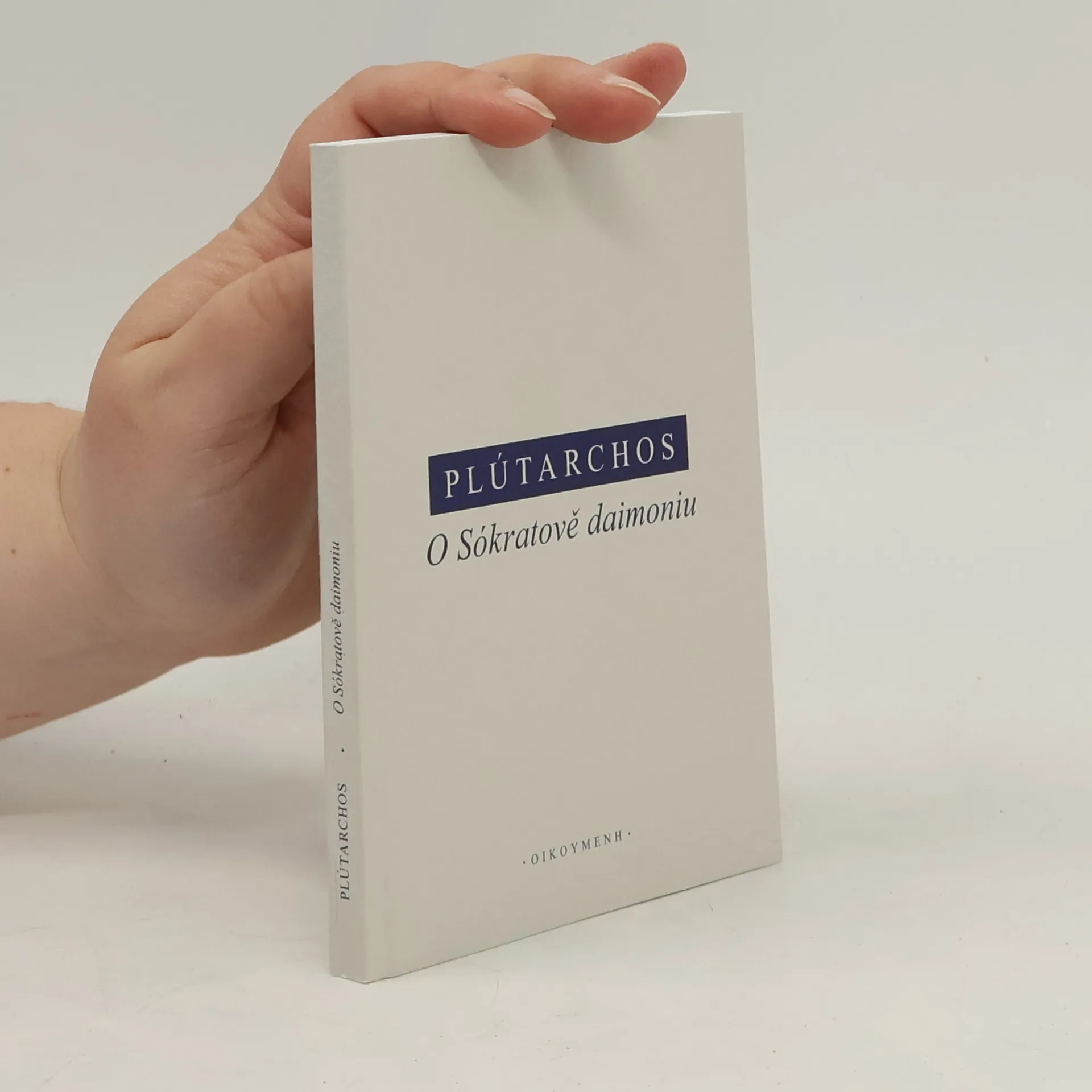
    • O Sókratově daimoniu

      • 110pages
      • 4 heures de lecture

      Plútarchos z Chairóneie zasadil svůj spis O Sókratově daimoniu žánrově na pomezí historické novely a filosofického dialogu, do rámce skutečných událostí konce roku 378 př. Kr. v Thébách, kdy místní demokraté spolu se skupinou exulantů svrhli oligarchy vládnoucí krvavě a krutě pod ochranou spartské posádky. Spiklenci se scházejí v thébském Simmiově domě pod záminkou hovorů o filosofii. O jejich jednáních, činech a rozmluvách na filosofická témata, jež vedou mezi konspiracemi, referuje o něco později hostitelům v Athénách jeden z účastníků převratu, Kafisias, bratr nejslavnějšího thébského vojevůdce Epameinónda.

      O Sókratově daimoniu
      4,5
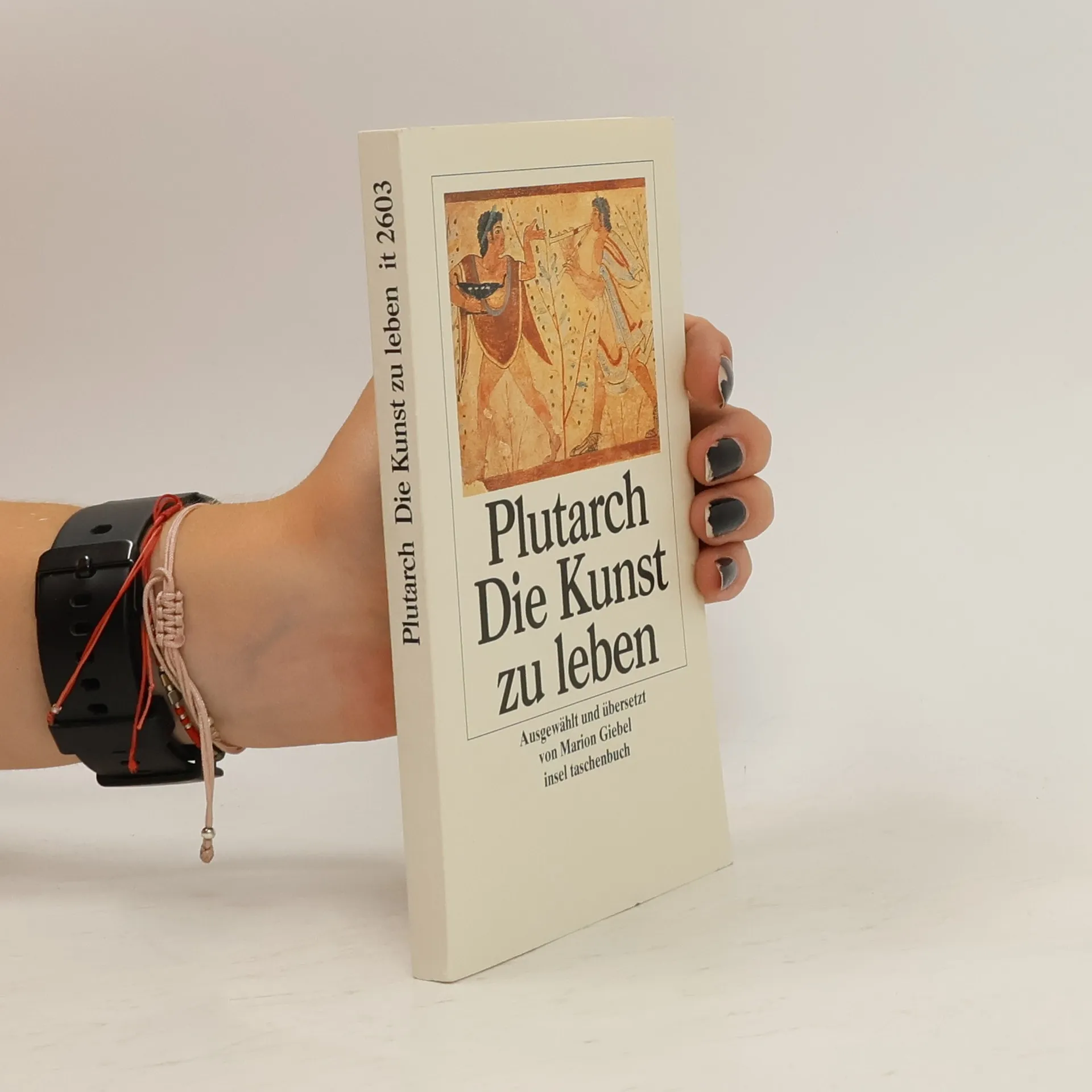
    • Die Kunst zu leben

      • 194pages
      • 7 heures de lecture

      Plutarch, der als Grieche im römischen Kaiserreich lebte (46 bis 125 n. Chr.), sah sich als Mittler zwischen beiden Völkern und Kulturen. Er wollte mit seinen Essays, die als »Moralia« überliefert sind, auf die Sitten und Menschen einwirken, nicht von der hohen Warte eines Kathederphilosophen aus, sondern als Verkünder einer praktischen Lebenskunst, als Verfechter einer sittlichen Lebensführung, die allein auf Dauer zu Ruhe und Zufriedenheit führe.

      Die Kunst zu leben
      4,3
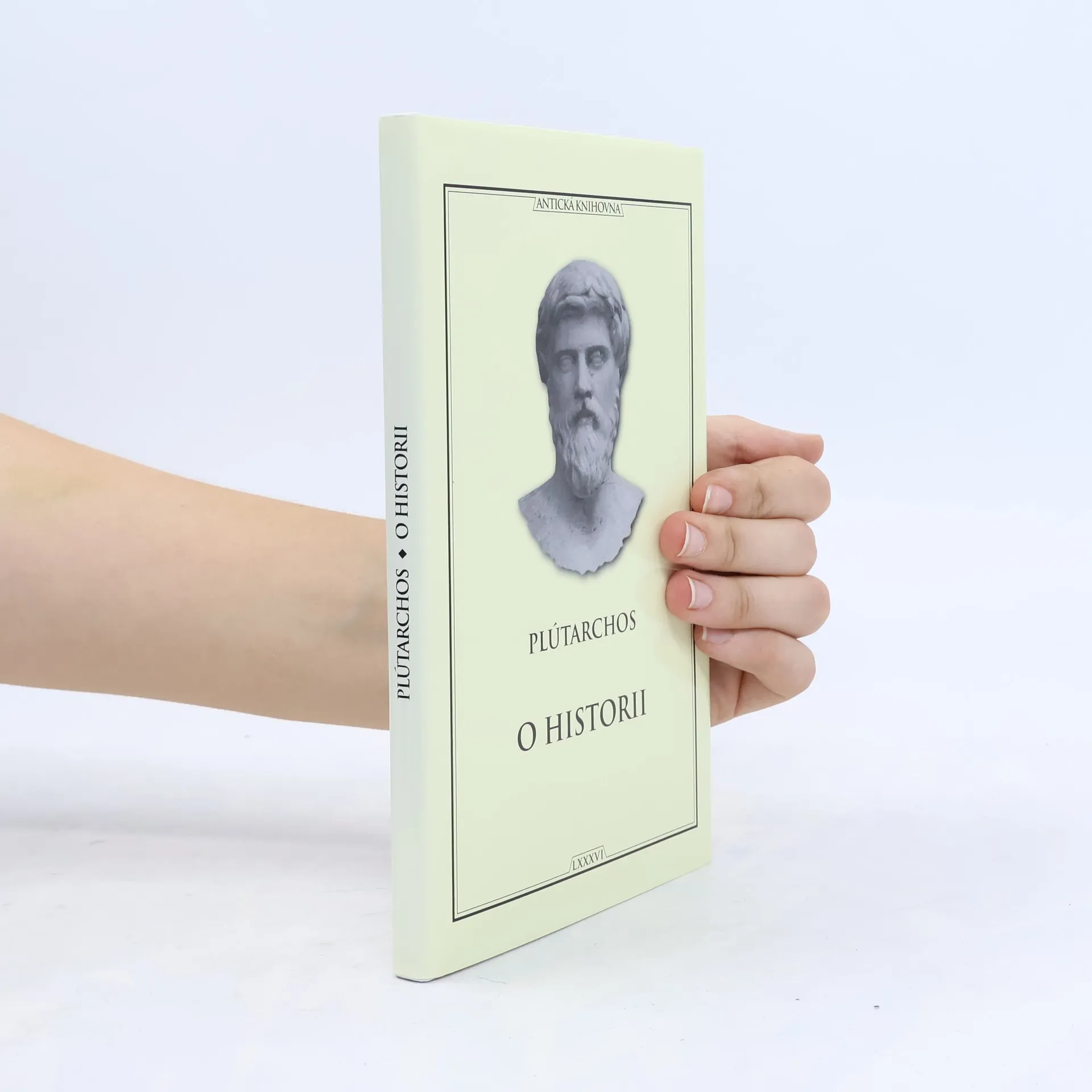
    • O historii

      • 120pages
      • 5 heures de lecture

      Plútarchos (po 45-po 120) z řecké Chairóneie patří k nejznámějším jménům antické literatury. Proslavily ho především Životopisy slavných Řeků a Římanů (vyd. v AK 2006 a 2007), v nichž vylíčil životní osudy významných řeckých a římských osobností. Mimoto je autorem více než dvou set drobnějších děl, jež věnoval nejrůznějším, především etickým otázkám lidského života (v AK soubory O lásce a přátelství, 1987, O politické činnosti, 2014). Z nich čerpá i svazek O historii, obsahující čtyři pojednání, věnovaná nejslavnějším obdobím a nejproslulejším představitelům řecké a římské historie (O Štěstěně Římanů, O Štěstěně či Zdatnosti Alexandra, Proslavili se Athéňané více ve válce než v umění?). Plútarchos líčí, jak se přitom uplatnila bohyně Tyché (Štěstěny) soupeřící s Areté (Zdatností) a dokládá řadu příkladů z dějin politických a dějin umění.

      O historii
      4,0
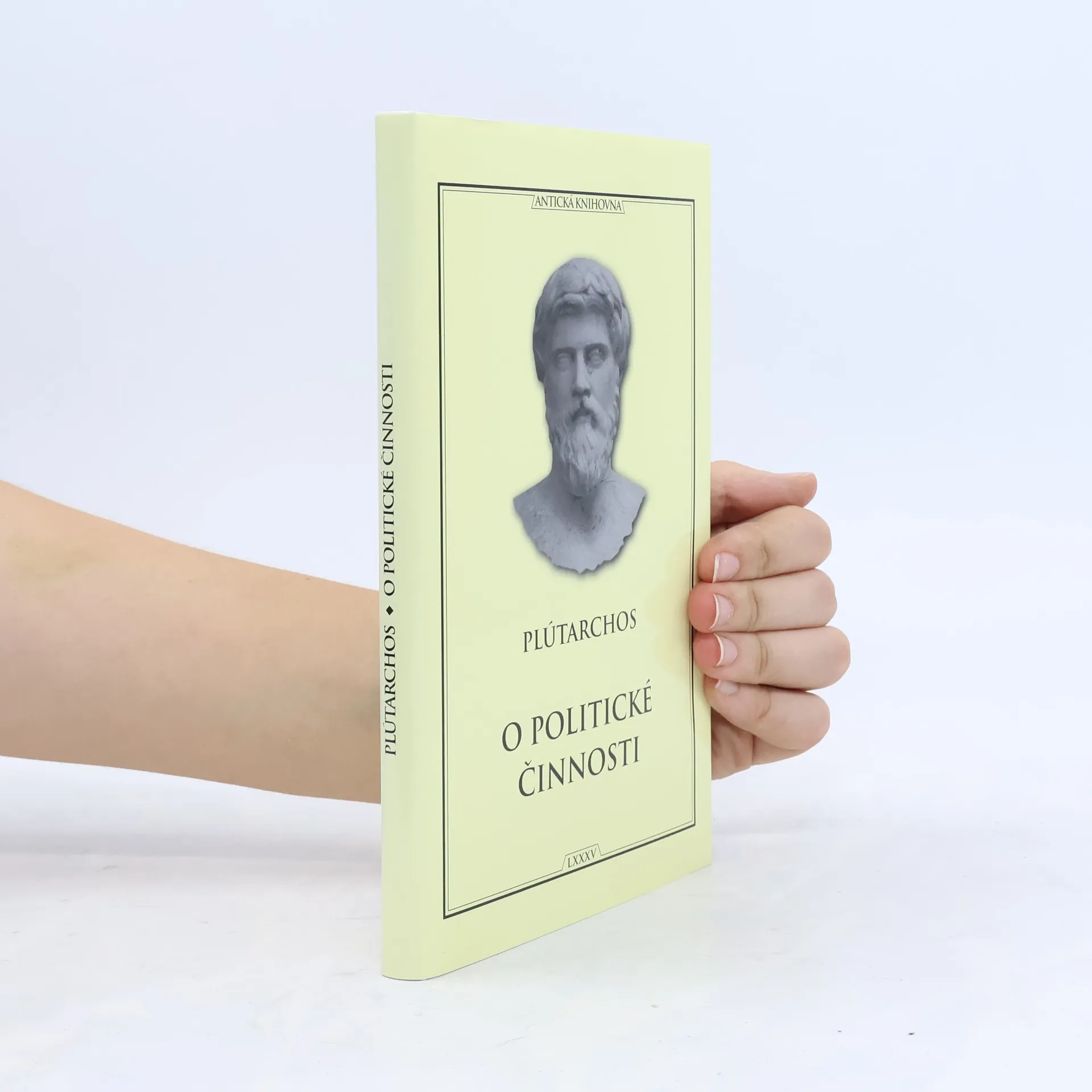
    • O politické činnosti

      • 159pages
      • 6 heures de lecture

      Politice je věnován svazek O politické činnosti, který obsahuje pětici pojednání o aktuálních problémech Plútarchovy doby, ale i zásadním koncepčním otázkám politické morálky (Politické rady, O monarchii, demokracii a oligarchii, Nepoučenému vládci, Má se stařec věnovat politice? a Filozof má rozmlouvat zejména s vládci). Čtenáře určitě překvapí, jak staré jsou nešvary politiků, jež plní stránky dnešních novin.

      O politické činnosti
      4,0
    • Moralphilosophische Schriften

      • 256pages
      • 9 heures de lecture

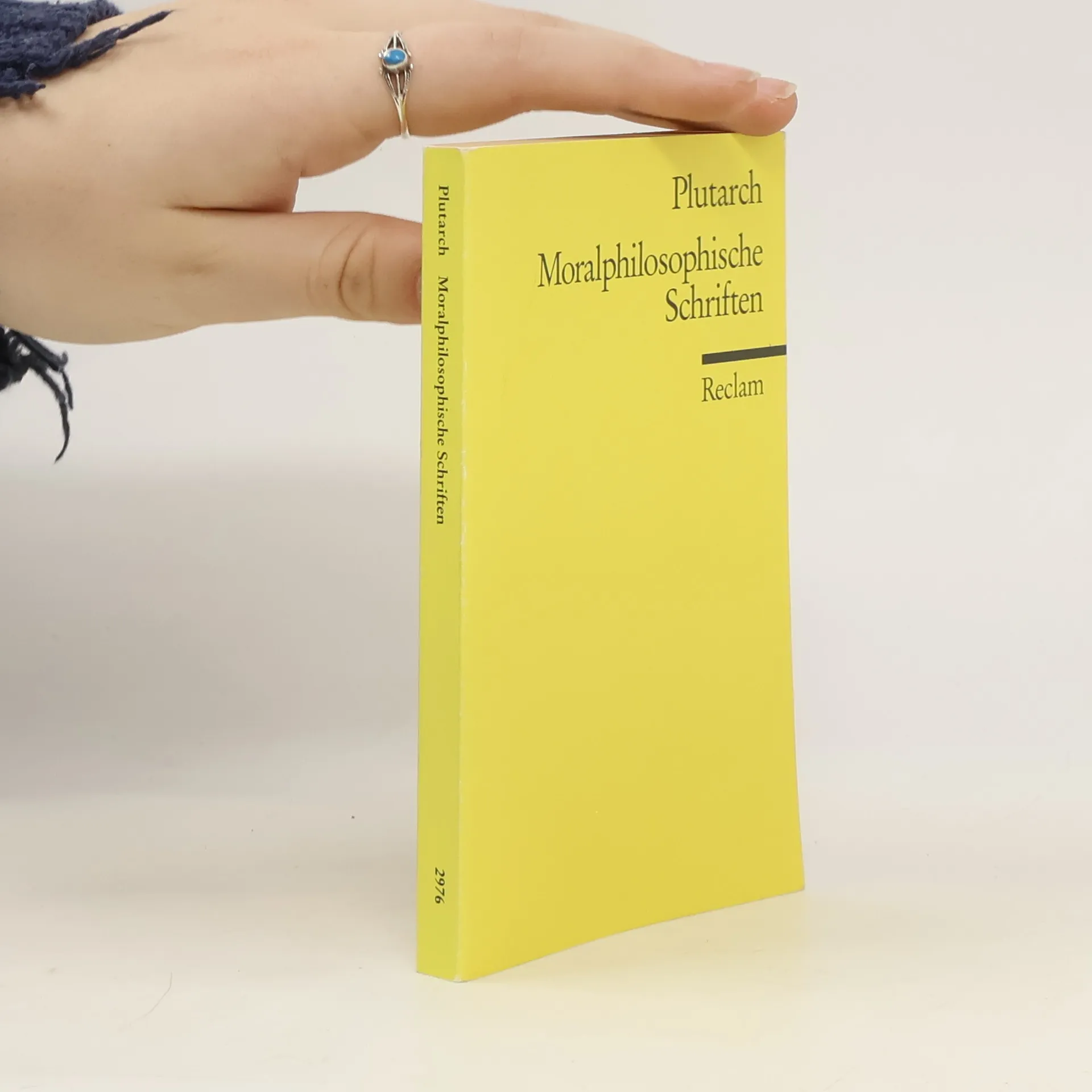
      Neben den berühmten Parallelbiographien ist von dem griechischen Autor Plutarch (um 45 – 120 n. Chr.) ein riesiges Konvolut von Schriften ganz unterschiedlichen Inhalts unter dem Sammeltitel »Moralia« überliefert. Darin gewährt uns der Autor einen guten Einblick u. a. in das philosophische und religiöse Bildungsgut seiner Zeit; hier zeigt sich aber auch seine vorbildliche ethische Gesinnung, seine Humanität und sein liebenswerter Charakter.

      Moralphilosophische Schriften
      3,0
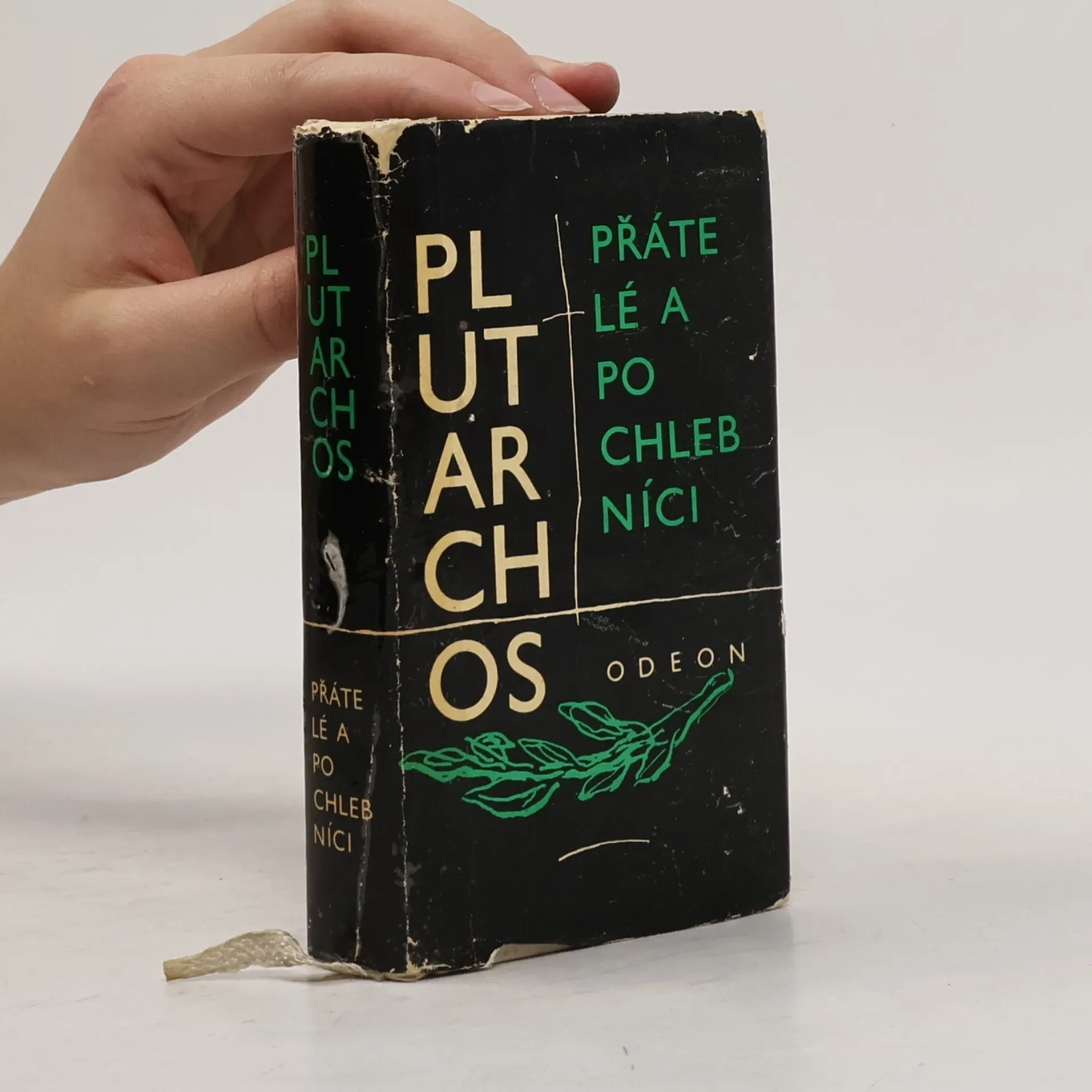
    • Filosofické rozpravy Plutarcha o přátelích i nepřátelích, pochlebnících, dlužnících a dalších tématech. Ve třech rozpravách učí starověký moralista o rozdílech mezi pravým, upřímným přítelem a falešným pochlebníkem a vysvětluje, že naši nepřátelé nám mohou být velmi prospěšní, protože ve styku s nimi se cvičíme v sebeovládání, v sebepoznávání a ve schopnosti čelit nepříznivým okolnostem. Posléze Plútarchos brojí proti dlužnictví, proti otročení bohatství a horuje pro svobodně odříkavou soběstačnost. Jeho ponaučení jsou plna literárních citátů a překypují množstvím příkladů z antického života.

      Přátelé a pochlebníci
      4,0
    • Der Mensch ist kein Fleischfresser: Schließlich muss er Fleisch erst künstlich zubereiten, damit es überhaupt bekömmlich ist. Vegetarier leben gesünder und fühlen sich leichter und freier. Zeilen aus dem Vorwort eines vegetarischen Kochbuchs? Nein: Schon Plutarch dachte so, vor beinahe 2000 Jahren. Dabei fragte er auch nach dem rechten Umgang mit Tieren: Schädliche Tiere dürfe man töten, unschädliche zähmen und sie ihrer natürlichen Eignung gemäß rücksichtsvoll zum eigenen Nutzen einsetzen. Aber man brauche keine Gänseleberpastete und schon gar keine mit Grausamkeit verbundenen Spektakel!

      Darf man Tiere essen?
      3,8
    • Vite parallele Demostene e Cicerone

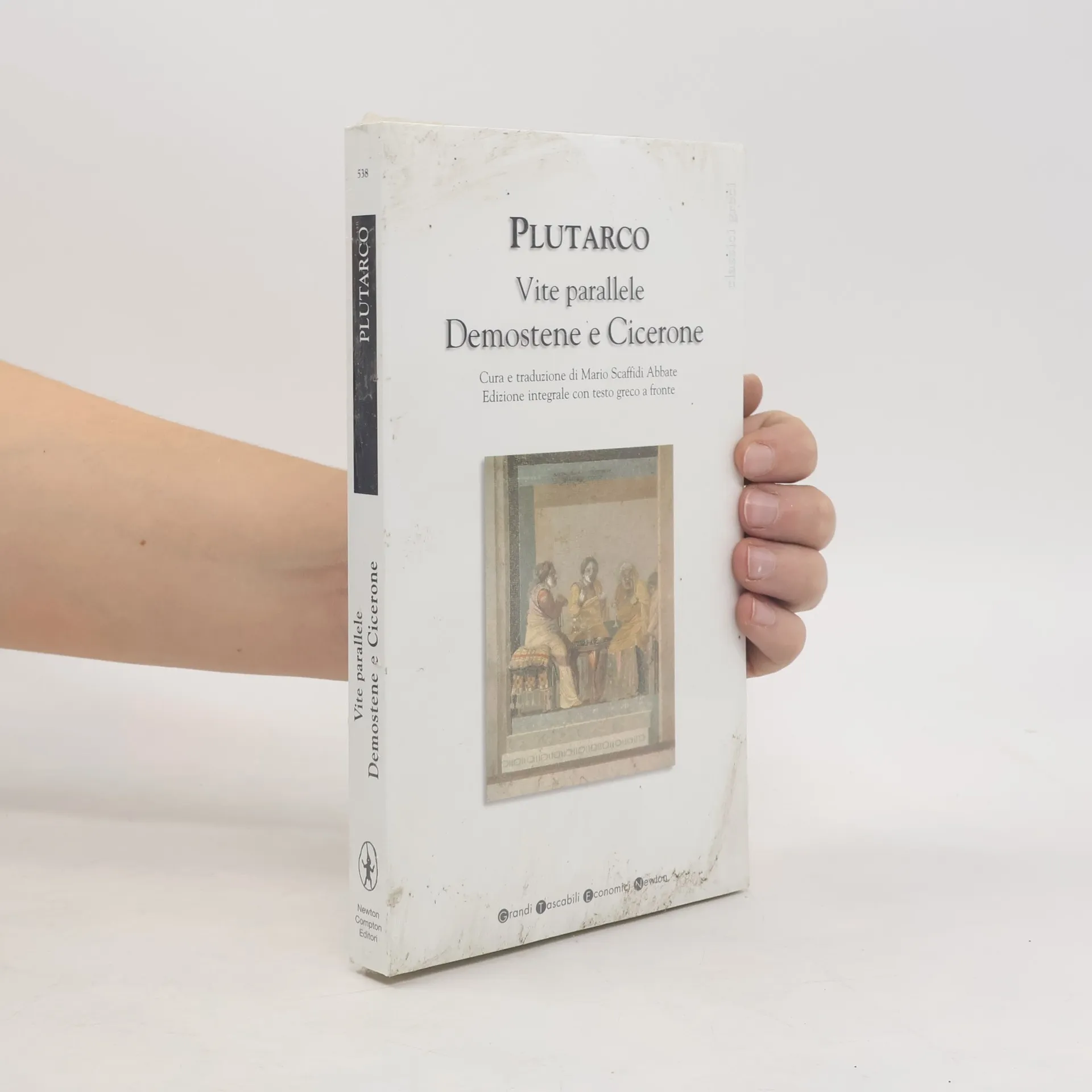
      Cura e traduzione di Mario Scaffidi Abbate - Edizione integrale con testo greco a fronte

      • 193pages
      • 7 heures de lecture

      Le "Vite parallele" sono come una grande galleria di quadri che illustrano, attraverso ritratti dei più celebri protagonisti, quasi tutta la storia di Roma e della Grecia. Ma sono anche un'immagine della vita nella sua eterna lotta fra bene e male, in un alternarsi di luci e di ombre, di vizi e di virtù. Demostene e Cicerone ebbero in comune alcune doti naturali e analoghe vicende esteriori, ma furono anche molto diversi: Demostene, teso e severo, fu amante del denaro e dell'oro e trasse dalla sua attività anche guadagni illeciti; Cicerone, sereno e sorridente, dimostrò invece un grande disprezzo per il denaro e diede anche prova di bontà e di carità.

      Vite parallele Demostene e Cicerone
      3,5
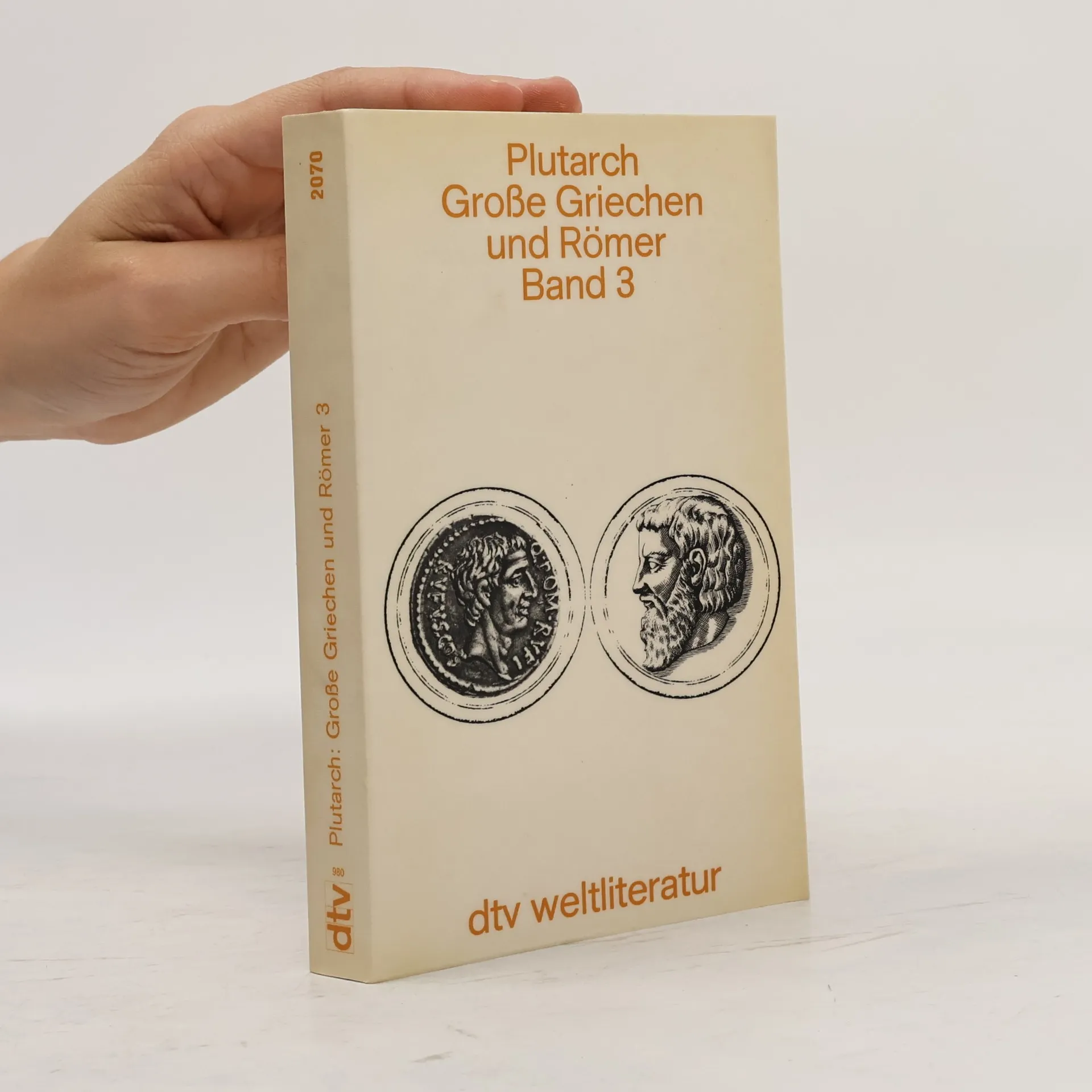
    • Große Griechen und Römer

      • 430pages
      • 16 heures de lecture

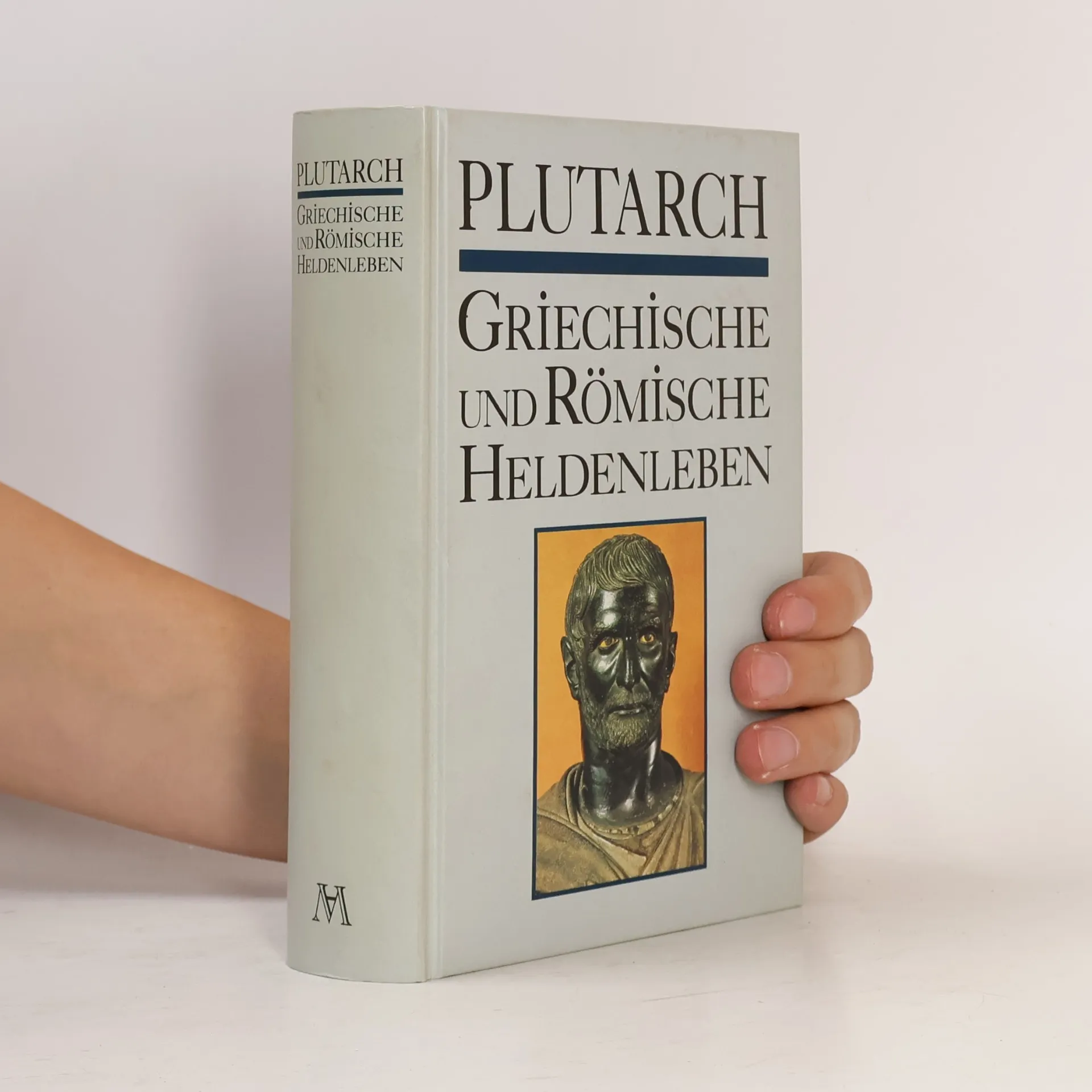
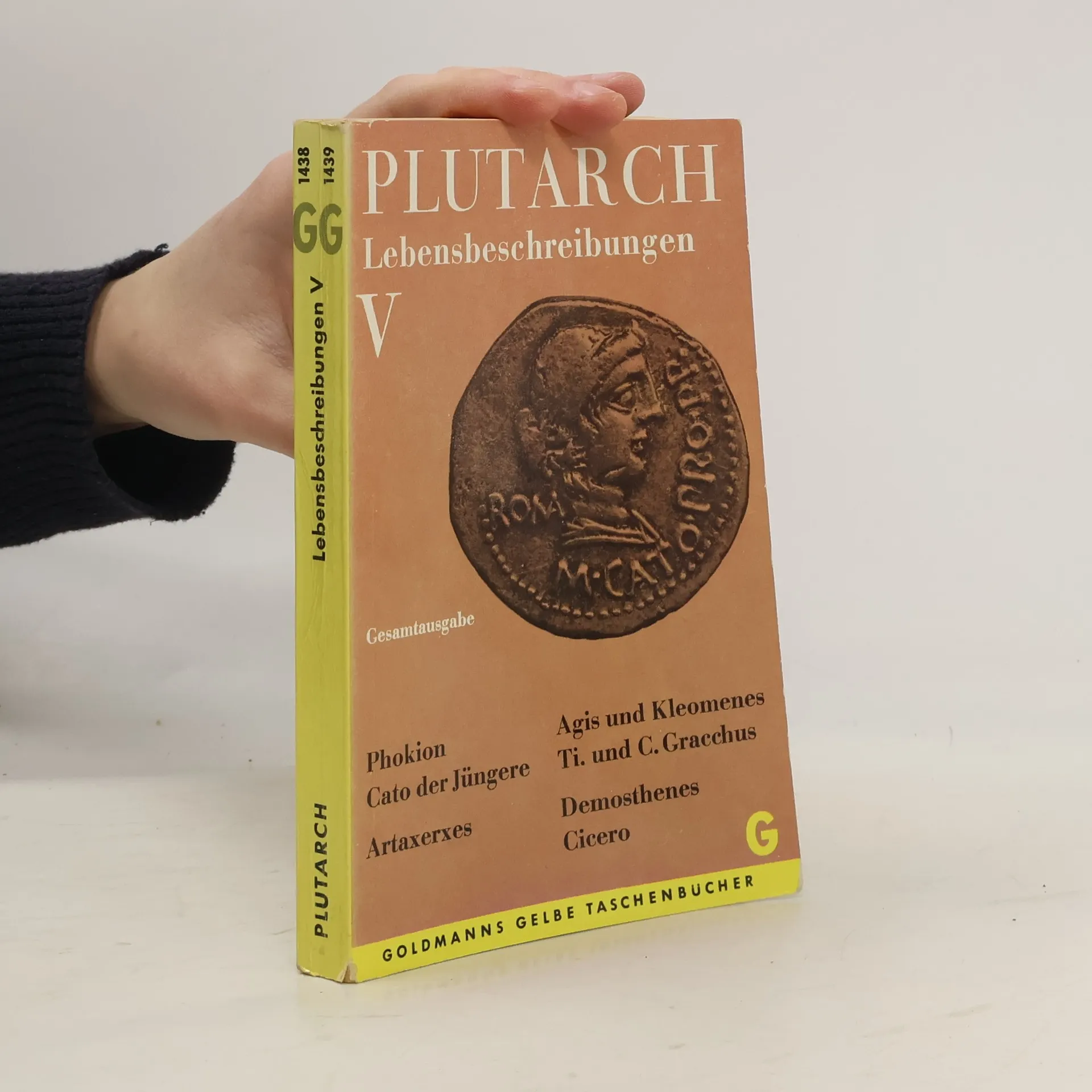
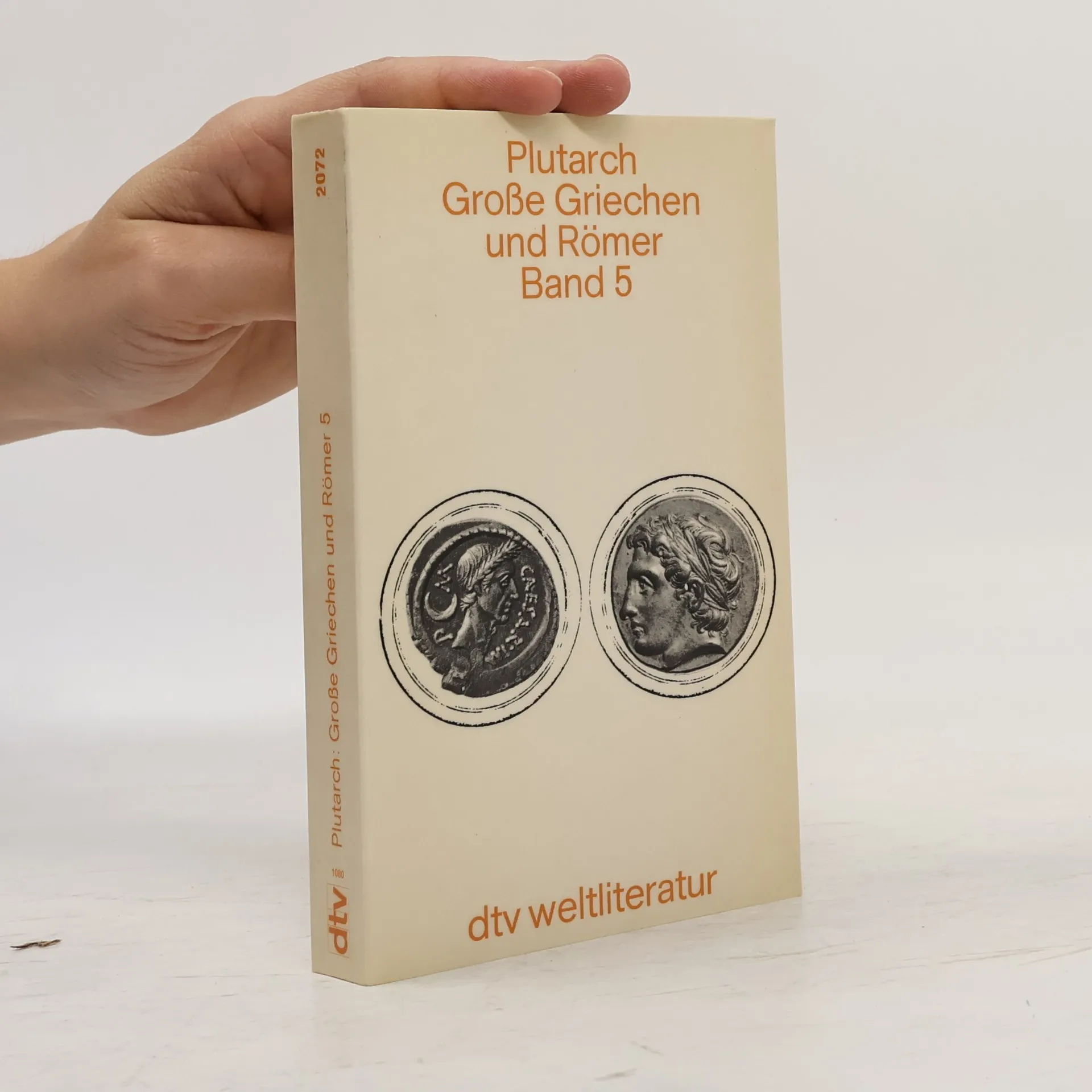
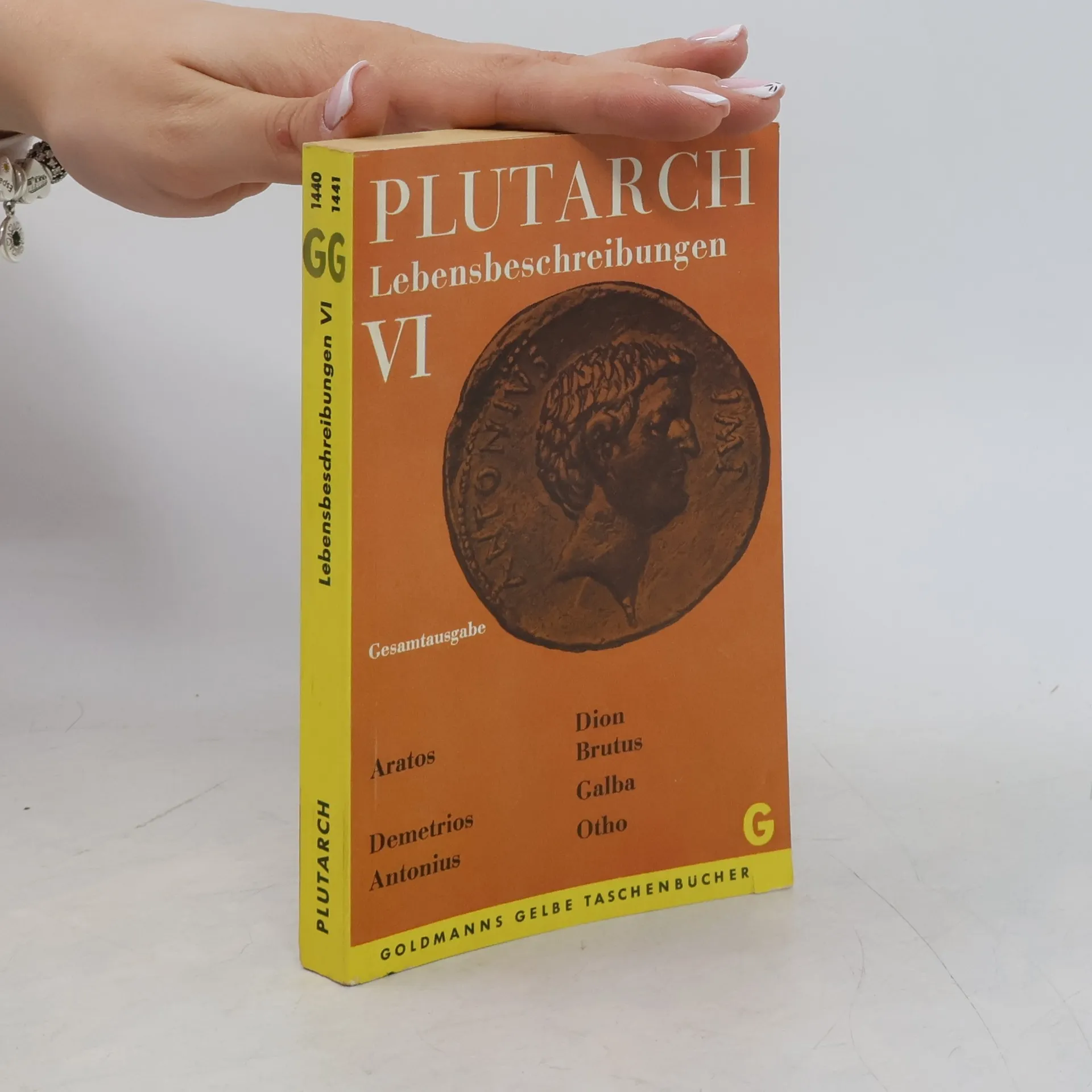
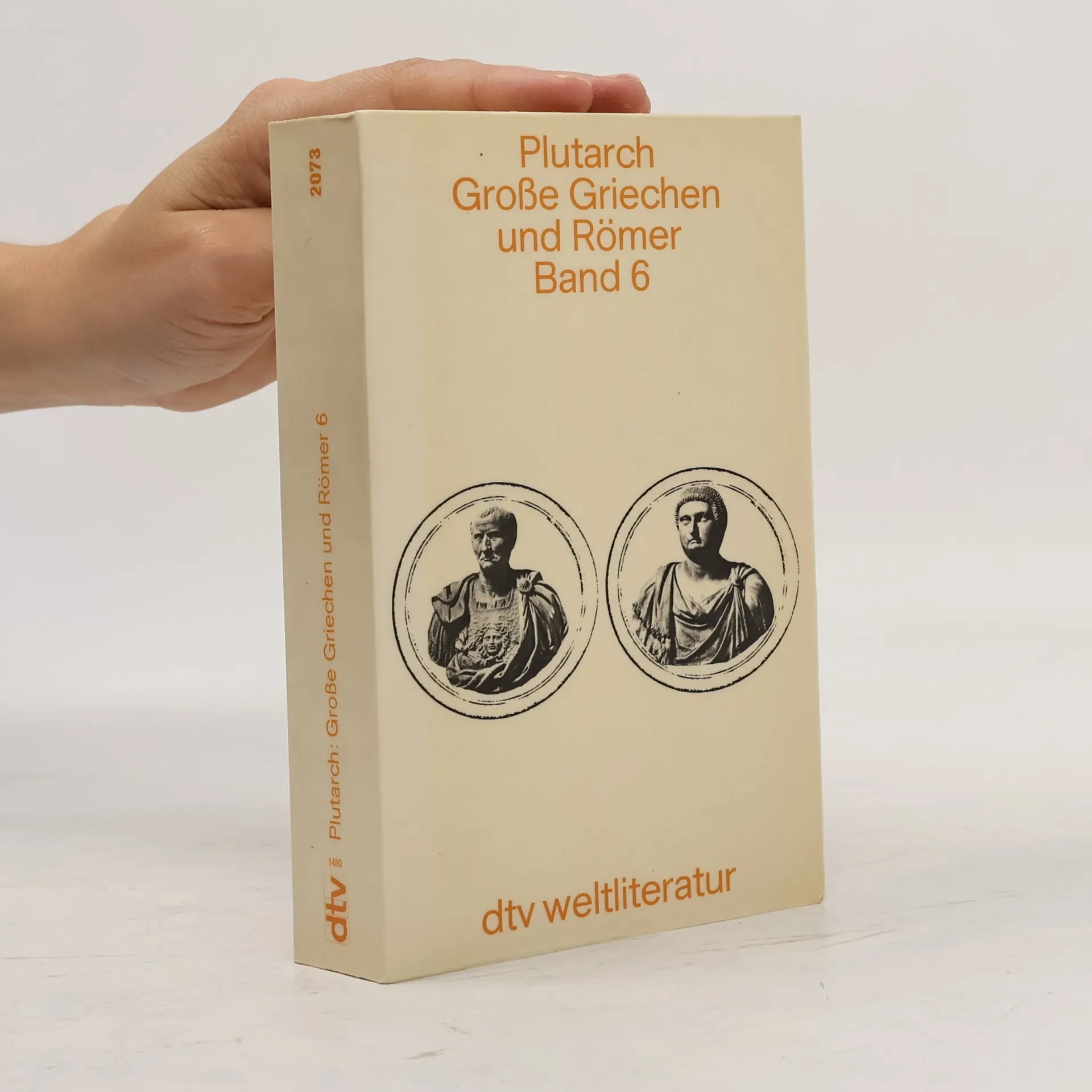
      Der große griechische Geschichtsschreiber Plutarch hat mit seinen »Parallelbiographien«, entstanden Anfang des 2. Jahrhunderts n. Chr., eines der meistgelesenen Werke der Antike geschaffen. In den 22 überlieferten Paaren von Lebensbeschreibungen stellte er einem griechischen jeweils einen römischen Staatsmann oder Feldherrn gegenüber. Diese Auswahl präsentiert die eindrucksvollsten seiner Porträts: Sie enthält die Lebensbilder der Griechen Themistokles, Perikles, Alkibiades und Alexander sowie der Römer Tiberius und Gaius Gracchus, Julius Cäsar und Marcus Antonius.

      Große Griechen und Römer
      3,4
    • Glücklichsein

      Denkanstöße aus der Antike. [Was bedeutet das alles?]

      • 80pages
      • 3 heures de lecture

      Was ist Glück? Für Plutarch bedeutet es innere Zufriedenheit. Jeder kann sie erlangen, durch Übung, Tugend und indem er sich von Einstellungen befreit, die ihn immer wieder aus dem Gleichgewicht bringen, wie Zukunftsangst, Neid oder Hab- und Besitzgier. Jeder mache das Beste aus seiner Veranlagung, sehe das Positive an seiner Situation: Suche den für dich richtigen Lebensweg – es gibt viele! Pack dich am Schopf und zieh dich aus deiner unglücklichen Situation! Dieser antike »Glückstrainer« hat nichts an Aktualität eingebüßt.

      Glücklichsein
      3,7
    • Plútarchovy životopisy význačných osobností řeckých a římských dějin představují specializovaný dějepisný žánr - biografii. Reprezentují tento žánr v pokročilém vývojovém stadiu, kdy se vlivem peripatetické filozofie obohatil o prvky a postupy umělecké prózy za účelem dosažení mravního a estetického účinku na čtenáře. Plútarchoss pak do tohoto žánru učinil průlom svou koncepcí konfrontace osobností, kdy proti Řekovi postavil analogickou postavu Římana a srovnával jejich povahy, kariéru a skutky. Činil tak s ušlechtilým záměrem: demonstrovat souměřitelnou velikost obou antických kultur. Při líčení charakterových vlastností kladl důraz na morální kvality té které postavy, jež podle jeho mínění zasluhovaly následování. Touto metodou srovnávání chtěl zprostředkovat porozumění minulosti. Celkem se dochovalo 49 životopisů, z nichž 46 je párových, tzn. 23 dvojic a 3 jednotlivé. Ztracena je Plútarchova předemluva a první dvojice Epameinóndás a Scipio Africký. Tento svazek životopisů obsahuje 14 dvojic, další pak ostatní dvojice včetně jednotlivců a doslovu.

      Živá díla minulosti: Životopisy slavných Řeků a Římanů I.