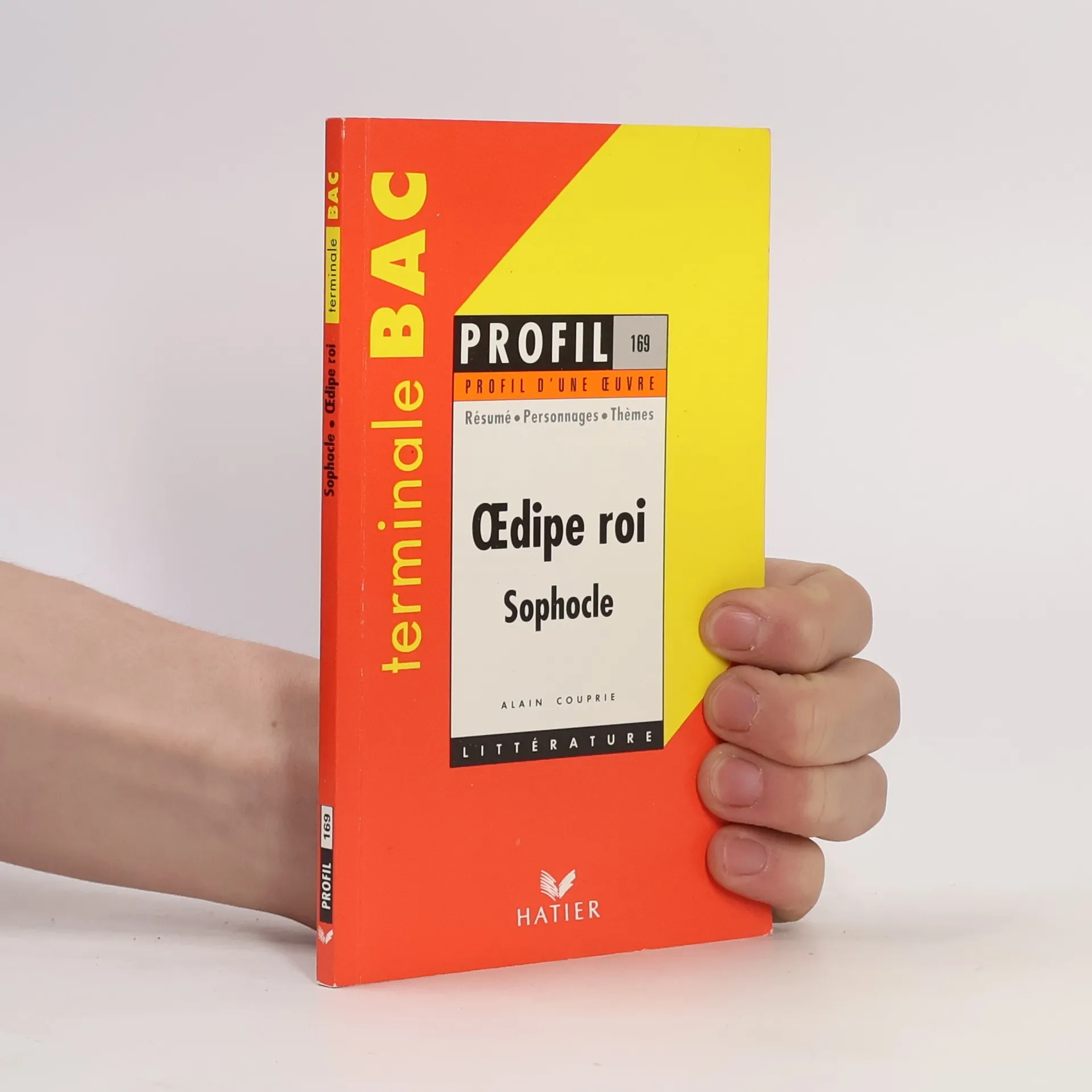
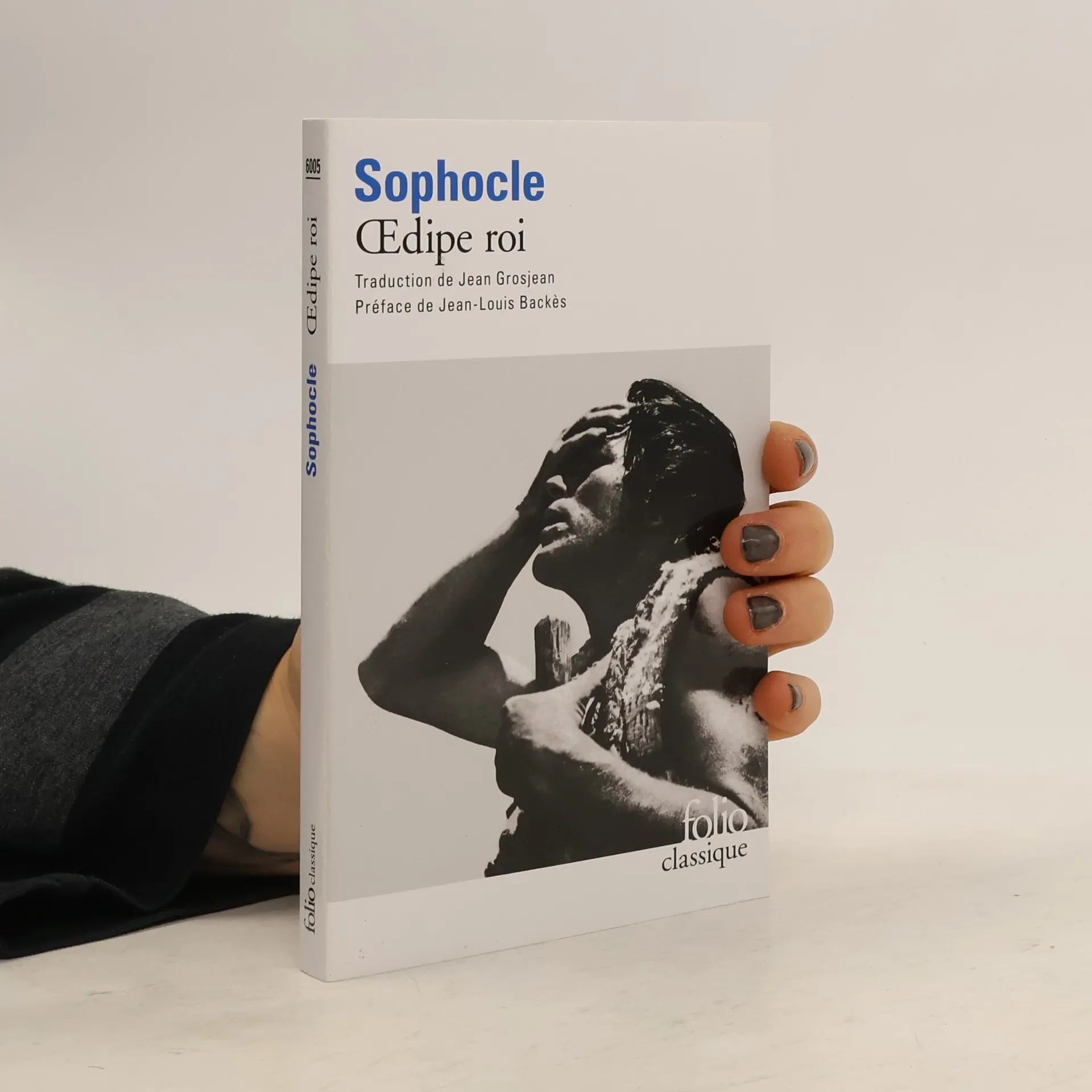
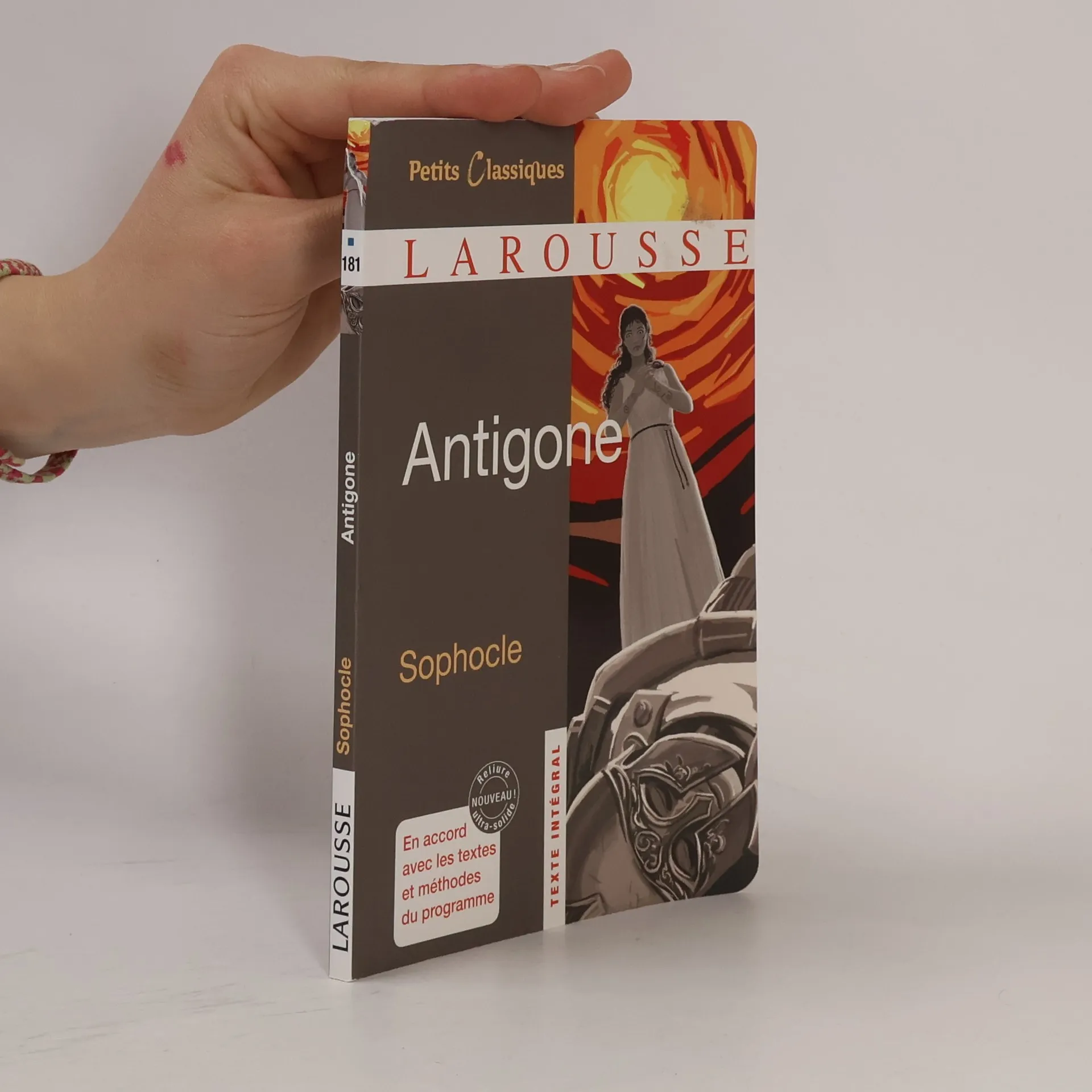
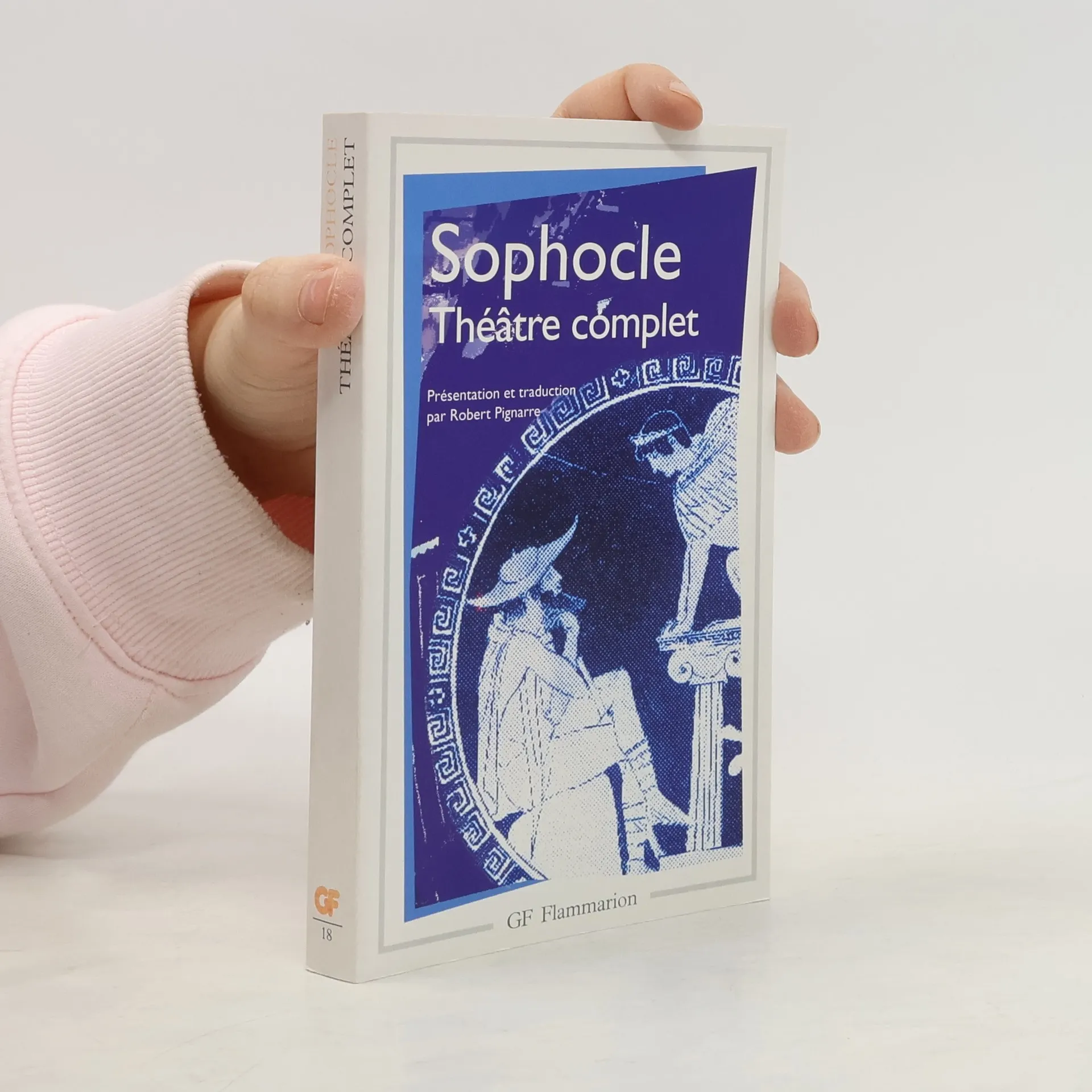
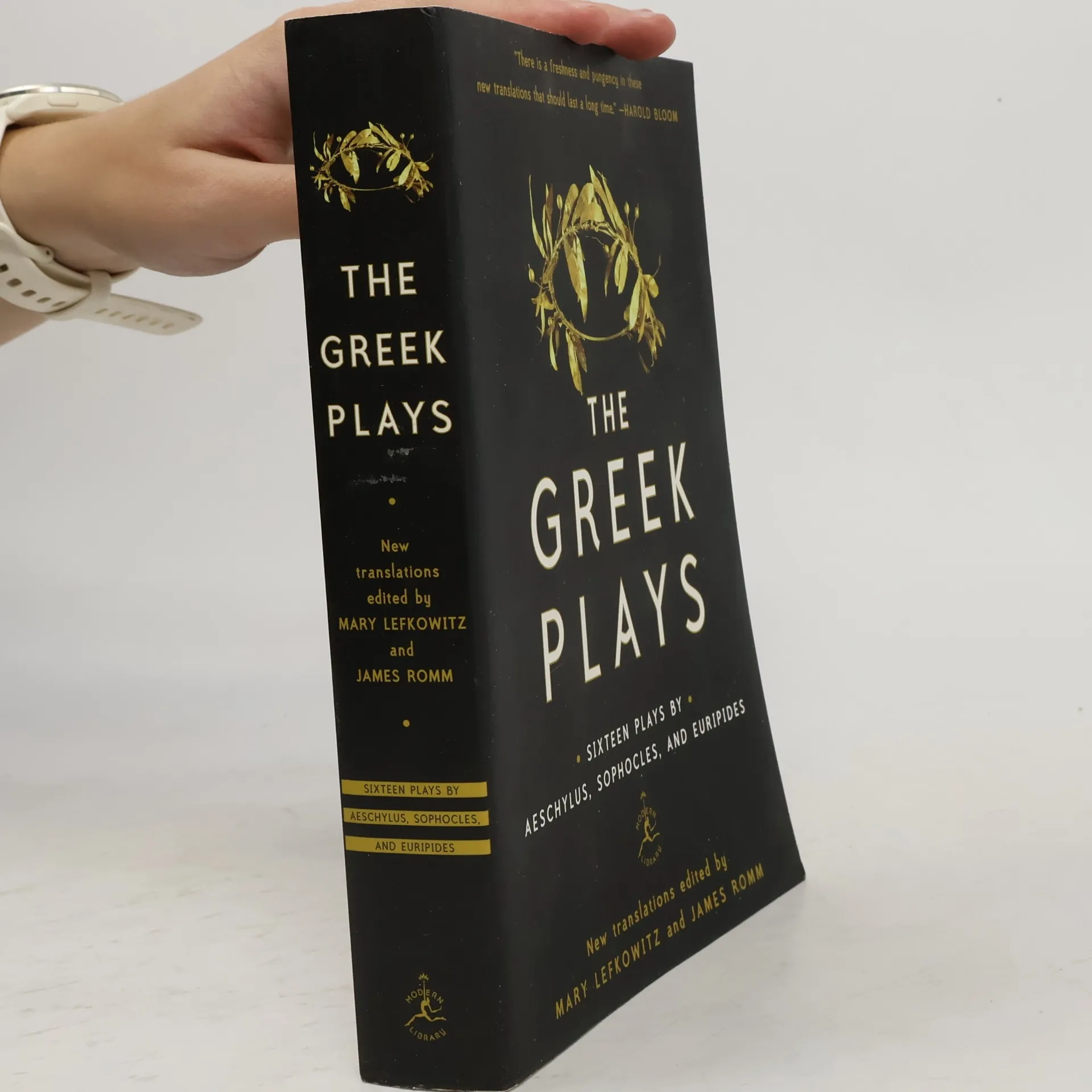
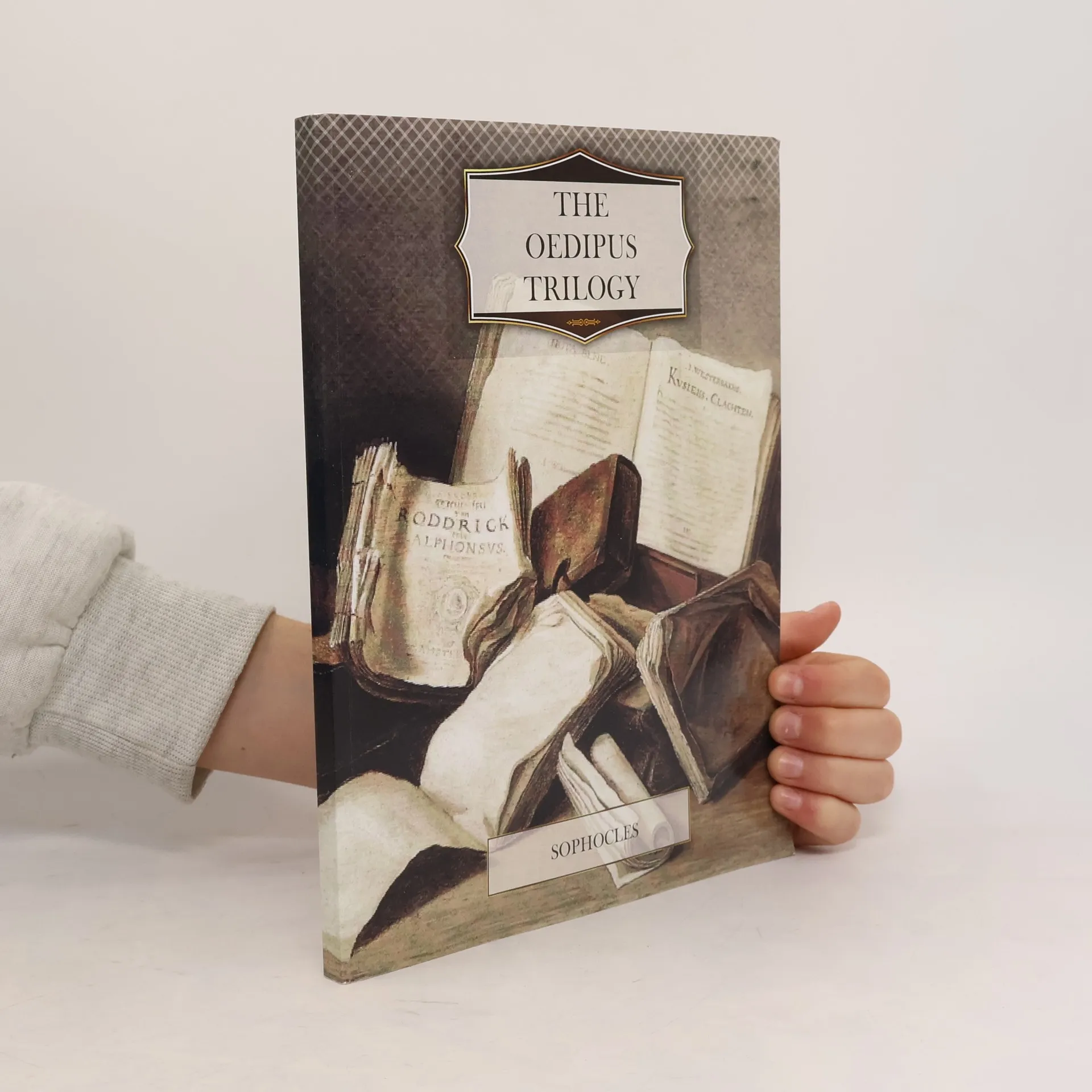
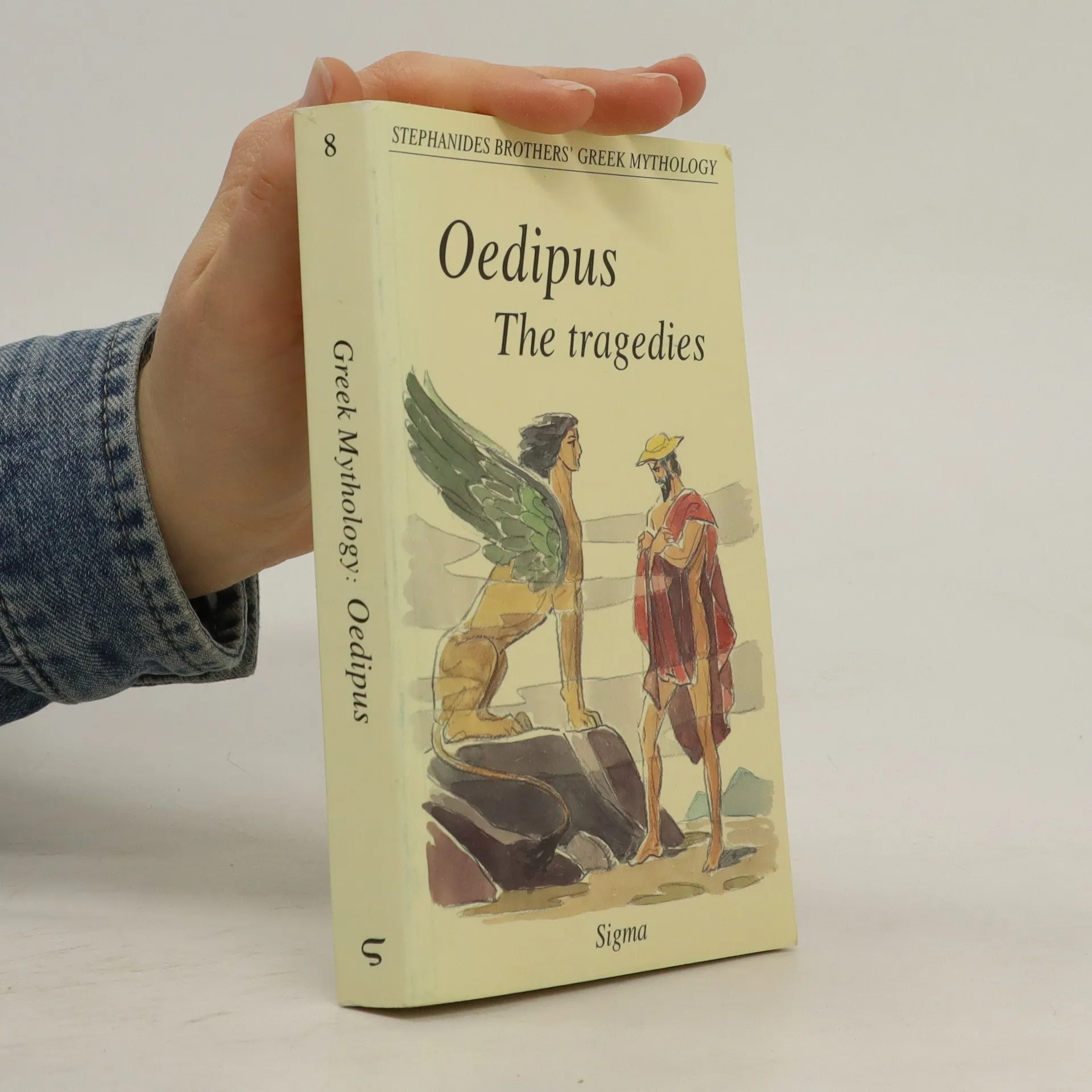
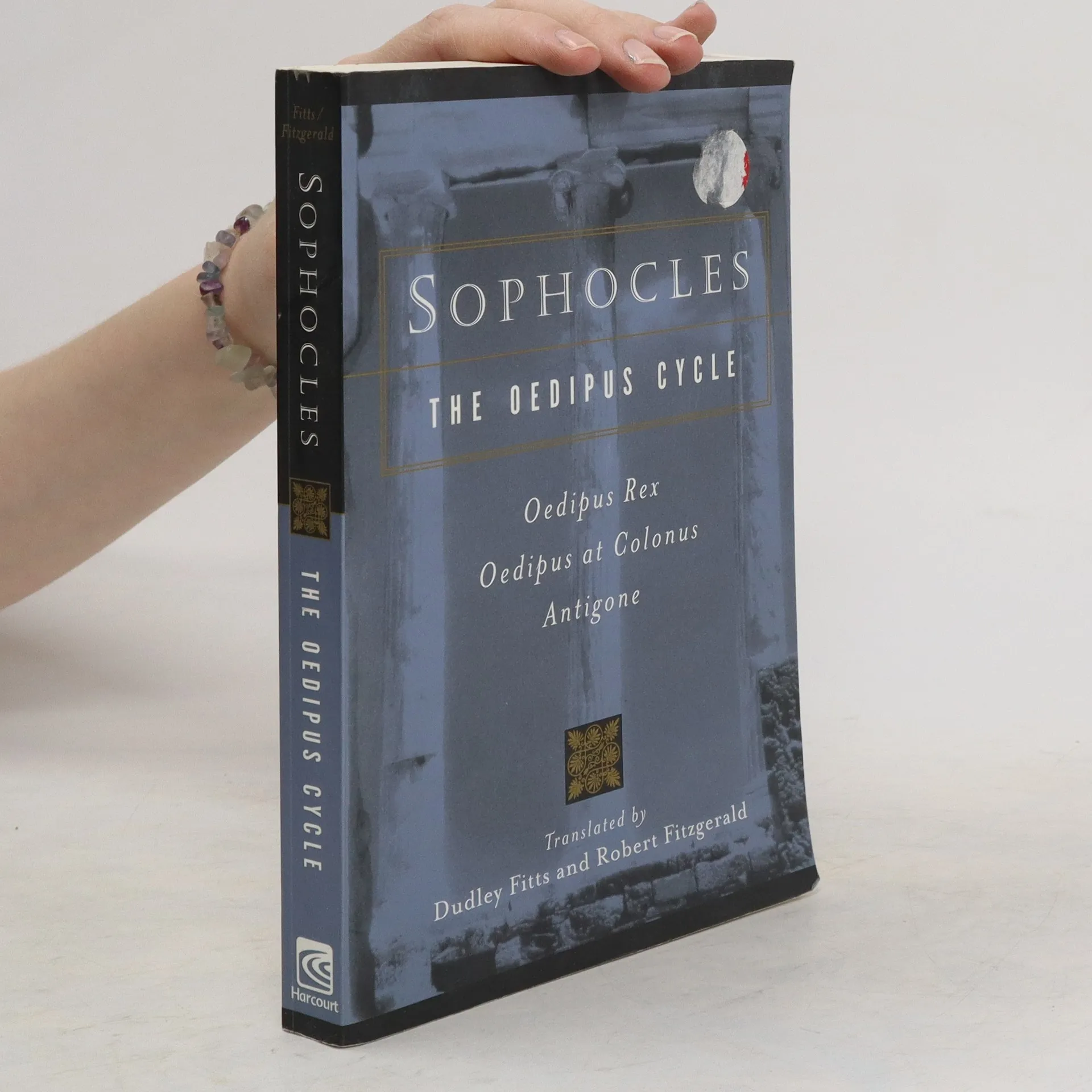
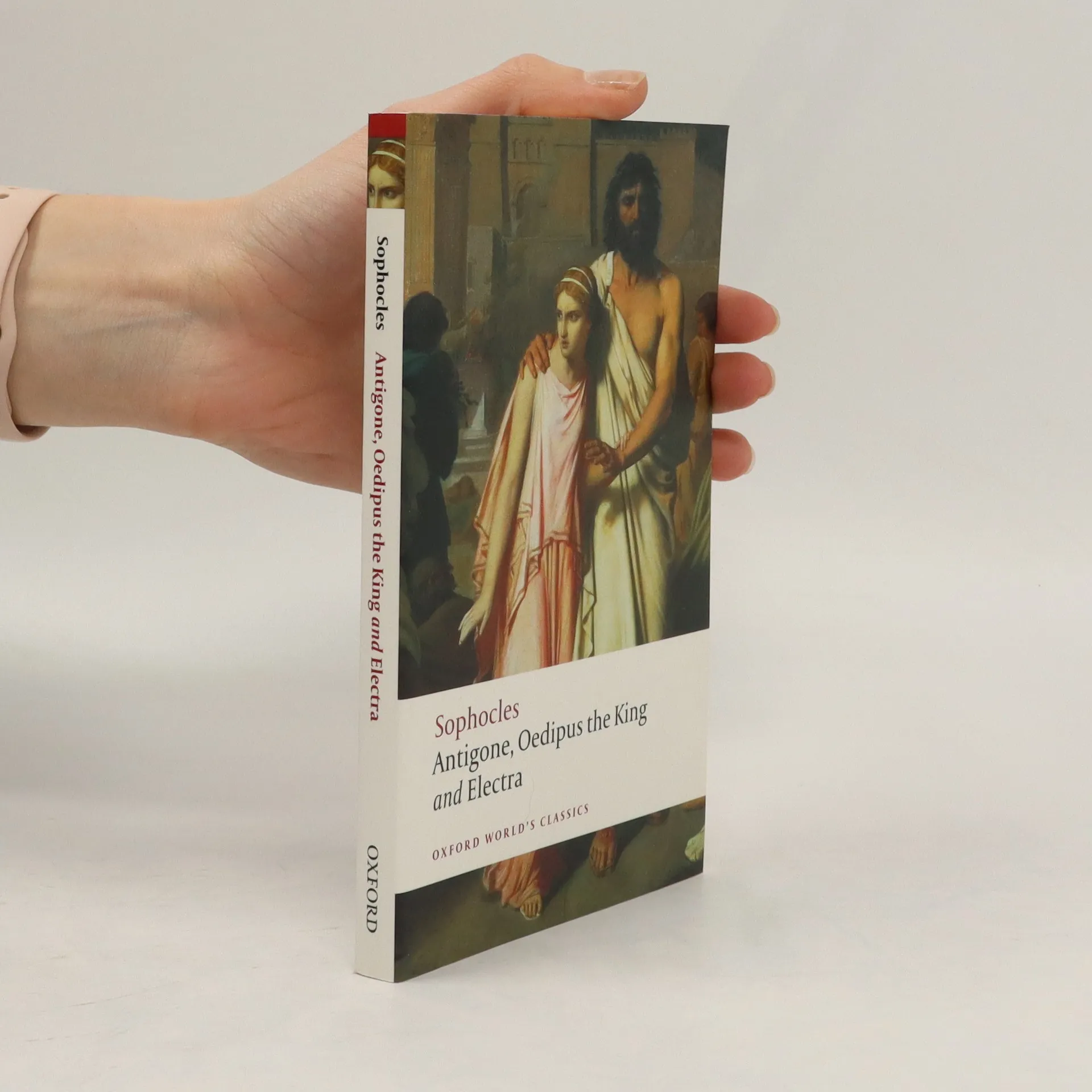
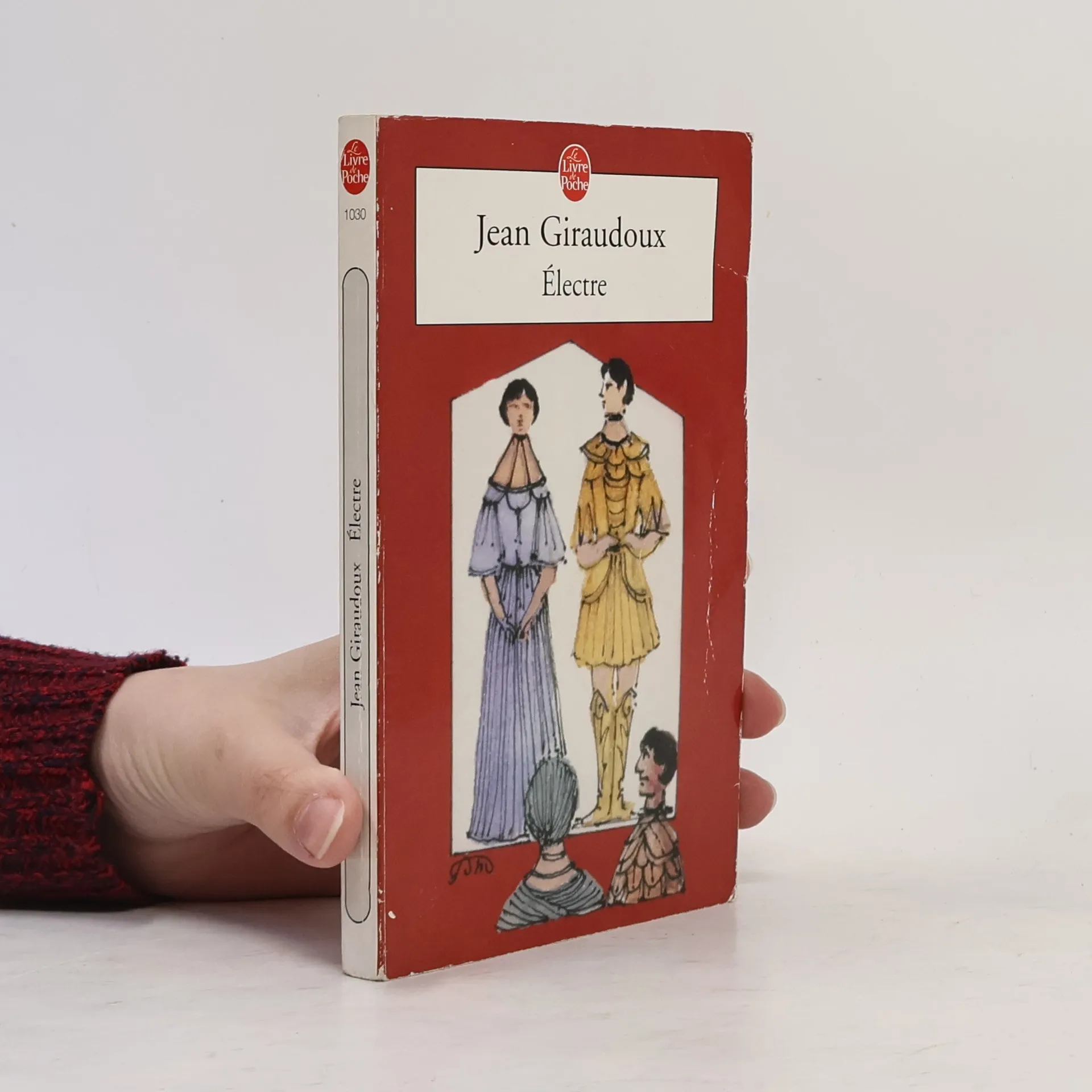
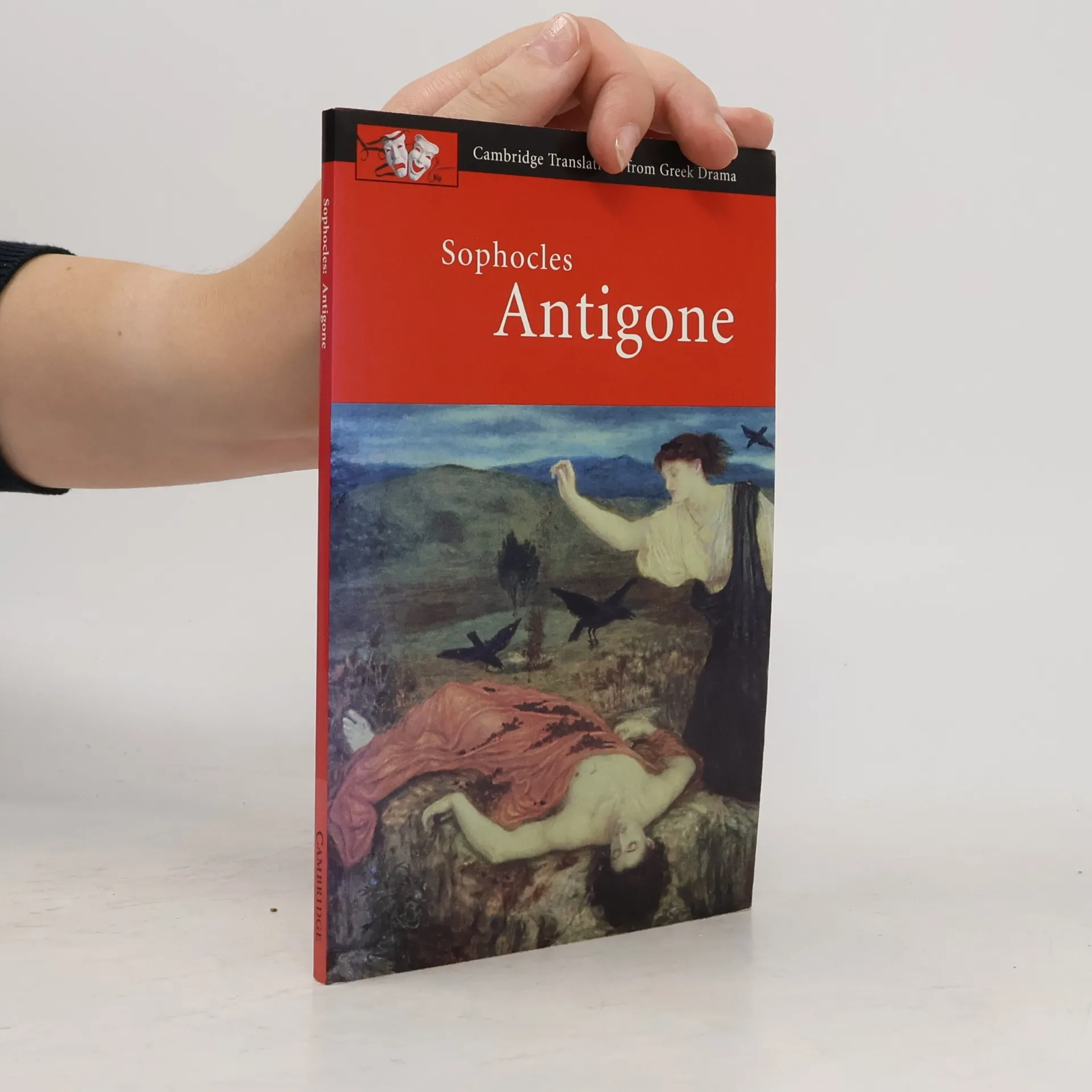
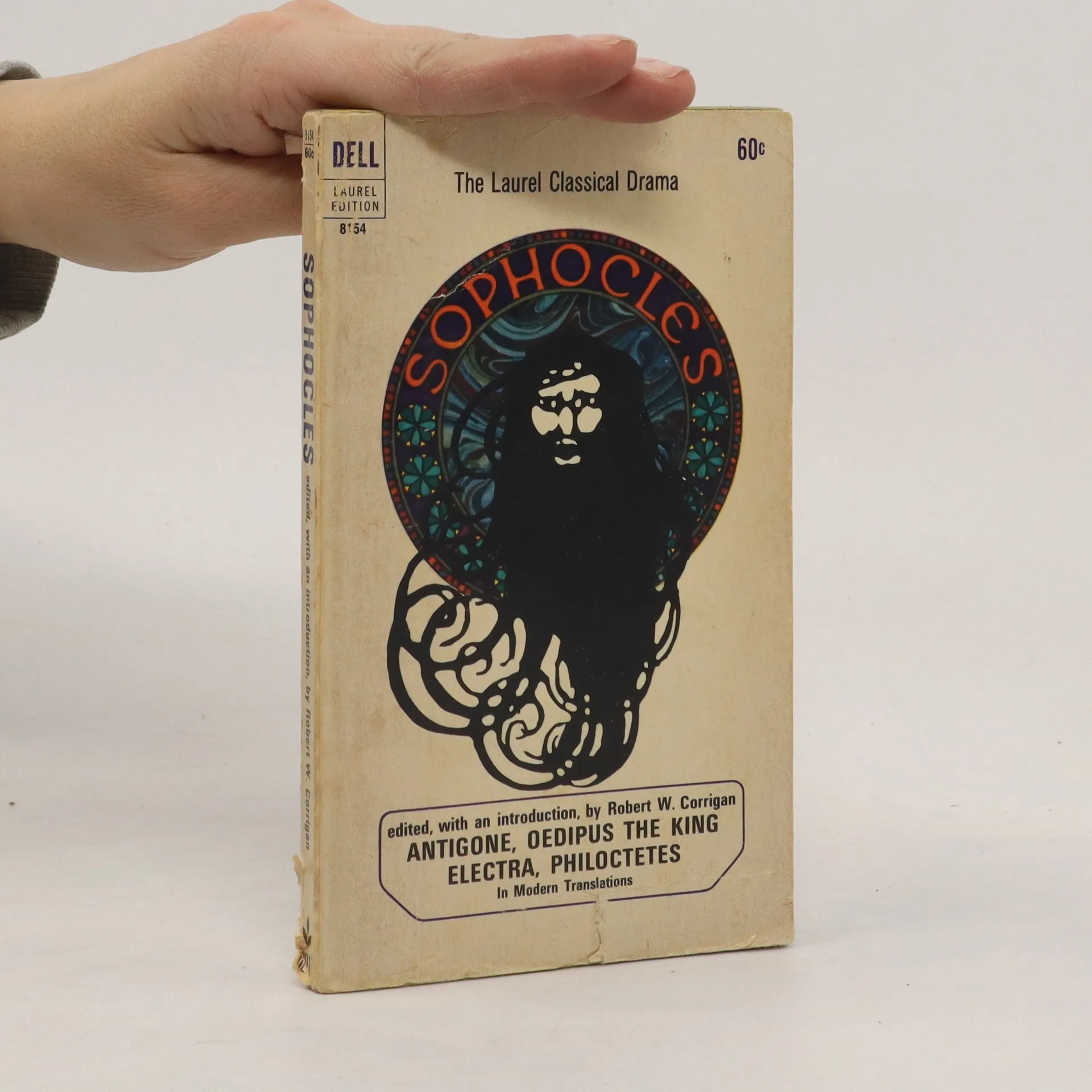
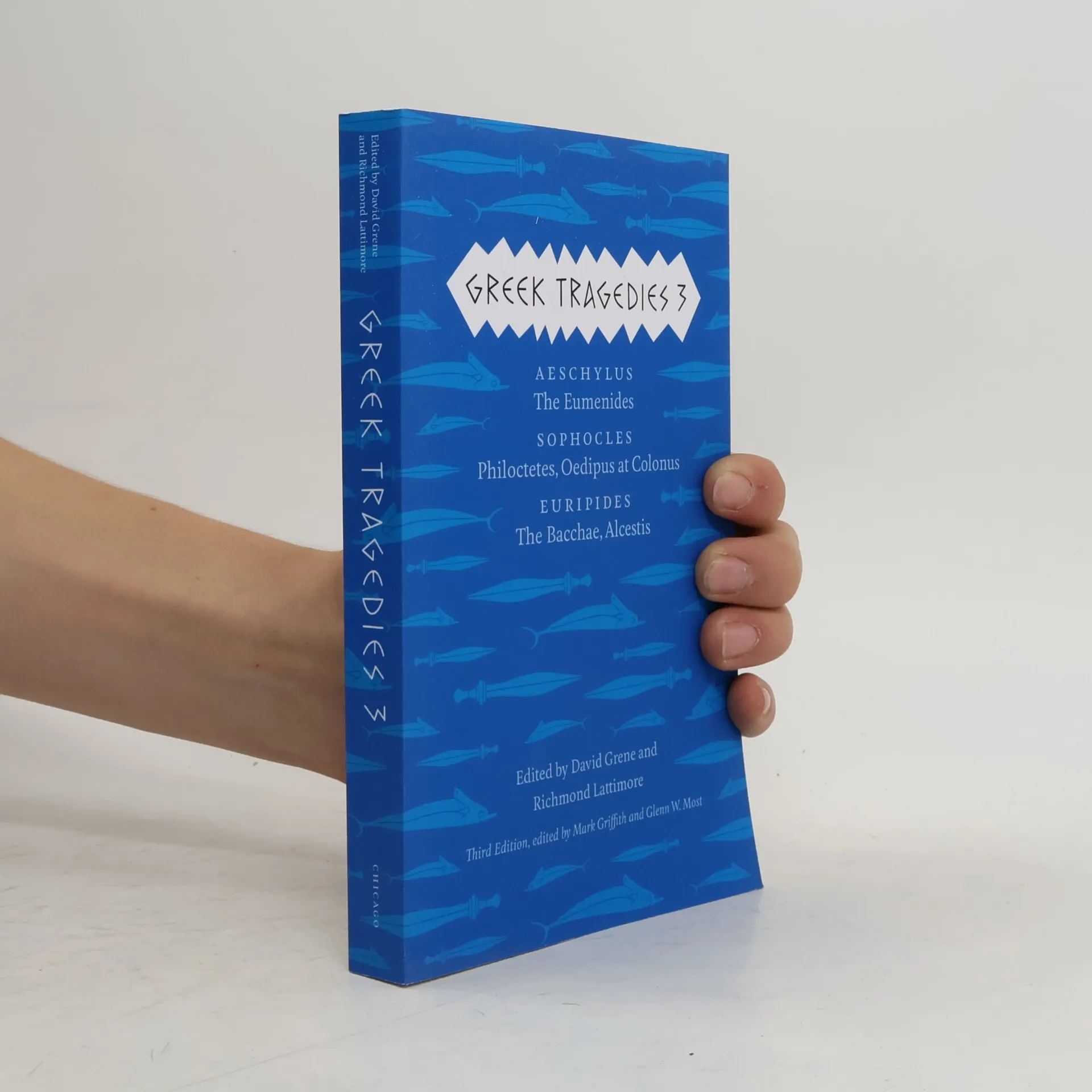
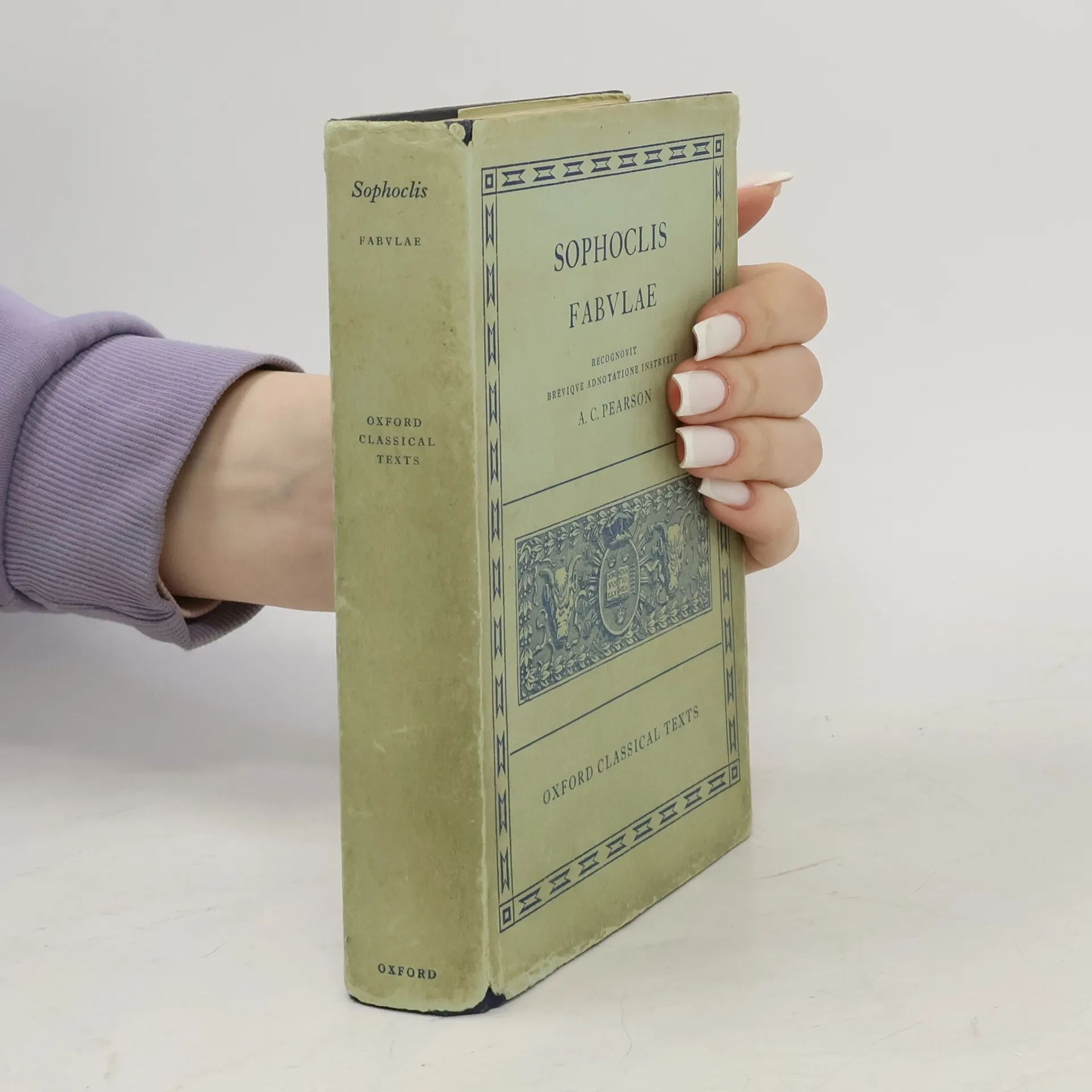
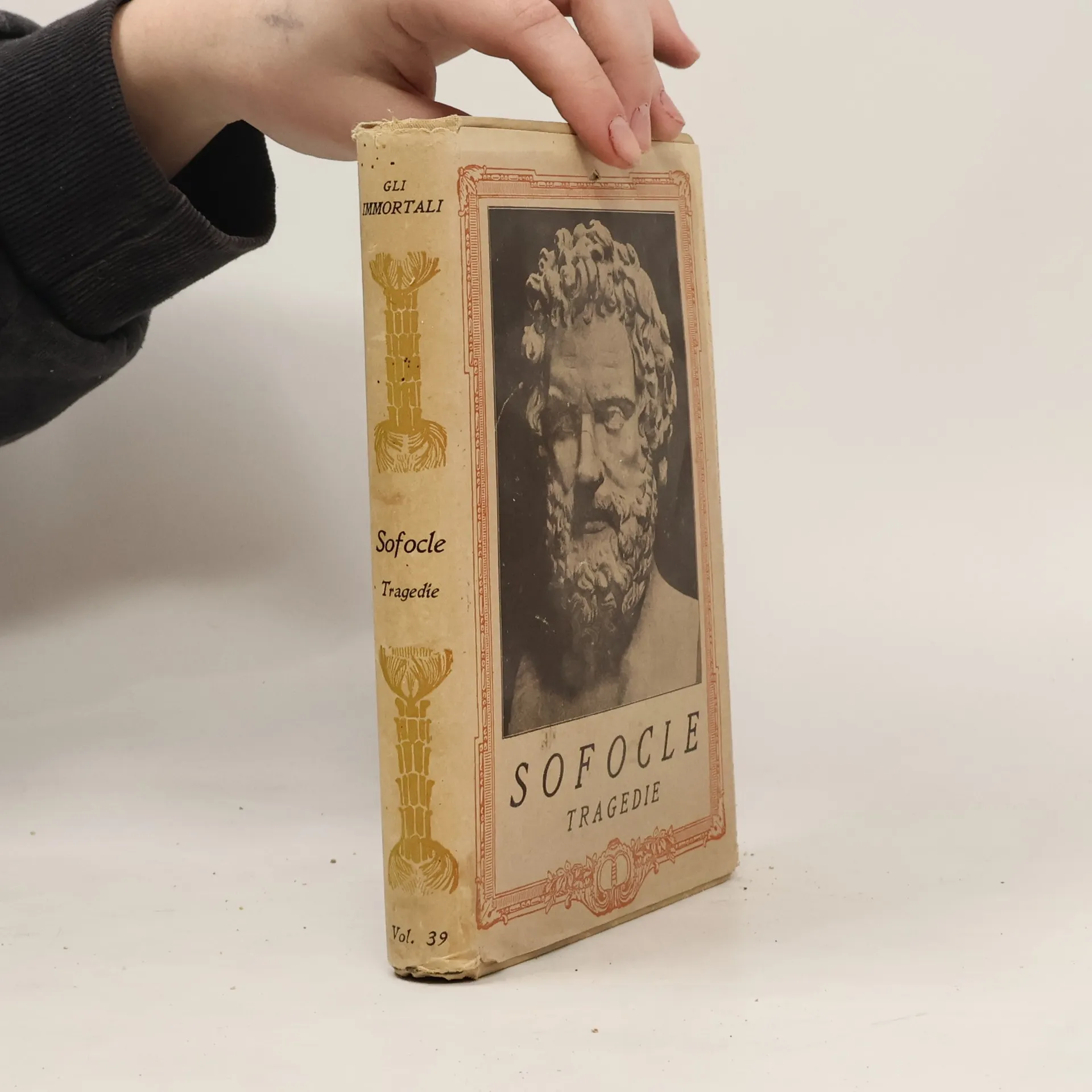
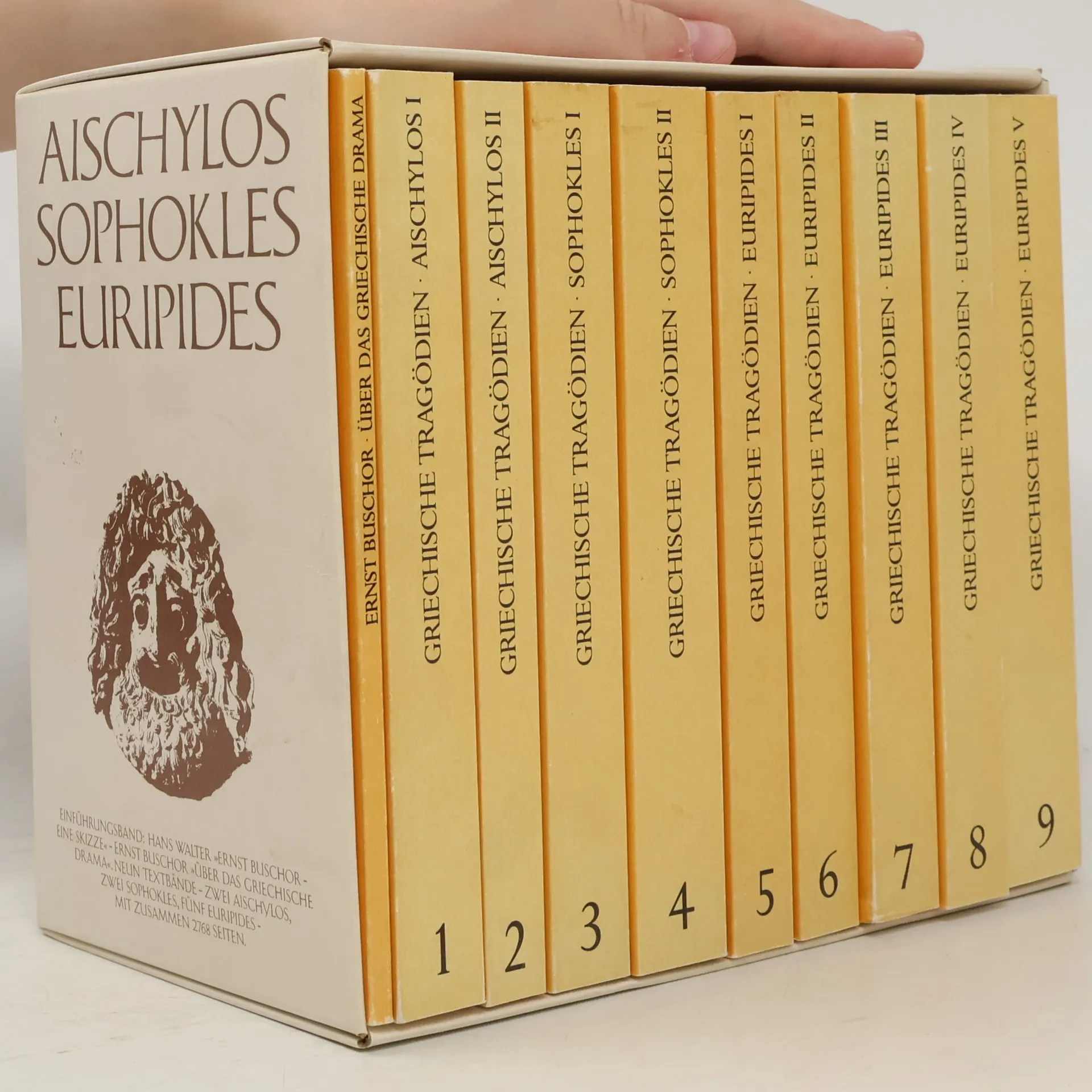
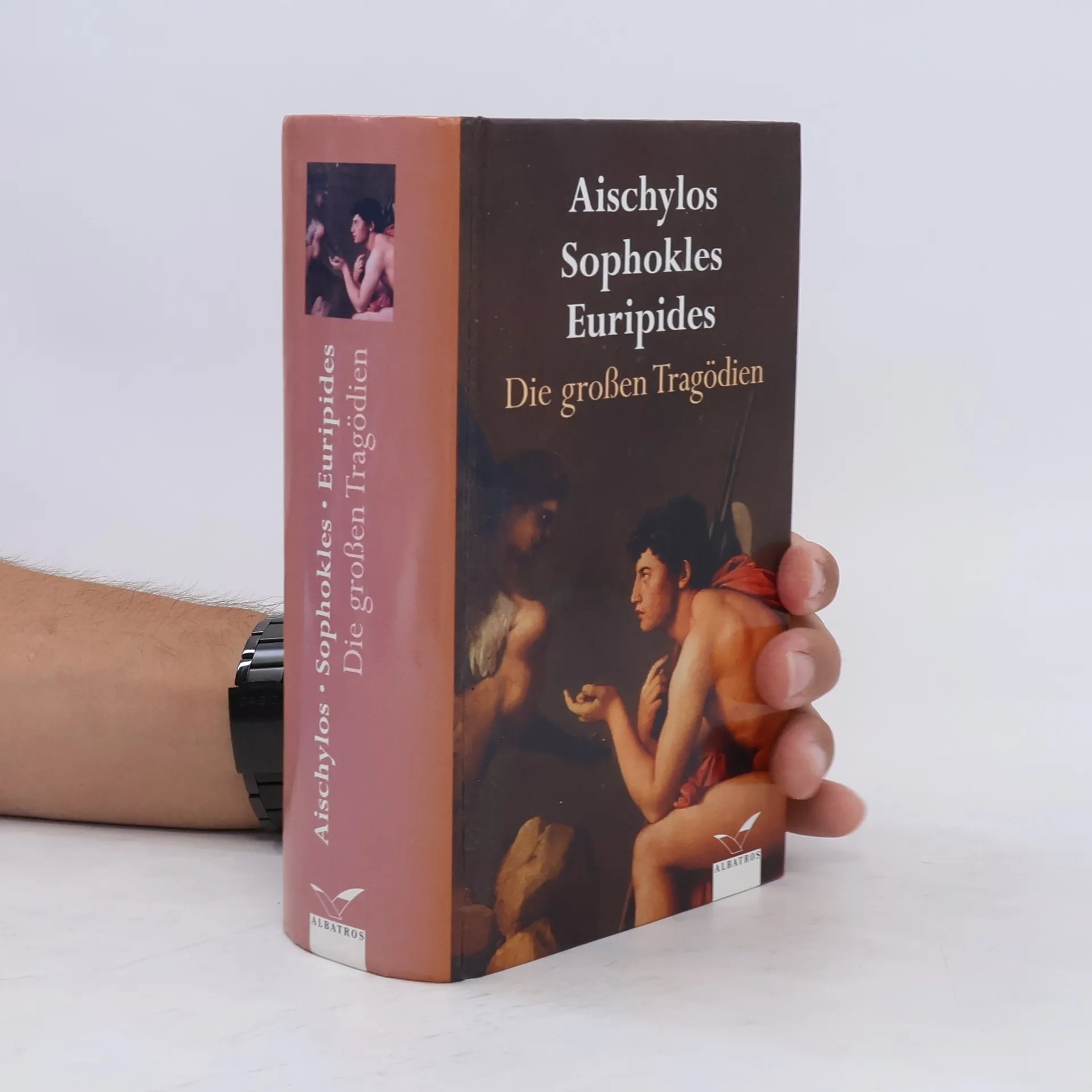
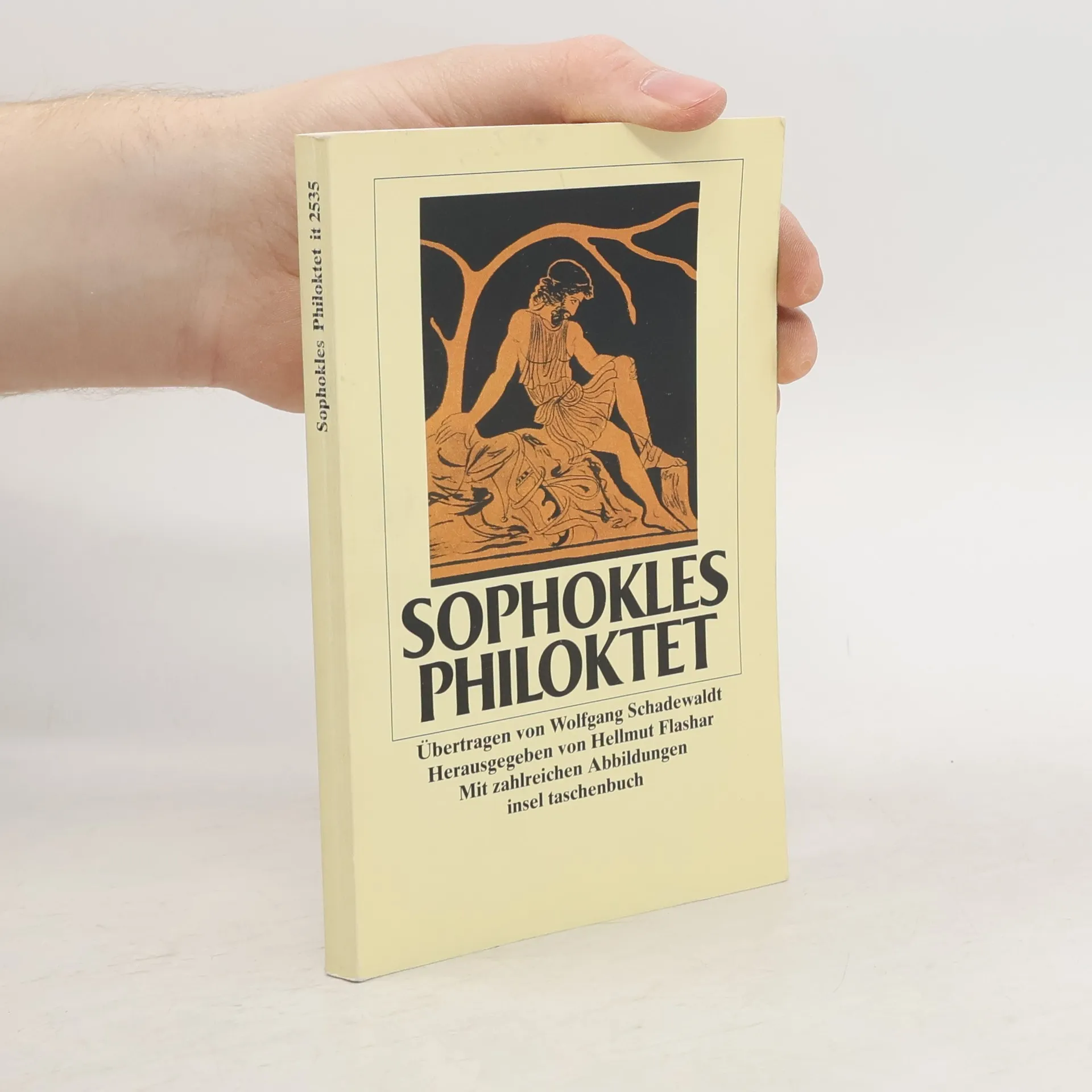
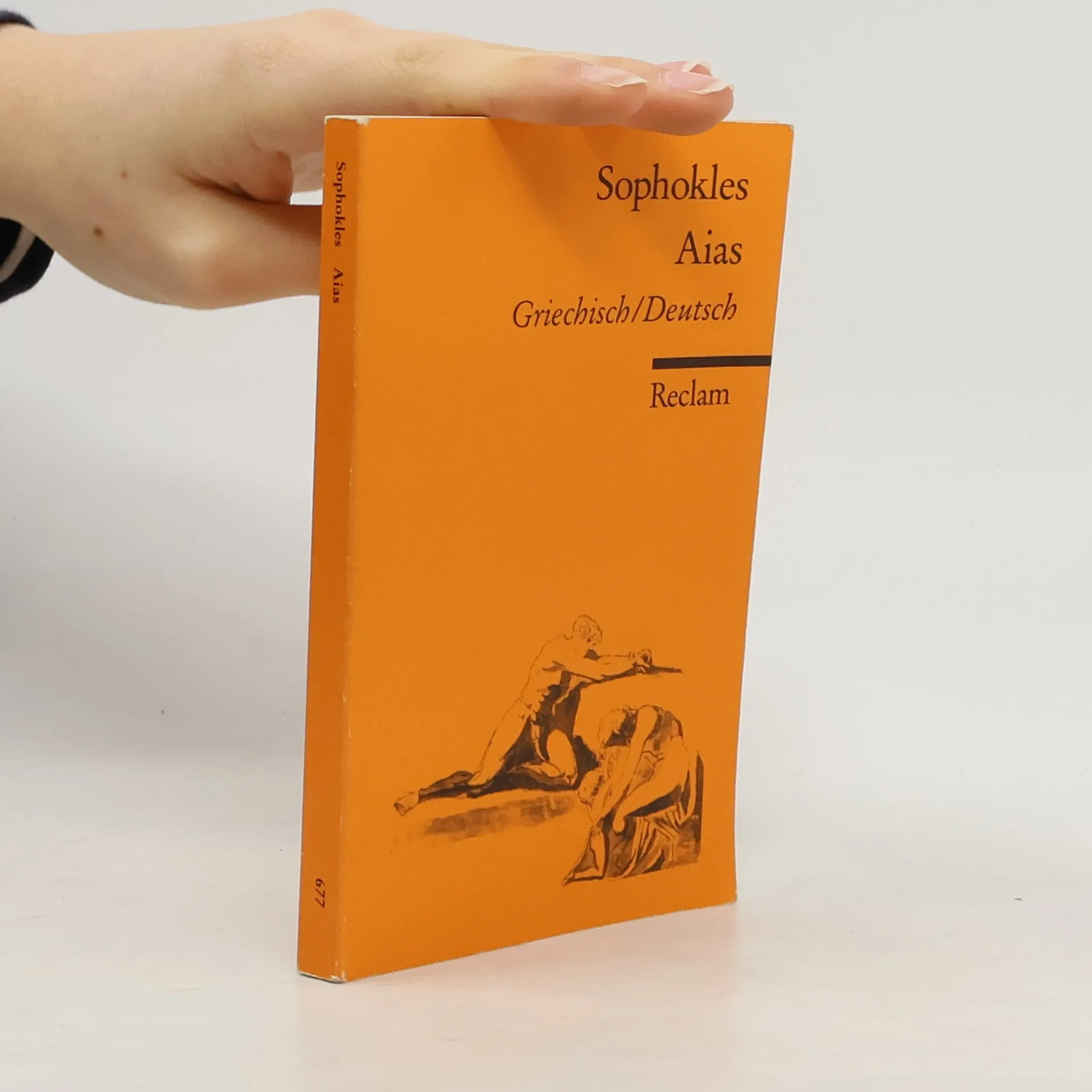
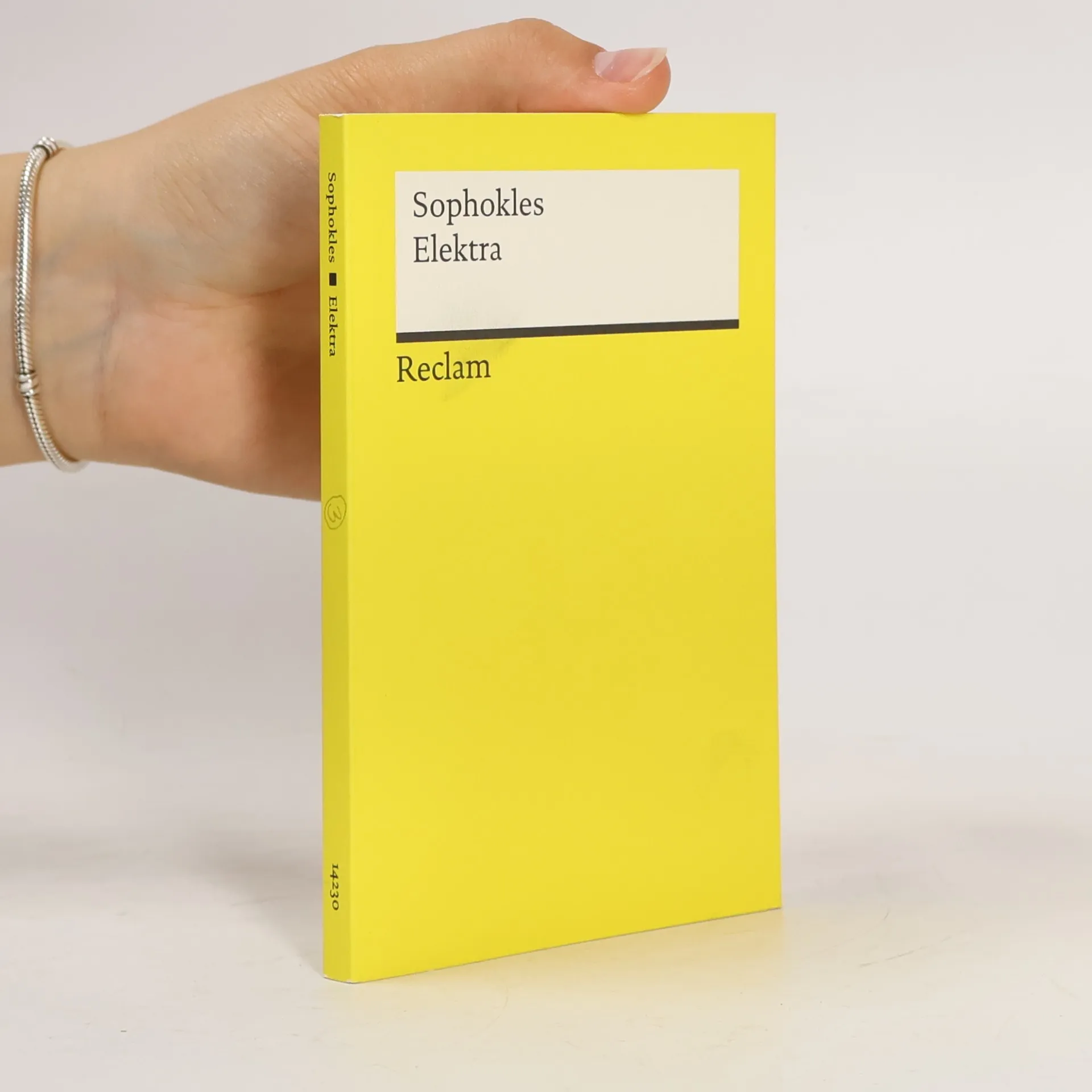
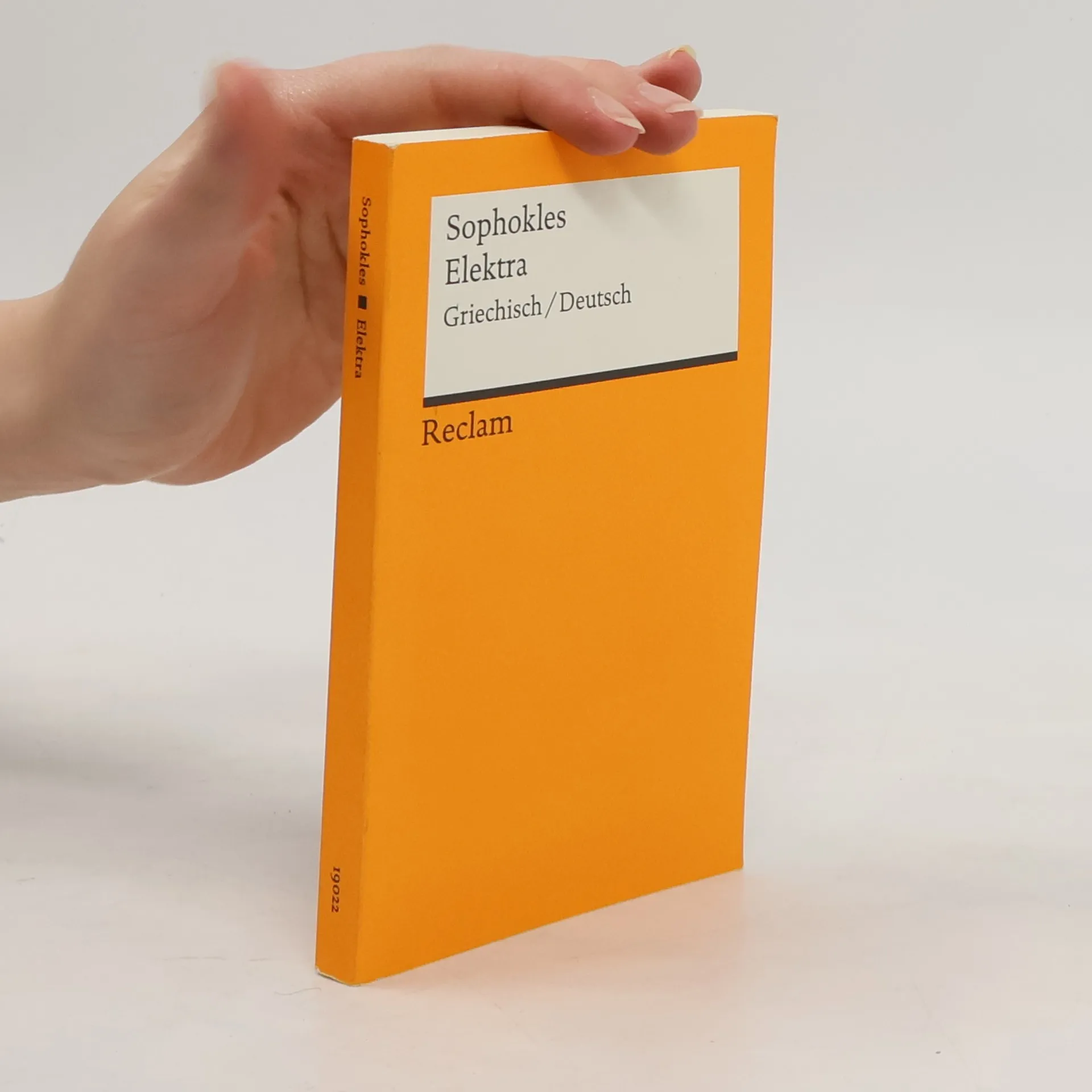
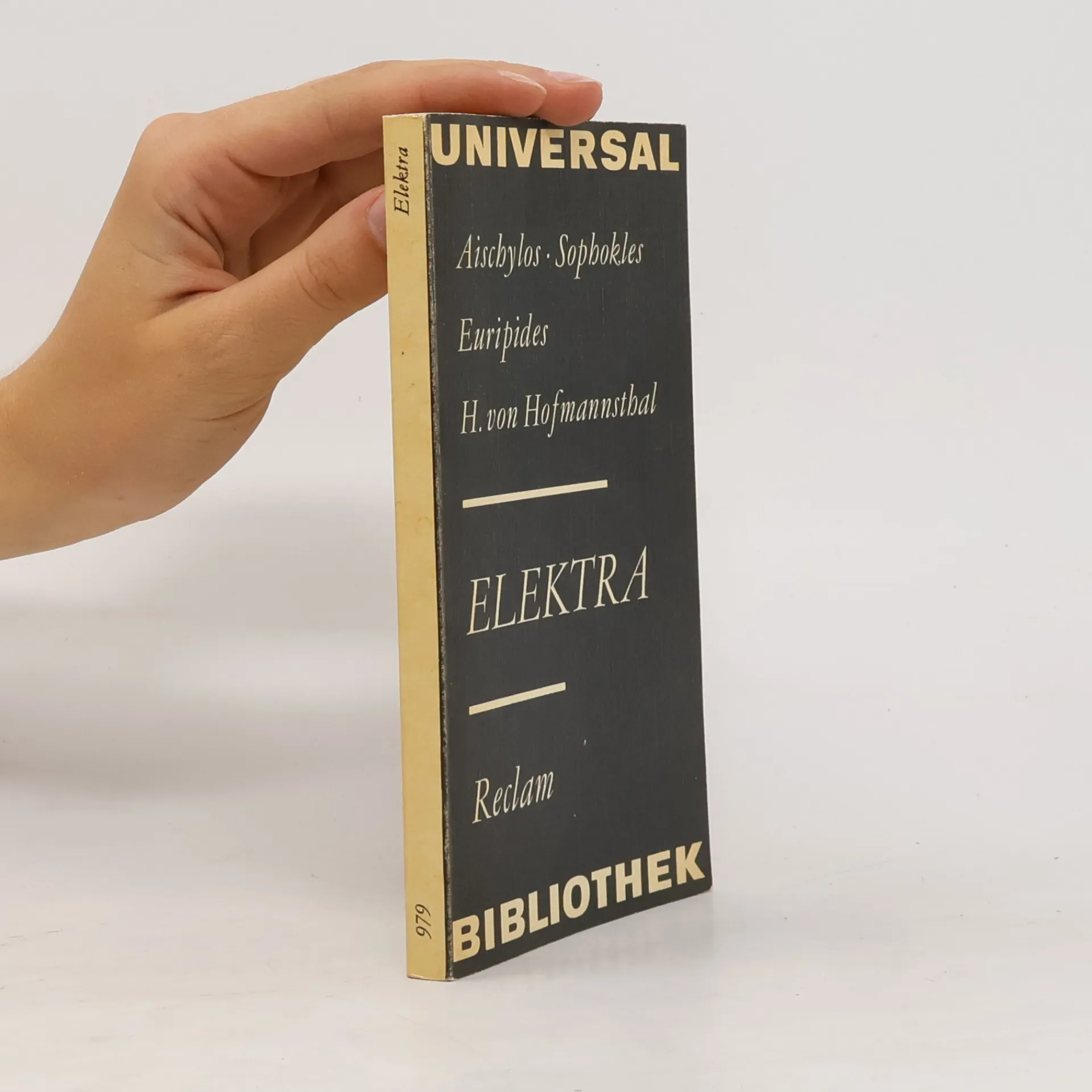
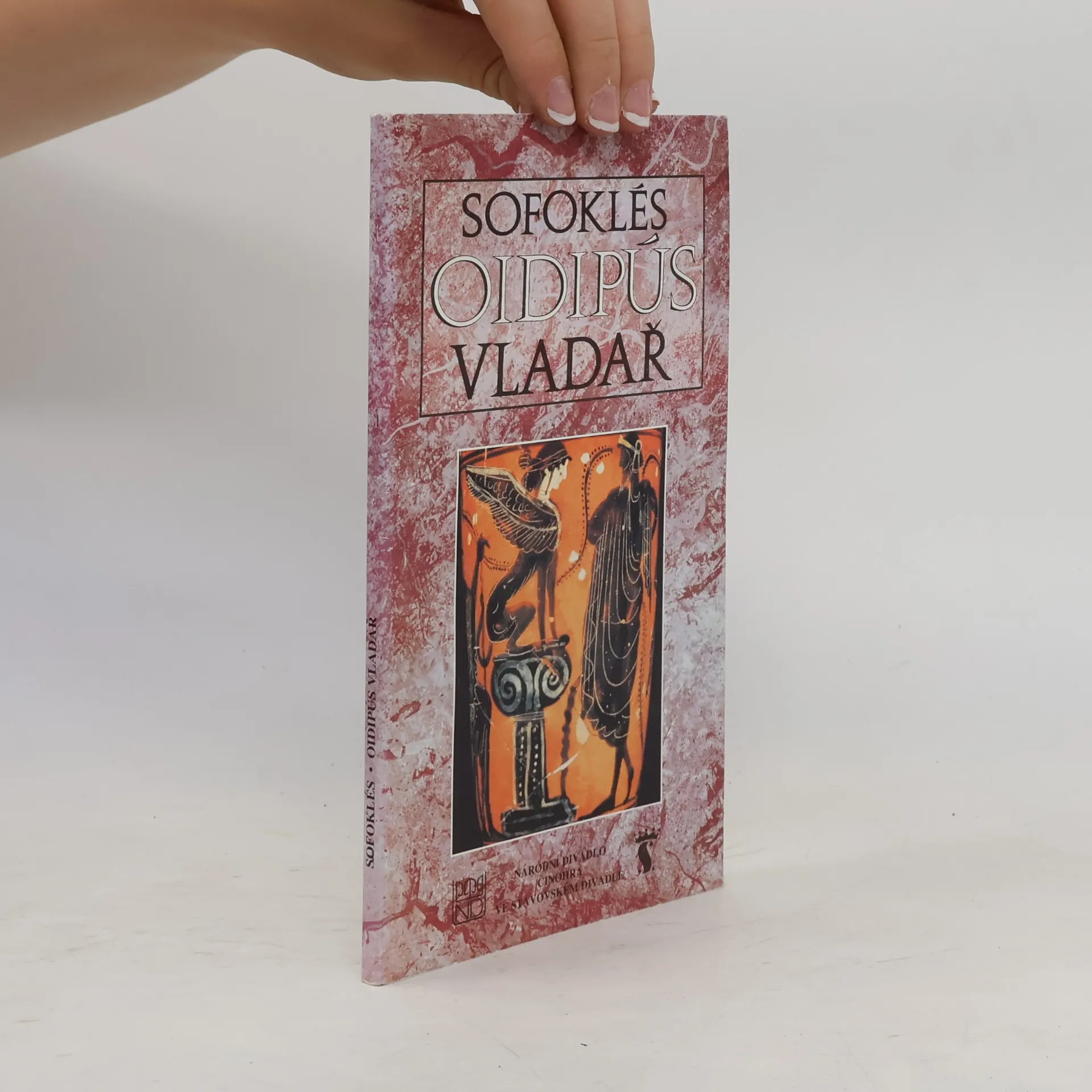
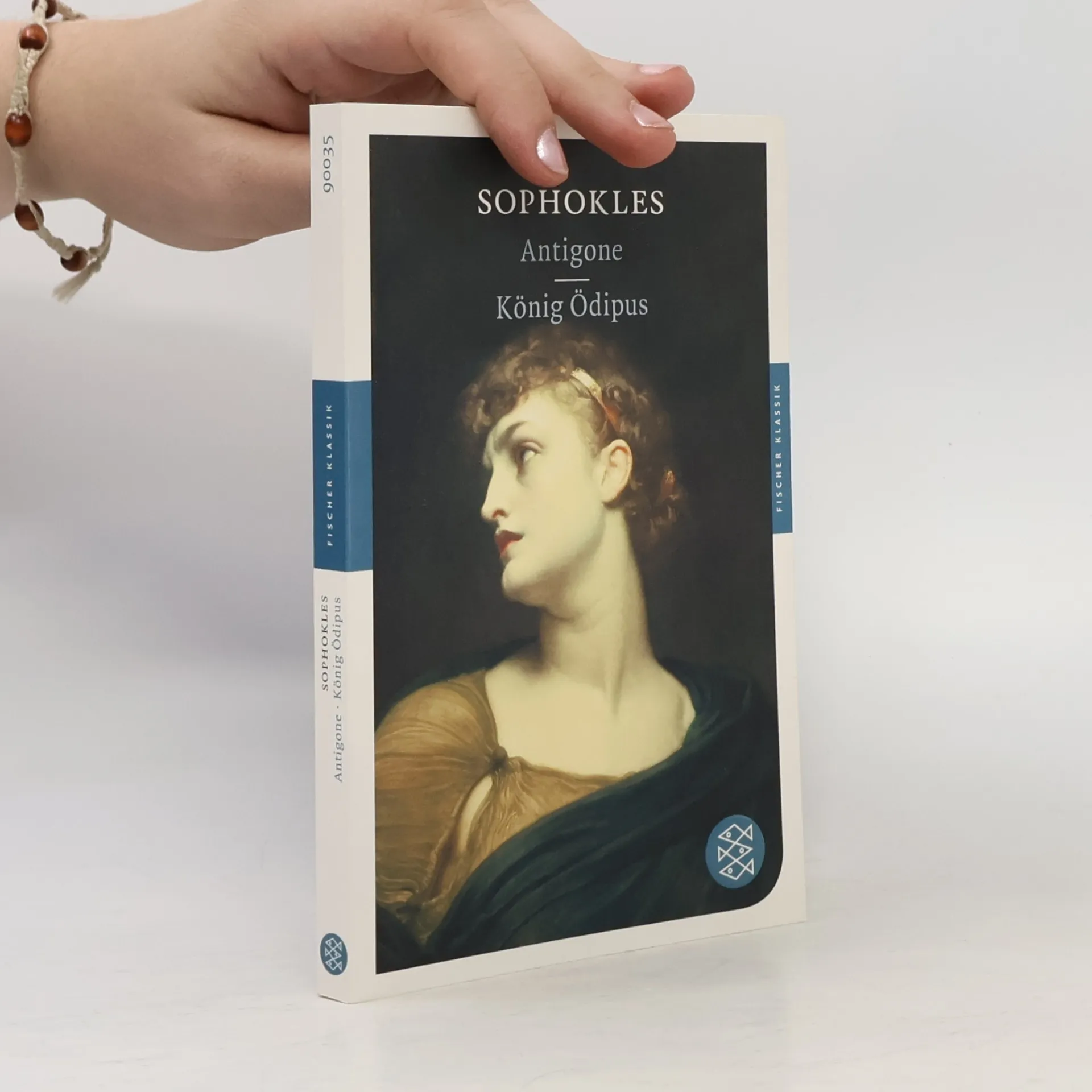
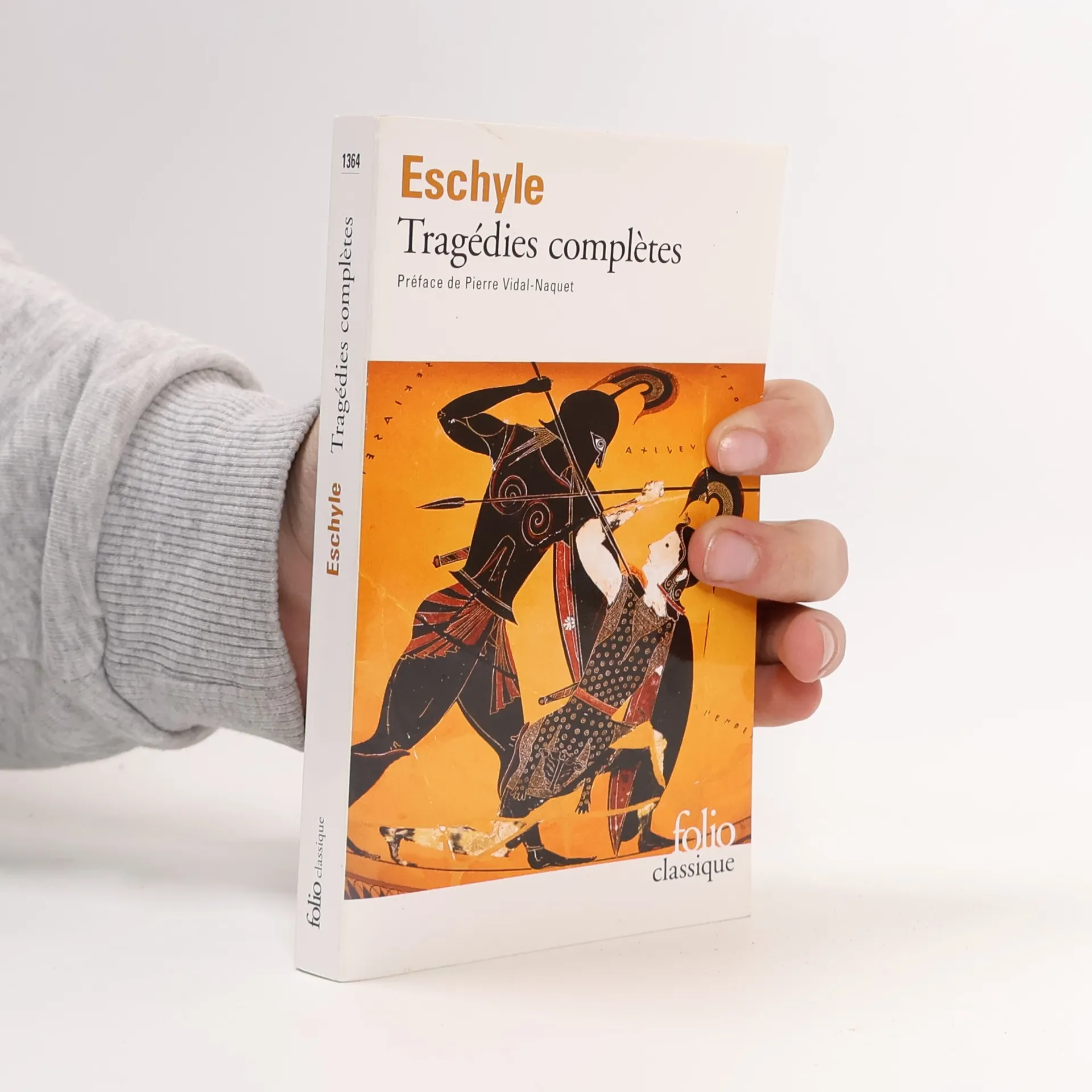
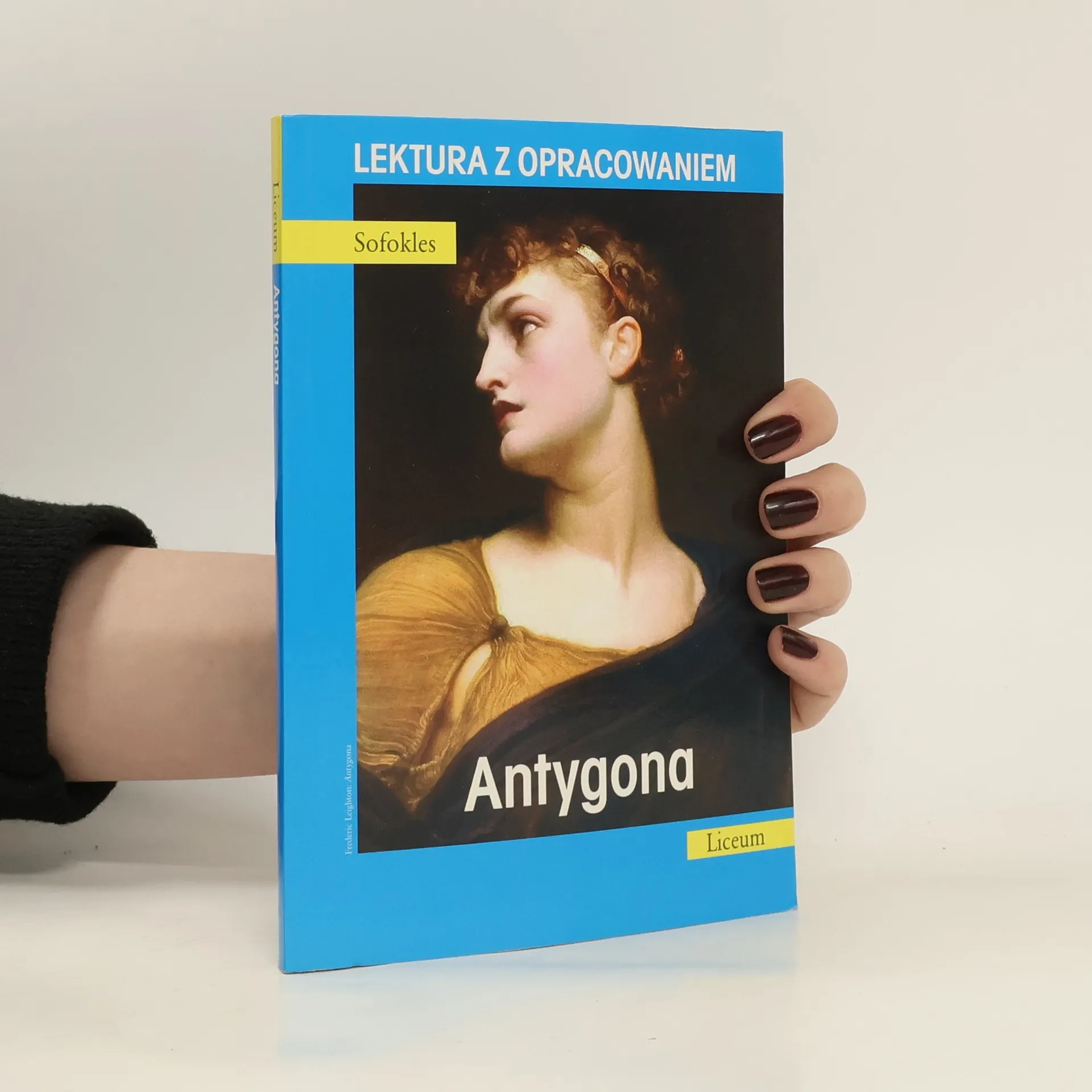
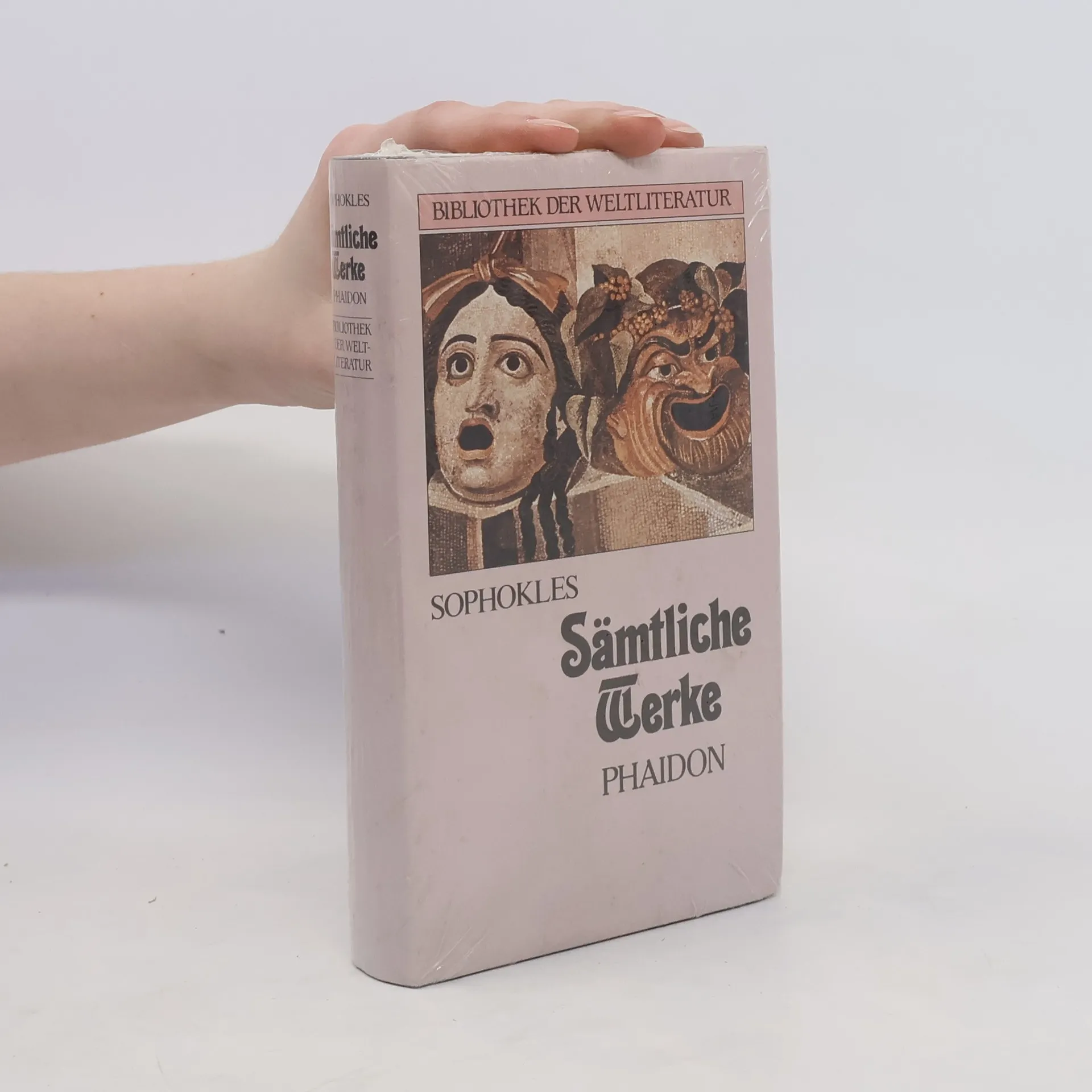
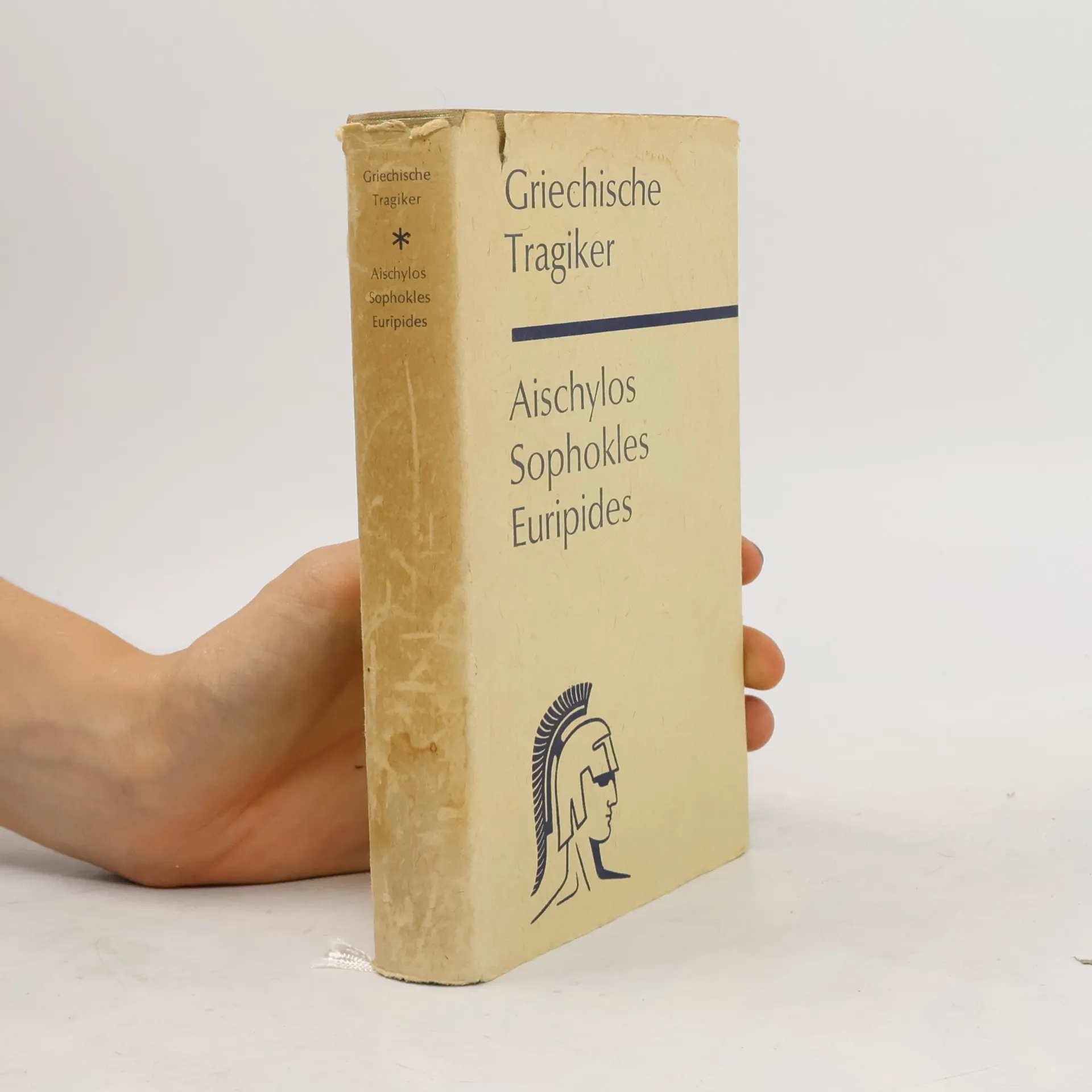
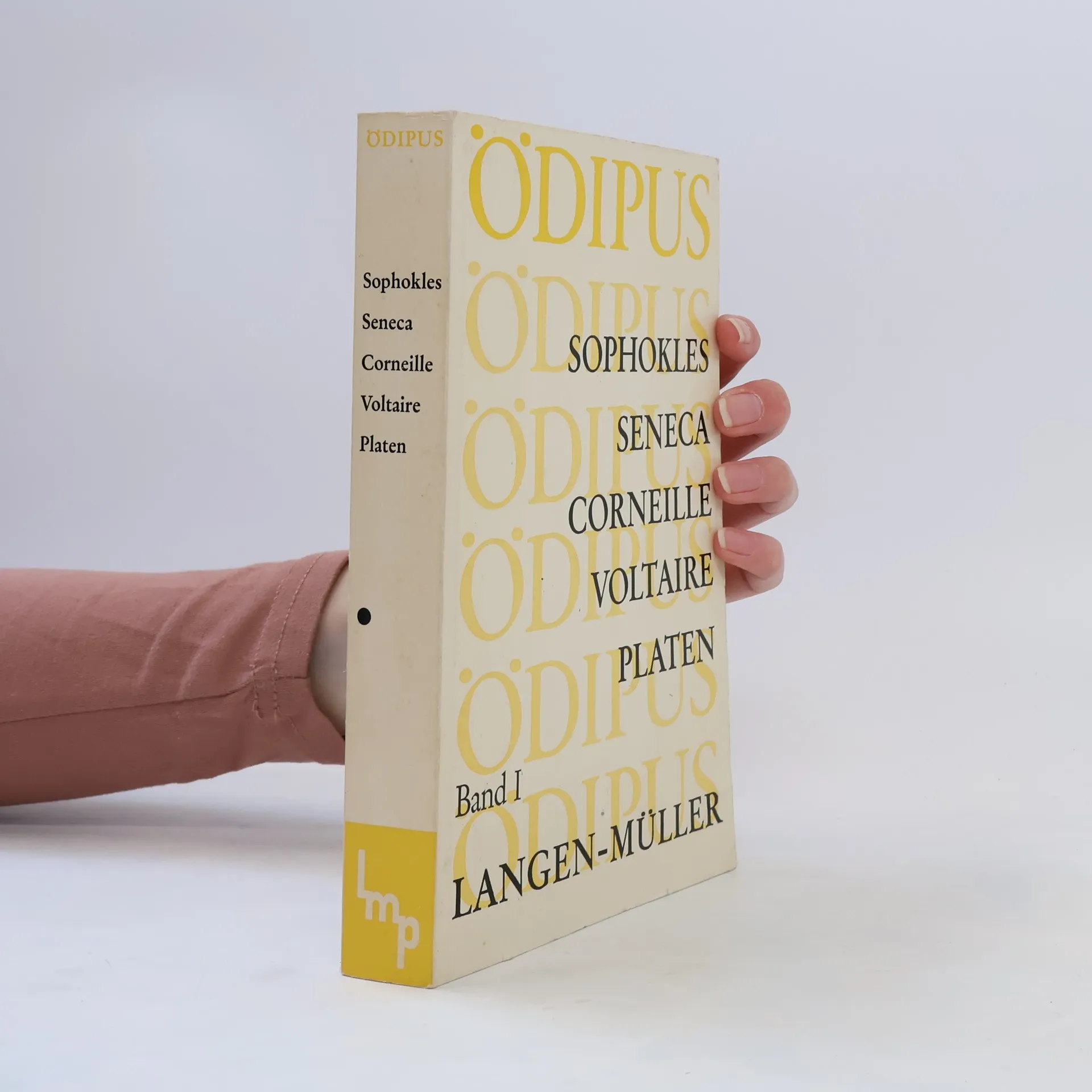
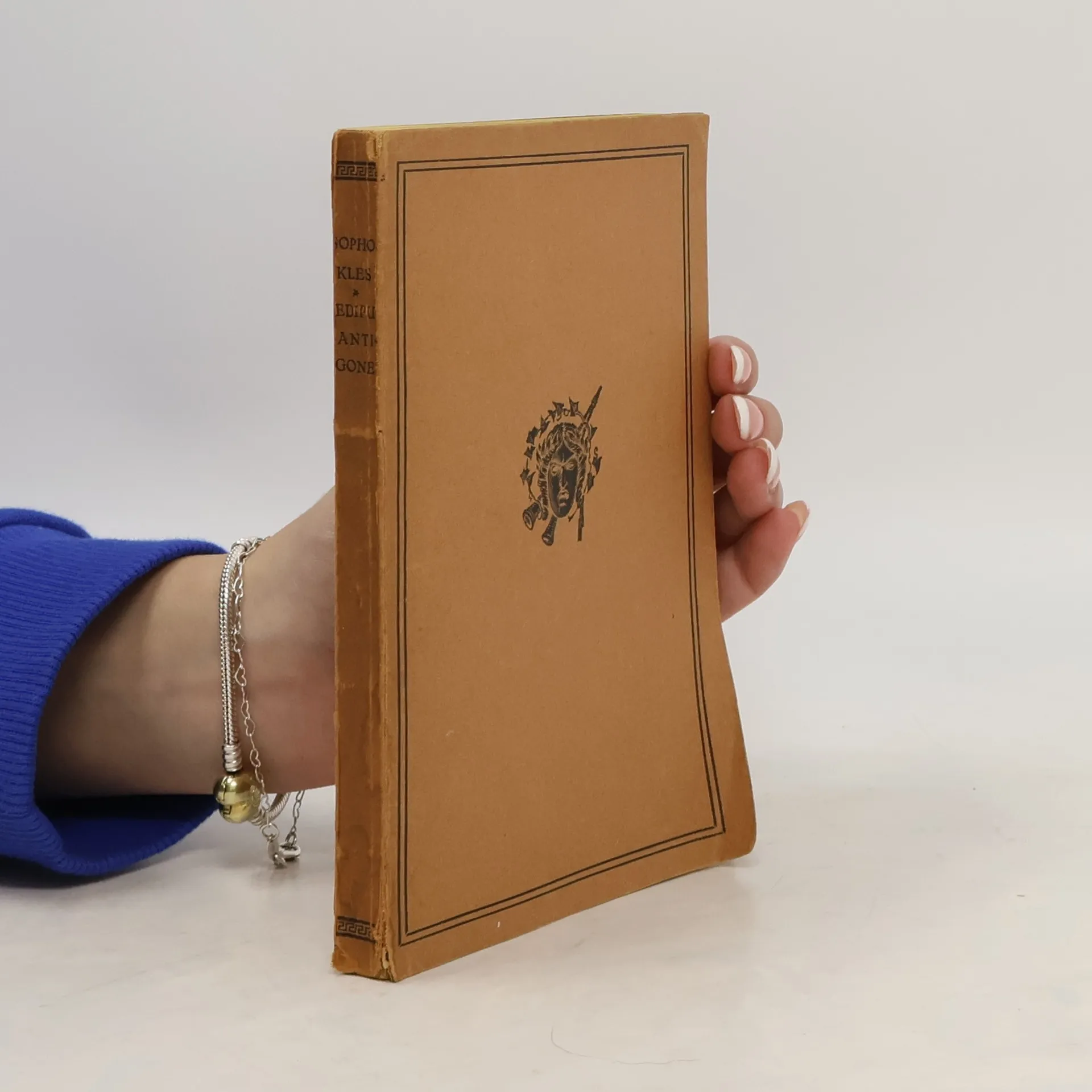
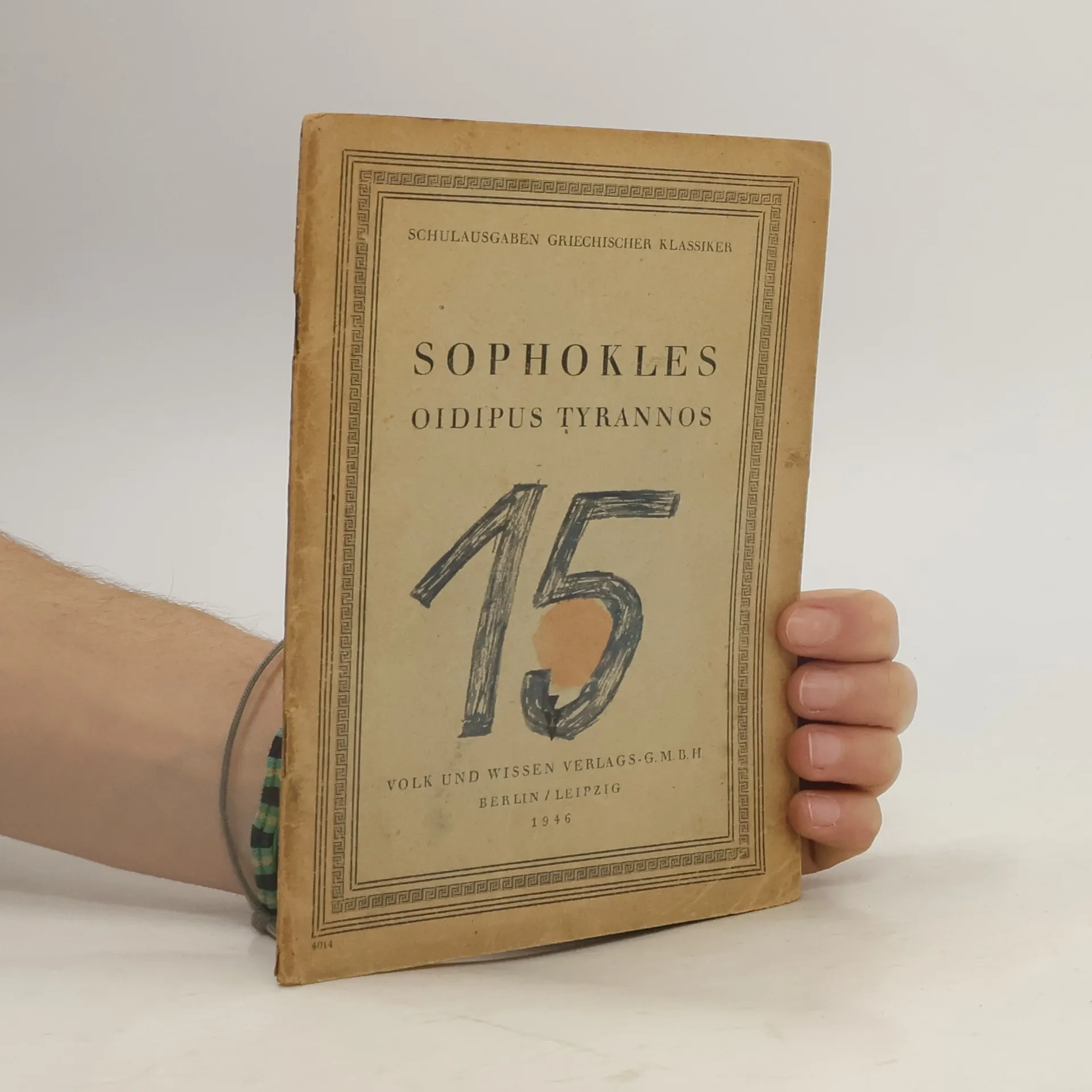
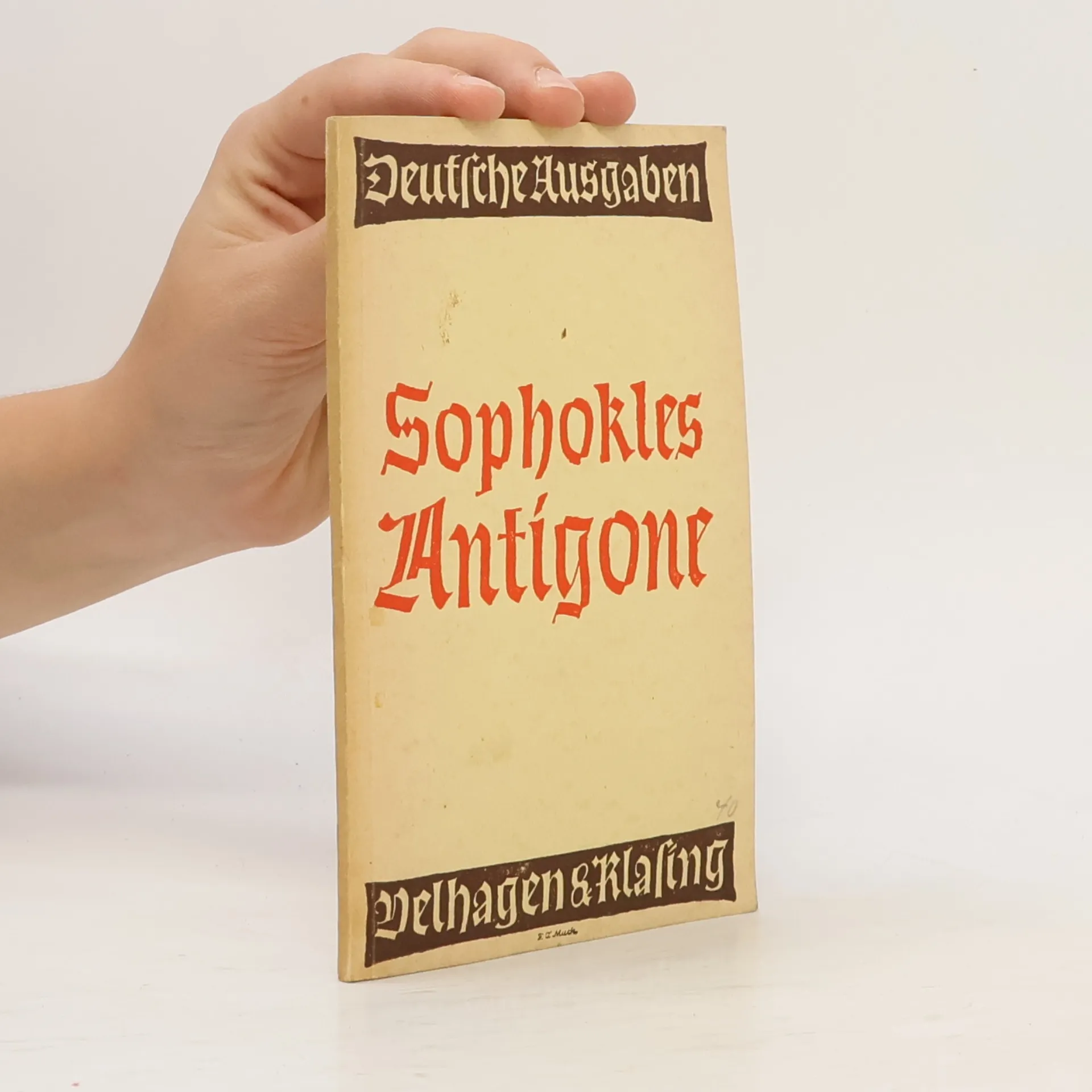
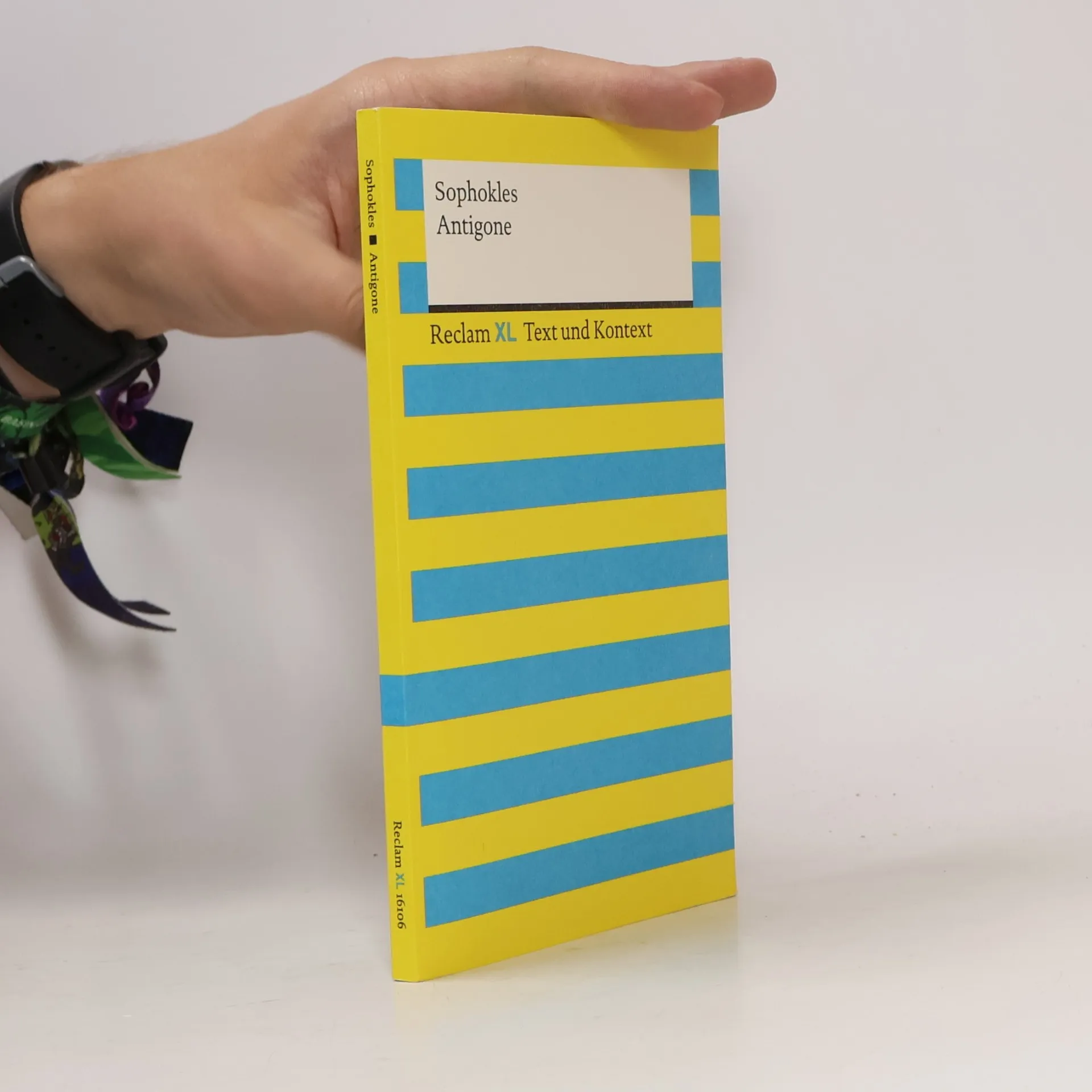
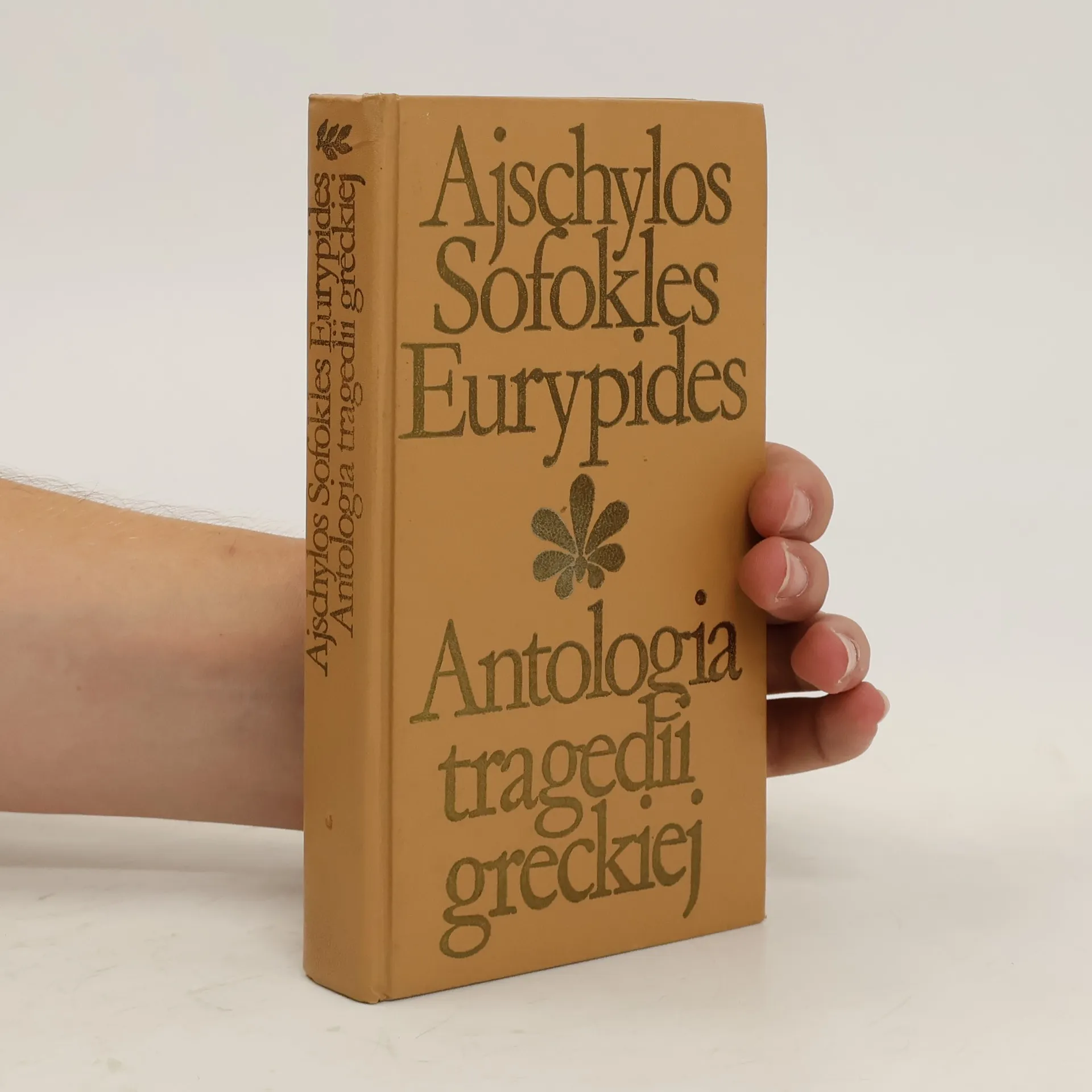
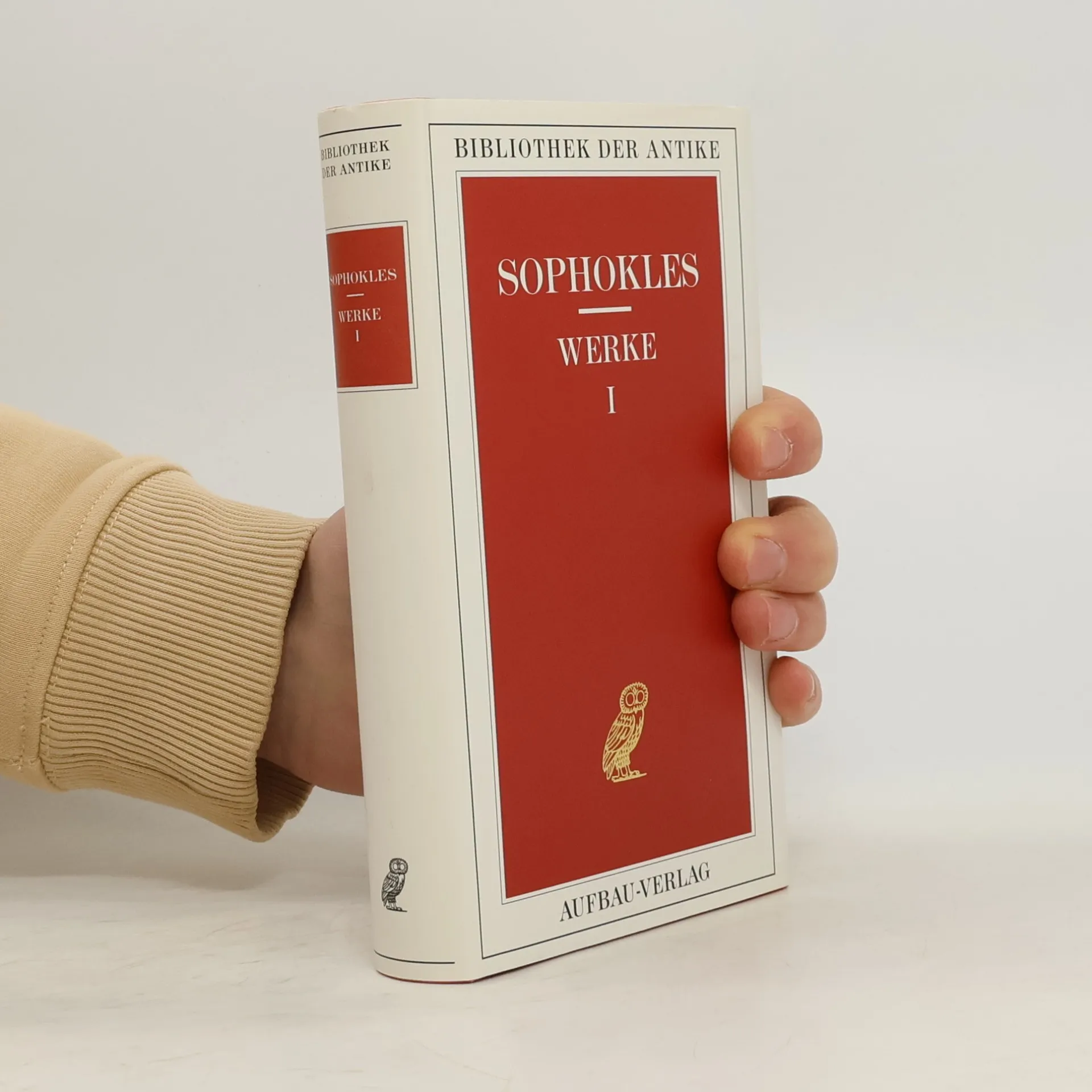
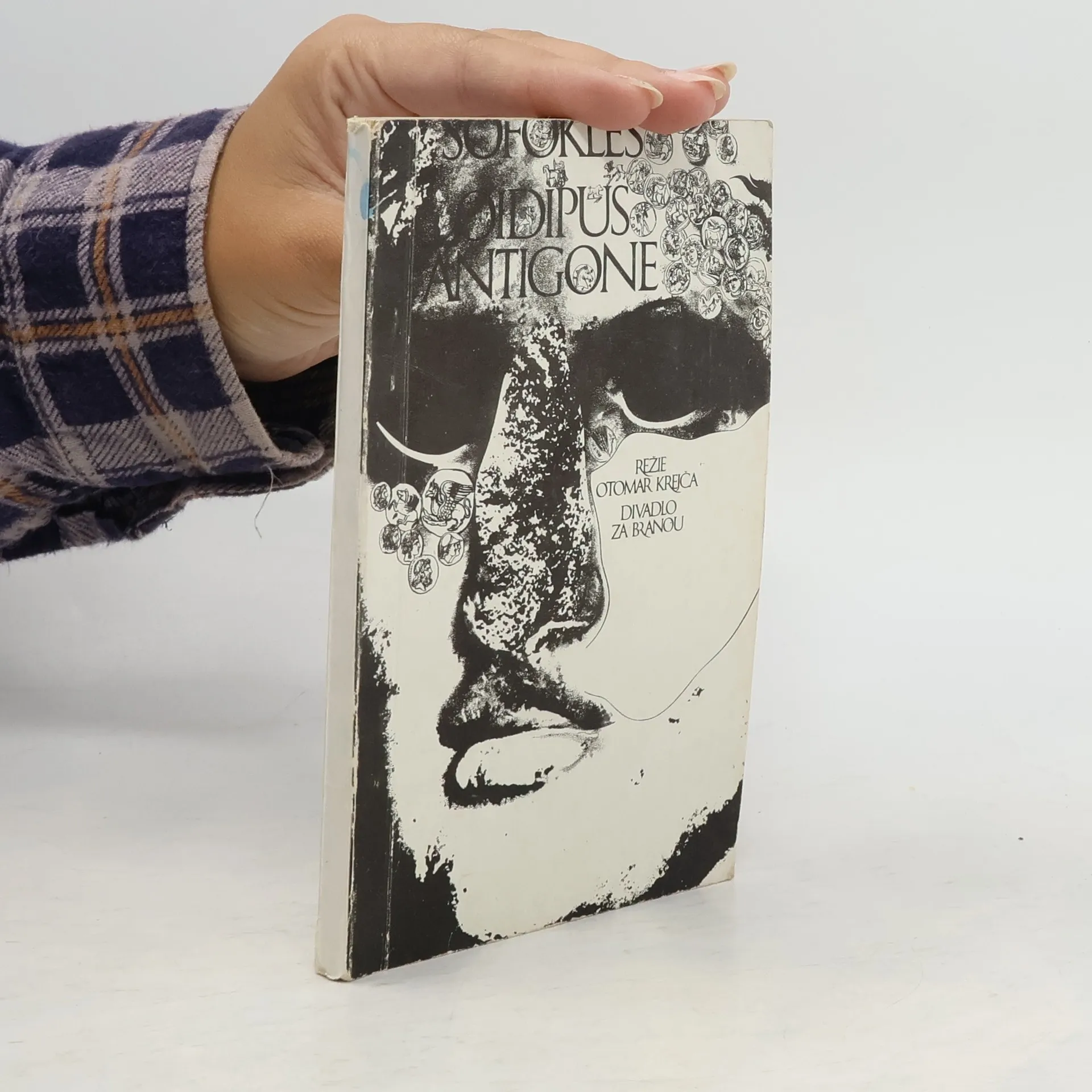
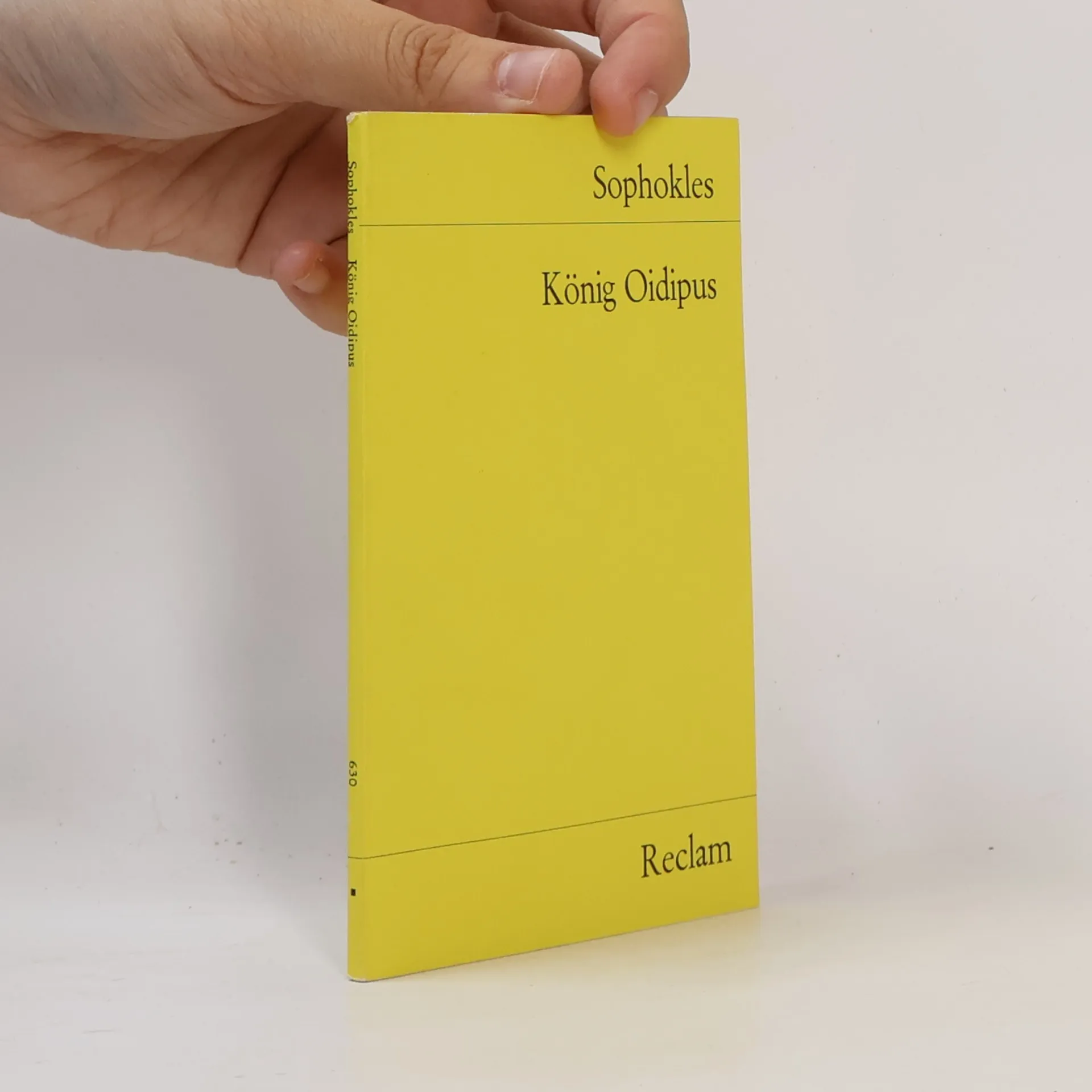
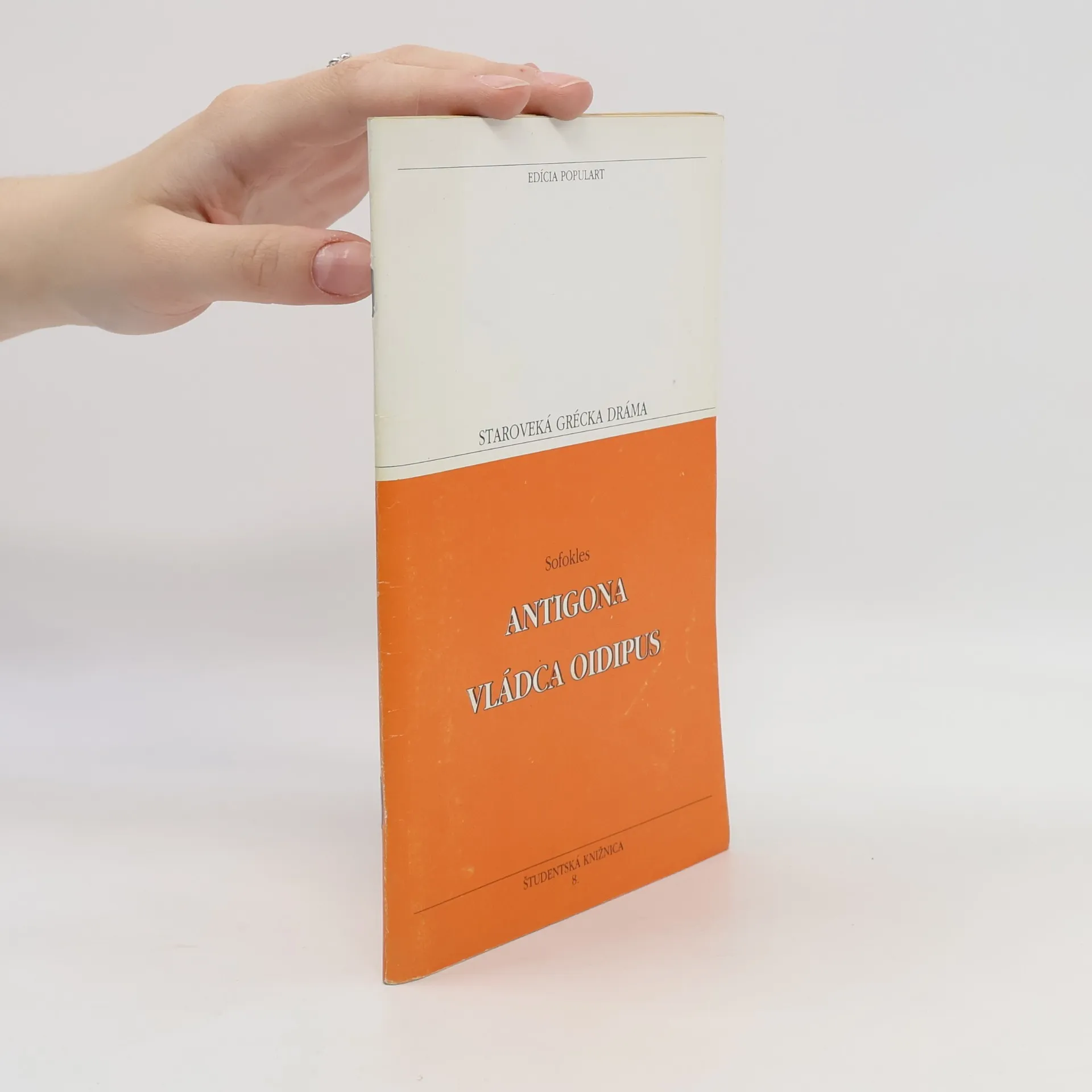
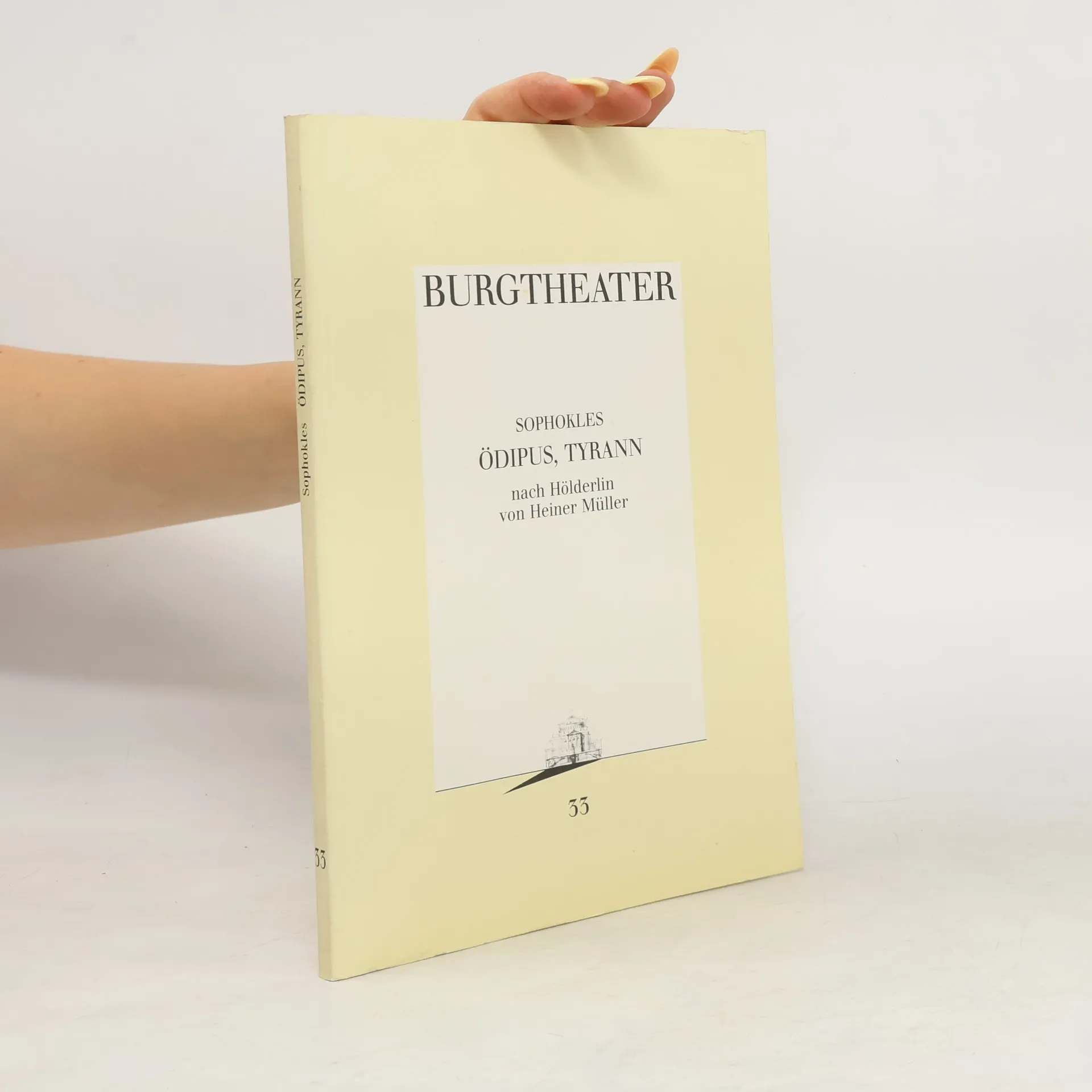
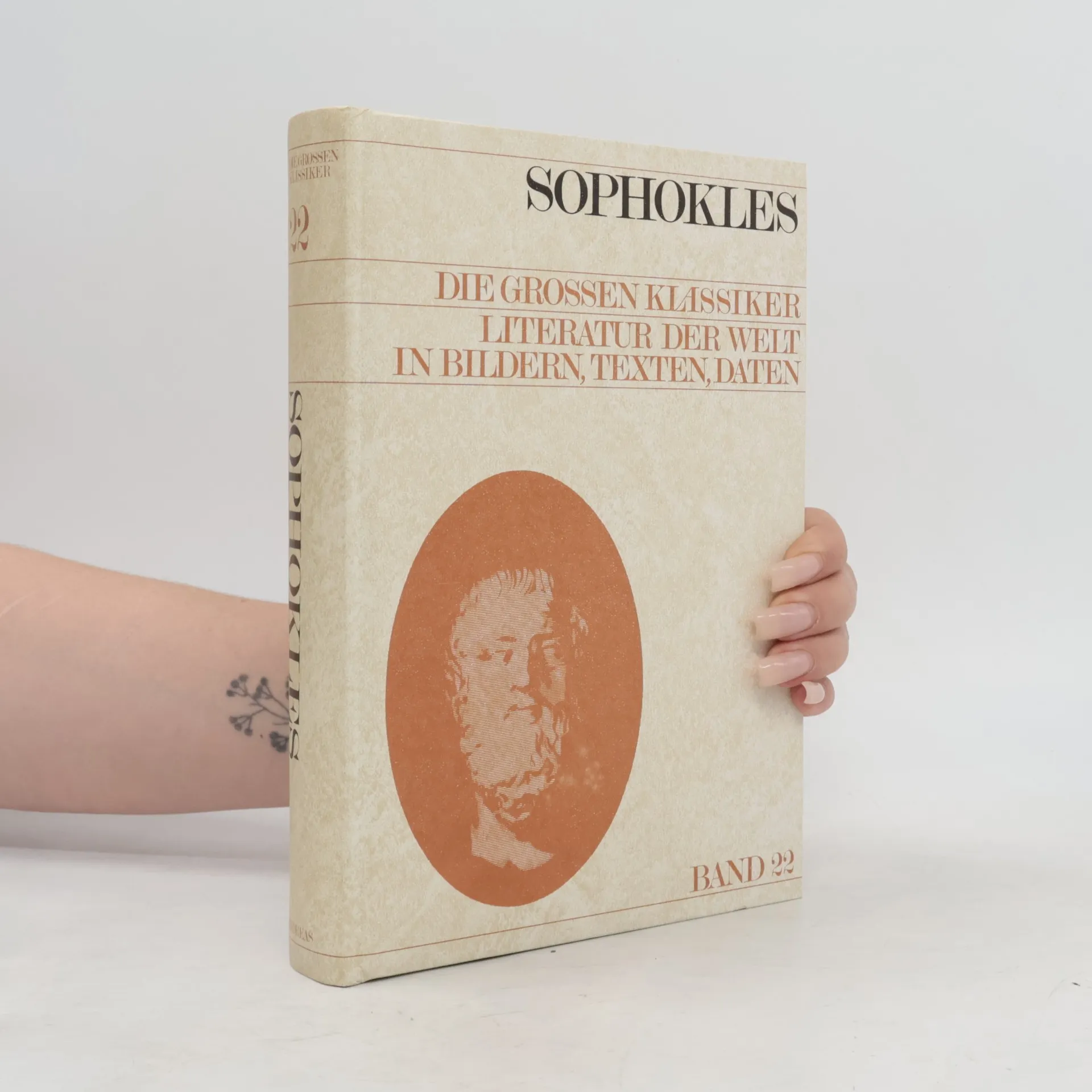
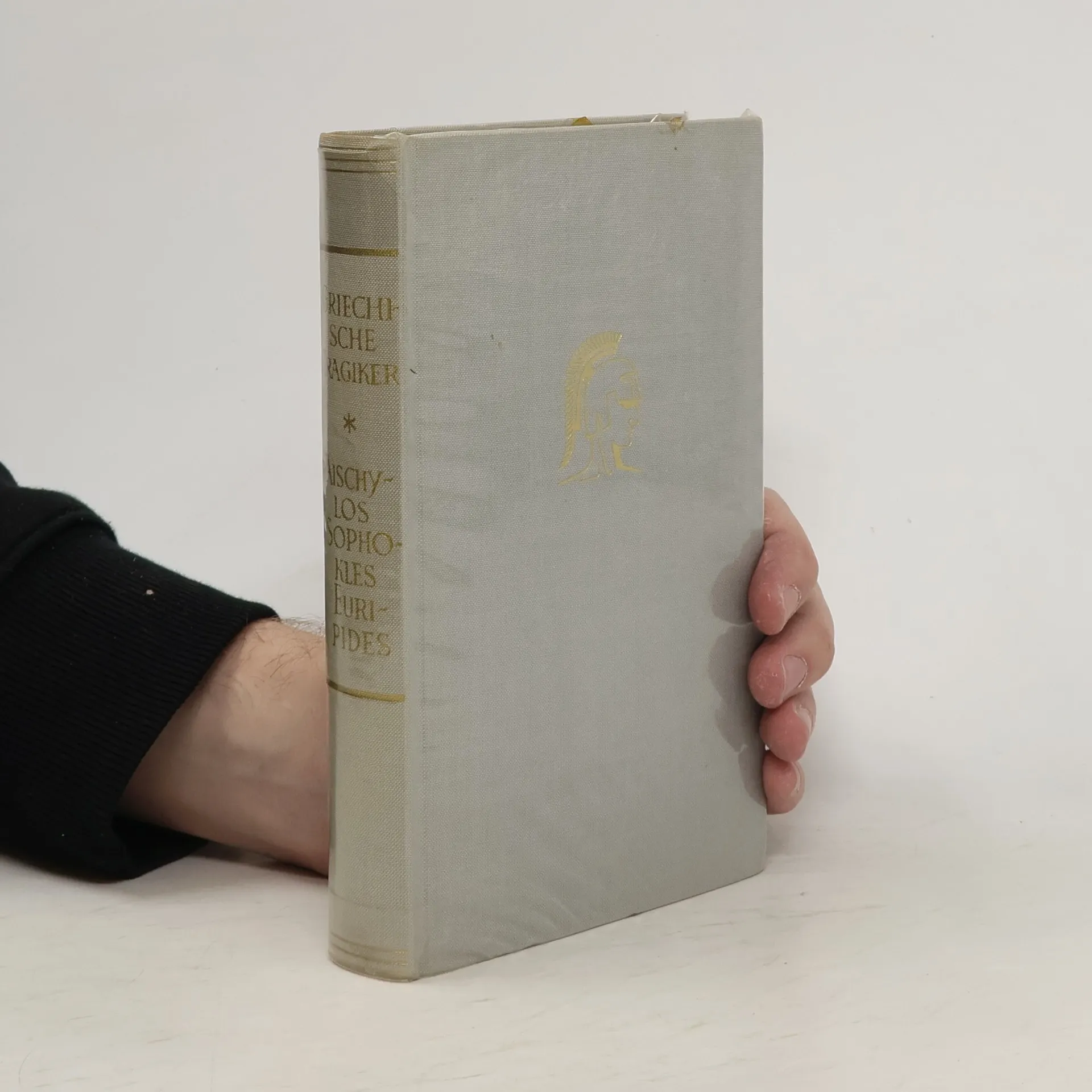
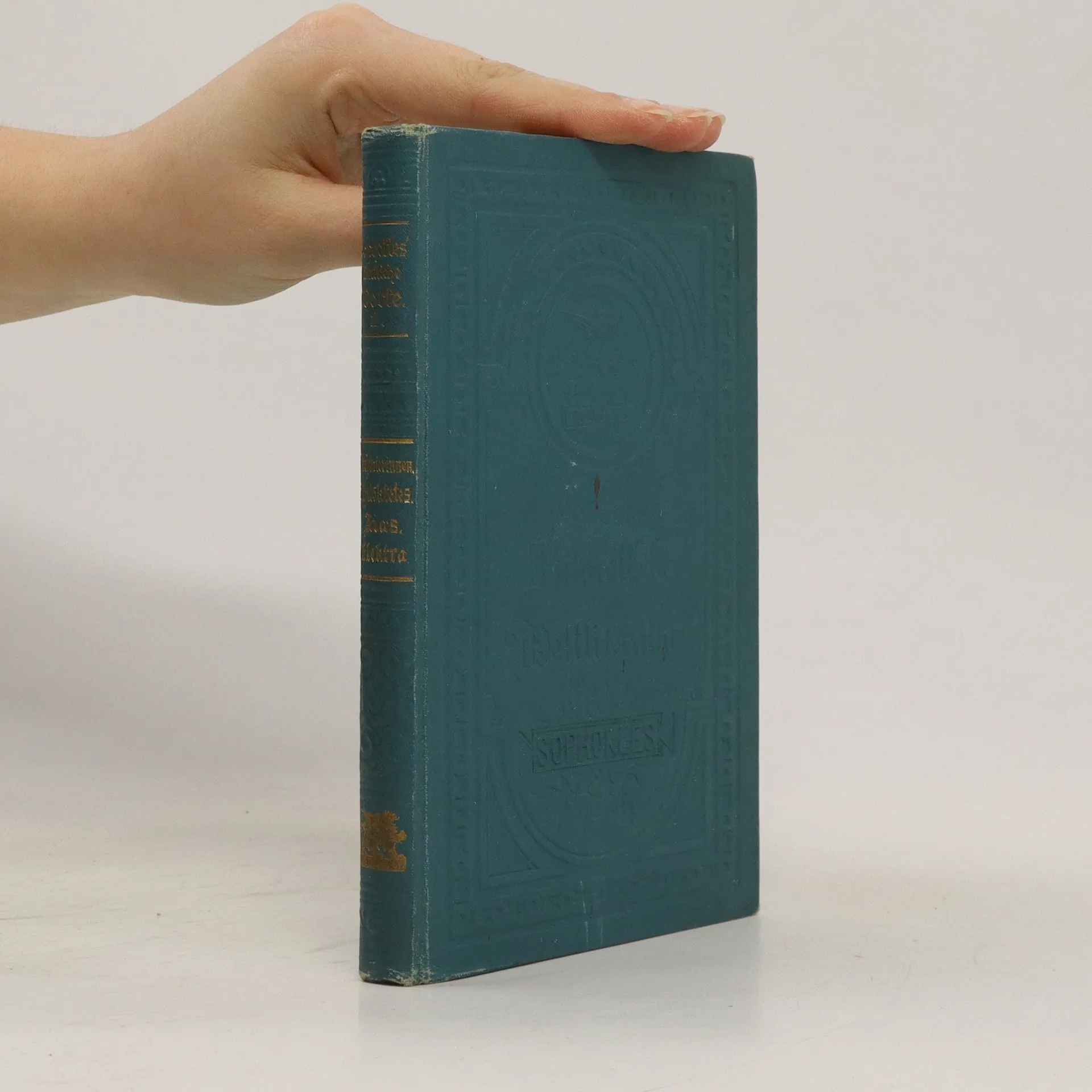
" Sophocle, un homme comme nous, s'est éteint dans sa quatre-vingt-onzième année, voilà deux mille trois cent quarante-sept ans. Son œuvre et notamment son legs suprême, Œdipe à Colone, est toute palpitante des pensées dont nous sommes aujourd'hui tourmentés. " Robert Kemp
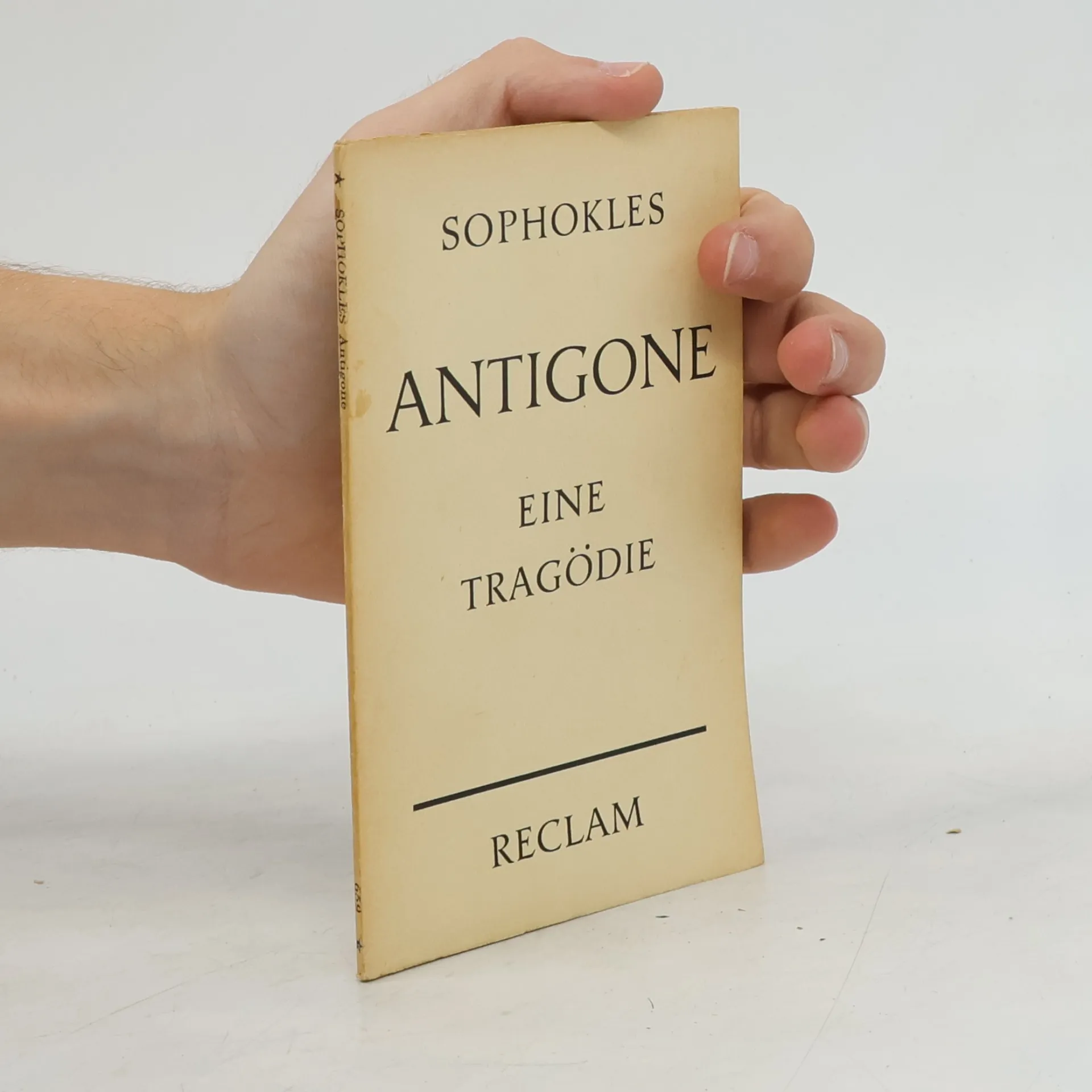
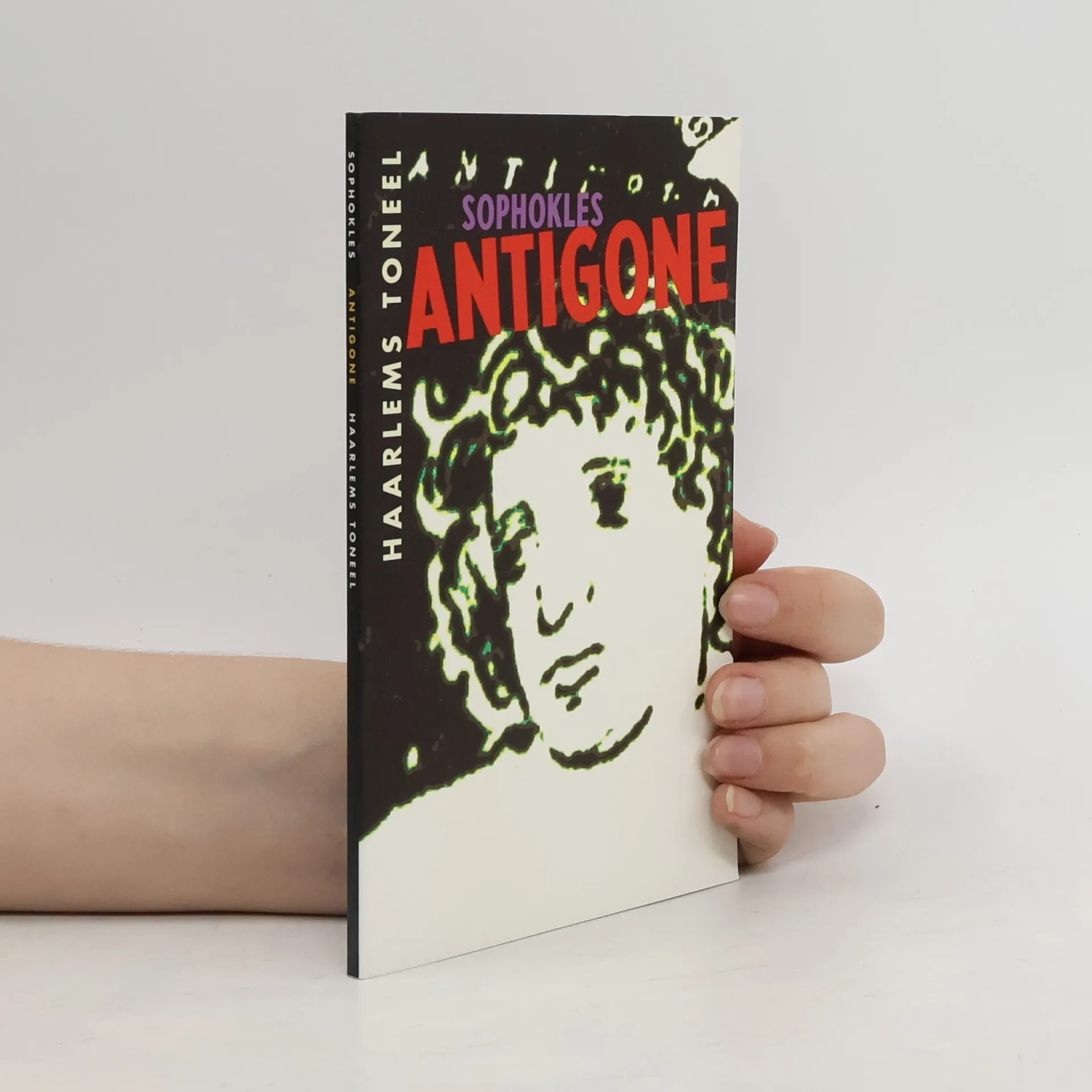
Pour avoir enterré son frère rebelle, Antigone doit être punie de mort. Le tyran Créon refuse de revenir sur sa décision malgré les lamentations des vieillards de Thèbes et les supplications de son propre fils Hémon, fiancé d'Antigone. Seuls les présages de Tirésias le feront changer d'avis, mais il sera déjà trop tard.
La ville de Thèbes est ravagée par la peste. Son souverain, Oedipe, mène l'enquête. Il découvre que l'homme qu'il a tué jadis, Laïos, était son père, et qu'il a épousé sa propre mère, Jocaste, dont il a eu quatre enfants. Elle se suicide, il se crève les yeux et s'exile. Une des plus belles tragédies de l'Histoire, modèle de l'enquête policière et de son suspens, de la peinture de la destruction de soi, et des relations troubles qui tissent les liens familiaux, grande interrogation jetée au destin, cette pièce est à l'origine de nombreuses imitations (jusqu'à Gide et Cocteau) et de nombreux commentaires (jusqu'à Freud ou Jean-Pierre Vernant). «O lumière c'est la dernière fois que je te vois, je suis né de qui je ne devais pas, je suis uni à qui je ne dois pas, j'ai tué qui je n'aurais pas dû.» Oedipe roi, IIIe épisode.
Tragedia przedstawia bezsilność wobec nieodgadnionych praw losu. Ukazuje historię Edypa, człowieka próbującego oszukać przeznaczenie, chcącego żyć spokojnie, w zgodzie ze światem. Nad Edypem ciąży klątwa, od której nie da się uwolnić. Kazirodztwo i ojcobójstwo są niewybaczalnymi przewinieniami. Piętno pozostaje także na dzieciach (rodzeństwie) Edypa. Książka w języku francuskim
Dans la ville de Saumur vit modestement la famille Grandet : le père ex-tonnelier devenu richissime après de fructueuses spéculations, son épouse, sa fille Eugénie et Nanon la servante. Ces trois femmes vivent sous la terrible coupe du chef de famille, avaricieux maladif. Dans la ville, les beaux partis se disputent l'hypothétique main d'Eugénie dans l'espoir d'épouser la fortune. Mais le cousin d'Eugénie, un dandy parisien, débarque un soir, porteur d'une missive pour son oncle. Sans le savoir, il apporte la nouvelle du suicide de son père ruiné, demandant à son frère de s'occuper de son fils pour l'aider à partir faire fortune aux Indes. L'avariceux vieillard va se heurter à la candeur et à la générosité d'Eugénie.Balzac a peint crûment, sans concession, les moeurs d'une époque qui n'est finalement pas si éloignée de la nôtre.
A landmark anthology of the masterpieces of Greek drama, featuring all-new, highly accessible translations of some of the world's most beloved plays, including Agamemnon, Prometheus Bound, Bacchae, Electra, Medea, Antigone, and Oedipus the King
This anthology is a thorough introduction to classic literature for those who have not yet experienced these literary masterworks. For those who have known and loved these works in the past, this is an invitation to reunite with old friends in a fresh new format. From Shakespeare s finesse to Oscar Wilde s wit, this unique collection brings together works as diverse and influential as The Pilgrim s Progress and Othello. As an anthology that invites readers to immerse themselves in the masterpieces of the literary giants, it is must-have addition to any library.
The whole tragic story of Oedipus, seen through the prism of the four great classical tragedies (chiefly by Sophocles), each taking up where the previous one leaves King Oedipus, Oedipus at Colonus, The Seven Against Thebes and Antigone. These are followed by the war of the Epigoni. This last volume in the series closes with one final myth, that of the Heraclids, after which the curtain falls suddenly and unexpectedly on Greek mythology.
Love and loyalty, hatred and revenge, fear, deprivation, and political ambition: these are the motives which thrust the characters portrayed in these three Sophoclean masterpieces on to their collision course with catastrophe. Recognized in his own day as perhaps the greatest of the Greek tragedians, Sophocles's reputation has remained undimmed for two and a half thousand years. His greatest innovation in the tragic medium was his development of a central tragic figure, faced with a test of will and character, risking obloquy and death rather than compromise his or her principles: it is striking that Antigone and Electra both have a woman as their intransigent `hero'. Antigone dies rather than neglect her duty to her family, Oedipus's determination to save his city results in the horrific discovery that he has committed both incest and parricide, and Electra's unremitting anger at her mother and her lover keeps her in servitude and despair. These vivid translations combine elegance and modernity, and are equally suitable for reading or theatrical performance.
This new translation of Sophocles' powerful drama delves into the intense emotions of a desperate wife who resorts to a deadly plan to secure her warrior husband's loyalty amidst his wavering affections. The work explores themes of love, betrayal, and the lengths one will go to for passion, offering a fresh perspective on a timeless tragedy.
Presents the original text of Shakespeare's plays side by side with a modern version, with marginal notes and explanations and full descriptions of each character
When an essay is due and dreaded exams loom, this book offers students what
they need to succeed. It provides chapter-by-chapter analysis, explanations of
key themes, motifs and symbols, a review quiz, and essay topics. It is
suitable for late-night studying and paper writing.
Agamemnon, le Roi des Rois, a sacrifié sa fille aux dieux.Son épouse, Clytemnestre, l'assassine à son retour de la guerre de Troie, aidée de son amant, Egisthe. Oreste, le fils unique, est banni. Reste Electre, la seconde fille. « Elle ne fait rien, elle ne dit rien. Mais elle est là. » Aussi Egisthe veut-il la marier pour détourner sur « la famille des Théocathoclès tout ce qui risque de jeter quelque jour un lustre fâcheux sur la famille des Atrides ». Mais Oreste revient et désormais Electre n'est plus que haine, assoiffée de justice et de vengeance au mépris de la menace qui pèse sur le royaume des siens.Sur ce grand mythe de l'Antiquité, Jean Giraudoux a écrit dans doute sa meilleure pièce. Electre possède une grande force tragique sans jamais perdre cet esprit étincelant, cet humour qui ont fait de Jean Giraudoux l'un des plus grands écrivains du XXe siècle.
This publication focuses on enhancing accessibility by reproducing historical works in large print, catering specifically to individuals with impaired vision. The effort by Megali aims to preserve the integrity of original texts while ensuring that a broader audience can enjoy and engage with historical literature.
Sophocles' plays transformed Greek myths into dramas featuring complex human characters, through which he explored profound moral issues. This title contains plays such as: Electra, Ajax, Women of Trachis and Philoctetes.
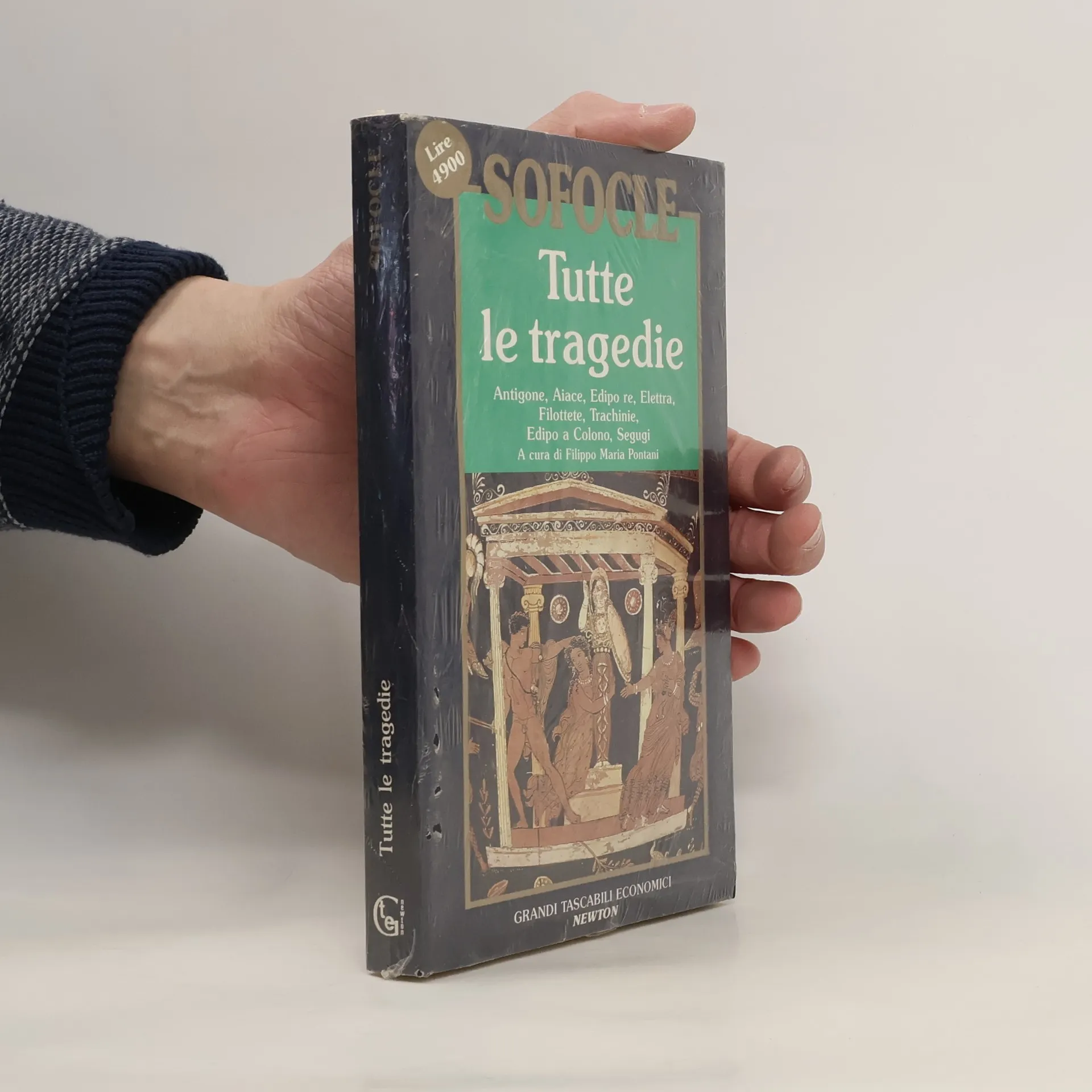
Dallo suo lavoro si sono conservate sette tragedie complete e numerosi frammenti, především ze satyrského dramatu Slídiči. Le tragedie più potenti di Sofocle sono quelle legate ai miti tebani: "Re Edipo" narra la storia di un uomo che, senza saperlo, uccide il padre e vive in matrimonio con la madre, affrontando l'inevitabilità del destino. "Edipo a Colono" descrive la fine della sua vita piena di sofferenze, mentre "Antigone" racconta le vicende della figlia di Edipo, che, nonostante il divieto, seppellisce il fratello e paga con la vita per il suo gesto, esplorando il conflitto tra coscienza e dovere filiale. Tra i miti omerici, Sofocle trae ispirazione per le tragedie "Aiace", che affronta drammaticamente il suicidio di un eroe, "Elettra", che narra il destino della figlia di Agamennone e la vendetta di Oreste, e "Filottete", che presenta una storia psicologicamente complessa di un eroe omerico. L'ultima tragedia conservata, "Le Trachinie", racconta la morte di Eracle e il conflitto familiare che la precede. Sofocle, poeta drammatico ancora rappresentato, è una figura immortale della cultura mondiale e la sua opera rappresenta uno dei più grandi lasciti culturali dell'antichità.
Ödipus war der Sohn von König Laios und Königin Iokaste. Bevor er geboren wurde, konsultierten seine Eltern das Orakel von Delphi. Das Orakel prophezeite, dass Ödipus seinen Vater ermorden und seine Mutter heiraten würde. Um die Erfüllung dieser Prophezeiung zu verhindern, ließ Laios die Füße von Ödipus zusammenbinden und durchbohren. Danach wurde das Baby einem Hirten übergeben, der beauftragt war, ihn zu töten. Unfähig, seinen Auftrag auszuführen, gab er das Kind stattdessen einem zweiten Hirten, der den Säugling Ödipus zum König von Korinth, Polybos, brachte. Polybos adoptierte Ödipus als seinen Sohn. Ödipus wurde als Kronprinz von Korinth erzogen. Viele Jahre später wurde Ödipus gesagt, dass Polybos nicht sein leiblicher Vater sei. Auf der Suche nach der Wahrheit suchte er Rat bei einem Orakel und begann damit die größte Tragödie, die je geschrieben wurde.
Philoctet - ein Schauspiel mit Gesang ist ein unveranderter, hochwertiger Nachdruck der Originalausgabe aus dem Jahr 1795. Hansebooks ist Herausgeber von Literatur zu unterschiedlichen Themengebieten wie Forschung und Wissenschaft, Reisen und Expeditionen, Kochen und Ernahrung, Medizin und weiteren Genres. Der Schwerpunkt des Verlages liegt auf dem Erhalt historischer Literatur. Viele Werke historischer Schriftsteller und Wissenschaftler sind heute nur noch als Antiquitaten erhaltlich. Hansebooks verlegt diese Bucher neu und tragt damit zum Erhalt selten gewordener Literatur und historischem Wissen auch fur die Zukunft bei.
Die Tragödie des Aias, des großen Helden vor Troja, der sich ungerecht behandelt fühlt und dem Wahnsinn verfällt; der eine ganze Viehherde niedermetzelt im Glauben, es seien seine (griechischen) Feinde; der dann auch sich selbst mordet. Nur durch das Eingreifen des Odysseus wird verhindert, daß Aias’ Leichnam unbestattet bleibt. Möglicherweise das früheste der erhaltenen Dramen des Sophokles; ein Problemstück, das mehr Fragen aufwirft, als es beantwortet.
Sophokles – altgriechische Literatur in deutscher Übersetzung – 14230
130pages
5 heures de lecture
Iphigenie, Agamemnon, Klytaimnestra, Orestes und Elektra: Mord wird mit Mord gesühnt – es ist eine Spirale der Gewalt. Aber kann Rache gerecht sein? Und kann Gewalt durch Gewalt beendet werden? Diese Fragen schwingen im Hintergrund mit, und sie verliehen diesem Spätwerk des Sophokles eine politische Dimension, denn der Ort der Aufführung, Athen, befand sich Ende des 5. Jahrhunderts v. Chr. mitten im Krieg, ja hatte die Chance auf Frieden soeben vertan. Nicht zuletzt diese Fragen lohnen auch heute eine Beschäftigung mit diesem Drama und dem Mythos rund um die fluchbeladenen Atriden in Mykene.
Griechisch/Deutsch – Sophokles – zweisprachige Ausgabe; Originalversion mit deutscher Übersetzung
197pages
7 heures de lecture
Sophokles individuelle Formung des Elektra-Stoffes in diesem Drama entzieht sich einer uniformen Deutungshoheit. Zu viele Fragen an das Stück werden nach wie vor unterschiedlich, ja teilweise gegensätzlich beantwortet etwa nach seiner Botschaft zu Themen wie Orakelgläubigkeit, Blutrache und Muttermord, nach Heldentum oder Psychologisierung der Akteure. Wer dem Kunstwollen des großen Tragikers in seiner Elektra ernsthaft auf den Grund gehen oder ihn als Meilenstein in der Rezeptionsgeschichte des Elektramythos würdigen möchte, kommt um eine moderne Übersetzung, die sich am beigegebenen Originaltext messen lässt, nicht herum.
Dvě antické tragédie s ústředními ženskými hrdinkami z pera starořeckého dramatika o pomstě, spravedlnosti i zodpovědnosti člověka k člověku, vychází v překladu Ferdinanda Stiebitze jako 62. svazek.
Ödipus – seinen Vater hat er erschlagen, mit seiner Mutter vier Kinder gezeugt. Als er erkennt, was er getan hat, blendet er sich selbst. Das ist die Tragödie des einst mächtigen Königs von Theben. Von dort vertrieben, alt geworden und begleitet einzig von seiner Tochter Antigone, ersehnt er nur noch einen friedlichen Tod auf Kolonos nahe Athen. Doch auch dort holen ihn die Schatten der Vergangenheit ein: Theben droht ein blutiger Bruderkrieg, in dem beide Parteien den des Lebens und Leidens überdrüssigen Ödipus auf ihre Seite zwingen wollen. Wie in seiner berühmten Übertragung der «Orestie» folgt Peter Stein, Intendant und Regisseur von internationalem Rang, auch diesmal seinem Ideal, eine klare und zeitgemäße, genaue und vollständige Wiedergabe des antiken Textes zu leisten, deren oberstes Ziel die Verständlichkeit ist. Der humanistisch gebildete Theatermann legt erneut eine Übersetzung vor, die sich nicht nur auf der Bühne bewährt hat – 2010 erprobte er sie im Rahmen der Salzburger Festspiele mit Klaus Maria Brandauer in der Hauptrolle –, sondern ihre sprachliche Kraft und Schönheit auch bei der Lektüre entfaltet.
Von jedem der drei großen griechischen Tragiker ist eine Elektra-Tragödie erhalten. Aischylos’ »Choephoren« (2. Teil der »Orestie«) stehen am Anfang, ob Sophokles mit seiner »Elektra« auf Euripides folgte oder umgekehrt, ist umstritten. Der Vergleich der drei Stücke ist aufschlussreich für die Gestaltung des Mythos. Elektras Rache an ihrer Mutter Klytaimnestra, die Agamemnon, den Vater Elektras, ermordet hatte, und an ihrem Stiefvater Aigisthos beherrscht die Tragödie. Mit »Elektra« hat Euripides wiederum eine große Frauengestalt auf die Bühne gebracht, deren Wirkung auf die europäische Literatur bis heute anhält.
Nový český překlad tragédie, zpracovávající starou báji o krutém životním údělu muže, který nevědomky zabil svého otce, oženil se s vlastní matkou a svými vinami si život proměnil v nepřetržitý řetězec utrpení. V doslovu usiluje překladatel o postižení společenského a ideového dosahu tragédie v době jejího vzniku i o osvětlení těch jejích rysů a prvků, kterými především hovoří k čtenáři a posluchači dneška.
'Ungeheuer ist viel. Doch nichts ungeheurer als der Mensch.' Der unbeugsame Fundamentalismus in der ›Antigone‹, die zerstörerische Selbsterkenntnis des ›Ödipus‹ – Sophokles beschreibt in den blutigen Ereignissen seiner Dramen die Gefahren menschlicher Freiheit innerhalb der gesellschaftlichen Ordnung. Die vitale Vieldeutigkeit seiner Figuren, die zutiefst mitmenschlich sind und doch anmaßend alle Gesetze sprengen, war Vorbild für Bertolt Brecht, Igor Strawinski oder Carl Orff. Bis in die 1970er Jahre als politischer Widerstand inszeniert, sieht man in ›Antigone‹ seither vor allem den Geschlechterkampf. Mit den Beiträgen zu beiden Werken aus Kindlers Literatur Lexikon. Mit Daten zu Leben und Werk, exklusiv verfasst von der Redaktion der Zeitschrift für Literatur TEXT + KRITIK.
Les Suppliantes. Les Perses. Les Sept contre Thèbes. Prométhée enchainé. Orestie. «Une sorte d'épouvante emplit Eschyle d'un bout à l'autre ; une méduse profonde s'y dessine vaguement derrière les figures qui se meuvent dans la lumière. Eschyle est magnifique et formidable, comme si l'on voyait un froncement de sourcil au-dessus du soleil.» Victor Hugo.
Eine Tragödie (Band 76, Klassiker in neuer Rechtschreibung)
60pages
3 heures de lecture
Die Reihe präsentiert bedeutende Werke der Weltliteratur in einer aktualisierten Rechtschreibung gemäß Duden. Klara Neuhaus-Richter sorgt dafür, dass klassische Texte für moderne Leser zugänglicher werden, ohne den ursprünglichen Inhalt zu verfälschen. Diese Edition bietet eine wertvolle Verbindung von Tradition und zeitgemäßer Sprache, die sowohl für Literaturenthusiasten als auch für Bildungszwecke von Interesse ist.
"König Ödipus" von Sophokles, erstmals 429 v. Chr. aufgeführt, ist das zweite Stück der Thebanischen Trilogie. Es erzählt von Ödipus, der unwissentlich seinen Vater tötet und seine Mutter heiratet. Auf der Suche nach dem Mörder Laios entdeckt er schockierende Wahrheiten. Die Neuübersetzung von 2021 bietet eine verständliche Prosafassung.
"Ödipus auf Kolonos" ist das letzte der drei thebanischen Dramen von Sophokles, verfasst kurz vor seinem Tod 406 v. Chr. Es erzählt vom tragischen Ende Ödipus' und spielt in Kolonos, dem Geburtsort des Autors. Ödipus kommt dort mit seinen Töchtern als Bittsteller zu Theseus, dem König von Athen.
Die "Antigone" behandelt den Konflikt zwischen politischer Autorität und individuellem Gewissen. Antigone gehorcht den religiösen Gepflogenheiten und gewährt ihrem Bruder Polyneikes die Bestattung, was zu ihrem eigenen Tod und dem ihres Geliebten Hæmon führt. Die Neuübersetzung von 2021 ist in leicht verständlicher Prosa verfasst.
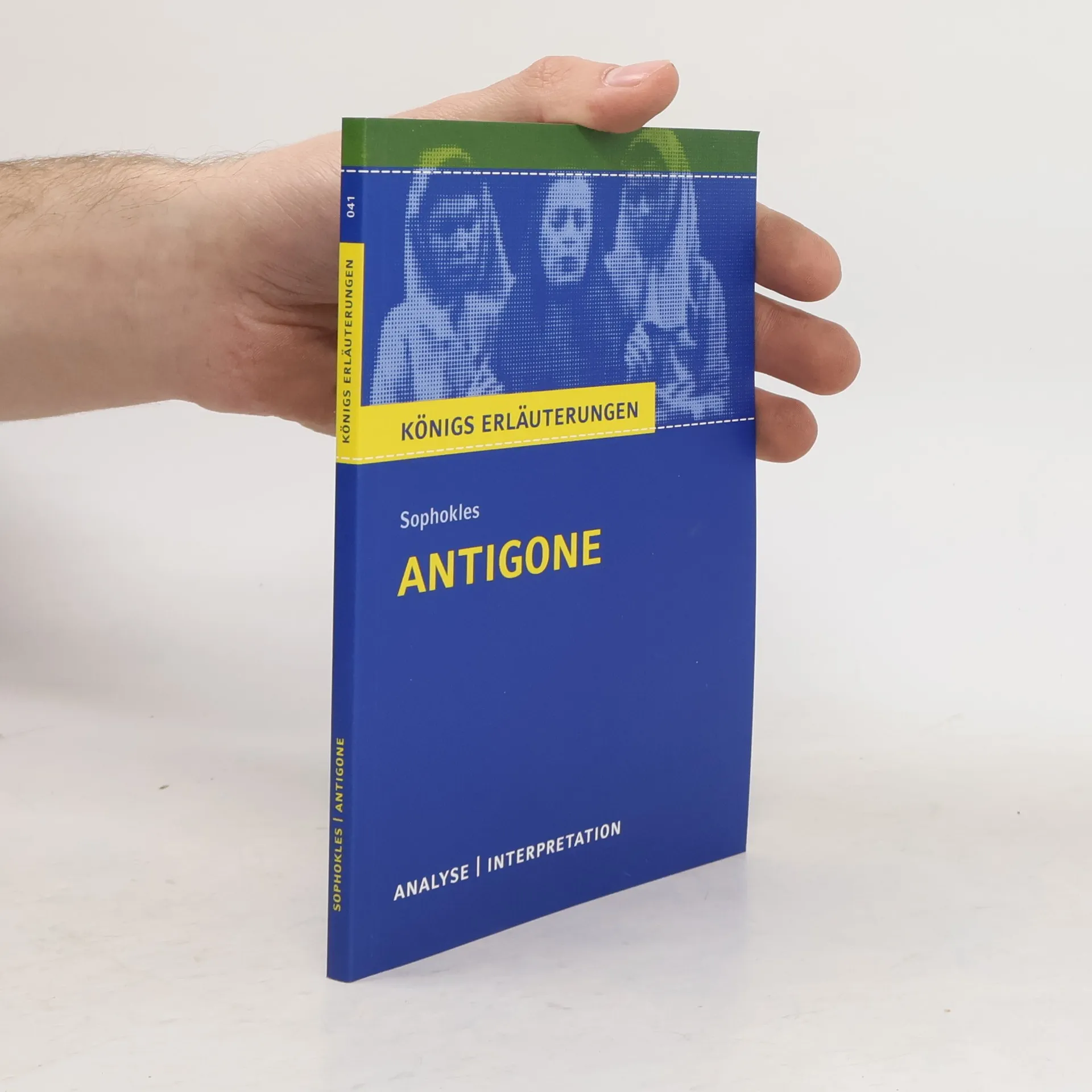
Textanalyse und Interpretation mit Zusammenfassung, Inhaltsangabe, Charakterisierung, Szenenanalyse und Prüfungsaufgaben mit Lösungen uvm. (Königs Erläuterungen - Lektürehilfe)
120pages
5 heures de lecture
Königs Erläuterungen zu Antigone – Textyse und Interpretation mit ausführlicher Inhaltsangabe und AbituraufgabenIn einem Band bieten dir die neuen Königs Erläuterungenalles , was du zur Vorbereitung aufReferat, Klausur, Abitur oder Matura benötigst.Dasspart Zeit bei der Vorbereitung!Alle wichtigen Infos zur Interpretation... - von der ausführlichen Inhaltsangabe über Aufbau, Personenkonstellation, Stil und Sprache bis zu Interpretationsansätzen - plus 4 Abituraufgaben mit Musterlösungen und 2 weitere zum kostenlosen Download... sowohl kurz als auch ausführlich ... - Die Schnellübersicht ft alle wesentlichen Infos zu Werk und Autor und yse zusammen. - Die Kapitelzusammenfungen zeigen dir das Wichtigste eines Kapitels im Überblick – ideal auch zum Wiederholen. - Das Stichwortregister ermöglicht dir schnelles Finden wichtiger Textstellen.... und klar strukturiert ... - Ein zweifarbiges Layout hilft dir Wesentliches einfacher und schneller zu erfen. - Die Randspalte mit Schlüsselbegriffen ermöglichen dir eine bessere Orientierung.- Klar strukturierte Schaubilder verdeutlichen dir wichtige Sachverhalte auf einen Blick.... mit vielen zusätzlichen Infos zum kostenlosen Download.
Król Edyp jest antyczną tragedią grecką napisaną przez Sofoklesa około 430
roku przed naszą erą. Ta sztuka licząca ponad dwa tysiące lat należy do kanonu
literatury światowej. Jej tematem jest bezsilność człowieka wobec fatum. Edyp,
król Teb, pragnie żyć w zgodzie z prawami ludzkimi i boskimi. Kiedy w jego
mieście wybucha zaraza, idzie po objawienie do wyroczni delfickiej. Okazuje
się, że musi odnaleźć i ukarać zabójcę poprzedniego króla, Lajosa, aby
uratować miasto. W miarę odkrywania prawdy dowiaduje się, że ciąży na nim
klątwa, od której nie można się uwolnić. To on nieświadomie zabił swojego
ojca, a następnie ożenił się z własną matką, Jokastą. W pokucie za
niewybaczalne przewinienia, jakimi są ojcobójstwo i kazirodztwo, Edyp oślepia
się i opuszcza Teby wraz z córkami Antygoną i Ismeną. Lektura w szkole
średniej
Kompletne wydanie Króla Edypa Sofoklesa, bez cięć w treści, przygotowaliśmy z
myślą o uczniach - nie tylko zastosowaliśmy czcionkę ułatwiającą czytanie oraz
wygodne marginesy, dzięki czemu wzrok nie męczy się szybko, ale także
uzupełniliśmy tekst o przypisy, wyjaśniające trudne lub archaiczne zwroty.
Ponadto wydanie zawiera opracowanie z biogramem autora, streszczeniem,
kluczową dla utworu problematyką oraz najważniejszymi pojęciami z zakresu
literaturoznawstwa, które dotyczą Króla Edypa i epoki, w której powstał.
Opracowanie pomoże nie tylko w przygotowaniu do lekcji i do sprawdzianu, ale
także będzie doskonałym materiałem powtórkowym przed egzaminem maturalnym.
Seria Lektury wydawnictwa Pumilio powstaje pod opieką merytoryczną redaktorki
prowadzącej, dr Agnieszki Wójtowicz-Zając, literaturoznawczyni, która dba o
wysoki poziom opracowania tekstu, zgodny z podstawą programową.
W ramach międzynarodowego projektu Klasyka w powieści graficznej. Pilotażowy
program nowej edukacji kulturalnej dla uczniów liceów oparty na powieściach
graficznych, dofinansowanego ze środków programu Komisji Europejskiej
Kulturalna Europa, trzy instytucje kultury - ze Słowenii (Słoweński Instytut
Teatralny, Lublana), z Polski (Instytut Teatralny im. Zbigniewa Raszewskiego,
Warszawa) oraz ze Słowacji (Instytut Teatralny, Bratysława) - wybrały trzy
klasyczne dramaty europejskie: Antygonę Sofoklesa, Romea i Julię Williama
Szekspira oraz Króla Ubu Alfreda Jarryego. Do współpracy zaproszono trzech
uznanych artystów rysowników: dr. Horowitza (Ciril Horjak, Słowenia), Daniela
Chmielewskiego (Polska) i Juraja Martikę (Słowacja), którzy stworzyli
komiksowe inscenizacje tekstów dramatycznych. Powstały trzy powieści
graficzne, a każda z nich jest dostępna w języku słoweńskim, polskim i
słowackim.