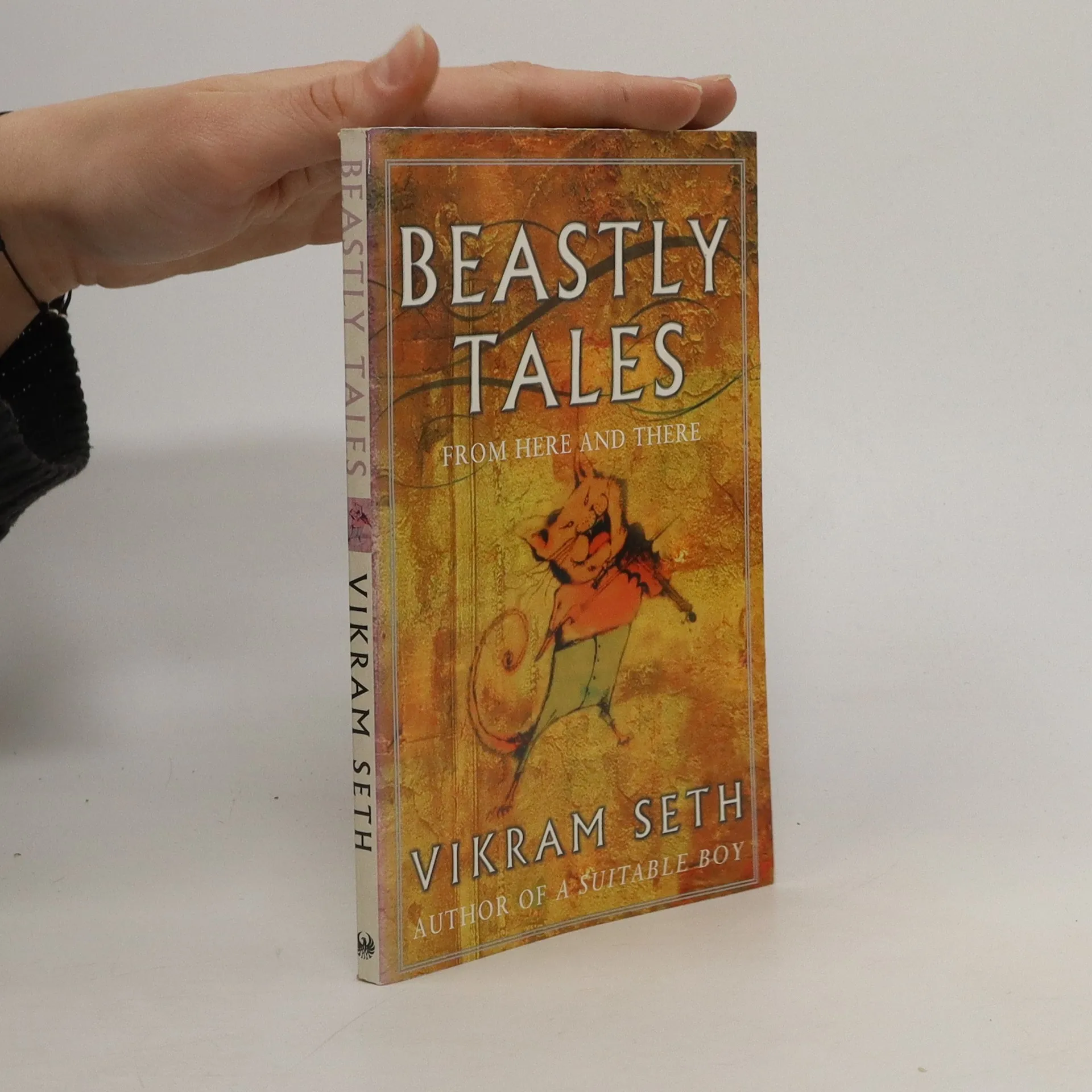
Vikram Seth est un conteur qui plonge dans les profondeurs des vies et des relations humaines à travers les cultures et les continents. Son œuvre se caractérise par une franchise inhabituelle, où les récits personnels s'entrelacent avec des contextes sociaux et historiques plus larges. Seth aime explorer les thèmes de l'identité, de la famille et de la quête de sa place dans le monde, en employant un style à la fois captivant et introspectif. Sa production littéraire reflète souvent ses propres expériences et sentiments vécus, offrant aux lecteurs un aperçu intime de son monde intérieur.
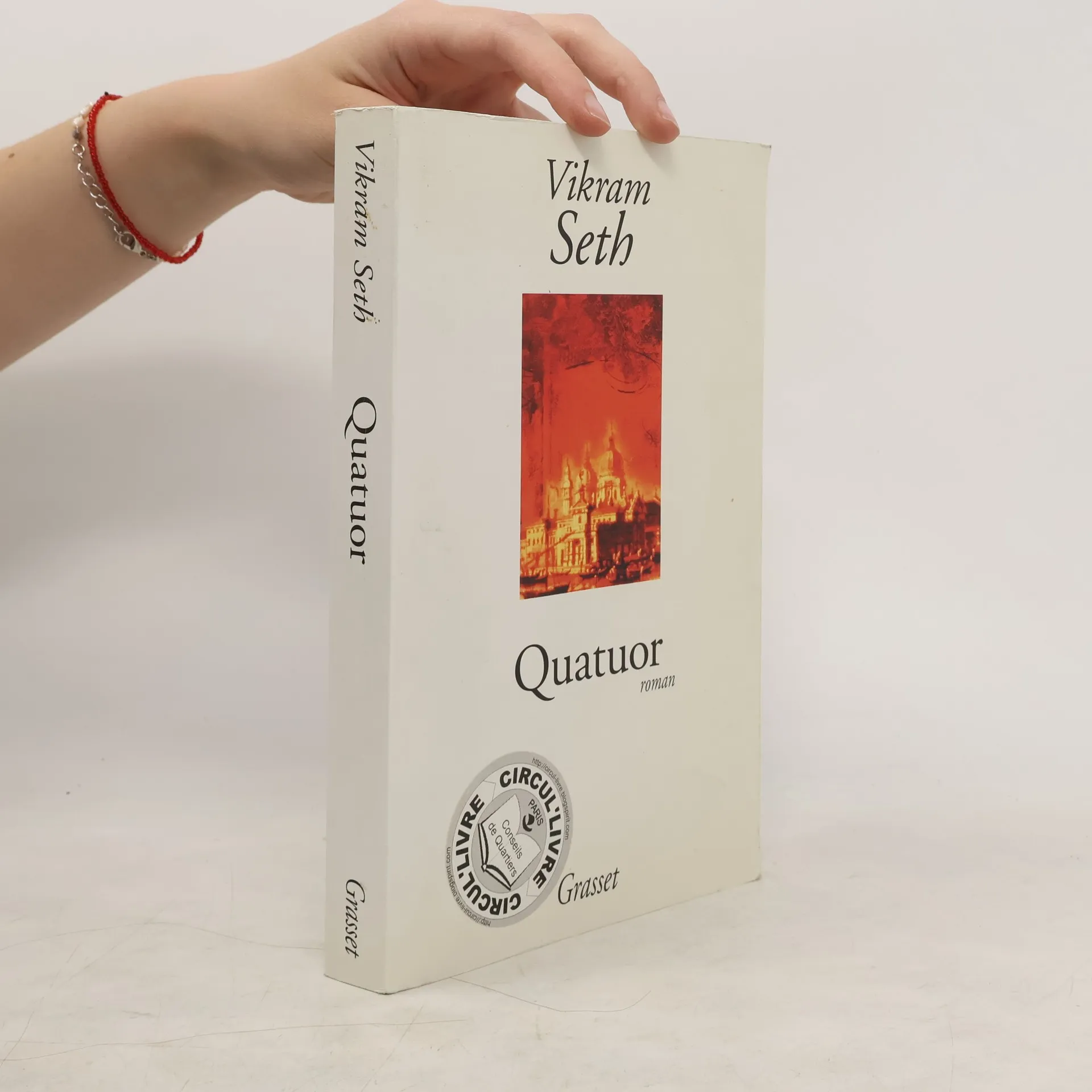
Un visage aperçu à la fenêtre d'un bus, une lettre qui n'aurait jamais dû être lue, un musicien qui vit avec le secret espoir de retrouver son premier amour... Quatuor est le roman de l'amour pour une femme, perdue, retrouvée puis à nouveau perdue. Le roman de la musique ou comment la passion de la musique peut être la passion d'une vie. Le roman de Michael, de Julia et de l'amour qui les unit.
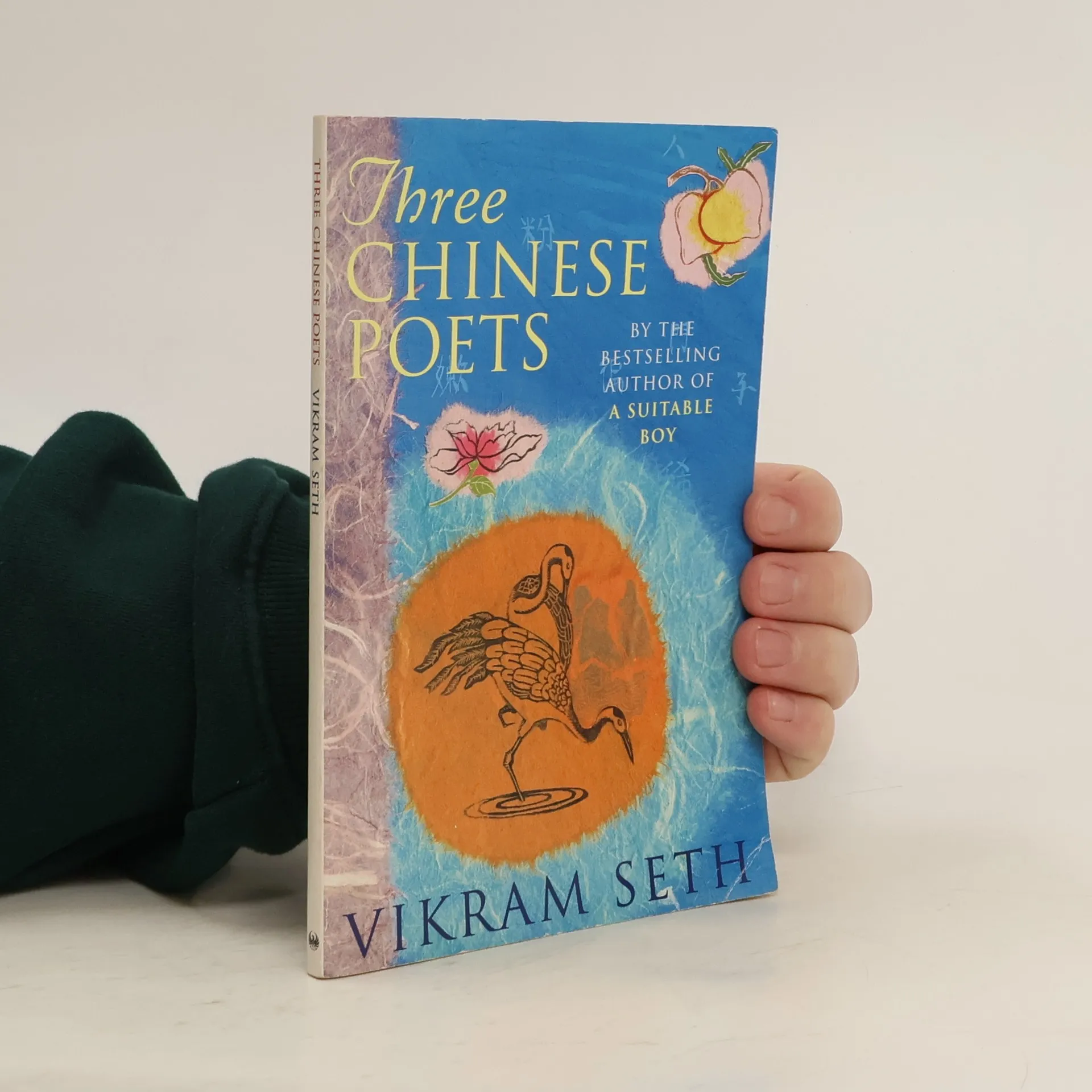
The three Chinese poets translated here are among the greatest literary figures of China, or indeed the world. Wang Wei with his quiet love of nature and Buddhist philosophy; Li Bai, the Taoist spirit, with his wild, flamboyant paeans to wine and the moon; and Du Fu, with his Confucian sense of sympathy with the suffering of others in a time of civil war and collapse. These three poets of a single generation, responding differently to their common times, crystallise the immense variety of China and the Chinese poetic tradition and, across a distance of twelve hundred years, move the reader as it is rare for even poetry to do.
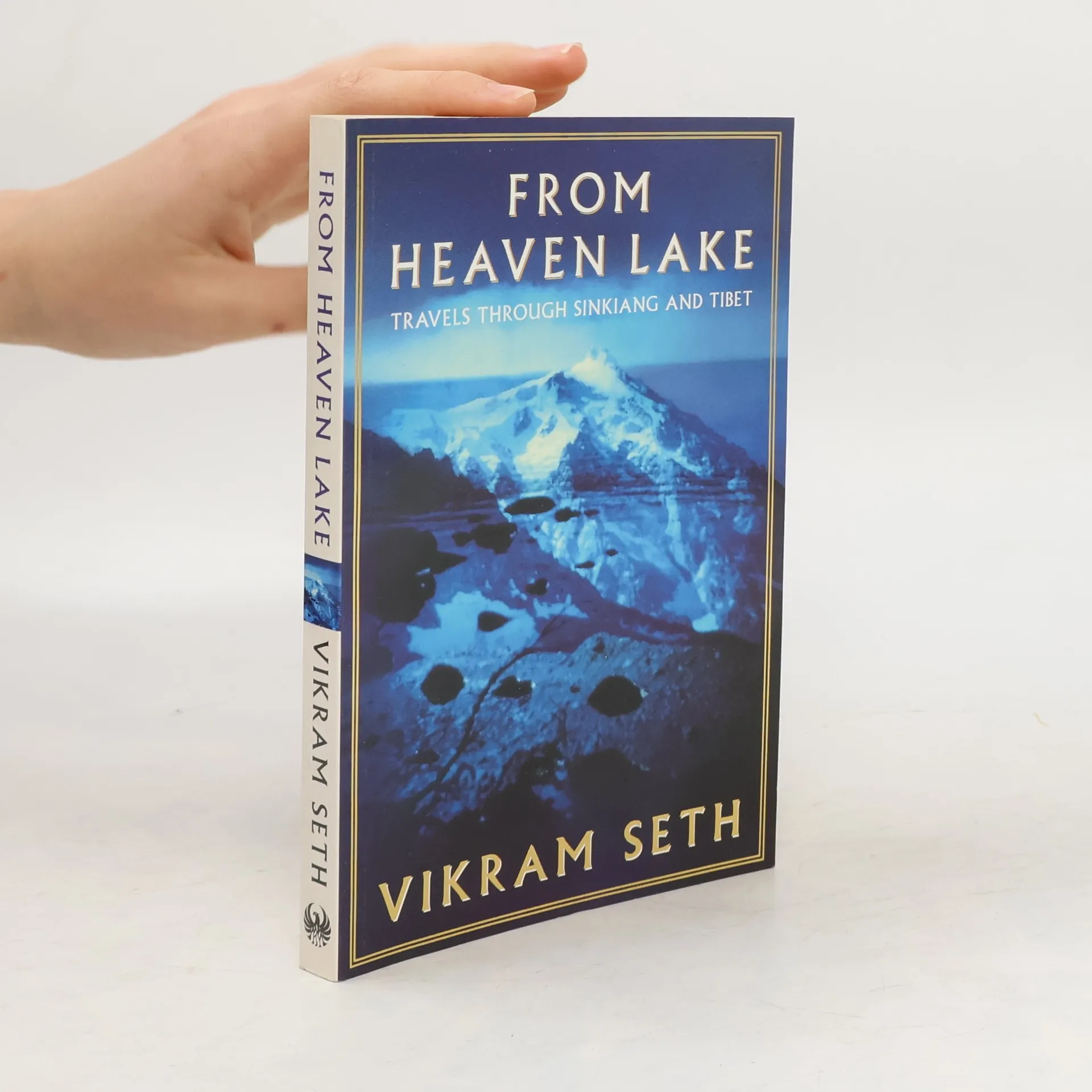
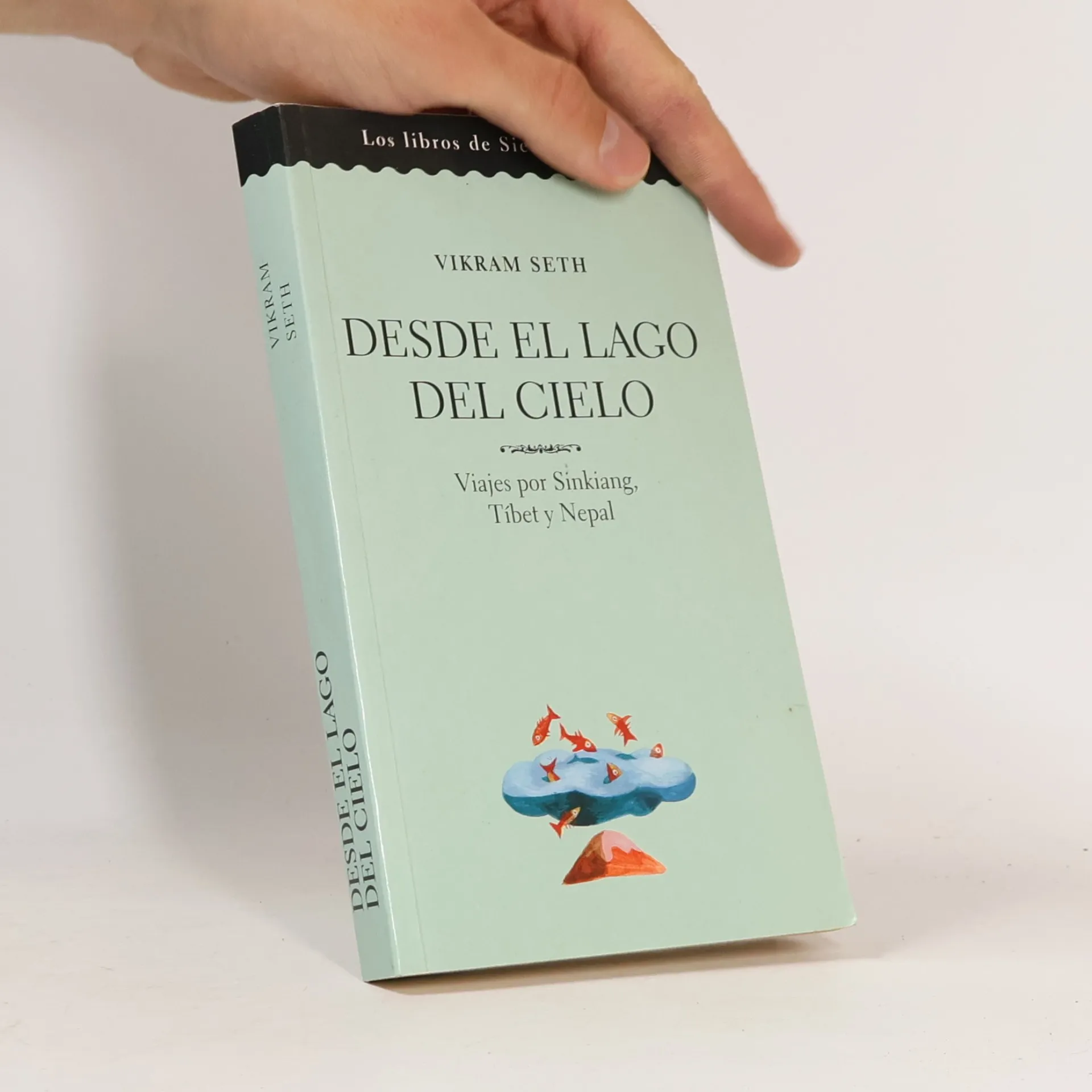
`The perfect travel book' New Statesman Hitch-hiking, walking, slogging through rivers and across leech-ridden hills, Vikram Seth travelled through Sinkiang and Tibet to Nepal: from Heaven Lake to the Himalayas. By breaking away from the reliable routes of organised travel, he transformed his journey into an unusual and intriguing exploration of one of the world's least known areas. 'Vikram Seth is already the best writer of his generation' Daniel Johnson, The Tmes
Written in verse, this was Vikram Seth's first novel. Set in the 1980s, in the affluence and sunshine of California's silicon valley, it is the story of twenty-somethings looking for love, pleasure and the meaning of life.
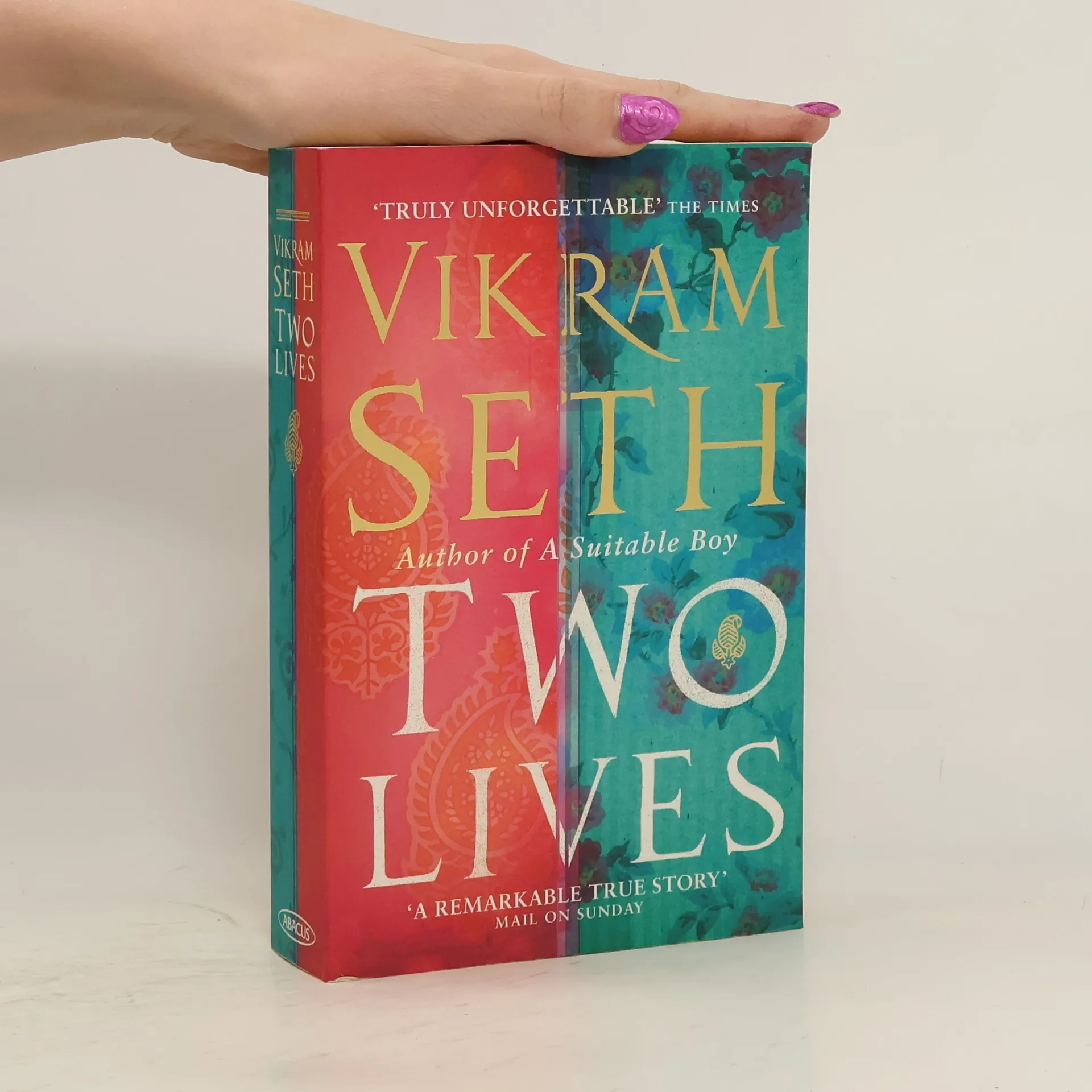
TWO LIVES tells the remarkable story of Seth's great uncle and aunt. His great uncle Shanti left India for medical school in Berlin in the 1930s and lodged with a German Jewish family. In the household was a daughter, Henny, who urged her mother 'not to take the blackie'. But a friendship developed and each managed to leave Germany and found their way to Britain as the Nazis rose to power. Shanti joined the army and lost his right arm at the battle of Monte Cassino, while Henny (whose family were to die in the camps) made a life for herself in her adopted country. After the war they married and lived the emigre life in north London where Shanti, despite the loss of his arm, became a much-loved dentist. During his own adolescence in England, Vikram Seth lived with Shanti and Henny and came to know and love them deeply. His is the third life in this story of TWO LIVES. This is also a book about history, encompassing as it does many of the most significant themes and events in the 20th century, whose currents are reflected in the lives of Shanti, Henny and their family: from the Raj and the Indian freedom movement to the Third Reich, the Holocaust and British postwar society.
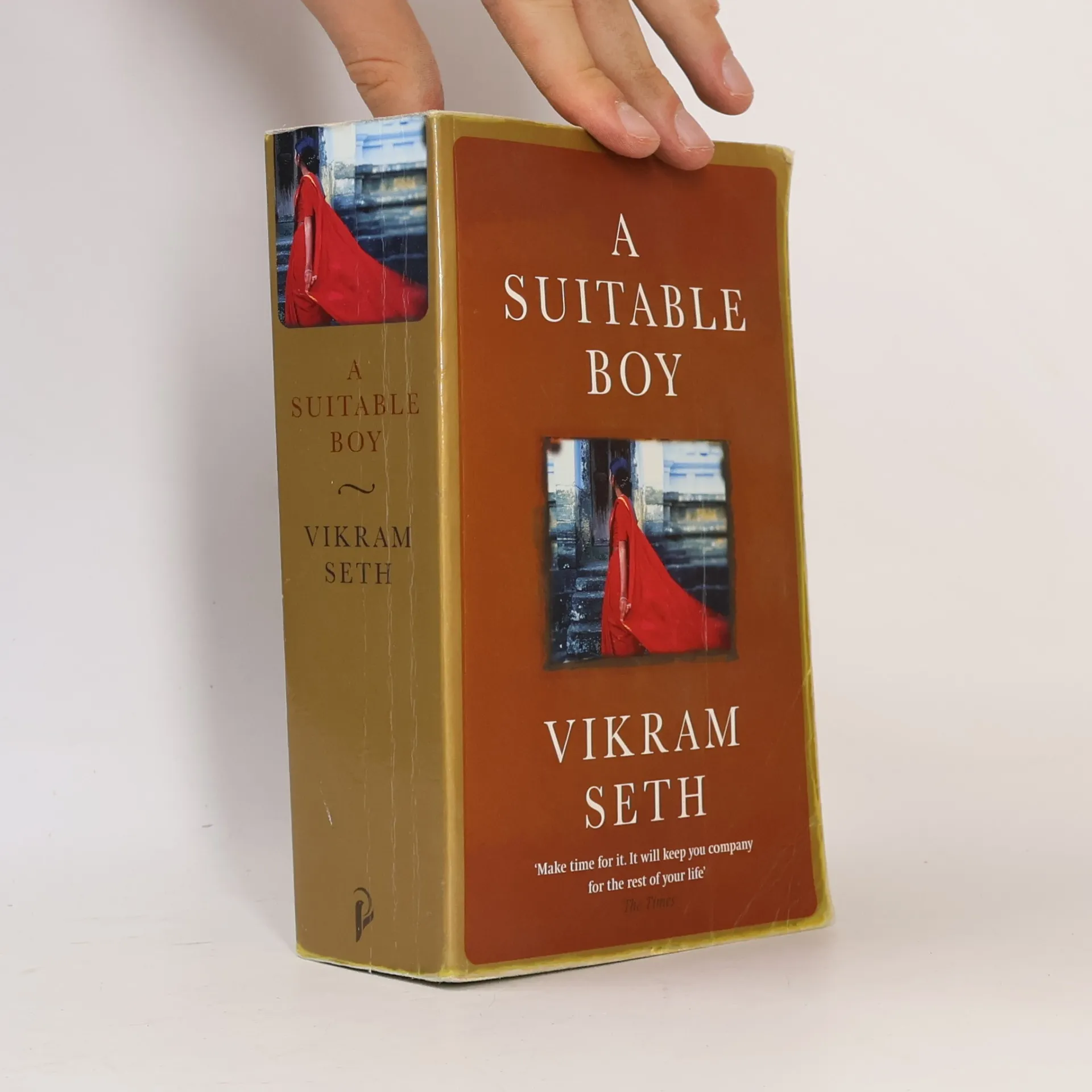
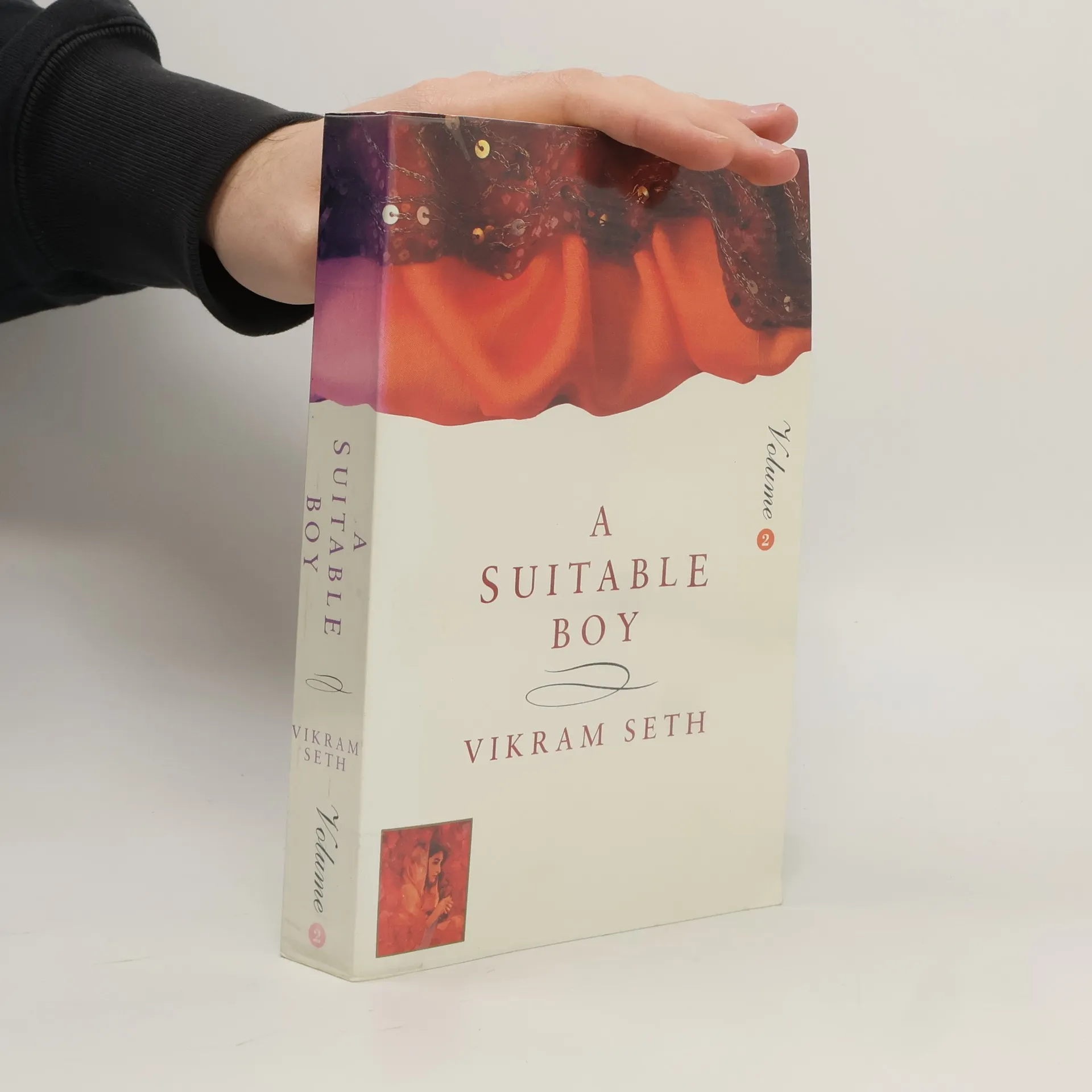
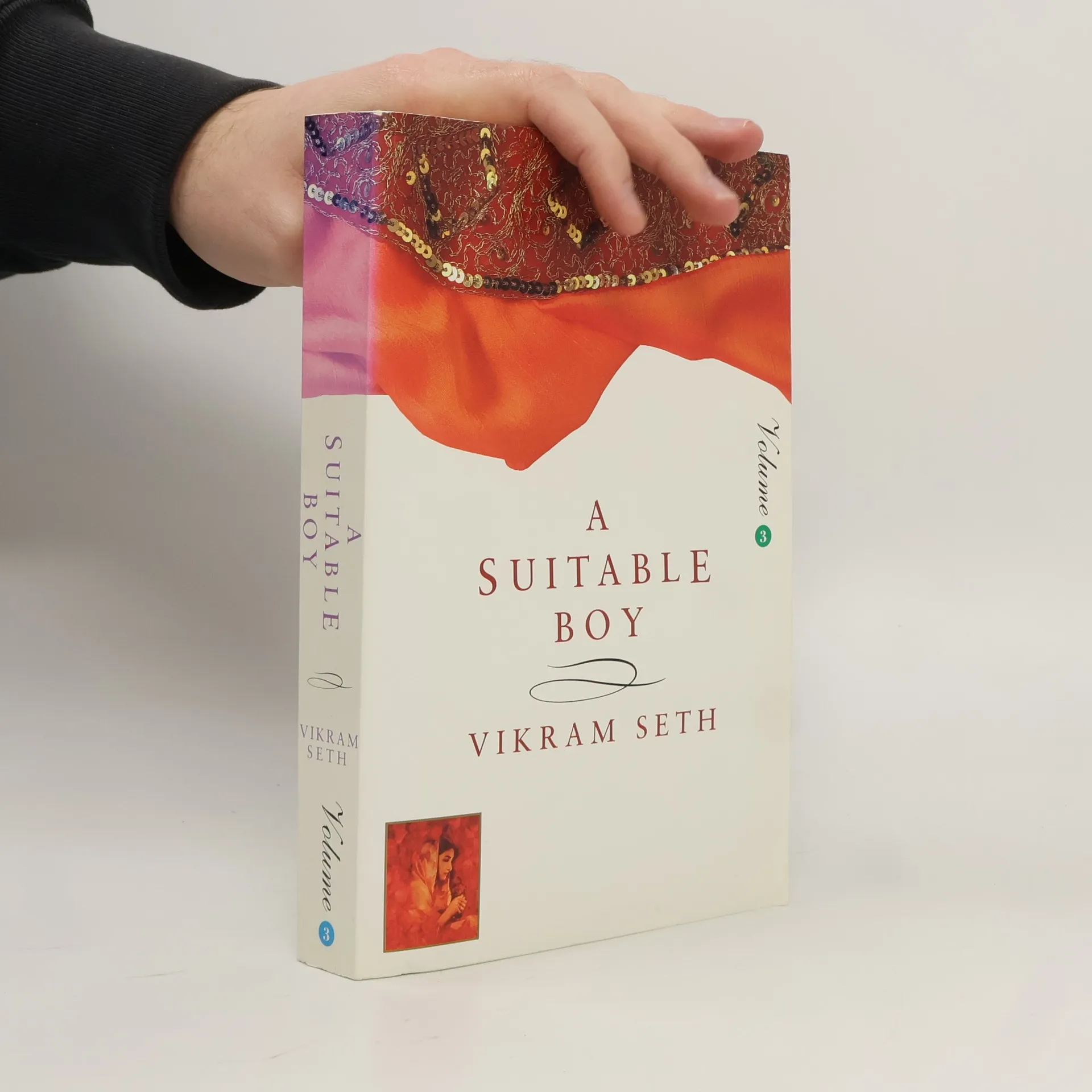
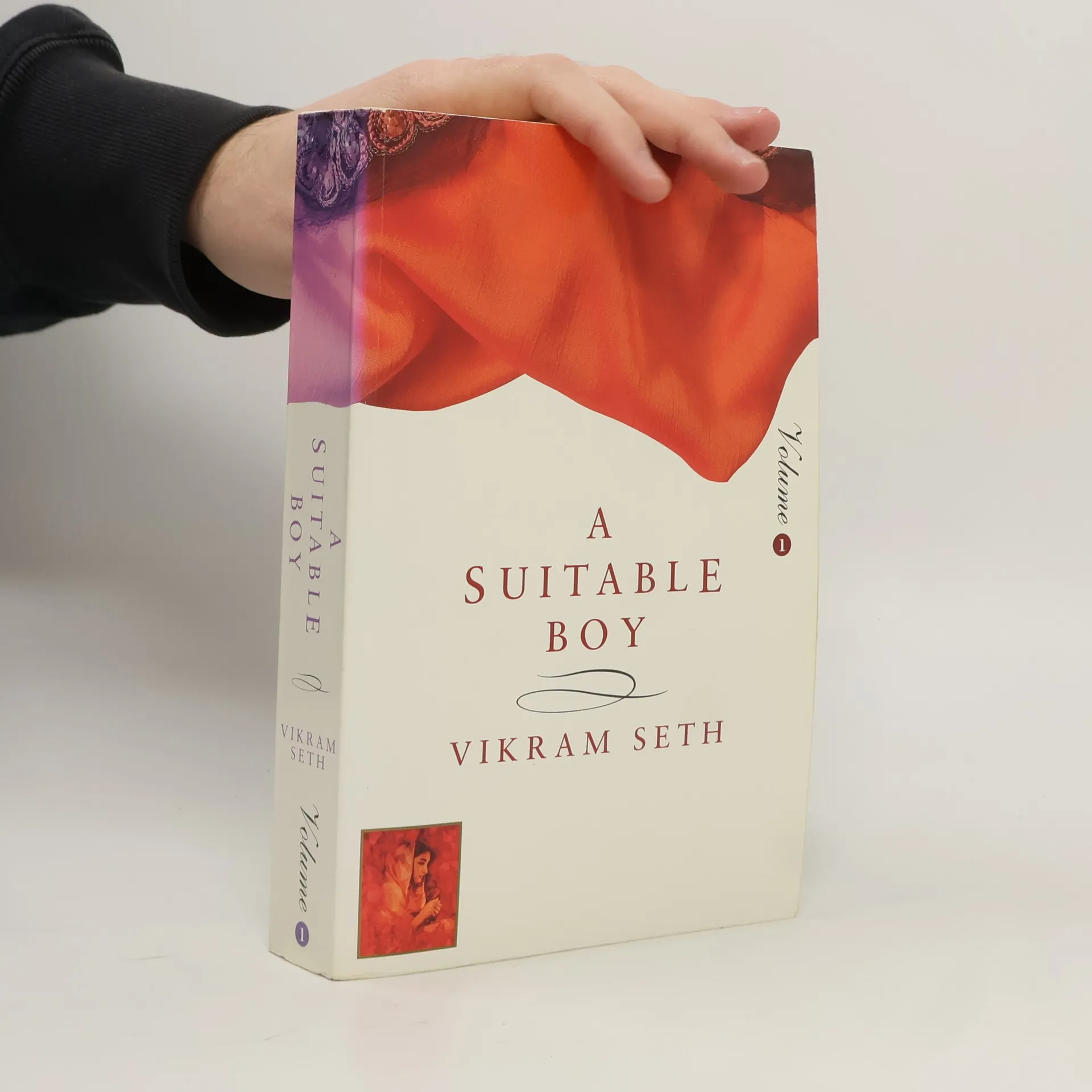
Vikram Seth's novel is, at its core, a love story: Lata and her mother, Mrs. Rupa Mehra, are both trying to find—through love or through exacting maternal appraisal—a suitable boy for Lata to marry. Set in the early 1950s, in an India newly independent and struggling through a time of crisis, A Suitable Boy takes us into the richly imagined world of four large extended families and spins a compulsively readable tale of their lives and loves. A sweeping panoramic portrait of a complex, multiethnic society in flux, A Suitable Boy remains the story of ordinary people caught up in a web of love and ambition, humor and sadness, prejudice and reconciliation, the most delicate social etiquette and the most appalling violence.
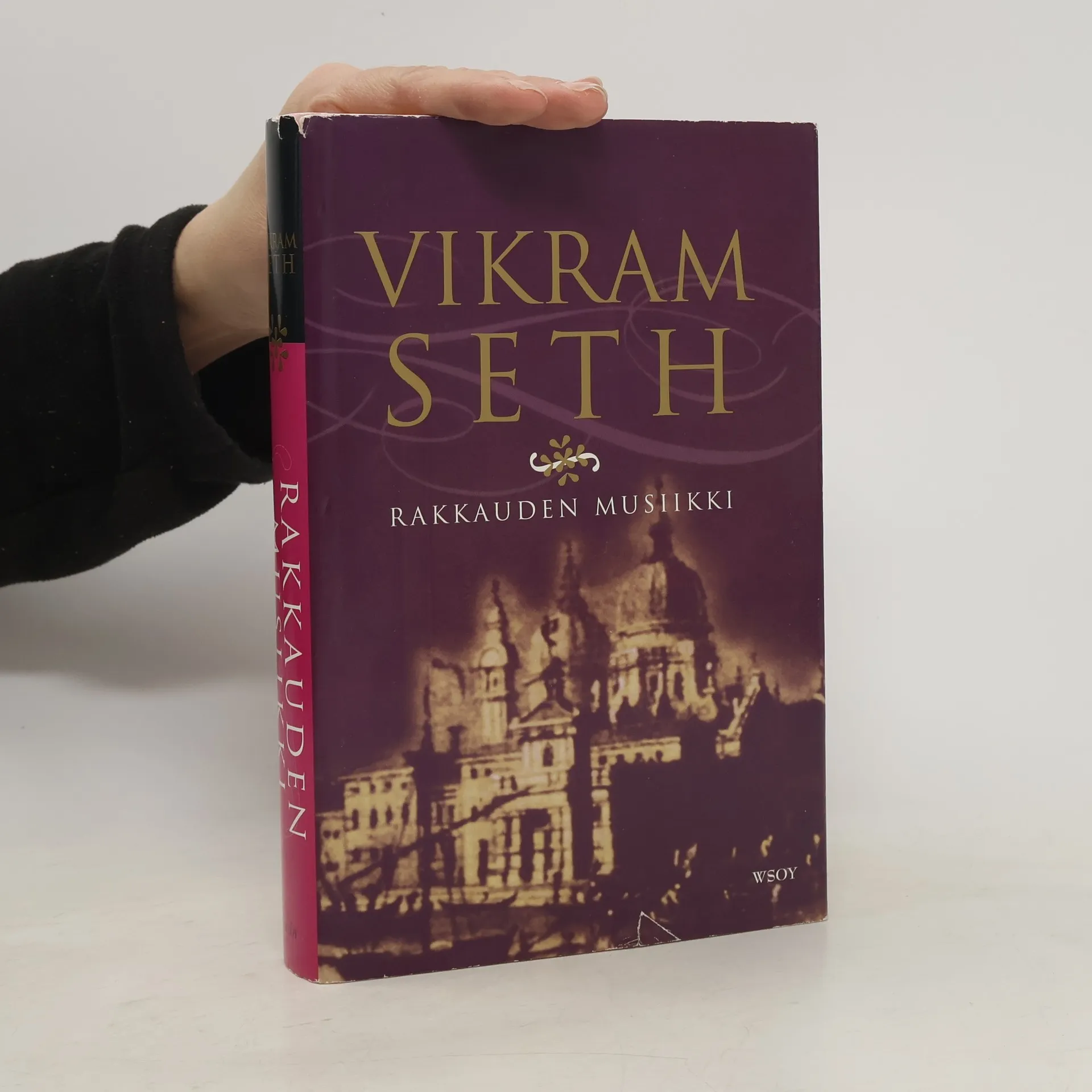
In Vikram Seth's third novel, the violinist Michael Holme grapples with dissatisfaction in both life and art, feeling overshadowed by his beautiful girlfriend and colleagues in the Maggiore Quartet. A chance encounter with Julia, a pianist he once loved in Vienna, brings him joy, but her troubling situation threatens their reunion. Despite its smaller size compared to Seth's previous work, the novel offers rich complexities and emotional depth. Michael's realization of the inadequacy of his words to express his feelings for Julia adds a poignant touch. The story also explores the dynamics of musical collaboration, as the Quartet navigates tensions and joys, likening their experience to various forms of relationships. The narrative emphasizes the significance of music, with the length of Schubert's Trout Quintet and the discovery of a rare Beethoven piece holding deep meaning. Michael's longing for Julia parallels his attachment to his borrowed Tononi violin, symbolizing unattainable desires. Seth masterfully weaves a tale filled with suspense, from the Quartet's encore to the reasons behind Julia's departure from Michael's life. As the love story unfolds across cities like London and Vienna, readers are drawn into its emotional resonance.
Je to vyprávění o vytrvalých pokusech matky najít vhodného ženicha pro svou dceru a o neúnavných protestech dcery provdat se bez lásky jenom proto, aby se podrobila tradici a přemrštěným požadavkům své matky.
Román líčí soukromý i veřejný život čtyř široce rozvětvených rodin, ale přináší také panoramatický obraz Indie krátce po získání nezávislosti, obraz plný nadějí a zklamání, naivity a intrik, politiky a poezie, okořeněný i přítomností českého živlu v tropickém prostředí vzdáleného světa.
V duchu tradice G. Eliotové a L. Tolstého napsal Vikram Séth román, který lze bez nadsázky nazvat úplným obrazem lidského života. Velkolepý, vážný i veselý je tento jedinečný příběh, jenž pojednává o odvěkém zázraku - spojení dvou úplně cizích lidí na celý život.... a zcela čtenáře pohltí.
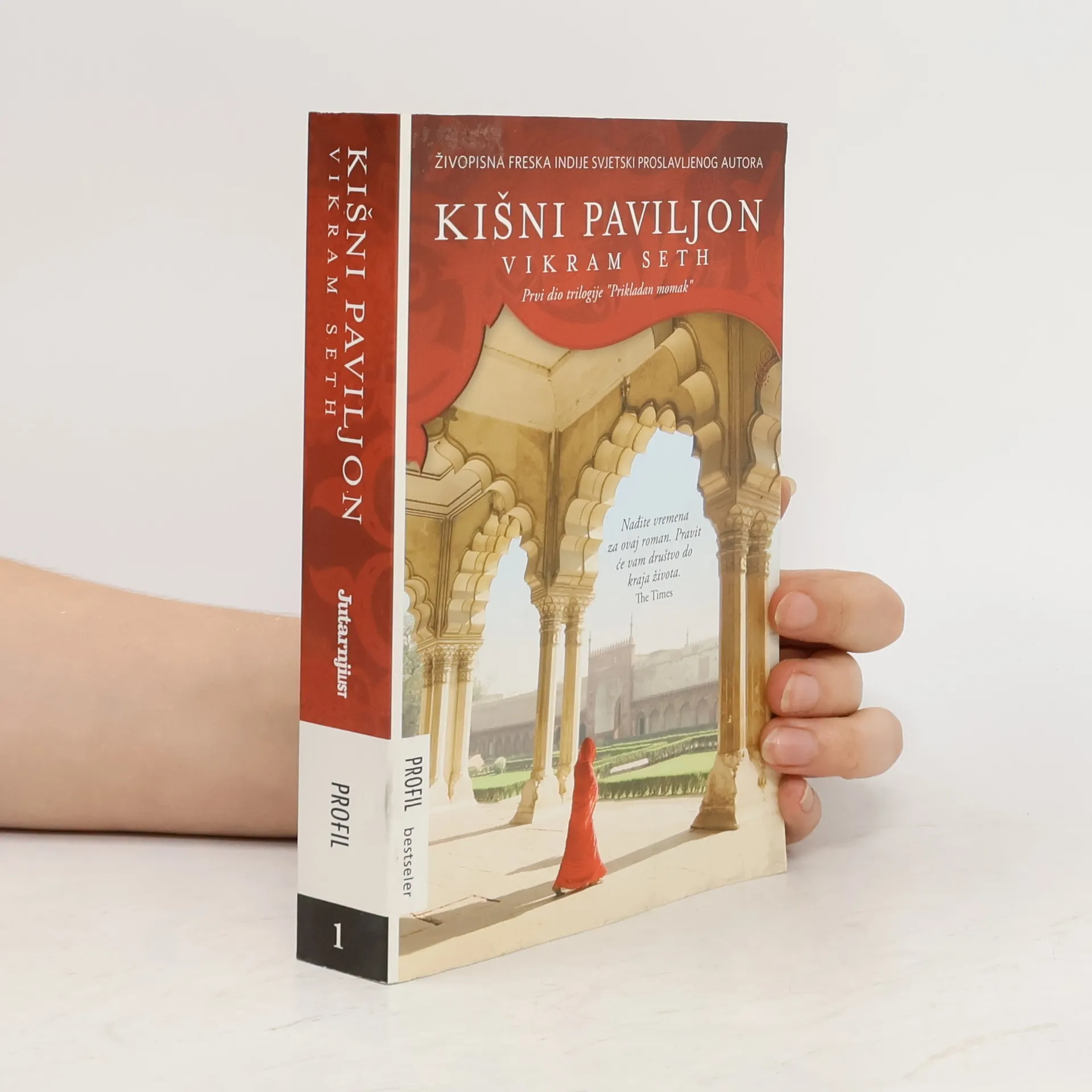
Jádrem románu Vikrama Sétha je příběh lásky - nebo výstižněji - vyprávění o vytrvalých pokusech matky najít vhodného ženicha pro svou dceru a o neúnavných protestech dcery provdat se bez lásky jenom proto, aby se podrobila tradici a přemrštěným požadavkům své matky. Román líčí soukromý i veřejný život členů čtyř široce rozvětvených rodin, ale přináší také panoramatický obraz Indie krátce po získání nezávislosti, obraz plný nadějí a zklamání, naivity a intrik, politiky a poezie, okořeněný i přítomností českého živlu v tropickém prostředí vzdáleného světa. V duchu tradice George Eliotové a Lva Tolstého napsal Vikram Séth román, který lze bez nadsázky nazvat úplným obrazem lidského života. Velkolepý, vážný i veselý je tento jedinečný příběh, jenž pojednává o odvěkém zázraku - spojení dvou úplně cizích lidí na celý život… a zcela čtenáře pohltí. (Vydavatel)
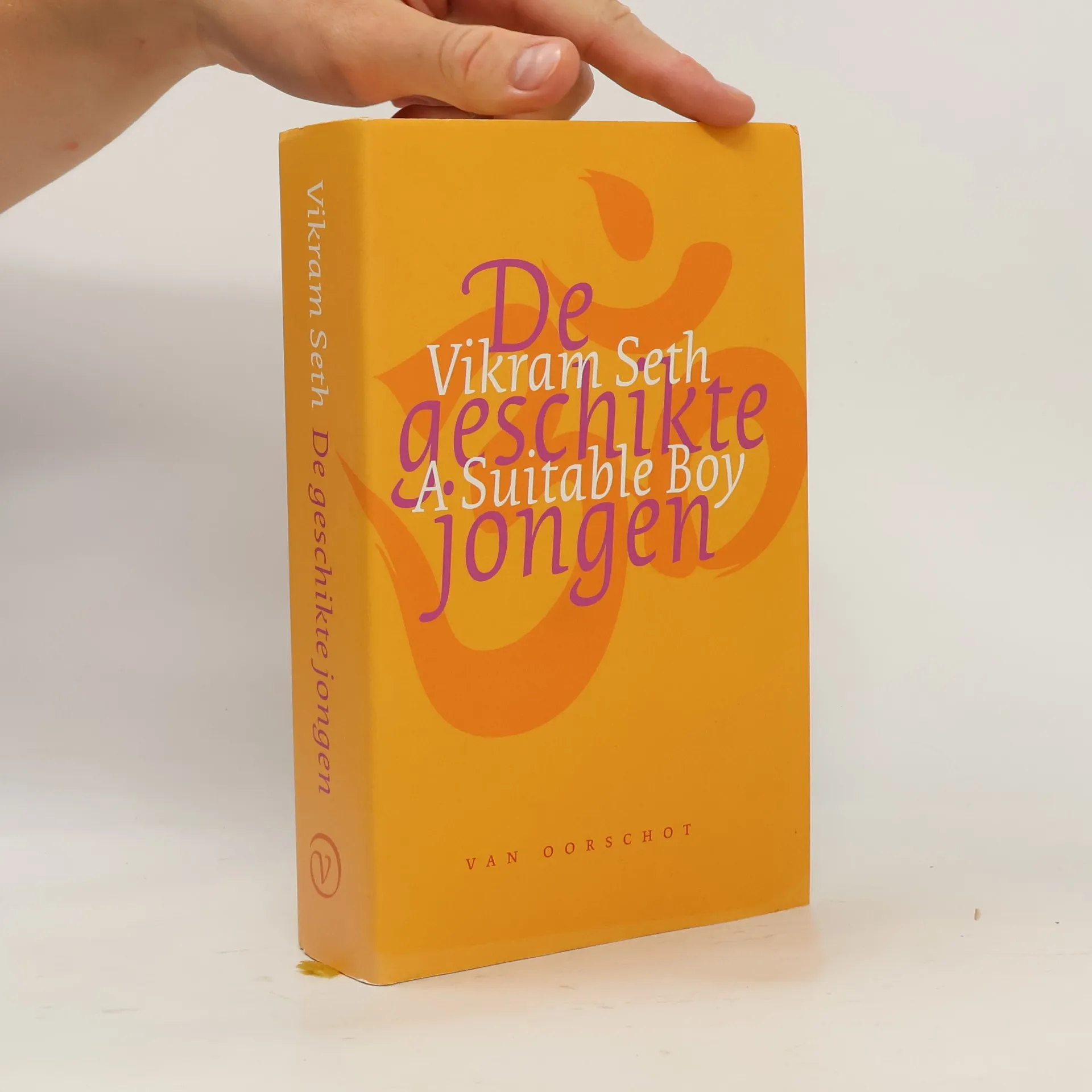
De geschikte jongen speelt zich af in en rondom de fictieve Indiase stad Brahmpur, gelegen aan de Ganges. Het is voorjaar 1951: mevrouw Rupa Mehra schakelt vrienden en kennissen in om haar te helpen een goede echtgenoot te vinden voor haar jongste dochter Lata. Met dit simpele motief als voorwendsel voert Vikram Seth vier families ten tonele, drie met een hindoe- en een met een moslimachtergrond: de Kapoors, de Mehra's, de Chatterji's en de Khans. Hij brengt het postkoloniaal India tot leven, dat aan de vooravond van zijn eerste algemene verkiezingen probeert om verschillende culturen en religies met elkaar te verzoenen. De geschikte jongen is tegelijk satire en sociale geschiedenis, een grootse roman die zich uitstrekt van de landelijke politiek tot het kleine huwelijksgeritsel van een moeder, die tegelijk het verhaal vertelt over een pasgeboren natie en over een verliefde jonge vrouw.
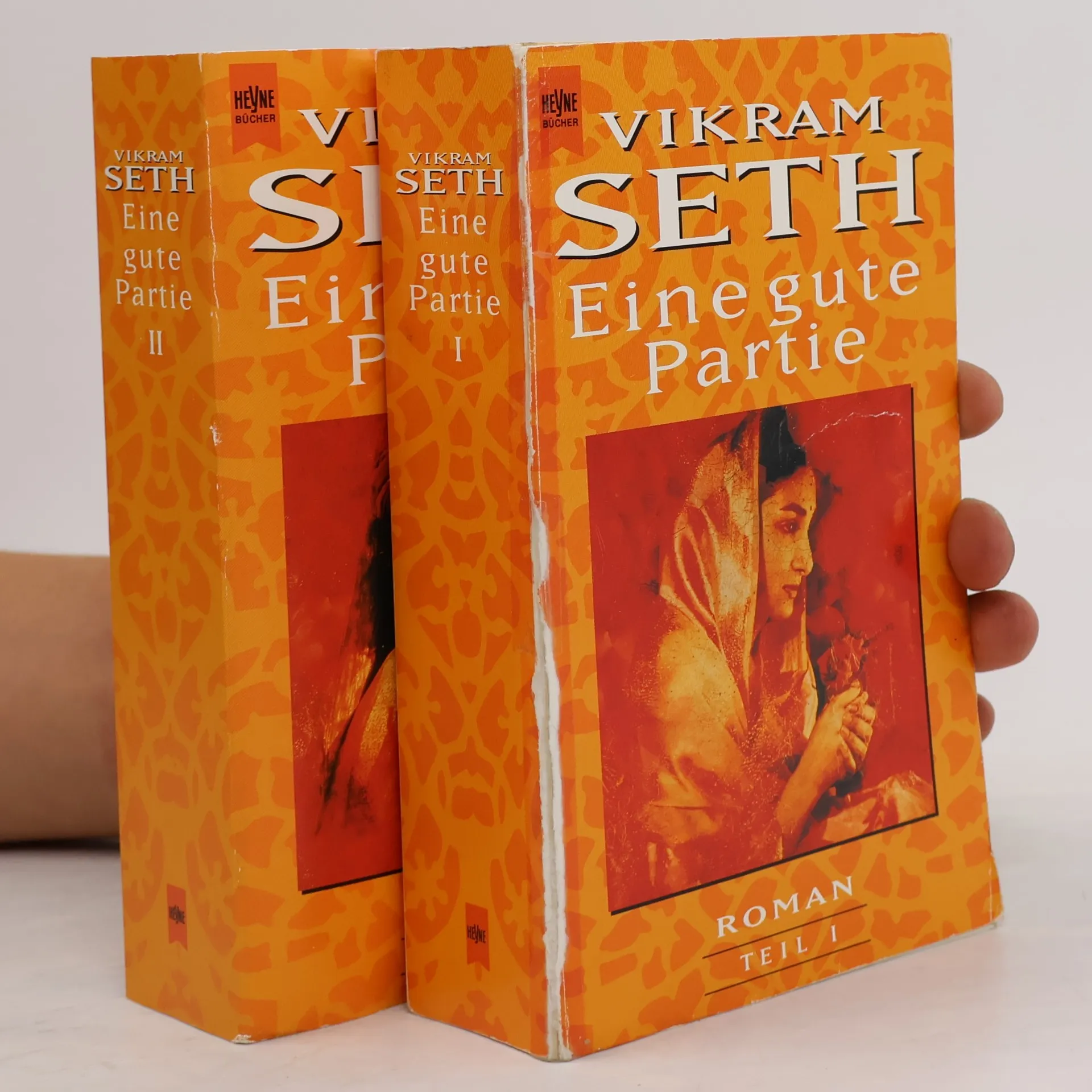
In 'Eine gute Partie I-II' von Vikram Seth wird die komplexe Welt der Beziehungen und gesellschaftlichen Erwartungen im Indien des 19. Jahrhunderts erkundet. Die Geschichte folgt dem Protagonisten, einem wohlhabenden jungen Mann, der sich in eine attraktive, jedoch nicht standesgemäße Frau verliebt. Diese Liebesgeschichte entfaltet sich vor dem Hintergrund von Familientraditionen, Heiratsarrangements und den Herausforderungen, die mit dem Streben nach persönlichem Glück verbunden sind.
Die Erzählung thematisiert die Spannungen zwischen individueller Freiheit und gesellschaftlichem Druck, wobei Seth die Charaktere mit psychologischer Tiefe und Nuancen darstellt. Zu den zentralen Figuren gehören der Protagonist, seine Familie und die verschiedenen gesellschaftlichen Akteure, die die Dynamik der Beziehung beeinflussen. Die beiden Bände bieten einen umfassenden Einblick in die sozialen Normen und die Rolle der Frauen in dieser Zeit, während sie gleichzeitig die universellen Themen von Liebe, Verlust und dem Streben nach Identität behandeln.
Durch eine Mischung aus Humor, Ironie und tiefgründiger Reflexion gelingt es Seth, ein vielschichtiges Bild einer vergangenen Epoche zu zeichnen, das sowohl historisch als auch zeitlos relevant ist.