Great Illustrated Classics: Peter Pan
- 240pages
- 9 heures de lecture
The world's best-loved children's stories set in large type for easy reading.-- Over 100 illustrations in each book


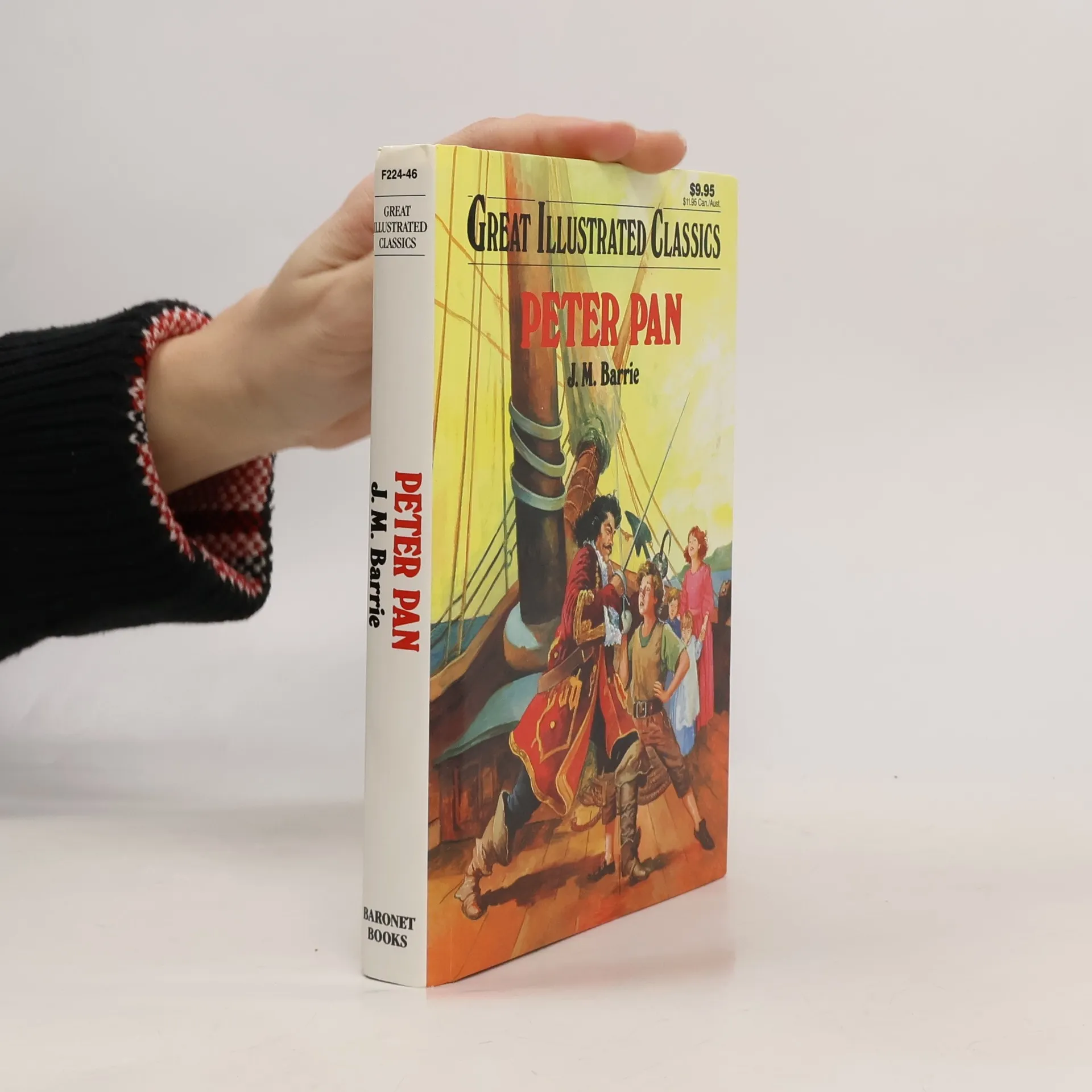
The world's best-loved children's stories set in large type for easy reading.-- Over 100 illustrations in each book
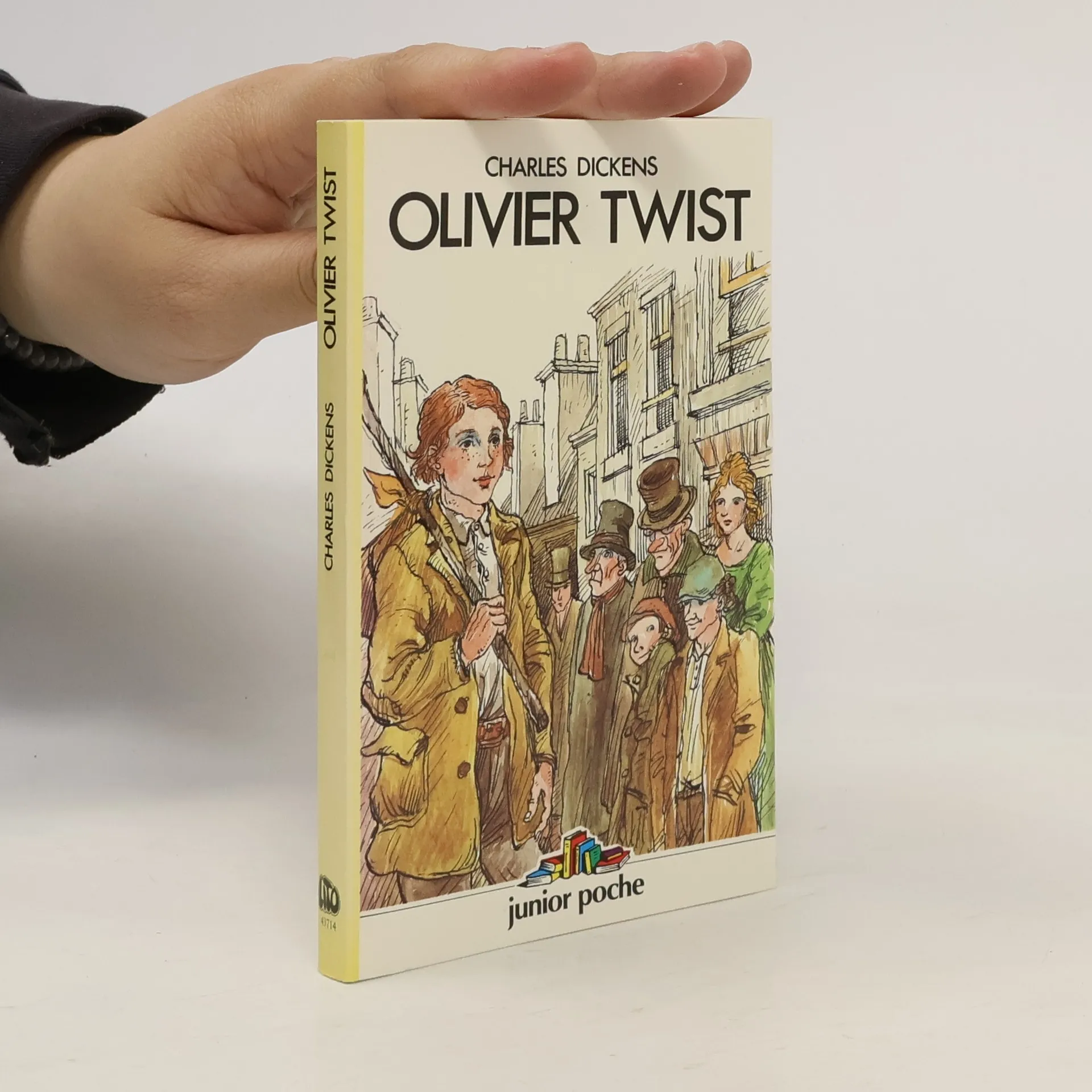
Oliver is an orphan living on the dangerous London streets with no one but himself to rely on. Fleeing from poverty and hardship, he falls in with a criminal street gang who will not let him go, however hard he tries to escape. One of the most swiftly moving and unified of Charles Dickens’s great novels, Oliver Twist is also famous for its re-creation–through the splendidly realized figures of Fagin, Nancy, the Artful Dodger, and the evil Bill Sikes–of the vast London underworld of pickpockets, thieves, prostitutes, and abandoned children. Victorian critics took Dickens to task for rendering this world in such a compelling, believable way, but readers over the last 150 years have delivered an alternative judgment by making this story of the orphaned Oliver Twist one of its author’s most loved works.
This book offers a comprehensive analysis comparing U.S. policies during the Cold War and the Global War on Terrorism, highlighting their similarities and differences. It challenges the conventional approach of treating these significant conflicts in isolation, providing insights into how historical precedents shaped contemporary strategies. By examining the motivations, decisions, and outcomes of U.S. actions in both eras, the author sheds light on the evolving nature of American foreign policy and its implications for future conflicts.
Who, What, When, Where, Why?
The book offers a comprehensive exploration of the evolution of international terrorism, detailing its timeline and the key players involved throughout various phases. By examining historical contexts and the factors influencing terrorist activities, it provides valuable insights and analyses of the challenges posed by terrorism over time.