Each season reflects different energies in the natural world. This guide to
health through seasonal Qigong, including diet and meditation, seeks to create
harmony with nature's cyclical energetic changes. Fully illustrated, it
provides Qigong meditation, herbal information and dietary guidance for each
season, including some appropriate recipes.
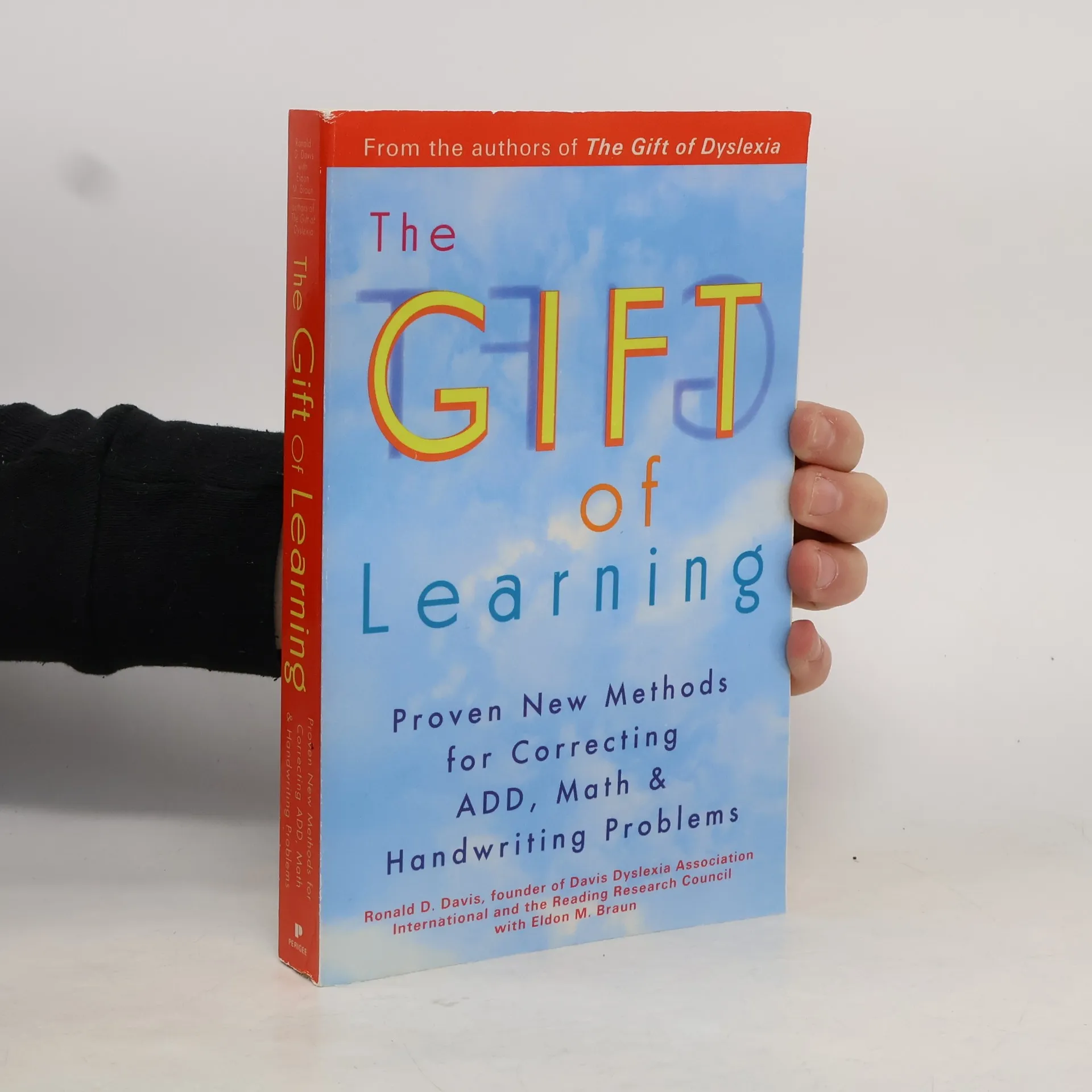
Proven New Methods for Correcting ADD, Math & Handwriting Problems
384pages
14 heures de lecture
Using the proven methods he developed to overcome dyslexia, Ron Davis adapts those techniques to help sufferers triumph over a variety of common learning disabilities, •Attention Deficit Disorder (ADD) •ADHD (the hyperactive variety) •Math deficiency (dyscalculia and acalculia) •Handwriting problems (dysgraphia and agraphia) Outlining clear instructions, the author demonstrates that through a series of mental and physical exercises called "Orientation Counseling" and learning tools called "Symbol Mastery," those struggling with these conditions can now learn how to correct them, embrace their gift, and enjoy learning.
The revised, updated, and expanded edition of the classic in the category. This book outlines a unique and revolutionary program with a phenomenally high success rate in helping dyslexics learn to read and to overcome other difficulties associated with it. This new edition is expanded to include new teaching techniques and revised throughout with up-to-date information on research, studies, and contacts.
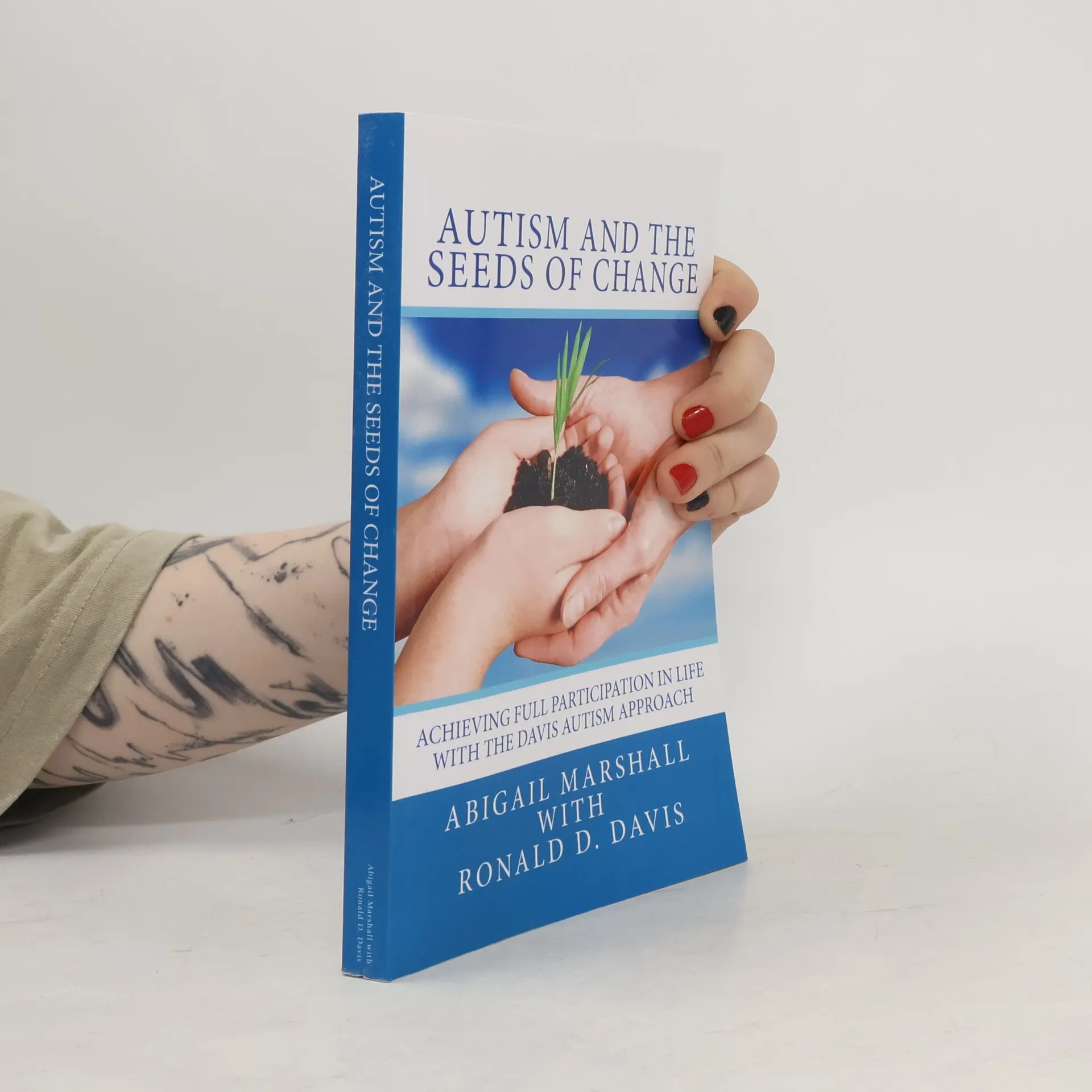
Achieving Full Participation in Life through the Davis Autism Approach
246pages
9 heures de lecture
An in-depth look at a revolutionary approach to empower individuals with autism, and provide the understanding and tools needed to achieve their full potential. The Davis Autism Approach is uniquely geared to the autistic perspective, and enables each person to make sense of their world and the motivations and behaviors of others around them. This book explores the history of development of the Davis method, explores its connections to emerging scientific research, and takes the reader on a guided journey through the three phases of the program: Individuation, Identity Development, and Social Integration.
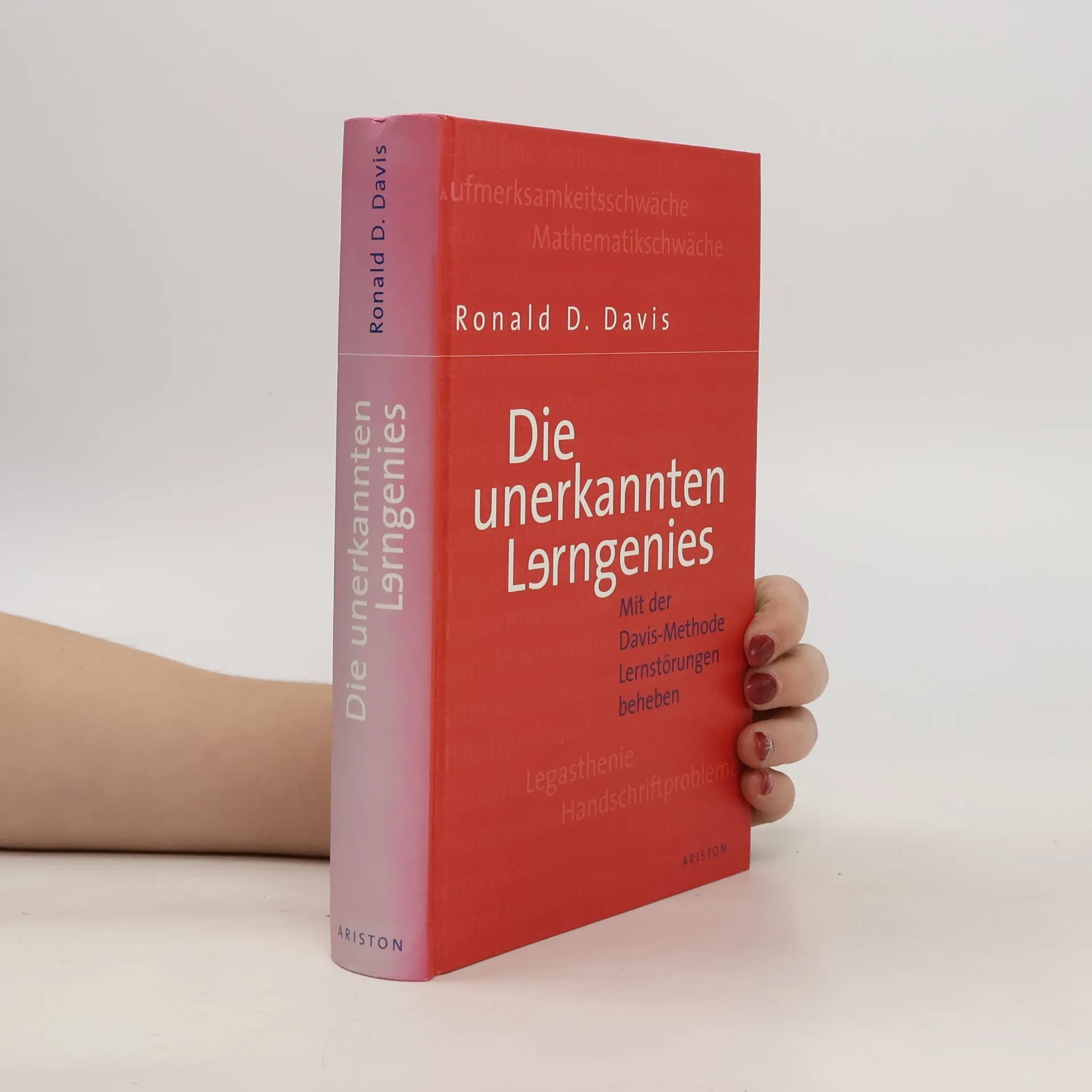
Ronald D. Davis, erfolgreicher Geschäftsmann, Ingenieur und Künstler, war Analphabet bis er mit 38 Jahren Methoden entdeckte, die ihm halfen, innerhalb kürzester Zeit seine Lese- und Rechtschreibschwäche in den Griff zu bekommen. Ron Davis wurde zu der Koryphäe auf dem Gebiet des Legasthenie-Trainings und ist als erfolgreicher Autor, Redner und Seminarleiter tätig.
De Gave van Dyslexie: waarom zelfs heel slimme mensen soms niet kunnen lezen en hoe ze het kunnen leren. Veel van 's werelds succesvolste mensen danken dat succes aan dezelfde gave die hen verhindert goed uit een boek te kunnen leren.Zoals zovele dyslectici werd Ronald D. Davis gezien als een dommerdje thuis en als achterlijk op school. Uiteindelijk werd hij een geslaagd ingenieur, zakenman en beeldhouwer.Op zijn 38e ontdekte hij een manier om een heel boek in slechts een paar uur tijd te lezen. Dit was de inspiratie voor zijn methode, die miljoenen mensen in tientallen landen heeft geholpen om gewoon te kunnen lezen, schrijven en studeren. Een doorbraak in de behandeling van dyslectici.Dyslectische beroemdheden: Leonardo da Vinci, Thomas Edison, Albert Einstein, Winston Churchill, Walt Disney, Whoopi Goldberg.
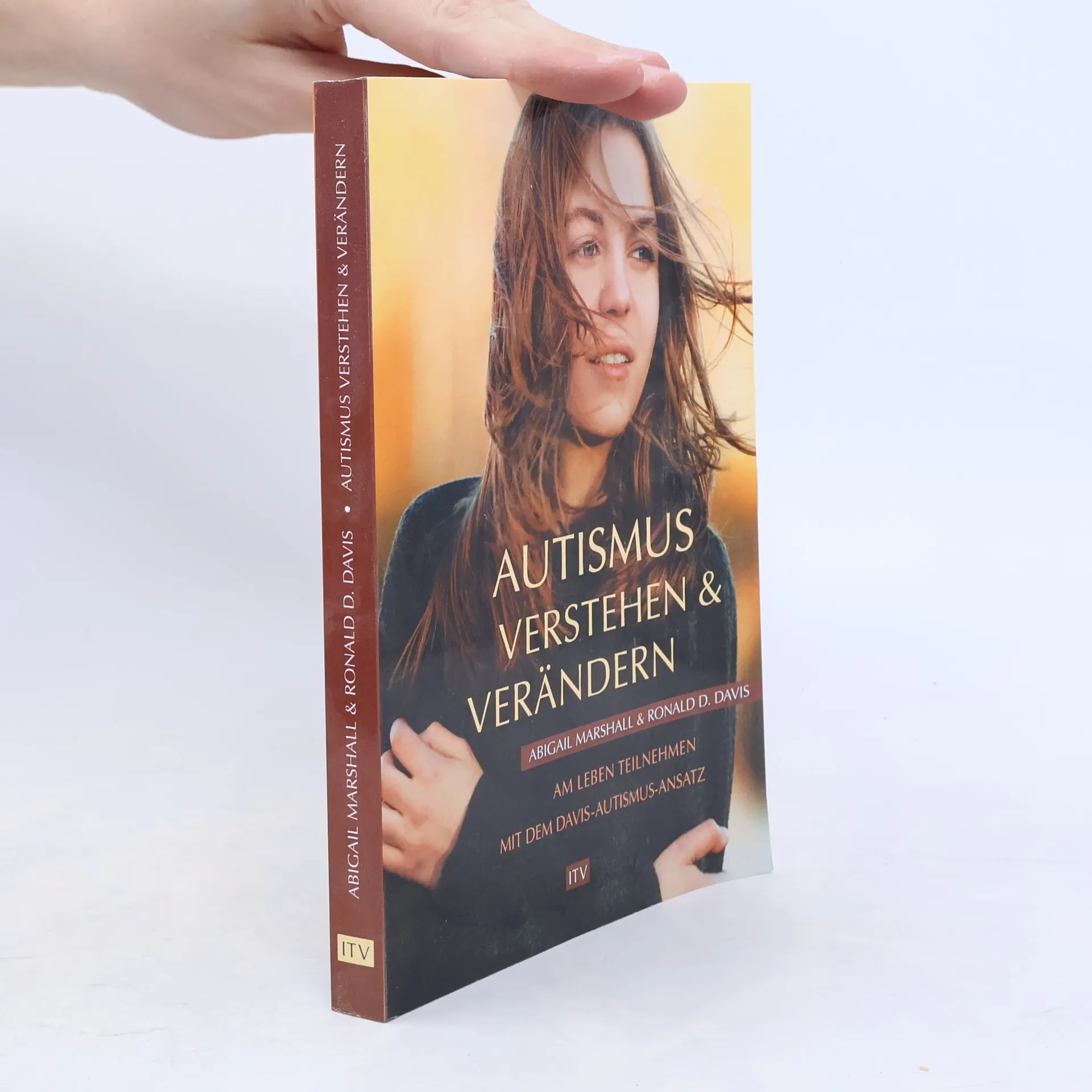
Dieses Buch liefert die grundlegenden Erklärungen und Werkzeuge, mit deren Hilfe Betroffene ihr Potential entdecken, entfalten und nutzen können. In dem Buch wird die Entwicklungsgeschichte der Davis-Methode sowie die Bezüge zu und Übereinstimmungen mit der jüngsten wissenschaftlichen Forschung im Bereich Autismus und Neurowissenschaften ausführlich untersucht. Es begleitet und leitet den Leser auf einer Reise durch die drei Phasen der Davis-Autismus-Arbeit: Individuation, Identitätsentwicklung und soziale Integration. Der Davis-Autismus-Ansatz, der sich mit dem amerikanischen Begriff des „Empowerments“ beschreiben läßt, ist einzigartig darin, dass er sich konsequent an der autistischen Perspektive orientiert; er ermöglicht Autisten, sowohl die eigene Welt als auch die Beweggründe und Verhaltensweisen ihrer Mitmenschen besser zu verstehen.