Bookbot

Anders Ericsson

    K. Anders Ericsson était un psychologue suédois reconnu internationalement pour ses recherches sur la nature psychologique de l'expertise et de la performance humaine. Son travail s'est concentré exclusivement sur la pratique délibérée prolongée comme moyen par lequel les experts acquièrent leurs compétences supérieures. Ericsson a étudié comment les experts apprennent et s'améliorent grâce à une pratique concentrée au-delà de leur zone de confort, examinant des domaines tels que la médecine, la musique, les échecs et le sport. Ses recherches complètent les études sur la capacité cognitive, la personnalité et d'autres facteurs qui aident à prédire la performance experte.

    Piek
    Droga na szczyt. Jak ćwiczyć, aby osiągnąć...
    Peak - Secrets from the New Science of Expertise
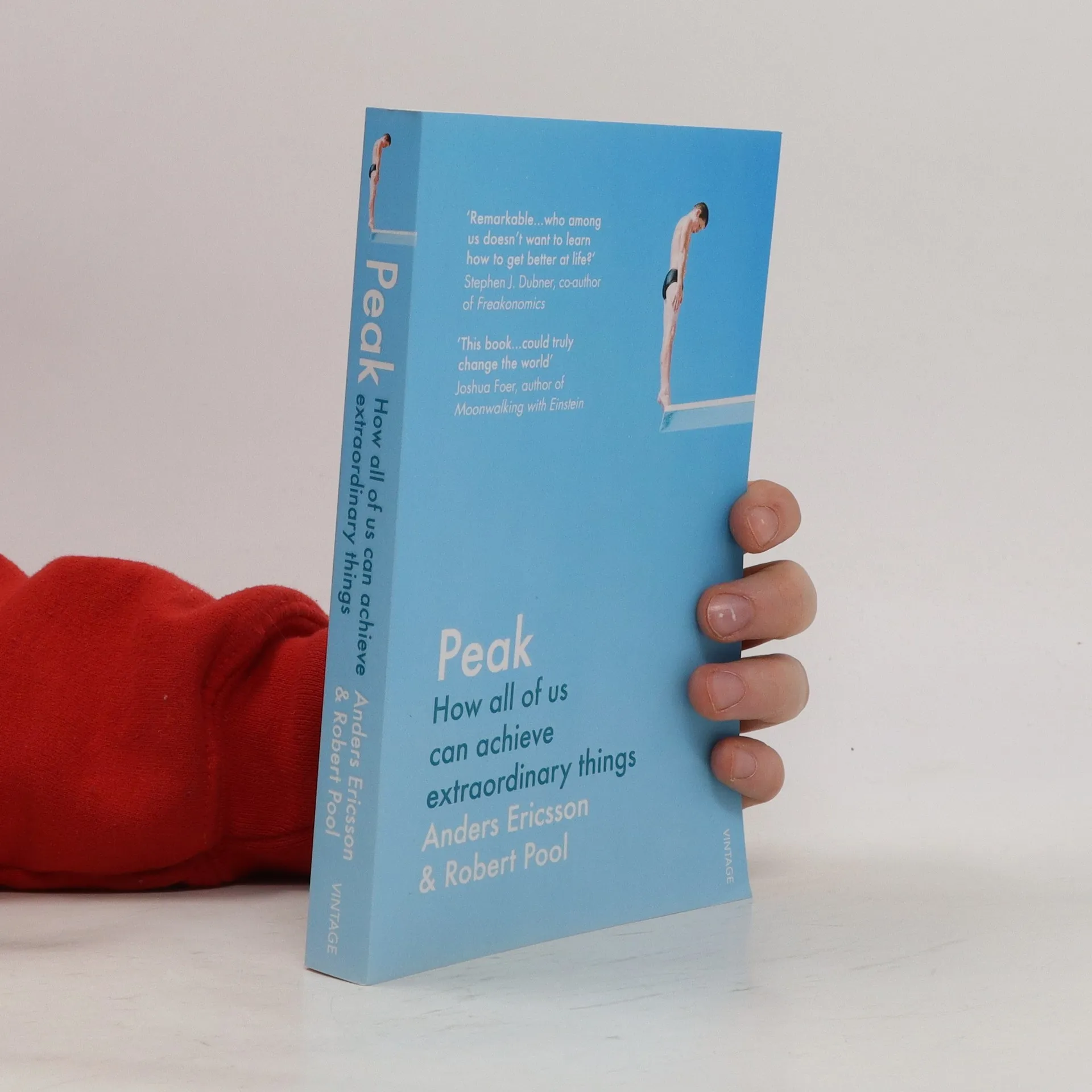
    Peak: How all of us can achieve extraordinary things
    Peak
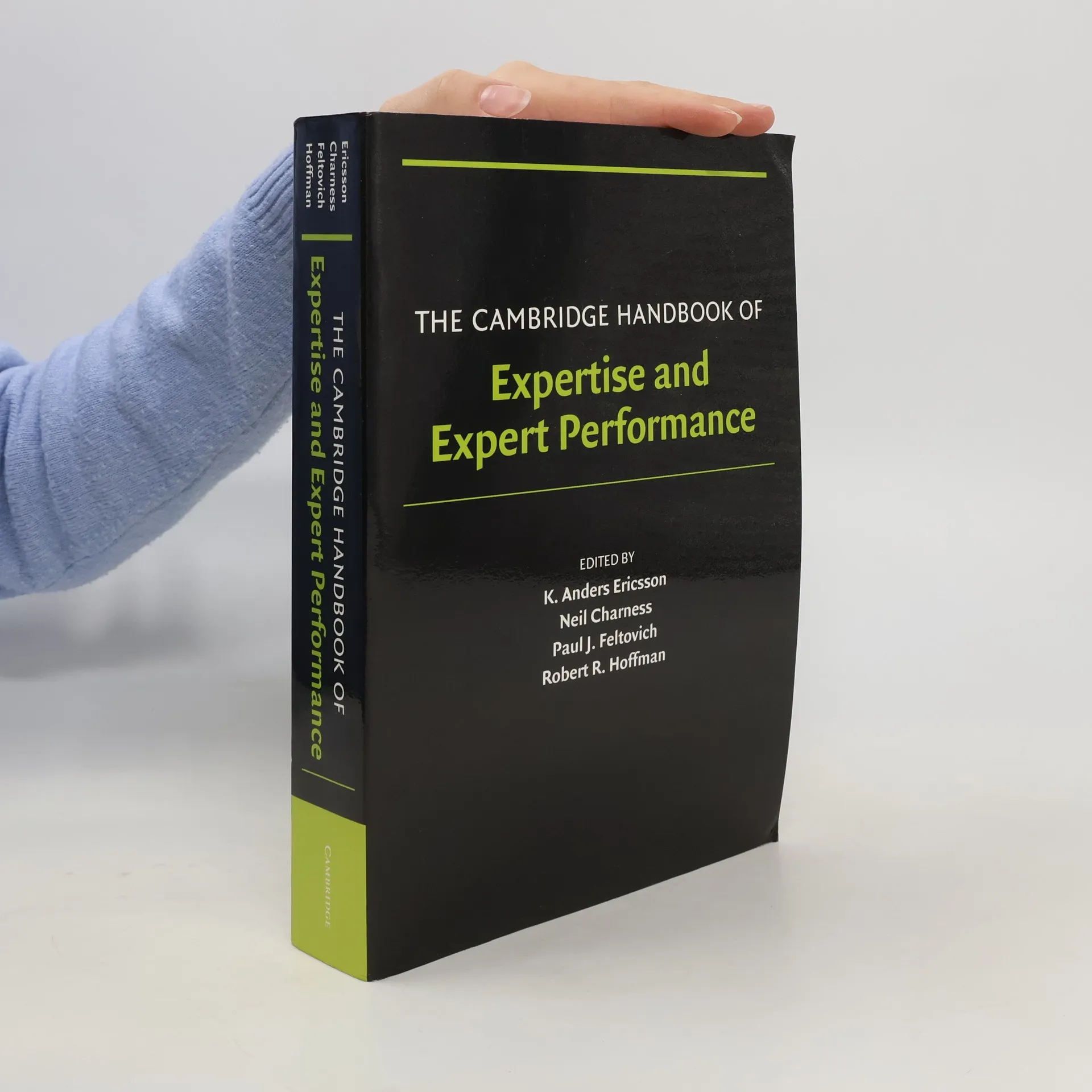
    The Cambridge Handbook of Expertise and Expert Performance
    • 2020

      Ta książka to doskonała pomoc dydaktyczna, która pokazuje, że celowe ćwiczenie pod kierunkiem eksperta jest dostępne nie tylko dla dzieci dążących do mistrzostwa w szachach, sporcie czy muzyce. Jest to metoda dla każdego, kto ma marzenia i pragnie rozwijać swoje umiejętności, niezależnie od dziedziny – od rysowania, programowania, żonglowania, po grę na saksofonie czy pisanie powieści. To podejście jest dla tych, którzy chcą poprawić swoje zdolności w pokerze, softballu, sprzedaży czy śpiewie, a także dla tych, którzy pragną wziąć kontrolę nad swoim życiem i rozwijać swój potencjał. Uczenie się to proces trwający przez całe życie, a kluczem do efektywności jest szybkie i skuteczne zdobywanie nowych umiejętności. Anders Ericsson, światowy autorytet w tej dziedzinie, przez ponad trzydzieści lat badał, jak to robić. Wspólnie z Robertem Poolem zebrał swoje obserwacje i odkrycia innych badaczy, łącząc naukowe podejście z praktycznym doświadczeniem. Efektem ich pracy jest publikacja, która odkrywa sekrety skutecznego uczenia się w każdej dziedzinie, będąca uniwersalnym kluczem do sukcesu.

      Droga na szczyt. Jak ćwiczyć, aby osiągnąć...
    • 2017

      Piek

      Haal het beste uit jezelf

      • 335pages
      • 12 heures de lecture

      Doelbewust oefenen, het werkt! Waar hebben de grote namen op het gebied van muziek, sport, medische wetenschap hun succes aan te danken? Wat is het verschil tussen de jogger in het park en de atleet op Olympisch niveau? Is het aangeboren talent of kun je het leren? Meer dan dertig jaar geleden rekende Anders Ericsson al af met het idee van een aangeboren talent. Hij liet met enkele belangrijke onderzoeken zien hoe rekbaar ons lichaam en onze hersenen zijn als ze op specifieke manieren worden getraind. In de jaren daarna liet zijn onderzoek naar mensen die op uiteenlopende gebieden topprestaties leveren zien dat excelleren ontstaat door oefening en niet door iets wat aangeboren is, en ook dat tienduizenden uren oefenen geen garantie is dat je ergens heel goed in zult worden. Bepalend is hoe je die uren besteedt, daarin schuilt het verschil tussen de toegewijde amateur en de grootmeester. In Piek beschrijven Anders Ericsson en Robert Pool voor het eerst hoe dit proces werkt. Piek is een belangrijk boek dat vastgeroeste ideeën over het menselijk potentieel onderuit haalt en je de middelen geeft om de beste te worden, wat je ambities ook zijn. Anders Ericsson (1947) is een Zweedse psycholoog. Hij is hoogleraar psychologie aan Florida State University en wordt gezien als de expert op het gebied van theoretisch en experimenteel onderzoek naar expertise.

      Piek
    • 2017

      You don't have to be a genius to achieve extraordinary things.In this fascinating book, Anders Ericsson and Robert Pool explain that learning new skills doesn't need to be daunting. Musical prodigies, sports stars and leading scientists acquire their special abilities through training - and all of us can do the same.Based on thirty years of pioneering research, Peakshows that success simply requires the right kind of practice and offers essential advice on setting goals, receiving guidance and motivating ourselves. The astonishing stories prove that whether we're at work or at school, in the music room or on the sports field, we can master almost anything.'Remarkable...who among us doesn't want to learn how to get better at life?'Stephen J. Dubner, co-author of Freakonomics'This book...could truly change the world'Joshua Foer, author of Moonwalking with Einstein'Groundbreaking...brilliantly useful'Daniel Coyle, author of The Talent Code

      Peak: How all of us can achieve extraordinary things
    • 2017

      Peak

      • 336pages
      • 12 heures de lecture
      4,3(252)Évaluer

      A survey of the psychology of expertise, providing techniques for developing mastery of any skill, drawn from the authors extensive, pathfinding research

      Peak
    • 2016

      Mozart wasn't born with perfect pitch. Most athletes are not born with any natural advantage. Three world-class chess players were sisters, whose success was planned by their parents before they were even born. Anders Ericsson has spent thirty years studying The Special Ones, the geniuses, sports stars and musical prodigies. And his remarkable finding, revealed in Peak, is that their special abilities are acquired through training. The innate 'gift' of talent, is a myth. Exceptional individuals are born with just one unique ability, shared by us all - the ability to develop our brains and bodies through our own efforts. Anders Ericsson's research was the inspiration for the popular '10,000-hour rule' but, he tells us, this rule is only the beginning of the story. It's not just the hours that are important but how you use them. We all have the seeds of excellence within us - it's merely a question of how to make them grow. With a bit of guidance, you'll be amazed at what the average person can achieve. The astonishing stories in Peak prove that potential is what you make it.

      Peak - Secrets from the New Science of Expertise
    • 2006

      This book was the first handbook where the world's foremost 'experts on expertise' reviewed our scientific knowledge on expertise and expert performance and how experts may differ from non-experts in terms of their development, training, reasoning, knowledge, social support, and innate talent. Methods are described for the study of experts' knowledge and their performance of representative tasks from their domain of expertise. The development of expertise is also studied by retrospective interviews and the daily lives of experts are studied with diaries. In 15 major domains of expertise, the leading researchers summarize our knowledge on the structure and acquisition of expert skill and knowledge and discuss future prospects. General issues that cut across most domains are reviewed in chapters on various aspects of expertise such as general and practical intelligence, differences in brain activity, self-regulated learning, deliberate practice, aging, knowledge management, and creativity.

      The Cambridge Handbook of Expertise and Expert Performance