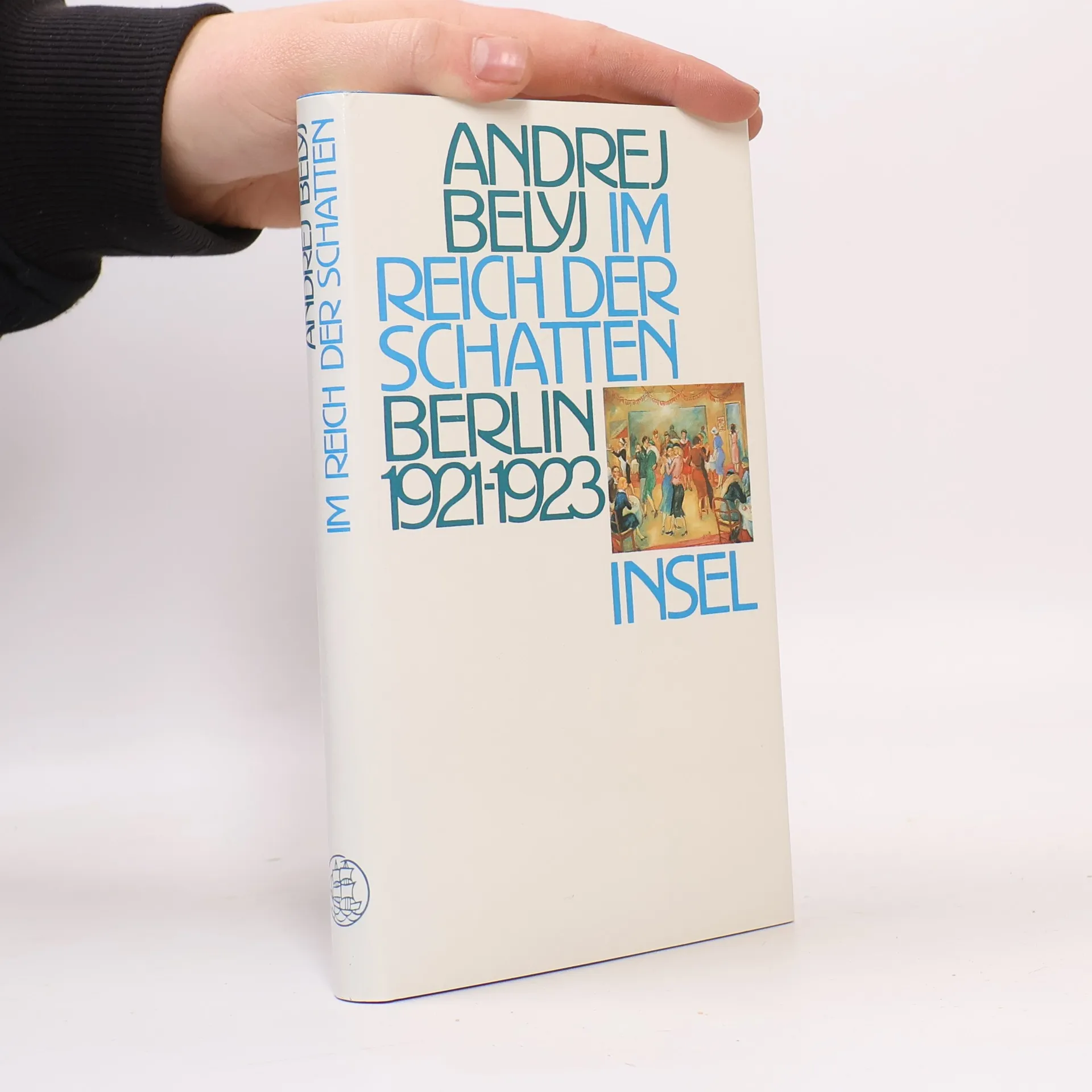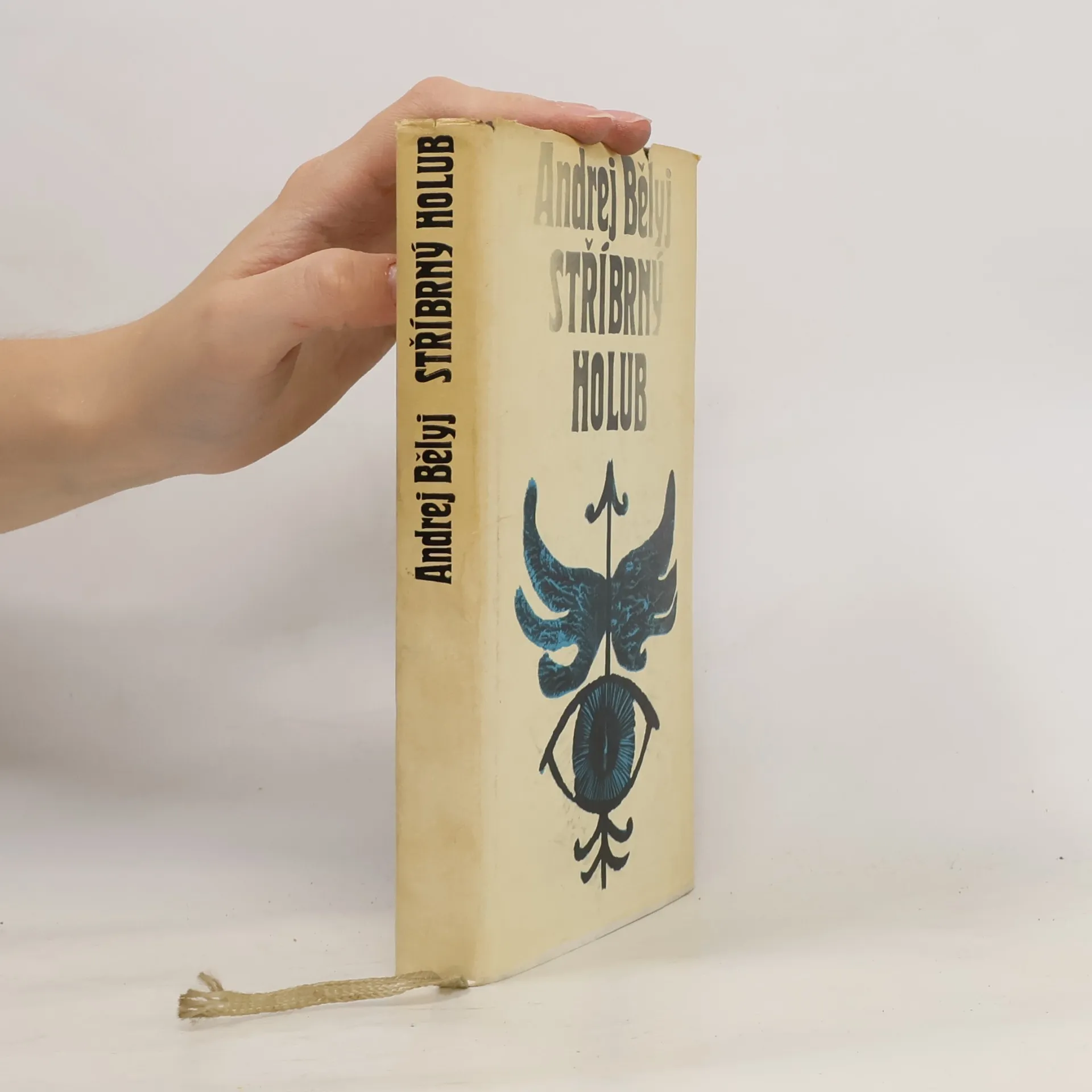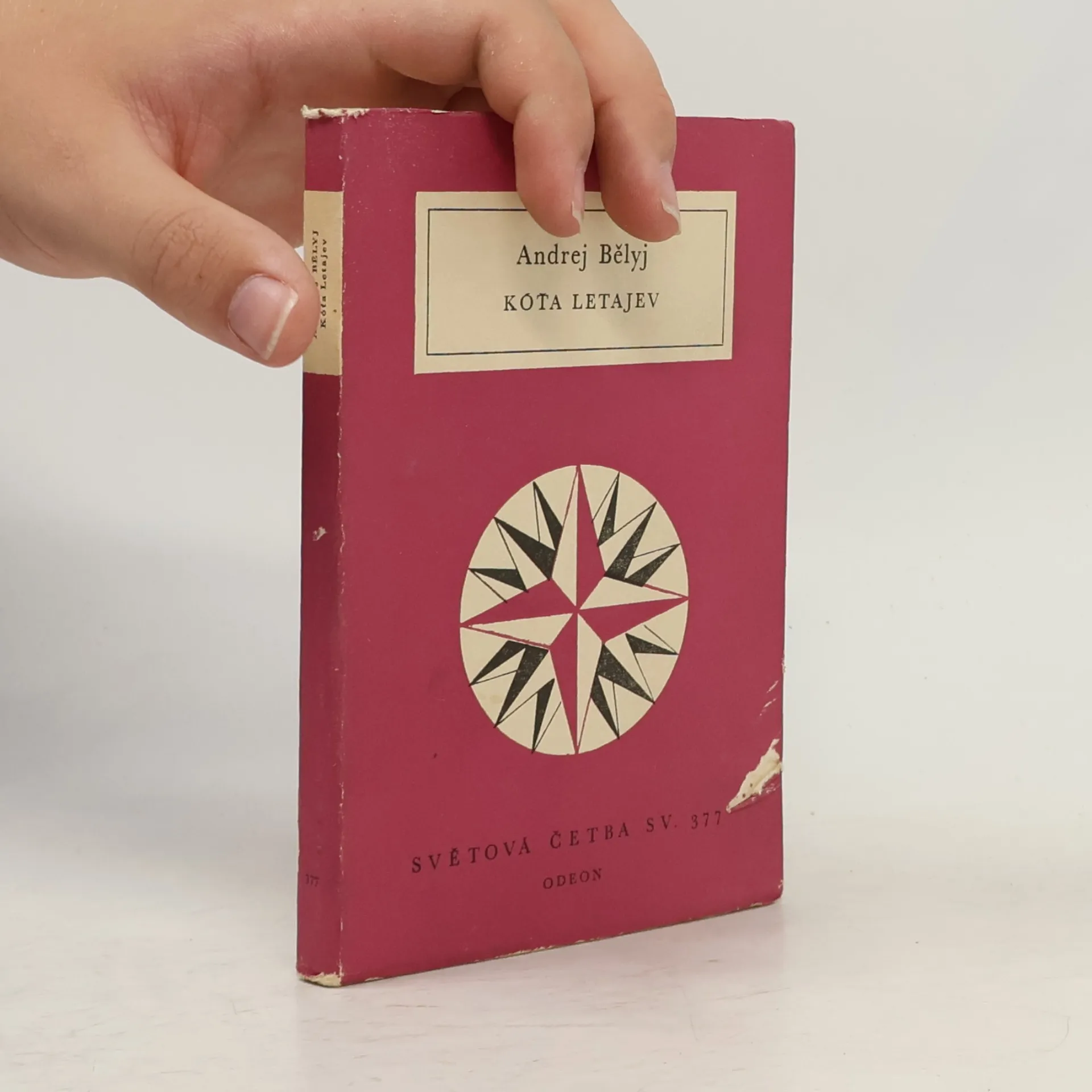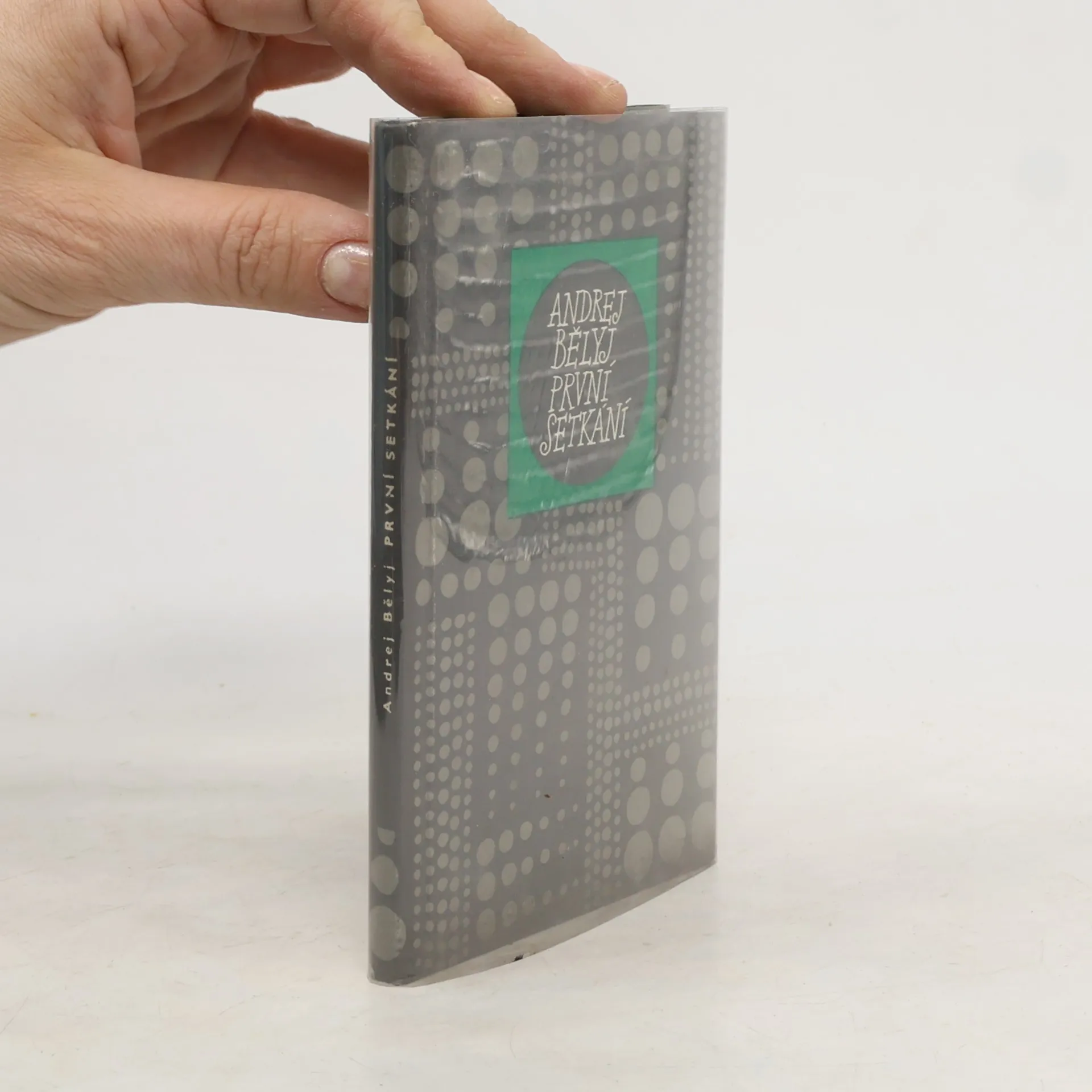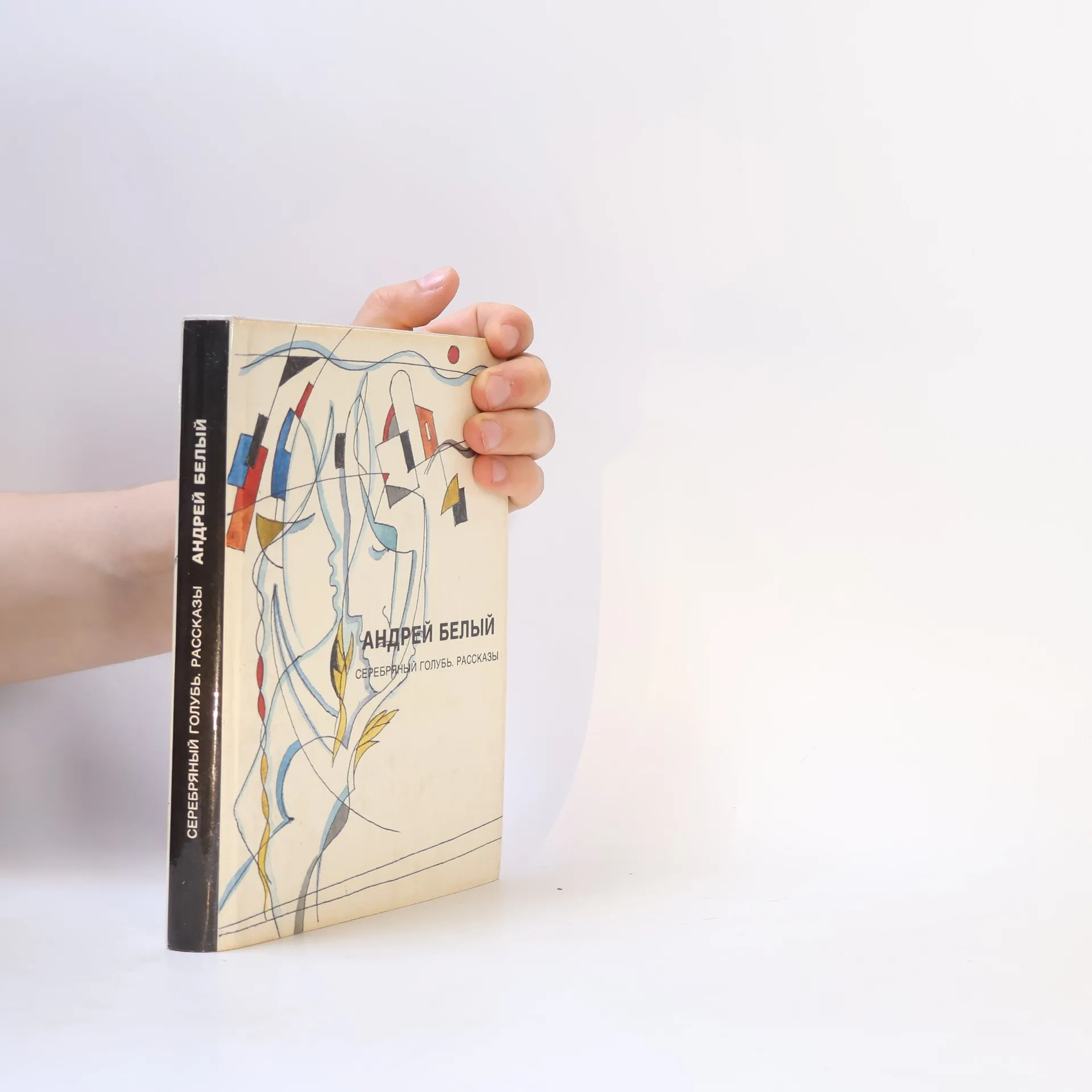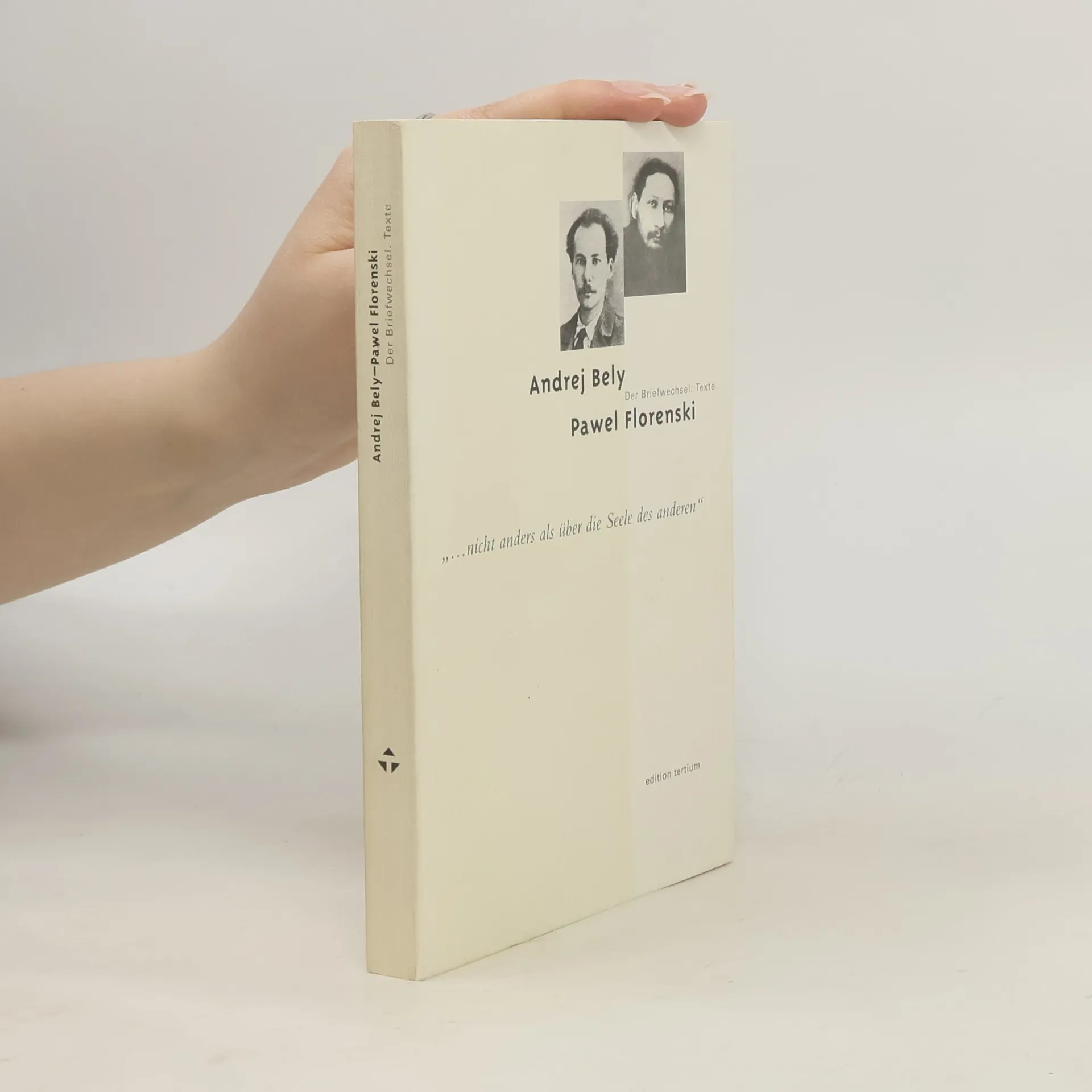
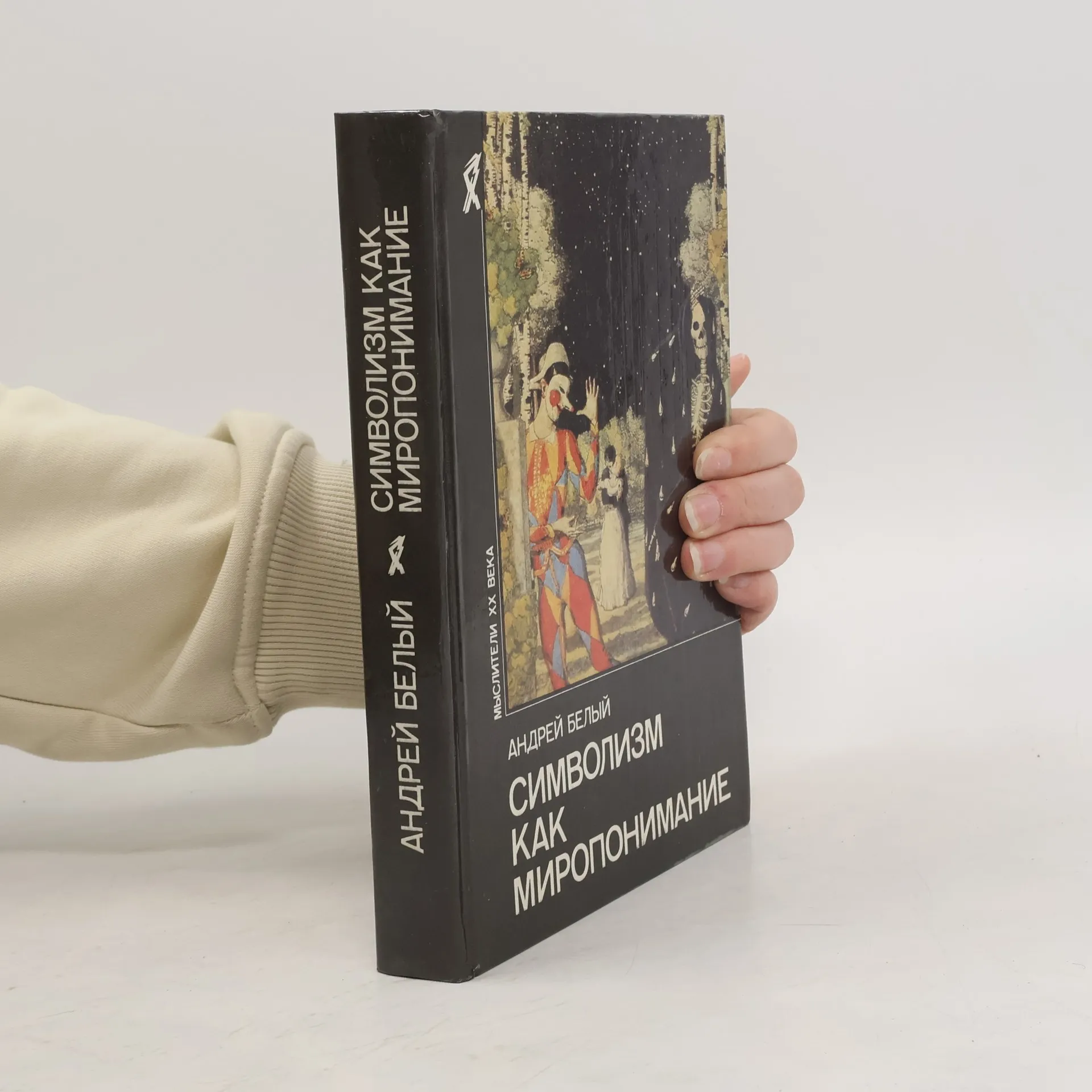
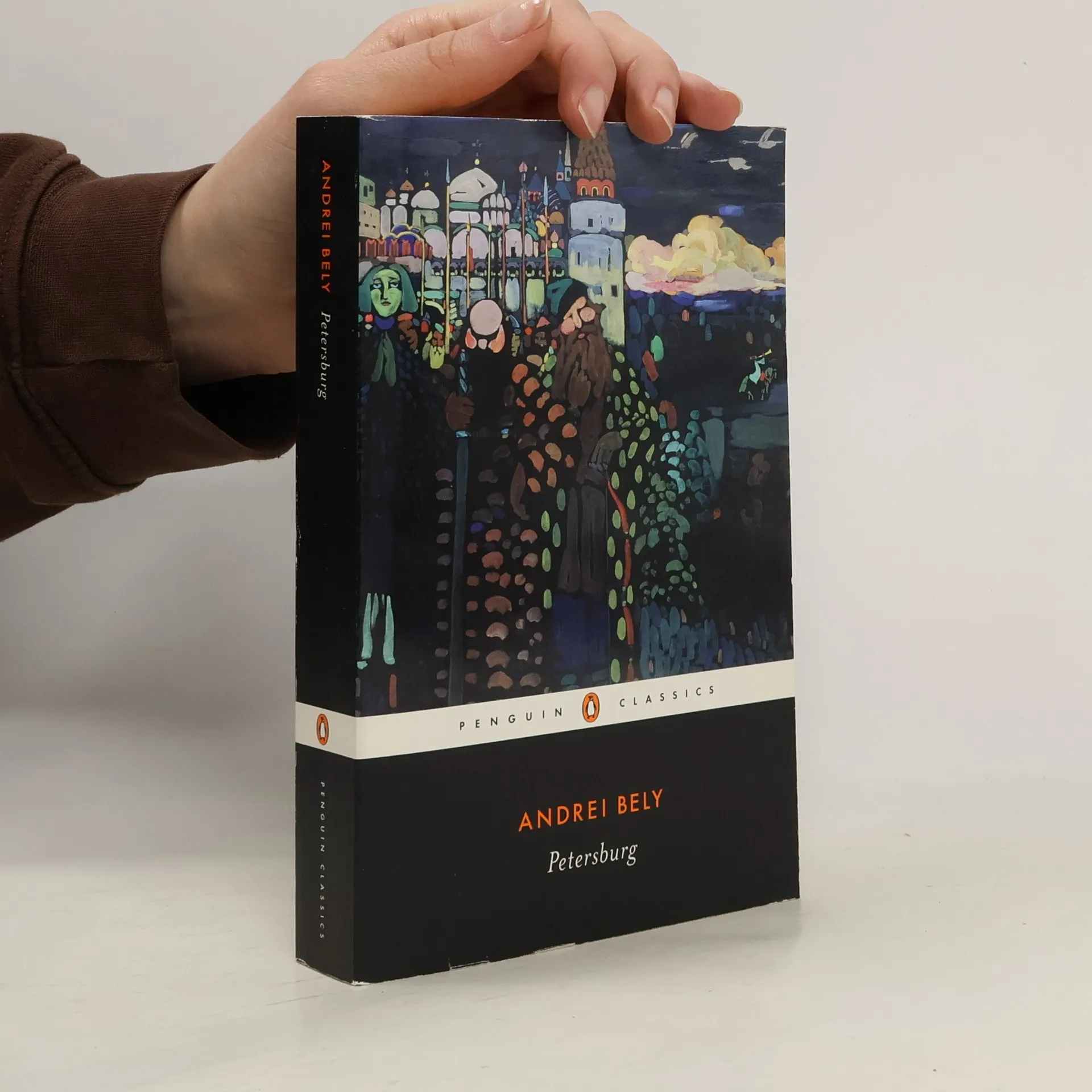

Andreï Bely fut une figure centrale du symbolisme russe, dont les œuvres se caractérisent par le mysticisme et une prose musicale. Son approche, employant des effets sonores qui évoquent souvent des couleurs, a profondément influencé une génération d'écrivains et de musiciens russes. Les romans de Bely, en particulier son chef-d'œuvre Pétersbourg, explorent des états psychologiques complexes sur fond de moments historiques tumultueux. Ses techniques littéraires innovantes le placent parmi les auteurs modernes les plus significatifs.
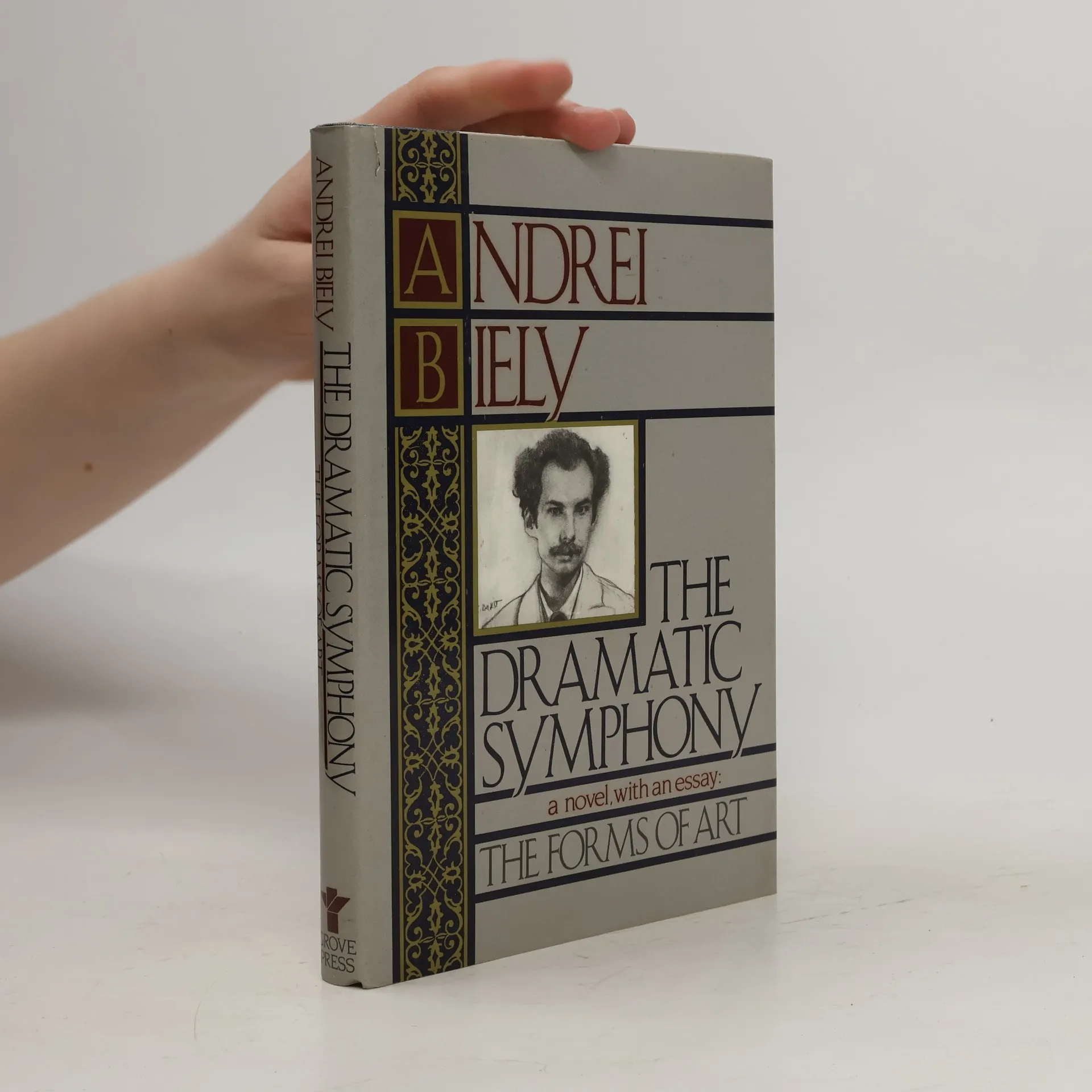
Andrei Bely's four Symphonies—"Dramatic Symphony," "Northern Symphony," "The Return," and "Goblet of Blizzards"—showcase fantastical narratives that exemplify modernist innovation. Each work offers a unique exploration of complex themes and vivid imagery, reflecting the author's distinctive style and artistic vision. These stories not only push the boundaries of literary form but also invite readers into a richly imaginative world, making them essential for understanding the evolution of modern literature.
This volume contains a 15-page Introduction on Andrey Bely's work, followed by a the first published translation of The Dramatic Symphony (by Roger and Angela Keys), its hero struggling against philosophical nihilism. To dramatize the split between the world of matter and the world of the spirit, Bely utilizes musical formal structures and motif variation/development. The remainder of the volume consists of Bely's essay The Forms of Art (translated with an introduction and notes by John Elsworth); 183 pages.
St Petersburg, 1905. An impressionable young university student, Nikolai,
becomes involved with a revolutionary terror organization, which plans to
assassinate a high government official with a time bomb. But the official is
Nikolai's cold, unyielding father, Apollon, and in twenty-four hours the bomb
will explode.
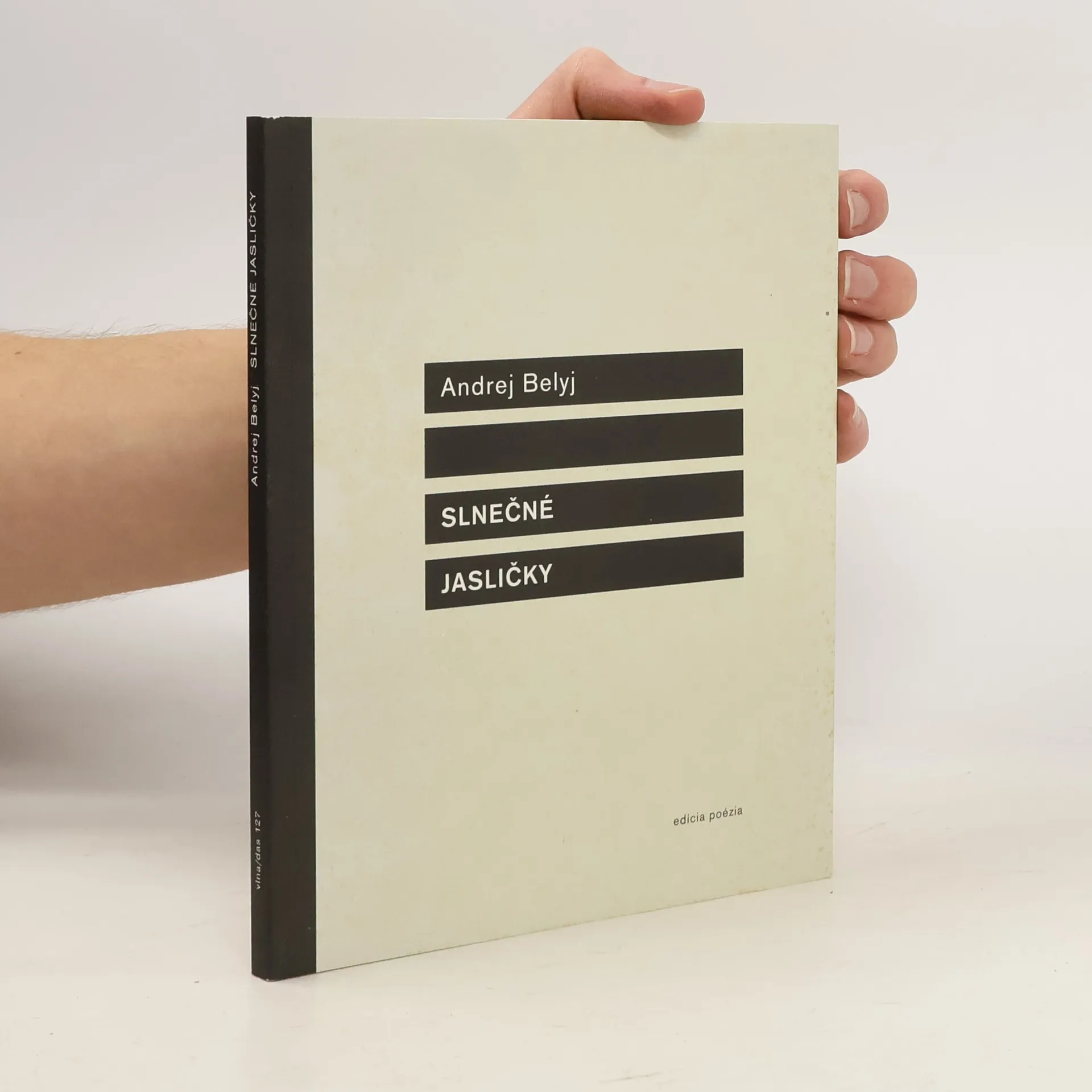
Andrej Belyj (1880–1934) je jednou z najpozoruhodnejších a najuniverzálnejších osobností ruskej literatúry prvej tretiny 20. storočia. V jeho rozsiahlom literárnom odkaze je zastúpená tak poézia a próza, ako aj publicistika a literárnovedná reflexia. Ako literárny teoretik Belyj zaviedol celý rad dodnes používaných literárnovedných termínov. Je napríklad autorom základnej verzologickej dichotómie rytmus/metrum, ktorú neskôr rozpracovali ruskí formalisti. Ako prozaik sa Belyj preslávil najmä experimentálnou prózou Peterburg, ktorá mu priniesla označenie ruský Joyce. Ako básnik je Belyj zaraďovaný do tzv. druhej vlny ruského symbolizmu, teda medzi ruských básnikov, ktorí vstúpili do literatúry začiatkom 20. storočia. Keďže symbolistickú poéziu nielen tvoril, ale o nej aj teoreticky uvažoval, hovorí sa o ňom i ako o ideológovi ruského básnického symbolizmu. Veľká časť jeho tvorby je ovplyvnená tzv. antropozofizmom. Belyj väčšmi ako jeho súčasníci experimentoval s jazykom a s prozodickou organizáciou básní. Vytvoril pomerne široké básnické dielo (okrem kratších básní písal aj poémy), v ktorom osobitné miesto zaujímajú tri zbierky: Zlato v azúre, Popol a Urna.