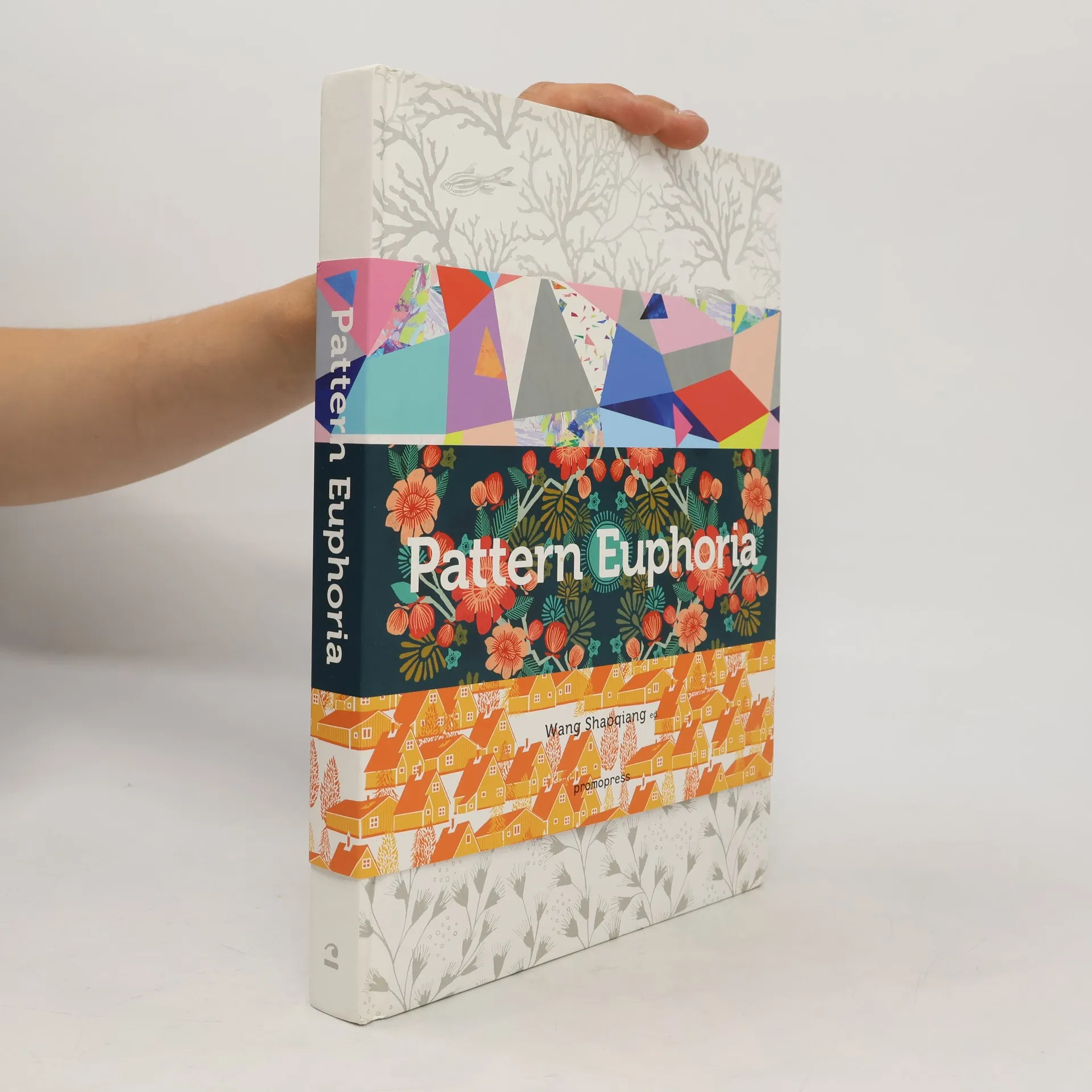
Shaoqiang Wang est un explorateur dévoué du design international, de l'architecture, du branding, de la communication, des tendances et de la culture. En tant que professeur et superviseur de troisième cycle à la Guangzhou Academy of Fine Arts, il se penche en profondeur sur les phénomènes visuels et culturels contemporains. Il est également rédacteur en chef du magazine Design 360° et d'Asia-Pacific Design, façonnant le discours dans ces domaines. Son travail éditorial et ses recherches universitaires soulignent un profond engagement dans le paysage en évolution de la créativité mondiale.
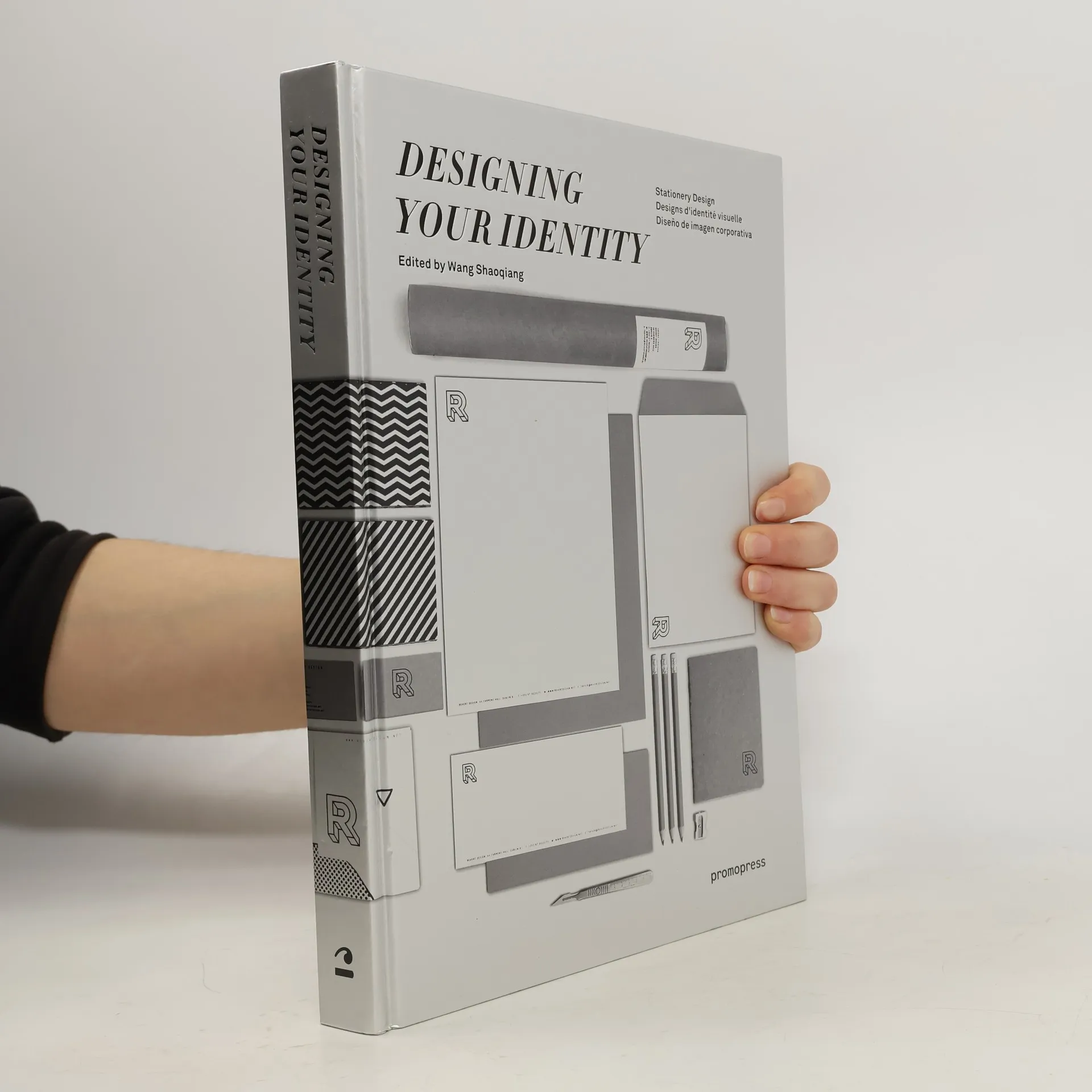
An impressive selection of original and innovative stationery materials created by designers from all over the world. The book illustrates how stationery items such as business cards, letterheads, pencils, stickers and notepads with well-defined aesthetics can play a key role in shaping the image of a company or a professional.
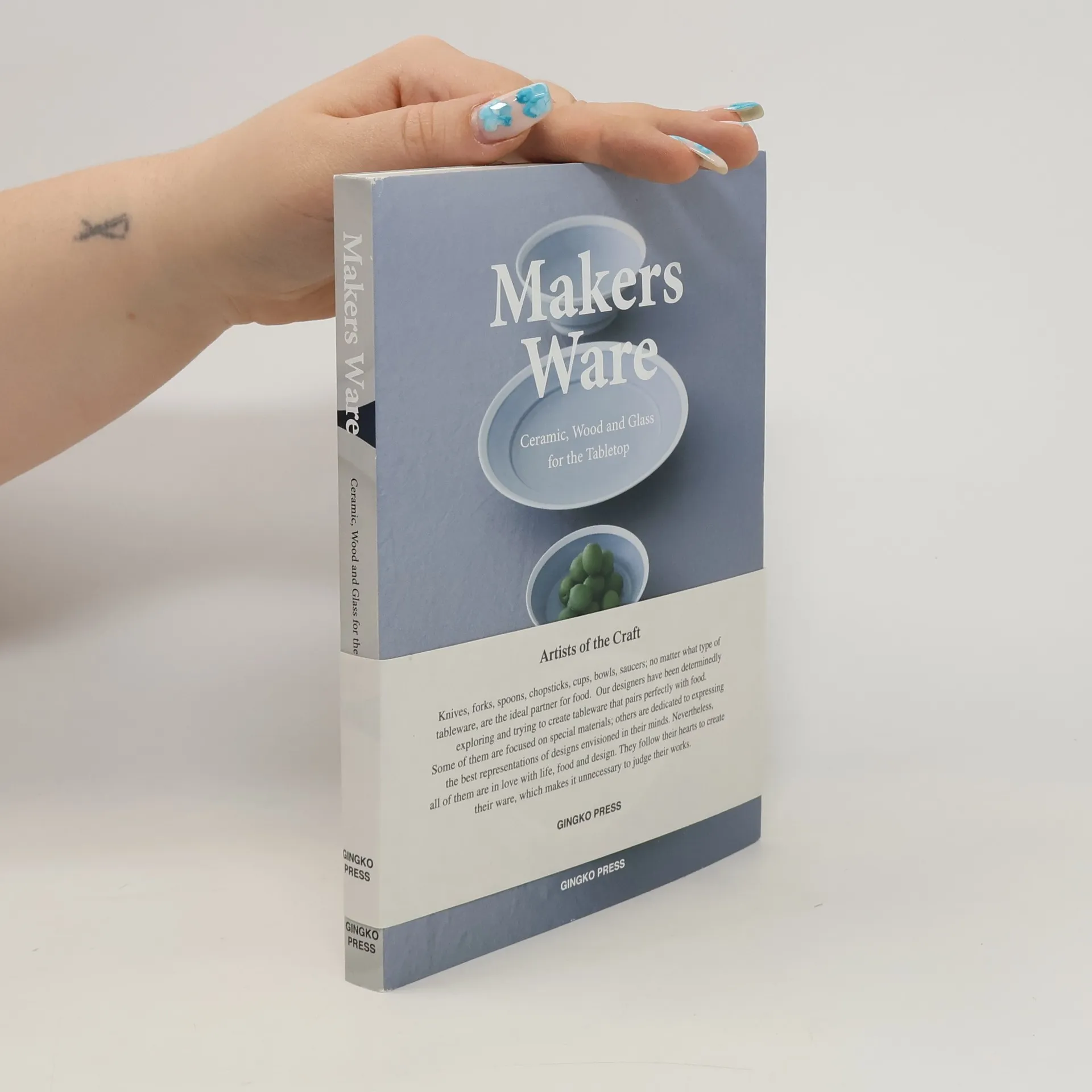
An understated tome, Makers Ware quietly speaks to the power and beauty of
handmade tableware that is simultaneously utilitarian and artistic. The makers
deftly hone clay, wood and glass with great respect for natural forms and the
elemental properties of the materials themselves. The tabletop becomes a work
of art once bedecked with the textures, colours and shapes of these talented
craftspeople, who hail from the backwoods of Maine to Norway, China, Japan and
beyond. Interviews with creators are accompanied by impeccable photography of
their wares, local environment and private workshops.
Fresh, inventive and full of original and groundbreaking ideas that use new materials and experimental techniques, Portfolio Design aims to offer not only visual delights but also valuable references and solutions for those who are looking for inspiration in producing an eye-catching portfolio of their own.
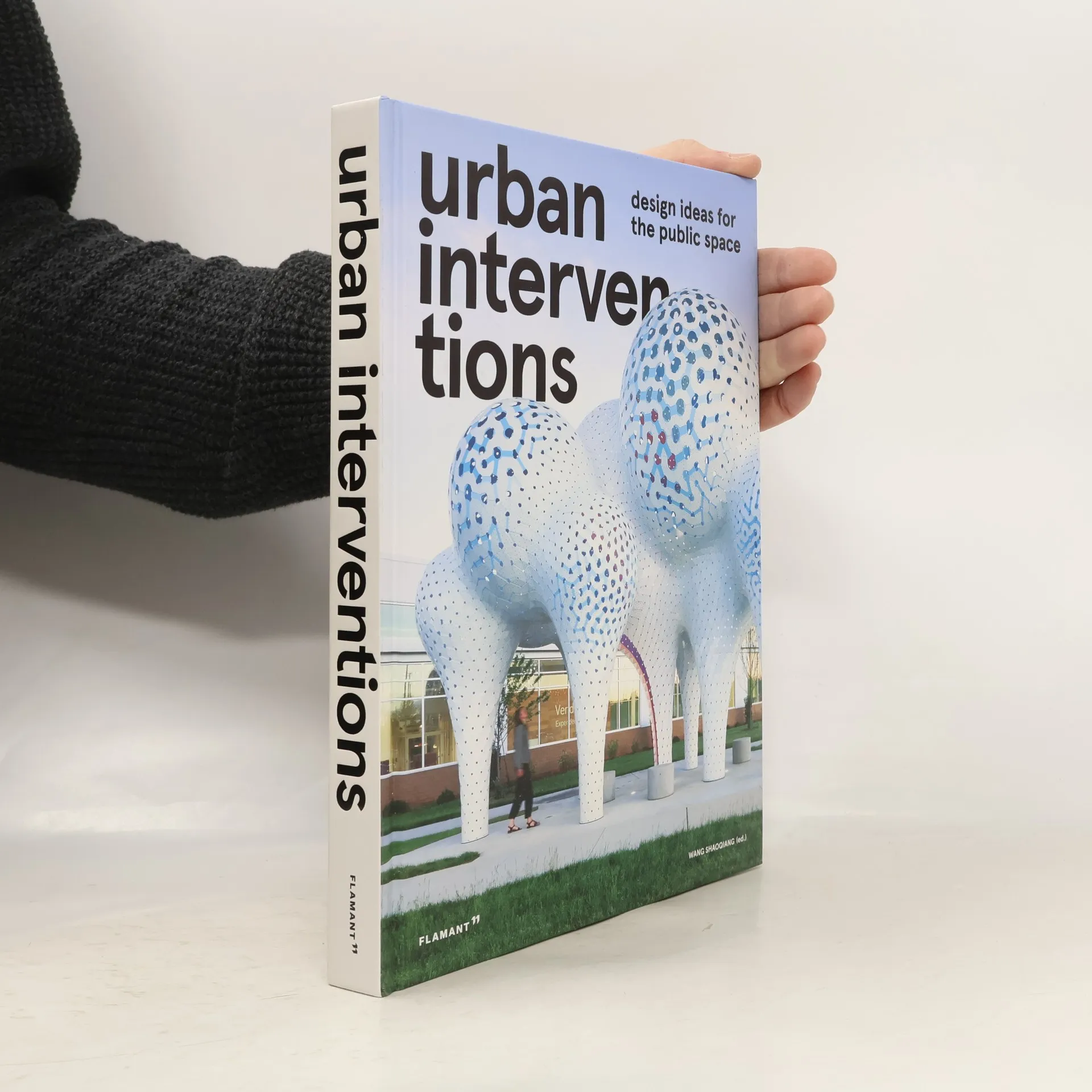
Extraordinary art and architecture installations from around the world. Urban interventions establish strong links between the social and spatial spheres of cities, leading to interactions through which art and architecture make use of public spaces. This book presents a rigorous selection of projects, including installations, events and art works that have transformed streets, parks and derelict areas of cities all over the world into extraordinary public spaces, seeking people’s involvement through a wide variety of interactive and collaborative activities. Fully illustrated in color, the publication offers a global and comprehensive vision of 21st century cities, as they become meeting places full of creative possibilities.
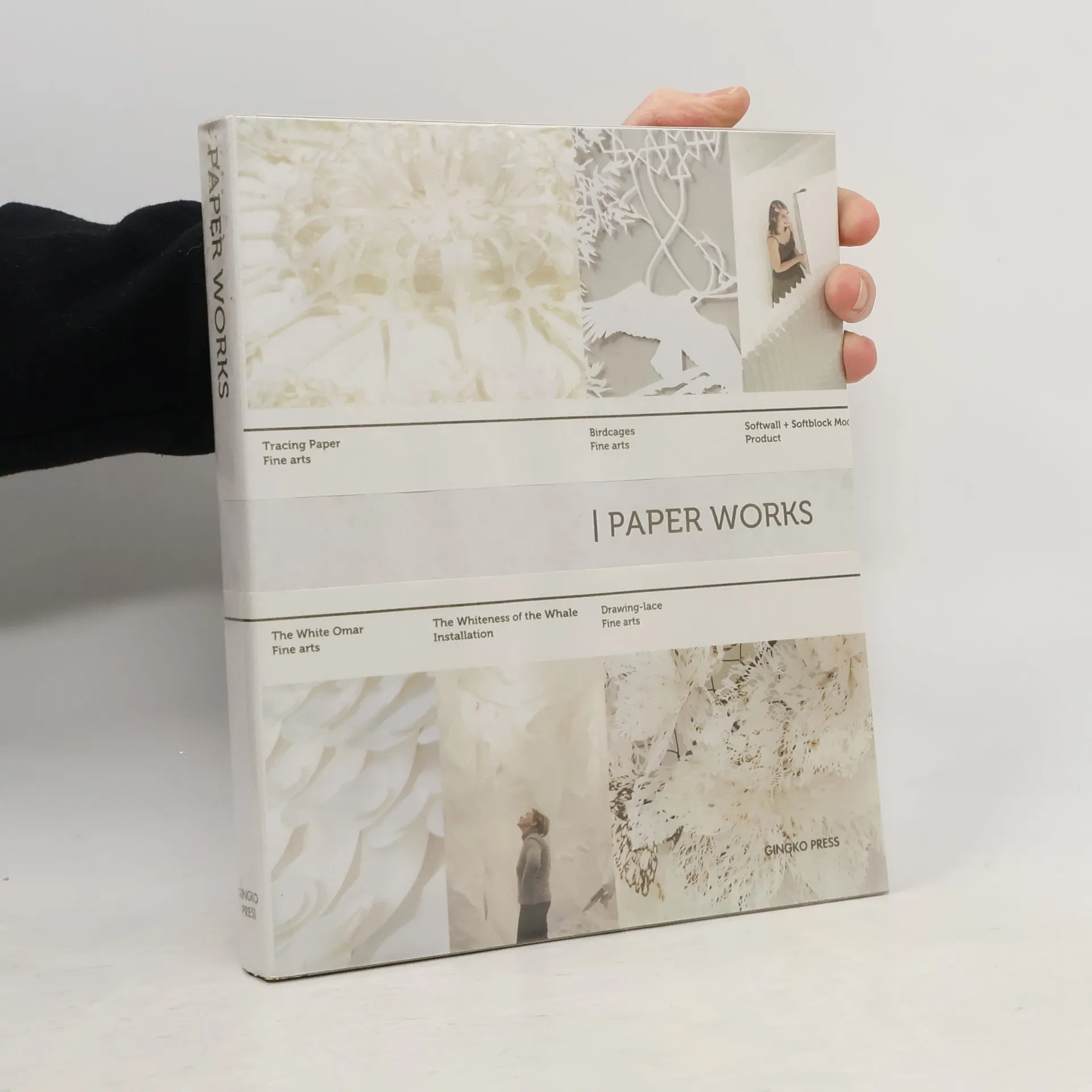
Paper has long been an inspiration for artists around the world, from Mexican papel picado to the art of origami which originated in Japan in the 17th century AD to the kindergarten craft project of the pop-up greeting card, which has recently been turned into a fine art by respected artists such as Robert Sabuda and Nikki McClure. Paper Works is a thorough visual exploration of the multitude of ways in which paper can be transformed and sculpted into abstract or realistic designs. The beauty of the medium partly lies in its delicacy, with intricate cutwork created by methods from laser cut to X-acto knife. This title features everything from carved book arts and installation art spanning entire rooms to stunning avant-garde paper couture fashion and animal masks reminiscent of Carnival attire.
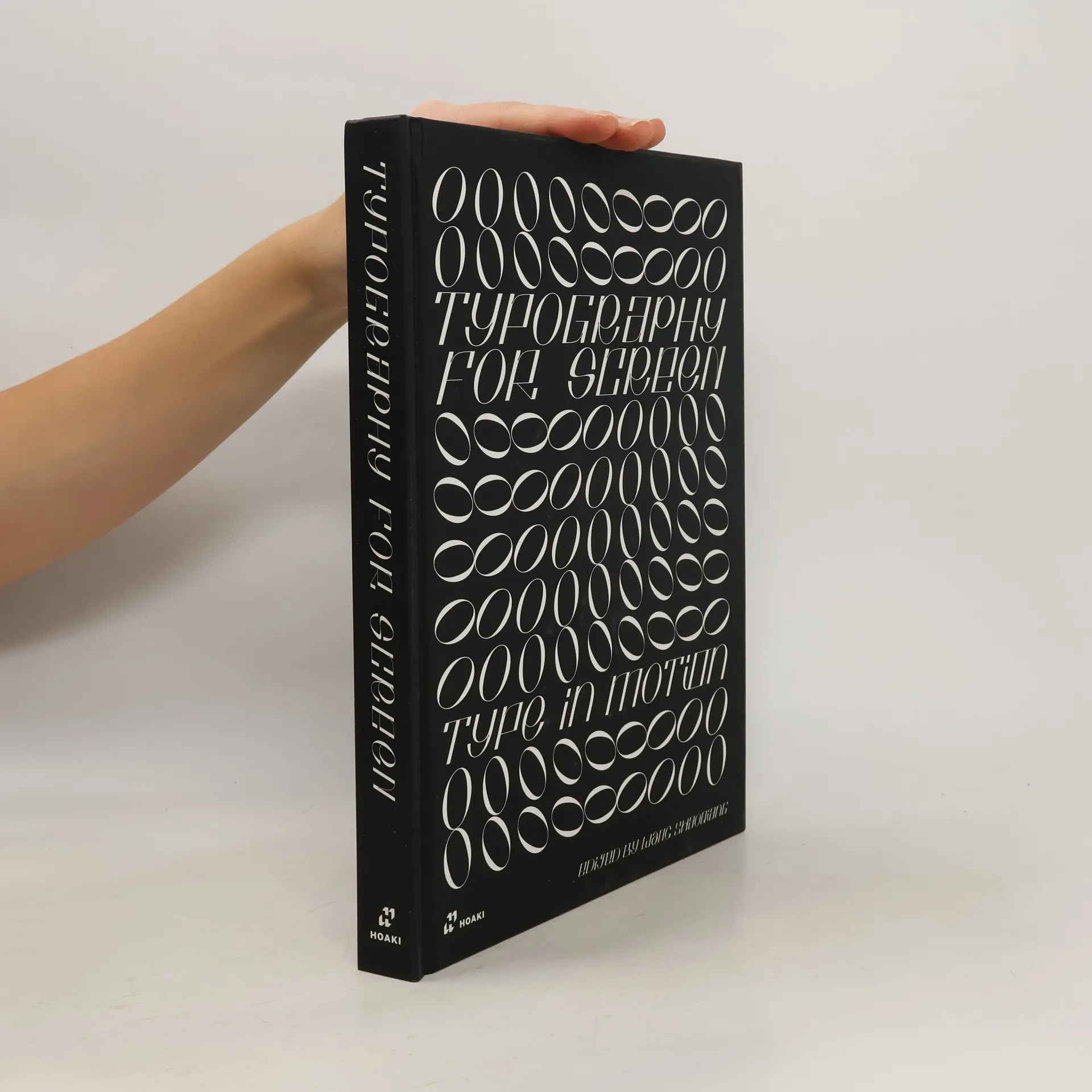
Best examples and uses of typography in motion for the digital environment. Typography for the Screen features a wealth of creative typography projects for the digital screen, such as motion graphics, webpage design, and conceptual experiments, and explores typographic application in visual and information hierarchies within the digital screen environment. Exclusive interviews with designers and design studios integrate different knowledge and design philosophies, constituting a true source of inspiration for designers and students. It includes QR codes with links to the designers' videos and webpages with examples of the fonts they use.
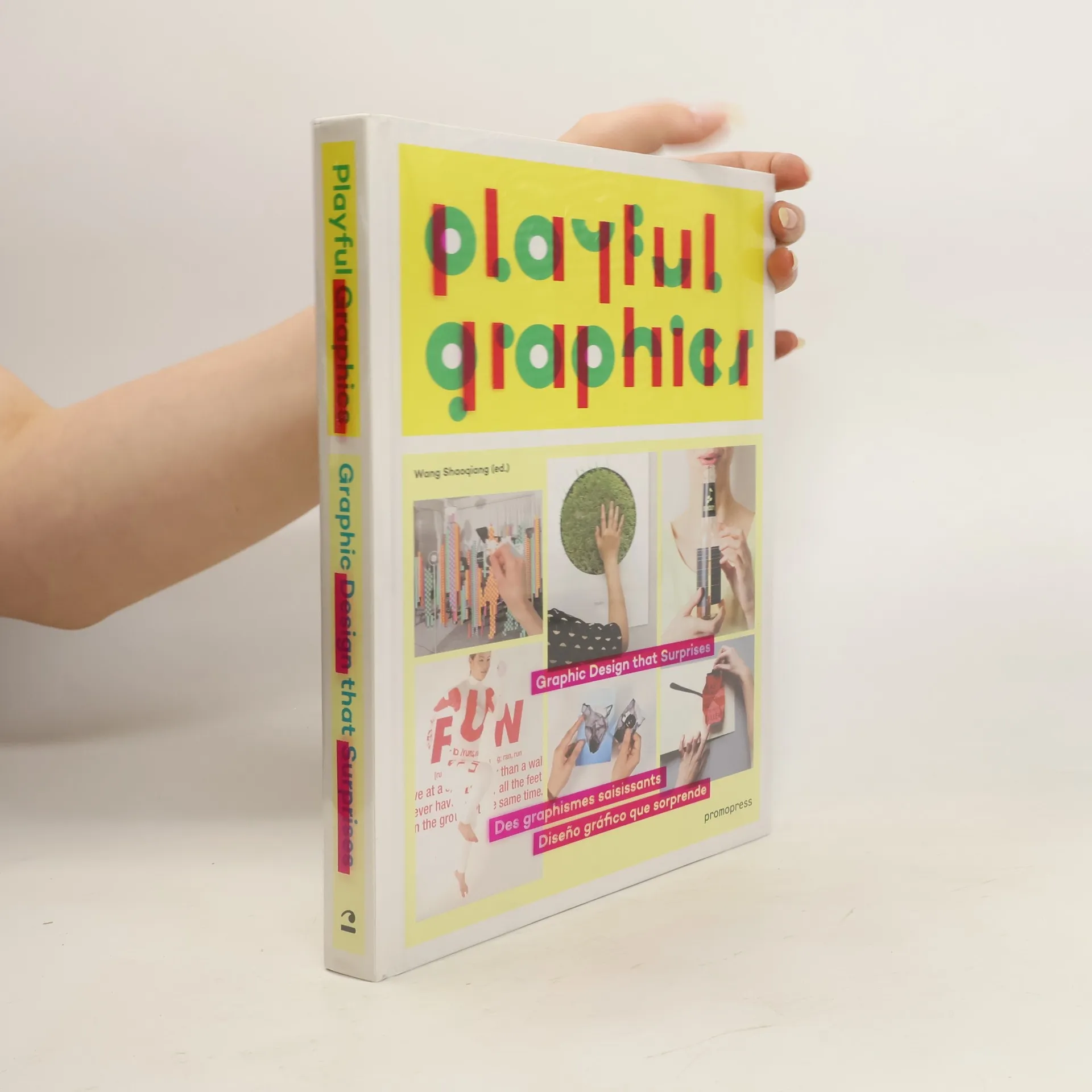
Graphic design increasingly emphasizes a user-oriented approach that is based around communication and interaction between users and the work itself. Interactive graphics can be found in books, brochures, posters, packaging, and albums. Playful Graphics presents a selection of outstanding interactive projects produced by designers from all over the world; these works present users with rich visual experiences and enable readers to take action. Through exploring distinct techniques and forms, Playful Graphics demonstrates how this exciting area of design can influence user experiences and bring fun to life. It is a celebration of great design ideas that convey their messages through hands-on play.
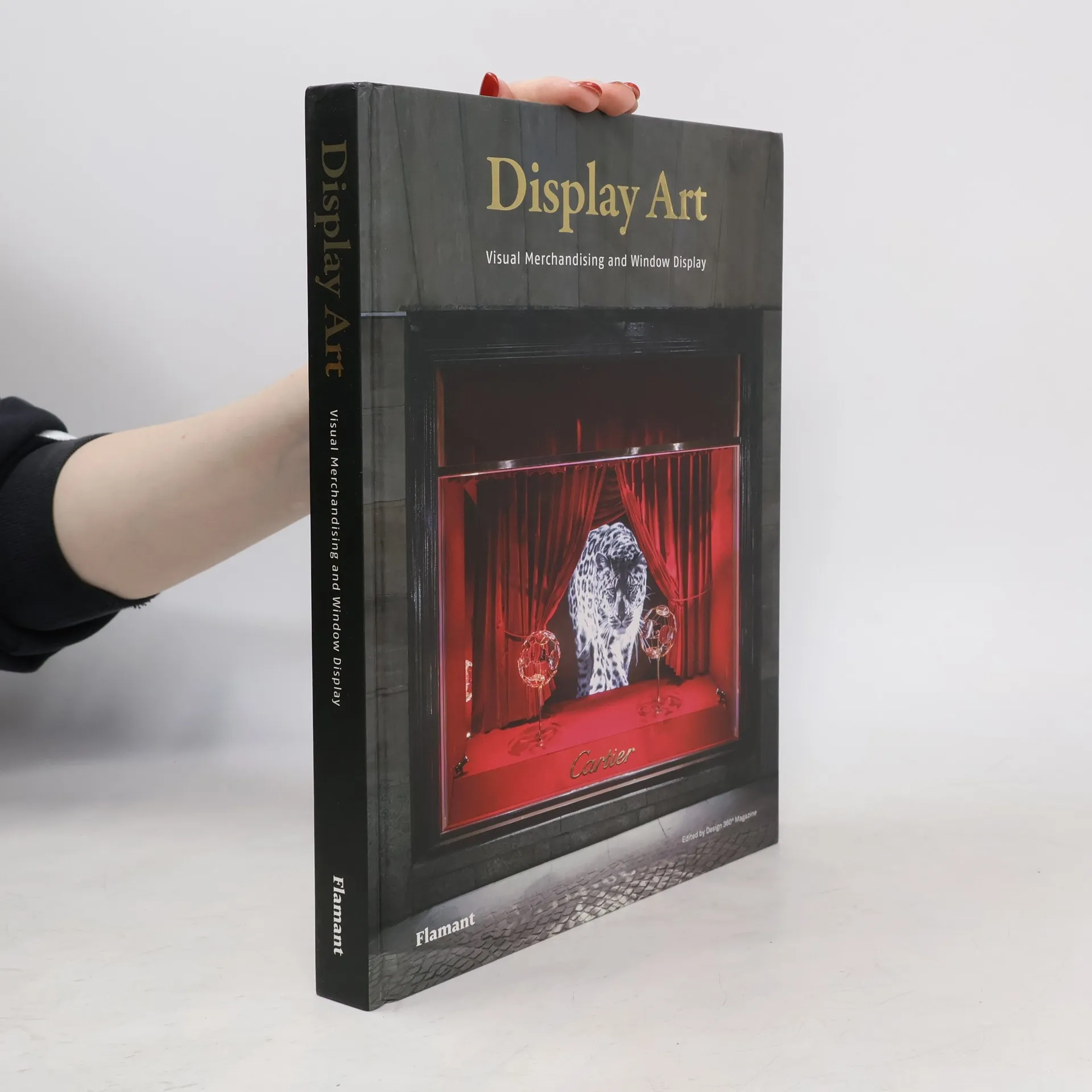
Display Art features examples of visual merchandising and window design by art directors, graphic and window designers across the globe, in an impressive selection that showcases sophisticated projects and also also simple, minimal and highly creative window displays. The works included in this volume offer successful ideas concerning aspects such as lighting design, structures, custom lettering, amusing illustrations, delicate paper crafting, textures, or installations made of multi-materials such as wood, steel, fabric, or rubber. In all cases, they have resulted in alluring artwork that appeals to the senses - and instincts!- of consumers and passers-by. This book is the perfect inspirational guide for art directors, visual merchandising dsigners and fashion professionals.
A collection of the best examples of logo redesign: development, process and real examples.At some point or another in the life of a company comes that time when its logo needs to be redesigned. The reasons can vary: the logo may already be or look outdated or it may be necessary to adapt it to a digital environment that did not exist when it was created, or perhaps another element must be incorporated, or the company is diversifying and the logo must reflect it... When that time comes it is important to take into account several factors so as not to lose the general brand image of the company, and so that the public continues to recognize it, or to make it responsive so that it adapts easily to different media and devices—print media, computer, mobile, tablets, etc. This book presents some of the best examples of logo redesigns and provides valuable information on how designers have arrived at that solution.
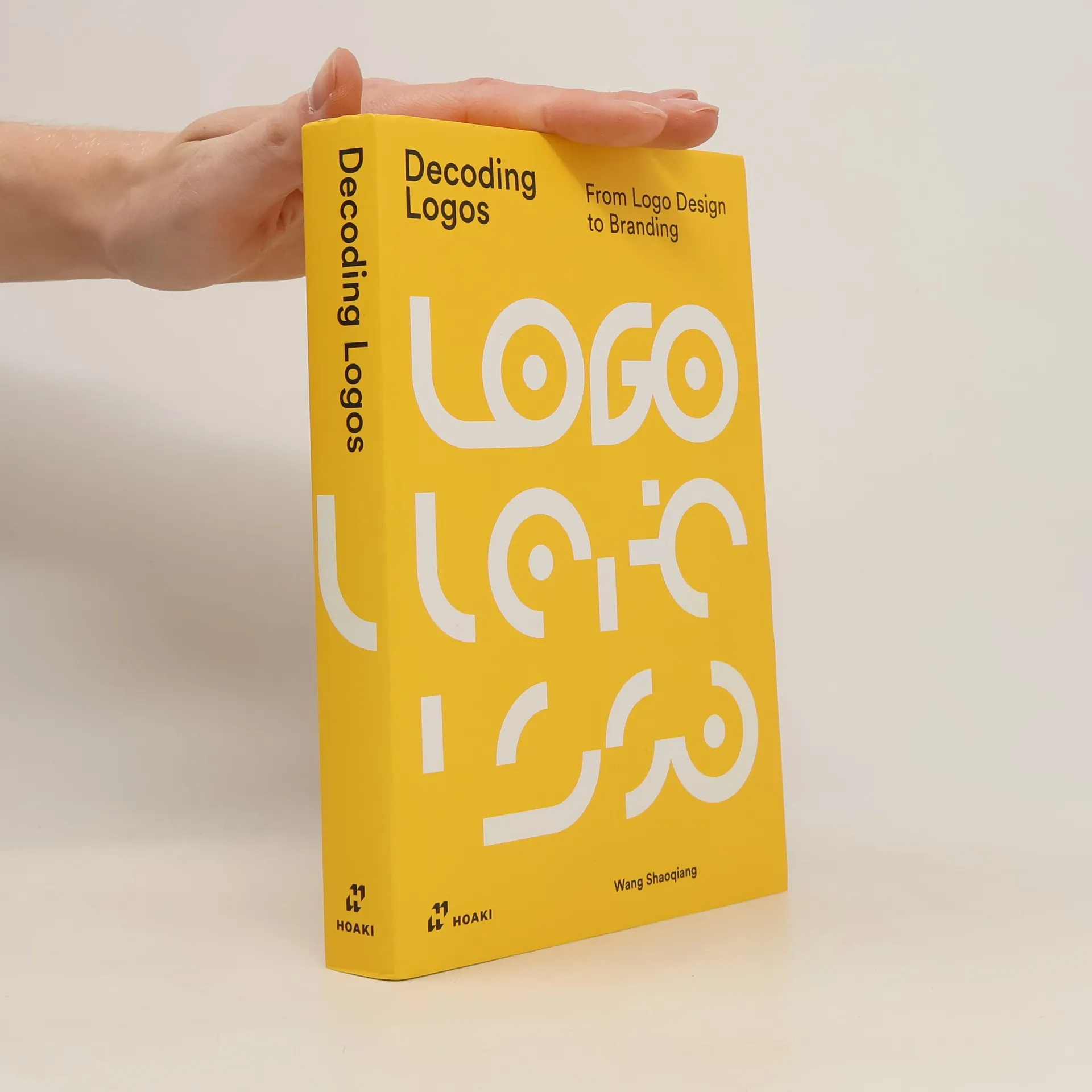
Decoding Logos focuses on how logo and branding come into being and uncovers the design stories behind logo development Logos are becoming increasingly simple, to the point where you might wonder just how much simpler they can get. A subtle tweak to a logotype is starting to feel like too much design. The appeal of a simple logo is that it feels more honest. This compelling book takes the reader on a journey showing how each logo has come into being and the process revealing best practices for extending a logo into a complete brand identity system. Using client case studies from renowned designers, this is a must-have book for any graphic designer, student or logo fanatic in a fully revised, updated edition containing interviews with graphic designers in which they share their creative processes and thoughts on how a successful logo should be developed.
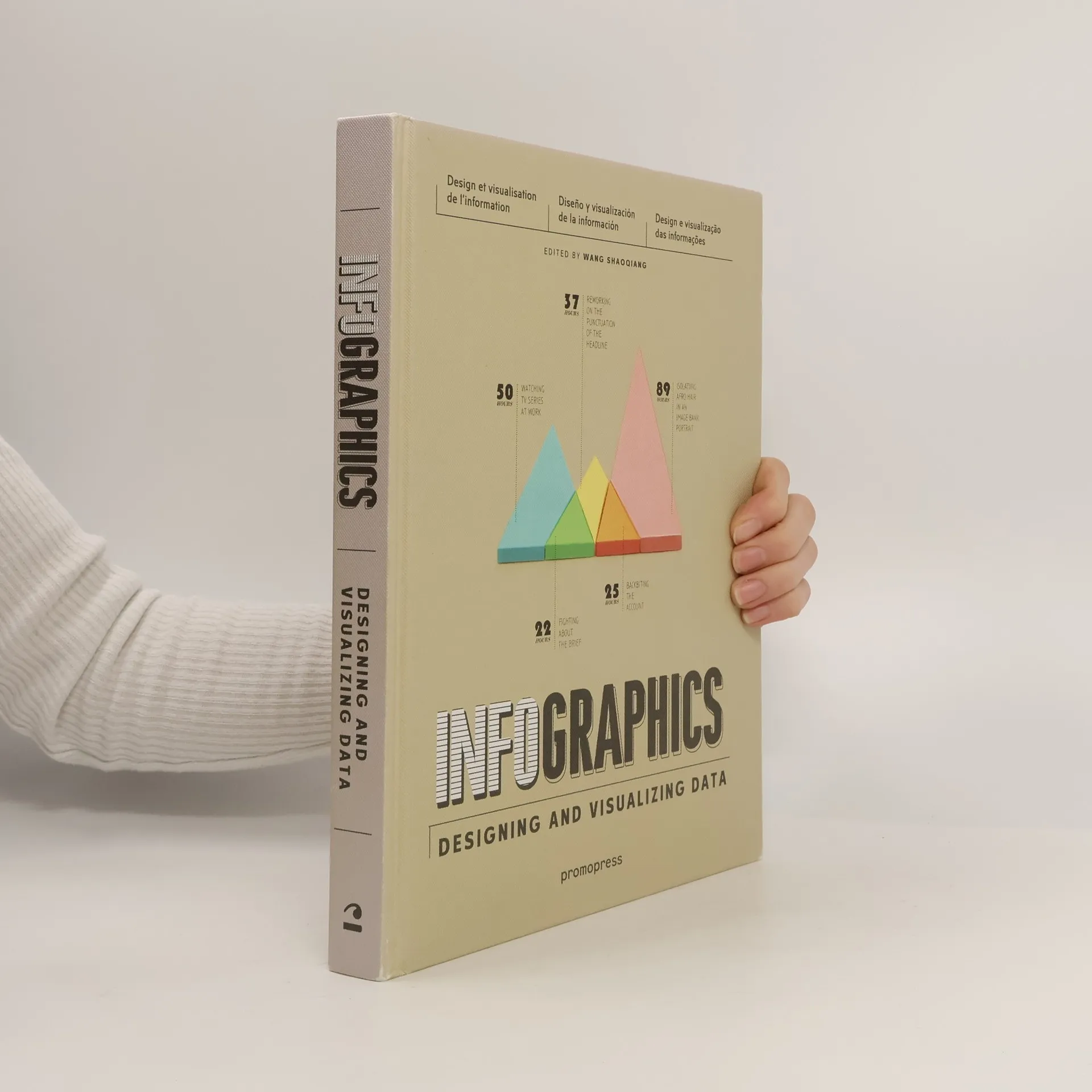
In a world shaped by waves of information, it is of vital importance to develop effective strategic methods of making key data stand out to its target audience. Infographics, which are now used regularly by organizations worldwide, have become a key method for achieving this aim. This book is a comprehensive reference guide for this vital technique.
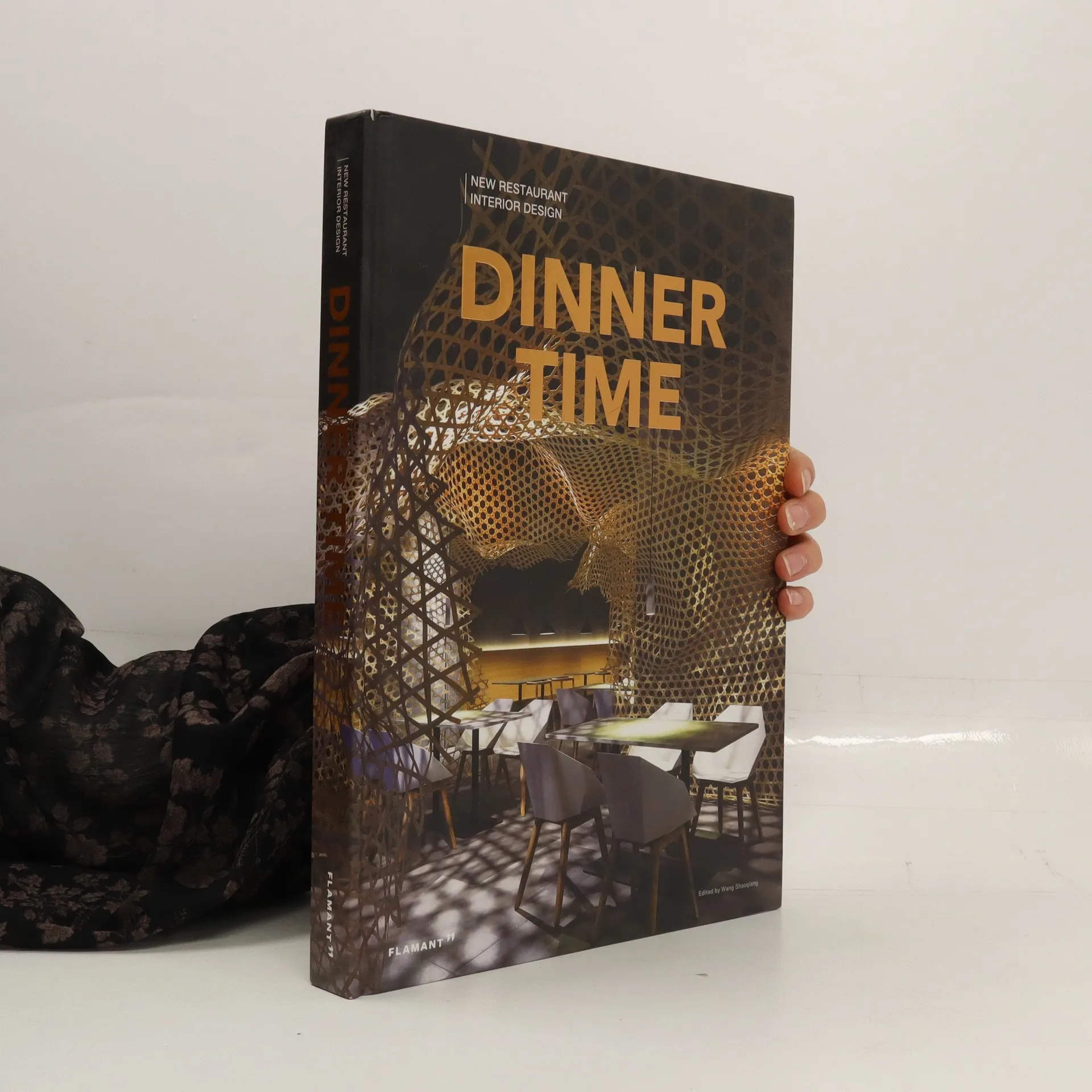
This book features a new wave of design in the most unconventional and unique restaurants all over the world. It includes the work of the most innovative architects and designers in the field.
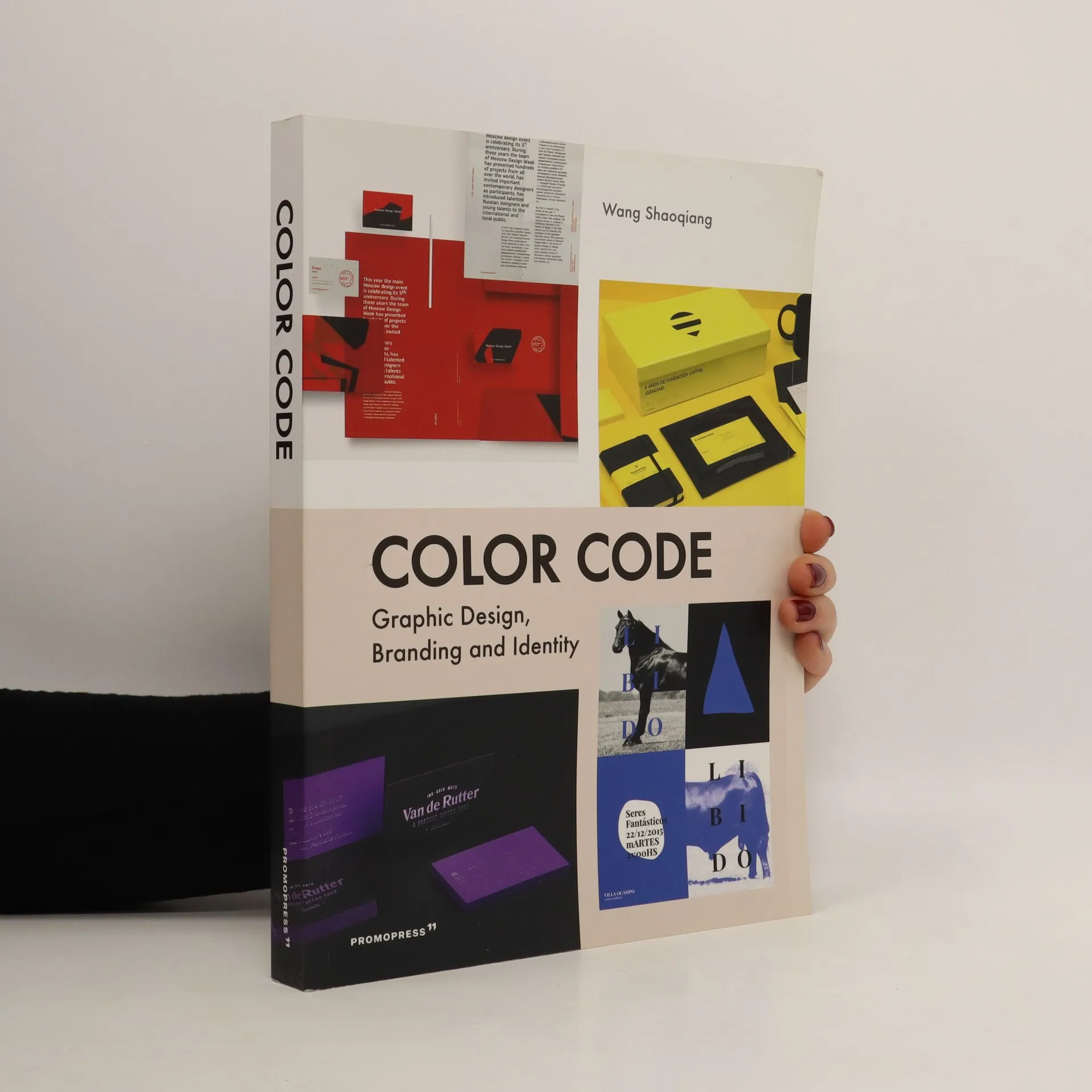
Color has multiple functions that differ from those of other design elements as shape, texture and form as it is able to awake multiple feelings and emotions to audiences in communication. Each of the international case studies included in the book demonstrates the importance of a thoughtful application of color.
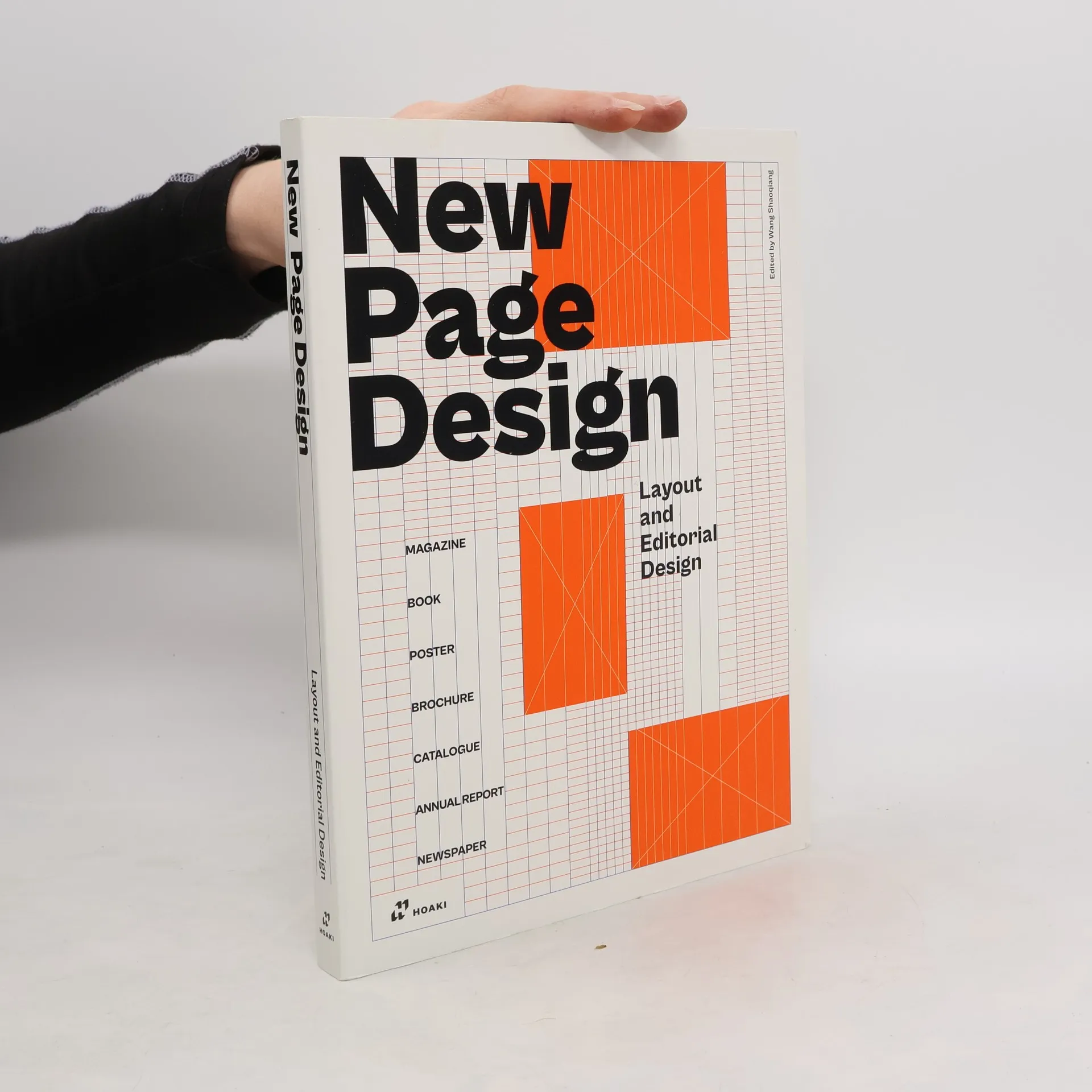
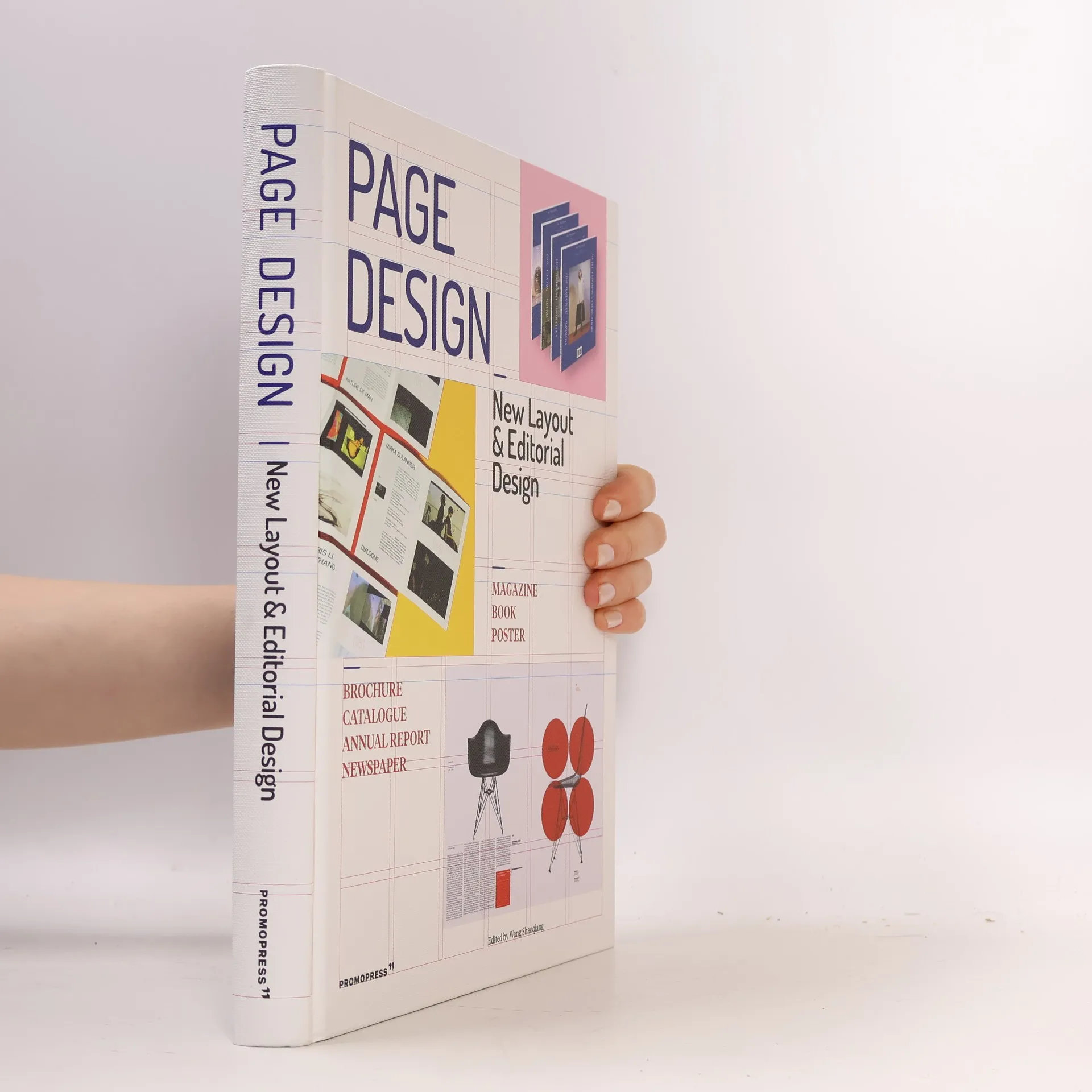
Page Design pays tribute to the tradition of print editorial design by focusing on its outstanding contemporary value. This volume offers a panorama of contemporary trends and styles through a selection of one hundred projects of different sizes, from flyers and magazines to posters, catalogues and books. Each of the featured projects is a statement of aesthetic and conceptual principles. Containing case studies and tips and tricks, this book is full of ideas on page layout, interaction between sections and the optimum way to convey a message.
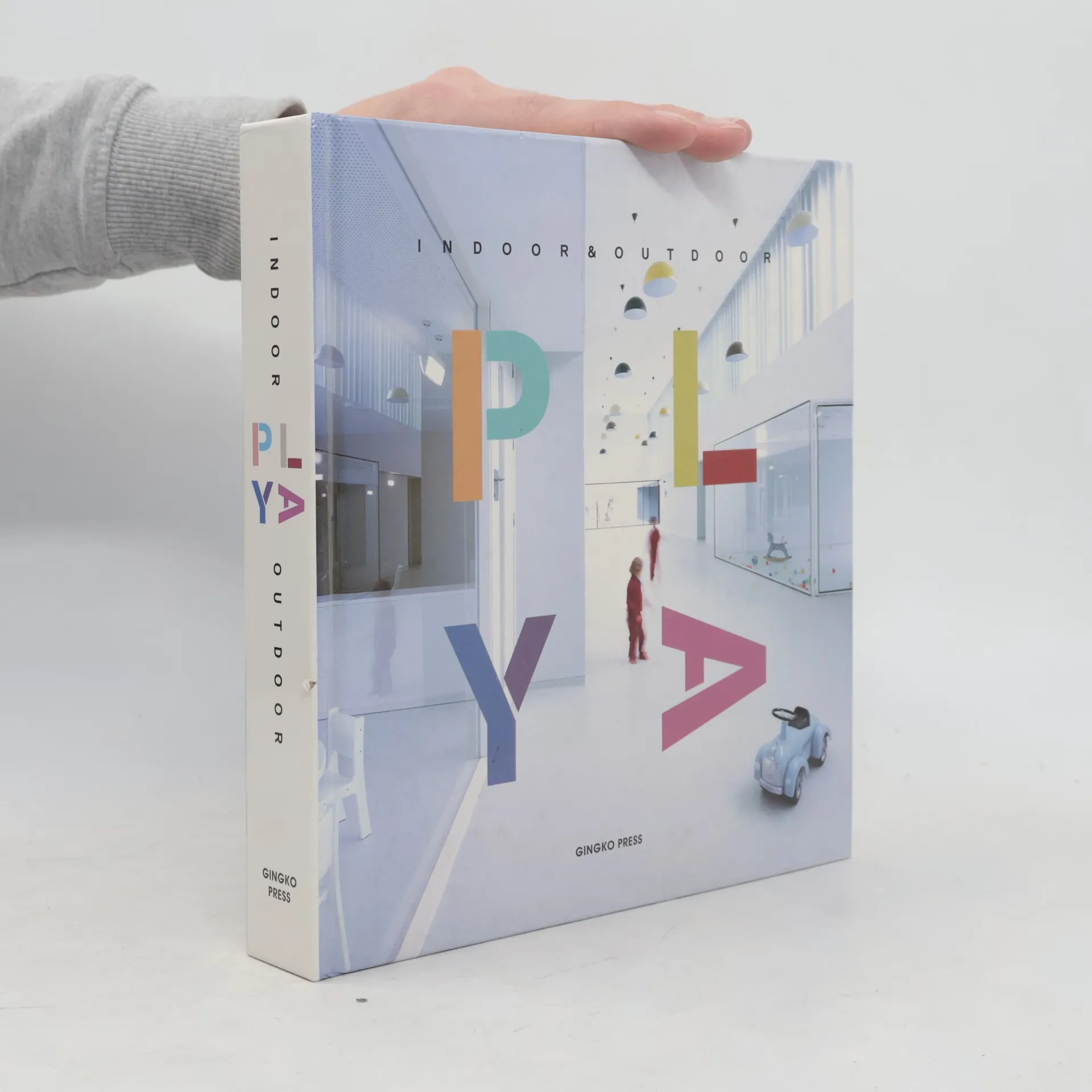
Nowhere is creativity of function so prevalent as in the world of children, and Play! Indoor & Outdoor is a look at the burgeoning field of design and architecture that is being tailored to the scale, tastes, and necessities of a child s life. Contemporary, colorful, and often eco-friendly options are used in the schools and play centers from all over the world that are featured in this book, with projects from designers such as MAD, BP Architects, AIR Architecture, 70oN Arkitektur, Gonzalez Goodale Architects, Geneto, Lev-Gargir Architects, Matali Crasset, Kadawittfeldarchitektur, Baupiloten, and Haugen/Zohar Arkitekter. Fully illustrated with floor plans and photos, the designs within these pages focus on texture, innovation, exploration, whimsy, learning and above all, fun.