This book offers an account of the historical development of the novel as a
means of imagining and fashioning our bodies and our environments, in order to
suggest that prose fiction can help us to understand new forms of artificial
life as they are emerging in the twenty-first century.
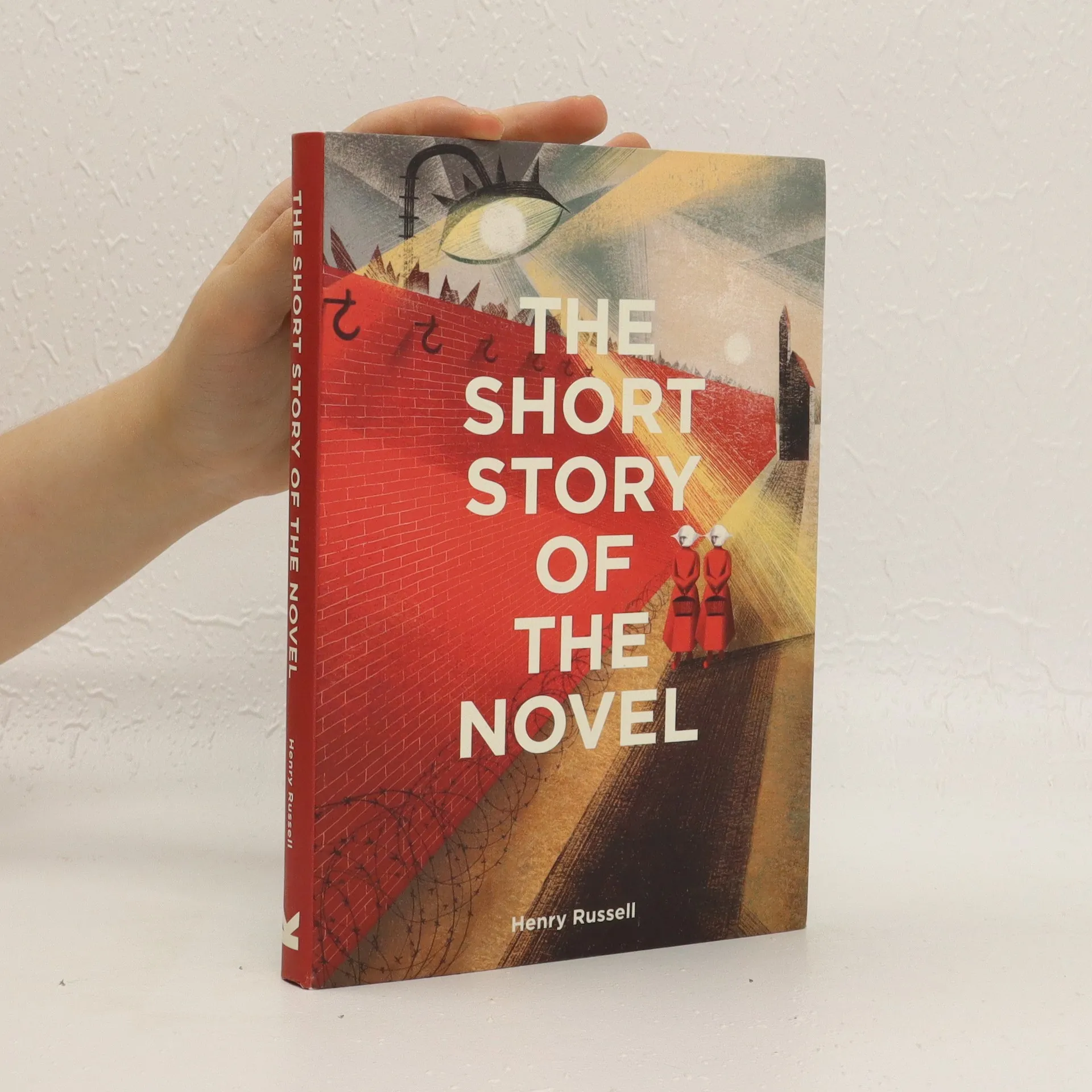
This is a new and innovative introduction to the best works of fiction from the last 500 years. Simply constructed, the book explores 60 key novels from The Tale of Genji to My Brilliant Friend. In addition to enjoyable descriptions of the novels and concise explanations of why they are important, the book illuminates the most significant writing genres, themes and techniques. Accessible and fun to read, with a foreword by Professor Peter Boxall, this pocket guide will give readers a new way to enjoy their favourite books and to discover new ones

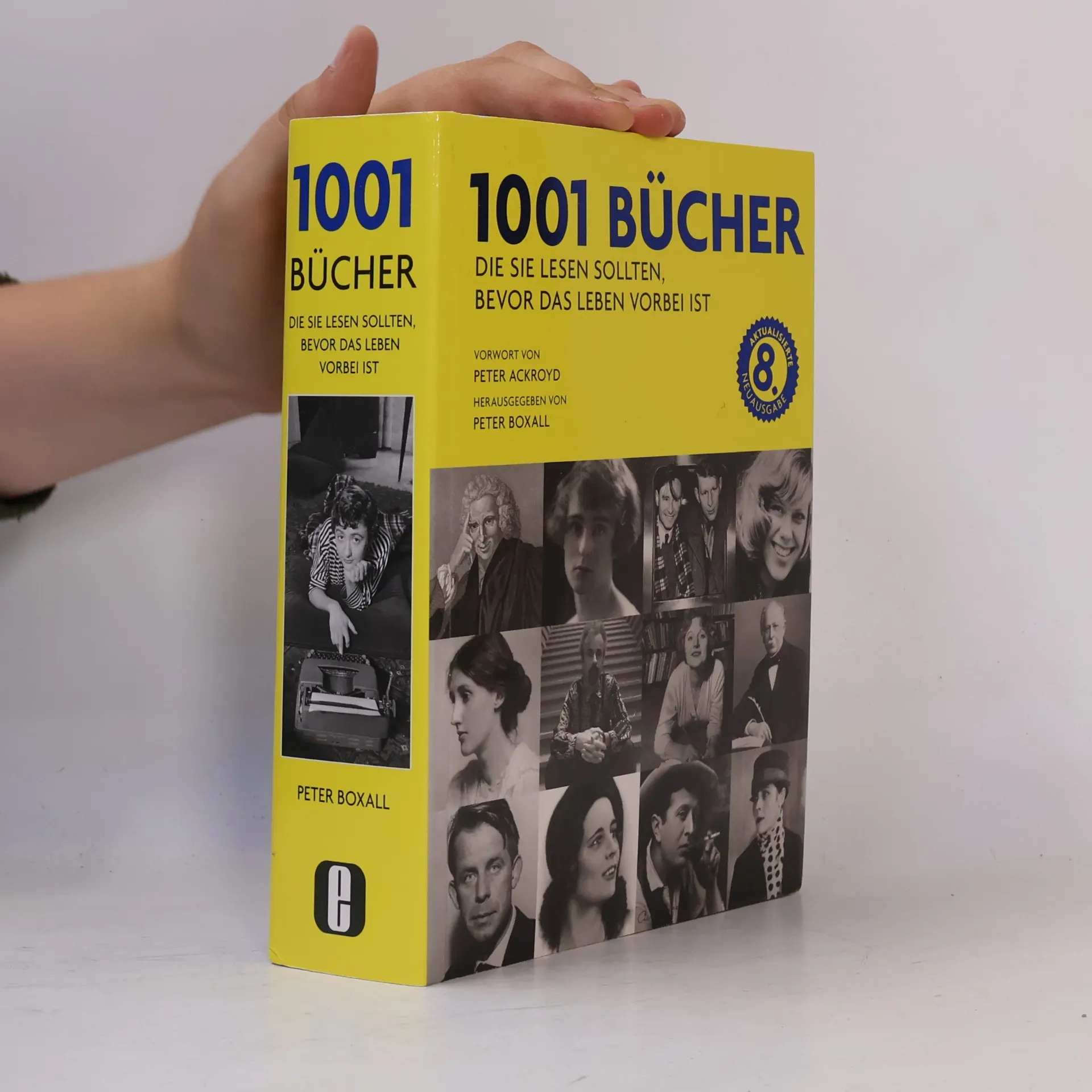
For discerning bibliophiles and readers who enjoy unforgettable classic literature, 1001 Books You Must Read Before You Die is a trove of reviews covering a century of memorable writing. Each work of literature featured here is a seminal work key to understanding and appreciating the written word.The featured works have been handpicked by a team of international critics and literary luminaries, including Derek Attridge (world expert on James Joyce), Cedric Watts (renowned authority on Joseph Conrad and Graham Greene), Laura Marcus (noted Virginia Woolf expert), and David Mariott (poet and expert on African-American literature), among some twenty others.Addictive, browsable, knowledgeable—1001 Books You Must Read Before You Die will be a boon companion for anyone who loves good writing and an inspiration for anyone who is just beginning to discover a love of books. Each entry is accompanied by an authoritative yet opinionated critical essay describing the importance and influence of the work in question. Also included are publishing history and career details about the authors, as well as reproductions of period dust jackets and book designs.
This collection features key works from a prominent figure in contemporary literary studies, highlighting the evolution of literary thought over the past twenty-five years. It includes both significant past essays and new contributions that explore the imaginative potential of literature, reflecting on its transformative role in the early 21st century.