

Bookbot

Hilda Rosner

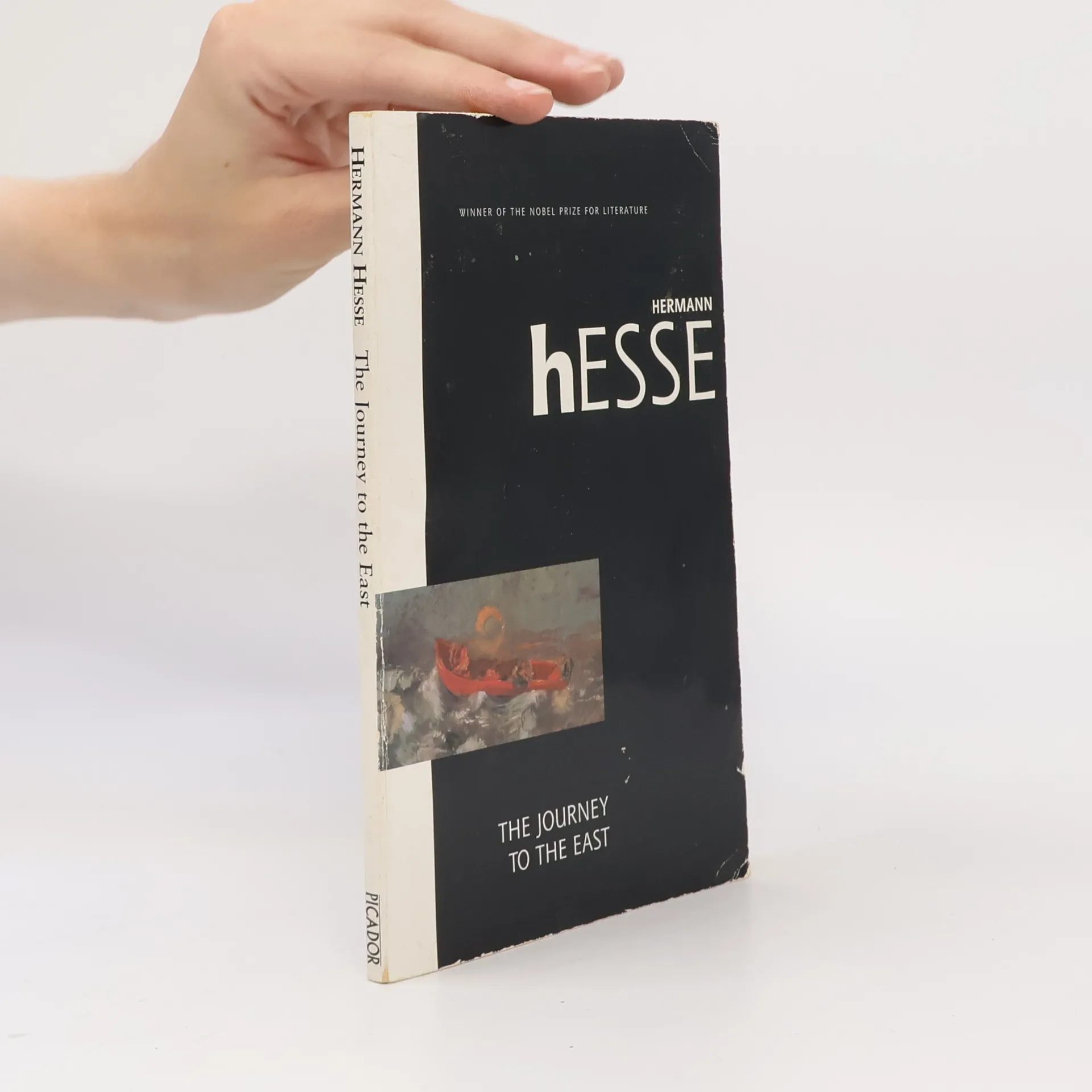
    The Journey to the East
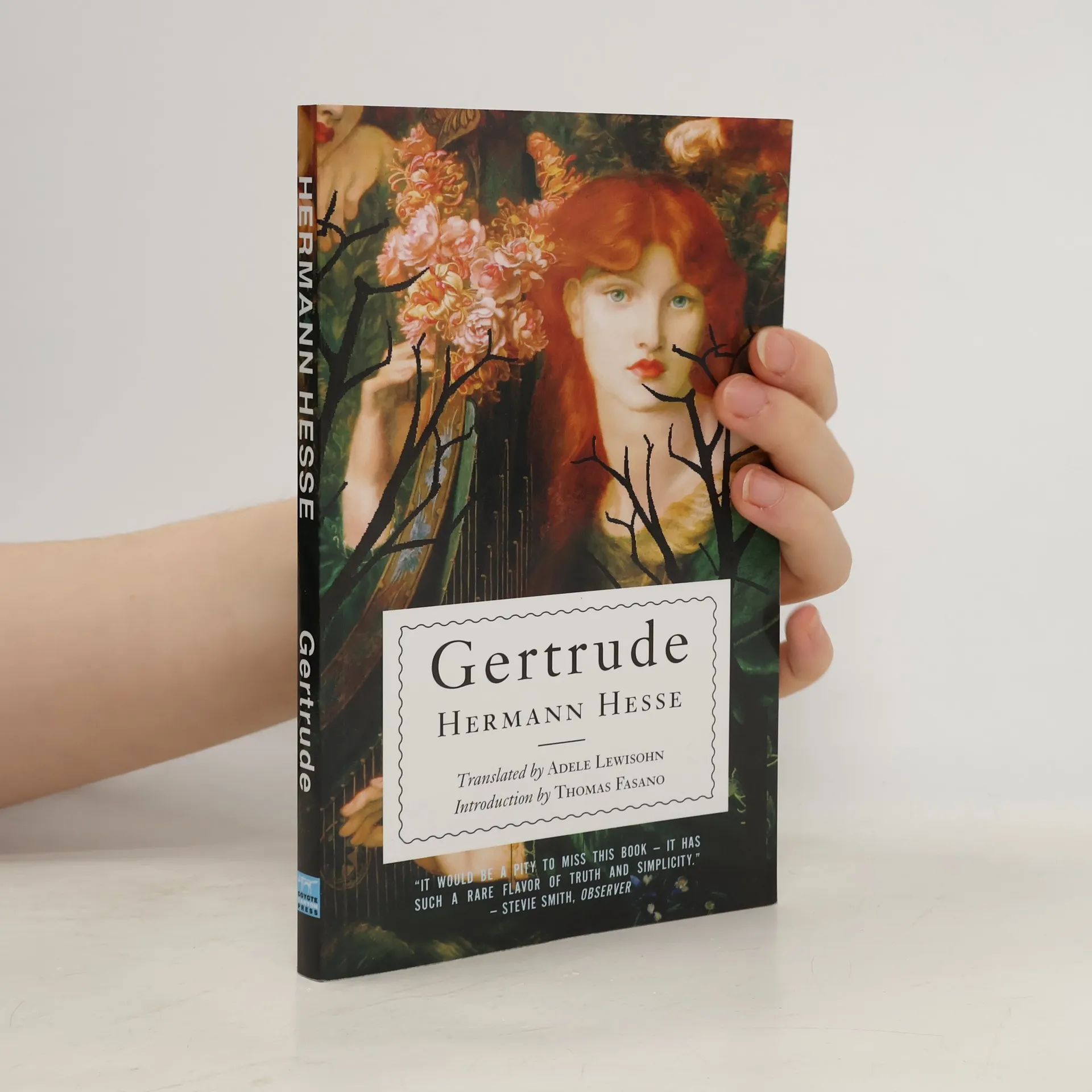
    Dover Thrift Editions: Gertrude
    Siddharta
    • The Journey to the East

      • 96pages
      • 4 heures de lecture

      In simple, mesmerizing prose, Hermann Hesse's Journey to the East tells of a journey both geographic and spiritual. H.H., a German choirmaster, is invited on an expedition with the League, a secret society whose members include Paul Klee, Mozart, and Albertus Magnus. The participants traverse both space and time, encountering Noah's Ark in Zurich and Don Quixote at Bremgarten. The pilgrims' ultimate destination is the East, the "Home of the Light," where they expect to find spiritual renewal. Yet the harmony that ruled at the outset of the trip soon degenerates into an opening conflict. Each traveler finds the rest of the group intolerable and heads off in his own direction, with H.H. bitterly blaming the others for the failure of the journey. It is only long after the trip, while poring over records in the League archives, that H.H. discovers his own role in the dissolution of the group, and the ominous significance of the journey itself.

      The Journey to the East2017
      3,8
    • Dover Thrift Editions: Gertrude

      • 168pages
      • 6 heures de lecture

      The narrative explores themes of music, love, and the struggle for creative expression through the experiences of Kuhn, a once-disabled composer. His deep passion for the enigmatic singer Gertrude leads to a complex love triangle, resulting in his emotional turmoil as he loses her to his friend Muoth. As their marriage unravels, Kuhn's involvement intensifies, threatening his well-being. Ultimately, he discovers redemption and healing through his art, culminating in the completion of his opera, which reflects his journey of loss and recovery.

      Dover Thrift Editions: Gertrude2005
      3,9
    • Siddharta

      • 208pages
      • 8 heures de lecture

      Inspiré par sa mère qui était née en Inde et son voyage d'un an à Ceylan (Sri Lanka), le romancier fils de missionnaire protestant est profondément pacifiste et son amour de la paix et de la raison teinte ce texte par sa sobriété spirituelle. Dans ce roman, qui s'inspire de l'histoire du Bouddha Siddhartha Gautama mais n'est pas la vie de Bouddha, Hermann Hesse raconte l'histoire d'un jeune homme, Siddhartha, fils de brahmane (la caste la plus élevée en Inde). Ce dernier a 20 ans, est insatisfait et cherche le sens de sa vie. Il part dans une quête spirituelle en laissant sa famille derrière lui et en empruntant la vie d'un groupe d'ascètes vivant nus, les samanas. Le jeune homme partage leur vie extrême pendant 3 ans, vivant détaché de tout et de tous, avant de tomber fou amoureux de Kamala pour qui il abandonne la vie ascétique et découvre, après les jeûnes, les banquets, les plaisirs du sexe, la vie de riches marchands, le matérialisme etc. Mais la paix et l'harmonie ne se trouvent pas à cet endroit-là non plus. Siddhartha reprend alors la route dans une troisième partie du conte au bout de laquelle il embrasse enfin le chemin du bonheur, trouve sa place et la paix de l'âme. Le succès de Siddhartha ne s'est jamais démenti, surtout auprès du courant hippie qui en a fait sa « bible » et son modèle de vie et d'éveil.

      Siddharta1951
      4,0