

Tel un Shakespeare de la philosophie, Platon a produit ici comédies, violences, sublimes aperçus, que retient au sol l'ironie de Socrate, les bouffonneries même ( le juste est 729 fois plus heureux que le tyran ; l'eugénisme est lié au chiffre 12 960 000 ... ). La République jette le lecteur dans un fleuve d'Amazonie, un fleuve des mots aux fresques renouvelées, insolites, sans berge repérable, où donc il se plonge comme dans un Déluge de jouvence, ballotté, happé, roulé, perdant le souffle parfois, irrité et incapable de s'arrêter de lire - sur la divinité, sur soi, sur la vie politique, bien sûr, de façon terriblement actuelle et folle en même temps - amarré il restera cependant à ce point de passion et de raison, le désir, le désir du Meilleur. J.C.
Allan David Bloom Livres
Allan Bloom était un philosophe et essayiste américain, célèbre pour sa défense de l'éducation par les "Grands Livres". Il a acquis une renommée grâce à sa critique de l'enseignement supérieur américain contemporain, exprimant ses points de vue dans son livre à succès.
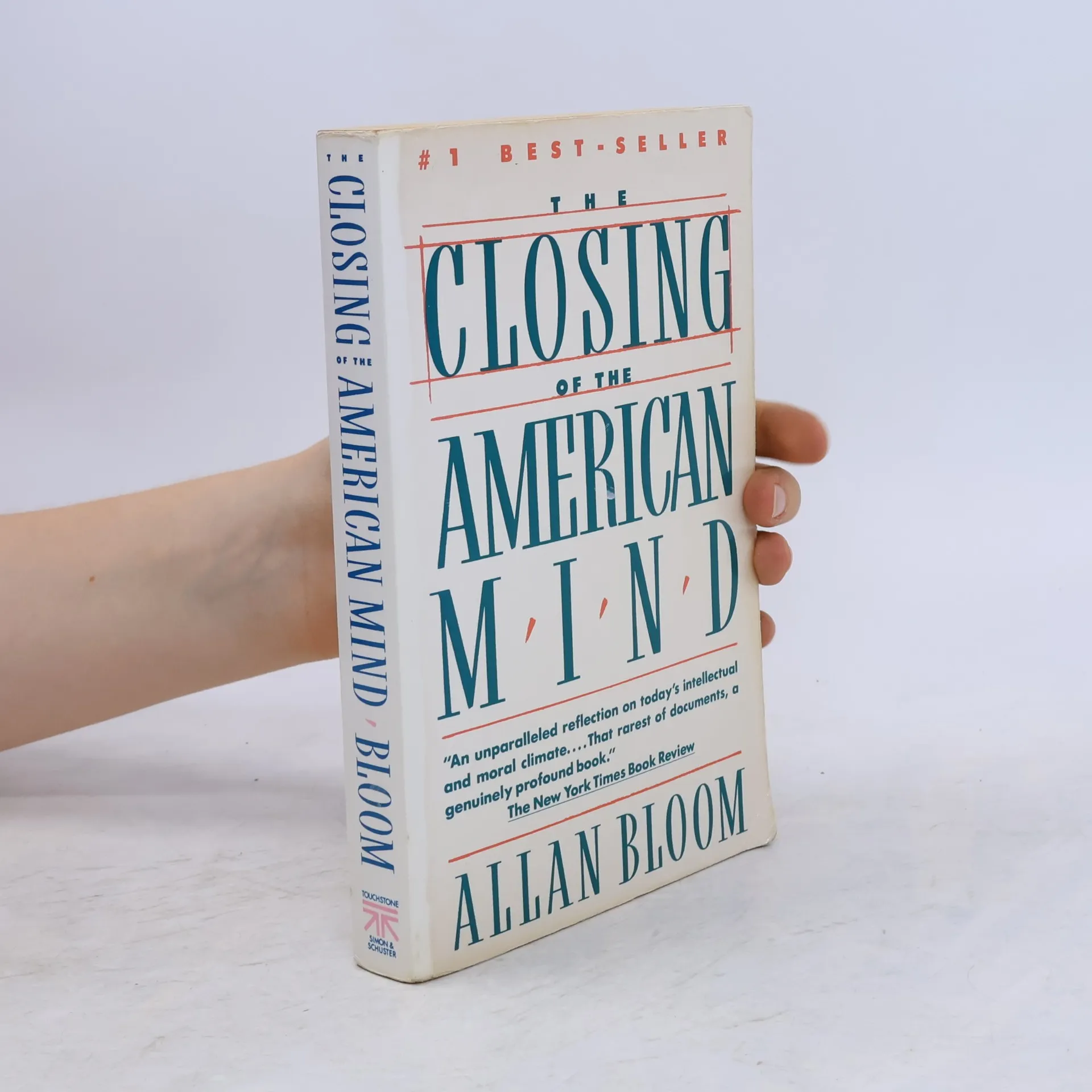

How higher education has failed democracy and impoverished the souls of today's students.
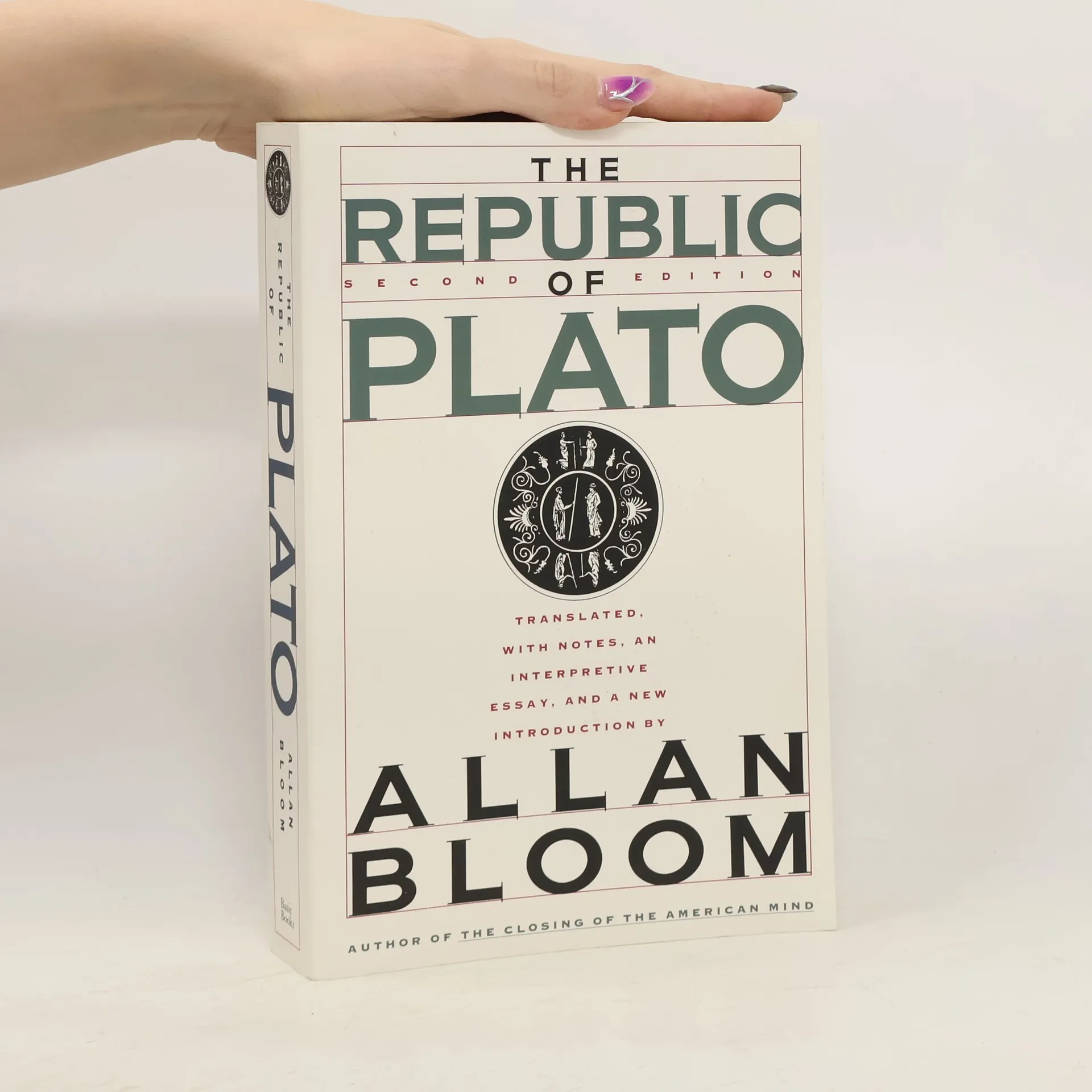
Long regarded as the most accurate rendering of Plato's Republic that has yet been published, this widely acclaimed work is the first strictly literal translation of a timeless classic. This second edition includes a new introduction by Professor Bloom, whose careful translation and interpretation of The Republic was first published in 1968. In addition to the corrected text itself there is also a rich and valuable essay—as well as indexes—which will better enable the reader to approach the heart of Plato's intention.