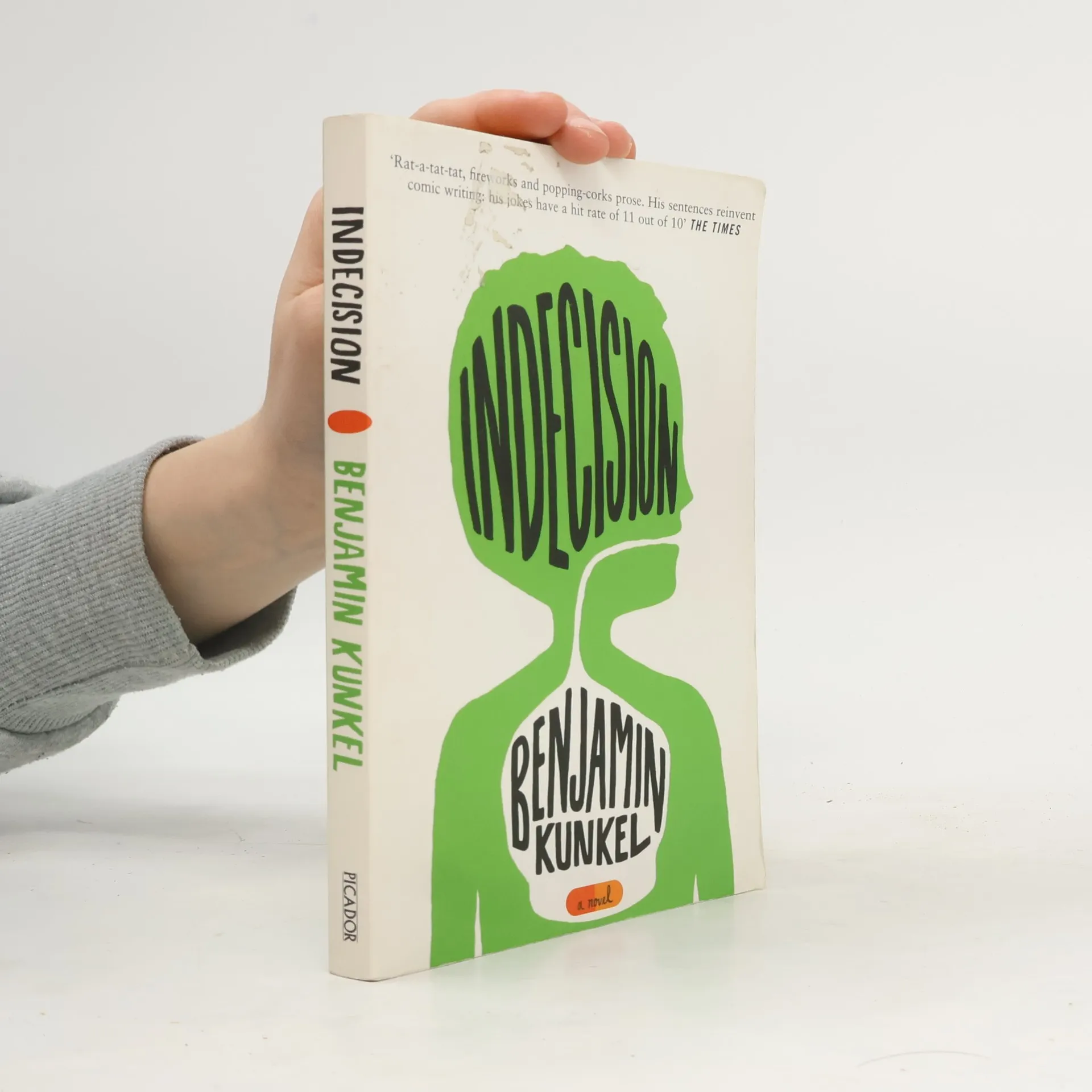
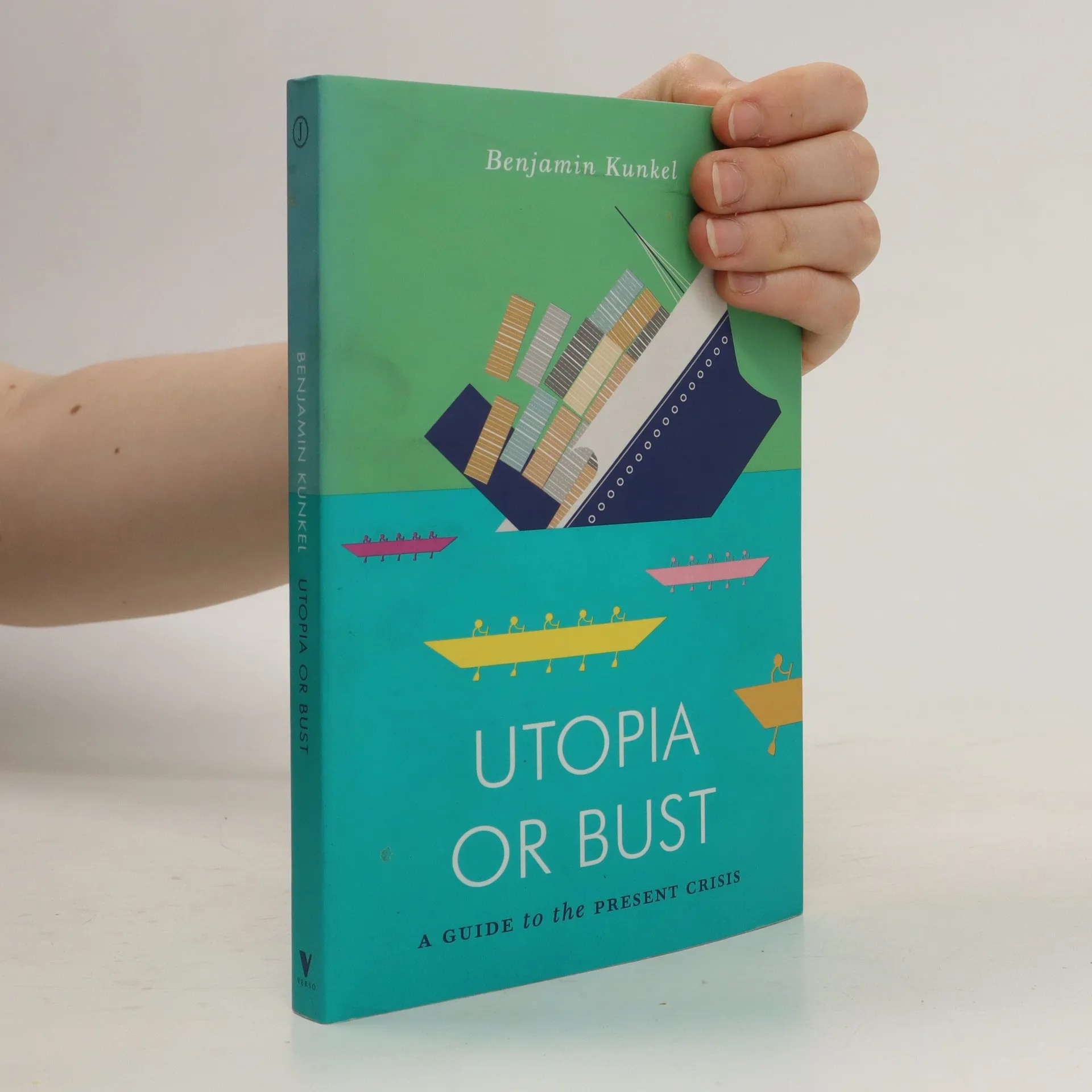
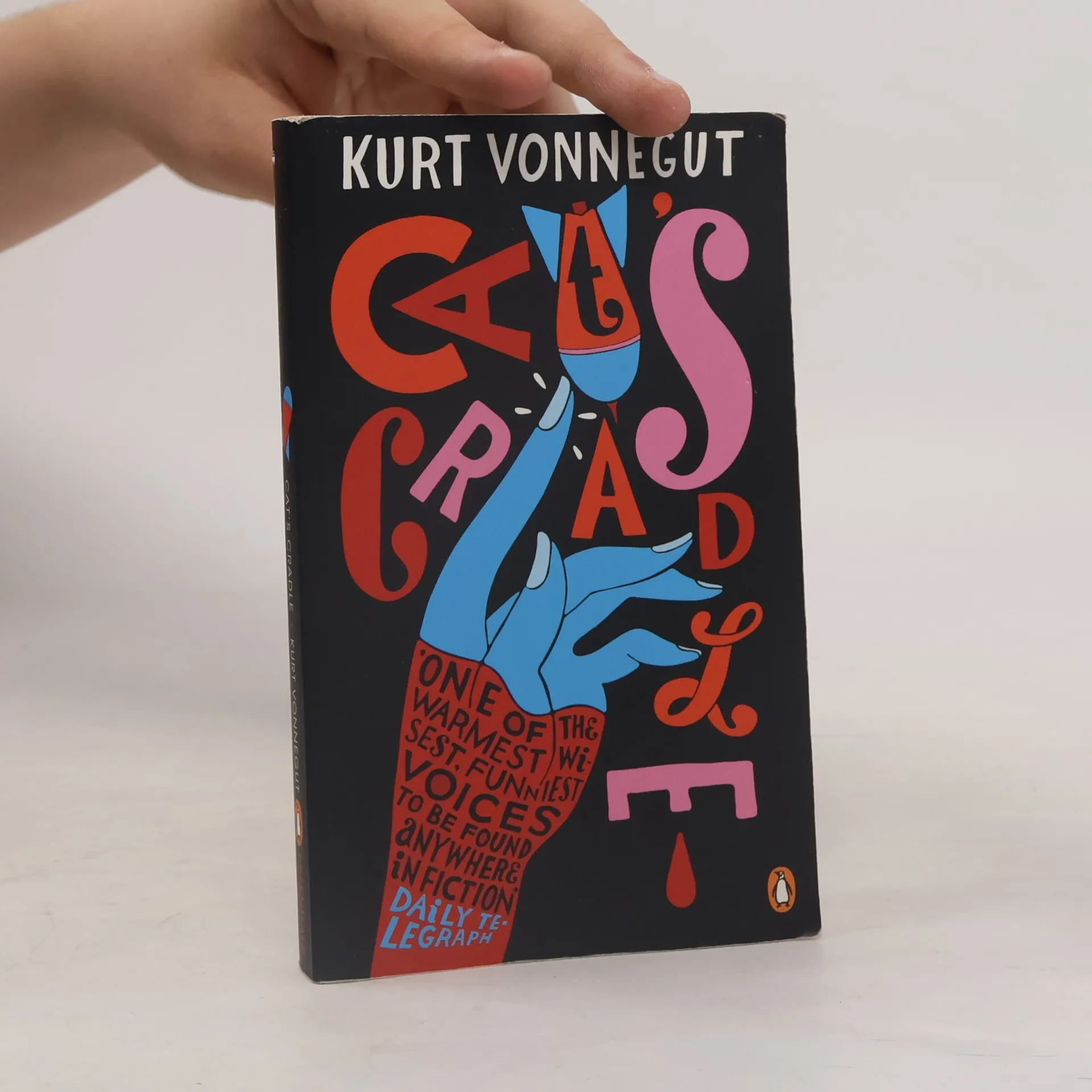
Benjamin Kunkel est un romancier américain dont l'œuvre explore les thèmes de l'accession à l'âge adulte et de la désillusion. Son écriture se caractérise par une observation perspicace et un regard satirique sur la société contemporaine, se concentrant souvent sur les élites intellectuelles et sociales. Le premier roman de Kunkel explore les complexités des relations et la recherche de sens dans le monde moderne. Son travail reflète une préoccupation pour les courants culturels et politiques de son époque.
In this novel, the author spatters the targets of religion and science as the hunt for the three children of Dr Felix Hoenikker, one of the fathers of the atomic bomb, draws towards the end that, forall of us, is nigh.
After the financial crash and the great recession, the media rediscovered Karl Marx, socialist theory, and the very idea that capitalism can be questioned. But in spite of the publicity, the main paths of contemporary critical thought have gone unexplored outside of the academy. Benjamin Kunkel’s Utopia or Bust leads readers – whether politically committed or simply curious – through the most important critical theory today. Written with the wit and verve of Kunkel’s best-selling novel, Indecision, this introduction to contemporary Leftist thinkers engages with the revolutionary philosophy of Slavoj Žižek, the economic analyses of David Graeber and David Harvey, and the cultural diagnoses of Fredric Jameson. Discussing the ongoing crisis of capitalism in light of ideas of full employment, debt forgiveness, and “fictitious capital,” Utopia or Bust is a tour through the world of Marxist thought and an examination of the basis of Western society today.
Dwight is only twenty-eight, but he's having a midlife crisis. Of course, living a dissolute, dorm like existence in a tiny apartment and working in tech support at Pfizer - are not especially conducive to wisdom. His biggest a chronic inability to make up his mind. Encouraged by one of his roommates, he swallows the first fateful pill.