
The Mitfords
- 834pages
- 30 heures de lecture
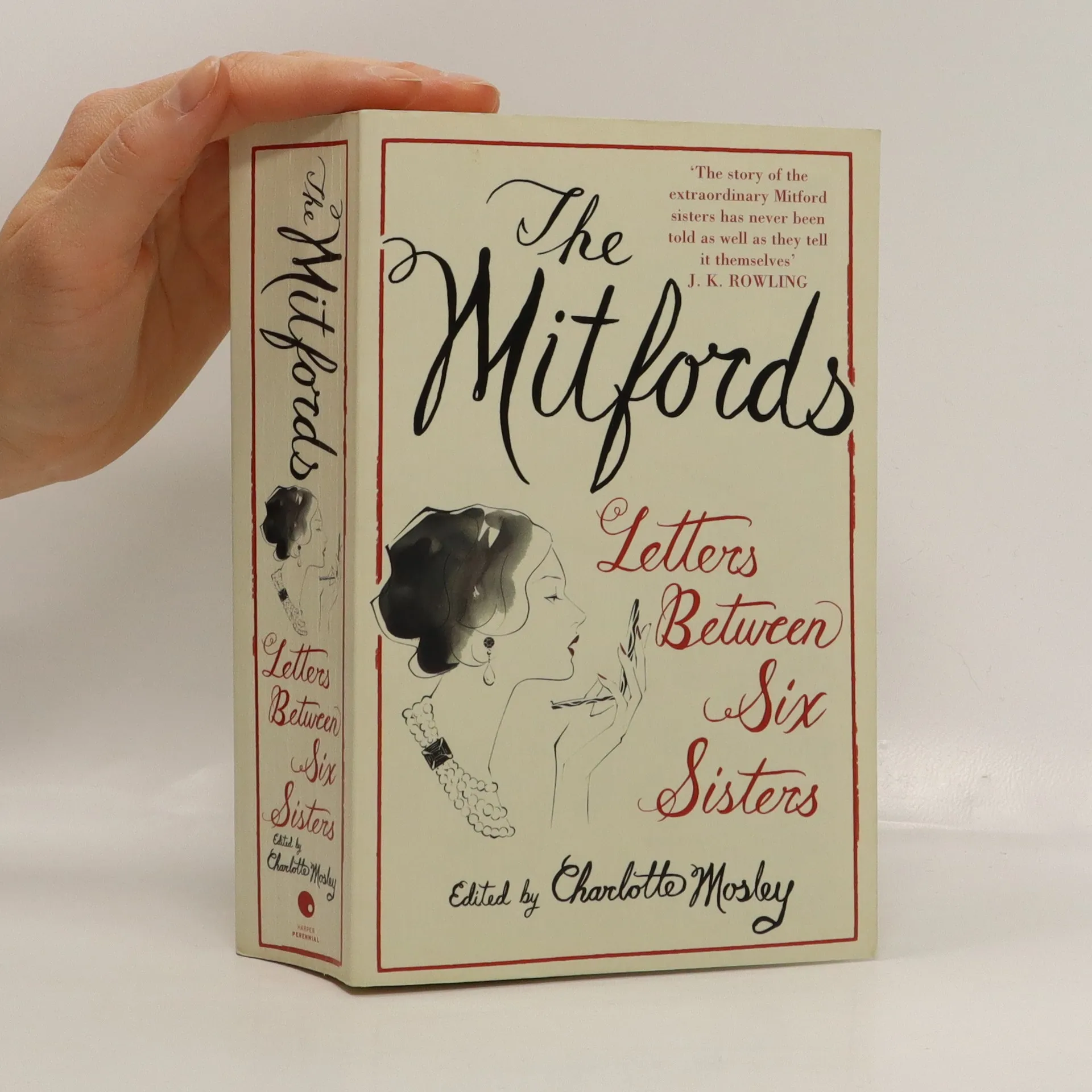
Carefree, revelatory and intimate, this selection of unpublished letters between the six legendary Mitford sisters, compiled by Diana Mitford's daughter-in-law, is alive with wit, passion and heartbreak.
Charlotte Mosley concentre ses efforts littéraires sur la préservation et la présentation de l'héritage durable de Nancy Mitford. En tant qu'éditrice et journaliste, elle sélectionne méticuleusement des essais et de la correspondance, offrant aux lecteurs un accès intime à la voix et à l'intellect distinctifs de Mitford. Le travail de Mosley met en lumière l'esprit et les observations perspicaces qui ont caractérisé les importantes contributions littéraires de Mitford. Grâce à ces efforts, elle veille à ce que la présence littéraire unique de Mitford continue de résonner auprès du public contemporain.


Carefree, revelatory and intimate, this selection of unpublished letters between the six legendary Mitford sisters, compiled by Diana Mitford's daughter-in-law, is alive with wit, passion and heartbreak.
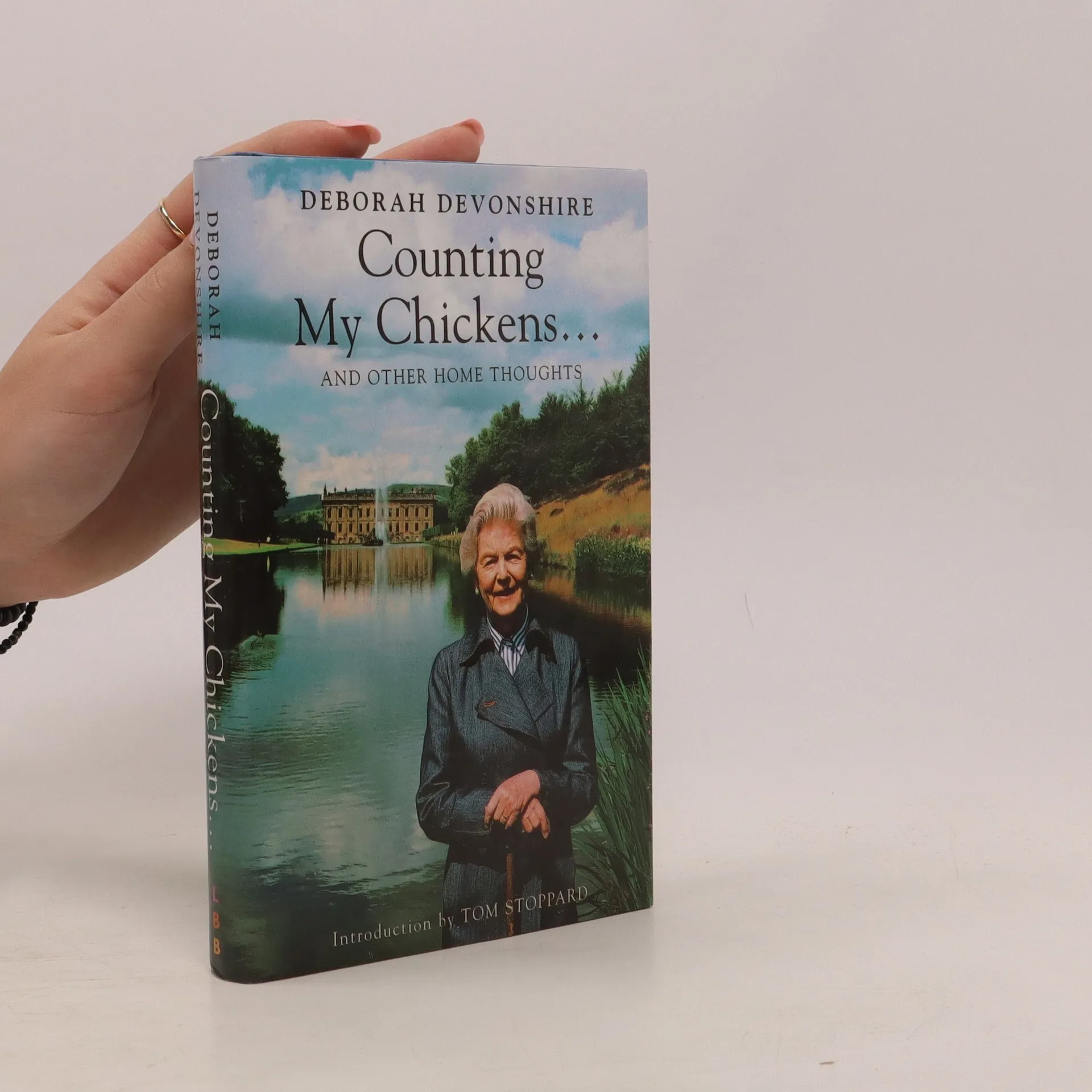
The Duchess of Devonshire is the sister of Nancy, Pamela, Tom, Diana, Unity and Jessica Mitford. Her books include The House: A Portrait of Chatsworth, The Estate: A View from Chatsworth, Treasures of Chatsworth, Farm Animals (for children) The Garden at Chatsworth. She is Past President of the Royal Agricultural Association of England and of The Royal Smithfield Club.In 1999 the Duchess was appointed a D.C.V.O. by Her Majesty the Queen. Sir Tom Stoppard O.M. is one of the worldâ__s greatest contemporary playwrights.
Diana Mitford's gripping autobiography: both Winston Churchill and Adolf Hitler adored her, and Evelyn Waugh and Oswald Mosley fell in love with her, yet she spent WWII in Holloway prison.
Edited by Charlotte Mosley
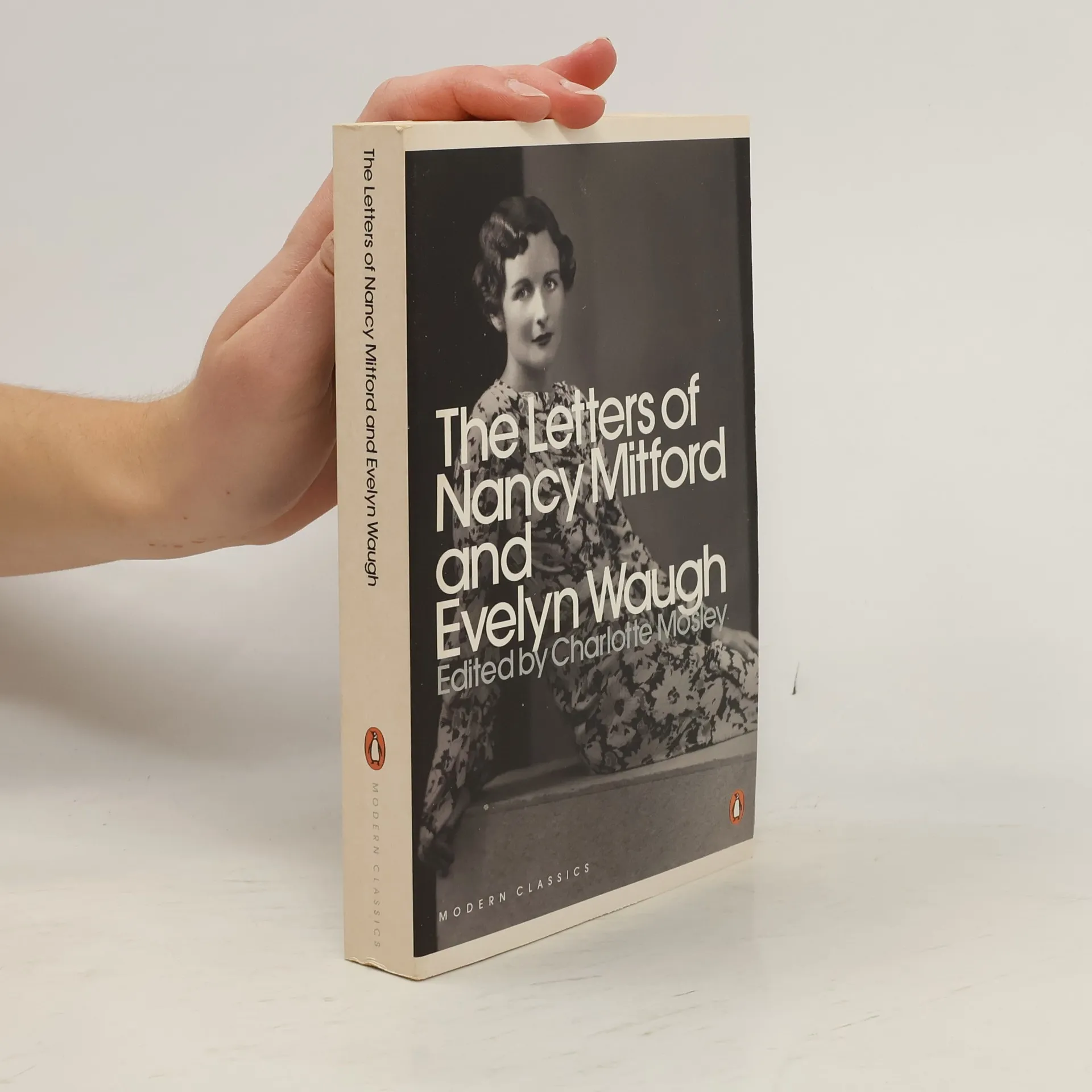
Nancy Mitford and Evelyn Waugh were two of the twentieth century's most amusing and gifted writers, who matched wits and traded literary advice in more than five hundred letters over twenty-two years. Dissecting their friends, criticizing each other's books and concealing their true feelings beneath a barrage of hilarious and knowing repartee, they found it far easier to conduct a friendship on paper than in person. This correspondence provides a colourful glimpse into the literary and social circles of London and Paris, during the Second World War and for twenty years after.