Pierre Rosenberg a consacré sa carrière à la recherche historico-artistique, se concentrant principalement sur les dessins et peintures français et italiens des XVIIe et XVIIIe siècles, ainsi que sur l'histoire de la collection. Sa production prolifique comprend des centaines d'articles dans des revues savantes majeures. Il a été conservateur, puis Directeur général du Louvre, laissant une marque significative dans le monde de l'art. Son expertise et son dévouement à l'art en font une figure éminente de l'histoire de l'art.
Recognized for its cultural significance, this work contributes to the foundational knowledge of civilization. It has been chosen by scholars for its importance in understanding historical and societal contexts, making it a valuable resource for those interested in the evolution of human thought and culture.
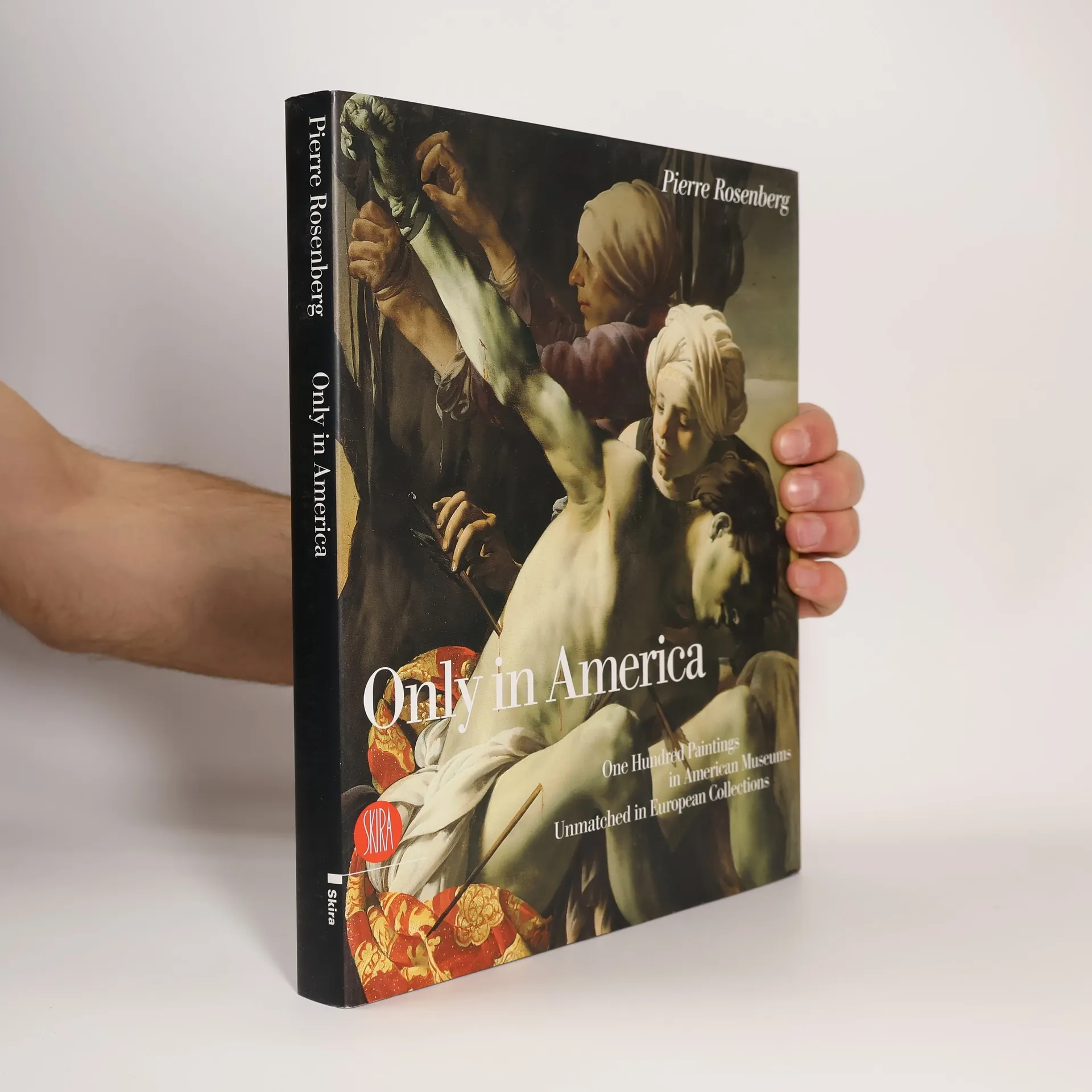
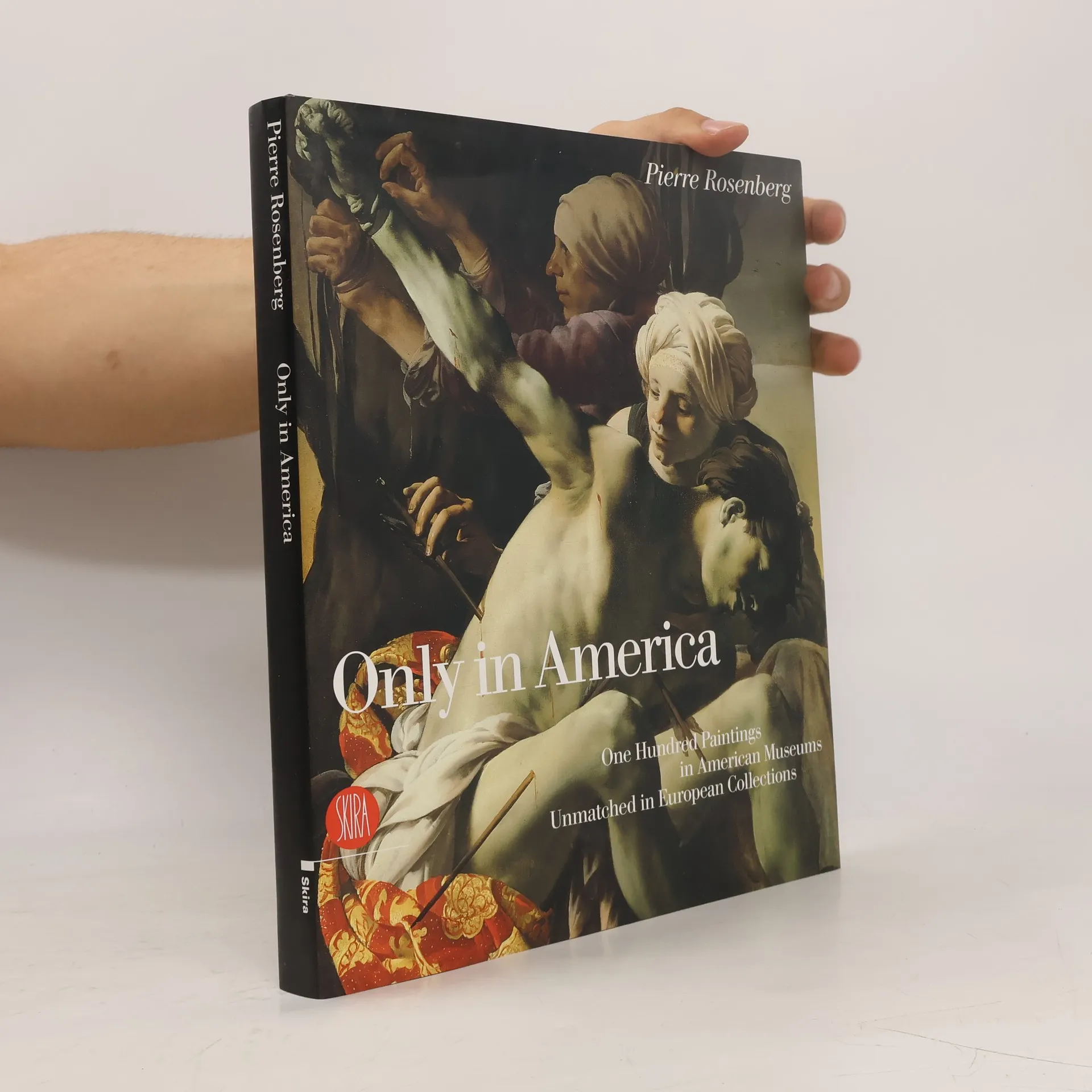
This book gathers together 100 paintings from every school from the 1400s to the early 1900s selected by the prominent art historian, ex-Director and current President of the Musée du Louvre, Pierre Rosenberg. American museums often have a work in their collections that has no equivalent in any European museum except in its country of origin. Rosenberg's selection of paintings is a personal, subjective and passionate one. In certain cases, his choice upholds that which is already time-honored and universally celebrated, and in others it draws attention to an exceptional work by an artist who is not. The author justifies his choices in the notes accompanying each of the paintings presented. As well as providing name of artist, title of work, dimensions and date, he addresses the provenance and conditions of its purchase and of its entry into the museum concerned. Quite apart from a selection that may prove debatable, this book aims to stimulate thought on the part of those who believe in the museum's dual function—educational and contemplative—and those who are inebriated by the scent of museums.
One Hundred Paintings in American Museums Unmatched in European Collections
248pages
9 heures de lecture
This book gathers together 100 paintings from every school from the 1400s to the early 1900s selected by the prominent art historian, ex-Director and current President of the Muse;e du Louvre, Pierre Rosenberg. American museums often have a work in their collections that has no equivalent in any European museum except in its country of origin. Rosenberg's selection of paintings is a personal, subjective and passionate one. In certain cases, his choice upholds that which is already time-honored and universally celebrated, and in others it draws attention to an exceptional work by an artist who is not. The author justifies his choices in the notes accompanying each of the paintings presented. As well as providing name of artist, title of work, dimensions and date, he addresses the provenance and conditions of its purchase and of its entry into the museum concerned. Quite apart from a selection that may prove debatable, this book aims to stimulate thought on the part of those who believe in the museum's dual function--educational and contemplative--and those who are inebriated by the scent of museums.
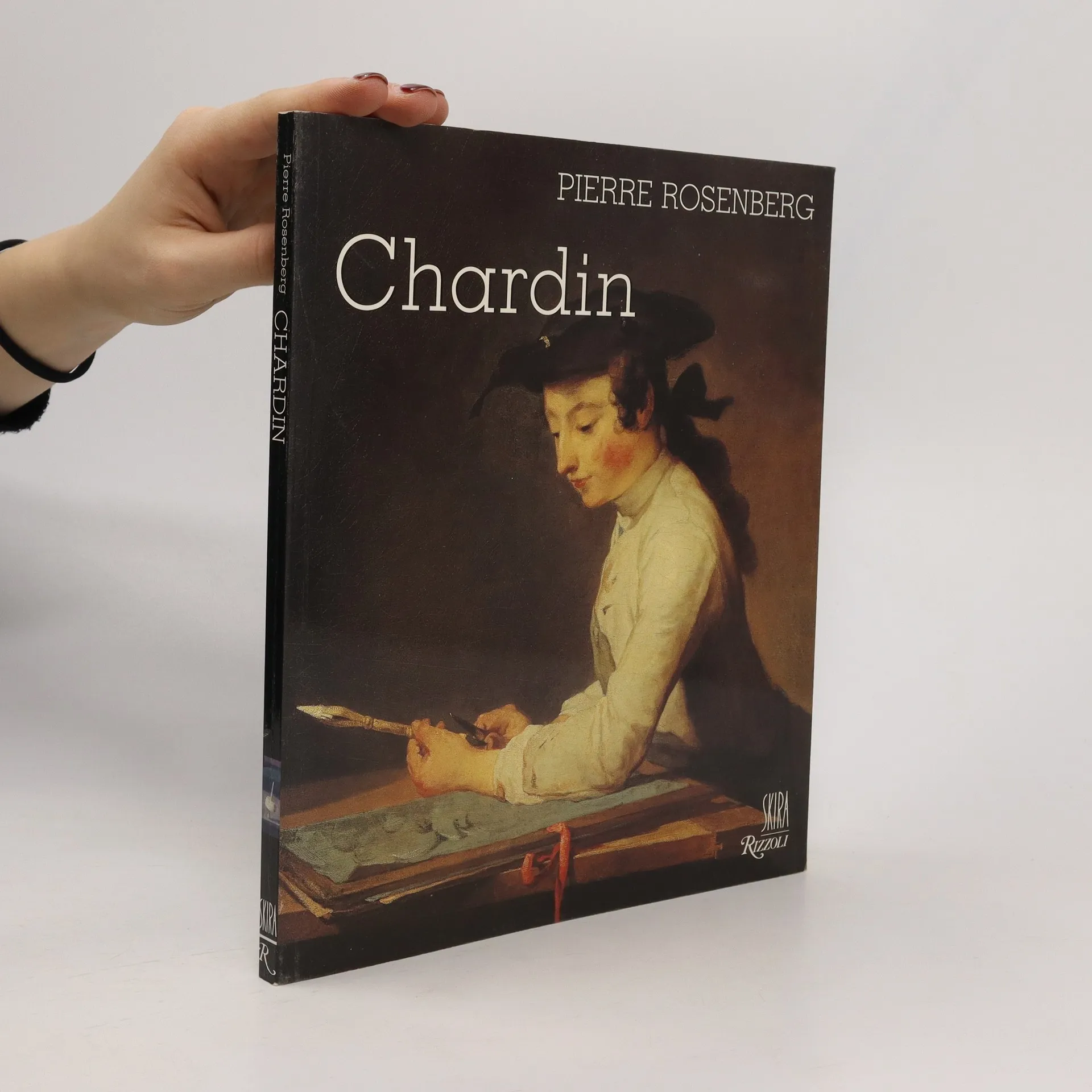
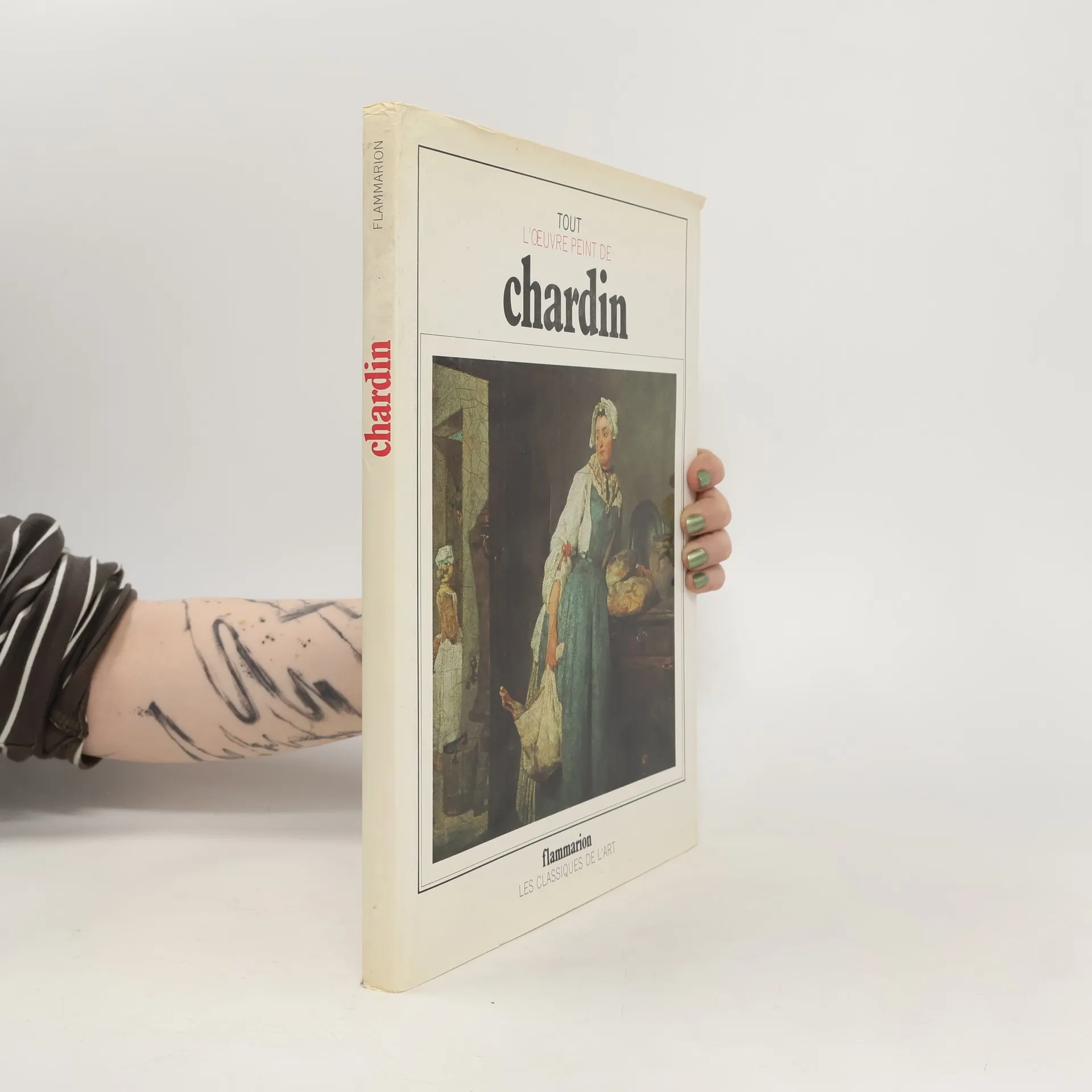
This new book explores Chardin's life and works, the development of his style, and his impact on later artists. It brings together his most influential paintings and pastels, as well as little-known works. Pierre Rosenberg, director of the Louvre and an authority on Chardin, and Helene Prigent have created a book that is a celebration of one of France's treasures.
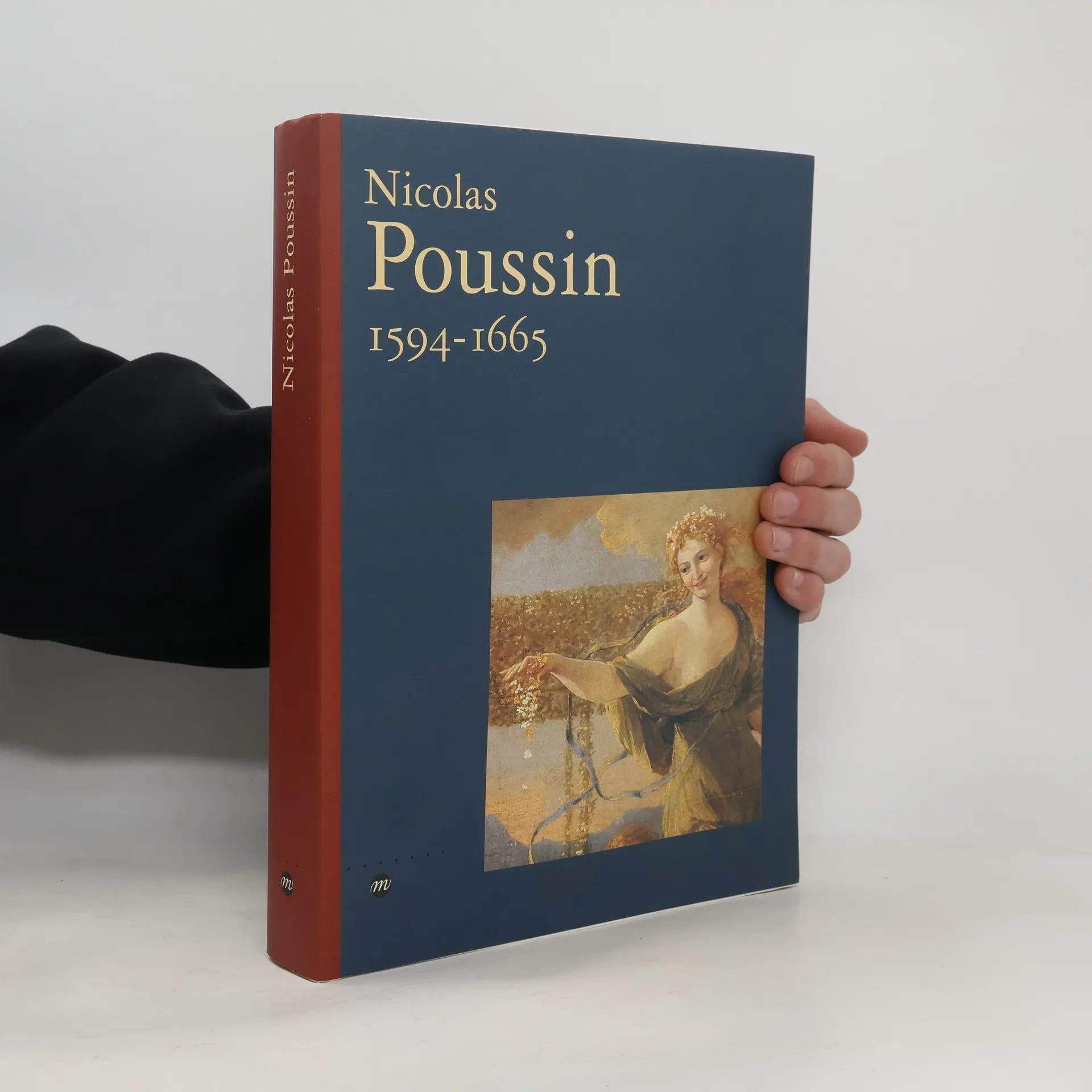
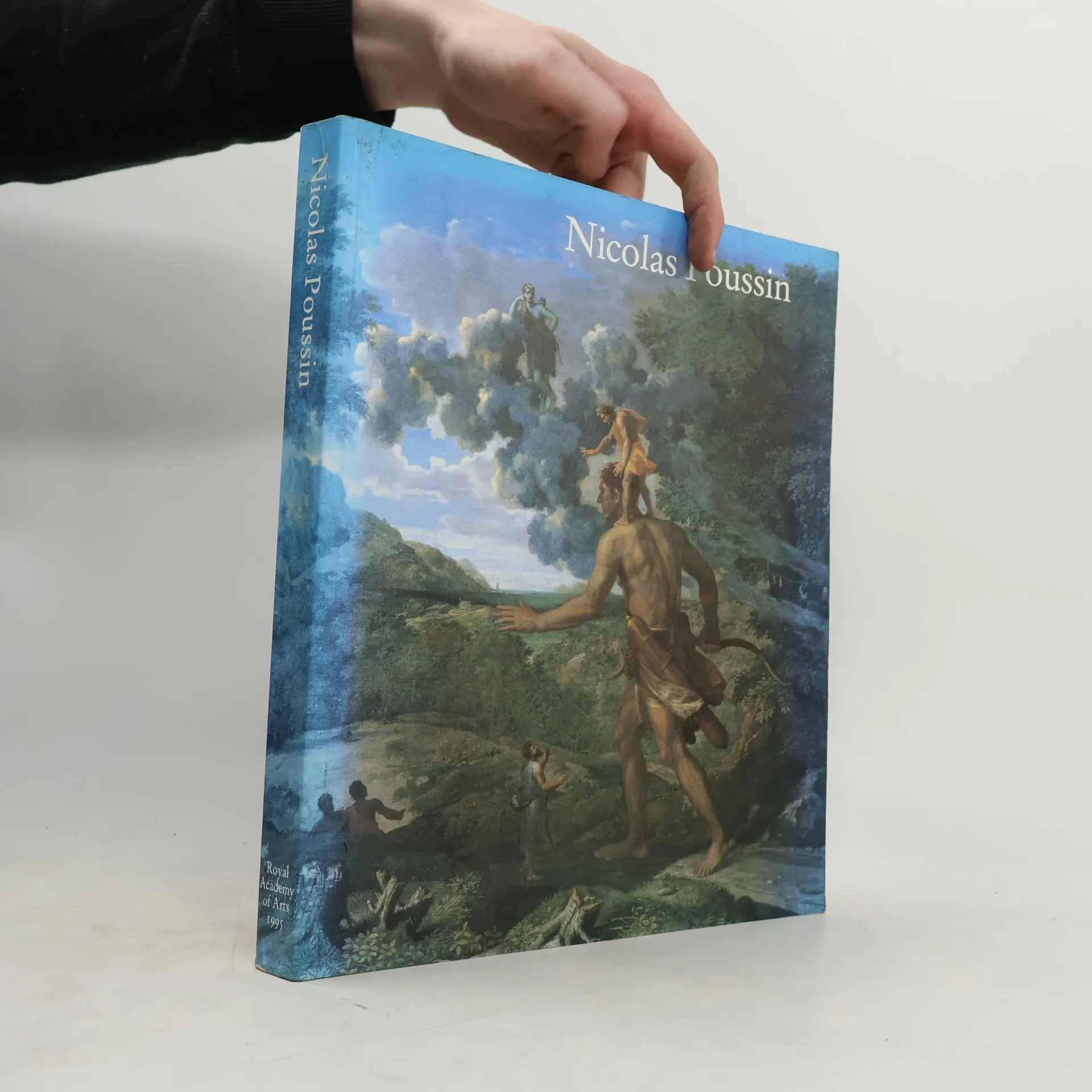
Nicolas Poussin (1594-1665) was the greatest French painter of the 17th century and one of the greatest painters of all time. His understanding of the art of antiquity and of the Italian Renaissance led him to create works of such sophistication, clarity, and discipline that they remained the model for all classicising artists up to Cezanne and even into our own century. Although Poussin's subject matter was largely religious and mythological, it derived from themes and preoccupations that were intensely personal in origin. At the same time, Poussin's study of the countryside around Rome laid the foundations for landscape paintings of heroic grandeur and lyrical beauty. This volume encompasses much recent research on Poussin and explores and clarifies an art that is fundamental to the Western classical tradition.
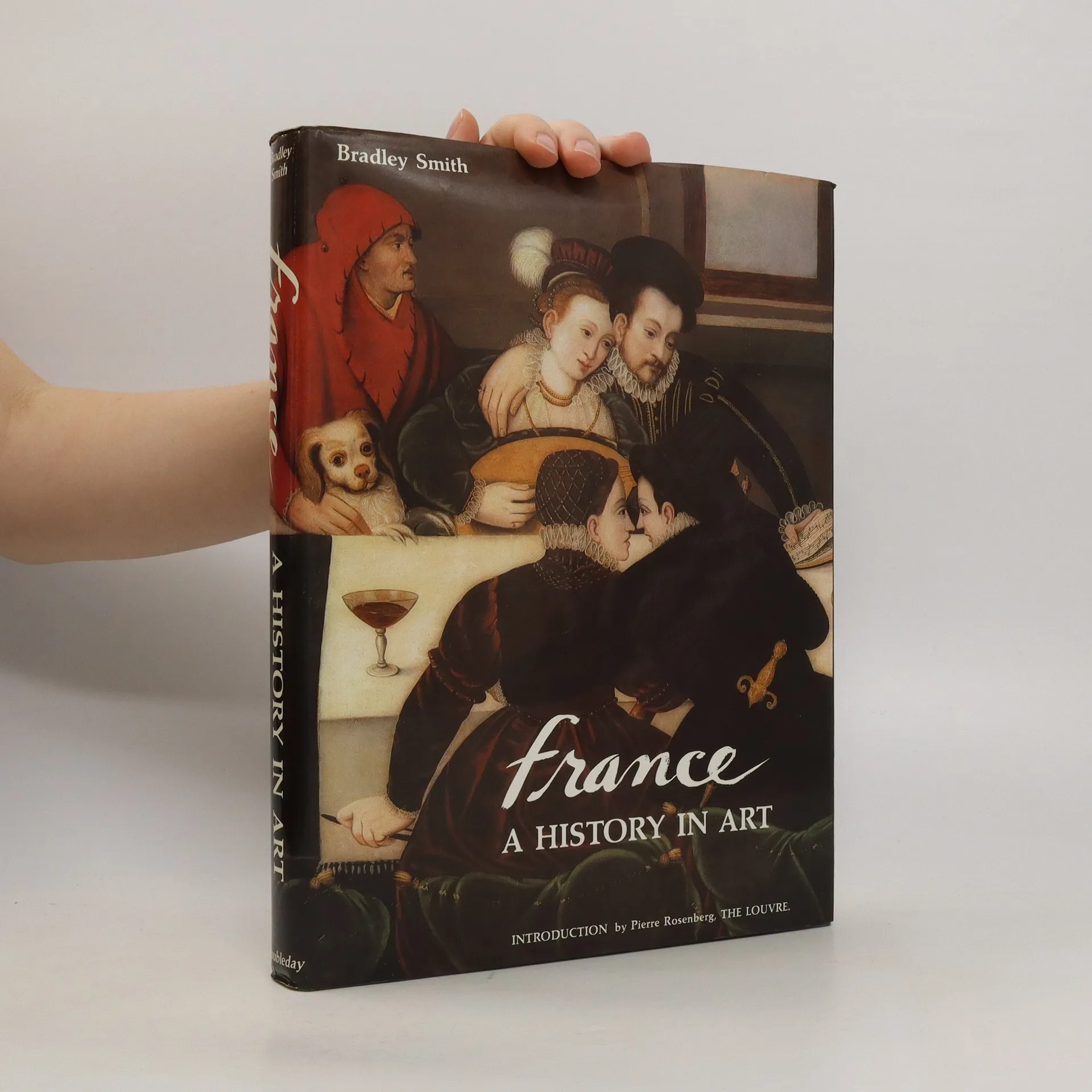
A panoramic history of French artistic traditions, ranging from the prehistoric cave paintings of Lascaux to the present, is highlighted by three hundred superb full-color reproductions
Rayon : Art Editeur : Flammarion Date de parution : 1983 Description : In-4, 128 pages, relié entoilé avec jaquette parfaite, occasion, très bon état. Envois quotidiens du mardi au samedi. Les commandes sont adressées sous enveloppes bulles. Photos supplémentaires de l'ouvrage sur simple demande. Réponses aux questions dans les 12h00. ATTENTION : Les expéditions de plus de 2 kilos se voient appliquer un supplément de port. Un envoi en Mondial Relay est possible en France et en Europe. IMPORTANT : Le service économique d'envoi de livres à l'international "livres et brochures" prendra fin au 1er juillet 2025. Clients internationaux, profitez des derniers mois de ce tarif très avantageux. N'hésitez pas à vous renseigner avant de passer commande. Librairie Le Piano-Livre. Merci. Référence catalogue X18833. Please let us know if you have any questions. Thanks
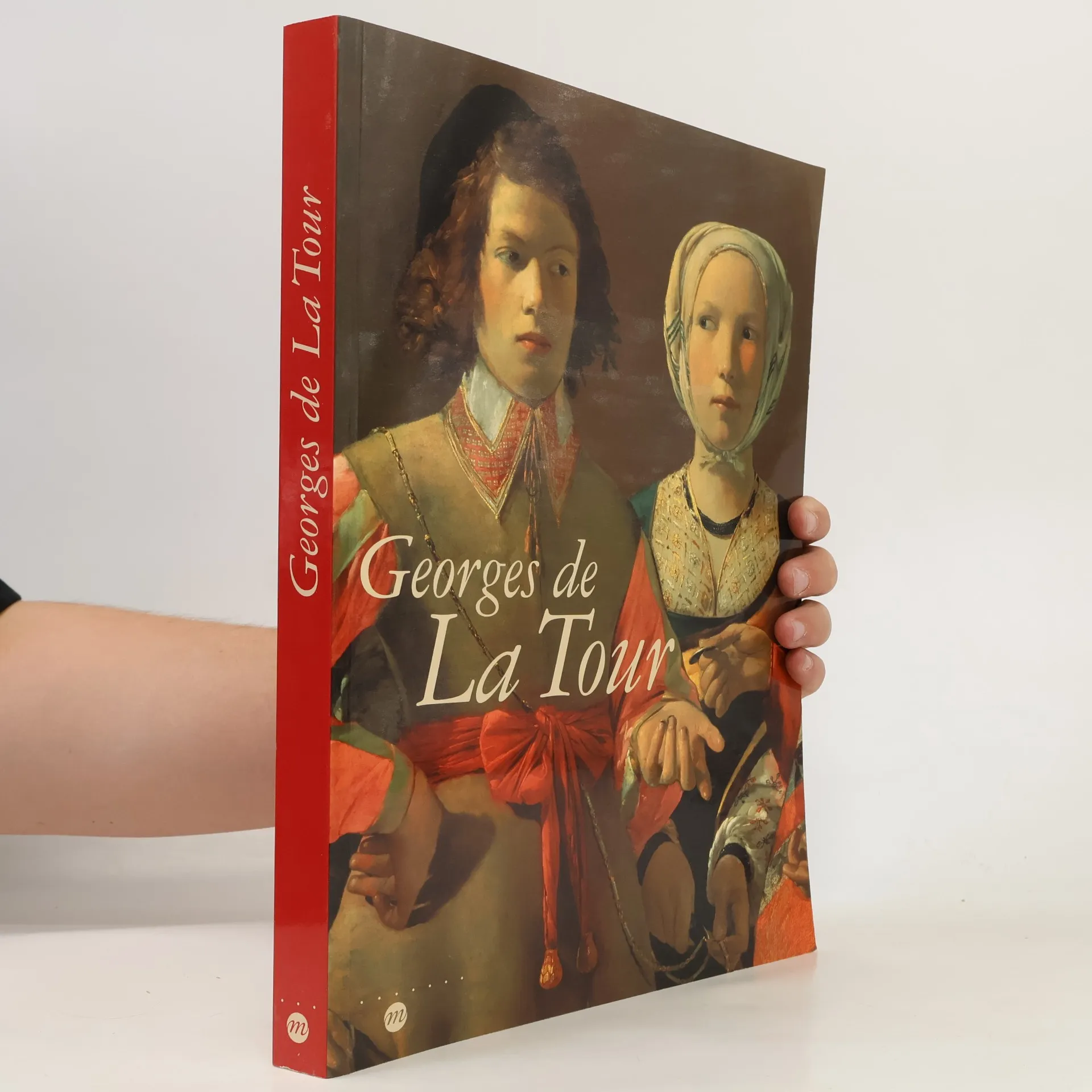
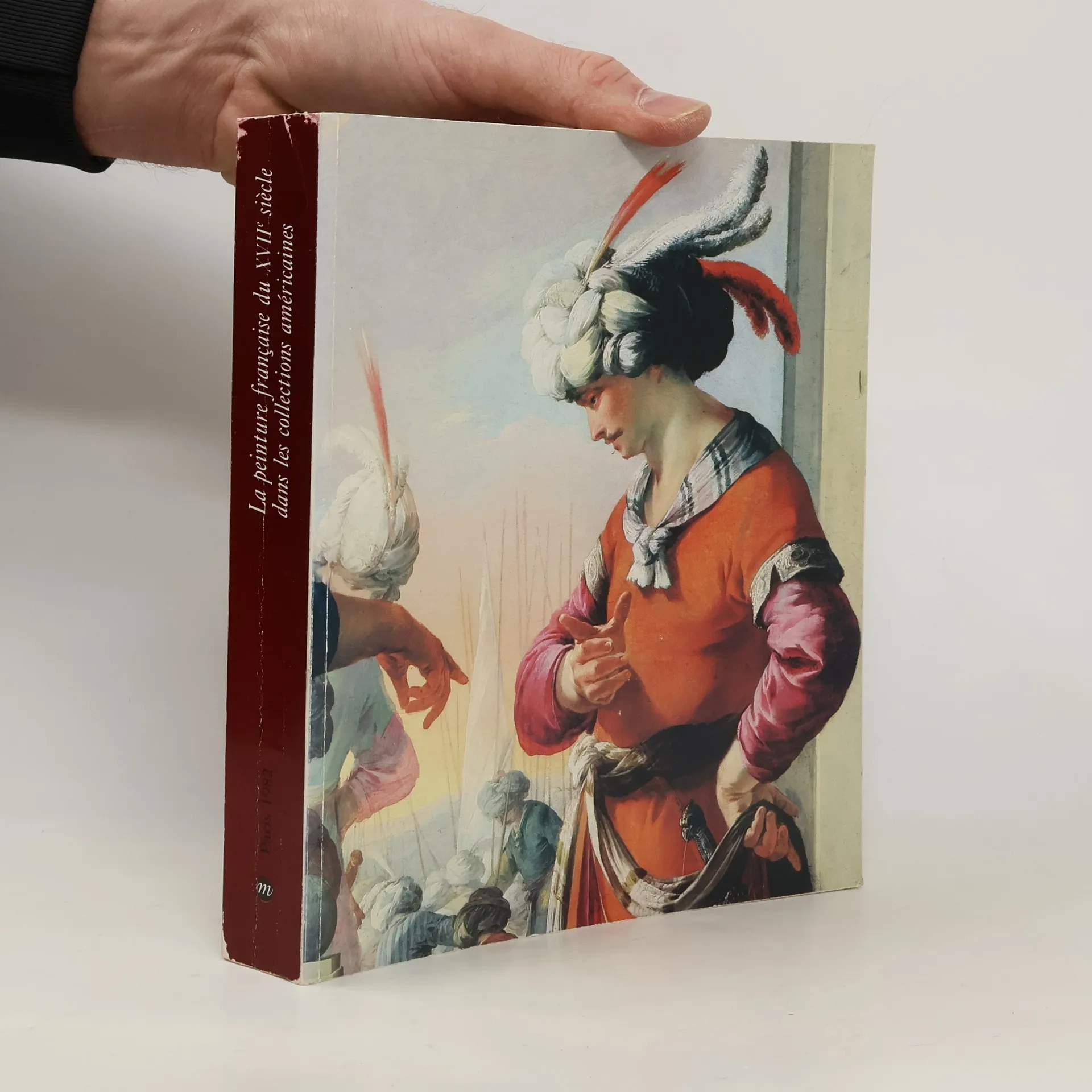
[exposition], Grand Palais, 29 janvier-30 avril 1979
427pages
15 heures de lecture
Rayon : Art Editeur : RMN Date de parution : 1979 Description : In-8, 428 pages, broché, occasion, très bon état. Envois quotidiens du mardi au samedi. Les commandes sont adressées sous enveloppes bulles. Photos supplémentaires de l'ouvrage sur simple demande. Réponses aux questions dans les 12h00. Librairie Le Piano-Livre. Merci. Référence catalogue 53568. Please let us know if you have any questions. Thanks





![Georges de la Tour [LaTour]](https://rezised-images.knhbt.cz/1920x1920/89855137.webp)