

Bookbot

Adriana Hunter

    Adriana Hunter écrit de la romance érotique, mettant souvent en scène des héroïnes pulpeuses. Elle adore créer des histoires mettant en scène des mâles alpha puissants et dominants, des milliardaires romantiques et parfois de la romance érotique paranormale, parfaites pour la lecture au coucher.

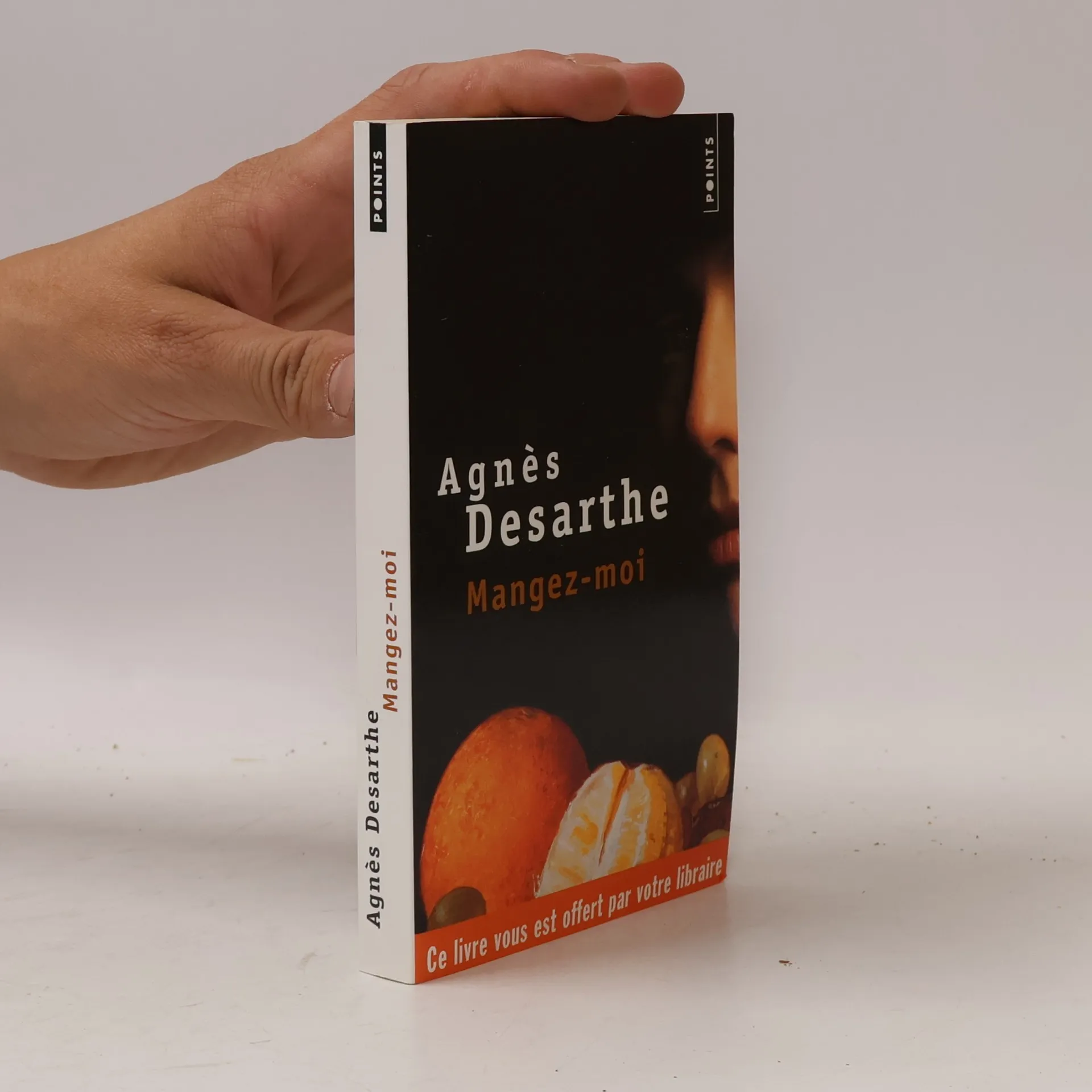
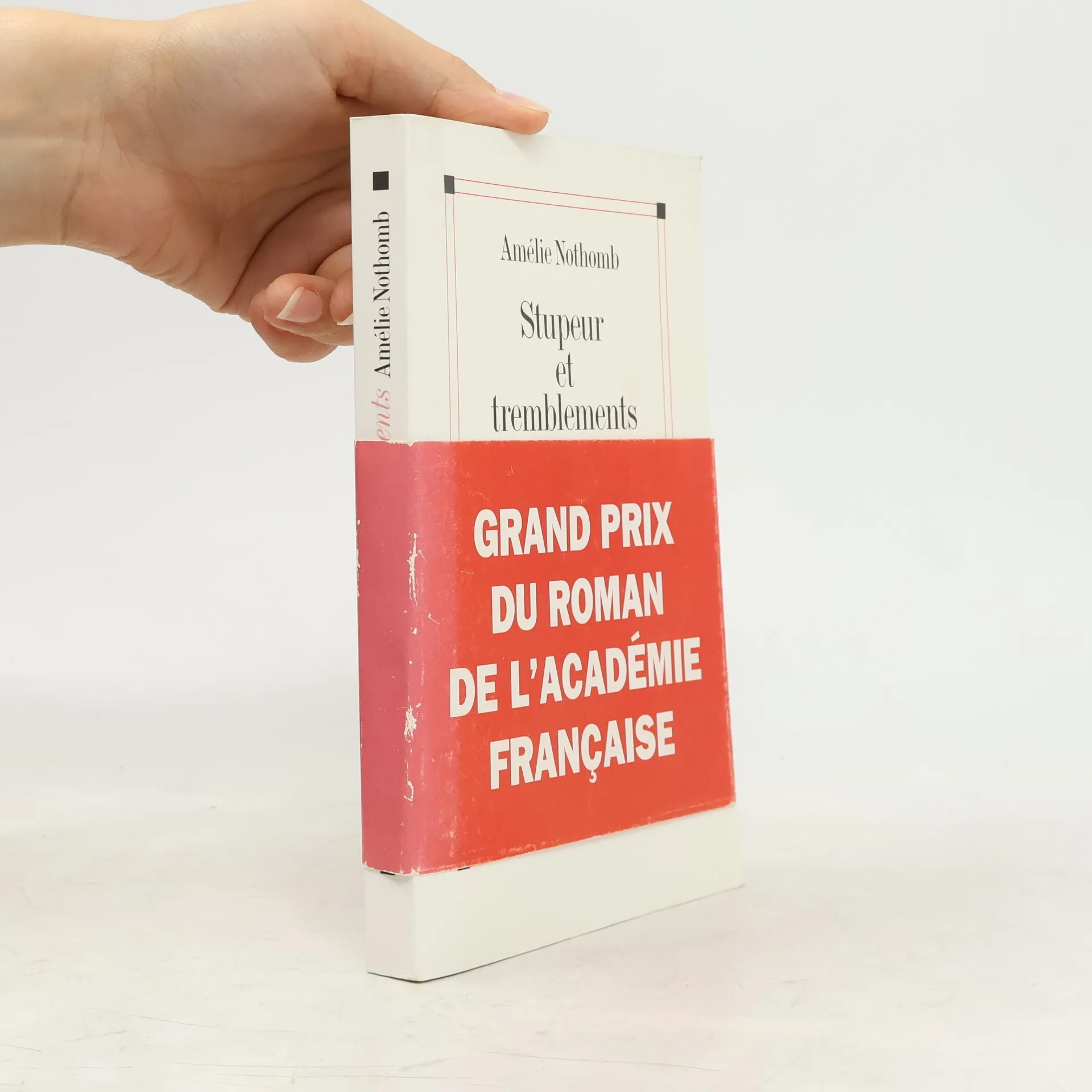
    Stupeur et tremblements
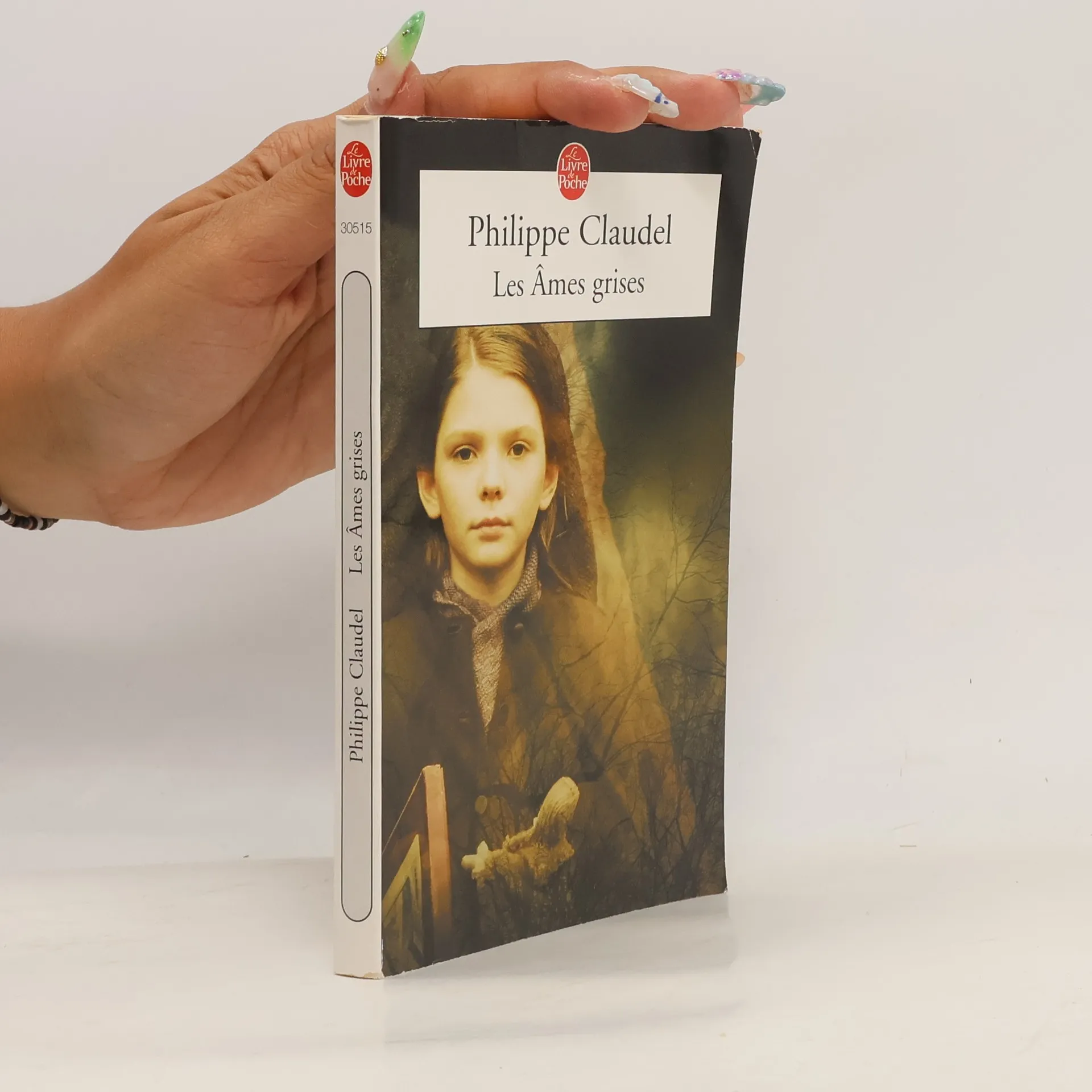
    Les âmes grises
    Heart, The: Frida Kahlo In Paris
    Back To Japan
    I Just Wanted To Save My Family
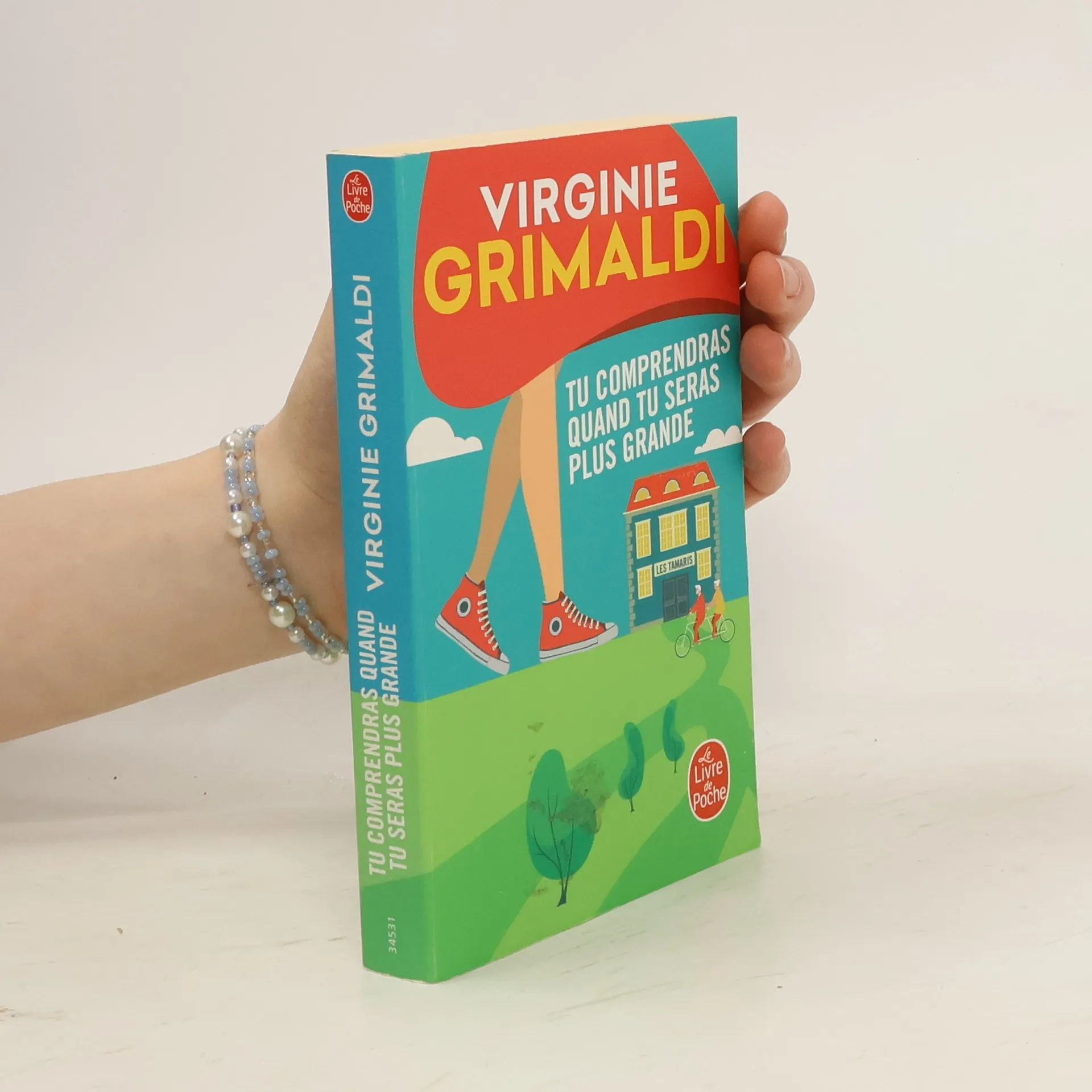
    Tu comprendras quand tu seras plus grande
    • "Quand Julia débarque comme psychologue à la maison de retraite Les Tamaris, elle ne croit plus guère au bonheur. Une fois sur place, elle se souvient aussi qu'elle ne déborde pas d'affection pour les personnes âgées. Dire qu'elle a tout plaqué pour se sauver, dans tous les sens du terme. Mais au fil des jours, la jeune femme découvre que les pensionnaires ont des choses à lui apprendre. Son quotidien avec des papys farceurs, des mamies fantaisistes et des collègues au cœur brisé lui réserve des surprises qui pourraient bien l'aider à retrouver le sourire. Sans oublier Raphaël, le petit-fils d'une résidente, qui ne lui est pas indifférent... Une histoire de résilience, d'amour, d'amitiés, un livre plein d'humour et d'humanité, qui donne envie de savourer les petites joies de l'existence."
      Tu comprendras quand tu seras plus grande
    • The timely, powerful memoir of a man unjustly charged with a crime for helping his relatives, refugees from Syria. For trying to save his in-laws, who were fleeing certain death in Syria, Stéphan Pélissier was threatened with fifteen years in prison by the Greek justice system, which accused him of human smuggling. His crime? Having gone to search for the parents, brother, and sister of his wife, Zéna, in Greece rather than leaving them to undertake a treacherous journey by boat to Italy. Their joy on finding each other quickly turned into a nightmare: Pélissier was arrested as a result of a missing car registration and thrown into prison. Although his relatives were ultimately able to seek asylum—legally—in France, Pélissier had to fight to prove his innocence, and to uphold the values of common humanity and solidarity in which he so strongly believes. I Just Wanted to Save My Family offers a heartrending window into the lives of those displaced by the Syrian civil war and a scathing critique of the often absurd, unfeeling bureaucracies that determine their fates.

      I Just Wanted To Save My Family
    • Bustle: Best Book of the Month From the critically acclaimed author of The Heart: Frida Kahlo in Paris, a fascinating, intimate portrait of one of Japan’s most influential and respected textile artists. Writer, filmmaker, and photographer Marc Petitjean finds himself in Kyoto one fine morning with his camera, to film a man who will become his friend: Kunihiko Moriguchi, a master kimono painter and Living National Treasure—like his father before him. As a young decorative arts student in the 1960s, Moriguchi rubbed shoulders with the cultural elite of Paris and befriended Balthus, who would profoundly influence his artistic career. Discouraged by Balthus from pursuing design in Europe, he returned to Japan to take up his father’s vocation. Once back in this world of tradition he had tried to escape, Moriguchi contemporized the craft of Yūzen (resist dyeing) through his innovative use of abstraction in patterns. With a documentarian’s keen eye, Petitjean retraces Moriguchi’s remarkable life, from his childhood during the turbulent 1940s and 50s marked by war, to his prime as an artist with works exhibited in the most prestigious museums in the world.

      Back To Japan
    • Heart, The: Frida Kahlo In Paris

      • 224pages
      • 8 heures de lecture
      3,6(27)Évaluer

      This intimate account offers a new, unexpected understanding of the artist’s work and of the vibrant 1930s surrealist scene. In 1938, just as she was leaving Mexico for her first solo exhibition in New York, Frida Kahlo was devastated to learn from her husband, Diego Rivera, that he intended to divorce her. This latest blow followed a long series of betrayals, most painful of all his affair with her beloved younger sister, Cristina, in 1934. In early 1939, anxious and adrift, Kahlo traveled from the United States to France—her only trip to Europe, and the beginning of a unique period of her life when she was enjoying success on her own. Now, for the first time, this previously overlooked part of her story is brought to light in exquisite detail. Marc Petitjean takes the reader to Paris, where Kahlo spends her days alongside luminaries such as Pablo Picasso, André Breton, Dora Maar, and Marcel Duchamp. Using Kahlo’s whirlwind romance with the author’s father, Michel Petitjean, as a jumping-off point, The Heart: Frida Kahlo in Paris provides a striking portrait of the artist and an inside look at the history of one of her most powerful, enigmatic paintings.

      Heart, The: Frida Kahlo In Paris
    • Les âmes grises

      • 284pages
      • 10 heures de lecture
      3,8(1302)Évaluer

      "Elle ressemblait ainsi à une très jeune princesse de conte, aux lèvres bleuies et aux paupières blanches. Ses cheveux se mêlaient aux herbes roussies par les matins de gel et ses petites mains s'étaient fermées sur du vide. Il faisait si froid ce jour-là que les moustaches de tous se couvraient de neige à mesure qu'ils soufflaient l'air comme des taureaux. On battait la semelle pour faire revenir le sang dans les pieds. Dans le ciel, des oies balourdes traçaient des cercles. Elles semblaient avoir perdu leur route. Le soleil se tassait dans son manteau de brouillard qui peinait à s'effilocher. On n'entendait rien. Même les canons semblaient avoir gelé. - C'est peut-être enfin la paix... hasarda Grosspeil. - La paix mon os ! lui lança son collègue, qui rabattit la laine trempée sur le corps de la fillette."

      Les âmes grises
    • Stupeur et tremblements

      • 186pages
      • 7 heures de lecture
      3,7(876)Évaluer

      Au début des années 90, la narratrice est embauchée par Yumimoto, une puissante firme japonaise. Elle va découvrir à ses dépens l'implacable rigueur de l'autorité d'entreprise, en même temps que les codes de conduite, incompréhensibles au profane, qui gouvernent la vie, sociale au pays du Soleil levant. D'erreurs en maladresses et en échecs, commence alors pour elle, comme dans un mauvais rêve, la descente inexorable dans les degrés de la hiérarchie, jusqu'au rang de surveillante des toilettes, celui de l'humiliation dernière. Une course absurde vers l'abîme - image de la vie -, où l'humour percutant d'Amélie Nothomb fait mouche à chaque ligne. Entre le rire et l'angoisse, cette satire des nouveaux despotismes aux échos kafkaïens a conquis un immense public et valu à l'auteur d'Hygiène de l'assassin le Grand Prix du roman de l'Académie française en 1999

      Stupeur et tremblements
    • The Heart: Frida Kahlo In Paris

      • 208pages
      • 8 heures de lecture
      3,4(534)Évaluer

      This intimate account offers a new, unexpected understanding of the artist’s work and of the vibrant 1930s surrealist scene. In 1938, just as she was leaving Mexico for her first solo exhibition in New York, Frida Kahlo was devastated to learn from her husband, Diego Rivera, that he intended to divorce her. This latest blow followed a long series of betrayals, most painful of all his affair with her beloved younger sister, Cristina, in 1934. In early 1939, anxious and adrift, Kahlo traveled from the United States to France—her only trip to Europe, and the beginning of a unique period of her life when she was enjoying success on her own. Now, for the first time, this previously overlooked part of her story is brought to light in exquisite detail. Marc Petitjean takes the reader to Paris, where Kahlo spends her days alongside luminaries such as Pablo Picasso, André Breton, Dora Maar, and Marcel Duchamp. Using Kahlo’s whirlwind romance with the author’s father, Michel Petitjean, as a jumping-off point, The Heart: Frida Kahlo in Paris provides a striking portrait of the artist and an inside look at the history of one of her most powerful, enigmatic paintings.

      The Heart: Frida Kahlo In Paris
    • New York Times Bestselling and Goncourt Prize-Winning Author of The Anomaly Any man—or woman—who wants to hear nothing—or no more—about love should put this book down. Anna and Louise could be sisters, but they don’t know each other. They are both married with children, and for the most part, they are happy. On almost the same day, Anna, a psychiatrist, crosses paths with Yves, a writer, while Louise, a lawyer, meets Anna’s analyst, Thomas. Love at first sight is still possible for those into their forties and long-married. But when you have already mapped out a life path, a passionate affair can come at a high price. For our four characters, their lives are unexpectedly turned upside down by the deliciously inconvenient arrival of love. For Anna, meeting Yves has brought a flurry of excitement to her life and made her question her values, her reliable husband, and her responsibilities to her children. For Louise, a successful career woman in a stable and comfortable marriage, her routine is uprooted by the youthful passion she feels for Thomas. Thought-provoking, sophisticated, and, above all, amusing, Enough About Love captures the euphoria of desire through tender and unflinching portraits of husbands, wives, and lovers.

      Enough About Love
    • Camille Pissarro

      The Audacity of Impressionism

      • 320pages
      • 12 heures de lecture

      Exploring the life of Camille Pissarro, the book delves into how his Jewish heritage influenced his artistic journey. As a pivotal figure in Impressionism, Pissarro maintained close ties with renowned artists like Monet and Van Gogh while grappling with feelings of alienation due to his Caribbean origins and Jewish background. Despite his atheism and avoidance of political themes in his art, his lineage shaped his perspective. Anka Muhlstein presents a detailed and personal portrayal, enriched by Pissarro's artwork and correspondence, highlighting his commitment to artistic freedom.

      Camille Pissarro
    • Enero de 1939. Frida Kahlo llega a París. André Breton, deslumbrado por sus primeros cuadros, la ha calificado de surrealista y le ha prometido montarle una exposición. La breve estancia de la pintora en la capital francesa sirve para que conozca –y critique ferozmente– los círculos artísticos de la ciudad. También, para exponer en una galería y para que Picasso reconozca su talento único y escriba a Diego Rivera: “Ni tú ni Derain ni yo somos capaces de pintar una cara como las que pinta Frida Kahlo de Rivera”. Corren tiempos difíciles, la guerra civil española se desangra en refugiados que intentan cobijarse en Francia, y en esas semanas, asimismo, Frida ayuda a la causa. Durante su estancia en París es acompañada por Michel Petitjean, el enlace con la galería, al que regala como despedida uno de sus cuadros: El corazón. La obra ocupa un lugar de honor en casa del joven, que siempre recordará con admiración a la artista. Años después Marc Petitjean, hijo de Michel, recibe una inesperada noticia sobre su padre y decide investigar esas vibrantes semanas con Frida Kahlo. Aquella que en su día asegurara a Breton, el Papa del Surrealismo: “Yo no pinto mis sueños, sino mi propia realidad”.

      El Corazón de Frida Kahlo En París