"A revelatory history of the transformational decade after World War II when Germany raised itself out of the ashes of defeat, turned away from fascism, and reckoned with the corruption of its soul, and the horrors of the Holocaust"--
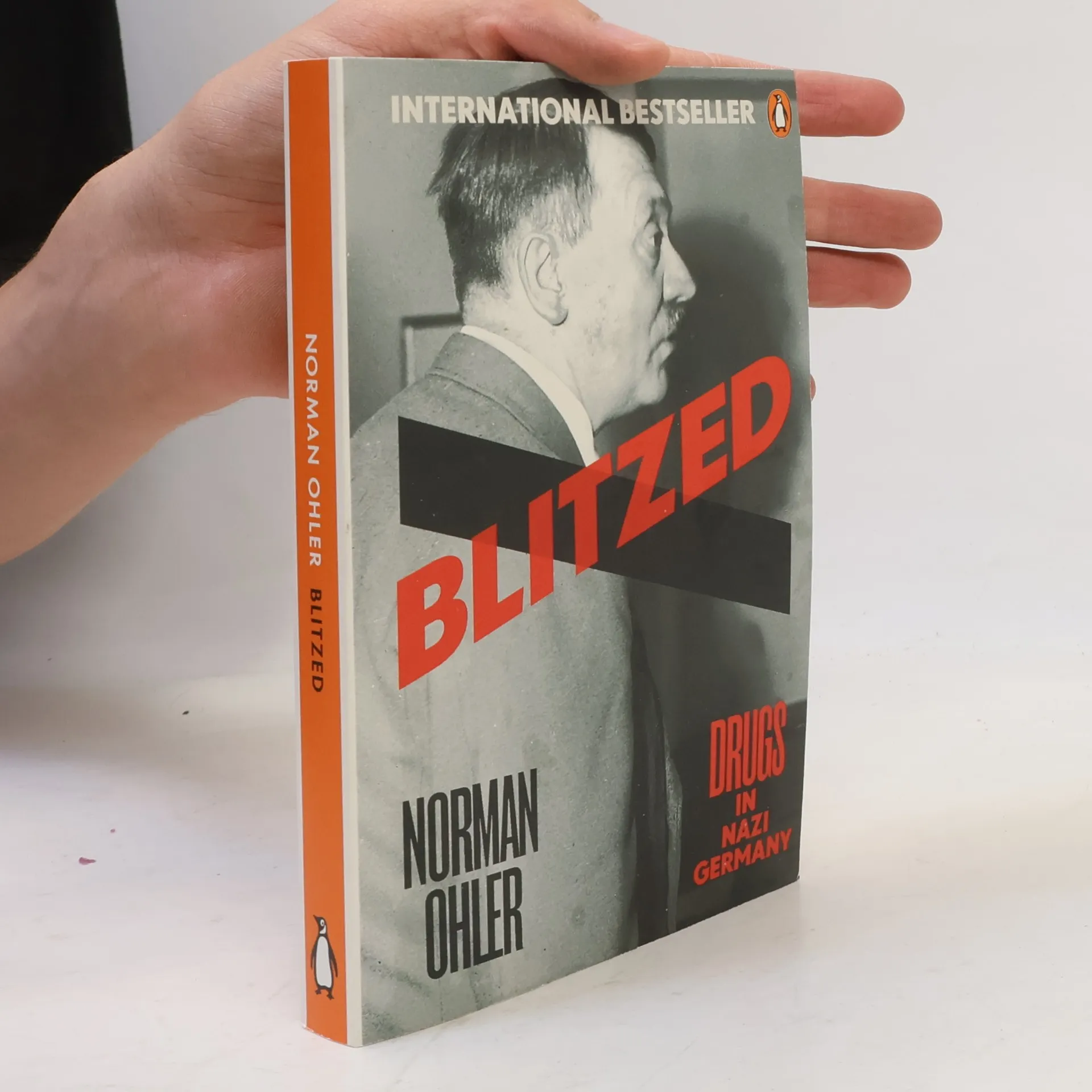
THE INTERNATIONAL BESTSELLER 'The most brilliant and fascinating book I have read in my entire life' Dan Snow 'A huge contribution... remarkable' Antony Beevor, BBC RADIO 4 'Extremely interesting ... a serious piece of scholarship, very well researched' Ian Kershaw The Nazis presented themselves as warriors against moral degeneracy. Yet, as Norman Ohler's gripping bestseller reveals, the entire Third Reich was permeated with drugs: cocaine, heroin, morphine and, most of all, methamphetamines, or crystal meth, used by everyone from factory workers to housewives, and crucial to troops' resilience - even partly explaining German victory in 1940. The promiscuous use of drugs at the very highest levels also impaired and confused decision-making, with Hitler and his entourage taking refuge in potentially lethal cocktails of stimulants administered by the physician Dr Morell as the war turned against Germany. While drugs cannot on their own explain the events of the Second World War or its outcome, Ohler shows, they change our understanding of it. Blitzed forms a crucial missing piece of the story.
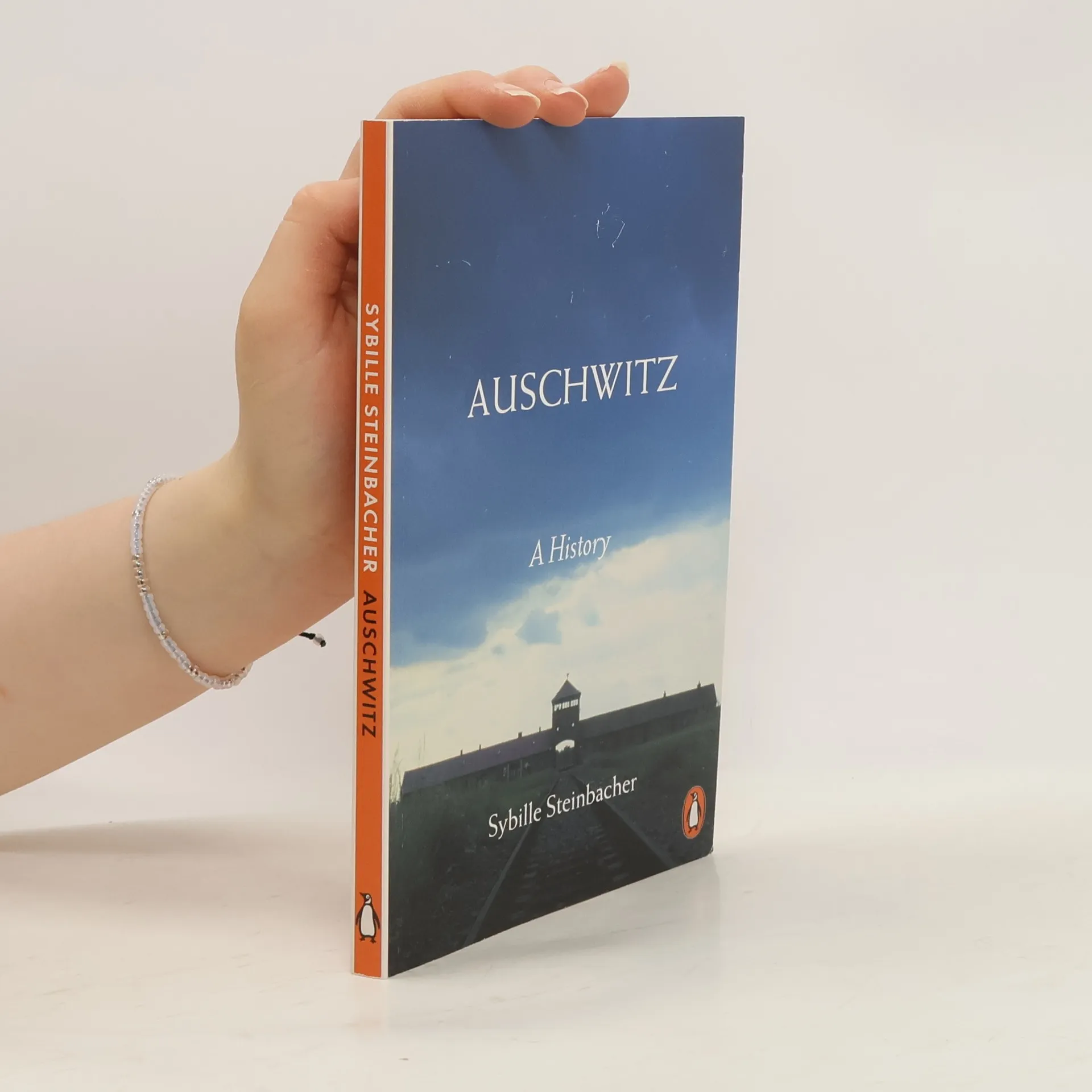
At the terrible heart of the modern age lies Auschwitz. In a total inversion
of earlier hopes about the use of science and technology to improve, extend
and protect human life, Auschwitz manipulated the same systems to quite
different ends. In Sybille Steinbacher's terse, powerful new book, the reader
is led through the process by which something unthinkable to any European in
the 1930s had become a sprawling, industrial reality during the course of the
world war. How Auschwitz grew and mutated into an entire dreadful city, how
both those who managed it and those who were killed by it came to be in Poland
in the 1940s, and how it was allowed to happen, is something everyone needs to
understand.
Été 1968. Une jeune journaliste américaine veut percer l'énigme des accords de Munich. Elle obtient, presque par miracle, de rencontrer le dernier survivant du 29 septembre 1938, Édouard Daladier. L'ancien président du Conseil, que l'on croyait mort, vit reclus dans une cabane de pêcheur, au bord du Rhône. Il est un fantôme, le fantôme de Munich. Il se laisse convaincre par la jeune fille. Il va ouvrir son âme et ses archives. Et grâce à lui, on vit, en temps réel et les nerfs à vif, ce "traquenard métaphysique" où la France a donné en pâture la République tchèque, pour avoir la paix, si illusoirement. Le Fantôme de Munich est une plongée dans l'Histoire, un voyage singulier qui donne au lecteur la sensation vertigineuse d'être lui-même témoin de cette journée où l'Europe se précipita dans la Seconde Guerre mondiale.
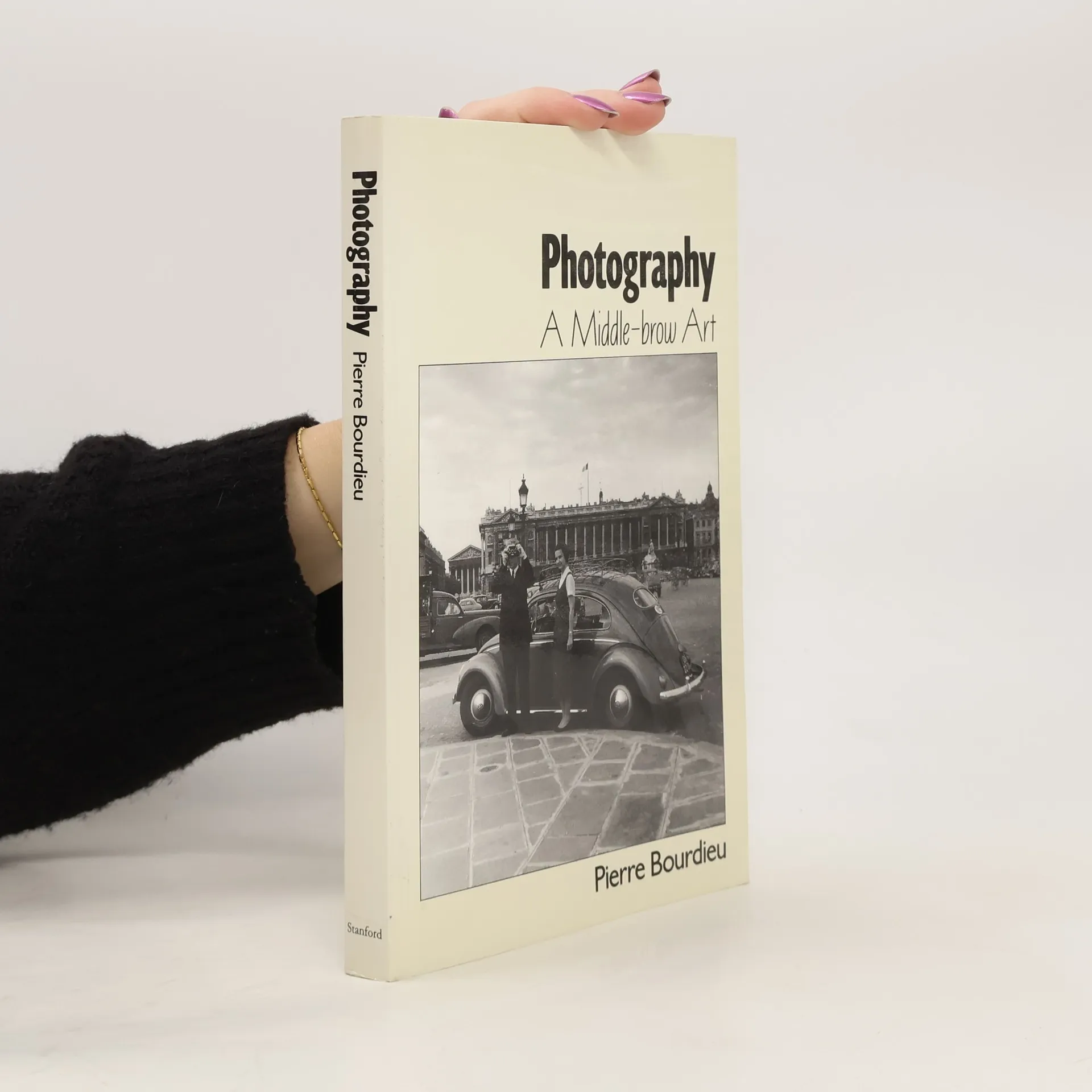
The everyday practice of photography by millions of amateur photographers may seem to be a spontaneous and highly personal activity. But France's leading sociologist and cultural theorist shows that few cultural activities are more structured and systematic than photography.
Un livre aussi coloré et éclatant que l'été d'un siècle. L'histoire d'une année immense qui a marqué un siècle entier : 1913, l'année où notre présent a commencé. Florian Illies déploie avec virtuosité un panorama historique où la littérature, l'art et la musique explorent les extrêmes. Entre Paris, Moscou, Londres, Berlin et Venise, nous rencontrons de nombreux artistes dont l'œuvre a durablement façonné notre monde. On y consomme de la drogue, on boit, on hait, on aime et on maudit.
Cette année semble tout possible, mais le brillant commencement cache un pressentiment de déclin. Déjà en 1913, la littérature, l'art et la musique savaient que l'humanité avait perdu son innocence. La Première Guerre mondiale ne ferait qu'accentuer les horreurs de tout ce qui avait été reconnu et pensé auparavant. Illies rend cette année, un moment de floraison maximale et en même temps un office du déclin, vivant dans un panorama grandiose.
Malewitsch peint un carré, Proust cherche le temps perdu, Benn aime Lasker-Schüler, Rilke boit avec Freud, et Kafka, Joyce et Musil savourent un cappuccino à Trieste. À Munich, un peintre de cartes postales autrichien nommé Adolf Hitler vend ses vues de ville modestes. La construction du livre est fabuleuse, et les talents anecdotiques d'Illies ainsi que la caractérisation impressionnante des personnes et des situations offrent de nouvelles perspectives sur le connu.
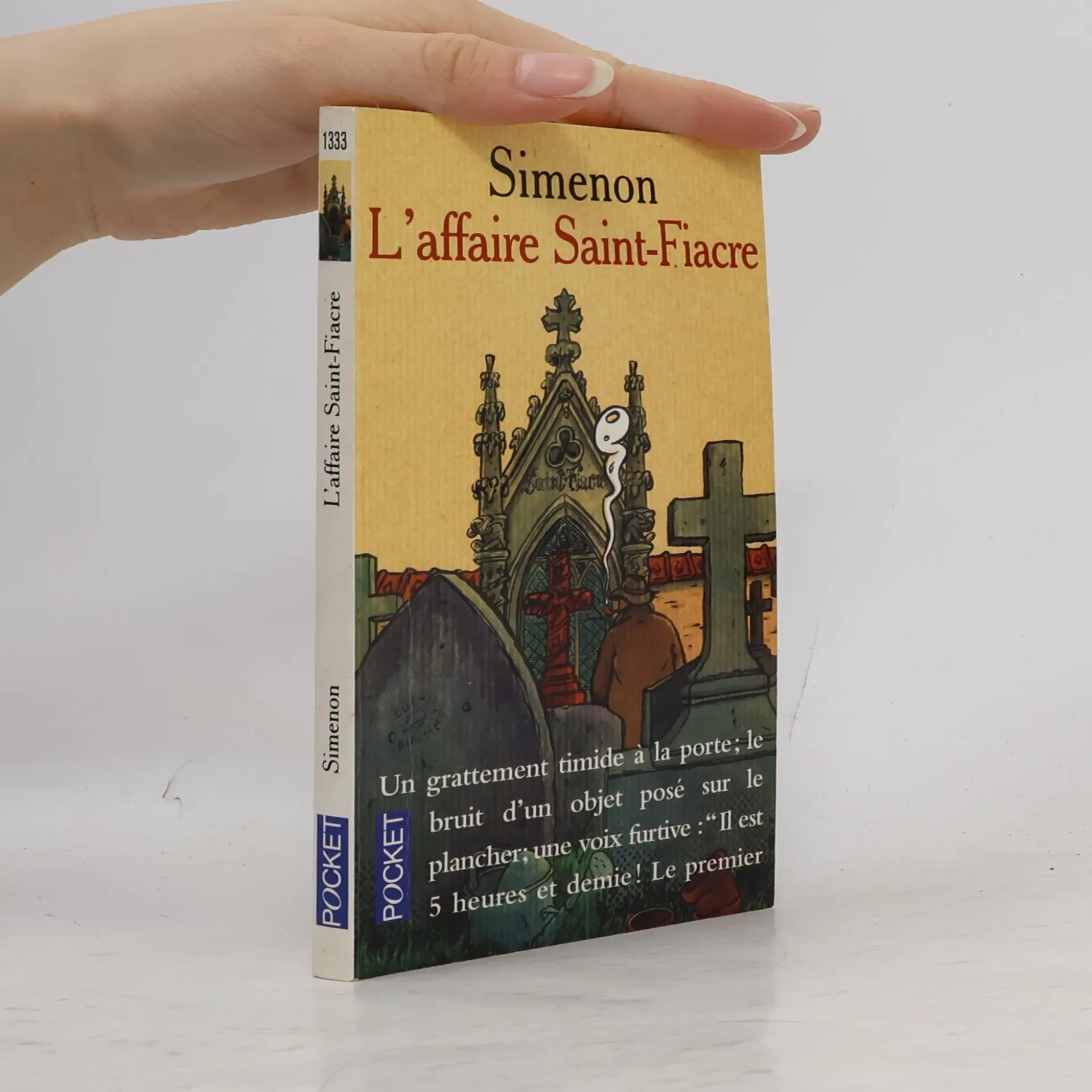
Un grattement timide à la porte ; le bruit d'un objet posé sur le plancher ; une voix furtive : « Il est cinq heures et demie ! Le premier coup de la messe vient de sonner… » Maigret fit grincer le sommier du lit en se soulevant sur les coudes et tandis qu'il regardait avec étonnement la lucarne percée dans le toit en pente, la voix reprit : « Est-ce que vous communiez ? » Maintenant, le commissaire Maigret était debout, les pieds nus sur le plancher glacial. lI marcha vers la porte qui fermait à I'aide d'une ficelle enroulée à deux clous. lI y eut des pas qui fuyaient, et, quand il fut dans le couloir, il eut juste le temps d'apercevoir une silhouette de femme en camisole et en jupon blanc. Alors il ramassa le broc d'eau chaude que Marie Tatin lui avait apporté, ferma sa porte, chercha un bout de miroir devant lequel se raser. [Source : Ed. Le Livre de Poche]
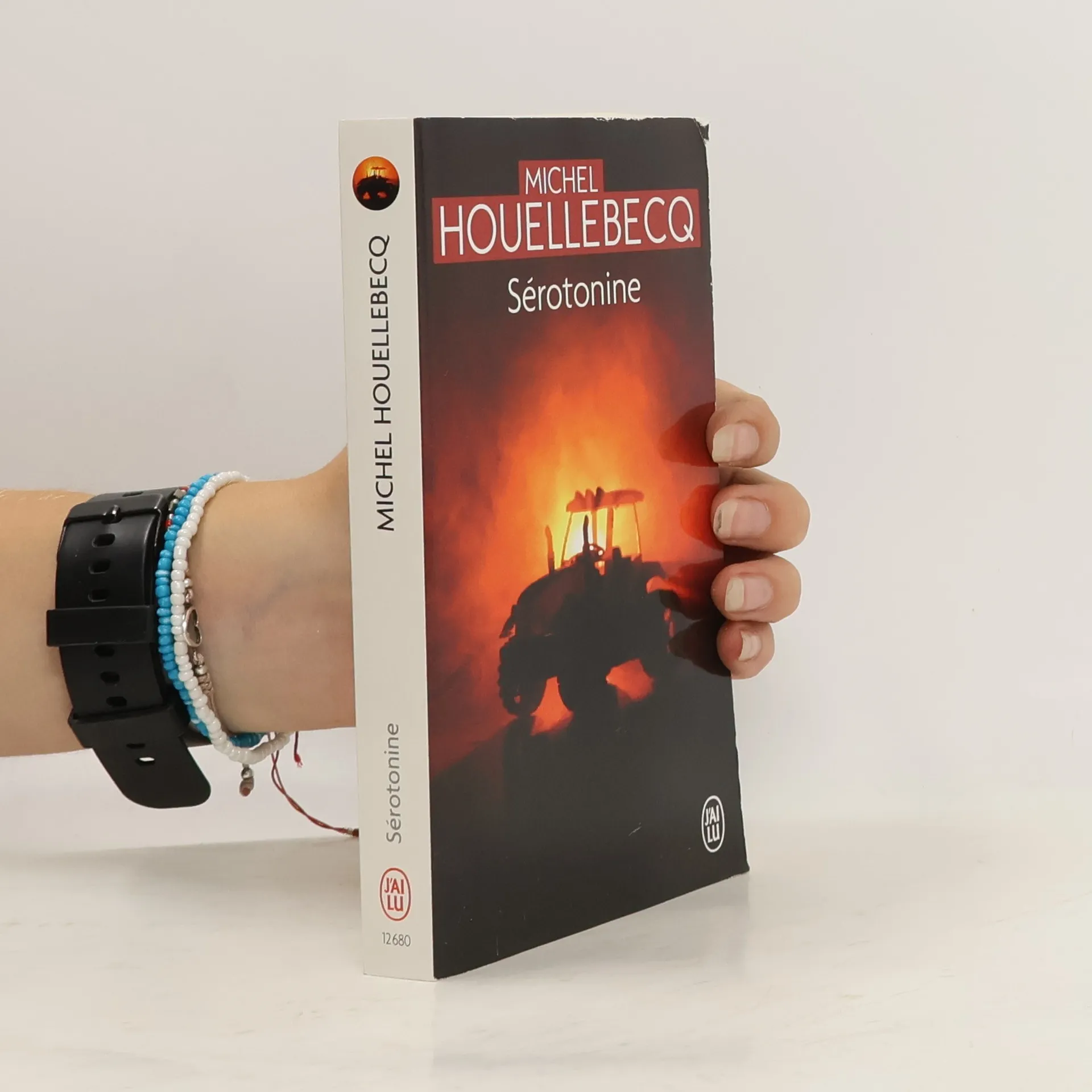
" Mes croyances sont limitées, mais elles sont violentes. Je crois à la possibilité du royaume restreint. Je crois à l'amour ", écrivait récemment Michel Houellebecq. Le narrateur de Sérotonine approuverait sans réserve. Son récit traverse une France qui piétine ses traditions, banalise ses villes, détruit ses campagnes au bord de la révolte. Il raconte sa vie d'ingénieur agronome, son amitié pour un aristocrate agriculteur (un inoubliable personnage de roman - son double inversé), l'échec des idéaux de leur jeunesse, l'espoir peut-être insensé de retrouver une femme perdue. Ce roman sur les ravages d'un monde sans bonté, sans solidarité, aux mutations devenues incontrôlables, est aussi un roman sur le remords et le regret. [4ème de couverture]
Xenia Hausner is one of the most important Austrian painters of our time. This richly illustrated volume focuses on the aspect of staging that characterizes all her works. Beginning with her early pieces from the 1990s and culminating in the poignant Exiles series, the book transports readers into a feminine world filled with mysterious relationships. Hausner's painting is rooted in photography; the artist constructs spatial settings in her studio and captures a moment akin to a film still. Translated into painting, her images create a dramatic tension, suggesting that what is shown must lead to the next image to reveal its mysteries. Through the staged elements in her works—the painted captured lie—we encounter the contradictions of our existence and find an alternative to a male-dominated visual language.