Incomplete nature : how mind emerged from matter
- 604pages
- 22 heures de lecture
A radical new explanation of how life and consciousness emerge from physics and chemistry.


Terrence W. Deacon est un auteur qui explore les questions profondes entourant les origines de l'esprit et du langage humains. Son travail examine l'interaction fascinante entre la biologie, les neurosciences et l'évolution de la pensée symbolique qui définit l'expérience humaine. Avec une rigueur scientifique et une touche littéraire, il révèle les mécanismes complexes qui nous ont permis de devenir l'espèce unique que nous sommes. Son écriture offre aux lecteurs un voyage captivant sur ce que signifie être humain.
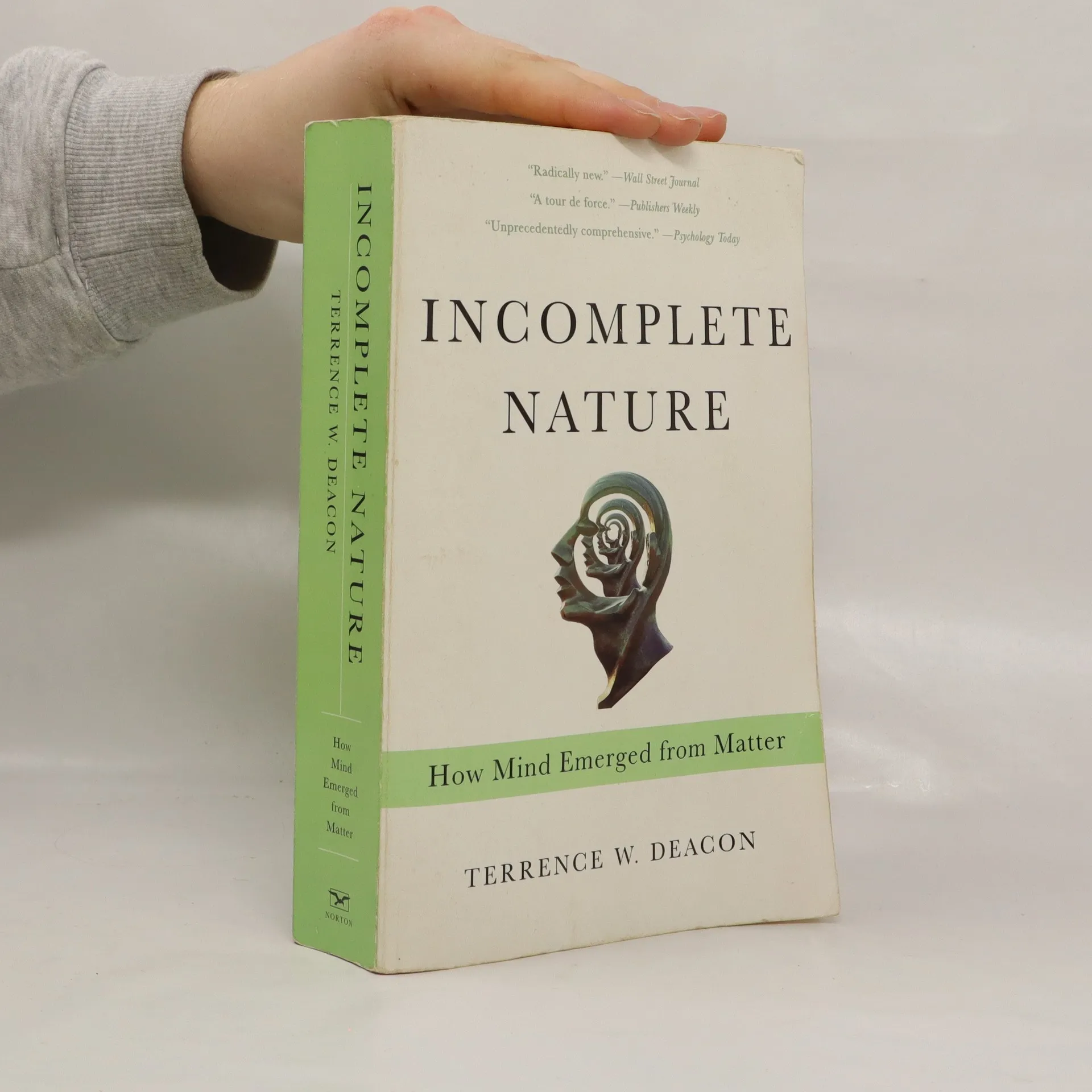
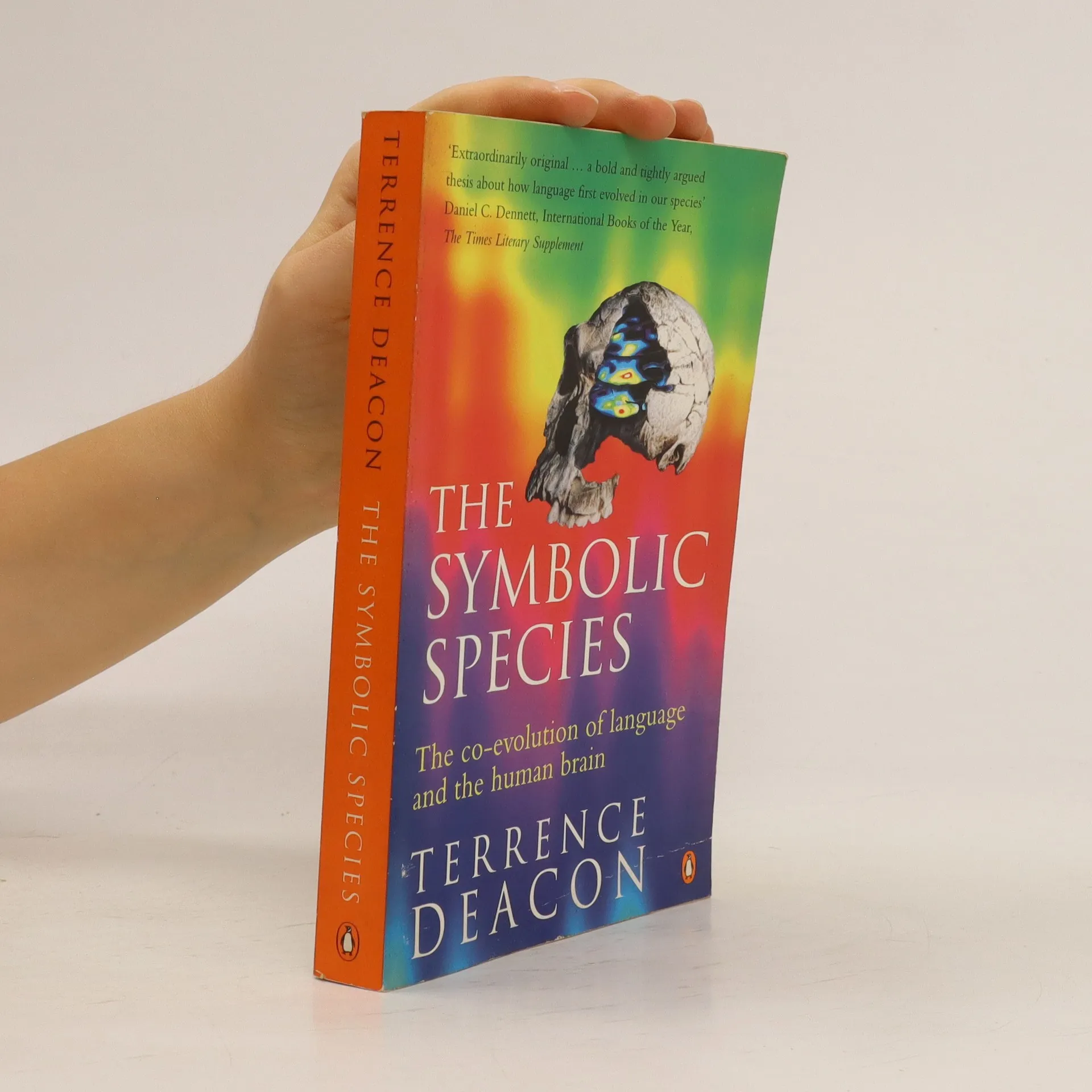
A radical new explanation of how life and consciousness emerge from physics and chemistry.
Human language is one of the most distinctive behavioural adaptations on the planet. Languages evolved in only one species, in only one way, without precedent, and without parallel. Hundreds of millions of years of evolution have produced hundreds of thousands of species with brains, and tens of thousands with complex learning abilities. Only one of these has ever wondered about its place in the whole scheme, because only one - through its language - evolved with the ability to do so. This book aims to alter the understanding of what it means to be human: the universe isn't a soulless, blindly spinning clockwork, but instead nascent hear and mind.