
Bookbot

Klaus Schwab

    30 mars 1938
    Klaus Schwab
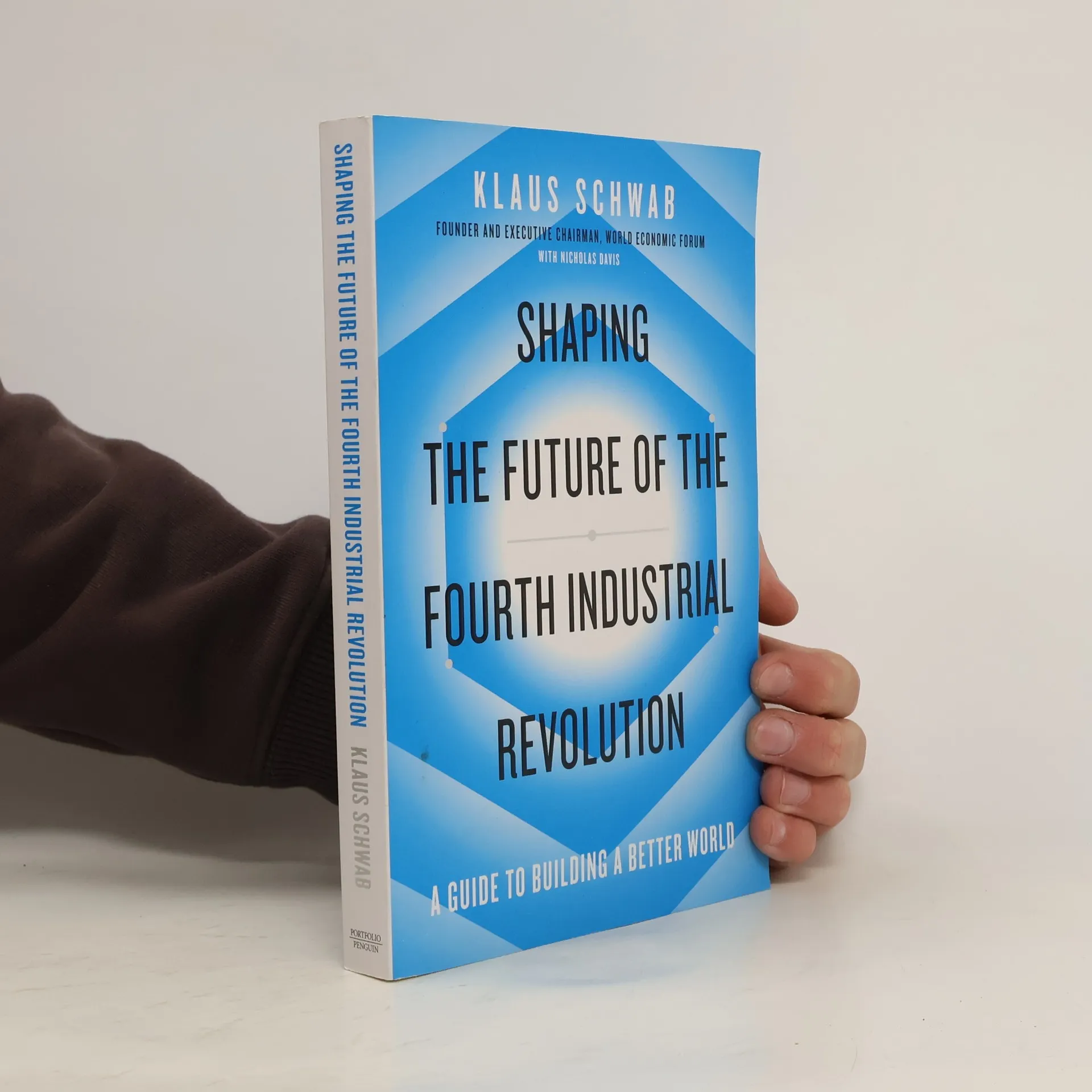
    Shaping the Future of the Fourth Industrial Revolution
    Building an International Institution for Public-Private Cooperation
    COVID-19 : the great reset
    Overcoming Indifference
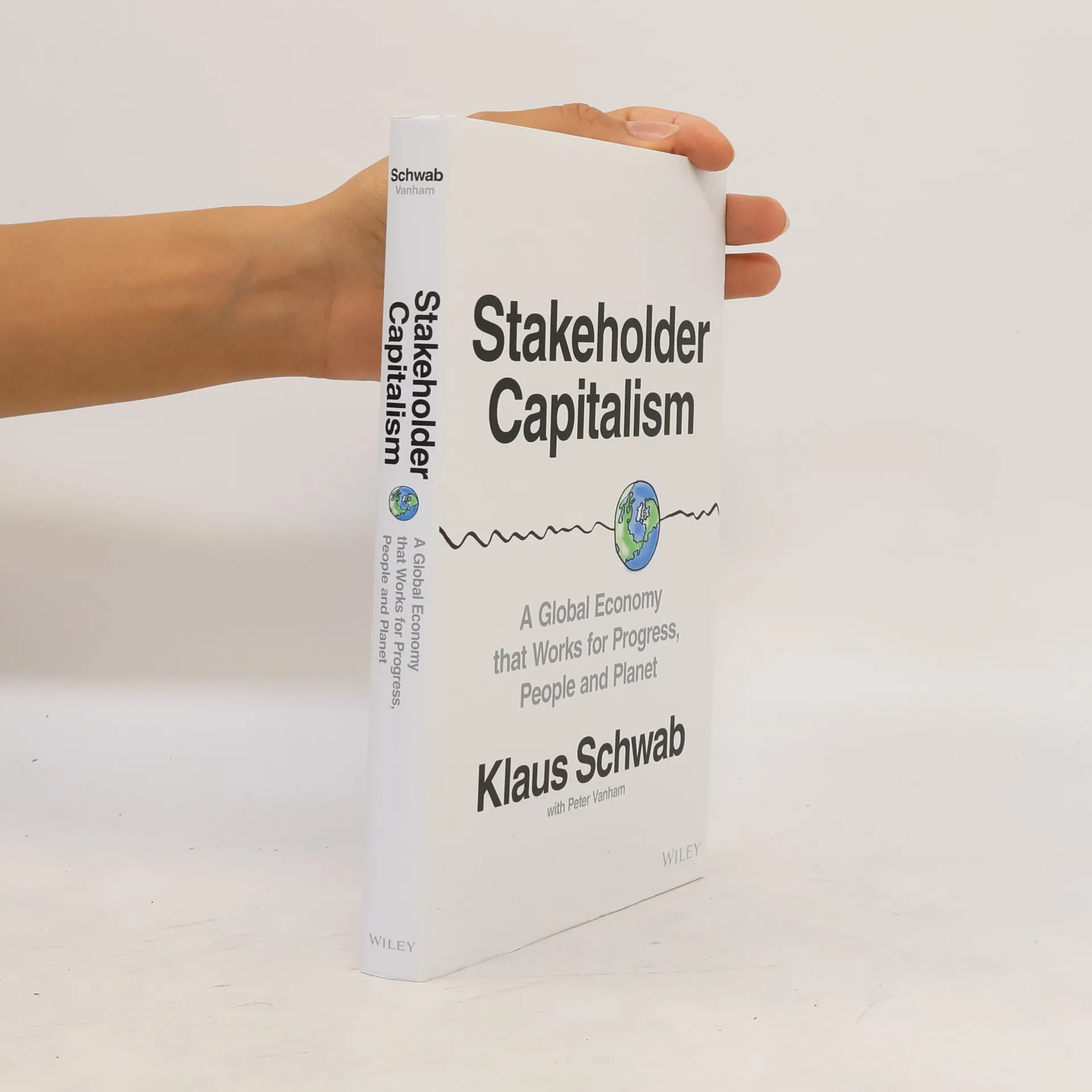
    Stakeholder Capitalism
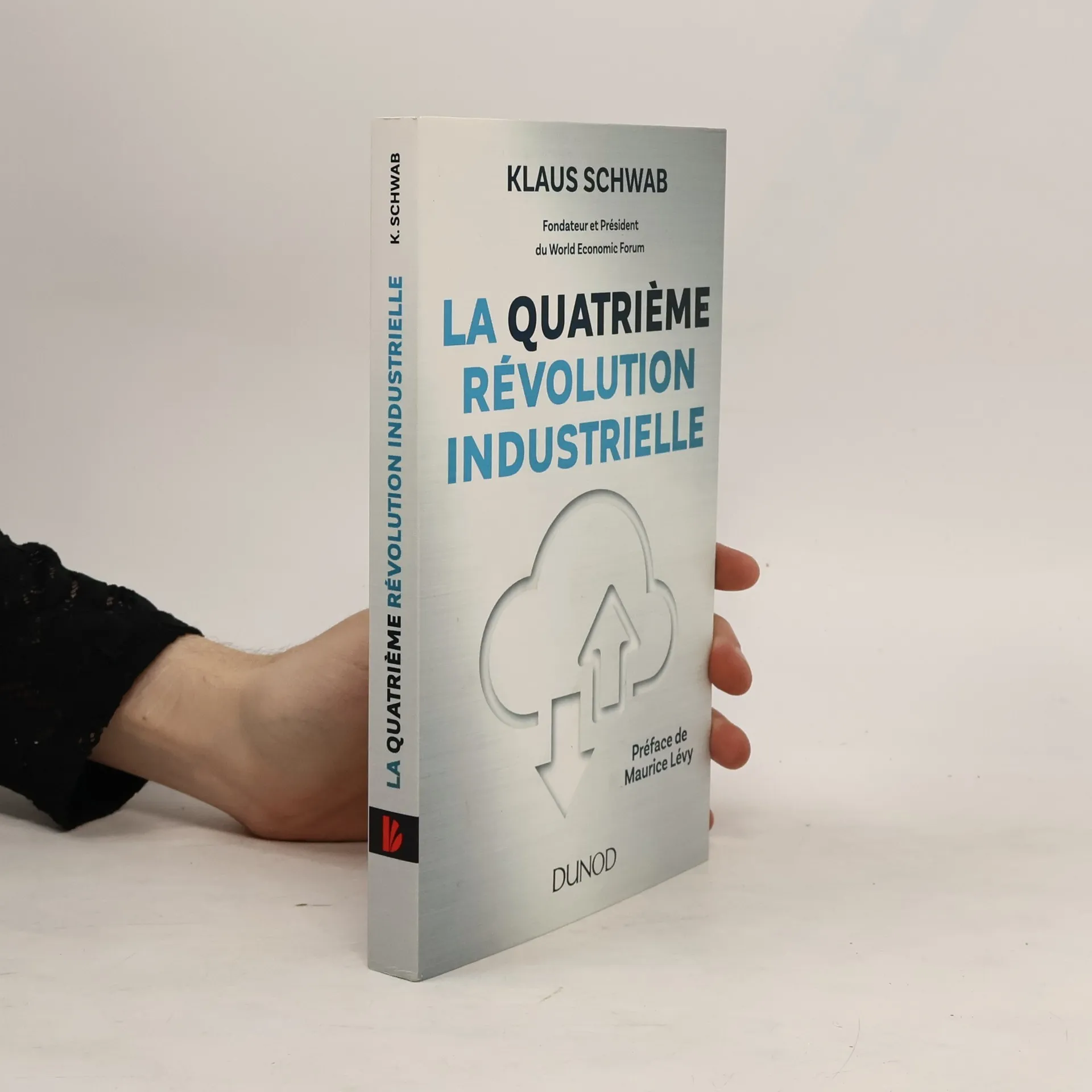
    La Quatrieme Revolution Industrielle
    • Emploi, individualisme, partage, inegalites, controle des donnees, vivre ensemble et ethique... Avec les nouvelles technologies, nos societes sont confrontees a des innovations toujours plus rapides et des bouleversements complexes et interdependants. Depuis plus de 40 ans, Klaus Schwab joue un role central pour penser la globalisation en collaboration avec de nombreux leaders. Visionnaire sur les tendances de nos societes modernes, il partage dans ce livre didactique et riche en exemples concrets, une reflexion unique sur la quatrieme et plus formidable revolution industrielle - celle d'un monde hyperconnecte. En soulignant les espoirs et les menaces qu'elle induit sur des champs immenses - l'intelligence artificielle, la robotique, l'Internet des objets, les vehicules autonomes, l'impression en 3D, les nanotechnologies, les biotechnologies, le stockage d'energie, l'informatique quantique... - l'auteur dessine un nouveau referentiel pour l'homme qui doit ainsi reinventer sa maniere de vivre, de travailler, de consommer. Pour Klaus Schwab, notre responsabilite est colossale et collective. A la croisee des mondes, voici plusieurs axes de reflexion pour penser et faconner notre futur autour des notions de prosperite et d'humanisme.


      La Quatrieme Revolution Industrielle
    • Our global economic system is in disarray, characterized by upheaval, unsustainability, and uncertainty. To create an economy that benefits all people and the planet, we must address rising income inequality, the monopolistic power of large corporations stifling innovation, and the environmental degradation caused by resource exploitation. The ongoing debate about the root causes of this broken economy—whether due to laissez-faire policies, mismanaged globalization, or technological disparities—remains unresolved. The argument presented emphasizes that recognizing the true nature of our problems is crucial for progress. The author, a prominent figure at the World Economic Forum, investigates the underlying issues and explores solutions found in best practices globally, from diverse countries like China, Denmark, and New Zealand. Key insights include the importance of individual agency in policy-making, establishing a social contract based on shared values, planning for future generations, and redefining economic success beyond GDP to encompass holistic measures of societal well-being. By accurately diagnosing our situation, the work identifies actionable strategies for reshaping the global economy. Each chapter illustrates how individuals, businesses, and governments can collaboratively mend the fractured system, fostering a more equitable and sustainable future for all.

      Stakeholder Capitalism
    • Overcoming Indifference

      • 368pages
      • 13 heures de lecture
      1,5(4)Évaluer

      The end of the Cold War did not, as some might have hoped, simplify the issues facing world leaders. Civil war, famine, overpopulation, chronic unemployment, and an exploding refugee problem continue to plague the world economy, to the point where we begin to wonder whether national boundaries can contain such crises, or whether the challenges that face the world are beyond the reach of the leaders we have elected. Has the increasing disparity between the haves and the have nots, between the knows and don't knows led to an unbridgeable gap between rich and poor peoples and rich and poor countries?Overcoming Indifference offers contributions from Nobel Prize winners, statesmen, scholars and university professors, and chief executive officers of major industrial corporations. The contributors include such well-known and disparate thinkers as Elie Wiesel, Samuel P. Huntington, Michael Hammer, and Carl Sagan. Highlighting subjects as diverse as the new information society, methods of creating sufficient employment, the disintegration of previously held value systems, and the maintenance of global security in the post-Cold War world, the contributors, propose the best possible courses of action.

      Overcoming Indifference
    • "The Corona crisis and the Need for a Great Reset" is a guide for anyone who wants to understand how COVID-19 disrupted our social and economic systems, and what changes will be needed to create a more inclusive, resilient and sustainable world going forward. Thierry Malleret, founder of the Monthly Barometer, and Klaus Schwab, founder and executive Chairman of the World Economic Forum, explore what the root causes of these crisis were, and why they lead to a need for a Great Reset.Theirs is a worrying, yet hopeful analysis. COVID-19 has created a great disruptive reset of our global social, economic, and political systems. But the power of human beings lies in being foresighted and having the ingenuity, at least to a certain extent, to take their destiny into their hands and to plan for a better future. This is the purpose of this book: to shake up and to show the deficiencies which were manifest in our global system, even before COVID broke out.

      COVID-19 : the great reset
    • Shaping the Future of the Fourth Industrial Revolution

      A Guide to Building a Better World

      • 288pages
      • 11 heures de lecture

      The world has fast entered a data and technology-driven era where new opportunities but also challenges are emerging. In this book, Klaus Schwab and the World Economic Forum contribute significantly to one of the most important issues of our time - how to move forward in the Fourth Industrial Revolution Jack Ma Executive Chairman, Alibaba Group Holding, People's Republic of China

      Shaping the Future of the Fourth Industrial Revolution
    • COVID-19

      2020-2021 Great Reset. New Ways of Living after COVID-19

      • 82pages
      • 3 heures de lecture

      Since making its entry on to the world stage, COVID-19 has dramatically torn up the script of how to govern countries, live with others and take part in the global economy. COVID-19: The Great Reset is a guide for anyone who wants to understand how the novel coronavirus could cause so much disruption and suffering, and what changes are needed to create a more inclusive, resilient and sustainable world. The book provides a worrying, yet hopeful analysis. COVID-19, as the greatest public health crisis of the century, has led to enormous economic devastation and made existing inequities worse. But the power of human beings lies in their foresight, ingenuity and – at least to a certain extent – ability to take their destiny into their hands and plan for a better future. This book shows us where to start.

      COVID-19
    • The Global Information Technology Report 2001-2002

      Readiness for the Networked World

      • 385pages
      • 14 heures de lecture

      Very little has been written or published on the global experience vis-a-vis information technology that puts both developed and developing countries into a larger context from which lessons can be extrapolated. Within the IT and Development fields, there has been much talk and hyperboleabout the power of IT to transform the economic development process, but very little rigorous analysis has been carried out to document the global situation. The frontier of the field is to explore and understand how IT is being used in the developing world, what the barriers to IT diffusion andadoption are in developing countries, and what the main lessons are from the developing world that can aid in designing policies and solutions that can overcome the international digital divide.The Global Information Technology Readiness Report 2001-2002 provides the first comprehensive and comparative analysis of the diffusion and use of information technology in 70 countries around the world. The Report consists of three main a series of country rankings comparing the globalexperience of different nations based on various crieteria of IT readiness; a collection of essays by recognized experts on a series of IT-related subjects key to understanding the issues involved in extending the benefits of IT to the developing world; and country profiles that highlight theoverall situation and major trends relating to IT within each country.The scope of the Report is quite ambitious, as is the methodology, as data has been generated through a series of surveys of global business leaders. Both the range and depth of the issues and data make the Global Information Technology Readiness Report 2001-2002 a unique and valuablepublication.

      The Global Information Technology Report 2001-2002
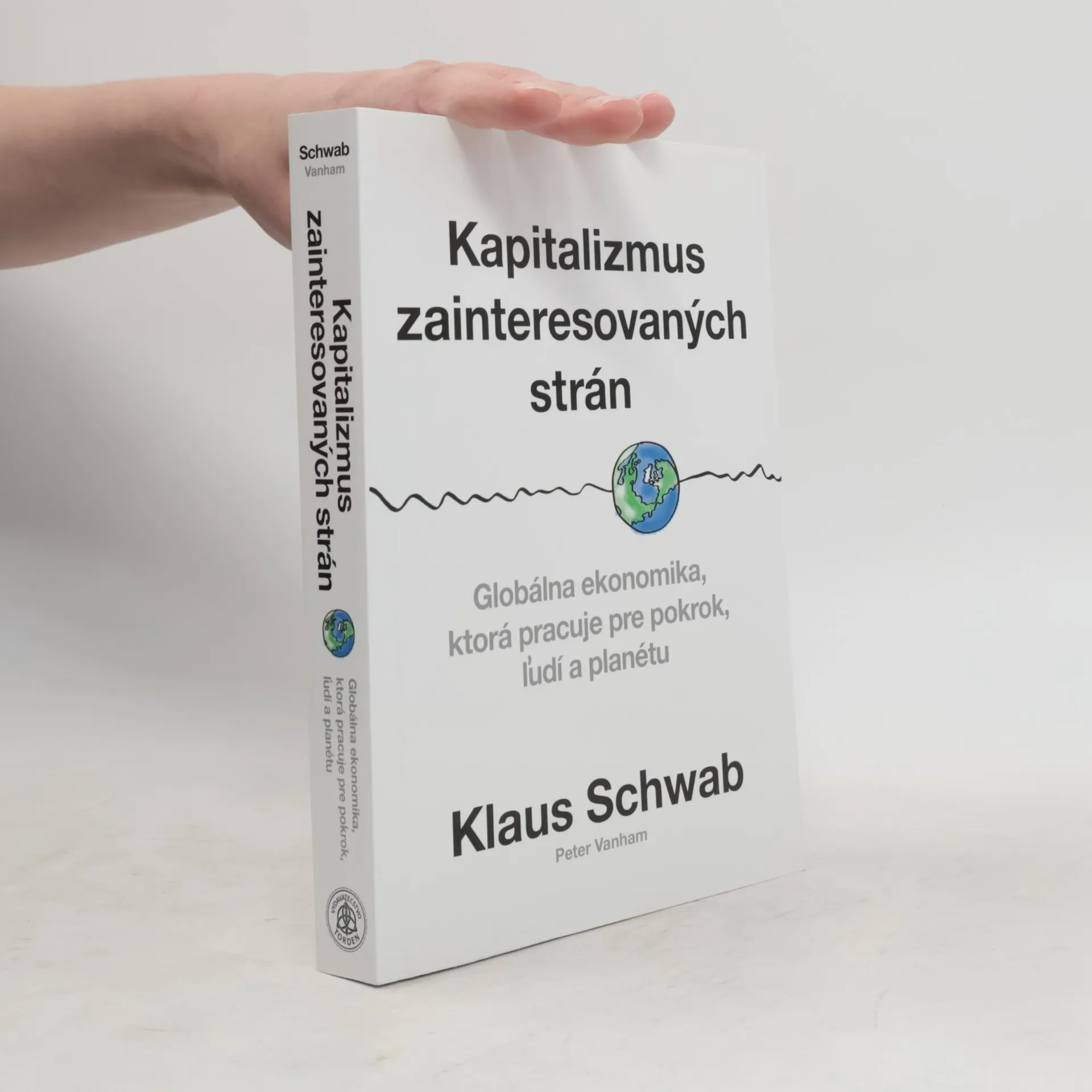
    • Kapitalizmus zainteresovaných strán

      • 400pages
      • 14 heures de lecture
      4,0(2)Évaluer

      Klaus Schwab prichádza z novou predstavou našej globálnej ekonomiky. Tá by sa mala stať udržateľnejšou a prosperujúcejšou. Akurát nie pre všetkých rovnako. Náš globálny ekonomický systém je narušený. Globálna ekonomika dnes funguje na inováciách. Súčasný obraz globálnych procesov, neudržateľnosti a neistoty, môže podľa autora nahradiť v budúcnosti ekonomika, ktorá bude fungovať pre všetkých ľudí na celej planéte. Riadiť ju však budú vyvolení. Klaus Schwab je zakladateľom a výkonným predsedom Svetového ekonomického fóra v Davose (WEF). V knihe “Kapitalizmus zainteresovaných strán” sa snaží nájsť skutočné príčiny nedostatkov nášho systému a riešenia v oblasti osvedčených postupov z celého sveta a to na miestach ako Čína, Dánsko, Etiópia, Nemecko, Indonézia, Nový Zéland či Singapur. Kapitolou po kapitole sa Schwab snaží čitateľovi vysvetliť, že existujú spôsoby, ako môže každý a na všetkých úrovniach spoločnosti pretvárať rozbité kúsky globálnej ekonomiky a to na úrovni jednotlivých krajín, v samostatných spoločenstváchch až po jednotlivca.

      Kapitalizmus zainteresovaných strán
    • COVID-19

      • 332pages
      • 12 heures de lecture
      2,2(6)Évaluer

      Mit seinem Erscheinen hat Covid-19 die bisherige Regierungsführung der Länder, unser Zusammenleben und die Weltwirtschaft als Ganzes gehörig durcheinander gebracht. Covid-19: Der große Umbruch ist ein Leitfaden für alle, die verstehen möchten, wie das neuartige Coronavirus soviel Zerstörung und Leid anrichten konnte und welche Änderungen für eine integrativere, robustere und nachhaltigere Welt erforderlich sind.Das Buch bietet eine besorgniserregende, dennoch zuversichtlich Analyse. Covid-19, die größte Gesundheitsbedrohung des Jahrhunderts, hat enorme wirtschaftliche Schäden verursacht und bestehende Ungleichheiten verschlimmert. Die Macht des Menschen liegt jedoch in seinem Weitblick, Einfallsreichtum und - zumindest in einem gewissen Maße - Vermögen, das Schicksal selbst in die Hand zu nehmen und eine bessere Zukunft zu planen.Dieses Buch zeigt uns, wo wir beginnen müssen. Professor Klaus Schwab ist der Gründer und Vorstandsvorsitzende des Weltwirtschaftsforums. Er ist Verfasser verschiedener Bücher, darunter Die Vierte Industrielle Revolution, und langjähriger Verfechter des "Stakeholder-Kapitalismus". Thierry Malleret ist geschäftsführender Partner von Monthly Barometer, einer prägnanten, prädiktiven Analyse. Er ist Autor mehrerer Bücher zu wirtschaftlichen und wissenschaftlichen Themenund hat vier Romane veröffentlicht.

      COVID-19