

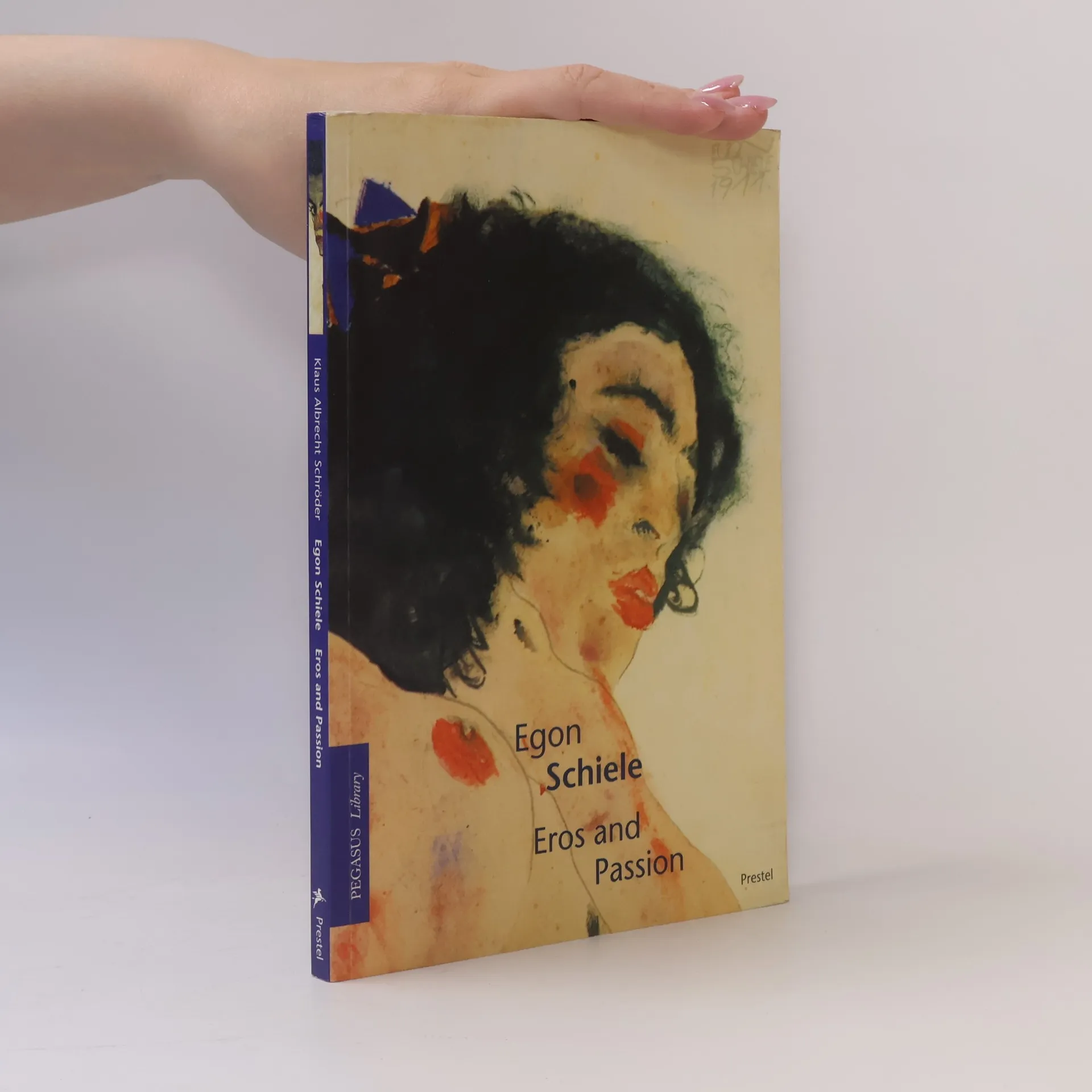
In this brilliant analysis, the erotic work of the Expressionist artist is examined within the perspective of history's shifting views concerning beauty, aesthetics, and decency. Egon Schiele's controversial nudes and self-portraits were fiercely reviled when they first appeared in the early decades of the twentieth century and, nearly one hundred years later, they still have the power to shock. Examining why Schiele's work elicits this response, the author explores the social constrictions of Schiele's generation and the role of the artist as a breaker of taboos. Incorporating superb reproductions of Schiele's works, those of his contemporaries, and historical photographs, the author offers a penetrating study of an artist whose idea of beauty transcended the morality of his time. Klaus Albrecht Schröder is Director of the Albertina Museum in Vienna, Austria.
Erwin Mitsch Ordre des livres (chronologique)
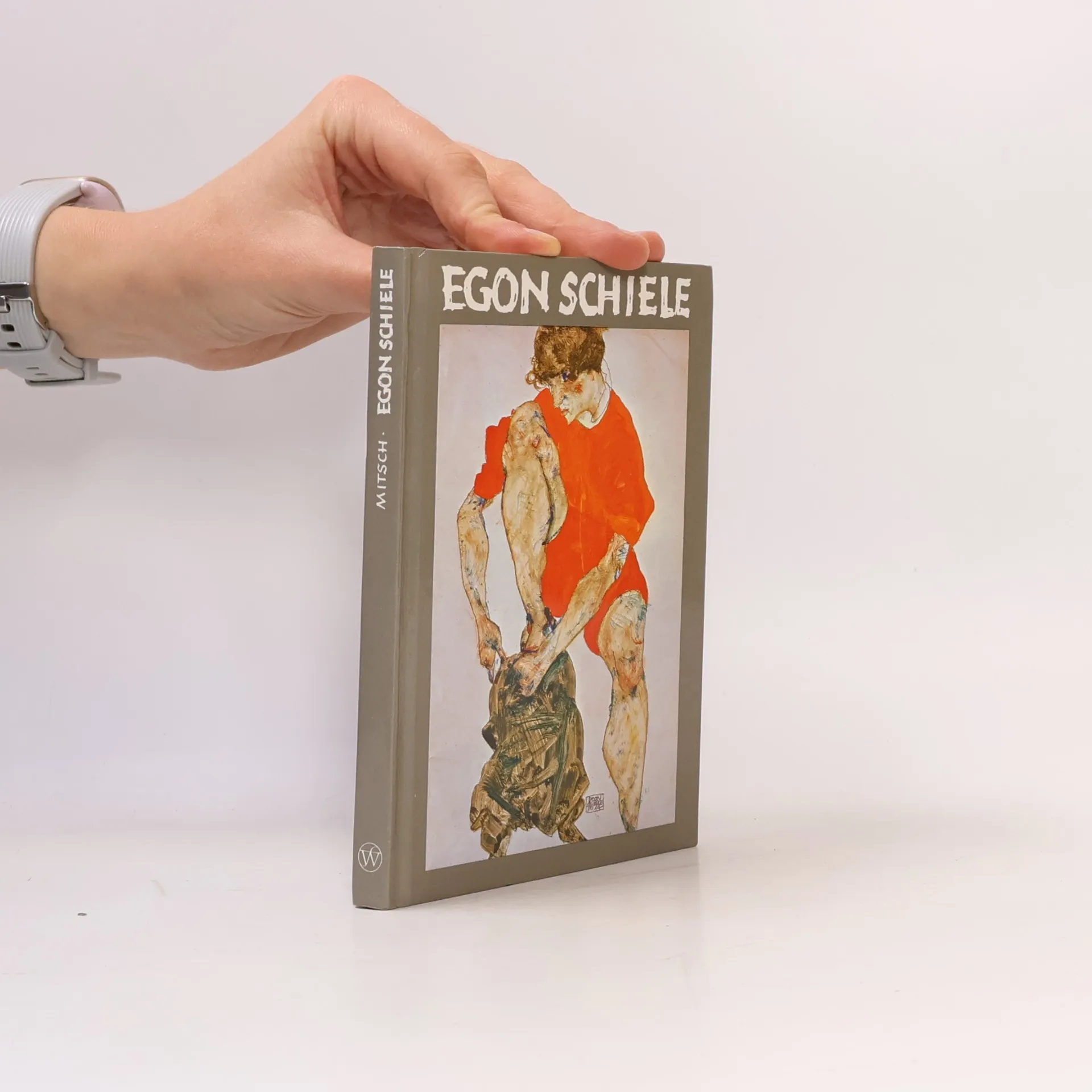
Egon Schiele Drawings and Water Colours
- 119pages
- 5 heures de lecture
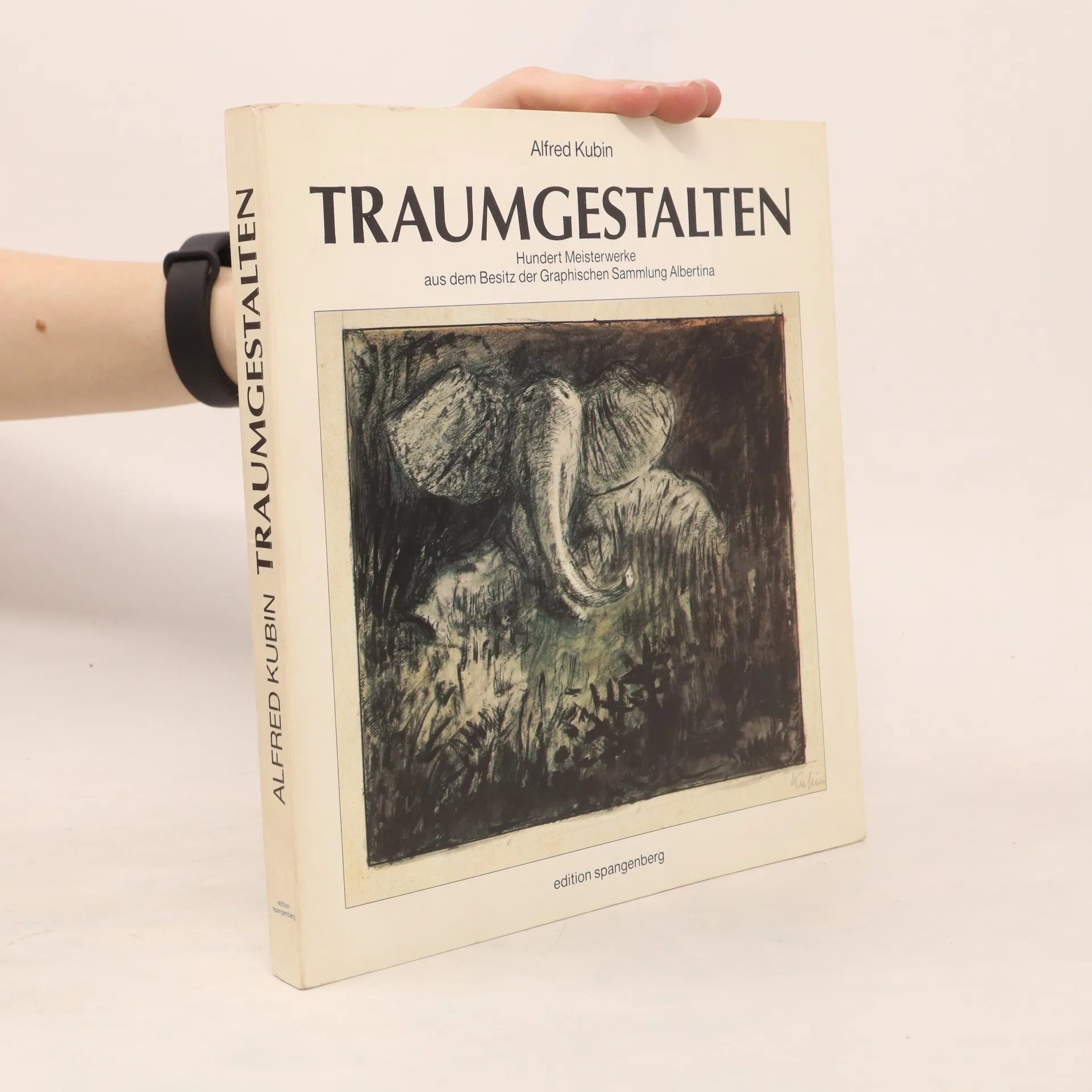
Alfred Kubin, Traumgestalten
- 255pages
- 9 heures de lecture
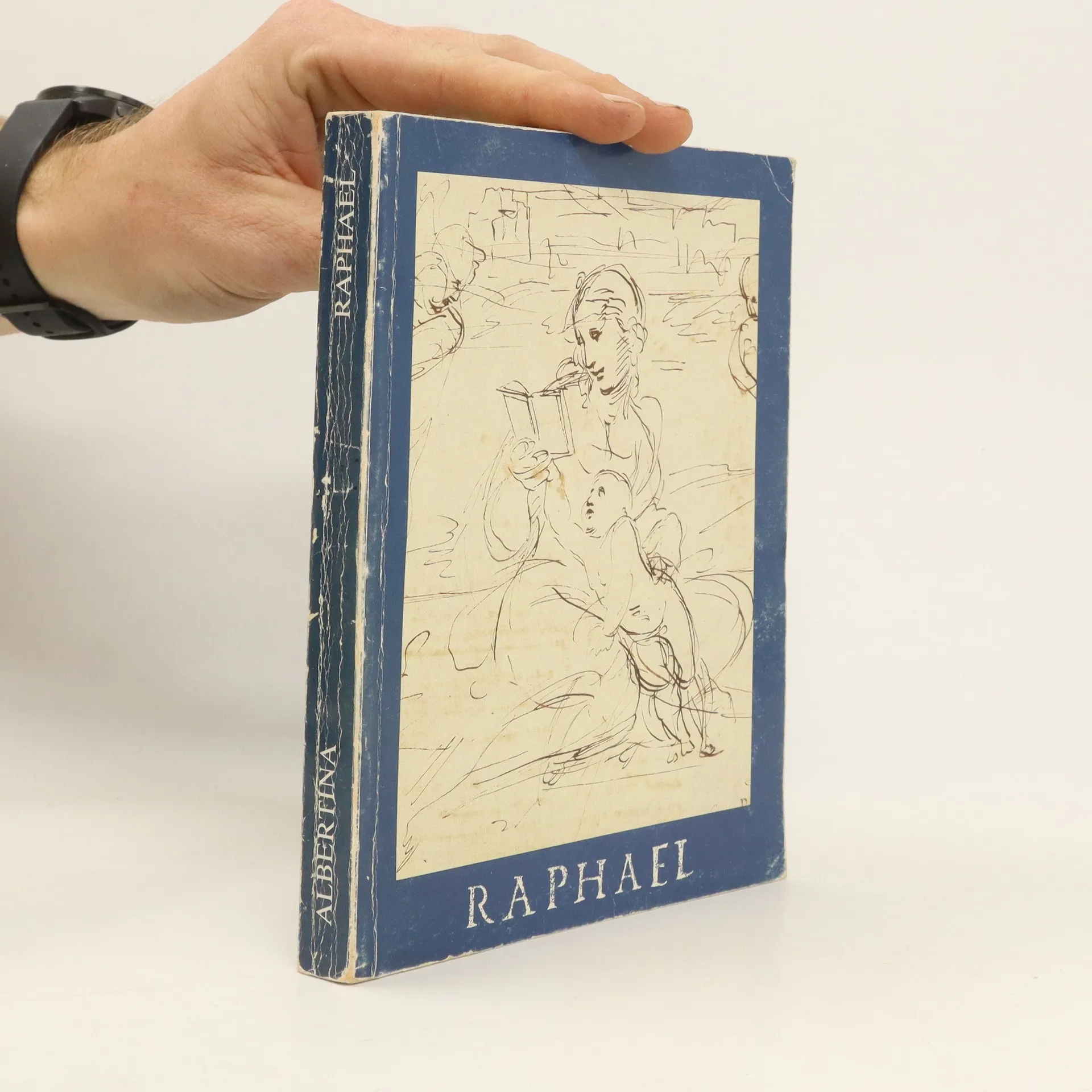
Raphael in der Albertina
- 216pages
- 8 heures de lecture
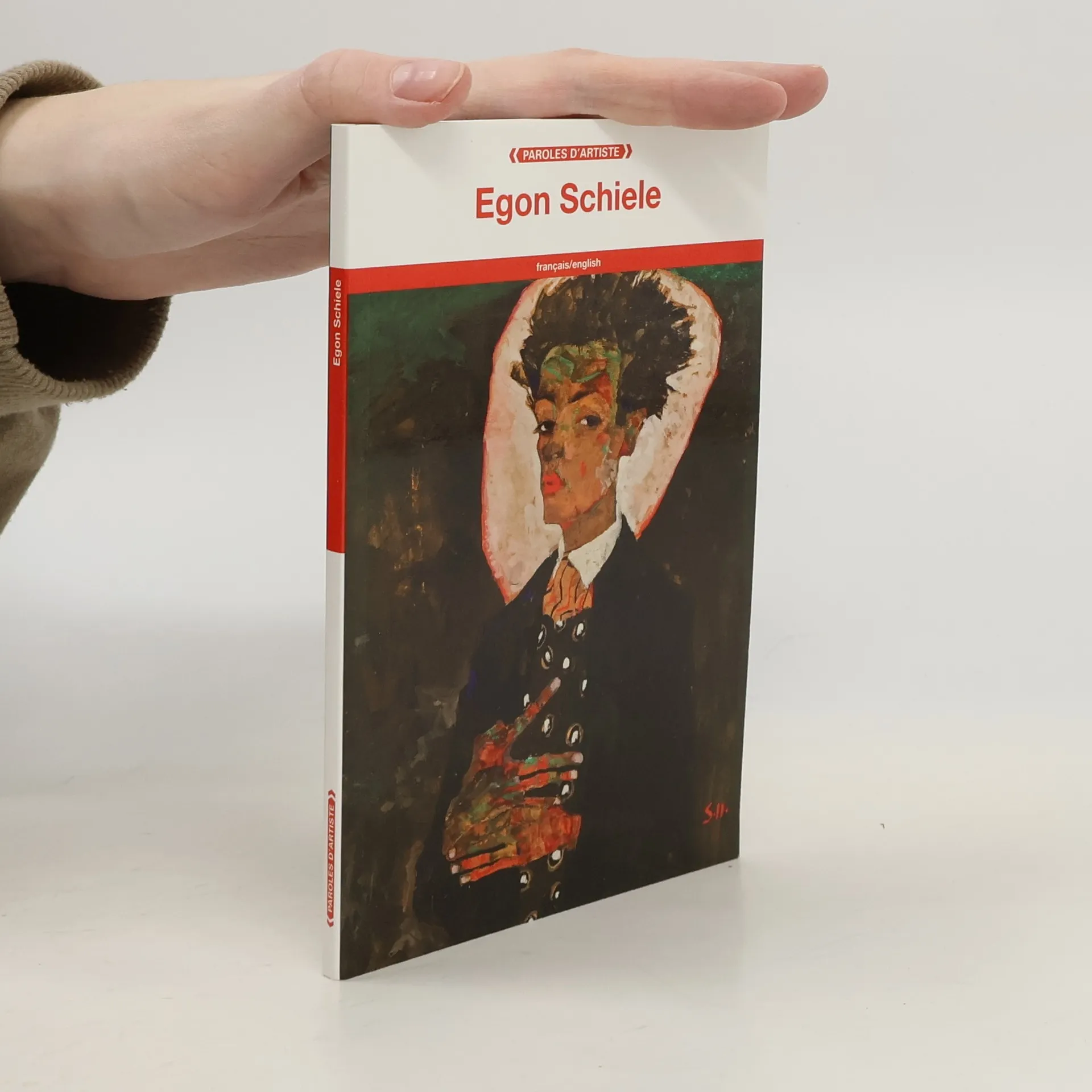
With his unique drawing style, distorted figures, and rejection of conventional ideals of beauty, Egon Schiele (1890-1918) was a pioneer of Viennese Expressionism and is considered one of the most impressive portrait painters of the 20th century. Under the influence of his mentor Gustav Klimt, Schiele began with the glittering Art Nouveau but soon developed a rough and provocative aesthetic characterized by harsh lines, bright colors, and emaciated figures. His portraits and self-portraits shocked Viennese society with their erotic poses and an unprecedented psychological and sexual intensity. Often, he or his models, who are sometimes gaunt and sickly, sometimes strong and sensual, crouch on the ground with spread legs and visible genitals, staring at the viewer. Many contemporaries found his works not only ugly but also morally reprehensible, leading to a brief imprisonment for "dissemination of immoral drawings." Today, Schiele is celebrated for his revolutionary representation of humanity and his unmistakable, feverish drawing style. The book introduces Schiele's short but intense career through selected works and highlights his enormous influence on modern art, which is also reflected in the work of contemporary artists like Tracey Emin and Jenny Saville.