

Bookbot

George Long

    George Long fut un érudit classique anglais dont l'œuvre de vie s'est concentrée sur la mise à disposition des textes anciens pour les lecteurs modernes. Son travail éditorial sur la série Bibliotheca Classica fut une tentative pionnière de produire des éditions savantes de textes classiques avec des commentaires en anglais. Par cette entreprise, il enrichit le monde littéraire, facilitant une compréhension plus profonde de la littérature et du droit antiques pour un public plus large. Ses contributions résident dans la présentation et l'interprétation de la pensée classique.

    Meditations: Philosophical Contemplations of a Roman Emperor
    The Egyptian Antiquities in the British Museum: Monuments, Obelisks, Temples, Sphinxes, Sculpture, Statues, Paintings, Pyramids, Mummies, Papyrus, and
    Parallel Lives Vol. 1
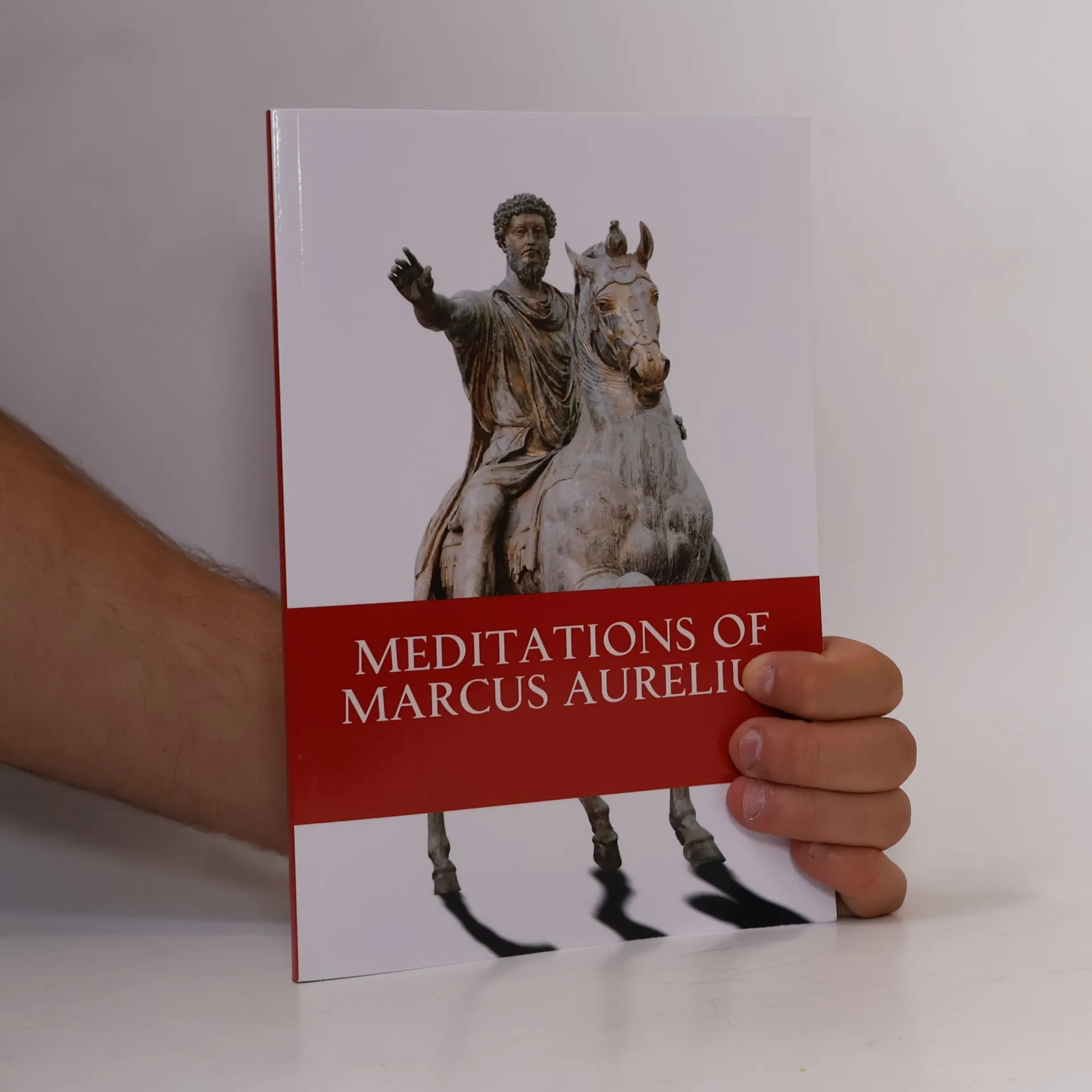
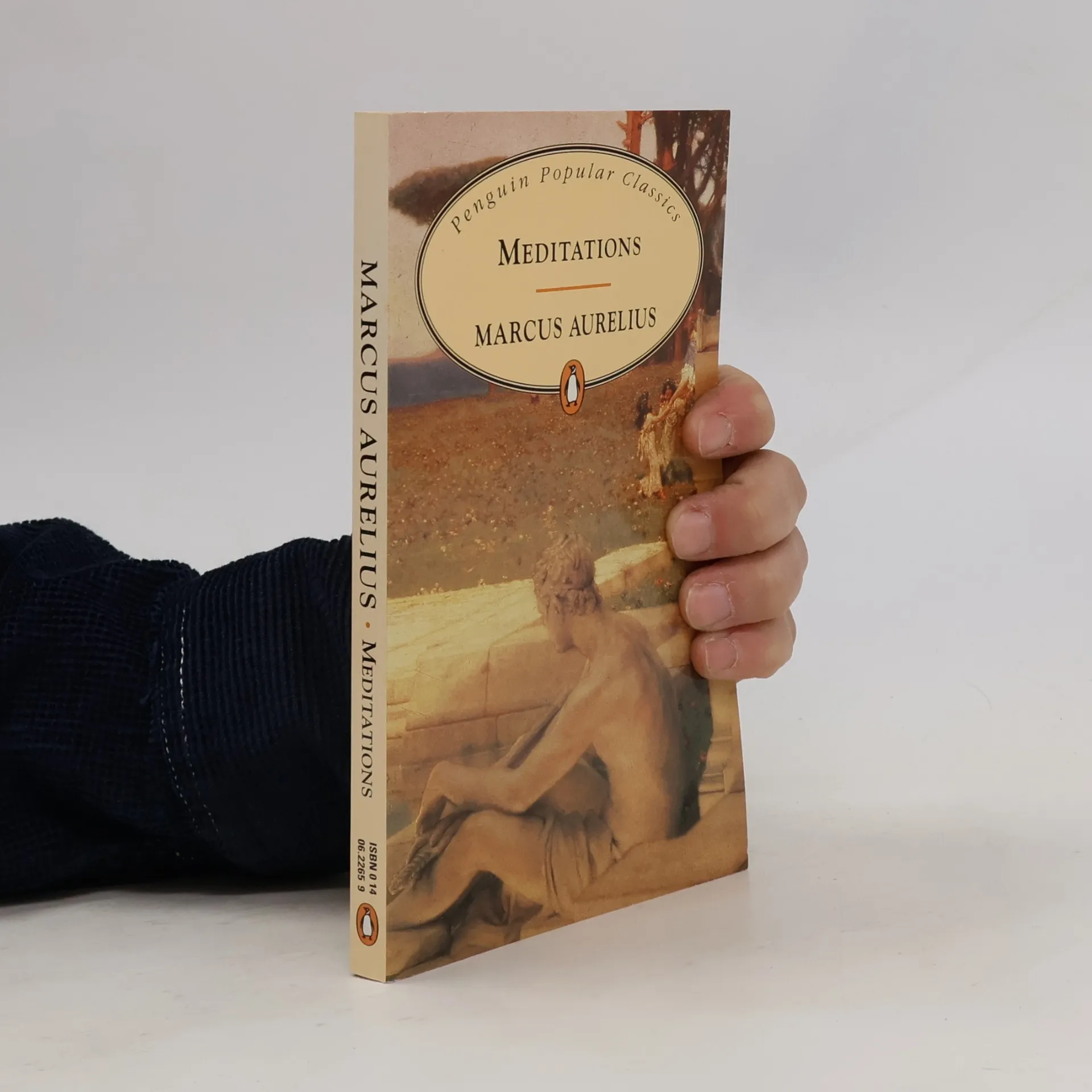
    Meditations
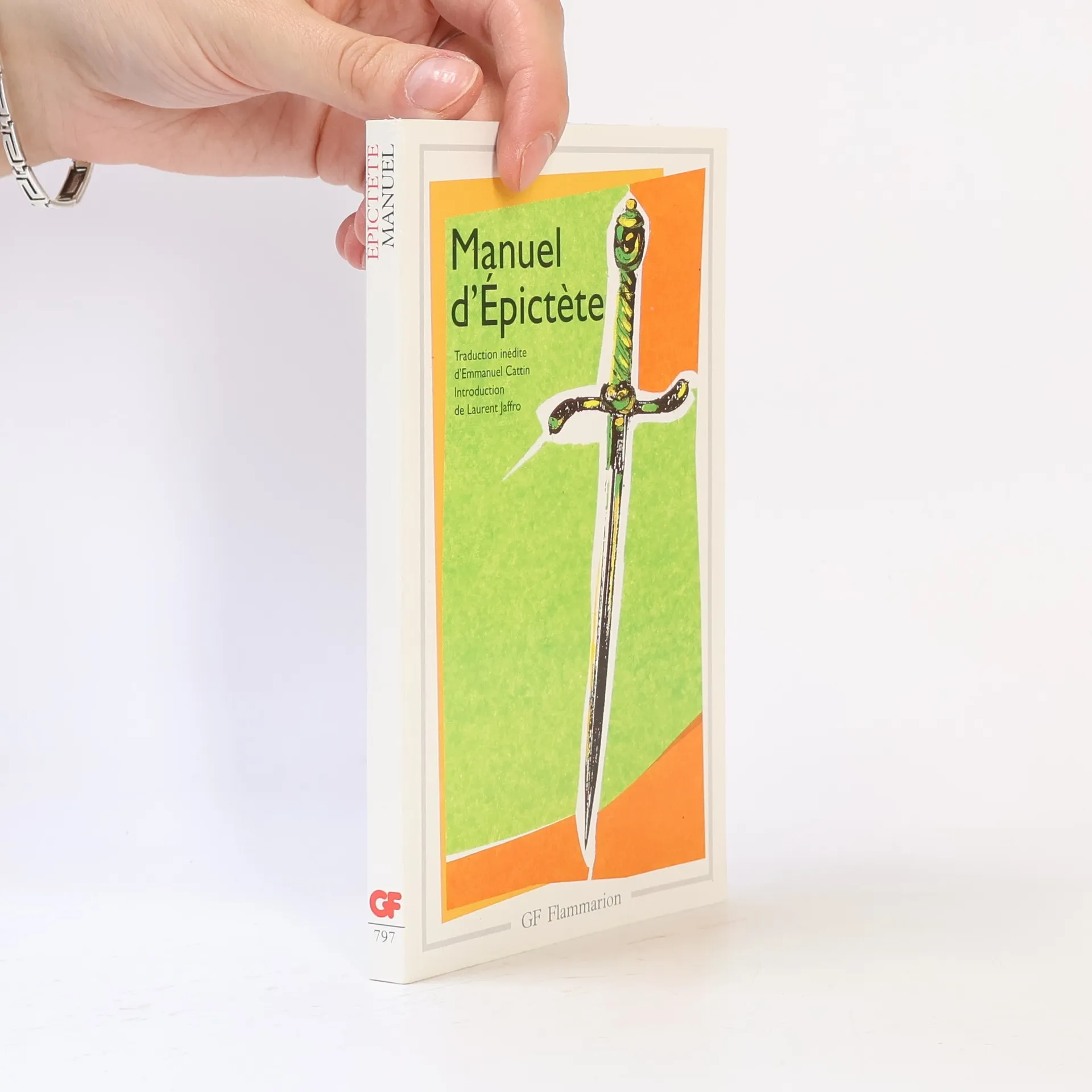
    Manuel d'Epictète
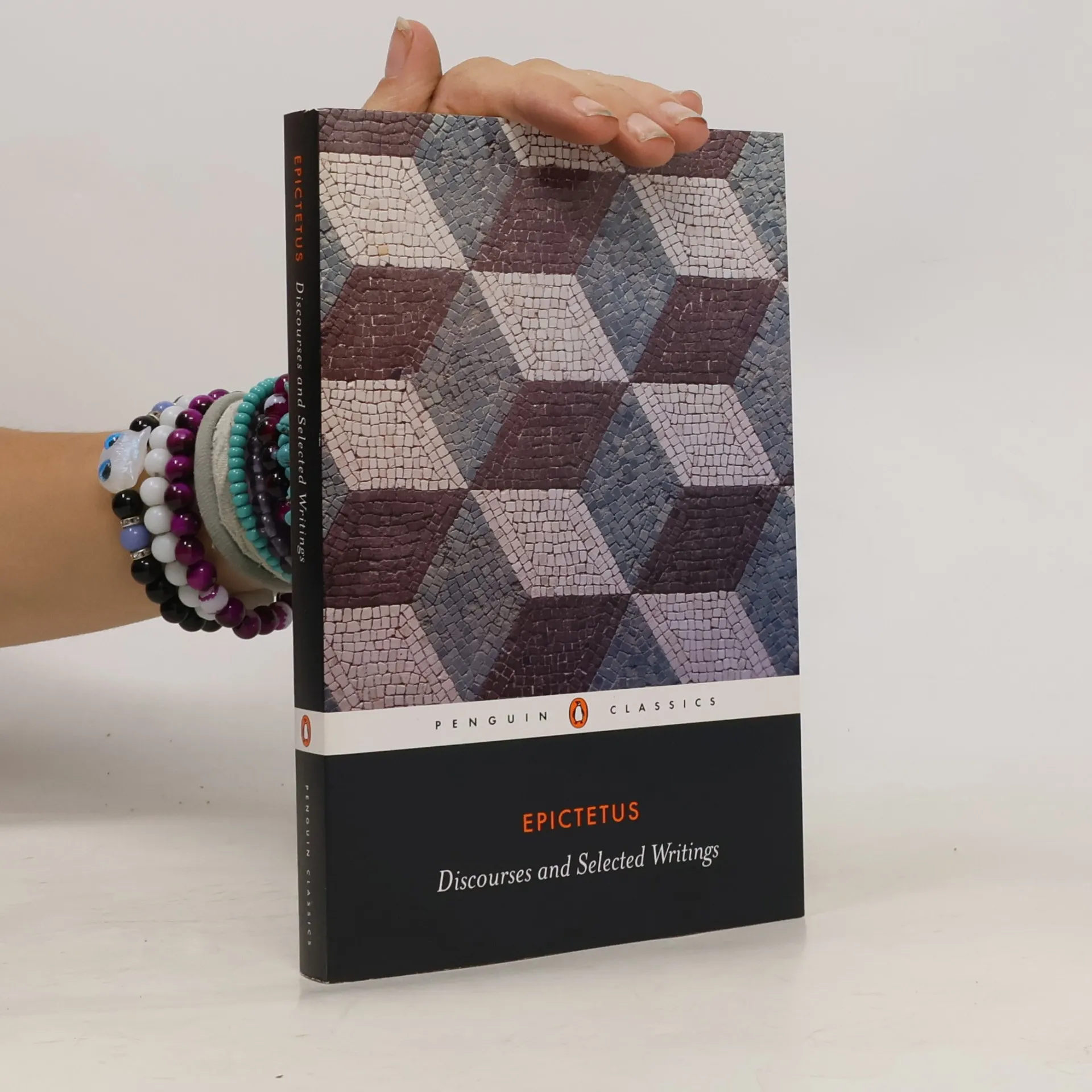
    Discourses and Selected Writings
    • Discourses and Selected Writings

      • 400pages
      • 14 heures de lecture

      Epictetus, a Greek stoic and freed slave, ran a thriving philosophy school in Nicropolis in the early second century AD. His animated discussions were celebrated for their rhetorical wizardry and were written down by Arrian, his most famous pupil. Together with the Enchiridion, a manual of his main ideas, and the fragments collected here, The Discourses argue that happiness lies in learning to perceive exactly what is in our power to change and what is not, and in embracing our fate to live in harmony with god and nature. In this personal, practical guide to the ethics of stoicism and moral self-improvement, Epictetus tackles questions of freedom and imprisonment, illness and fear, family, friendship and love, and leaves an intriguing document of daily life in the classical world.

      Discourses and Selected Writings
      4,4
    • Manuel d'Epictète

      • 160pages
      • 6 heures de lecture

      Epictète, comme Socrate, n'a pas écrit son oeuvre - c'est son disciple Arrien qui nous l'a léguée. Né en 50 après Jésus-Christ, en Phrygie, contrée d'Asie Mineure, Epictète fut amené à Rome comme esclave, mais sa condition ne l'empêcha pas de suivre l'enseignement du stoïcien romain Musonius Rufus. Après avoir été affranchi, il ouvrit une première école de philosophie à Rome, tout en menant une vie de pauvreté. Banni en 94, avec tous les philosophes, par l'empereur Don-ùtien, il se réfugia sur la côte grecque à Nicopolis et continua ses leçons dans une nouvelle école. Le Manuel, c'est-à-dire l'enkheiridion, le poignard que l'on a sous la main pour affronter toute éventualité, est voué à l'efficacité éthique. Il est bref et incisif par nécessité. Il ne s'adresse pas au sage, qui n'en a pas besoin, mais à ceux qui, parmi les non-sages, sont en progrès et s'exercent à la sagesse. Le Manuel donne non seulement les signes du progrès, mais les ultimes conseils, et les marques qui pourront montrer que le pas décisif vers la philosophie aura été franchi. Ces signes, ces conseils et ces marques, le destinataire du Manuel doit les emporter avec lui, pour une oeuvre qui, s'appuyant sur les livres, est hors des livres, et ne peut être aidée par personne, sinon par le dieu qui est en lui.

      Manuel d'Epictète
      4,2
    • Meditations

      • 304pages
      • 11 heures de lecture

      "Written in Greek by the only Roman emperor who was also a philosopher, without any intention of publication, the Meditations of Marcus Aurelius (AD 121-180) offer a series of challenging spiritual reflections and exercises developed as the emperor struggled to understand himself and make sense of the universe. Ranging from doubt and despair to conviction and exaltation, they cover such diverse topics as the nature of moral virtue, human rationality, divine providence and Marcus' own emotions. But while the Meditations were composed to provide personal consolation and encouragement, in developing his beliefs Marcus Aurelius also created one of the greatest of all works of philosophy: a timeless collection of extended meditations and short aphorisms that has been consulted and admired by statesmen, thinkers and readers throughout the centuries." "Martin Hammond's new translation fully expresses the intimacy and eloquence of the original work, with detailed notes elucidating the text. This edition also includes an introduction by Diskin Clay, exploring the nature and development of the Meditations, a chronology, further reading and full indexes."--Jacket

      Meditations
      4,2
    • Parallel Lives Vol. 1

      • 386pages
      • 14 heures de lecture

      Plutarch's Lives of the Noble Greeks and Romans, commonly called Parallel Lives or Plutarch's Lives, is a series of biographies of famous men, arranged in tandem to illuminate their common moral virtues or failings. The surviving Parallel Lives, contain twenty-three pairs of biographies, each pair consisting of one Greek and one Roman, as well as four unpaired, single lives. It is a work of considerable importance, not only as a source of information about the individuals biographized, but also about the times in which they lived.

      Parallel Lives Vol. 1
      3,0
    • "Meditations" is a series of personal writings by Marcus Aurelius, Roman Emperor from second century, recording his private notes to himself and ideas on Stoic philosophy. Marcus Aurelius wrote the Meditations as a source for his own guidance and self-improvement. The Meditations is divided into 12 books that chronicle different periods of Marcus' life. A central theme to Meditations is the importance of analyzing one's judgment of self and others and the development of a cosmic perspective. The style of writing that permeates the text is one that is simplified, straightforward, and perhaps reflecting Marcus' Stoic perspective on the text.

      Meditations: Philosophical Contemplations of a Roman Emperor
    • The hardcover edition of Meditations presents the profound insights and philosophical spirit of Roman Emperor Marcus Aurelius, skillfully translated by George Long. This work delves into themes of stoicism, self-reflection, and the human condition, offering timeless wisdom that remains relevant today. The translation captures the essence of Aurelius's thoughts, inviting readers to explore his meditative reflections on life, virtue, and resilience.

      The Meditations of Marcius Aurelius (Hardcover)
    • The Meditations of Marcius Aurelius

      • 108pages
      • 4 heures de lecture

      The edition of Meditations highlights the profound philosophy and introspective spirit of Marcus Aurelius, offering readers a deep insight into the thoughts of the Roman Emperor. Translated by George Long, this version captures the essence of Aurelius's reflections on life, virtue, and the human experience, making it accessible for contemporary audiences.

      The Meditations of Marcius Aurelius
    • This volume presents a faithful reprint of the original 1891 edition of Marcus Aurelius Antoninus's reflections. It offers insights into the Stoic philosophy of the Roman Emperor, emphasizing themes such as self-discipline, virtue, and the nature of the human experience. Readers can explore Aurelius's personal thoughts, which remain relevant and thought-provoking, providing guidance on how to navigate life's challenges with wisdom and resilience.

      The Thoughts of the Emperor Marcus Aurelius Antoninus