
Bookbot

Marilyn Butler

    Marilyn Butler était une éminente critique littéraire britannique, reconnue pour son engagement profond envers la période romantique et la littérature des XVIIIe et XIXe siècles. Ses recherches se sont concentrées sur la compréhension des forces sociales et intellectuelles qui ont façonné la création littéraire, avec un accent particulier sur des auteurs tels que Maria Edgeworth. Butler était réputée pour son analyse méticuleuse et sa capacité à relier les œuvres littéraires à leurs contextes culturels et historiques plus larges. Ses études critiques influentes éclairent les complexités des mouvements littéraires et enrichissent notre compréhension de la littérature britannique.

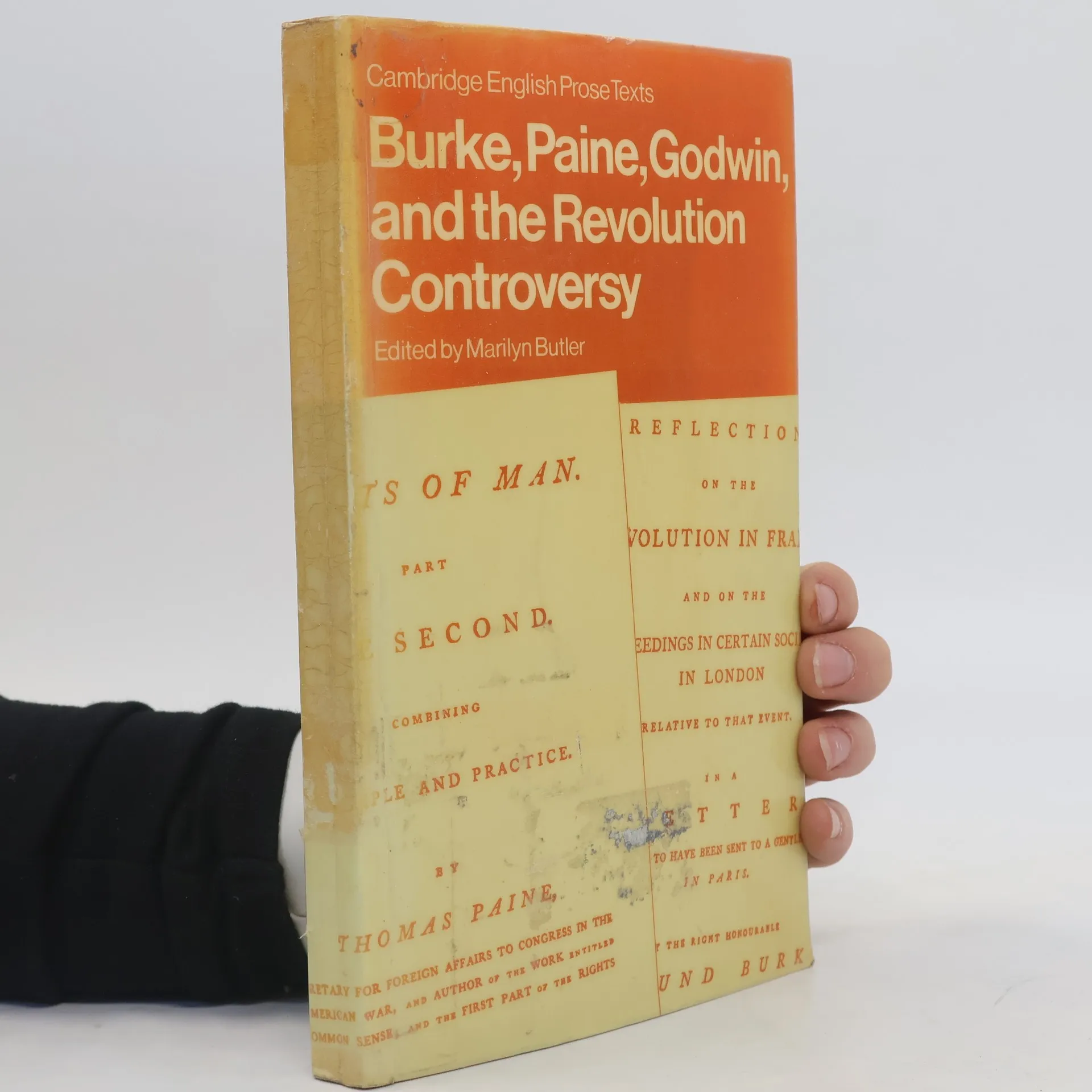
    Burke, Paine, Godwin, and the Revolution Controversy
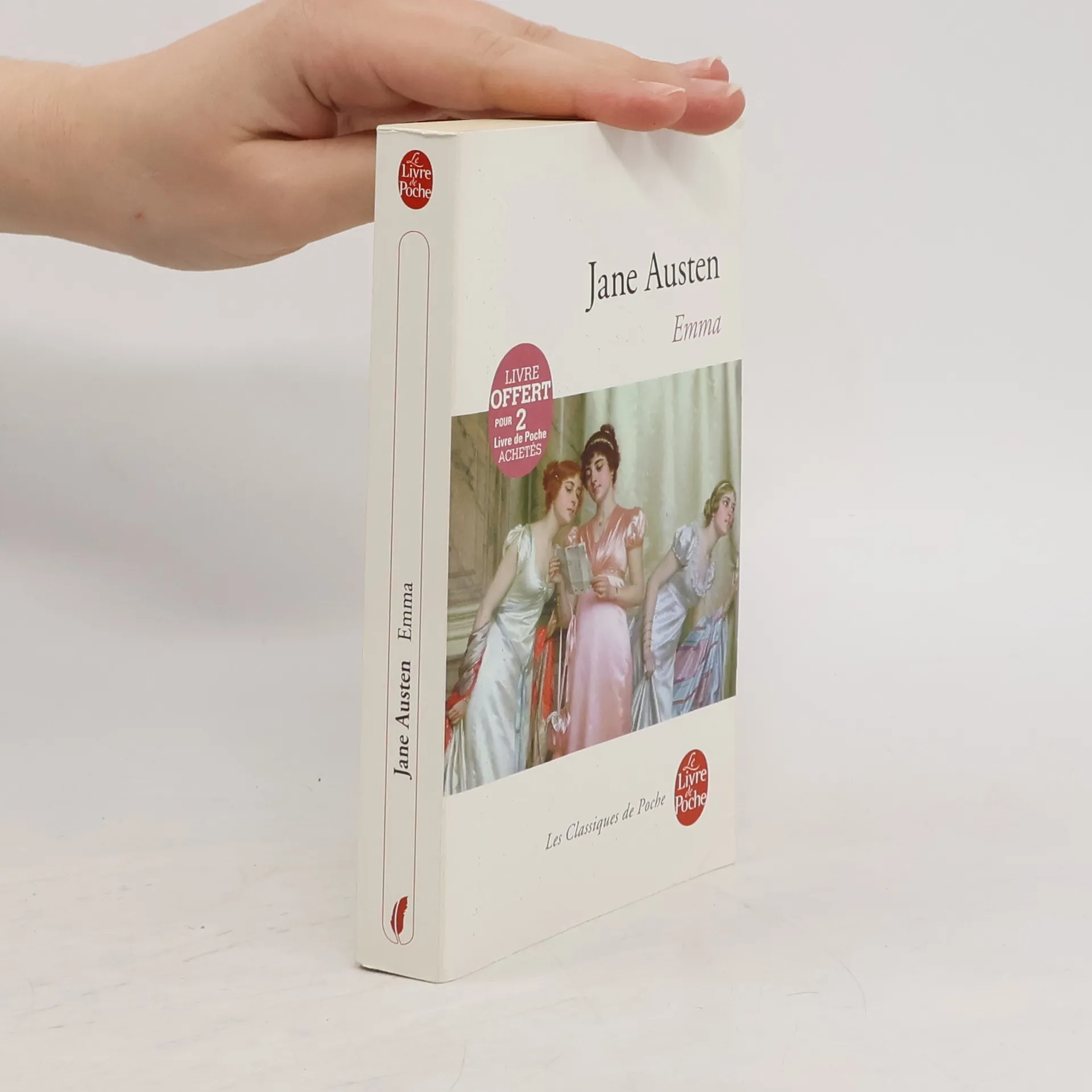
    Emma
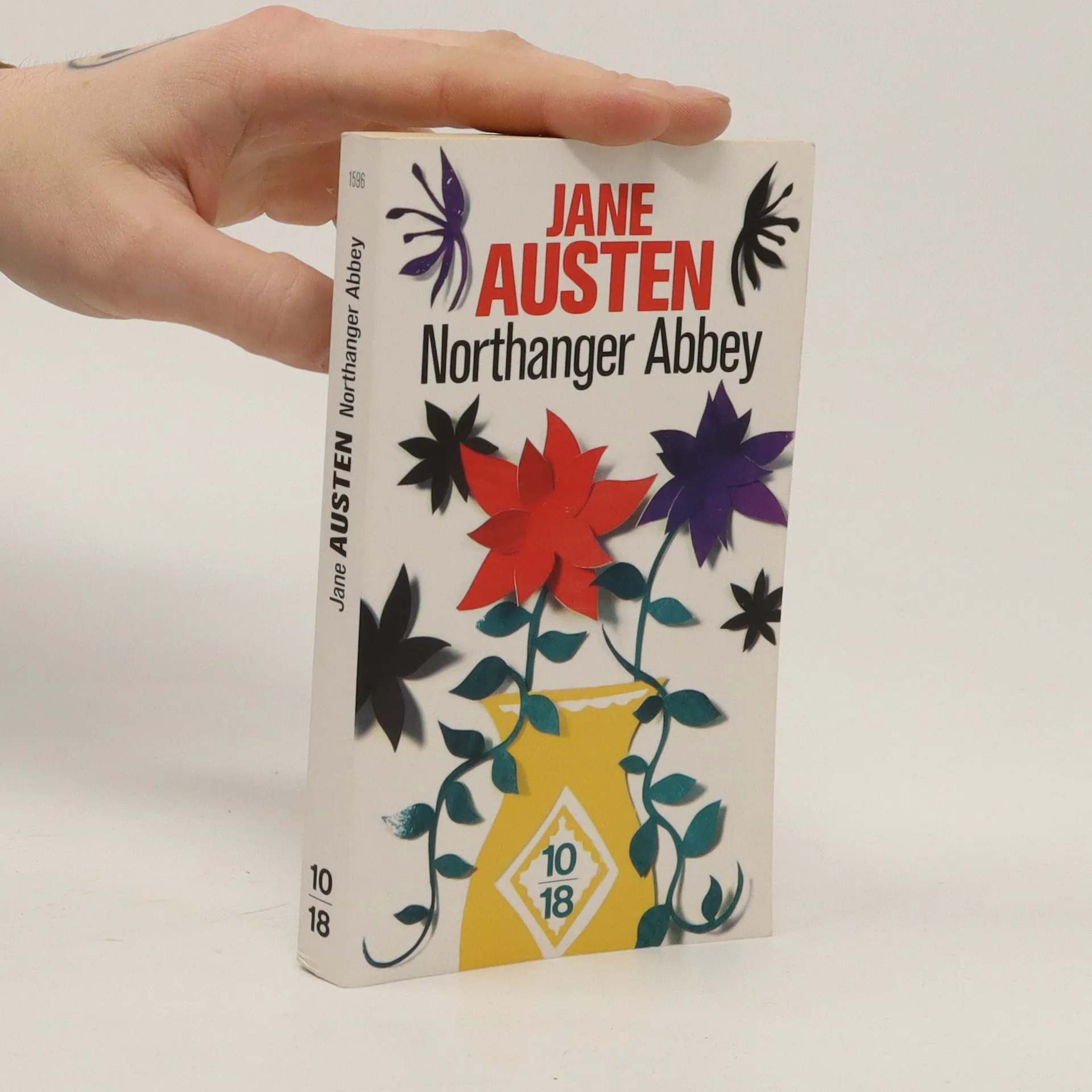
    Northanger Abbey
    • Northanger Abbey

      • 285pages
      • 10 heures de lecture
      4,1(1637)Évaluer

      Jane Austen jugeait désuet l'engouement de son héroïne Catherine Morland pour les terrifiants châteaux moyenâgeux de Mrs Radcliff et les abbayes en ruine du préromantisme anglais. Parodie du roman gothique, satire pleine de saveur de la société anglaise qui prenait ses eaux à Bath, Northanger Abbey est aussi le roman très austénien du mariage et très moderne du "double jeu ".

      Northanger Abbey
    • Emma

      • 576pages
      • 21 heures de lecture
      4,1(14702)Évaluer

      " Emma est la plus française des héroïnes de Jane Austen (1775-1817), qui, à juste titre, craignait que personne ne puisse l'aimer. Elle est en effet aussi peu anglaise qu'une jeune fille intelligente, élégante, ironique et soucieuse des formes peut se permettre d'être. Emma aime l'intrigue et ignore la passion, elle est romanesque. Mais à la différence de Mariane ou de Catherine, héroïnes respectives de Raison et sentiments et de Northanger Abbey, elle est romanesque intellectuellement et non émotivement. Et c'est en cela qu'elle est la rivale de son auteur. " Ginevra Bompiani Traduit de l'anglais par Josette Salesse-Lavergne

      Emma
    • From a series containing rarely studied works of major influence, this volume centres on the great Revolution debate in England in the 1790s, inspired by the French Revolution. As well as excerpts from Burke, Paine and Godwin, there are shorter pieces by writers such as Cobbett and More. Cambridge English Prose Texts consists of volumes devoted to selections of non-fictional English prose of the late sixteenth to the mid nineteenth centuries. The series provides students, primarily though not exclusively those of English literature, with the opportunity of reading significant prose writers who, for a variety of reasons (not least their generally being unavailable in suitable editions), are rarely studied, but whose influence on their times was very considerable. Marilyn Butler's volume centres on the great Revolution debate in England in the 1790s, inspired by the French Revolution. The debate consists of a single series of works which depend for their meaning upon one another, and upon the historical situation which gave them birth. Major tracts by Burke (Reflections on the Revolution in France), Paine (The Rights of Man), and Godwin (Enquiry Concerning Political Justice) are given at length, while important shorter pieces by such writers as Hannah More, Thomas Spence, and William Cobbett appear virtually complete. The volume is especially interesting for its portrait of a community of oppositional writers. Many of them knew one another personally, and stimulated and sustained one another against the pro-government majority. Their collaborative literary enterprise, and its break up, offer a fascinating perspective on Romanticism and the growth of an extra-parliamentary opposition functioning through the press. The volume also reveals the impact of the great debate on writers such as Mary Wollstonecraft, Coleridge, and Wordsworth. As with other titles in the series, the volume is comprehensively annotated: obscure allusions to people, places, and events are glossed in footnotes and endnotes, while prefactory headnotes comment on the circumstances surrounding the composition of each extract. In a substantial introduction Dr Butler offers a broad examination of this pamphlet war and its main participants. There is a helpful critical guide to further reading for those wishing to pursue their study of the subject. The volume will be a vital sourcebook for students of English Romantic literature, history, and political history

      Burke, Paine, Godwin, and the Revolution Controversy