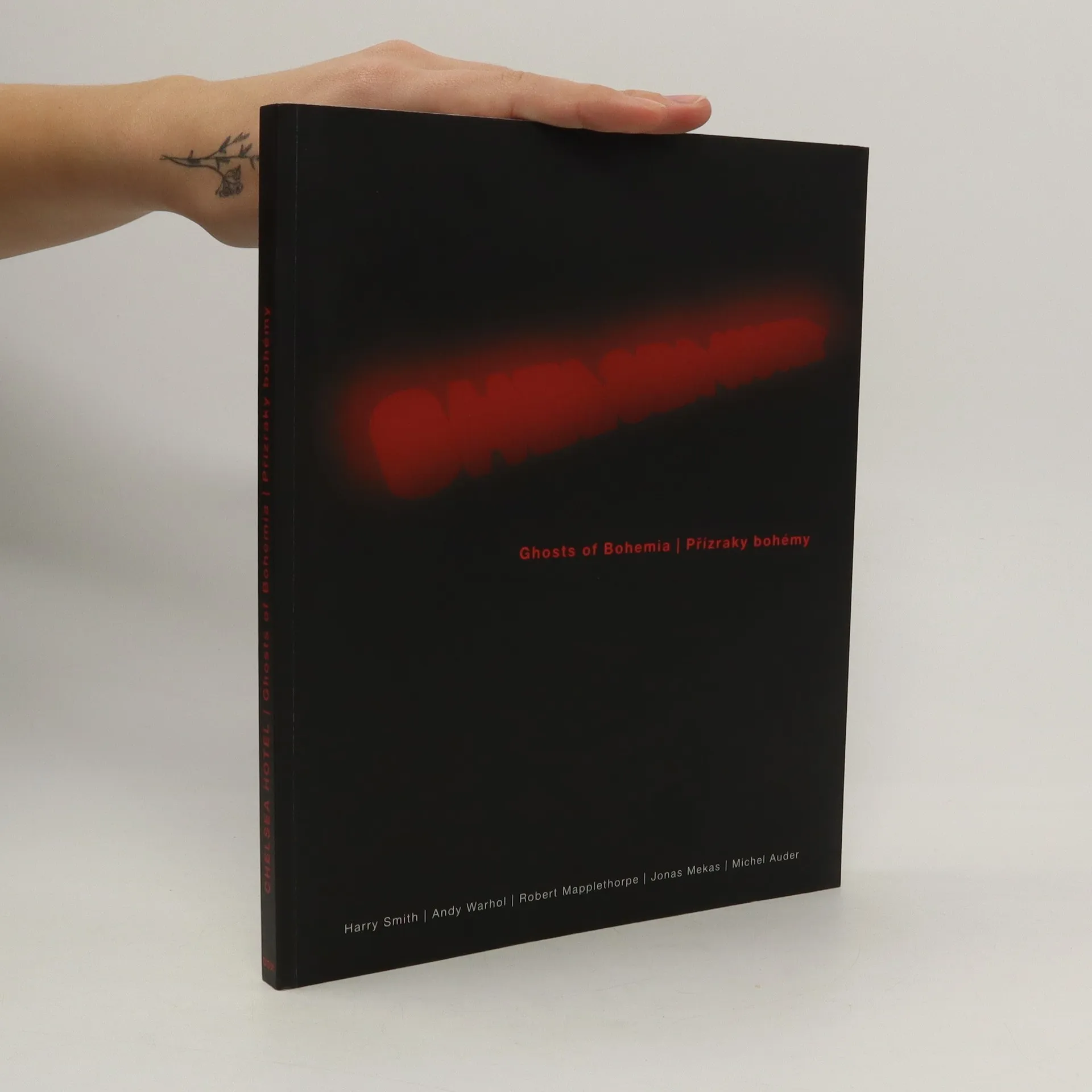
Livre d'humeur et d'humour. Les textes qui le composent avaient déjà l'intérêt, quand il parurent , d'être un exercice de critique à chaud sur le cinéma en train de naître. Aujourd'hui, avec le recul, ils sont devenus en plus, un document exceptionnel sur une des plus belles périodes de l'histoire du cinéma expérimental et, plus largement, de l'art contemporain. On y voit le rayonnement de Resnais, Godard, Truffaut ou Antonioni aux Etats-Unis, puis y apparaissent une ribambelle d'artistes de cinéma locaux: Maya Deren, Kenneth Anger, Stan Brakhage et Andy Warhol.Mekas cinéaste lui-même en fut l'un des premier héros.
Jonas Mekas Livres
24 décembre 1922 – 23 janvier 2019
Jonas Mekas, souvent salué comme le « parrain du cinéma d'avant-garde américain », était un cinéaste, poète et artiste. Son œuvre explore le tissu de la vie quotidienne à travers son approche distinctive du « film-diariste », capturant des moments intimes et bruts avec une profonde résonance personnelle. Mekas a révolutionné le médium cinématographique avec ses techniques expressives et non conventionnelles qui perturbent les structures narratives traditionnelles. À travers son vaste corpus d'œuvres couvrant le cinéma, la poésie et les arts visuels, Mekas a laissé une marque indélébile sur la culture d'avant-garde, encourageant les spectateurs à réfléchir sur la nature de la mémoire, de l'identité et du passage du temps.


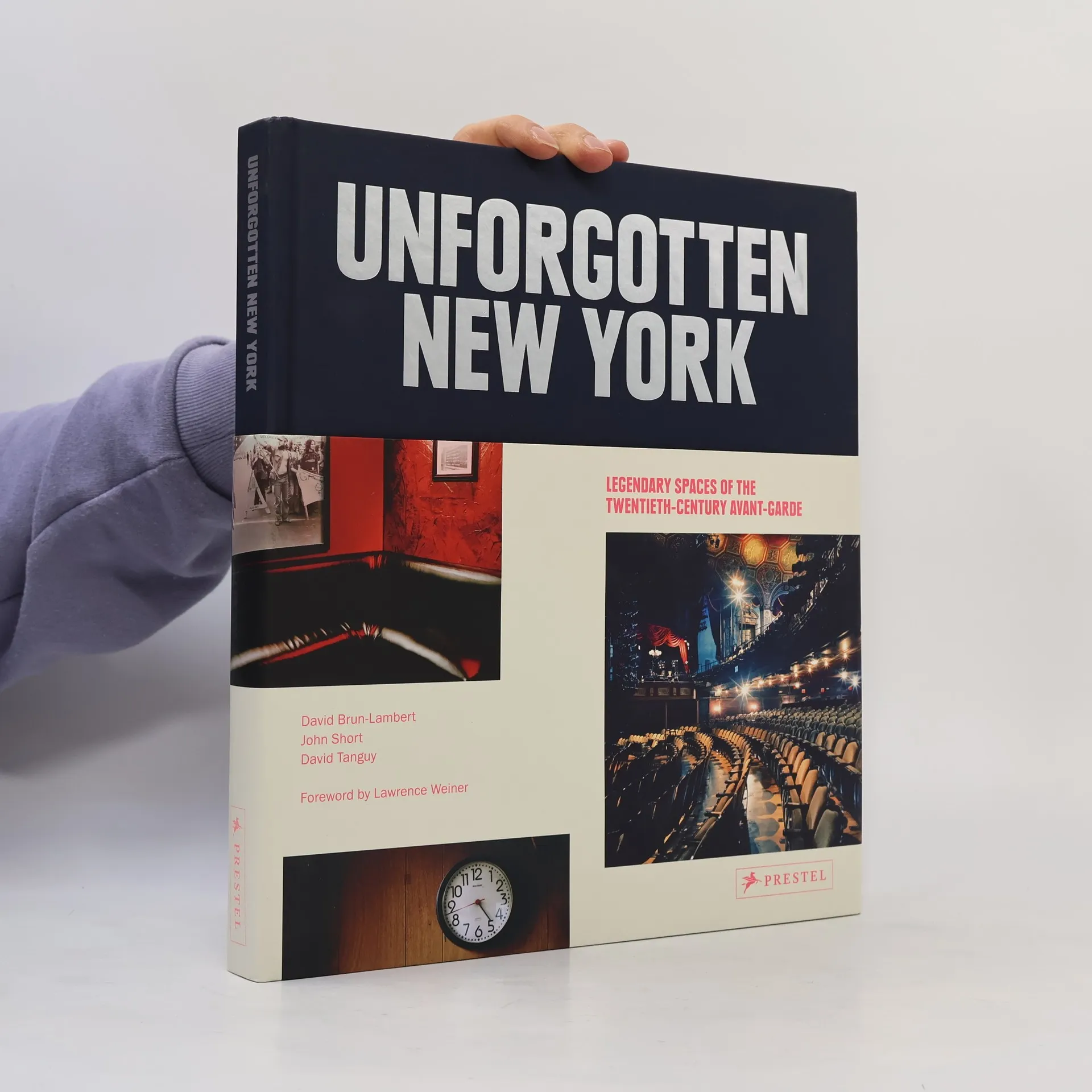
The book presents the literary work of Jonas Mekas, focusing on his diaries from 1969 to 2011, which serve as a vital complement to his film creations. It showcases his unique essayistic diary style, capturing everyday observations and reflections. Mekas, a key figure in American avant-garde cinema, documented his experiences after immigrating to New York in 1949, influencing the art scene significantly. This volume concludes his New York diaries, featuring a comprehensive index of people, filmography, and biography, underscoring his artistic legacy.
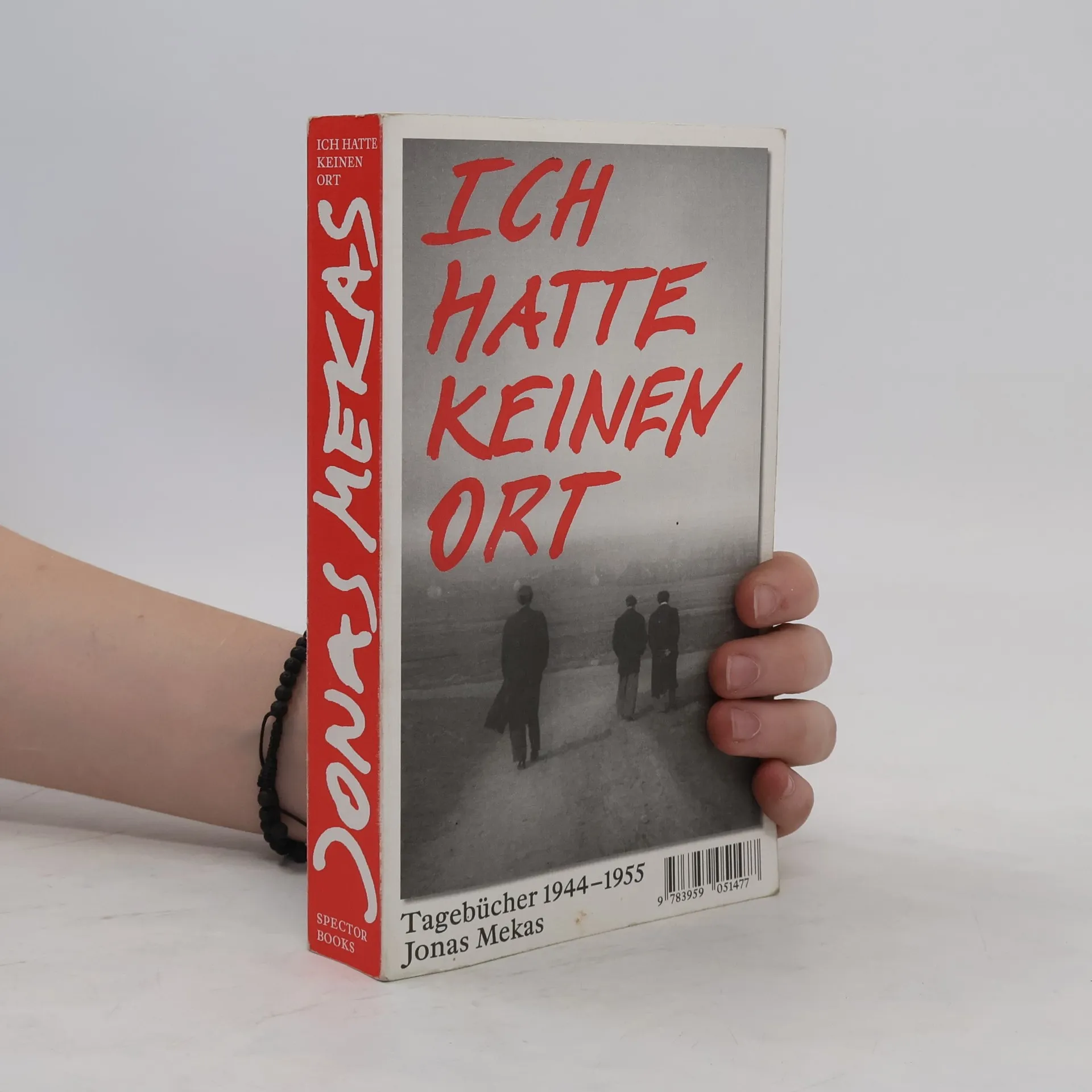
I had nowhere to go
- 480pages
- 17 heures de lecture
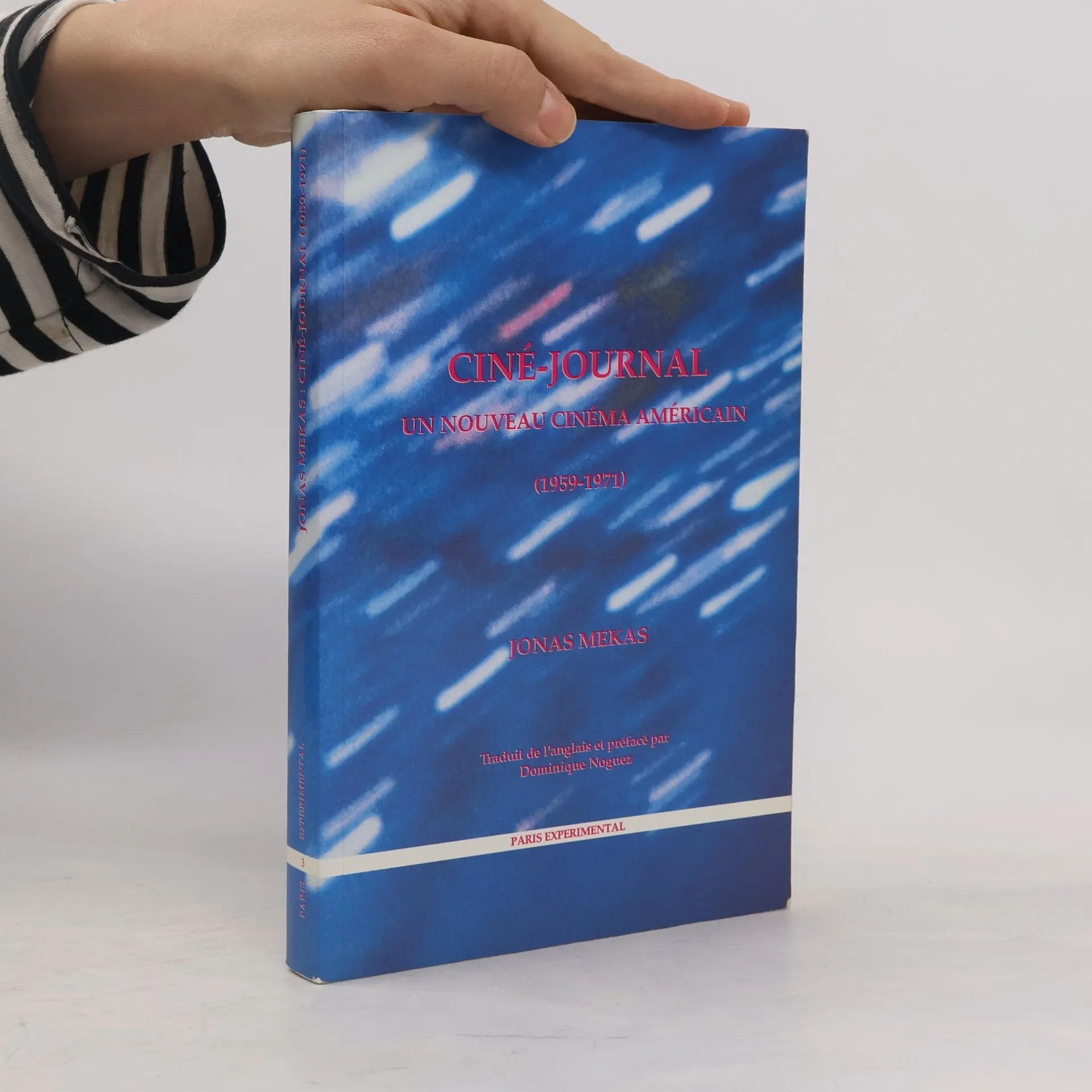
Jonas Mekas arbeitete mit Andy Warhol, George Maciunas, John Lennon und vielen anderen zusammen. In New York prägte er das New American Cinema, aber zum Filmemachen kam er relativ spät. 1944 mussten Mekas und sein jüngerer Bruder Adolfas vor den Nazis fliehen, weil sie Flugblätter vervielfältigt hatten. Sie wurden für acht Monate in ein Arbeitslager in Elmshorn gesperrt. Aufgrund der sowjetischen Besetzung konnte er nach dem Krieg nicht in seine Heimat nach Litauen zurückkehren und galt als „displaced person“, er lebte in DP-Lagern in Wiesbaden und Kassel. Ende 1949 emigrierte er mit seinem Bruder nach New York. In seiner Autobiografie I Had Nowhere to Go beschreibt er das Überleben in den Lagern und die Ankunft in New York. Mekas erzählt eine universelle Geschichte, die eines Geflüchteten, der niemals zurückkehren kann und dessen Einsamkeit in der neuen Welt emblematisch für das menschliche Dasein ist: eine Jahrhundertbiografie, die erstmals auf Deutsch erscheint.
Unforgotten New York
Legendary Spaces of the Twentieth-Century Avant-Garde
- 192pages
- 7 heures de lecture
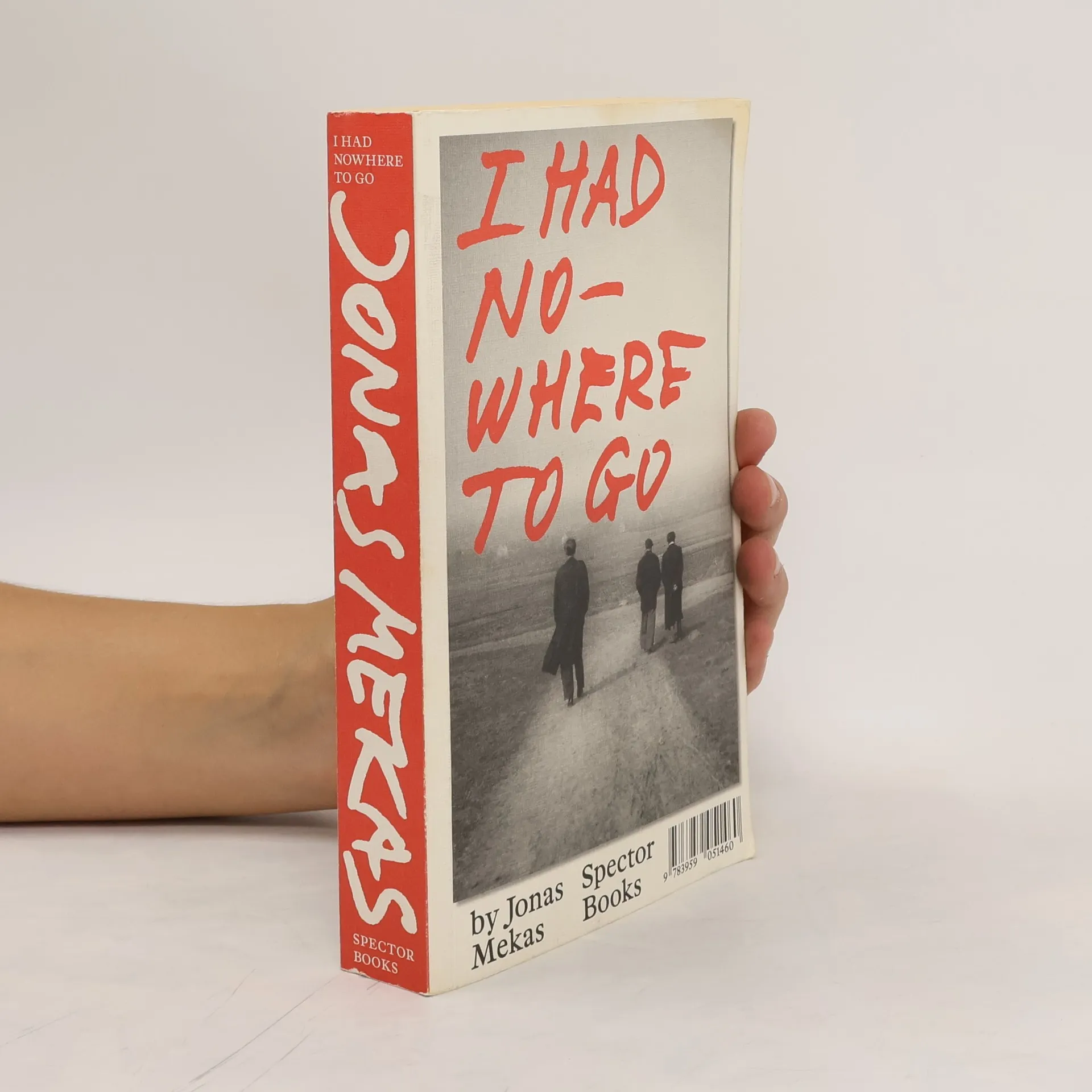
Captivating photographs from the present and the past take readers on a tour through New York City's most influential cultural spaces--reminding us of what made them legendary, and revealing what has replaced them. If you lived in New York City in the 1950s, '60s, '70s, or '80s, youwere likely enchanted by a particular, legendary place. Latenightspots like the Copacabana, Studio 54, The Mudd Club, or The Roxy; music venues such as CBGBs and the VillageVanguard; cutting-edge performance spaces such as TheKitchen and St. Mark's Church in the Bowery; social hangoutslike the Gaslight Cafe and Keith Haring's Pop Shop. Many ofthese places are gone, but none are forgotten--and all arebrought thrillingly back to life in this gorgeously designedvolume. Poignant, insightful texts and both archival and newphotography take readers inside more than 40 historicallocations to see what made them so beloved back in the dayand reveal what they look like now. Each chapter includesbackground history of the space, as well as quotes from famousartists, musicians, and other key players of the time. Together, these words and pictures comprise a bittersweet elegy for acity's iconic spaces and show the continued relevance of NewYork as a hotbed for the creation of popular culture."
Themes and Movements: Pop
- 304pages
- 11 heures de lecture
Exploring the evolution of Pop culture from the late 1950s to the late 1960s, this comprehensive survey examines its impact on art, film, photography, and architecture, highlighting the interplay between mass production and mass media. Unlike other works that focus solely on Pop art, it offers a holistic view of the movement's influence across America, Britain, and Europe, showcasing its diverse manifestations and cultural significance during this transformative era.
Jonas Mekas. Requiem For a Manual Typewriter
- 39pages
- 2 heures de lecture
A celebration, in novel form, of the legendary avant-garde filmmaker's beloved machine On March 25, 1997, Lithuanian American filmmaker, poet and artist Jonas Mekas (1922-2019) found a dusty roll of computer paper under his desk. He stretched the paper into his beloved Olympia De Luxe, on which he had typed all kinds of texts for so many years: diaries, poems, Movie Journalcolumns, interviews, manifestos and letters to friends. Compelled to fill this forgotten roll, Mekas began to write a form of text quite foreign to him: a novel. Requiem for a Manual Typewriteris an ode to his beloved typewriter, on which he practiced writing spontaneously, describing the present on a machine that was already considered technologically obsolete.
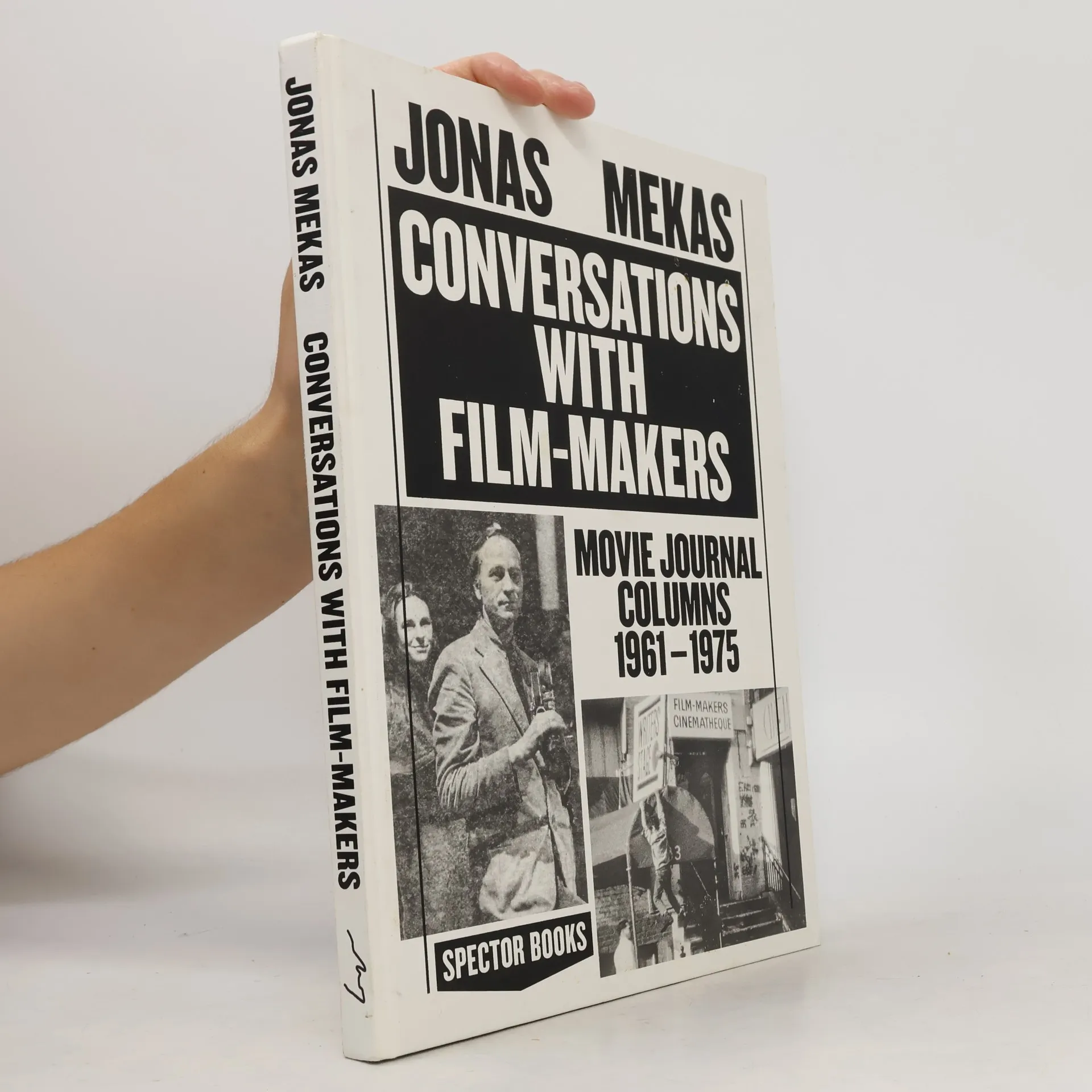
Conversations With Film-Makers
- 400pages
- 14 heures de lecture
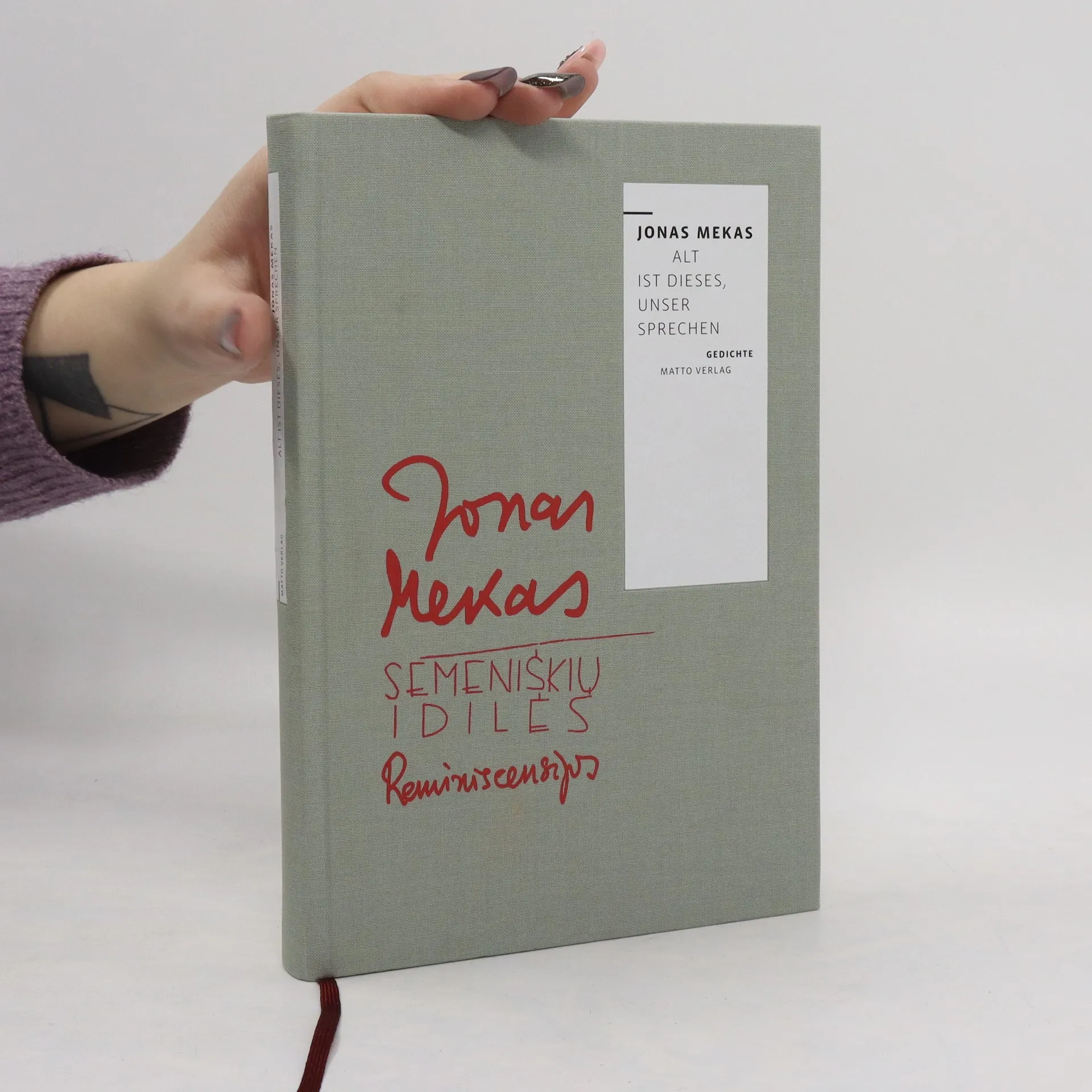
Jonas Mekas, gebürtiger Litauer, kam 1949 über Deutschland nach Brooklyn und begann dort, seine ersten Filme zu drehen. Er entwickelte eine Form des Tagebuchfilms, in dem er seine alltäglichen Beobachtungen festhielt. Er wurde zum Seismographen der New Yorker Künstlerszene und Vordenker des amerikanischen Avantgarde-Kinos. Von 1958 bis 1977 schrieb er wöchtlich für Village Voice seine Kolumne „Movie Journal“, in der er zahlreiche Gespräche mit Filmemachern aus aller Welt veröffentlichte. In Conversationssind erstmals in Buchform jene Interviews mit befreundeten Filmemachern und Wegbegleitern versammelt. Die Gespräche zeichnete Mekas mit seiner Kamera auf. Aus seinen eigenen Filmen mit den Interviewpartnern hat er jeweils eine Porträtaufnahme ausgewählt, die das Gespräch einleitet. Briefe sowie Skizzen und Auszüge aus Drehbüchern sowie ein Personenindex ergänzen die Textsammlung.
Jonas Mekas arbeitete mit Andy Warhol, George Maciunas, John Lennon und vielen anderen zusammen. In New York prägte er das New American Cinema, aber zum Filmemachen kam er relativ spät. 1944 mussten Mekas und sein jüngerer Bruder Adolfas vor den Nazis fliehen, weil sie Flugblätter vervielfältigt hatten. Sie wurden für acht Monate in ein Arbeitslager in Elmshorn gesperrt. Aufgrund der sowjetischen Besetzung konnte er nach dem Krieg nicht in seine Heimat nach Litauen zurückkehren und galt als „displaced person“, er lebte in DP-Lagern in Wiesbaden und Kassel. Ende 1949 emigrierte er mit seinem Bruder nach New York. In seiner Autobiografie I Had Nowhere to Go beschreibt er das Überleben in den Lagern und die Ankunft in New York. Mekas erzählt eine universelle Geschichte, die eines Geflüchteten, der niemals zurückkehren kann und dessen Einsamkeit in der neuen Welt emblematisch für das menschliche Dasein ist: eine Jahrhundertbiografie, die erstmals auf Deutsch erscheint.
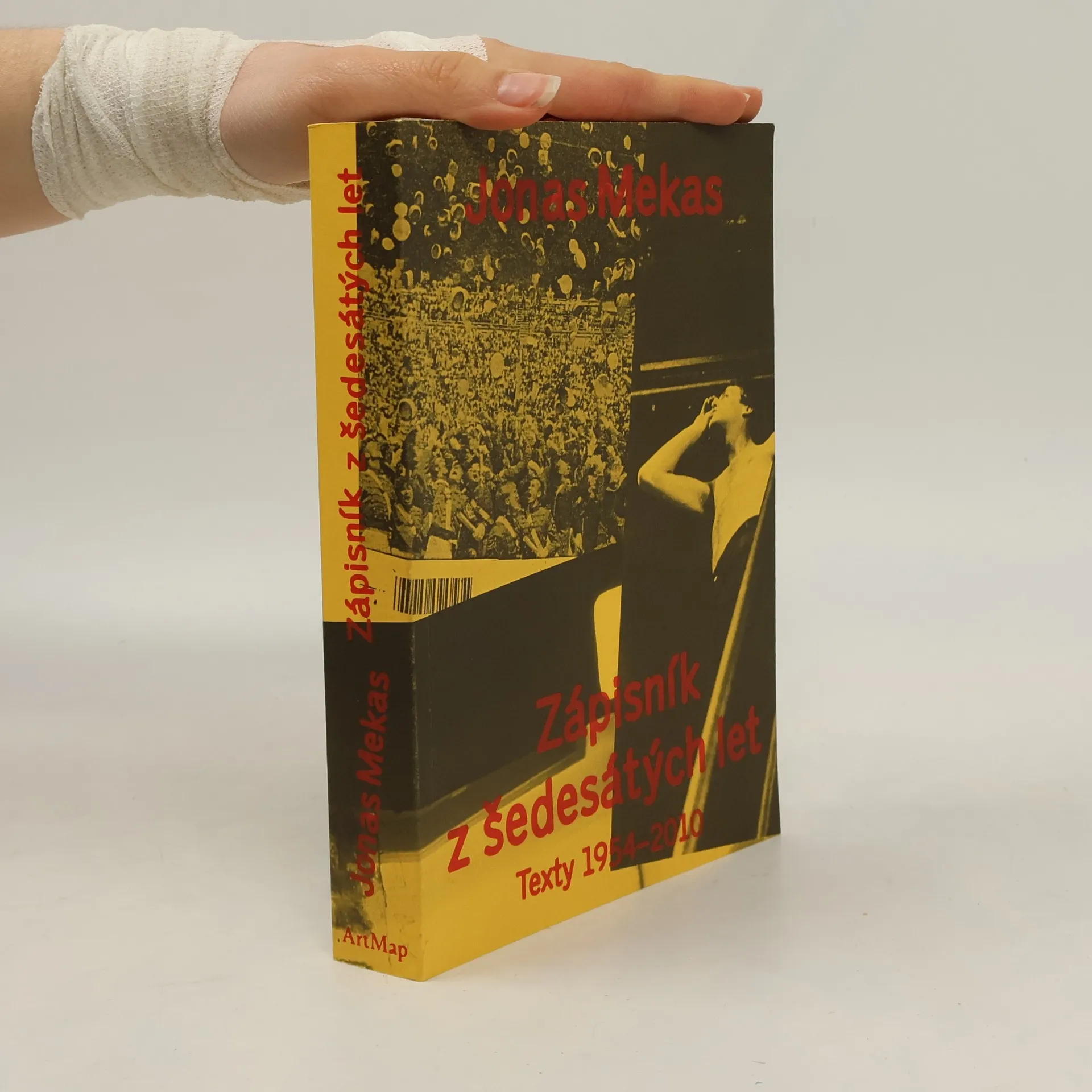
Zápisník z šedesátých let: Texty 1954–2010
- 576pages
- 21 heures de lecture
Jonas Mekas, klíčová postava experimentální kinematografie a nezávislé umělecké scény druhé poloviny 20. století, nabízí v Zápisníku z šedesátých let čtivě podanou cestu do doby vzniku avantgardní kultury, nových uměleckých forem a provokativních společenských myšlenek. Soubor kratších recenzí, kritických reflexí, teoretických úvah a rozhovorů zachycuje zásadní dobové osobnosti i kolektivy a jejich tvorbu, například Piera Paola Pasoliniho, Stanleyho Brakhage, Nam Jun Paika, Susan Sontag, Yoko Ono a Johna Lennona, Andyho Warhola, Living Theatre nebo Allena Ginsberga, a prostřednictvím bohatých archivních materiálů předává jedinečnou atmosféru. S hravostí, erudicí i svébytnou poetikou Mekas pojednává o fenoménech rozšířeného filmu, intermediální tvorby či nových podobách happeningu a performance. Představuje se nejen jako filmový tvůrce, ale především jako citlivý a kritický pozorovatel a komentátor své doby.